The Time Julius Caesar Demanded His Kidnappers Raise Their Ransom
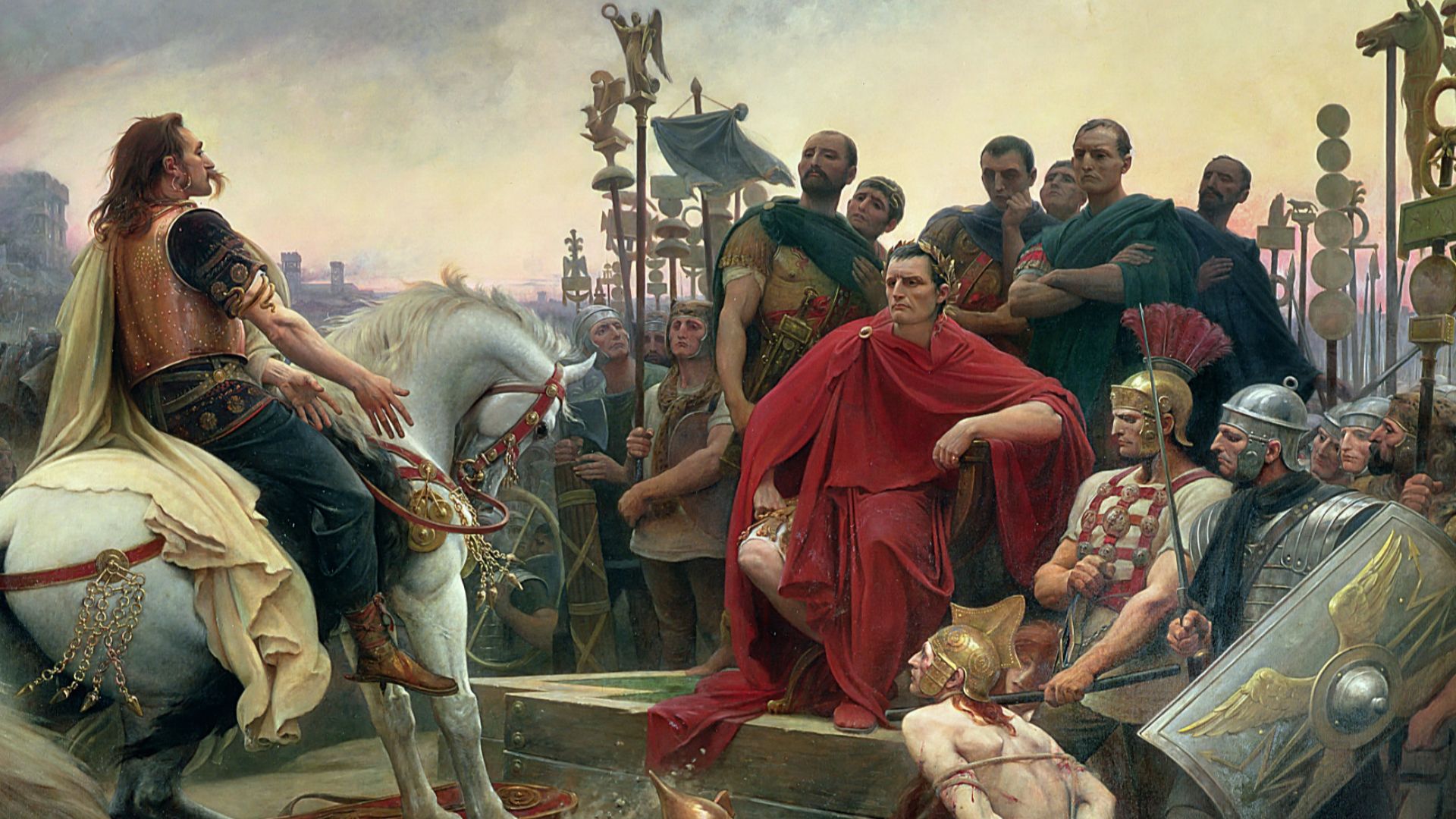
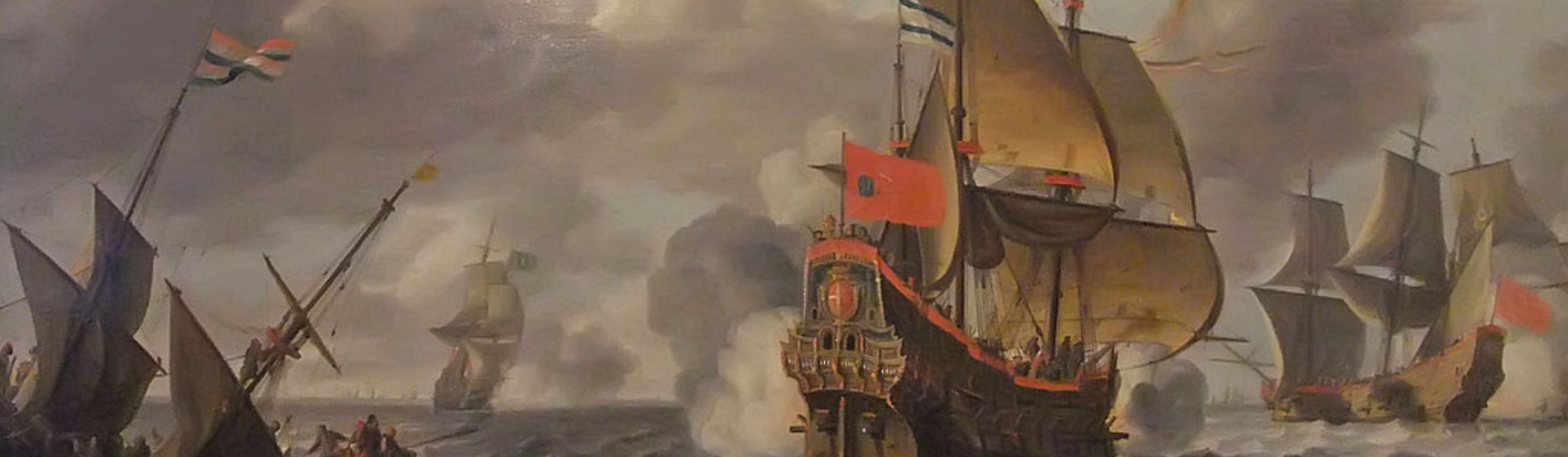
If you look back through the annals of ancient history, you'll find plenty of stories about ruthless rulers and terrifying warlords. But few figures possessed the sheer, unadulterated confidence of a young Roman nobleman named Julius Caesar long before he became dictator. In the year 75 BC, well before he crossed the Rubicon or reshaped the Roman Republic, a twenty-five-year-old Caesar found himself in a highly perilous situation that would've left most ordinary people trembling in their sandals. While sailing across the Aegean Sea, his vessel was intercepted and overrun by a notorious crew of Cilician pirates who specialized in high-stakes human trafficking.
For most travelers of the ancient Mediterranean, falling into the hands of these seafaring brigands was a fatal sentence. You'd expect a young aristocratic captive to cooperate quietly, weep for his family, and beg for a swift resolution to the crisis. Instead, Caesar decided to turn the entire situation into a masterclass in psychological dominance that left his captors utterly baffled. His reaction to being held at swordpoint remains one of history's greatest examples of weaponized ego, proving that he wasn't capable of playing the victim.
Negotiating a More Expensive Ransom
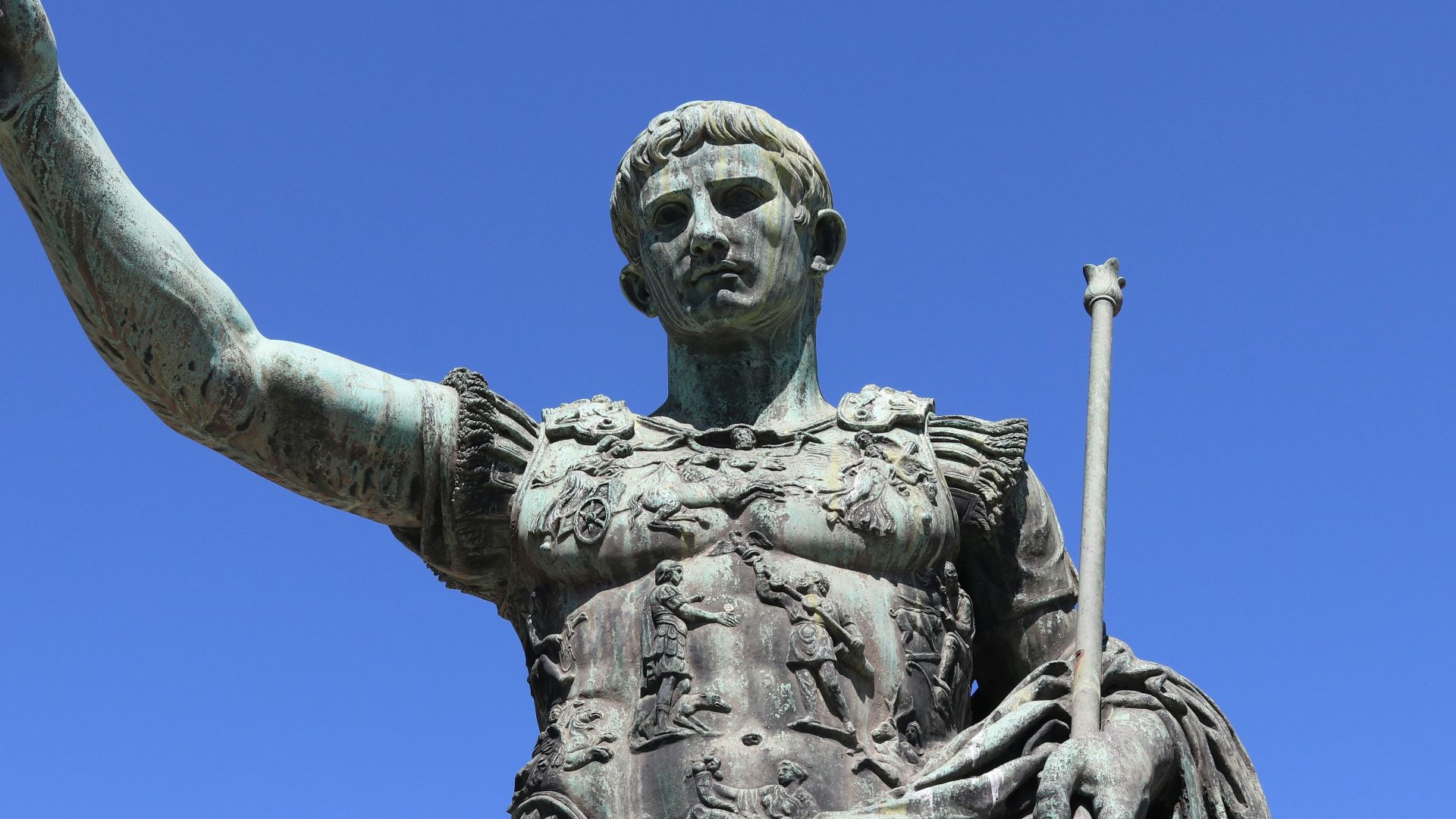
After dragging their noble prize ashore on the small island of Pharmacusa, the pirates huddled up to calculate a profitable price tag for his safe return. They ultimately decided to demand a hefty ransom of twenty talents of silver, a substantial sum of money that would comfortably secure a luxurious lifestyle in the ancient world. When they proudly presented this figure to their hostage, expecting him to be horrified by the staggering cost, Caesar simply stared at them in absolute disbelief. He openly laughed in their faces and told them that they clearly had no idea who they'd just captured.
Rather than thanking his lucky stars for a relatively manageable price, the young Roman claimed that twenty talents was an insulting underestimation of his true cultural and political value. He boldly commanded his own captors to more than double their demands, insisting that a man of his high stature was worth nothing less than fifty talents. You can only imagine the sheer confusion rippling through the pirate camp as they realized their prisoner was actively negotiating against his own financial interests. The bewildered brigands agreed to the new, astronomical rate and promptly sent Caesar's servants off across the Mediterranean to round up the necessary cash.
This bizarre counteroffer actually served a brilliant tactical purpose, as it instantly shifted the psychological power dynamic of the entire hostage situation. By assigning himself a massive price tag, Caesar transformed from a helpless victim into a highly prized corporate asset that the pirates had to keep perfectly safe at all costs. If anything happened to him during his stay on the island, their massive payday would've vanished into thin air. The pirates suddenly found themselves walking on eggshells around their hostage, treating him with a level of care usually reserved for visiting royalty.
An Unconventional Hostage Situation
With his entourage dispatched to gather the silver, Caesar settled into a nearly thirty-eight-day vacation on the pirate island. He couldn't let a minor inconvenience like armed captivity disrupt his rigorous daily schedule of writing, exercise, and intellectual development. Whenever the pirates became too noisy while celebrating, the young Roman would send a servant to tell them to shut up because he was trying to sleep. The sea captains actually obeyed these commands, completely transfixed by the sheer audacity of the man they were supposed to be terrorizing.
To pass the long hours of isolation, Caesar spent his time composing complex poems and practicing grand political speeches. He'd regularly gather his captors around the campfire and read his latest literary creations aloud to them with great theatrical flair. If the rough sailors didn't show proper admiration or missed the nuance of his prose, he'd openly mock them for being illiterate barbarians. He spent his afternoons playing sports alongside the pirates, refusing to treat them as dangerous enemies and instead acting like their demanding athletic coach.
During their casual chats around the island, Caesar would look his captors dead in the eye and casually promise to have every single one of them executed once he was free. The pirates always burst into roaring laughter at these grim declarations, assuming their charismatic prisoner was just playing a highly amusing game of bravado. They viewed him as a charming, slightly eccentric aristocrat whose bold humor helped break up the monotony of their island routine. It turned out that the young patrician was completely serious and never made a promise he didn't intend to keep.
The strange island vacation finally drew to a dramatic close when Caesar's loyal associates returned with the massive haul of fifty silver talents. After checking the coins, the pirates happily handed over their favorite prisoner and watched him sail away toward the mainland city of Miletus. While the brigands began celebrating their massive new fortune, Caesar was already channeling his legendary organizational energy into a swift, devastating counterattack. He wasn't wasting a single moment weeping over his ordeal and immediately began requisitioning a massive private navy from the local governor.
KEEP ON READING