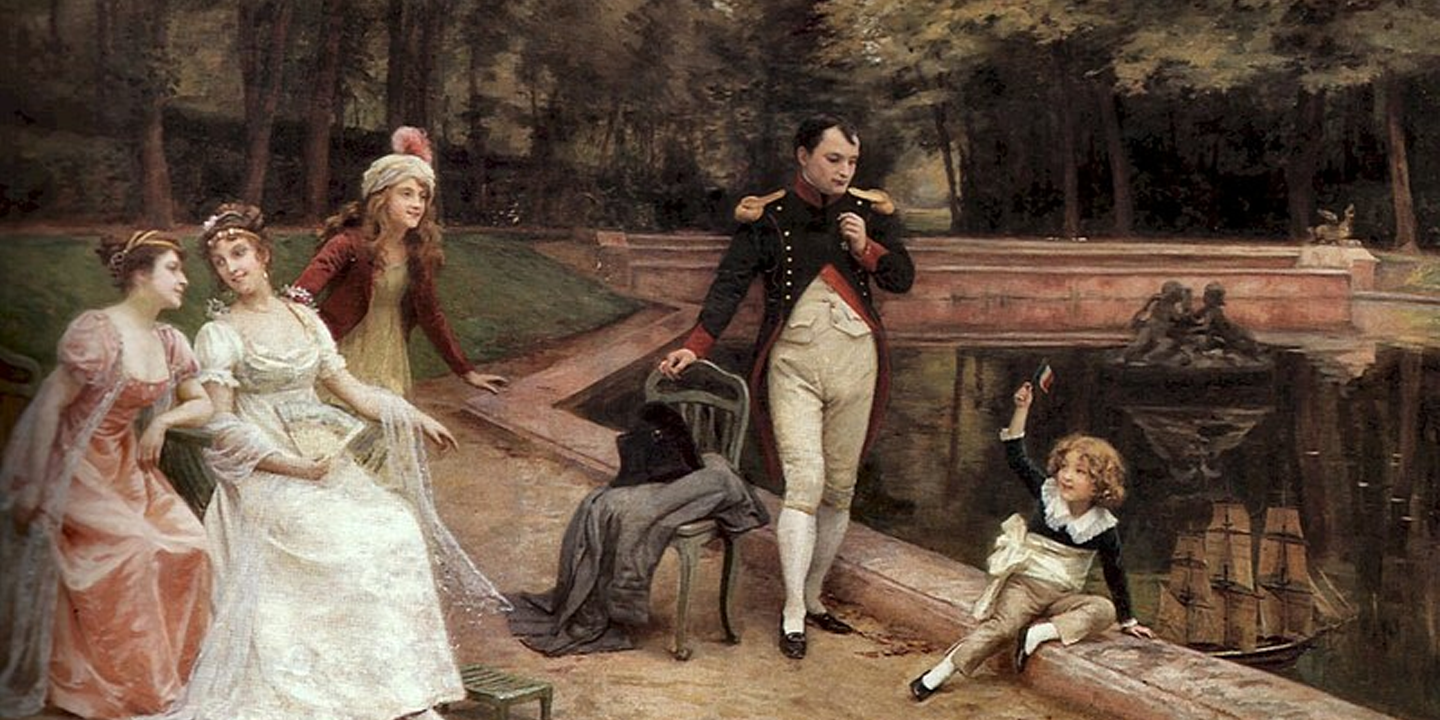
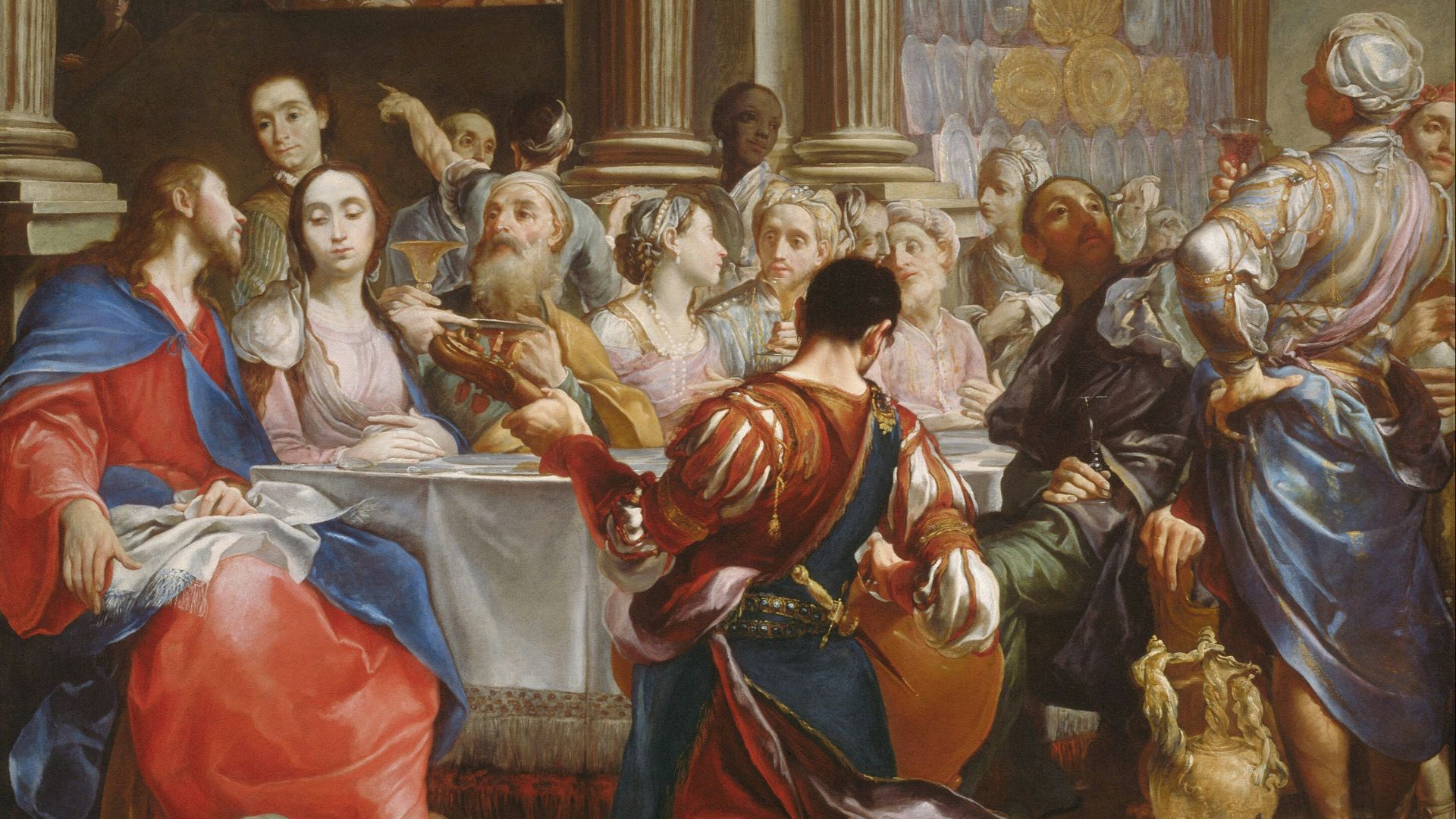
 Art Institute of Chicago on Unsplash
Dining etiquette has never been one fixed set of rules, even though it can sometimes feel that way when someone mentions the correct fork. Across different centuries, table manners changed with religion, class, technology, travel, and ideas about cleanliness, which means a polite dinner in one era could look surprisingly odd in another.
What stayed consistent was the social purpose behind the rules. Whether people were sharing trenchers in a medieval hall, navigating a formal Victorian dinner, or trying not to check their phone at brunch, dining etiquette usually reflected what a society valued, feared, or wanted to display.
Medieval Meals Were Public And Practical
In medieval Europe, dining was often communal, especially in noble households where large halls brought many people together. Diners might share dishes, drink from common vessels, and eat from thick pieces of bread called trenchers that could absorb sauces and juices. Knives were common at the table, but forks were not yet standard for most European diners, so hands played a much bigger role than they do in formal dining today.
Good manners still mattered, even when meals looked less polished by modern standards. People were expected not to grab the best pieces, wipe greasy fingers on clothing, or behave in ways that disrupted the table. Religious houses and aristocratic households often treated meals as moments of discipline, where self-control showed a person’s breeding and moral character.
By the later Middle Ages, advice books and household rules became more specific about conduct. Diners were warned against spitting across the table, dipping bitten food back into shared dishes, or leaning too far into communal plates. These rules may sound obvious now, but they helped create the basic idea that eating well meant controlling your body around other people.
Renaissance And Enlightenment Tables Became More Refined
During the Renaissance, etiquette became more closely tied to the idea of civility. European manners books, including influential works for children and young people, taught that table behavior revealed education and self-command. This period helped push dining away from purely practical sharing and toward more careful attention to posture, speech, cleanliness, and restraint.
Forks slowly gained acceptance in parts of Europe, though the process took a long time and varied by region. In Italy, forks appeared earlier among elites, while in other places they could seem strange, fussy, or unnecessary. As individual plates, utensils, and napkins became more common, diners had more personal boundaries at the table than they would have had in many medieval settings.
By the 17th and 18th centuries, court culture made dining etiquette even more elaborate. Seating order, serving style, conversation, and gestures all reflected rank, and knowing the rules could affect a person’s social reputation. A dinner was no longer just about eating enough food; it was also a test of whether you understood the room.
Victorian And Modern Dining Changed The Rules Again
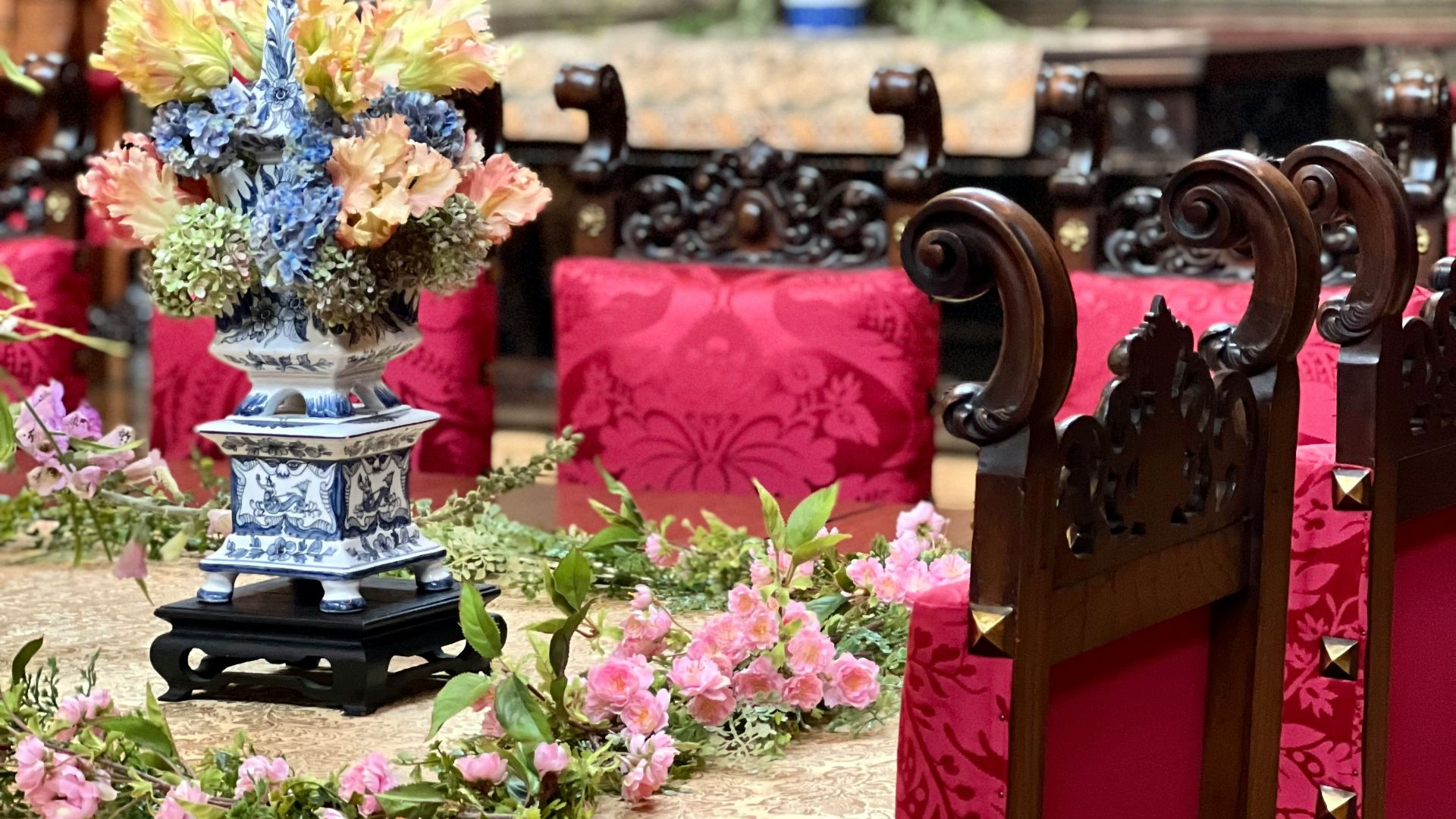 Stephanie Klepacki on Unsplash
Victorian dining etiquette became famously detailed, especially among the middle and upper classes. Invitations, punctuality, seating plans, dress, courses, and conversation all had rules that helped signal respectability. A formal dinner could include multiple utensils, carefully timed service, and expectations about how guests should enter, sit, speak, and leave.
The 19th century also turned household dining into a stage for self-improvement and social ambition. Middle-class families used etiquette manuals to learn the habits associated with refinement, while hosts used table settings and service to display order and taste. Finger bowls, calling cards, and elaborate courses may seem excessive now, but they made sense in a society deeply concerned with status and propriety.
Modern dining is usually less rigid, though it still has plenty of rules. Today, etiquette often focuses on consideration rather than strict hierarchy, which means chewing quietly, treating servers well, being mindful of allergies, and keeping phones from taking over the meal. The details have changed, but the basic goal is familiar: make eating with other people comfortable, respectful, and pleasant.
Dining etiquette has always been less about perfection than awareness. Each century created rules that matched its own anxieties and ideals, from shared medieval bowls to Victorian place cards and modern phone manners. You don’t need to live by every old rule, but understanding them makes today’s table habits feel less random and a lot more human.