History's Double Standard, Written Into Law
Long before workplace double standards had a name, they were written directly into law and the everyday rules that governed who got locked up and who got a slap on the wrist. For centuries, men and women could do the identical thing and end up in completely different places, one walking away with a shrug, the other facing prison, exile, or worse. Court records, church ledgers, and old statute books are full of these mismatches, and once you start reading them, the pattern becomes impossible to unsee. Some of these punishments feel like ancient history; others were still happening within living memory. Here's 20 examples of things women paid dearly for while men simply moved on.
1. Adultery
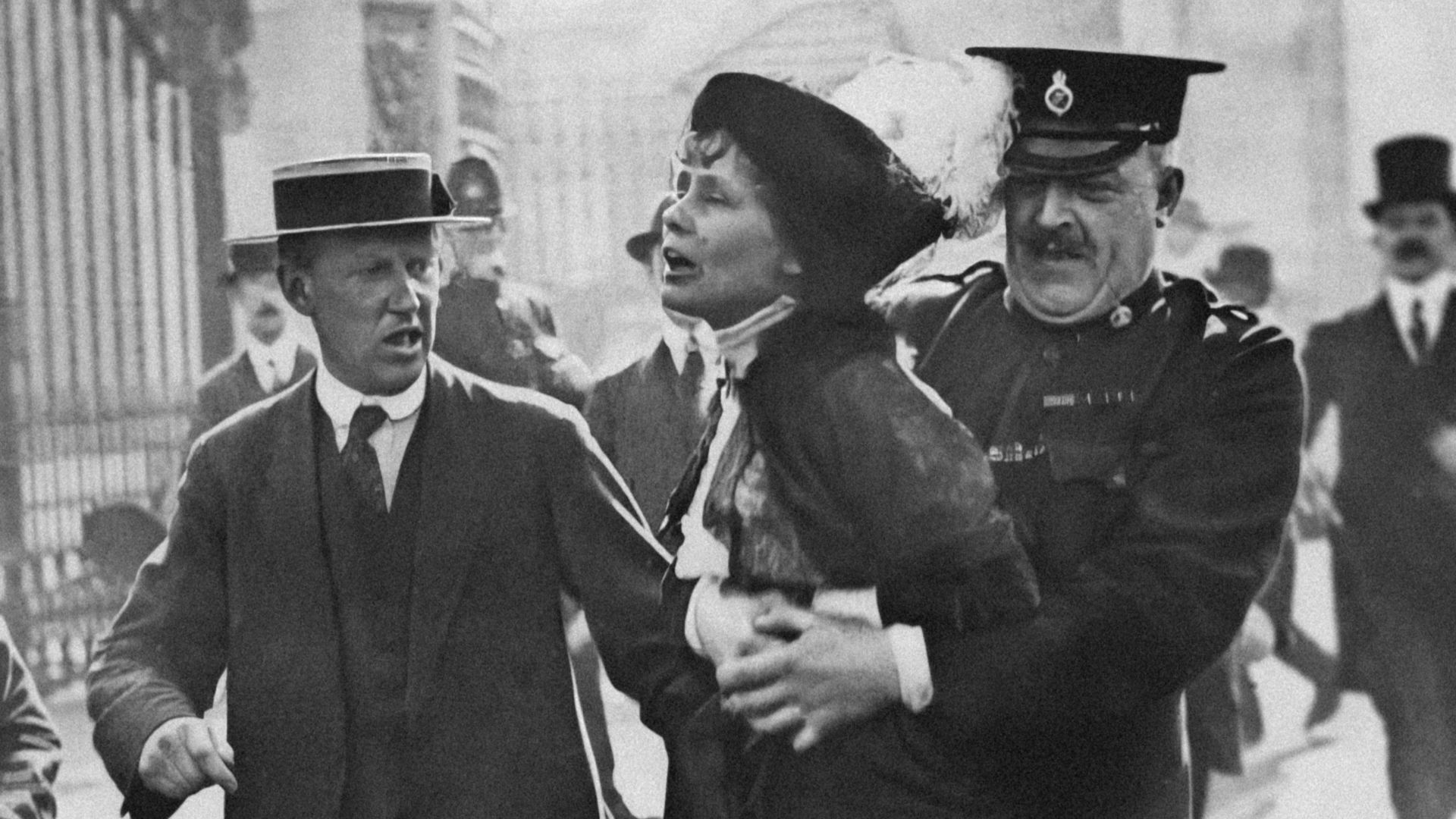
In many legal systems stretching from ancient Rome through colonial America, a woman caught in adultery faced public shaming, branding, or even execution. A man caught in the same act, especially with an unmarried woman, often faced no formal punishment at all, since the law was written to protect a husband's claim on his wife's fidelity rather than the other way around.
2. Witchcraft Accusations
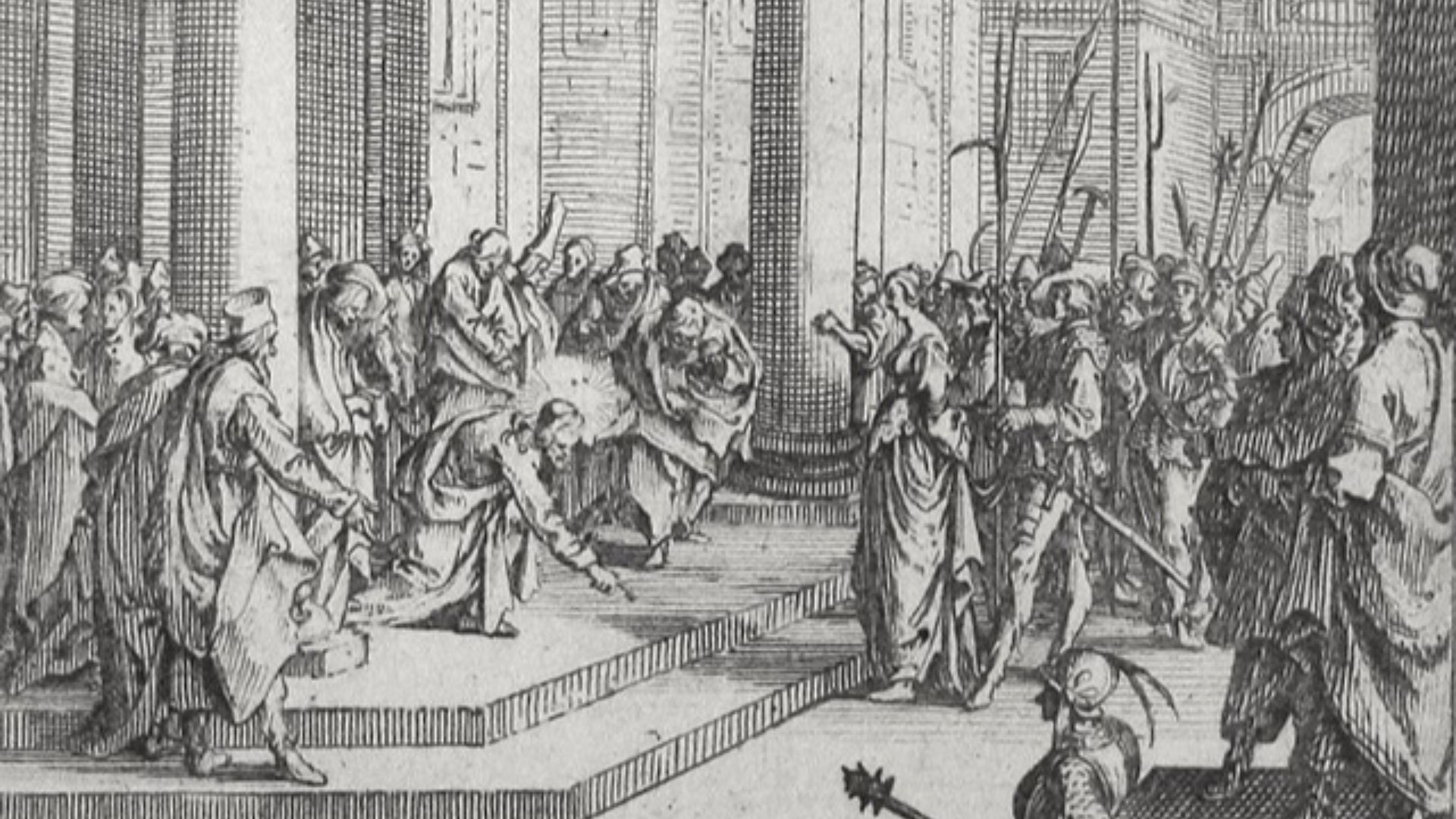
The overwhelming majority of people executed for witchcraft across Europe and colonial America were women, often accused for nothing more than living alone, arguing with a neighbor, or having herbal knowledge that made people uneasy. Men accused of the same eccentric behavior were far more likely to be dismissed as odd rather than dangerous.

3. Speaking Out Of Turn
Women labeled as scolds or nags in early modern England could be forced into a metal cage called a scold's bridle, locked around the head to keep the tongue pinned down and silent. Men who argued loudly in public, even over petty matters, rarely faced any device built specifically to shut them up.

4. Owning Property After Marriage
Under coverture, the legal doctrine that dominated English and American law for centuries, a married woman's property, wages, and even her legal identity transferred to her husband the moment she said her vows. A husband kept full control of everything regardless of how he behaved, while a wife had no independent claim even if she'd brought the money into the marriage herself.
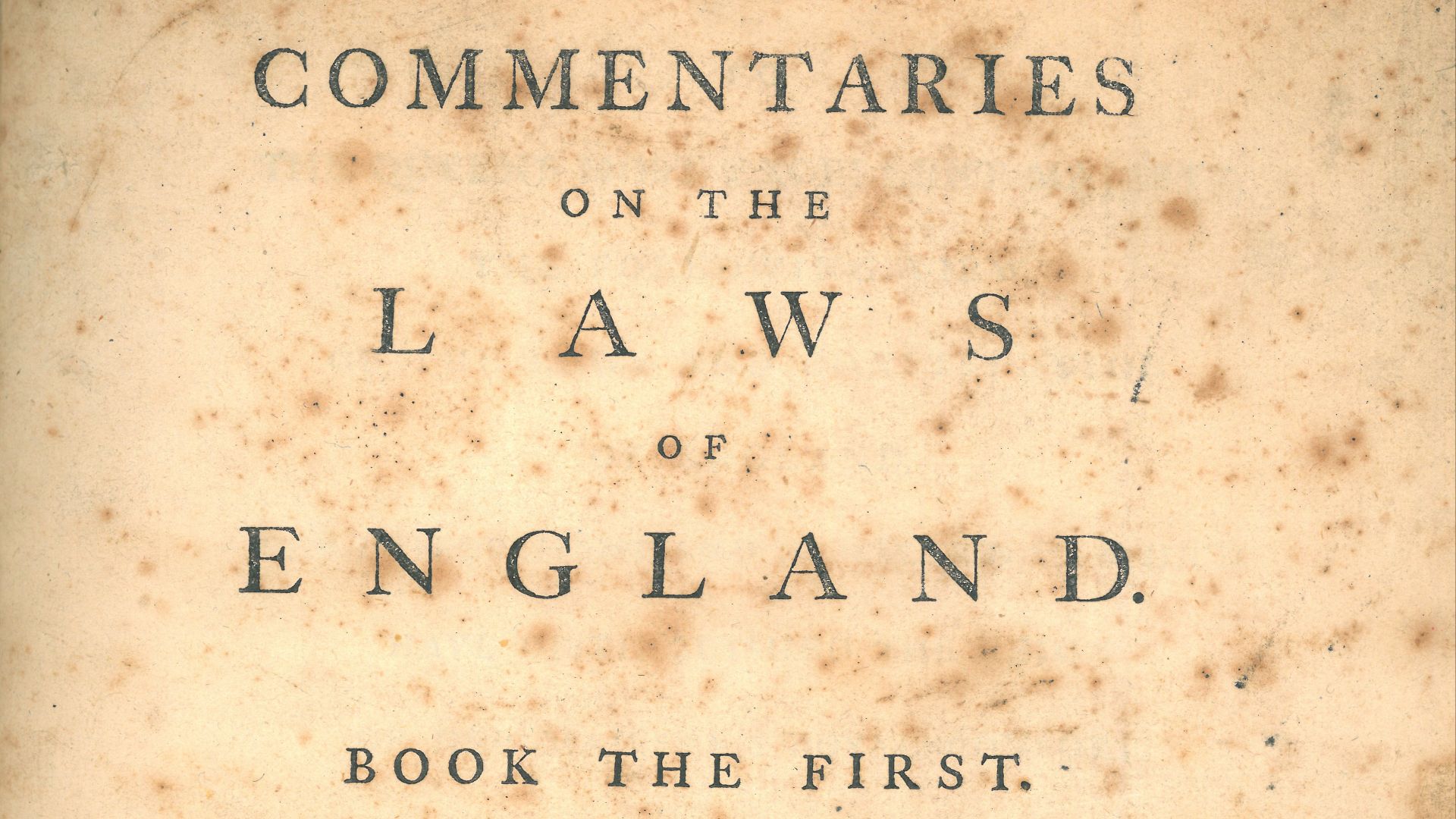 William Blackstone (10 July 1723 – 14 February 1780). on Wikimedia
5. Seeking Divorce
For much of history, a man could divorce his wife simply by proving her adultery. A woman seeking the same divorce often had to prove adultery combined with cruelty or abandonment, a much higher bar that kept plenty of women trapped in marriages men could have walked away from with ease.
6. Having A Child Out Of Wedlock
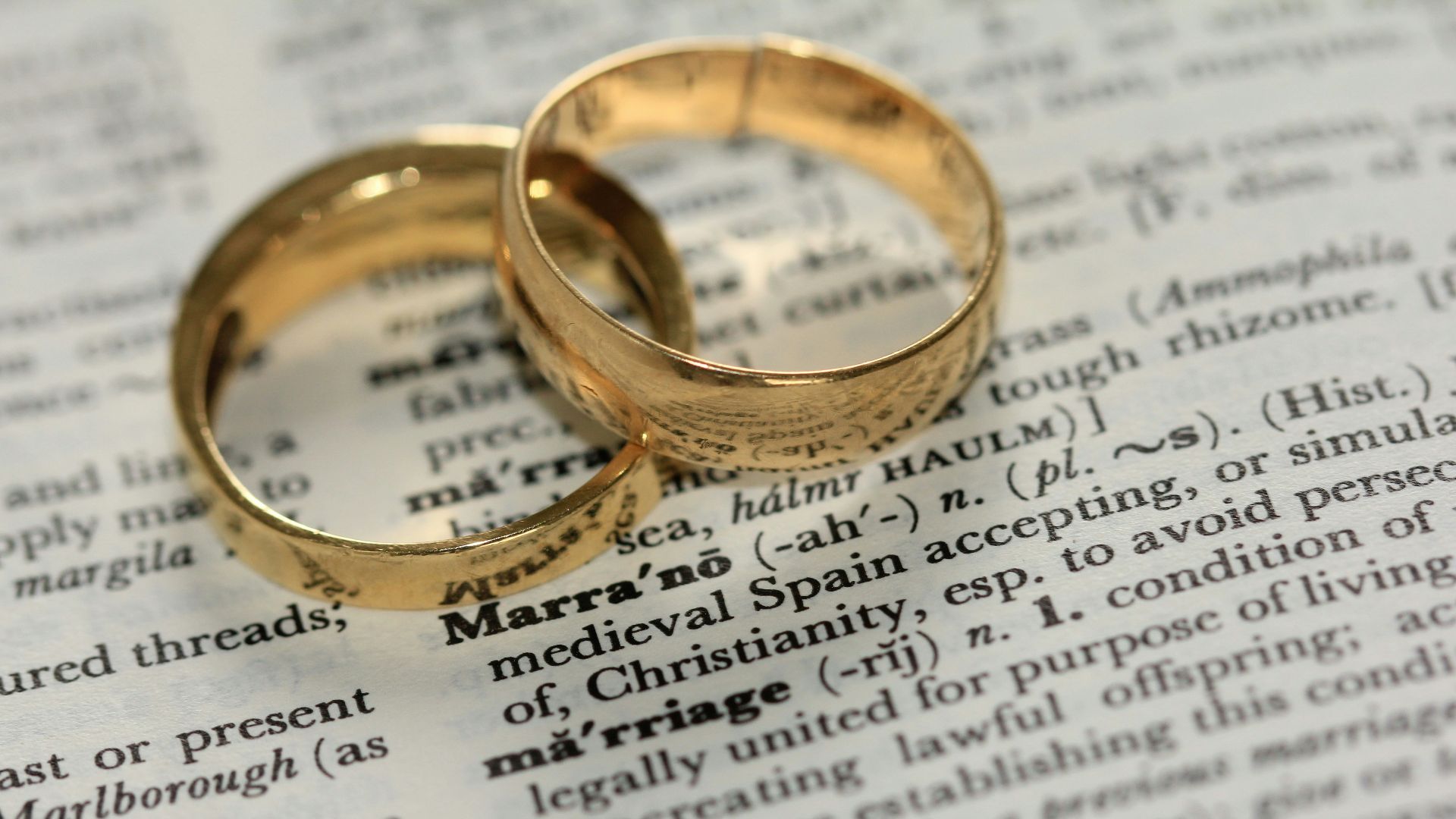
Unwed mothers were routinely sent to workhouses, asylums, or institutions like the Magdalene laundries, where they lived in near servitude, sometimes for years, sometimes for life. The men responsible for those pregnancies typically faced no consequence whatsoever and were rarely even named in official records.

7. Demanding The Right To Vote
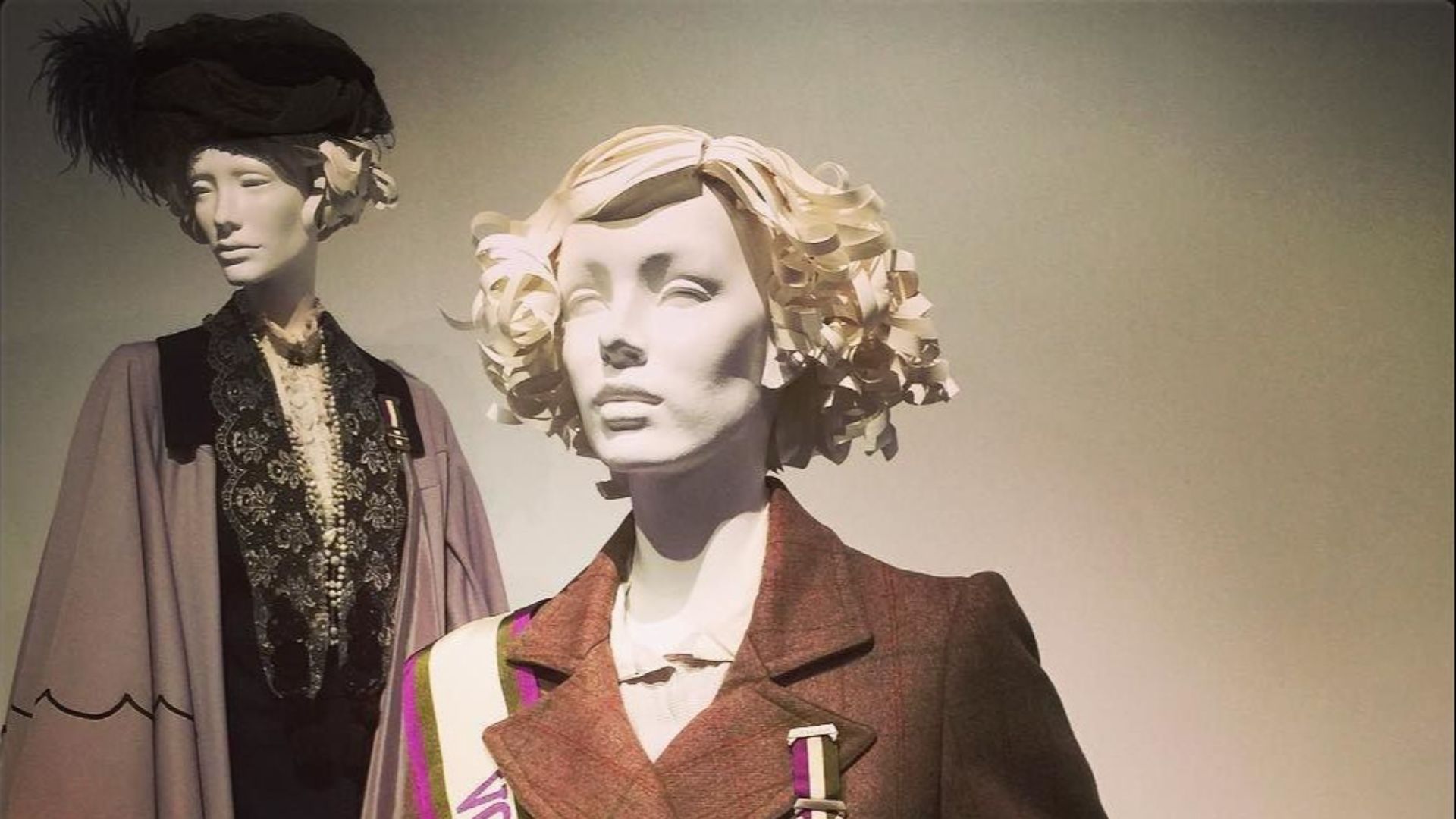
Suffragettes fighting for the vote were arrested, jailed, and in some cases force-fed after going on hunger strikes in prison. Men demanding the same basic political participation their fathers and grandfathers already had never faced anything close to that kind of institutional violence.
8. Pursuing An Education
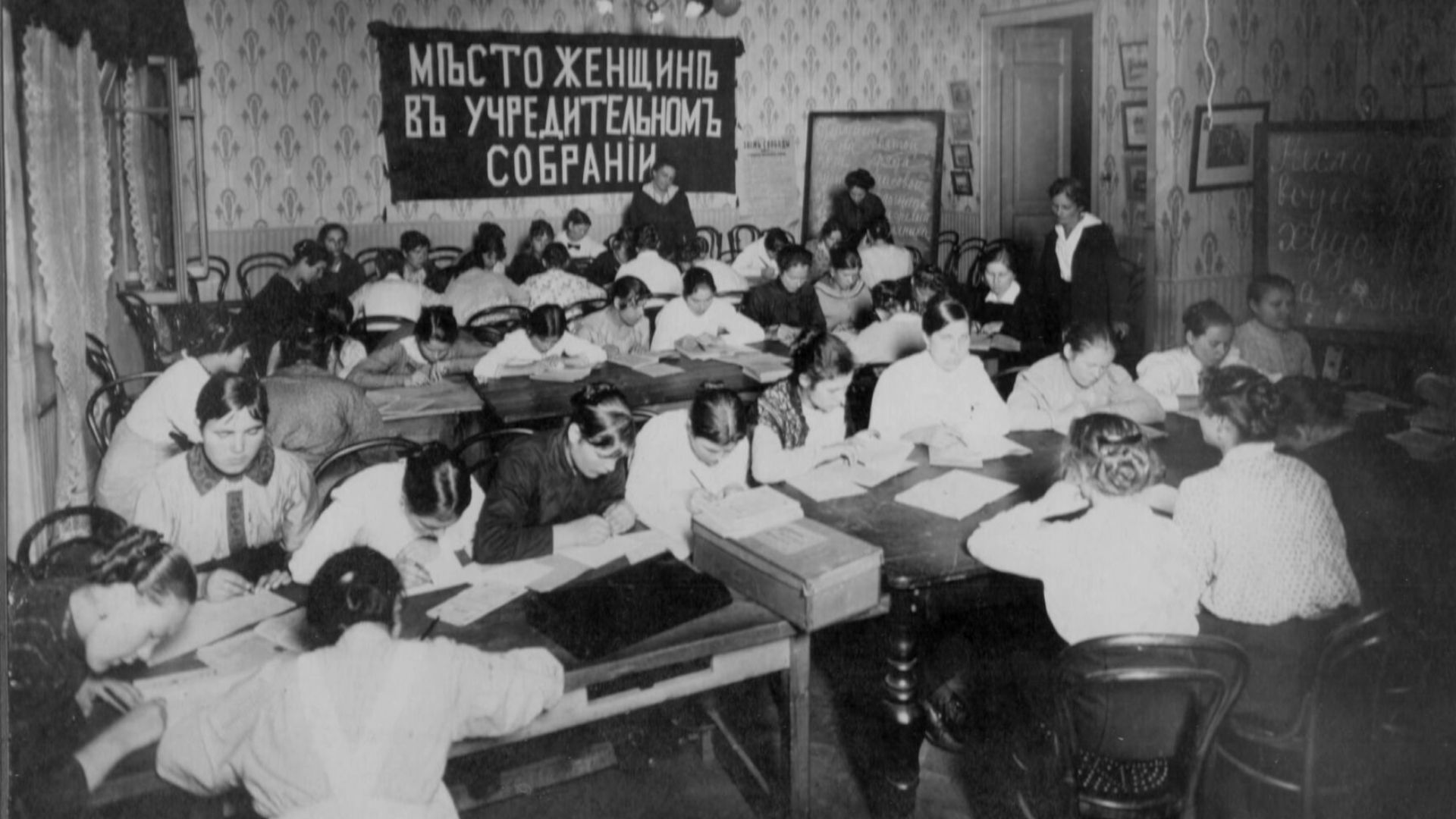
Women who sought higher education in the nineteenth century were mocked as unnatural, warned that too much study would damage their reproductive health, and sometimes barred outright from universities. Men pursued the exact same subjects freely, with full institutional support and none of the medical scare stories.
9. Drinking In Public
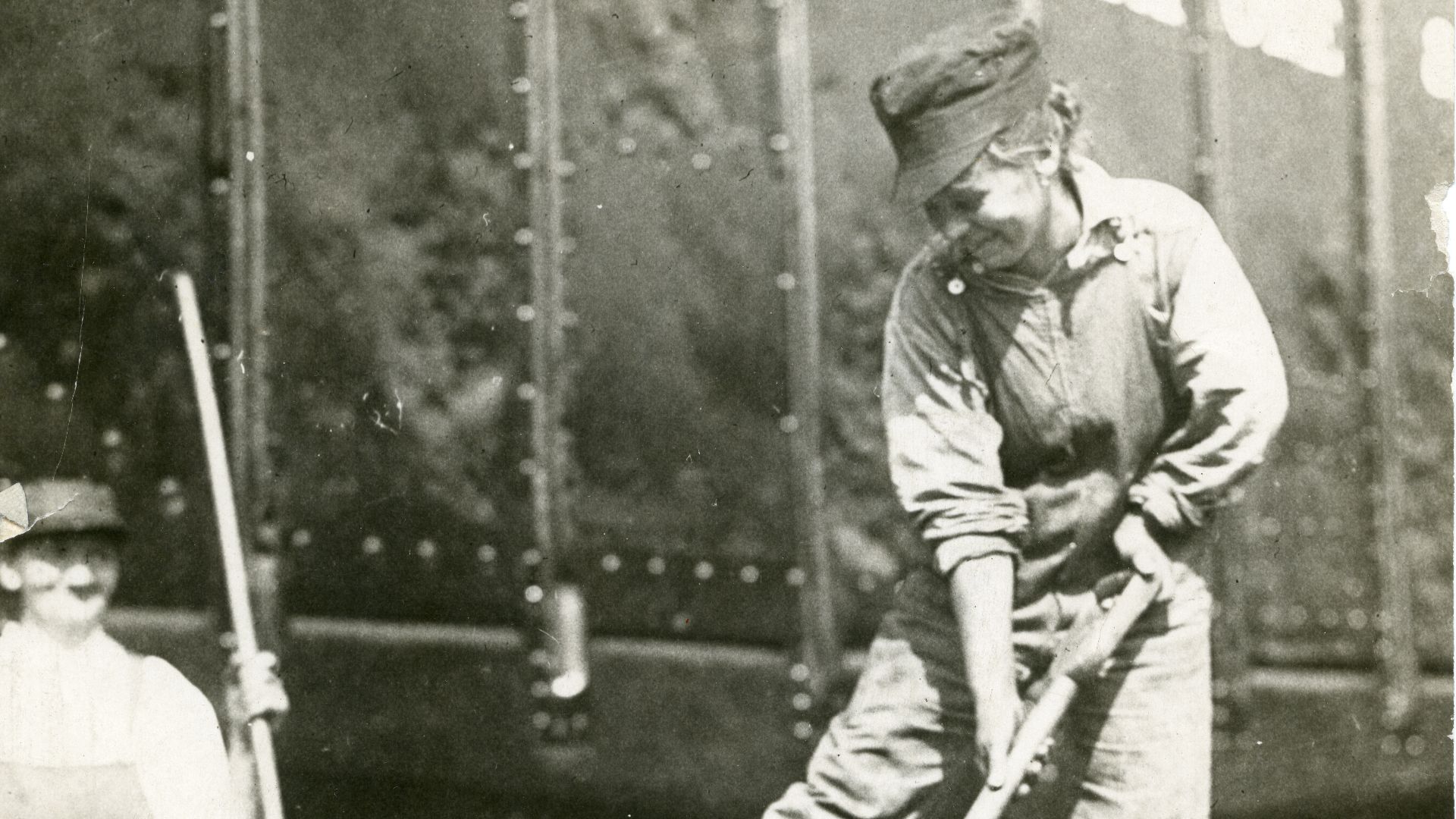
A woman seen drunk in public during much of the nineteenth and early twentieth centuries risked being labeled fallen or immoral, sometimes landing her in a reformatory. A man in the same condition was often just walked home by friends and teased about it the next morning.

10. Wearing Men's Clothing
Several American cities had laws on the books well into the twentieth century that allowed women to be arrested for wearing trousers or other "male attire" in public. Men's fashion, meanwhile, was never treated as a legal matter no matter how it evolved.
 War industries board on Wikimedia
11. Being The Victim Of Assault
For centuries, a woman who was assaulted risked being blamed for provoking it, shamed by her own community, or in some cases pressured to marry her attacker to preserve her reputation. The men responsible frequently faced no legal consequence at all, since her conduct, not his, was what got scrutinized.

12. Preaching Or Speaking In Church
Women who preached or spoke publicly in religious settings were sometimes arrested, as early Quaker women in colonial New England discovered when they were whipped or banished for it. Men delivered sermons from the same pulpits without anyone questioning whether they belonged there.

13. Working For Independent Wages
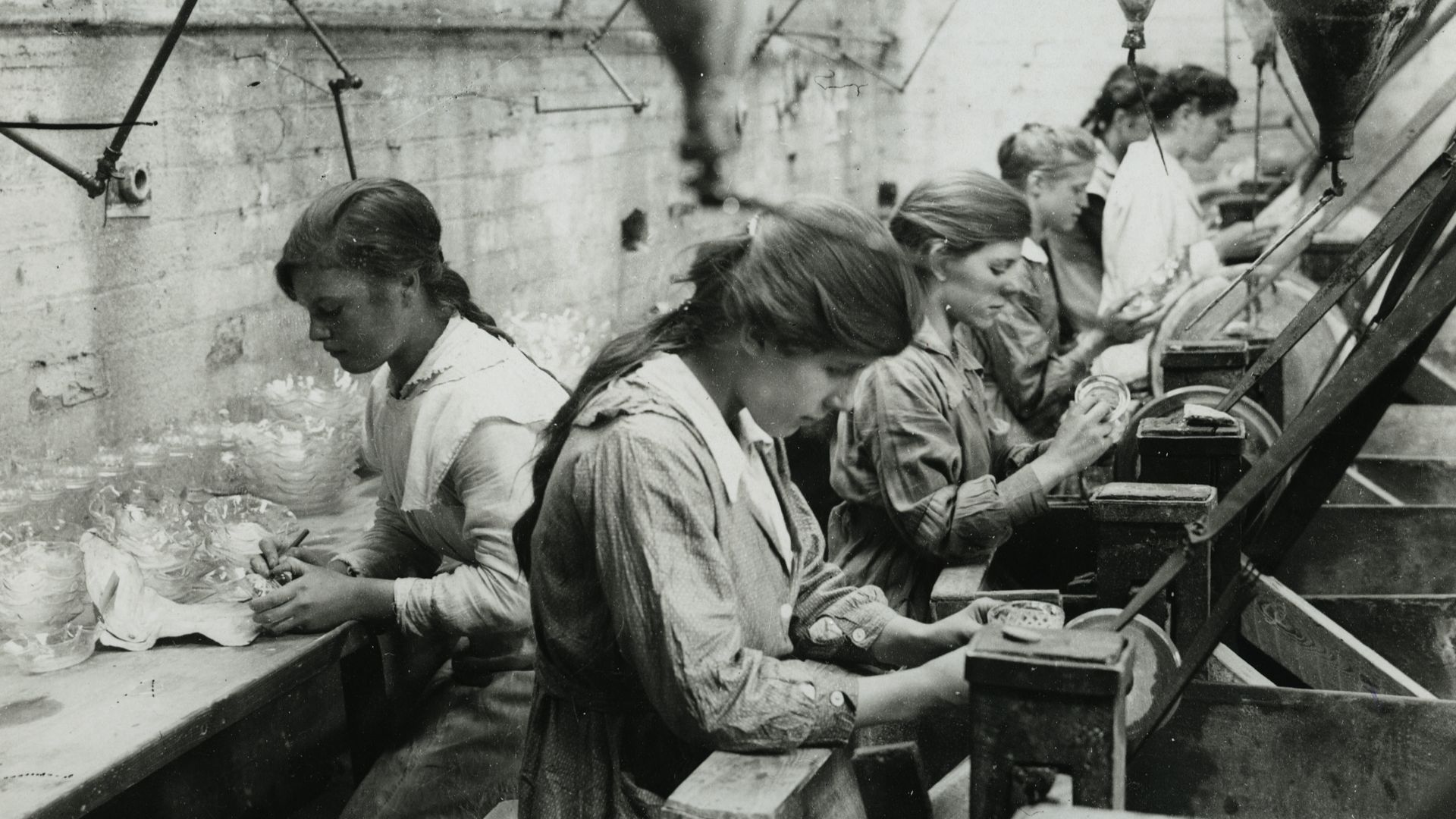
Married women who worked outside the home often couldn't legally keep their own wages until well into the nineteenth century, since coverture handed that money straight to the husband. A man's paycheck was simply his, no questions asked, regardless of how he spent it.
 UBC Library Digitization Centre on Wikimedia
14. Being Diagnosed As Hysterical
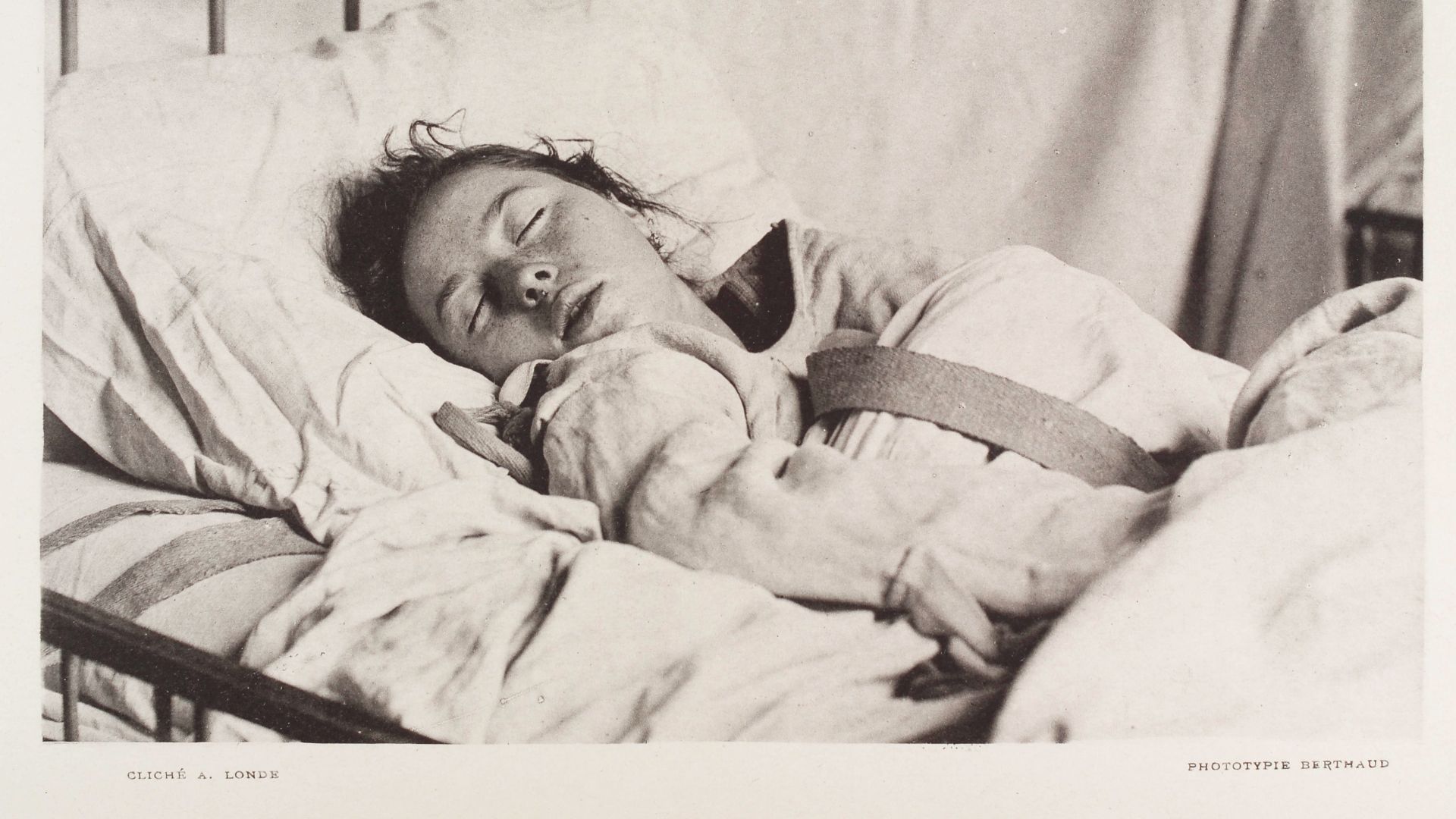
Doctors in the eighteen and nineteen hundreds diagnosed women with hysteria for behavior as ordinary as ambition, anger, or open sexual desire, sometimes institutionalizing them or performing lobotomies to calm the supposed disorder. Men displaying the same traits were simply seen as men, never handed a diagnosis for it.
15. Remarrying As A Widow
Widows in several historical legal systems risked losing custody of their children or control of inherited property if they chose to remarry. Widowers faced no such penalty and could remarry freely without any threat to their standing or their assets.
 Toni Arens-Tepe (1883-1947) on Wikimedia
16. Losing Custody After Divorce
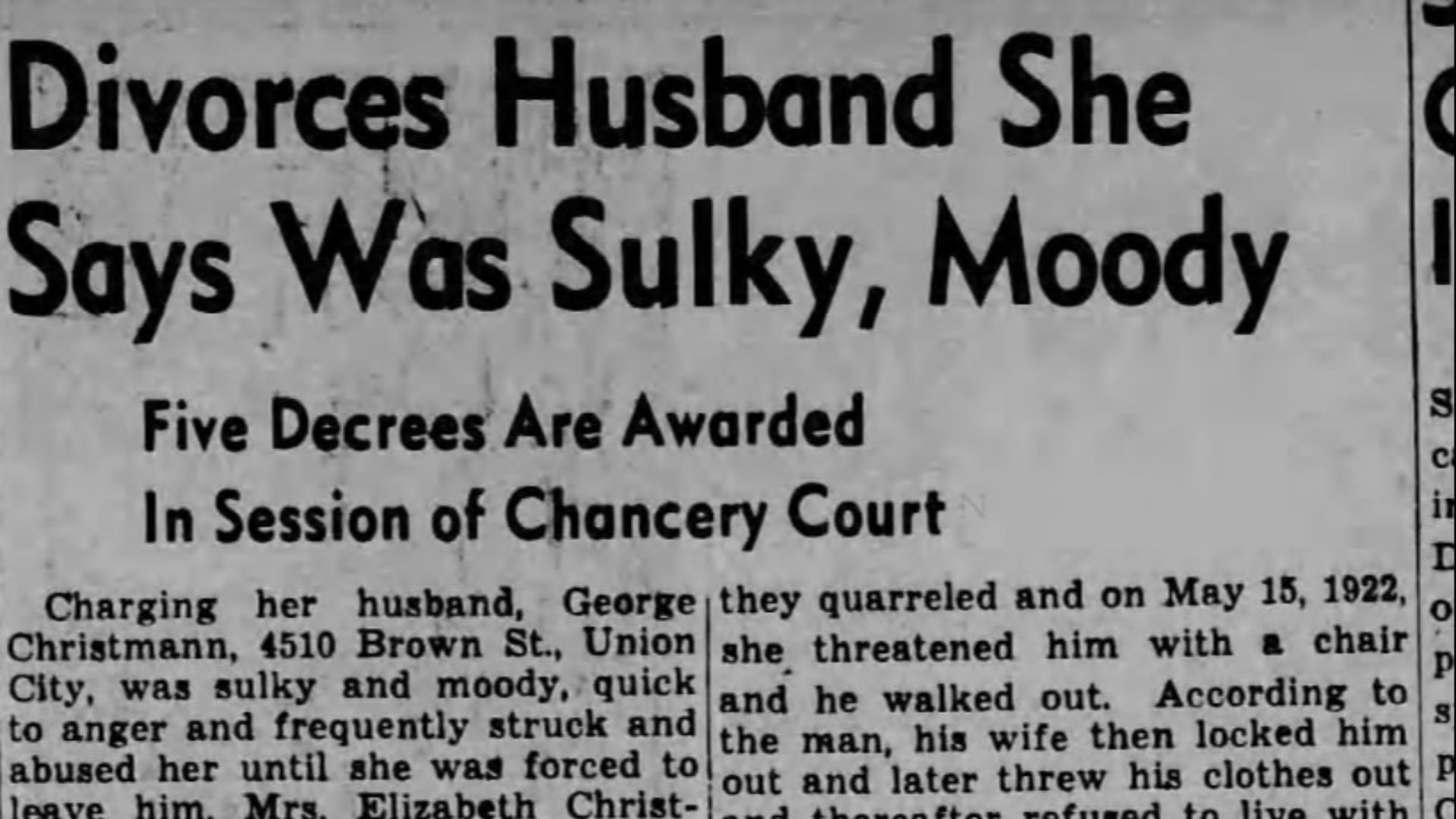
Well into the twentieth century, fathers were automatically granted custody of children after a divorce in most Western legal systems, regardless of who was actually at fault. Mothers had essentially no legal standing to keep their own children, even in cases where the father was the one who'd caused the marriage's collapse.
 Unknown authorUnknown author on Wikimedia
17. Testifying In Court
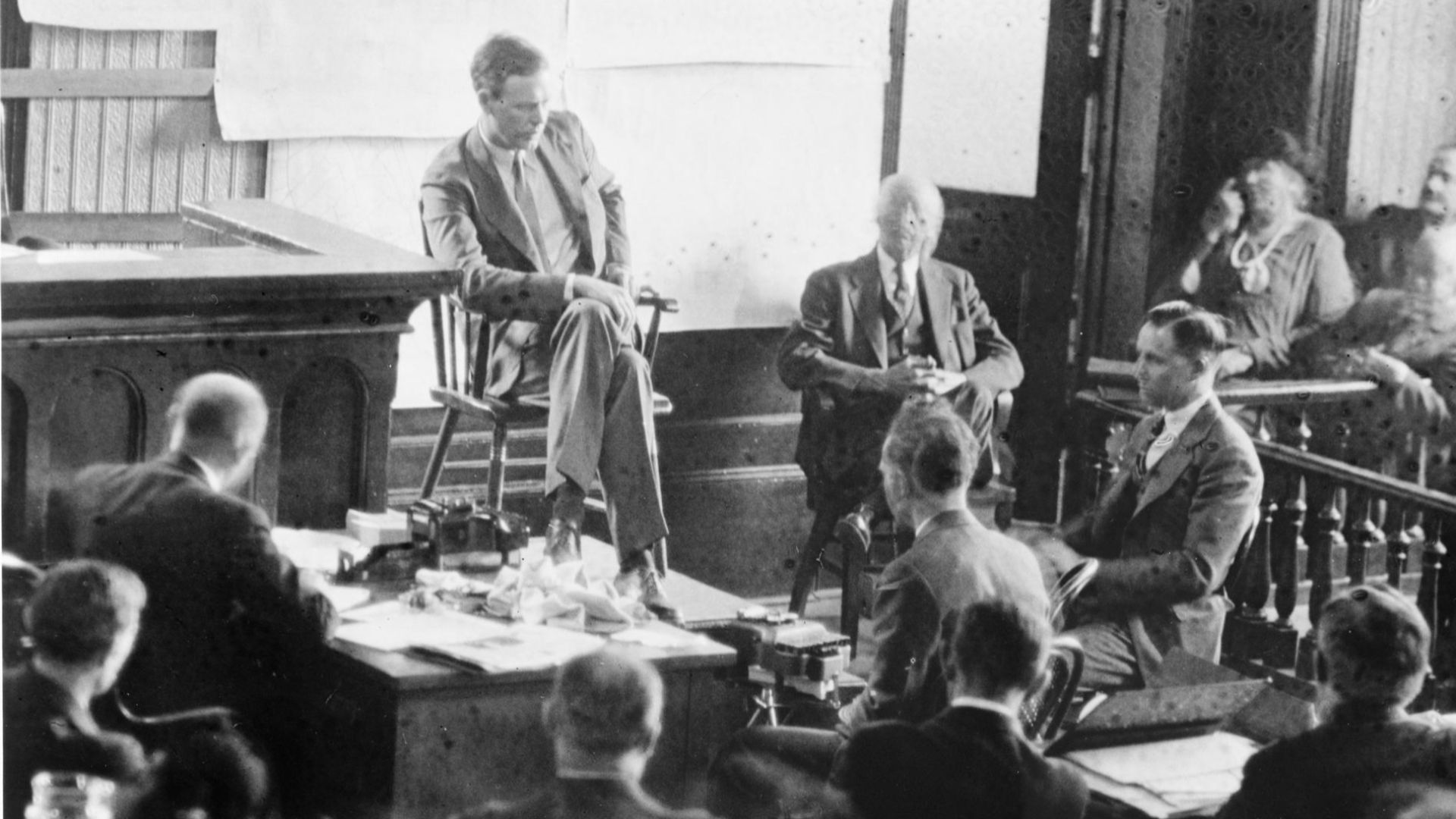
A woman's testimony in many historical courts required corroboration before it could be trusted, particularly in cases involving her own assault or mistreatment. A man's word, by contrast, was generally taken at face value without demanding a second witness to back it up.
 World Telegram staff photographer on Wikimedia
18. Defending Personal Honor
Men who felt insulted could challenge each other to a duel, a socially accepted, sometimes even admired, way to settle the matter. A woman who reacted with anything close to that same intensity was dismissed as unstable or unfeminine, since there was no honorable outlet built for her at all.
 Picture credit to Underwood and Underwood on Wikimedia
19. Holding Political Power
Female rulers throughout history faced relentless rumors about their sexuality, their fitness to govern, and their moral character in ways their male counterparts simply didn't. Anne Boleyn's downfall and execution stand as one of history's starkest examples, punished in ways no king accused of similar conduct ever was.

20. Premarital Sex
Colonial fornication laws frequently punished women with public whipping or forced confession before the congregation, while men accused of the same premarital relationship often settled the matter with a modest fine, if they were charged at all. The physical evidence of pregnancy made women impossible to overlook, while the men involved could simply deny it and walk away unmarked.

KEEP ON READING