Nicknames Had a Way of Sticking
History loved a memorable nickname, but make no mistake: that doesn’t mean every moniker doled out was appreciated by the recipient. The most embarrassing part is that many of these labels actually outlived the people themselves. Forget about ruling a kingdom or fighting wars—these guys were still remembered as “the Fat,” “the Drunkard,” or something even worse. Come with us as we go through some of the most humiliating nicknames history ever sicced on someone.
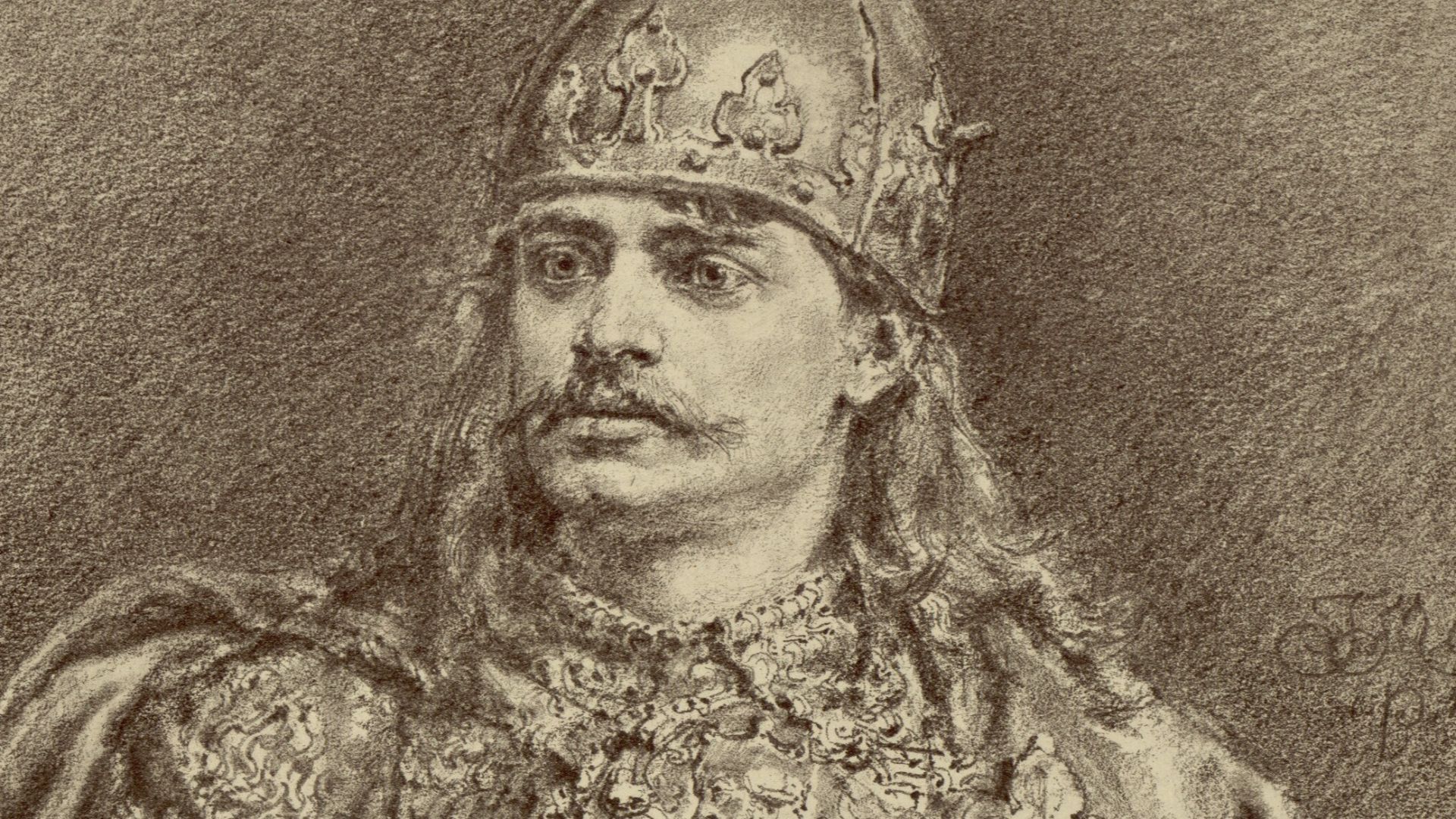
1. Æthelred the Unready
Æthelred II of England ruled during a brutal period of Viking attacks, but his nickname would have you believe he was nothing more than a tardy fool. The name “Unready” came from the Old English “unræd,” meaning bad counsel, and it played against his own name, which meant noble counsel. Okay, sure, the meaning was more political than lazy, but the modern version did his reputation even fewer favors.
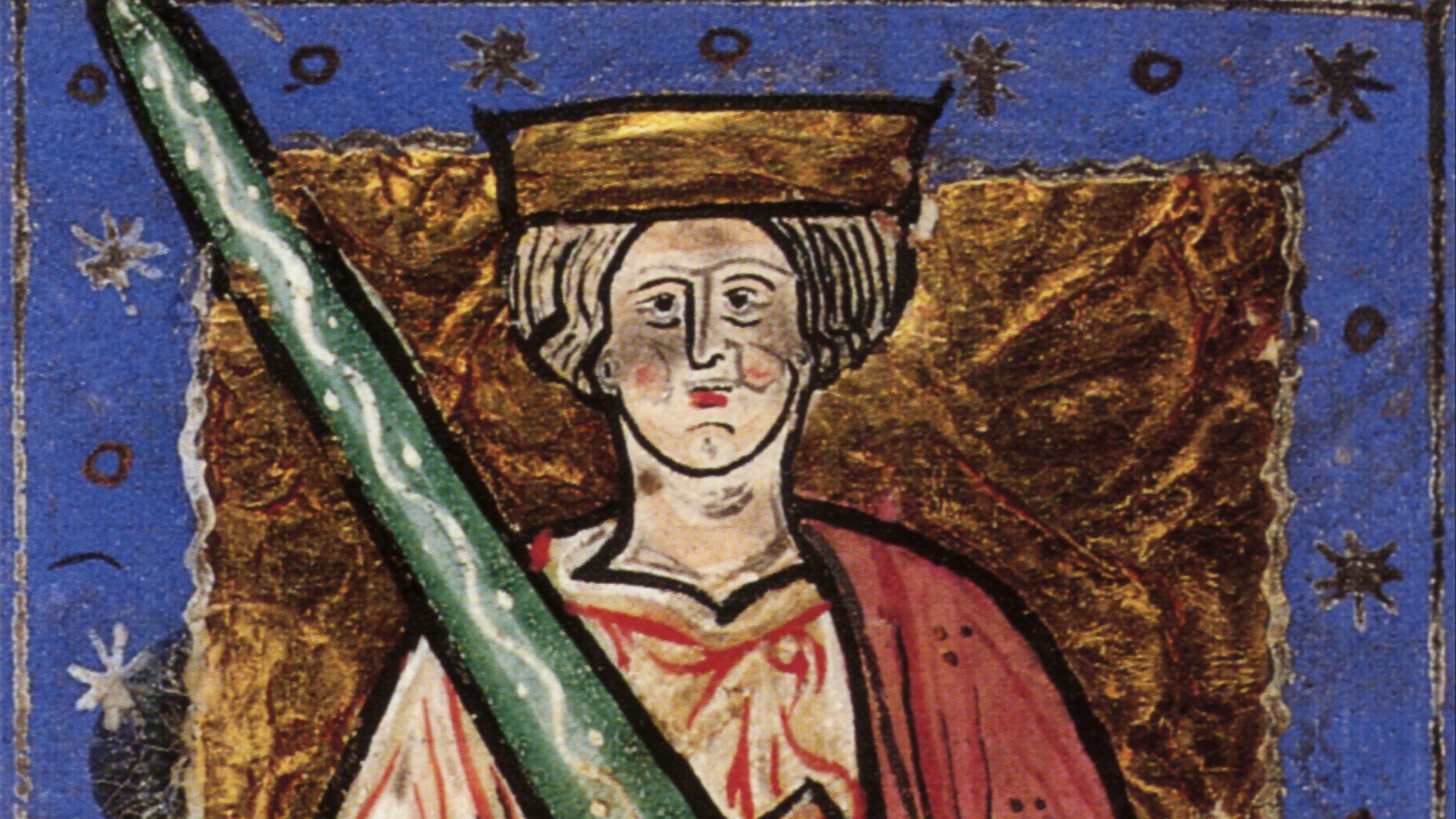
2. Charles the Fat
Well, that’s one way to make your mark. Charles III managed to become emperor of the Carolingian Empire, ruling during the late ninth century. He was also the last legitimate Carolingian emperor to rule a united Frankish realm. Unfortunately for him, later records whittled him down to his nickname, and the empire became a footnote.
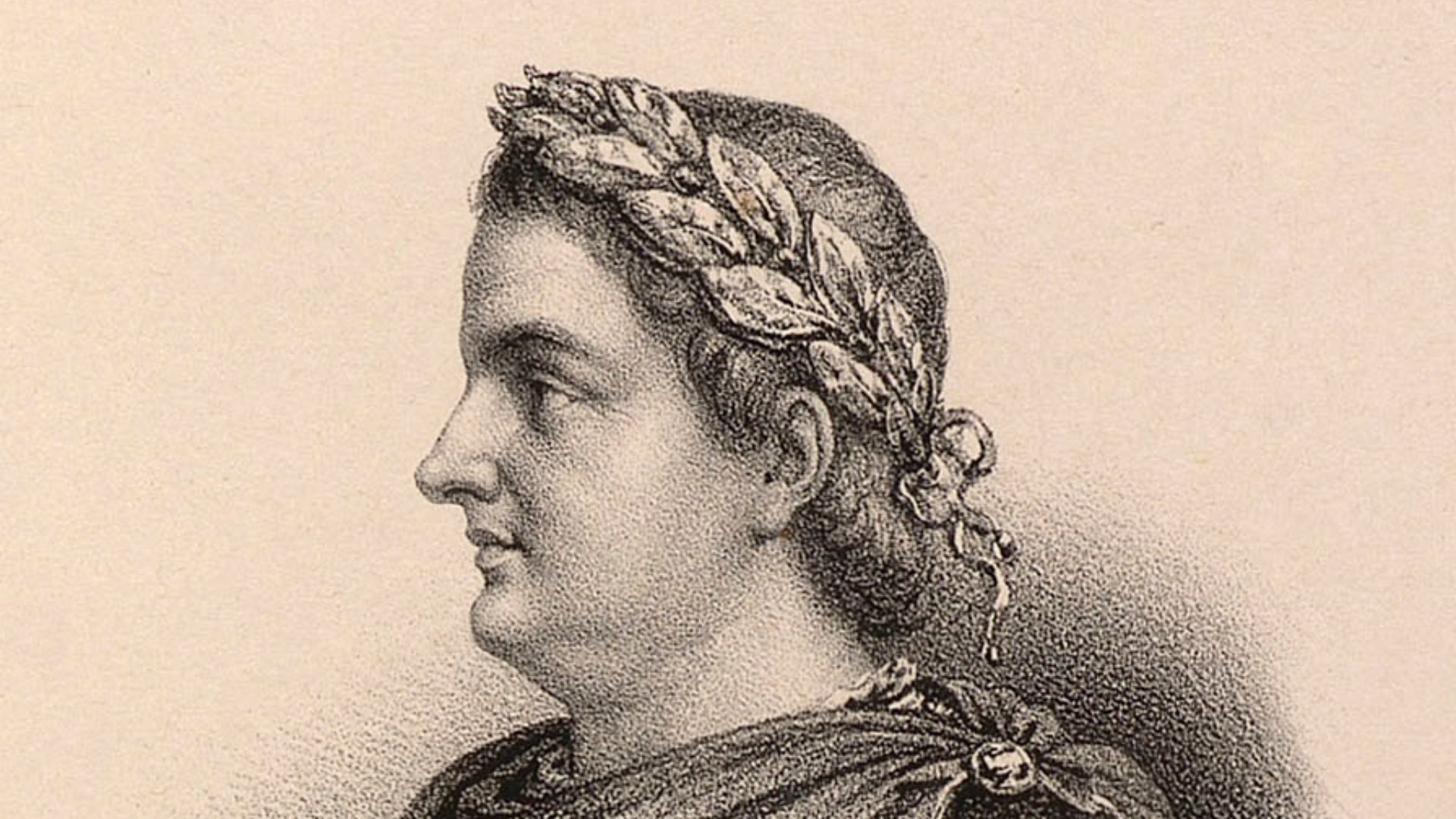 François-Séraphin Delpech on Wikimedia
3. Louis the Stammerer
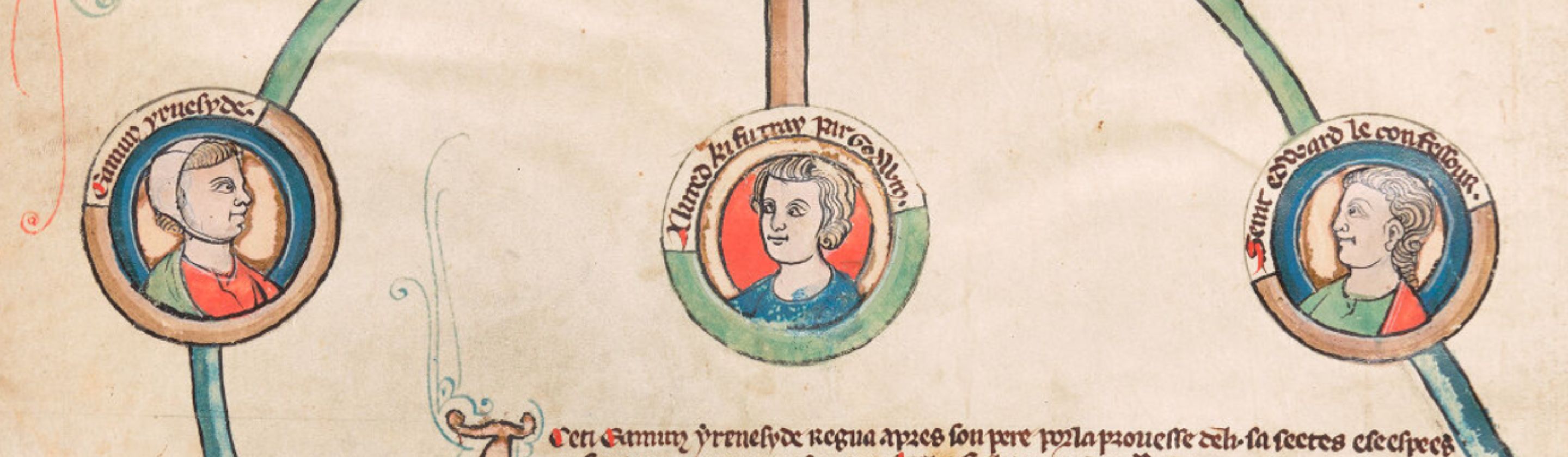
Louis II of West Francia inherited power from Charles the Bald (another excellent nickname), but his own moniker came from medieval accounts that described him as impeded in speech. If anything, it’s just a harsh reminder that chroniclers often turned personal difficulties into a permanent identity.
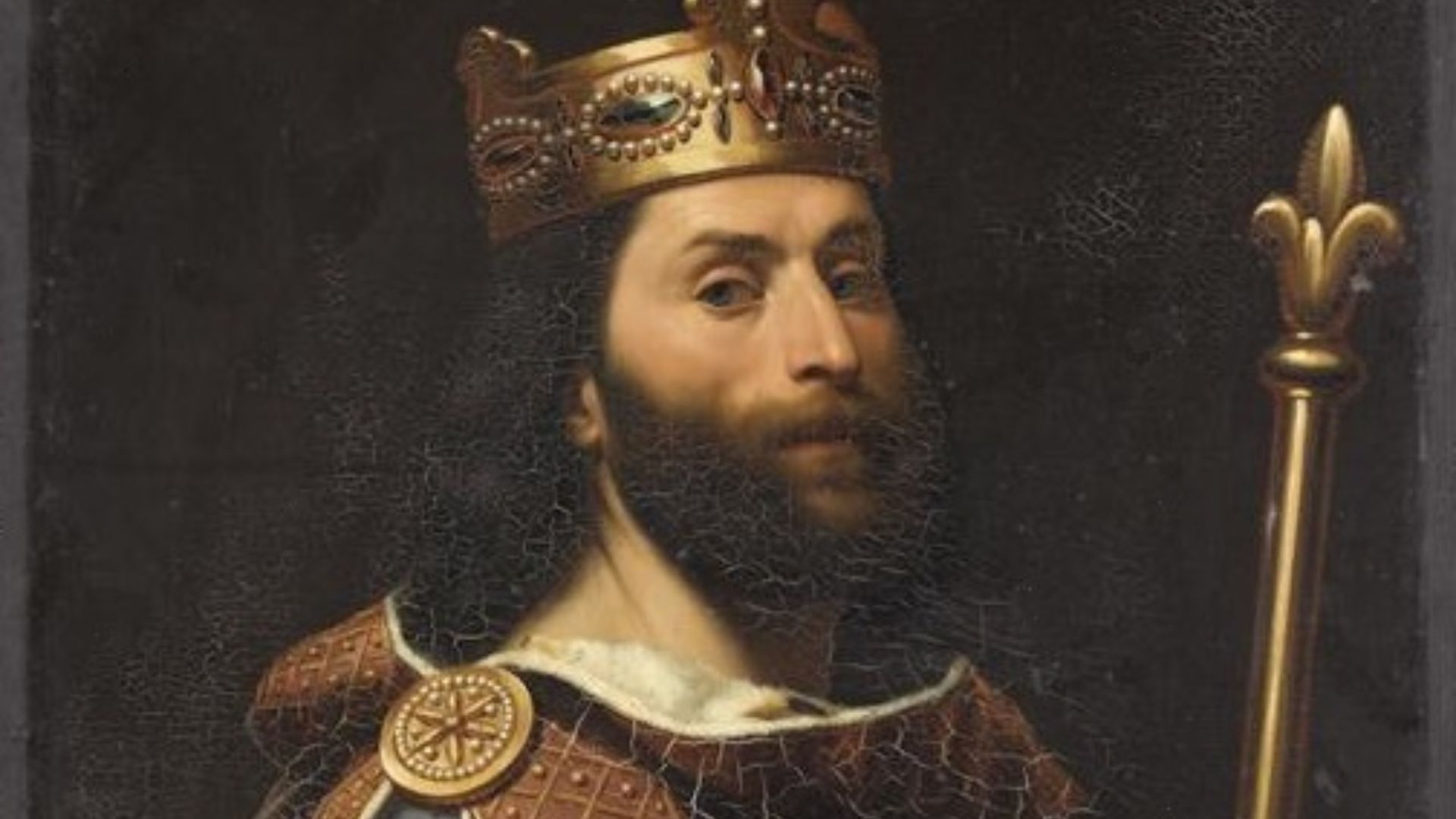 Louis-Félix Amiel on Wikimedia
4. Constantine V Copronymus
Byzantine emperor Constantine V had one of the most insulting nicknames in imperial history: Copronymus. Not ringing any bells? That’s okay—loosely translated, it means “Dung-Named.” The slur came from hostile iconodule sources, which claimed he defecated during his baptism, though the story itself was just propaganda. Either way, the name stuck.
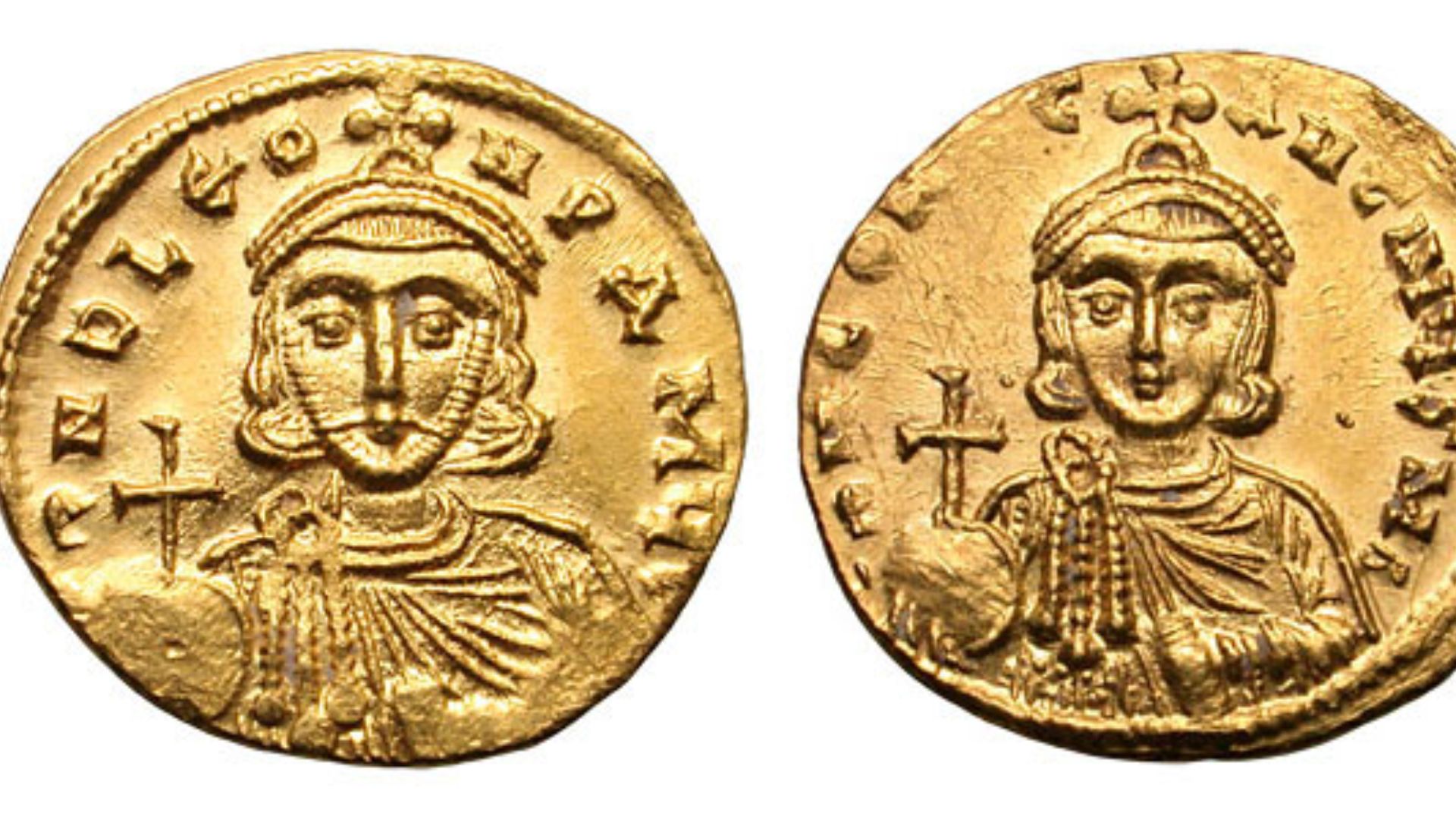 Unknown authorUnknown author on Wikimedia
5. Michael III the Drunkard
Michael III ruled the Byzantine Empire from 842 to 867, and later writers saddled him with the name “the Drunkard.” Modern historians were a bit kinder, more willing to credit his reign with important imperial gains. But until they got a hand on his legacy, rival dynasties wrote the story, and the embarrassing version traveled way farther.
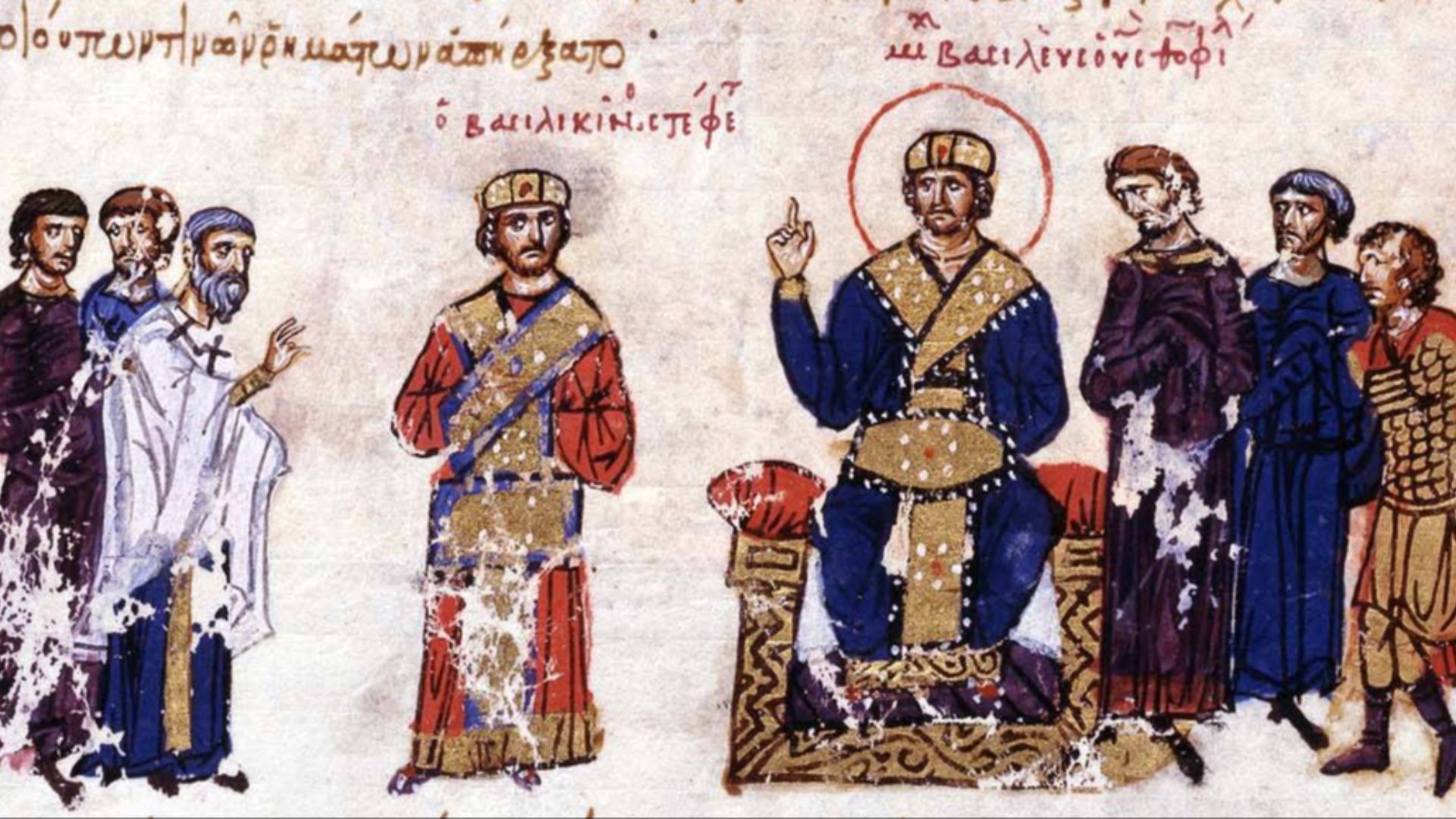 Unknown, 13th-century author on Wikimedia
6. Henry IV Of Castile the Impotent
Well, there’s not much else to say about this one. Long story short, Henry IV of Castile had a daughter, Joanna, and her legitimacy became a political issue. Opponents would question Henry’s sexuality and fertility, often using those inquiries against him, and the result was a nickname that followed him through history.
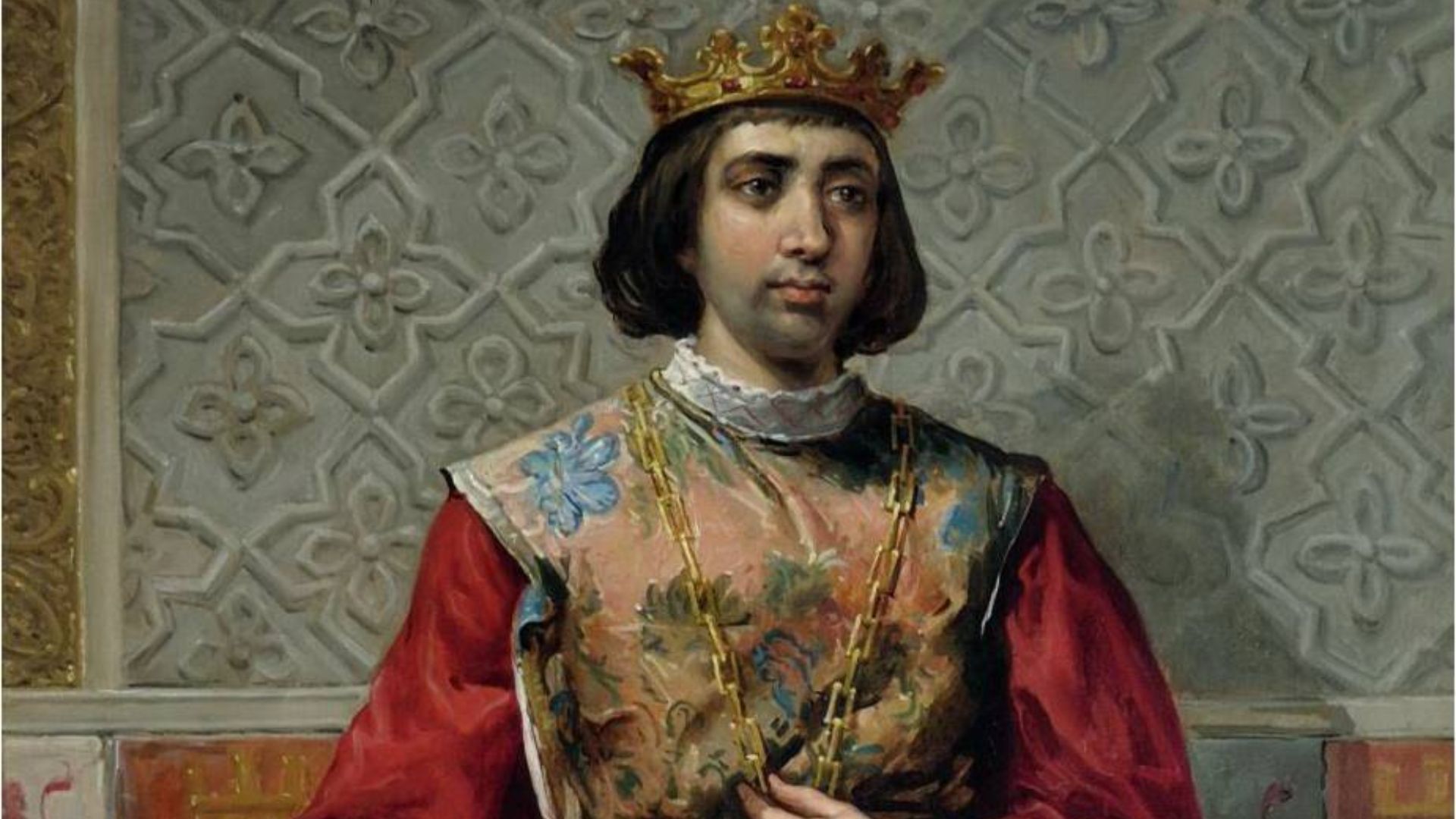 José María Rodríguez de Losada on Wikimedia
7. Ivaylo of Bulgaria the Cabbage
Ivaylo of Bulgaria briefly rose from humble origins to become tsar, which should have made for a triumphant memory. Instead, he was remembered by nicknames such as Bardokva and Lakhanas, usually translated as “radish,” “lettuce,” or “cabbage.”
8. Sancho I of León the Fat
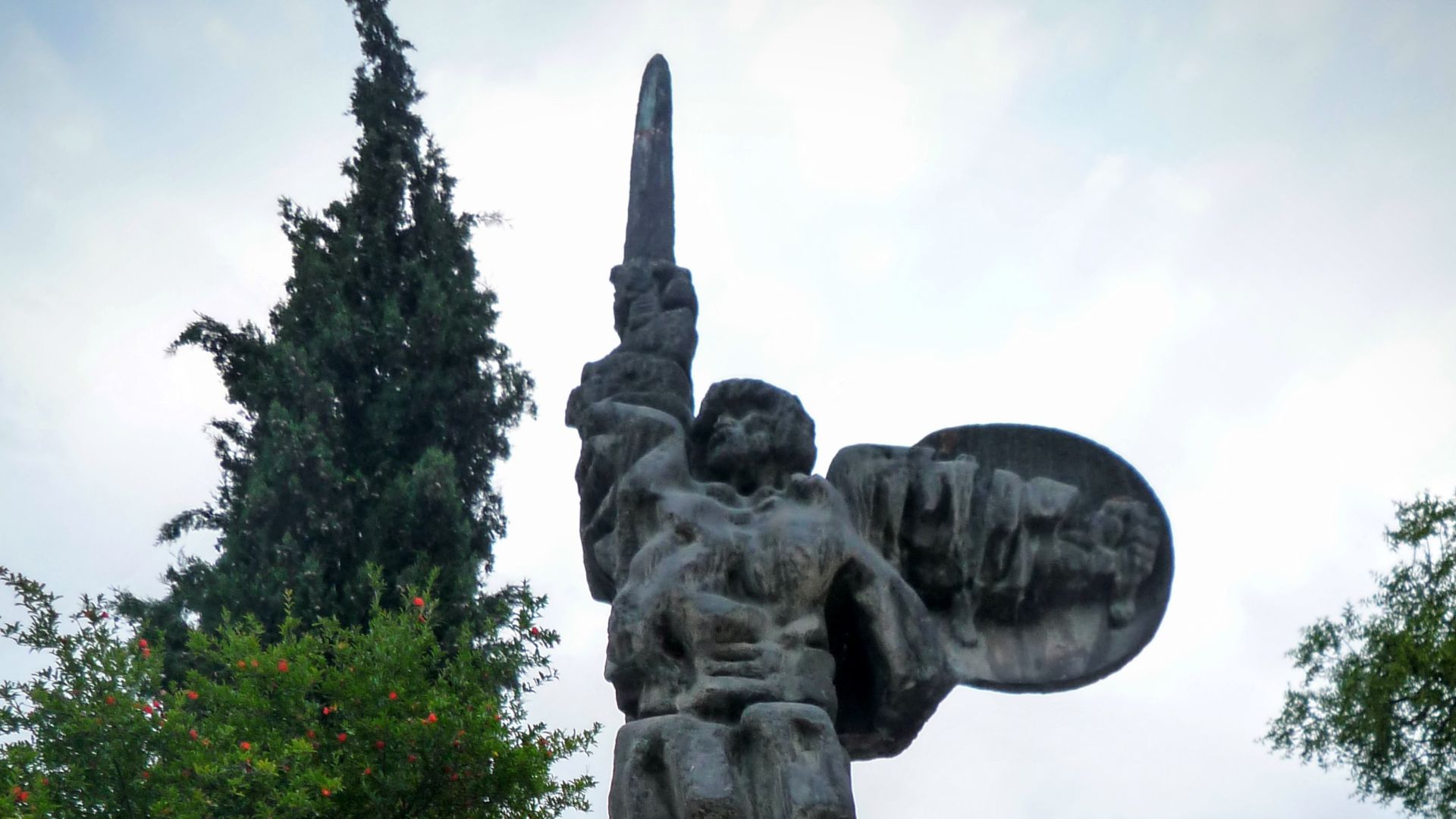
Sancho I of León ruled twice in the 10th century, but you’ll hardly pay attention to that now that you’ve seen his nickname. He was known as “the Fat,” and medieval politics didn’t exactly handle that label gently. The name stuck so well that it flattened his legacy, making his weight more famous than the fact that he fought his way back onto the throne.
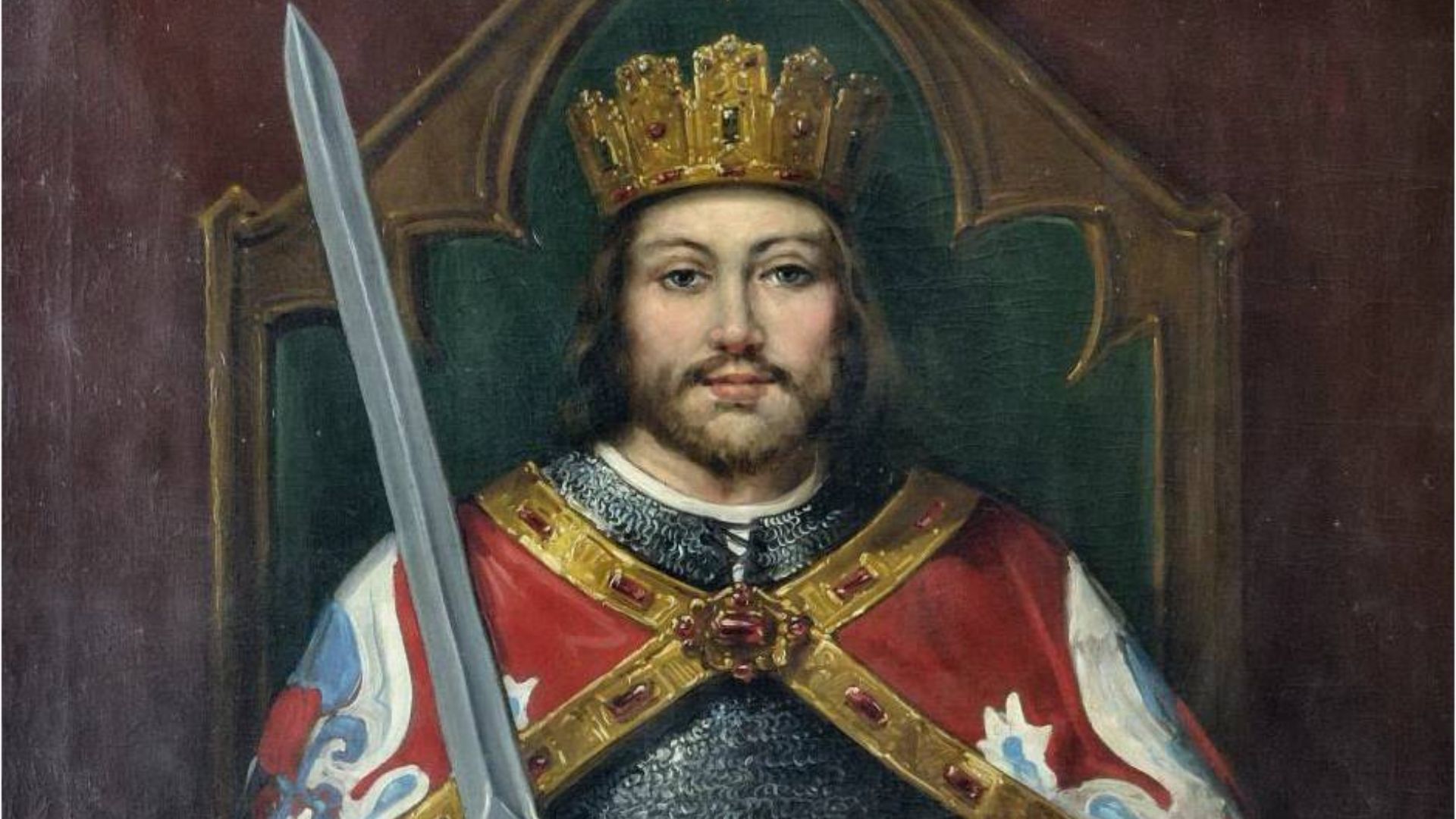 José María Rodríguez de Losada on Wikimedia
9. Alfonso IX of León the Slobberer
Alfonso IX of León had a long reign from 1188 to 1230, but that didn’t stop one of his nicknames: “the Slobberer.” It’s usually connected to accounts that he allegedly foamed at the mouth during fits of anger. Not how you want people to remember your tirades.
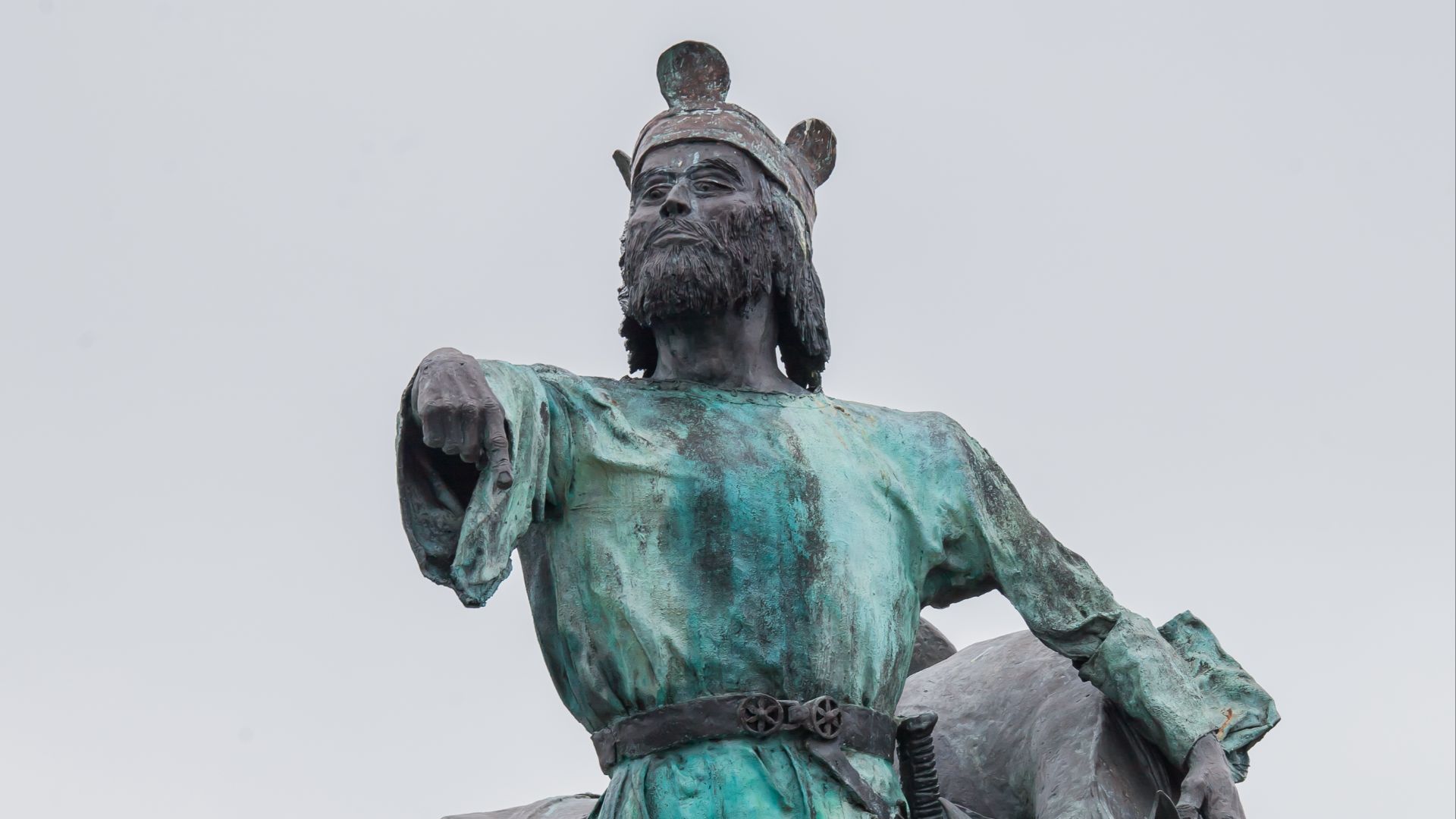 Luis Miguel Bugallo Sánchez (Lmbuga) on Wikimedia
10. John Softsword
King John of England already had enough problems without a nickname questioning his toughness. Sure enough, “Softsword” circulated around the time of his reign, and it was tied to ideas that he made peace with France too readily. Since John later lost much of the Angevin Empire’s French territory, the name wound up becoming his enemies’ version of the story.
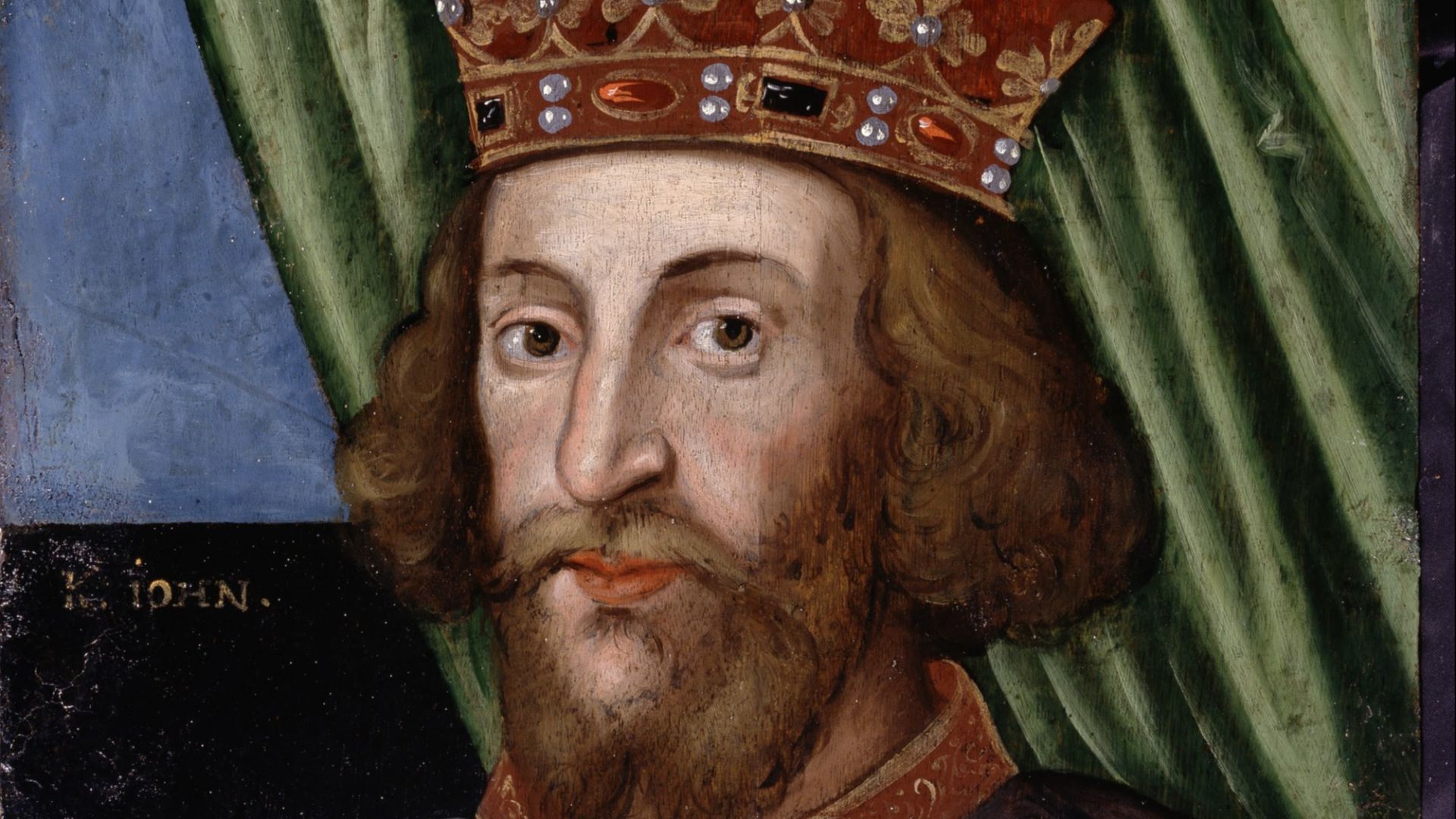 British – School Details on Google Art Project on Wikimedia
11. John Lackland
What makes it even worse is that before “Softsword” had time to sting, John was already dealing with “Lackland.” As the youngest son of Henry II and Eleanor of Aquitaine, he wasn’t expected to inherit anything major, hence the nickname. The awkward twist is that he eventually became king anyway…only to lose enough land that the name looked even worse in hindsight.
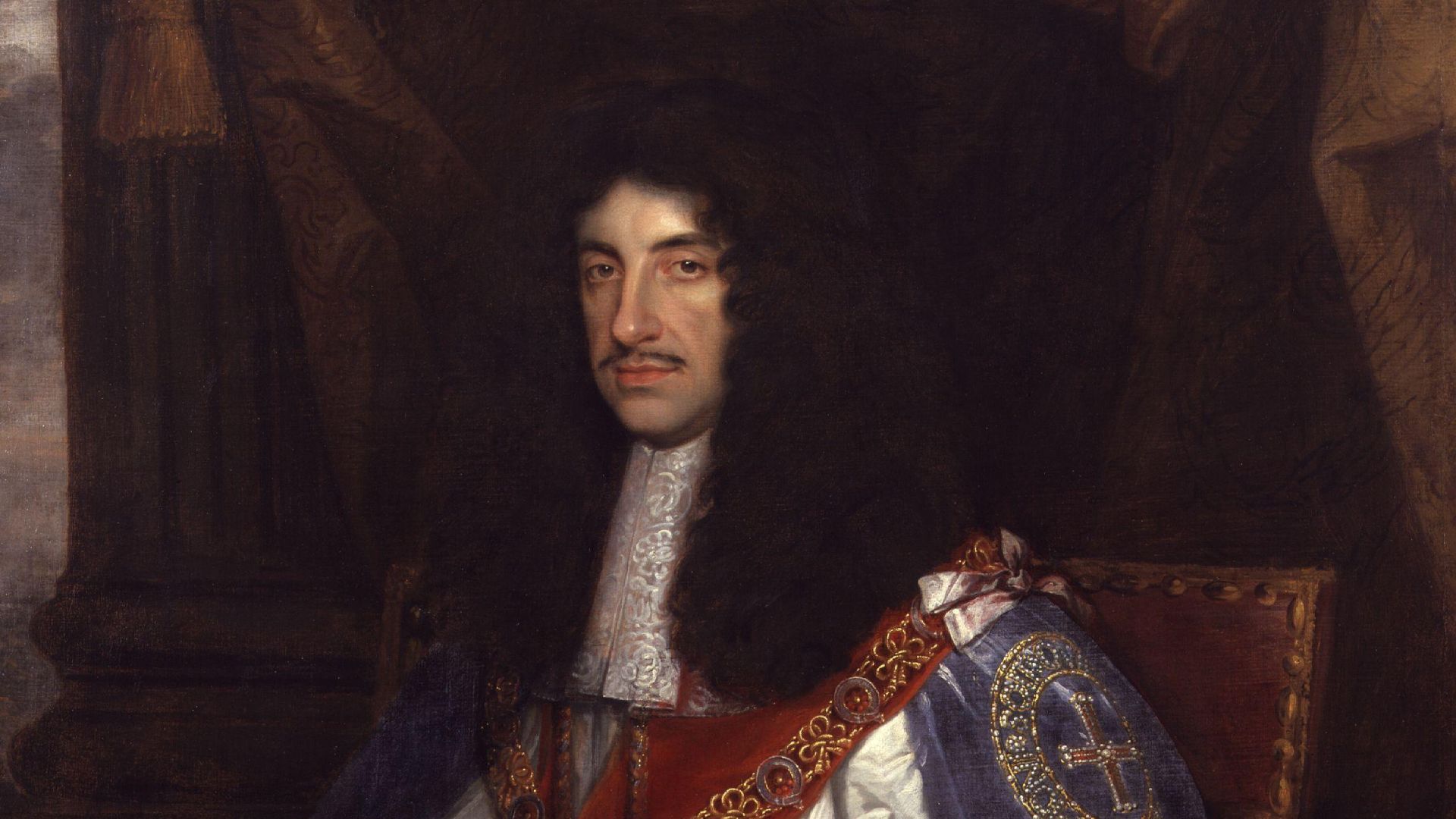 John Michael Wright on Wikimedia
12. Władysław the Elbow-High
Władysław I of Poland was remembered in English as “the Elbow-high,” which doesn’t sound that bad all things considered. However, the nickname came from “Łokietek,” a diminutive connected to the Polish word for “elbow,” though historians still squabble over the exact meaning. As for what we do know, the nickname likely came from his short stature.
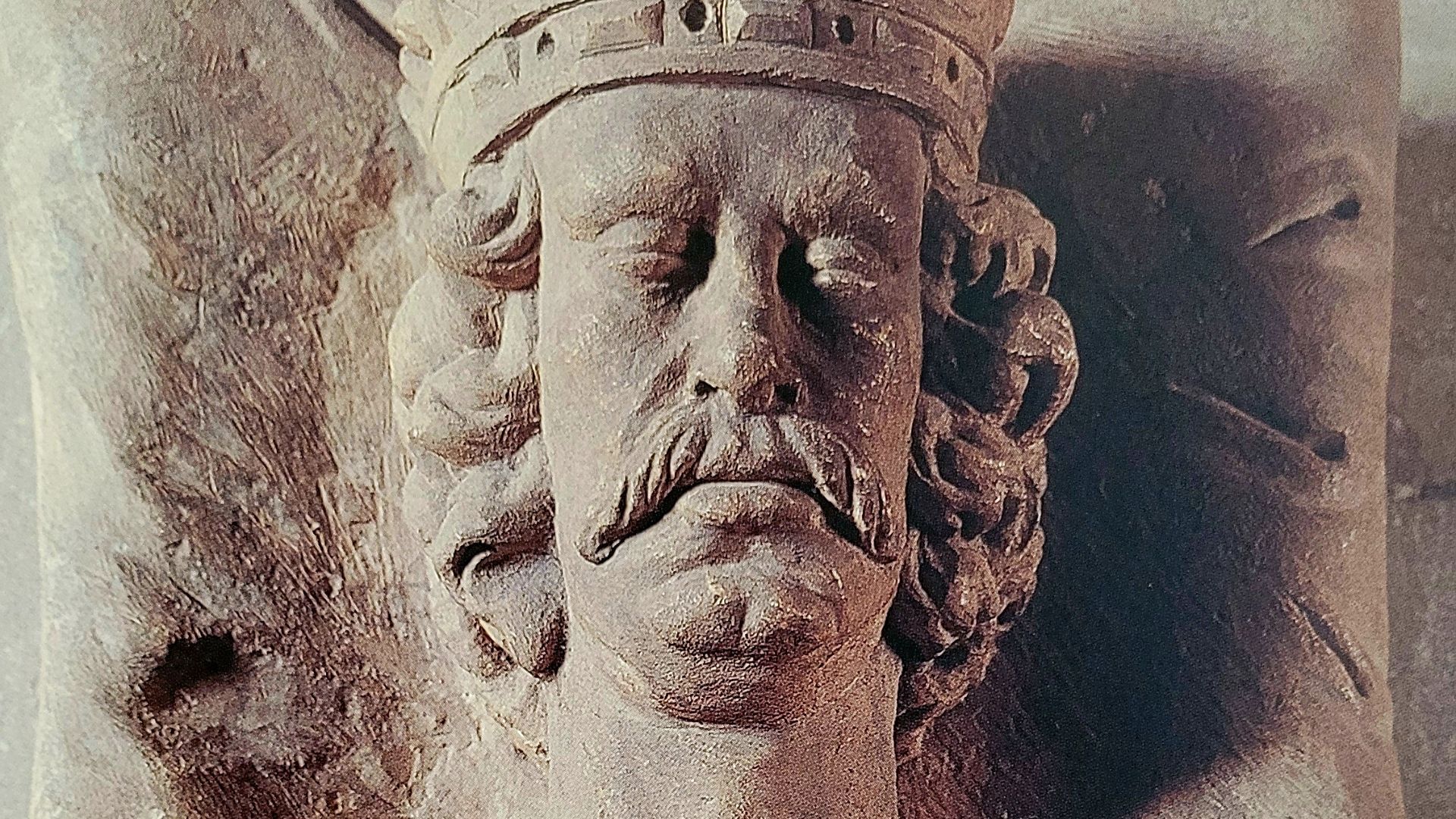
13. Bolesław III Wrymouth
Being called short was a lot better than what Bolesław III of Poland got: “Wrymouth,” a nickname historians tied to a facial deformity. Sources differ on the exact origin, and some explanations come from much later chroniclers rather than actual contemporary evidence. Regardless, the name became such a part of him that it now appears beside his formal title almost every time he pops up in history.
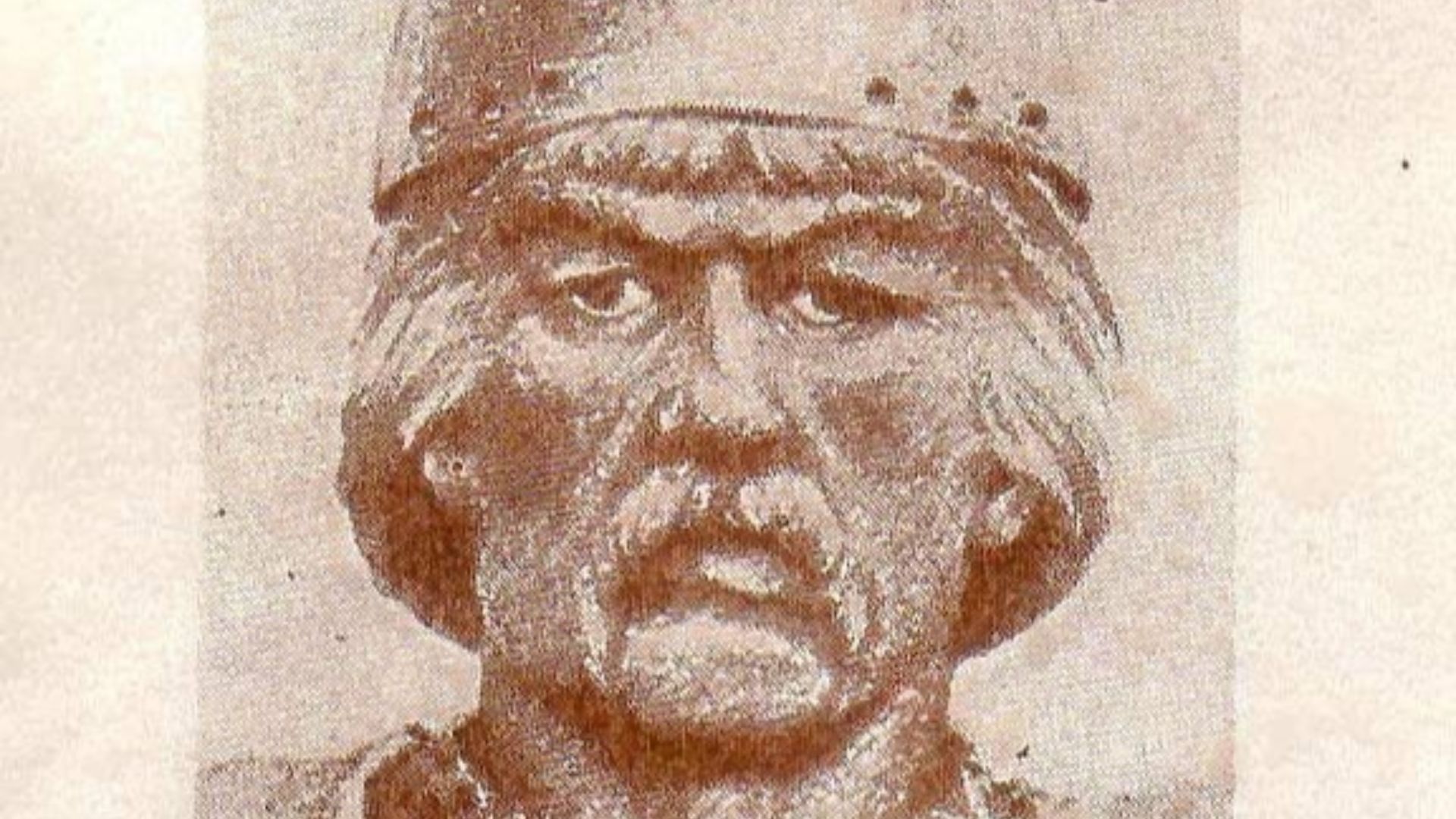
14. Pepin the Hunchback
Pepin, the eldest son of Charlemagne, was remembered as “the Hunchback,” and you can likely imagine why. Things didn’t get any easier later in his life, either; he was involved in a rebellion against his father in 792, after which Charlemagne had him tonsured and sent to a monastery.
 Digital Content Writers India on Unsplash
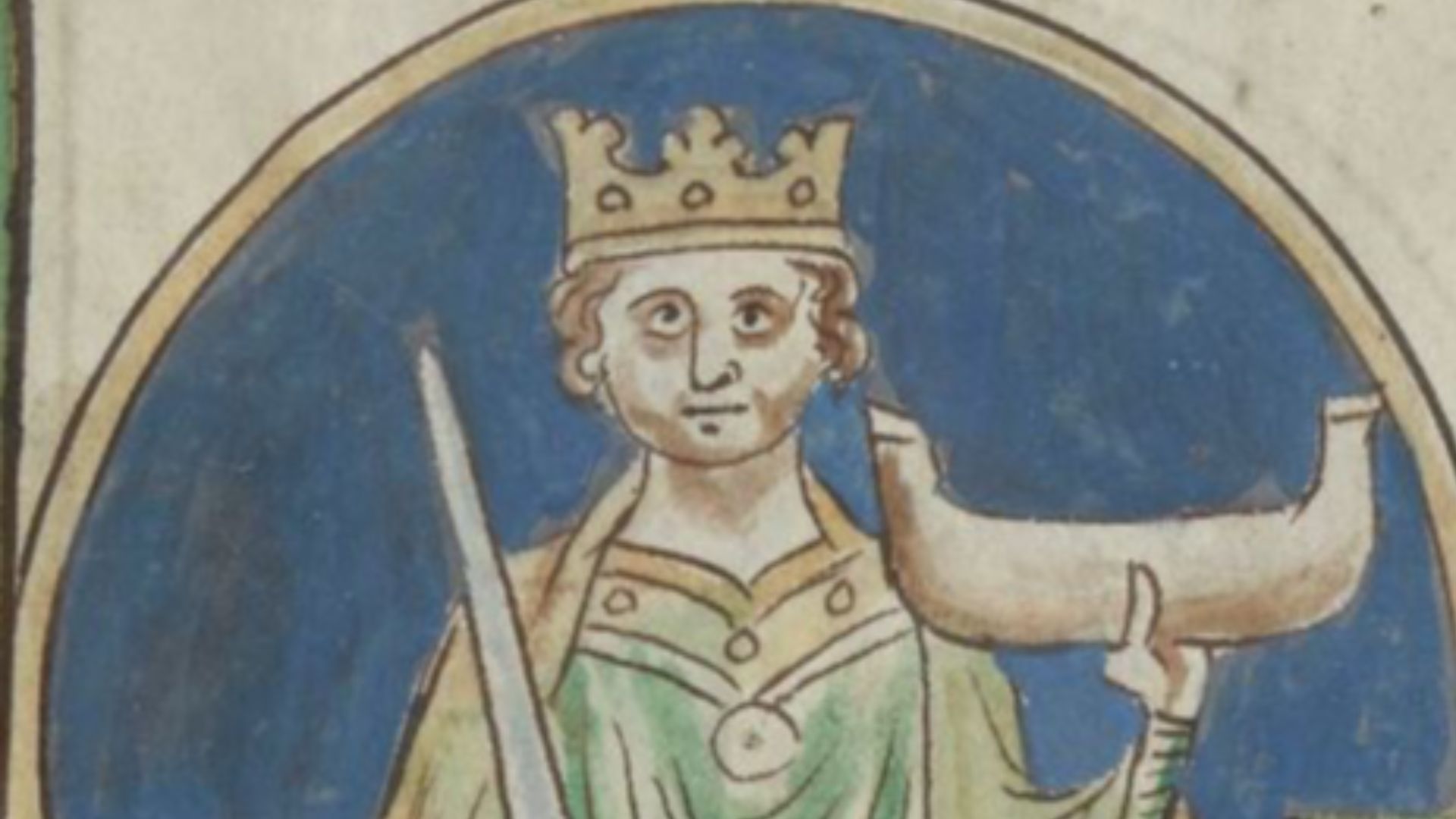
15. William the Bastard
Before he was William the Conqueror, the future king of England was also known as William the Bastard. He was branded with it due to his birth as the son of Duke Robert of Normandy and Herleva, who weren’t married. Though winning England in 1066 gave him a much grander nickname, it didn’t exactly erase the older one.
16. Charles the Bald
Though we already mentioned him, we have to bring up Charles the Bald—especially because he may not have been bald at all. Contemporary images show him with hair, and historians have since suggested that the name was likely connected to his early lack of a kingdom. Political commentary or not, this name clung on for dear life.
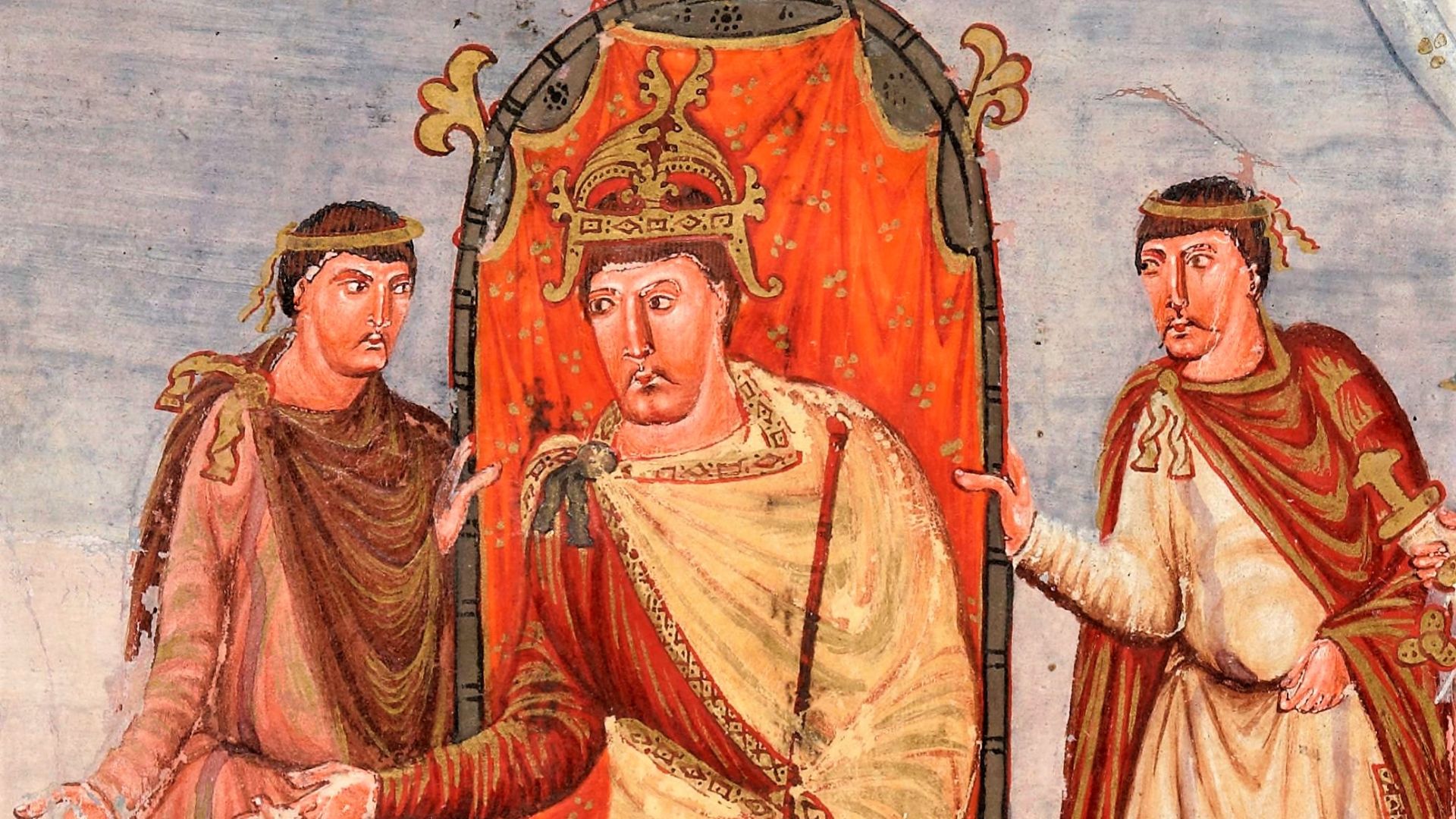 Comte Vivien - Moines de l'abbaye Saint-Martin de Tours, vers 850 on Wikimedia
17. Joe Bananas
Otherwise known as Joseph Bonanno, Mr. “Joe Bananas” was actually a powerful New York Mafia boss. The nickname originally stemmed from his last name, but it became even harder to shake during the 1960s “Banana War,” when rival factions fought for control of the Bonanno family.
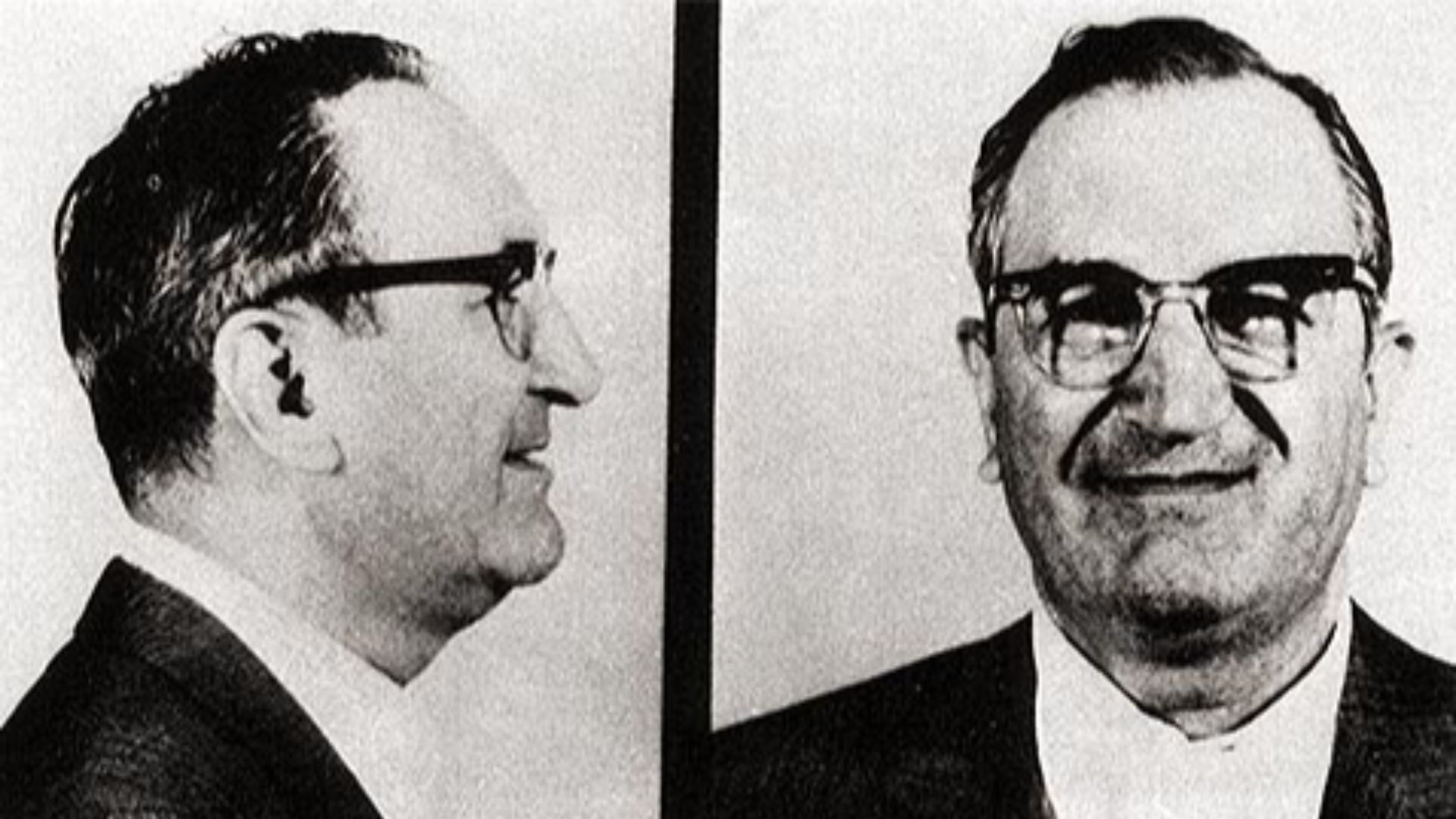 US Federal Government on Wikimedia
18. Ivar the Boneless
Ivar the Boneless was a Viking leader whose nickname has puzzled historians for centuries. Some traditions connect it to a physical condition. Other theories suggest the original meaning may have been misunderstood. Some assume that it was merely altered over time. Whatever the case, “the Boneless” is a difficult name to carry into legend.
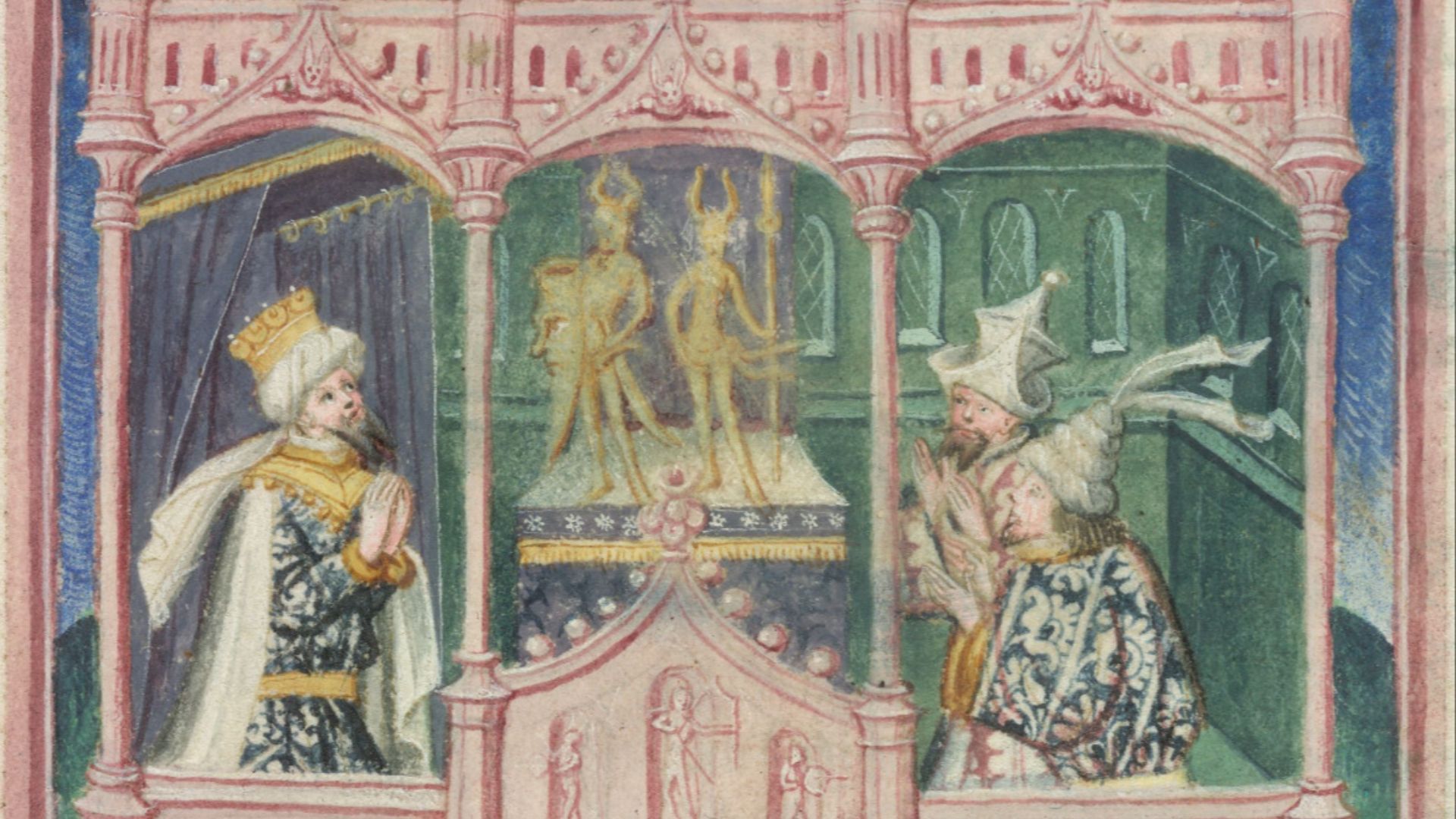
19. Harald Bluetooth
No, not that kind of Bluetooth, though Harald would fare better under that association. No, his nickname usually refers to a dark or discolored tooth, and medieval sources attribute the name in that direction. Funnily enough, he did become famous enough to inspire modern Bluetooth technology, though.
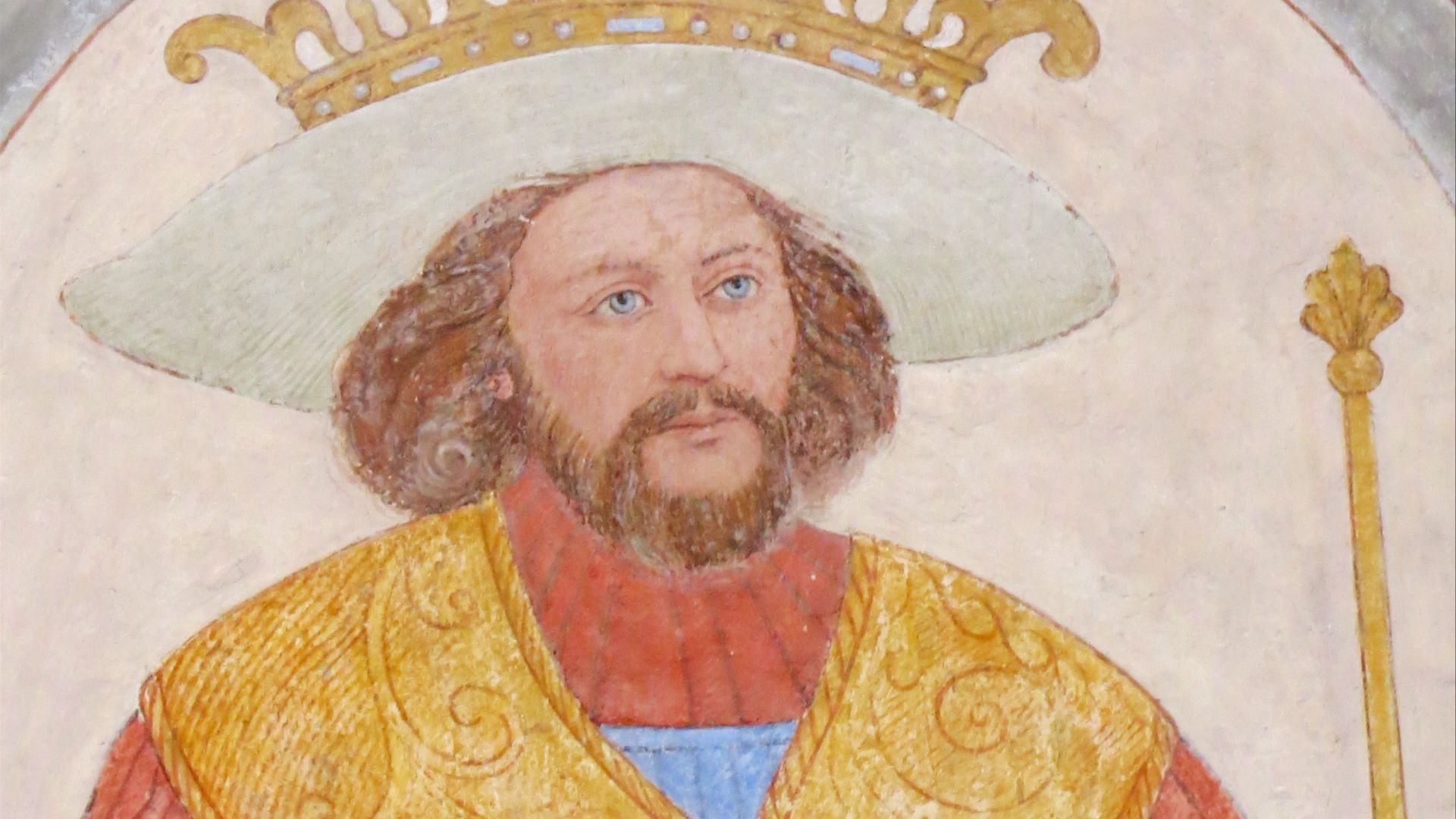
20. Eric the Lisp and Lame
Eric XI of Sweden carried one of the bluntest royal nicknames on record, despite ruling Sweden twice in the 13th century. The epithet reduced him to physical traits instead of anything else, and if you needed proof that medieval nicknames were merciless, Eric’s label does the job.