Picture a research station buried in the ice shelf of East Antarctica in the fall of 1961, months from the nearest port, with a blizzard sealing off any hope of a plane landing. Now picture the only doctor on that station developing a raging fever and a sharp pain low on his right side, recognizing the symptoms immediately, and realizing there is no one else qualified to help him.
That was the situation facing Leonid Rogozov, a young Soviet physician stationed at Novolazarevskaya as part of the Sixth Soviet Antarctic Expedition, where he served as the sole doctor for a team of thirteen researchers. What happened over the following two days remains one of the strangest and most quietly heroic stories in the history of medicine.
The Only Doctor For A Thousand Miles
Rogozov had joined the expedition still finishing his surgical training, expecting to spend his deployment treating frostbite and minor injuries rather than performing major surgery on himself. On the morning of April 29, 1961, he began experiencing weakness, nausea, a moderate fever, and pain in the lower right portion of his abdomen, a pattern he recognized instantly as appendicitis.
Conservative treatment failed to help, and by the following day the situation had turned dangerous. Signs of localized peritonitis appeared, and his condition worsened considerably by evening. The math of the situation left him with no real alternative, since the nearest Soviet station, Mirny, sat more than sixteen hundred kilometers away, no other country's Antarctic station had an aircraft available, and severe blizzard conditions ruled out any landing regardless.
With evacuation impossible and his appendix at risk of rupturing, Rogozov made the only decision available to him. He would operate on himself, using a meteorologist and a driver from the station as untrained surgical assistants, since the two men had been instructed to administer a prepared injection and perform artificial respiration if Rogozov lost consciousness partway through.
The Operation Itself
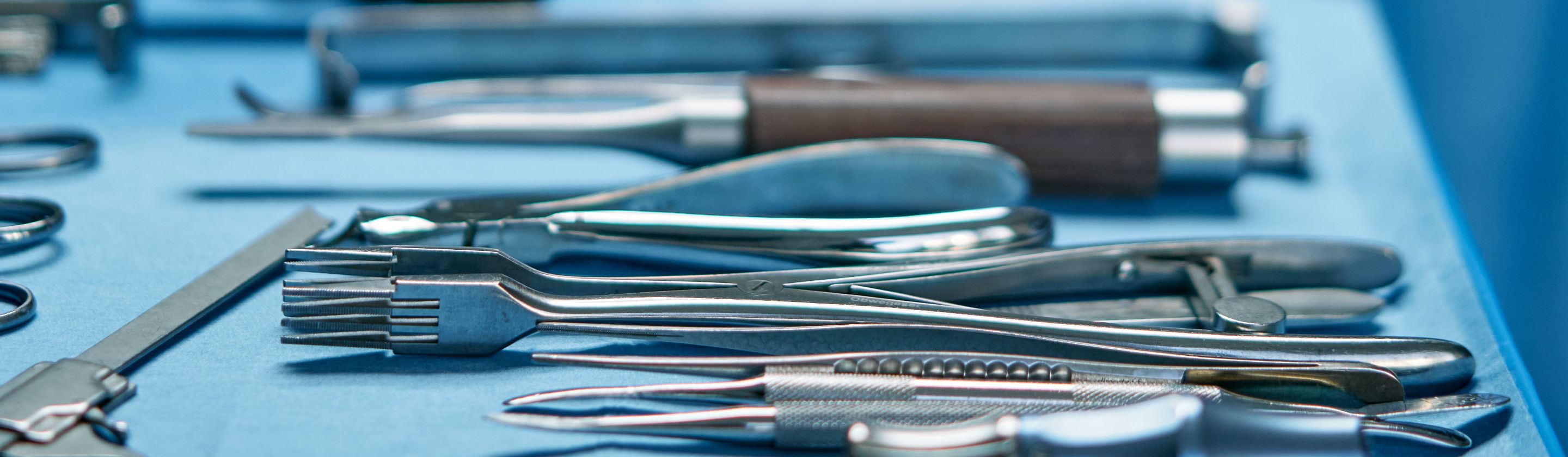
The procedure began in the middle of the night, with the operation starting at 02:00 local time on May 1, assisted by the driver and meteorologist, who provided instruments and held a mirror so Rogozov could see the parts of his own body he could not view directly. He positioned himself in a semi-reclining posture, turned to one side, and numbed the area with a local anesthetic before making an incision roughly ten to twelve centimeters long.
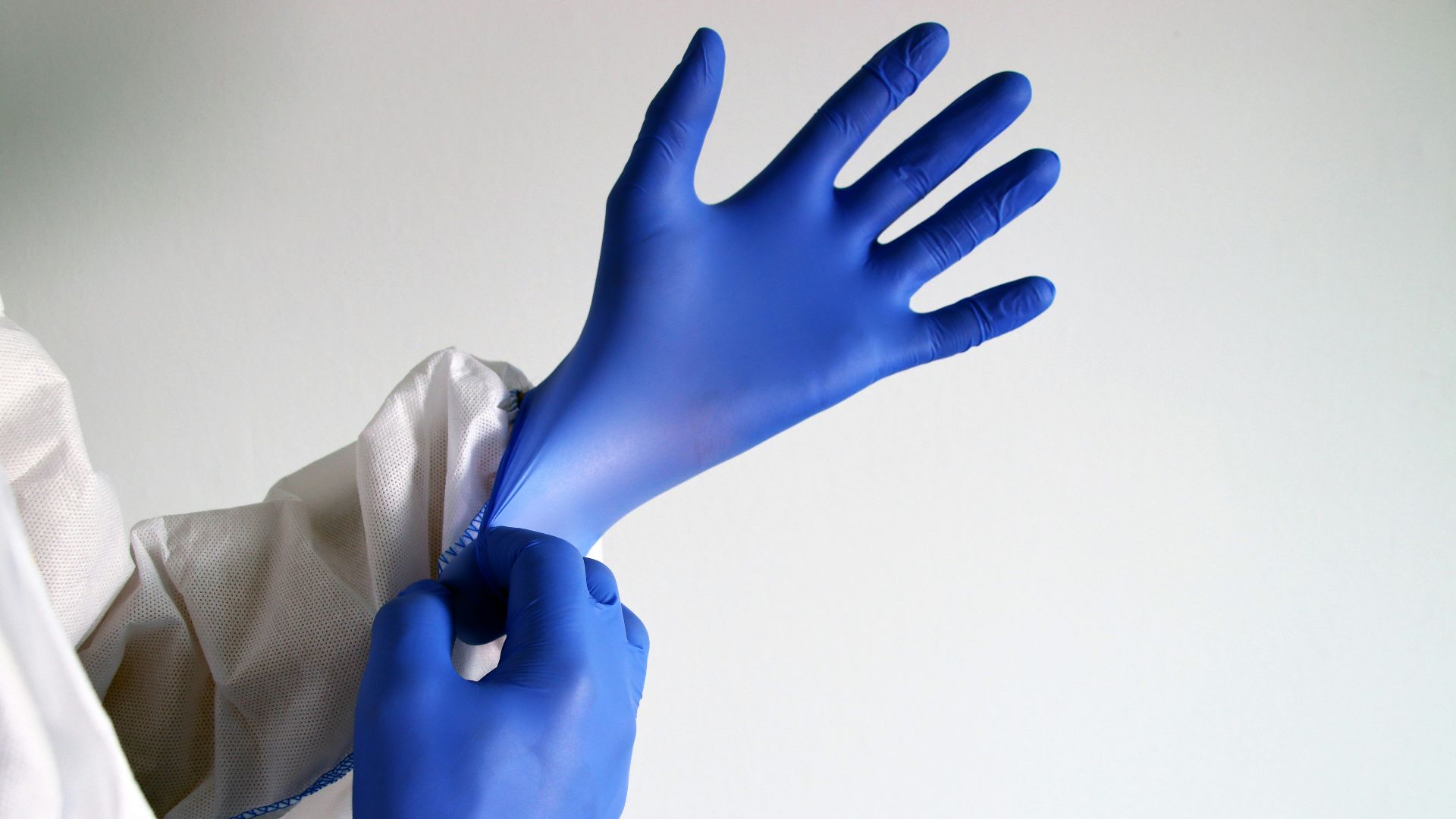
The mirror turned out to be more hindrance than help. The reversed image made it too difficult to work from, so Rogozov ended up operating largely by touch instead, without gloves, reaching into his own abdomen while his two assistants tried not to faint at the sight in front of them.
Roughly half an hour in, exhaustion and blood loss began to take a toll. He started taking short breaks because of weakness and vertigo, worried he might fail at the final stretch, and later described finding a dark discoloration at the base of the appendix, a sign that perforation had been only a day away. He finished removing it, treated the cavity with antibiotics, and closed the wound himself, with the entire operation lasting one hour and forty-five minutes.
What Came After
Signs of peritonitis resolved over the following four days, his fever broke by day five, and the sutures came out on day seven, a remarkably clean outcome for a surgery performed without a trained surgical team or a hospital environment.
News of the operation spread quickly once it reached the Soviet Union, and the reaction was immediate. Rogozov received the Order of the Red Banner of Labour that same year, and the incident prompted a policy change requiring far more extensive health screening for future expedition personnel before deployment, a lasting shift in how nations prepared doctors for isolated postings.
Rogozov himself never seemed comfortable with the fame that followed. He returned to Leningrad in October of 1962, resumed his medical career, eventually earned an MD, and spent decades working as a surgeon in Saint Petersburg before dying of lung cancer in 2000 at the age of sixty six. He tended to treat the whole episode as nothing more than an ordinary day at an unusual job, which, for a man who once operated on his own appendix by feel in the Antarctic dark, might be the most Soviet understatement in the entire story.
KEEP ON READING