When Justice Never Came
Wouldn't it be great if justice always got served? Alas, reality isn't such a perfect ideal, and history is full of disturbing cases of people getting away with the atrocities they committed. While some escaped abroad, others received political protection or died before they could be tried, and a few were never even identified at all. It just goes to show that you can be the devil incarnate, the scum of the earth, and still get away with murder.
 San Francisco Police Department on Wikimedia
1. Josef Mengele
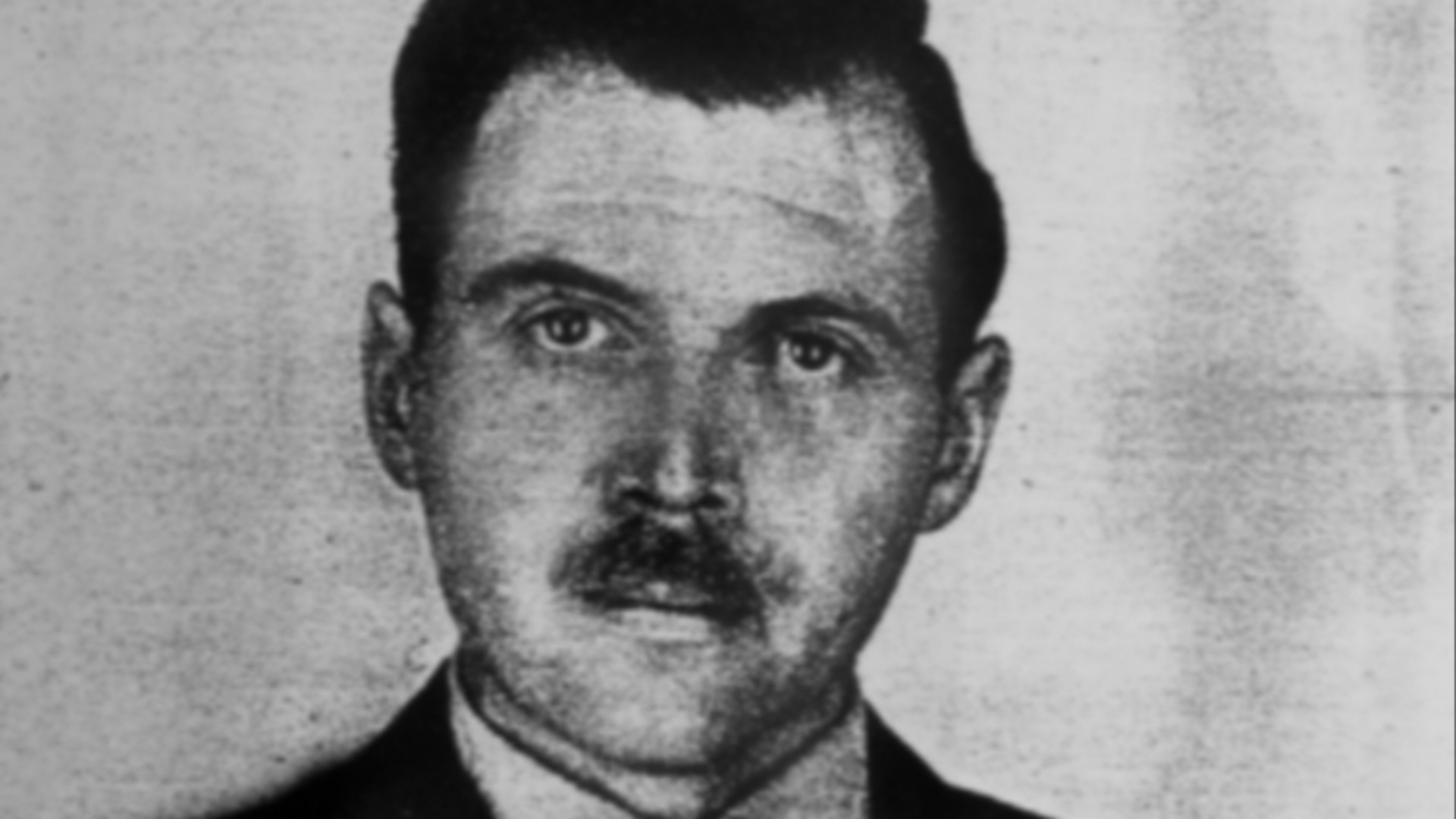
Josef Mengele became one of the most notorious physicians at Auschwitz, where he selected prisoners for death and carried out inhumane and frequently fatal medical experiments. Although American forces briefly held him as a prisoner of war in 1945, they released him without realizing that he was already wanted for war crimes. Mengele eventually escaped to South America and spent decades avoiding capture before dying in Brazil in 1979, having never been prosecuted or imprisoned for his crimes.
 Anonymous photographer, not identified anywhere on Wikimedia
2. Alois Brunner
Alois Brunner worked closely with Adolf Eichmann and organized the deportation of Jewish people from several European countries to Nazi camps. French courts convicted him in absentia after the war, and another French proceeding in 2001 sentenced him to life imprisonment for crimes against humanity. By then, however, Brunner had spent decades living in Syria, beyond the reach of authorities seeking his extradition, and he was never made to serve that sentence.
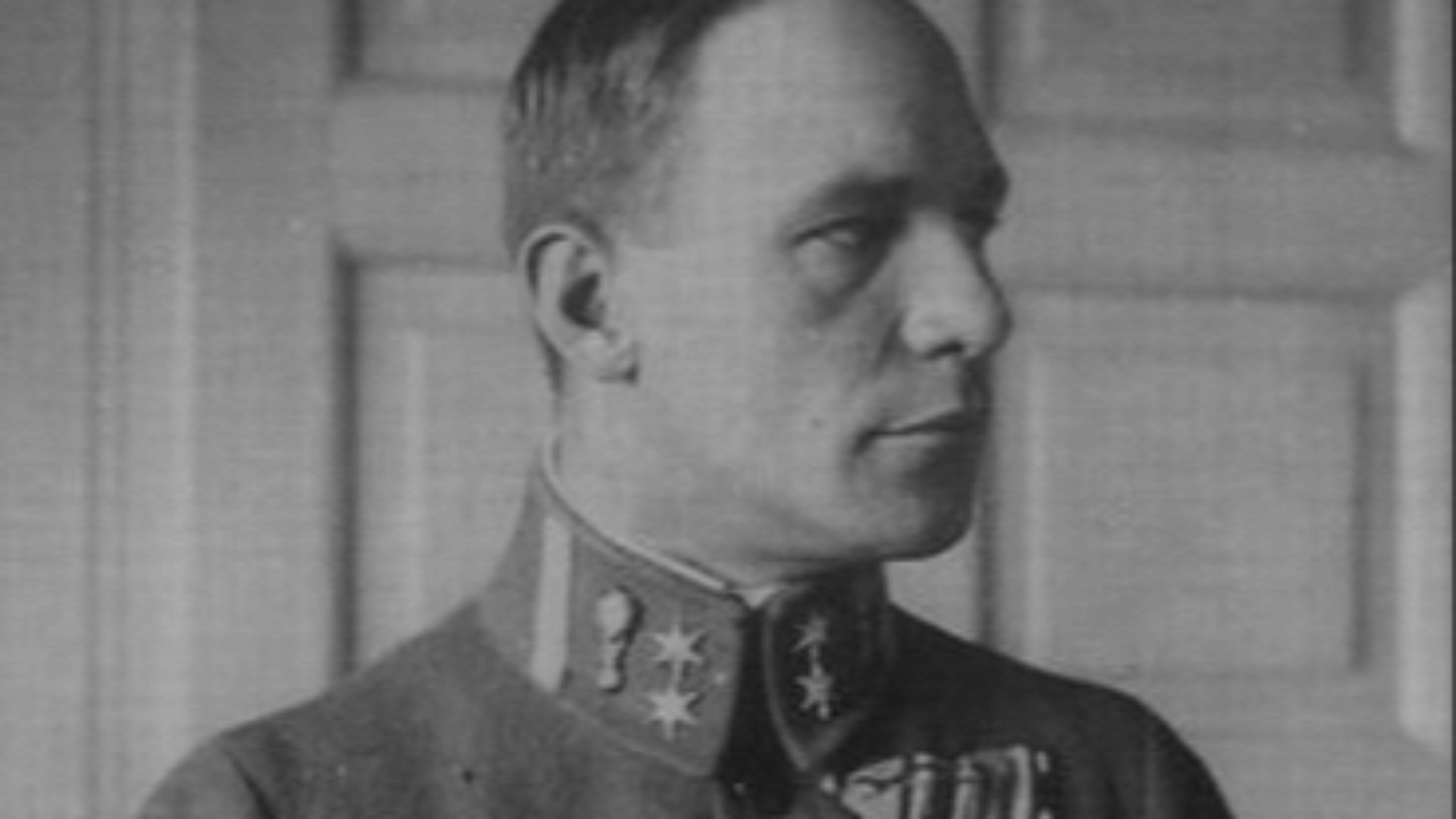
3. Shiro Ishii
As the commander of Japan's Unit 731, Shiro Ishii oversaw a biological warfare program that conducted lethal experiments on prisoners during World War II. Rather than putting Ishii on trial after Japan's surrender, American authorities granted him immunity in exchange for information gathered through the unit's research. He returned to civilian life in Japan and died in 1959 without ever facing a war-crimes prosecution.
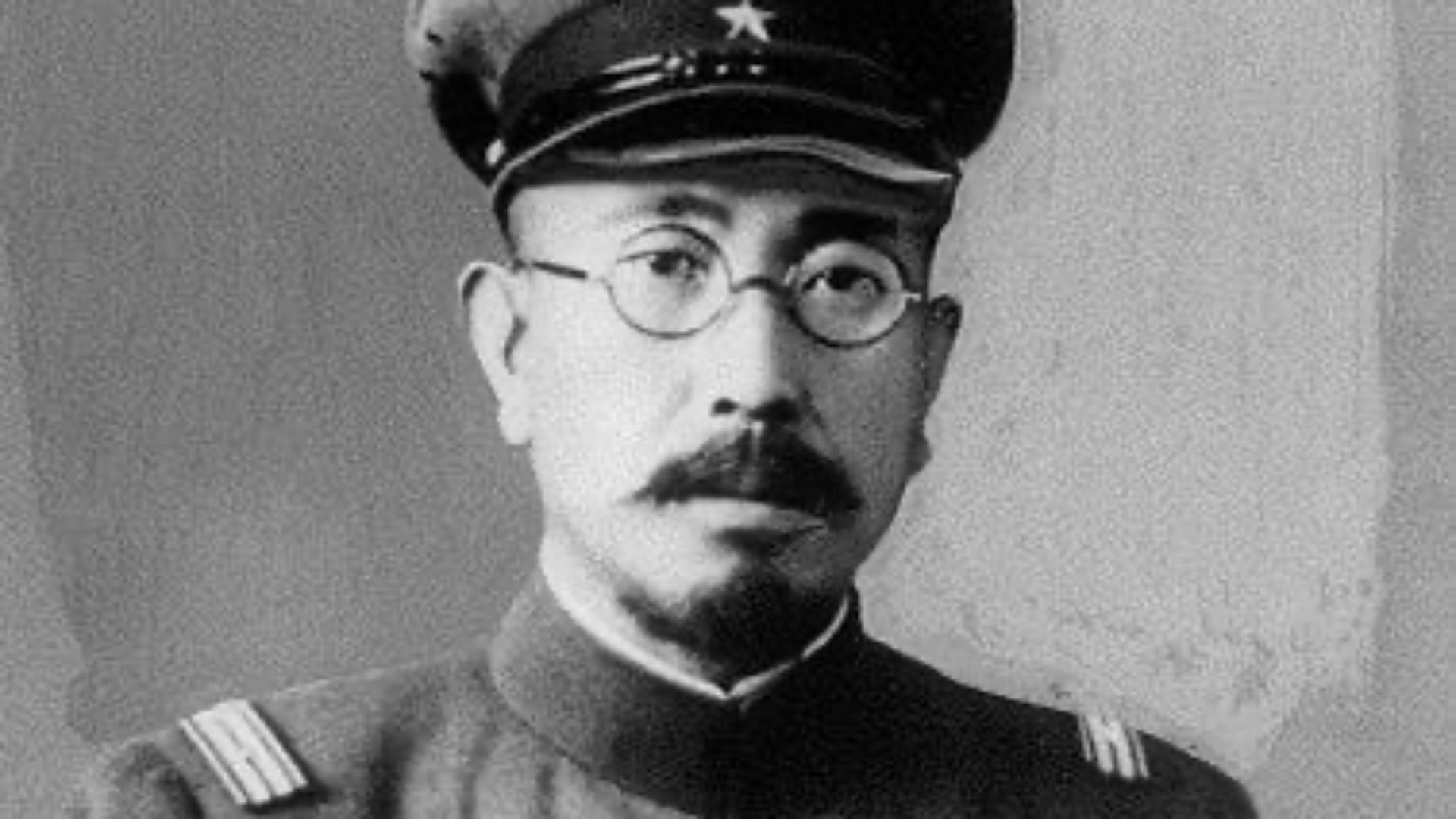
4. Masanobu Tsuji
Japanese army officer Masanobu Tsuji was implicated in serious wartime atrocities, including massacres and the mistreatment of prisoners during the Pacific War. When Japan surrendered, Tsuji avoided Allied authorities by going underground and moving through Thailand and China. By the time he resurfaced in Japan around 1950, the effort to prosecute him as a war criminal had effectively ended, and he later entered politics instead of prison.
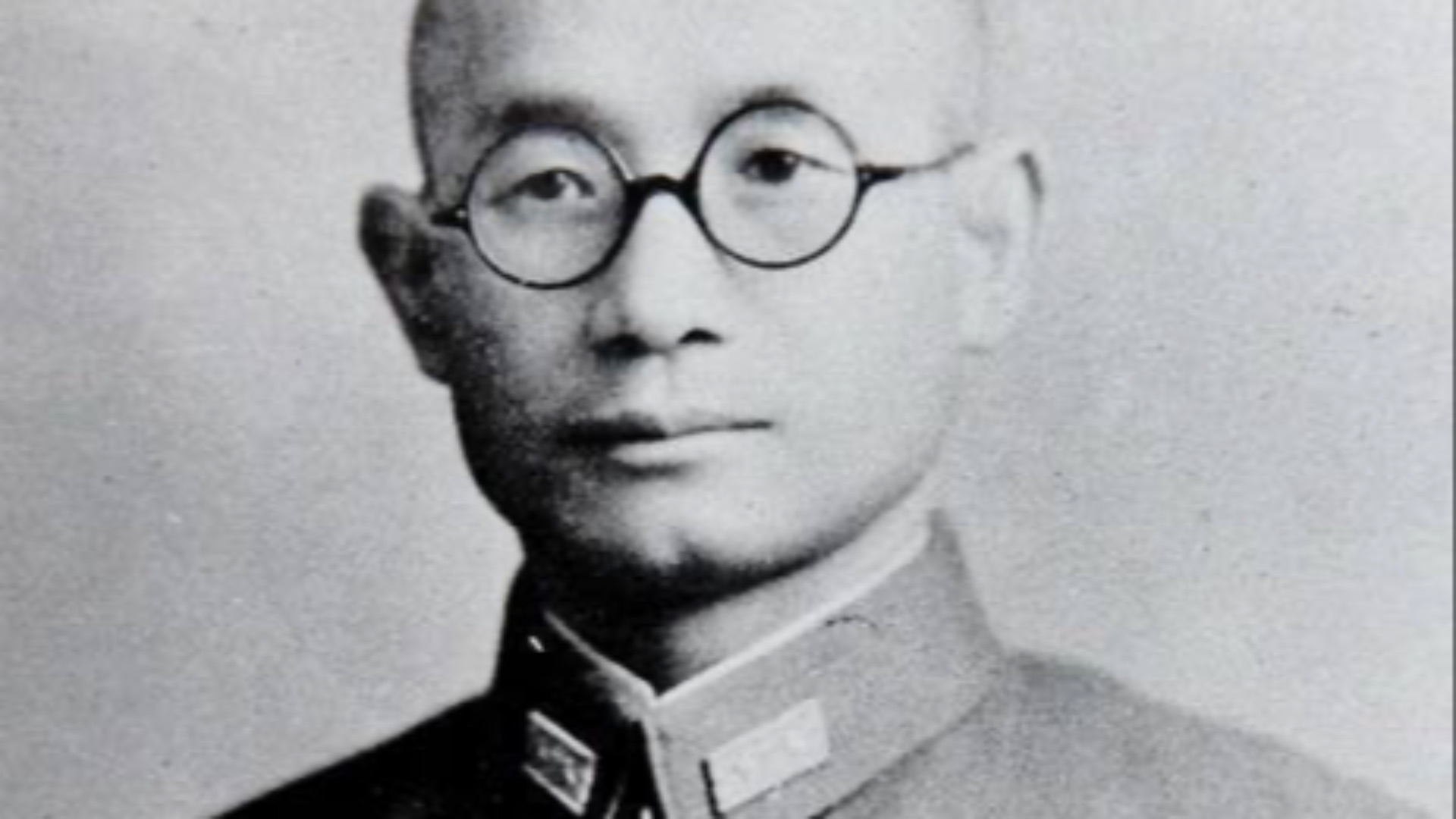
5. Ante Pavelić
Ante Pavelić led the Ustaše regime that governed the Independent State of Croatia during World War II and carried out mass persecution and killings of Serbs, Jews, Roma, and political opponents. After the Axis defeat, Pavelić escaped Europe and eventually established himself in Argentina before moving to Spain. Yugoslavia sought to have him returned for prosecution, but he was never extradited and died in Madrid in 1959.
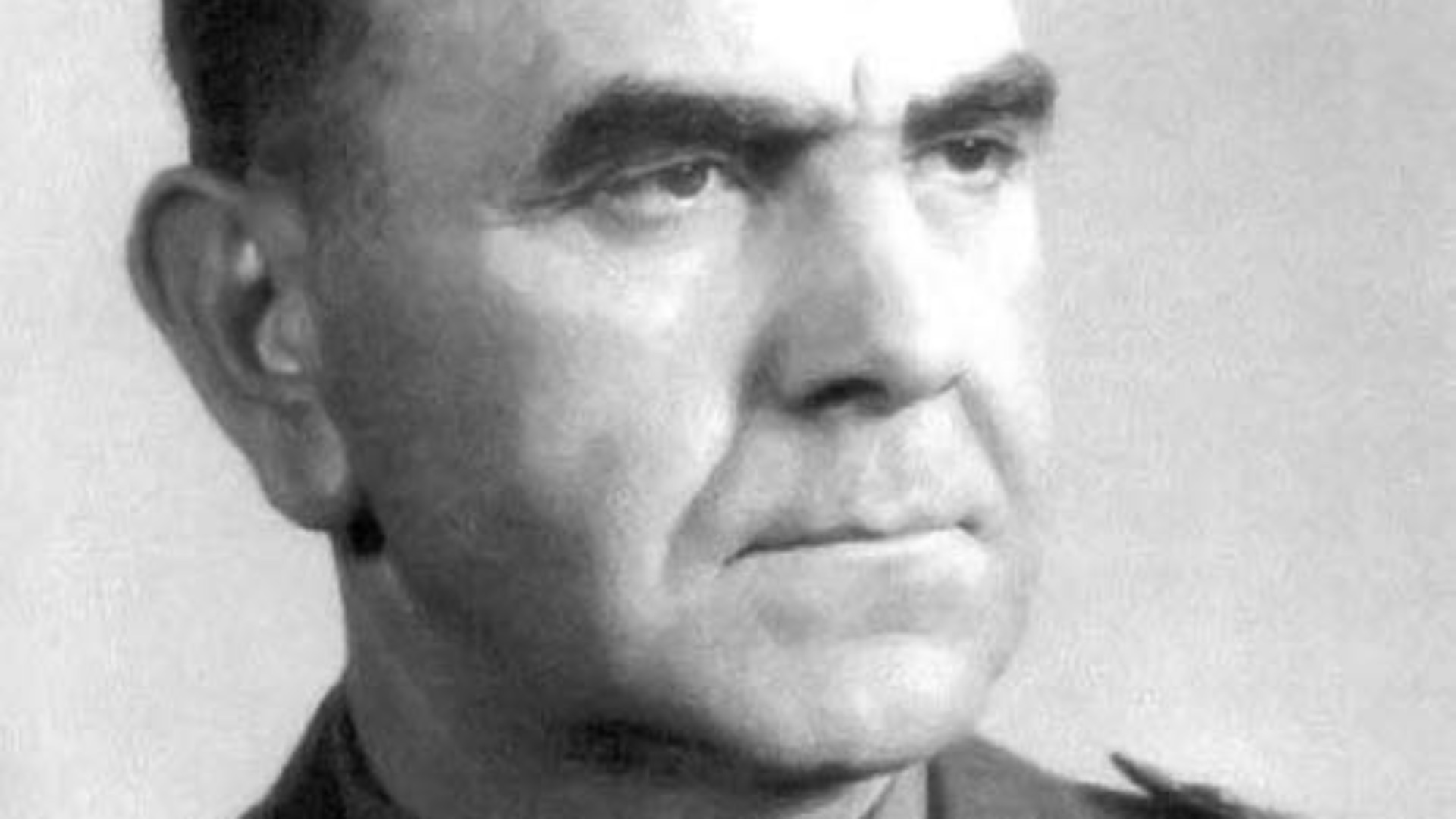 Unknown Croatian photographer Probably photo by Willy Pragher on Wikimedia
6. Pol Pot
Pol Pot's Khmer Rouge ruled Cambodia from 1975 to 1979, during which forced labor, executions, starvation, and disease contributed to the deaths of an enormous portion of the country's population. Even after the regime was overthrown, Pol Pot continued operating with Khmer Rouge forces for years rather than facing an international tribunal. His own movement eventually placed him under house arrest in 1997, but he died the following year without ever serving time in a state prison or answering for his rule in a formal criminal trial.
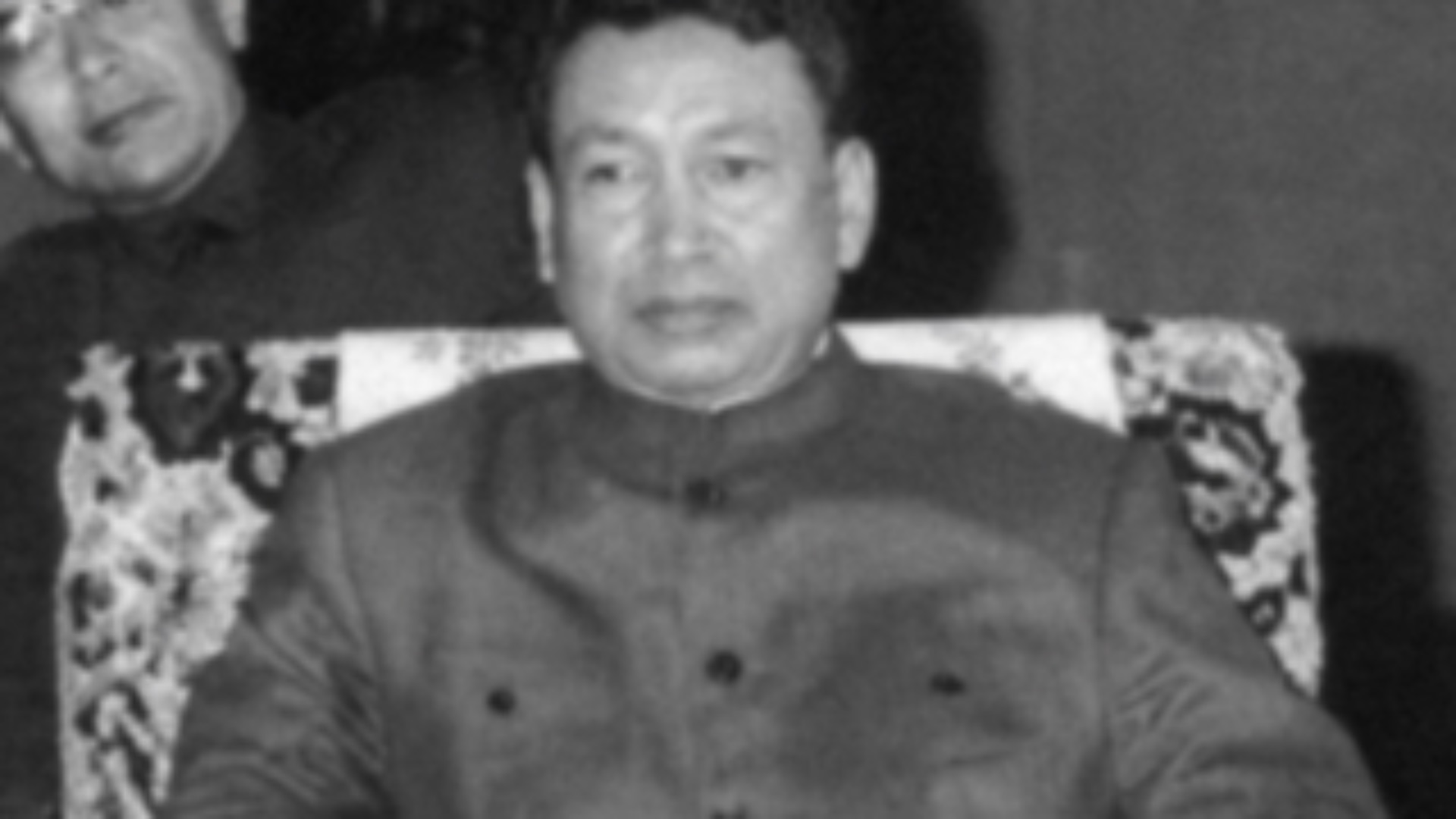
7. Joseph Goebbels
Joseph Goebbels served as Nazi Germany’s propaganda minister and became one of Adolf Hitler’s closest and most influential associates. He played a central role in spreading antisemitic propaganda, encouraging persecution, and maintaining public support for the regime as its crimes and war expanded across Europe. As Soviet forces closed in on Berlin in May 1945, Goebbels and his wife killed their children before taking their own lives. He died before Allied authorities could arrest, try, or imprison him for his role in the Nazi regime.
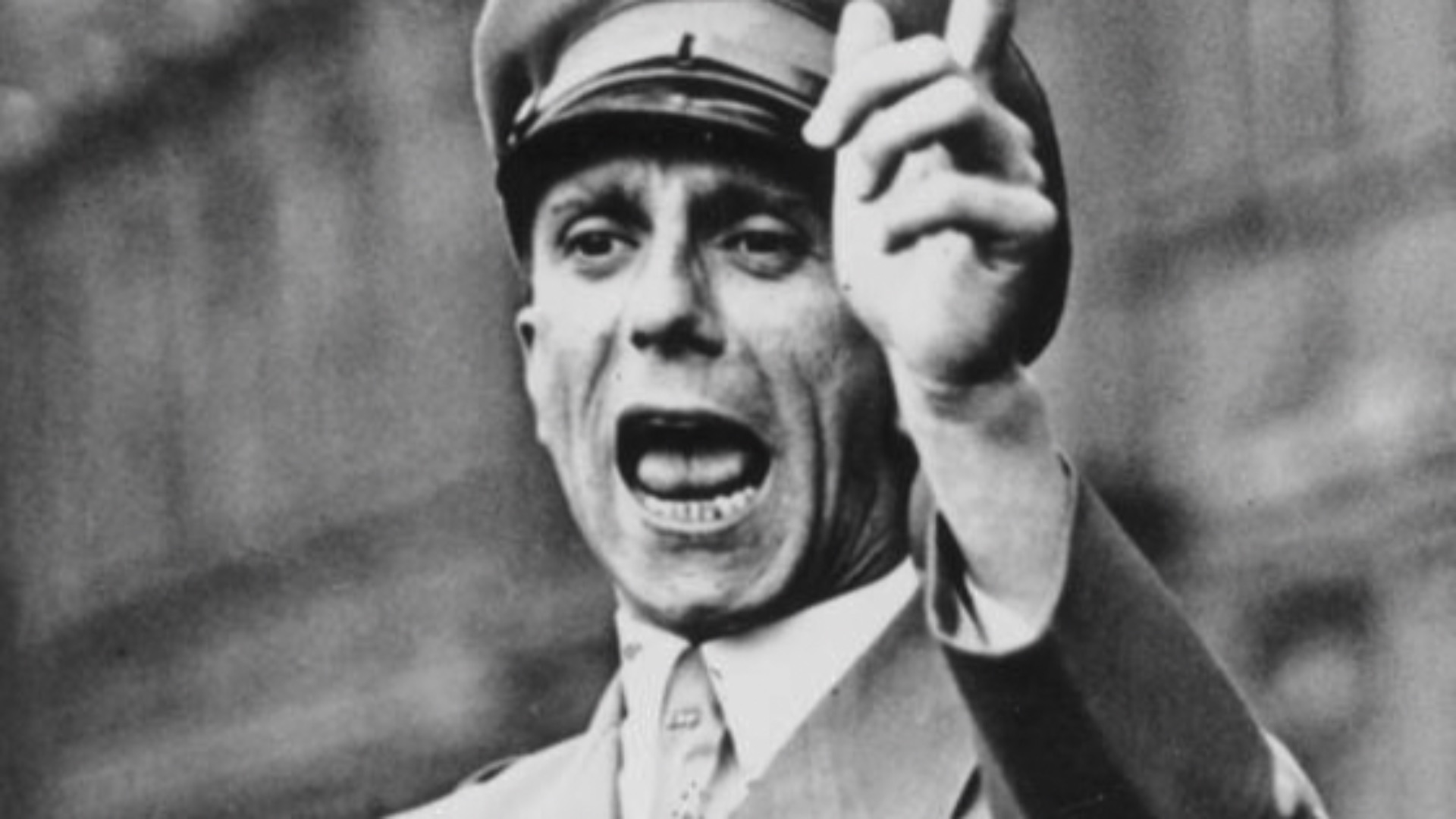
8. Augusto Pinochet
Augusto Pinochet governed Chile as a military dictator from 1973 to 1990, and his regime became notorious for disappearances, torture, and killings of political opponents. He was arrested in London in 1998 under a Spanish extradition request and later faced numerous criminal proceedings in Chile, but his confinement consisted largely of house arrest rather than imprisonment. Legal arguments over his health repeatedly delayed or halted prosecution, and Pinochet died in 2006 without a criminal conviction.
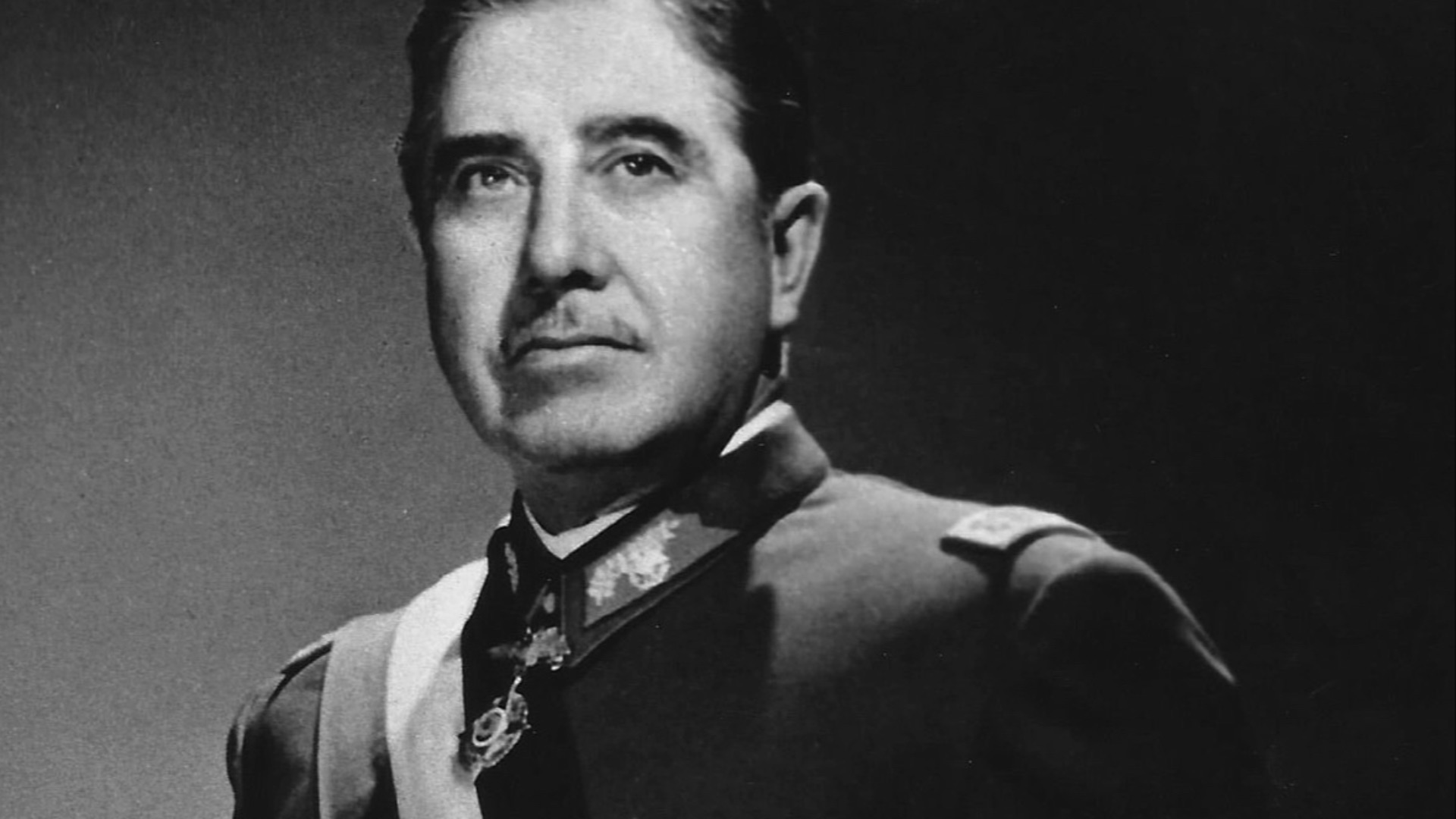 Ministerio de Relaciones Exteriores de Chile on Wikimedia
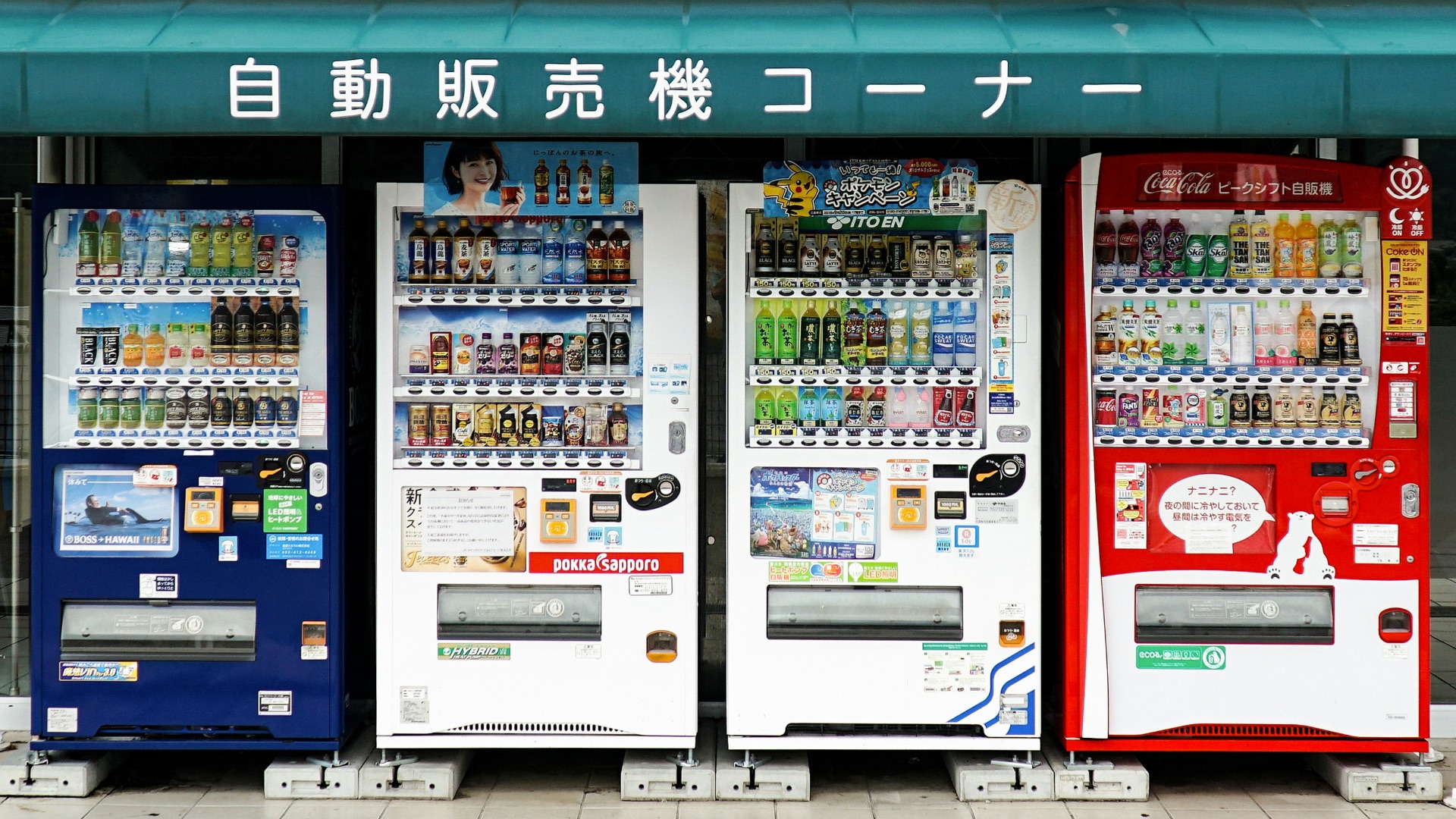
9. The Vending Machine Killer
In 1985, Japan was shaken by a string of apparently random poisonings involving drinks left in or around vending machines. Several beverages had been contaminated with highly toxic herbicides, particularly paraquat, and contemporary reports documented at least 12 deaths by late November. Despite nationwide warnings from police and beverage companies, investigators never identified whoever was placing the poisoned drinks, leaving one of Japan's strangest killing sprees unsolved. The unidentified offender therefore escaped arrest, trial, and imprisonment entirely.
10. Jack the Ripper
Jack the Ripper is the name given to the unidentified killer responsible for a series of murders in London’s Whitechapel district in 1888. At least five victims are generally considered part of the core series, though the exact number connected to the same offender has long been debated. Despite an enormous police investigation and countless suspects proposed over the years, authorities never established the killer’s identity with certainty. Whoever Jack the Ripper was, he escaped prosecution entirely and became one of history’s most infamous unidentified criminals.
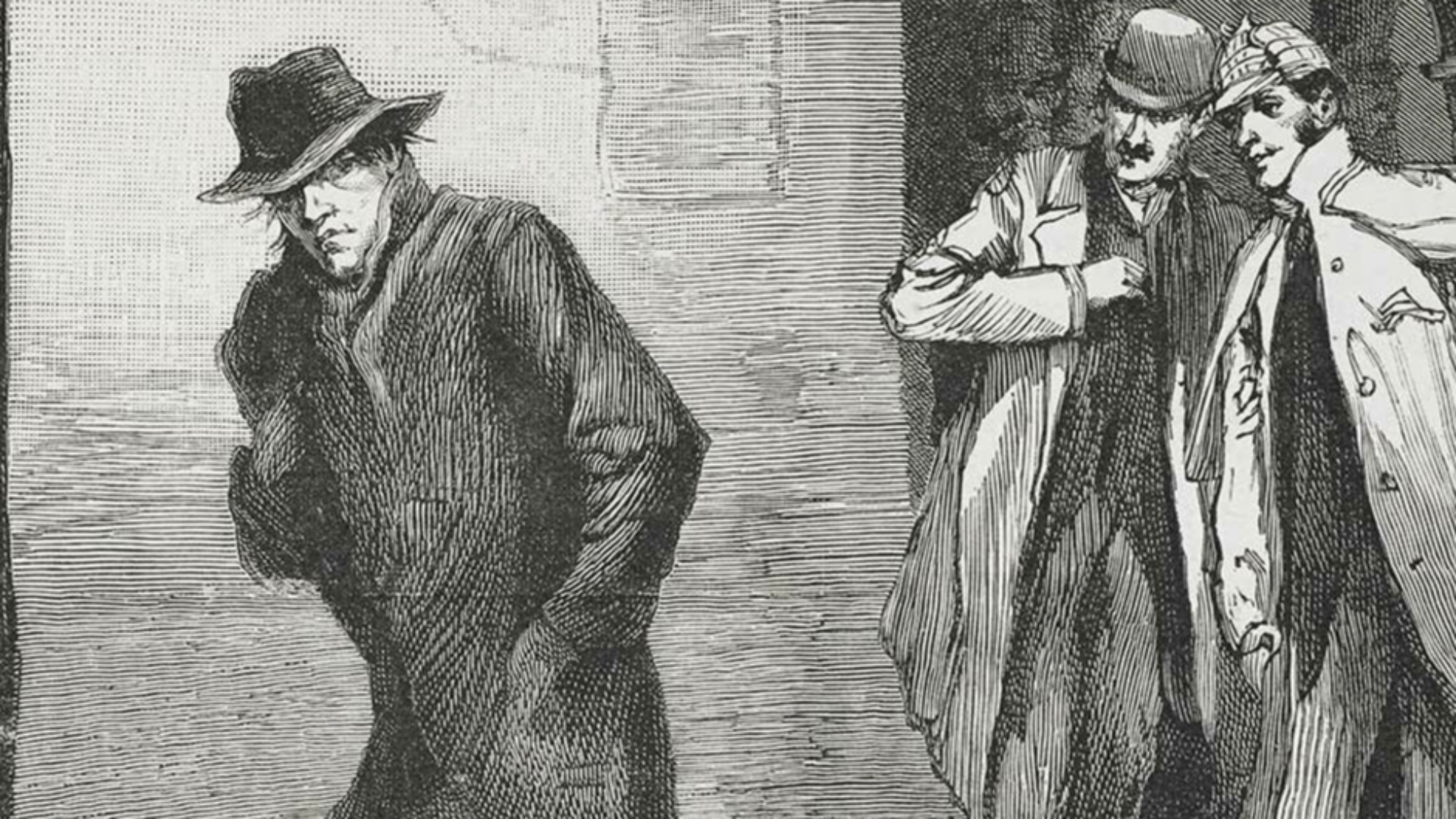 R. Taylor (R. & E. Taylor (Firm)) on Wikimedia
11. Joseph Kony
Joseph Kony led the Lord's Resistance Army, an armed group notorious for killings, mutilations, abductions, forced recruitment of children, and attacks on civilians across parts of central Africa. The International Criminal Court issued a warrant for him in 2005, and judges confirmed 39 charges of war crimes and crimes against humanity in absentia in November 2025. Despite years of military operations and international searches, Kony remained at large as of 2026 and has never been placed in ICC custody.
 Mateusz Opasiński on Wikimedia
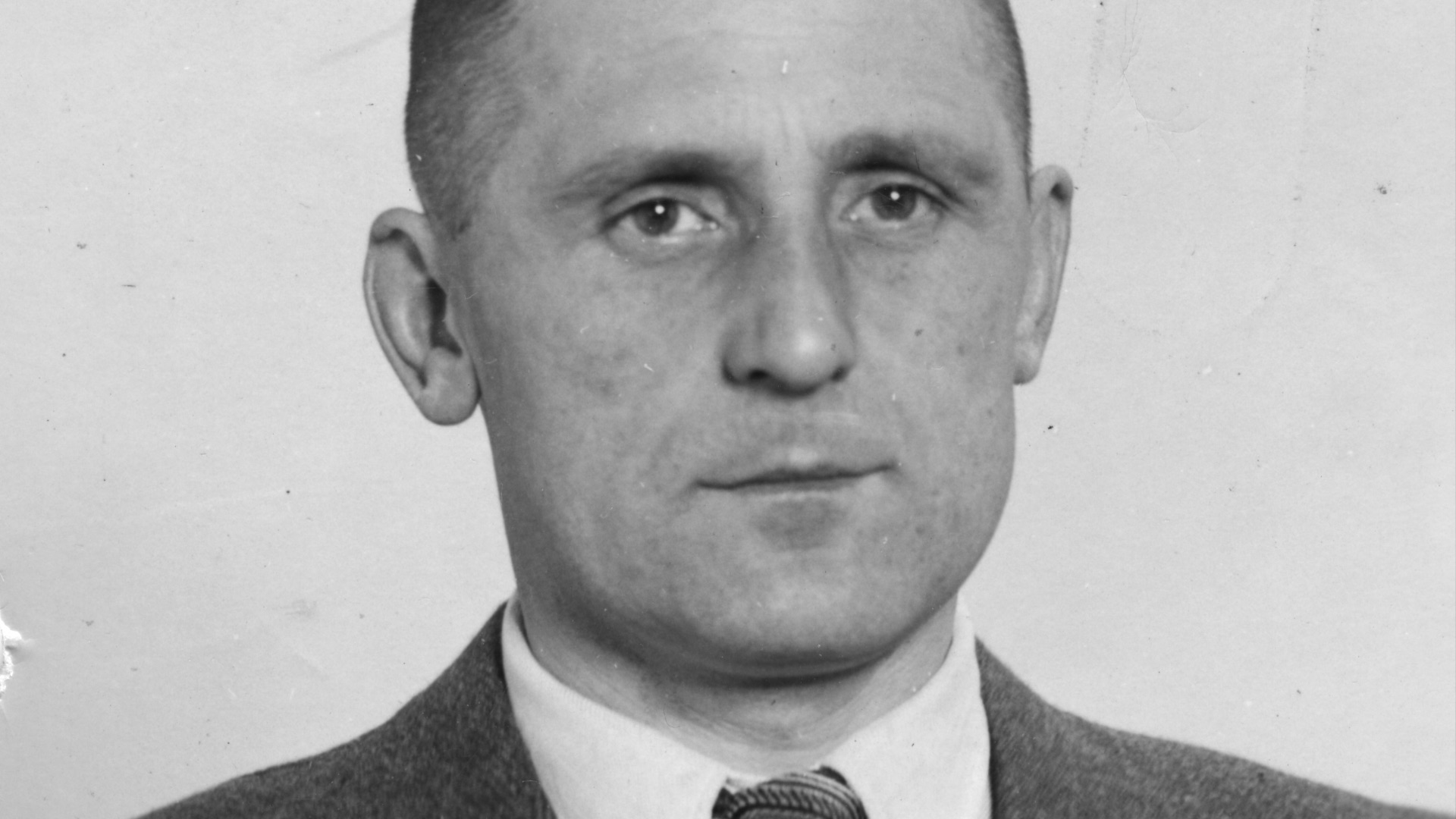
12. Heinrich Müller
Heinrich Müller headed the Gestapo during much of World War II and occupied a senior position in the Nazi security system responsible for persecution and mass murder. Unlike many other leading Nazi officials, Müller simply disappeared during the collapse of Berlin in 1945, and Allied authorities never managed to locate him afterward. Later research has suggested that he probably died during or shortly after the fall of Berlin, but no postwar court ever had the opportunity to prosecute him.
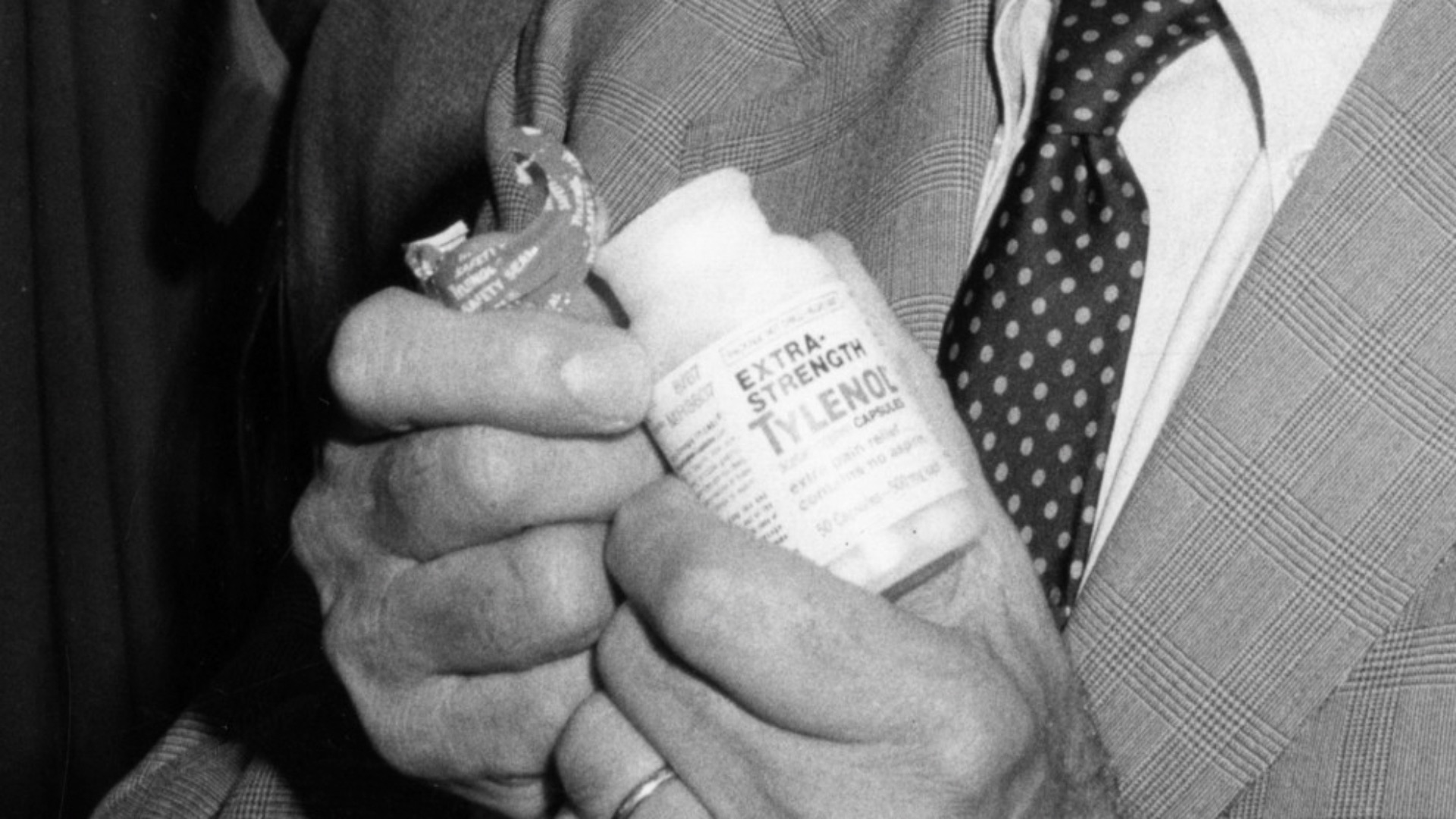
13. The Chicago Tylenol Killer
Few unsolved crimes changed everyday consumer life as dramatically as the Chicago Tylenol murders of 1982, when someone placed cyanide into Extra Strength Tylenol capsules that were later purchased by unsuspecting customers. Seven people died in the Chicago area, triggering an enormous investigation and sweeping changes to product packaging and tamper protection. Investigators examined suspects over the years, but no one was ever charged with carrying out the poisonings themselves. The identity of the person responsible consequently remains unknown, and the killer never spent a day in prison for the murders.
14. The Zodiac Killer
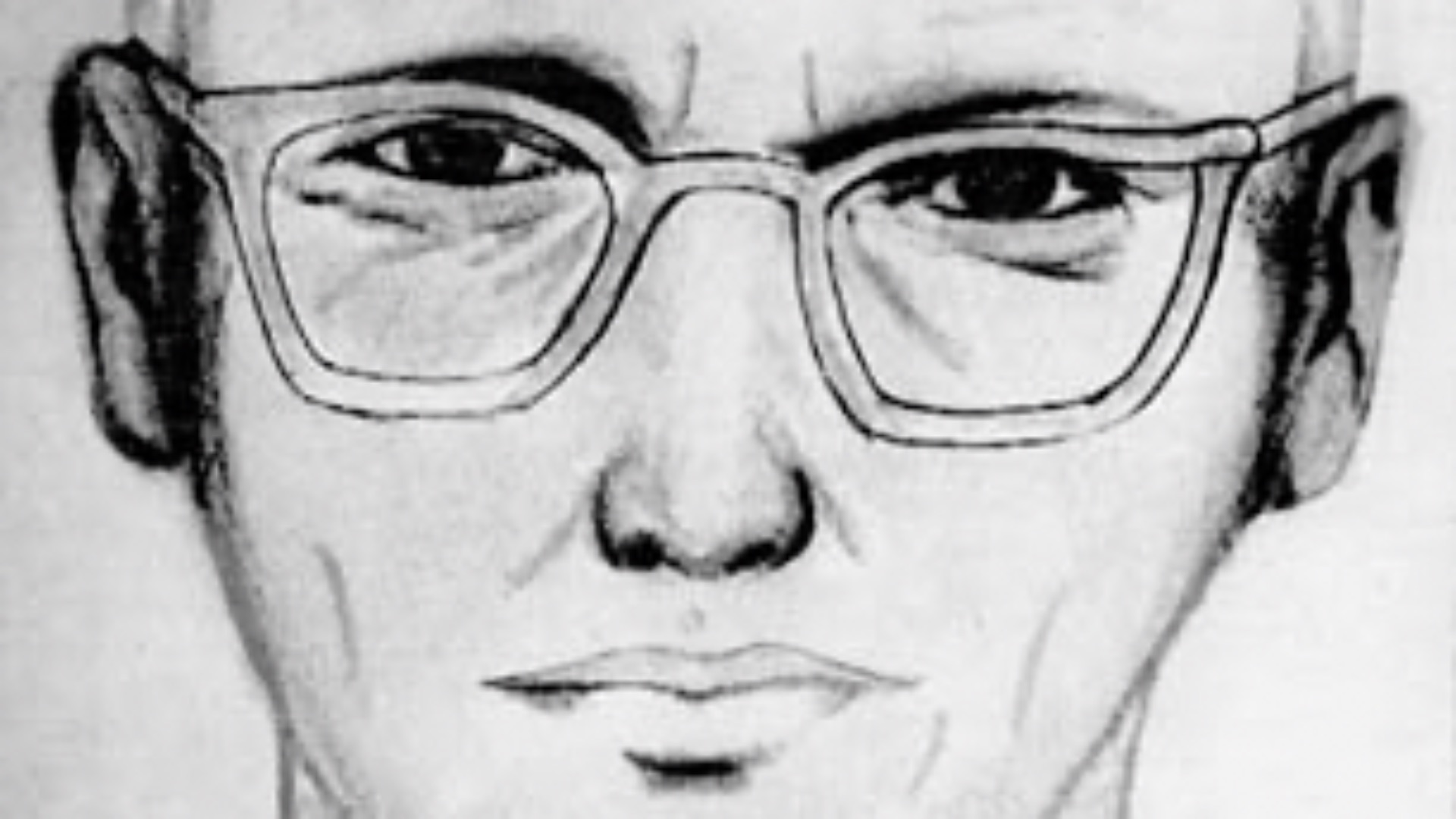
The Zodiac Killer attacked people in Northern California during the late 1960s and sent letters and coded messages to newspapers while challenging authorities to identify him. Law enforcement officially connected five killings to the case, although the writer of the letters claimed a much larger number. Numerous suspects have attracted attention over the decades, but no one has ever been officially identified and charged as the Zodiac Killer.
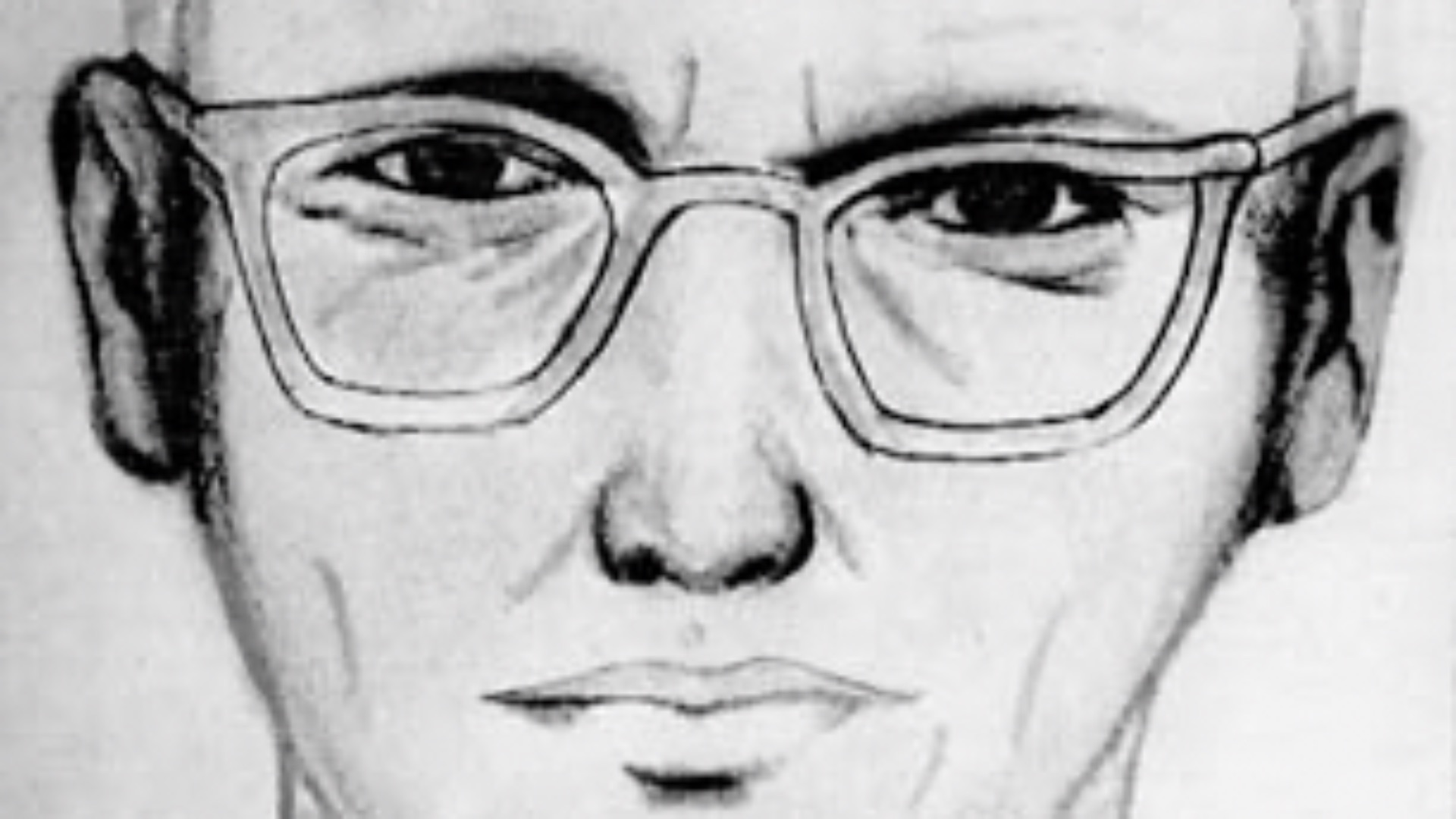 San Francisco Police Department on Wikimedia
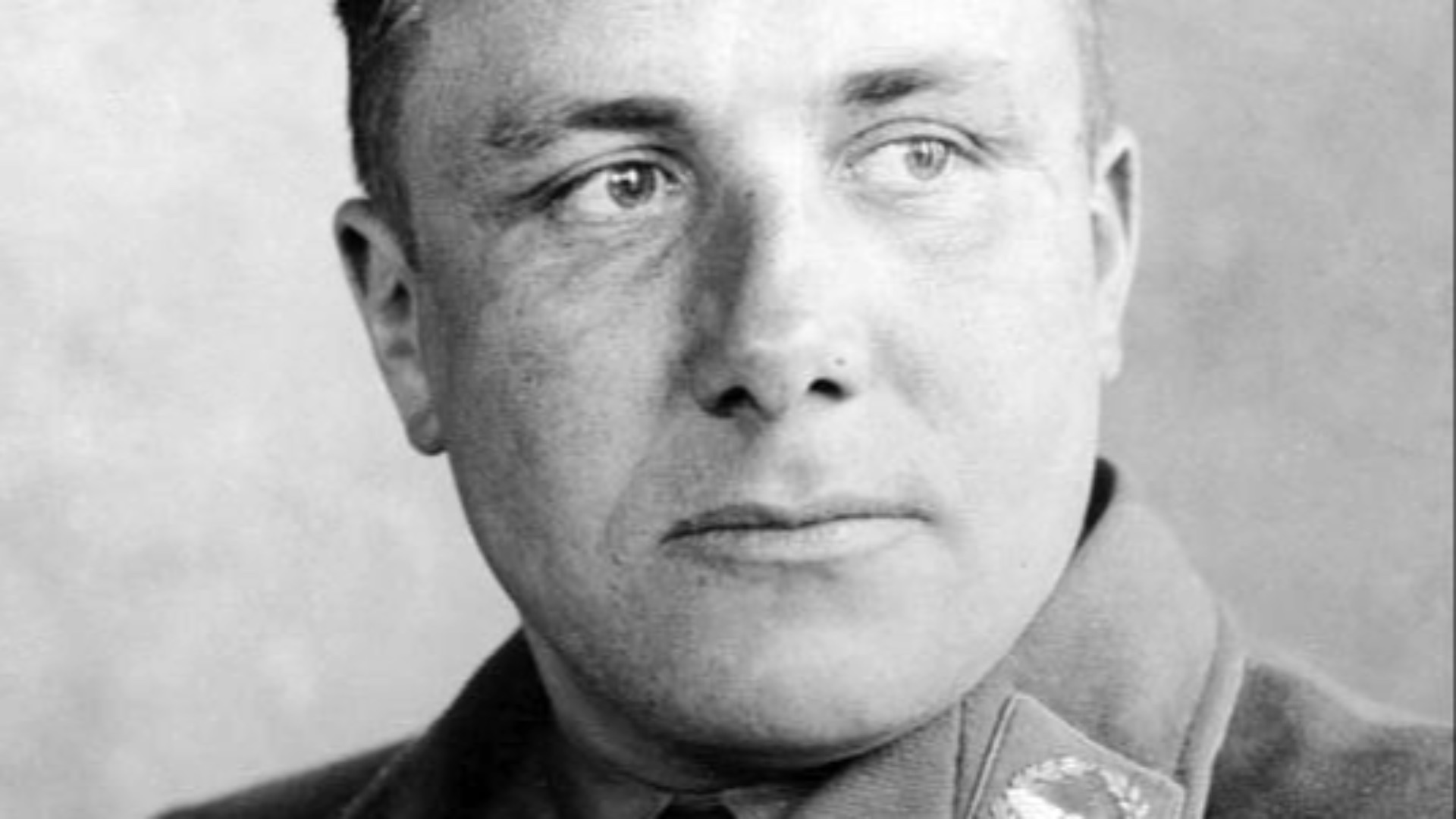
15. Martin Bormann
Martin Bormann rose to become Hitler’s powerful private secretary and head of the Nazi Party Chancellery, giving him enormous influence over access to Hitler and the administration of party policy. He supported measures targeting Jewish people and helped enforce Nazi policies throughout the regime’s final years. After disappearing during the fall of Berlin in 1945, Bormann was tried at Nuremberg in absentia, convicted of war crimes and crimes against humanity, and sentenced to death. His remains were later identified, confirming that he had died while attempting to escape Berlin, so he was never imprisoned or made to serve the sentence imposed on him.
16. The Black Dahlia Killer
The 1947 killing of 22-year-old Elizabeth Short, later known in the press as the Black Dahlia, became one of the most famous unsolved crimes in American history. Investigators considered numerous suspects, while the FBI helped examine fingerprints and other evidence connected with the case. No person was ever successfully prosecuted for Short's murder, meaning whoever committed it escaped a prison sentence entirely.
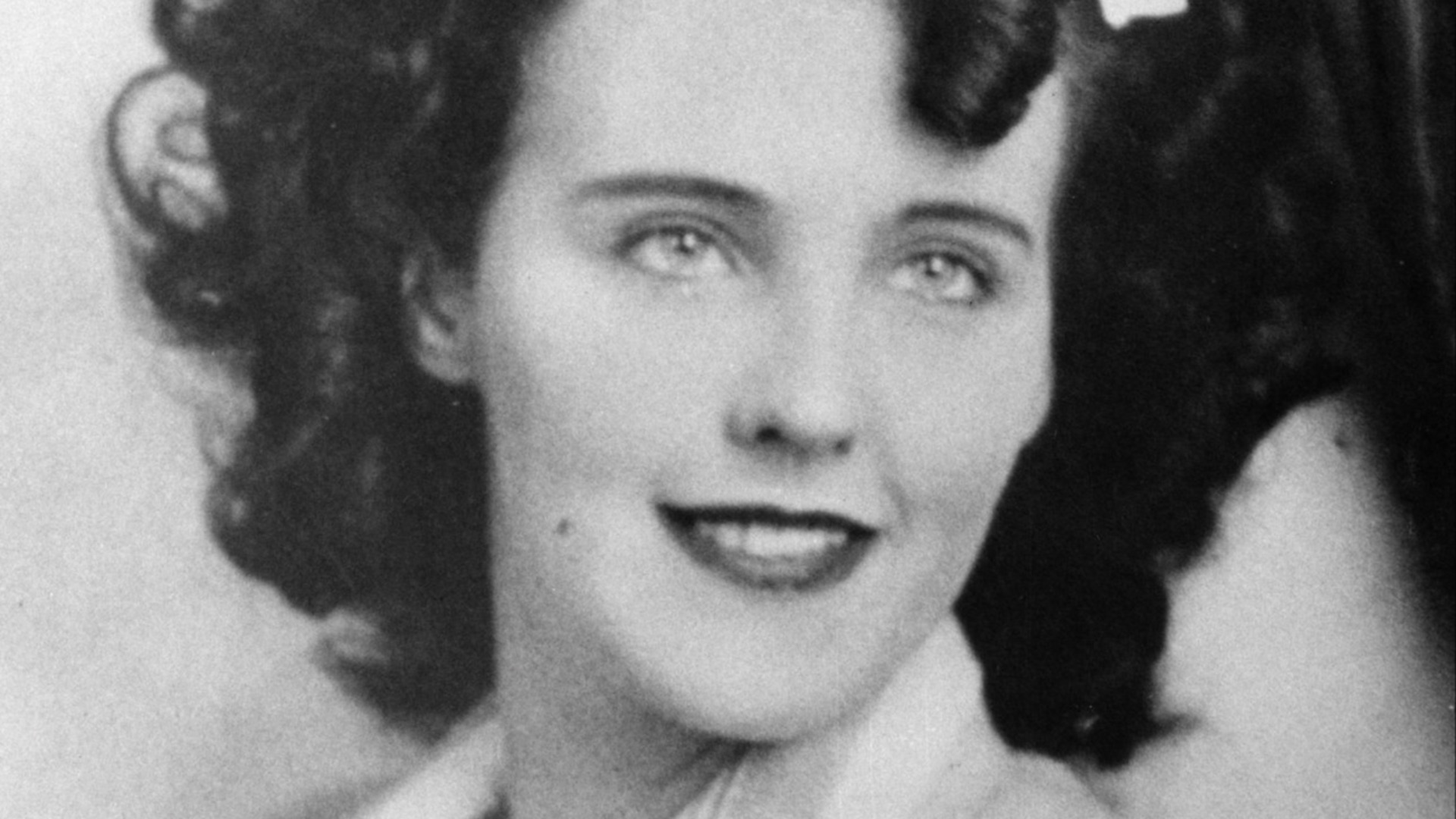 Los Angeles Police Department on Wikimedia
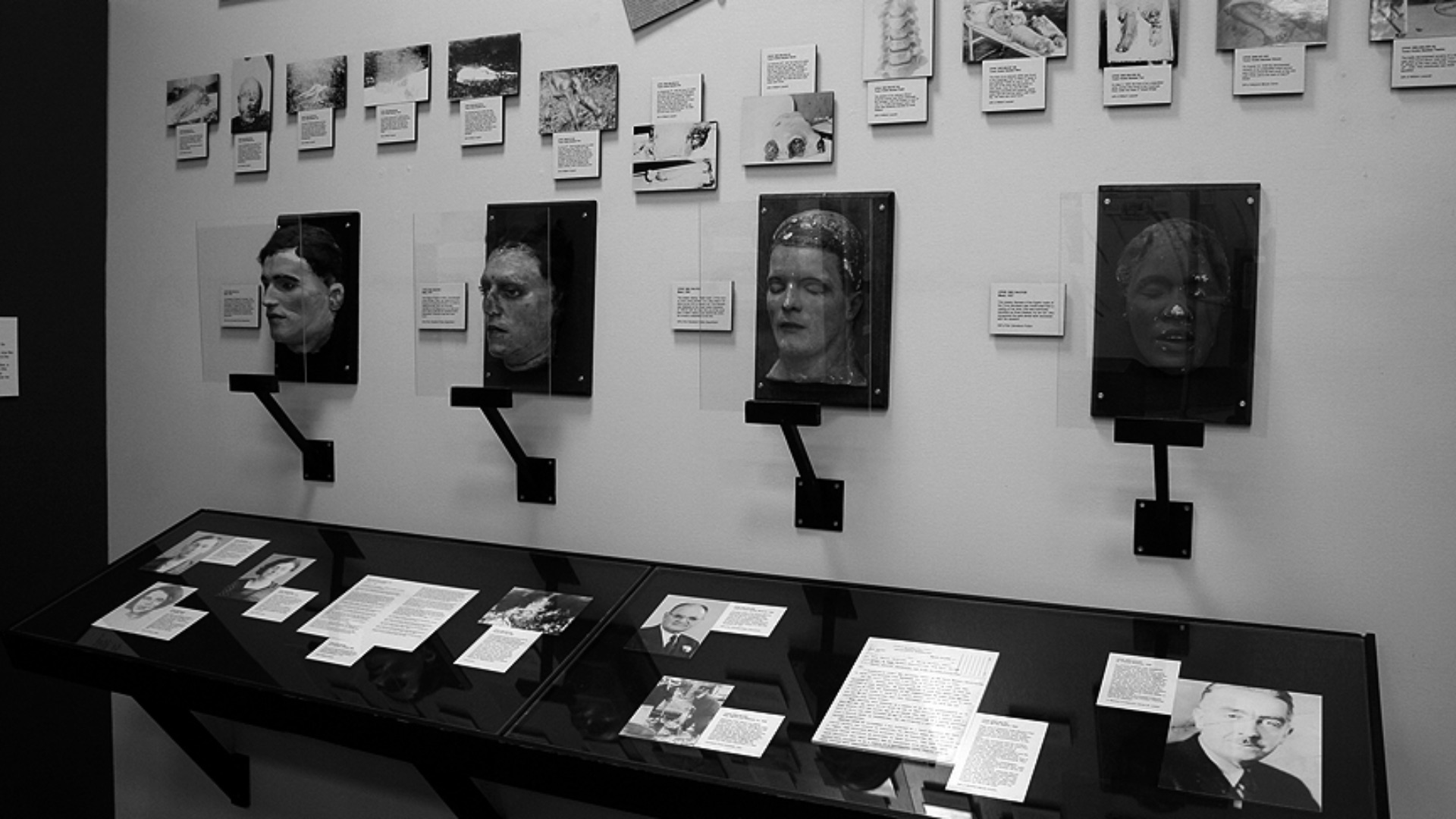
17. The Cleveland Torso Murderer
During the 1930s, Cleveland investigators confronted a series of killings in which victims' remains were found around the Kingsbury Run area and other locations. The case drew the involvement of Cleveland safety director Eliot Ness and generated several suspects, but authorities never accumulated sufficient evidence to convict anyone as the Torso Murderer. Even today, the killer's official identity remains unknown, despite continuing interest in identifying both the perpetrator and some of the victims.
18. The Phantom Killer of Texarkana
Texarkana, on the Texas-Arkansas border, was shaken by a series of nighttime attacks in 1946 that left five people dead and several others injured. Investigators focused heavily on suspect Youell Swinney, but he was never charged with the murders, and his guilt was never established in court. The person remembered as the Phantom Killer therefore remains officially unidentified and was never imprisoned for the crimes.
 Dylann Hendricks | 딜란 on Unsplash
19. Bible John
Three women were murdered in Glasgow between 1968 and 1969 in crimes that police came to believe were connected to the same unidentified man. A witness who had spent time with the suspected killer helped authorities produce a composite image, and the investigation became one of the largest manhunts Scotland had seen. Decades of renewed inquiries and suspect theories still haven't produced a confirmed identity, leaving “Bible John” an unsolved name rather than a convicted prisoner.
 Priscilla Du Preez 🇨🇦 on Unsplash
20. Aribert Heim
Aribert Heim was an Austrian doctor accused of carrying out lethal medical procedures on prisoners at the Mauthausen concentration camp during World War II. West German authorities issued an arrest warrant for him in 1962, but Heim disappeared before he could be taken into custody and became one of the world's most wanted Nazi fugitives. Investigations later indicated that he had lived for years in Cairo under an assumed identity and died there in 1992, meaning he never faced trial or imprisonment for the crimes attributed to him.

KEEP ON READING