Not Exactly Father of the Year
Bad parenting isn't a modern invention, and history has no shortage of fathers who used their children as political tools or threats to be neutralized. Some of these men ruled empires and still couldn't manage basic decency toward their own sons and daughters. The stories range from outright violence to a colder, more calculated kind of cruelty, but the pattern holds steady across centuries. Here's 20 of history's worst fathers.
 Pierre André Leclercq on Wikimedia
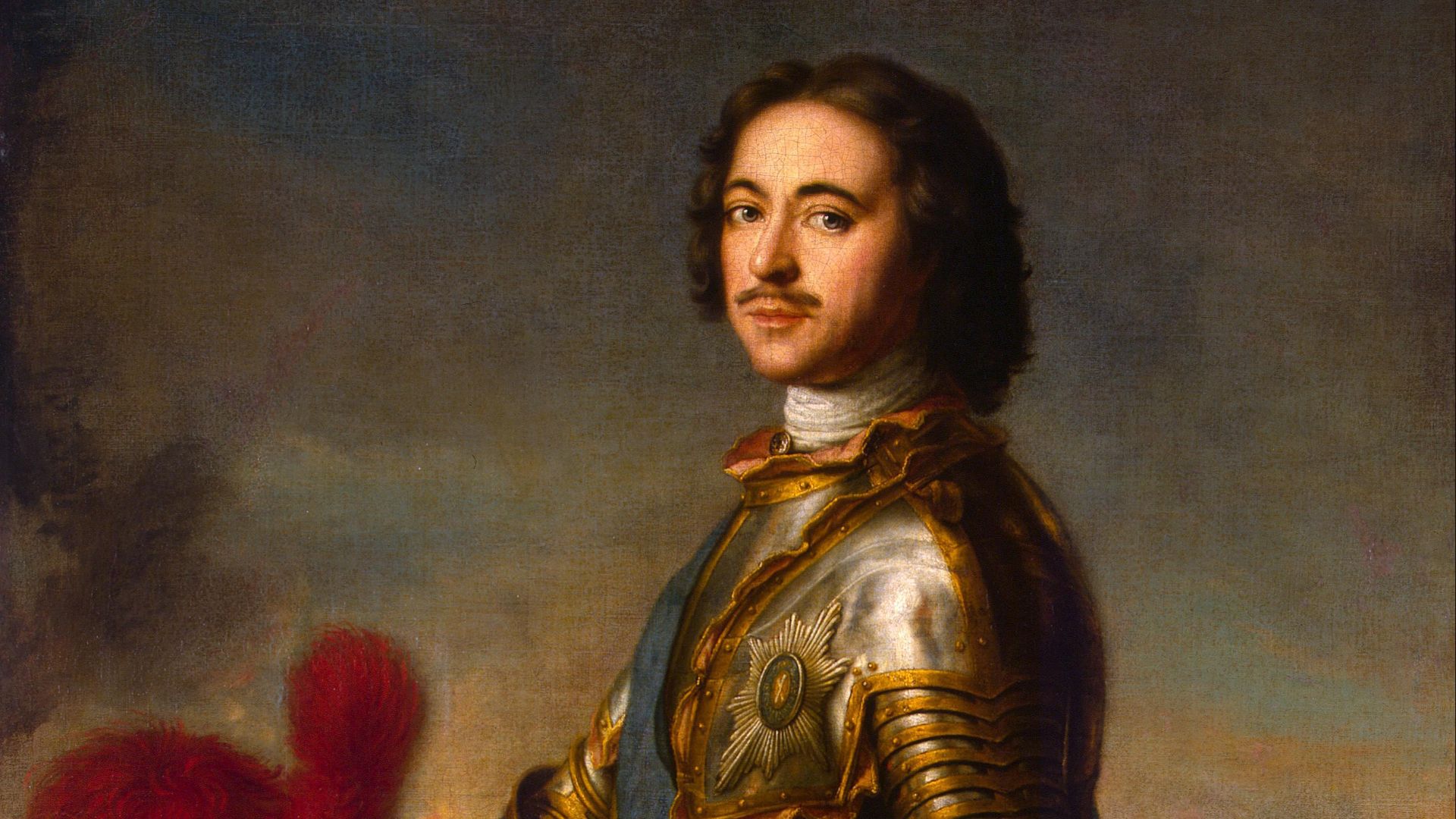
1. Peter the Great
Peter had his own son Alexei arrested and tortured on suspicion of plotting against him; Alexei died in custody in 1718 under circumstances historians still debate. The relationship had been strained for years, built on Alexei's resistance to his father's reforms and Peter's open contempt for his son's temperament.
 Attributed to Jean-Marc Nattier on Wikimedia
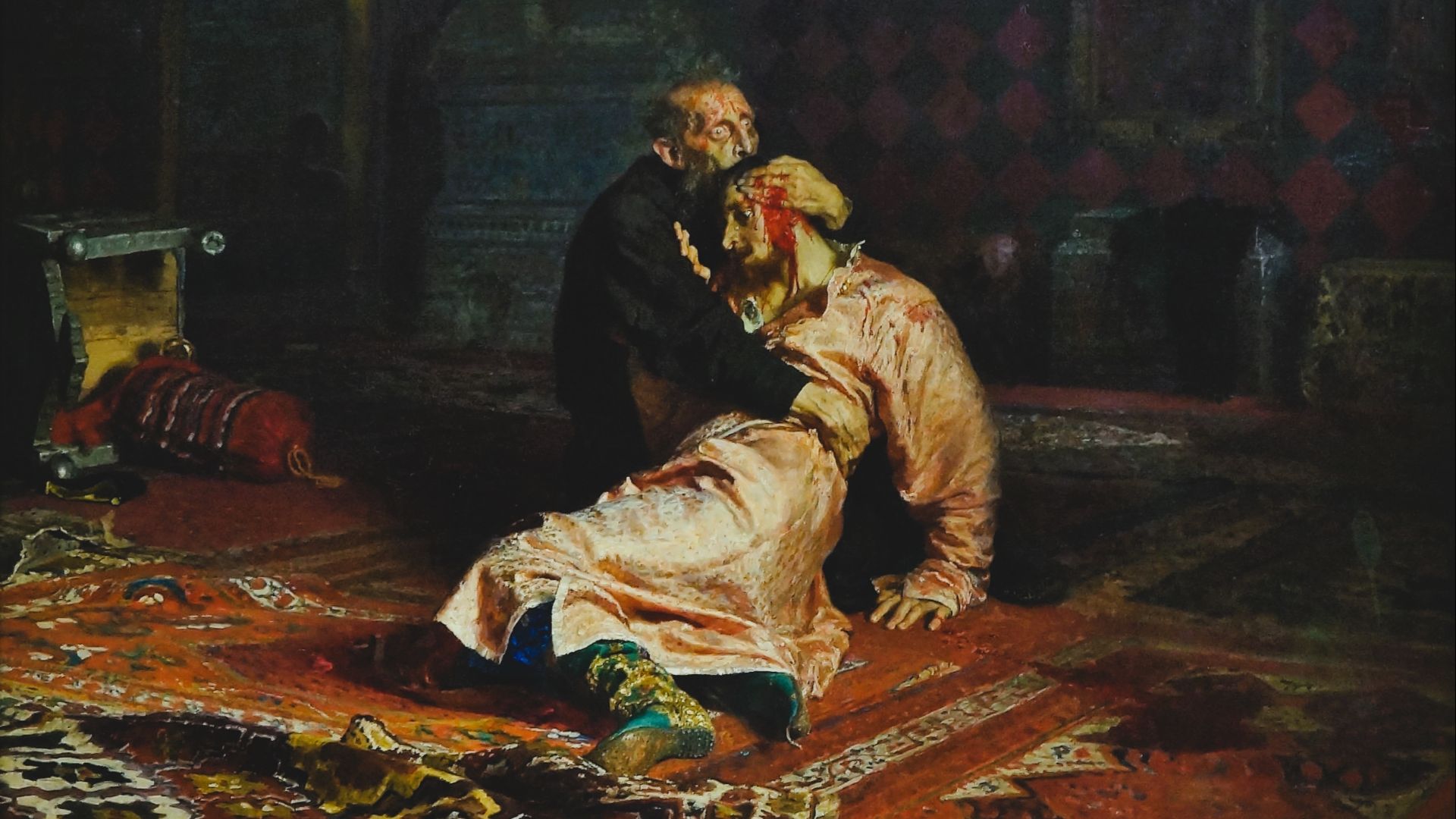
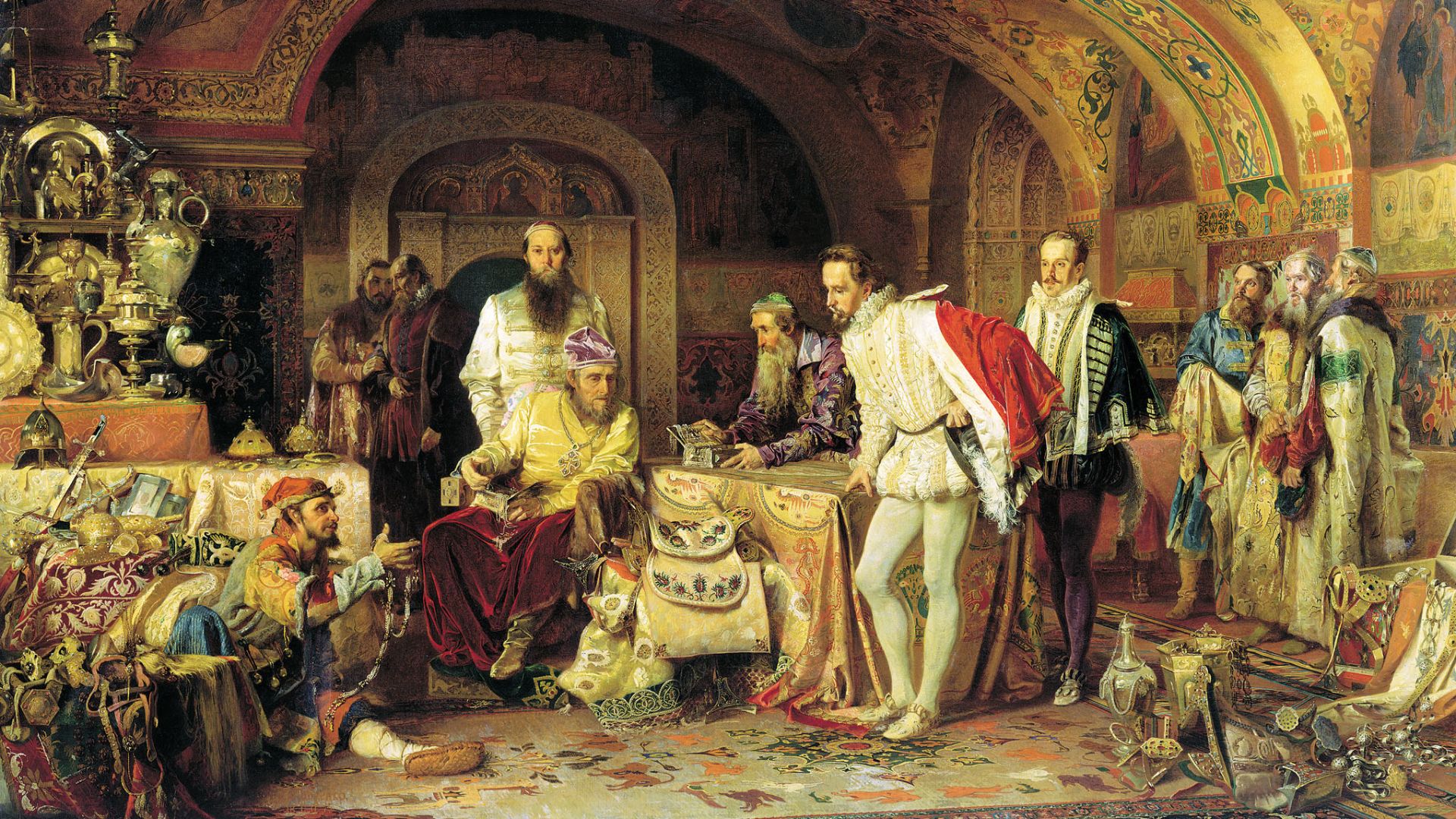
2. Ivan the Terrible
Ivan struck his own son and heir, also named Ivan, during an argument in 1581, and the blow proved fatal within days. The killing ended the Rurik dynasty's direct line and plunged Russia into the chaotic period historians call the Time of Troubles.
 Alexander Litovchenko on Wikimedia
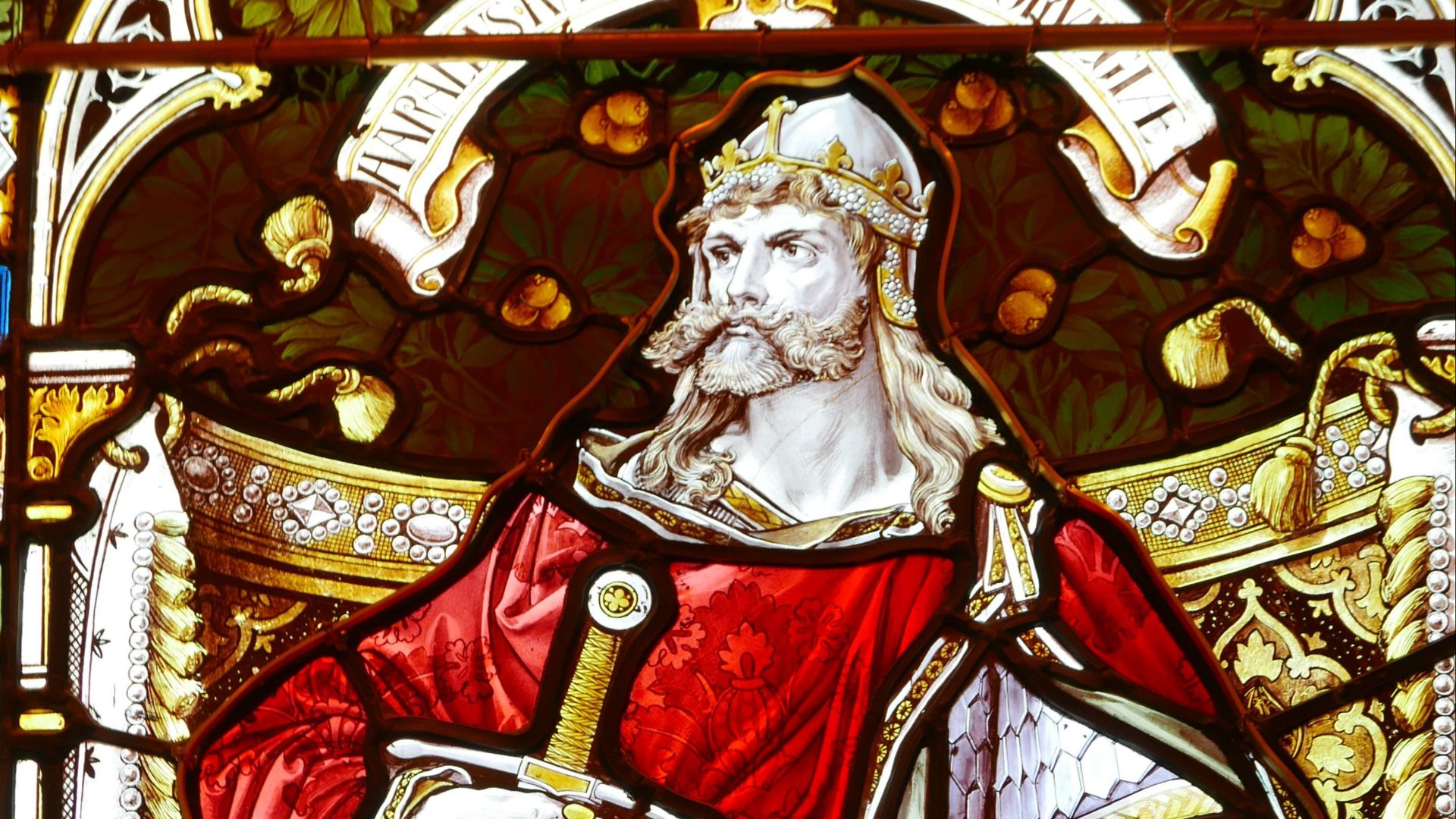
3. King Herod the Great
Herod had three of his own sons executed, convinced each one was plotting to seize his throne before he was ready to give it up. Augustus reportedly joked it was safer to be Herod's pig than his son, since Jewish dietary law protected the pig.
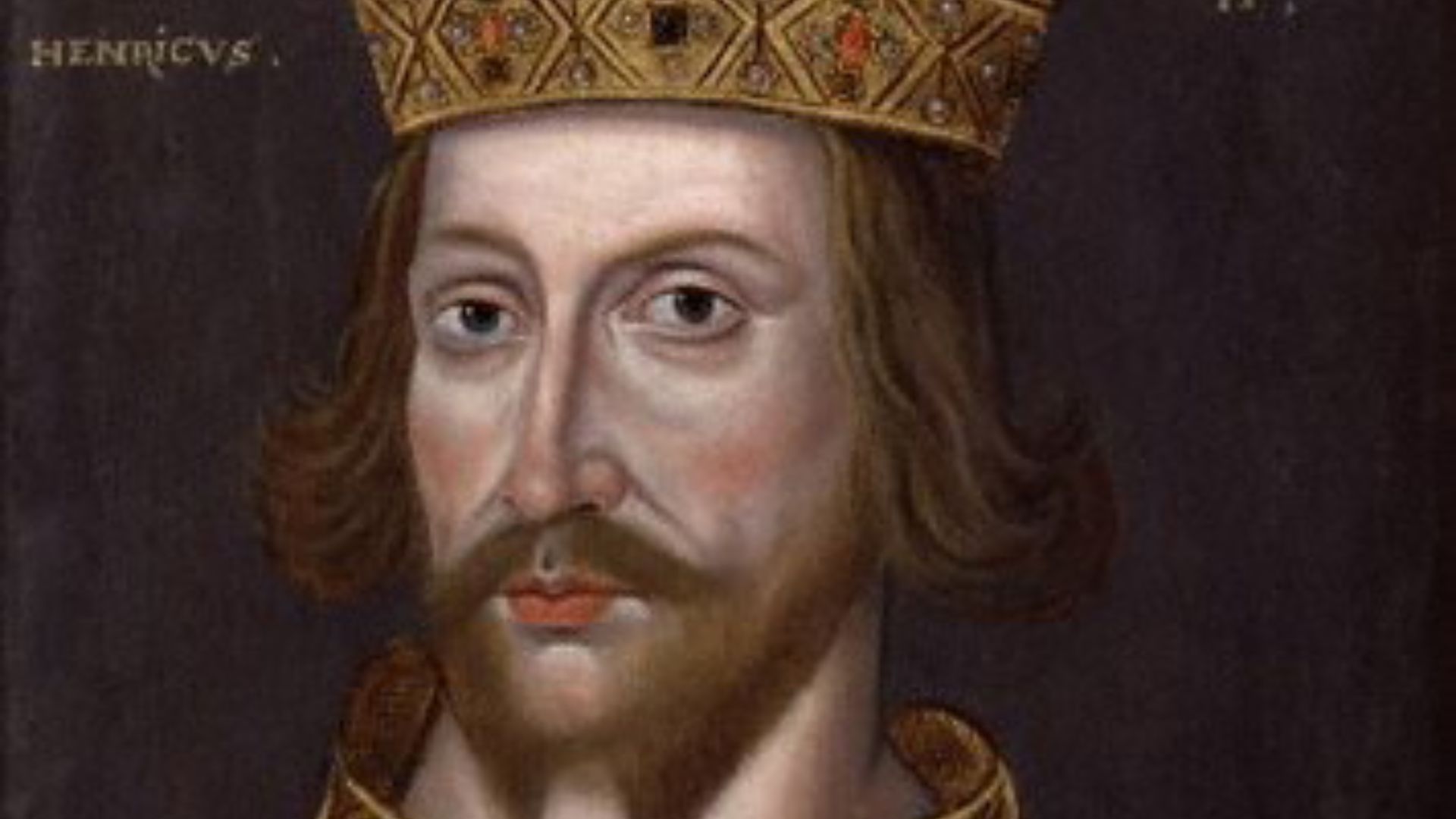
4. Henry II of England
Henry spent years at war with his own sons, a conflict serious enough that chroniclers nicknamed the family the Devil's Brood. He imprisoned his wife, Eleanor of Aquitaine, for backing their rebellion, and died believing his children had betrayed him completely.
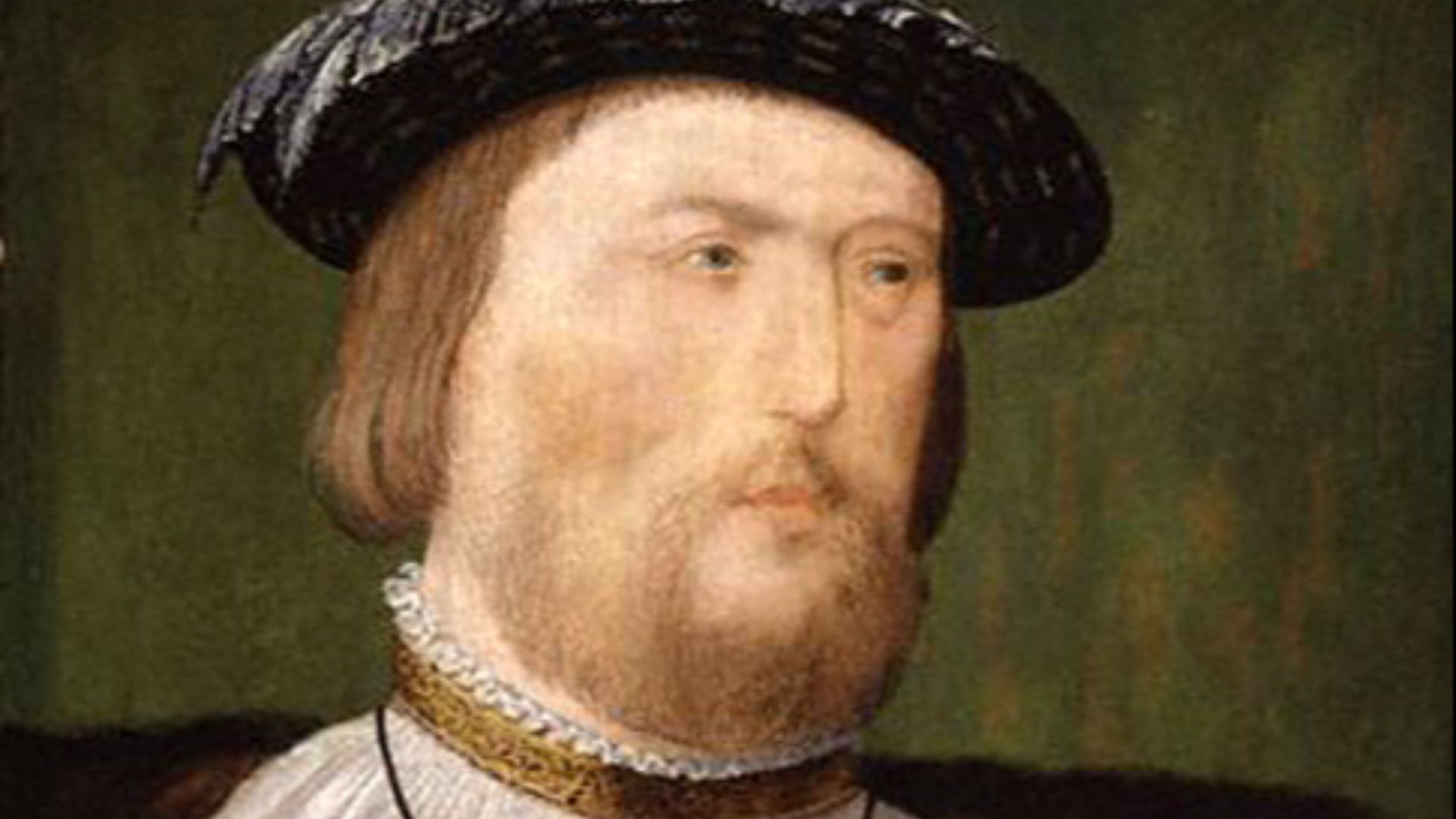
5. Henry VIII
Both of Henry's daughters, Mary and Elizabeth, were declared illegitimate at different points in his reign and shuffled between households depending on his political needs. Mary spent years estranged from her father, at one point forced to serve in the household of her infant half-sister.
 Unknown authorUnknown author on Wikimedia
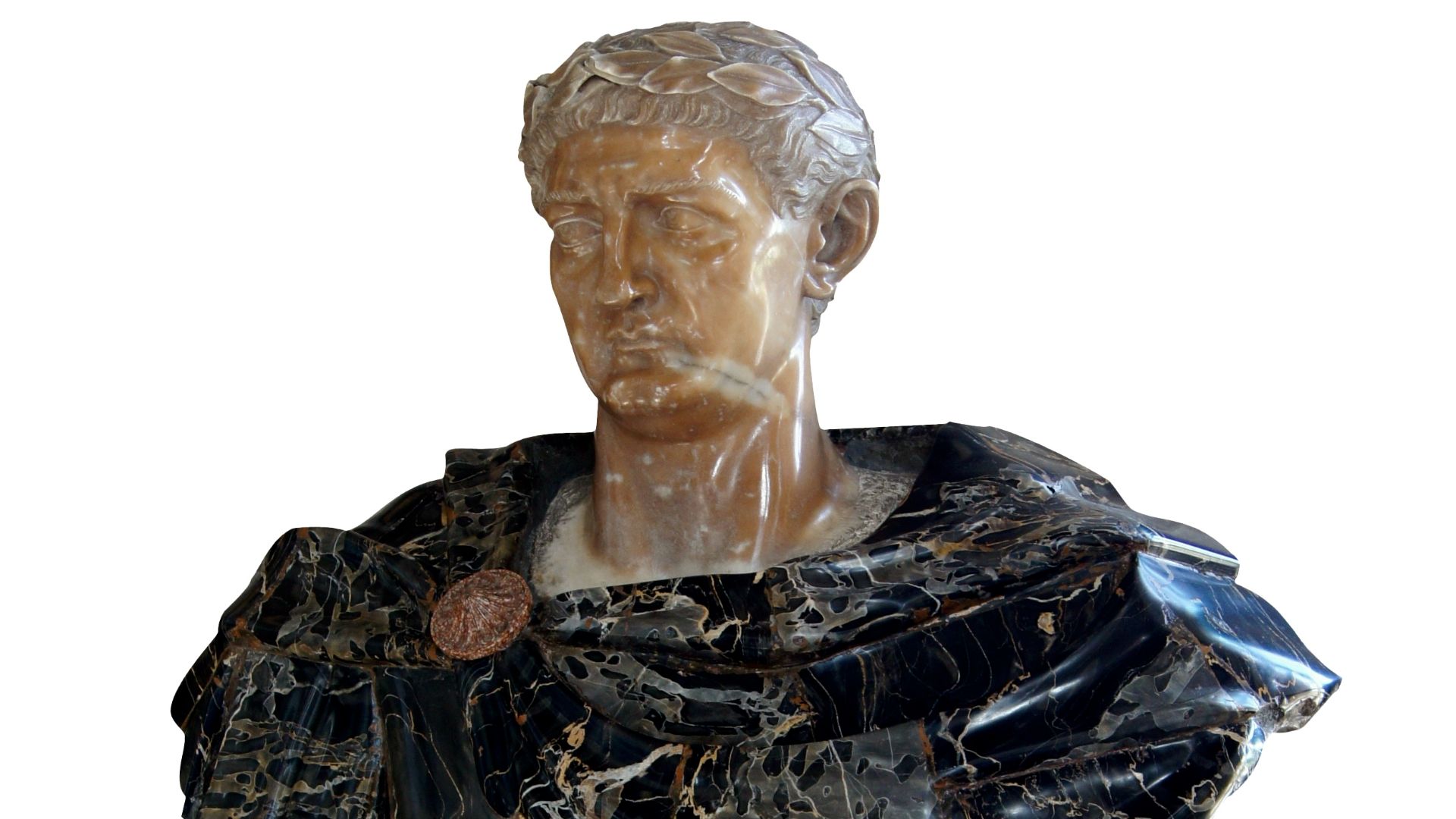
6. Augustus
Augustus exiled his own daughter Julia to a remote island for adultery, a charge that conveniently removed a political liability from Rome. Years later, he did the same to his granddaughter, Julia the Younger, and neither woman was ever allowed to return.
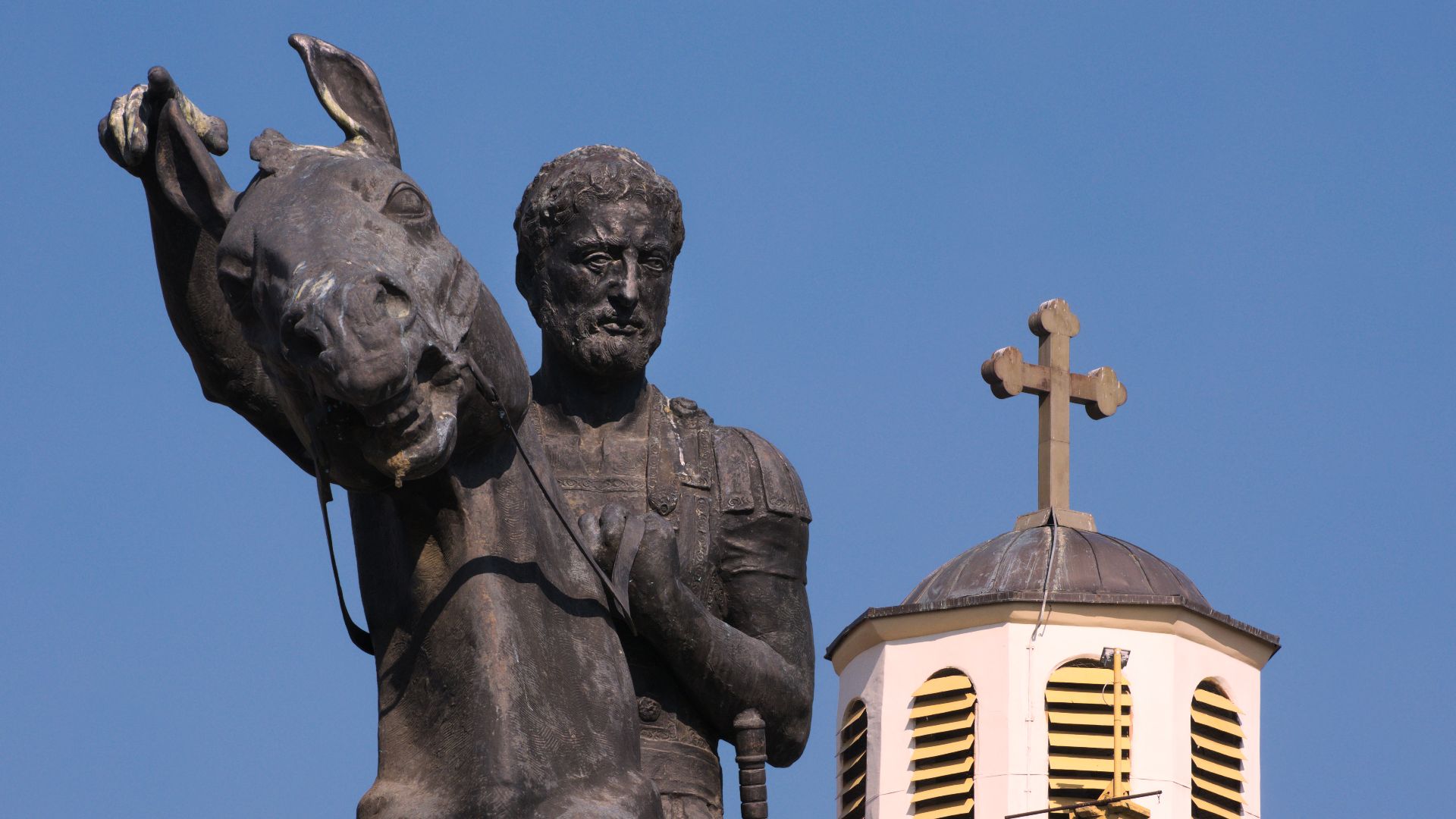
7. Philip II of Macedon
Philip's remarriage led to a public rupture with his son Alexander, who briefly fled Macedon with his mother, Olympias. The rift never fully healed before Philip was assassinated at his own daughter's wedding, an event some ancient sources connect directly to the family's unresolved tension.
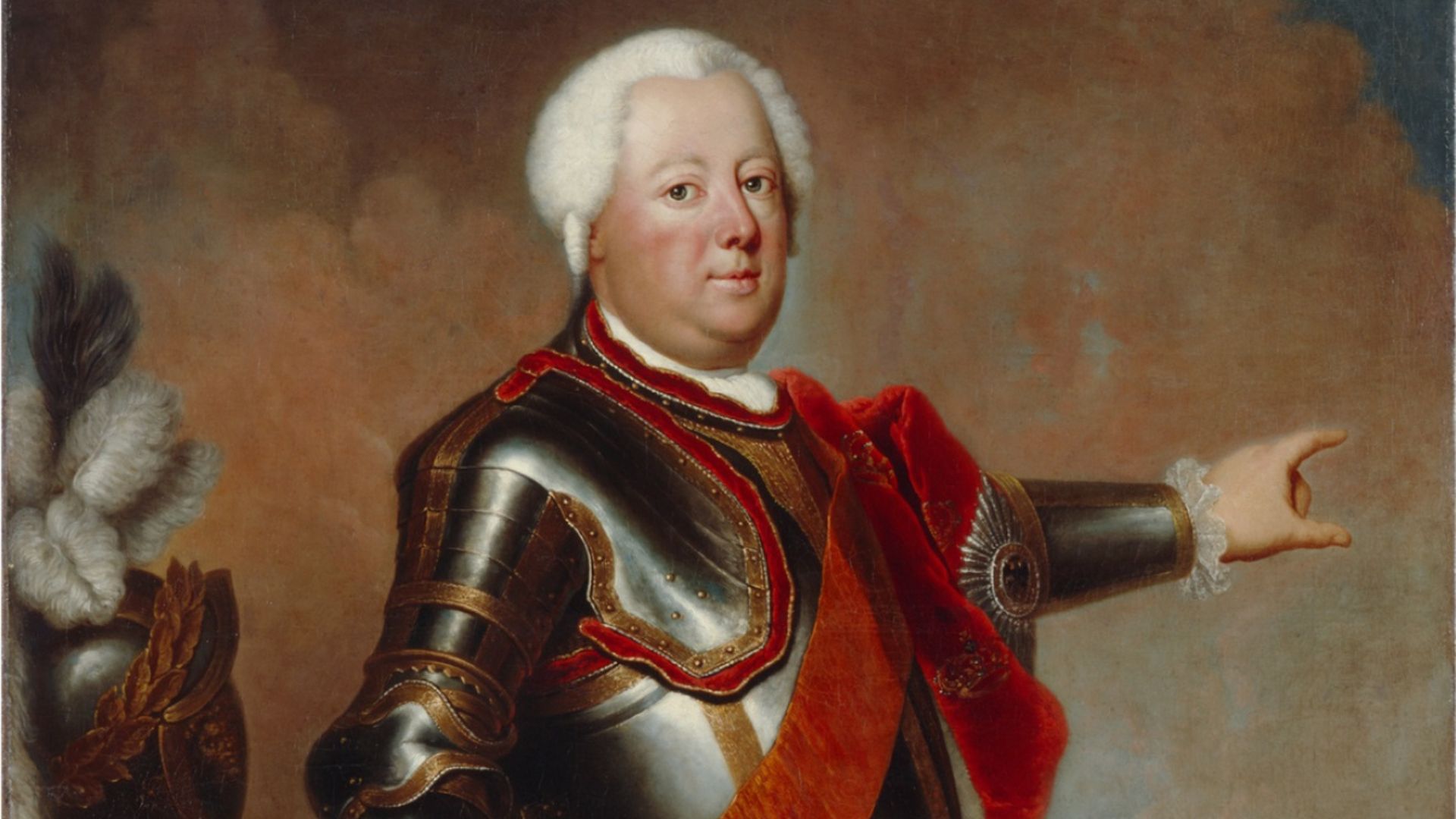
8. Frederick William I of Prussia
Frederick William abused his son, the future Frederick the Great, for years over the boy's interest in music and poetry instead of military life. When a teenage Frederick tried to flee the country with a close friend, his father had the friend executed and forced Frederick to watch.
 Workshop of Antoine Pesne on Wikimedia
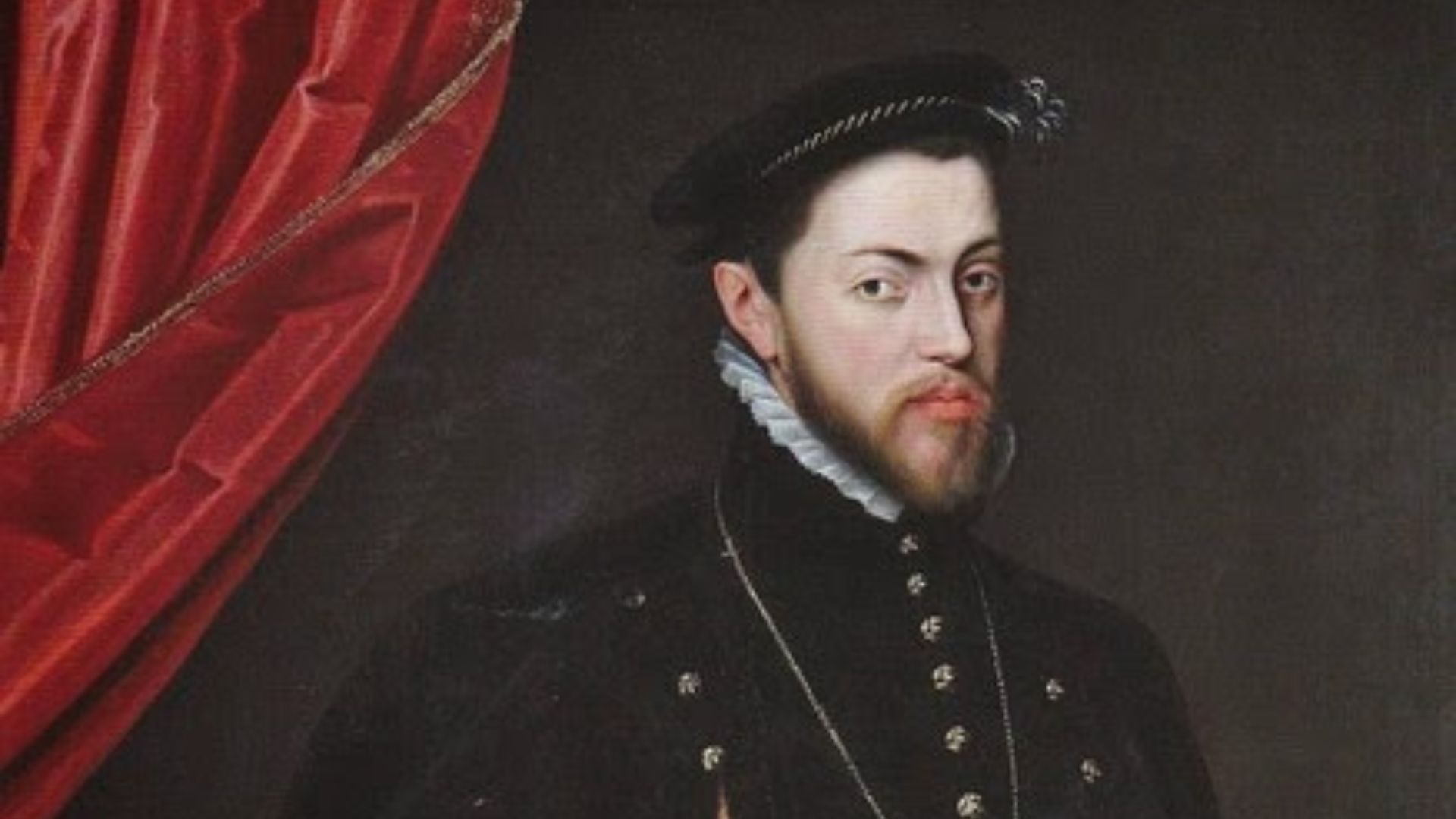
9. Philip II of Spain
Philip's son Don Carlos was imprisoned by his own father in 1568 under vague accusations of instability and disloyalty, and died in custody months later. Historians still debate how much Philip's hand shaped his son's fate, but the imprisonment alone was extraordinary for a legitimate heir.
 Jooris van der Straeten on Wikimedia
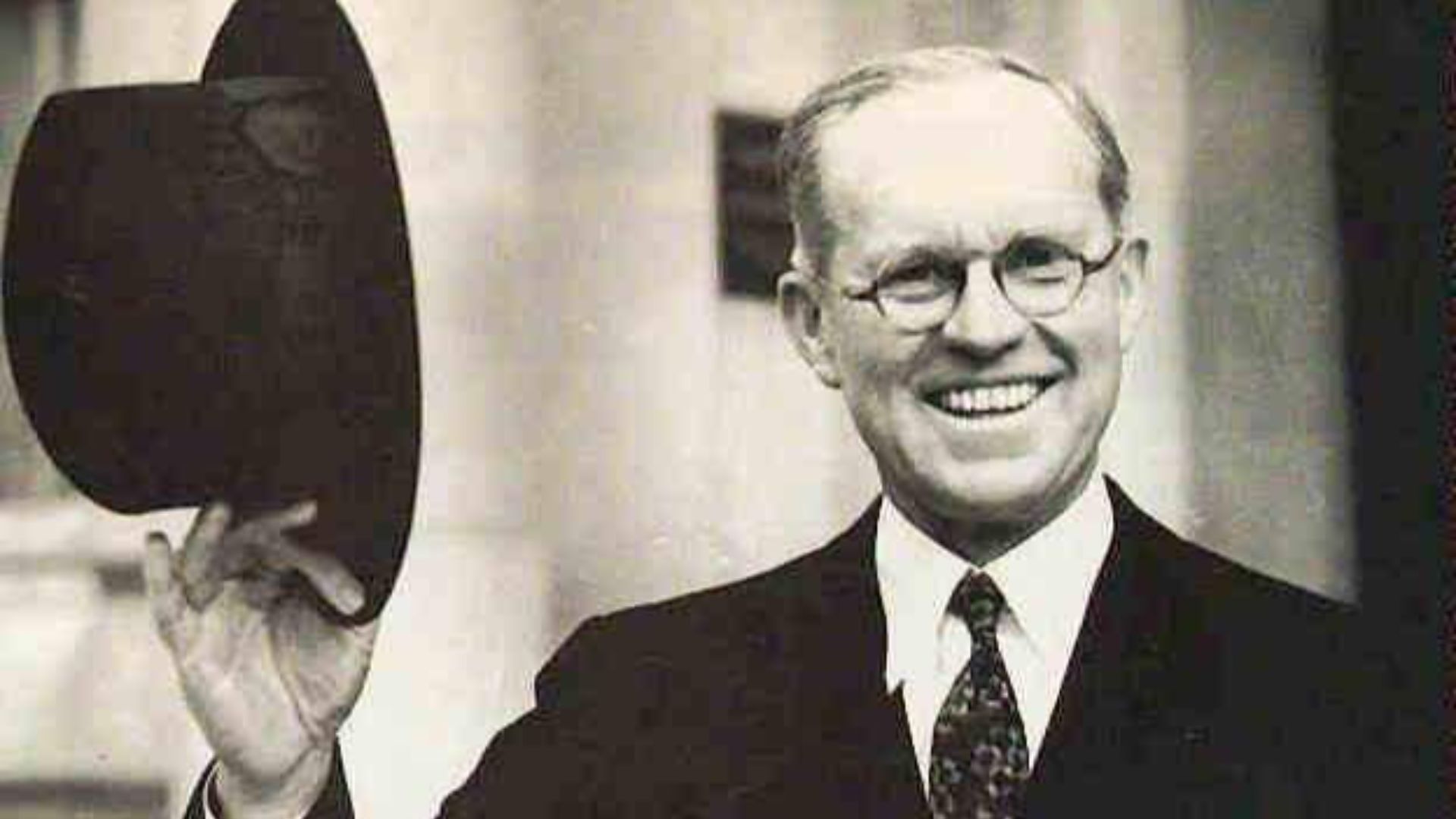
10. Joseph Kennedy Sr.
Joseph arranged a lobotomy for his daughter Rosemary in 1941 without informing his wife beforehand, hoping to correct behavior he found politically embarrassing. The procedure left Rosemary permanently incapacitated, and Joseph largely removed her from family life afterward, institutionalizing her for decades.
 Unknown authorUnknown author on Wikimedia
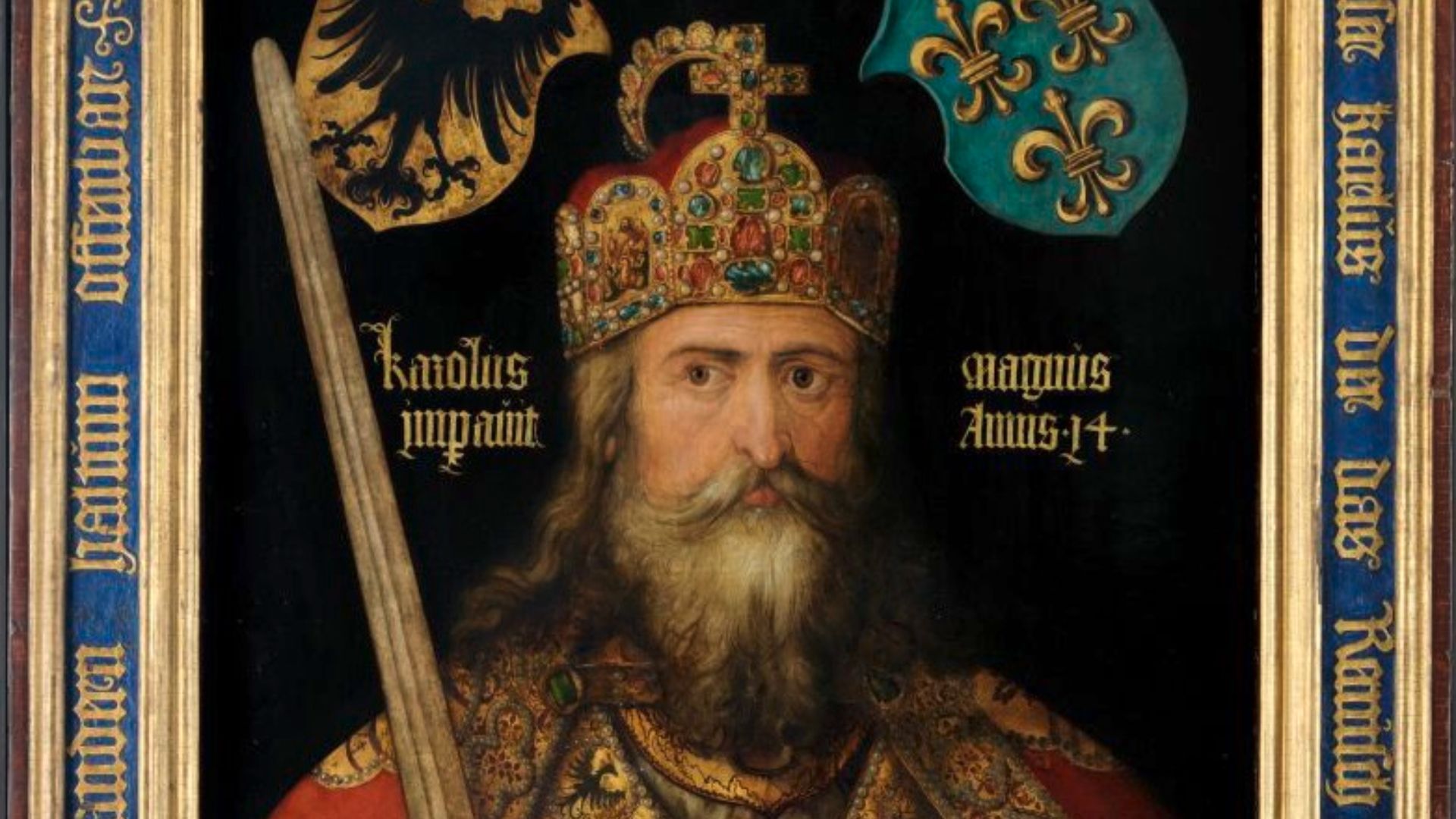
11. Charlemagne
Charlemagne reportedly refused to let his daughters marry, preferring to keep them close at court under his direct control rather than see them married off to potential rivals. Several had children out of wedlock as a result, arrangements historians generally read as a consequence of his refusal.
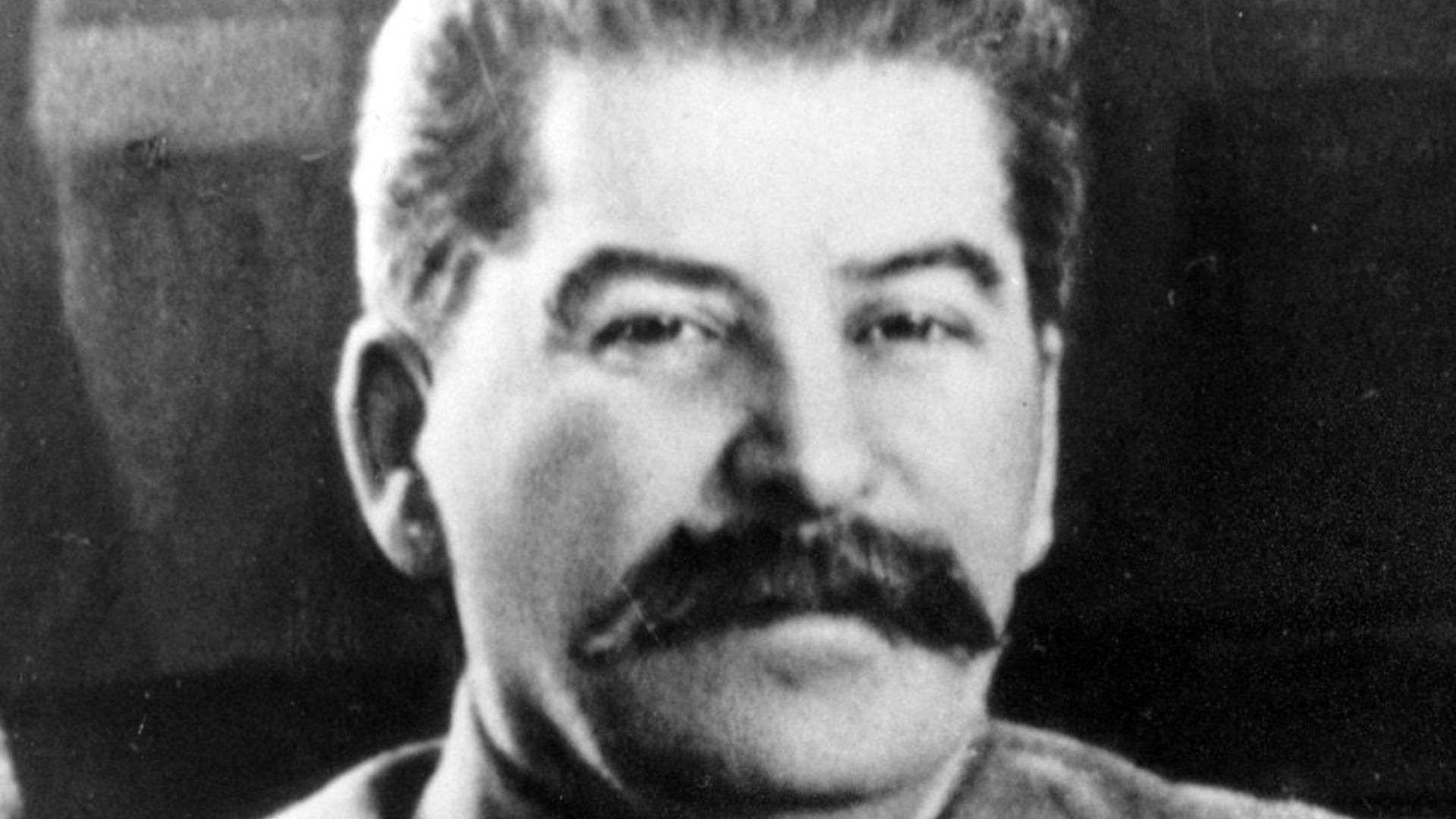
12. Joseph Stalin
When Stalin's eldest son, Yakov, was captured by German forces in 1941, Stalin declined an offer to trade him for a captured field marshal. Yakov died in a German camp in 1943 under disputed circumstances.
 Unknown, presumably by a government employee as part of official duties on Wikimedia
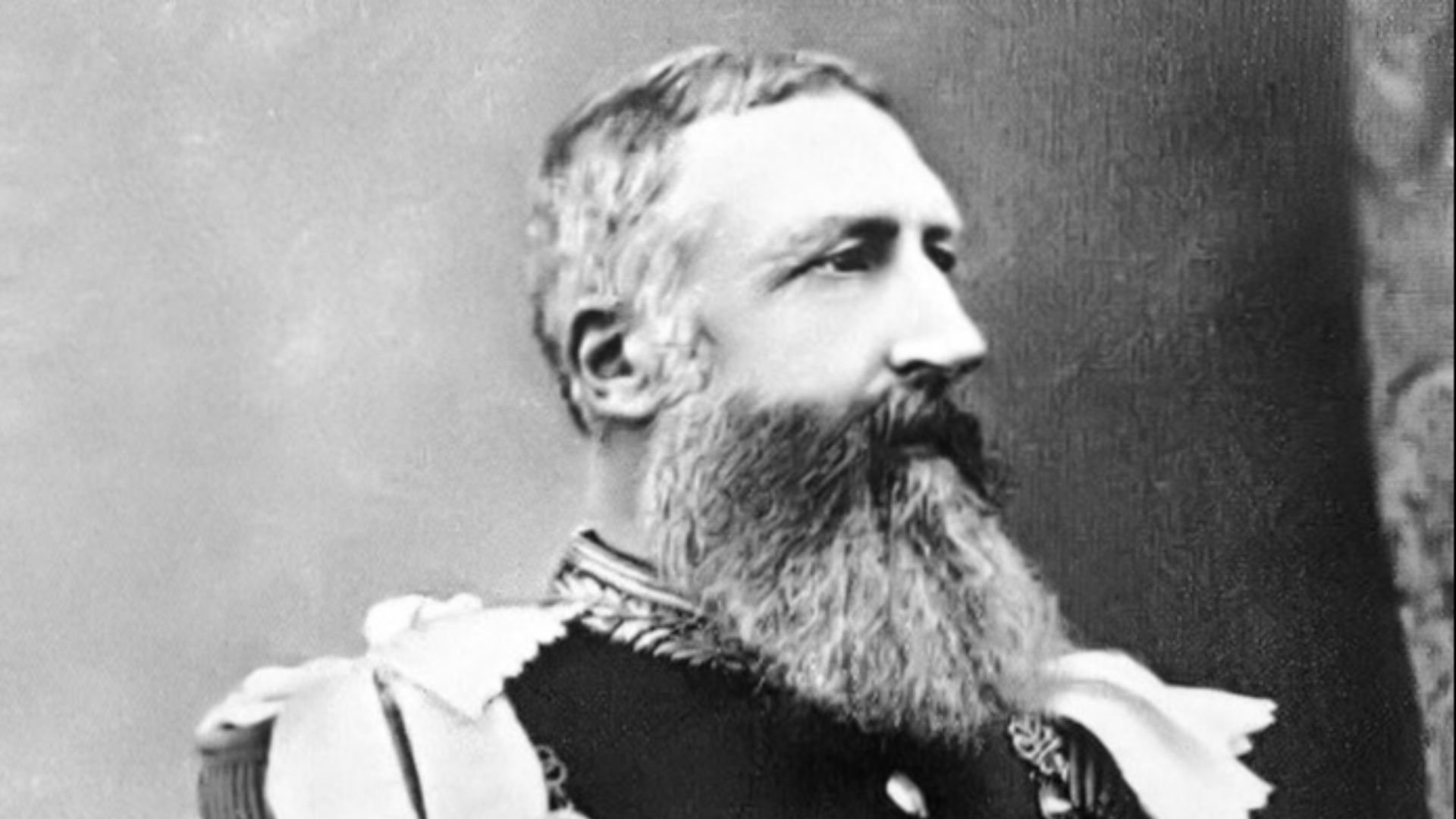
13. Leopold II of Belgium
Leopold's relationship with his surviving daughters collapsed almost entirely over inheritance disputes and his own relationship with a mistress decades younger than him. He disinherited them in his will, and neither reconciled with him before his death in 1909.
 London Stereoscopic and Photographic Company on Wikimedia
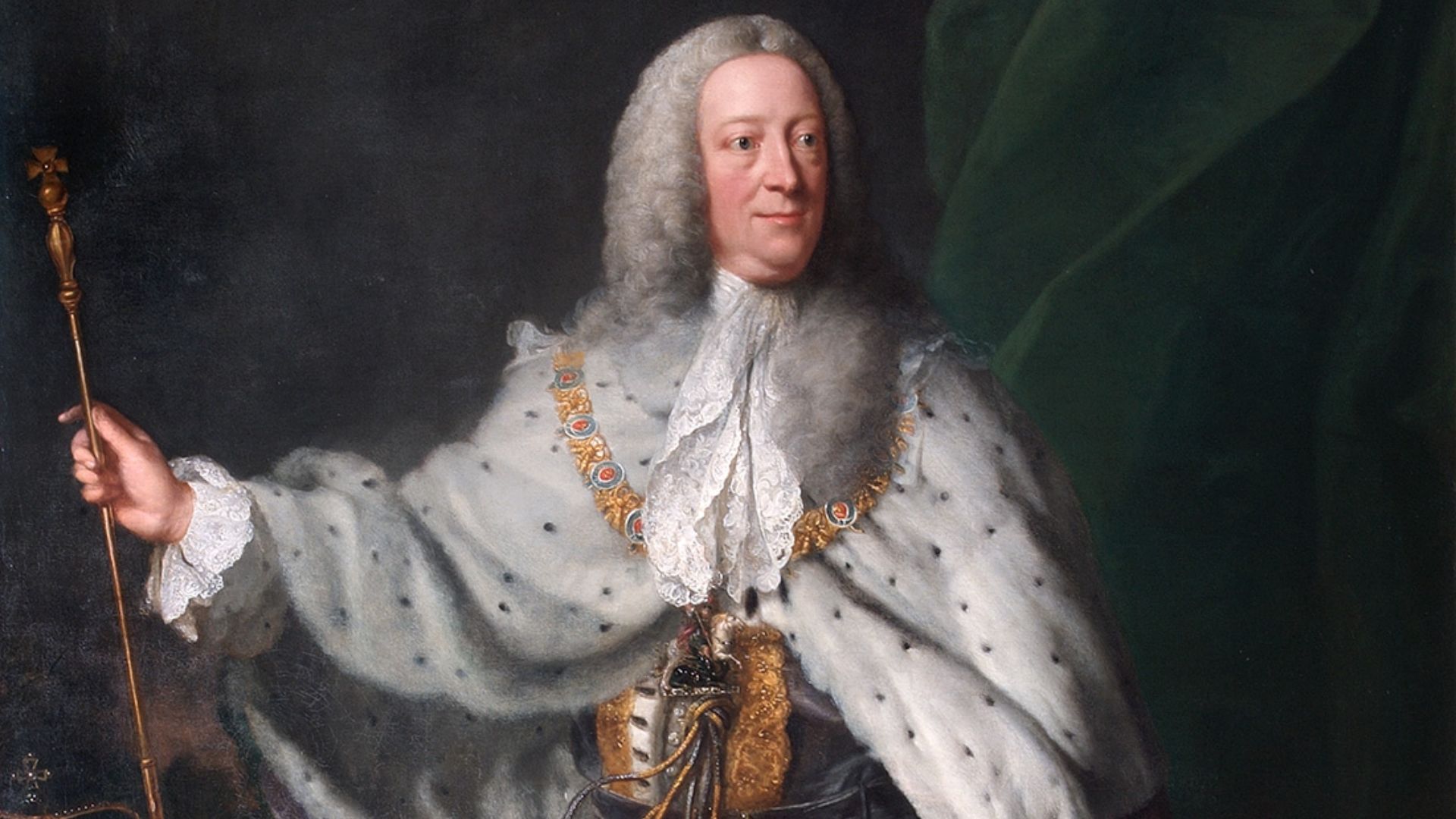
14. George II of Great Britain
George's relationship with his son Frederick, Prince of Wales, was hostile enough that the king reportedly banned him from court for years. Frederick died before ever becoming king, and their grandson, later George III, inherited the throne without knowing his own grandfather.
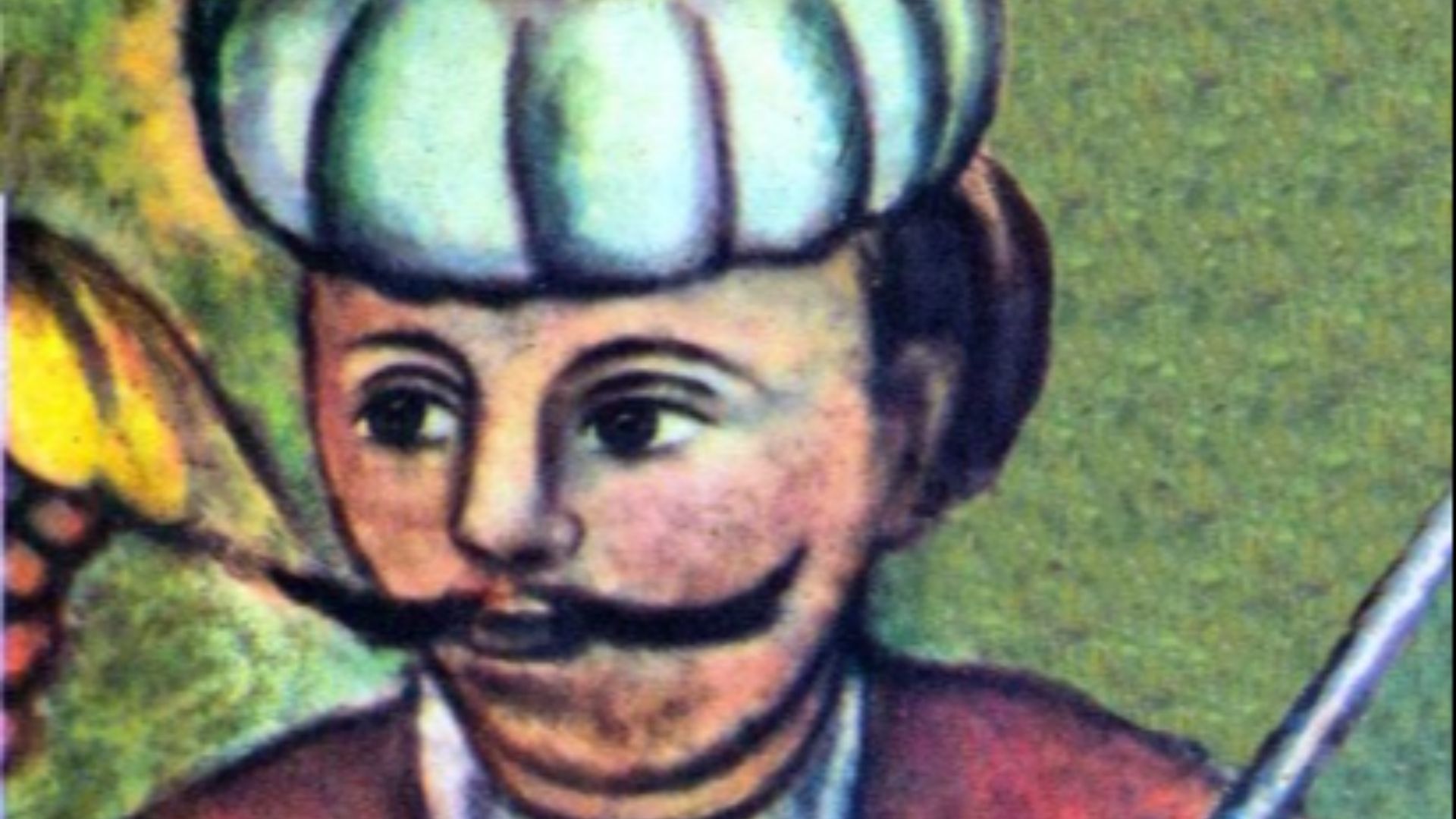
15. Vlad II Dracul
Vlad handed over his sons, including the future Vlad the Impaler, to the Ottoman Empire as political hostages to secure his own position as ruler of Wallachia. The boys spent years in Ottoman custody, an experience historians believe shaped Vlad III's later brutality as a ruler.
 Unknown authorUnknown author on Wikimedia
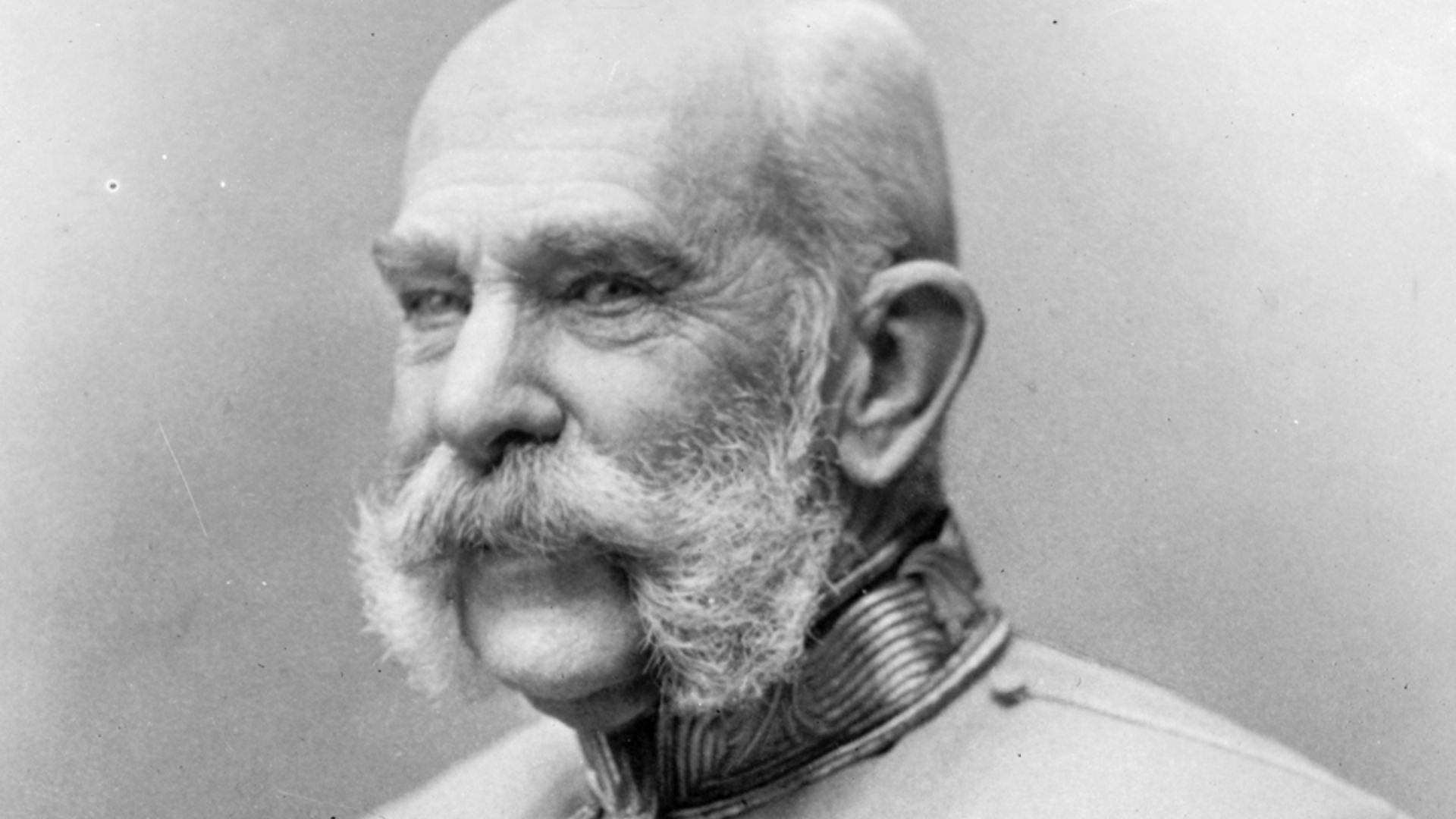
16. Franz Joseph I of Austria
Franz Joseph's relationship with his only son, Crown Prince Rudolf, was famously distant and rigid, shaped by the emperor's insistence on strict formality even within the family. Rudolf's troubled life ended in a murder-suicide at Mayerling in 1889, an event historians often connect to years of paternal coldness.
 Bain News Service, publisher on Wikimedia
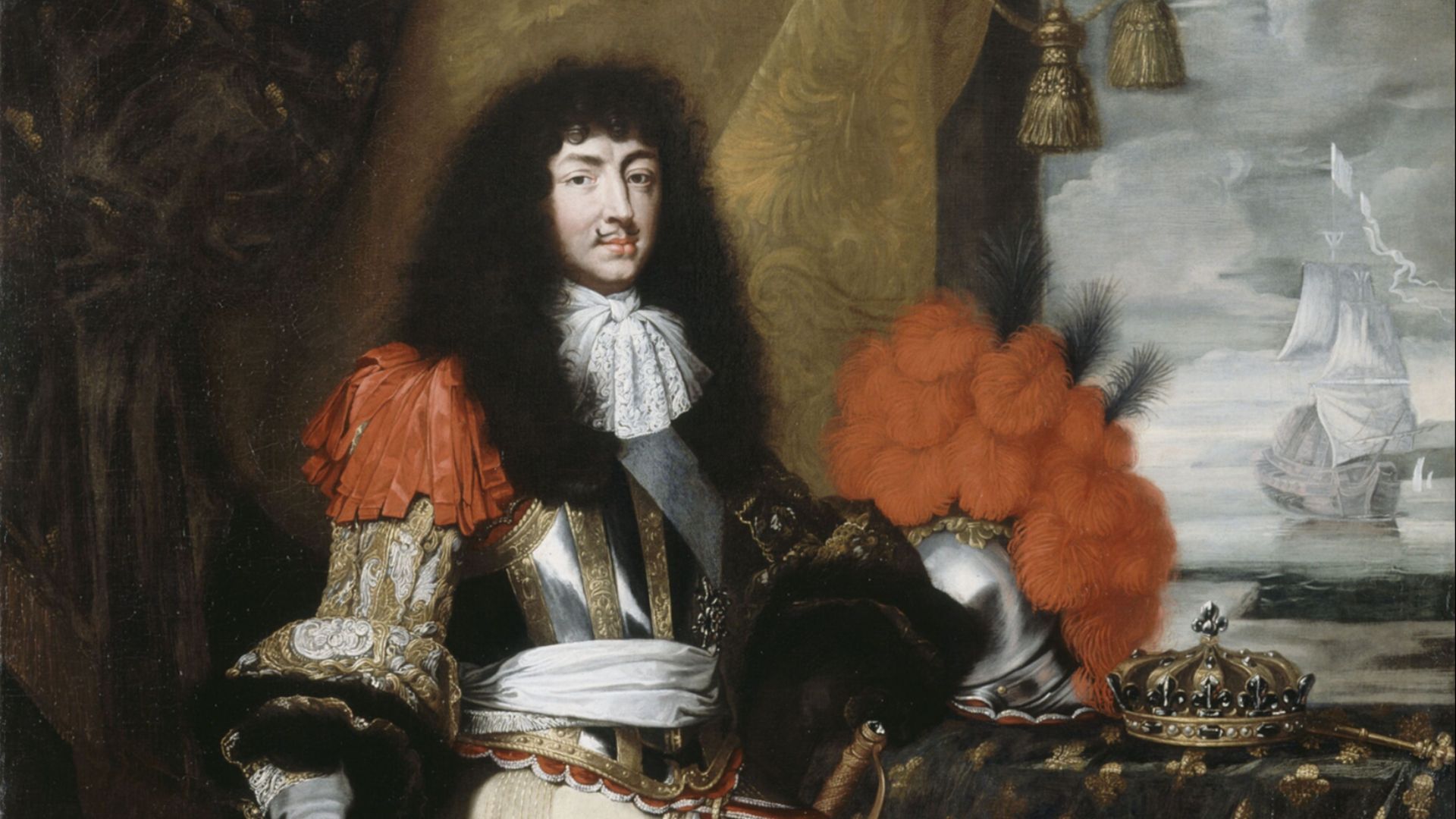
17. Louis XIV
Louis arranged marriages for his illegitimate children almost entirely around political usefulness, pairing them off with nobility to shore up alliances regardless of their own wishes. Affection rarely factored into the decisions he made on their behalf.
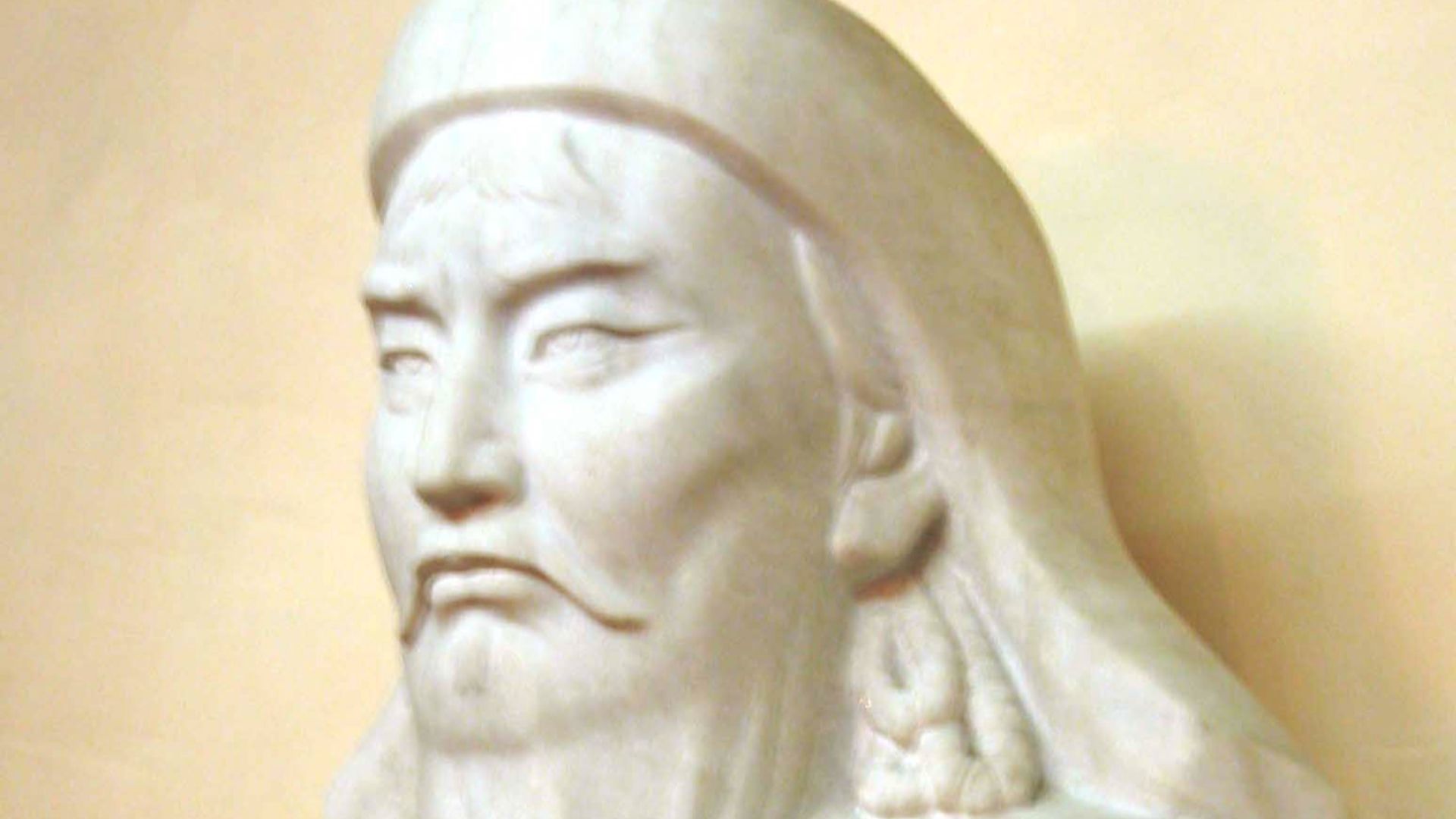
18. Genghis Khan
Genghis Khan's eldest son, Jochi, spent his life shadowed by rumors that he wasn't actually his biological child, doubts that shaped how his father and brothers treated him. The tension eventually contributed to Jochi being passed over for the succession in favor of a younger son.
 Jim Garamone, American Forces Press Service on Wikimedia
19. Edward I of England
Edward's relationship with his son and heir, the future Edward II, was reportedly volatile enough that one chronicler described the king tearing out clumps of his son's hair during an argument over the prince's close friend, Piers Gaveston. Edward banished Gaveston more than once, only to see his son recall him the moment he inherited the throne.
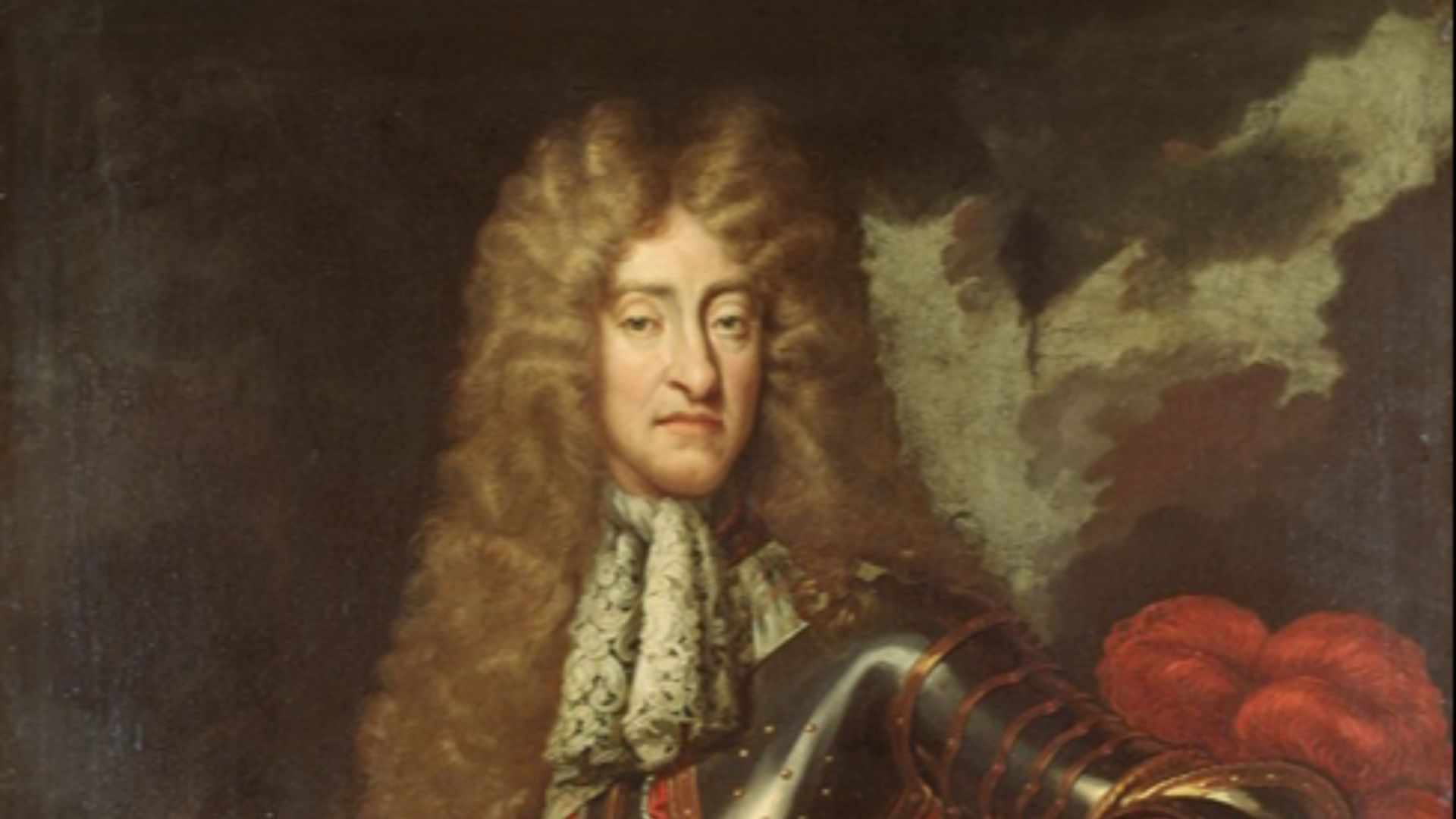
20. James II of England
James's Catholic conversion and increasingly authoritarian rule alienated both of his adult daughters, Mary and Anne, who ultimately supported the movement that removed him from power in 1688. James spent the rest of his life in exile, estranged from the daughters who helped end his reign.
KEEP ON READING