What Gets Skipped And Why
Every country edits its own history a little, trimming out the parts that complicate the national story. Some of it gets cut for space, but plenty gets cut because the full version is uncomfortable and politically sensitive. The events left out rarely stay secret; historians write about them at length, but they rarely make it past a footnote in a standard classroom textbook. Here's 20 historical events textbooks leave out on purpose, checked against the documented record rather than rumor.
1. Tulsa Race Massacre
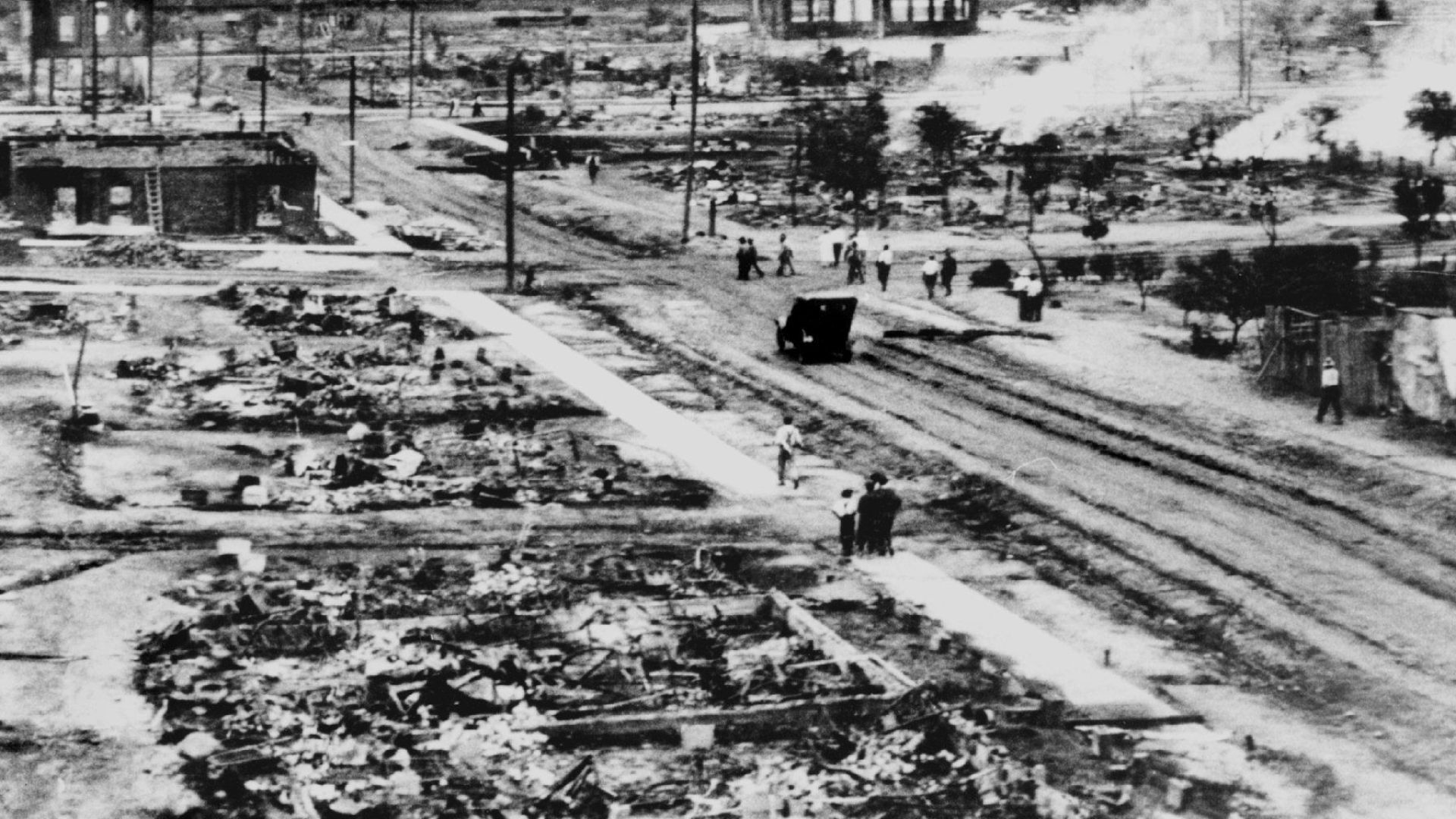
In 1921, a mob destroyed the prosperous Black neighborhood of Greenwood in Tulsa, Oklahoma, killing an estimated 300 people and leveling what was known as Black Wall Street. The event went almost entirely unmentioned in Oklahoma textbooks for the better part of eight decades.
 Unknown authorUnknown author on Wikimedia
2. Wilmington Coup of 1898
A white supremacist mob violently overthrew a legitimately elected, biracial city government in Wilmington, North Carolina, killing dozens of Black residents in the process. It remains one of the only successful coups in American history, and most standard U.S. history courses never mention it at all.
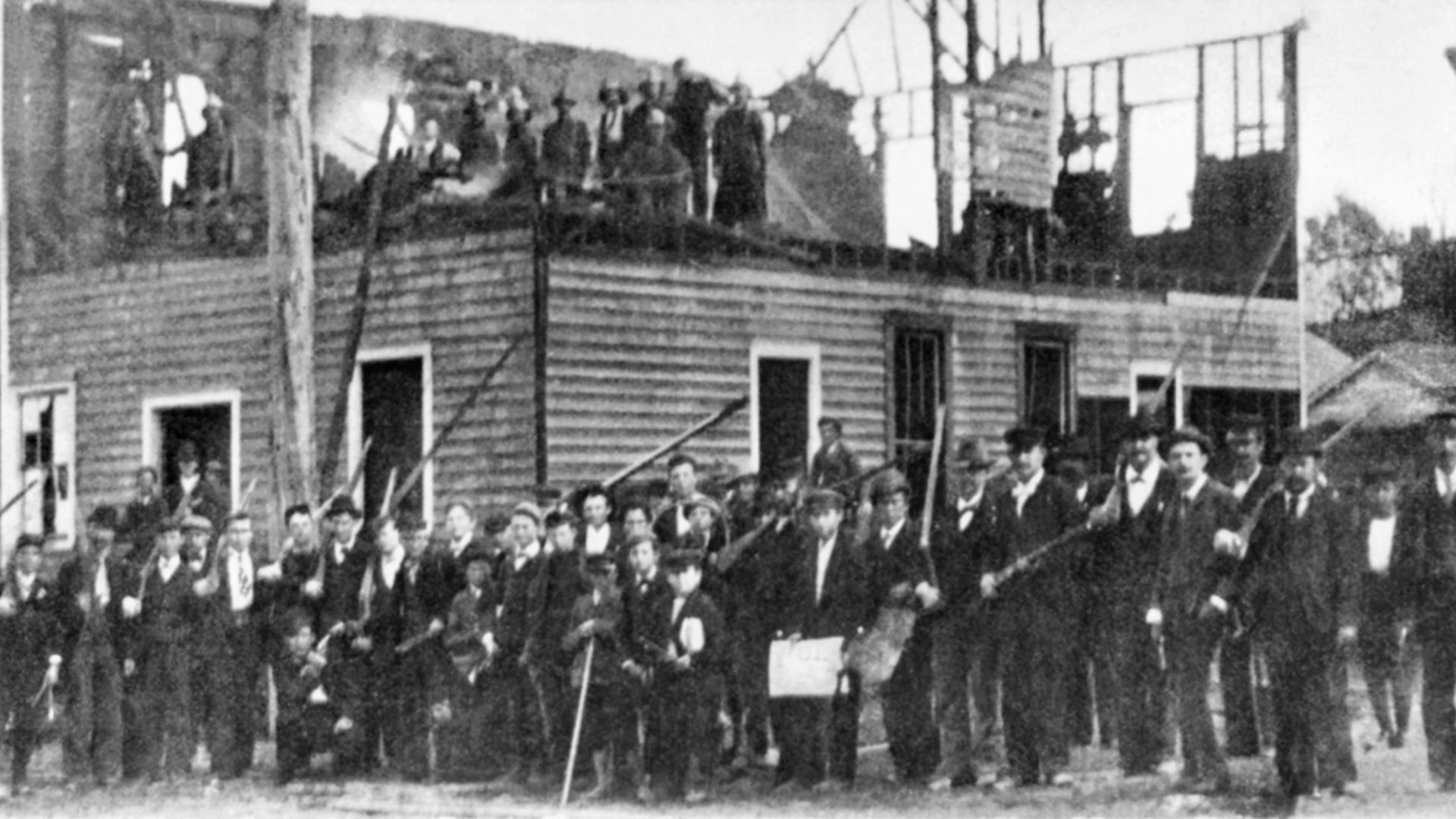 UnknownUnknown derivative work: MagentaGreen on Wikimedia
3. The Bengal Famine of 1943
Wartime policy decisions by the British colonial government, including grain exports maintained even as shortages worsened, contributed to a famine that killed an estimated three million people in Bengal. British textbooks have historically treated the famine as a natural disaster rather than examining the policy choices behind it.
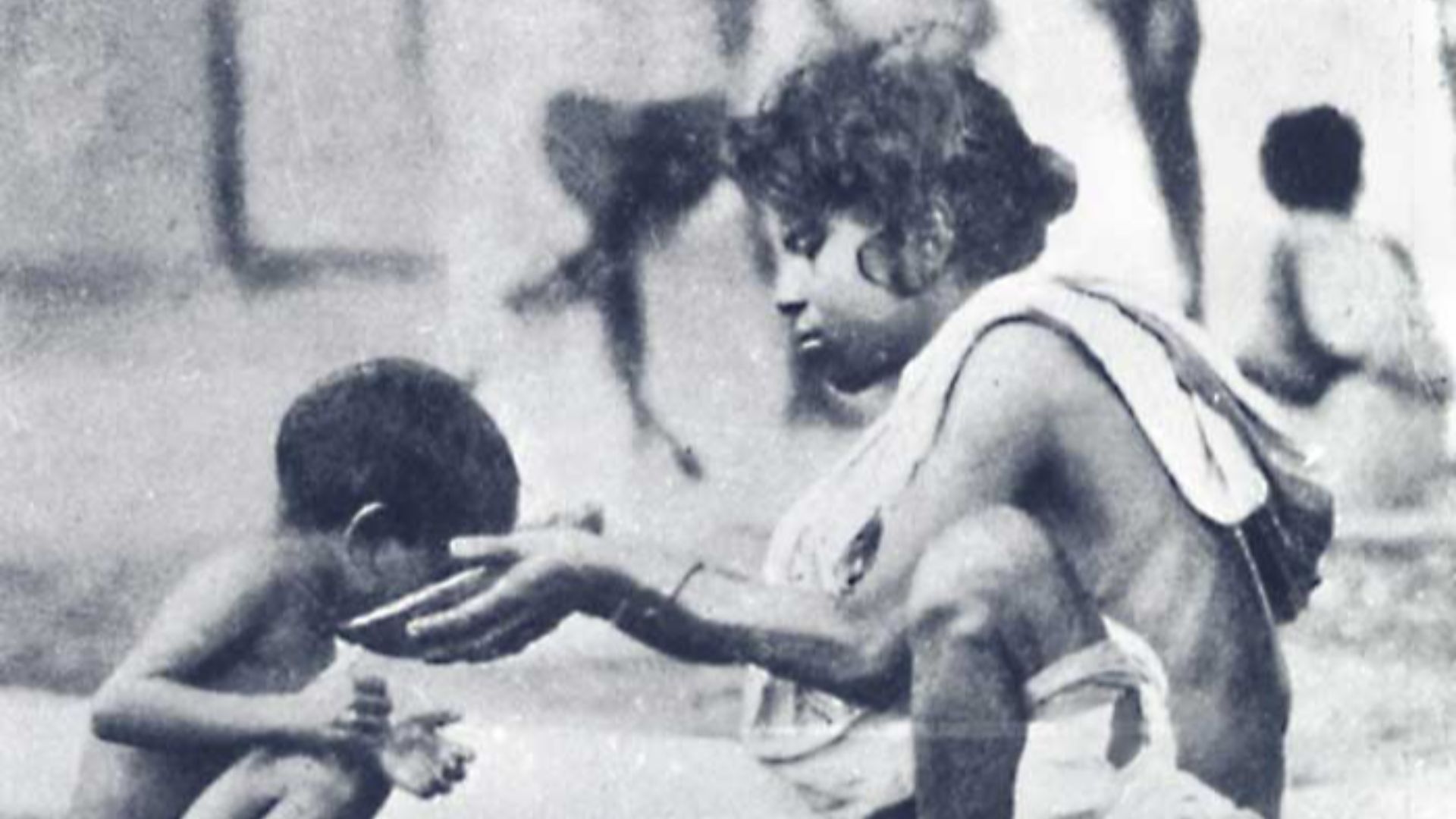 Unknown authorUnknown author on Wikimedia
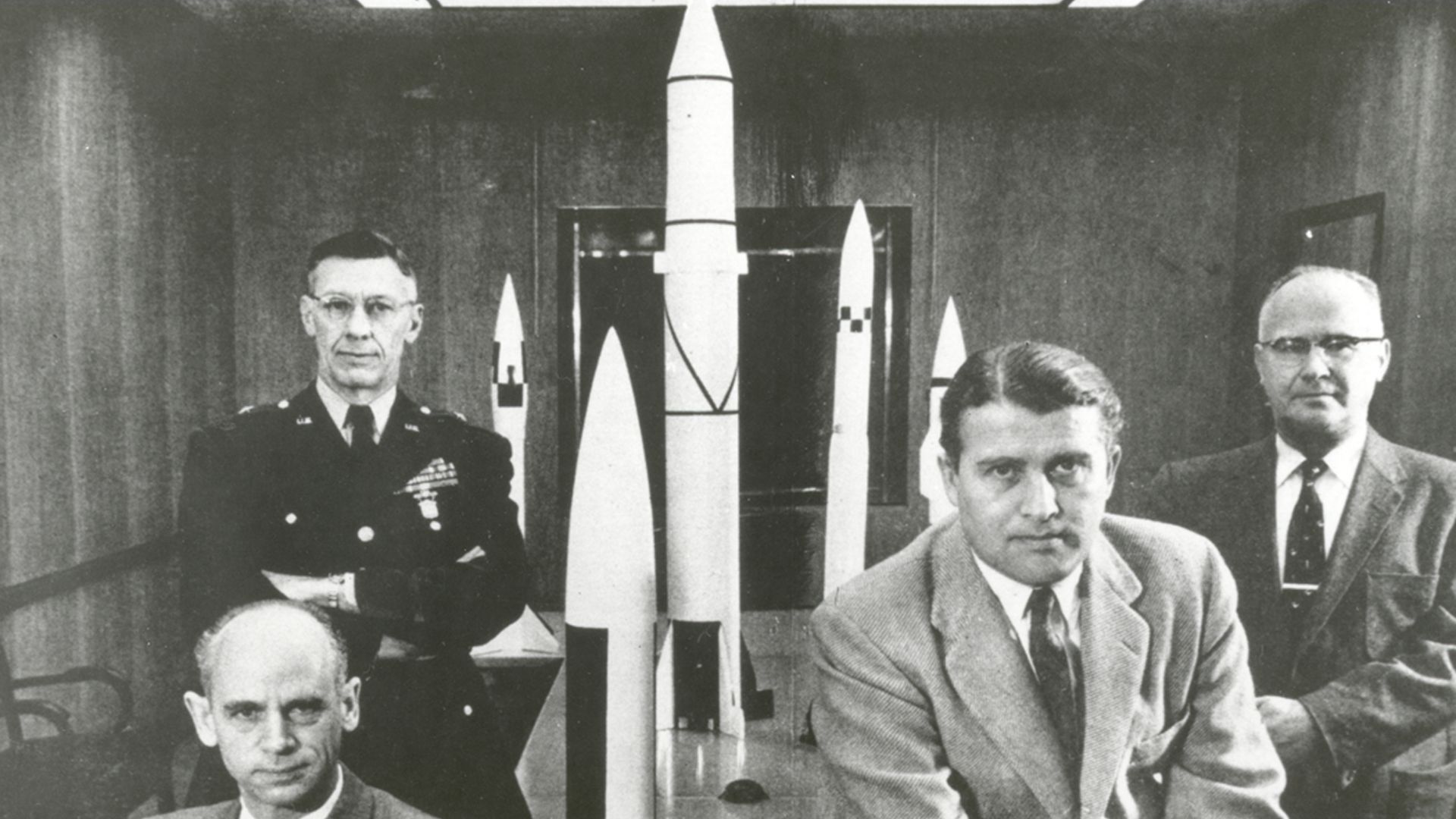
4. Operation Paperclip
After World War II, the United States secretly recruited more than 1,600 German scientists, some with documented ties to Nazi war crimes, to work on American rocket and weapons programs. Their pasts were frequently scrubbed from official records to ease their immigration, a detail rarely included alongside the space race narrative.
5. MKUltra
The CIA ran a covert program from the 1950s through the early 1970s testing mind-control and interrogation techniques on unwitting subjects, including U.S. citizens, using drugs and psychological manipulation. Most records were destroyed before a 1975 congressional investigation exposed what remained.
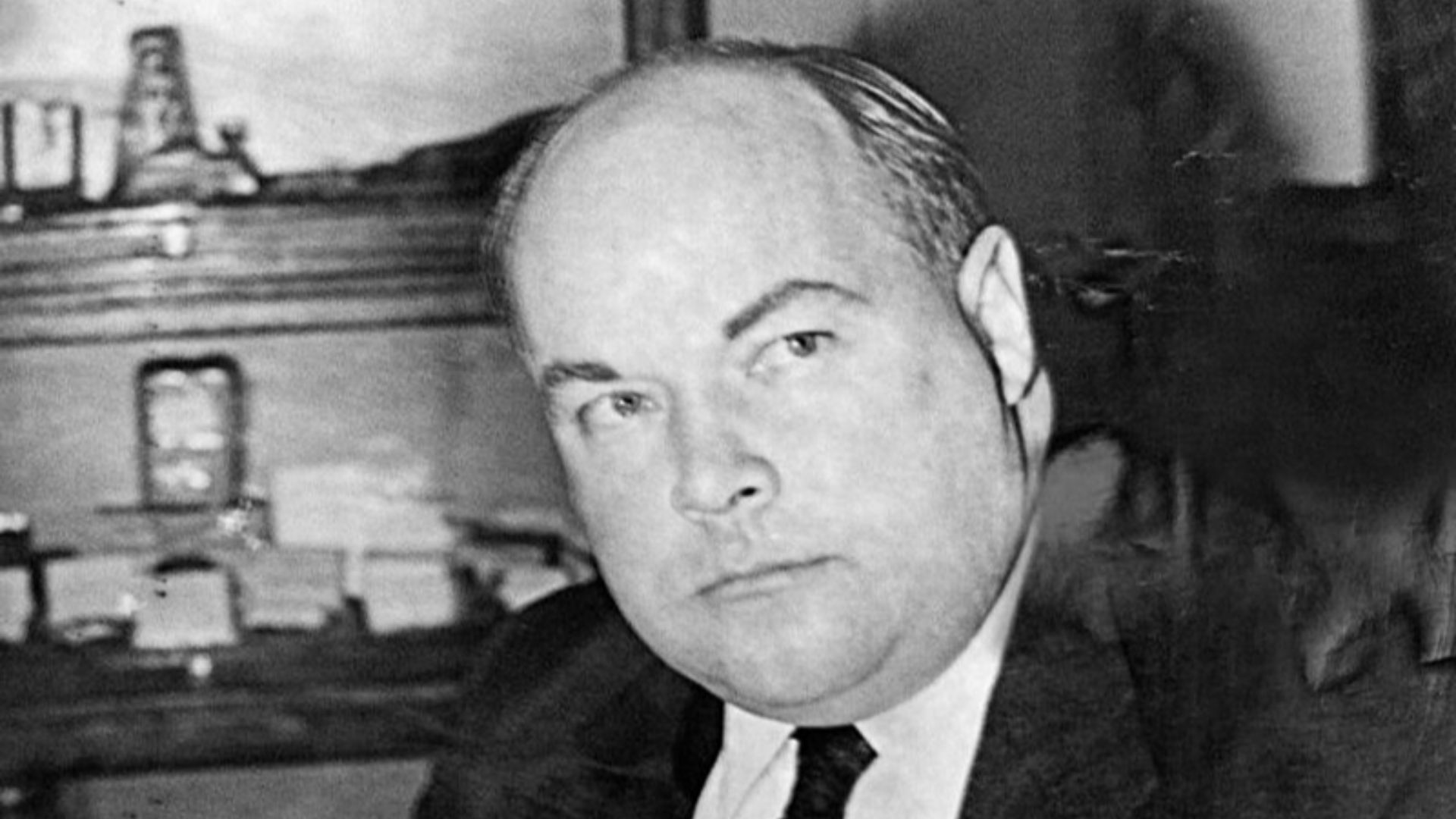 Federal Bureau of Narcotics on Wikimedia
6. The Philippine-American War
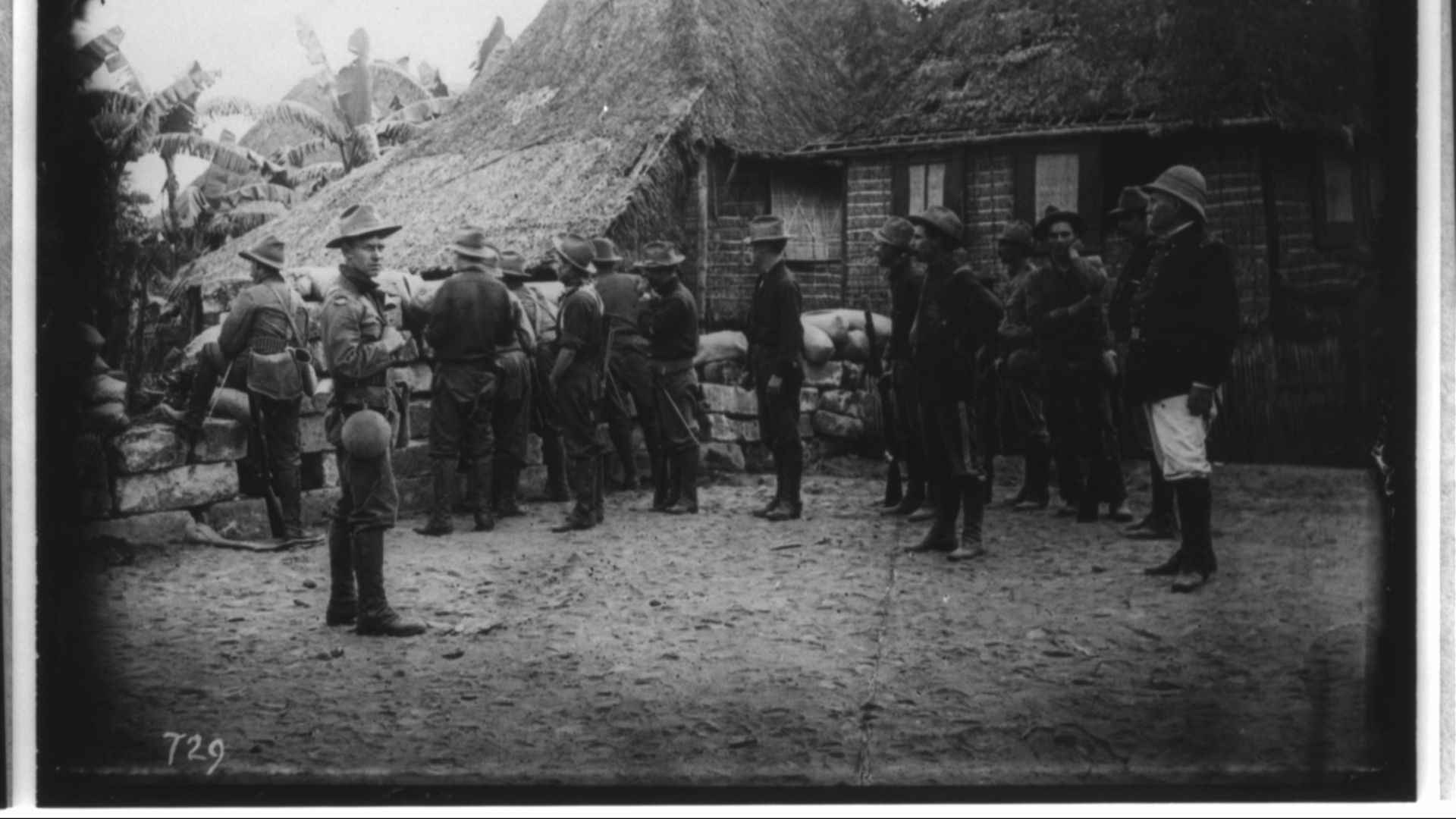
American forces fighting Filipino insurgents between 1899 and 1902 used tactics including forced relocation camps and a torture method known as the water cure, contributing to the deaths of hundreds of thousands of Filipino civilians. The conflict rarely gets more than a sentence in standard American history curricula.
 Miscellaneous Items in High Demand, PPOC, Library of Congress on Wikimedia
7. Native American Boarding Schools
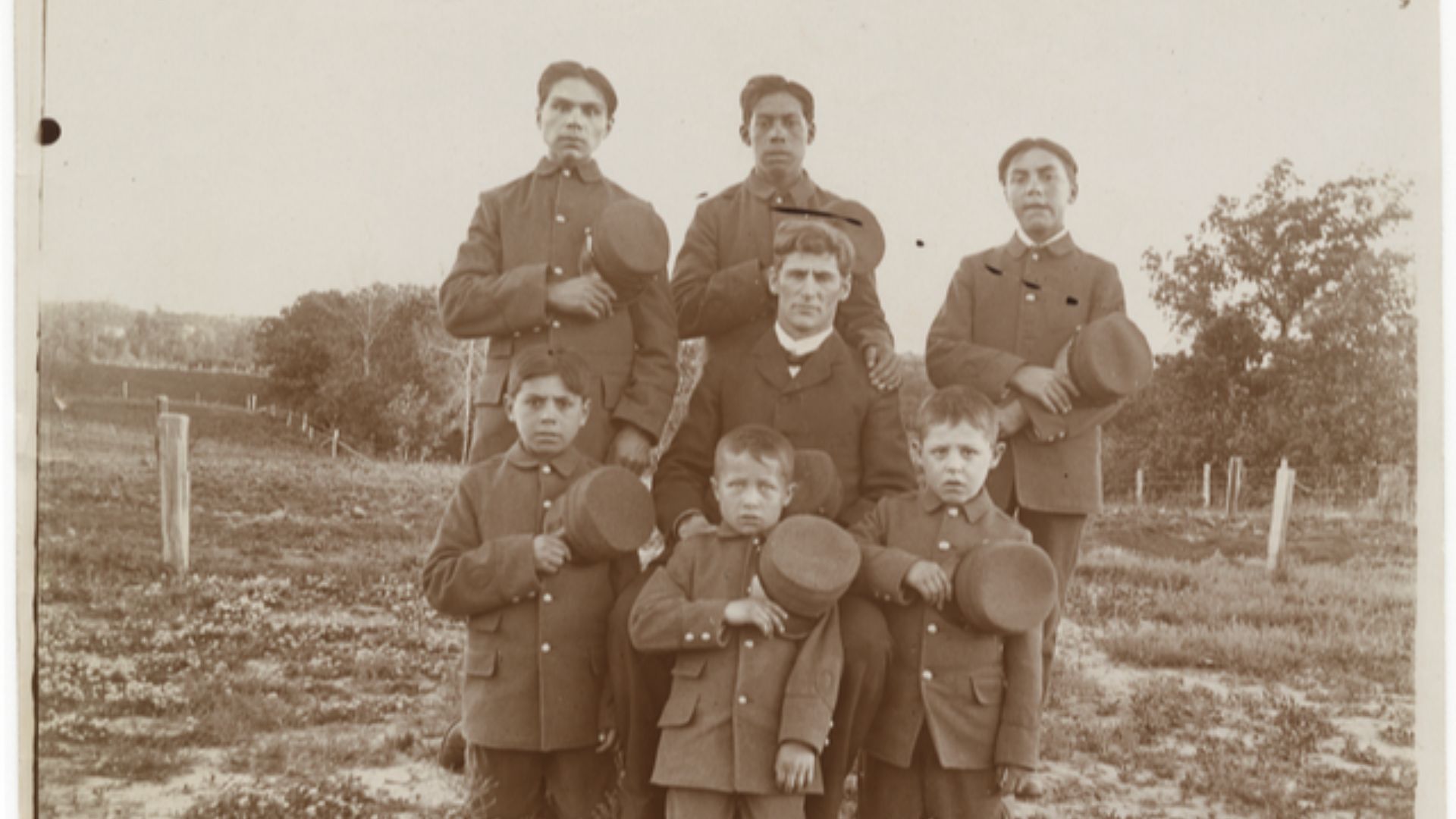
For over a century, the U.S. and Canadian governments removed Indigenous children from their families and placed them in boarding schools designed to erase their language and culture, where documented abuse and unmarked graves later came to light. Investigations into the full scope only began in earnest within the last several years.
 Unknown authorUnknown author on Wikimedia
8. The Congo Free State
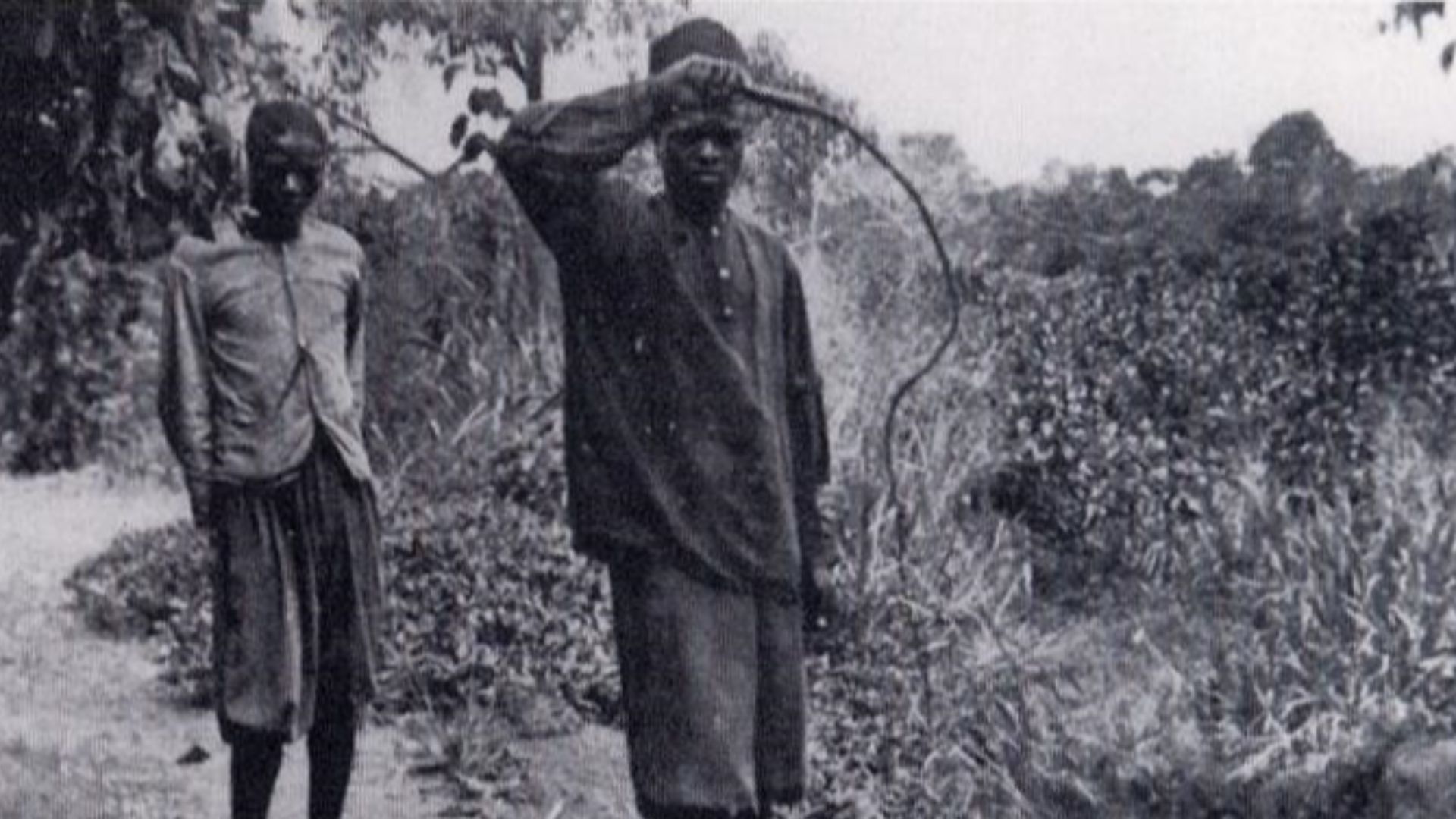
King Leopold II ran the Congo as his personal property from 1885 to 1908, and forced labor practices under his administration are estimated to have killed as many as ten million people. Belgian textbooks largely omitted the death toll for most of the twentieth century.
9. The Herero and Nama Genocide
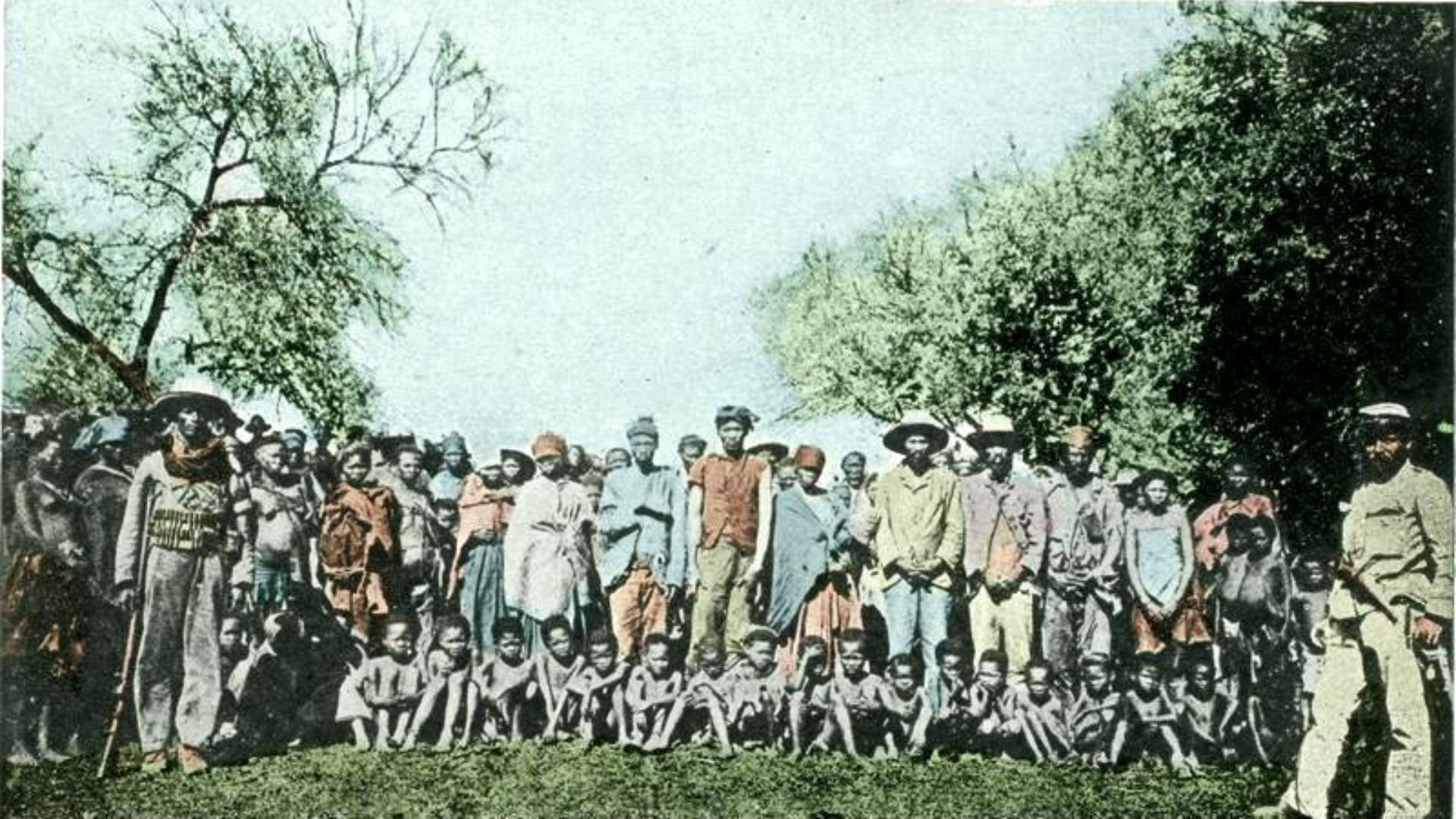
German colonial forces in present-day Namibia killed tens of thousands of Herero and Nama people between 1904 and 1908, an event historians widely consider the first genocide of the twentieth century. Germany did not formally acknowledge it as genocide until 2021.
 Unknown authorUnknown author on Wikimedia
10. The Bonus Army Crackdown
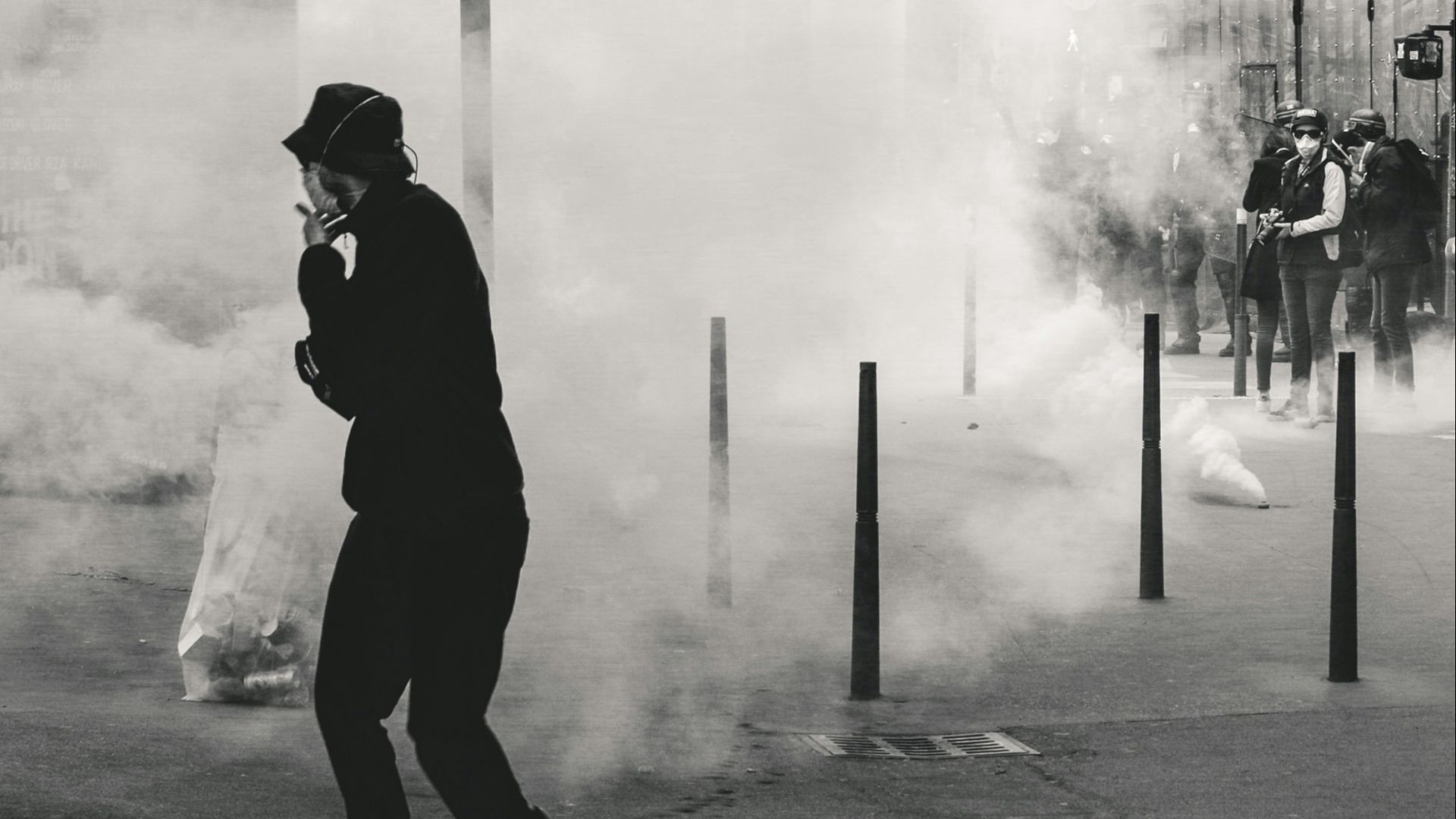
In 1932, U.S. Army troops under orders from senior military leadership used tanks and tear gas to forcibly disperse thousands of World War I veterans camped in Washington, D.C., demanding early payment of promised bonuses. The episode rarely appears in coverage of the Great Depression years.
11. The Zoot Suit Riots
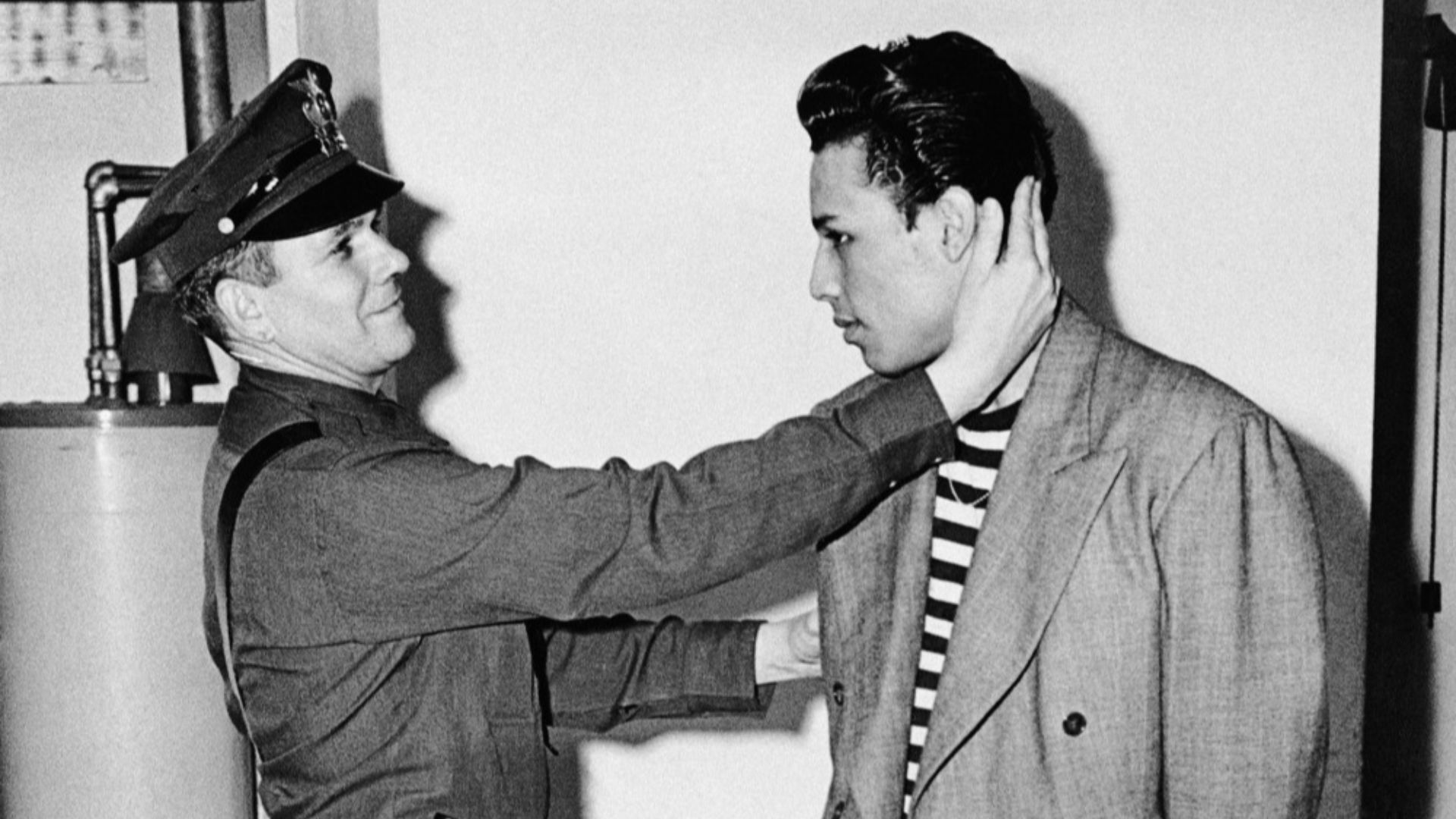
In 1943, off-duty U.S. servicemen roamed Los Angeles attacking Mexican American and Black youths wearing zoot suits, while police largely stood by or arrested the victims instead of the attackers. Wartime coverage at the time downplayed the racial dimension of the violence entirely.
12. The Nanjing Massacre
Japanese forces killed an estimated 200,000 to 300,000 Chinese civilians and soldiers in Nanjing over six weeks in 1937 and 1938, including widespread documented sexual violence. Japanese textbooks have faced decades of criticism for minimizing or omitting the death toll and details.
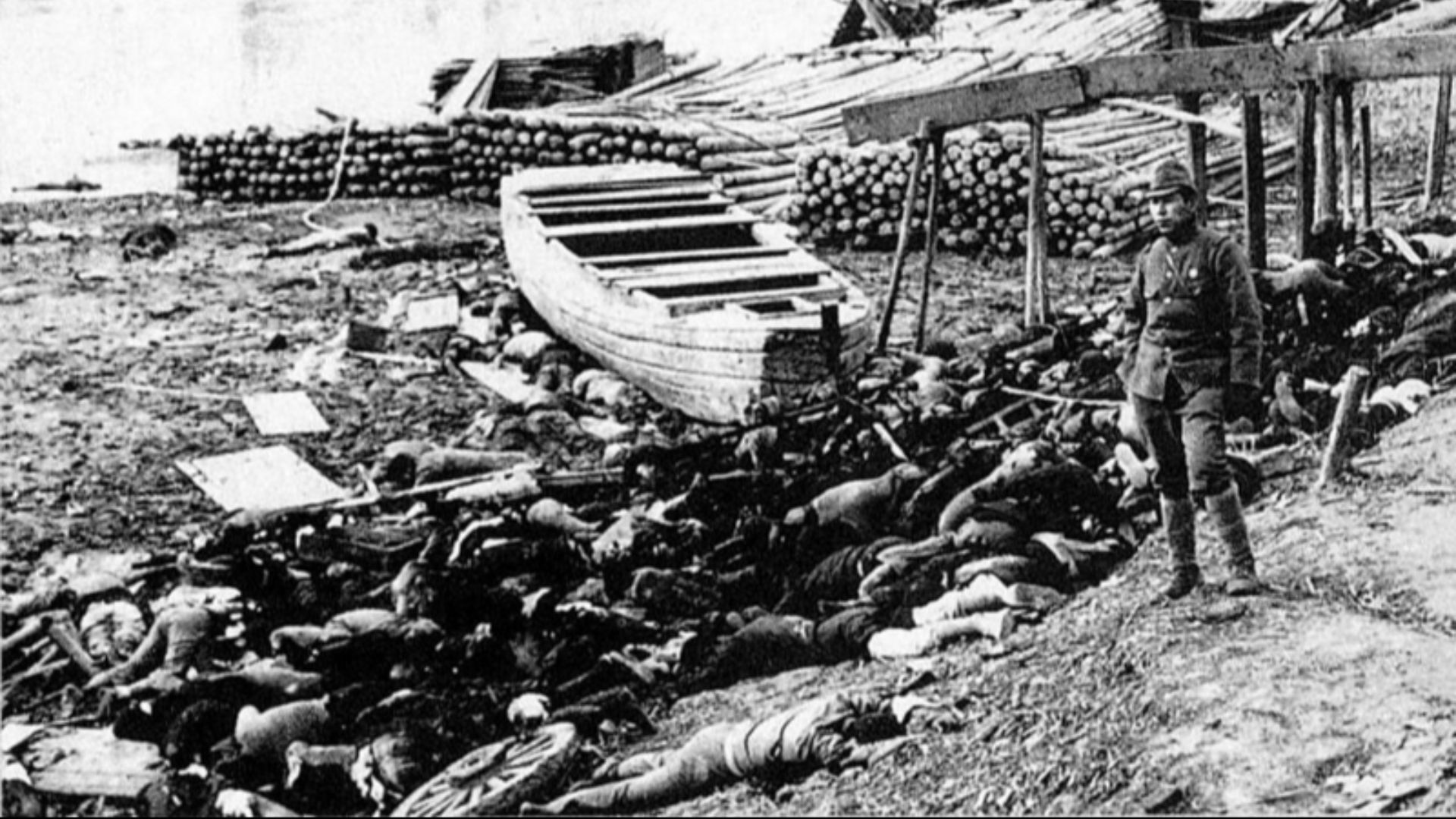 Originally Moriyasu Murase, 村瀬守保 on Wikimedia
13. The Armenian Genocide
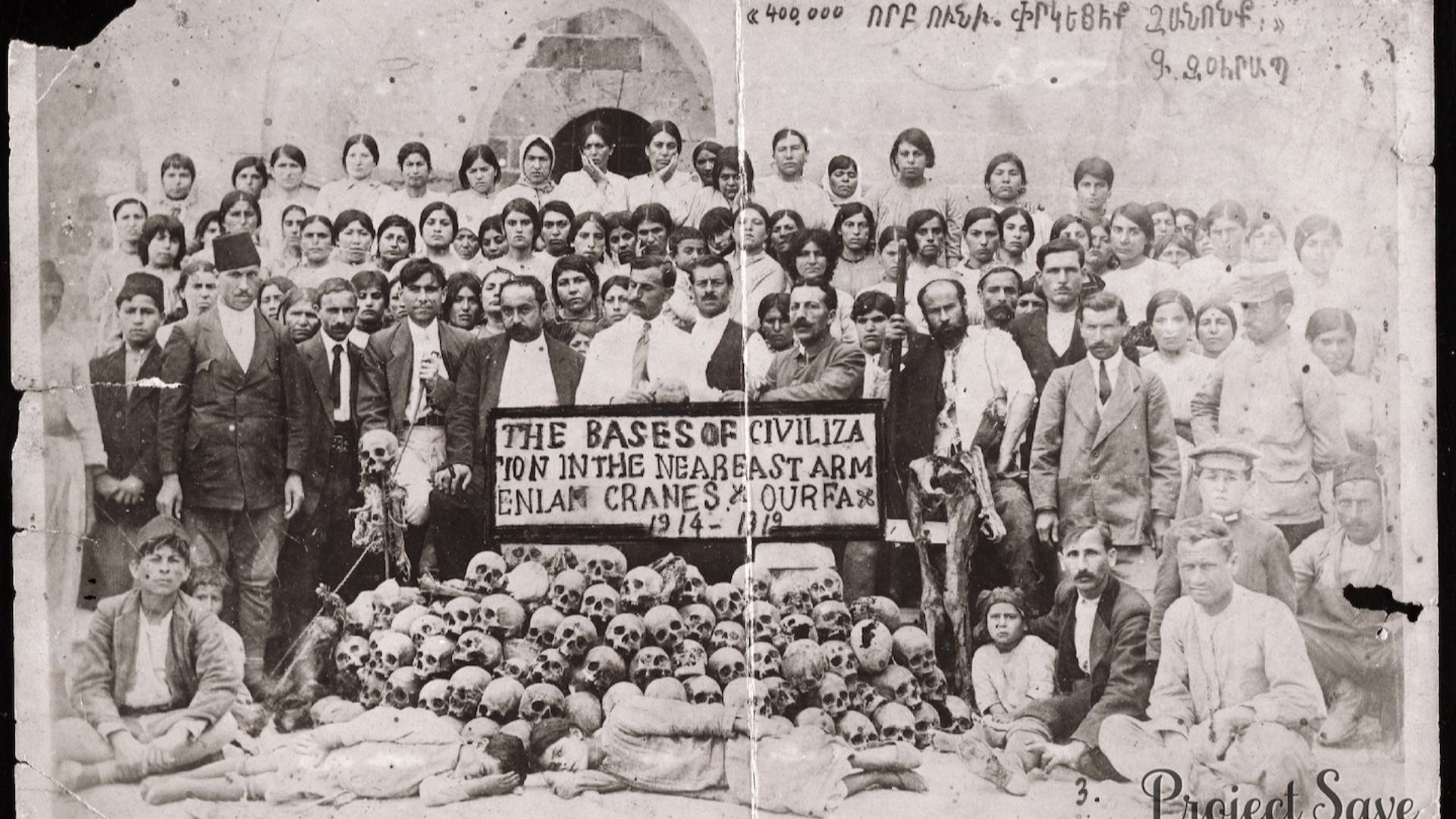
Ottoman authorities killed an estimated 1.5 million Armenians through mass killings and forced death marches beginning in 1915, an event most historians classify as genocide. Turkish textbooks continue to describe the events in far more limited terms, and the government disputes the genocide classification to this day.
14. The Holodomor
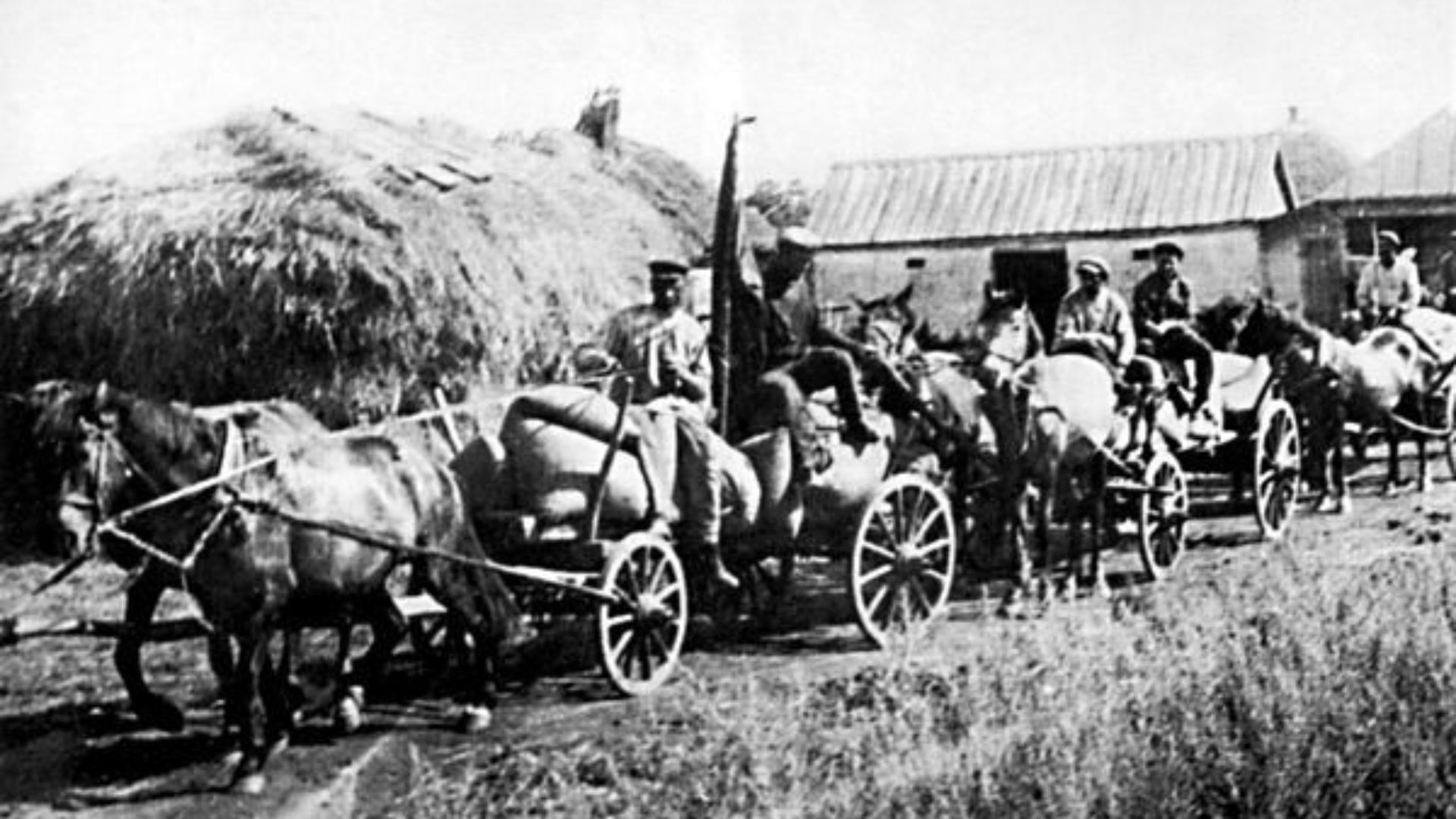
Soviet policies in the early 1930s created a famine in Ukraine that killed millions, and many historians consider the policy choices behind it a deliberate act against the Ukrainian population. Soviet-era textbooks denied the famine occurred at all for decades.
 Unknown authorUnknown author on Wikimedia
15. The Rosewood Massacre
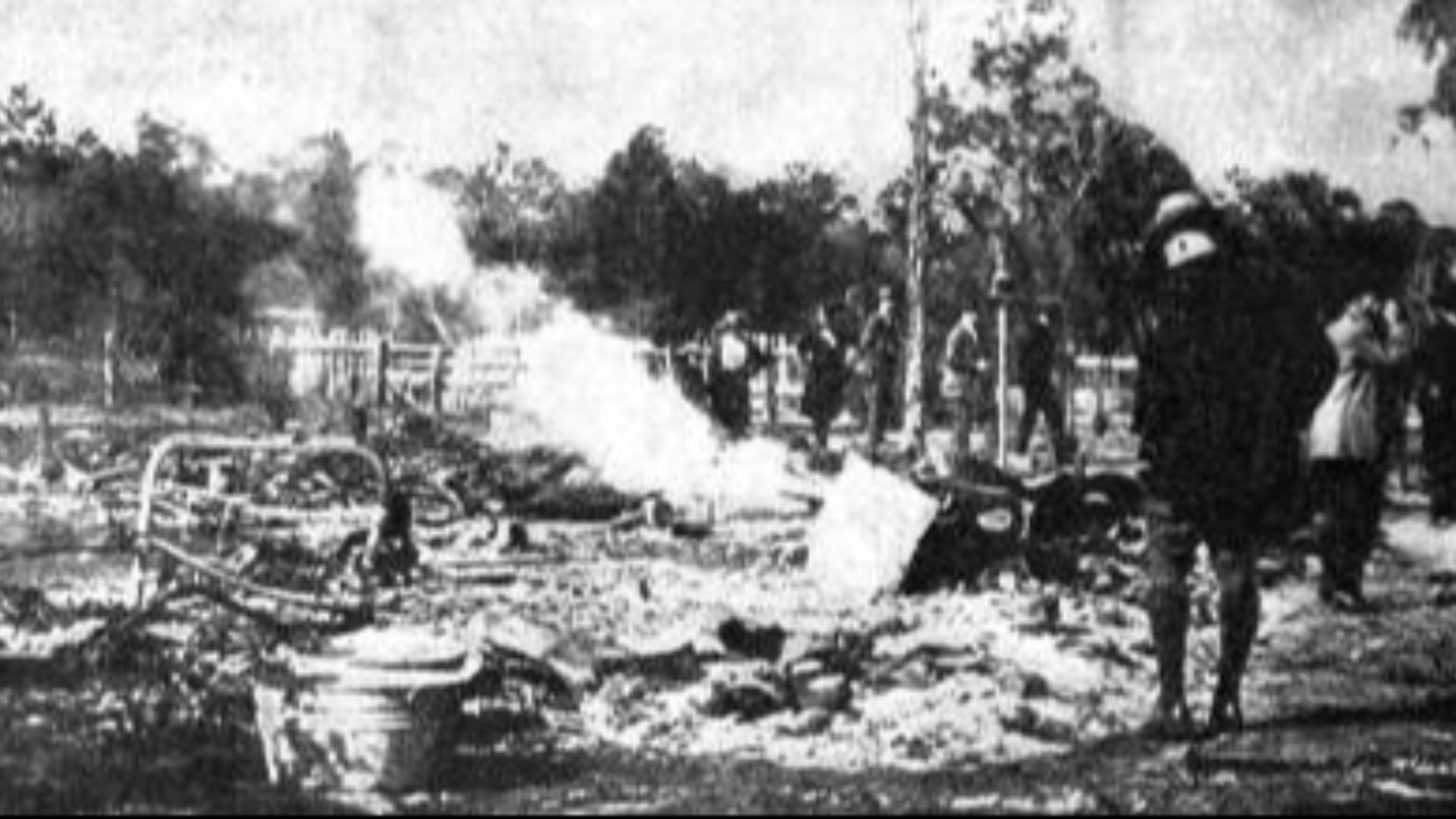
A white mob destroyed the Black town of Rosewood, Florida, in 1923, killing an unknown number of residents and driving survivors out permanently. The event went essentially undocumented in any official record until journalists and historians reconstructed it in the 1980s.
 Unknown authorUnknown author on Wikimedia
16. The Sand Creek Massacre
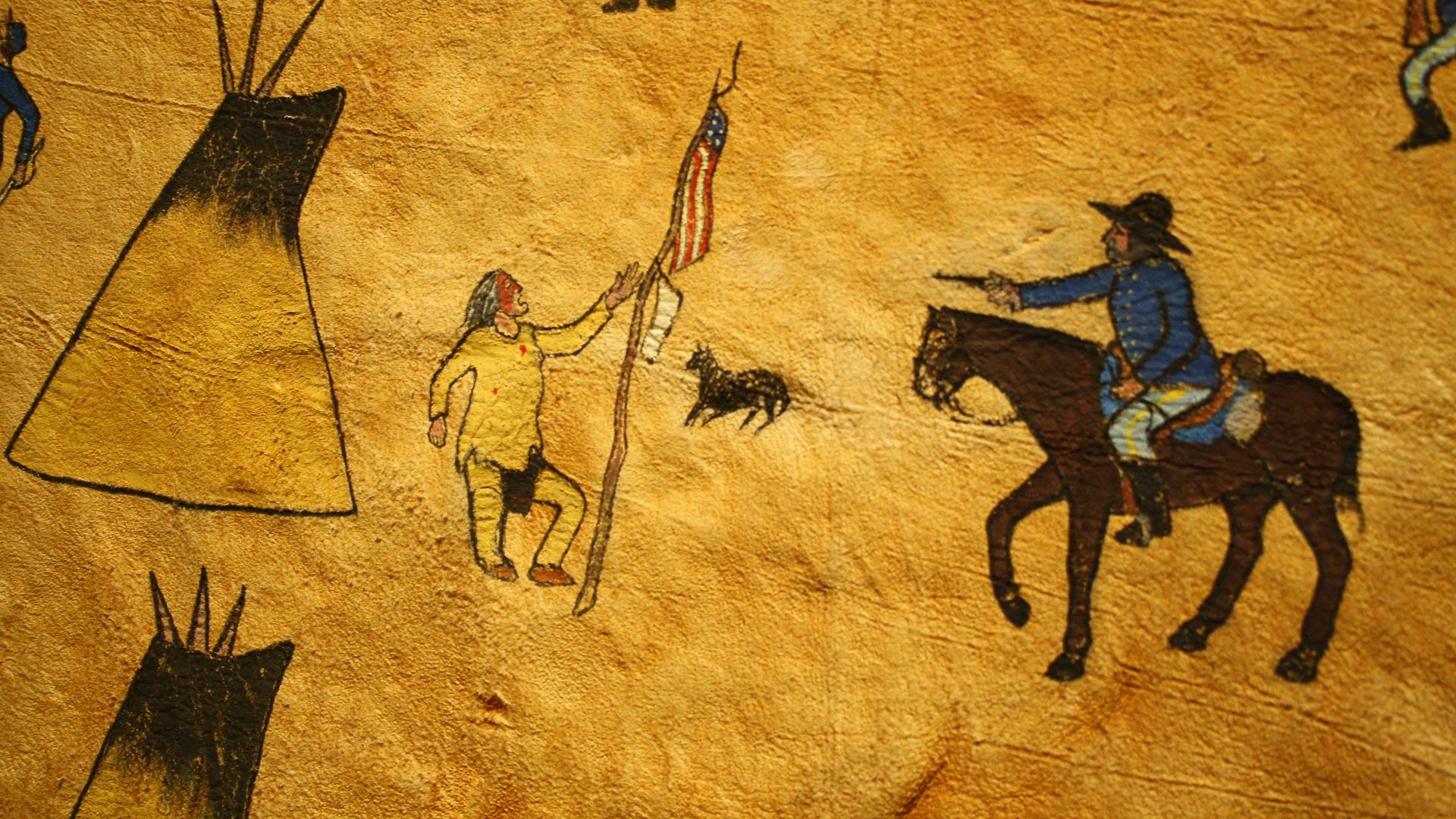
U.S. militia forces killed as many as 200 Cheyenne and Arapaho people, mostly women, children, and the elderly, in a surprise attack on a peaceful encampment in Colorado in 1864. A congressional investigation at the time condemned it, but the event still rarely appears in standard Western expansion narratives.
17. The Ludlow Massacre
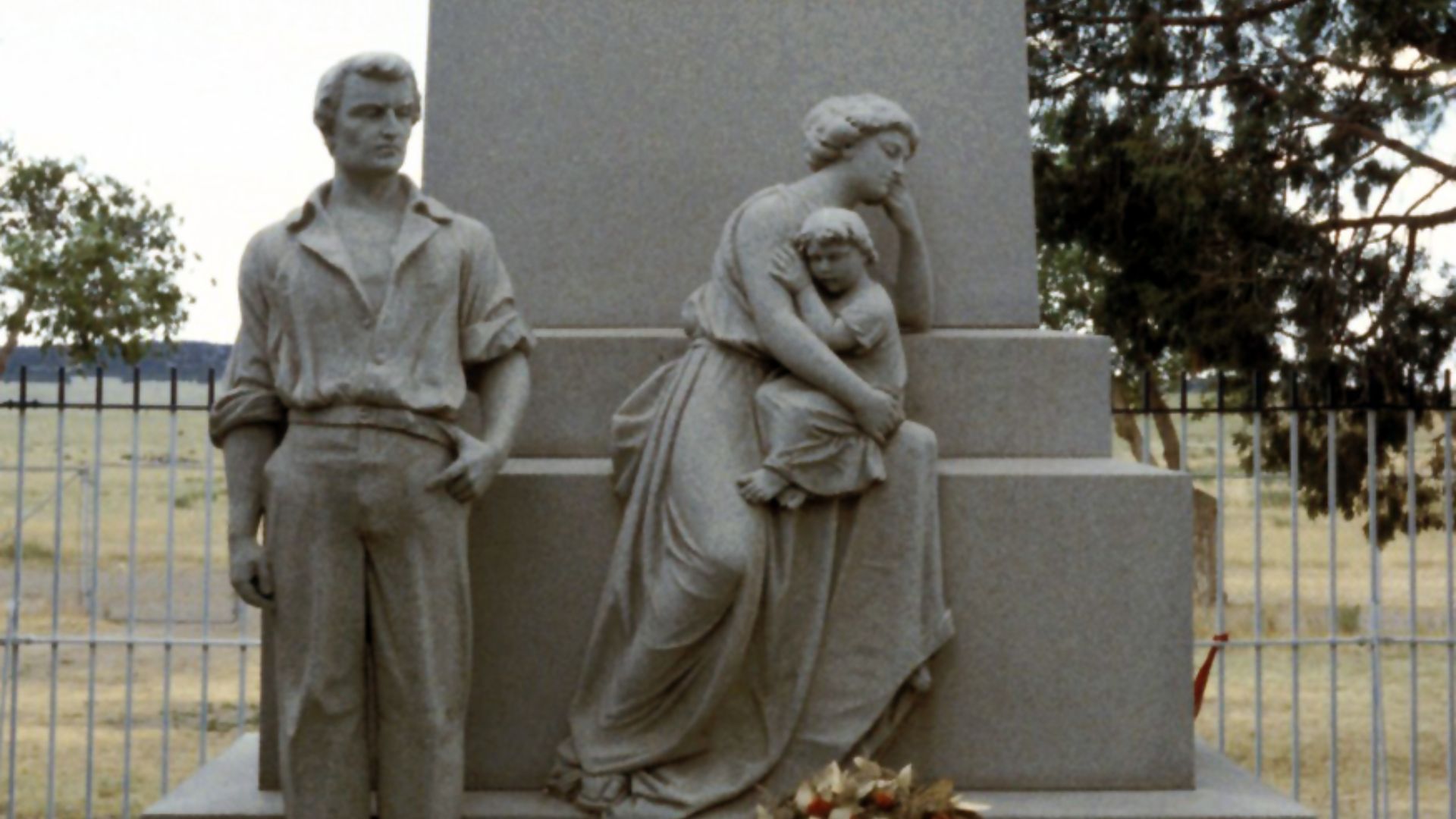
Colorado National Guard troops and private guards attacked a tent colony of striking coal miners and their families in 1914, killing at least 19 people, including children. Labor history involving direct violence like this rarely makes it into standard economics or civics curricula.
 M. W.; derivative work: Ori.livneh on Wikimedia
18. The Katyn Massacre
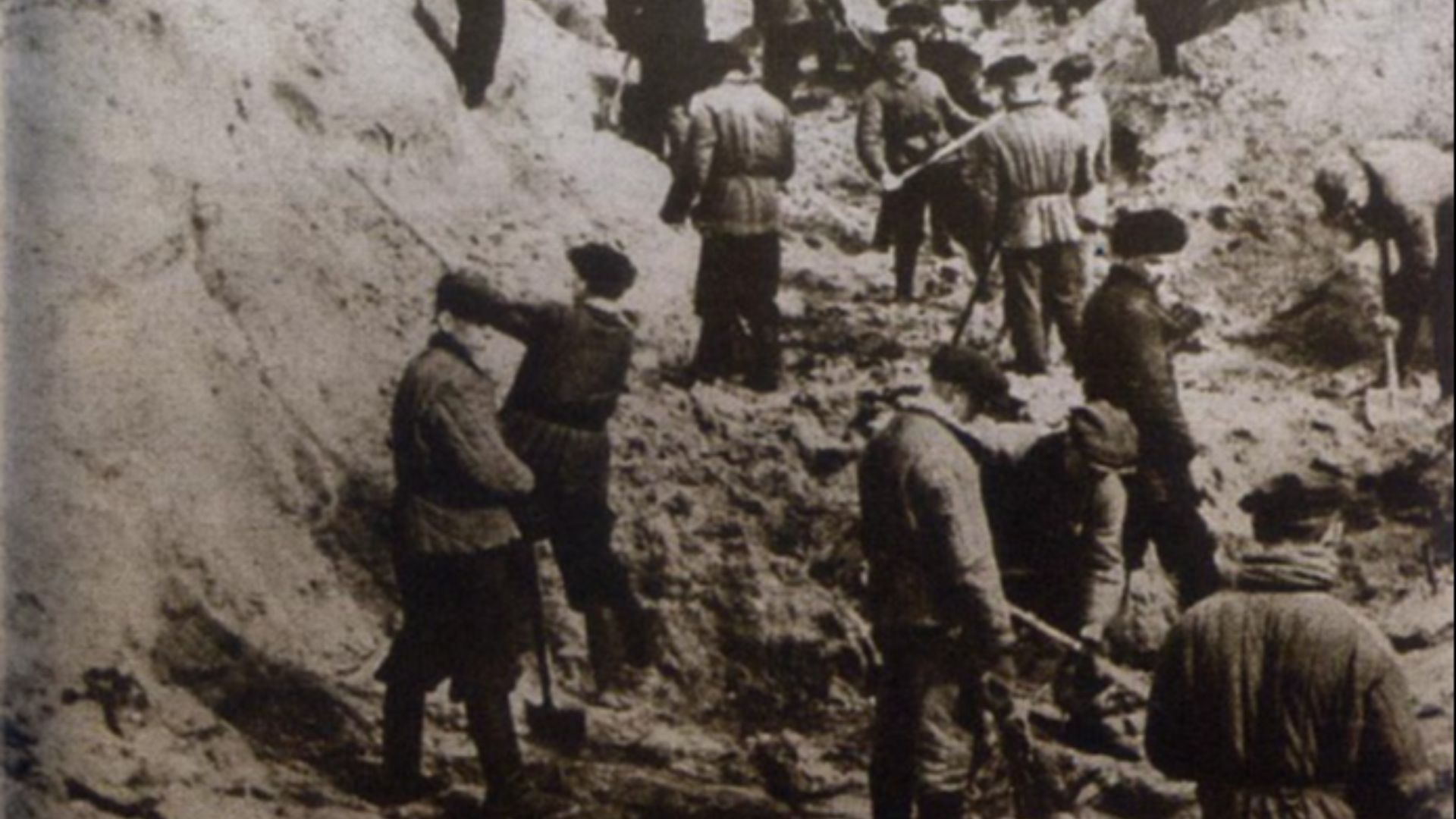
Soviet secret police executed roughly 22,000 Polish military officers and intellectuals in 1940, a crime the Soviet Union blamed on Nazi Germany for decades until declassified archives confirmed Soviet responsibility in 1990. Cold War-era textbooks on both sides reflected the disputed, politically convenient version for years.
19. The Comfort Women System
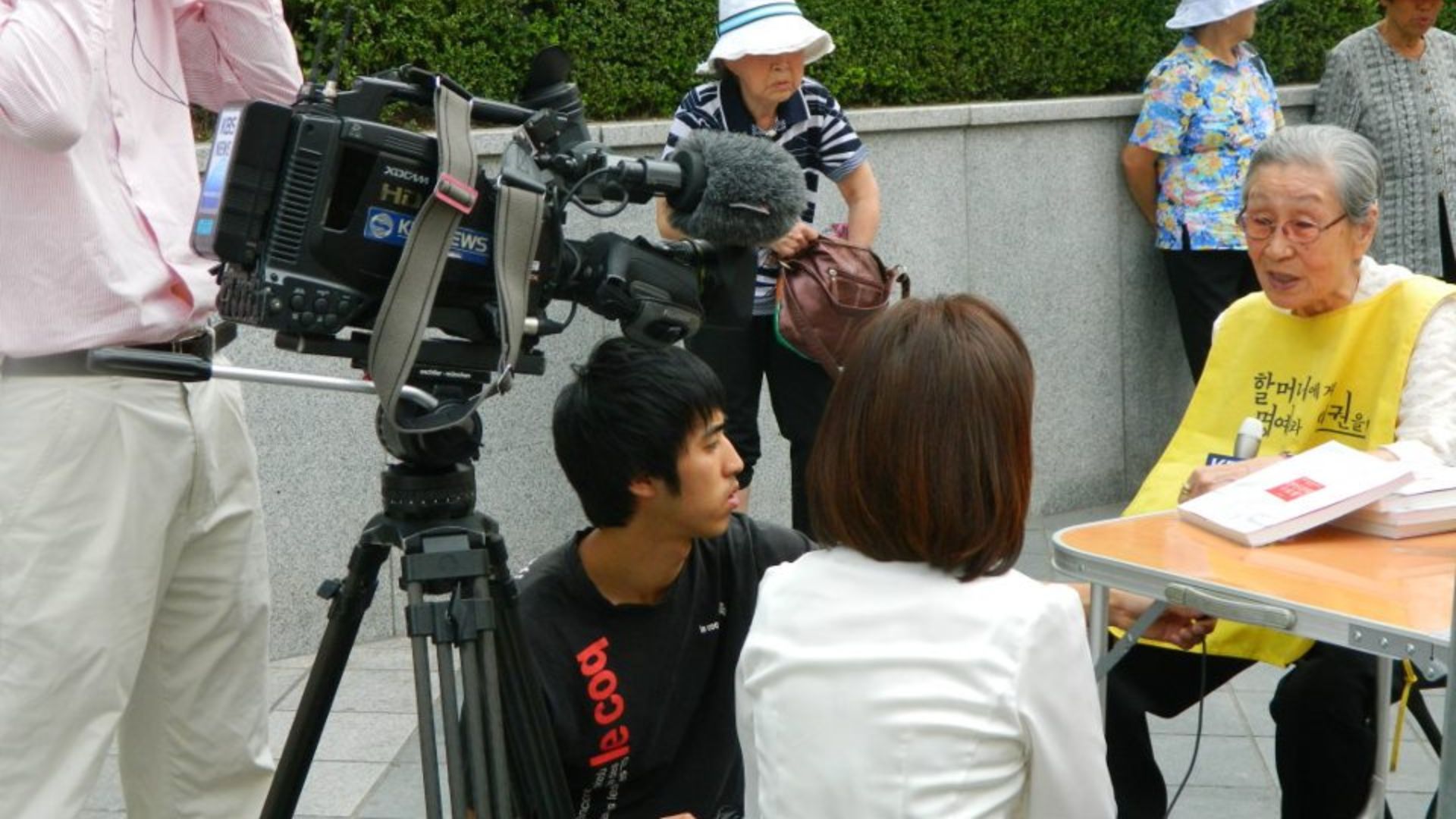
The Japanese military operated a system of forced sexual slavery involving tens of thousands of women, many from Korea and China, during World War II. The subject remains a point of ongoing diplomatic tension, and Japanese textbook treatment of it has varied significantly by publisher and decade.
20. The MOVE Bombing
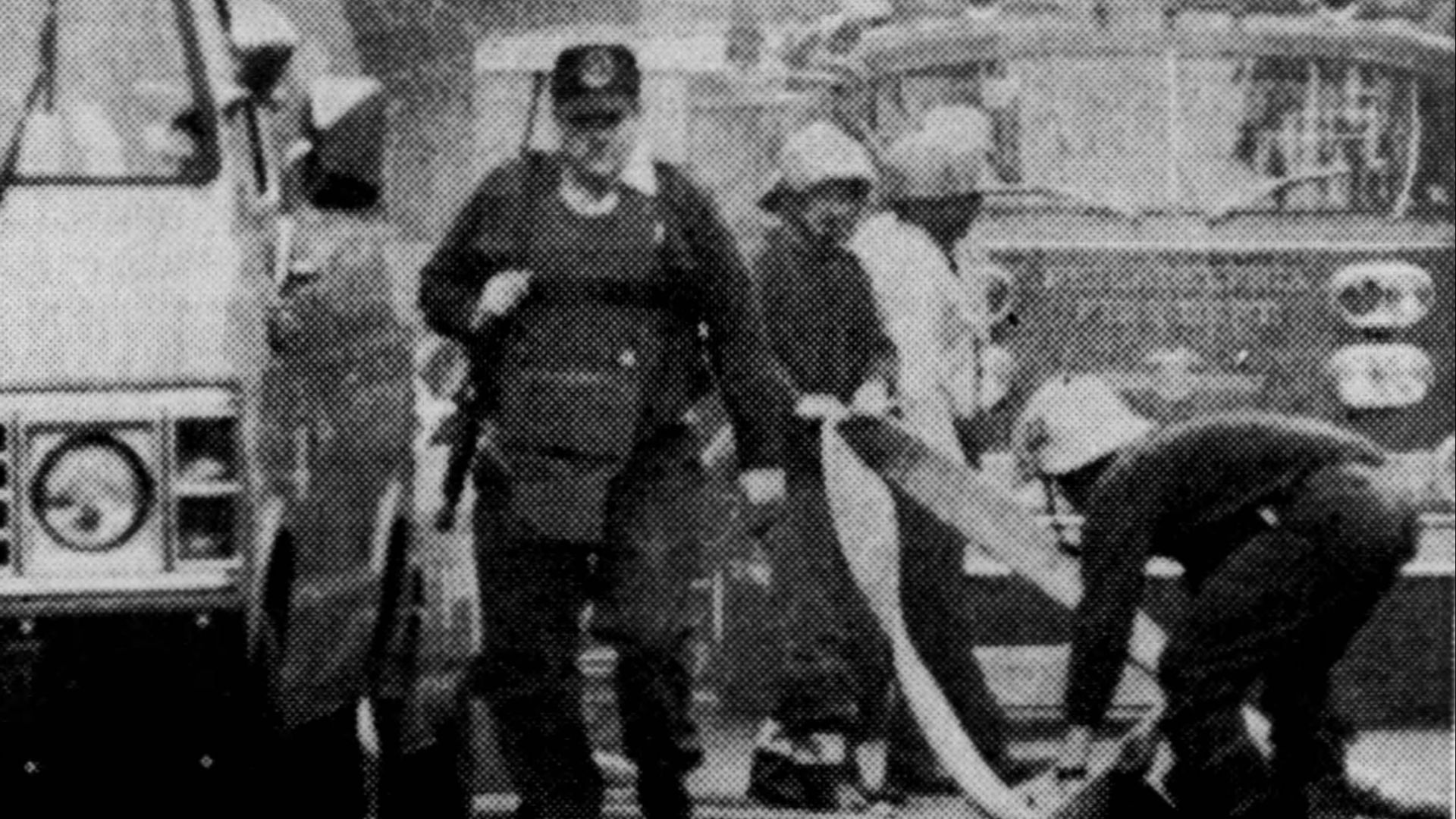
In 1985, Philadelphia police dropped an explosive device on a residential rowhouse to end a standoff with the MOVE organization, killing 11 people and letting the resulting fire destroy 61 homes. The city's own commission later called the decision unconscionable, yet the event remains largely unknown outside Philadelphia.
KEEP ON READING