Deaths That Grew Into Legends
When you spot the saints in a painting, they usually appear remarkably calm, but that stoicism can make it easy to forget just how ugly some of their lives were. Across medieval prisons, religious persecutions, and even concentration camps, men and women later canonized as saints endured unimaginable horrors to make examples of them. Some ancient accounts blend history with tradition, but even after stripping away the embellishments, these 20 stories aren't gentle reading.
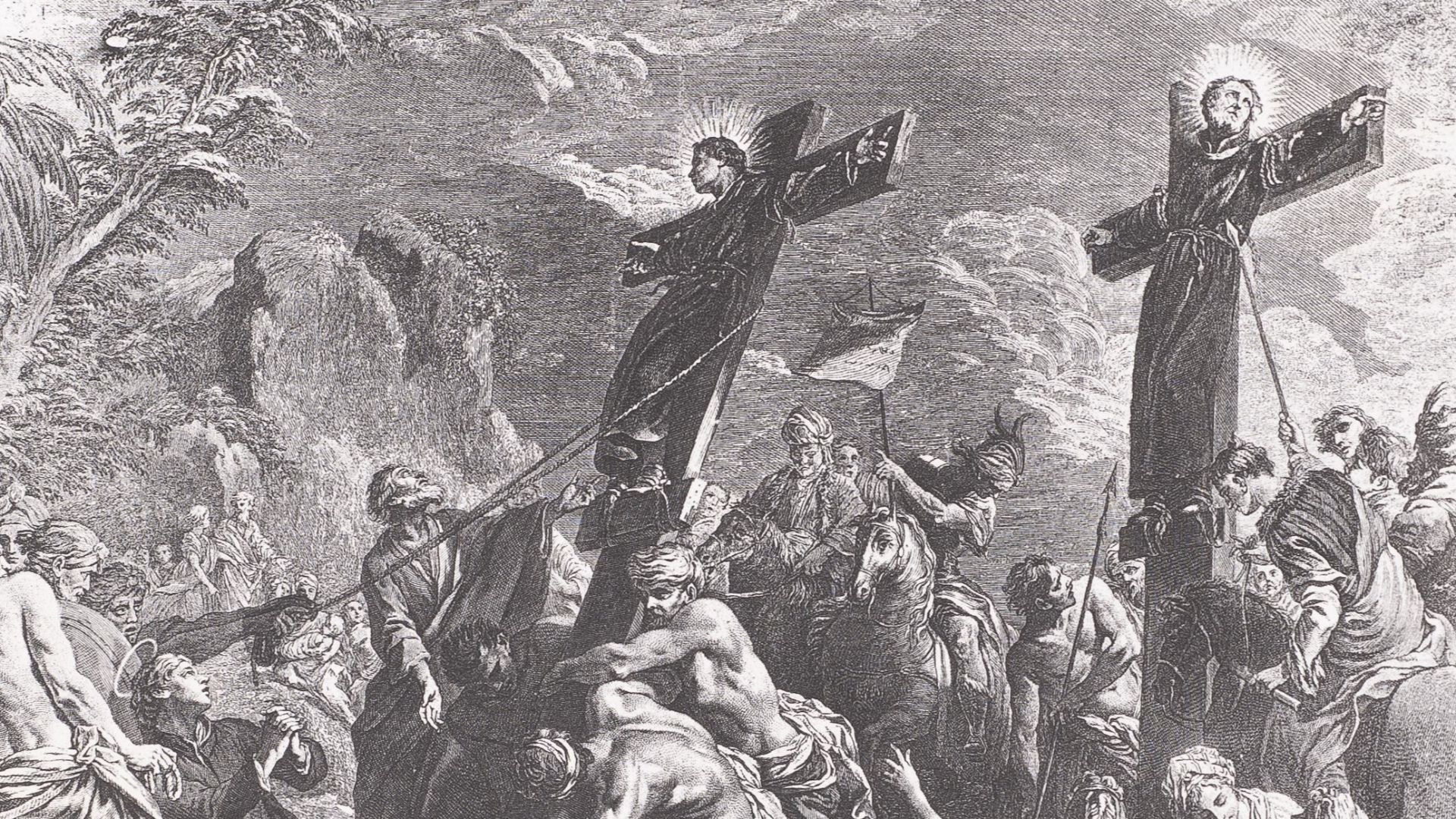 Miki, Paul, S.J. (1564-1597) (depicted) on Wikimedia
1. Saint Perpetua
Perpetua was a young mother in Roman Carthage when she was arrested for being Christian around AD 203. Her surviving prison account describes separation from her child, despite still nursing. She and fellow prisoner Felicity were eventually sent into the arena, where a wild cow attacked the women before executioners were ordered to finish the job.
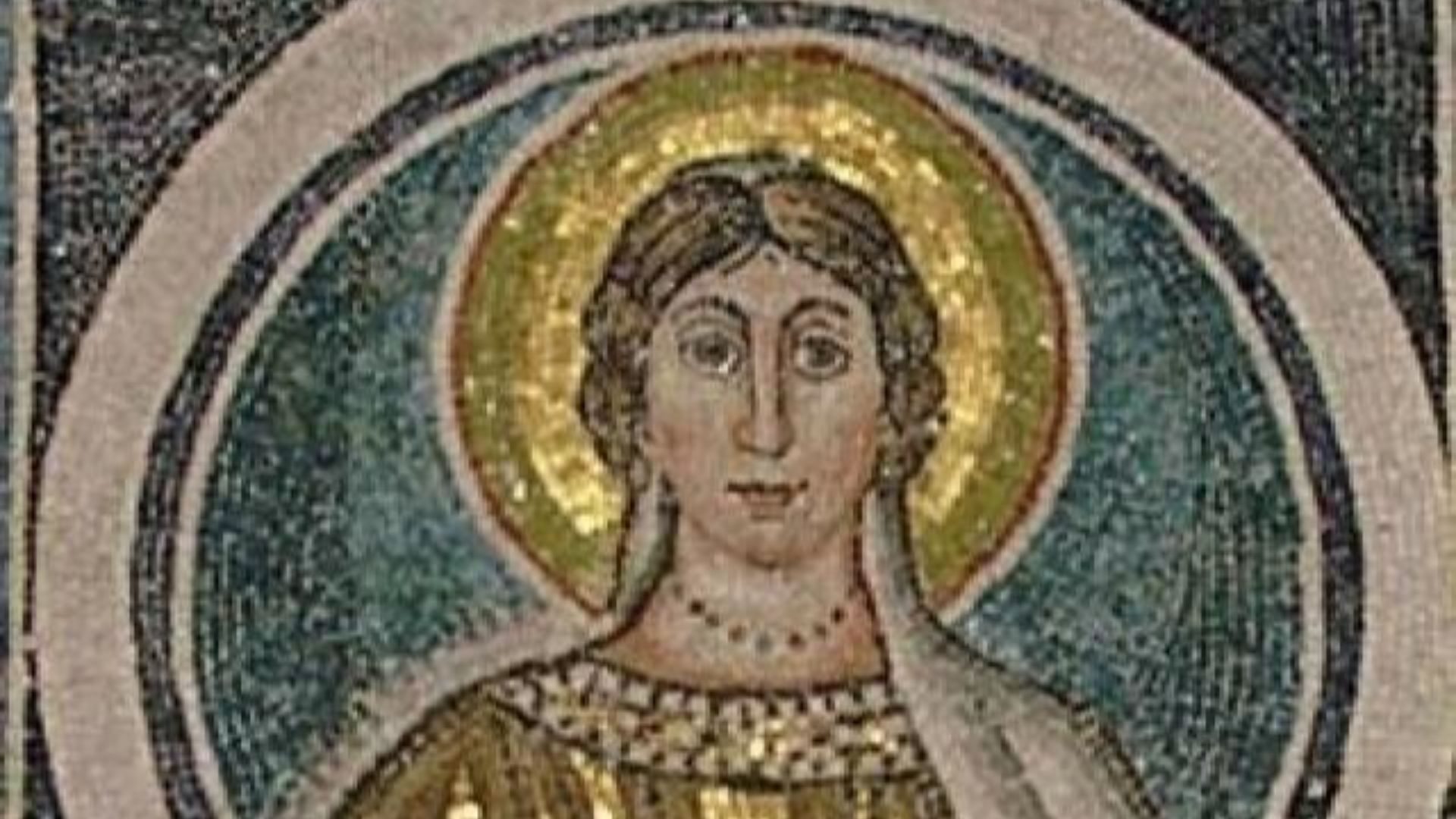 onbekende Venetiaanse kunstenaar. on Wikimedia
2. Saint Felicity
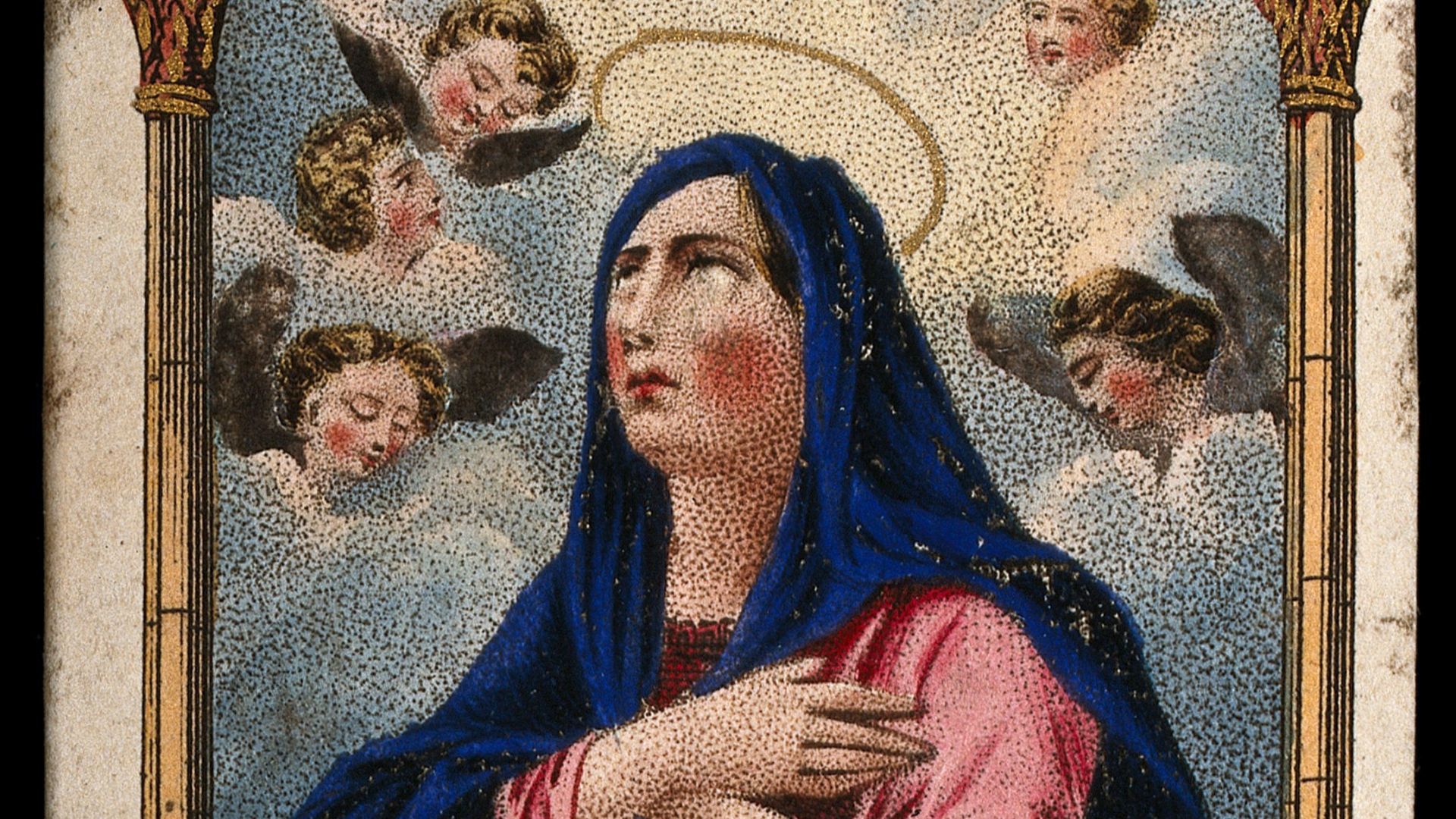
Speaking of whom, Felicity also entered prison pregnant, which created a particularly grim problem; Roman law prohibited executing a woman while she was carrying a child. The account says that she gave birth, prematurely and just days before the games. She then handed her newborn daughter to another woman and walked into the arena beside Perpetua. After surviving the animal attack, Felicity was killed by the gladiators.
3. Saint Sebastian
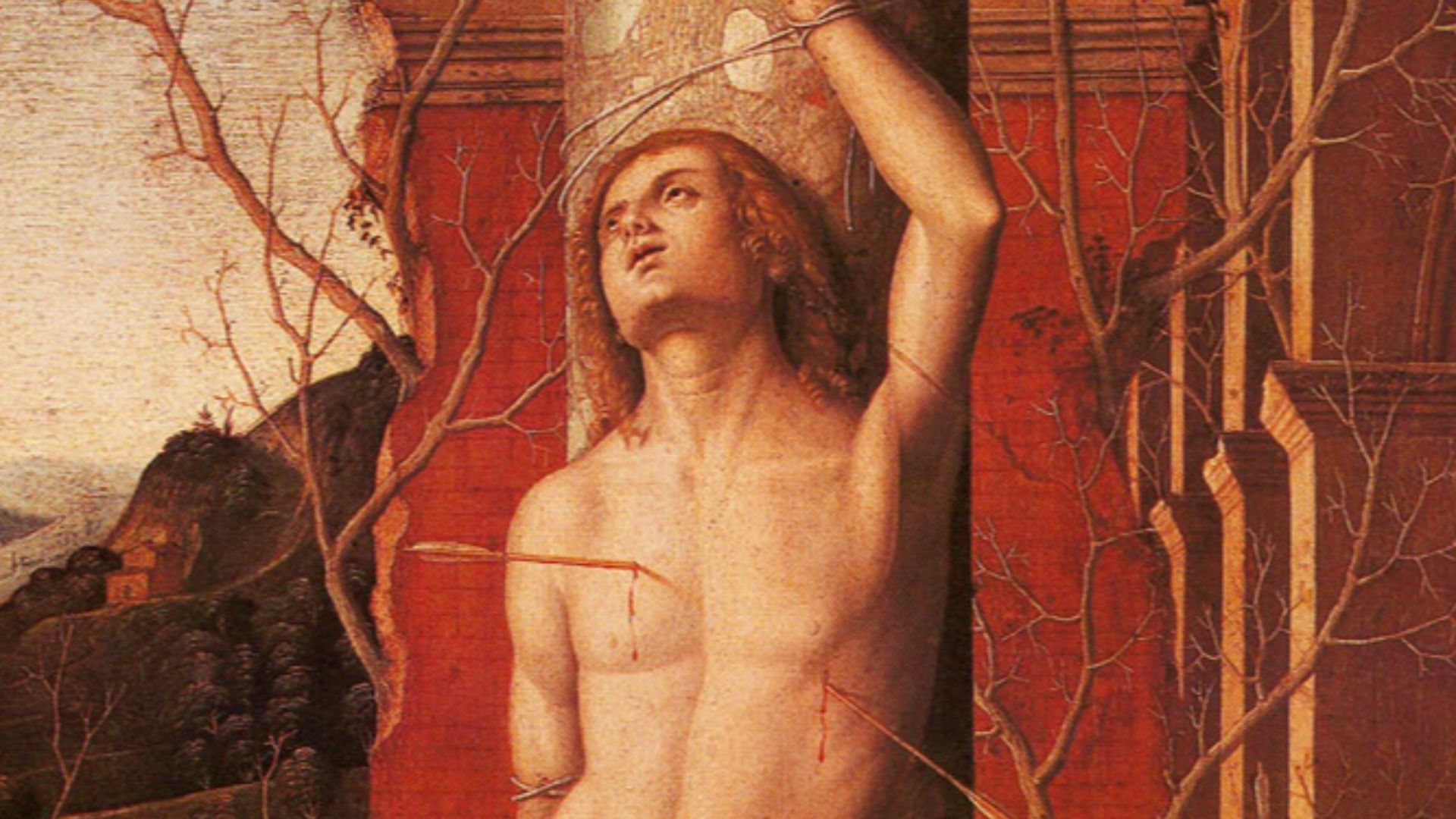
If you only know Sebastian from paintings full of arrows, you're actually seeing the part of his execution that supposedly failed. Early tradition says the Roman soldier was tied up and shot during Diocletian's persecution, only for a woman named Irene to discover him alive and nurse him back to health. Sebastian then confronted the emperor again, which wasn't the safest follow-up, and tradition holds that he was beaten to death.
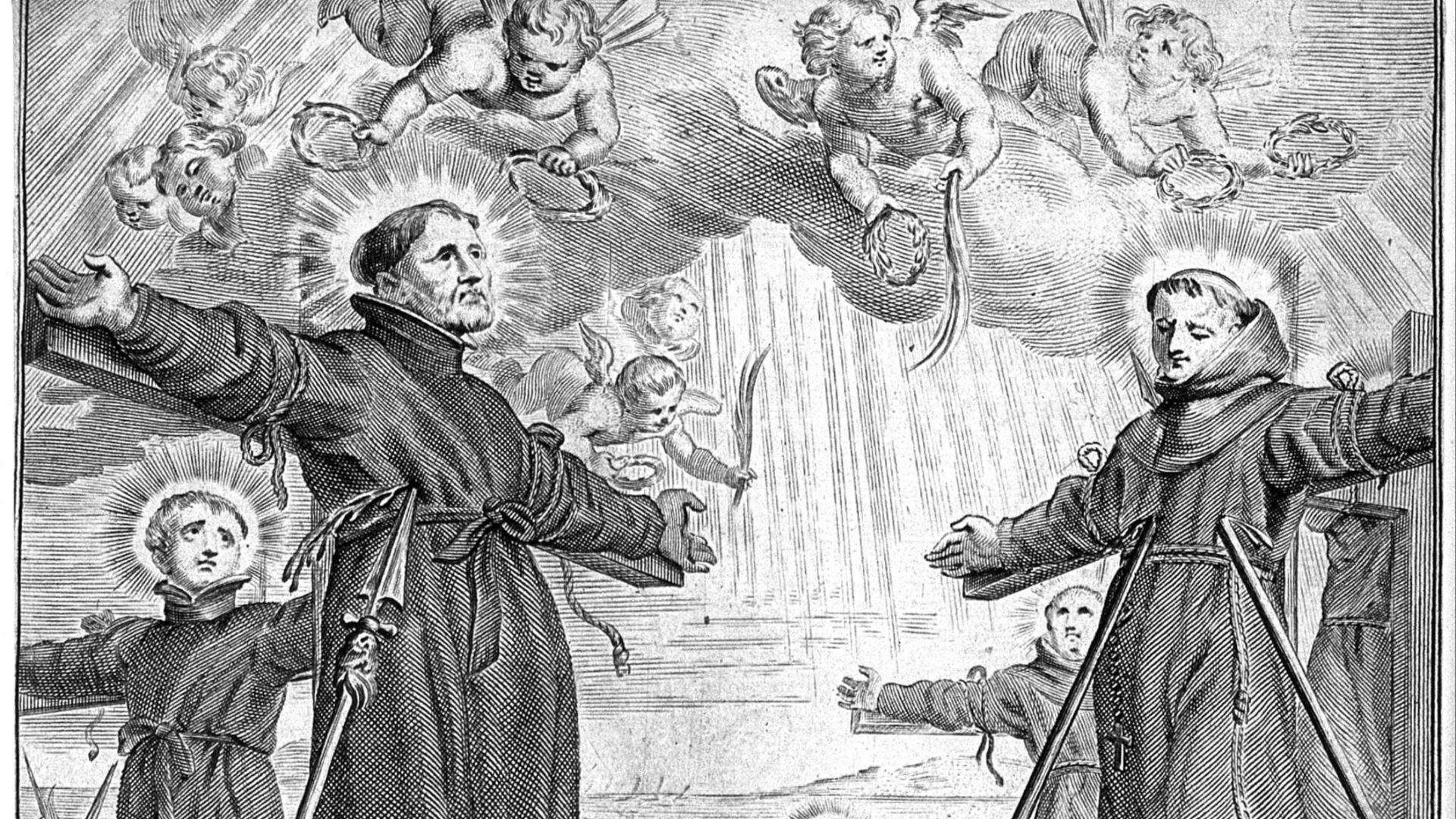
4. Saint Paul Miki
Paul Miki was a Japanese Jesuit caught during Toyotomi Hideyoshi's crackdown on Christianity in the late sixteenth century. He and 25 companions were marched hundreds of miles to Nagasaki, publicly humiliated along the way, and crucified on Nishizaka Hill in 1597. Miki reportedly even kept preaching from his cross.
 A. van Diepenbeeck on Wikimedia
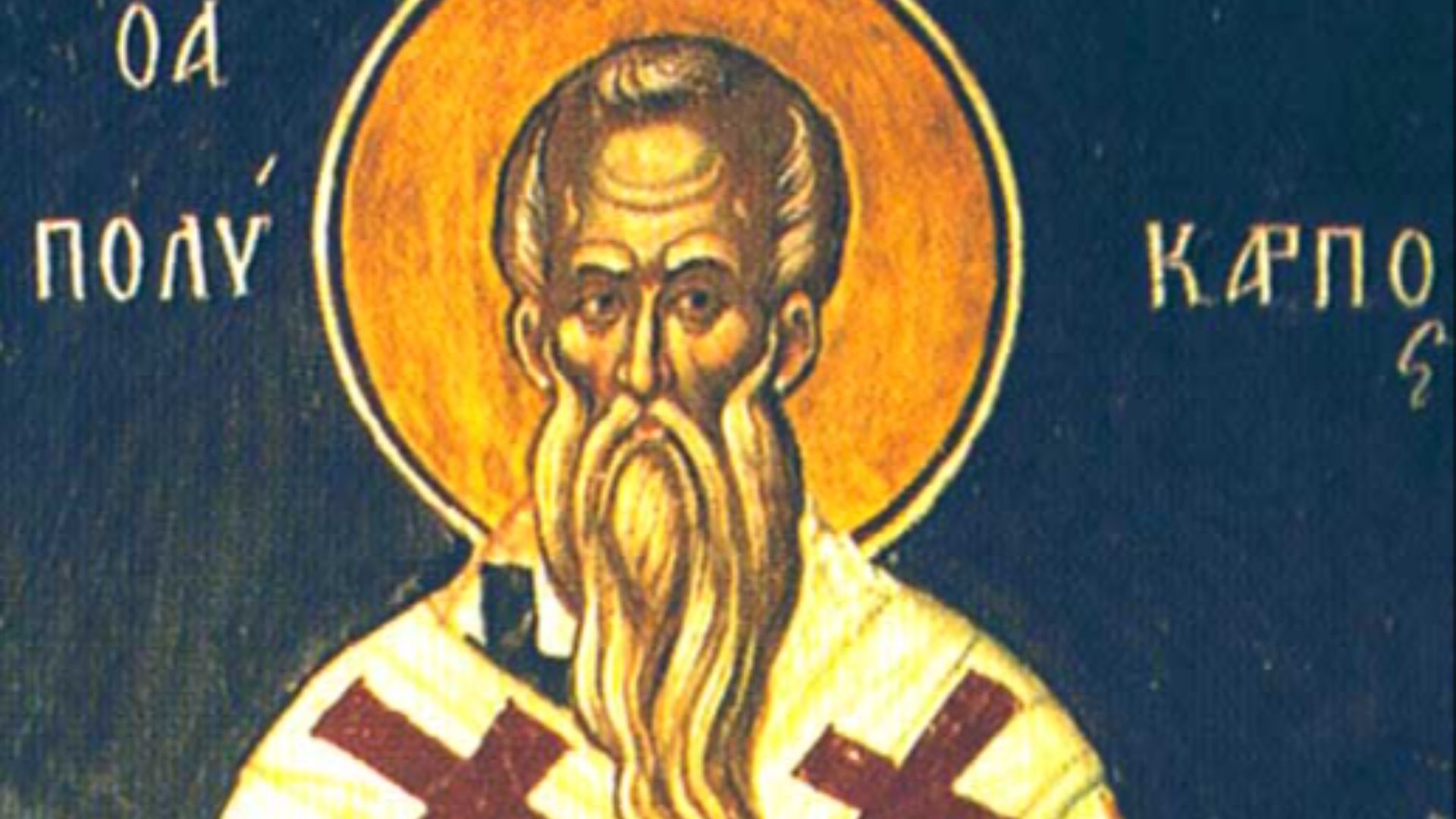
5. Saint Polycarp
Polycarp was already a mature bishop when Roman authorities arrested him. They then gave him a choice: save himself by renouncing Christianity. The ancient account of his martyrdom says officials threatened him with wild animals and fire, but he wasn't afraid of their threats. He was ultimately burned and then stabbed when the flames didn't kill him.
6. Saint Agnes of Rome
Agnes was a young Christian martyr in Rome who was likely killed during the persecutions of the early fourth century. Reliable details about her life are scarce, but later traditions say the teenager refused both marriage and pressure to abandon her faith. Even her exact manner of death is uncertain, with sources variously describing stabbing or beheading.

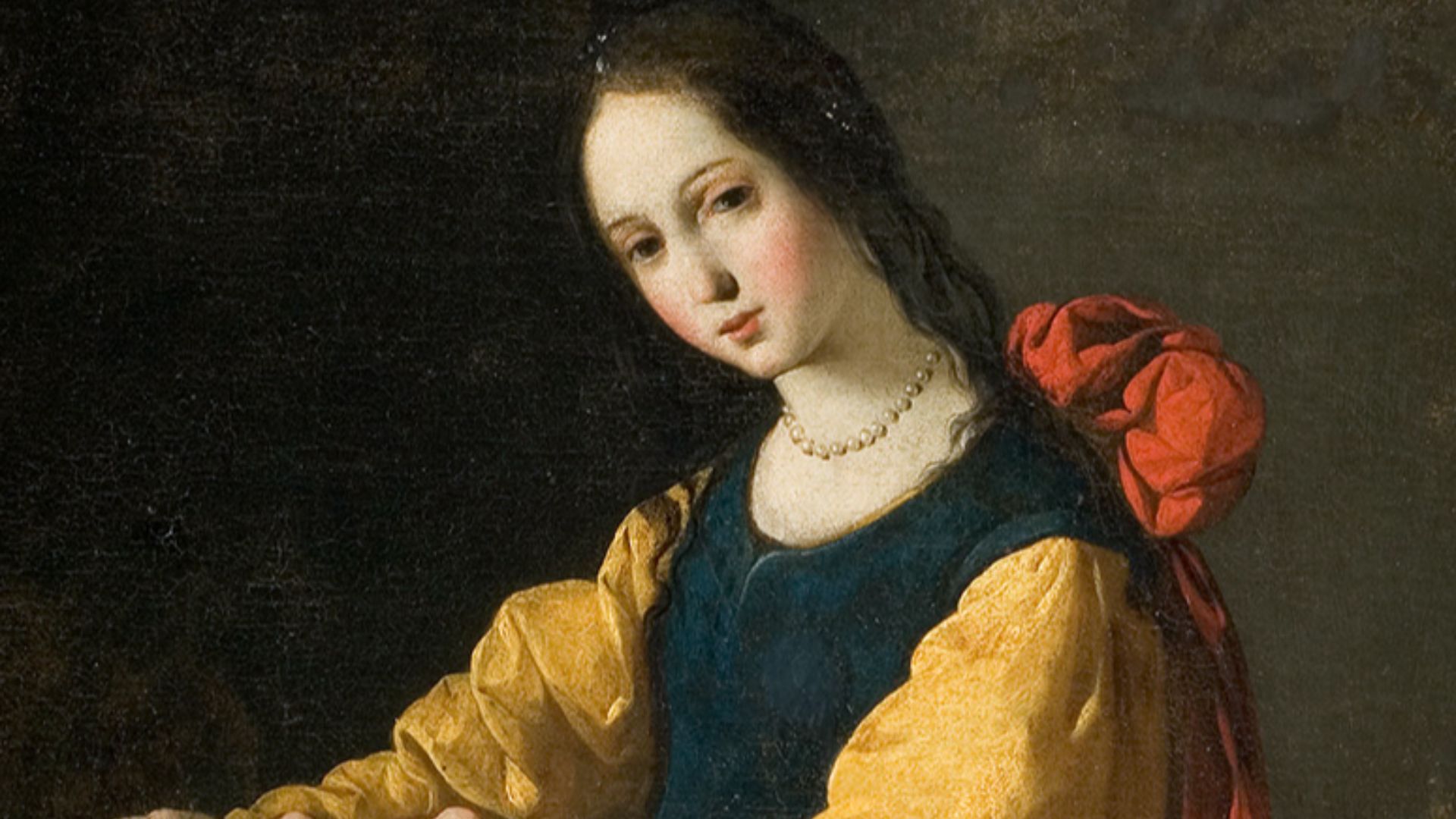
7. Saint Agatha of Sicily
Tradition remembers Agatha as a young Sicilian Christian who rejected the advances of a Roman official during the third-century persecution of believers. Her later martyrdom accounts describe imprisonment and torture, the most spoken of which appears in religious art that depicts her carrying pieces of her chest on a platter.
 Francisco de Zurbarán on Wikimedia
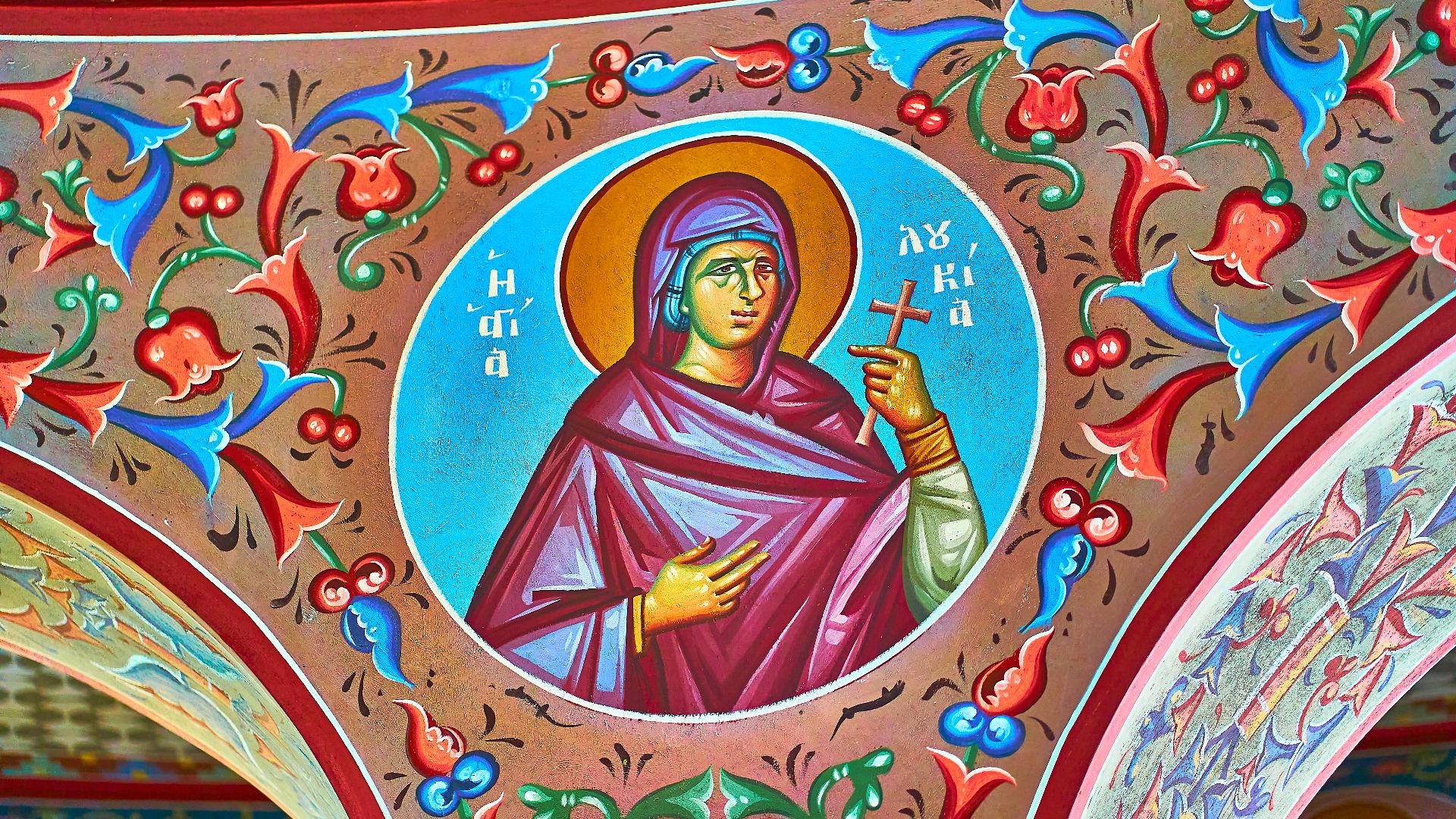
8. Saint Lucy of Syracuse
Lucy of Syracuse was a young Christian who was likely killed in the early fourth century, though surviving records leave much uncertain. Tradition says she was denounced as a Christian during Diocletian's persecutions, survived attempts to move or burn her, and was eventually killed. The famous story that her eyes were gouged out only developed later.
 George E. Koronaios on Wikimedia
9. Saint Joan of Arc
Joan's military career lasted barely long enough for her to reach adulthood before forces captured her in 1430. Handed to the English and prosecuted for heresy, the 19-year-old spent months under interrogation before being condemned by an ecclesiastical court. In 1431, Joan was burned at the stake, and the church that condemned her later overturned the verdict before she was eventually canonized.
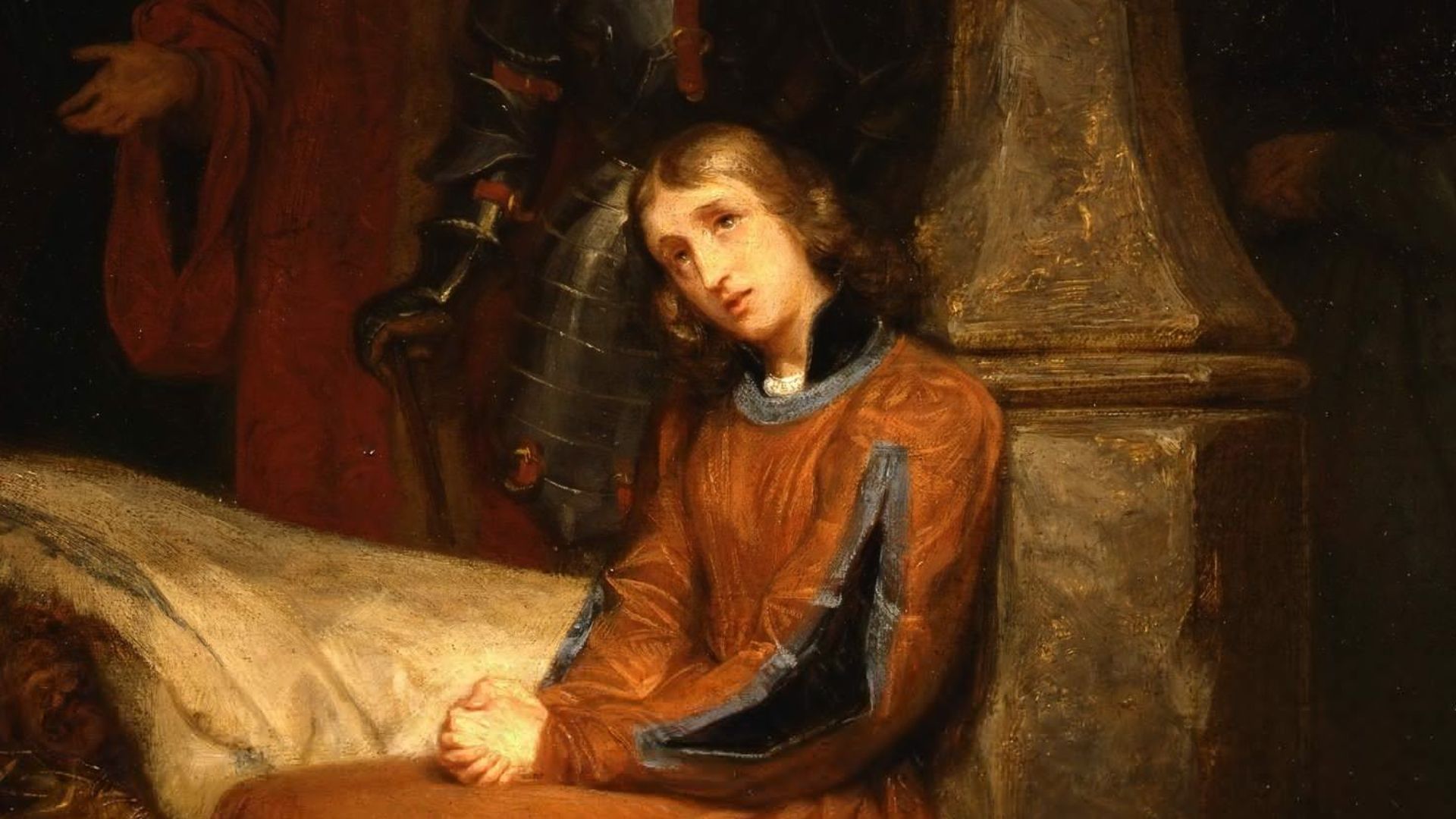 Gillot Saint-Evre on Wikimedia
10. Saint Thomas More
Thomas More went from serving as Henry VIII's lord chancellor to occupying a cell in the Tower of London, all because he wouldn't accept the king's supremacy over the English church. His imprisonment lasted well over a year, during which his health worsened while authorities pressed him to swear the required oath. He was convicted of treason and beheaded in 1535.
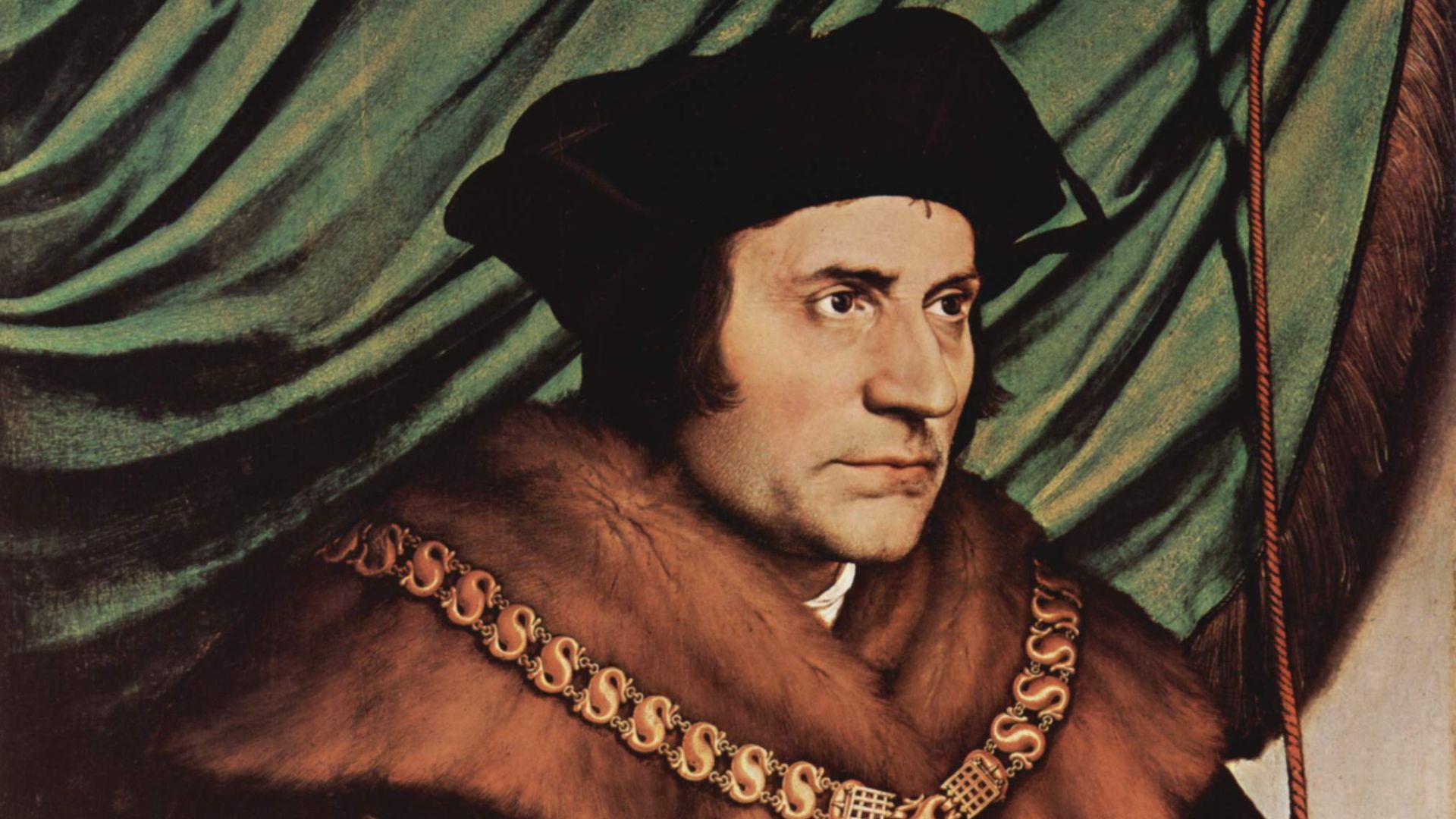 Hans Holbein the Younger on Wikimedia
11. Saint John Fisher
Bishop John Fisher made the same mistake from Henry VIII's perspective: refusing to recognize the king as supreme head of the Church of England. Fisher, too, spent more than a year imprisoned in the Tower, where his physical condition also got worse. Much like More, he was convicted of treason and beheaded in 1535, two weeks before More.
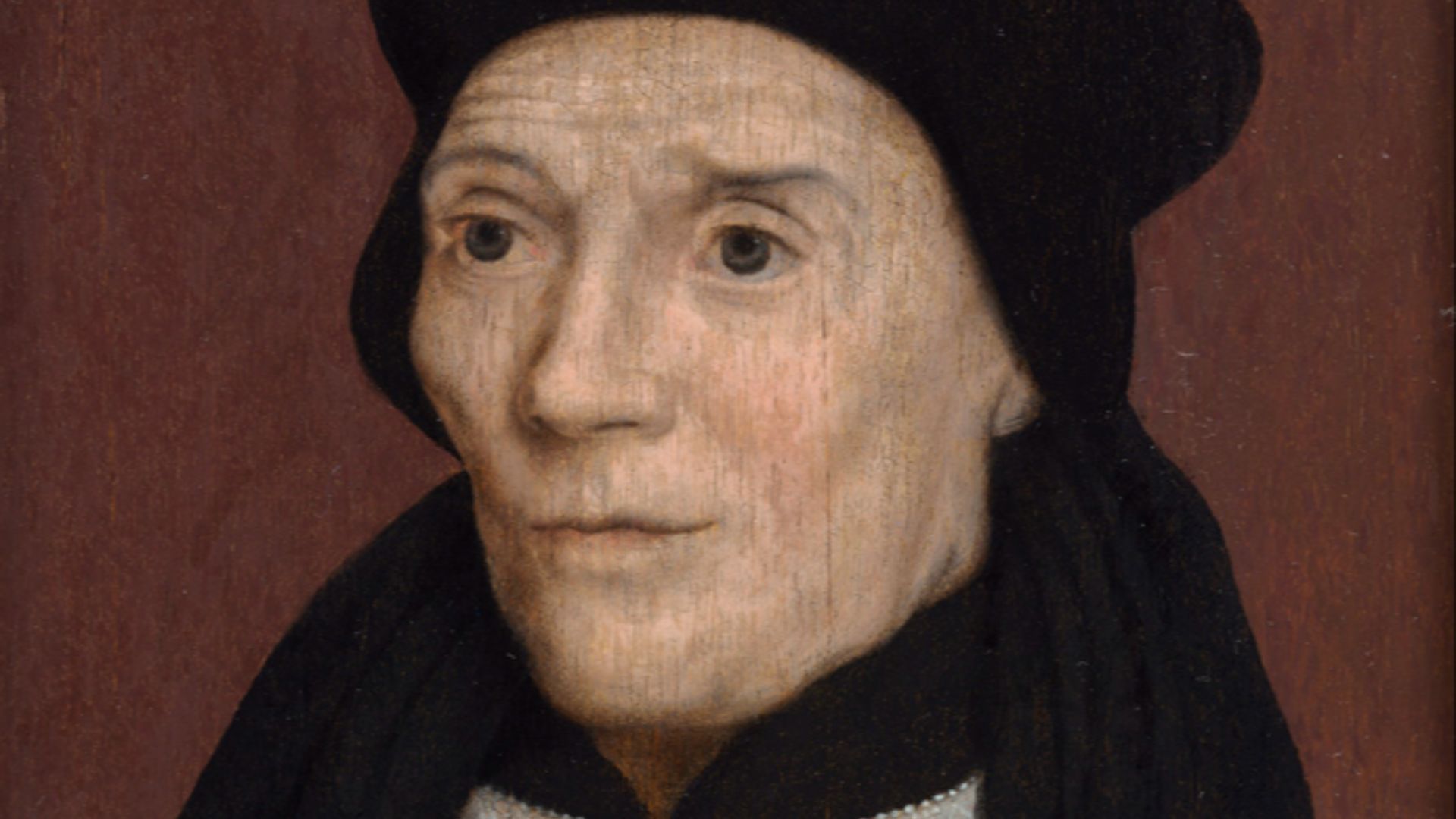 After Hans Holbein the Younger on Wikimedia
12. Saint Edmund Campion
Edmund Campion secretly returned to Protestant England as a Jesuit priest, traveling under false names while authorities hunted Catholic missionaries. Once captured in 1581, he was imprisoned in the Tower of London and repeatedly subjected to the rack before being convicted of treason. Campion was dragged to Tyburn where he was then hanged, drawn, and quartered.
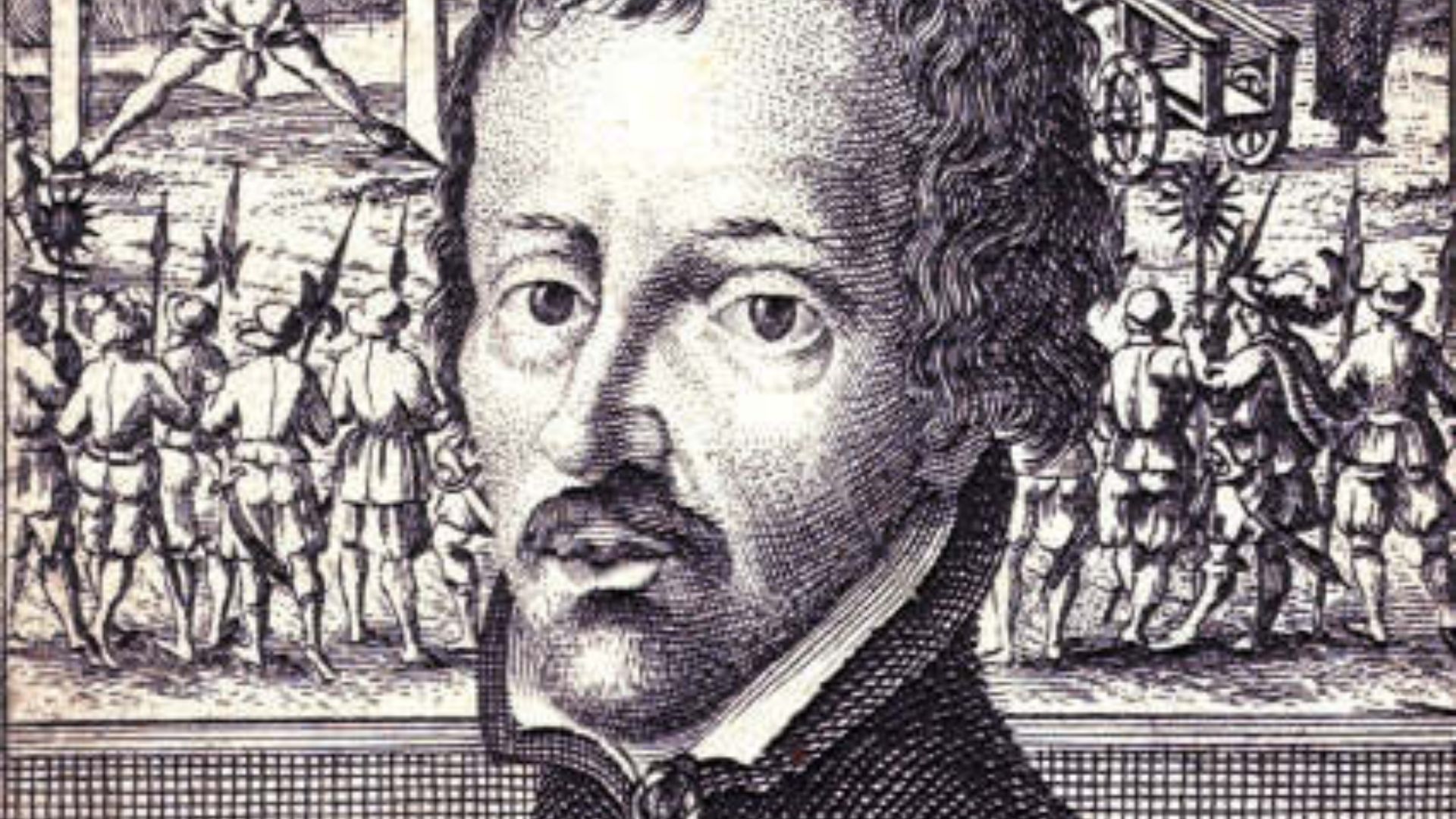 J.M. Lerch; Antwerp on Wikimedia
13. Saint Margaret Clitherow
Margaret Clitherow spent years hiding Catholic priests in York, despite repeated imprisonment and laws that made her a target. When she was finally prosecuted in 1586, she refused to enter a plea for fear that a trial could have forced her children to testify against her. Authorities subjected her to peine forte et dure.
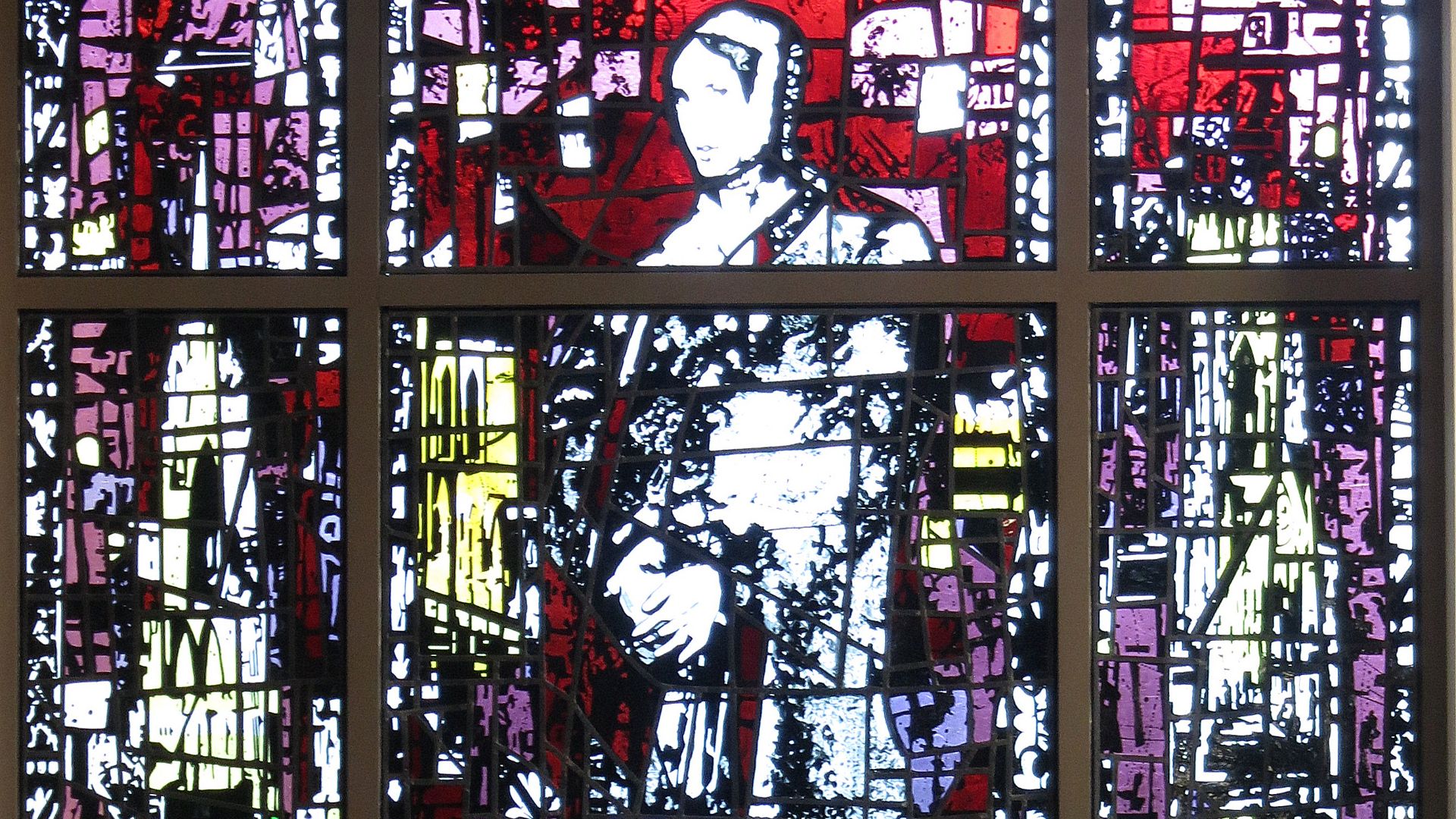
14. Saint Andrew Dung-Lac
Andrew Dung-Lac grew up in Vietnam, became a Catholic priest, and spent years ministering. Authorities arrested him more than once, and after his final capture in 1839, he was imprisoned while officials tried their best to get him to renounce his beliefs. He didn’t, and Andrew was beheaded in 1839. He later became one of the 117 Vietnamese martyrs canonized by John Paul II.
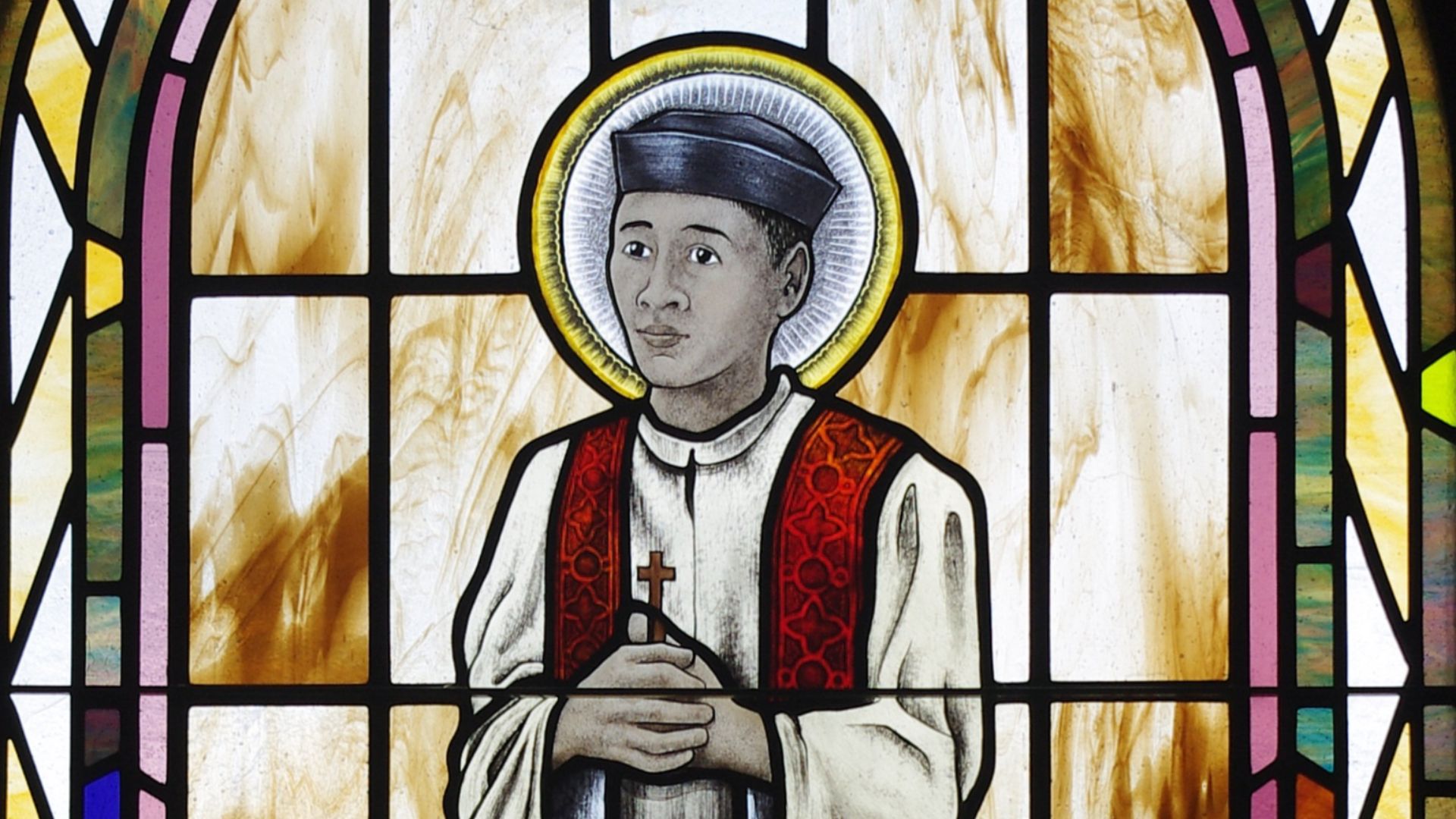
15. Saint José Sánchez del Río
José Sánchez del Río was only 14 when he was captured during Mexico's Cristero War in 1928. Accounts describe imprisonment, beatings, and a final forced walk toward the cemetery with bleeding feet before being demanded to renounce his beliefs. José refused and was killed shortly before his fifteenth birthday. Pope Francis canonized him in 2016.
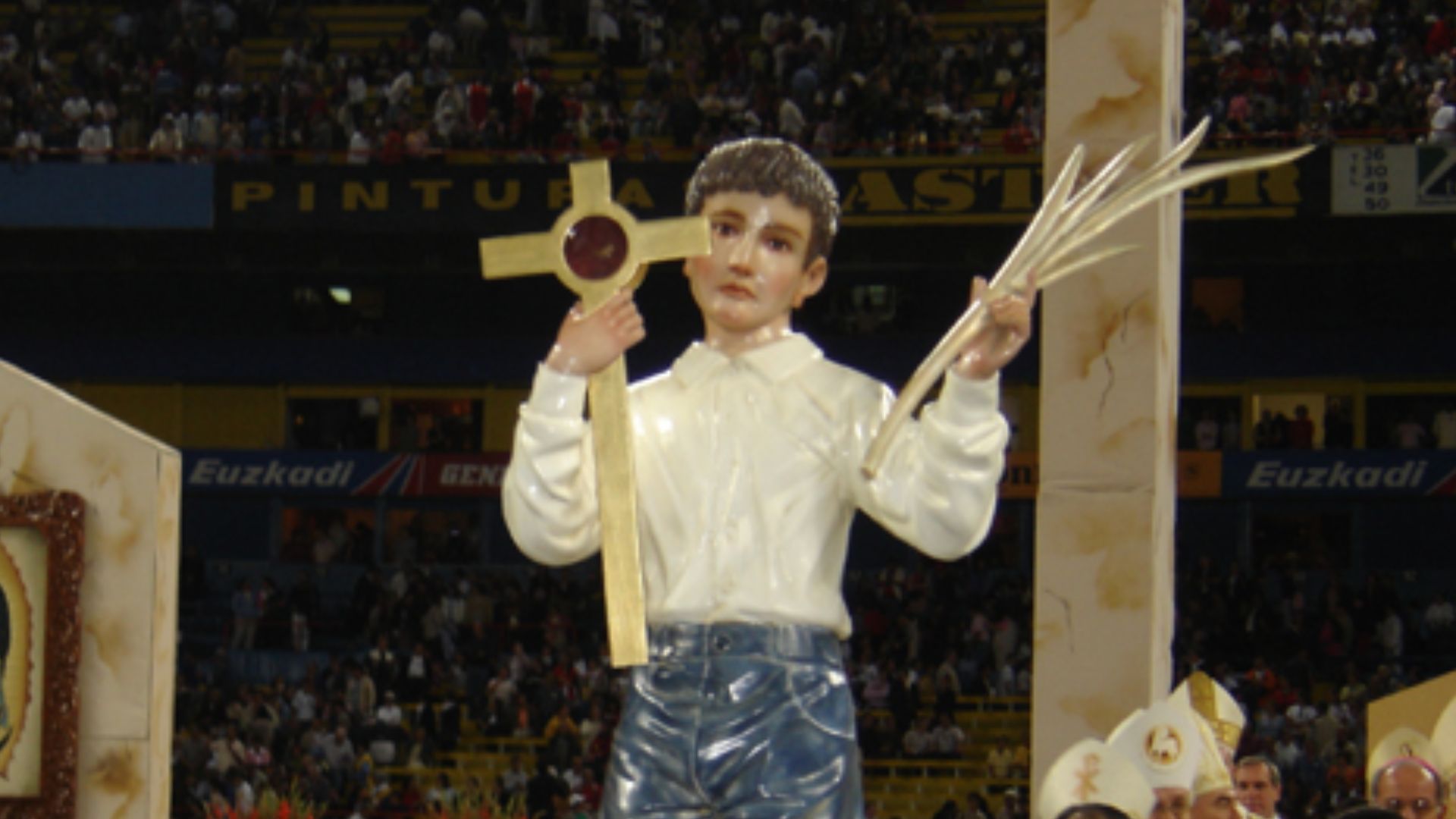
16. Saint Lorenzo Ruiz
Lorenzo Ruiz fled the Philippines after being accused of a killing. He’d go on to sail with Dominican missionaries to Japan, where Christianity was already being suppressed. Japanese authorities arrested and subjected them to techniques meant to force apostasy, but Ruiz didn’t break. He died at Nagasaki in 1637 and later became the first Filipino saint.
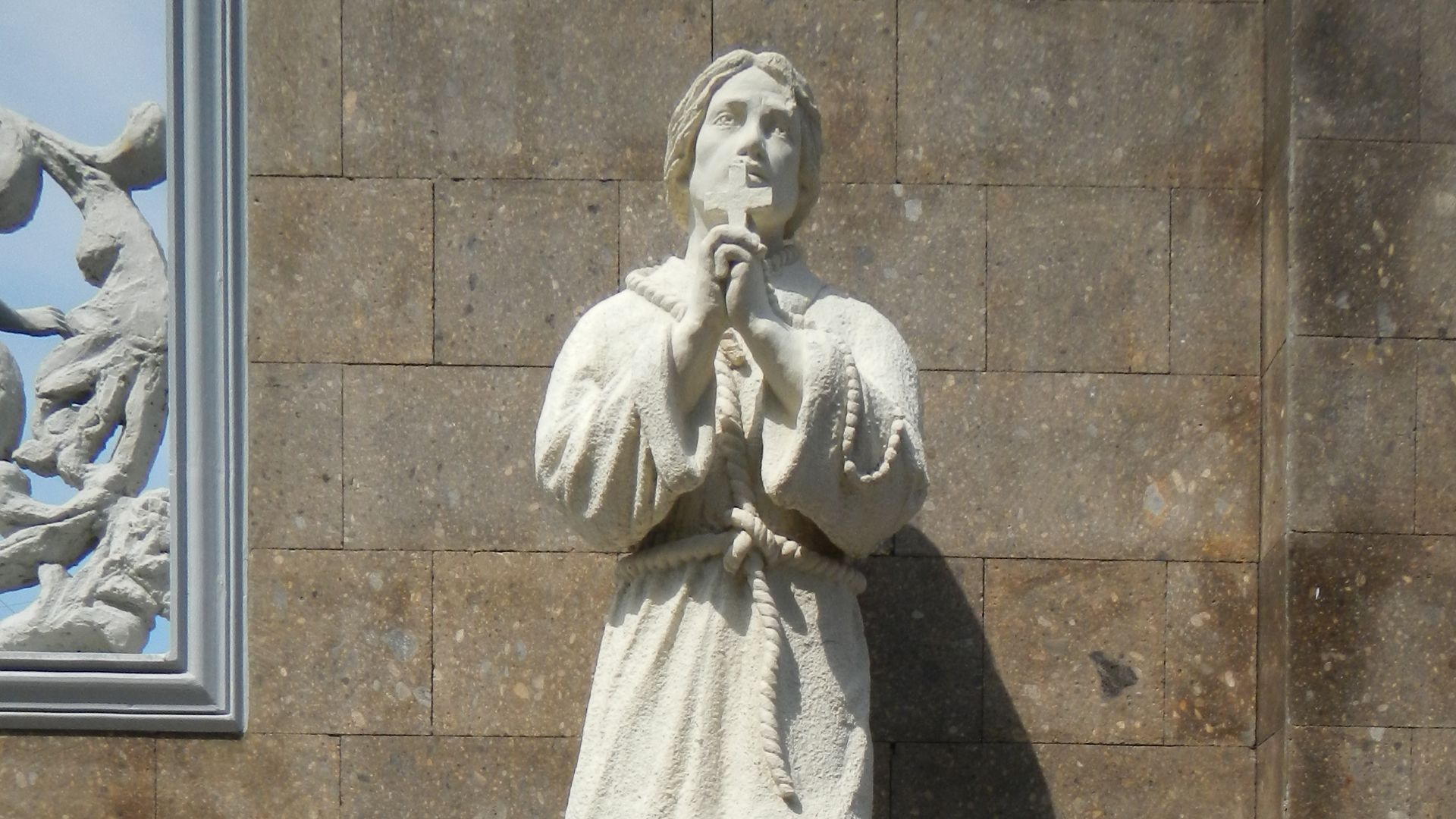
17. Saint Andrew Kim Taegon
Born into a Korean Catholic family, Andrew Kim Taegon had to travel abroad to study for the priesthood—Korea had no legal seminary system. After becoming Korea's first native Catholic priest, he secretly helped missionaries, although practicing Christianity could lead to execution. The law did, in fact, catch up with him; in 1846, authorities arrested, tortured, and ultimately beheaded him.
18. Saint Maria Goretti
Maria Goretti was only 11 years old when Alessandro Serenelli attacked her at her family's home in Italy in 1902 after she resisted his advances. Although doctors tried to save her, she died the next day, and her case later became famous because she reportedly forgave Serenelli before dying.
19. Saint Maximilian Kolbe
Polish Franciscan Maximilian Kolbe was arrested by the Nazis and transported to Auschwitz. After another prisoner apparently escaped in 1941, authorities selected ten men to die by starvation, and Kolbe volunteered to take the place of Franciszek Gajowniczek. Kolbe survived the starvation bunker longer than his captors expected, so they injected him with phenol.
20. Saint Teresa Benedicta of the Cross
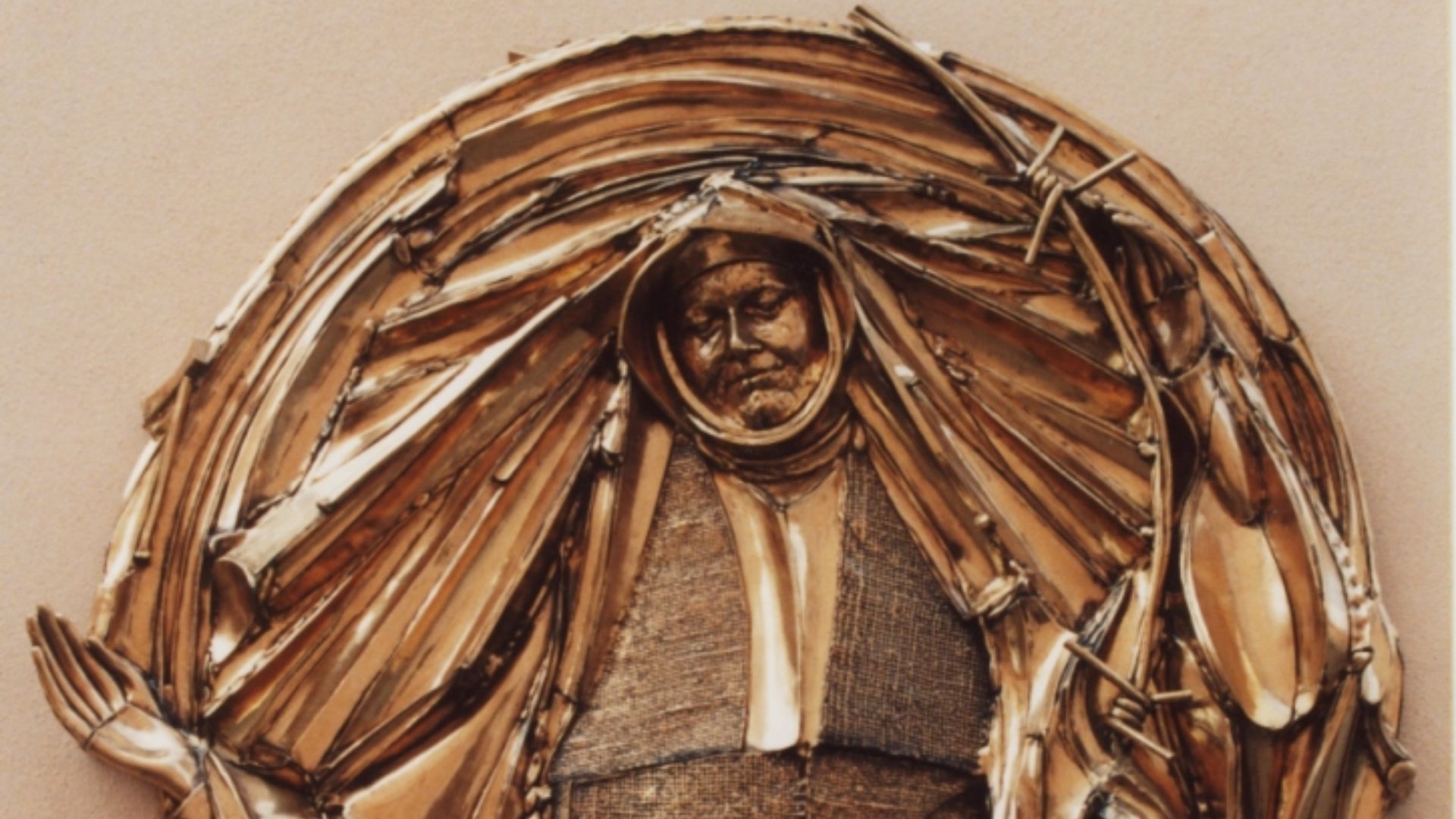
Edith Stein was a respected German Jewish philosopher whose career had already been damaged by Nazi laws. She moved to the Netherlands for her own protection, but after the German occupation, she and her sister were arrested in 1942. Stein was deported to Auschwitz-Birkenau and murdered in the gas chambers.
KEEP ON READING