10 Historical Trials That Shocked the Public & 10 That Quietly Changed the Law
10 Historical Trials That Shocked the Public & 10 That Quietly Changed the Law
Courtrooms That Set Precedents
Some trials become public spectacles because the defendants, accusations, or verdicts capture national attention, while others attract less drama yet fundamentally change the rules courts follow afterward. Across centuries, criminal prosecutions and civil cases have influenced ideas about fairness, evidence, individual rights, government authority, and legal responsibility. Here are 10 historical trials that shocked the public and 10 that quietly changed the law.
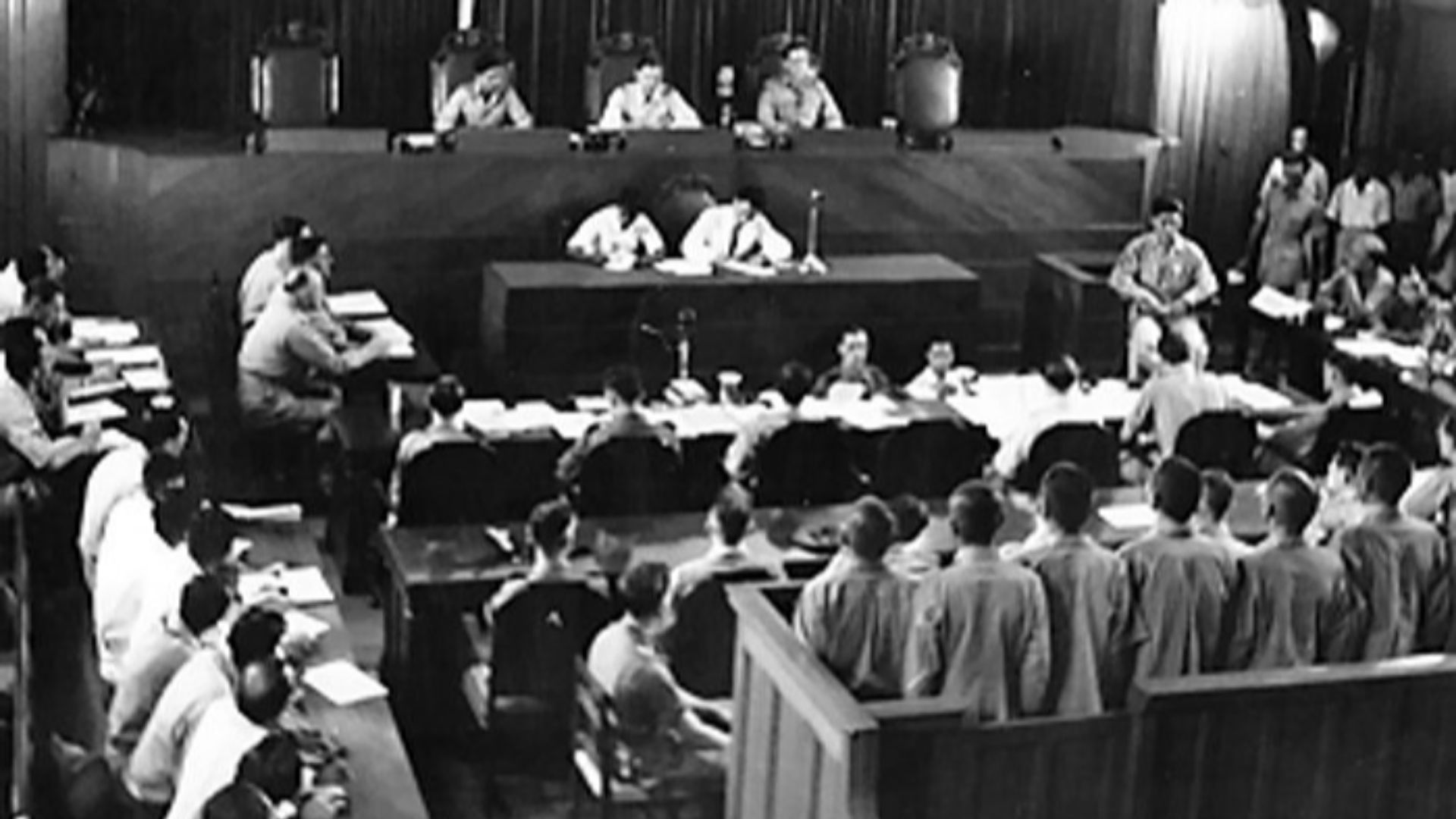
1. The Salem Witch Trials
The Salem witch trials began in colonial Massachusetts in 1692 after accusations of witchcraft spread through several religious communities. More than 150 people were jailed, and 19 convicted defendants were hanged, while Giles Corey was pressed to death after refusing to enter a plea.
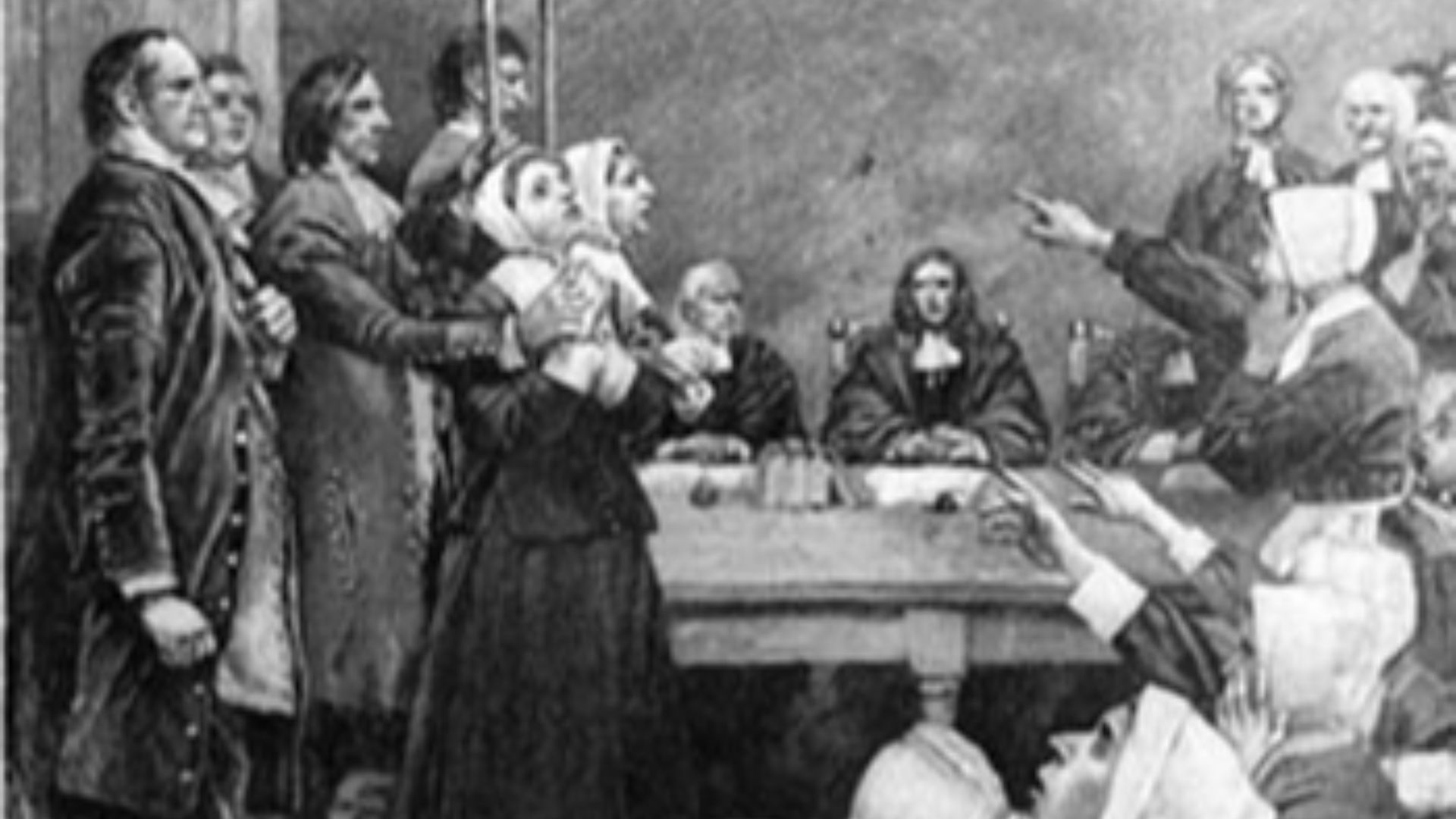
2. The Trial Of King Charles I
England witnessed an extraordinary proceeding in 1649 when King Charles I was tried for high treason after years of civil war. He was convicted and executed, an outcome that challenged traditional assumptions about royal authority and deeply divided the country.
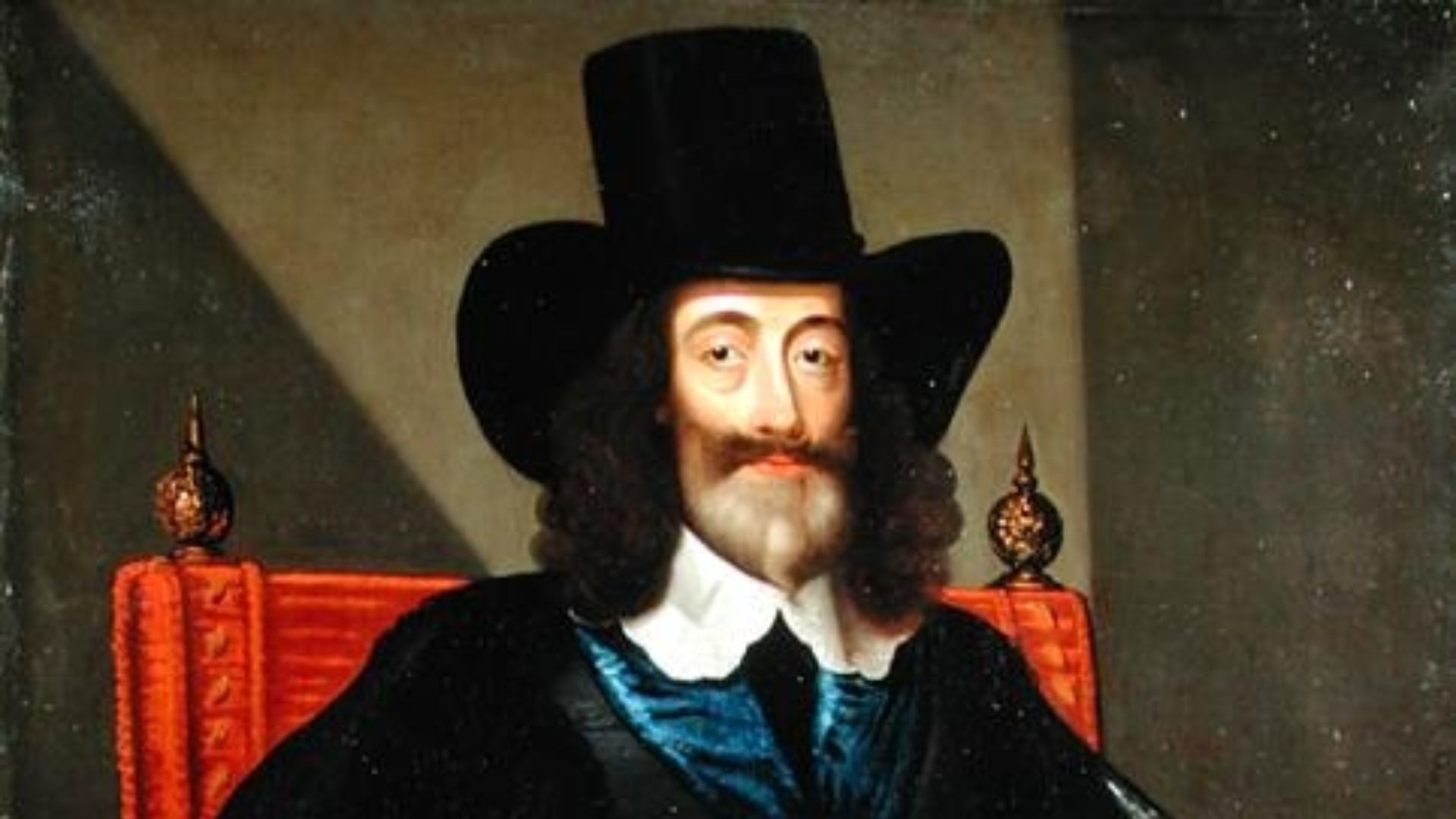
3. The Dreyfus Affair
French army officer Alfred Dreyfus was convicted of treason in 1894 after being accused of passing military secrets to Germany. Evidence later emerged pointing toward another officer, while antisemitism and institutional misconduct intensified the controversy. Dreyfus was ultimately exonerated in 1906, but the affair had already caused enormous political and social division in France.
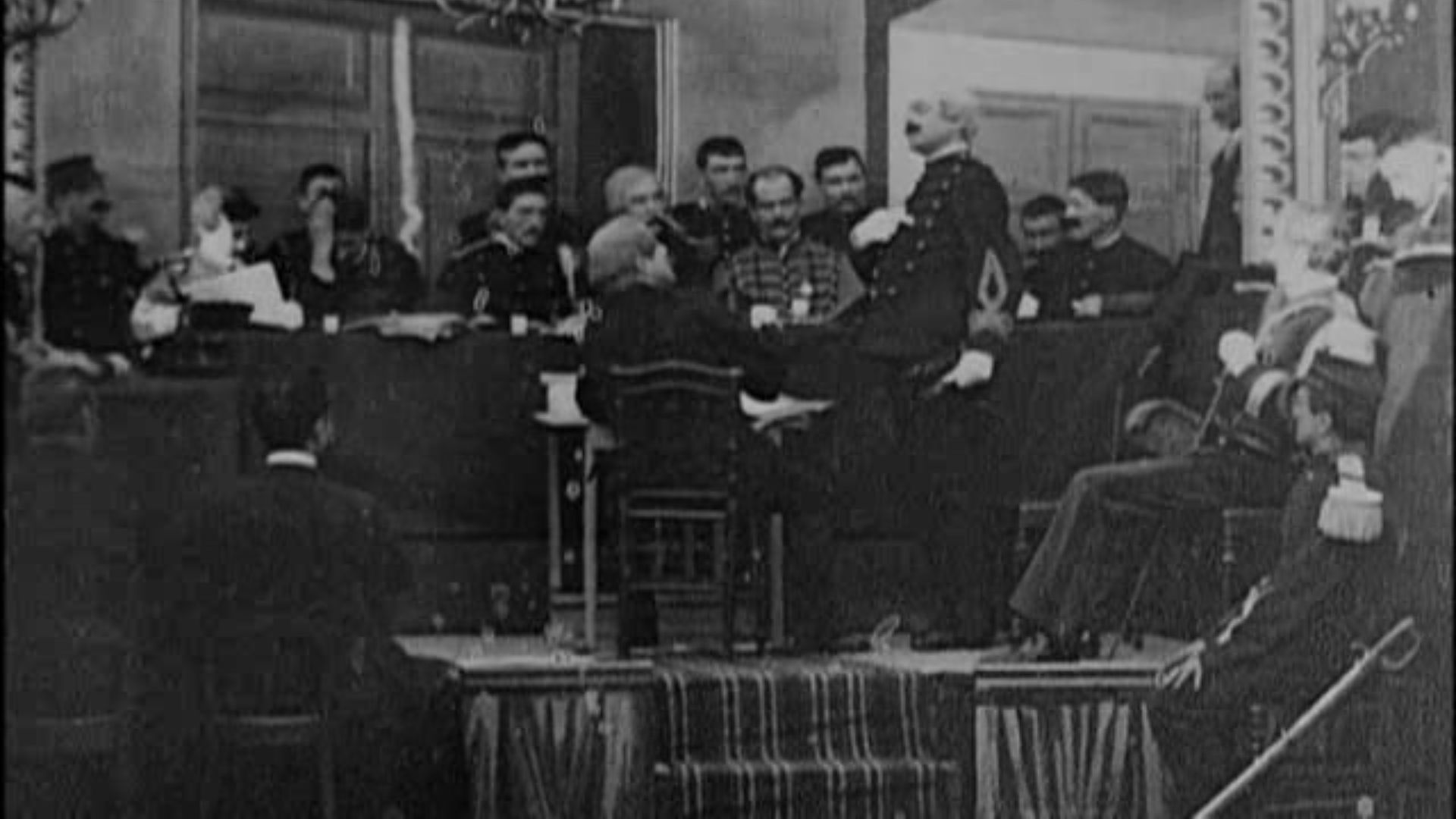
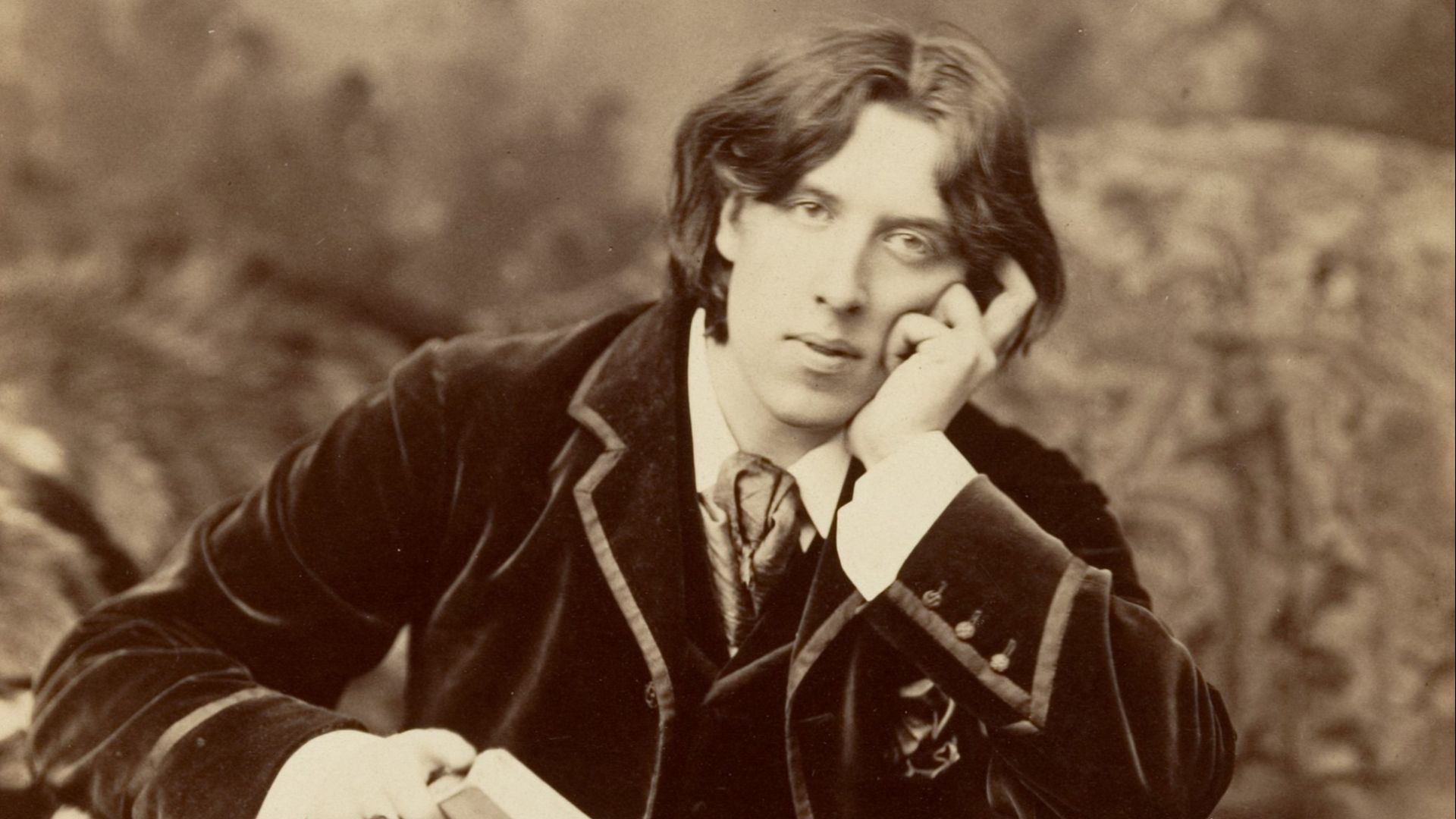
4. The Trials Of Oscar Wilde
Oscar Wilde's legal troubles began after he unsuccessfully prosecuted the Marquess of Queensberry for criminal libel in 1895. After one criminal trial ended without a complete verdict, Wilde was convicted following another trial and sentenced to two years of imprisonment with hard labor.
5. The Scopes Trial
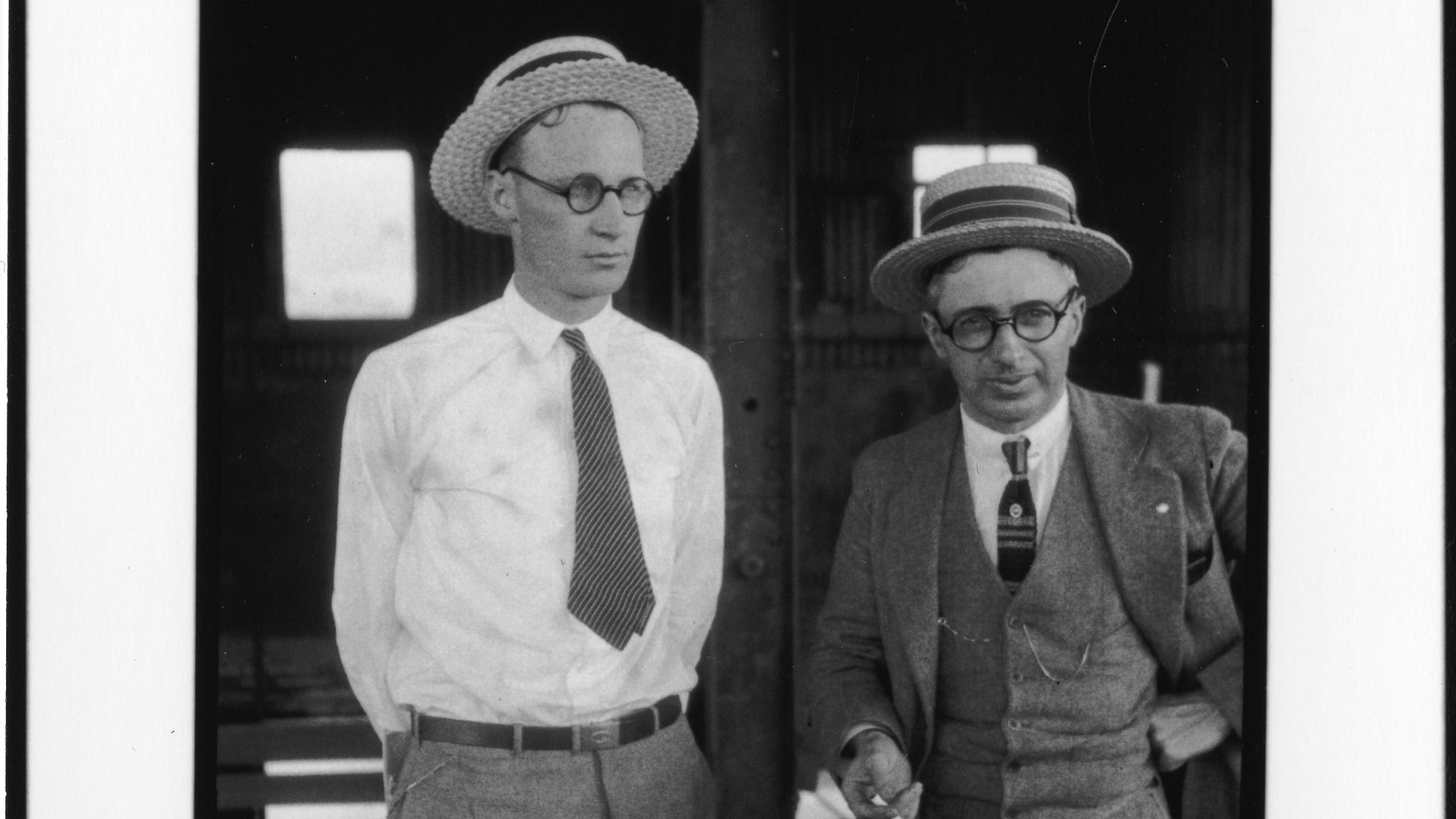
The 1925 prosecution of Tennessee teacher John T. Scopes turned a relatively small criminal case into a widespread event. Scopes was charged with violating state law by teaching human evolution in a public school, bringing lawyers Clarence Darrow and William Jennings Bryan into a highly publicized courtroom contest. He was convicted, although the Tennessee Supreme Court later reversed the judgment on a technical issue.
 Smithsonian Institution from United States on Wikimedia
6. The Sacco And Vanzetti Trial
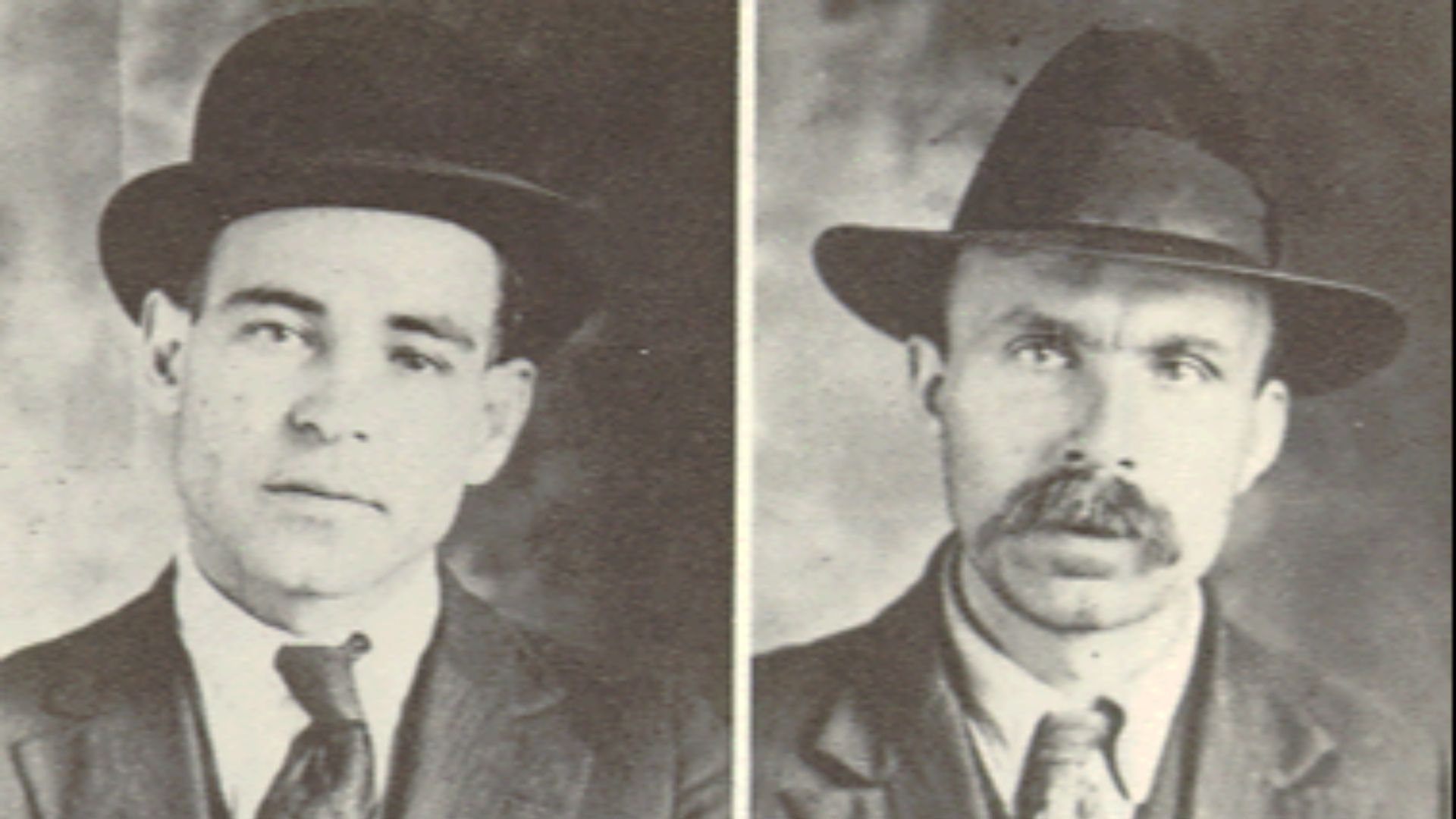
Nicola Sacco and Bartolomeo Vanzetti were convicted in 1921 of murder during an armed robbery in Massachusetts. Despite years of protests, appeals, and disputes surrounding the evidence, both men were executed in 1927.
 Mug shots from Police Department on Wikimedia
7. The Emmett Till Murder Trial
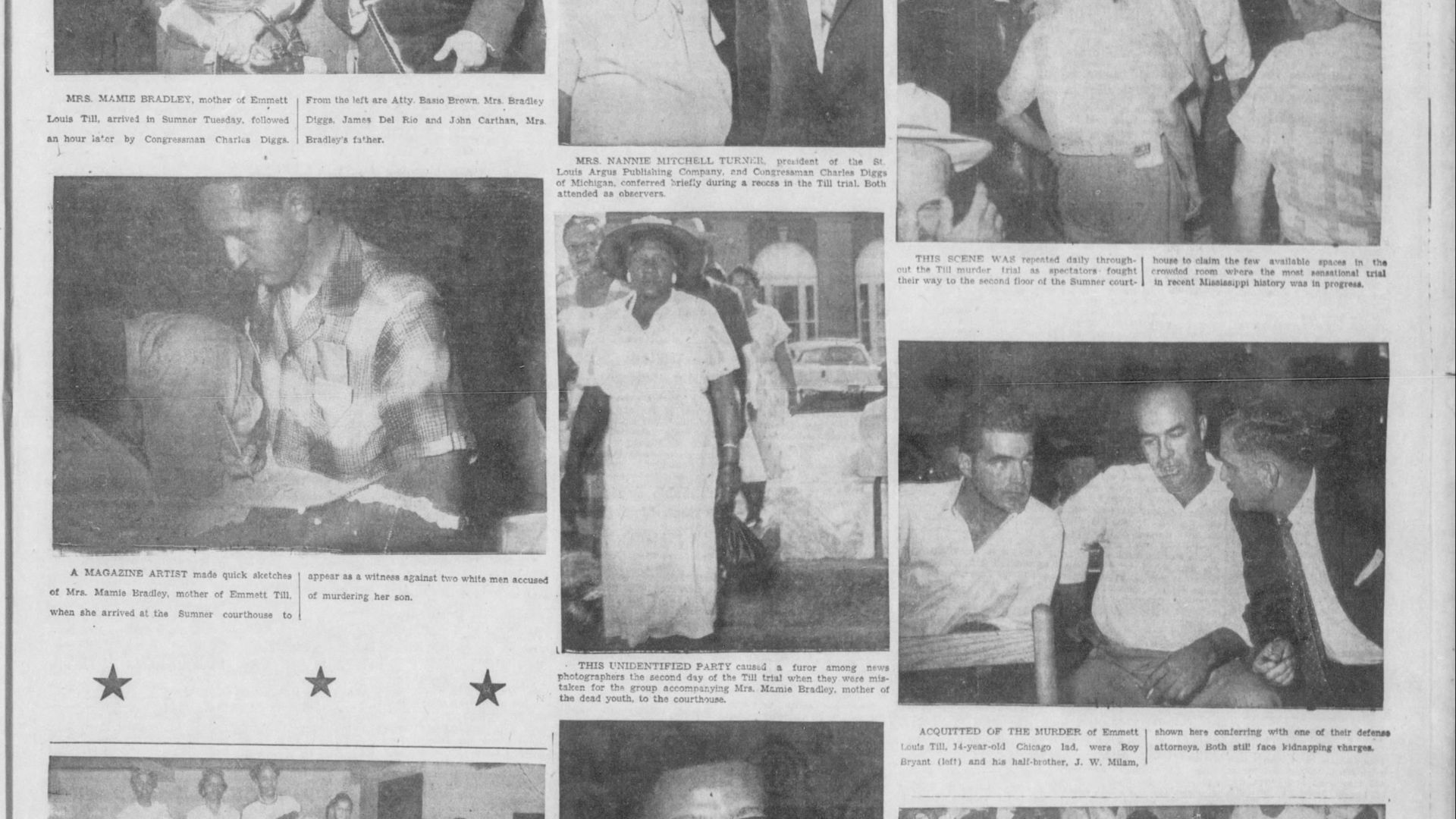
The 1955 murder of 14-year-old Emmett Till in Mississippi became a major moment in the American civil rights struggle. Public outrage grew further after the men later described their involvement in the killing in a magazine interview, protected from another murder prosecution by double jeopardy.
8. The Nuremberg Trials
After World War II, leading officials of Nazi Germany faced prosecution before the International Military Tribunal at Nuremberg. Twenty-two defendants stood trial on charges that included crimes against peace, war crimes, and crimes against humanity, while the proceedings presented extensive evidence about Nazi atrocities. The trial brought unprecedented international attention to individual responsibility for large-scale state crimes.
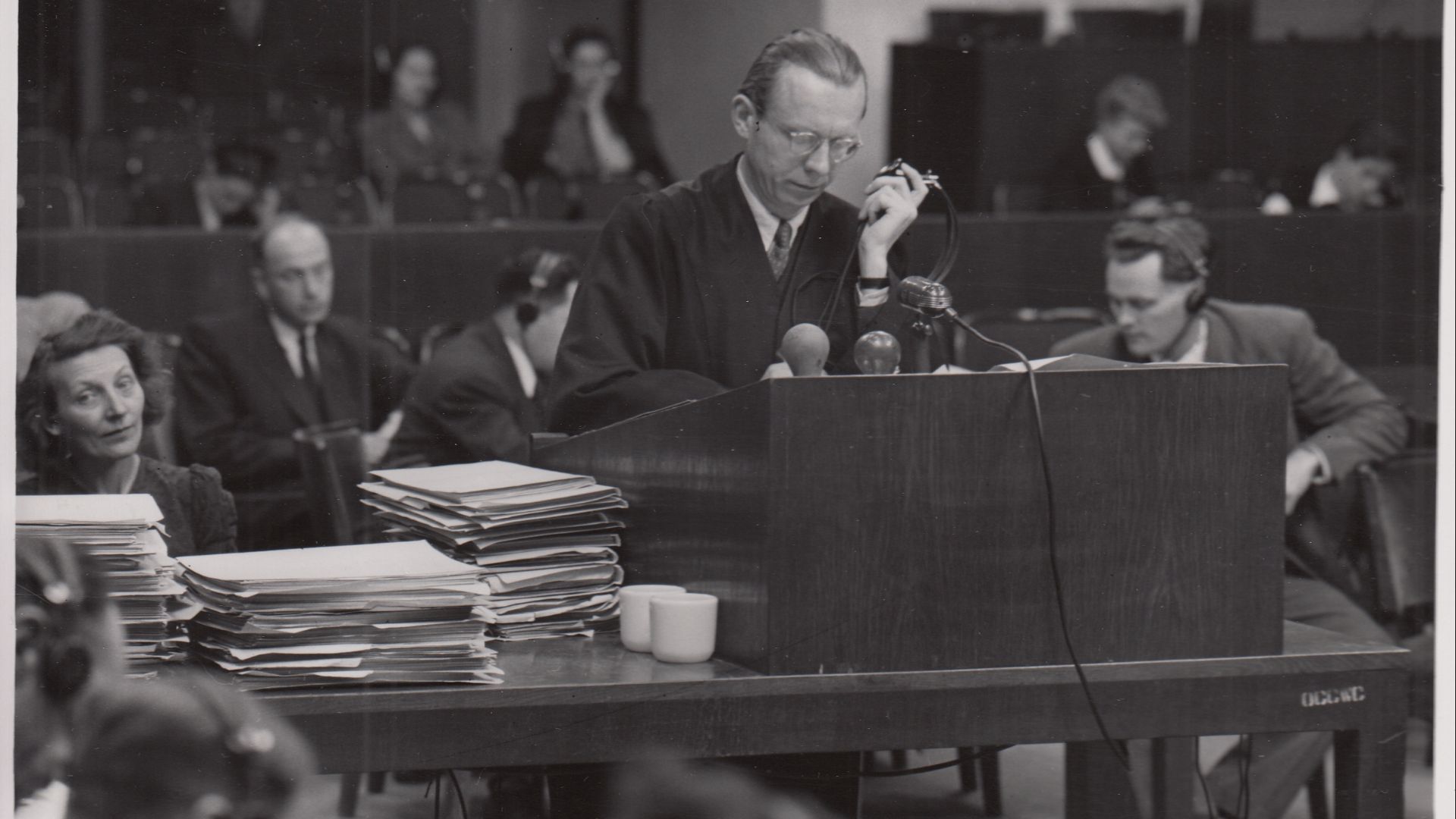 Office of the Military Government for Germany, United States (OMGUS) on Wikimedia
9. The Trial Of Adolf Eichmann
Israeli authorities placed former Nazi official Adolf Eichmann on trial in Jerusalem in 1961 after capturing him in Argentina the previous year. Prosecutors presented testimony and documentation detailing his role in organizing deportations of Jews during the Holocaust. His conviction and subsequent execution in 1962 drew worldwide attention while bringing survivors' experiences before an enormous international audience.
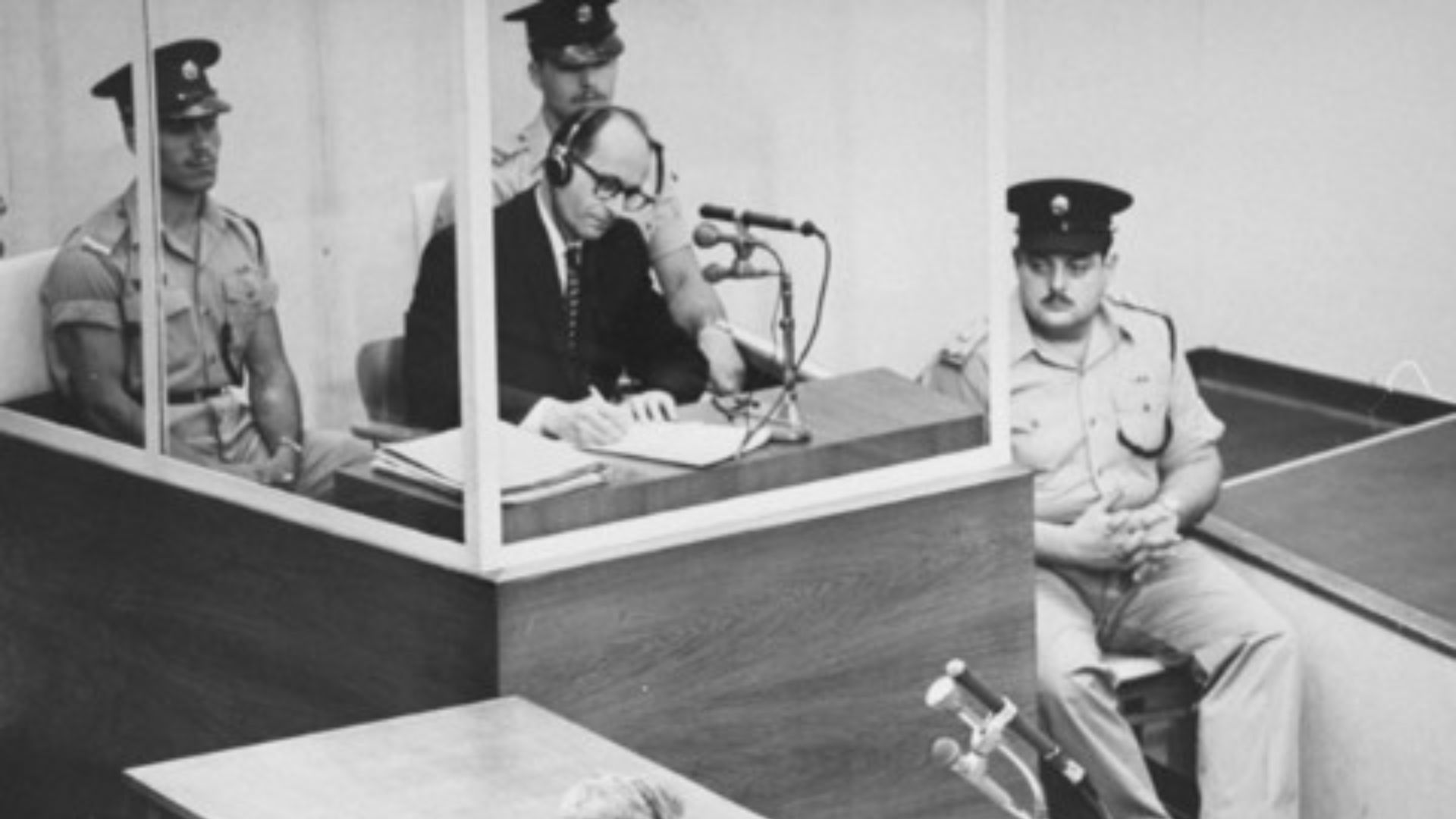 Courtesy of Israel Government Press Office on Wikimedia
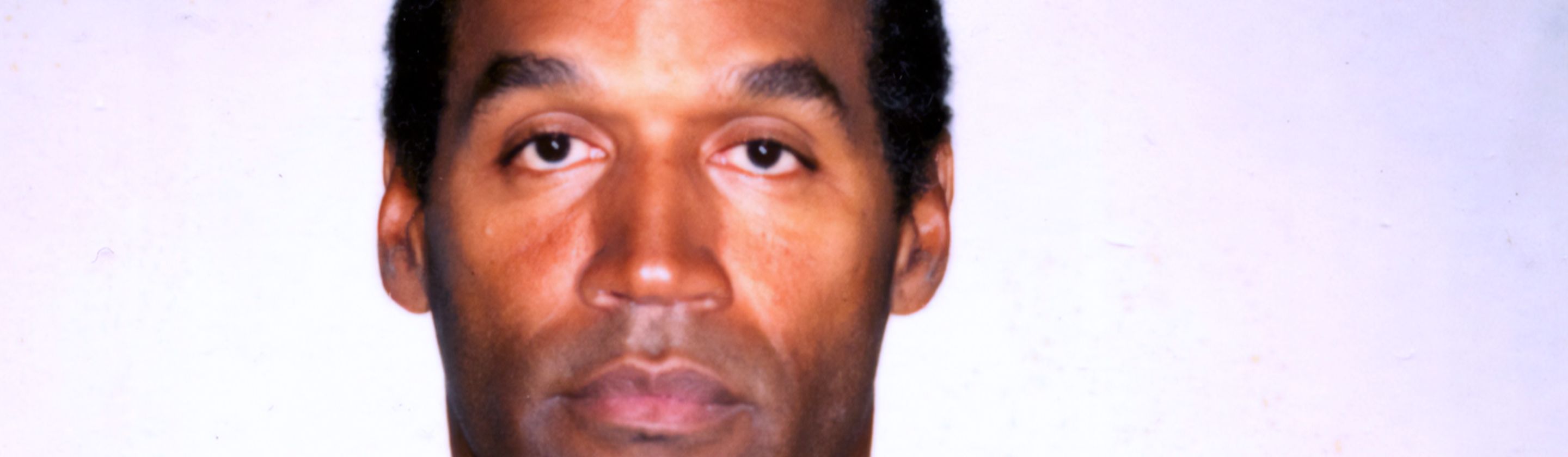
10. The O.J. Simpson Trial
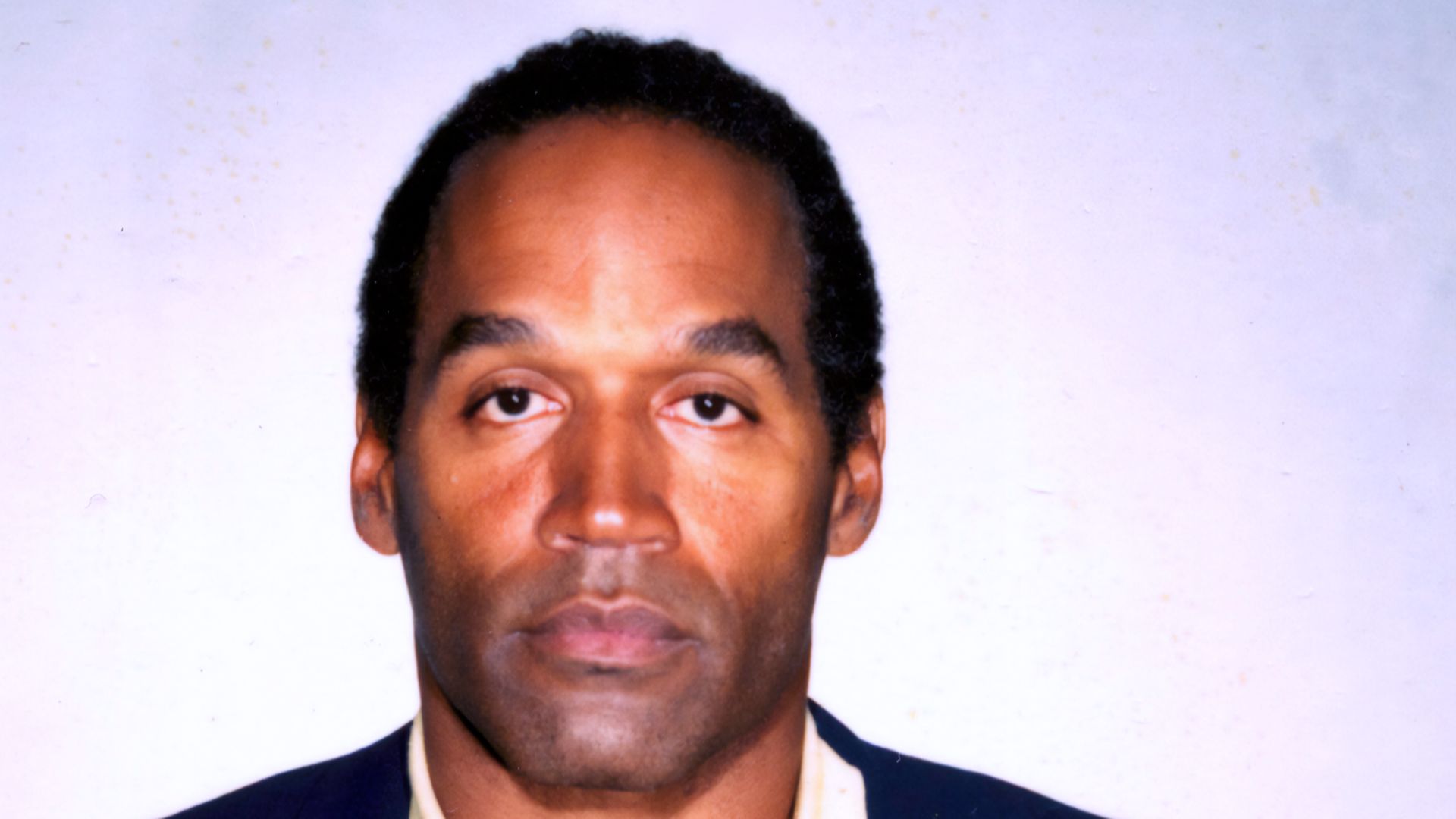
Former football star O.J. Simpson's 1995 murder trial became one of the most intensely followed criminal proceedings in modern American history. His acquittal generated sharply different public reactions and sparked extensive debate about race, policing, celebrity, and the justice system.
1. Marbury V. Madison
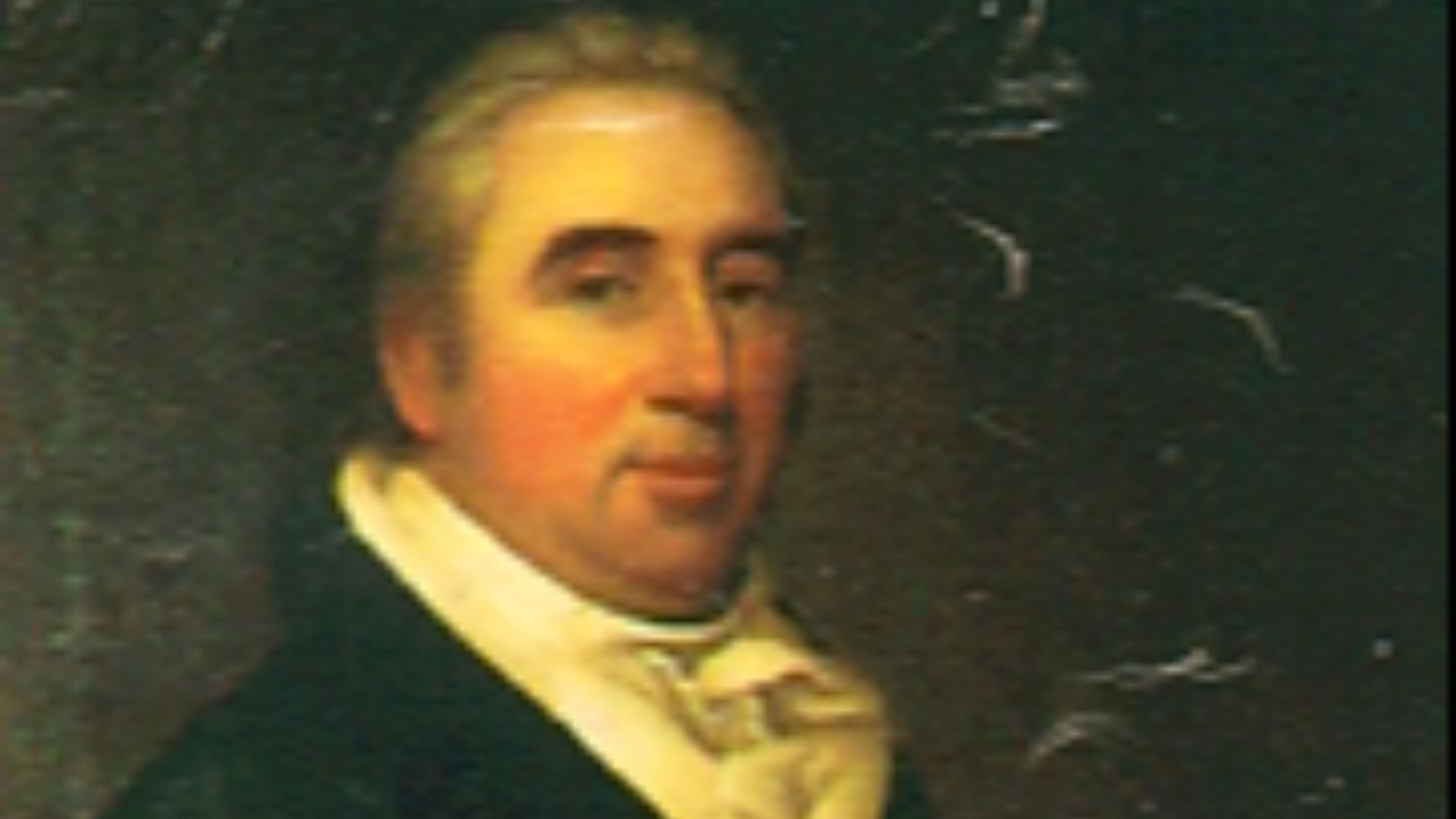
The 1803 Supreme Court decision in Marbury v. Madison emerged from a political dispute over an undelivered judicial appointment. The decision established the Supreme Court's power of judicial review, giving federal courts an enduring role in evaluating the constitutionality of government actions.
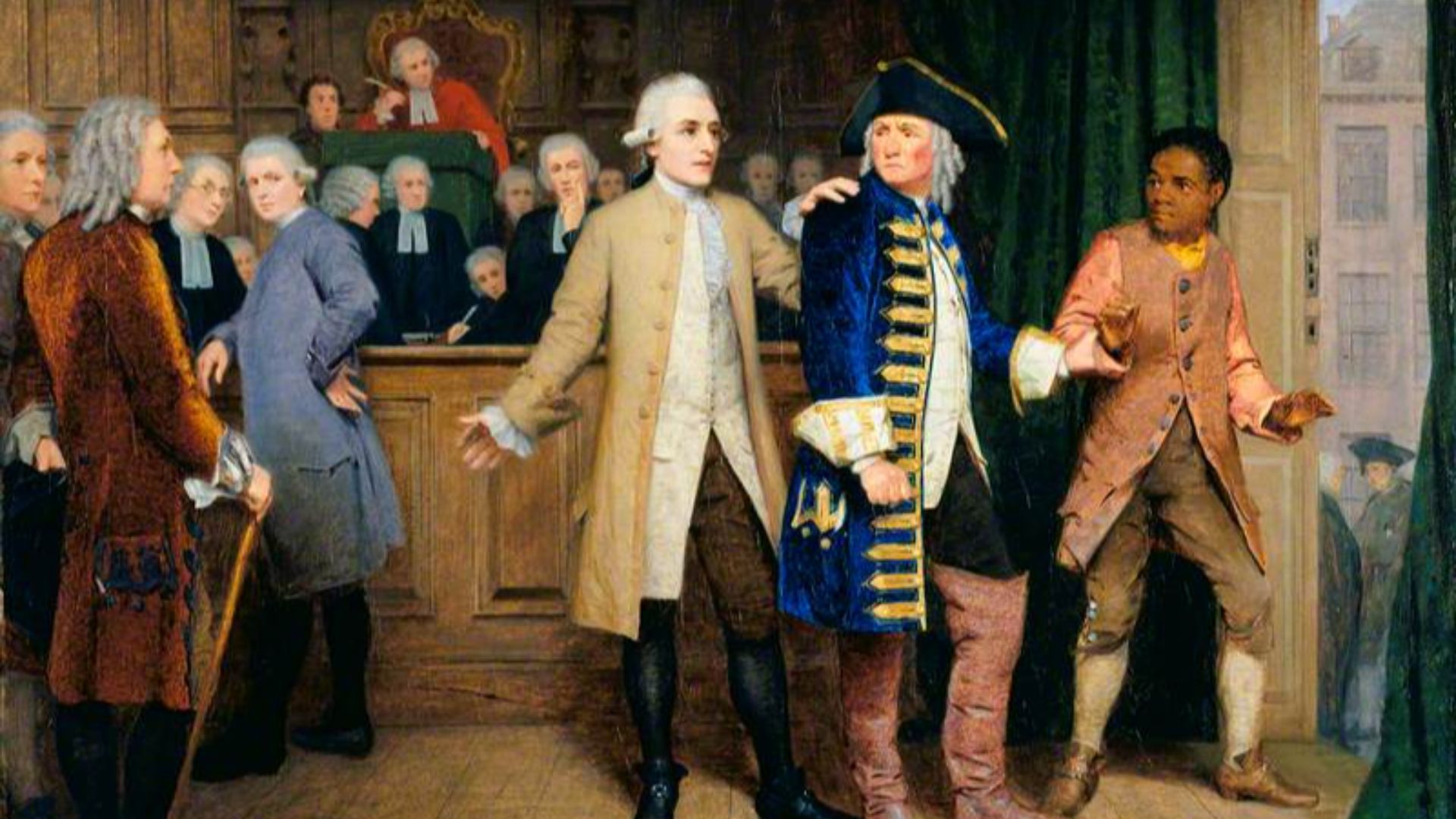
2. Somerset V. Stewart
The English case Somerset v. Stewart arose in 1772 after James Somerset, an enslaved African man, was detained and intended for removal from England. Although the judgment didn't abolish slavery throughout the British Empire, it became an influential legal milestone in challenges to slavery.
3. Donoghue V. Stevenson
A bottle of ginger beer led to an enormously influential 1932 ruling in British law. May Donoghue alleged that she became ill after consuming ginger beer containing the remains of a decomposed snail, even though she hadn't purchased the drink herself. The House of Lords allowed her claim to proceed, helping establish the modern principle that manufacturers can owe consumers a duty of care.

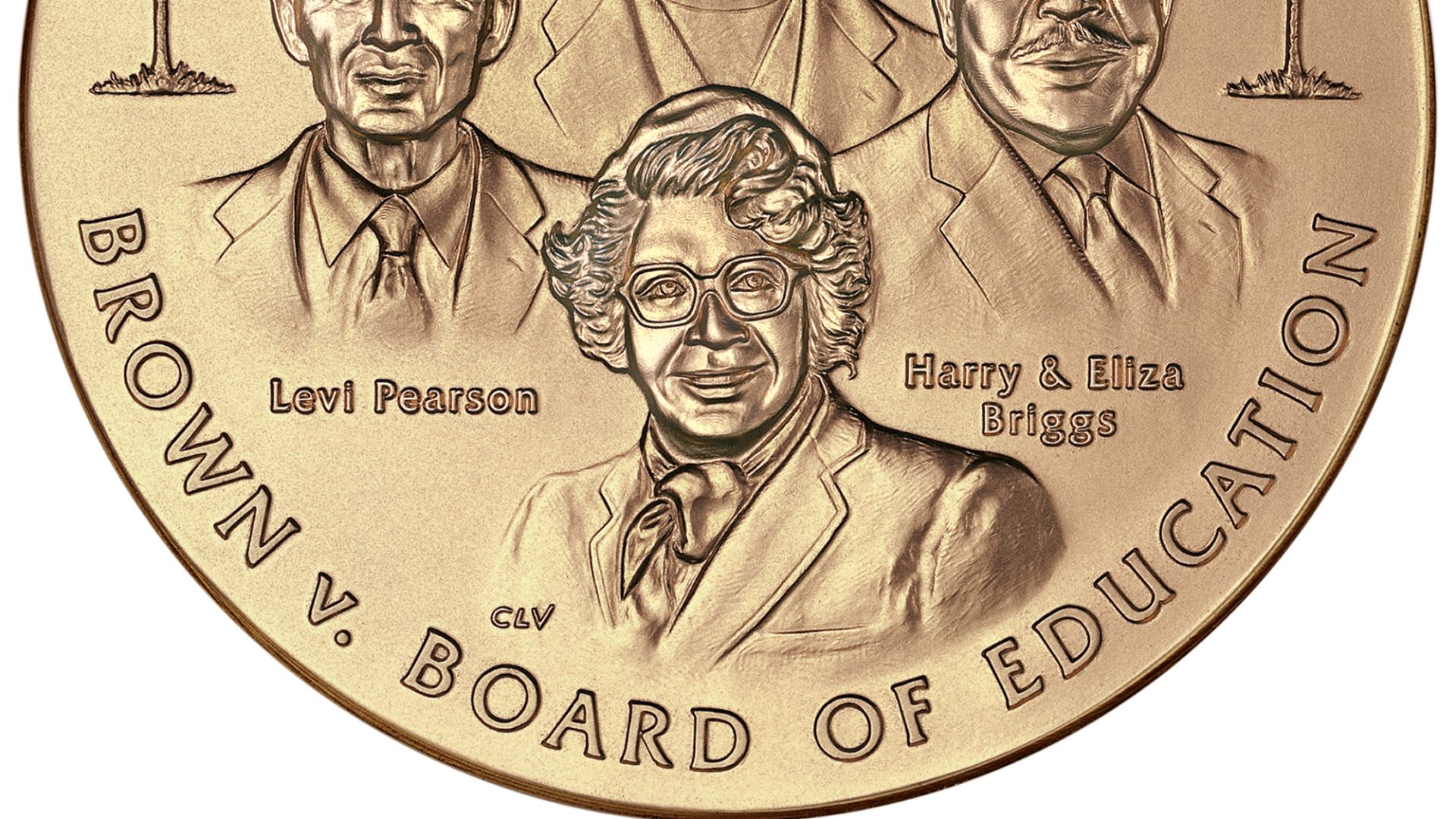
4. Brown V. Board Of Education
In 1954, the U.S. Supreme Court unanimously ruled that racial segregation in public schools violated the Equal Protection Clause of the Fourteenth Amendment. Brown v. Board of Education overturned the constitutional basis for state-mandated school segregation and became a central legal victory of the civil rights movement.
 United States Mint, Design: Obverse - Charles L. Vickers. Reverse - Donna Weaver. on Wikimedia
5. Mapp V. Ohio
Police searching Dollree Mapp's home without a valid search warrant discovered materials that led to her conviction under Ohio law. In 1961, the Supreme Court ruled that evidence obtained through unconstitutional searches generally couldn't be used in state criminal prosecutions.
6. Gideon V. Wainwright
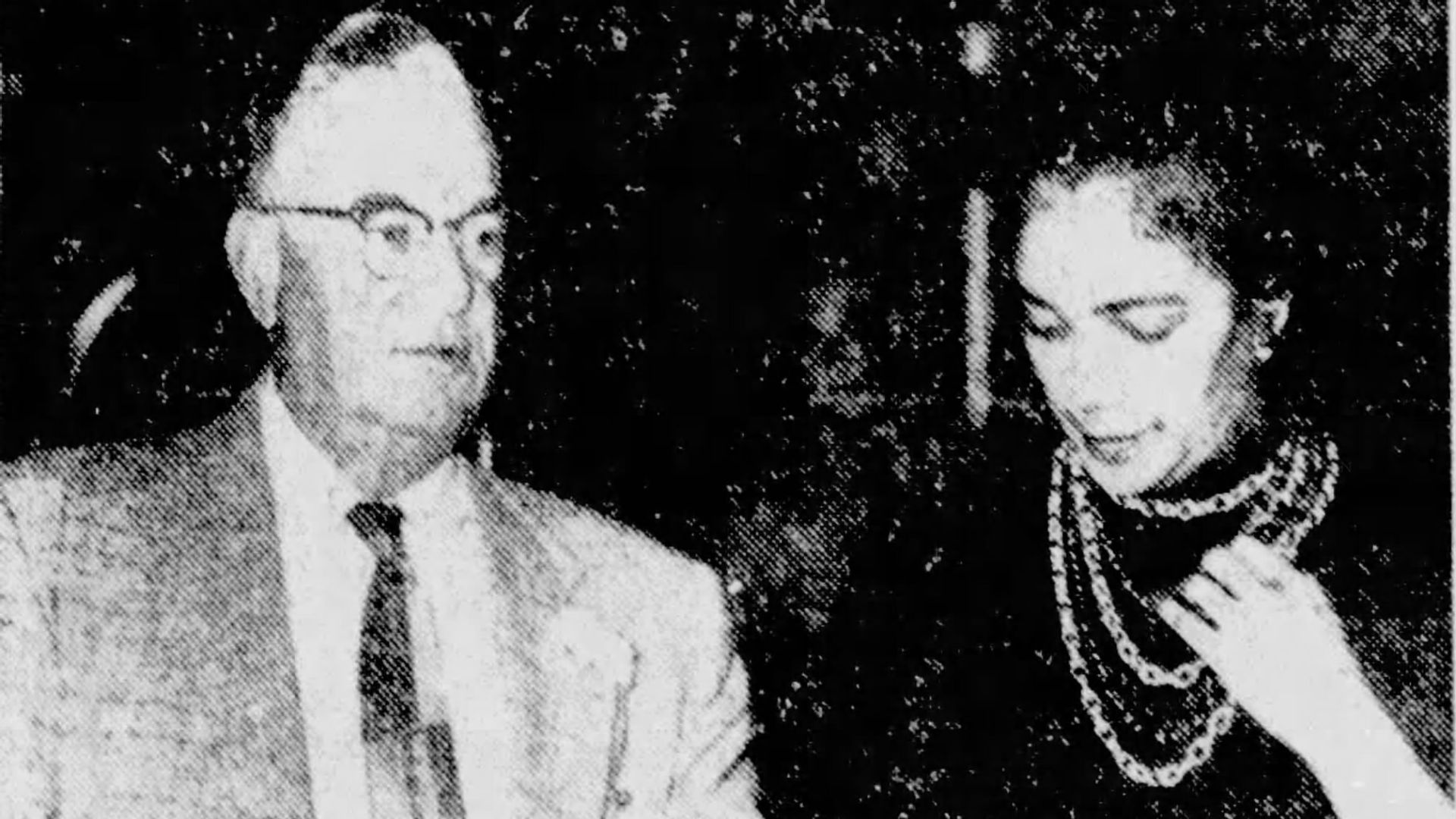
Clarence Earl Gideon was unable to afford an attorney when he faced a felony charge in Florida and unsuccessfully asked the trial court to appoint one. In 1963, the Court ruled that states must provide counsel to indigent defendants charged with serious crimes, greatly strengthening the practical reach of the Sixth Amendment.
7. Miranda V. Arizona
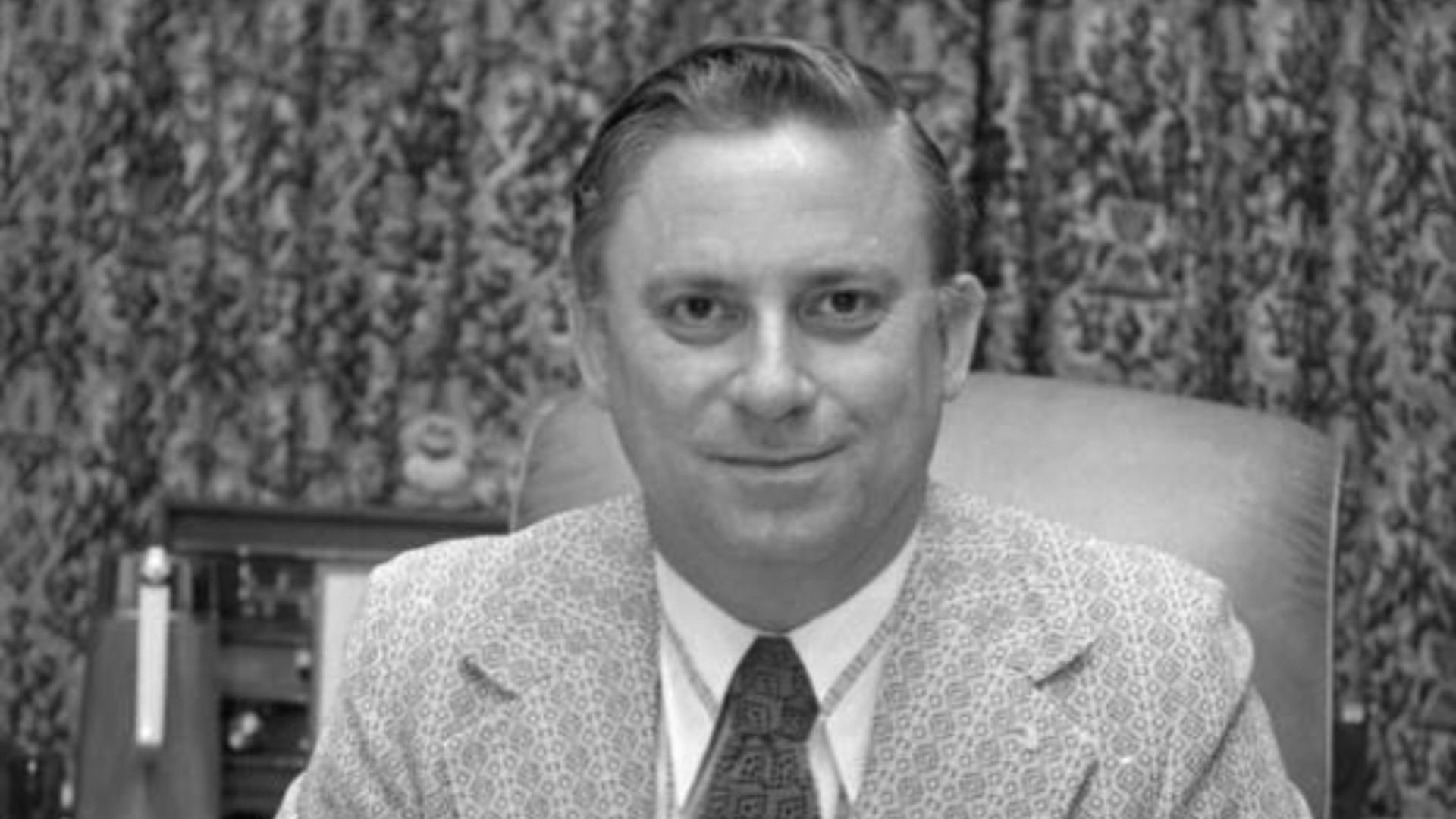
Ernesto Miranda confessed during police interrogation after being arrested in Arizona, but he hadn't been properly informed of important constitutional protections. The Supreme Court ruled in 1966 that suspects in custodial interrogation must be advised of rights including remaining silent and having an attorney.
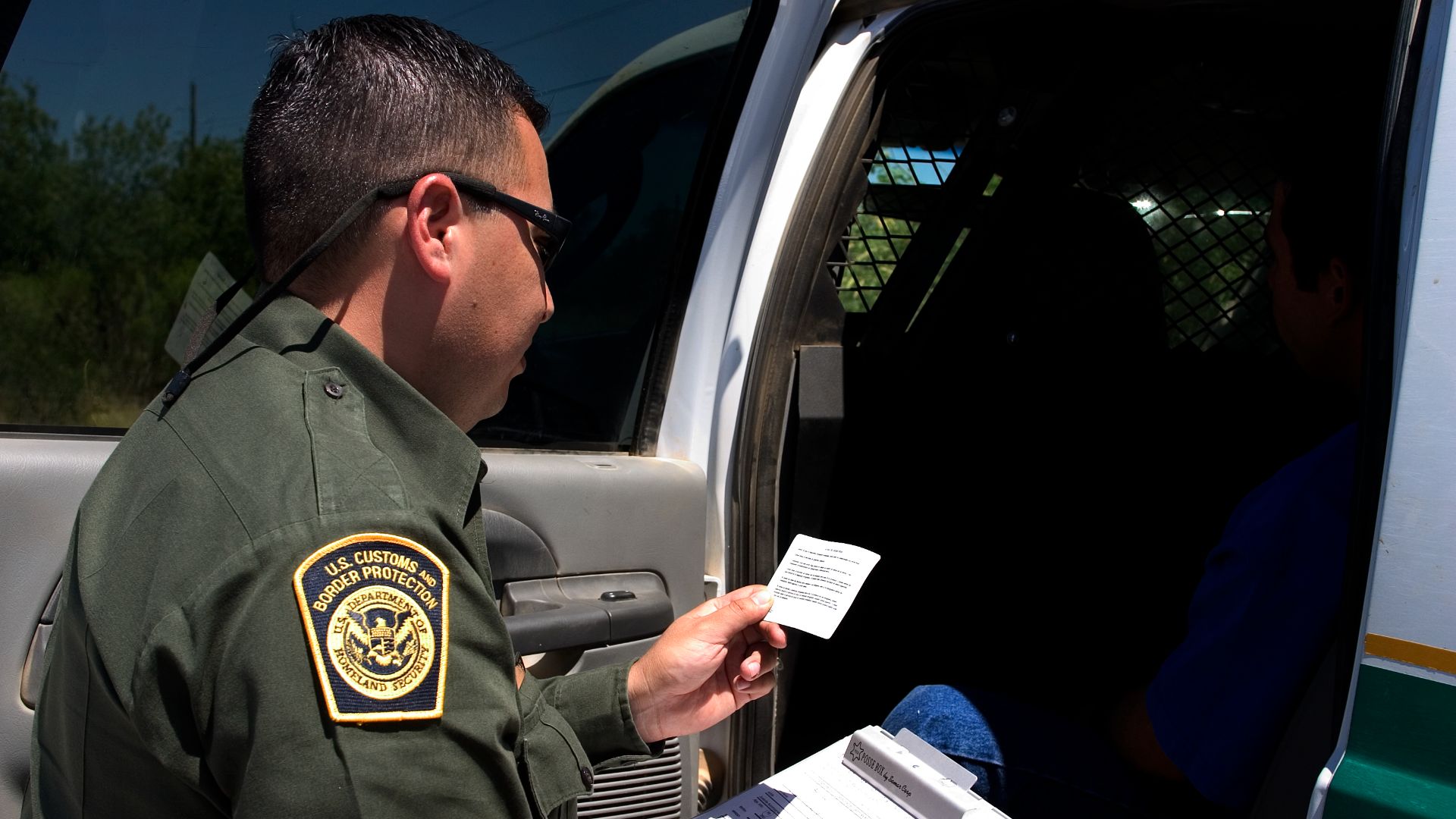 Gerald L. Nino, CBP, U.S. Dept. of Homeland Security on Wikimedia
8. Loving V. Virginia
Richard and Mildred Loving were convicted in Virginia because their interracial marriage violated the state's anti-miscegenation laws. The Court unanimously struck down state bans on interracial marriage, holding that Virginia's law violated constitutional guarantees of equal protection and due process.
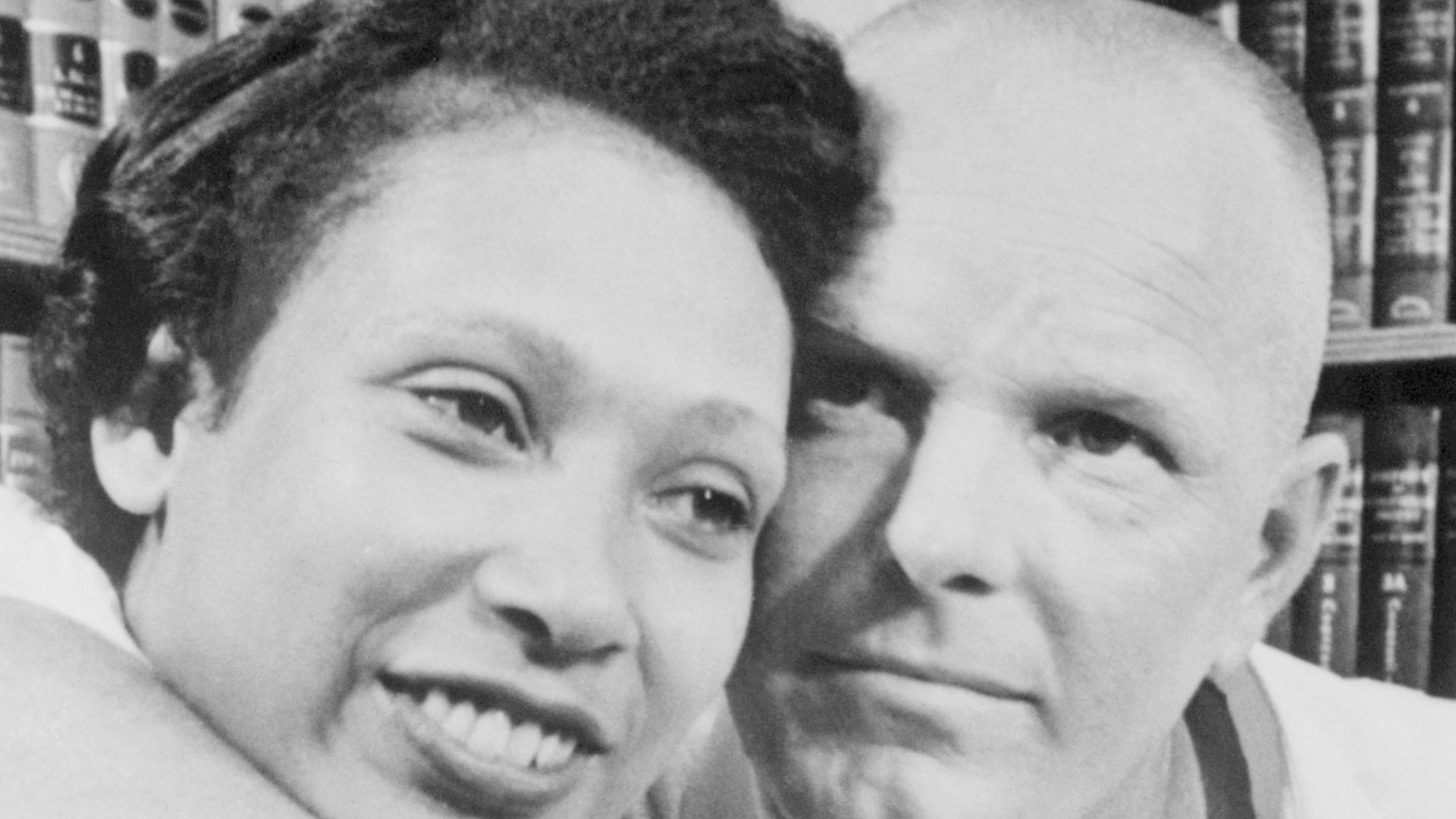 United Press International on Wikimedia
9. Katz V. United States
Federal investigators recorded Charles Katz's conversations by attaching an electronic listening device to the outside of a public telephone booth. The case helped develop the principle that certain expectations of privacy can receive constitutional protection even without a physical intrusion into someone's property.
10. New York Times V. Sullivan
A 1964 Supreme Court decision transformed American defamation law after an Alabama official sued over inaccuracies in a civil rights advertisement. That demanding standard created stronger constitutional protection for criticism and reporting about public officials.
KEEP ON READING