Death Didn't Mean Rest
History has never been good at leaving famous bodies alone. Grave robbers wanted money. Collectors wanted souvenirs. Governments wanted revenge. At the end of the day, some devoted fans simply behaved badly enough to turn cemeteries into active crime scenes. Whatever the case was, the 20 people showed that even death has its hazards.
 Joel Brodsky, Distributed by Elektra Records on Wikimedia
1. Abraham Lincoln
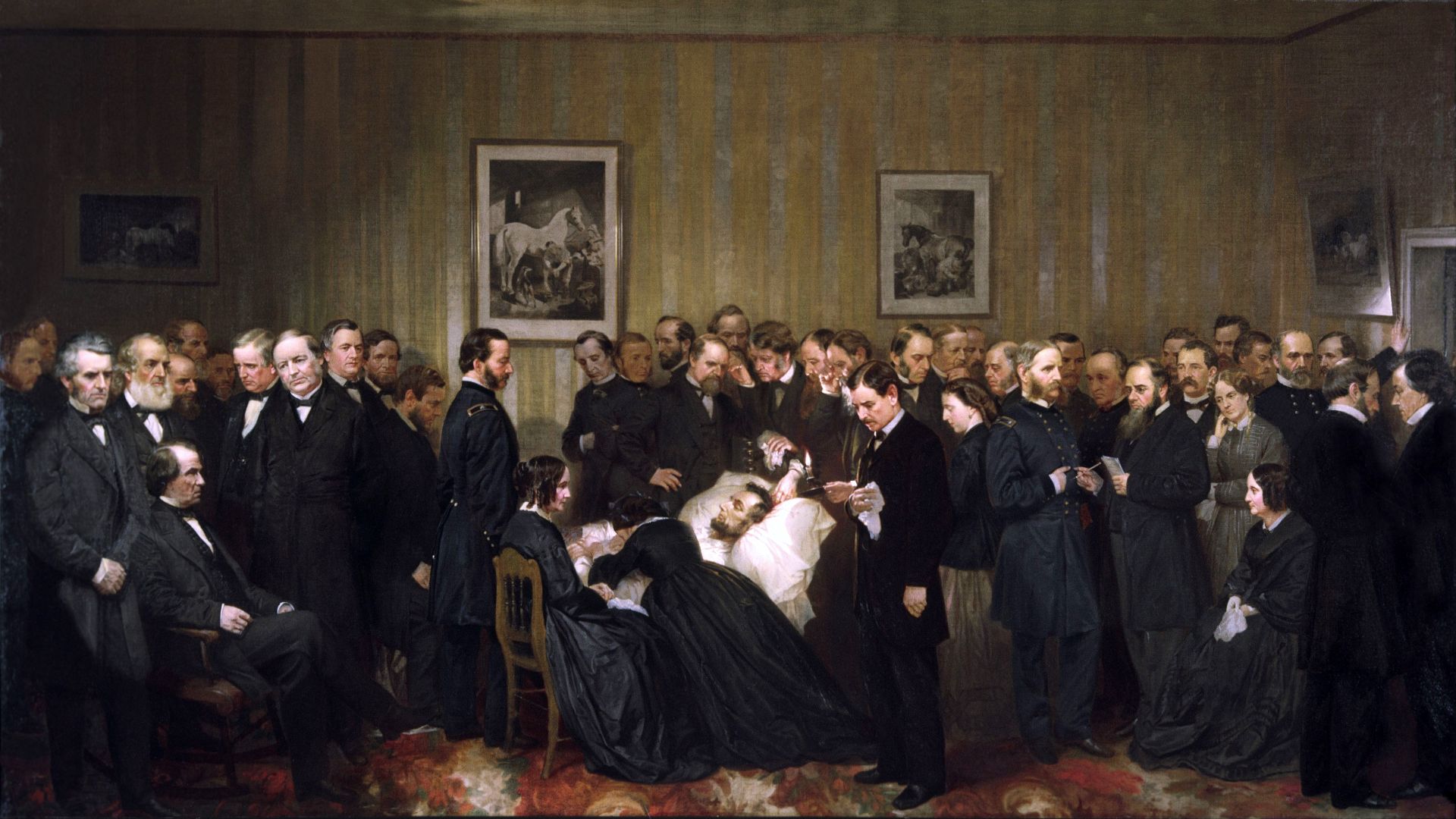
Eleven years after Lincoln was assassinated, counterfeiters planned to steal his body from its tomb in Illinois. Their bright idea was also to demand $200,000 plus the release of their imprisoned engraver. In 1876, the thieves did actually break into the tomb and began pulling Lincoln's casket out before the whole thing crumbled. The Secret Service was onto them, and the incident eventually convinced Lincoln's family that more concrete was needed to keep the body secure.
2. Charlie Chaplin
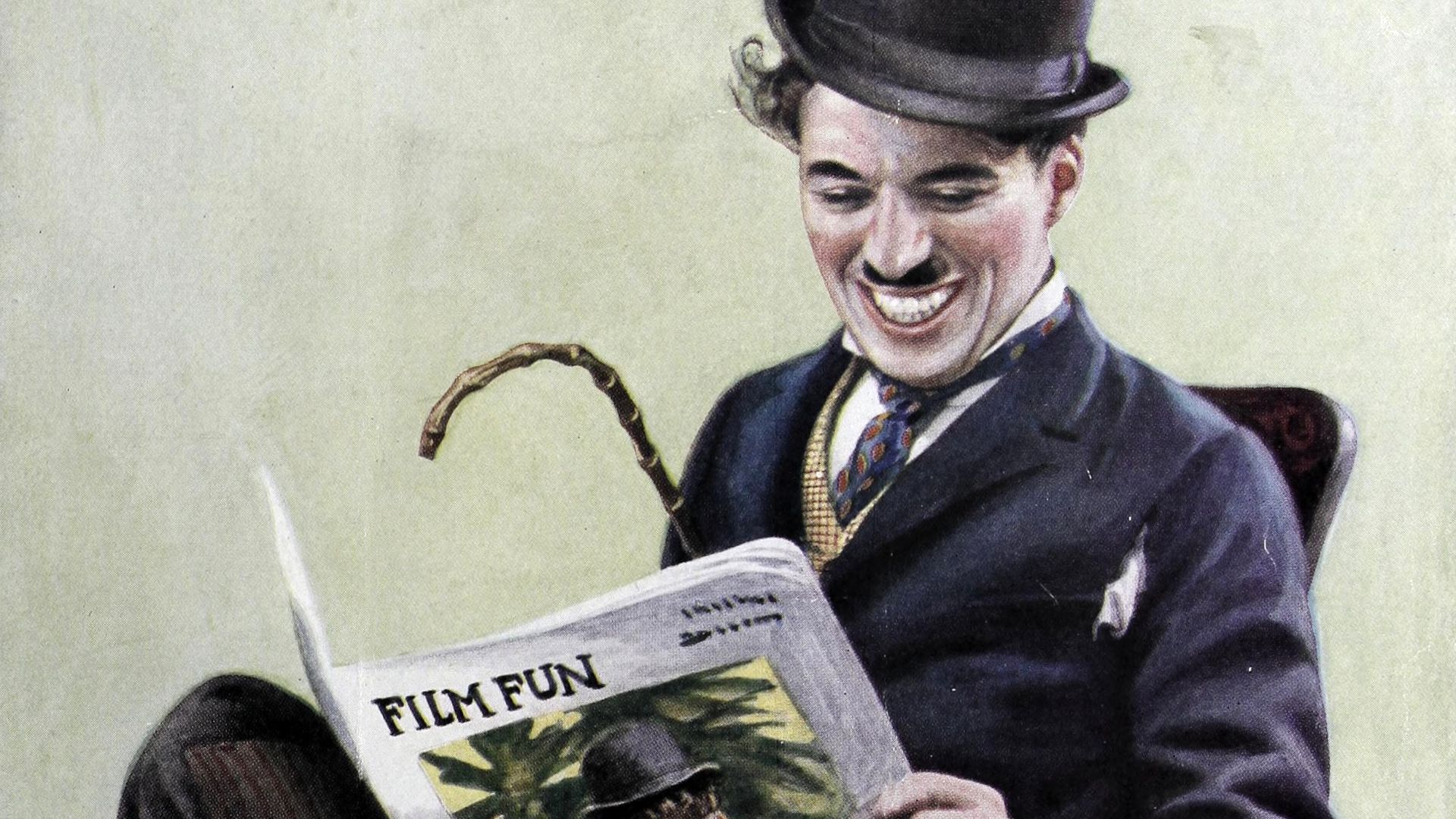
Charlie Chaplin was buried in Switzerland for only a few months when two men dug up his coffin in 1978 and carried it away. They demanded money from Oona Chaplin, his widow, who flat-out refused to pay. She also cooperated with police while investigators monitored hundreds of telephone booths to make headway on the case. Police did eventually arrest the thieves and recovered Chaplin's coffin from a cornfield. He was reburied under reinforced concrete.
 AnonymousUnknown author on Wikimedia
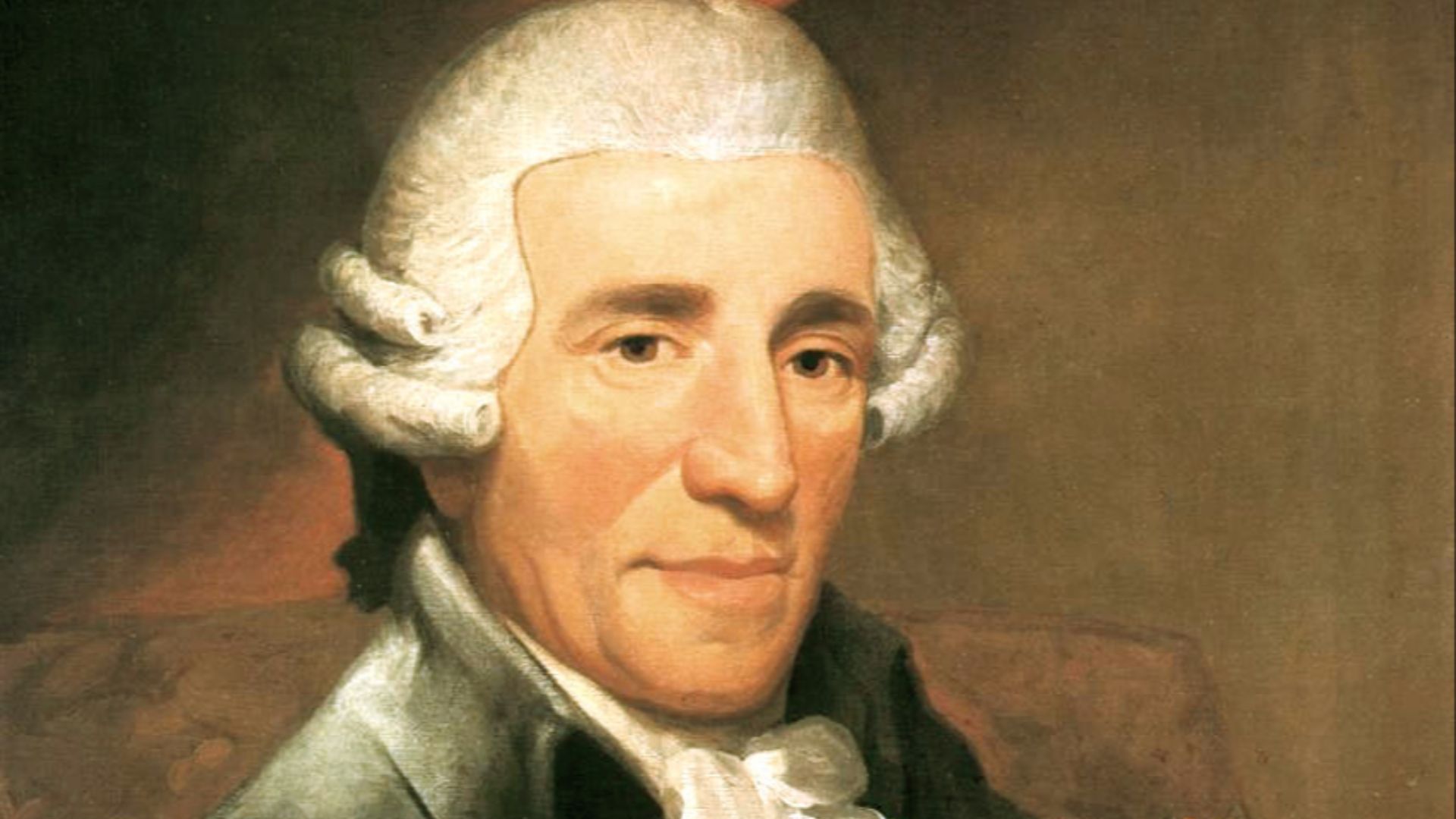
3. Joseph Haydn
Apparently, just being a fan of Joseph Haydn wasn’t enough—his skull was stolen shortly after his 1809 burial. The men behind the debacle were interested in phrenology, which hardly justifies their actions, but it was a fashionable idea at the time. When Haydn was exhumed in 1820, officials discovered a headless skeleton, jumpstarting a saga that didn't end until his real skull was reunited with his body in 1954.
4. John Milton
More than a century after Paradise Lost author John Milton died, renovations at St. Giles Cripplegate in London exposed the location of his coffin in 1790. A group of men opened it, pulled out hair, knocked out teeth, and removed bones that could be kept or sold as souvenirs. Some of the missing pieces were recovered before Milton was reburied, but not all of it.
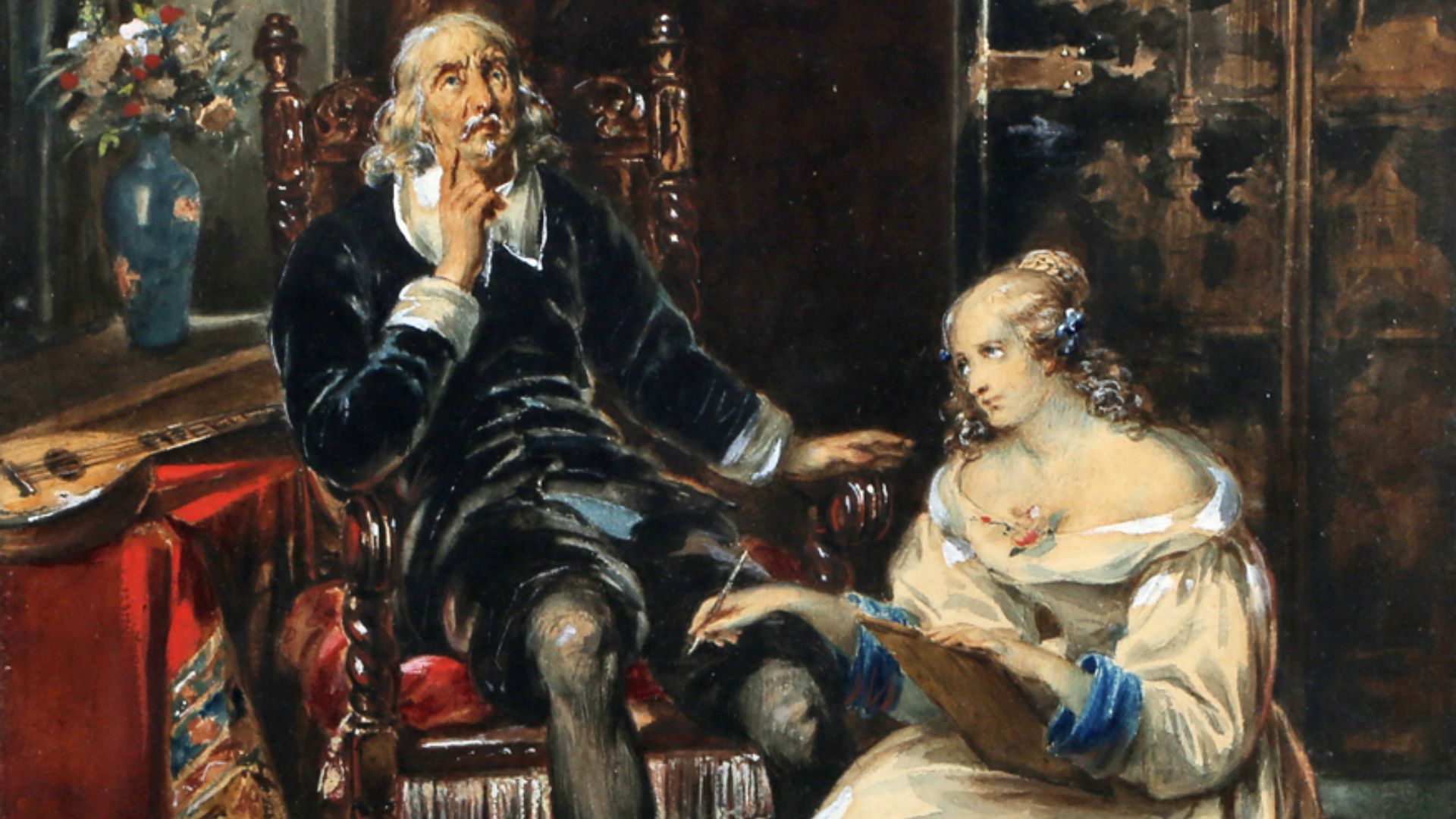 Hortense Haudebourt-Lescot on Wikimedia
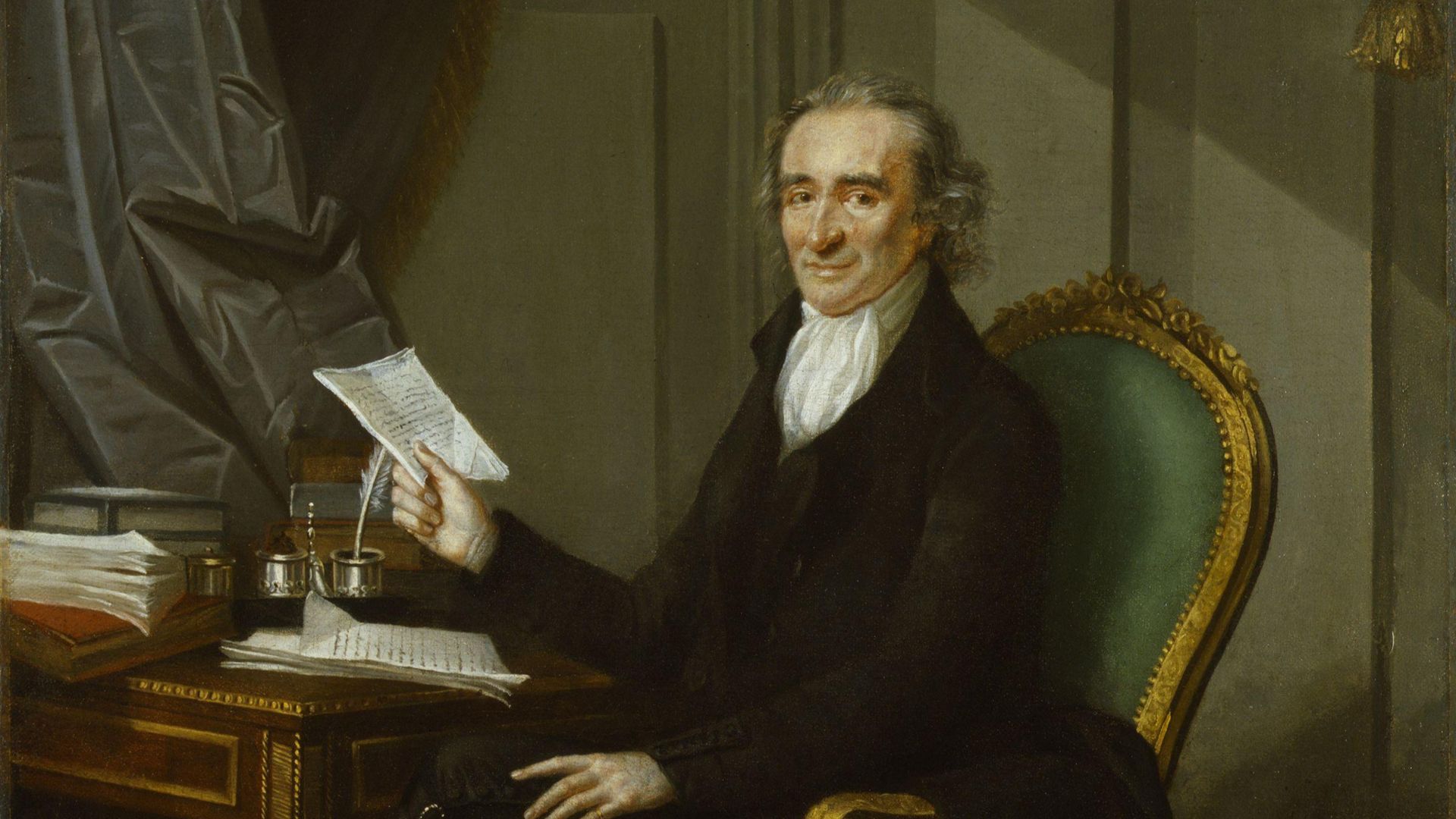
5. Thomas Paine
Political writer Thomas Paine was buried on his New York farm in 1809, but English radical William Cobbett decided in 1819 that America didn't deserve to keep him. Cobbett dug up Paine's coffin, carried the remains to England, and planned a grand memorial of his own. After Cobbett died, Paine's bones scattered through private hands, leaving him with one of history's most confusing missing-body cases.
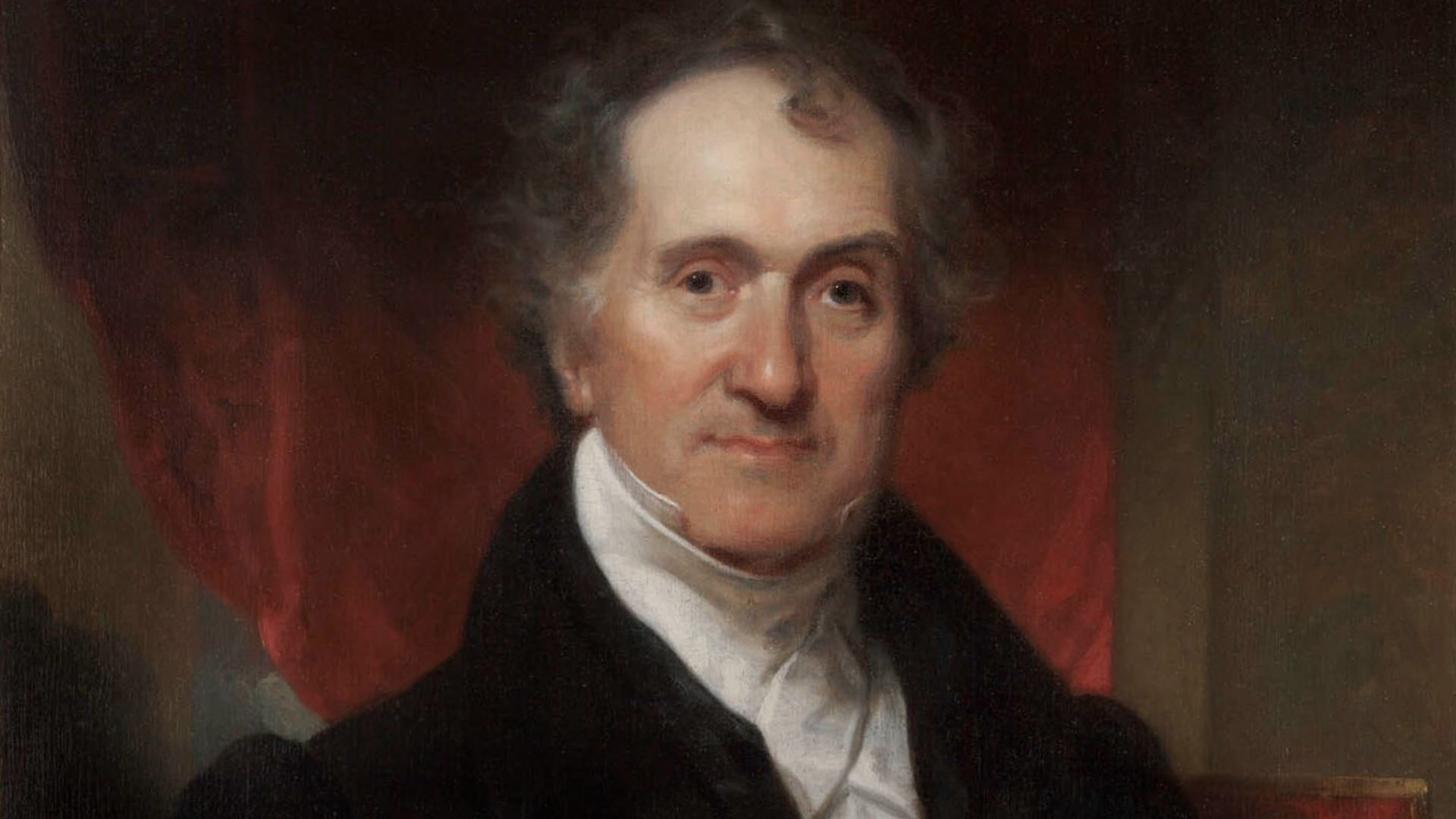
6. William Wirt
Former U.S. Attorney General William Wirt spent more than a century inside his tomb before someone stole his skull in the 1970s. Decades later, the cemetery got strange calls concerning a collector's cache of human skulls, including one kept in a metal box with Wirt's name on it. Forensic work helped authenticate it, and the head was finally returned to Wirt's crypt in 2005.
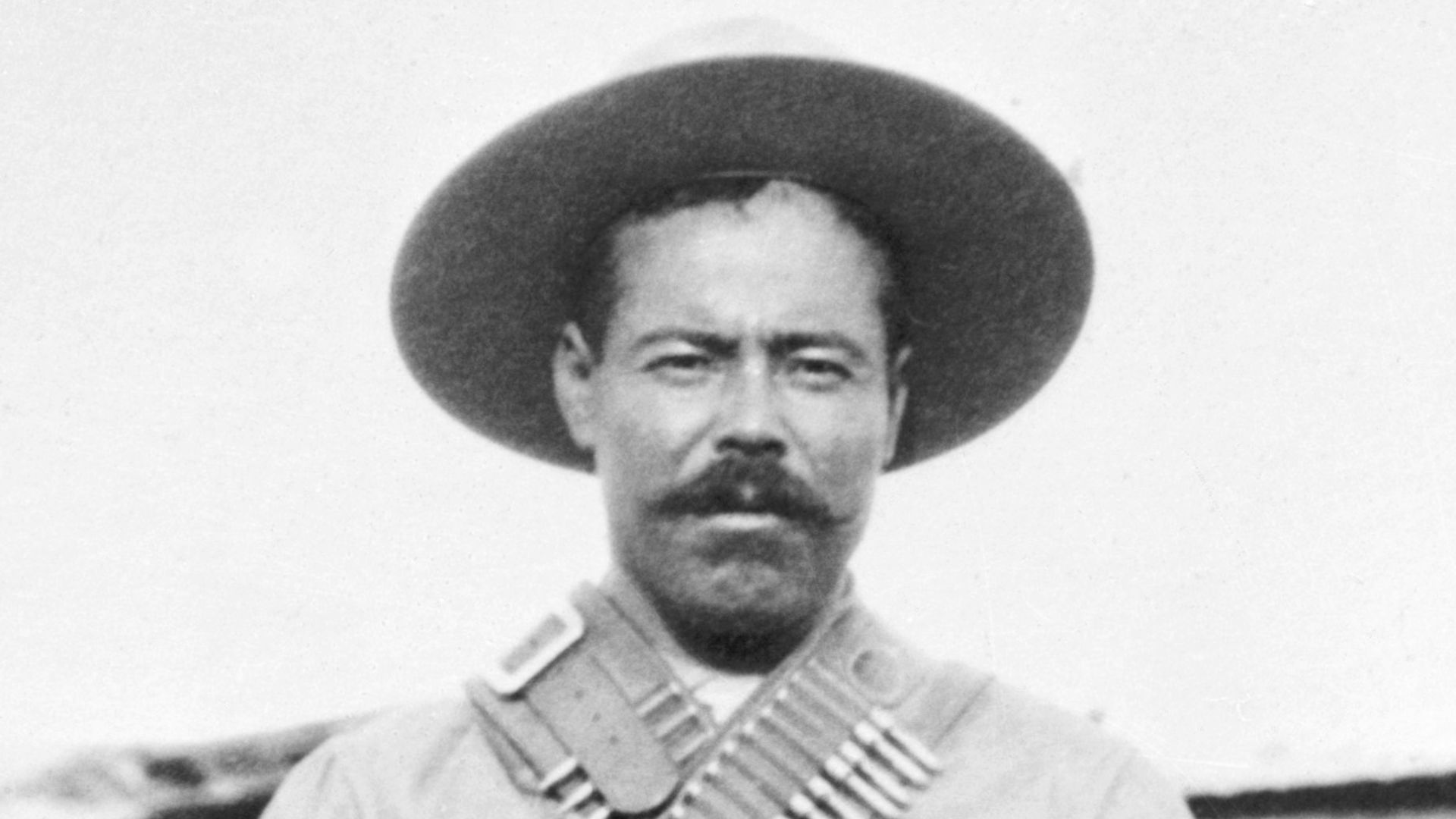
7. Pancho Villa
Three years after Mexican revolutionary Pancho Villa was assassinated, someone broke into his grave in 1926 and removed his head. Newspapers went wild reporting it, but no one knows who did it or where the skull even is for sure. Historians have proposed everything from an attempted sale to an American collector to involvement by Mexican military personnel.
 Bain News Service
derivative work: Hic et nunc on Wikimedia
Bain News Service
derivative work: Hic et nunc on Wikimedia
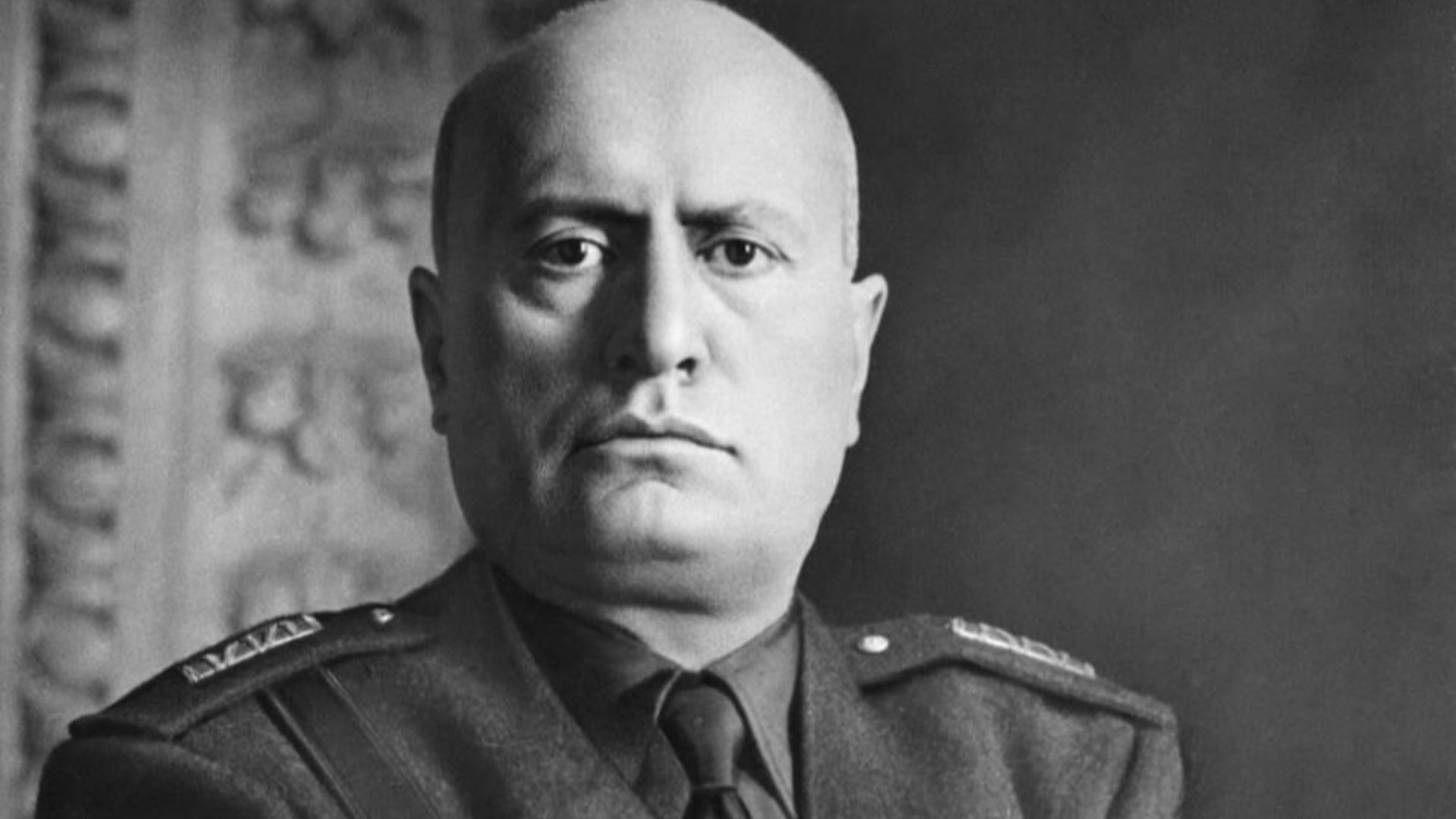
8. Benito Mussolini
Benito Mussolini's corpse had already been beaten and publicly displayed after his 1945 execution, but even after his body was stuck in an unmarked grave, people wanted him to pay. On Easter Sunday in 1946, fascist sympathizer Domenico Leccisi and accomplices spirited the body away. When police eventually recovered it months later, officials kept the whereabouts secret for years before allowing his final burial in the family crypt.
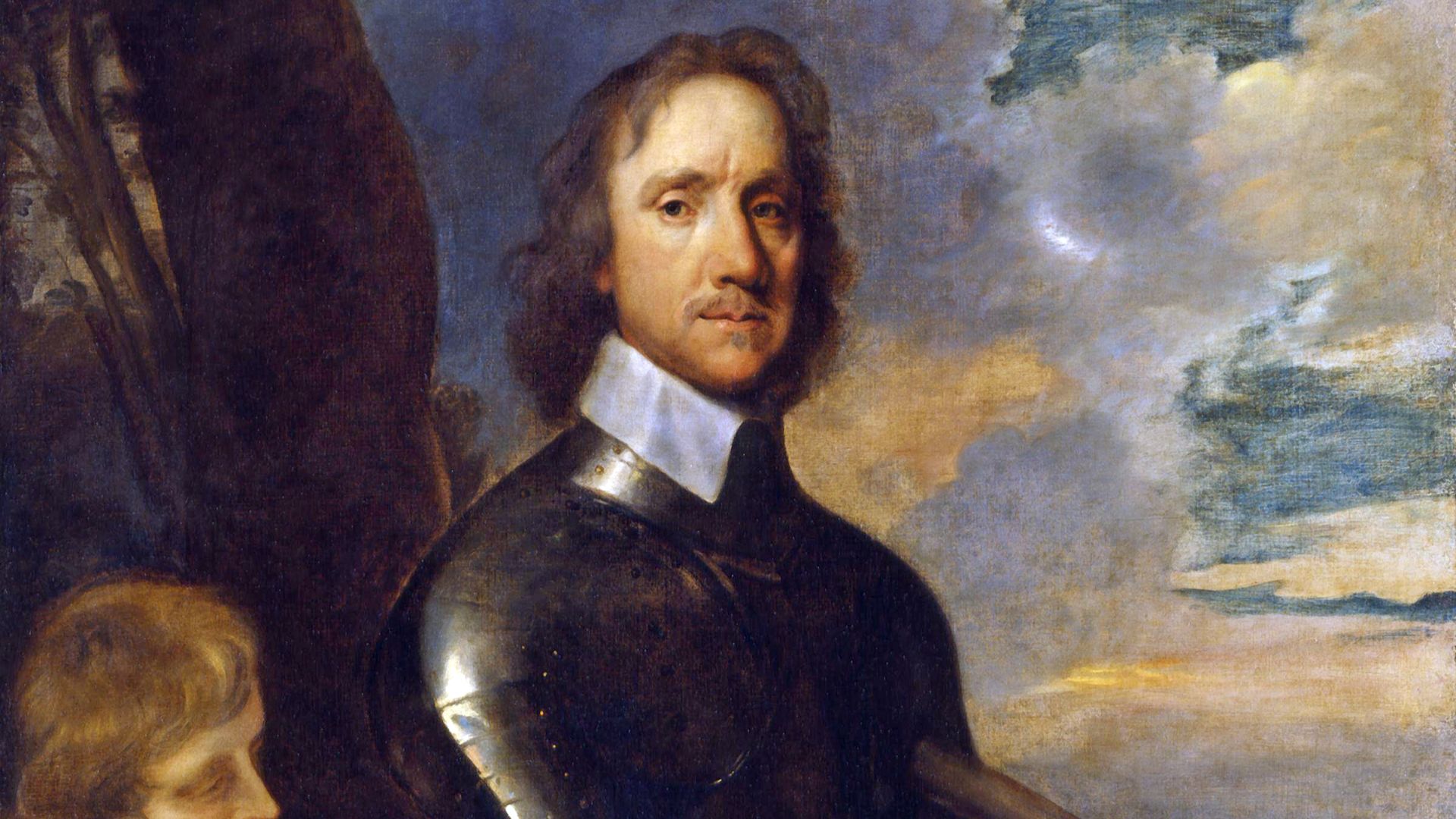
9. Oliver Cromwell
Oliver Cromwell received an impressive Westminster Abbey burial in 1658, only for England's restored monarchy to renege on that deal. His corpse was exhumed in 1661, hauled to Tyburn, hanged, decapitated, and dumped into a pit, while his head was then displayed above Westminster Hall.
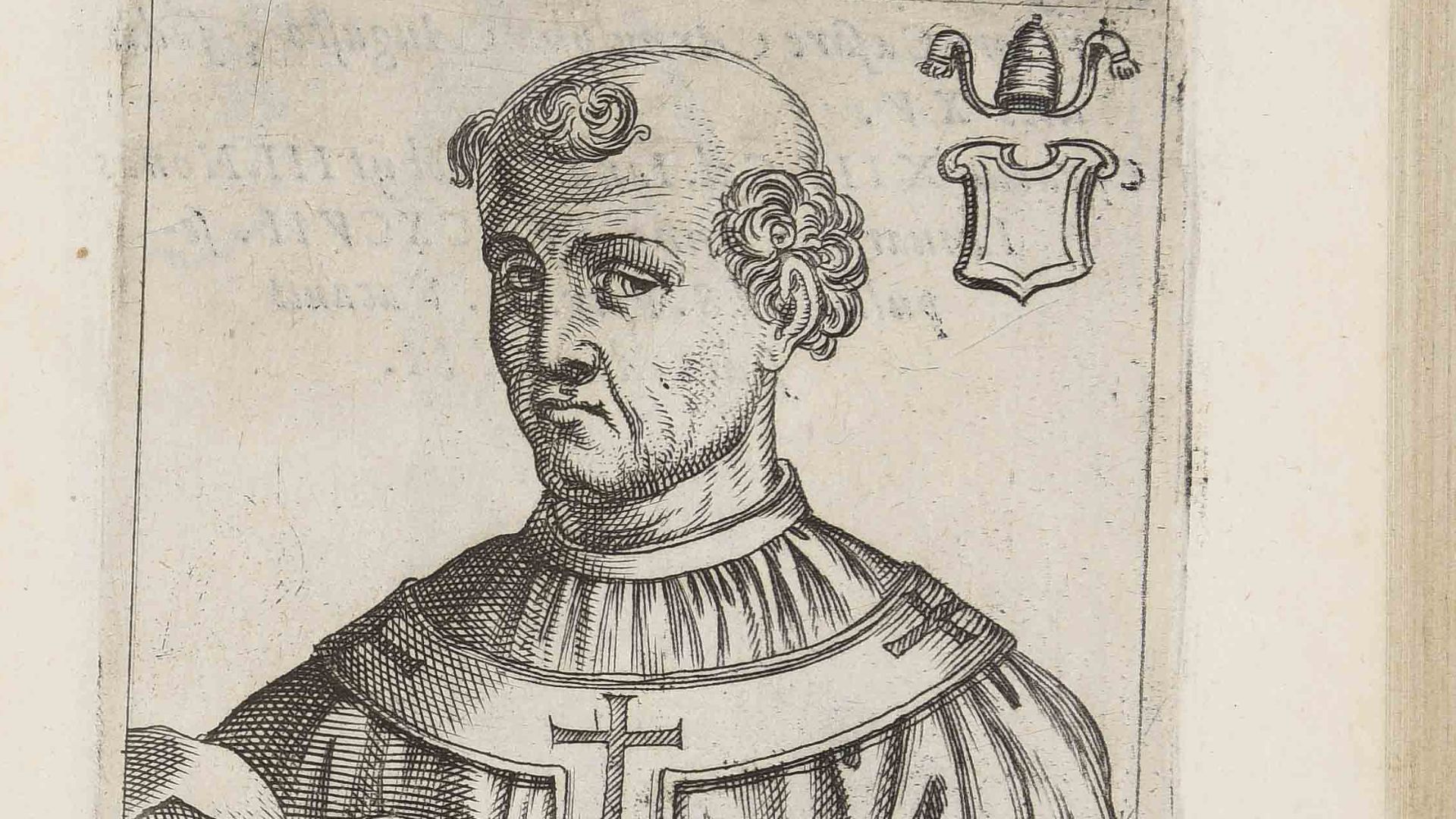
10. Pope Formosus
Pope Formosus had been dead for about nine months when his successor, Stephen VI, ordered his corpse removed from its tomb in 897. Church officials dressed it in papal vestments, propped it on a throne for the infamous Cadaver Synod, convicted it, and even cut off three fingers used for blessings. Formosus was then thrown into the Tiber.
 Giovanni Battista de'Cavalieri on Wikimedia
11. John Wycliffe
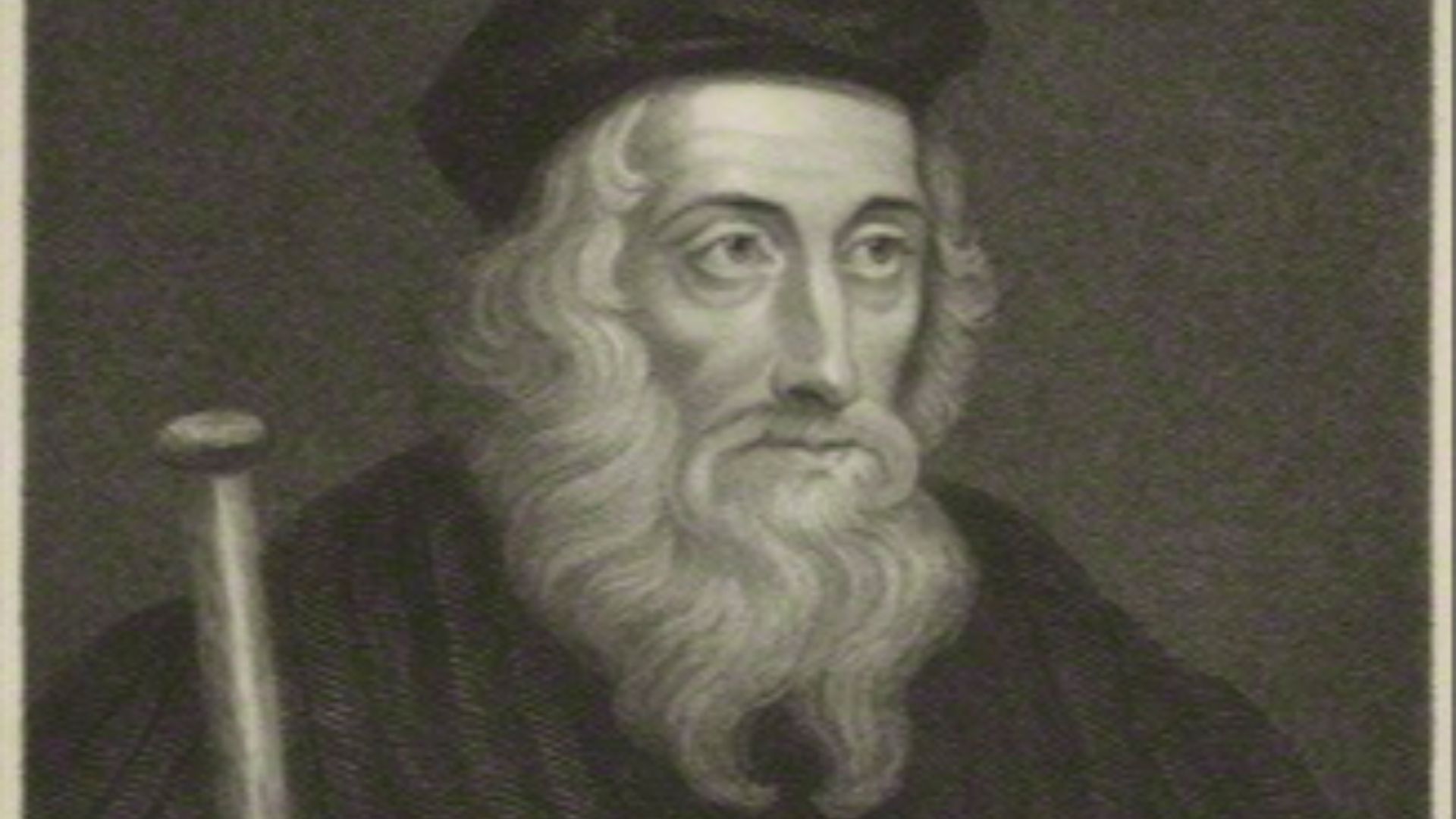
English theologian John Wycliffe may have died in 1384, but the church wasn’t going to let him off for heresy. Decades after his death, officials opened his grave, removed his bones, burned them, and scattered the ashes in 1428. The proceeding was meant to erase the controversial reformer's memory, but destroying his corpse really had the opposite effect.
 John M. Kennedy T. on Wikimedia
12. Martin Bucer
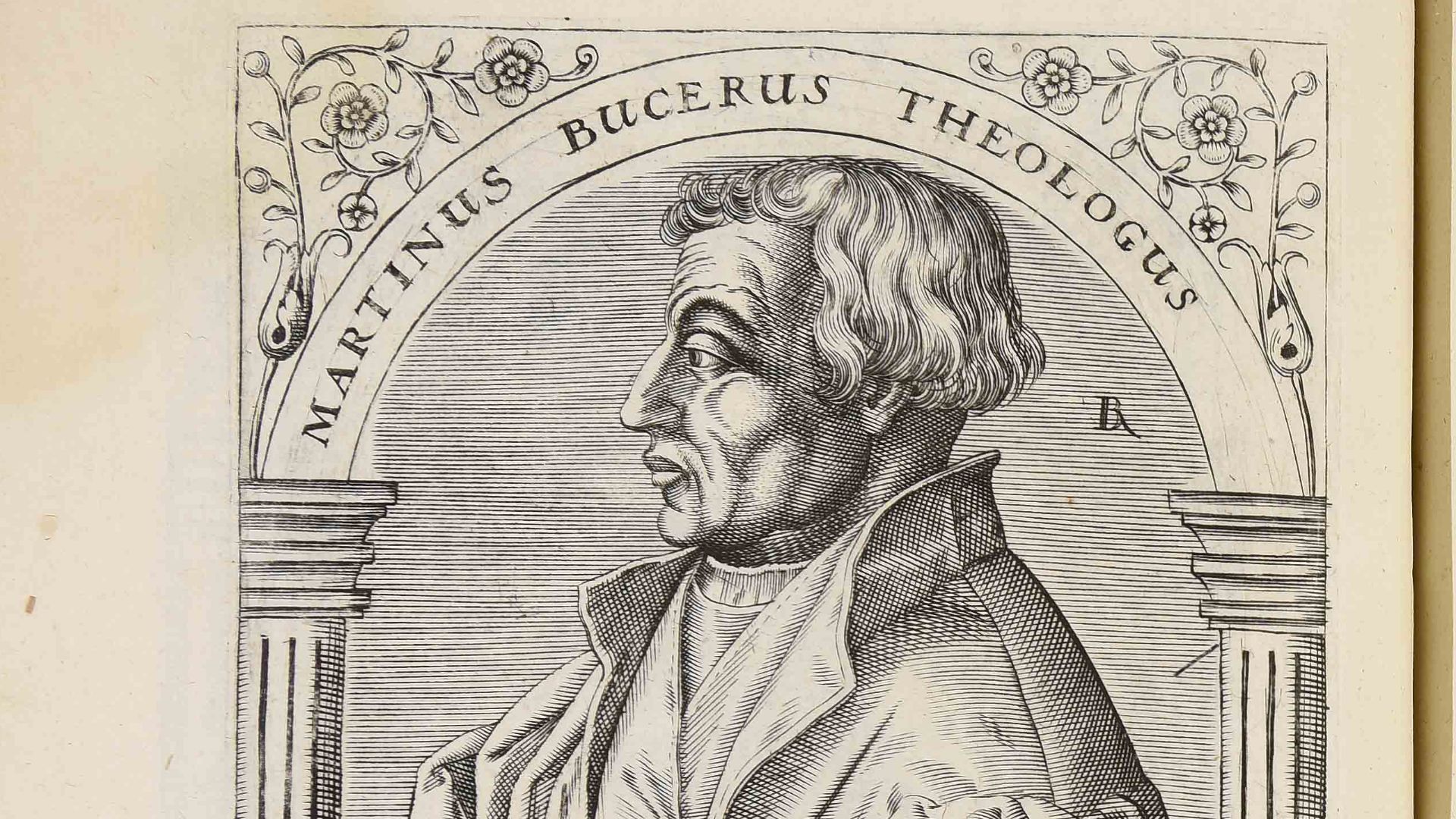
Protestant reformer Martin Bucer died in 1551, but the religious politics of Tudor England changed quite drastically once Mary I took the throne. In 1557, Bucer was posthumously convicted of heresy. His grave was then opened, and his remains were burned. Elizabeth I's government later reversed the condemnation.
 Johann Theodor de Bry on Wikimedia
13. Saint Nicholas
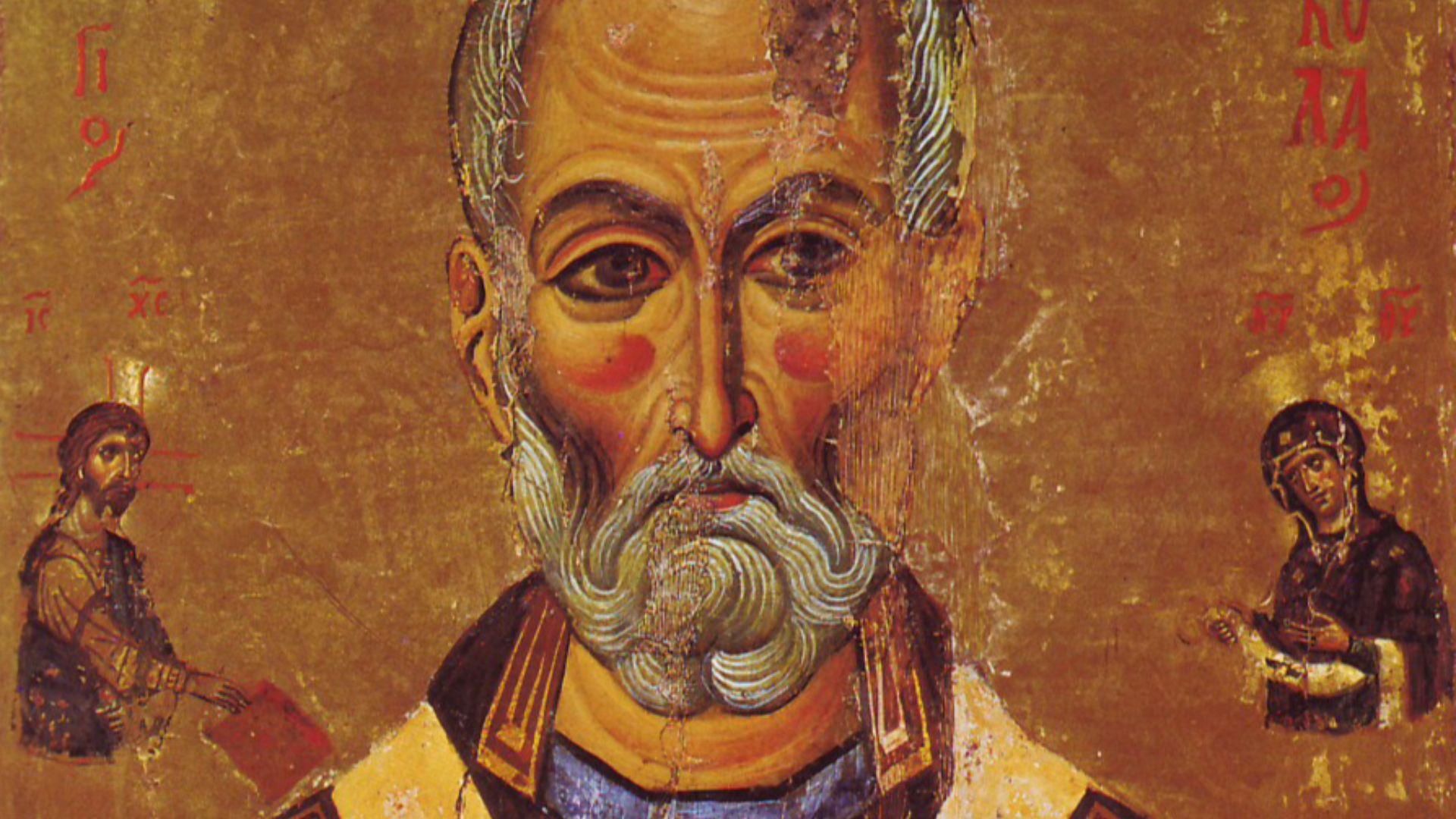
Long before Saint Nicholas evolved into the guy behind Santa, his remains lay in what is now Turkey. In 1087, sailors and merchants from Bari forced their way into his tomb, intimidated the monks guarding it, removed a decent chunk of the skeleton, and took the bones back to Italy. Medieval Christians often dressed such operations up as the “translation” of relics, but later accounts are clear that the people in Myra weren't exactly volunteering their most famous resident.
14. Tutankhamun
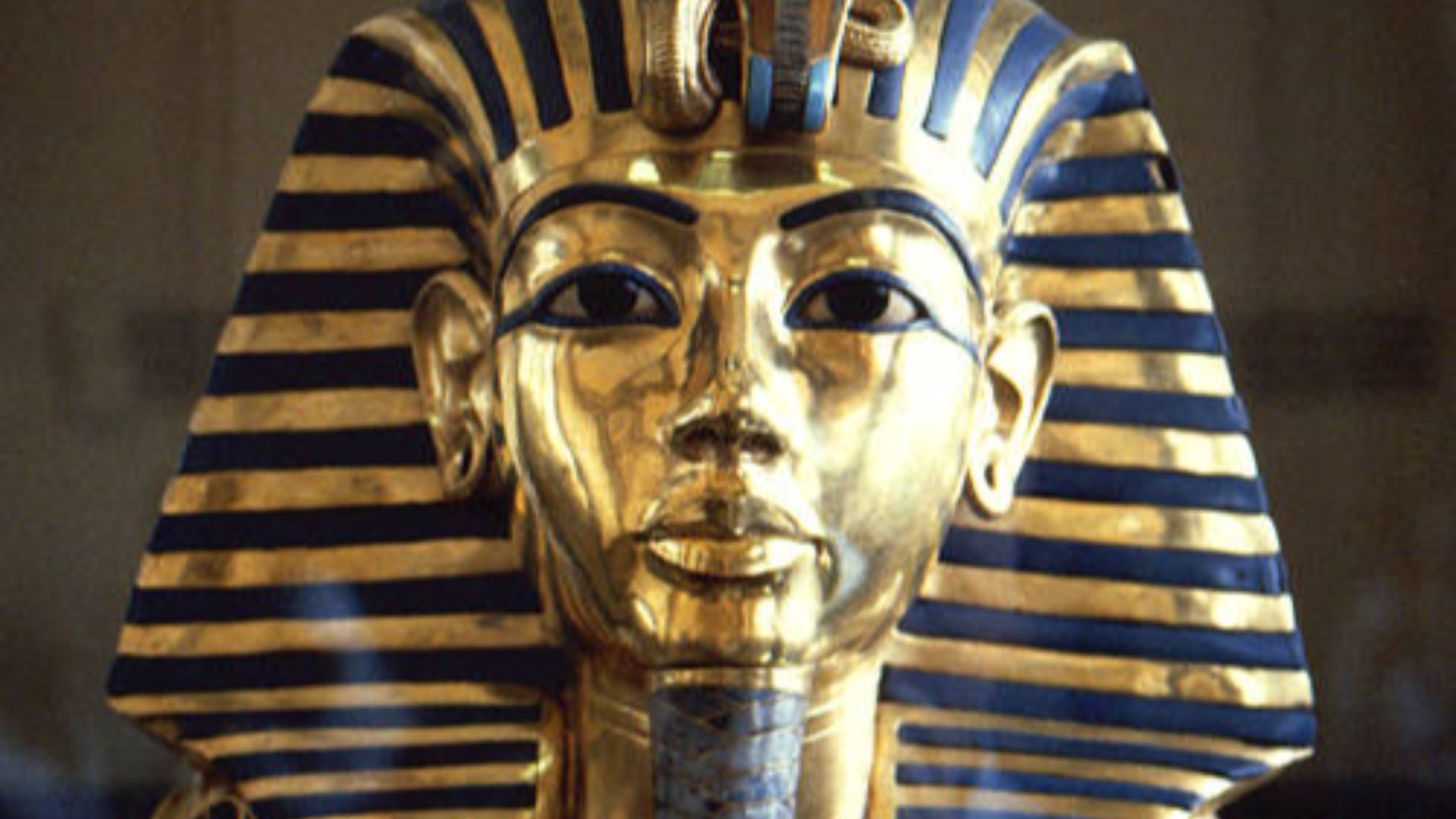
Howard Carter's discovery of Tutankhamun's tomb in 1922 was a big deal, mainly because ancient Egyptian grave robbers had stripped nearly every other royal burial bare. That said, even Tut's tomb didn’t escape completely, and evidence suggested thieves entered it on more than one occasion pretty quickly after he was buried. Officials apparently caught or at least interrupted the robbers, leaving enough behind to create the uncovered archaeological find 3,000 years later.
15. Vladimir Lenin
Lenin's embalmed body became the centerpiece of his Moscow mausoleum—and it was a prime target for anyone determined to attack it. The most notable episode came in 1973, when a man detonated an explosive inside the mausoleum, ending his life and two visitors (he also injured several others). It was also for nothing, since Lenin's sarcophagus survived.
16. Karl Marx
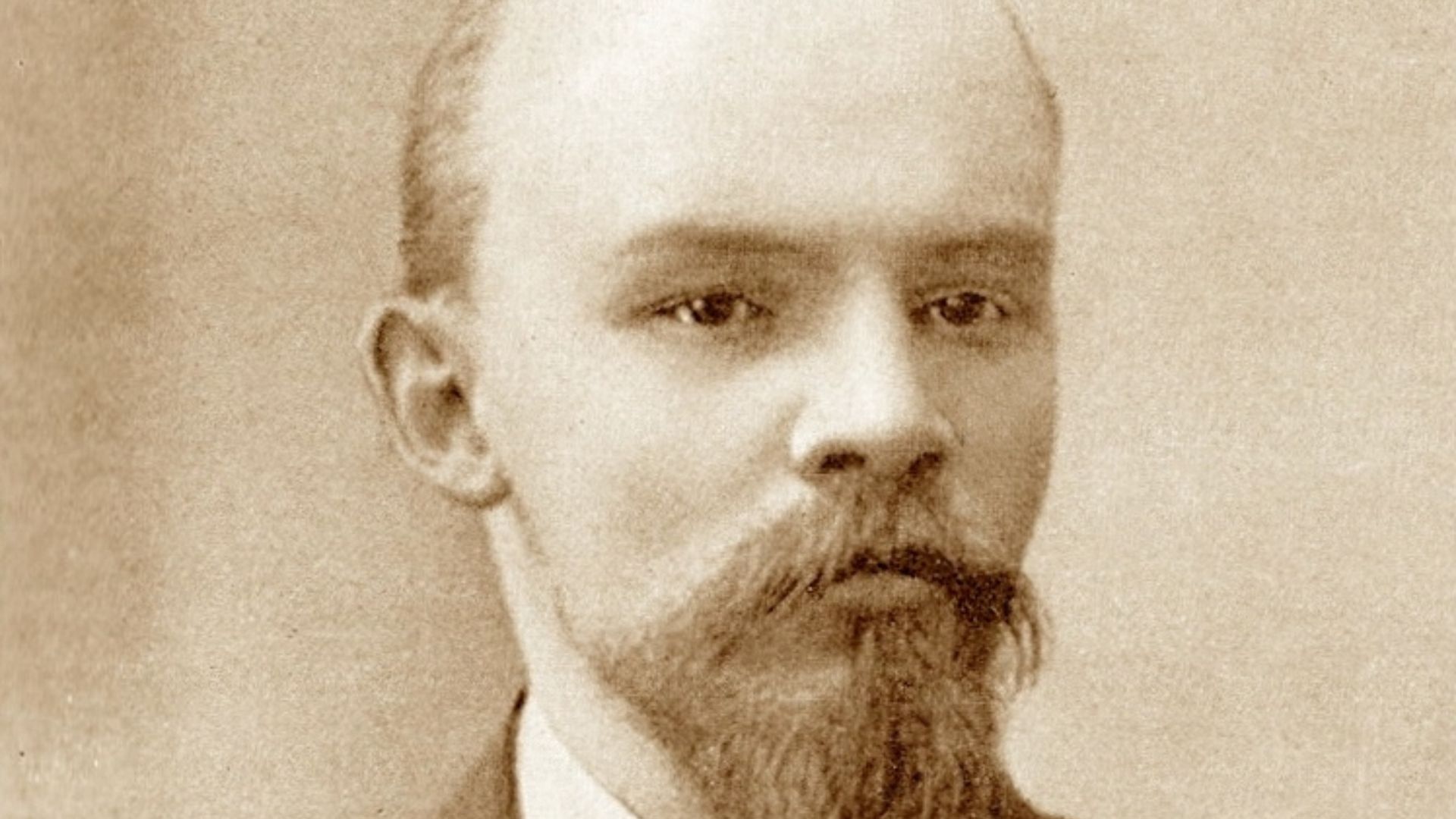
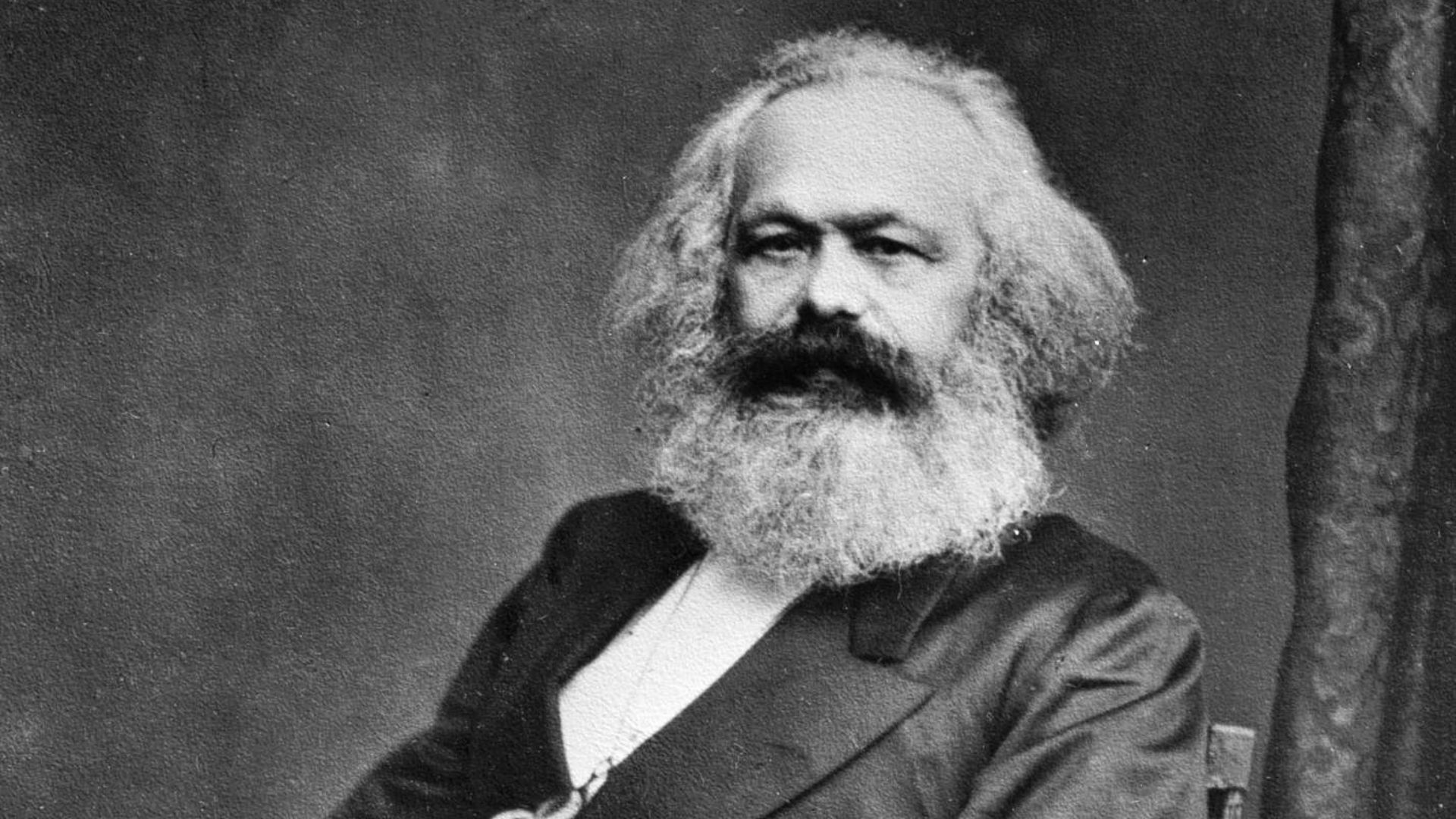
Visitors to London's Highgate Cemetery don't have to go back centuries to learn that political grudges follow someone to the grave. Karl Marx's monument survived a pipe-bomb attack in 1970, and vandals returned in 2019 to smash his original marble headstone. Another attack covered the memorial in painted slogans.
 John Jabez Edwin Mayall on Wikimedia
17. Sylvia Plath
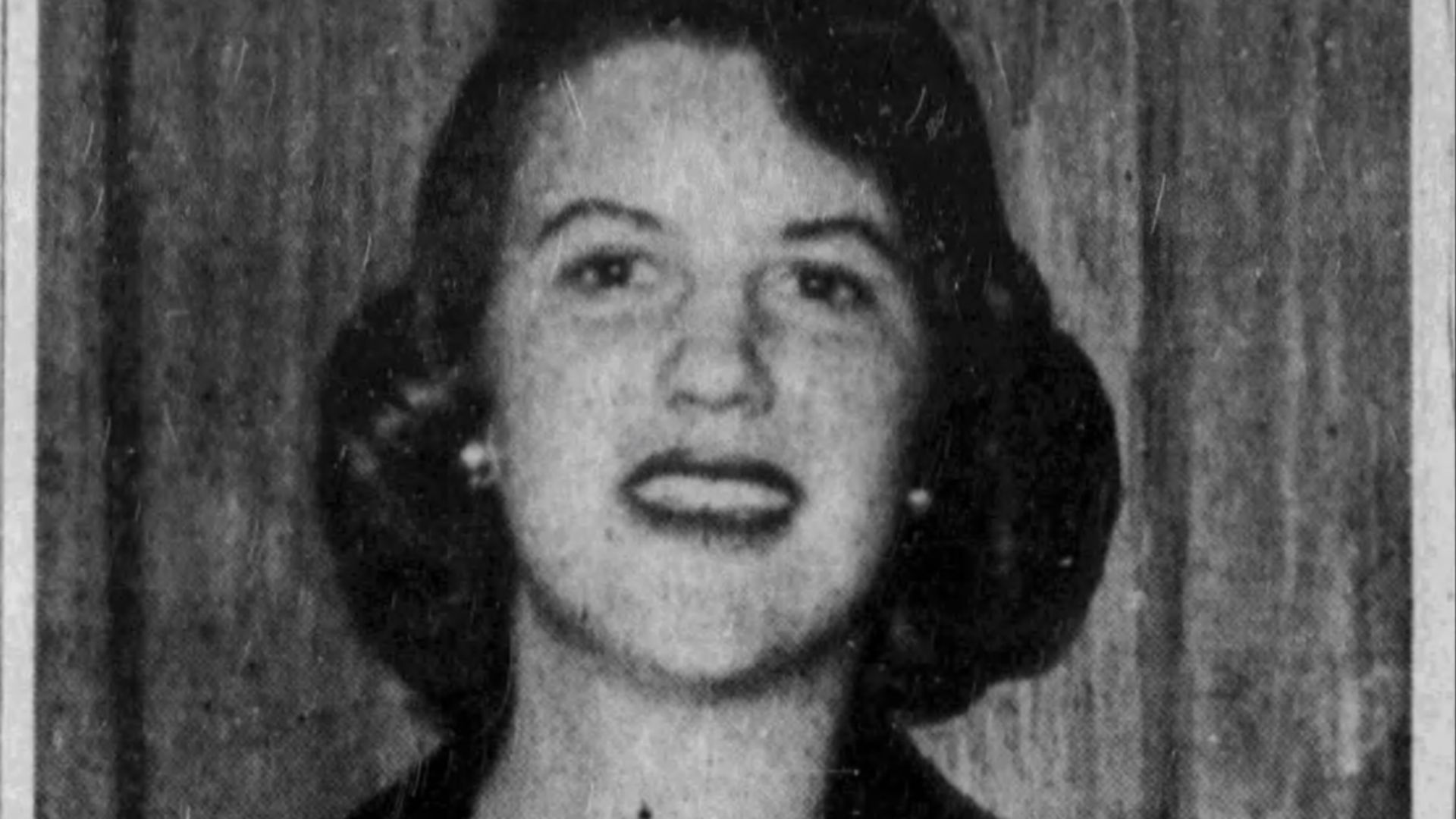
Sylvia Plath's grave repeatedly attracted vandals who objected to the surname “Hughes” on her headstone. Someone actually chiseled away the name associated with her estranged husband, poet Ted Hughes, which forced the marker to be removed and repaired multiple times. No one was arrested for the desecration.
 Distributed by Associated Press on Wikimedia
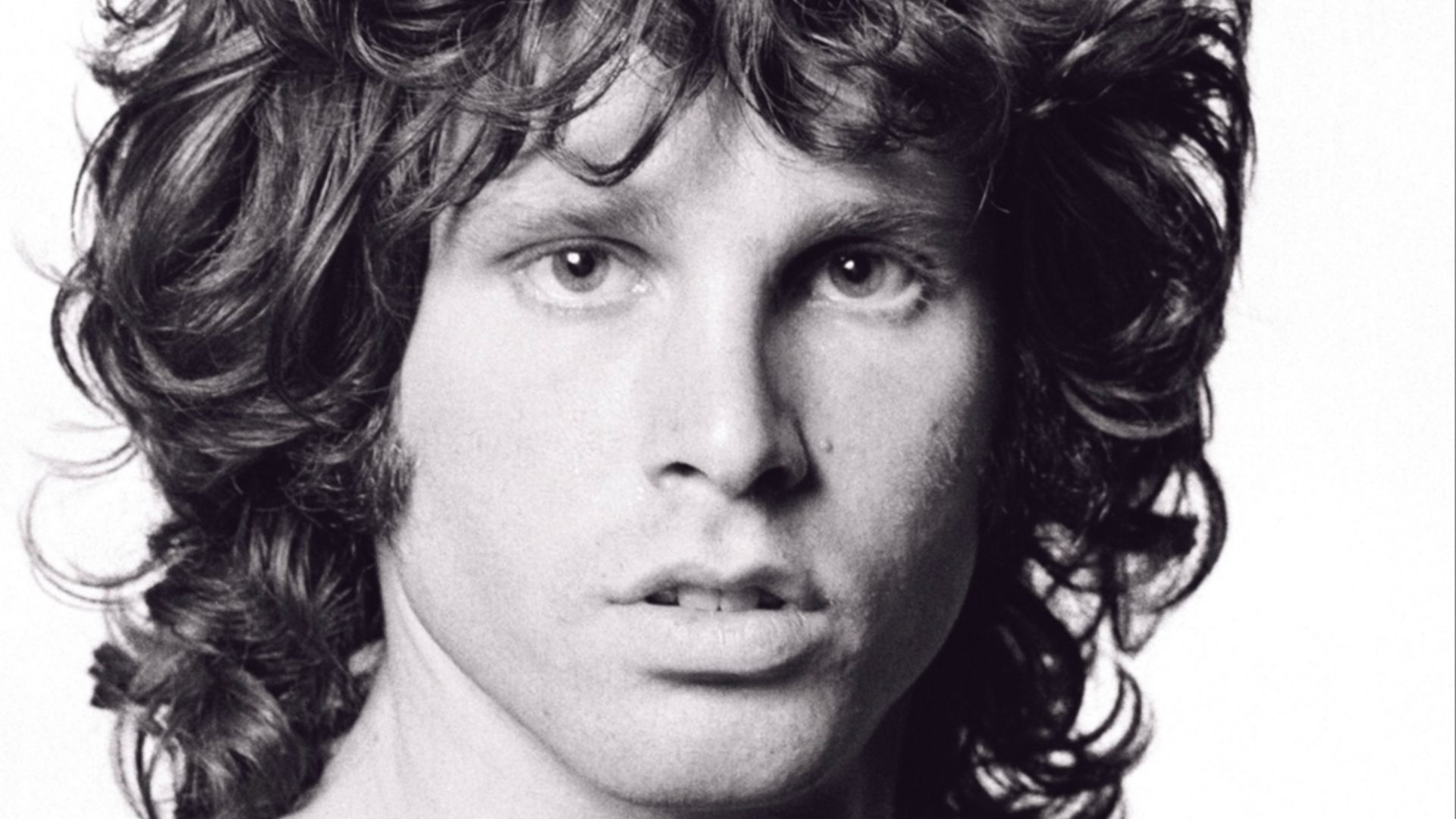
18. Jim Morrison
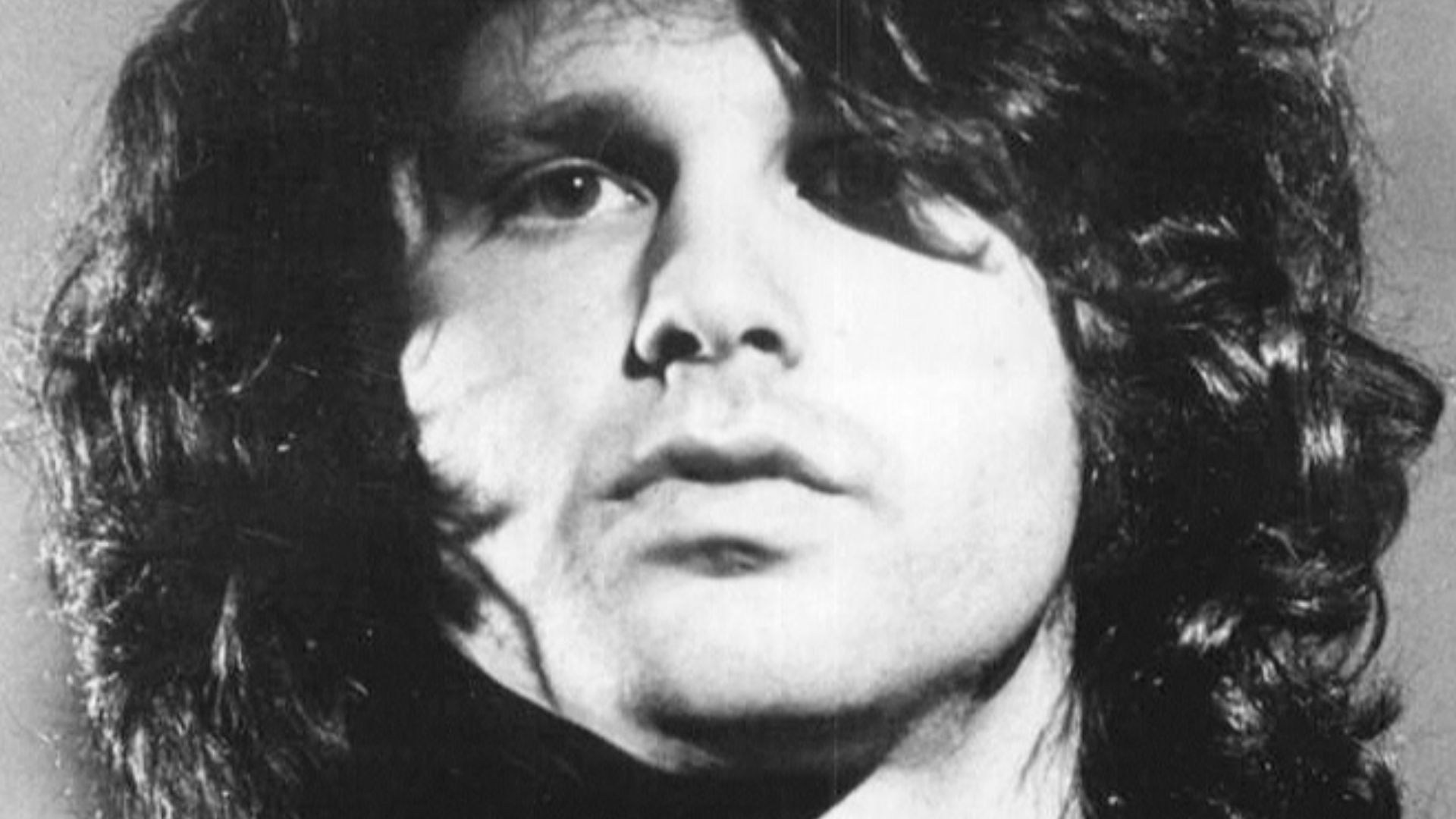
Jim Morrison's Père Lachaise grave developed such a reputation for rowdy visitors that graffiti and souvenir theft were basically routine. In 1988, however, someone went further and stole the 300-pound stone bust that had been installed there just seven years earlier. French police somehow managed to recover it, but it took until 2025, and the bust was covered in graffiti.
19. Oscar Wilde
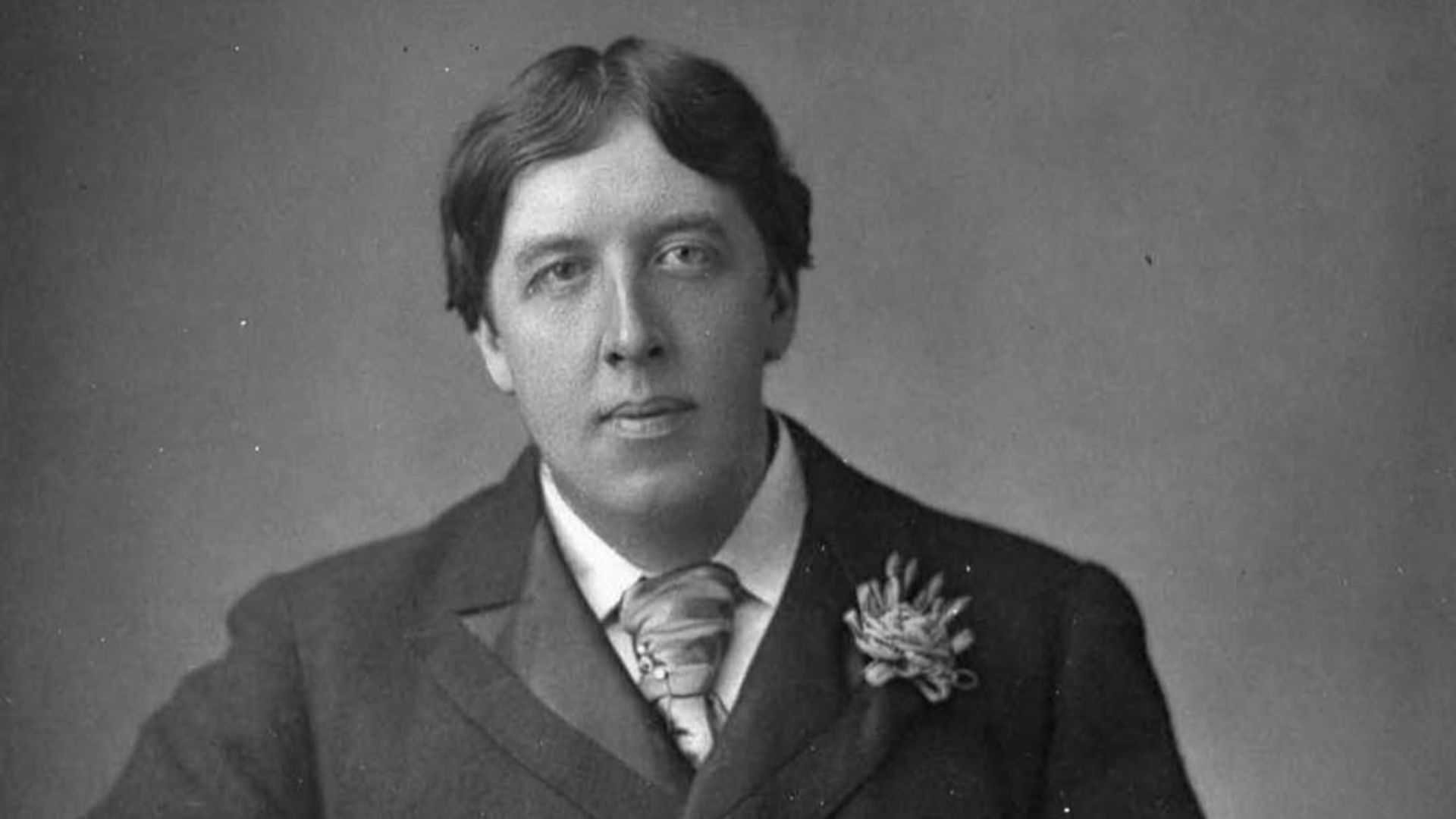
Oscar Wilde's monument has experienced a strange collection of indignities since sculptor Jacob Epstein's memorial was installed in 1914. Someone removed the private area from the tomb's large stone angel during the 1960s, and generations of admirers later covered the monument with lipstick kisses that permanently damaged its stone. By 2011, officials restored the tomb and installed a glass barrier.
20. James Dean
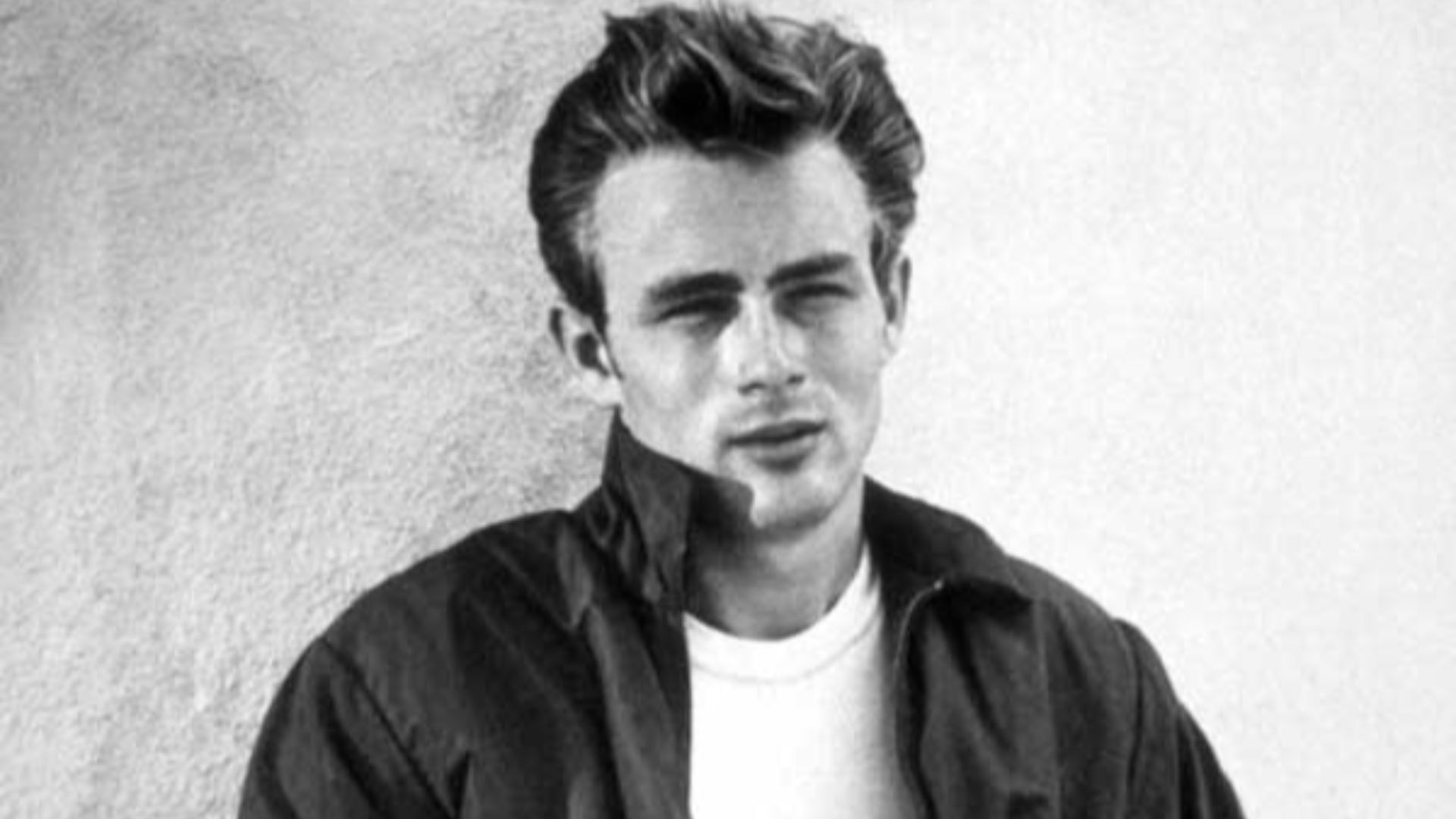
James Dean's grave in Indiana is apparently irresistible to souvenir hunters. His original marker was stolen in the 1980s and recovered years later, then another heavy granite marker disappeared from the cemetery in 1998. That second stone only turned up after an off-duty deputy literally drove into it on a rural road.
KEEP ON READING