Launching A National Guessing Game
Royal baby names have always held importance. A single name can honor a saint, resurrect a legendary ancestor, settle a family disagreement, or carry the weight of a dynasty's ambitions without anyone ever saying so out loud. In the modern era, that private ritual has turned into a spectator sport, complete with betting odds, breathless headlines, and royal watchers dissecting every middle name for hidden meaning. Some of these choices sparked open conflict the moment they were announced. Others only picked up new significance years later, once the child grew up and stepped into a very public role. Here are 20 royal baby names that pulled private family decisions squarely into the public eye.
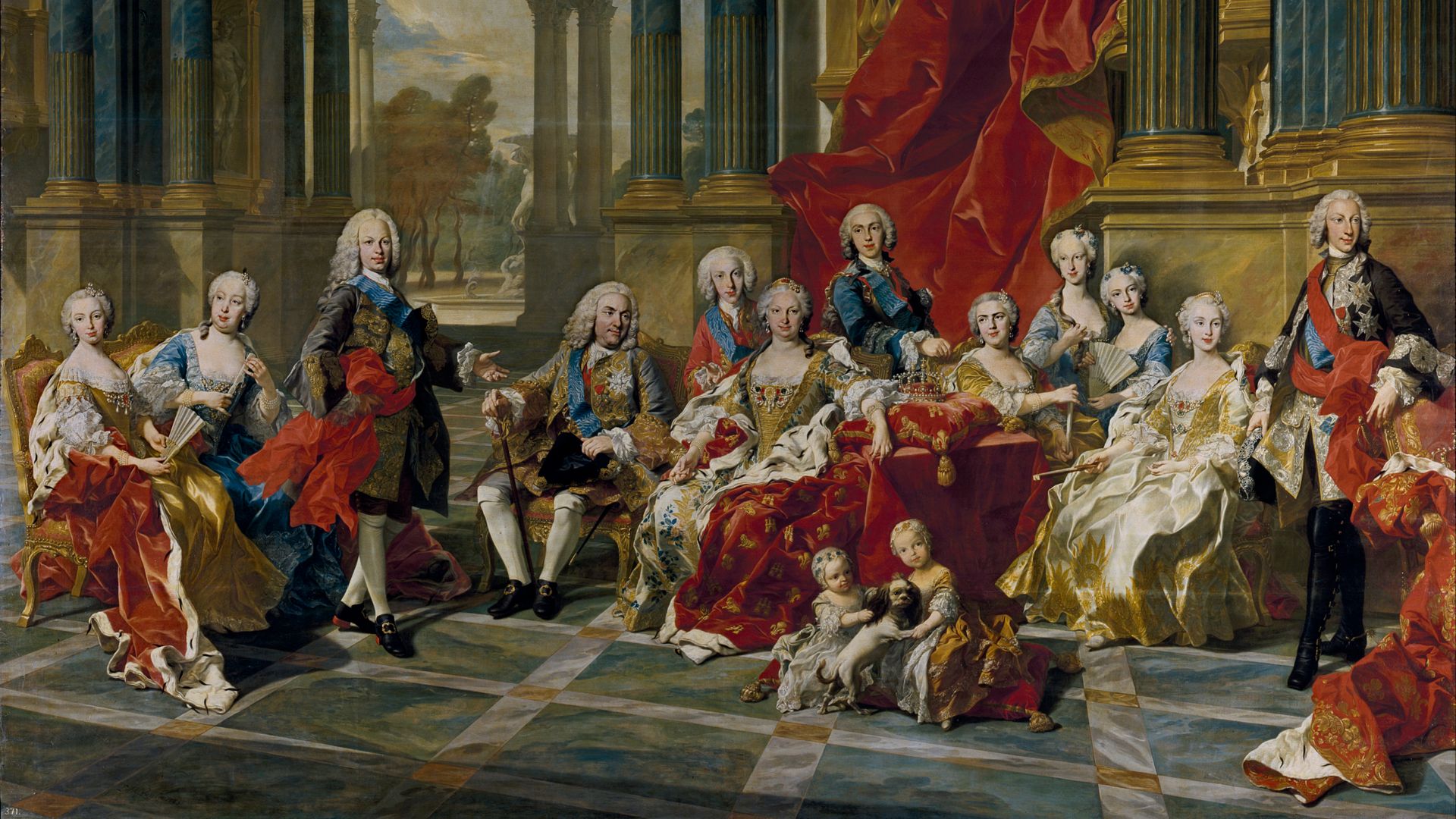 Louis-Michel van Loo on Wikimedia
1. Edward I's Anglo-Saxon Signal
When Henry III named his son Edward, he was citing Edward the Confessor, England's last Anglo-Saxon king and the monarch's personal favorite saint. In a court still steeped in Norman and French influence, that single name tied the Plantagenets to an older, distinctly English royal tradition.
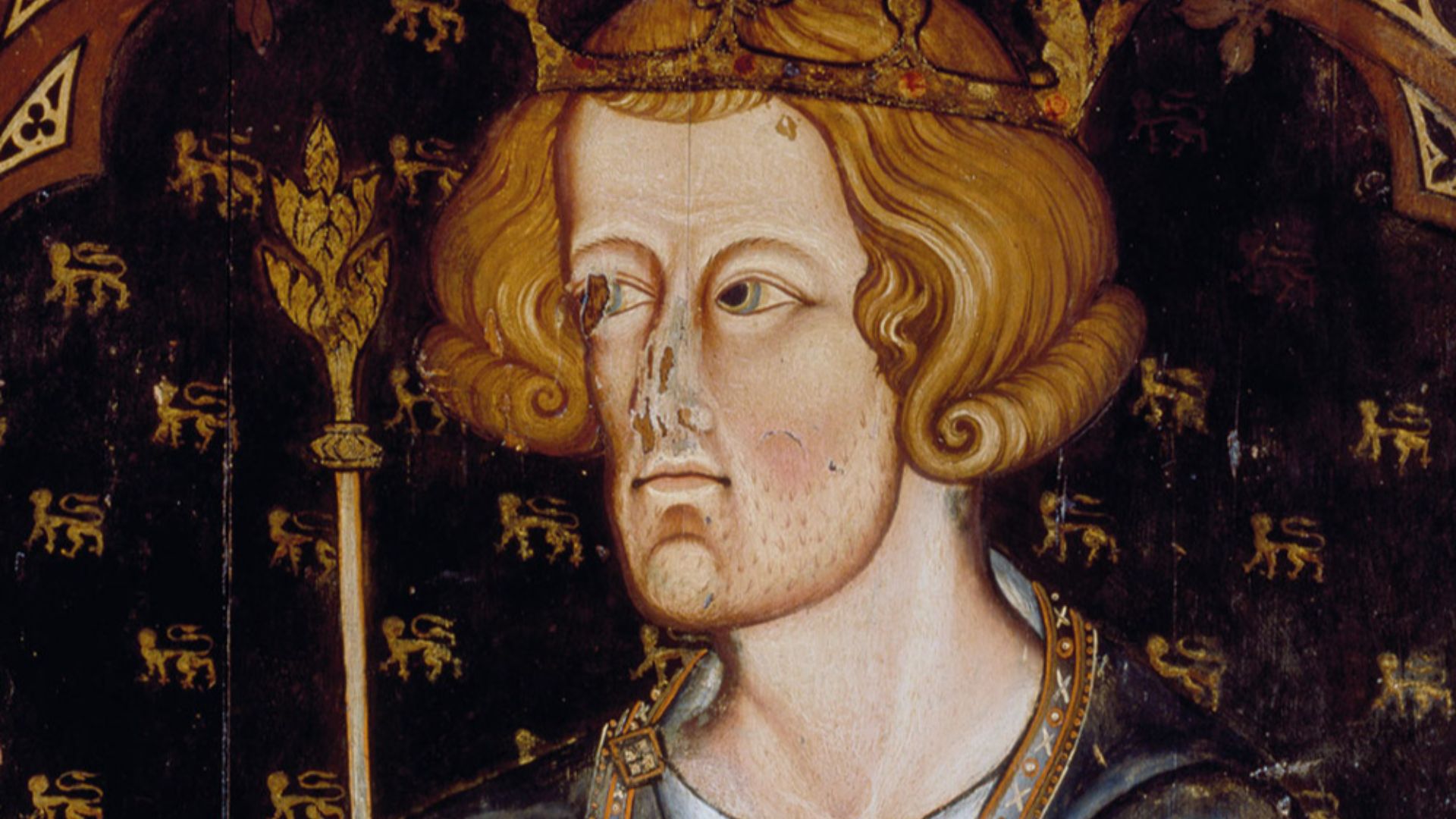 Unknown authorUnknown author on Wikimedia
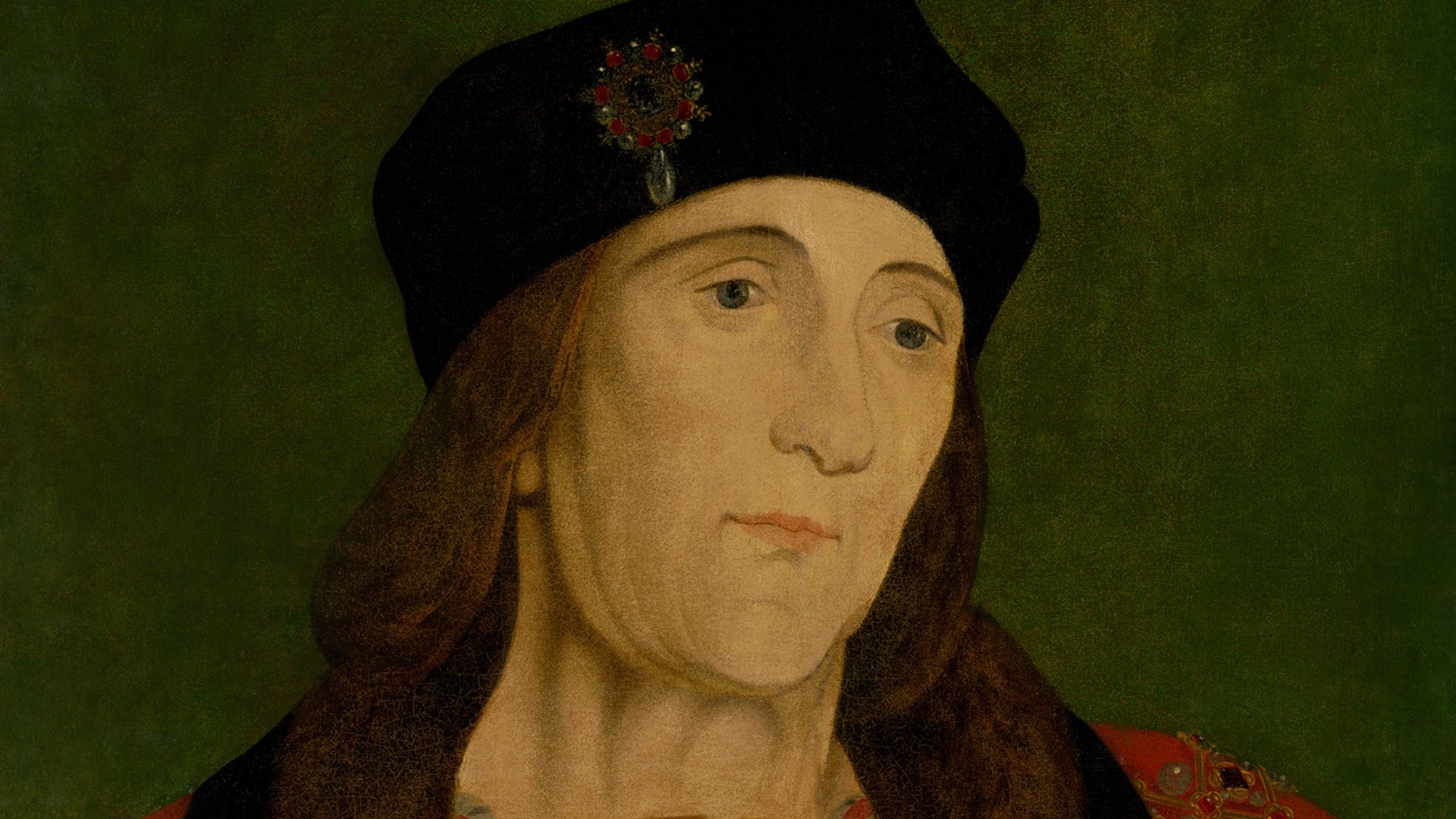
2. Arthur Tudor's Dynasty-Building Name
Henry VII had just clawed his way out of civil war when his first son was born, and he wasn't about to waste the opportunity. He named the boy Arthur, borrowing the identity of Britain's most legendary king. Overnight, the fledgling Tudor dynasty looked ancient, storied, and secure.
3. The Birth That Rocked 1688
Few royal births have ever detonated quite like this one. James Francis Edward's arrival handed James II a Catholic male heir, pushing the king's Protestant daughters further from the throne. Panic followed, as opponents spread a lurid and entirely false rumor: a fake baby had been smuggled into the birth chamber in a warming pan. While untrue, it helped turn one infant's birth into a flashpoint of the Glorious Revolution.
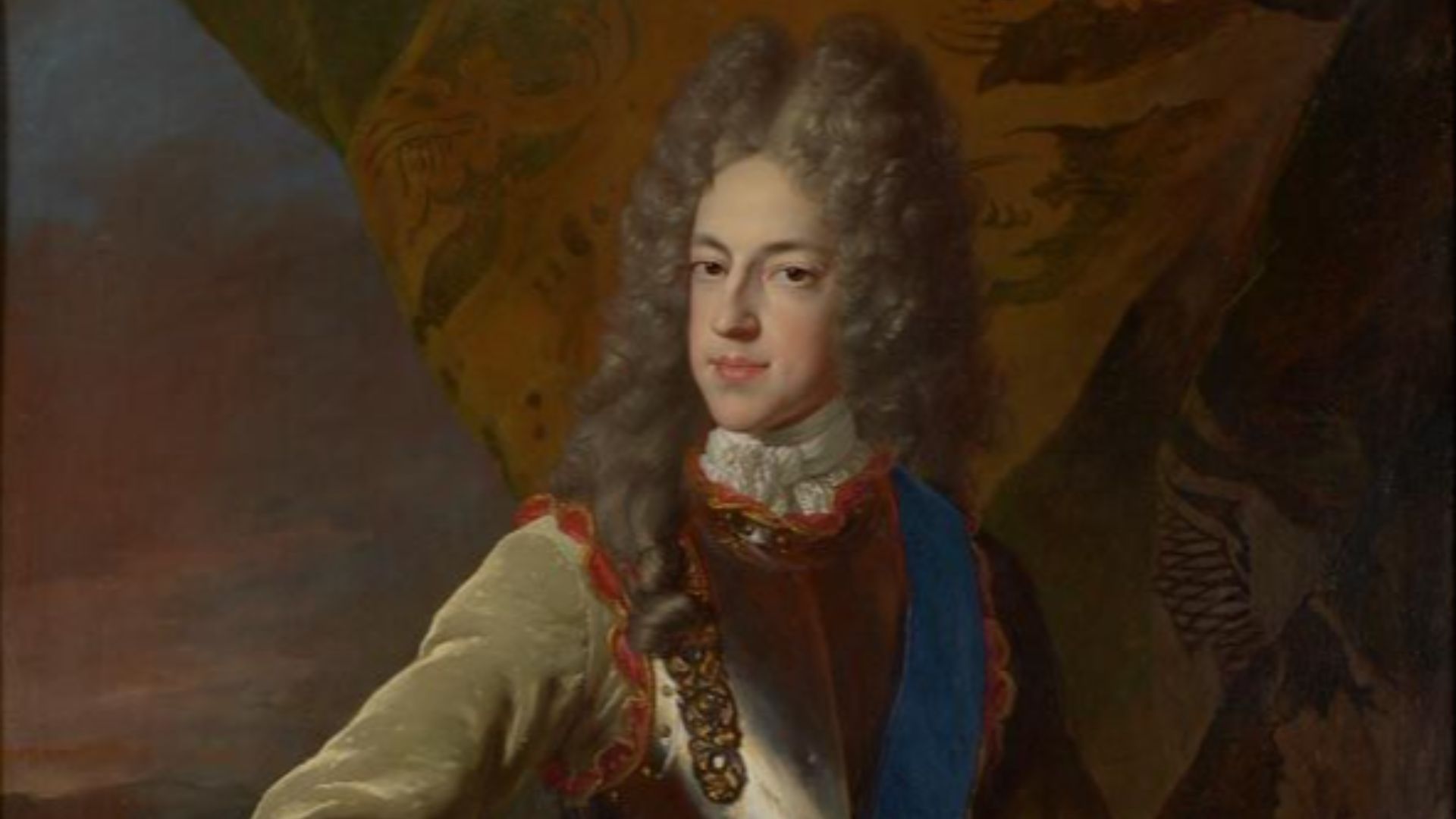 Alexis Simon Belle on Wikimedia
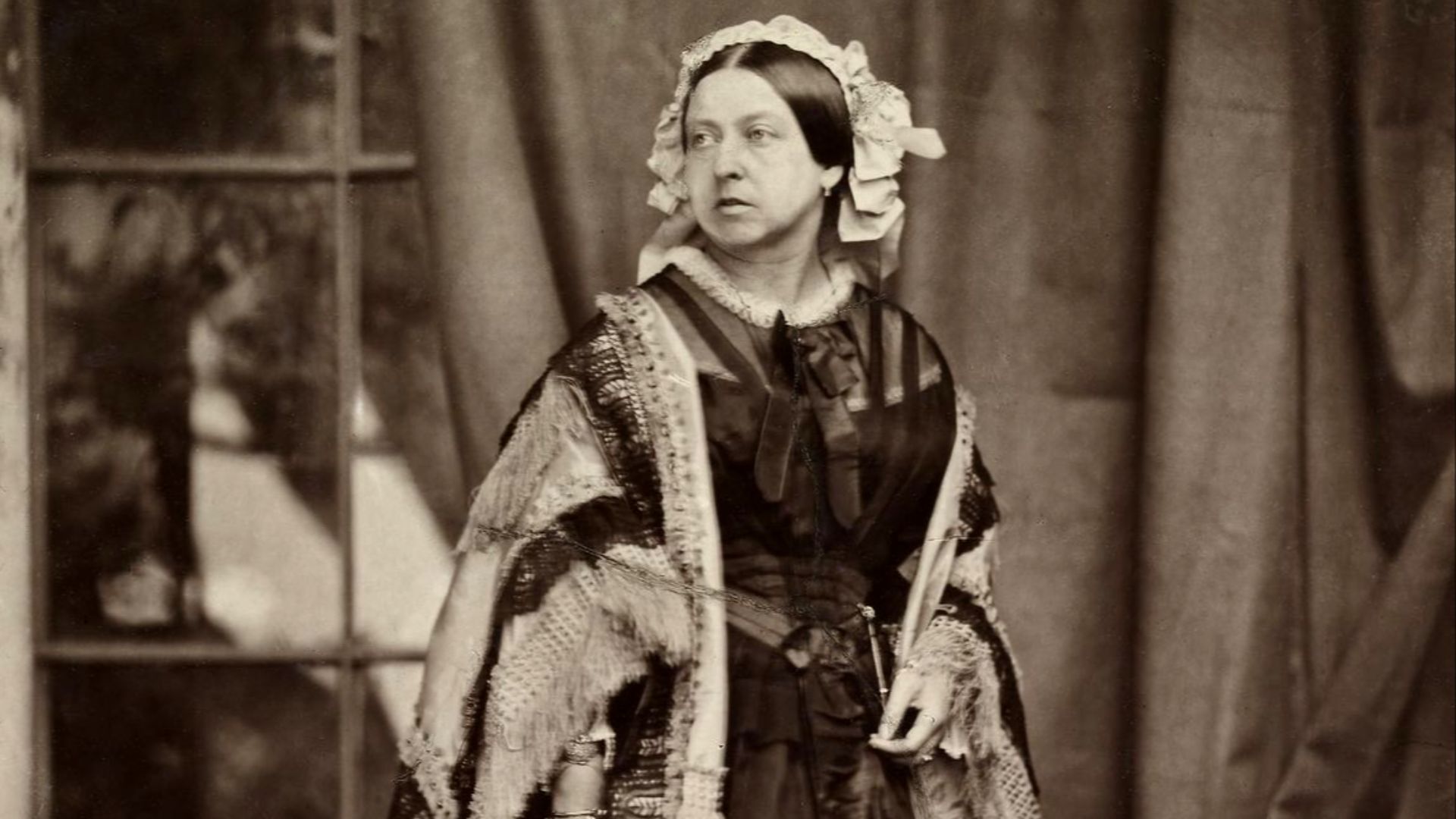
4. Victoria's Christening Clash
Queen Victoria's own name was its own battleground. Her parents showed up to the christening with a carefully considered list of names, only for the Prince Regent to shoot down their preferred order on the spot. The compromise: Alexandrina Victoria, honoring a Russian emperor and her mother.
 John Jabez Edwin Mayall on Wikimedia
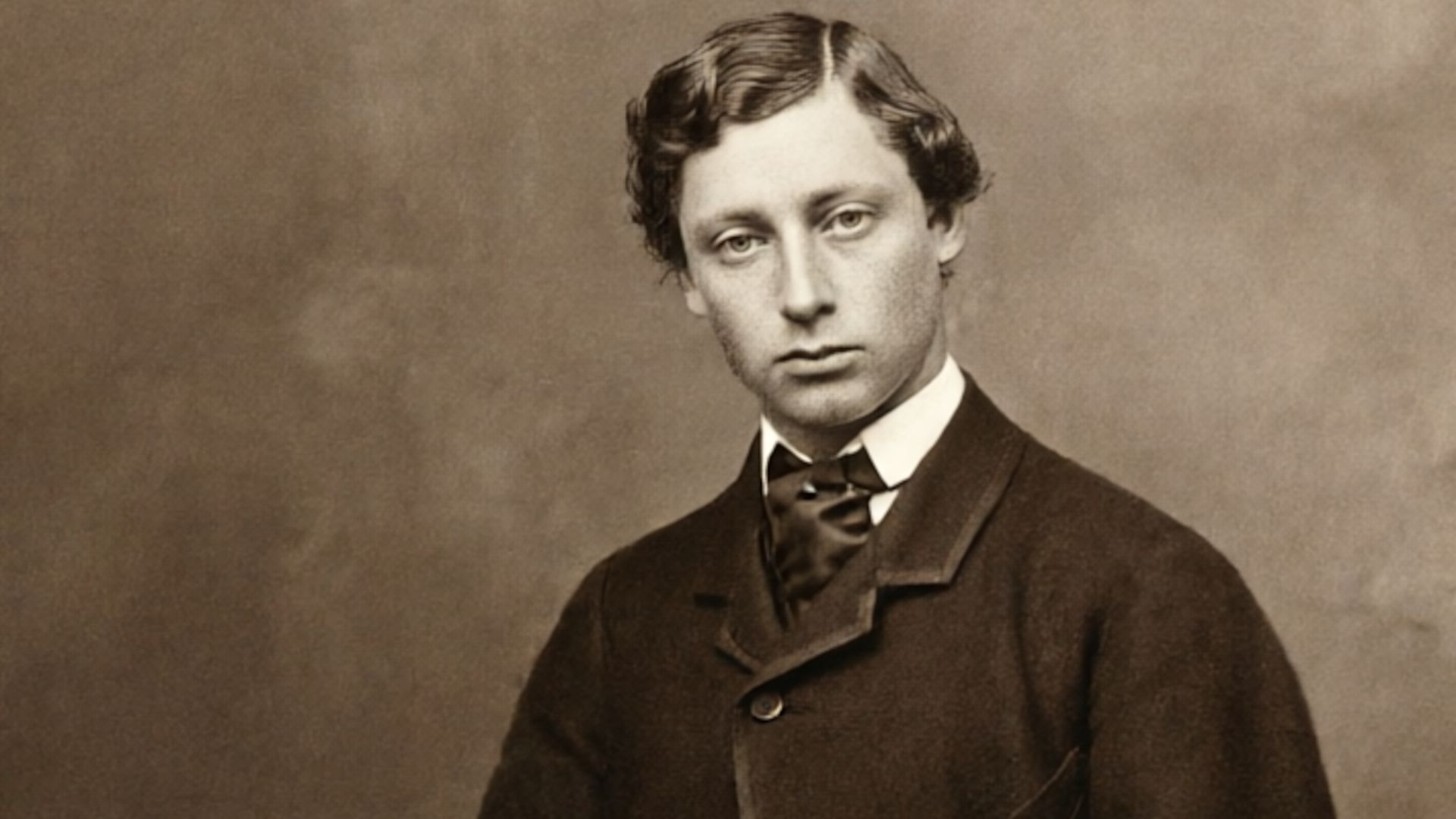
5. Bertie's Regal Pivot
To everyone who knew him, Queen Victoria and Prince Albert's eldest son was simply Bertie. His full name was Albert Edward, but when he finally inherited the throne in 1901, he chose to reign as Edward VII rather than Albert I.
 John Jabez Edwin Mayall on Wikimedia
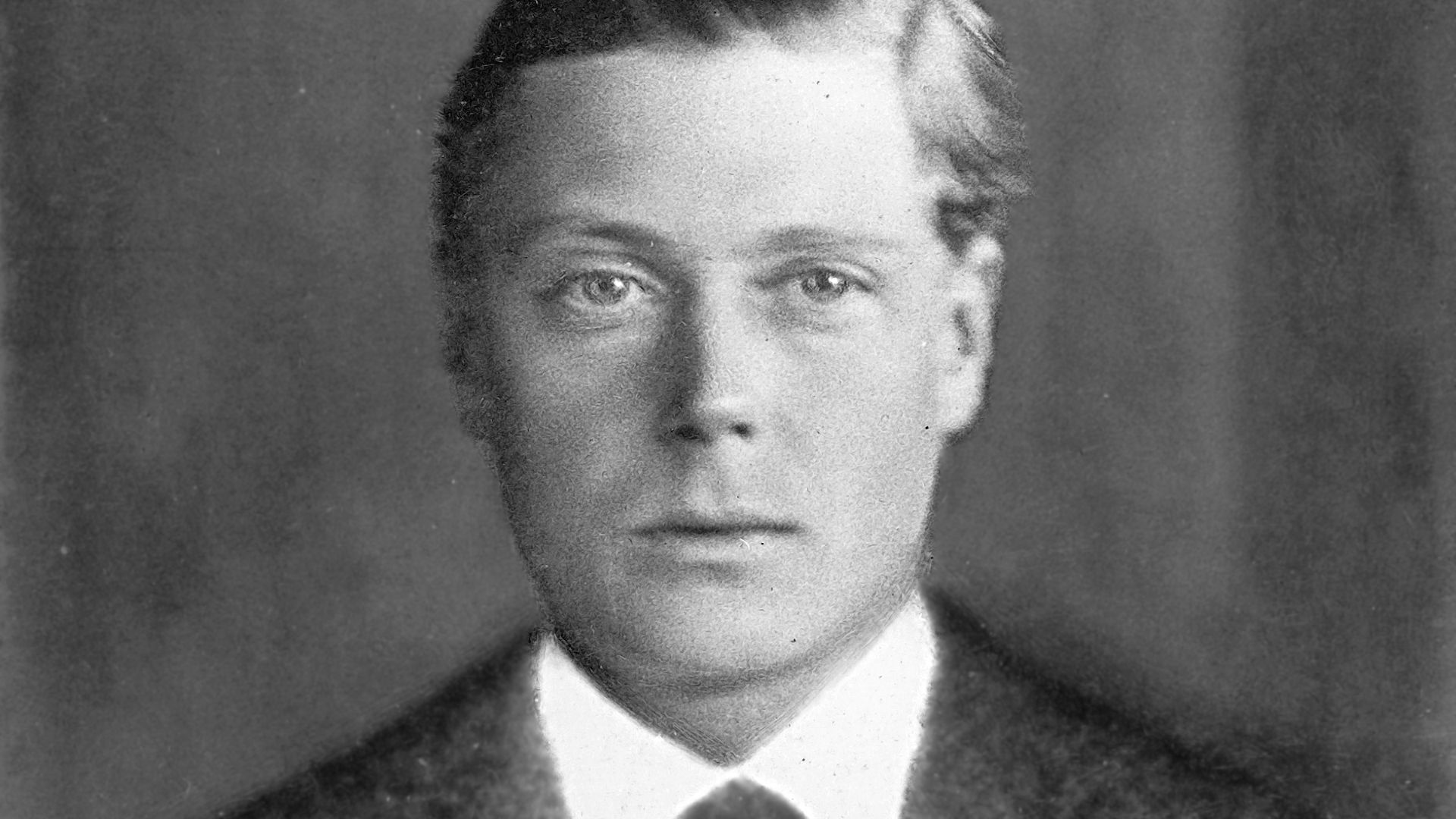
6. David in Private, Edward in Public
Talk about a double life. Edward VIII carried Edward as his first given name, yet his own family always called him David, the last of his seven names. His name became a matter of public fascination in 1936, when "David" became King Edward VIII, and then abdicated before the year was even over.
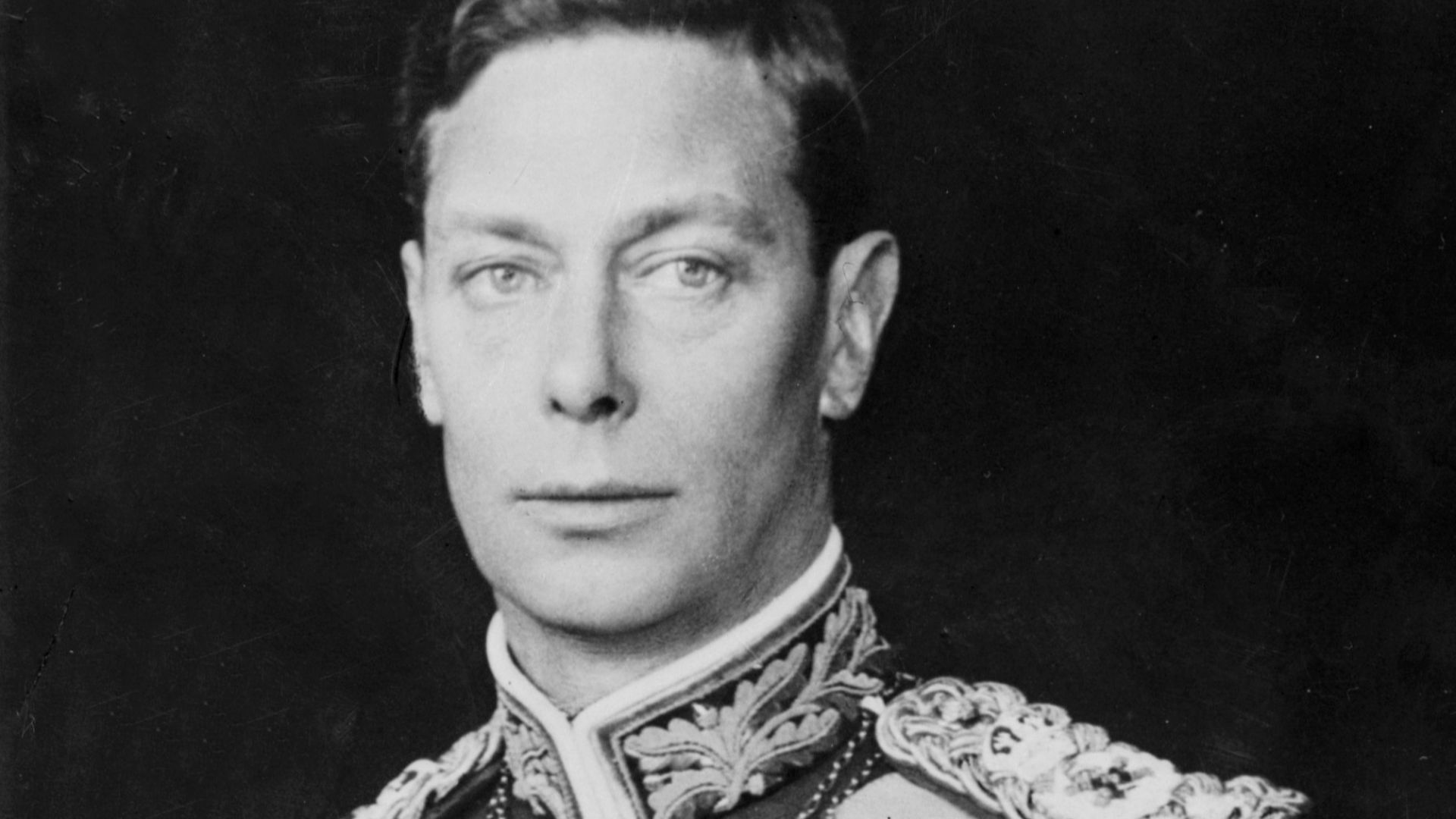
7. Albert's New Name in a Crisis
When his brother abdicated, Albert, known at home as Bertie, suddenly found himself on the throne with almost no warning. He responded by shedding his own first name entirely, choosing to reign as George VI in a deliberate nod to his father, George V.
 Matson Photo Service on Wikimedia
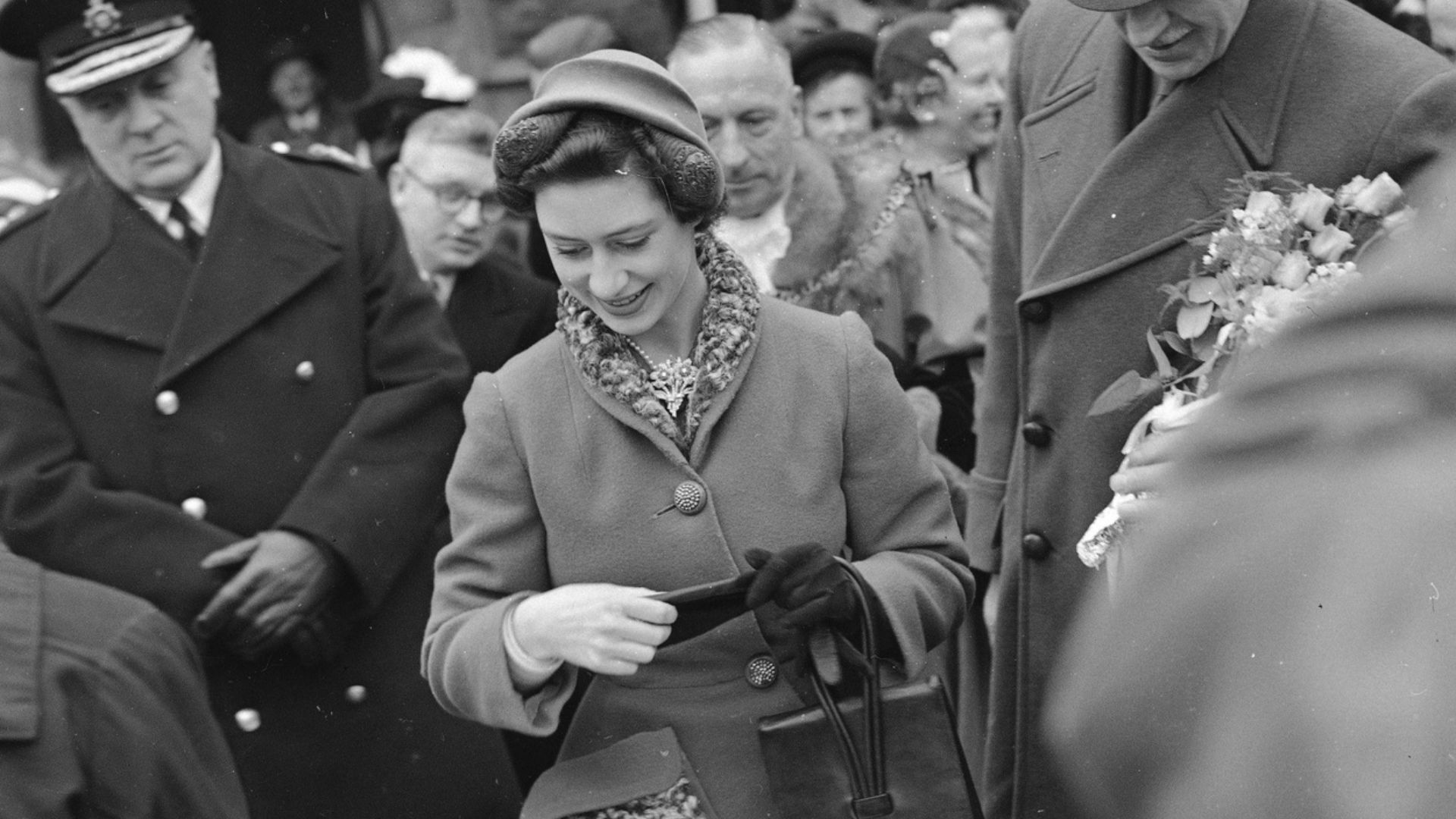
8. Margaret, Not Ann
Sometimes the grandparents win. The Duke and Duchess of York had their hearts set on naming their daughter Ann Margaret, but George V and Queen Mary pushed for Margaret instead. The compromise? Margaret Rose.
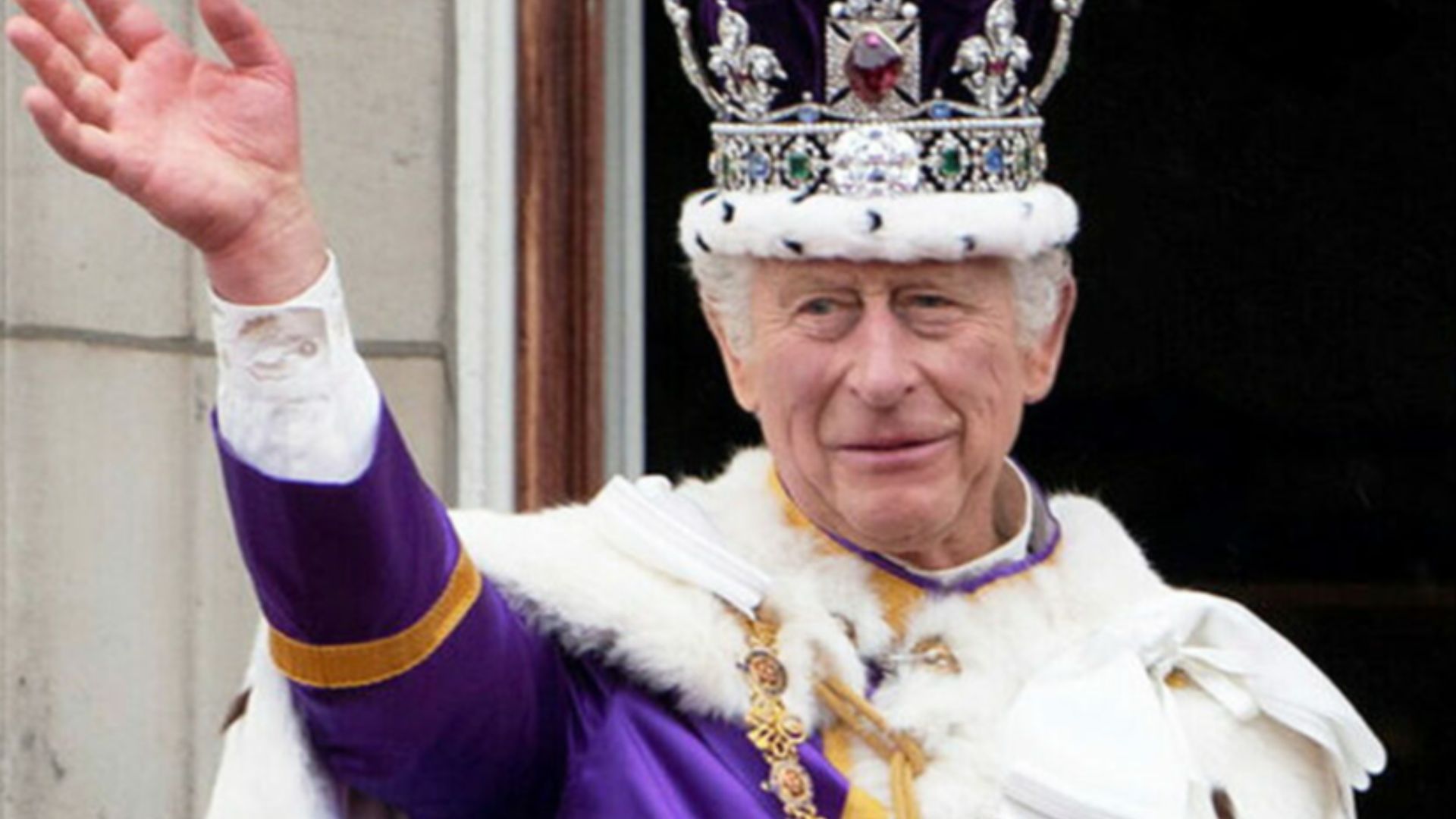
9. Charles Becomes a Question Again
In 1948, nobody batted an eye when the newest royal baby was named Charles Philip Arthur George. Charles echoed the Stuart kings, Philip honored his father, Arthur reached back into royal legend, and George continued a long-running family line. It took decades for that first name to spark a national conversation, and it happened the moment he became Charles III.
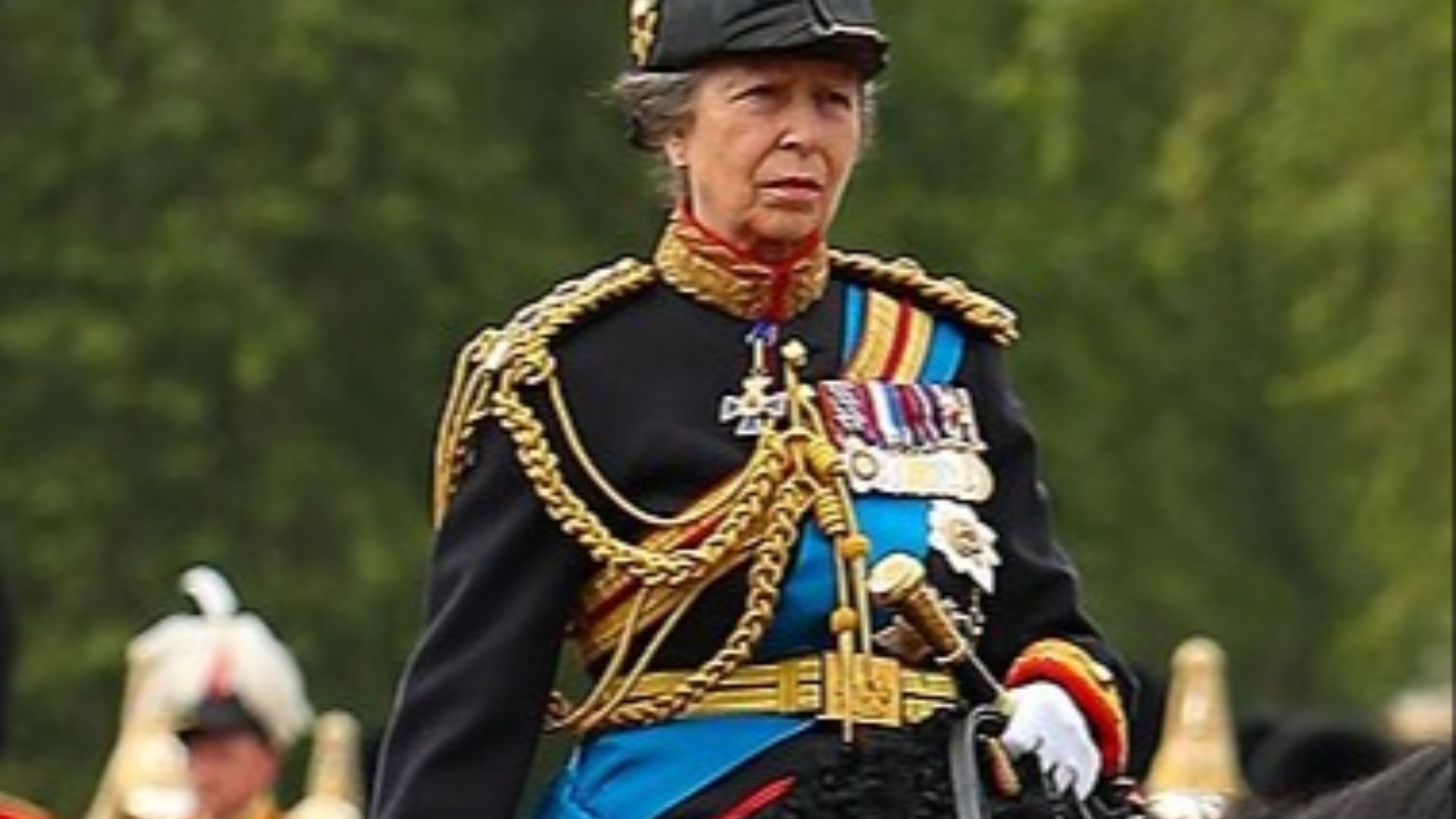
10. Anne Revives a Family Favorite
Two decades after "Ann" lost out to Margaret, the name got a second chance. Elizabeth and Philip named their daughter Anne Elizabeth Alice Louise, bringing the once-rejected name back into the family fold.
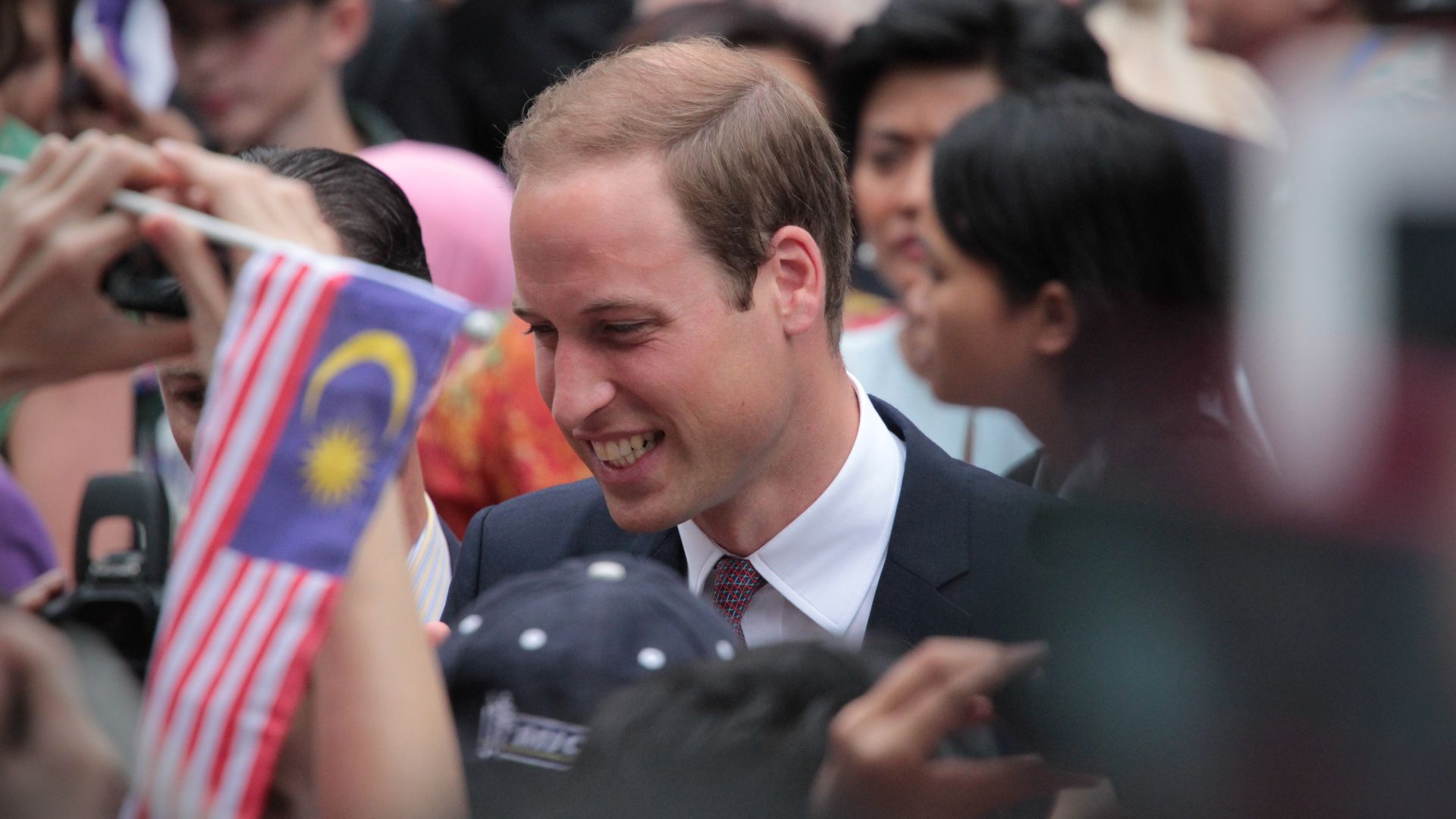
11. William, Not Arthur
According to Diana, the choice of William and Harry was hers, while Charles had been pulling for Albert and Arthur instead. Arthur, instead, became one of William’s middle names. The future king's famously simple name, it turns out, has a surprisingly contested backstory.
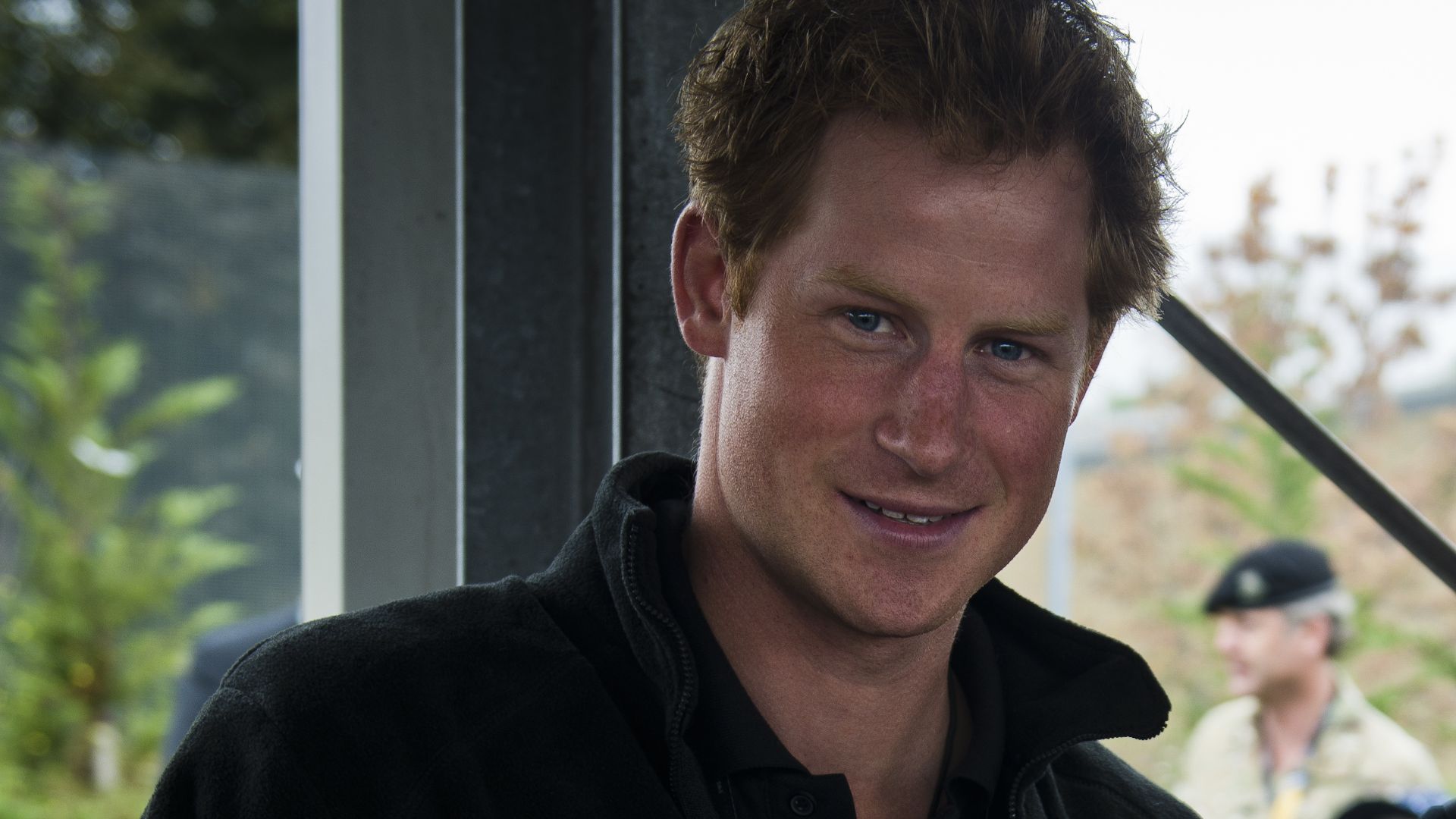
12. Henry Becomes Harry
On paper, he's Henry Charles Albert David. In everyday life, though, he has always simply been Harry, a name that has given him a more relaxed, approachable identity than his formal documents would ever suggest.
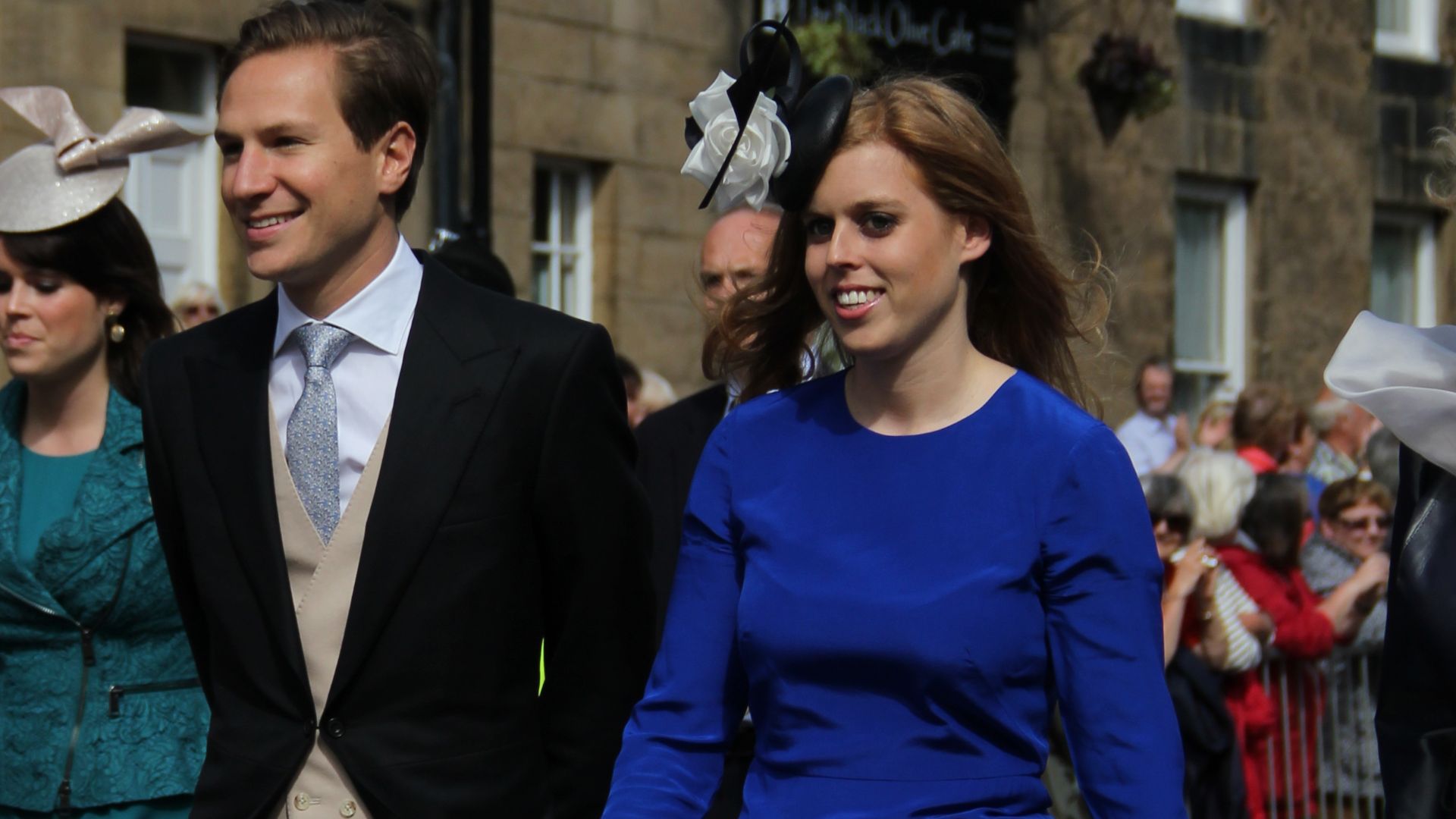
13. Beatrice's Eleven-Day Wait
Eleven days. That's how long the public waited to learn Princess Beatrice's name, an unusually long delay by royal standards. Behind the scenes, Andrew and Sarah had reportedly considered Annabel before ultimately settling on Beatrice Elizabeth Mary.
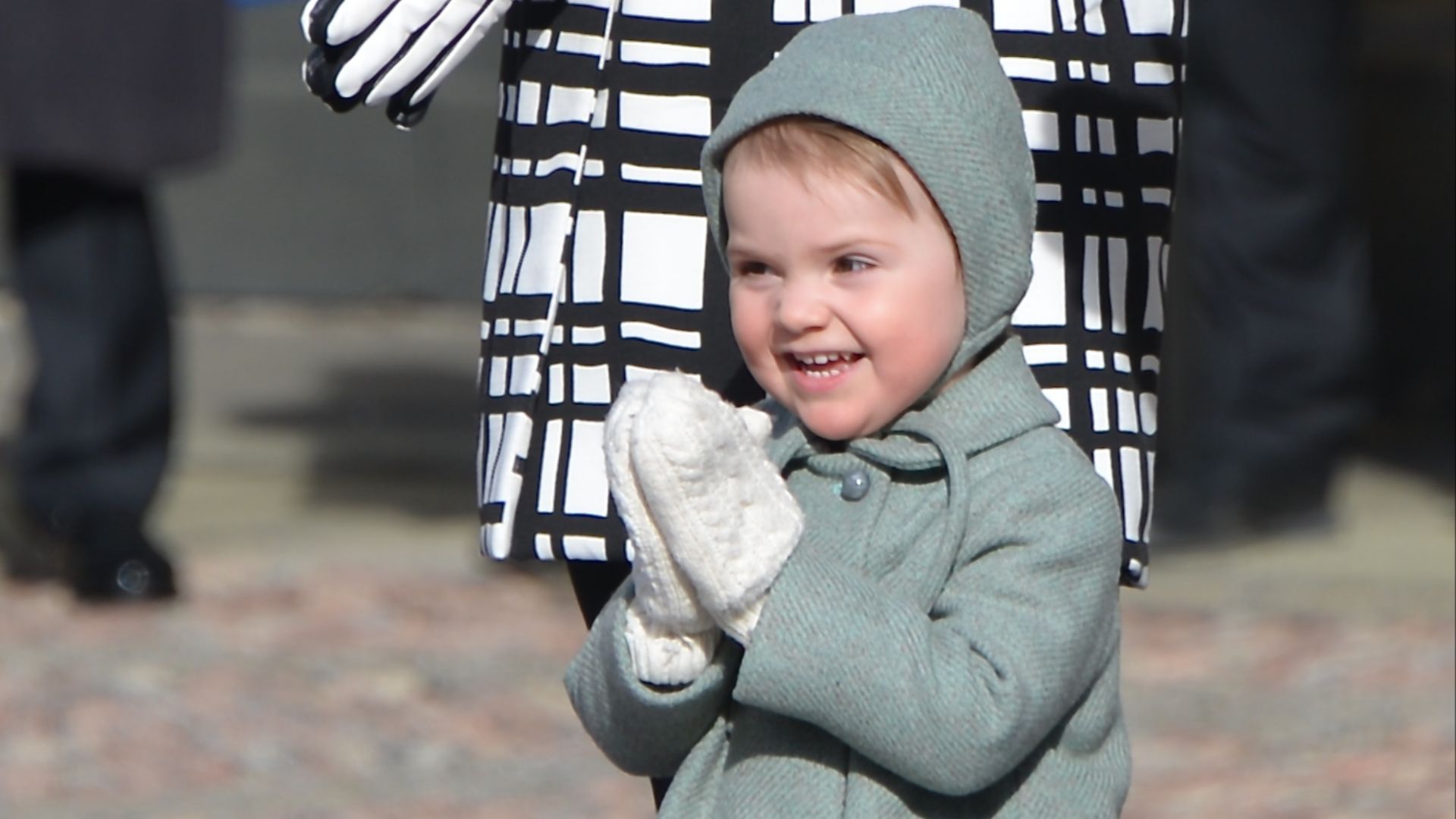
14. Estelle's Missing Surname
Sweden's Princess Estelle, full name Estelle Silvia Ewa Mary, ended up at the center of controversy for a reason that had nothing to do with royal politics: her name had no surname attached. That omission triggered a formal complaint and a real public debate about how the country's naming laws should apply to a royal child.
 Frankie Fouganthin on Wikimedia
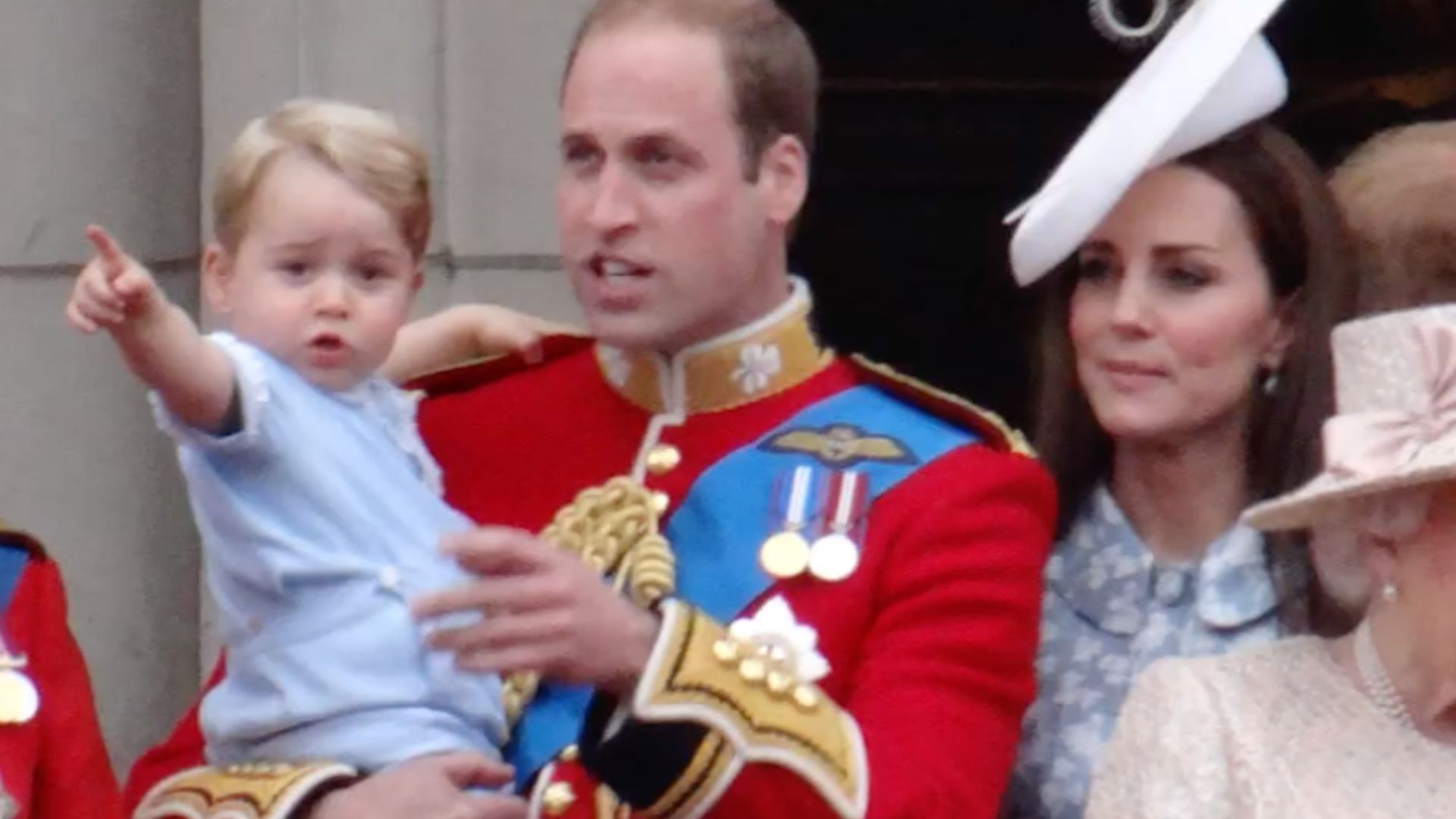
15. George Wins the Guessing Game
By the time Prince George arrived, bookmakers and royal watchers had spent days furiously trading guesses. George Alexander Louis finally put an end to the speculation, and while George had been the clear frontrunner all along, the familiar choice still triggered a wave of public chatter, simply because this was a baby now third in line to the throne.
16. Leonore Breaks Tradition
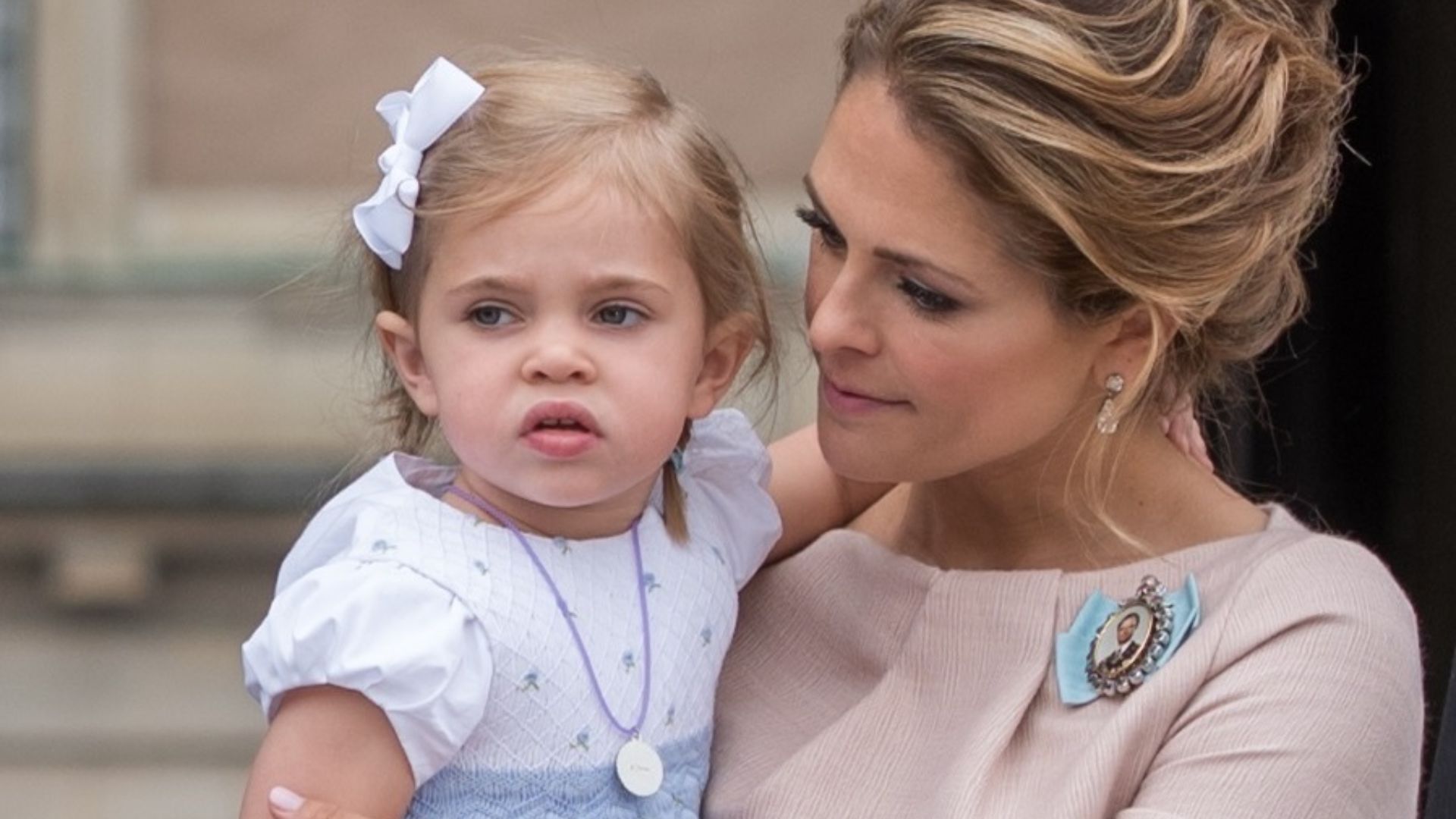
Princess Madeleine's daughter, Leonore Lilian Maria, stood out immediately. Lilian, meanwhile, was a deliberate echo of Princess Lilian, whose decades-long romance with Prince Bertil remains one of the family's most beloved love stories. Rather than backlash, the unconventional choice mostly drew curiosity and warmth.
17. Diana in Charlotte's Third Place
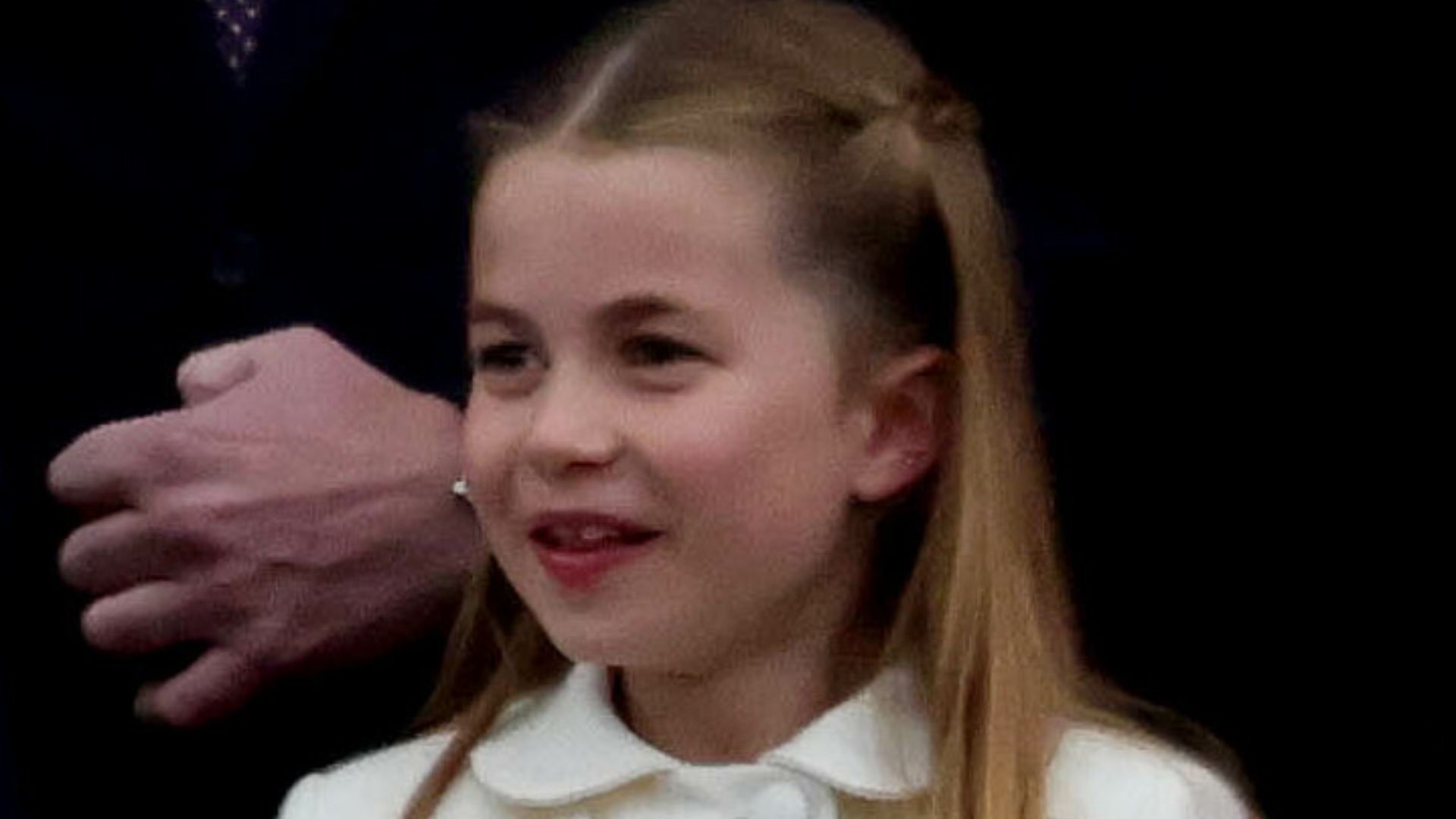
Charlotte Elizabeth Diana quietly paid tribute to two of the most influential women in modern royal history: Elizabeth II and Diana, Princess of Wales. By placing Diana third rather than first, the name became a meaningful tribute. That careful placement didn't go unnoticed, and it quickly became a talking point in its own right.
18. Louis and His Family Links
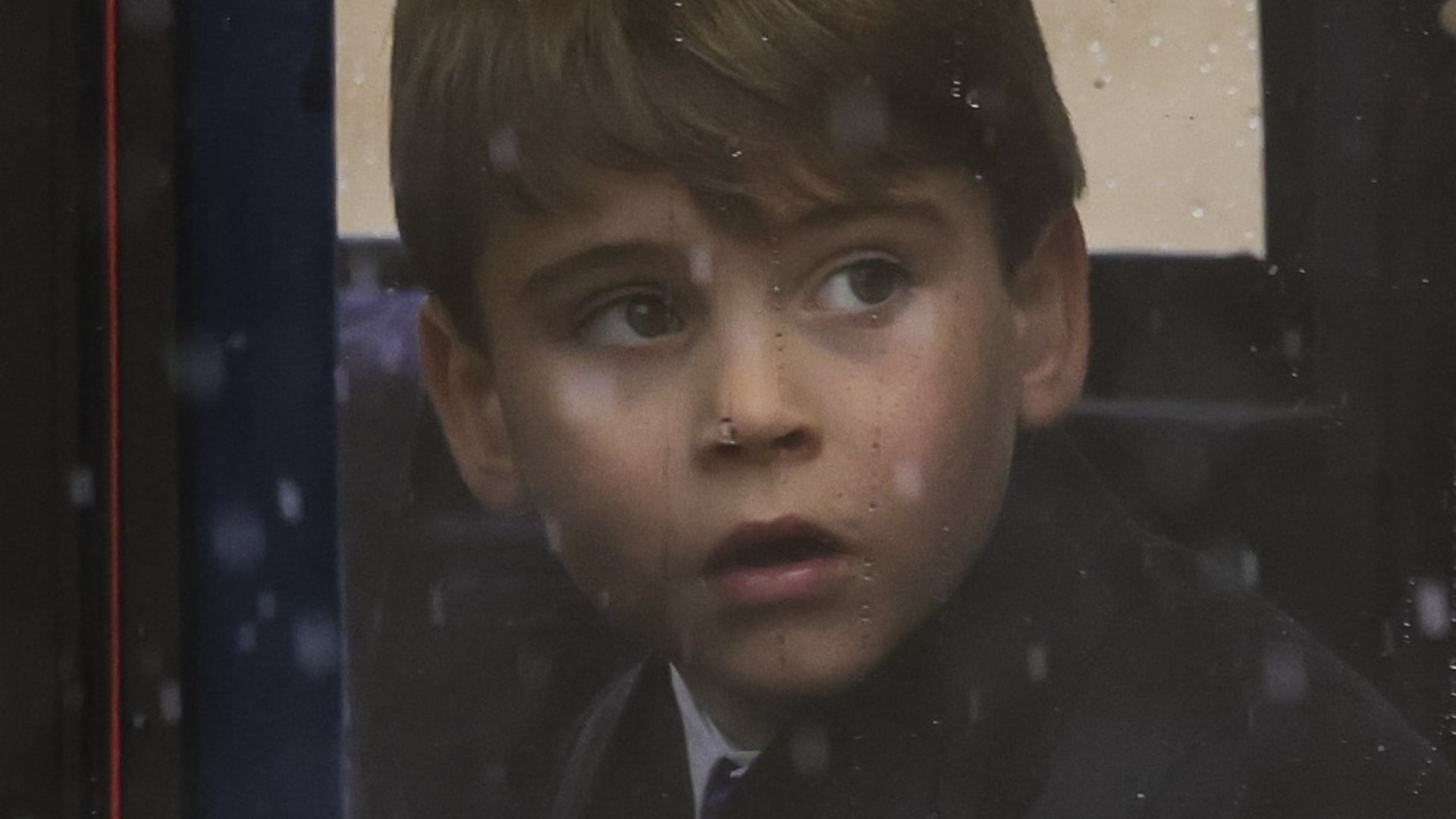
Louis Arthur Charles sounded traditional enough, but the announcement sent royal watchers straight into detective mode. Louis was widely read as a tribute to Lord Louis Mountbatten, already honored in the full names of both William and George, while Arthur and Charles carried their own long royal histories.
 Simon Dawson/No 10 Downing Street on Wikimedia
19. Archie Breaks the Pattern
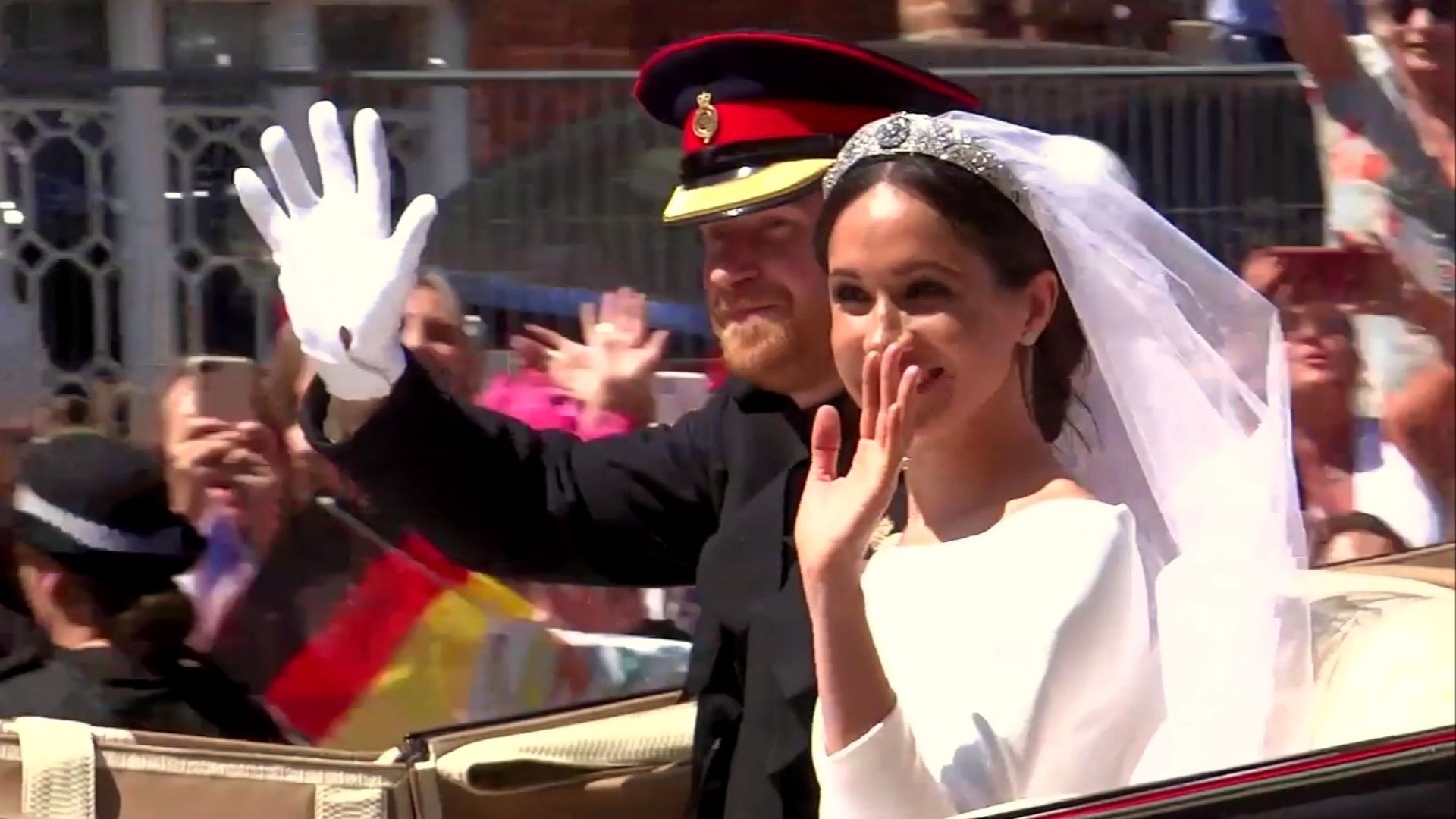
After years of expecting another George, Arthur, James, or Alexander, the public got something entirely different: Archie Harrison Mountbatten-Windsor. The modern, casual first name, paired with just two given names instead of the usual string of four, caught plenty of people off guard.
 Londisland - YouTube on Wikimedia
20. Lilibet Starts a Public Dispute
Few royal names have sparked quite as much controversy as Lilibet "Lili" Diana, which combined the Queen's own private childhood nickname with a tribute to Princess Diana. The name almost immediately triggered a public dispute over whether the Queen had actually been consulted beforehand, with the two sides offering conflicting accounts. That question was never publicly resolved, which meant the name stayed in the headlines long after the birth announcement had come and gone.
KEEP ON READING