20 Things Medieval Knights Did When They Weren’t At War
Life Beyond The Battlefield
Being a medieval knight wasn't all about charging across battlefields in armor. When there wasn't a war happening, knights still had estates to manage, skills to practice, religious obligations to fulfill, and plenty of ways to spend their free time. Their lives varied depending on wealth, status, location, and the period they lived in, but many knights had surprisingly busy schedules when they weren't fighting.
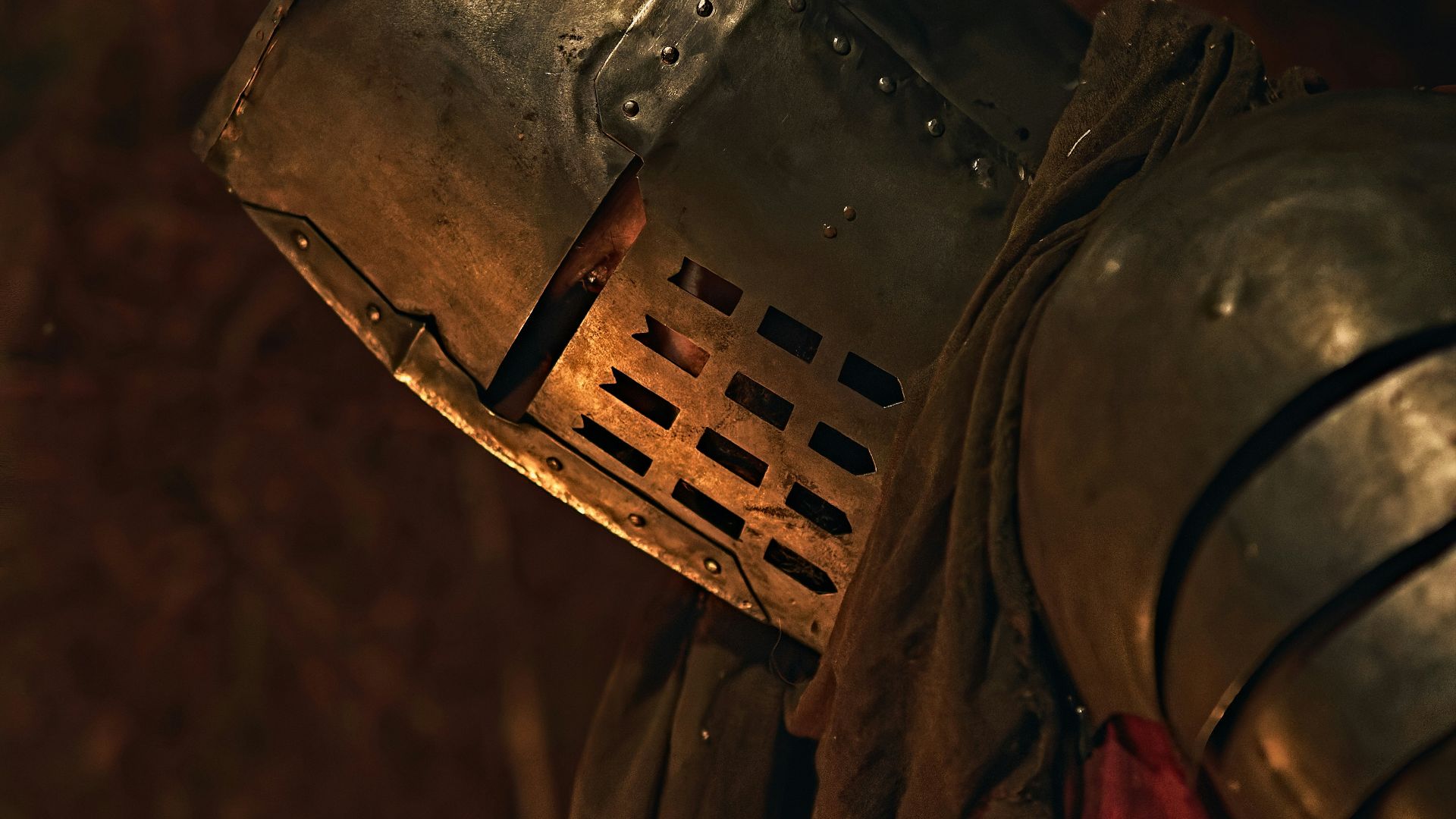
1. They Practiced Their Fighting Skills
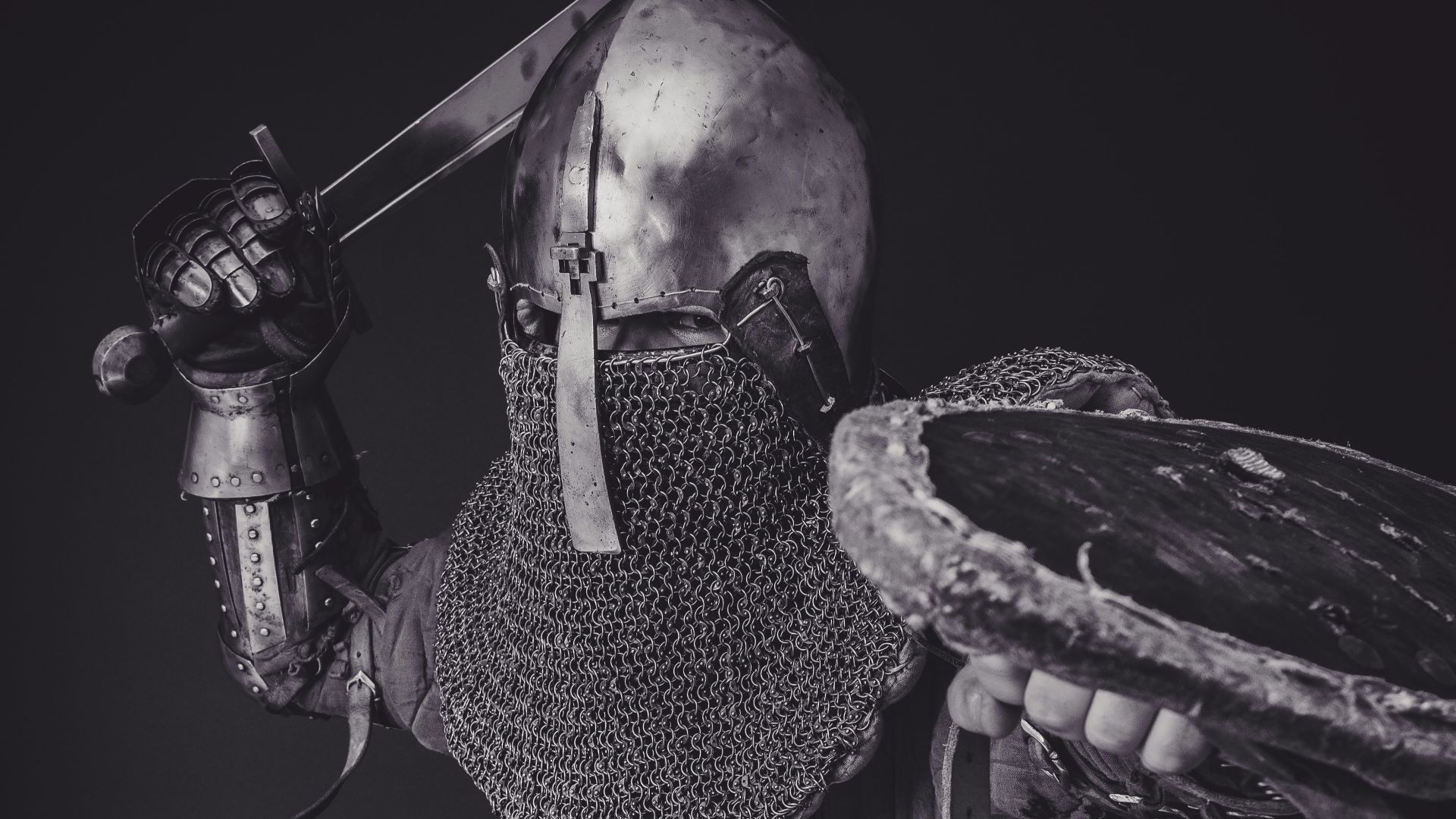
Peace didn't mean a knight could stop training. Knights practiced riding, swordsmanship, archery, wrestling, and other physical skills that kept them prepared for military service. Tournaments and organized exercises also gave experienced warriors opportunities to maintain their abilities.
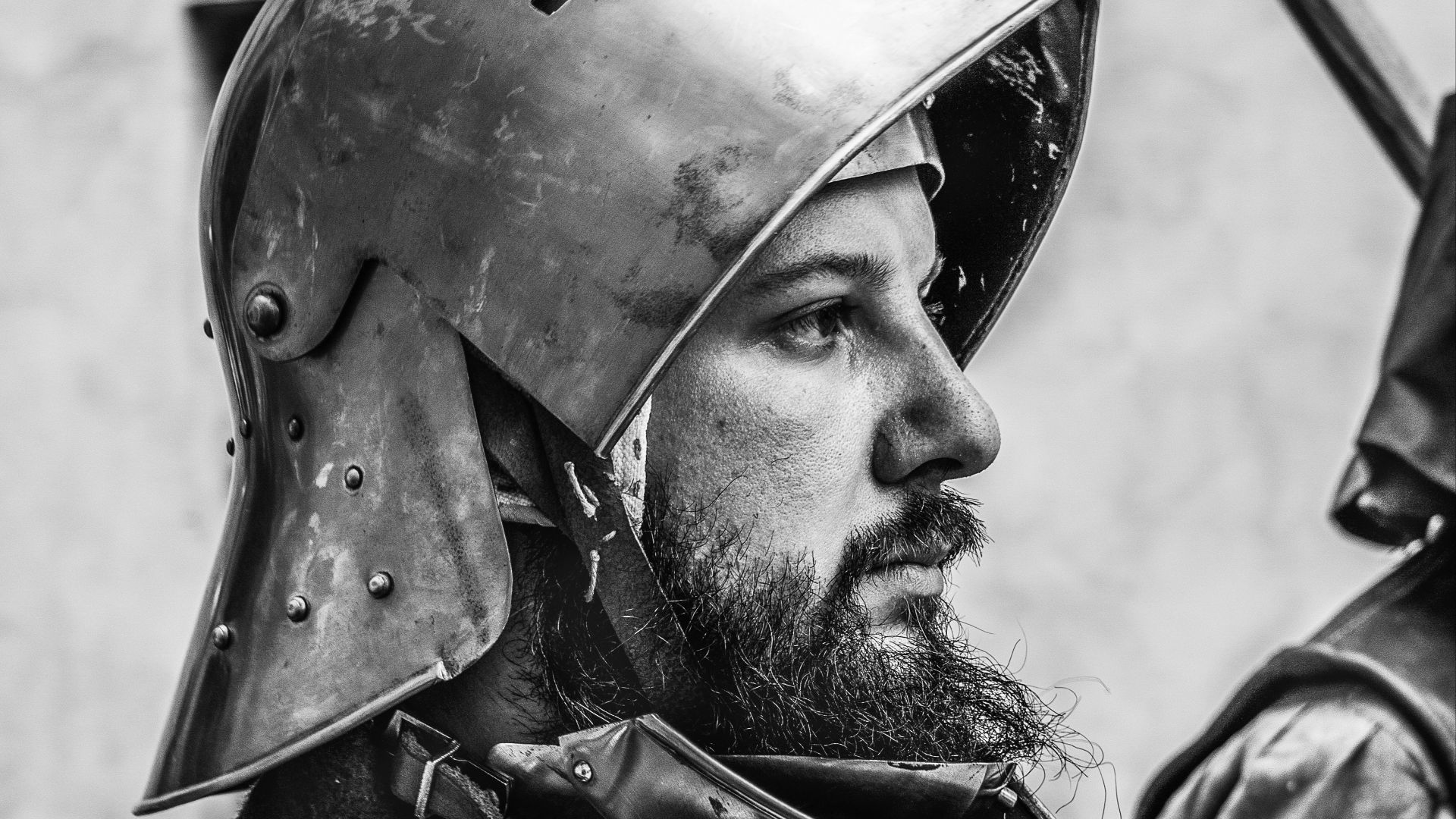
2. They Managed Their Estates
If you're a knight and you own land, you'll have things to do when you're at home. Maybe you're growing crops or collecting rent from the people on your land. You may have to solve disputes or choose who can live on your land.
3. They Went Hunting
As with most people in medieval times, hunting was something that knights enjoyed. Whether it's hunting for pleasure or just to get food on your table, you may find yourself chasing deer and boar. Hunting could also provide knights with an opportunity to spend time outdoors and practice their skills.
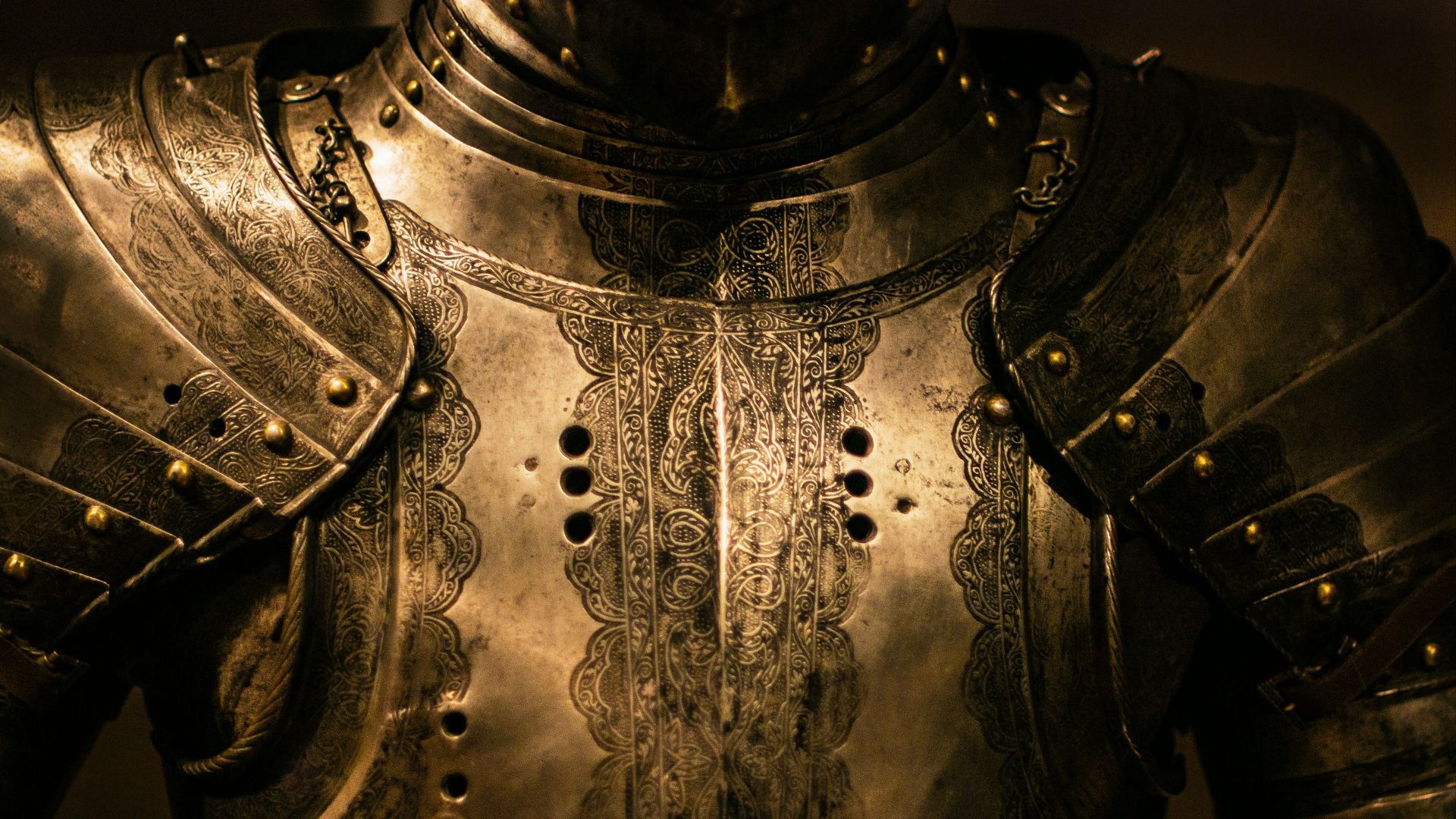
4. They Participated In Tournaments
When you're not fighting a war, what better way to pass the time than to fight someone else? There were many forms of combat that could take place during a tournament. This allowed knights to show their skills off to other nobles.
5. They Attended Religious Services
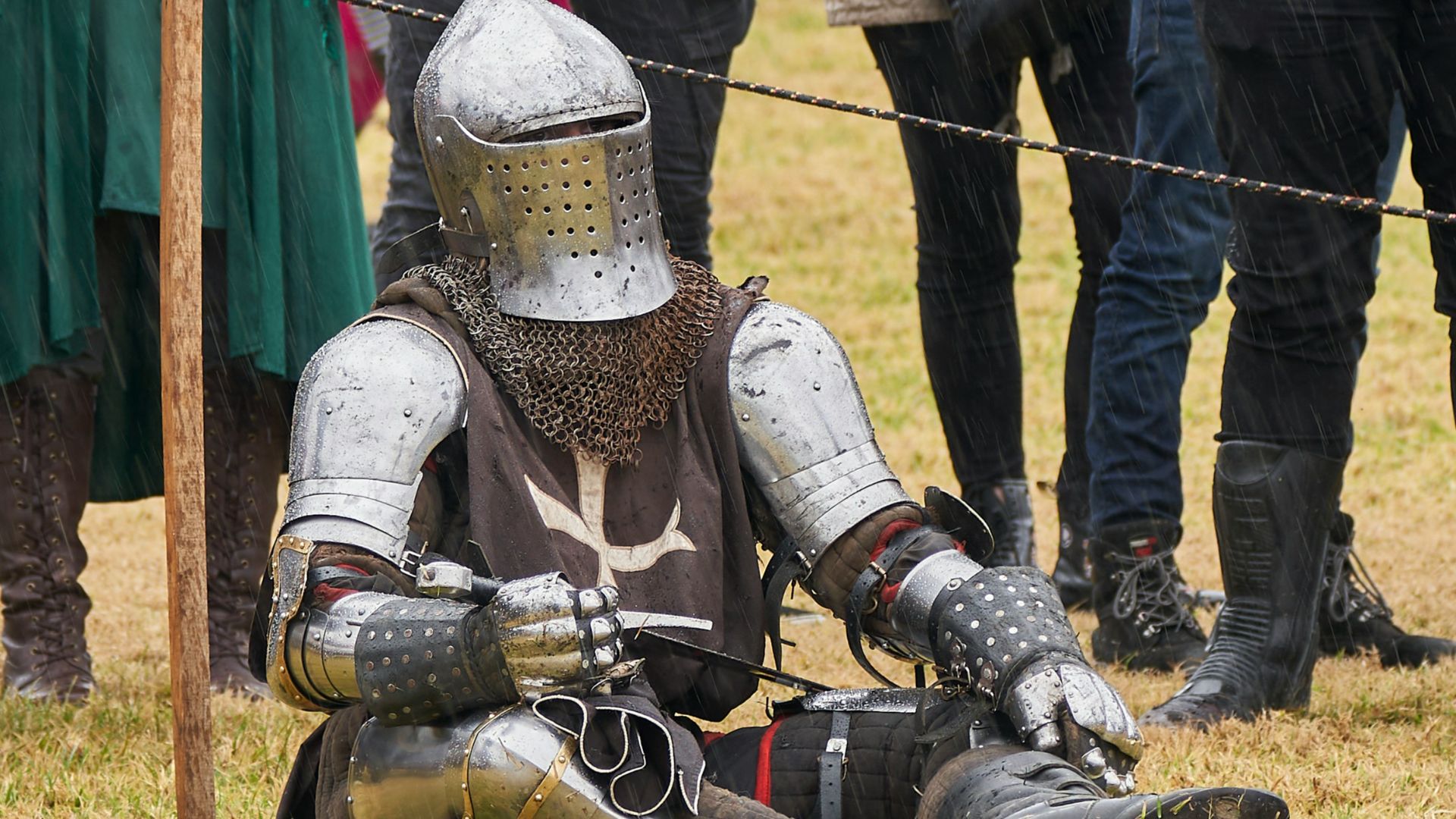
Religion was deeply woven into medieval European society, and knights were expected to participate in religious life. Attending Mass, observing religious festivals, and visiting churches were ordinary parts of life for many Christians of the period. Wealthier knights might also support monasteries, churches, or religious foundations.
6. They Visited Castles And Noble Households
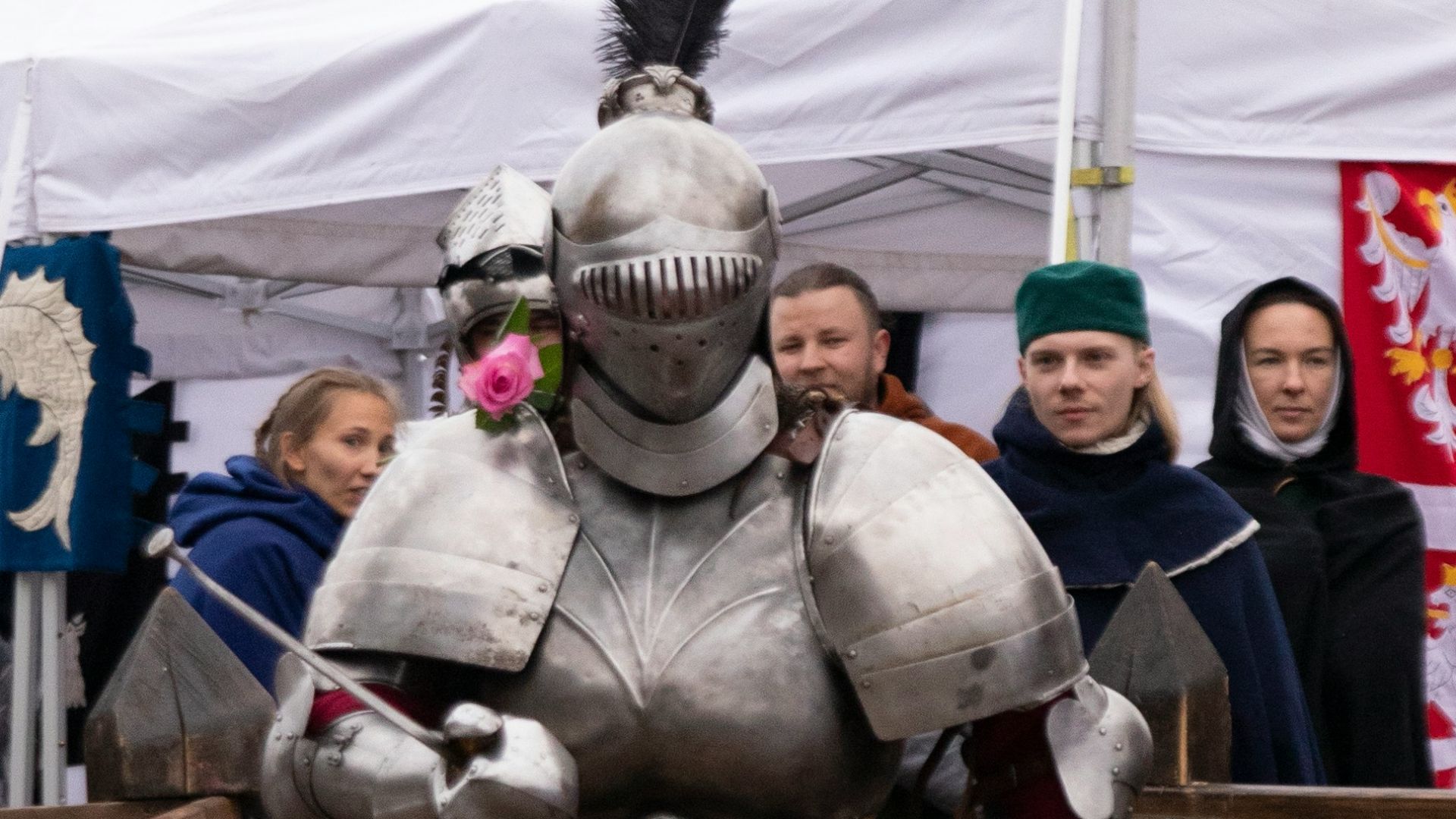
You're not going to spend your whole life at one castle. You will visit other castles, courts, and even other nobles' houses. Whether you're doing this for business or just hanging out with other nobles, traveling between households was part of noble social life.
7. They Trained Young Squires
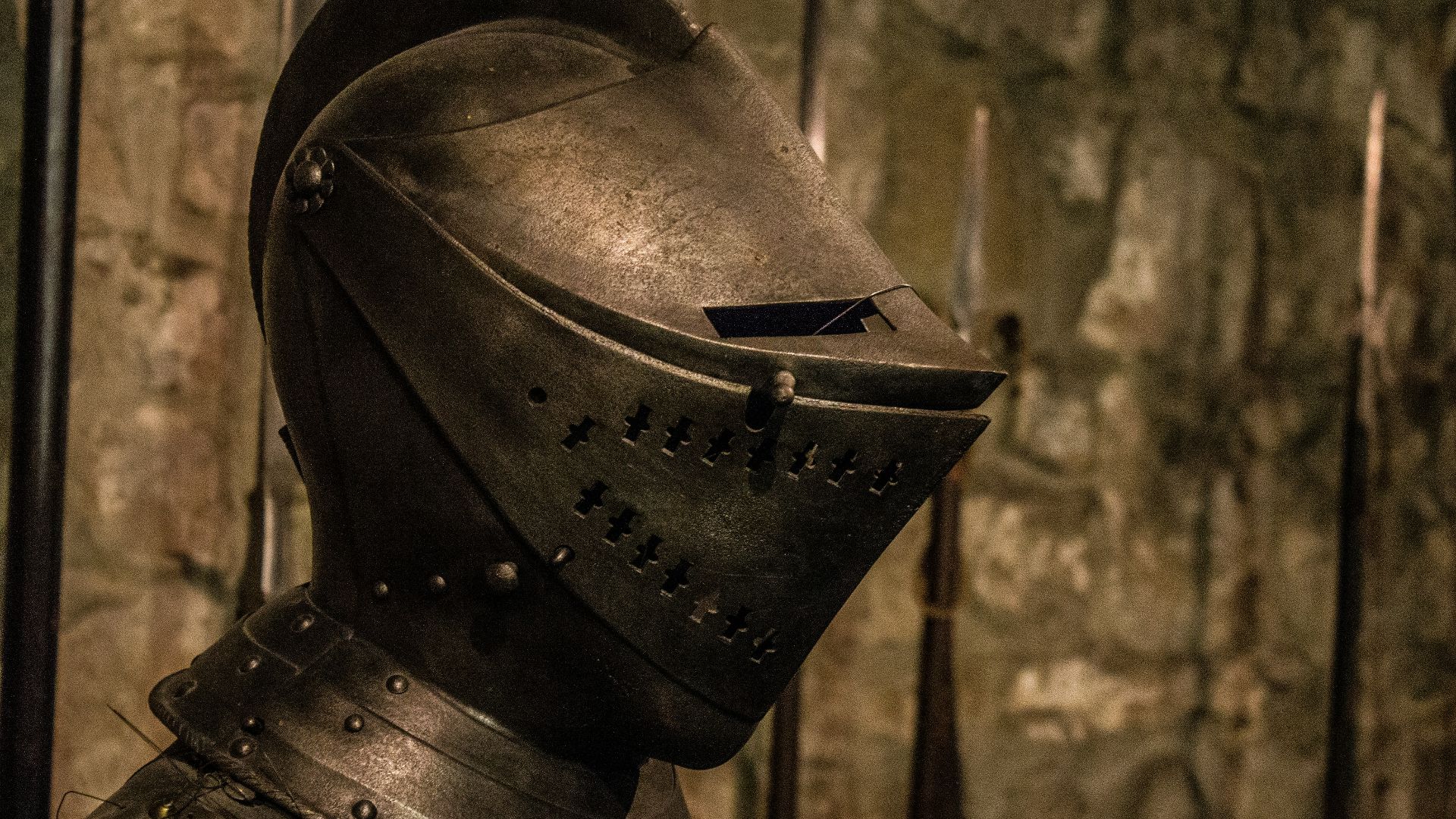
Knights were expected to mentor younger squires to learn the trade of being a knight. They would learn weapons, horseback riding, and many things a knight should know. For an established knight, passing on those skills was part of maintaining the social and military system around him.
8. They Took Part In Feasts
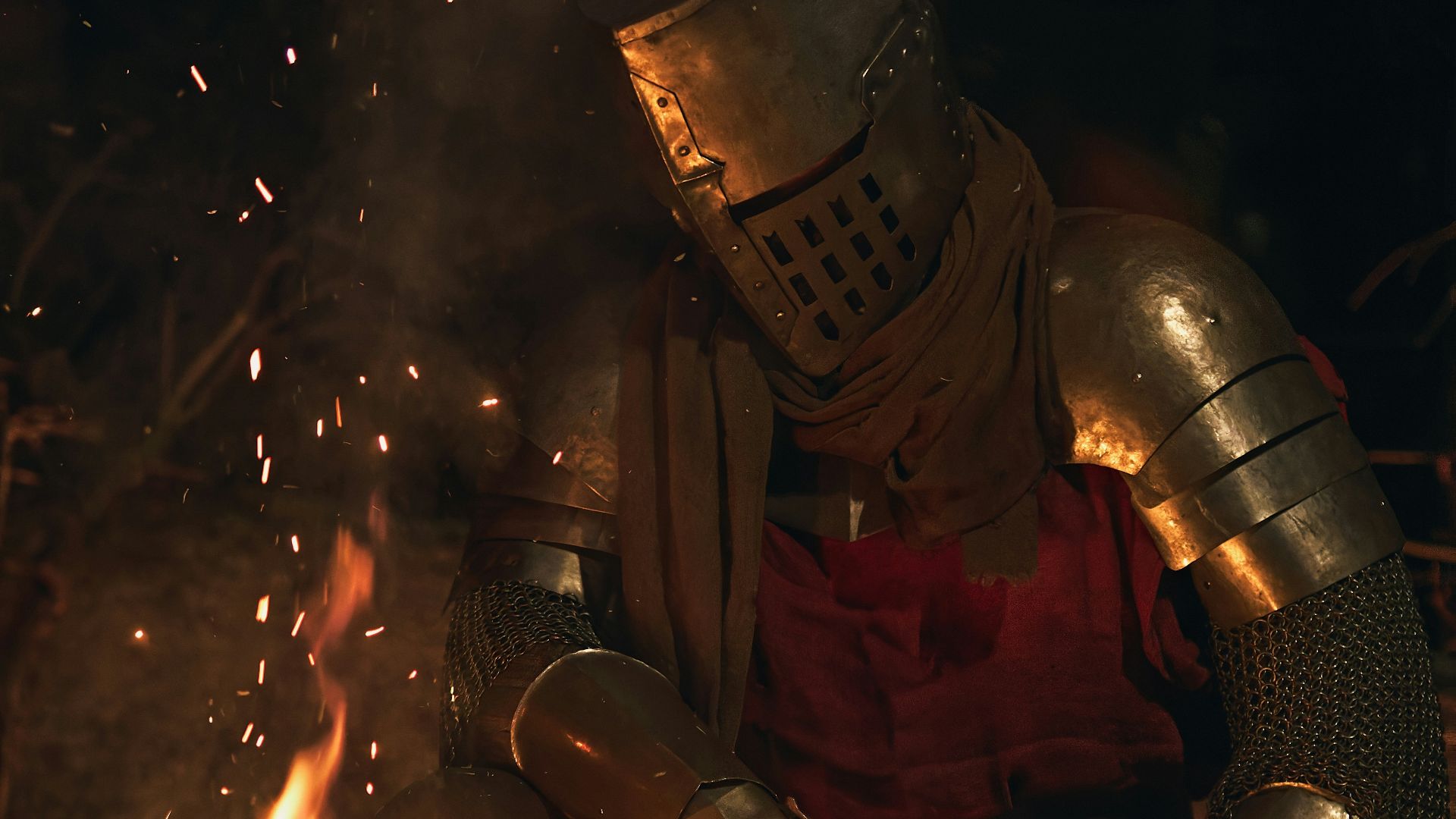
Most nobles would hold feasts during the holidays and other special occasions. You can expect to eat, drink, and socialize with other nobles at these feasts. A feast could also serve a political purpose because relationships were often strengthened around the dining table.
9. They Played Games
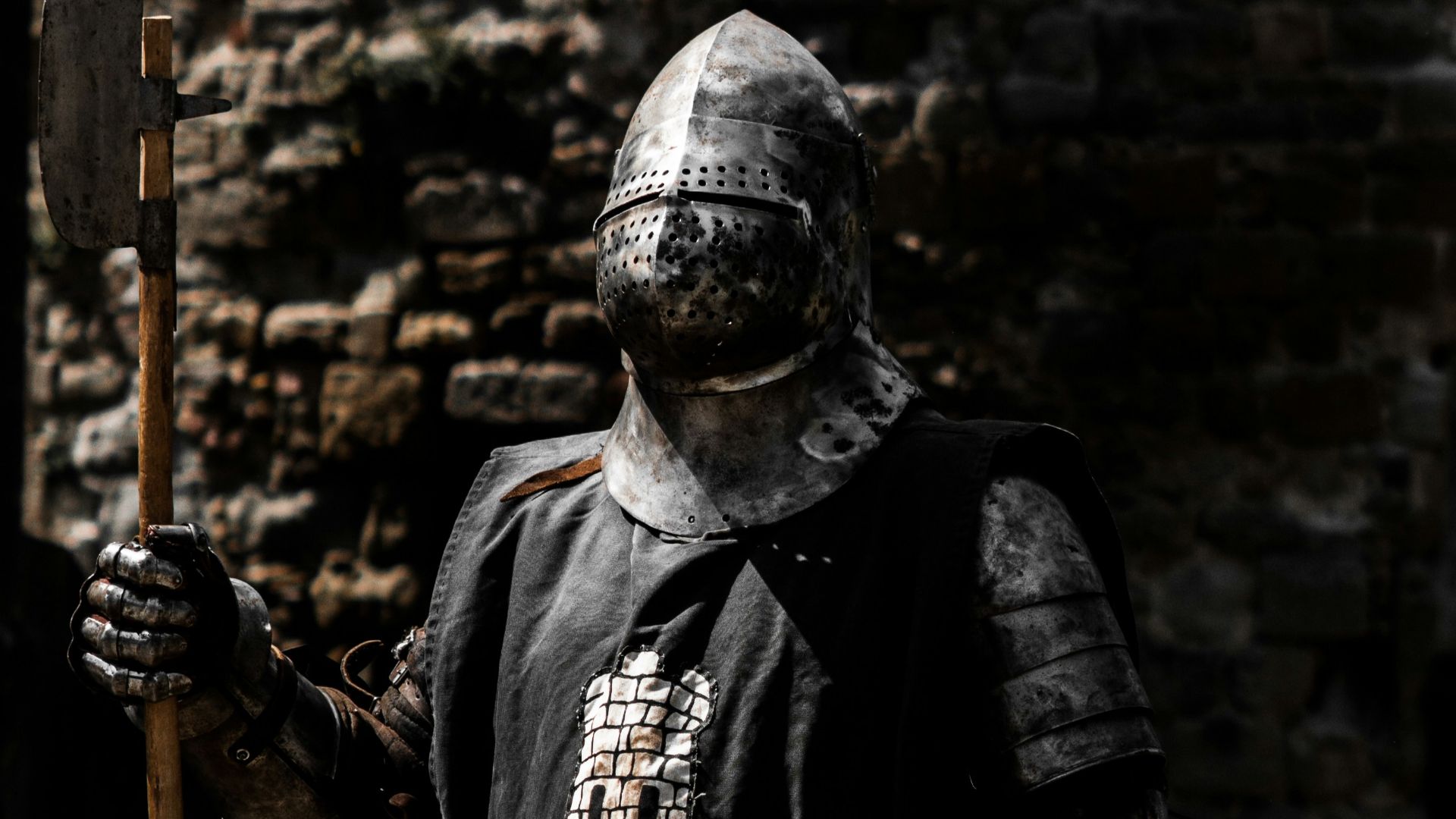
Knights had leisure activities that weren't related to warfare at all. Board games such as chess and backgammon were known in medieval Europe, while dice games were also popular. The exact games available depended on the period and location, but medieval people certainly knew how to entertain themselves.
10. They Listened To Music
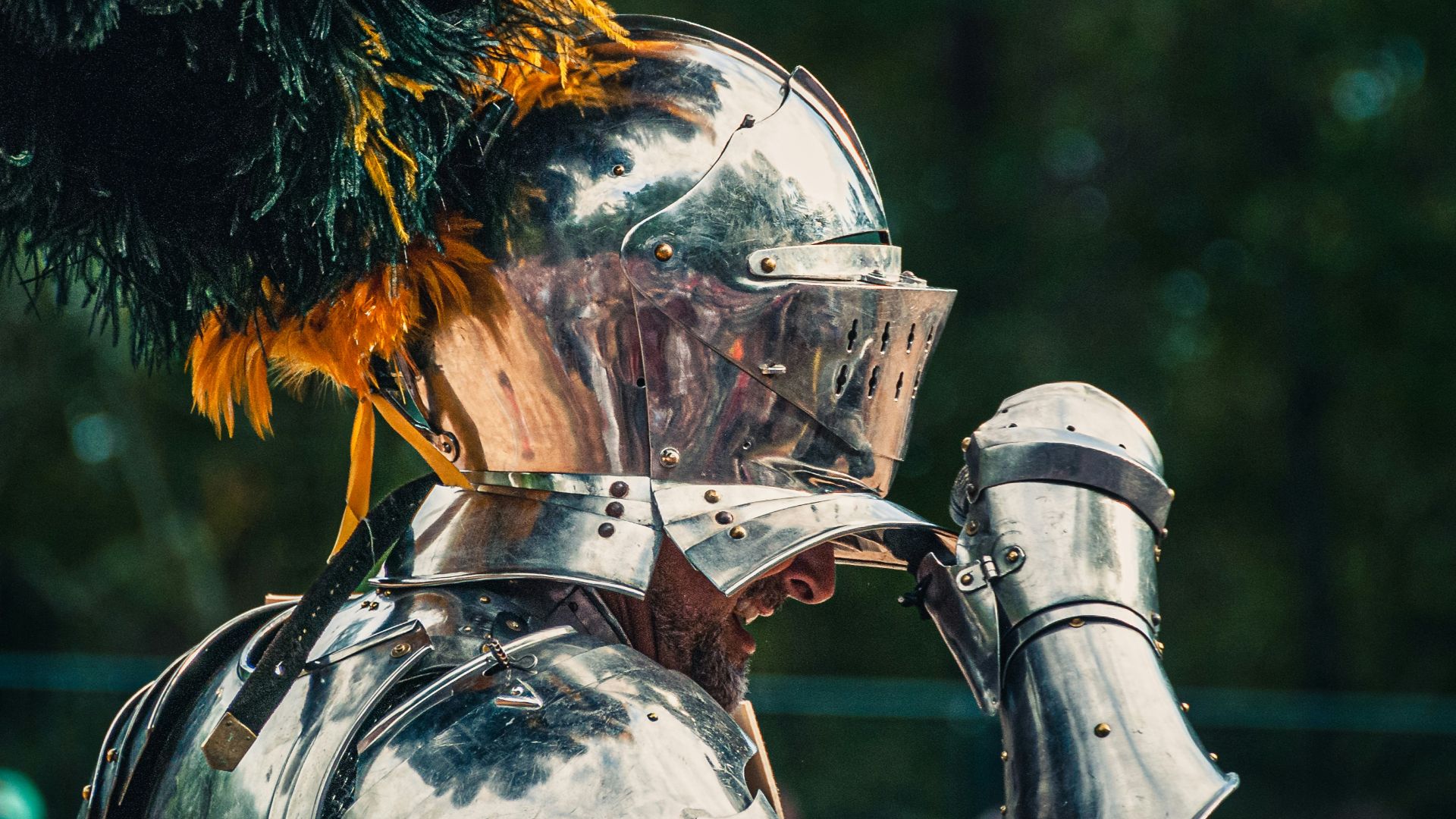
There were many types of music that you could hear during medieval times. Music was something you could expect at any noble feast or celebration. Traveling musicians and performers also brought entertainment to castles and other wealthy households.
11. They Listened To Stories And Poems
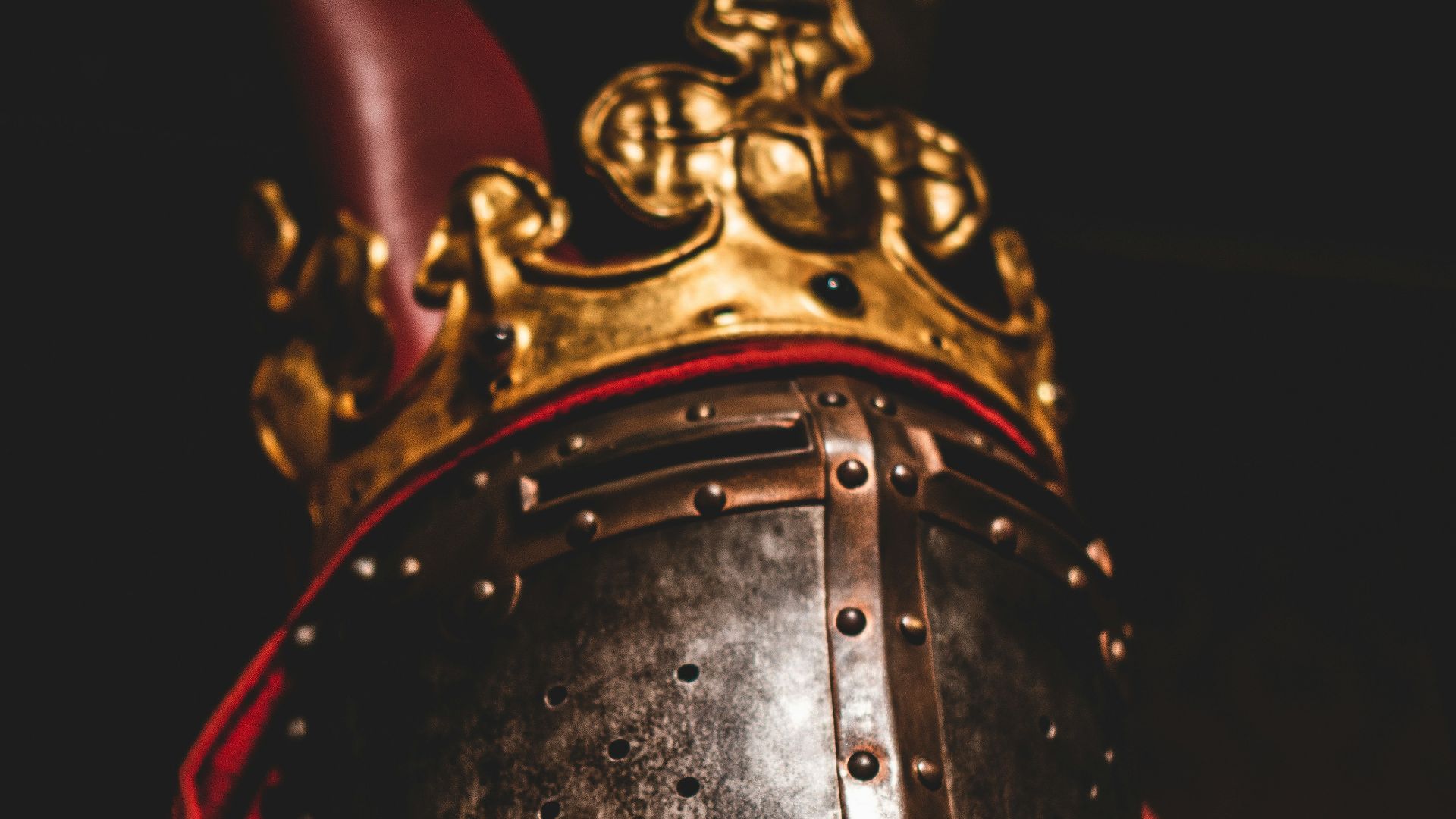
A knight didn't need to know how to read in order to enjoy literature. Stories, romances, legends, and poems could be performed aloud for an audience. Tales about famous heroes and legendary warriors were particularly well suited to noble households where martial reputation mattered.
12. They Took Part In Courtly Social Life
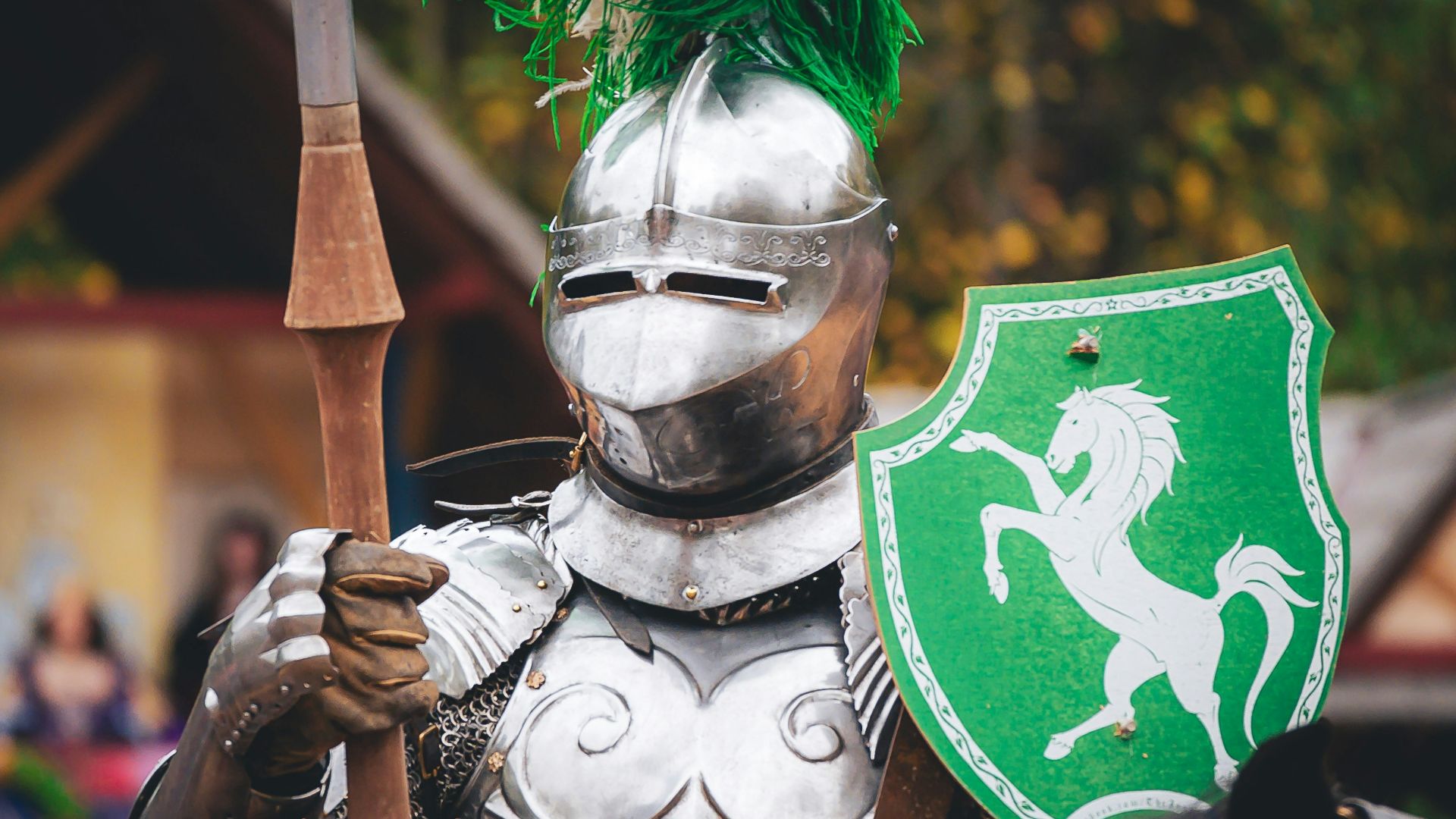
If you're spending a lot of time with nobles, you will need to know how to socialize with them. There was a lot that went into knowing how to act around nobles. It's important to know how to carry yourself if you're around them often.
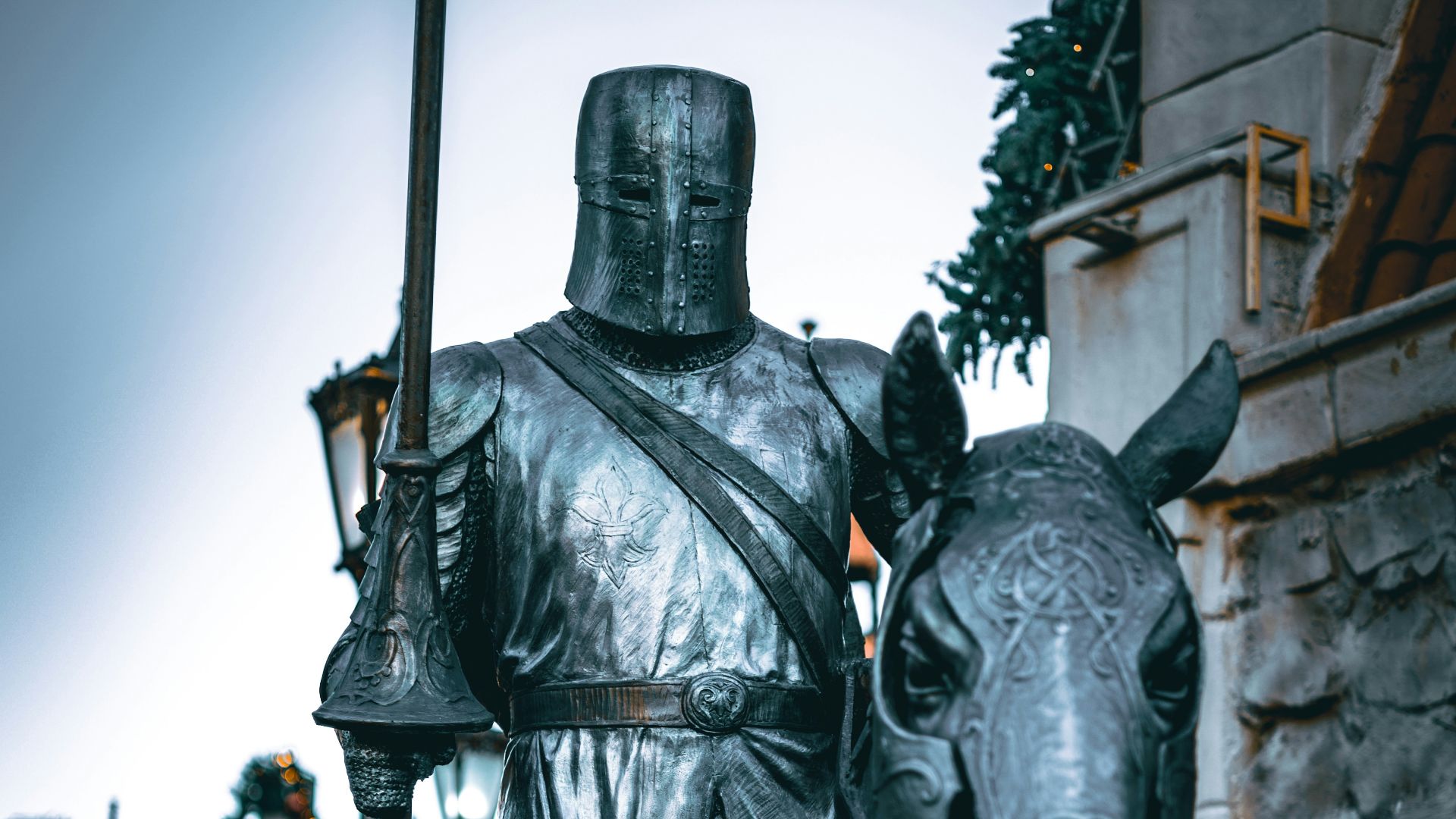
13. They Served Their Lords
Of course, you're not going to fight every day if you're at peace. There may be tasks your lord requires of you that don't require you to attack someone. Your lord may want you to deliver a message or manage something.
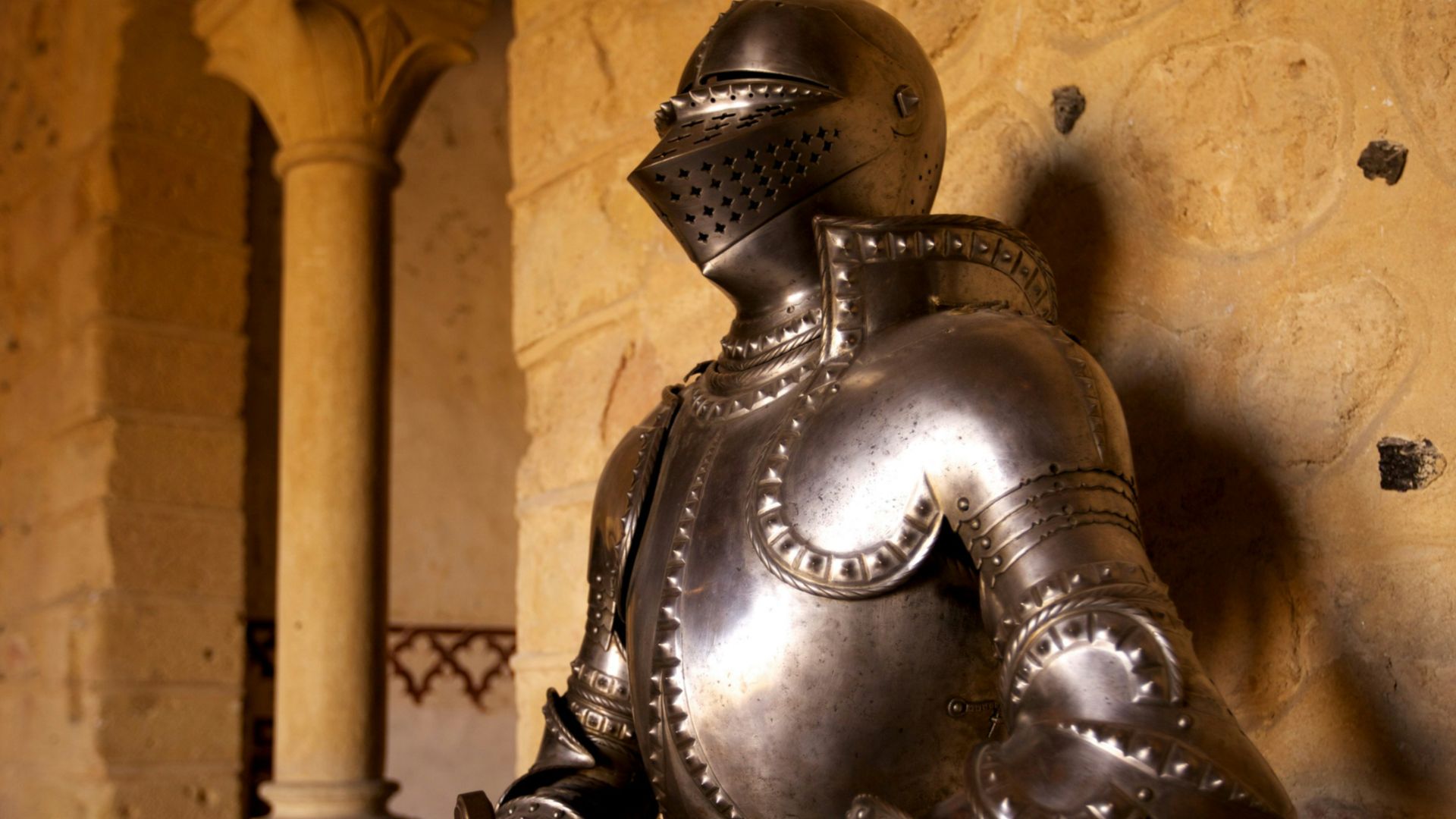
14. They Helped Settle Local Disputes
Depending on what kind of knight you are, you may have to deal with local disputes. Their exact responsibilities depended heavily on their position and the laws of their region. A respected landowner might therefore spend part of his time dealing with legal or administrative matters rather than military ones.
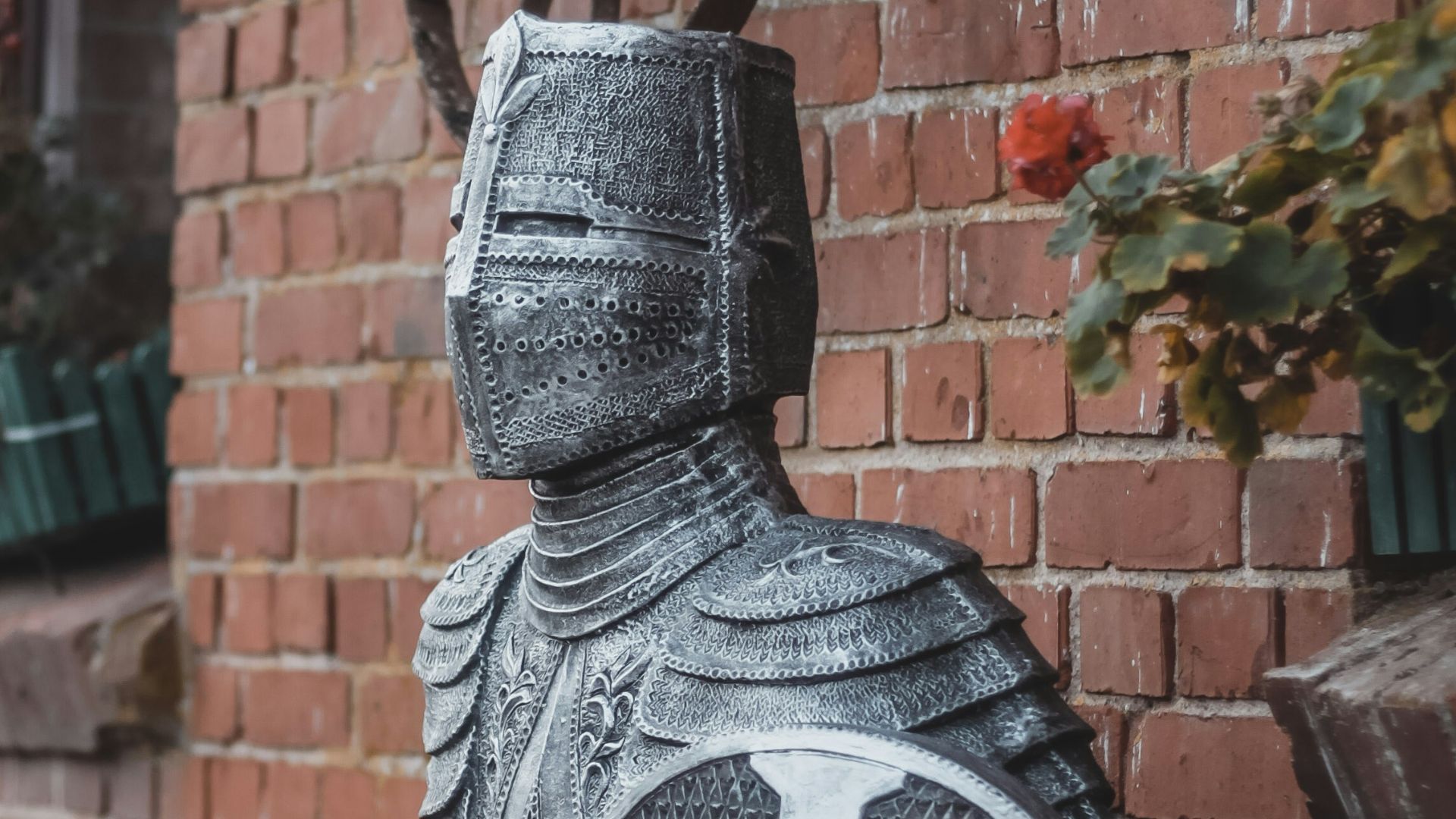
15. They Traveled
Traveling could be very long and painful during medieval times. But you're still going to be traveling to various locations. Some also traveled much farther for pilgrimages, diplomatic purposes, or other personal and political reasons.
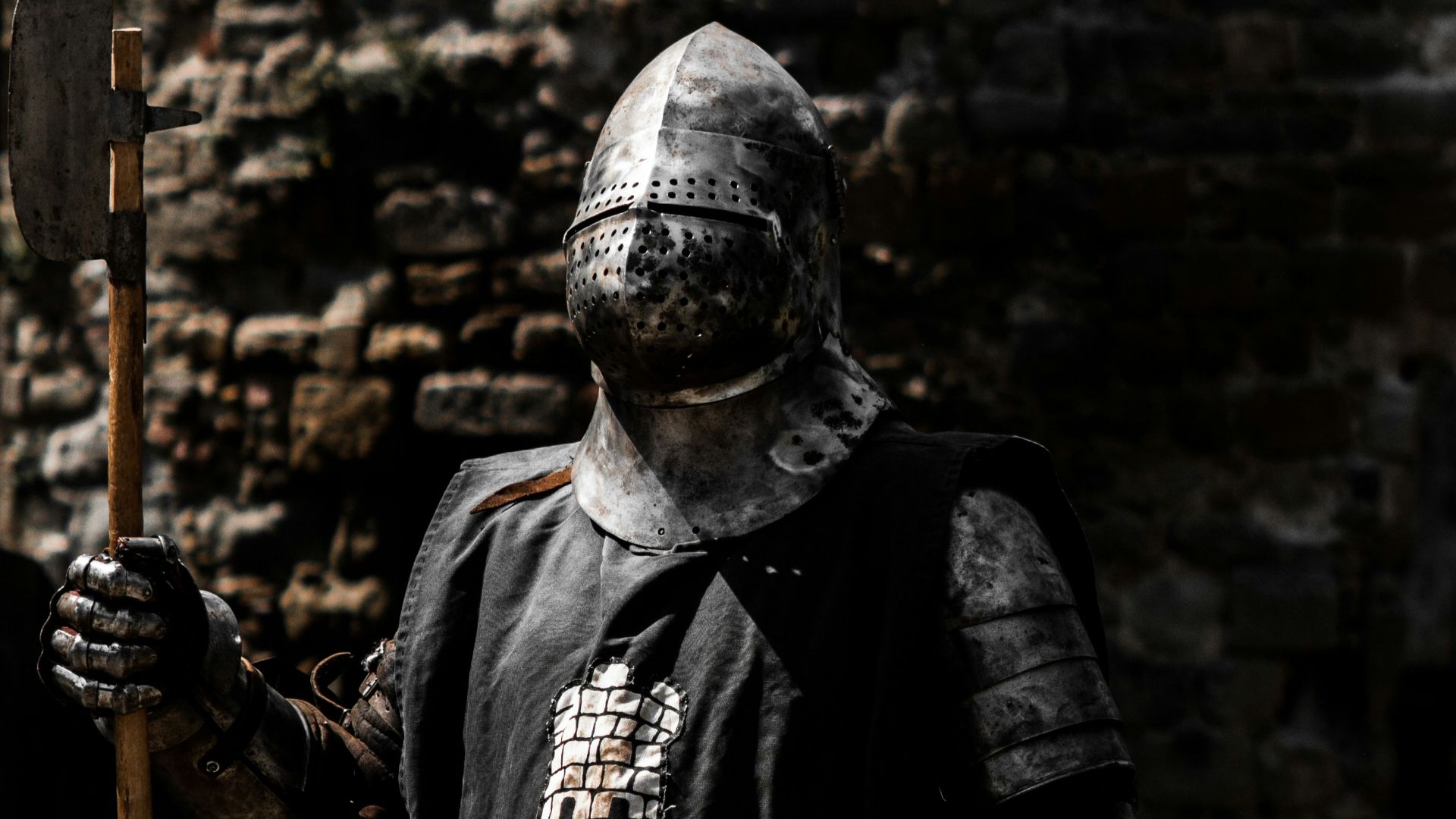
16. They Went On Pilgrimage
Many people during medieval times would go on pilgrimages. Whether it's to a local shrine or traveling across the world to see a sacred place, pilgrimage could be an important part of religious life. For some, pilgrimage was connected to personal devotion, while others undertook it as an act of penance.
17. They Took Care Of Their Horses
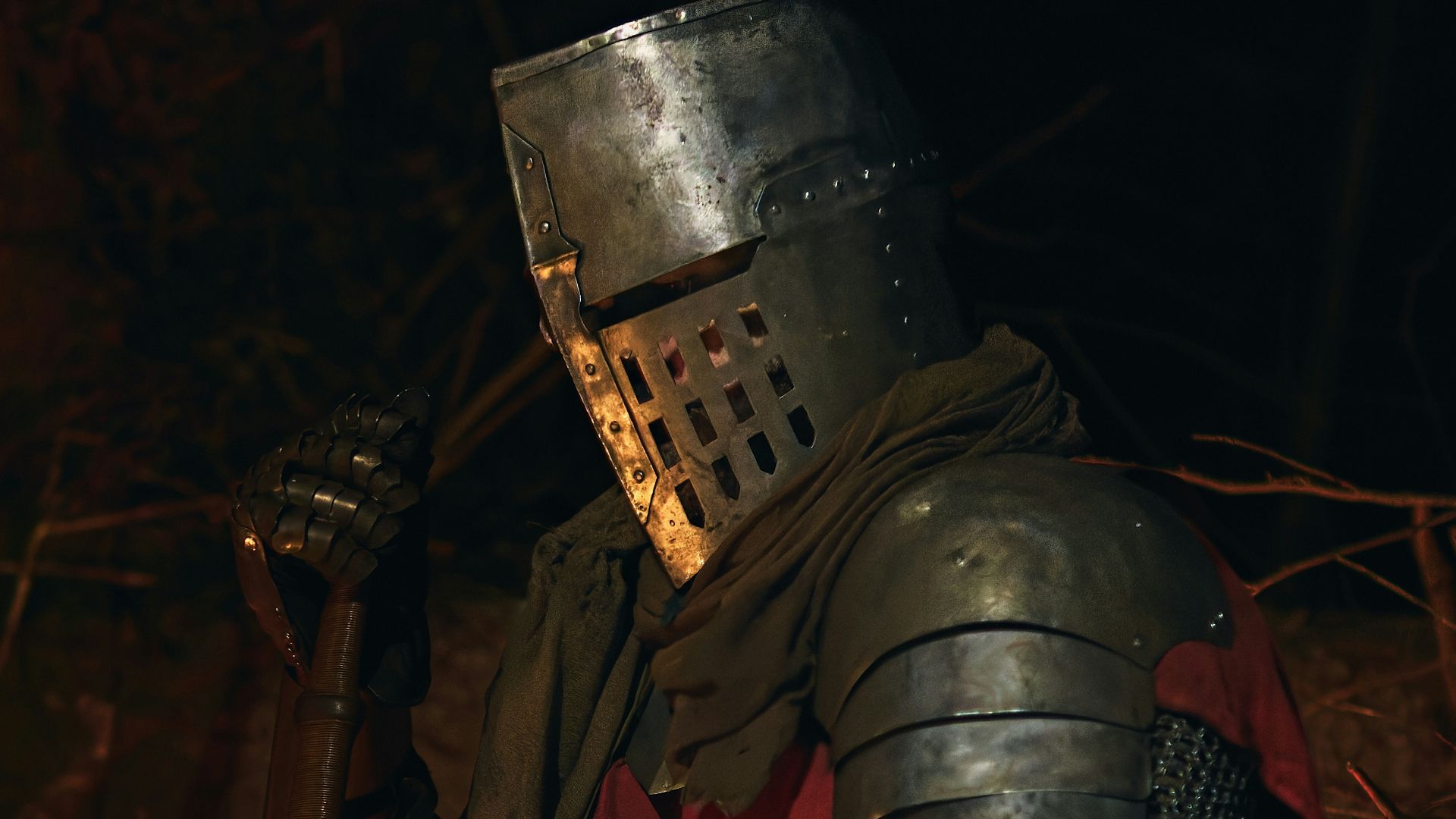
The horse was very important to a knight. Since most battles were fought on horseback, you're going to want to make sure your horse is healthy. You will need to feed your horse, train it, and learn how to care for it.
18. They Maintained Their Equipment
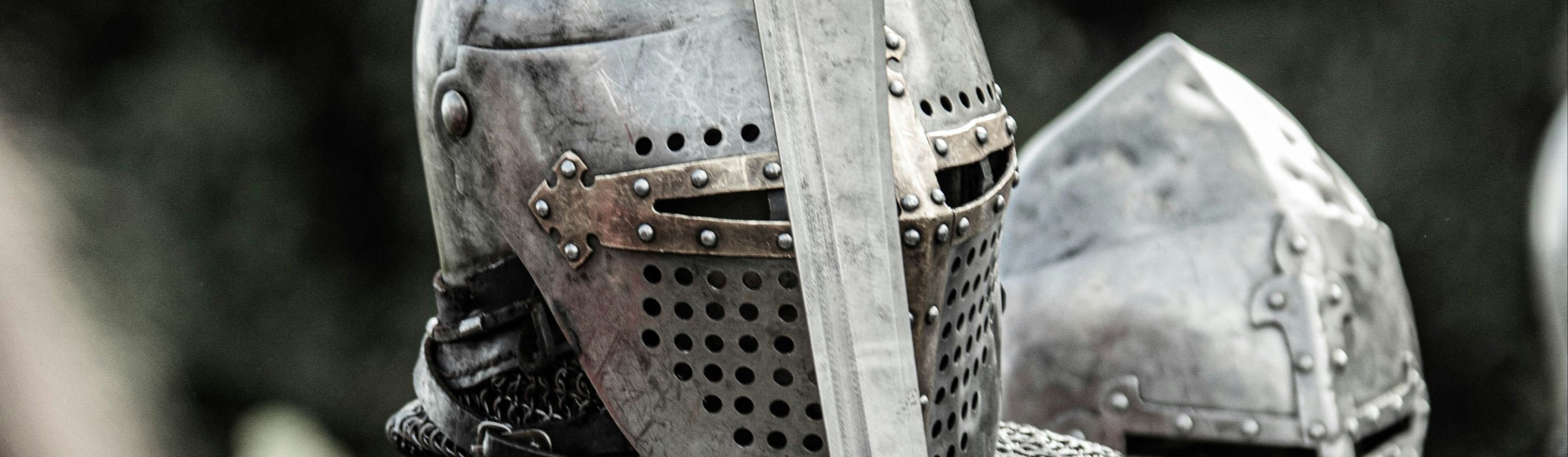
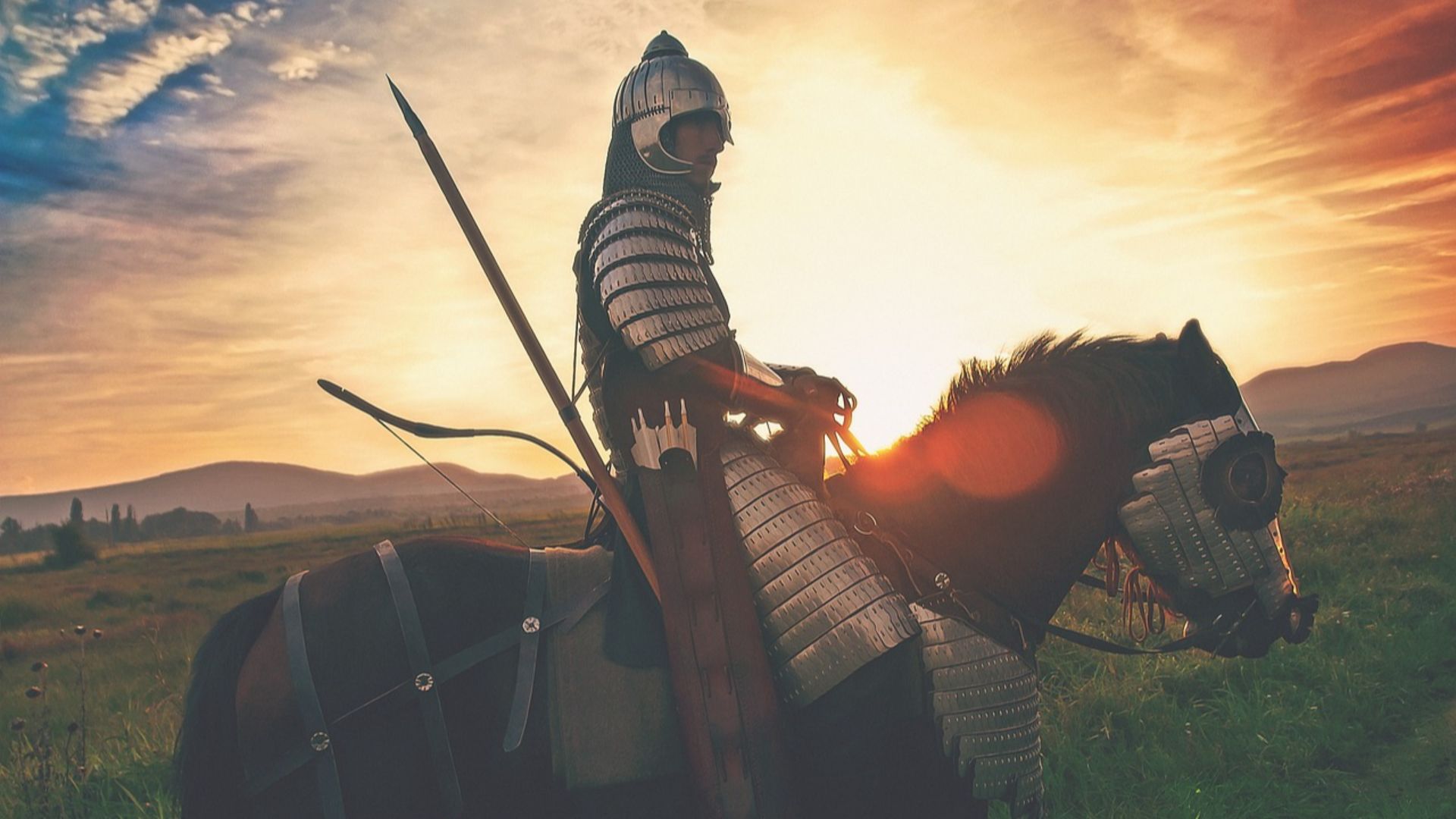
Armor and weapons required regular attention whether a knight was currently fighting or not. Swords needed care, armor required repairs, and other equipment had to remain in usable condition. A poorly maintained suit of armor wasn't going to become more useful simply because its owner ignored it for six months.
19. They Took Part In Family Life
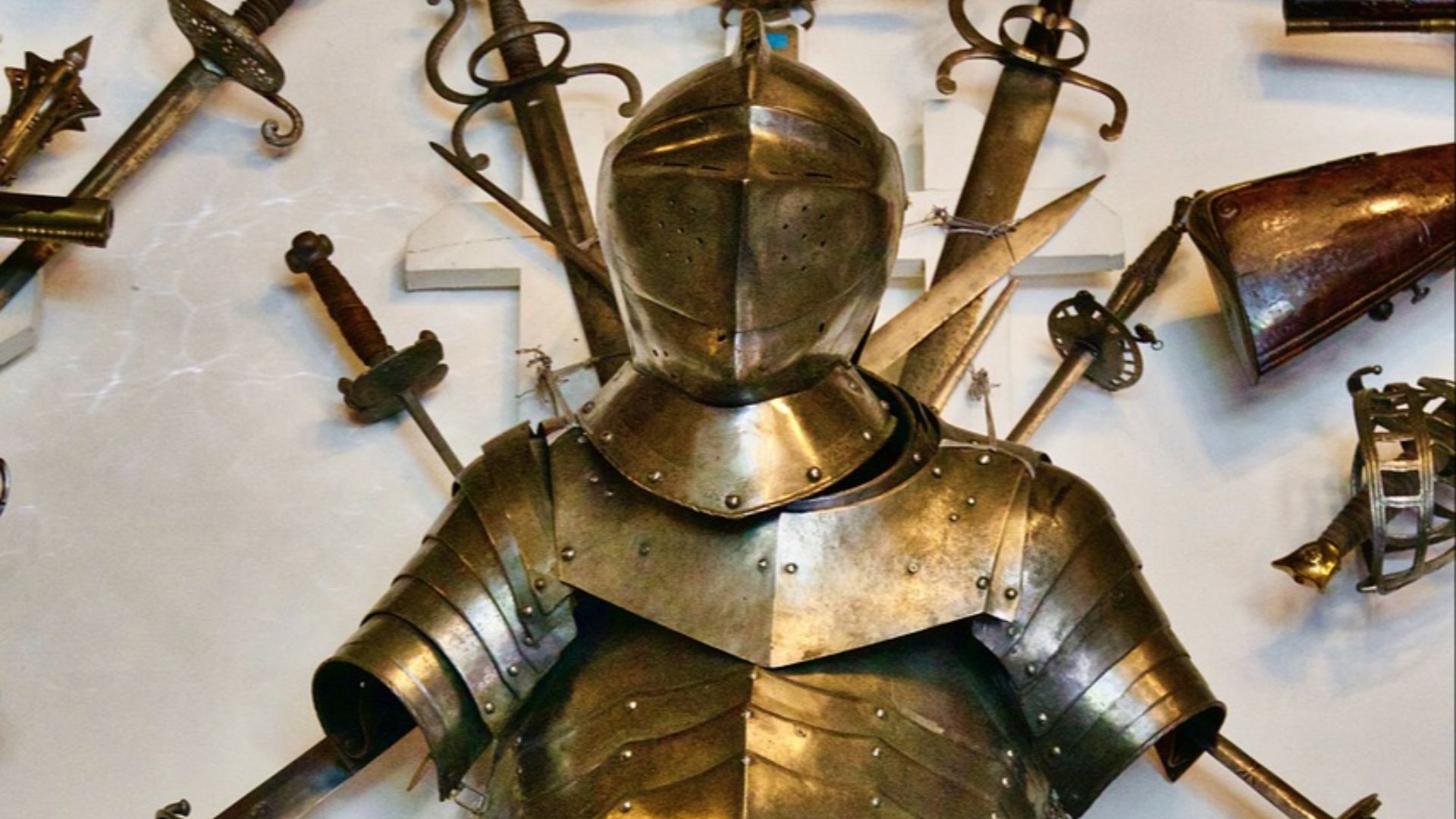
Knights weren't permanently separated from ordinary family responsibilities. Married knights might spend time with their wives and children, oversee household matters, and arrange marriages or other important family decisions. Noble families were also closely connected through inheritance, alliances, and property, so family life could have serious political consequences.
20. They Prepared For The Next War
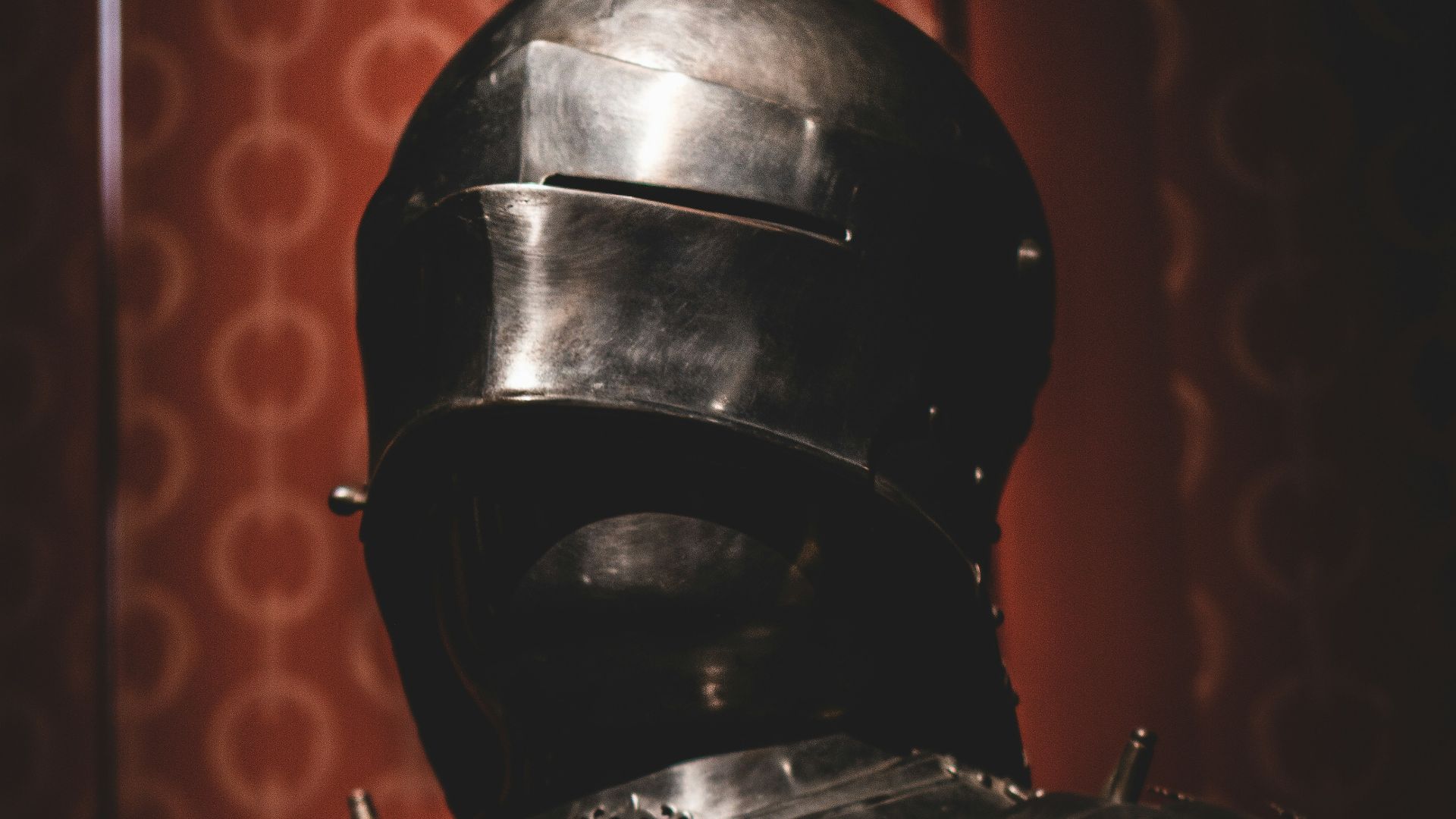
Being a knight was a job that would always have you ready for battle. Even when you're not at war, you're going to want to keep yourself and your gear in tip-top shape. Just in case your lord calls on you once again.
KEEP ON READING