20 Historical Figures Whose Public Image Was Carefully Manufactured
History Has Always Had a Publicity Department
Long before press secretaries, social media teams, and carefully staged photo opportunities, powerful people were already thinking hard about how the public saw them. Kings commissioned flattering portraits, generals published their own accounts of victories, and revolutionaries turned themselves into symbols of larger causes. Some of these reputations were based on real accomplishments, of course, but the version that survived in popular memory was often polished, simplified, or deliberately constructed. Here are 20 historical figures whose public images owed at least part of their staying power to some very careful reputation management.
1. Augustus
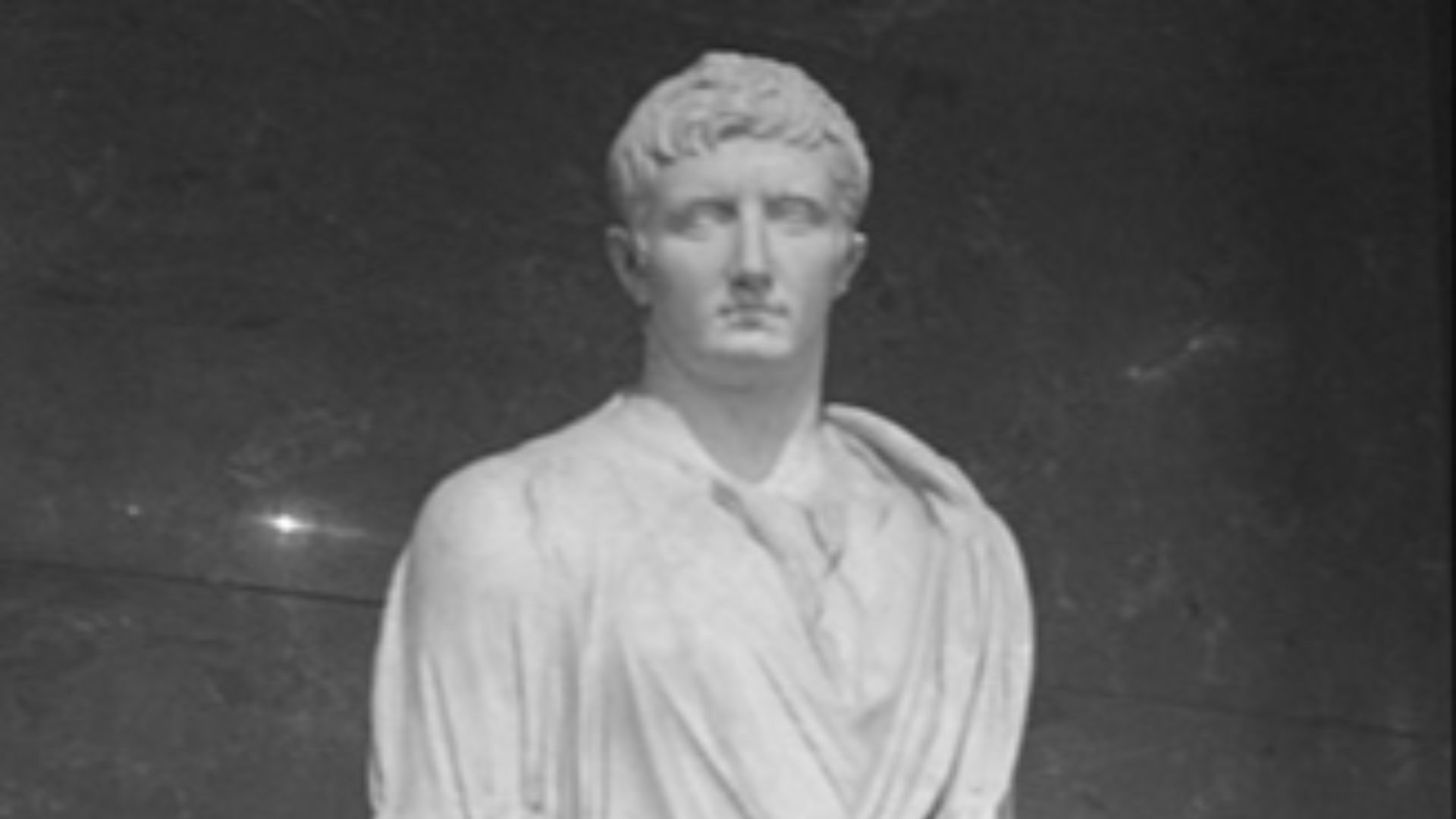
After years of Roman civil war, Augustus had the awkward problem of holding extraordinary power in a society that claimed to hate kings. Instead of presenting himself as a monarch, he emphasized modest titles such as princeps, or "first citizen," while insisting that he had restored the Republic. Coins, monuments, literature, and public building projects reinforced the idea that his rule had brought peace and traditional values back to Rome. You didn't have to call him a king when practically every symbol around you was already telling you who was in charge.
2. Julius Caesar
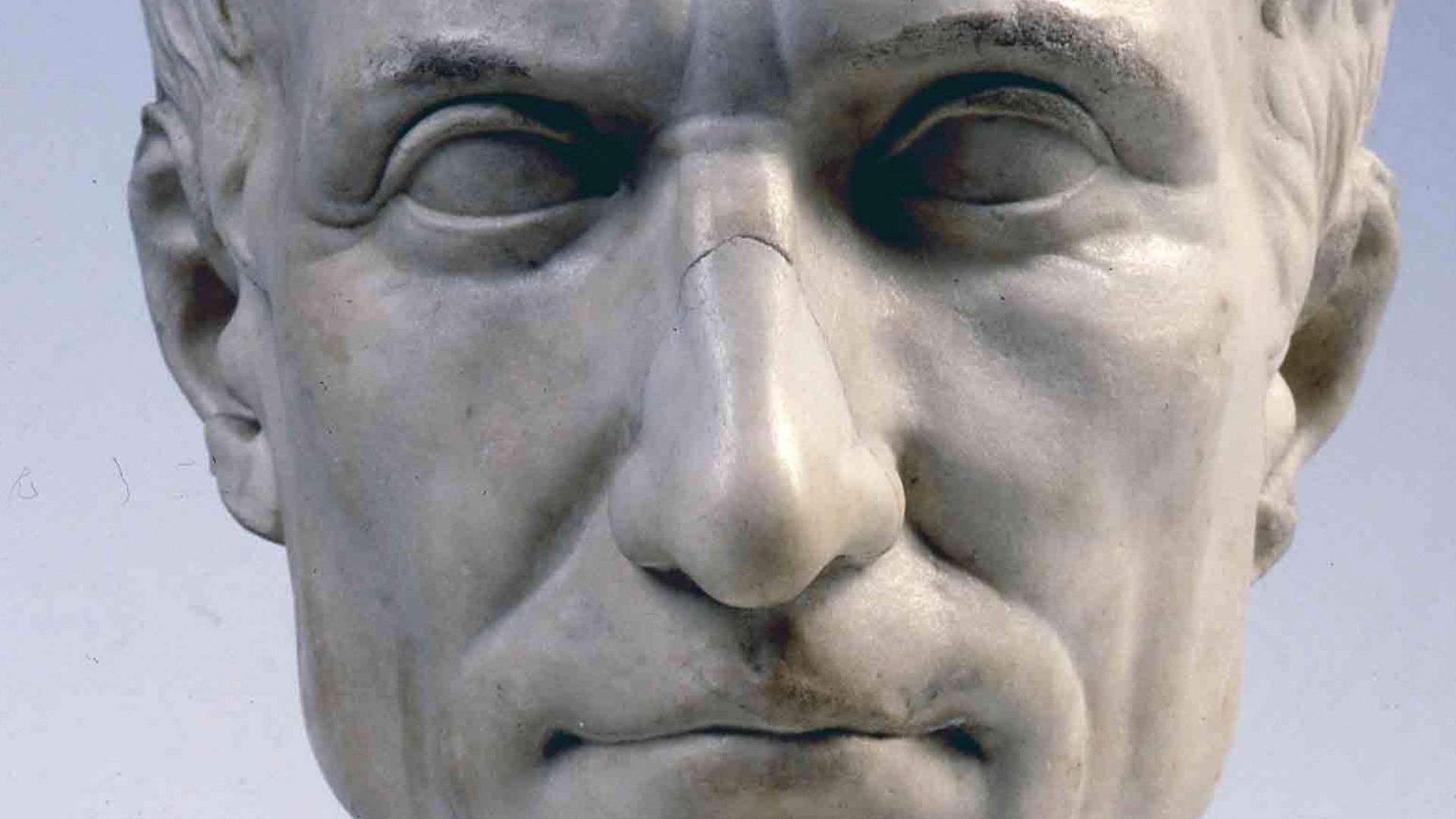
Julius Caesar wasn't content to win wars; he was also remarkably good at explaining those victories to people back home. His accounts of the Gallic Wars presented him as calm, disciplined, and almost relentlessly reasonable, even while describing brutal military campaigns. His battlefield reputation was genuine, but he certainly didn't leave its interpretation entirely to chance.
3. Alexander the Great
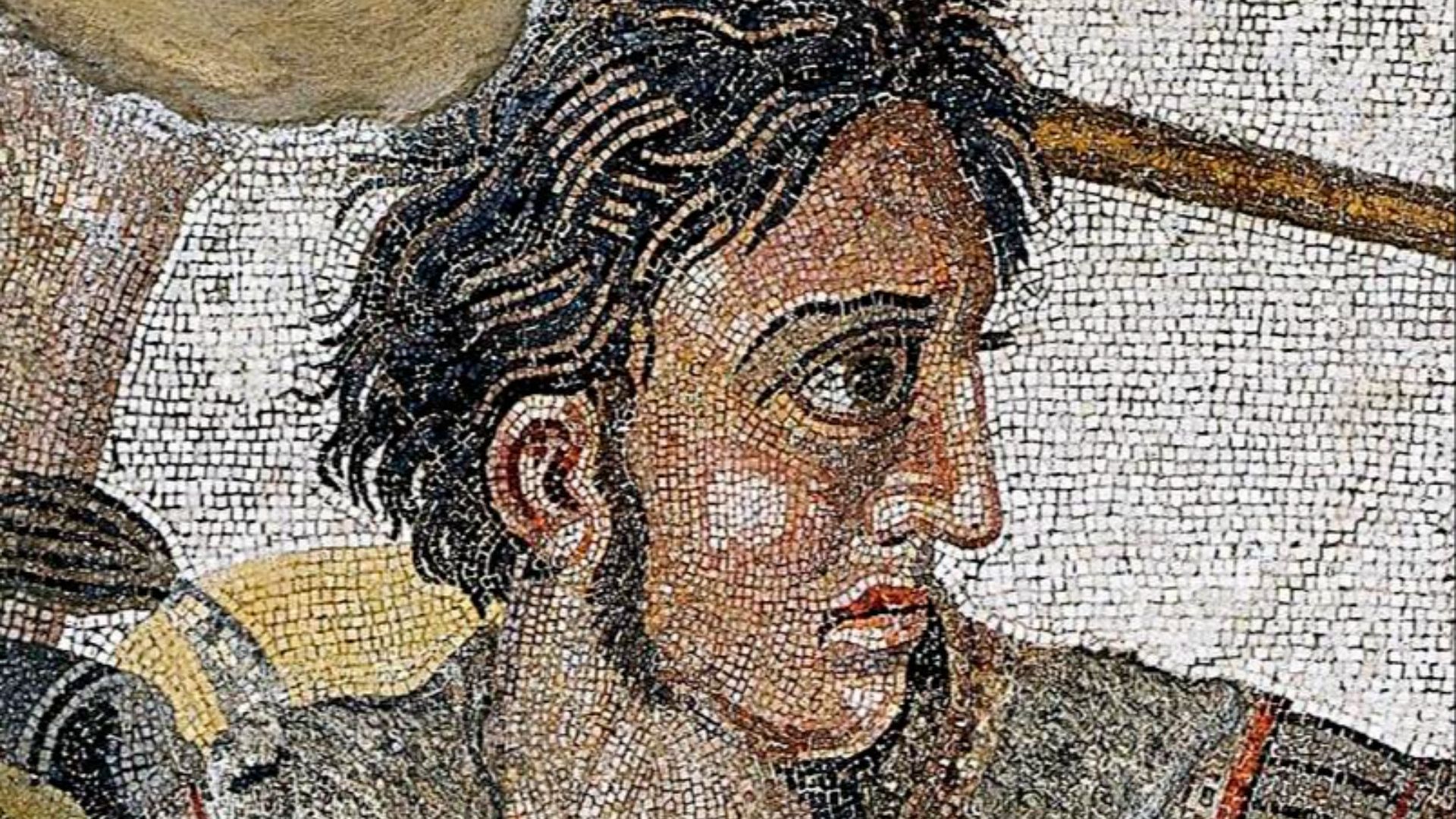
Alexander cultivated an image that went far beyond that of a talented young conqueror. He encouraged associations with heroic and divine figures, visited the oracle at Siwa in Egypt, and adopted elements of Persian royal ceremony as his empire expanded. Court historians and artists helped portray his campaigns as something larger than ordinary politics, giving his rule an almost mythic quality.
4. Cleopatra VII
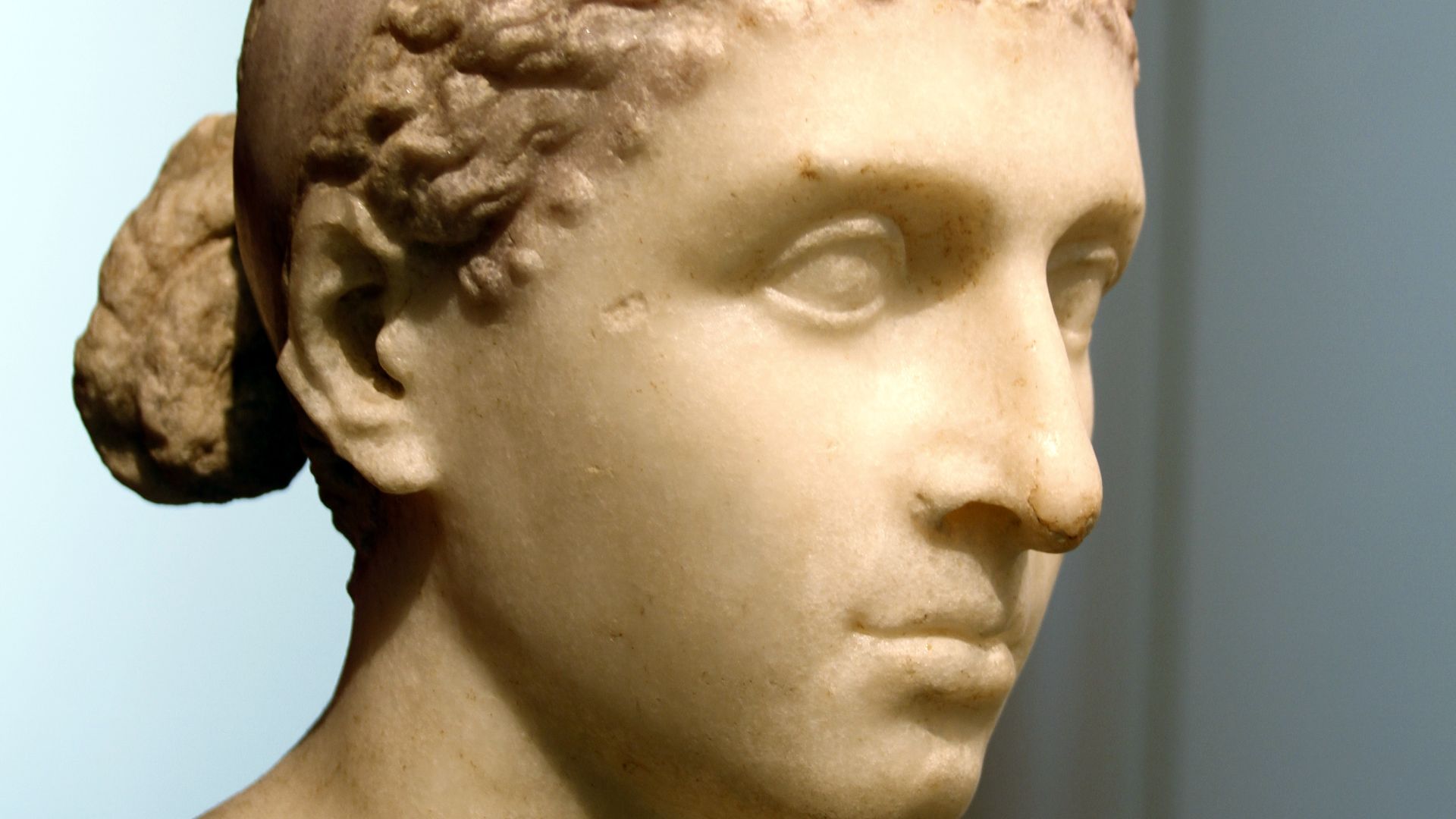
Cleopatra is often remembered through Roman propaganda, which painted her as a dangerous seductress, but she was busy crafting her own image as well. In Egypt, she presented herself in traditional pharaonic terms and associated herself closely with the goddess Isis, while also operating as a highly educated Hellenistic monarch. Her coins, ceremonies, alliances, and public appearances carefully communicated different messages to different audiences.
5. Louis XIV
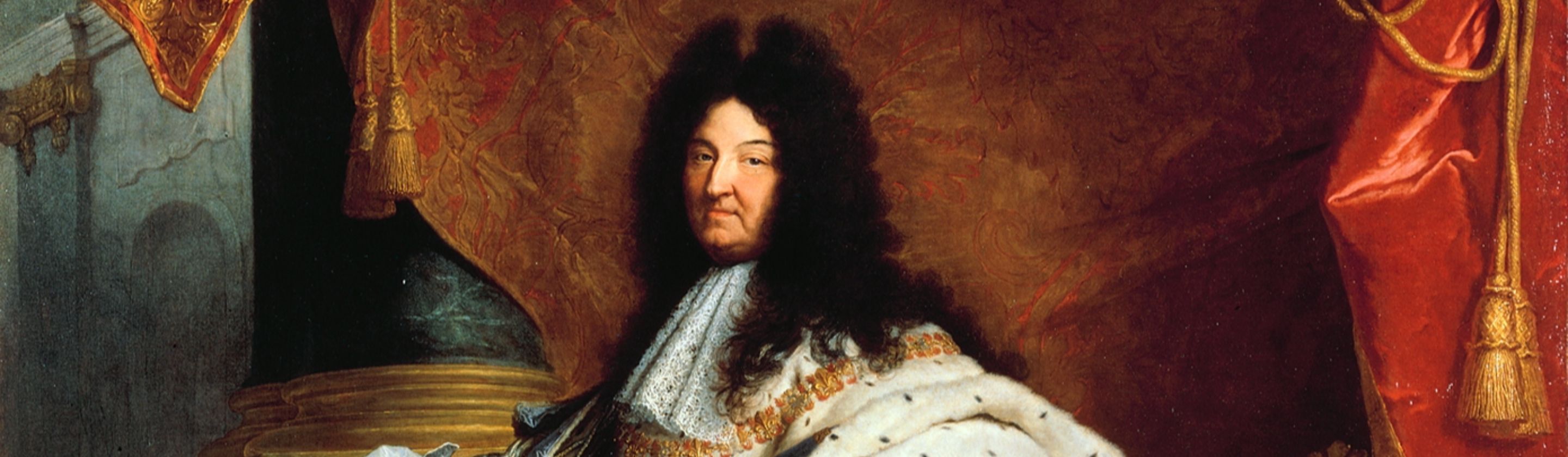
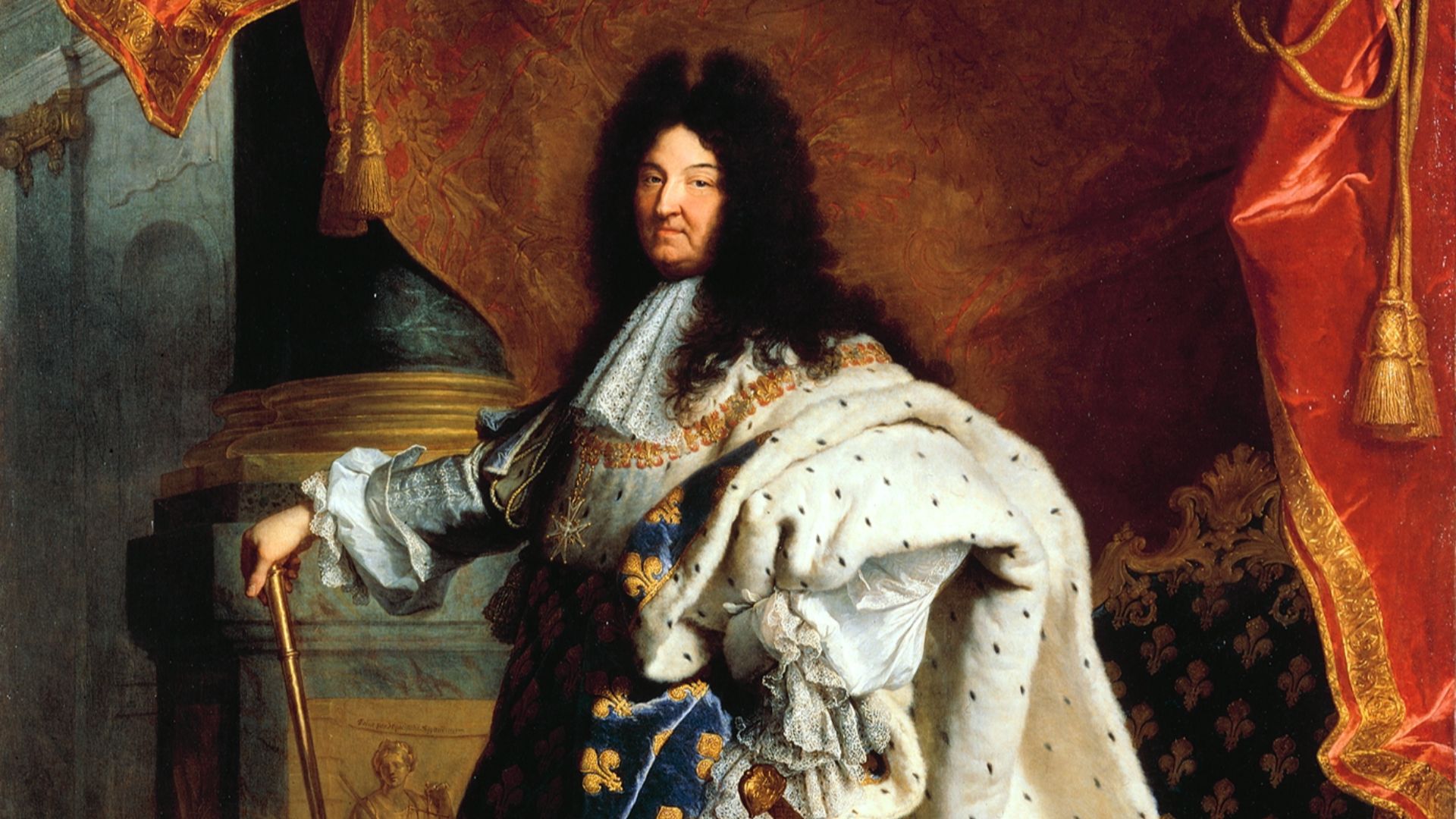
Louis XIV didn't acquire the nickname "Sun King" by keeping a low profile. His court at Versailles turned royal life into an elaborate performance. Portraits showed him with carefully chosen symbols of authority, while architecture, ceremonies, fashion, and patronage all reinforced the idea that France revolved around its monarch. Louis's famously luxurious appearance was less about personal indulgence than a very public statement about rank and power.
6. Napoleon Bonaparte
Napoleon understood publicity almost as well as he understood artillery. Official bulletins routinely emphasized victories, minimized setbacks, and presented him as a heroic leader who shared the hardships of his soldiers. Artists such as Jacques-Louis David helped create unforgettable scenes, including Napoleon calmly crossing the Alps on a dramatic horse, although the actual journey was considerably less stylish.
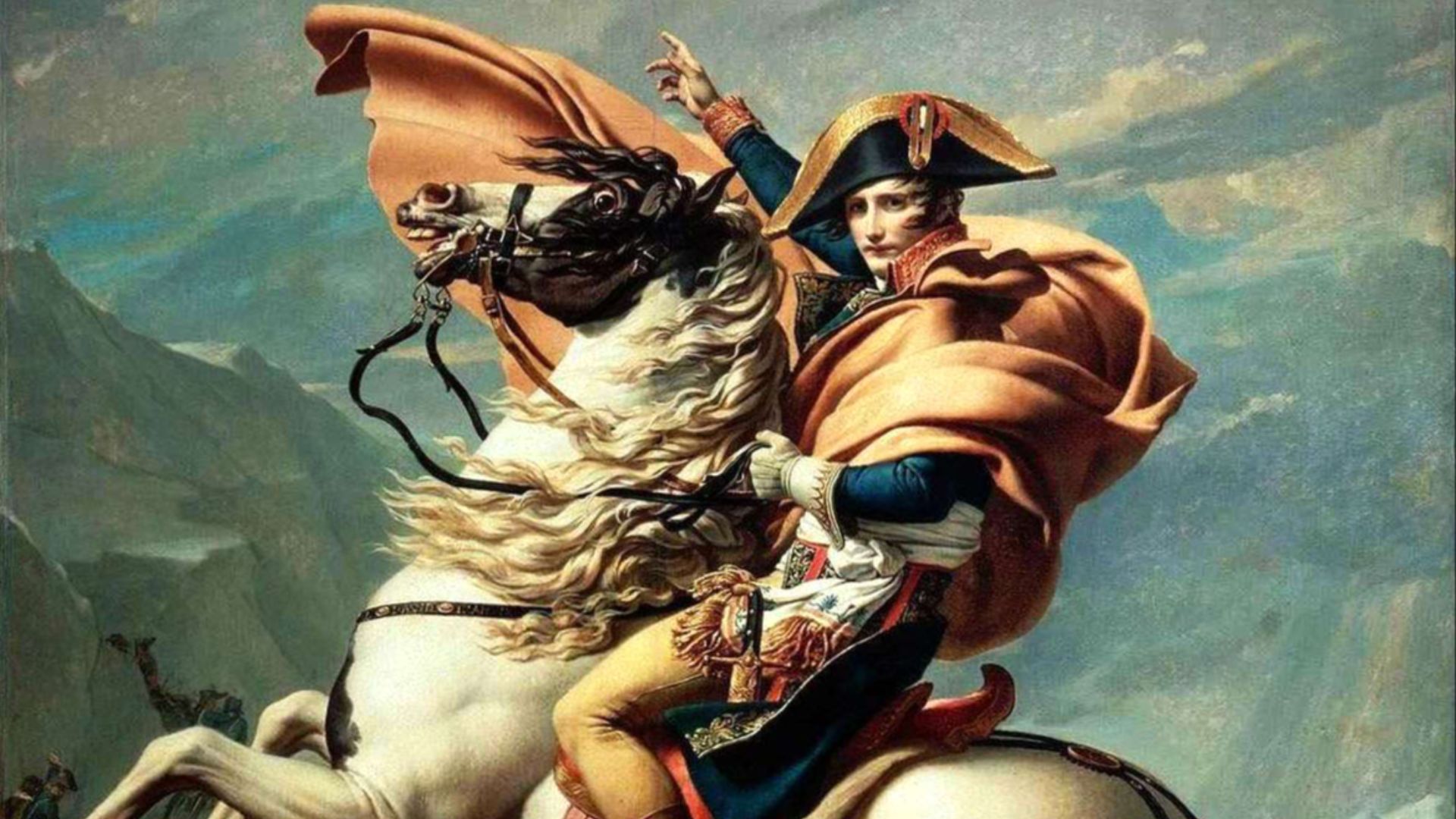 Jacques-Louis David on Wikimedia
7. Elizabeth I
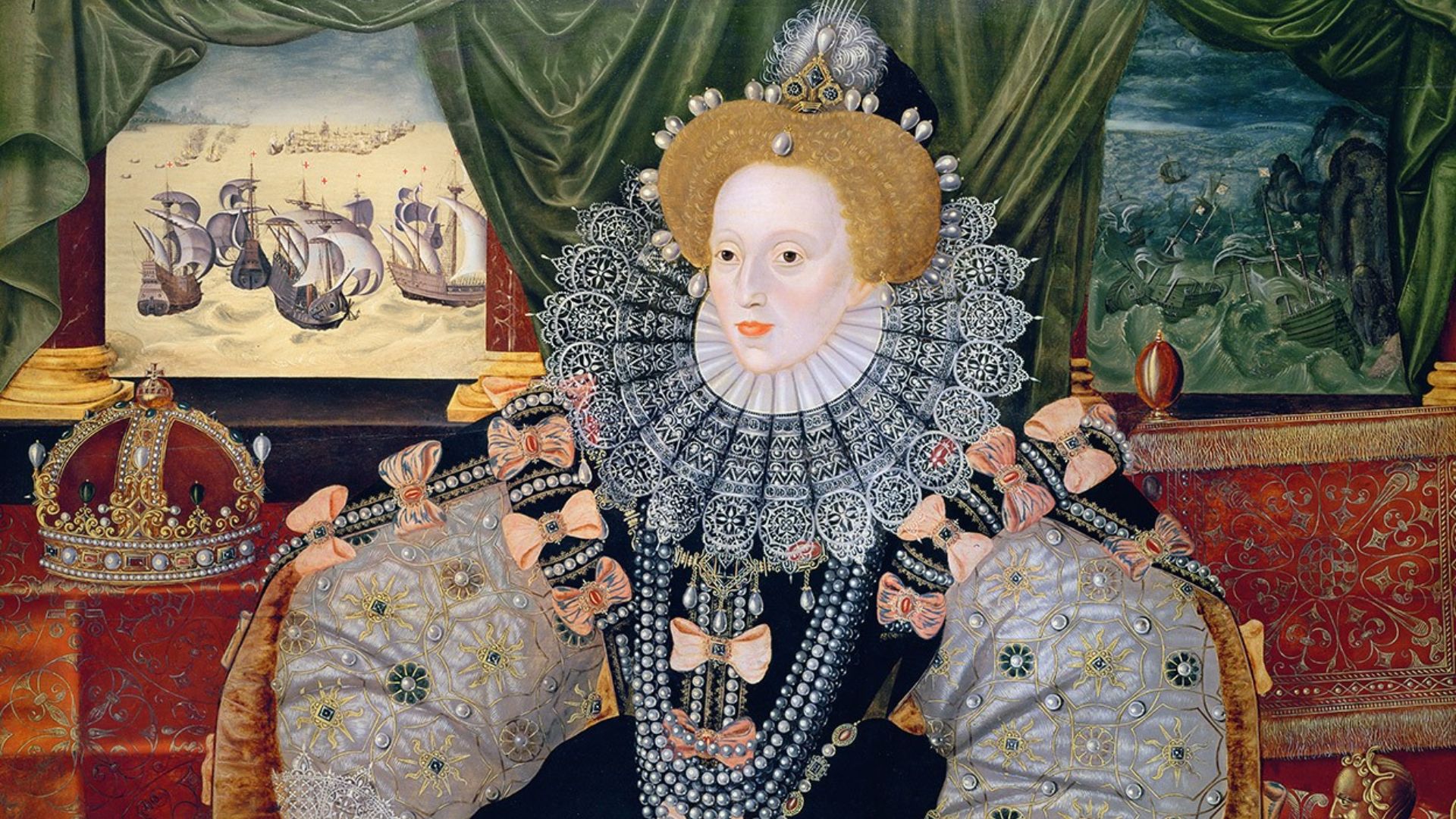
Elizabeth I never married, but what could've been treated as a political vulnerability became one of the defining features of her monarchy. Portraits and court imagery increasingly presented her as the Virgin Queen, a near-timeless figure symbolically married to England itself. Elaborate gowns, pearls, celestial imagery, and deliberately youthful portraits helped separate the queen's public body from the ordinary effects of aging.
8. Henry VIII
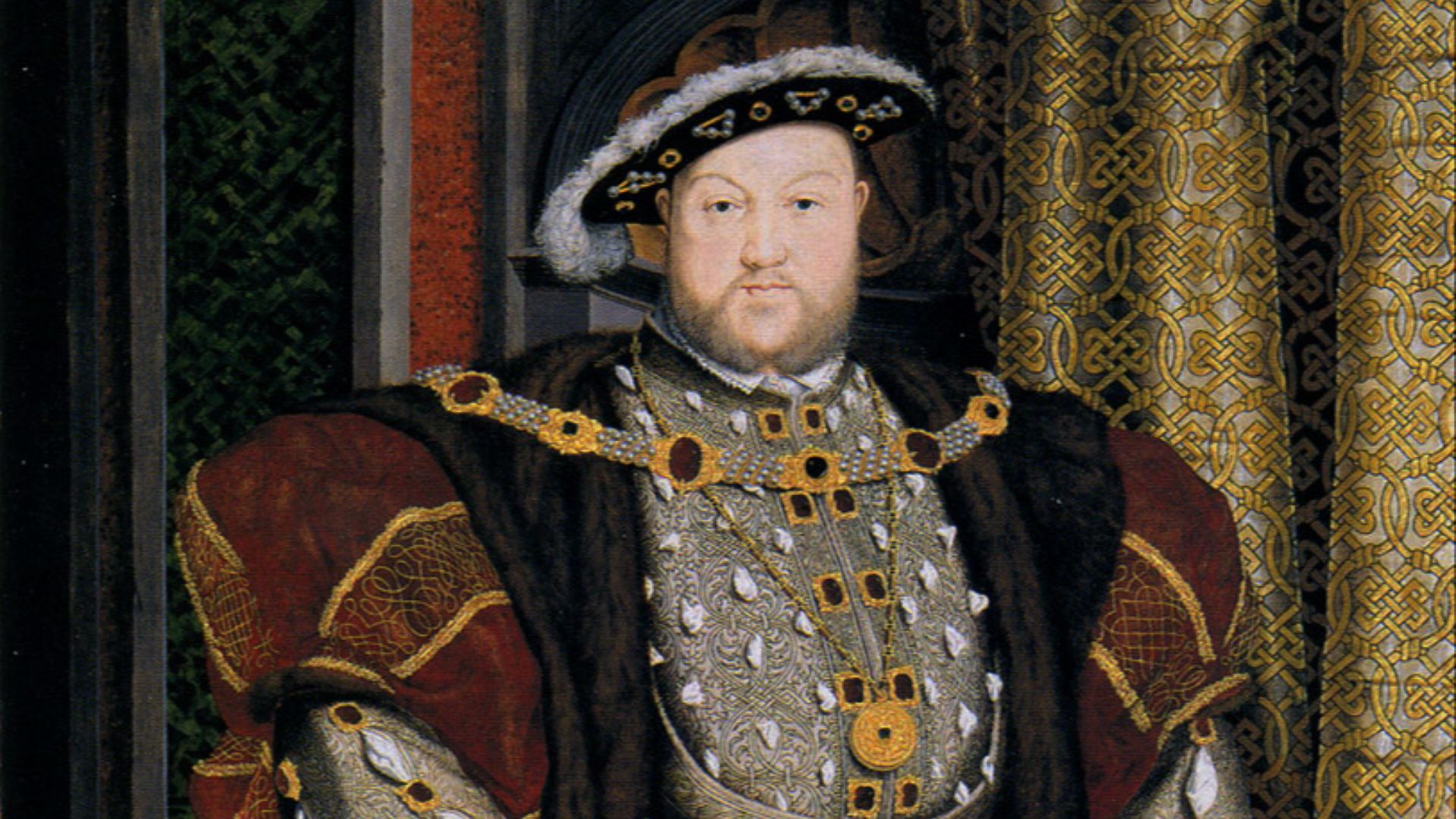
Hans Holbein the Younger's famous portraits of Henry VIII gave the king exactly the sort of presence he wanted, standing broad, square, richly dressed, and completely confident. Copies and variations of the royal image circulated widely, helping establish a standardized visual identity for the monarch. Centuries later, that imposing stance remains one of the first things many people picture when Henry's name comes up, along with his six wives, perhaps.
9. Catherine II
Catherine II seized the Russian throne in a coup, so presenting herself as a legitimate and sophisticated ruler mattered enormously. She corresponded with prominent Enlightenment thinkers, collected art, promoted education, and encouraged the image of herself as a philosophical monarch interested in reform. Catherine knew that winning admiration in European intellectual circles could strengthen her authority far beyond Russia's borders.
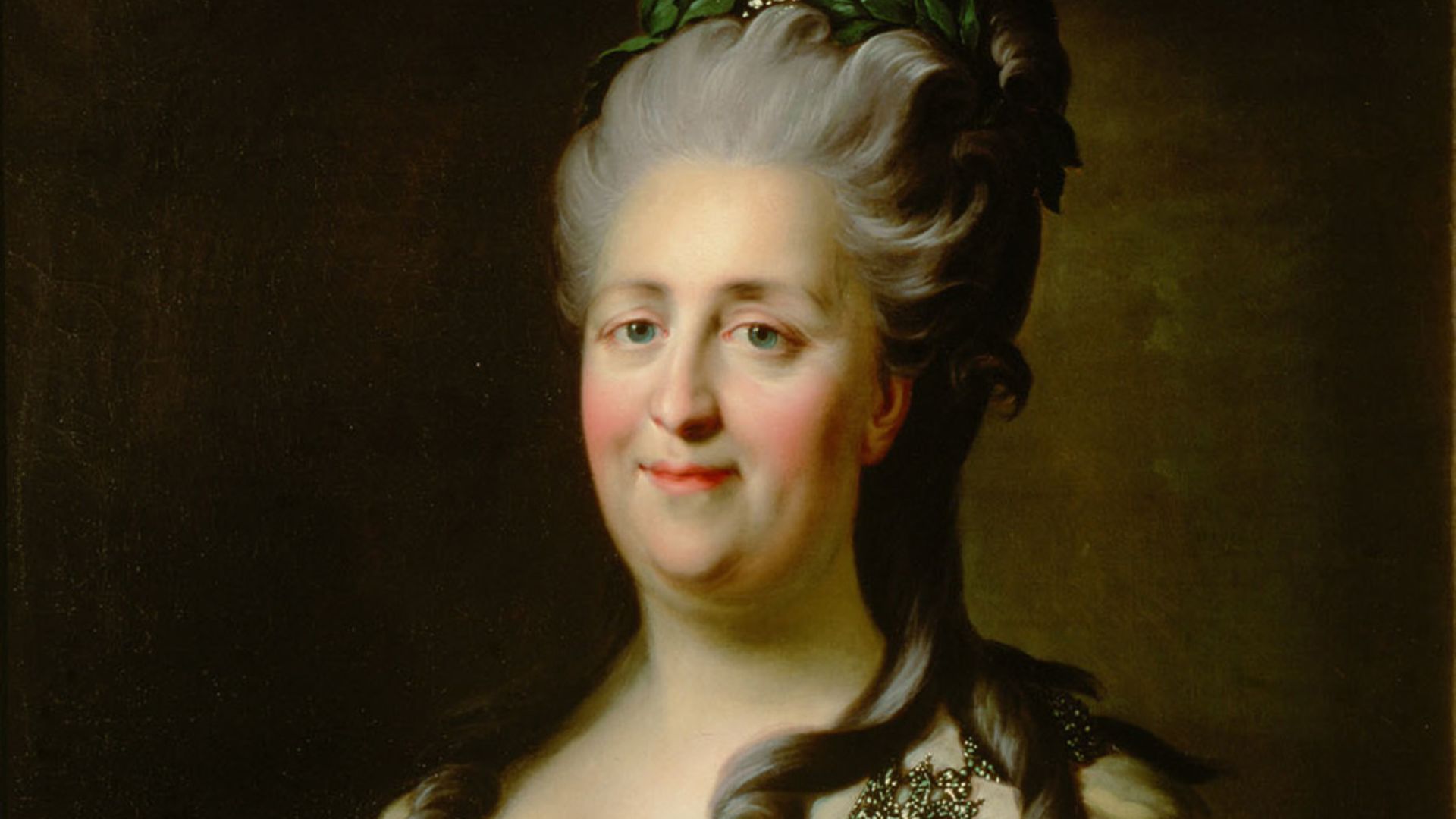 After Alexander Roslin on Wikimedia
10. Peter the Great
Peter I of Russia didn't merely introduce reforms; he made personal transformation part of his political image. He traveled in Western Europe, learned practical trades, reshaped court customs, and famously pushed Russian elites toward Western dress and grooming standards. Stories about the enormous tsar working with his own hands helped portray him as energetic, practical, and impatient with old habits.
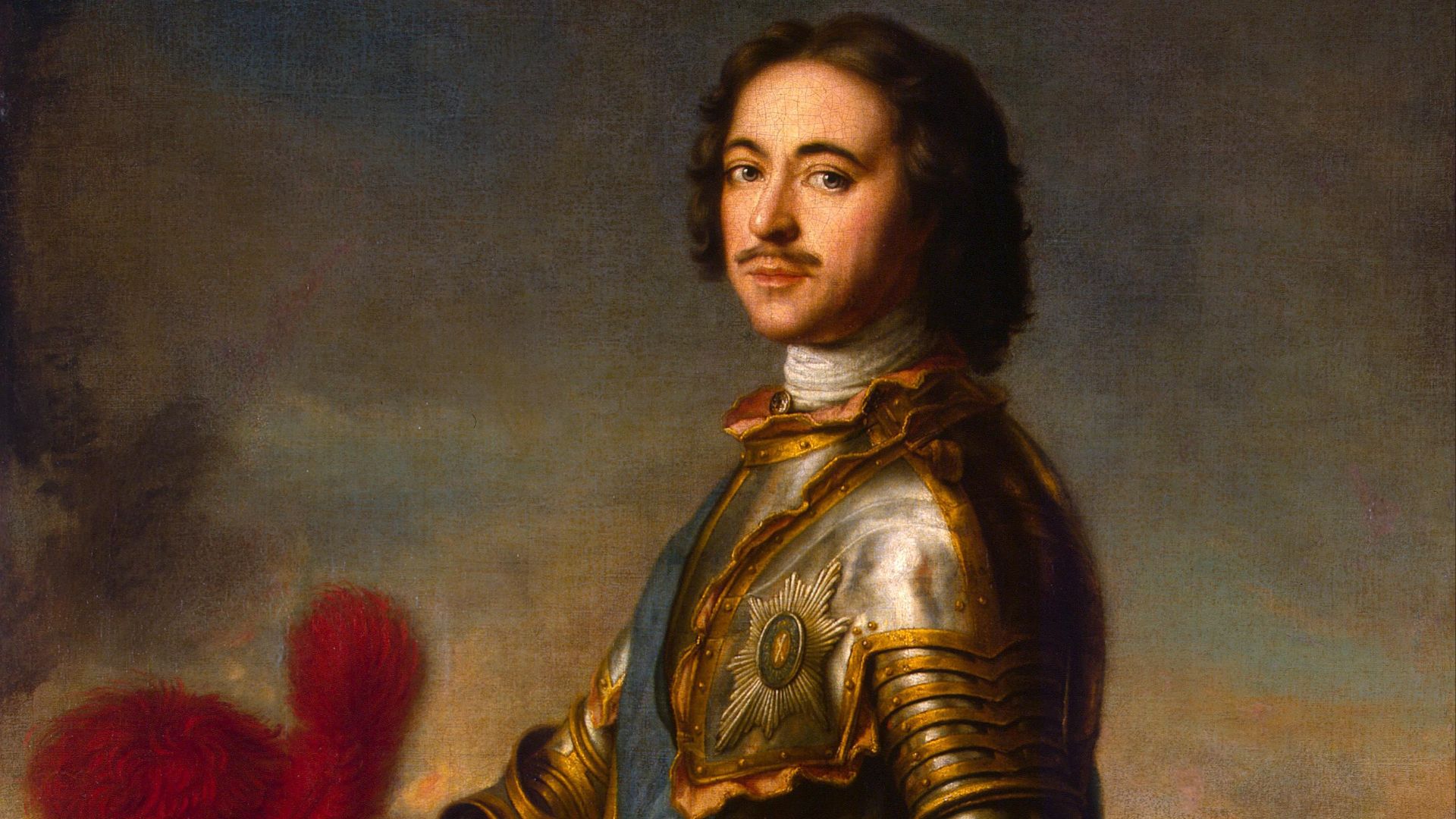 Attributed to Jean-Marc Nattier on Wikimedia
11. George Washington
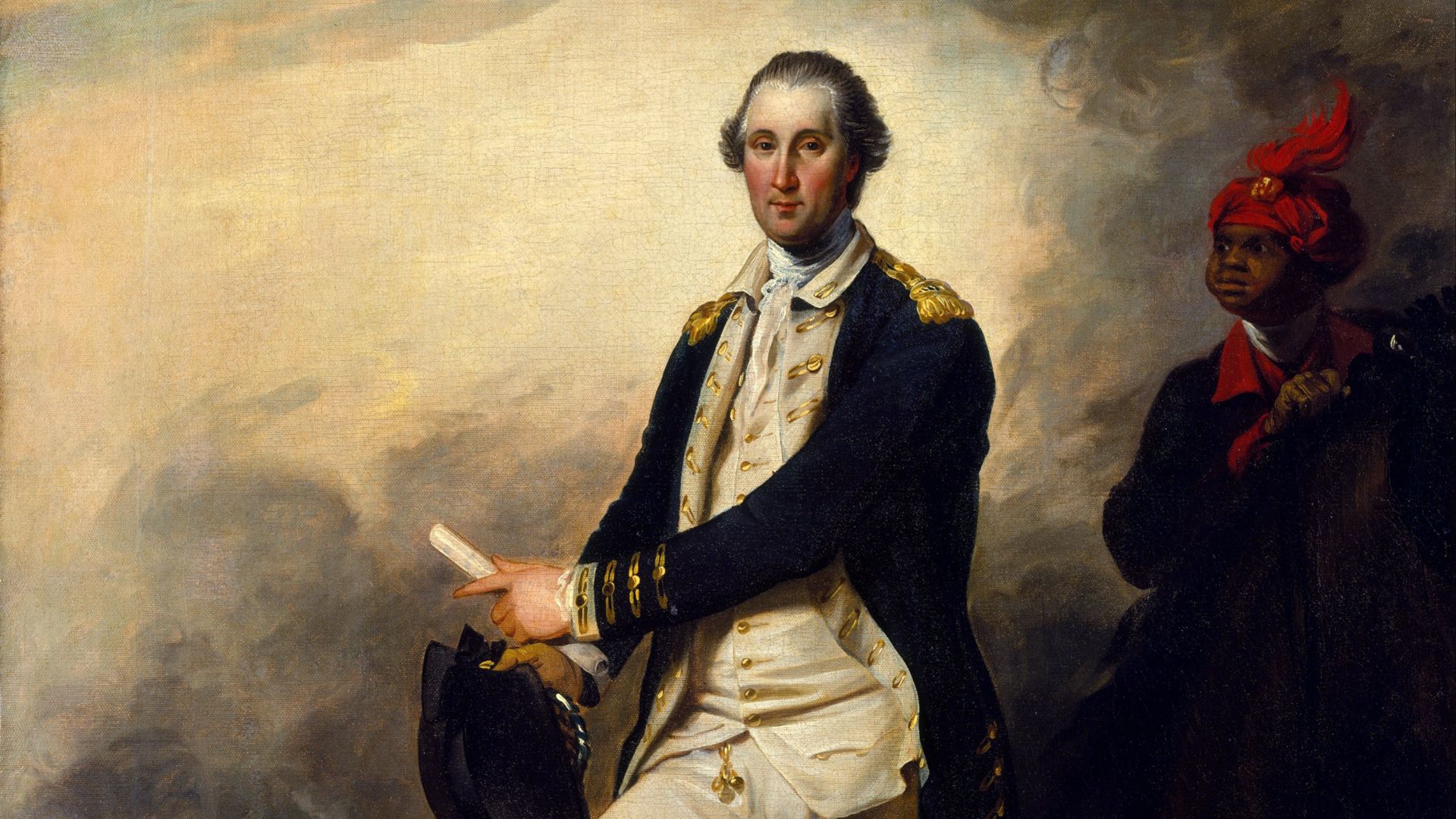
George Washington's reputation for modesty wasn't simply invented, but he understood how politically valuable restraint could be in the new U.S. His resignation as commander in chief after the Revolutionary War and his later decision to leave the presidency voluntarily helped establish him as a leader who wouldn't cling openly to power. Portraits, biographies, public ceremonies, and later patriotic storytelling elevated those choices into defining parts of his character.
12. Benjamin Franklin
When Benjamin Franklin arrived in France during the American Revolution, he played into European fascination as a supposedly plain and virtuous American. His fur cap, simple clothing, wit, and reputation as a scientist helped create a memorable persona that contrasted nicely with the formality of the French court. Franklin was perfectly capable of enjoying elite society, so the rustic philosopher image wasn't the whole story, but was extremely useful when he needed financial support for the American cause.
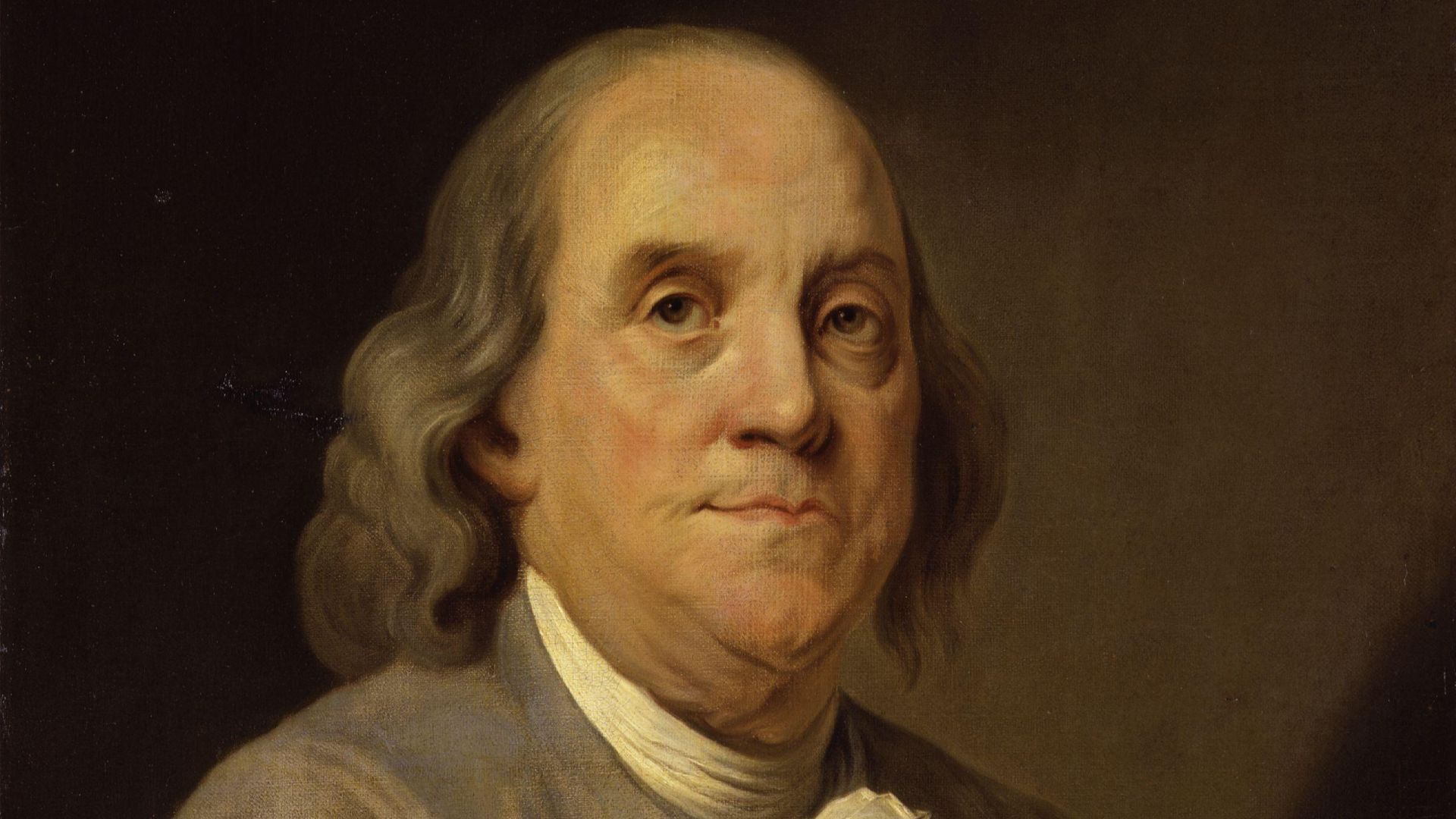 After Joseph-Siffred Duplessis on Wikimedia
13. Abraham Lincoln
Abraham Lincoln's frontier background became a major part of his political branding, especially during the 1860 presidential campaign. Supporters promoted him as the "rail-splitter," an ordinary, hardworking man whose rise reflected American opportunity rather than inherited privilege. The "Honest Abe" image was grounded in parts of Lincoln's real youth, but political organizers emphasized it because it distinguished him from more polished establishment figures.
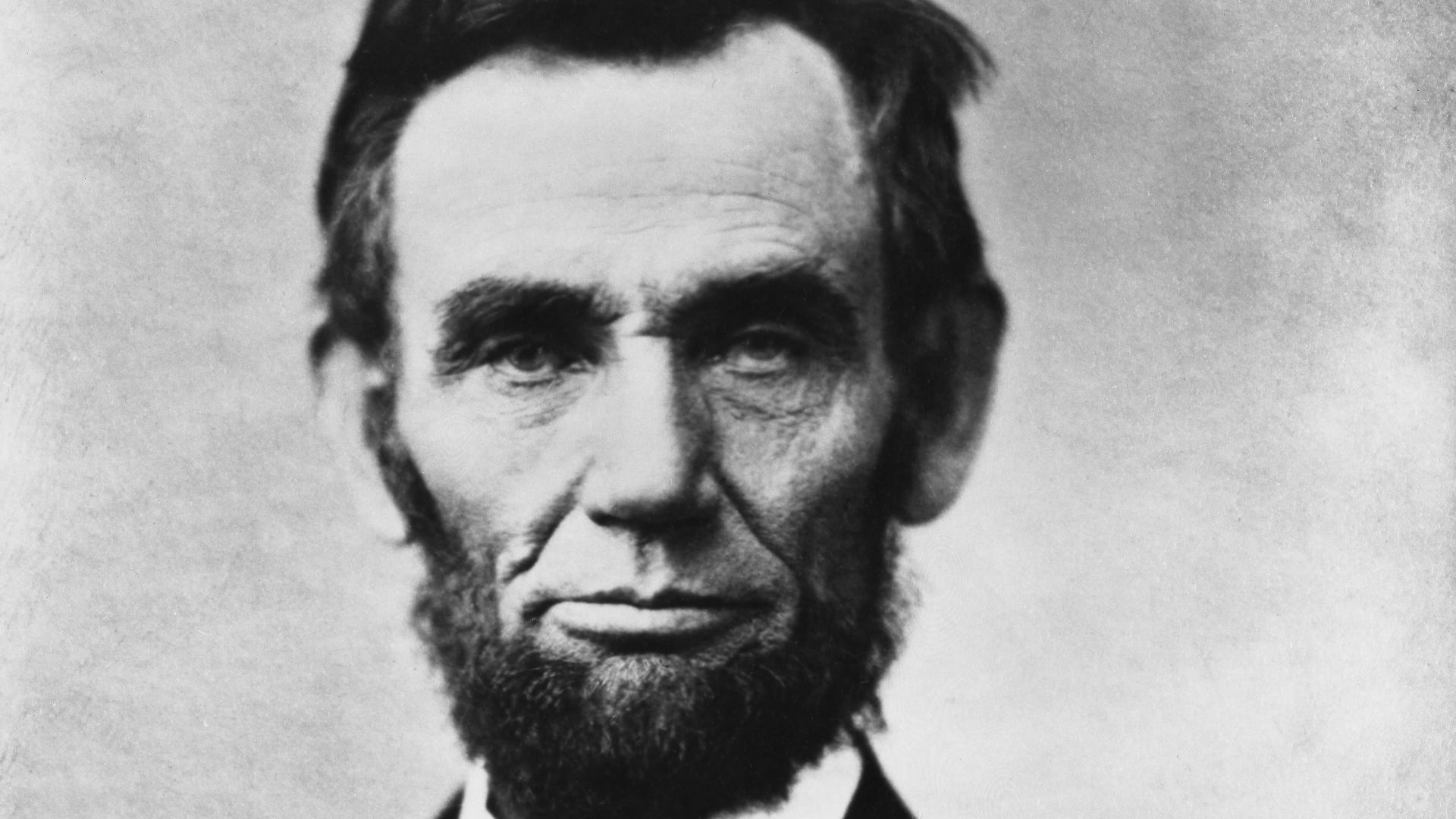 Alexander Gardner on Wikimedia
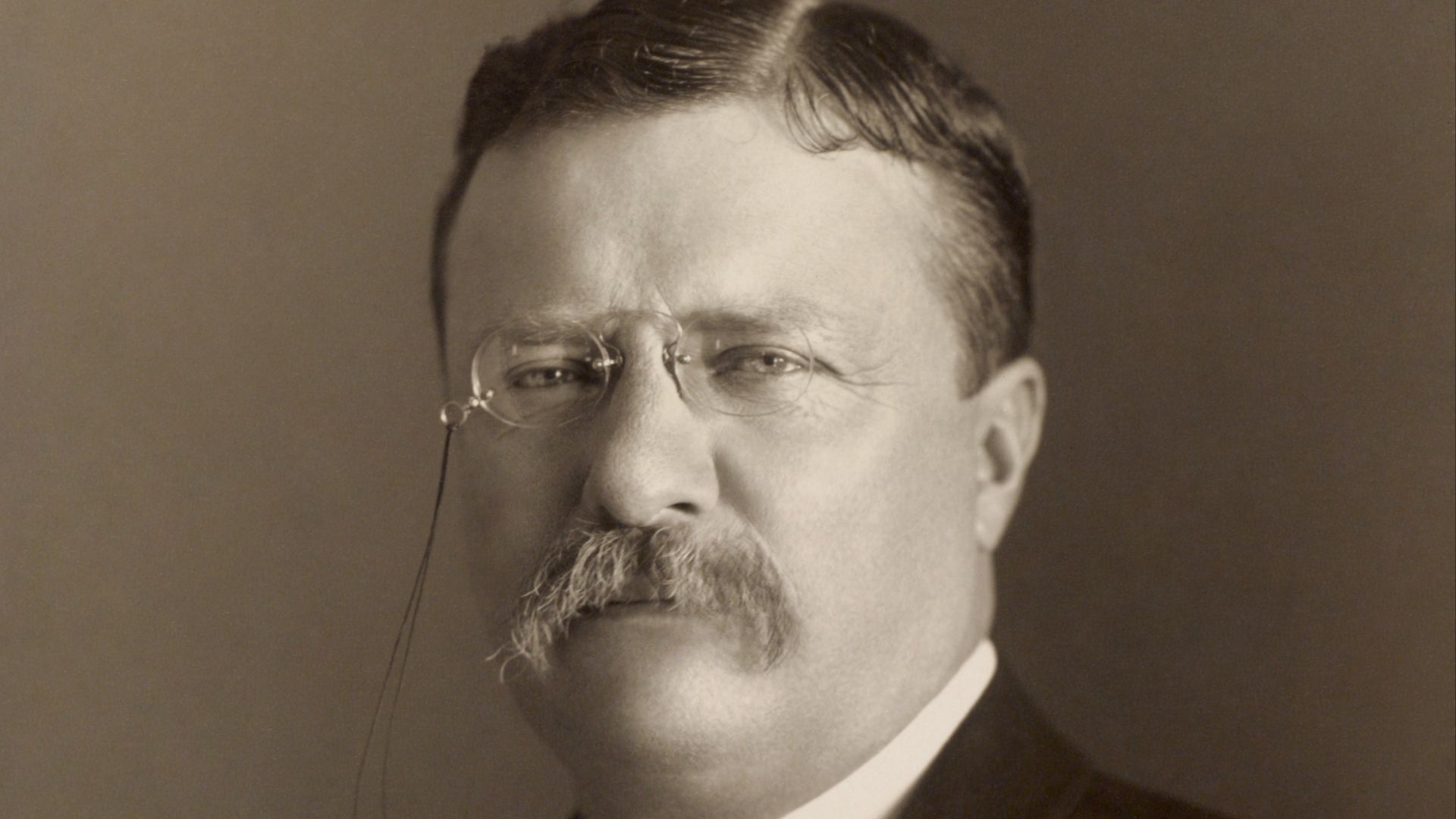
14. Theodore Roosevelt
Theodore Roosevelt made vigor practically synonymous with his name. Photographs and news stories showed him hunting, riding horses, exploring wilderness, giving speeches, and generally behaving like sitting still was personally offensive to him. He also encouraged stories about his physical transformation from a sickly child into a determined outdoorsman, which fit neatly with his larger message about strenuous living. Roosevelt understood perfectly well how useful a dramatic public character could be.
15. Winston Churchill
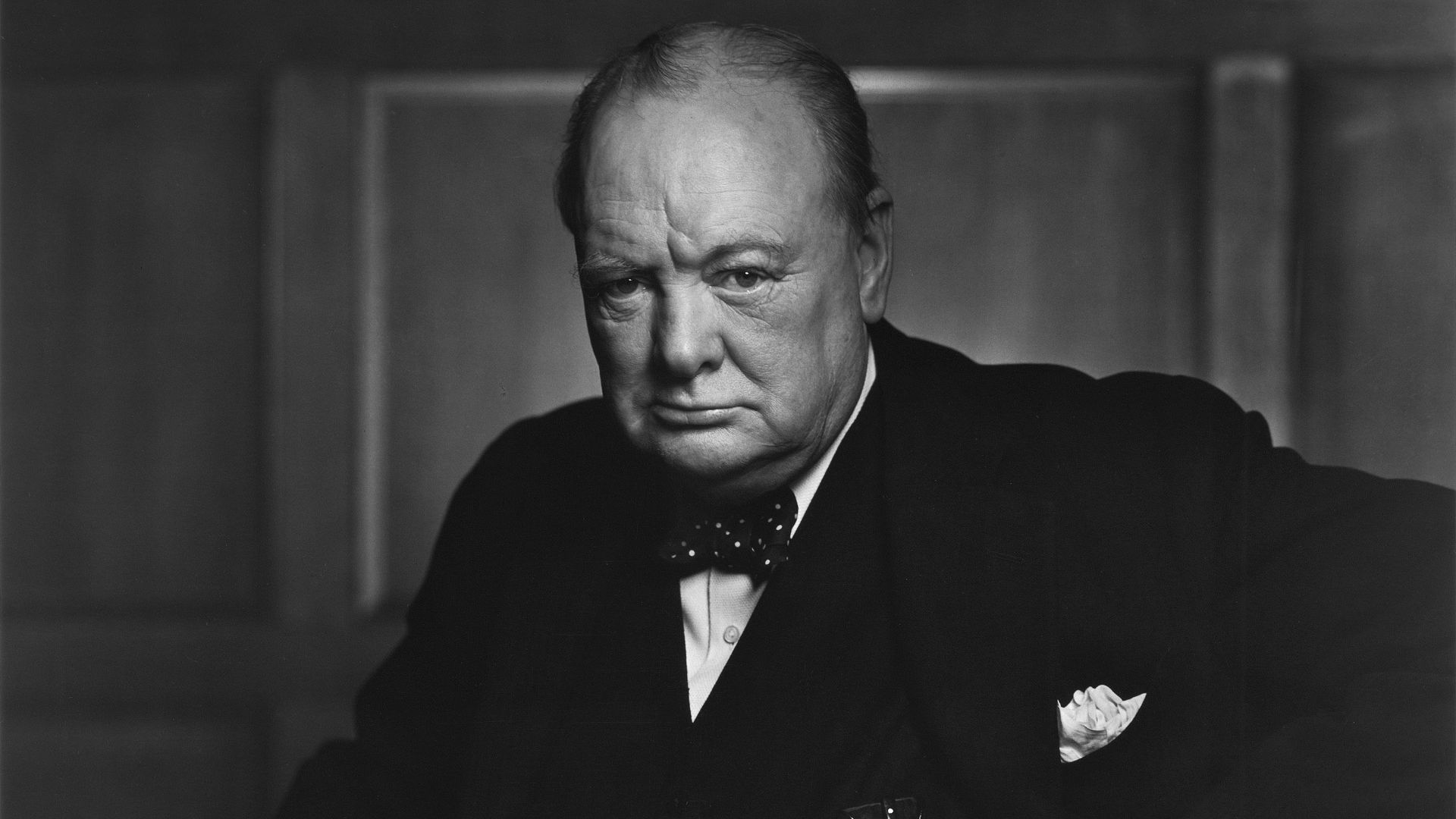
Winston Churchill's wartime speeches gave Britain some of the most memorable political language of World War II, but he was also deeply attentive to how history would remember him. His speeches, journalism, memoirs, and massive historical works gave him repeated opportunities to frame events and his own role in them. Churchill's historical importance isn't in doubt, but the Churchill most people remember was partly edited by Churchill himself.
16. Mahatma Gandhi
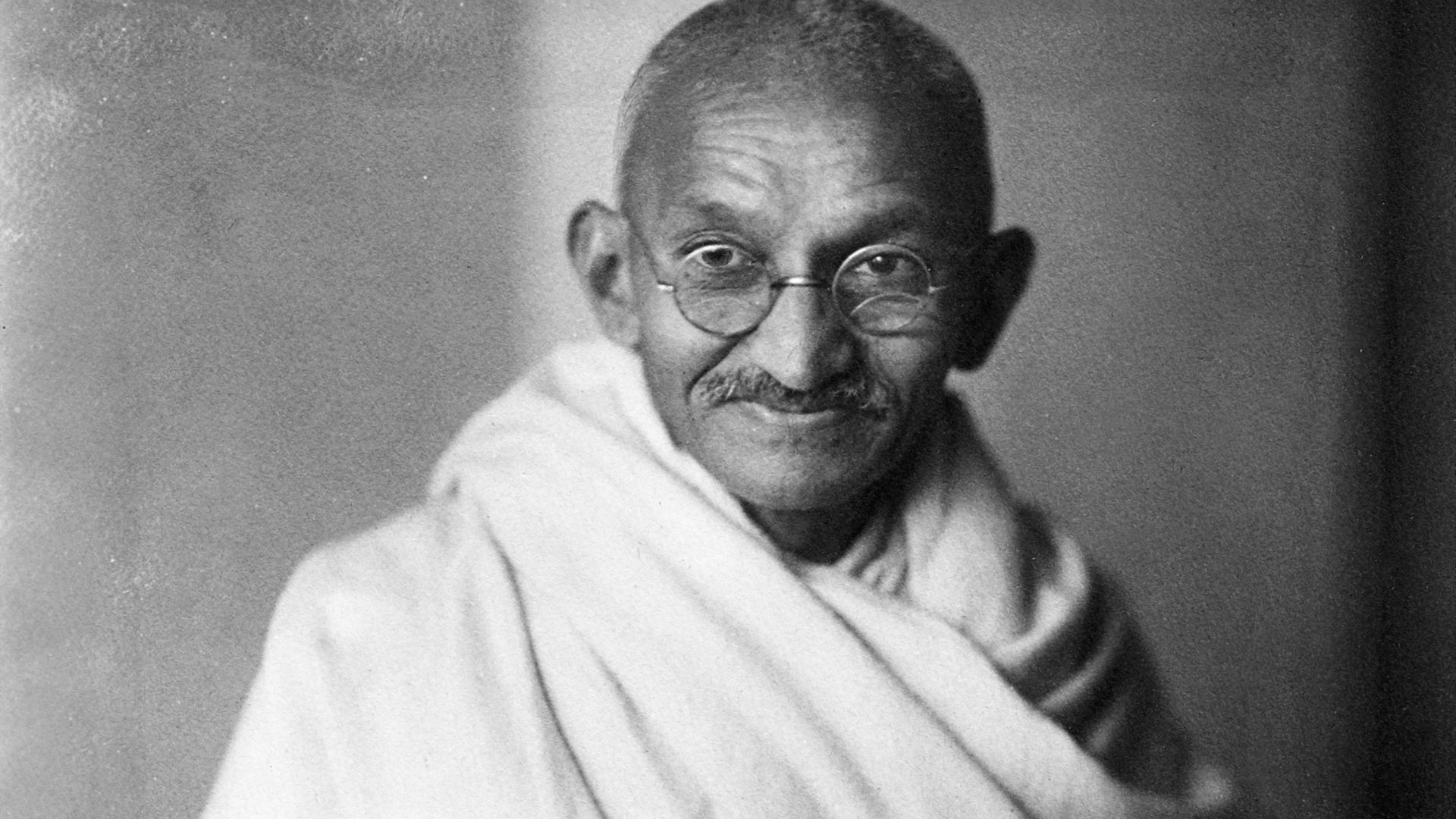
Gandhi's plain clothing became one of the most recognizable political images of the 20th century. By wearing hand-spun cloth and reducing his dress to a striking simplicity, he connected his appearance to Indian self-reliance, resistance to British economic influence, and solidarity with ordinary people. He understood that photographs of his lifestyle could communicate political ideas before anyone read a speech or pamphlet.
17. Benito Mussolini
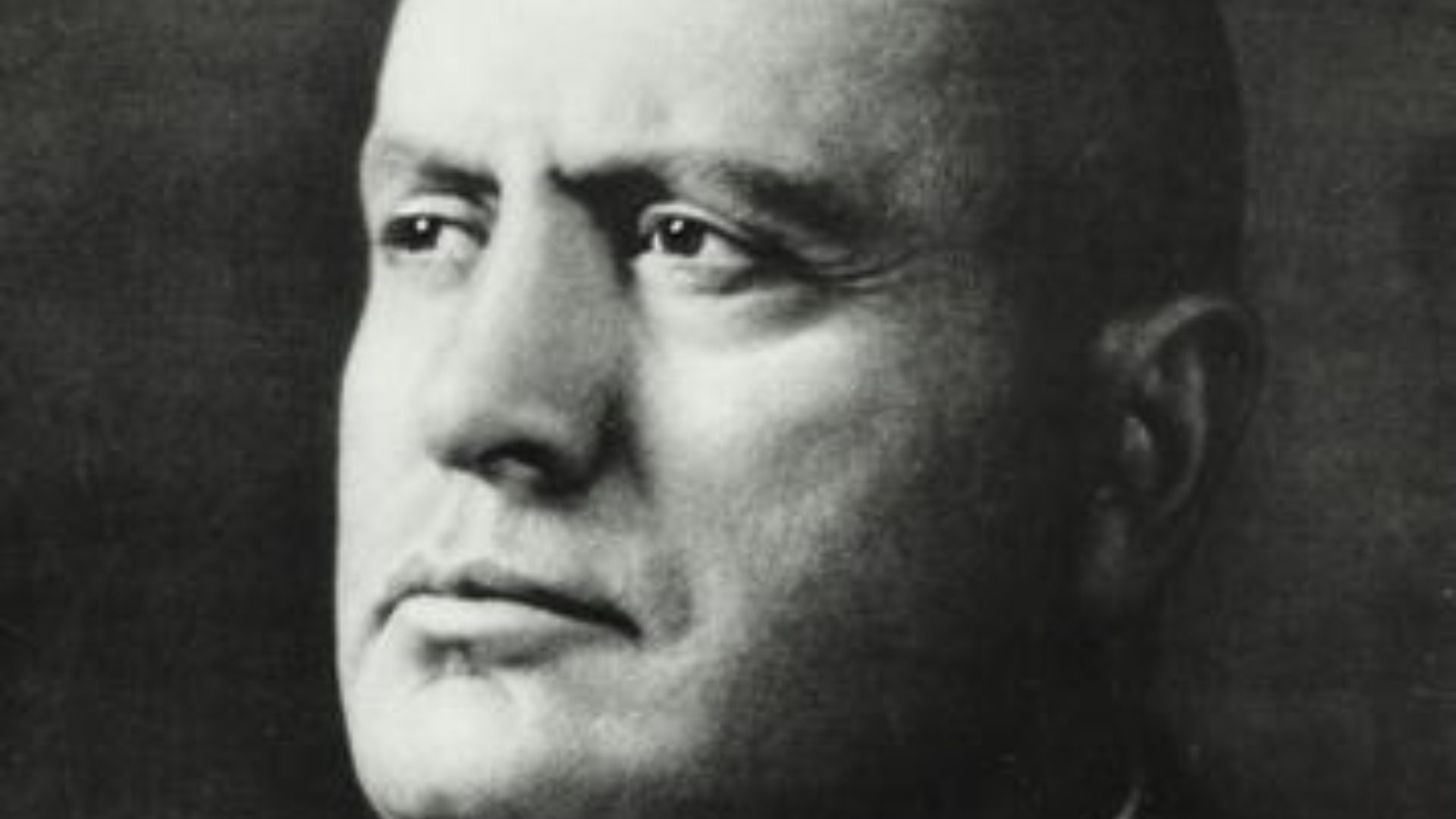
Mussolini's fascist regime treated imagery as a political weapon, and the dictator's physical presentation was carefully managed. Photographs and films showed him bare-chested harvesting grain, standing with his jaw pushed forward, riding horses, piloting aircraft, and appearing busy 100 percent of the time. These scenes were designed to suggest masculinity, energy, competence, and personal command.
18. Joseph Stalin
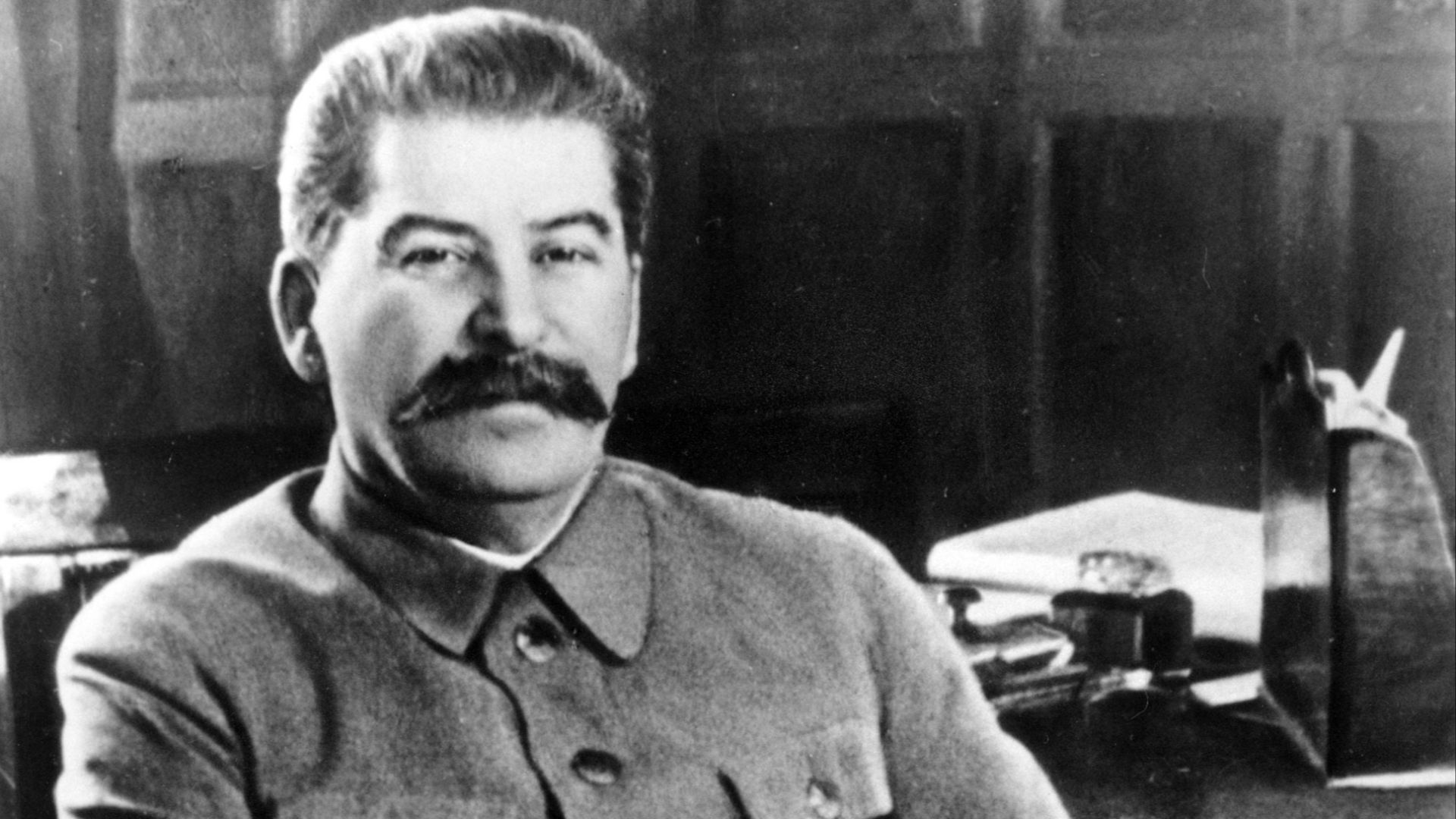
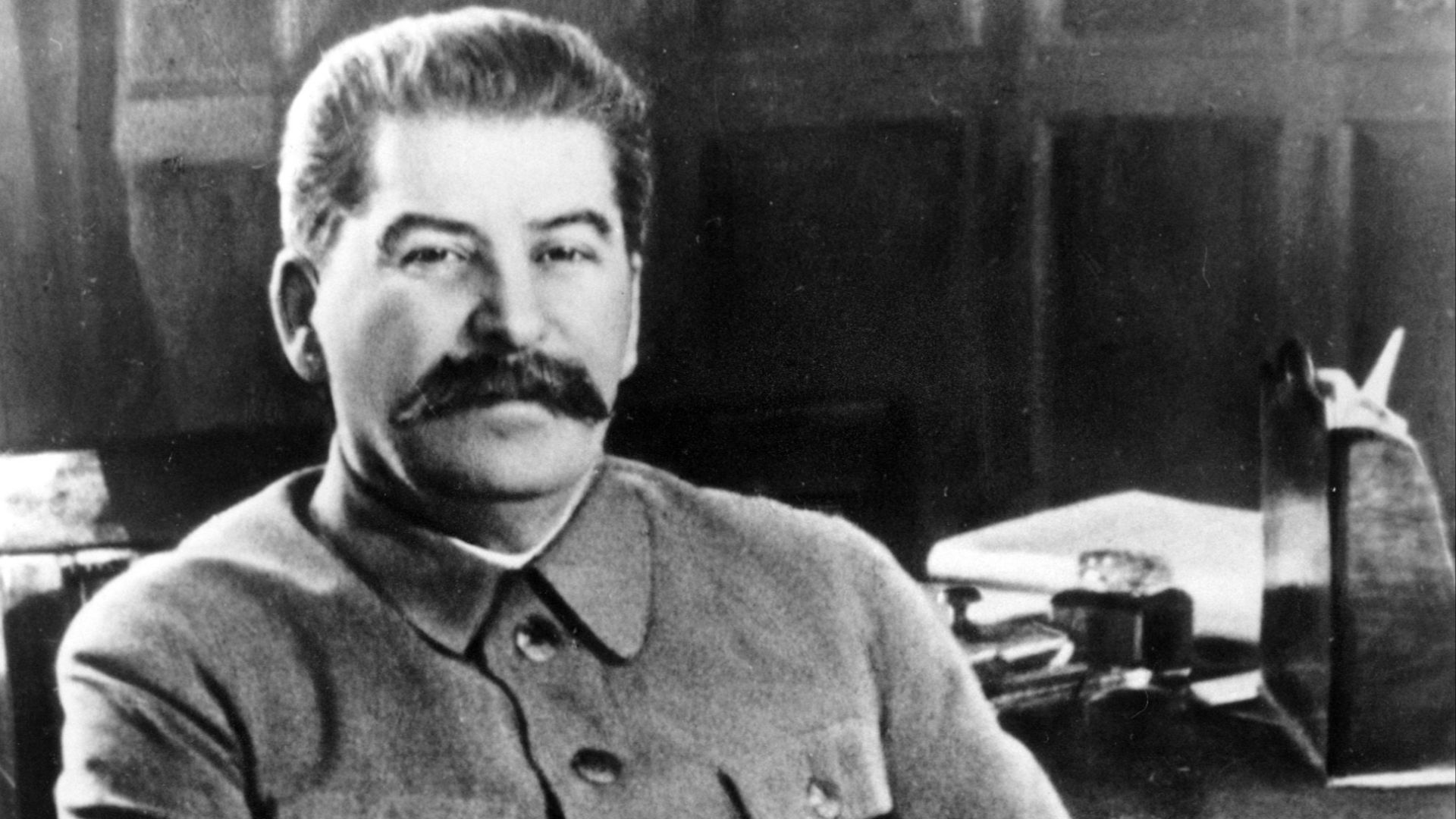
Under Stalin, controlling public memory went well beyond flattering portraits. Officials who fell from favor could disappear from publications, photographs were altered, and official histories were revised to elevate Stalin's importance within the Bolshevik movement. Propaganda presented him as a wise, charismatic, paternal figure whose leadership supposedly guided the Soviet Union through every major achievement, when in fact, his rule was based almost entirely on terror.
19. Mao Zedong
Mao's face became almost unavoidable in the People's Republic of China, appearing in portraits, posters, badges, newspapers, and public spaces on a massive scale. During the Cultural Revolution especially, propaganda elevated him from a political leader into an intensely symbolic figure whose image and words were treated with extraordinary reverence. The widespread distribution of the Little Red Book gave that personality cult a portable form people could literally carry around, meaning every small detail of those images was probably intentional.
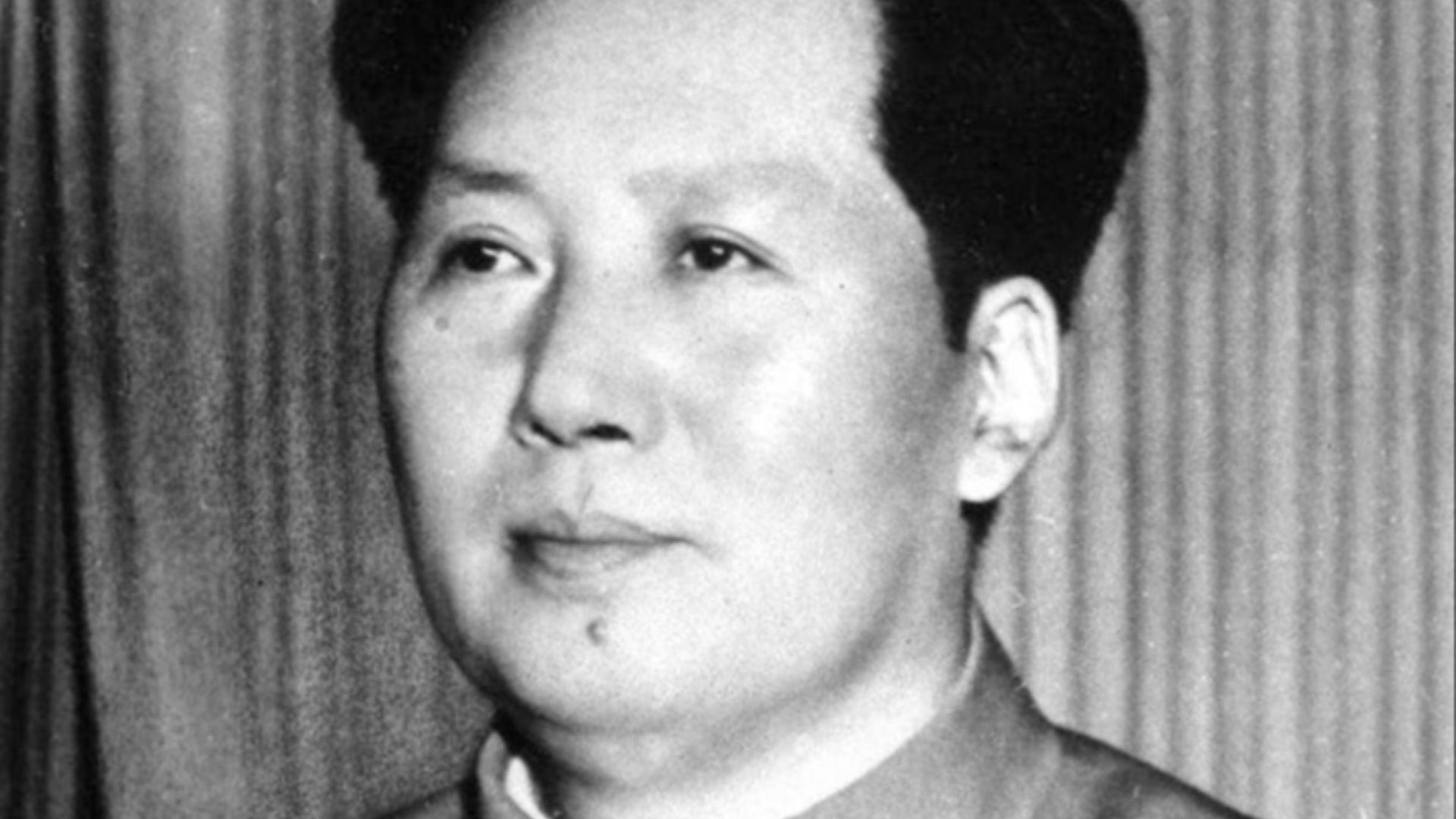 Chen Zhengqing (1917–1966) on Wikimedia
20. Queen Victoria
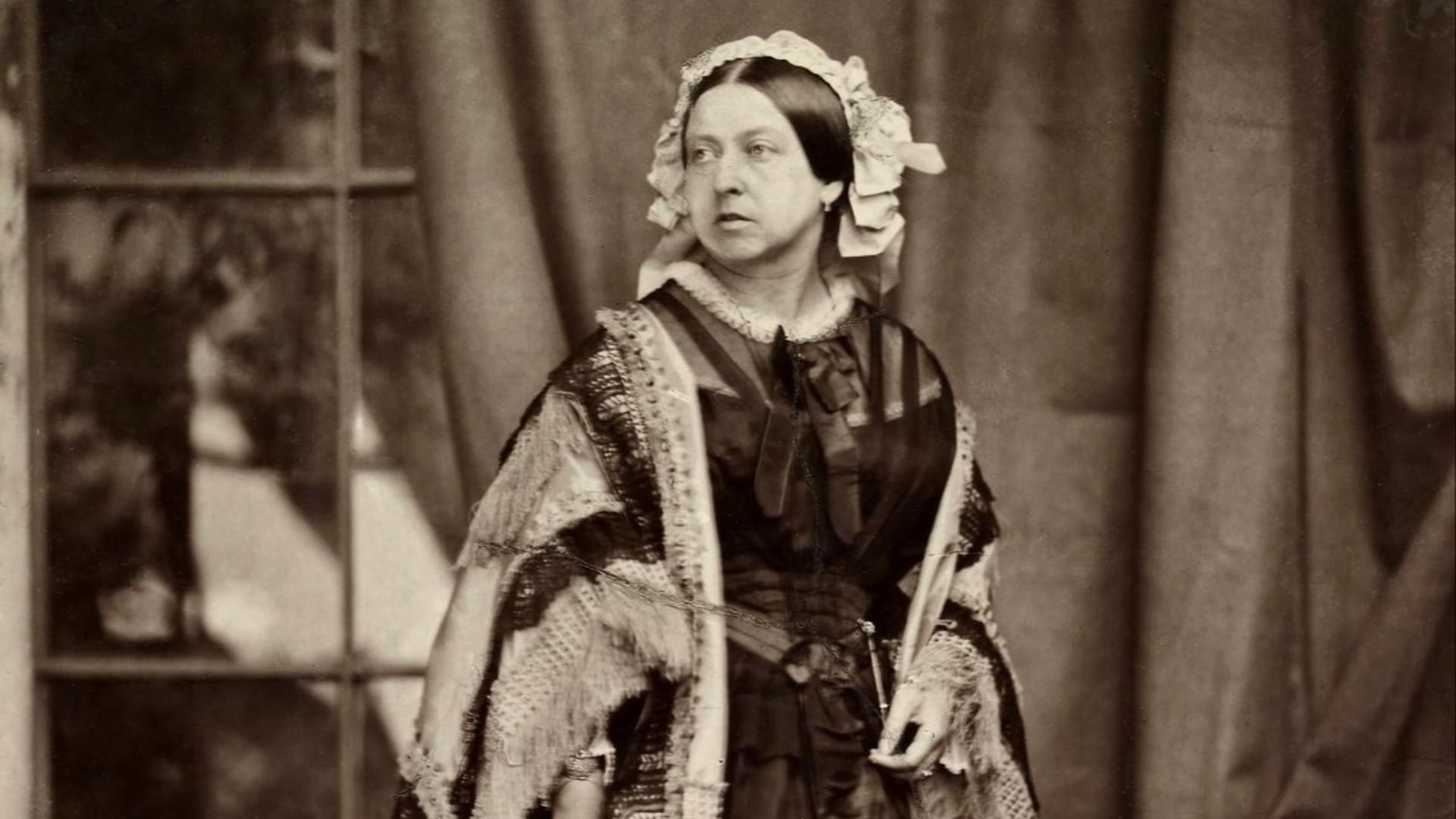
Queen Victoria's public image changed dramatically over the course of her reign, and each phase carried significance. Early portraits emphasized youthful royalty, family images later presented Victoria and Prince Albert as perfect domestic parents, and after Albert's death, her black mourning clothes became inseparable from her public identity. Photography allowed these versions of the royal family to circulate more widely than had been possible for earlier monarchs, helping transform the monarchy into an institution increasingly tied to family, morality, and ceremony.
KEEP ON READING