20 Royals Who Were Mutilated So They Could Never Rule Again
Removed From the Running
For centuries, the Byzantine Empire worked on an unwritten rule that an emperor had to be physically whole. That turned mutilation into a political tool, since a slit nose or a pair of ruined eyes could end a claim to the throne without the bad optics of an execution. Rulers in Persia, India, and western Europe reached the same grim conclusion on their own. The method had a mixed track record, and a few of the people below found their way back to power anyway. Here's 20 royals who were mutilated so they could never rule again.
 Unknown authorUnknown author on Wikimedia
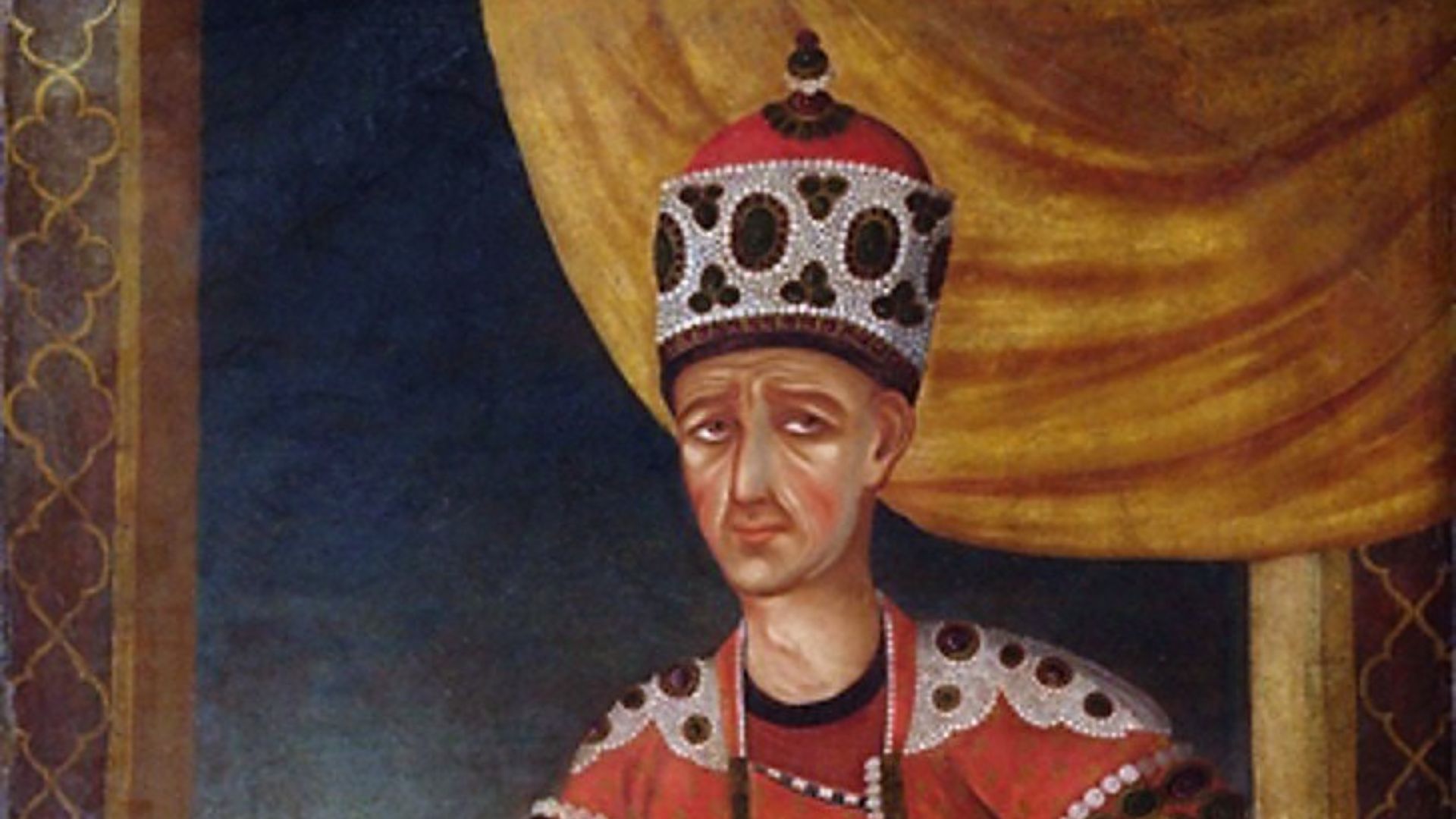
1. Hormizd IV
A palace coup in the Sasanian capital of Ctesiphon ended the reign of Hormizd IV in 590, after a run of military setbacks had turned the nobility against him. The plotters, his own brothers-in-law Vistahm and Vinduyih, blinded him and handed the crown to his son Khosrow II. Hormizd didn't survive long after that.
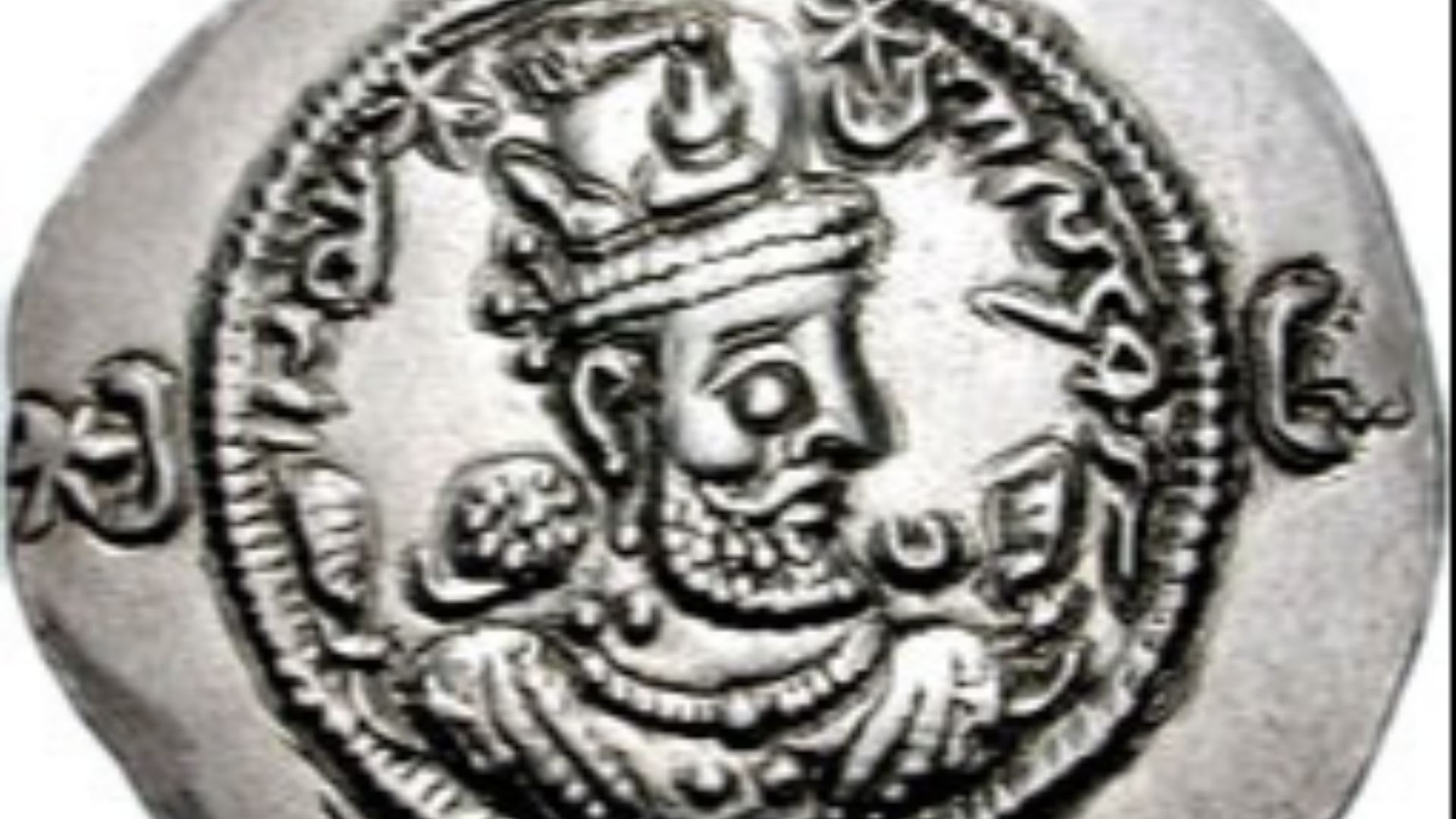
2. Heraklonas
Heraklonas was about 15 when he became emperor in 641, and he held the job for only a few months. The Senate and the army turned on him, and the executioners slit his nose, making him one of the first Byzantine emperors disfigured to disqualify him. His nephew, Constans II, took over while Heraklonas sailed into exile on Rhodes.
 Internet Archive Book Images on Wikimedia
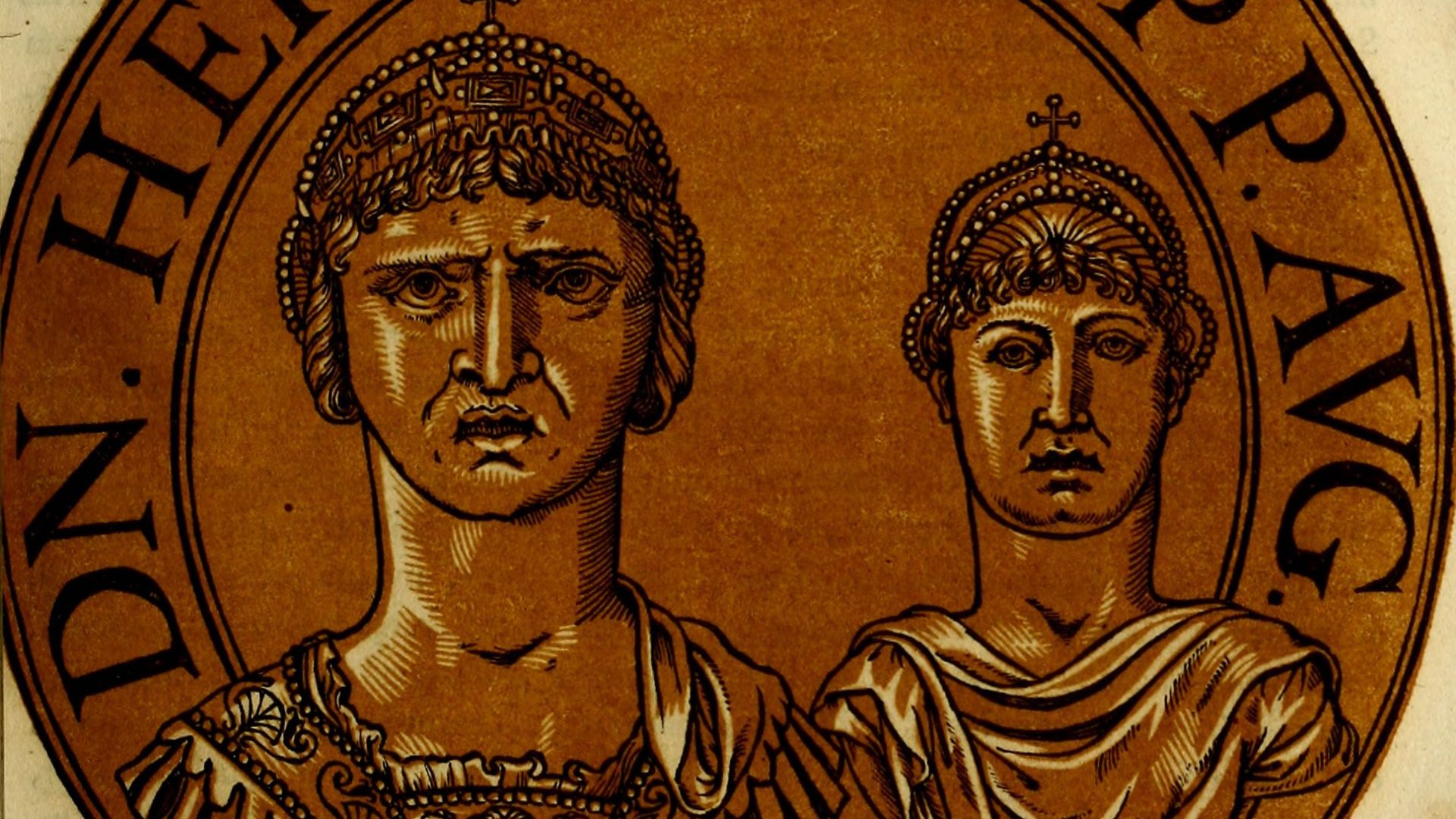
3. Martina
Martina went to Rhodes too, deeply unpopular after ruling beside her son and marrying her own uncle, Emperor Heraclius. Heraclius had married her around 613, and the church never fully accepted the match. Before the ship left, her tongue was cut out.
 c. 1425-1430 artist on Wikimedia
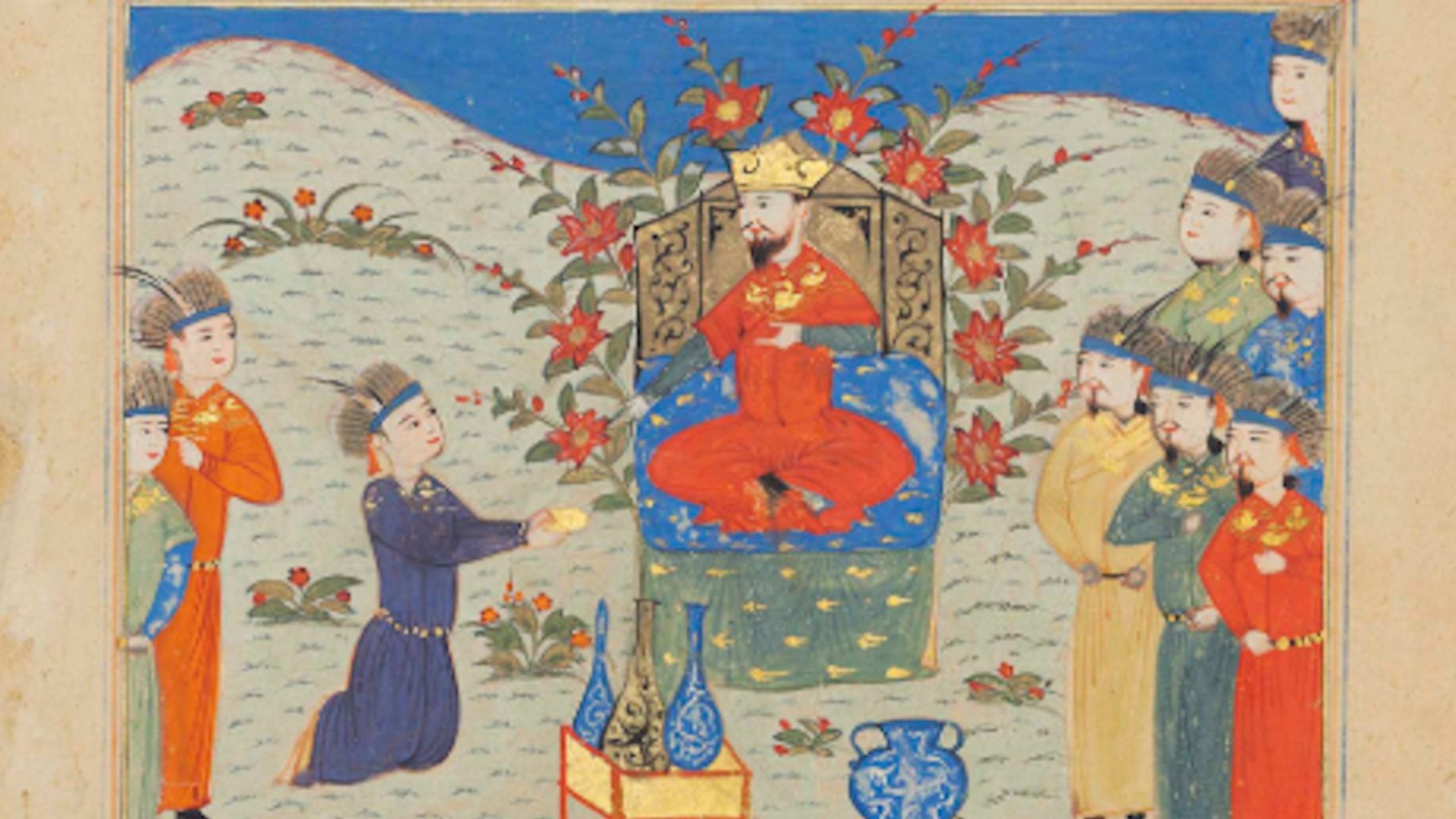
4. Justinian II
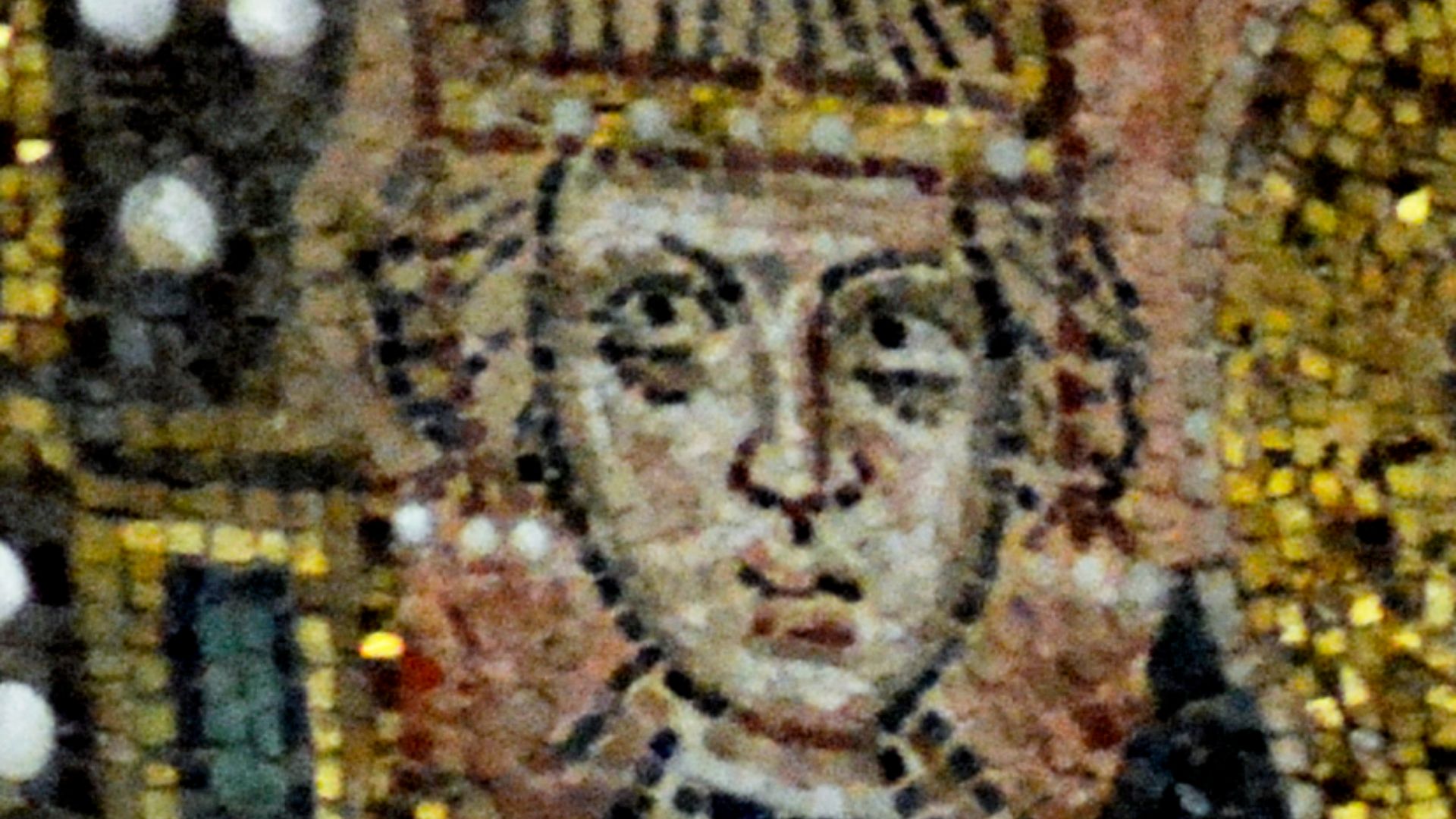
Justinian II is the clearest case of the method failing. He lost his nose in 695 and spent ten years in exile around the Black Sea, where he married the sister of the Khazar ruler and plotted a comeback. He retook Constantinople in 705 with a Bulgar army behind him, and later writers say he covered the damage with a nose of solid gold.
5. Leontios
The general who deposed Justinian lasted three years before a rival did the same thing to him. In 698, Leontios lost the crown and his nose and was locked away in a monastery. Once restored, Justinian paraded him through the Hippodrome in 706 alongside Tiberios III, the man who had overthrown Leontios, and executed both.
 Niels Breitenstein on Wikimedia
6. Nikephoros and His Brothers
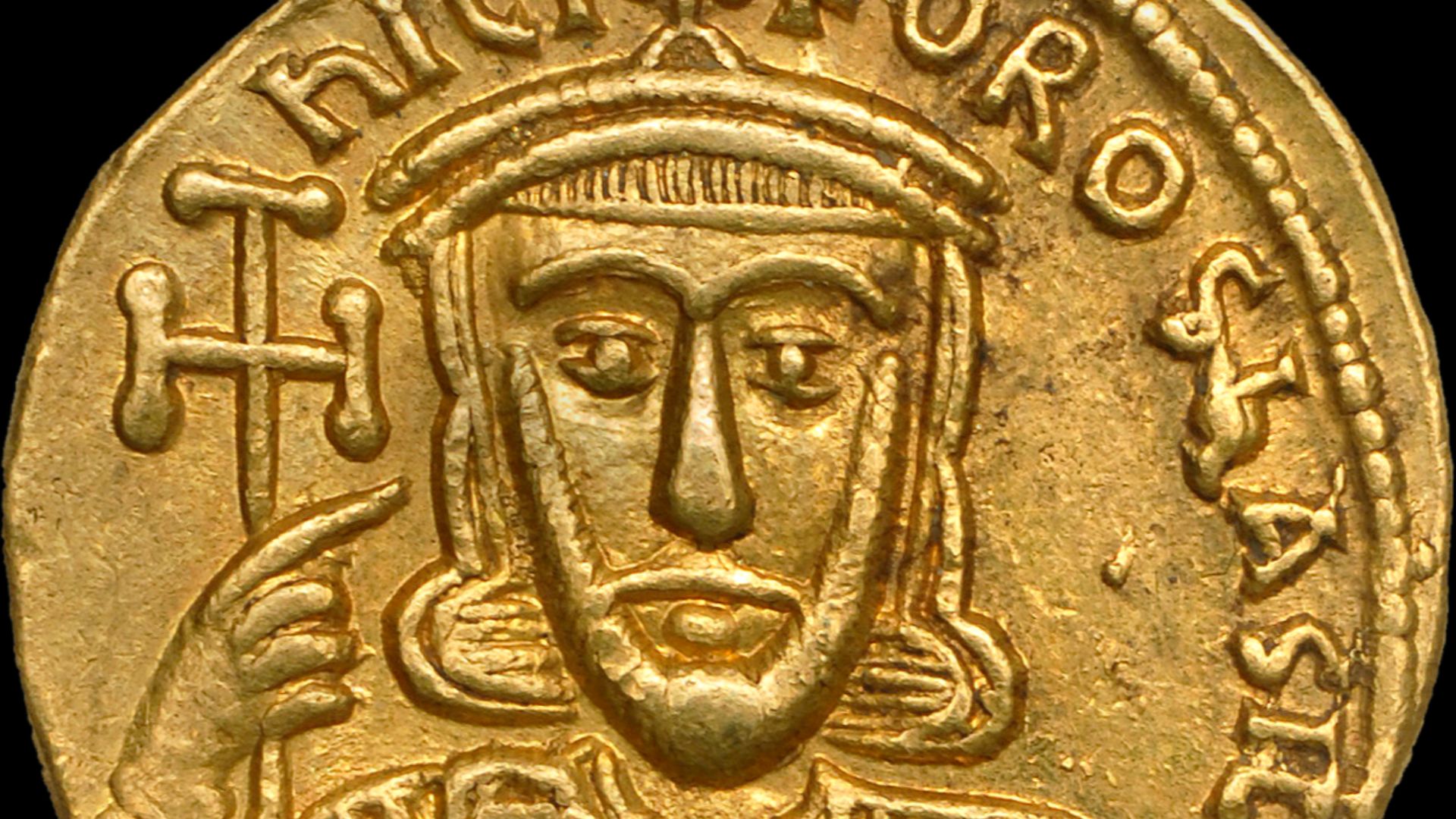
Constantine VI was barely into his twenties when he learned of a 792 plot to crown his uncle Nikephoros. He answered by taking Nikephoros's sight, and four more uncles lost their tongues. Conspirators kept trying to use the brothers as figureheads for years afterward.
7. Constantine VI
The purple chamber of the Great Palace, where imperial children were born, is where Constantine VI lost his eyes in 797.
His mother, Irene, gave the order after years of sharing power with him. She went on to rule in her own name, the first woman to hold the Byzantine throne that way, and at times she signed documents as emperor.
 Giovanni Battista de'Cavalieri on Wikimedia
8. Bernard of Italy
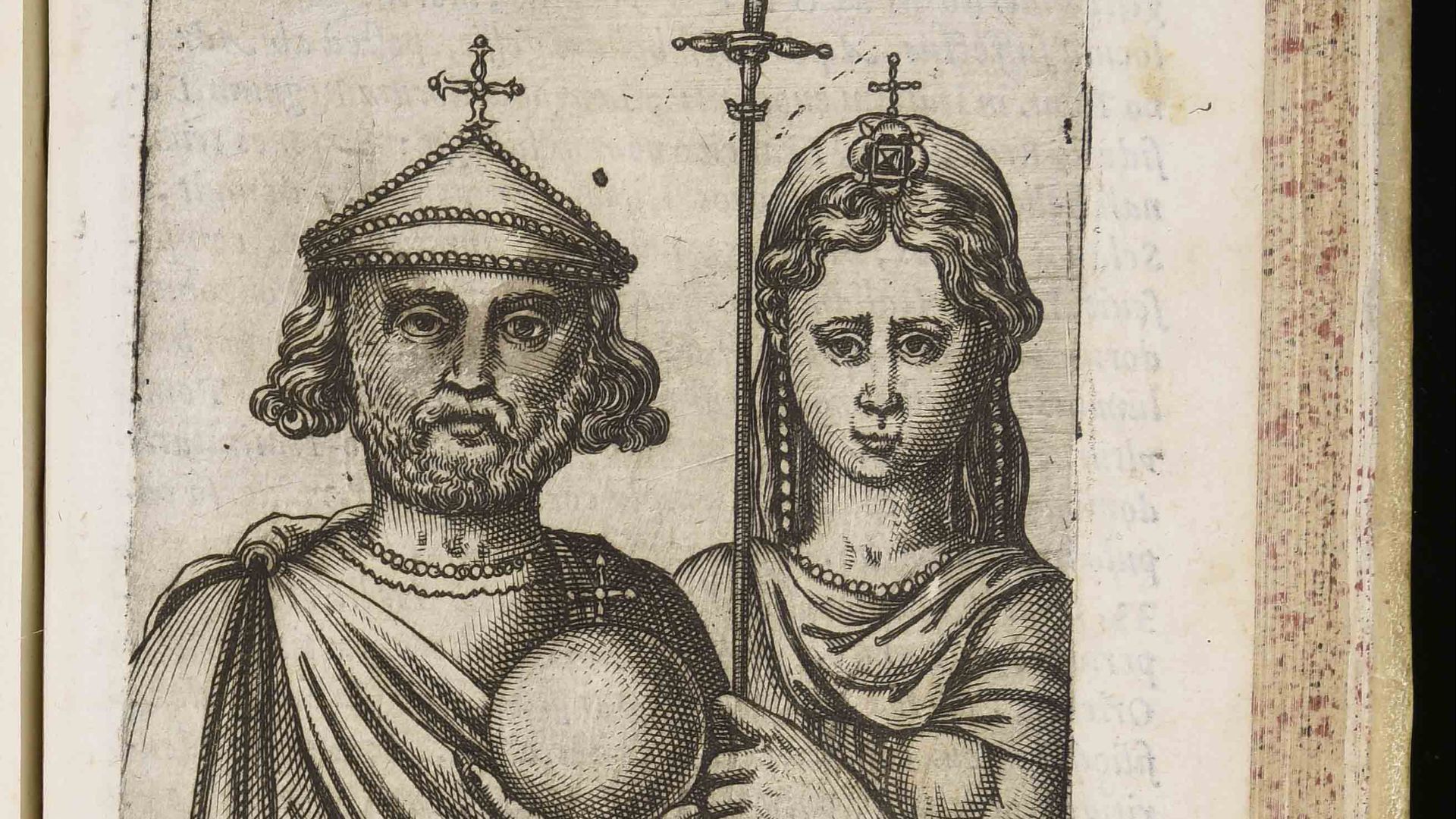
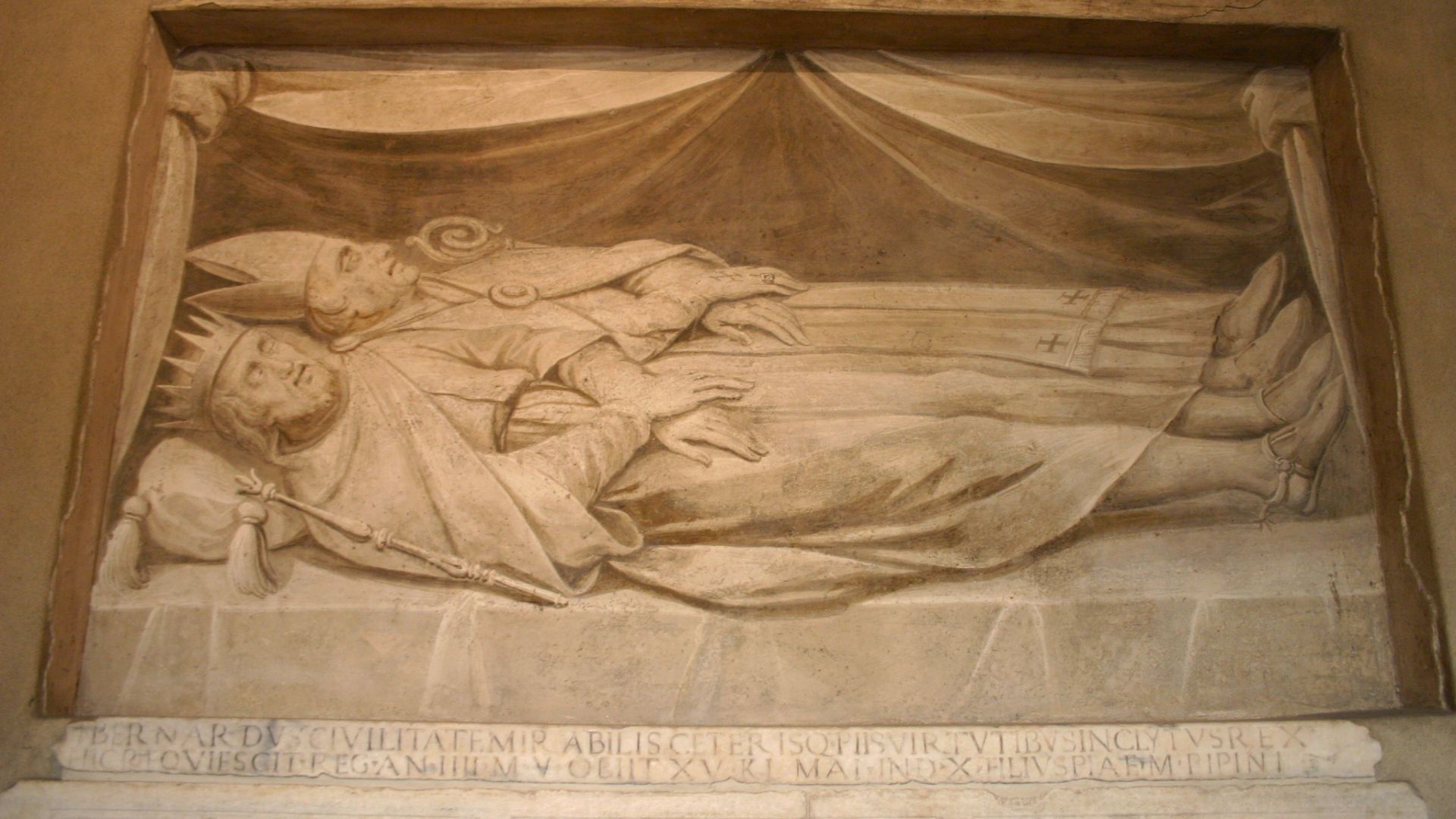
Charlemagne's grandson Bernard was king of Italy when he rose against his uncle, Louis the Pious, in 817. A court sentenced him to death, Louis reduced it to blinding, and Bernard died two days after it was carried out in 818. Louis did public penance for it at Attigny four years later, in front of his bishops and nobles.
 Giovanni Dall'Orto on Wikimedia
9. Carloman
Charles the Bald tried the gentler option first and made his son Carloman a churchman, which was supposed to keep him away from the crown. Carloman rebelled anyway, and in 873 his father had his eyes put out. He escaped to the court of Louis the German and ended his life as abbot of Echternach.
10. Alfred Aetheling
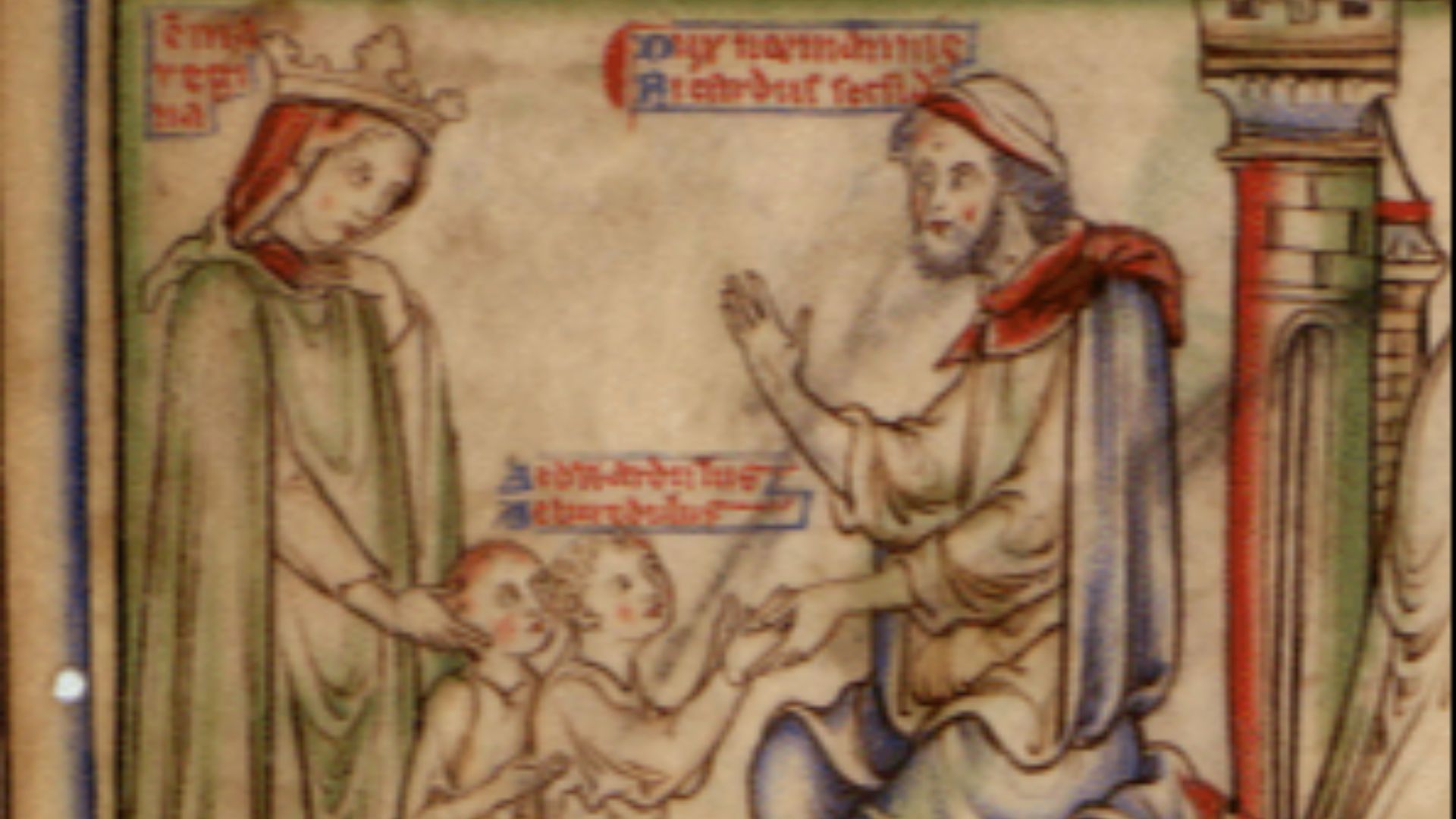
Earl Godwin's men intercepted Alfred in 1036, soon after the younger son of King Æthelred crossed from Normandy to press a claim to the English crown. Blinded on the road to Ely, he died of his injuries at the monastery there. His older brother later became king and is remembered as Edward the Confessor.
 AnonymousUnknown author on Wikimedia
11. Michael V
Four months is all Michael V got. In April 1042 he tried to banish his popular adoptive mother Zoe to a convent, and the city rose against him within days. A mob pulled him out of the church where he'd taken refuge, and he was blinded in the street.
 Unknown authorUnknown author on Wikimedia
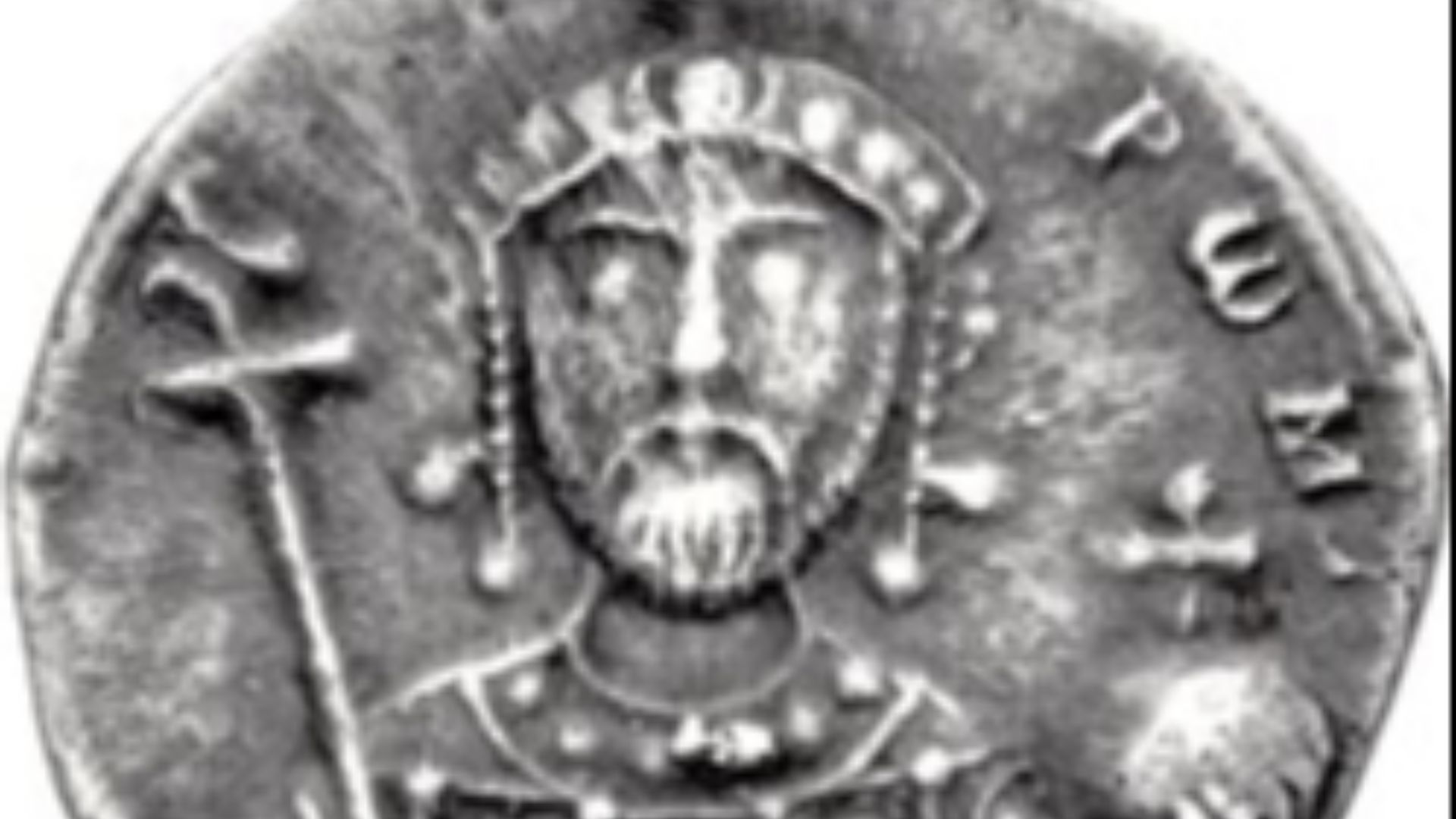
12. Romanos IV Diogenes
The Seljuk sultan Alp Arslan captured Romanos at Manzikert in 1071 and let him go with honors. Rivals in Constantinople were harsher, ordering him blinded in 1072, and the infected wounds killed him.
 UnknownUnknown / Photography: CNG coins on Wikimedia
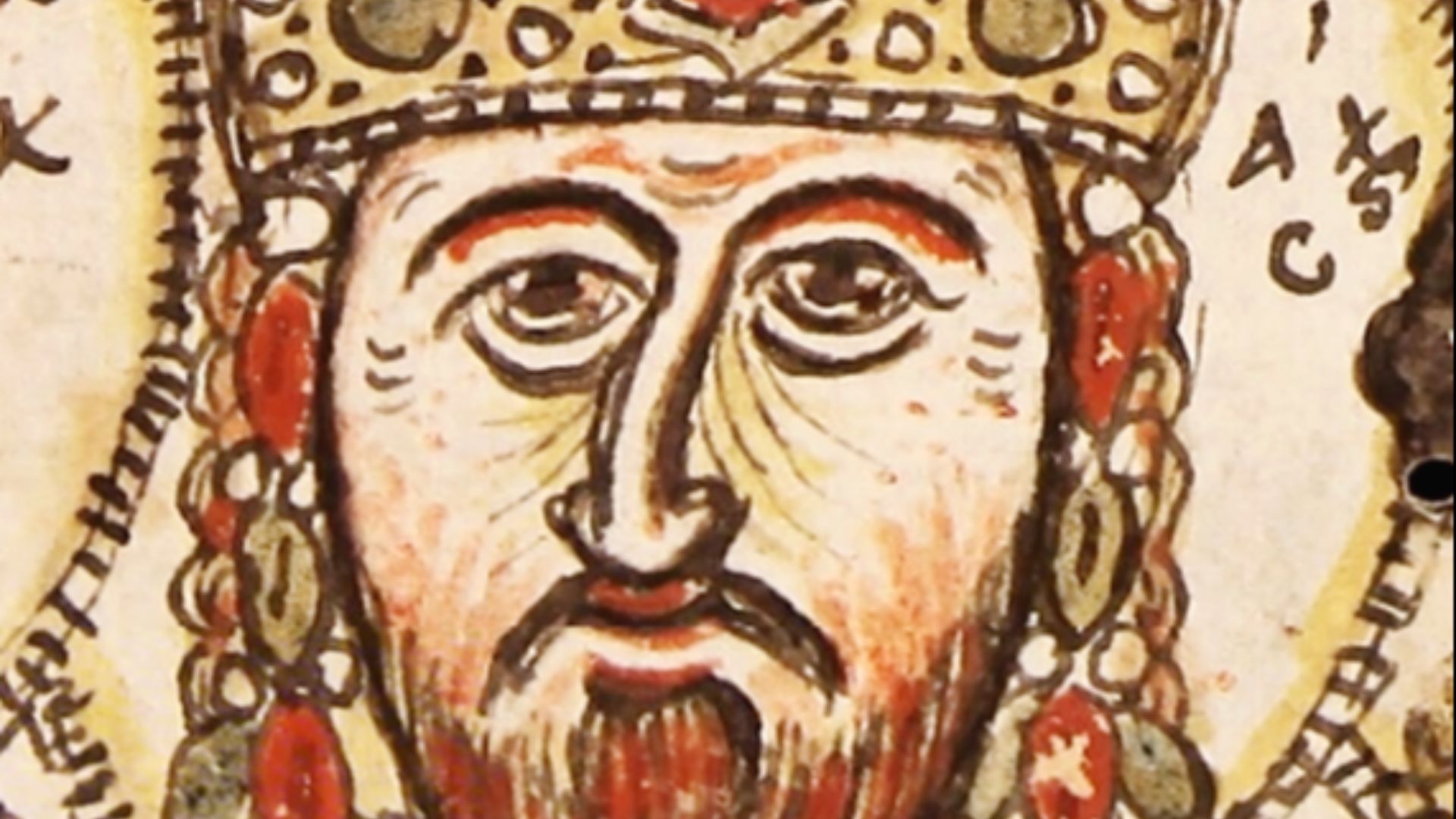
13. Isaac II Angelos
Isaac II's own brother blinded him in 1195 and became Alexios III. Eight years later, the Fourth Crusade marched on Constantinople and put the blind Isaac back in power beside his son. The crusaders had come partly to collect on promises his son had made, and the arrangement fell apart within months when the money never came.
 Unknown Byzantine scribes on Wikimedia
14. Alexios V Doukas
Alexios V earned the nickname Mourtzouphlos, usually explained as a reference to his heavy eyebrows. When the crusaders stormed the city in 1204, he fled to his father-in-law, the deposed Alexios III, and the old emperor blinded him. The crusaders caught him anyway and threw him from the top of the Column of Theodosius, in the middle of Constantinople.
 Unknown authorUnknown author on Wikimedia
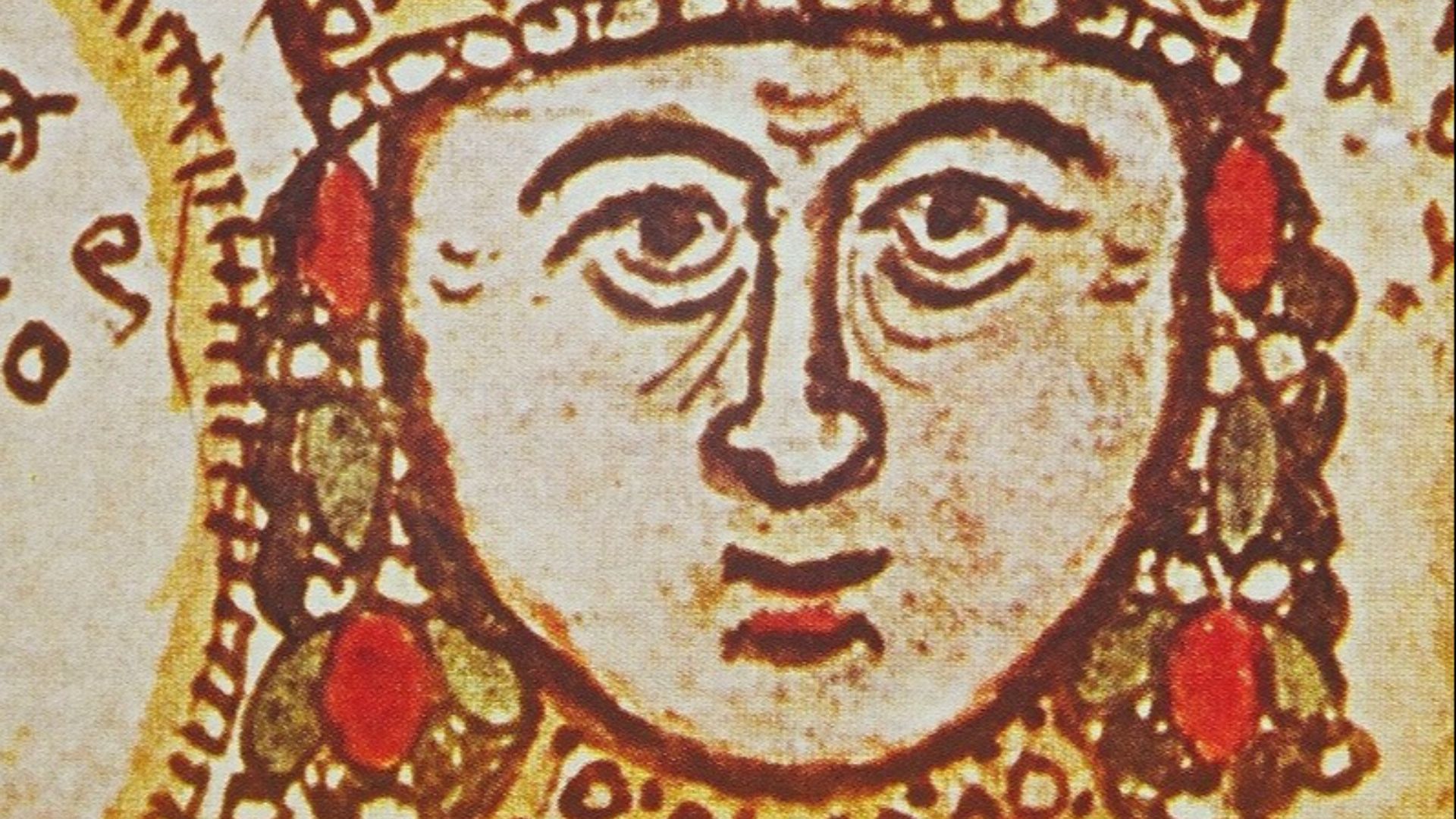
15. John IV Laskaris
On Christmas Day 1261, his 11th birthday, John IV lost his sight on the orders of his co-emperor, Michael VIII Palaiologos.
Patriarch Arsenios excommunicated Michael for the crime, and the boy spent the rest of his life in a fortress. Decades later, Michael's son Andronikos II visited him there to ask for forgiveness.
 Unknown Byzantine artist on Wikimedia
16. Andronikos IV
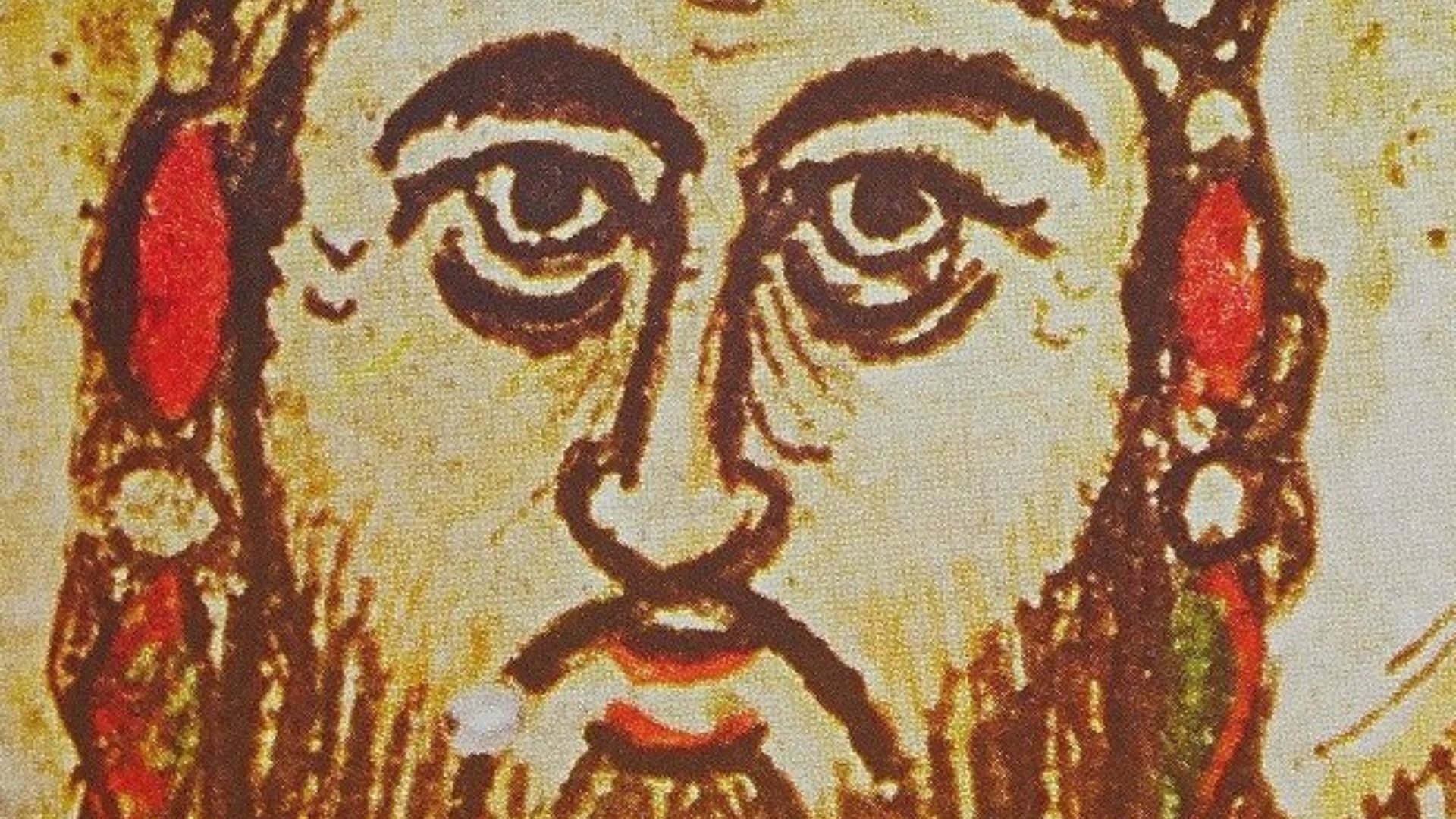
In 1373 Andronikos joined forces with Savcı Bey, a son of the Ottoman sultan Murad I, and both young men rebelled against their fathers. Murad had Savcı blinded, and John V ordered the same for Andronikos and his small son, though the job was only partly done. By 1376, with Genoese help, Andronikos had taken the throne and locked John V in a tower.
 Unknown Byzantine artist on Wikimedia
17. Kamran Mirza
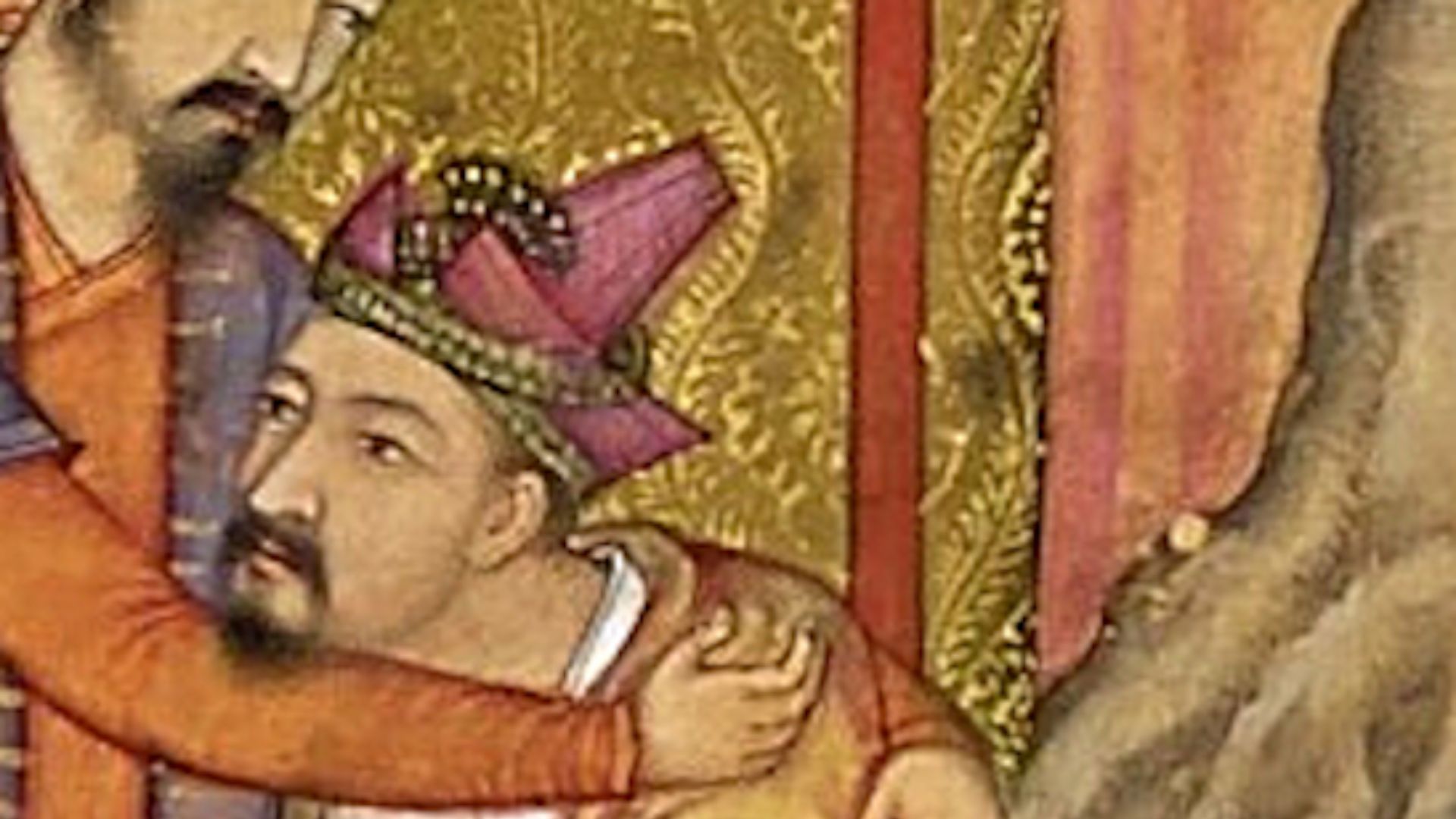
Humayun forgave his half-brother Kamran for rebelling more than once, even after Kamran seized Kabul. By 1553 his patience had run out, and Kamran was blinded and sent off to Mecca, where he spent his last few years and died in 1557.
18. Agha Mohammad Khan
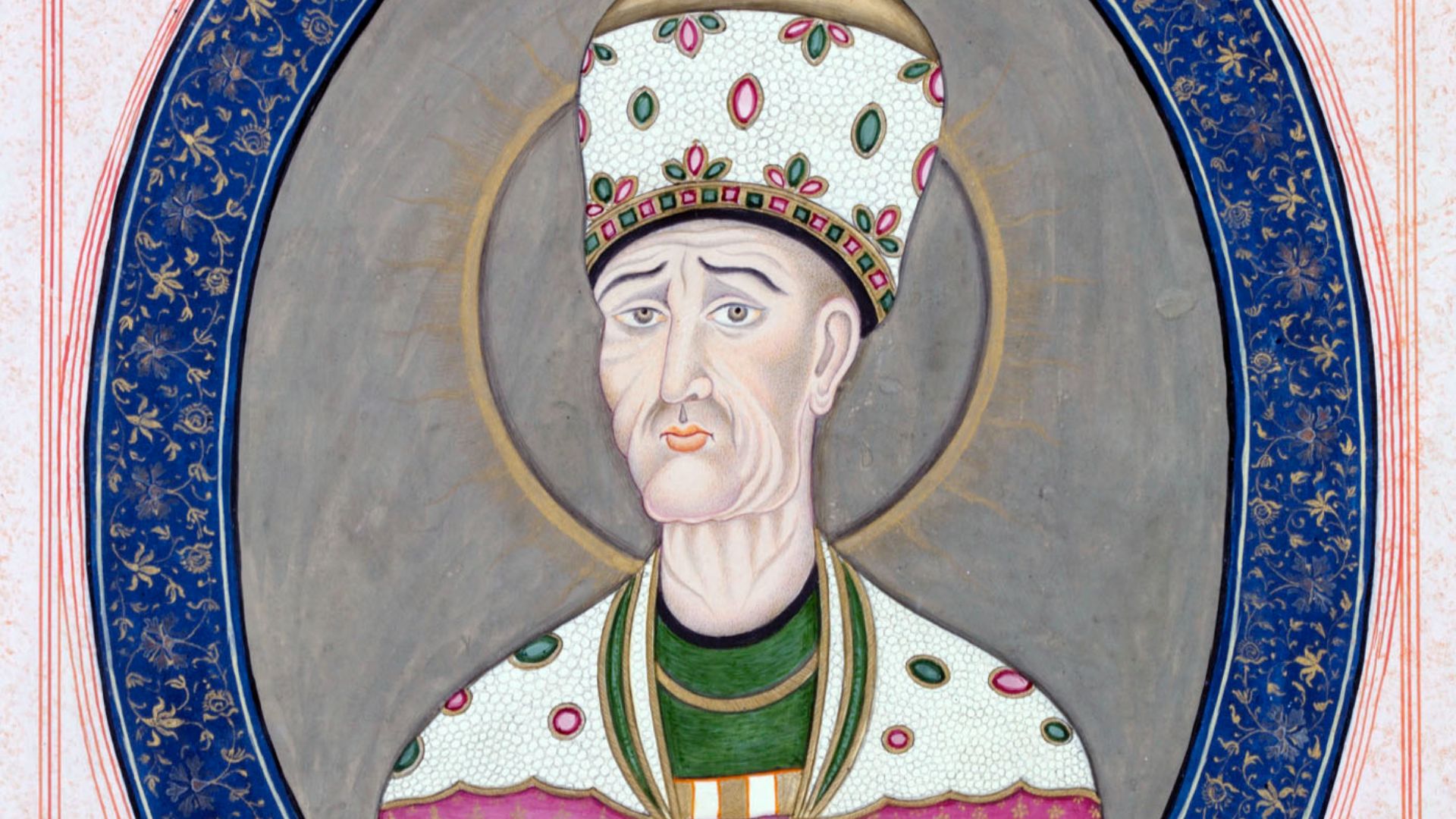
Castration was meant to settle the question permanently. Adel Shah, who briefly held power after his uncle Nader Shah was murdered in 1747, ordered it for Agha Mohammad when he was a small boy. Decades later, Agha Mohammad Khan founded the Qajar dynasty and was crowned shah of Iran in 1796.
 Unknown authorUnknown author on Wikimedia
19. Ahmad Shah Bahadur
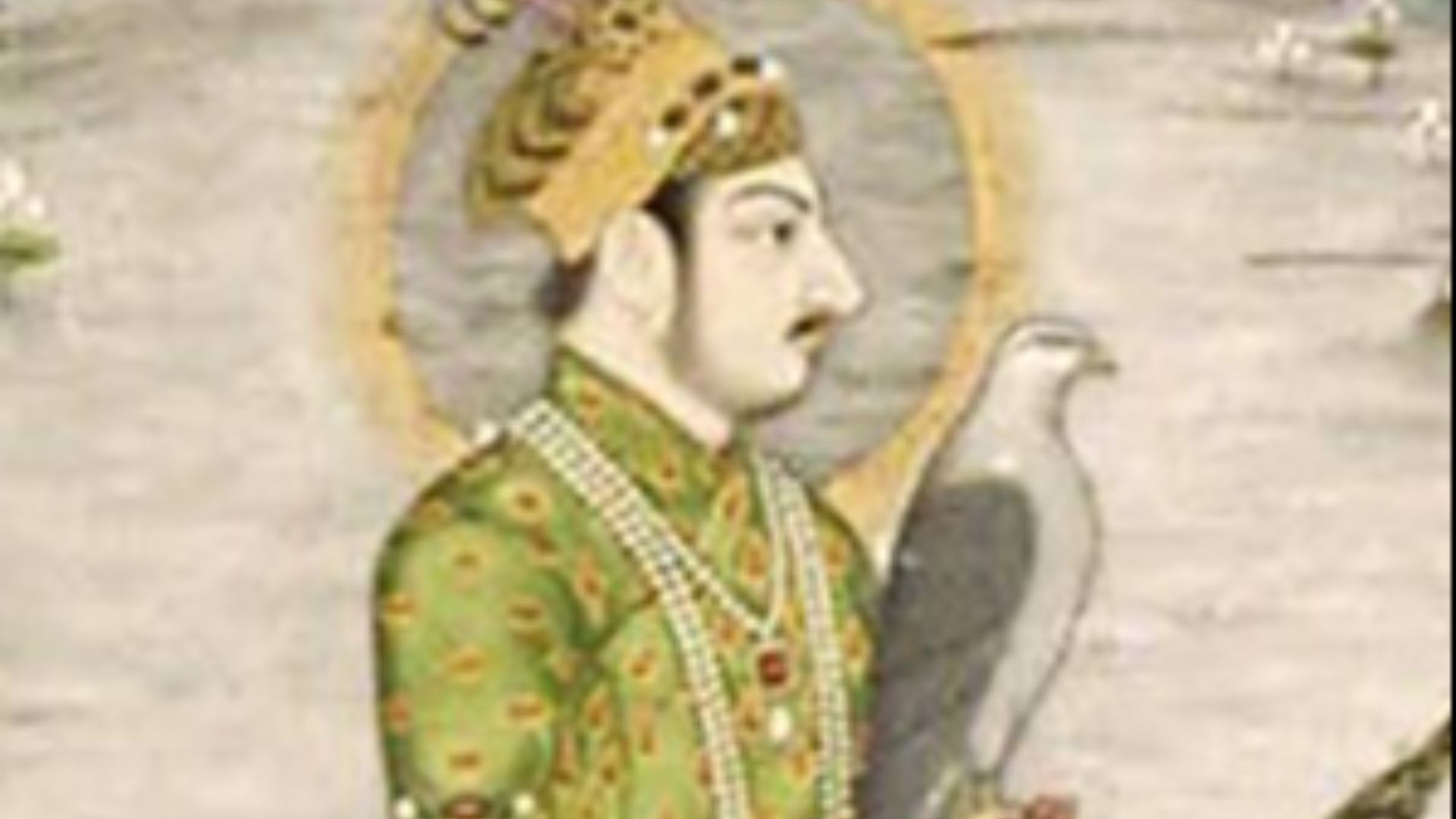
Imad-ul-Mulk, the vizier who deposed Ahmad Shah Bahadur in 1754, had the former emperor and his mother blinded together. The vizier's choice, Alamgir II, took the throne in his place and was later murdered on the vizier's orders too.
Ahmad Shah and his mother lived out their days as prisoners, and he died in 1775.
 Unknown artistUnknown artist on Wikimedia
20. Shah Alam II
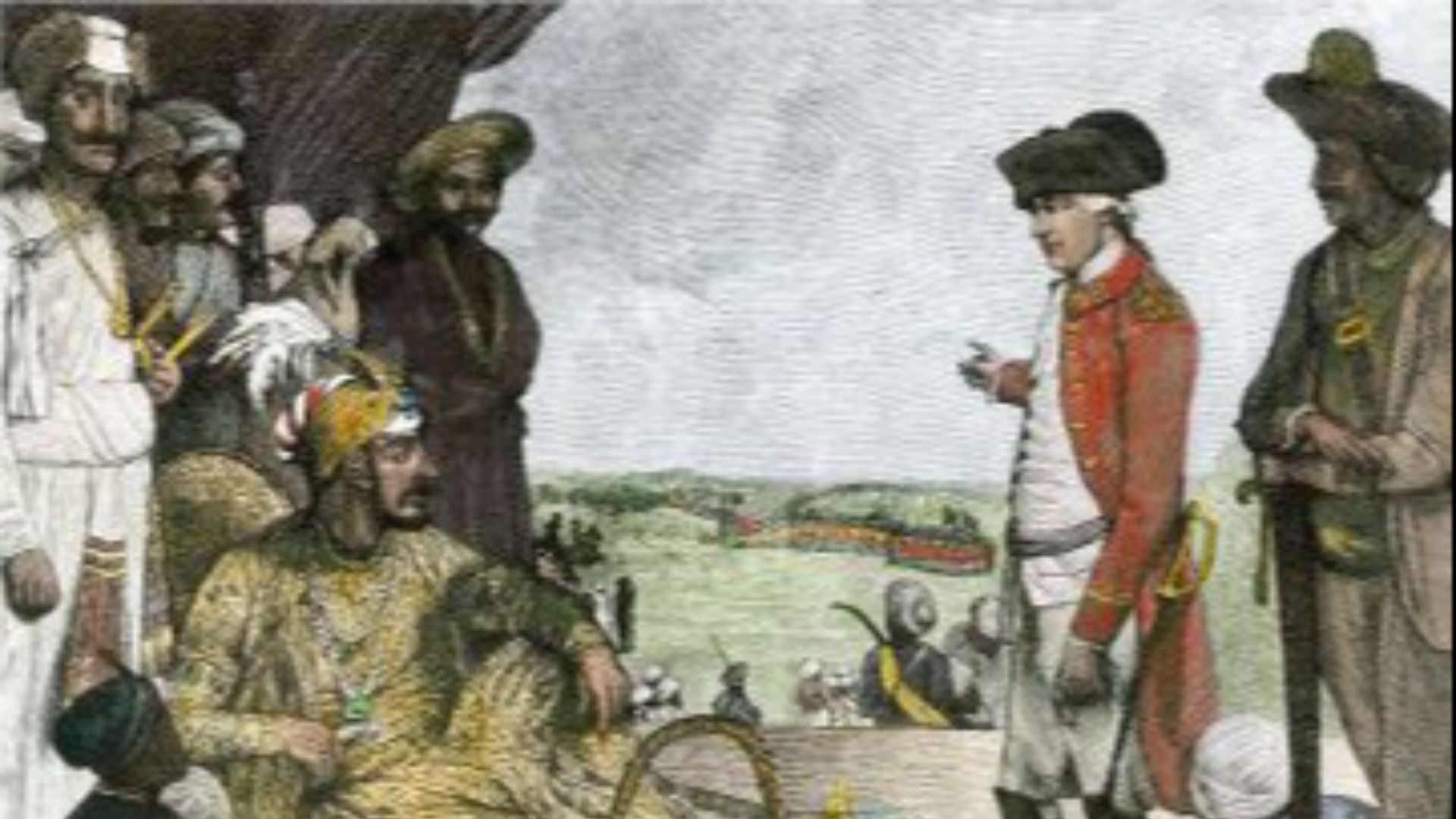
Shah Alam II was already an old man in 1788 when the Rohilla chief Ghulam Qadir seized Delhi's Red Fort and blinded him. Ghulam Qadir spent weeks tormenting the royal household in search of hidden treasure before the Maratha general Mahadji Scindia drove him out. Shah Alam got his throne back and kept it until his death in 1806.
KEEP ON READING