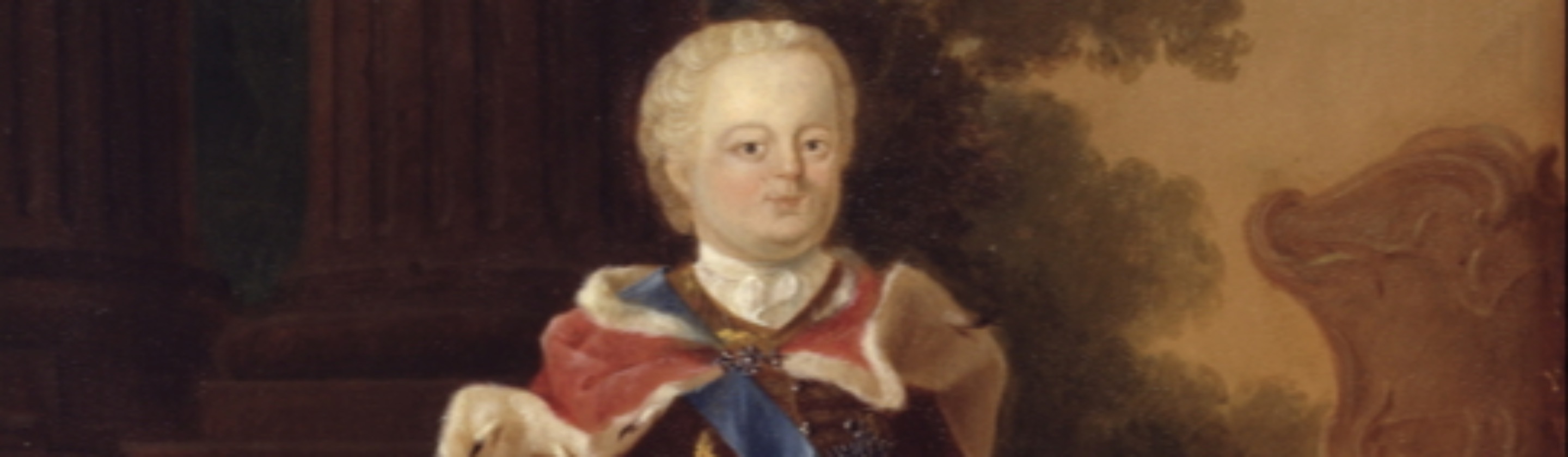
20 “Important” Historical Figures Who Were Just Someone Else’s Puppet
The Throne Doesn’t Mean Power
A crown doesn’t always mean you’re the one calling the shots. An imperial title or place in the history books doesn’t, either. Some rulers were easy for relatives and ministers to control, while other monarchs found themselves boxed in by those who had the money and soldiers needed to make their orders matter. At crucial points in their reigns, the real decisions behind these 20 figures were obviously being made somewhere else.
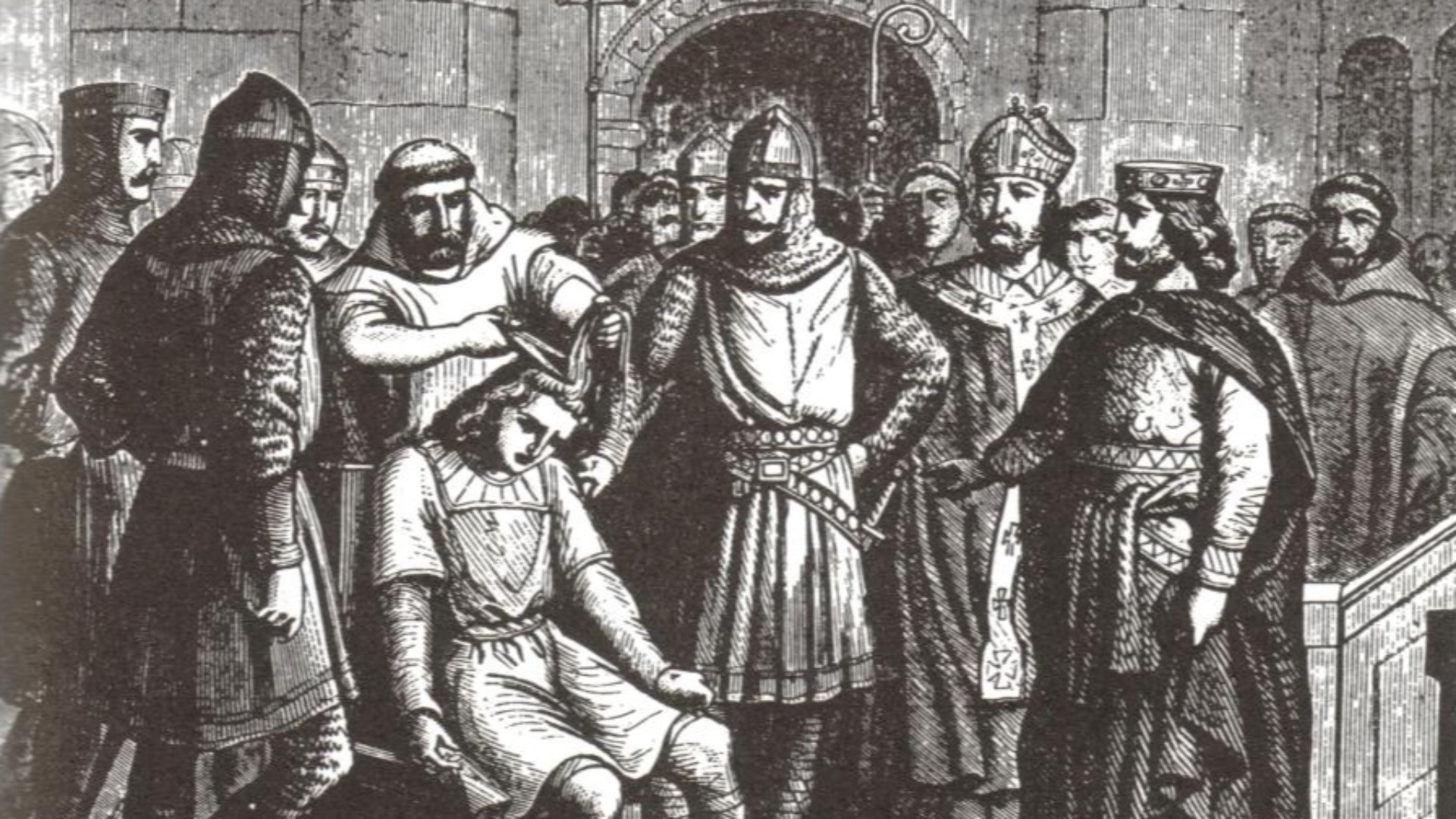
1. Tutankhamun
Tutankhamun became pharaoh of Egypt around 1332 BC when he was only about eight years old. As you can imagine, that makes independent government unlikely. Ay and Horemheb were enormously influential during his reign, with the pair being the two most powerful figures in the young king’s circle. Both men eventually became pharaoh themselves after Tutankhamun died around 1323 BC.
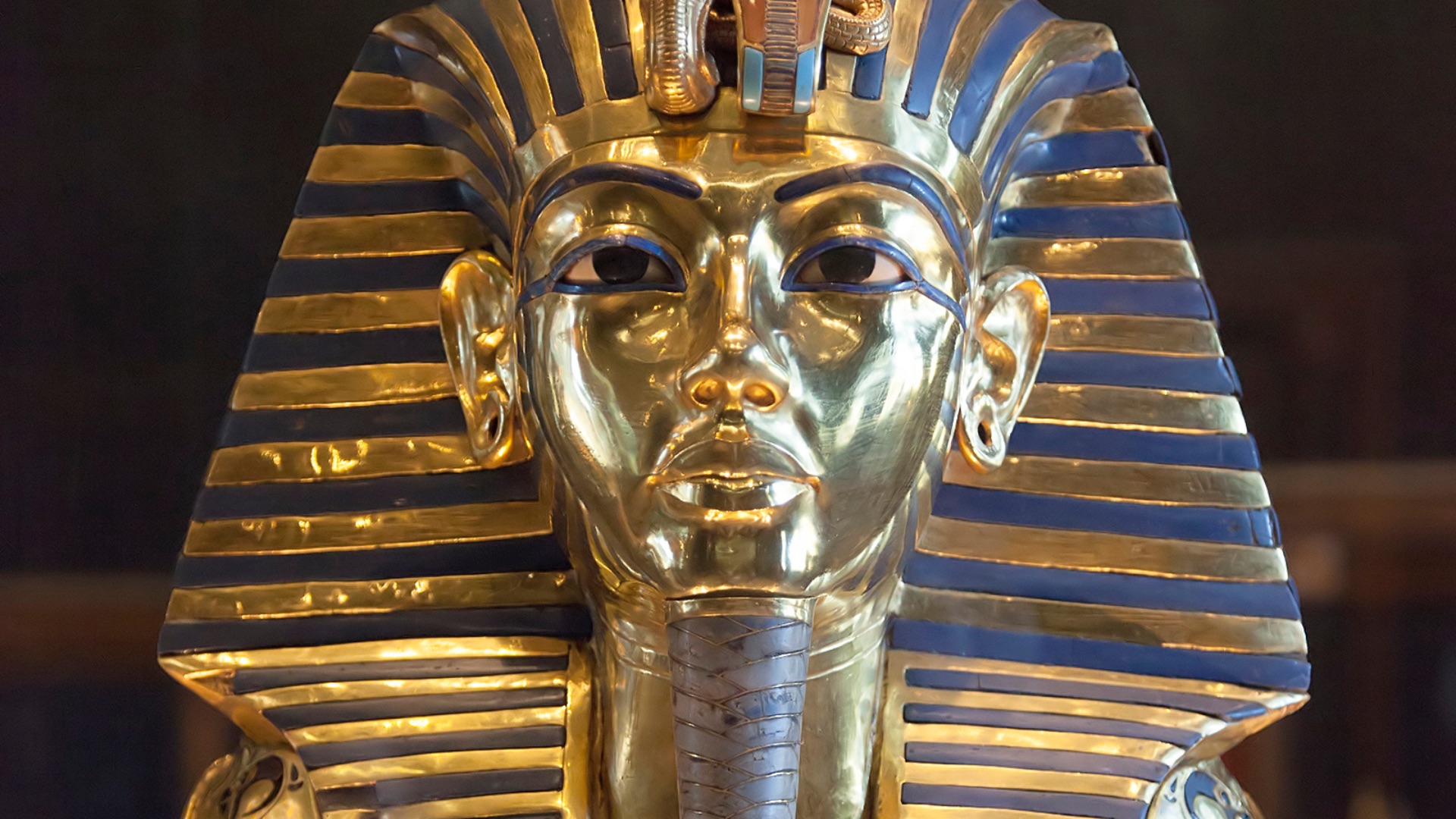
2. Ptolemy V
After his parents died, Ptolemy V inherited the Egyptian throne in 204 BC at the tender age of five. Officials including Agathocles, Tlepolemus, and eventually Aristomenes governed around him, with Aristomenes serving as regent and chief minister while the king was barely big enough to properly take the throne. Ptolemy was formally declared old enough to rule in 196 BC.
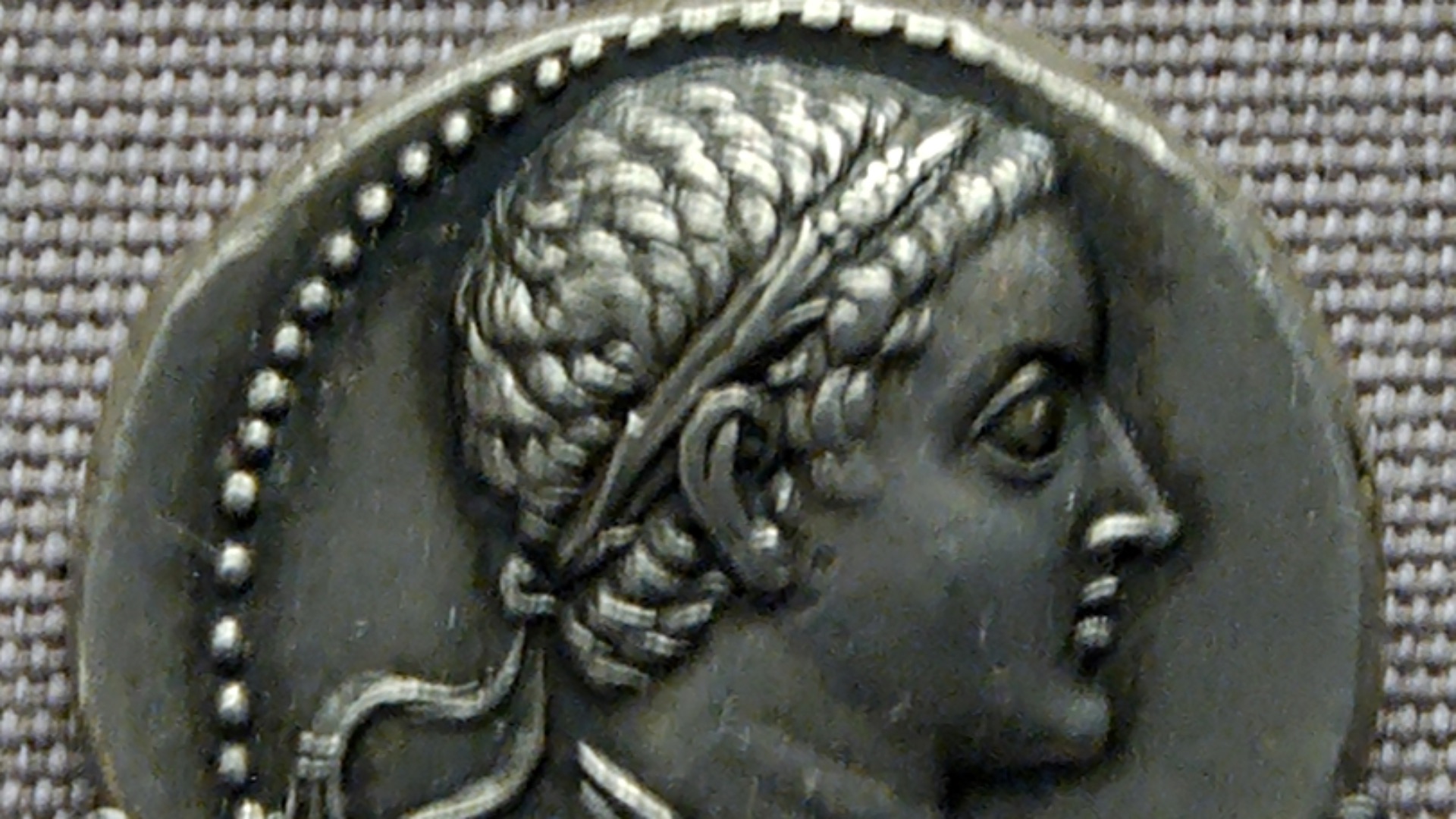
3. Ptolemy VI
Another Ptolemaic king found himself in much the same position when Ptolemy VI inherited Egypt in 180 BC. He, too, was still a young child, and his mother, Cleopatra I, initially acted as regent. After she died in 176 BC, courtiers swooped in and gained plenty of influence until Ptolemy became more capable of exercising his own authority.
4. Gordian III
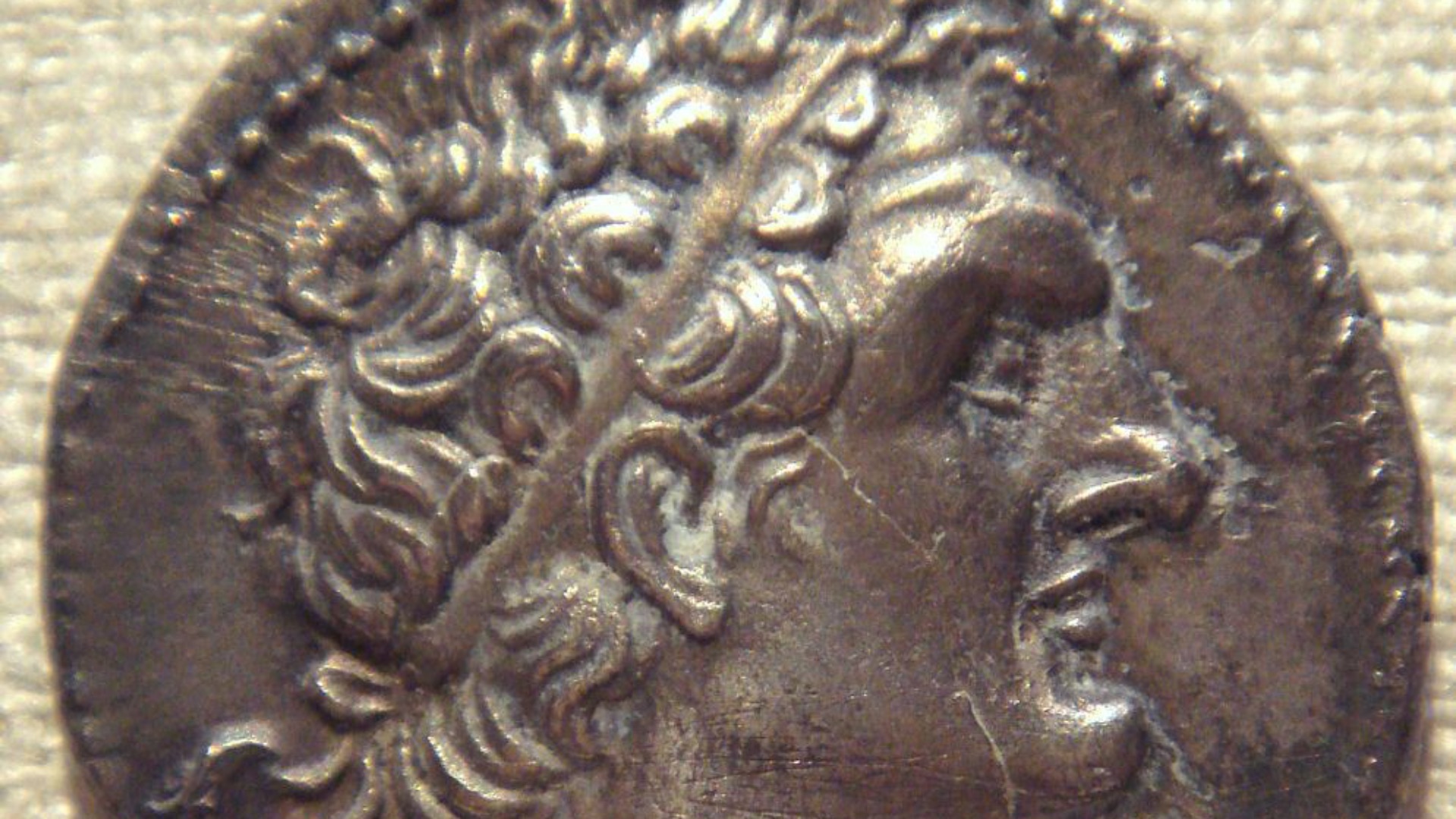
Rome proclaimed Gordian III emperor in 238 AD when he was only 13, after a particularly chaotic run of emperors and assassinations. By 241, Praetorian prefect Timesitheus had become Gordian’s father-in-law and effectively took charge. Records we have today even note that the conduct of affairs passed largely into Timesitheus’s hands.
5. Severus Alexander
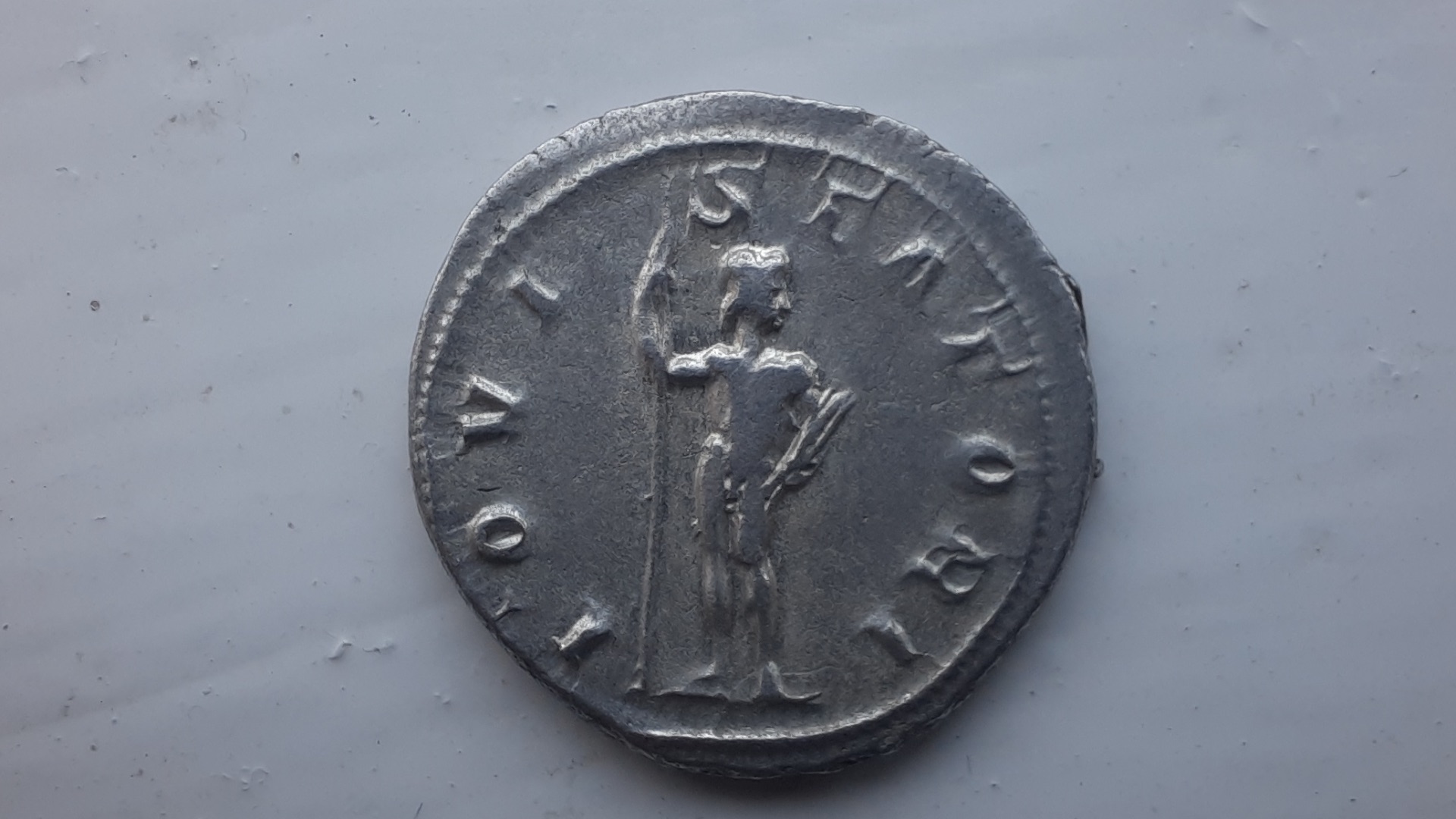
Severus Alexander became Roman emperor in 222 AD at just 13, but that doesn’t mean he could do whatever he wanted. His grandmother, Julia Maesa, and mother, Julia Mamaea, occupied unusually powerful positions at court. Maesa died around 224, but Mamaea continued supervising her son’s administration. The pair were close enough that when rebellious soldiers killed Alexander in 235, they killed Mamaea, too.
6. Valentinian II
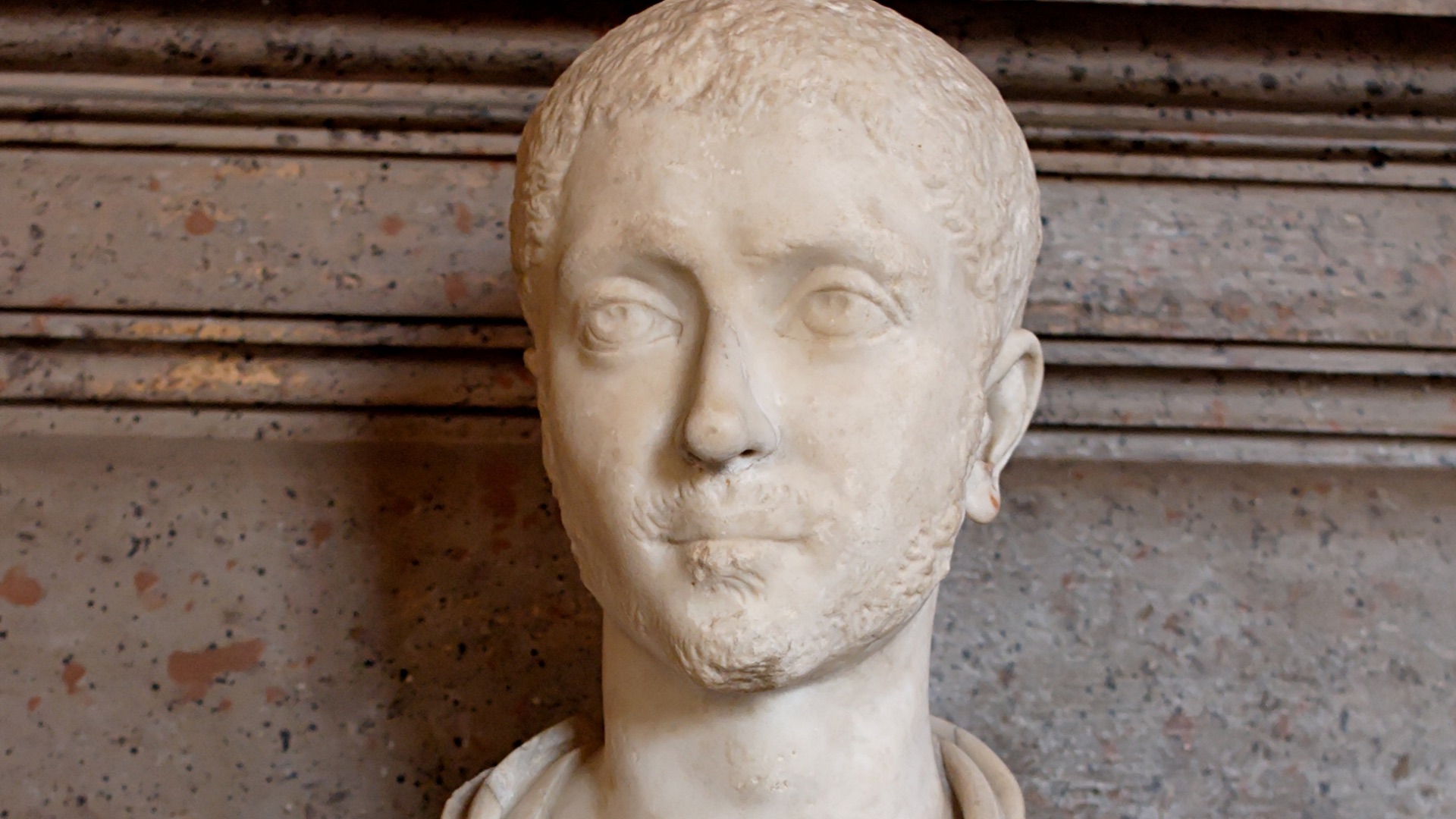
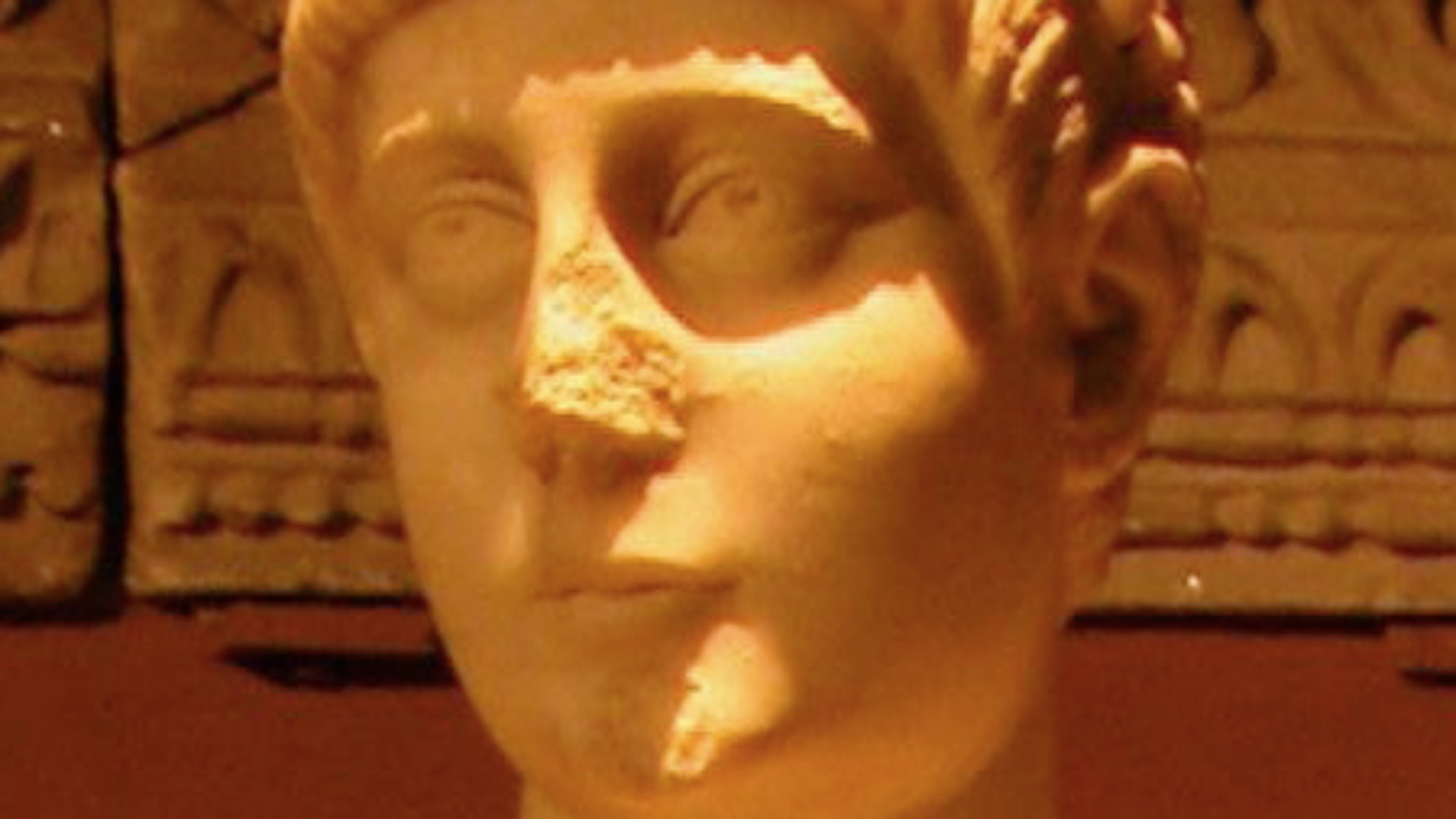
Valentinian II became Western Roman emperor in 375 AD when he was only four, while his mother Justina initially carried considerable influence around him. As he grew up, the Frankish general Arbogast gained command of the western armies and became powerful enough to basically ignore the emperor’s attempts to dismiss him. By 392, Valentinian may have held the imperial title, but Arbogast was the guy behind the forces needed to back that title.
 Brastite at English Wikipedia on Wikimedia
7. Honorius
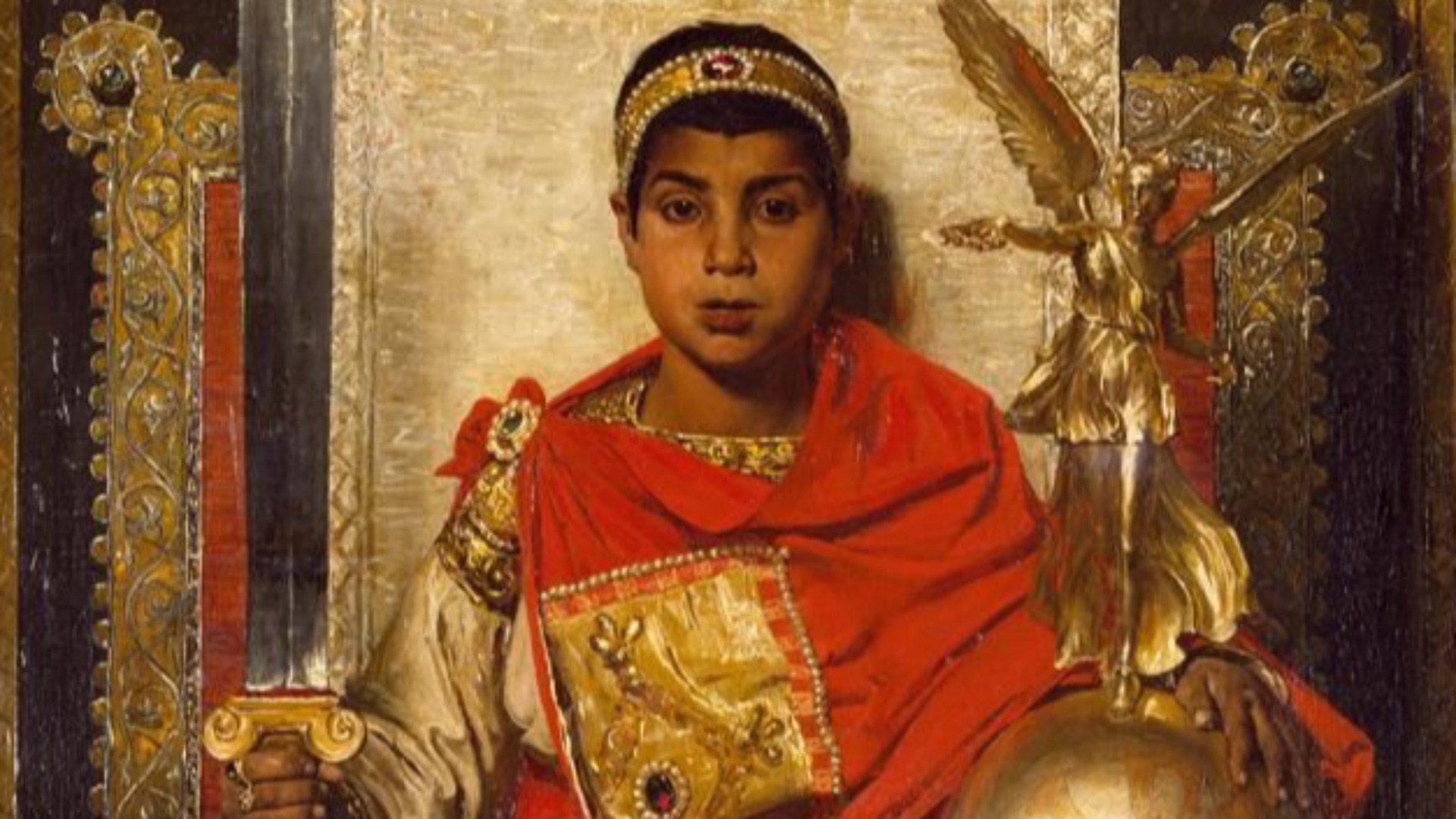
Honorius technically became a Roman emperor in 393 AD and inherited the Western Empire after his father Theodosius I died in 395. At the time, Honorius was about ten. The powerful general Stilicho became his guardian, directing armies and dealing with repeated crises along Rome’s frontiers. Things didn’t necessarily work out, though, and Honorius eventually approved Stilicho’s execution in 408.
 Jean-Paul Laurens on Wikimedia
8. Theodosius II
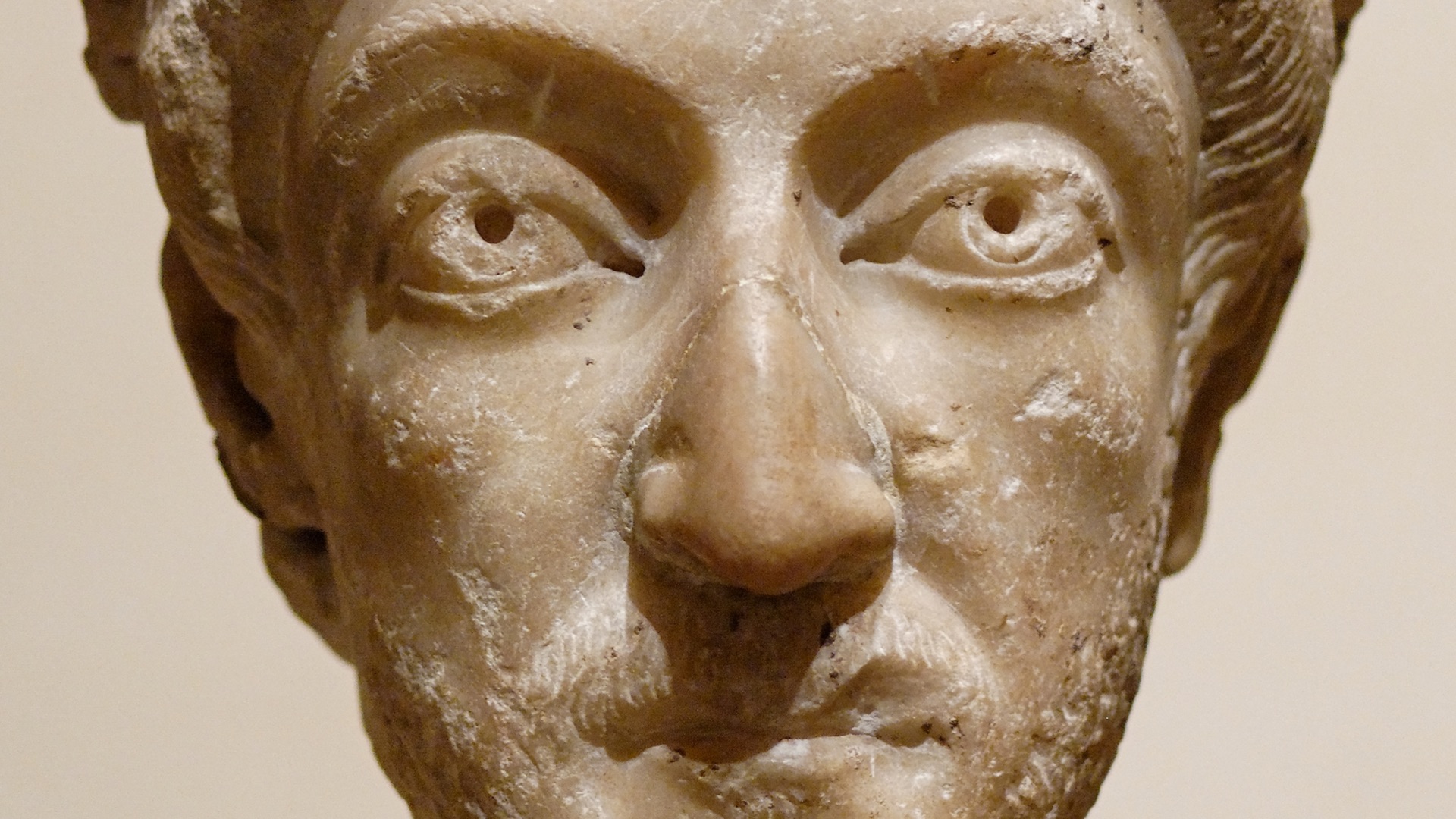
Theodosius II became Eastern Roman emperor in 408 AD at the age of seven, which meant somebody else had to manage Constantinople. Anthemius initially dominated the administration, while Theodosius’s older sister Pulcheria became Augusta in 414 and assumed an influential position of her own. Though Theodosius eventually grew into his office, those early years tied him to policies shaped by a lot of other people.
9. Valentinian III
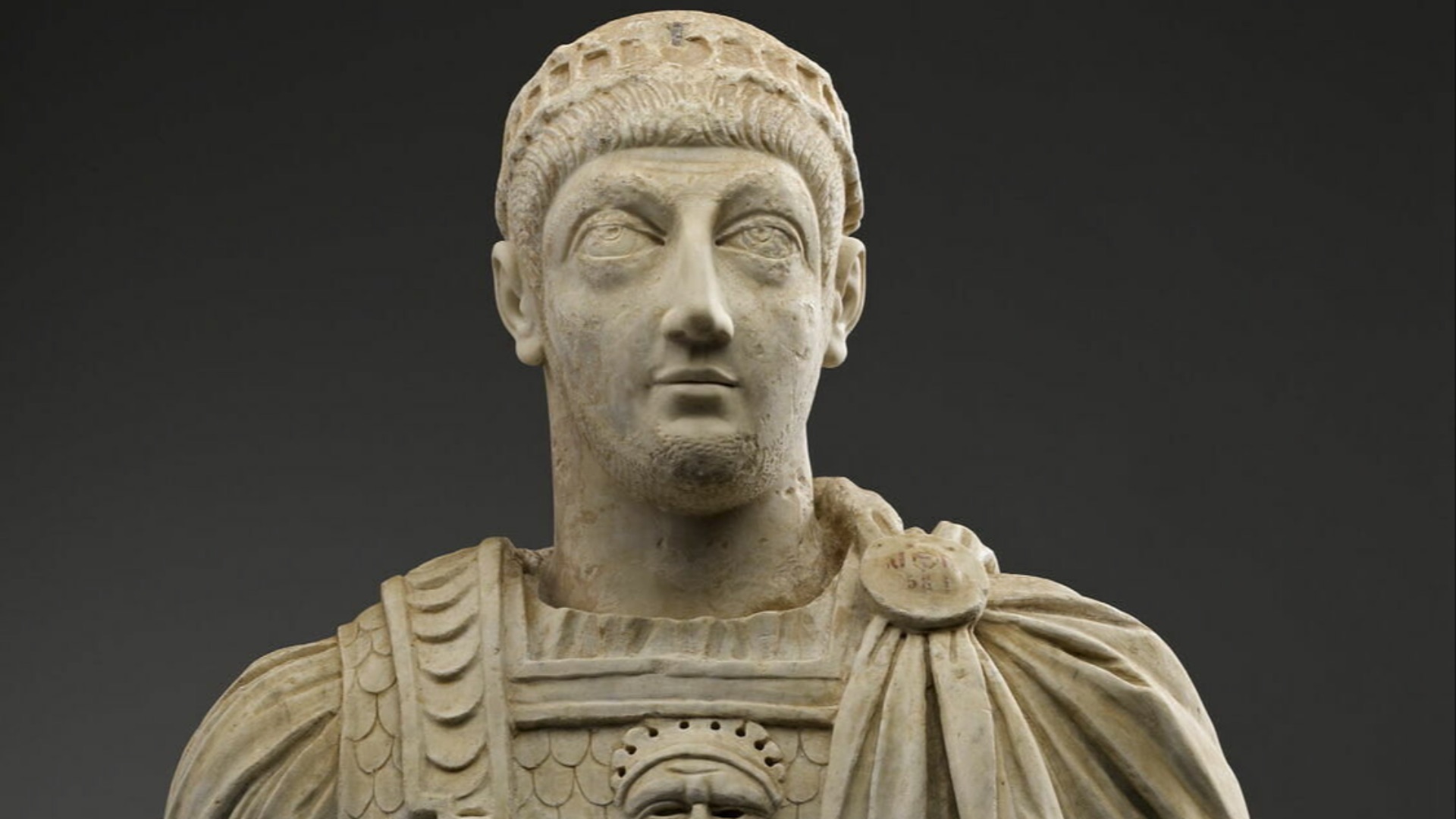
Valentinian III was installed as Western Roman emperor in 425 AD when he was six, with his mother Galla Placidia governing as regent during his childhood. Later, Flavius Aetius became the central military figure of the Western Empire and locked in enough authority to practically overshadow the emperor’s rule. Because of it, Valentinian finally (and personally) killed him in 454.
 Tony Querrec (photo) on Wikimedia
10. Romulus Augustulus
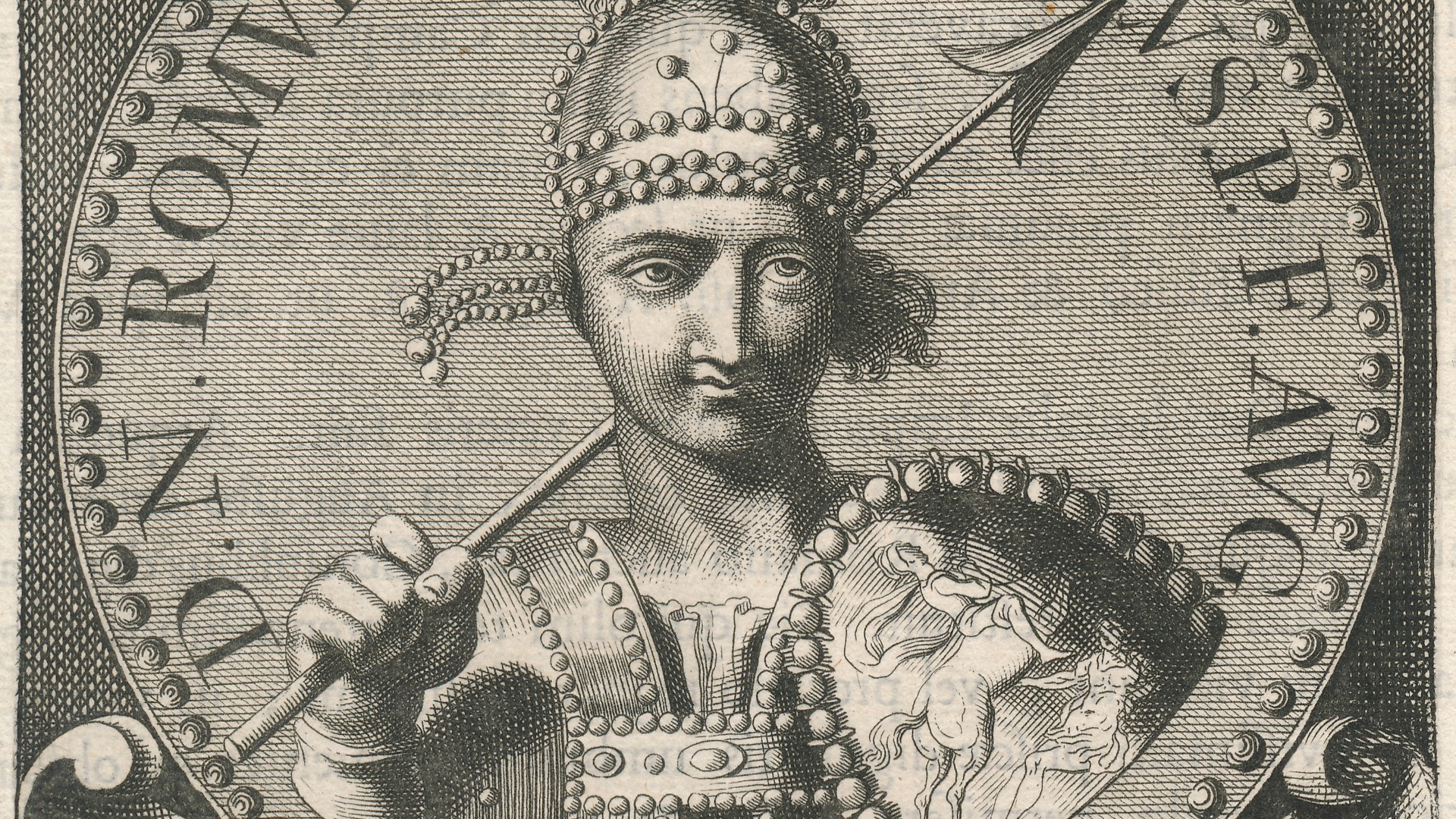
Few puppet rulers were quite as literal as Romulus Augustulus, who was placed on the Western Roman throne by his father Orestes in 475 AD while still a minor. Orestes kept the real power for himself, leaving Romulus as little more than the public face of his father's rule. The whole thing collapsed in 476; military commander Odoacer killed Orestes, then removed Romulus from the throne and took control himself.
11. Chlothar III
Chlothar III became king in 657 when he was still a kid, following the death of his father Clovis II. His mother, Balthild, served as regent and governed with senior Frankish officials until her son was old enough to rule on his own. But even after he reached that technicality, powerful mayors of the palace showed that kings could possess impressive bloodlines without monopolizing power.
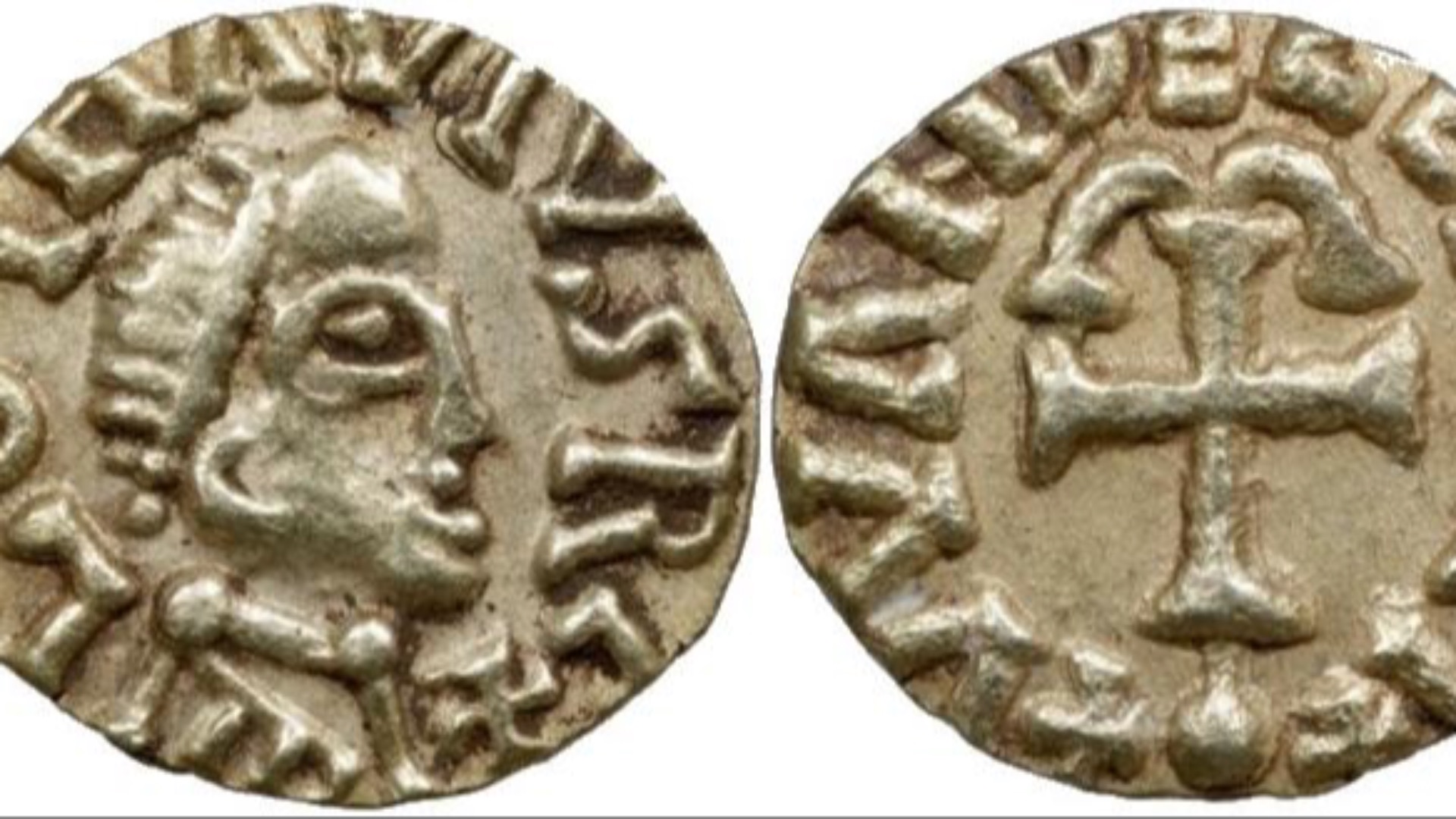
12. Theuderic III
Theuderic III occupied various thrones between 673 and 691, but men holding the office of mayor of the palace controlled things around him. Ebroin dominated Neustria during part of Theuderic’s reign, while Pepin of Herstal defeated Theuderic’s forces at Tertry in 687, emerging as the leading figure in the Frankish kingdoms. The king stayed on the throne, but the balance of power quickly shifted to those beneath him.
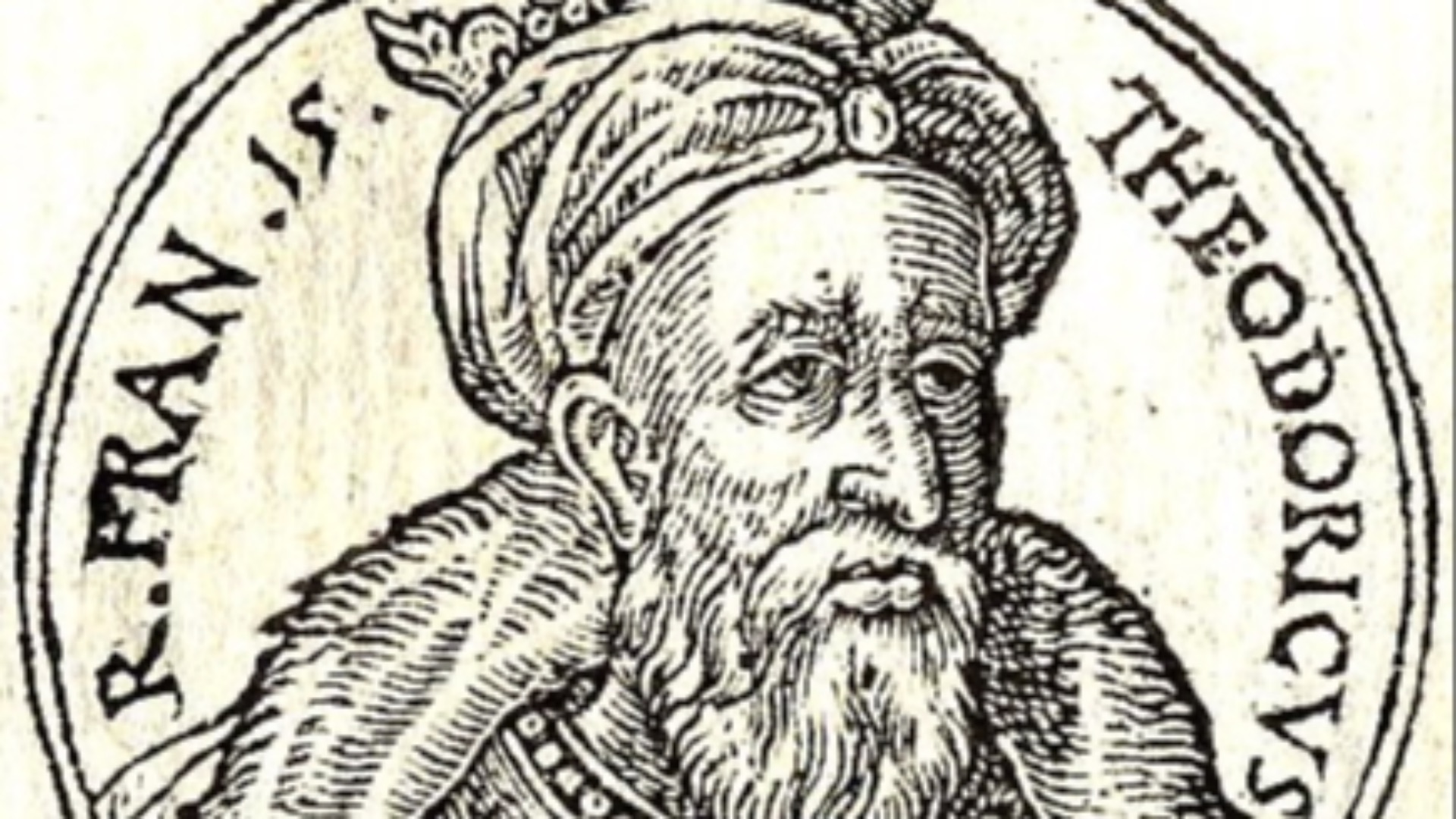 Published by Guillaume Rouille(1518?-1589) on Wikimedia
13. Childeric III
By the time Childeric III became king of the Franks in 743, the Merovingian throne was so powerless that Francia had been without a king since 737. Two mayors of the palace, Carloman and Pepin the Short, then installed Childeric so they could hide behind a legitimate-looking monarch. In reality, they held all the real power until they turned on each other in 751; Pepin dispensed with the arrangement, deposed Childeric, and took the crown for himself.
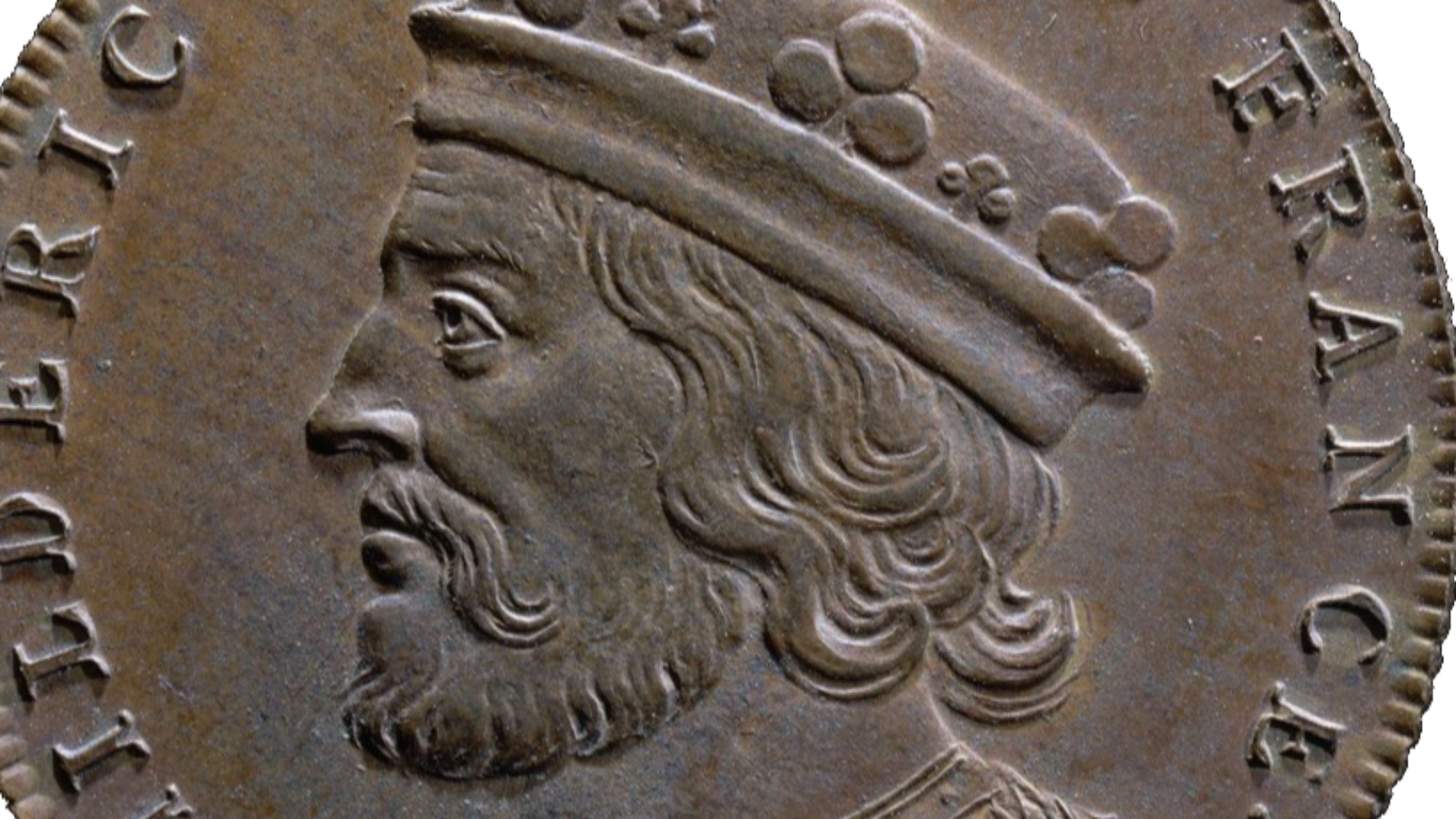 Jean Dassier / Bibliothèque nationale de France on Wikimedia
14. Constantine VI
Constantine VI inherited the Byzantine throne in 780 at nine years old, leaving his mother Irene to govern as regent with her minister Staurakios. Constantine did make a go of it on his own, pushing his mother aside to rule in 790, but he restored her as co-ruler two years later as things started to fall apart. Irene’s supporters finally seized and blinded her son in 797, allowing her to step in and rule.
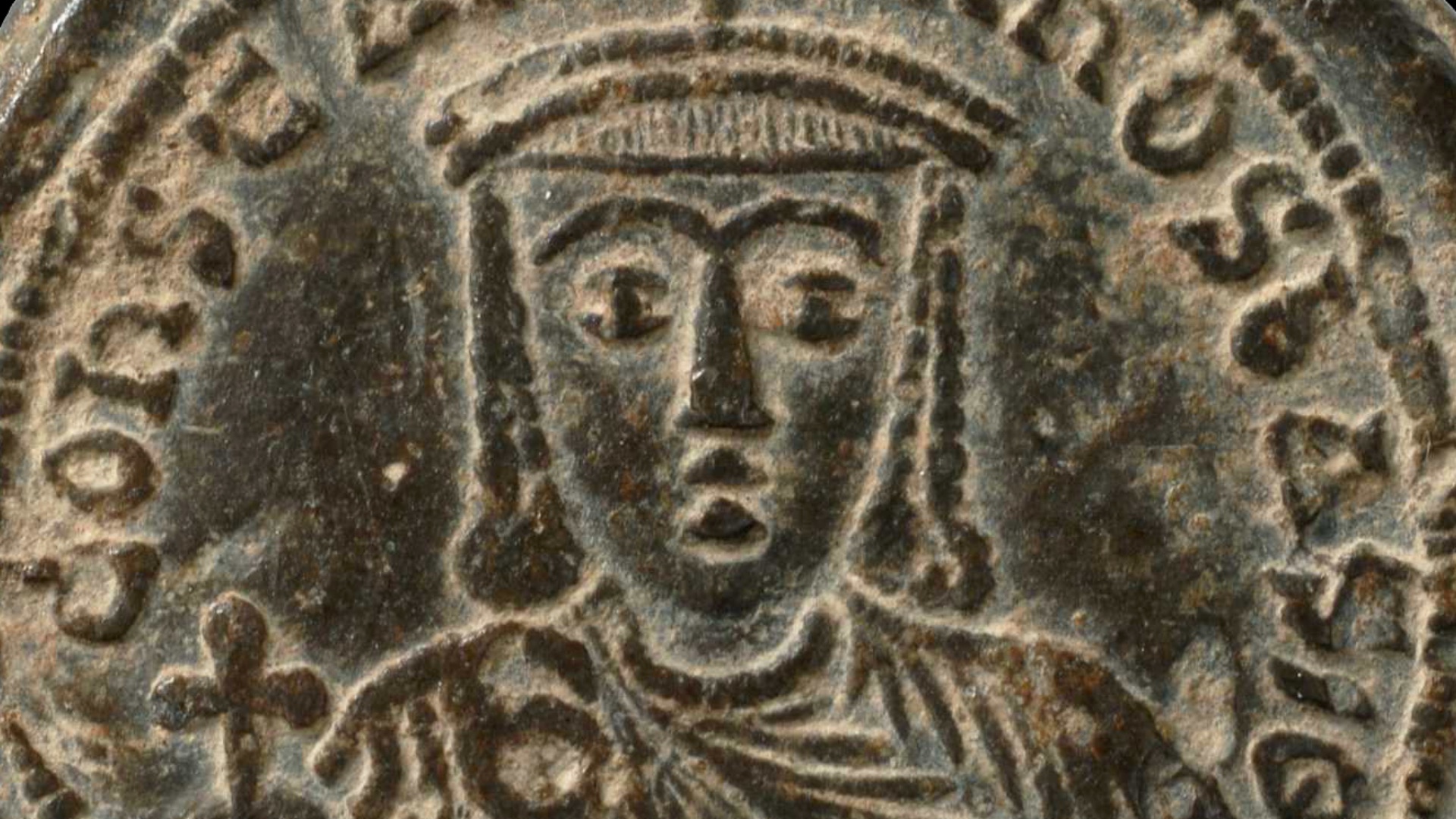 Dumbarton Oaks (photo) on Wikimedia
15. Michael III
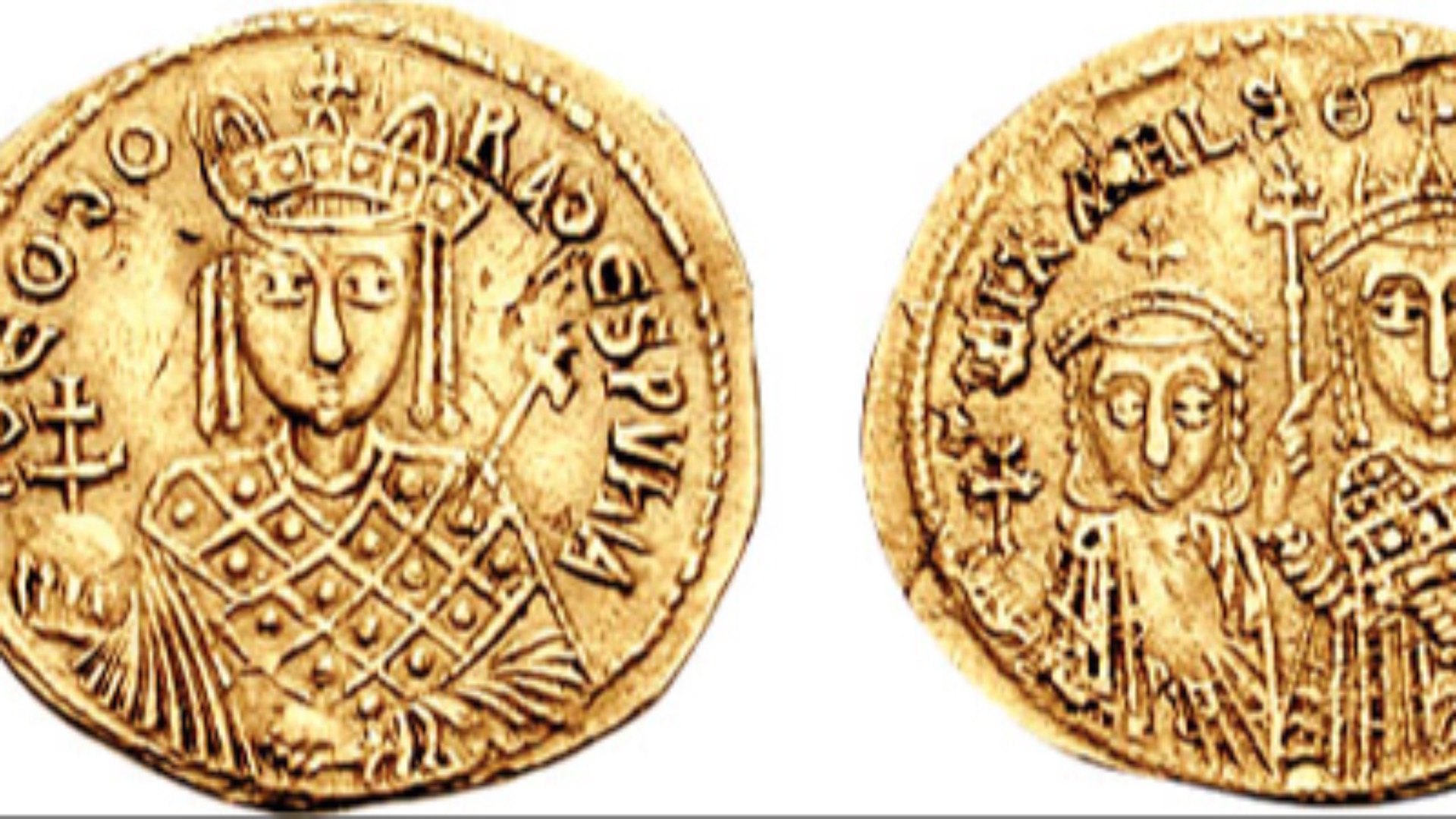
Michael III became Byzantine emperor in 842 when he was just two years old, and things crumbled pretty quickly. His mother, Theodora, headed the government throughout his childhood, and Michael helped remove her from power in the 850s. However, his uncle then swooped in and seized control. So, Michael arranged for that murder in 865…only to elevate Basil the Macedonian, who then murdered Michael and took the throne himself.
 Saperaud~commonswiki on Wikimedia
16. Emperor Zhongzong
Tang emperor Zhongzong first inherited China’s throne in 684 after the death of his father, Emperor Gaozong. His mother, Wu Zetian, retained control as empress dowager and removed Zhongzong after only weeks when he started doing things without her approval. He returned to the throne in 705 only after Wu’s fall.
 Because the artists have died over 100 years, so unknown. on Wikimedia
17. Edward VI
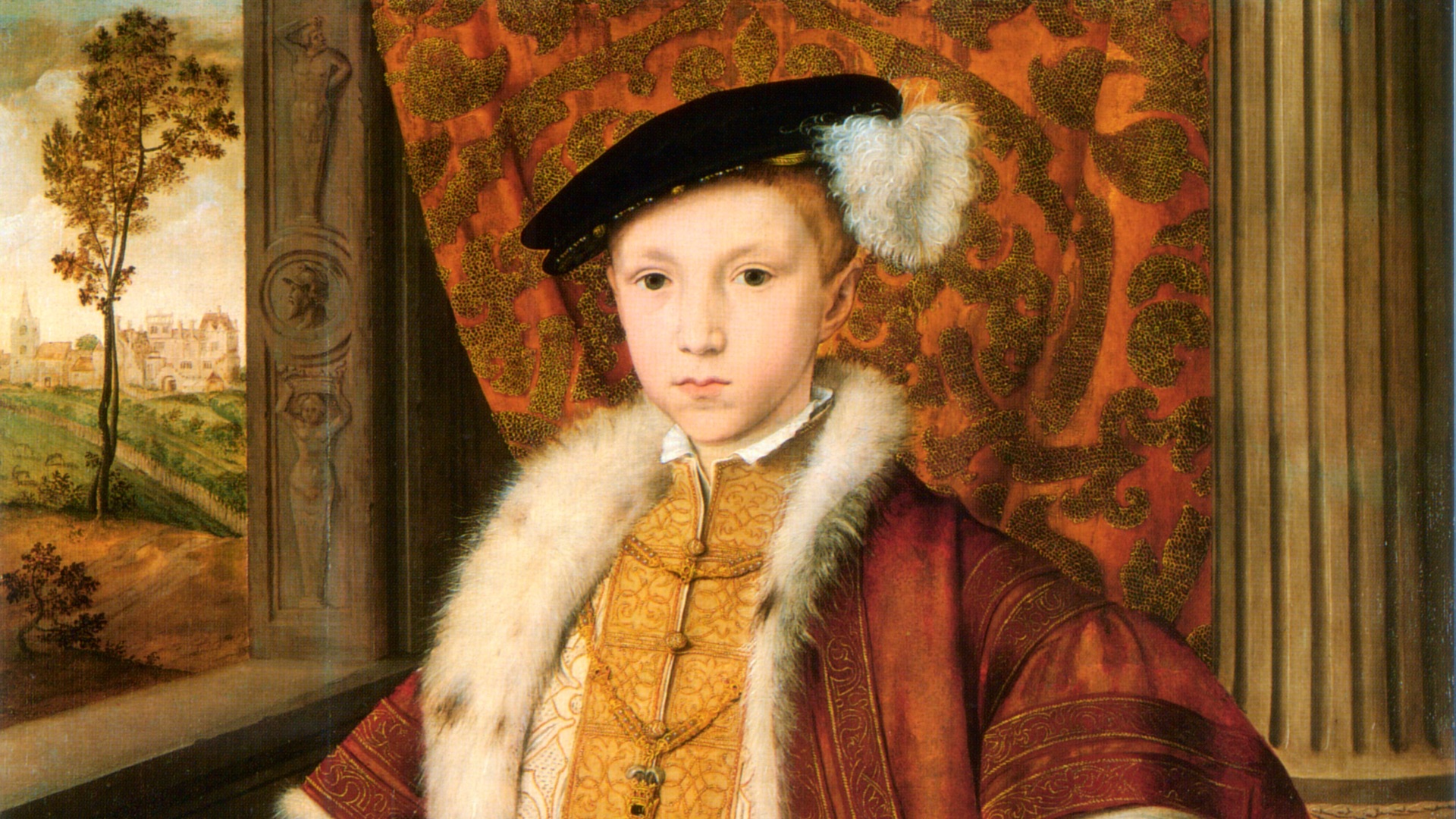
Edward VI became king of England in 1547 at nine years old. There’s not much you can do at that age, which is exactly how his uncle Edward Seymour, Duke of Somerset, established himself as Lord Protector. Somerset wielded all kinds of authority until he was overthrown in 1549, after which John Dudley emerged as the dominant political figure around Edward.
 Attributed to William Scrots (active 1537-1553) [1] on Wikimedia
18. Feodor I
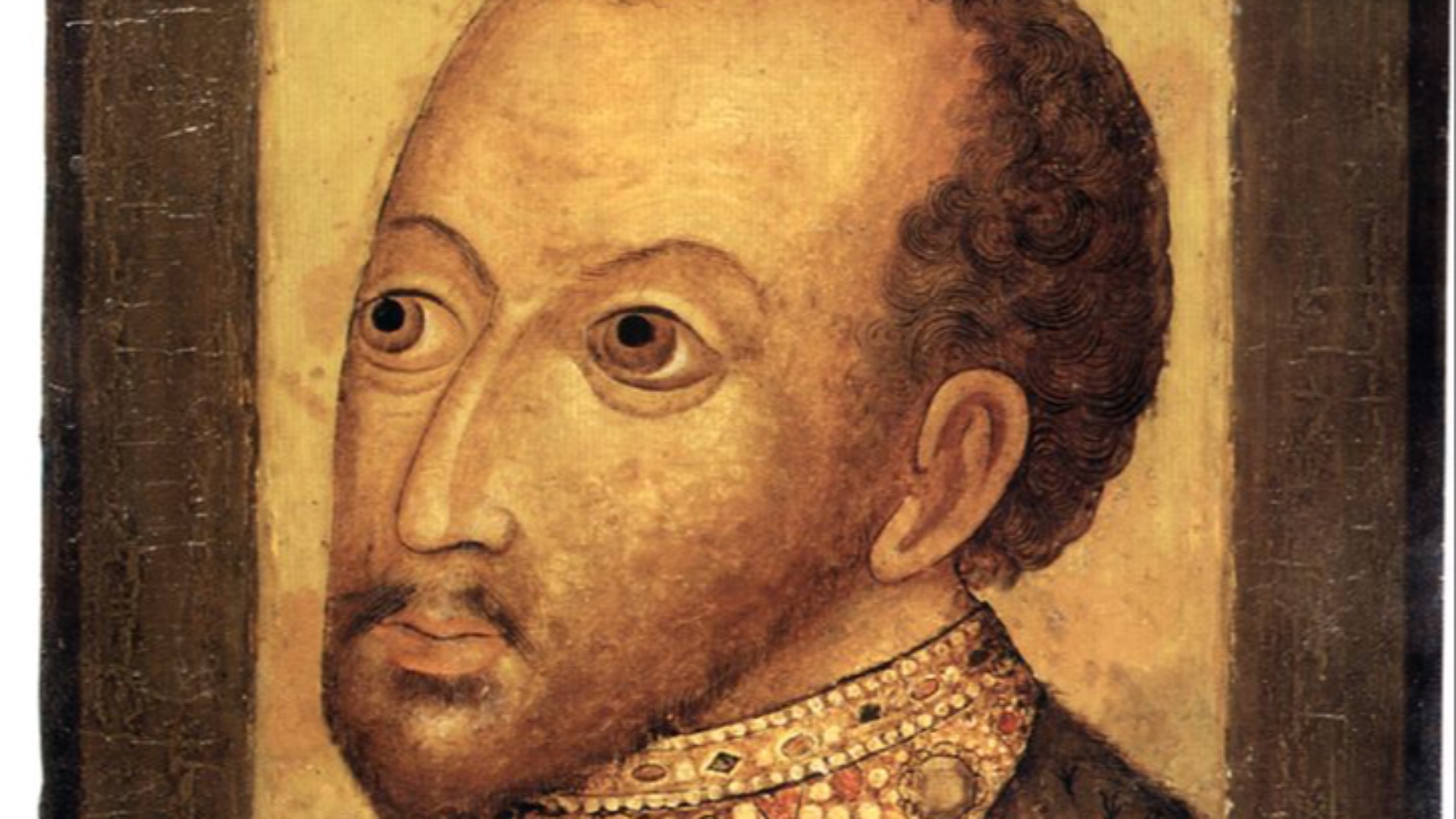
Feodor I inherited the Russian throne after Ivan IV died in 1584, but his brother-in-law Boris rapidly rose to become the most influential man around. By 1588, Boris had defeated his rivals and was effectively governing Russia as Feodor’s sole regent, overseeing diplomacy and major appointments. Feodor died childless in 1598, and Boris’s years of experience actually helped him land election as tsar himself.
19. Mehmed IV
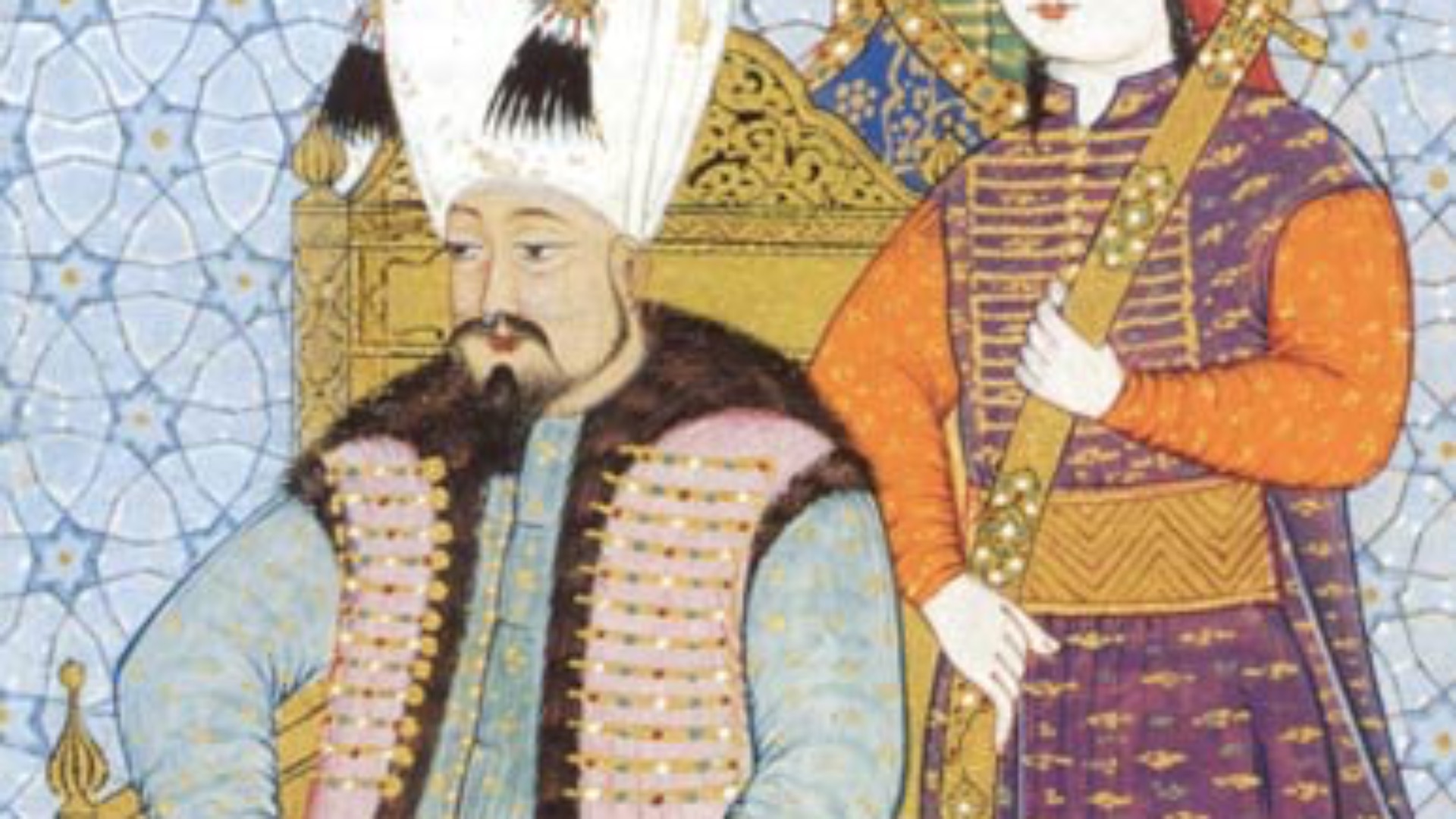
Mehmed IV became Ottoman sultan in 1648 when he was only six, so senior relatives handled things around him. His mother, Turhan Sultan, became a major force, and from 1656 the Köprülü family produced grand viziers who were given unusually broad control over military campaigns and finances. Mehmed remained sultan until 1687, but for long stretches of his reign, the people making the biggest decisions were the ones beneath him.
 Ottoman miniature painter on Wikimedia
20. Ivan VI
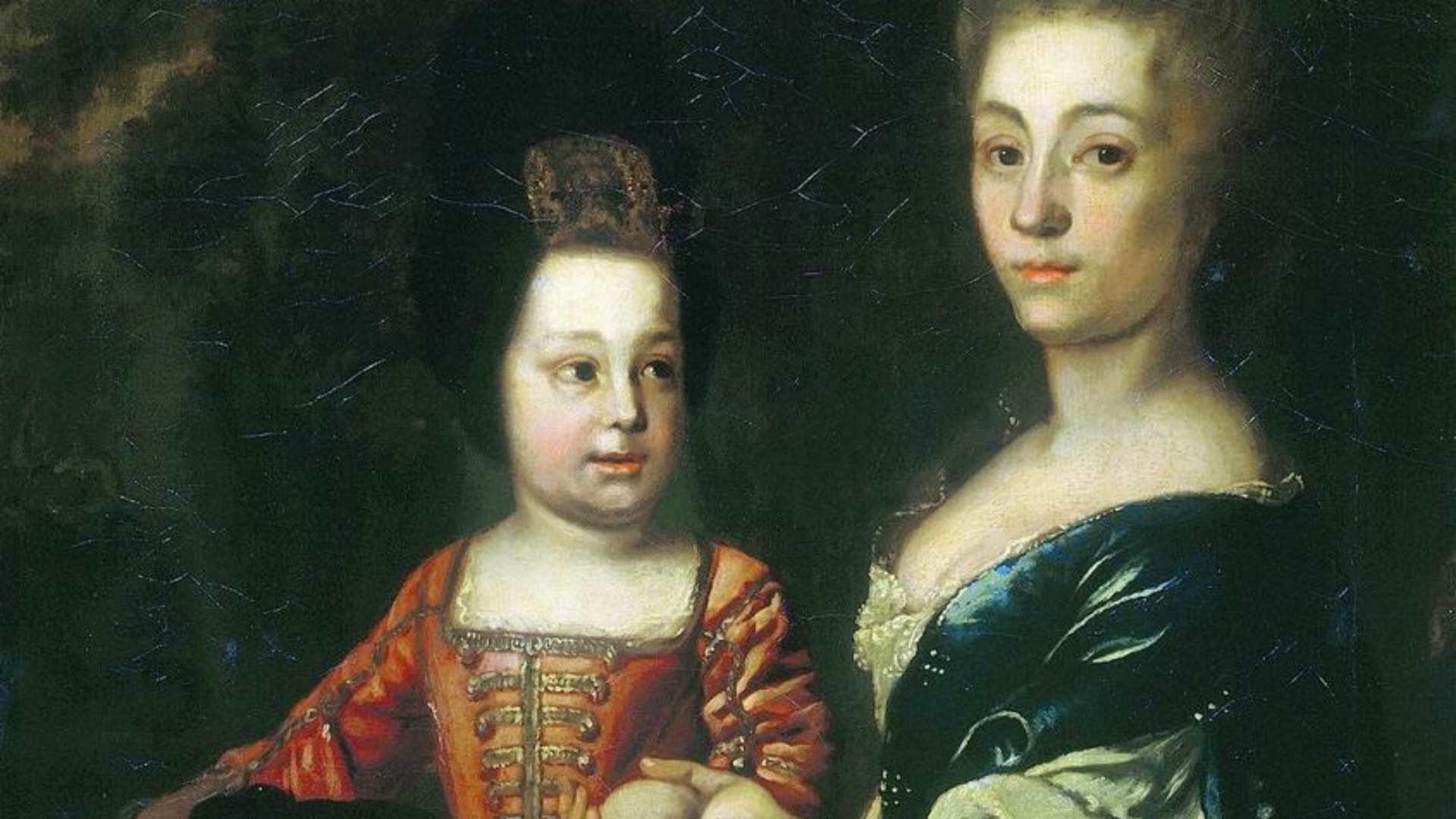
Ivan VI became emperor of Russia in 1740…when he was two months old. Ernst Johann von Biron was initially appointed regent before Ivan’s mother, Anna, seized control just weeks later. That’s not even the most insane part. Elizabeth, daughter of Peter the Great, overthrew the arrangement in 1741 and imprisoned the one-year-old for the rest of his life.
KEEP ON READING