20 Historical Figures Who Died Because They Underestimated Someone
They Didn't See the Threat Coming
History is full of powerful people who survived wars, political plots, and dangerous rivals only to make one disastrous judgment about the wrong person. Sometimes they dismissed an enemy as inexperienced, trusted someone who clearly shouldn't have been trusted, or assumed a subordinate would never dare fight back. In several cases, that mistake led almost directly to their deaths. These 20 historical figures learned far too late that the person they overlooked was considerably more dangerous than expected.
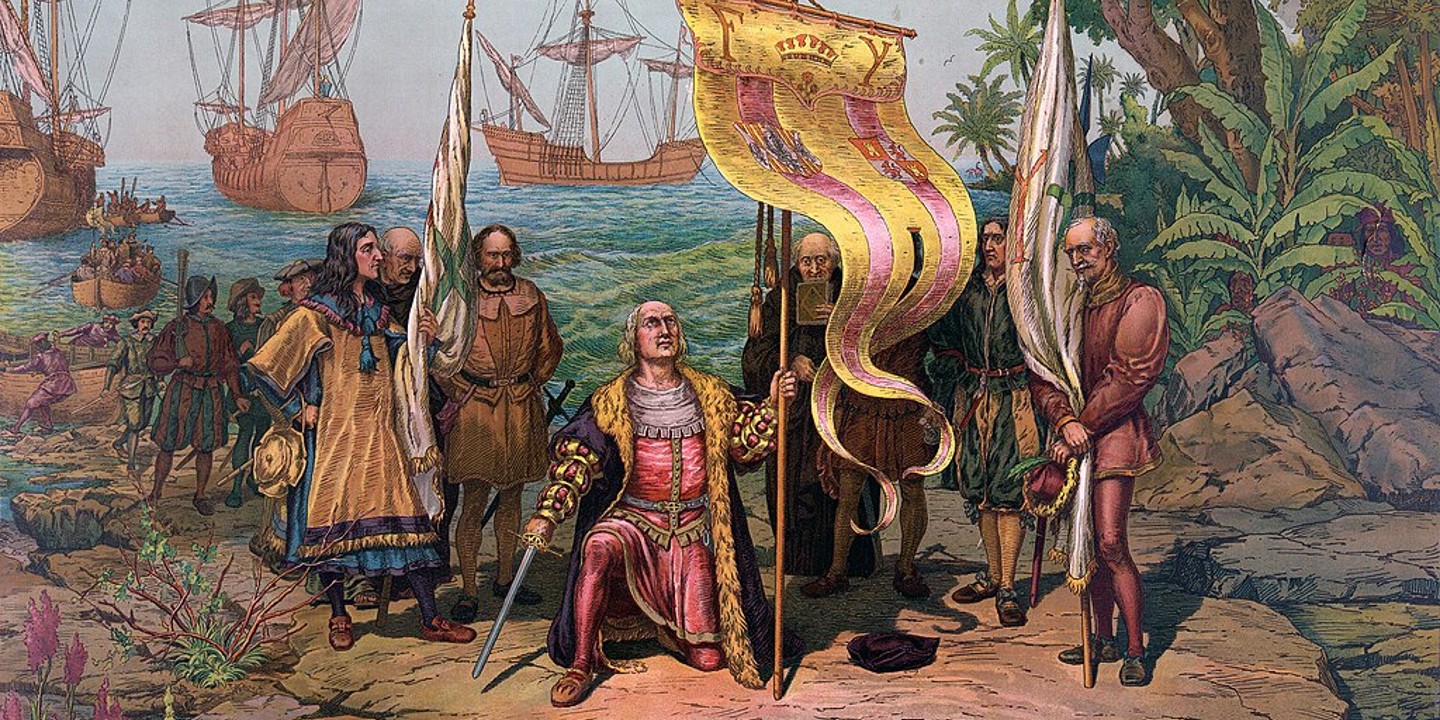
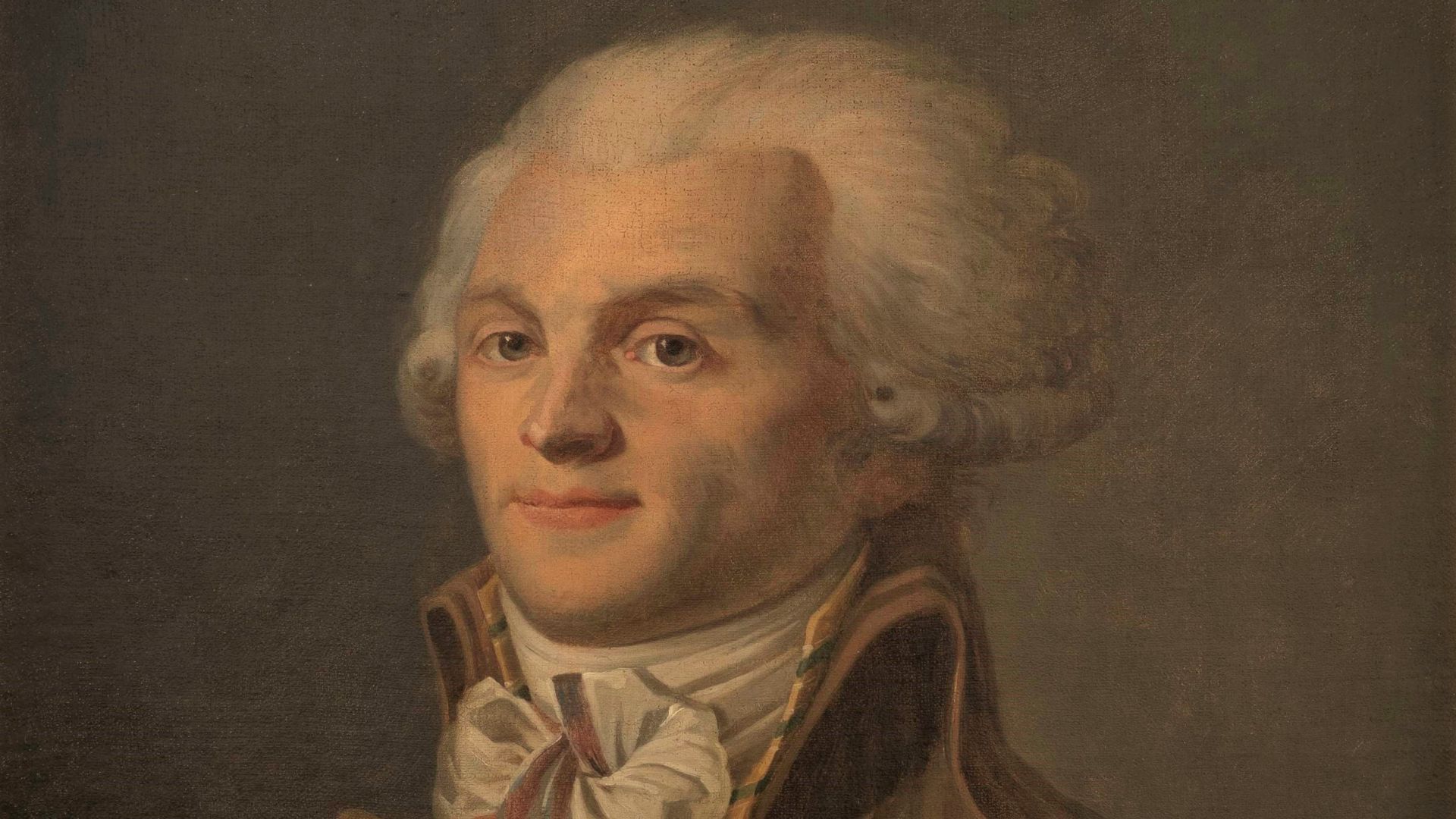 Unidentified painter on Wikimedia
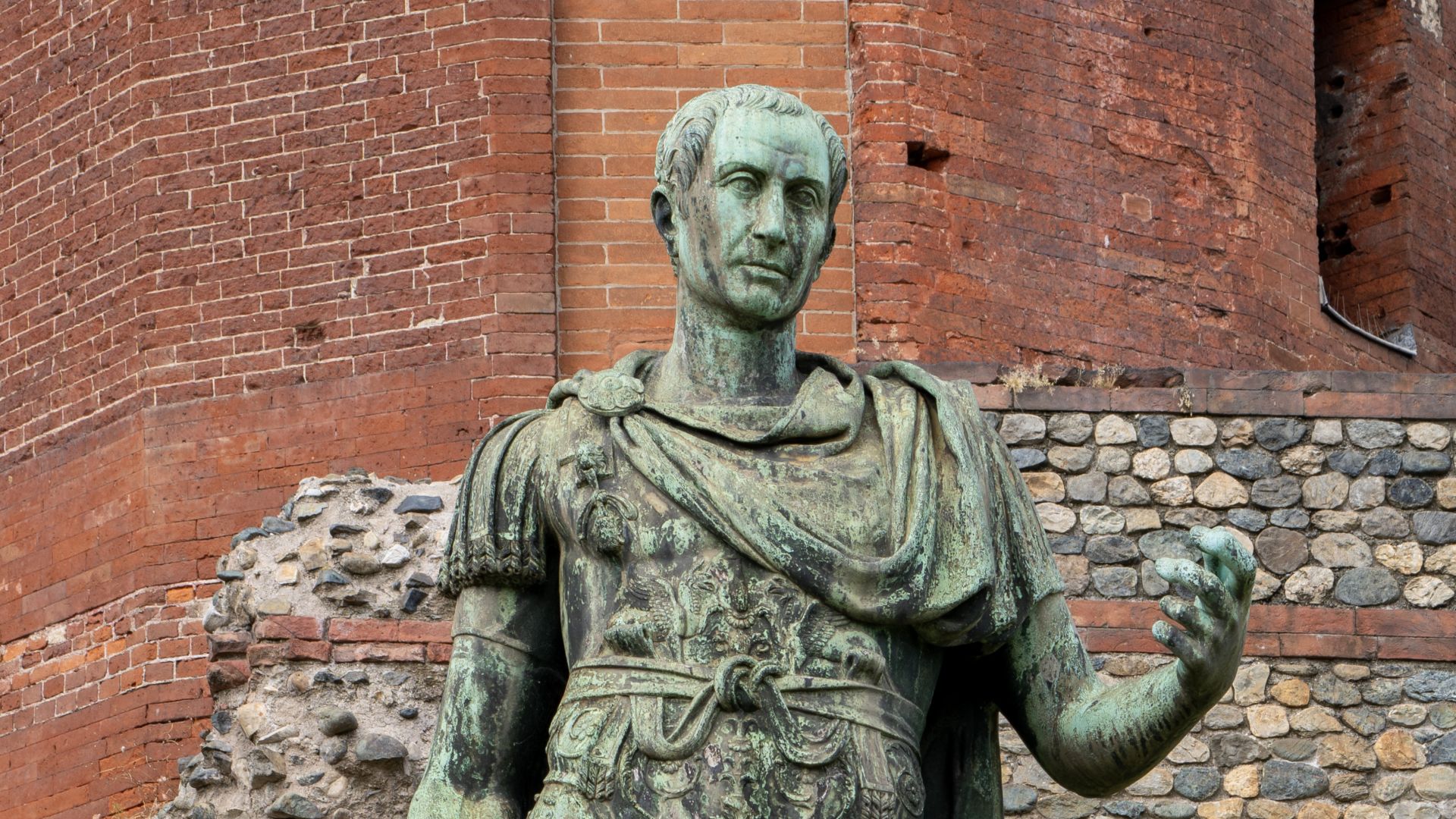
1. Julius Caesar
Julius Caesar knew that Rome was full of people who resented his growing power, but still he continued appearing publicly without the protections you might expect from a man surrounded by political enemies. Among the conspirators were men he knew personally, including Marcus Junius Brutus and Gaius Cassius Longinus. On March 15, 44 B.C., they and their allies stabbed Caesar to death during a Senate meeting, ending any assumption that his prestige would keep opponents under control.
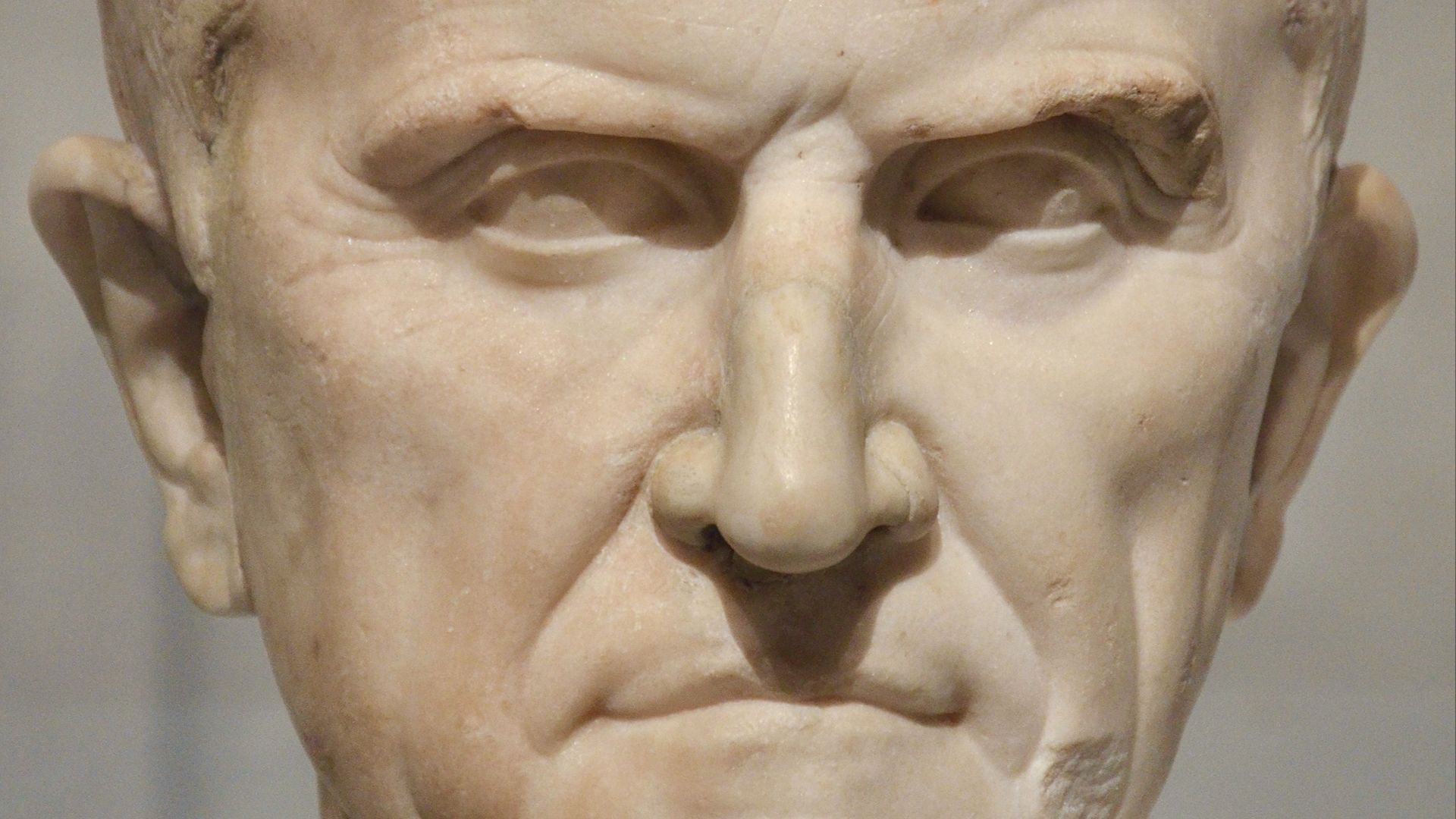
2. Marcus Licinius Crassus
Crassus was one of Rome's richest and most powerful men when he decided that conquering Parthia would add military glory to his résumé. Unfortunately for him, he badly underestimated the Parthian commander Surena, whose mounted archers and heavily armored cavalry devastated the Roman army at Carrhae in 53 B.C. Crassus was killed after the battle during a meeting with the Parthians, while much of his army was destroyed or captured.
 Following Hadrian on Wikimedia
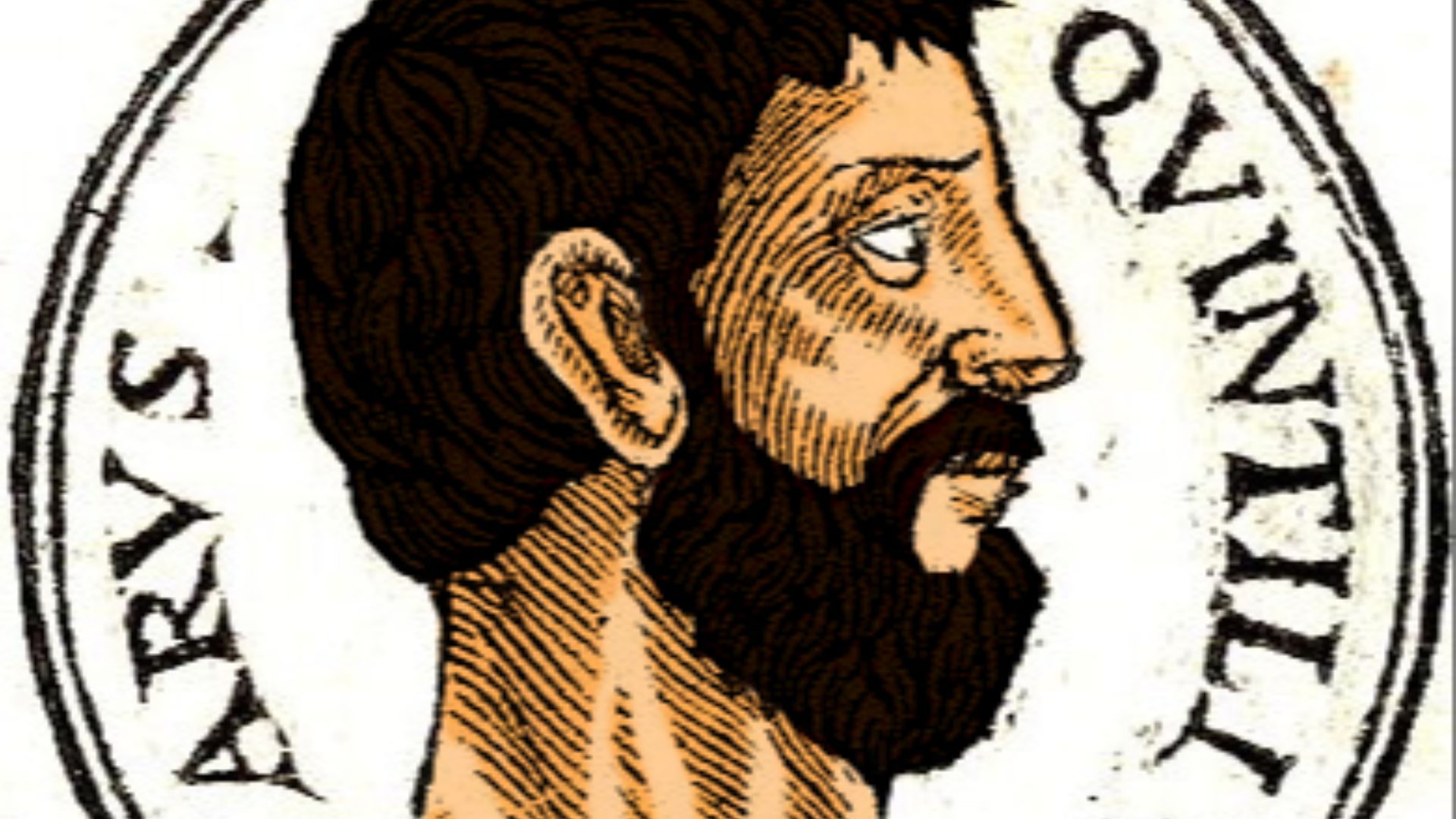
3. Publius Quinctilius Varus
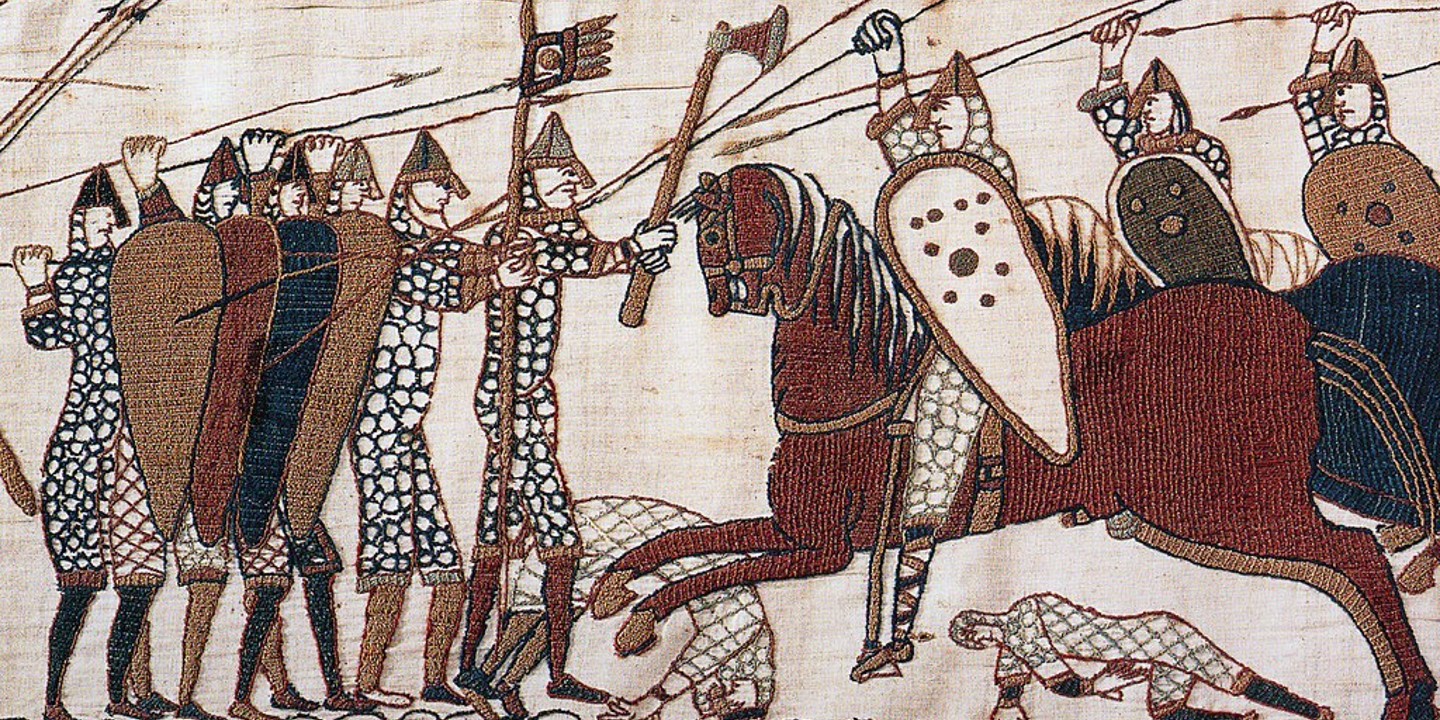
Roman governor Varus trusted Arminius because the Germanic nobleman had served in the Roman military and even held Roman citizenship. What Varus didn't realize was that Arminius was quietly organizing several Germanic tribes against him. In A.D. 9, Arminius lured three Roman legions into the Teutoburg Forest, where they were annihilated, and Varus took his own life as defeat became unavoidable.
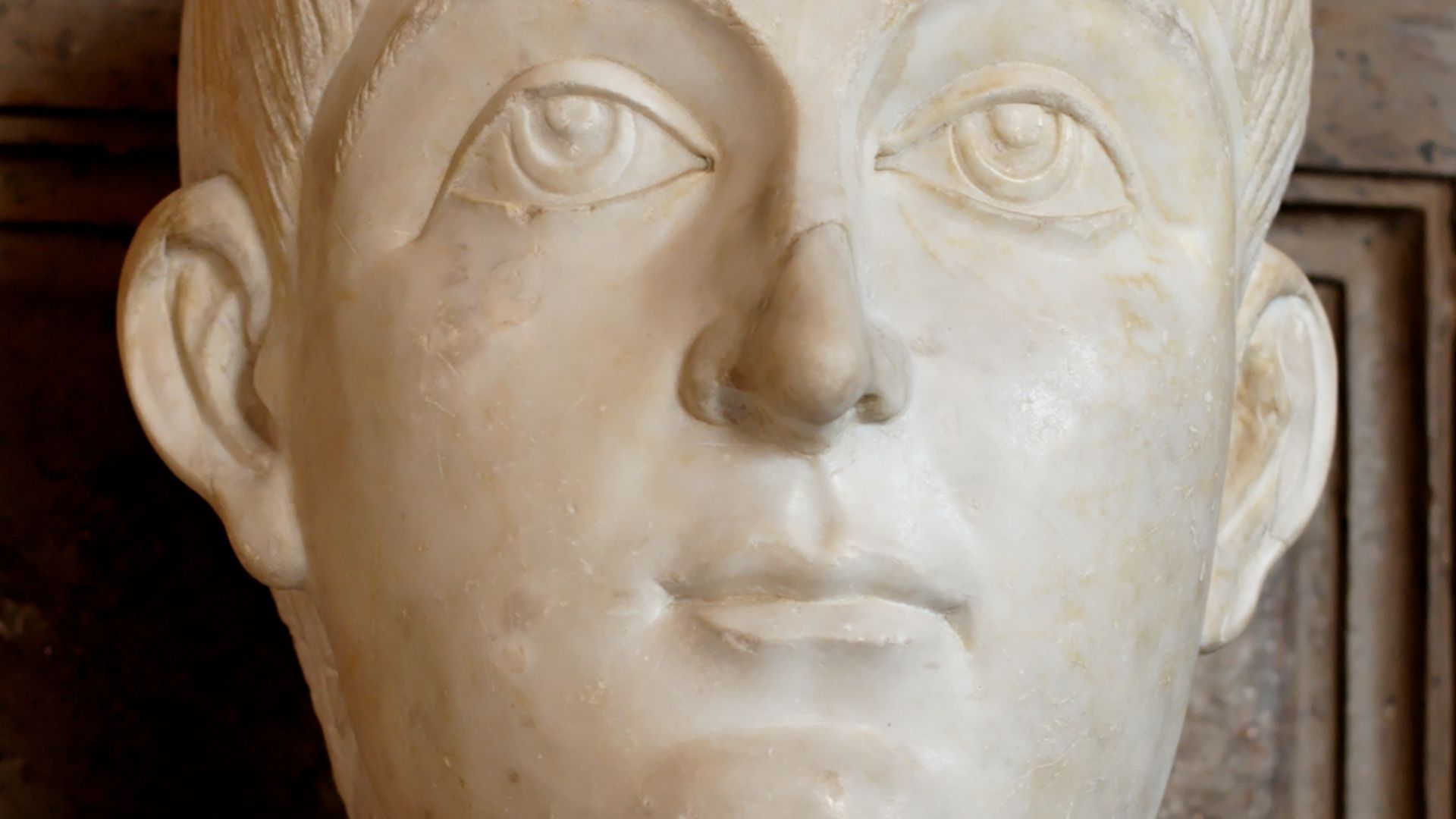
4. Emperor Valens
When Gothic refugees entered Roman territory in the fourth century, mistreatment by Roman officials eventually pushed them into rebellion under Fritigern. Emperor Valens believed he could defeat the Goths without waiting for reinforcements from his nephew Gratian. At the Battle of Adrianople in 378, Fritigern's forces crushed the Romans, and Valens was killed along with a huge portion of his army.
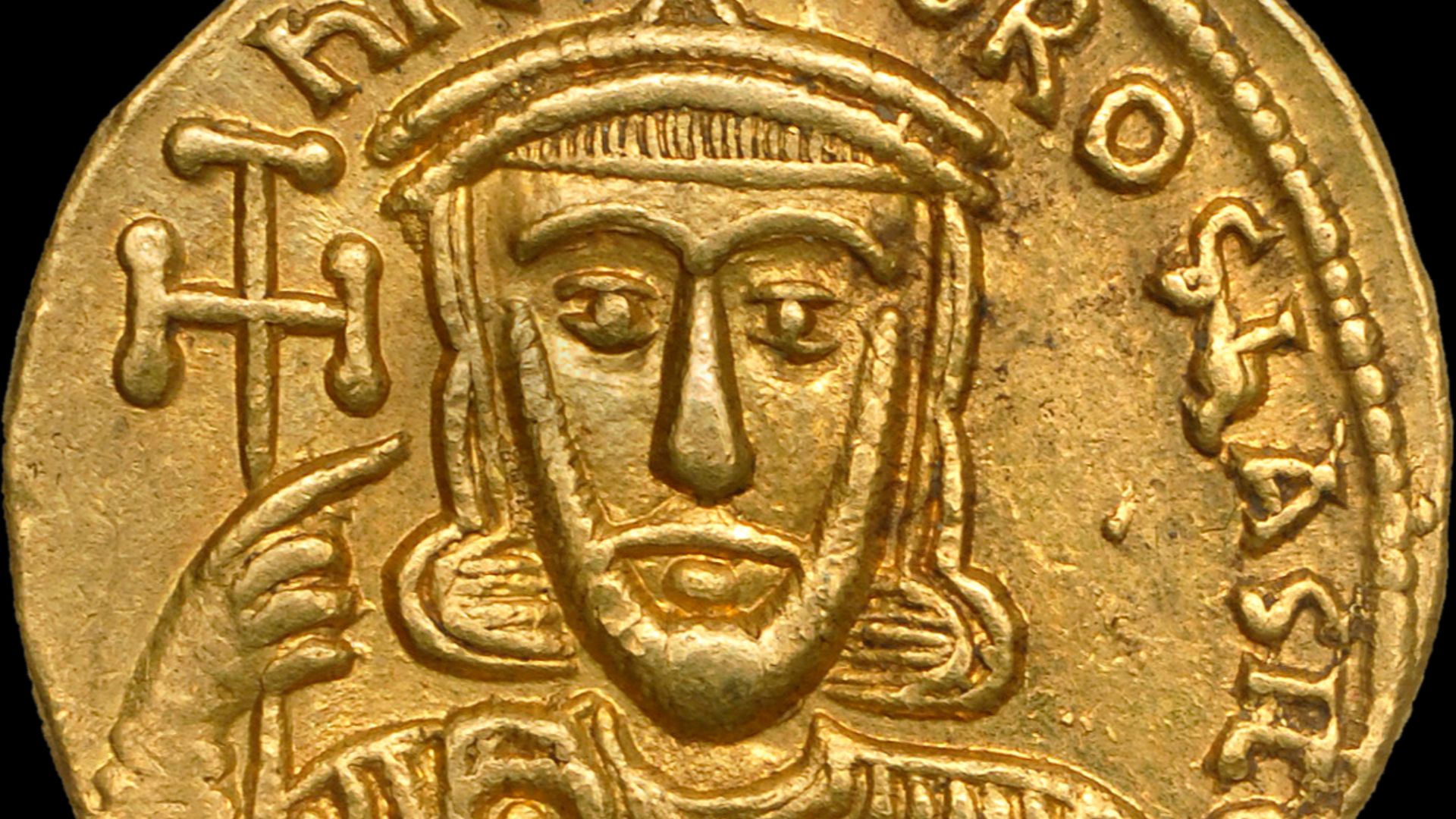
5. Emperor Nikephoros I
Byzantine emperor Nikephoros I invaded Bulgaria in 811 and initially enjoyed enough success to capture and sack the Bulgarian capital of Pliska. Khan Krum reportedly offered negotiations, but Nikephoros continued his campaign instead of taking the escape route he was being handed. Bulgarian forces trapped the Byzantine army in a mountain pass and destroyed it, killing Nikephoros and later turning his skull into a famously gruesome drinking cup, according to Byzantine accounts.
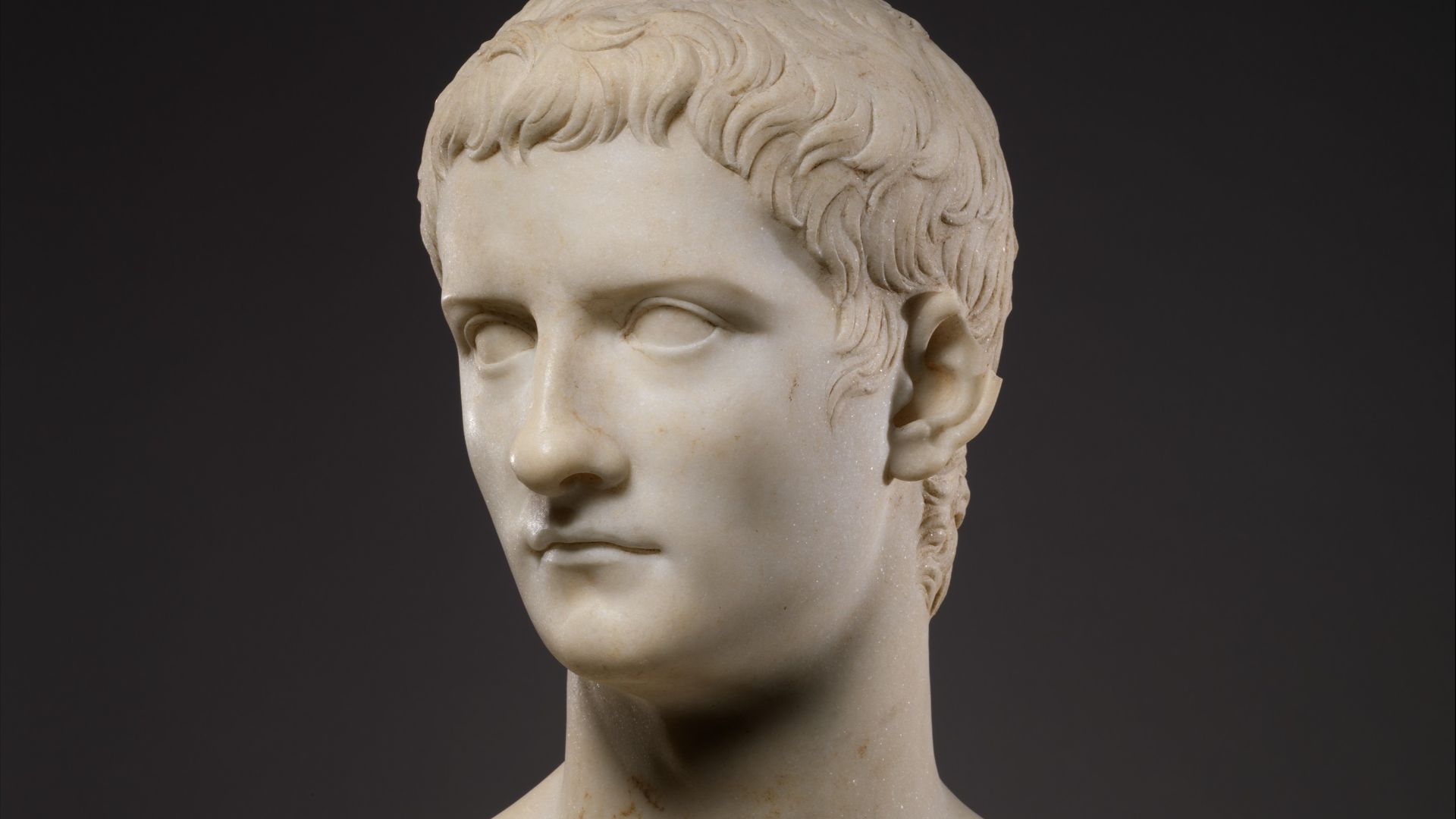
6. Caligula
Emperor Caligula had a habit of humiliating members of his own imperial guard, including the officer Cassius Chaerea. Caligula reportedly mocked Chaerea repeatedly with insulting remarks and passwords, apparently assuming the soldier simply had to tolerate it. In A.D. 41, Chaerea became one of the leaders of a conspiracy that ambushed and killed the emperor inside the imperial palace complex.
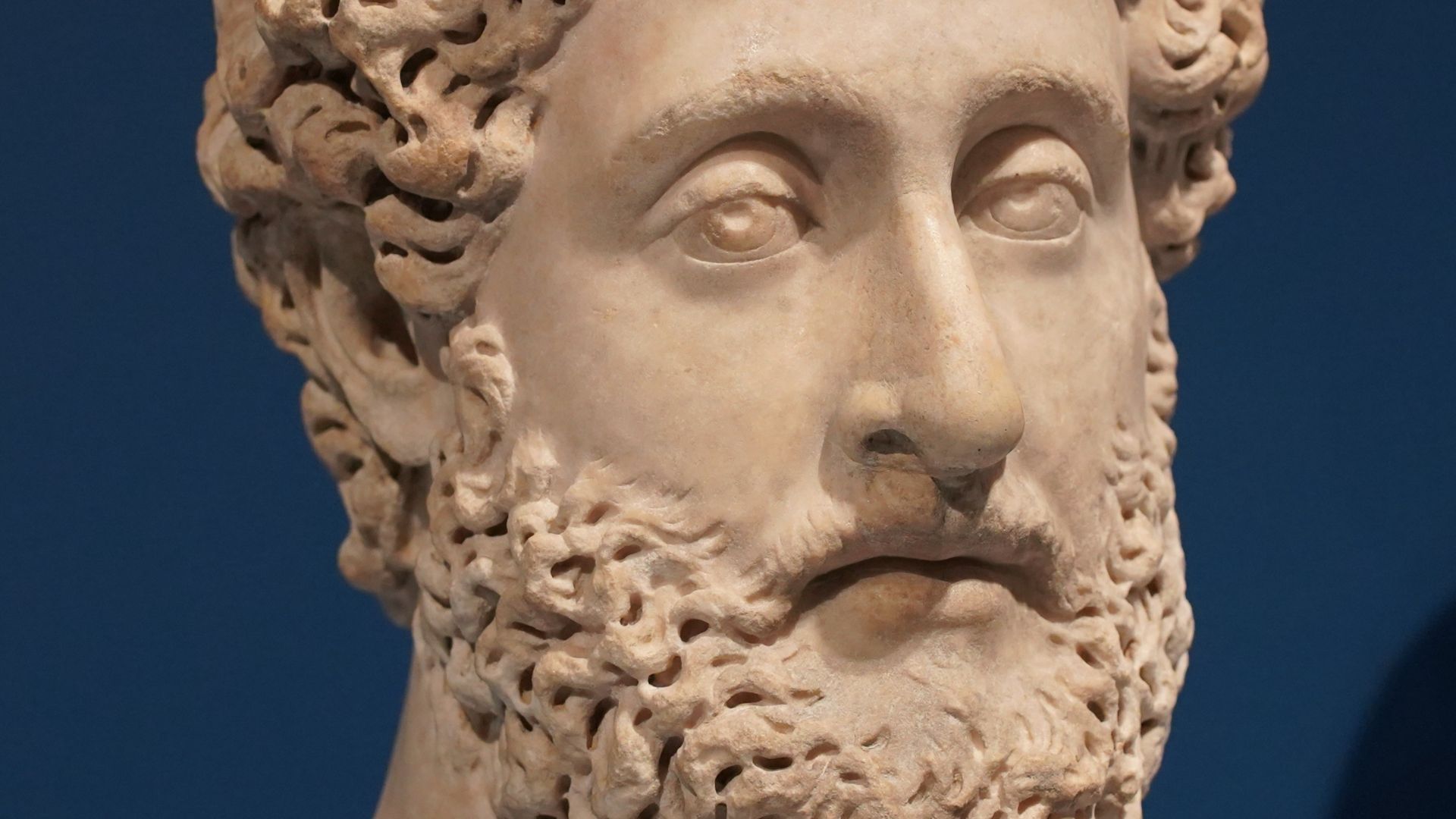
7. Commodus
Commodus had survived several plots during his reign, which apparently didn't make him cautious enough about the people closest to him. After his mistress Marcia and officials Laetus and Eclectus discovered that they might be marked for execution, they decided to strike first. Poison failed to finish Commodus off, so the wrestler Narcissus strangled the emperor in his bath on December 31, 192.
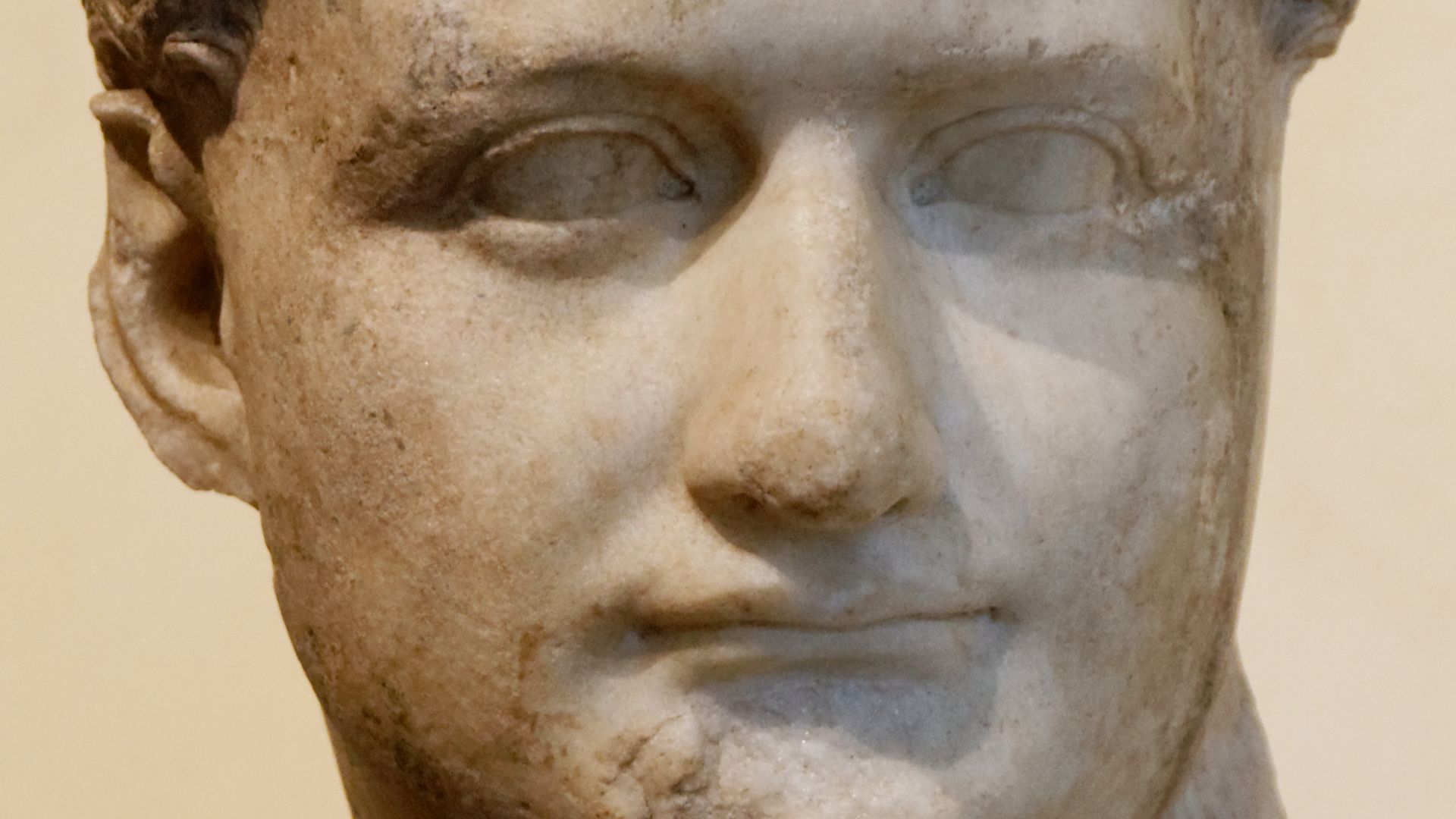
8. Domitian
Roman emperor Domitian became increasingly suspicious late in his reign, but his paranoia didn't prevent members of his own household from organizing against him. A court official named Stephanus helped arrange a conspiracy and approached Domitian while pretending to reveal information about a supposed plot. In 96, Stephanus stabbed the emperor, and additional conspirators joined the attack before Domitian could escape.
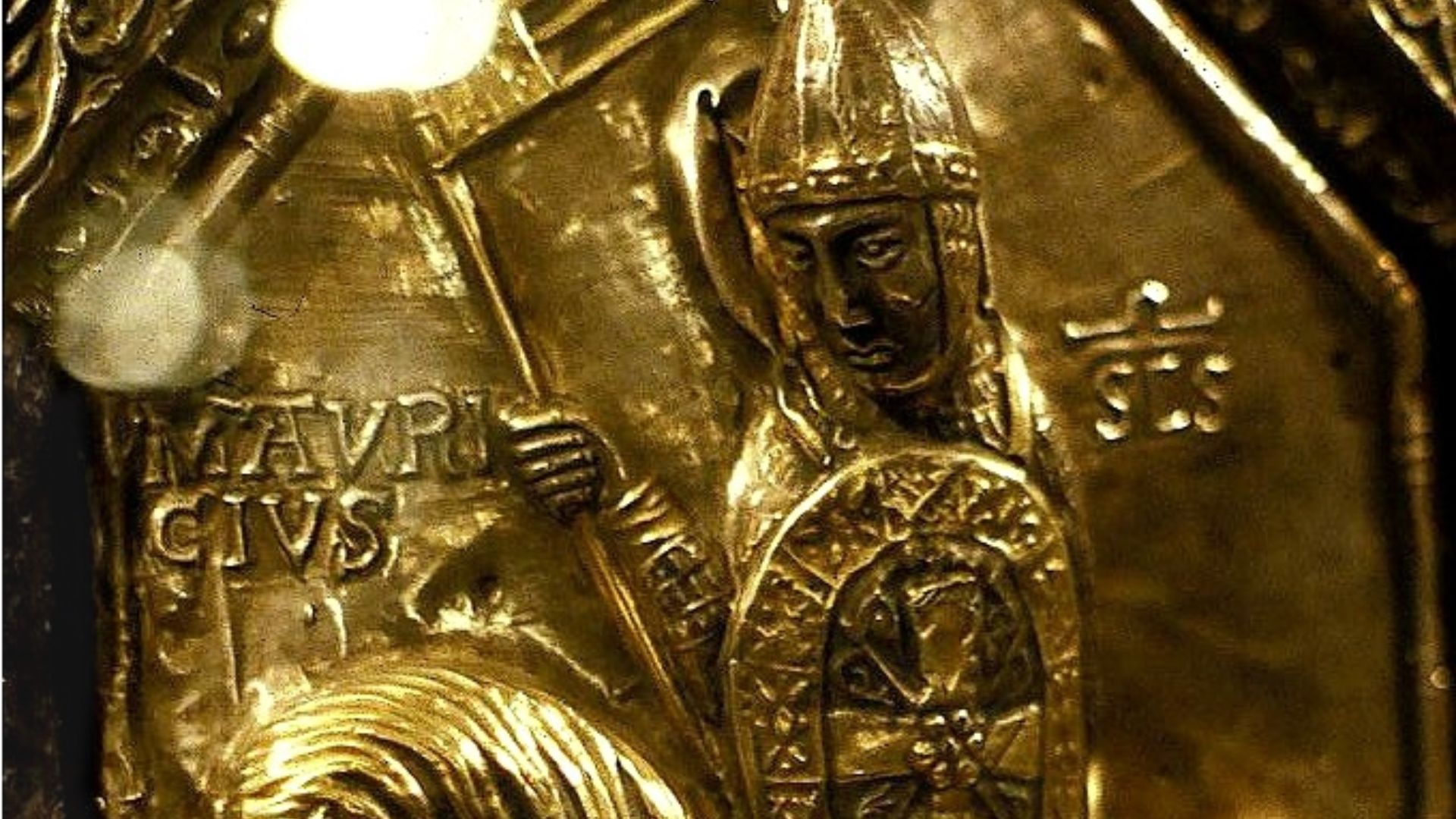
9. Emperor Maurice
Byzantine emperor Maurice had little reason to view Phocas, a relatively obscure centurion, as a serious threat to his throne. That changed in 602, when angry soldiers on the Danube rebelled and chose Phocas as their leader, giving him far more power than Maurice seems to have expected. Phocas marched on Constantinople, Maurice fled, and the deposed emperor was captured and executed on his rival's orders after being forced to watch his sons die first.
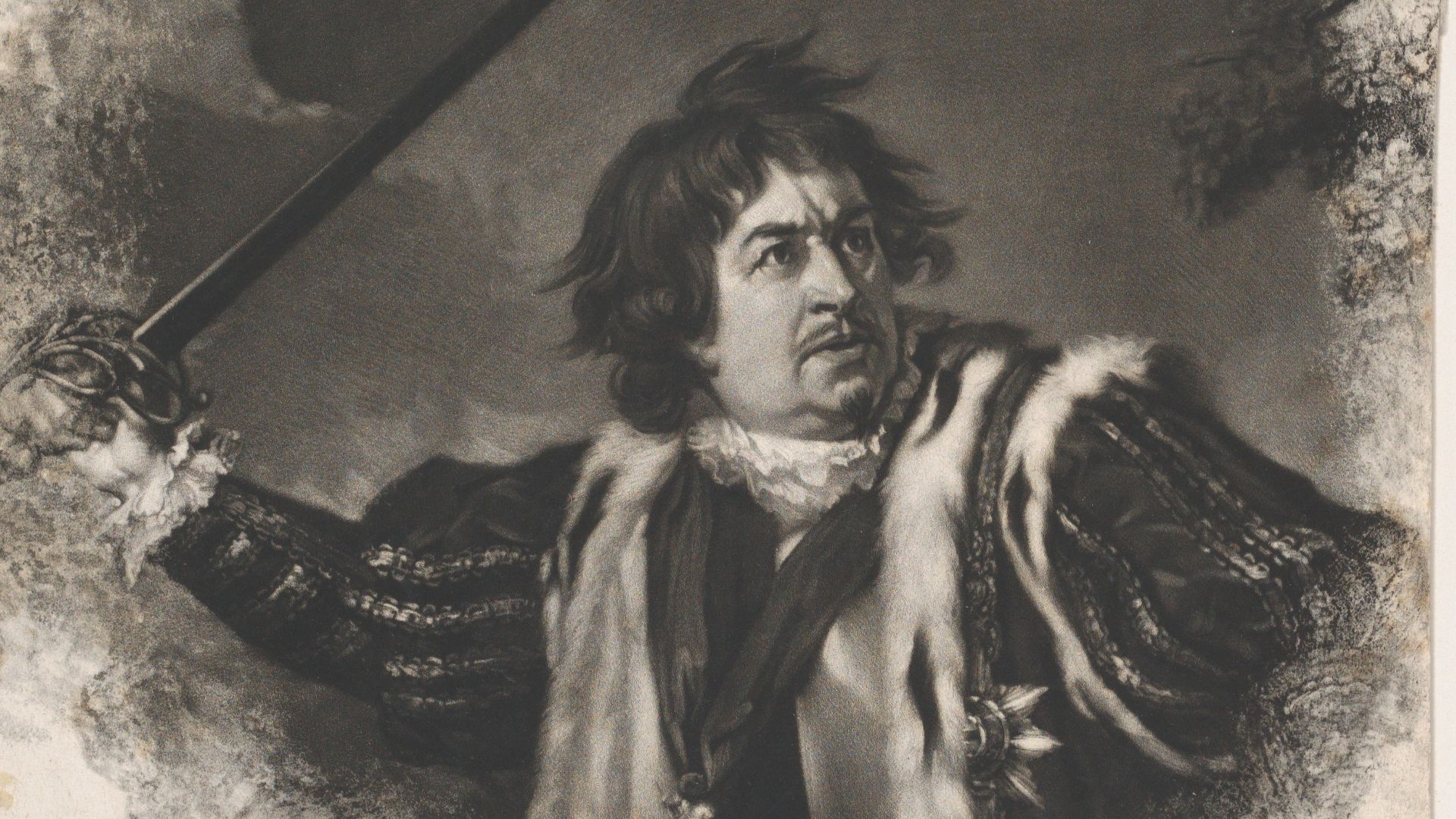
10. Richard III
Henry Tudor didn't begin the Wars of the Roses looking like the most obvious future king of England. Richard III nevertheless faced him at Bosworth Field in 1485, where the loyalties of powerful nobles remained dangerously uncertain. Richard launched a direct attack toward Henry during the battle, but his gamble failed, and he was killed before Henry was crowned Henry VII.
 Samuel William Reynolds on Wikimedia
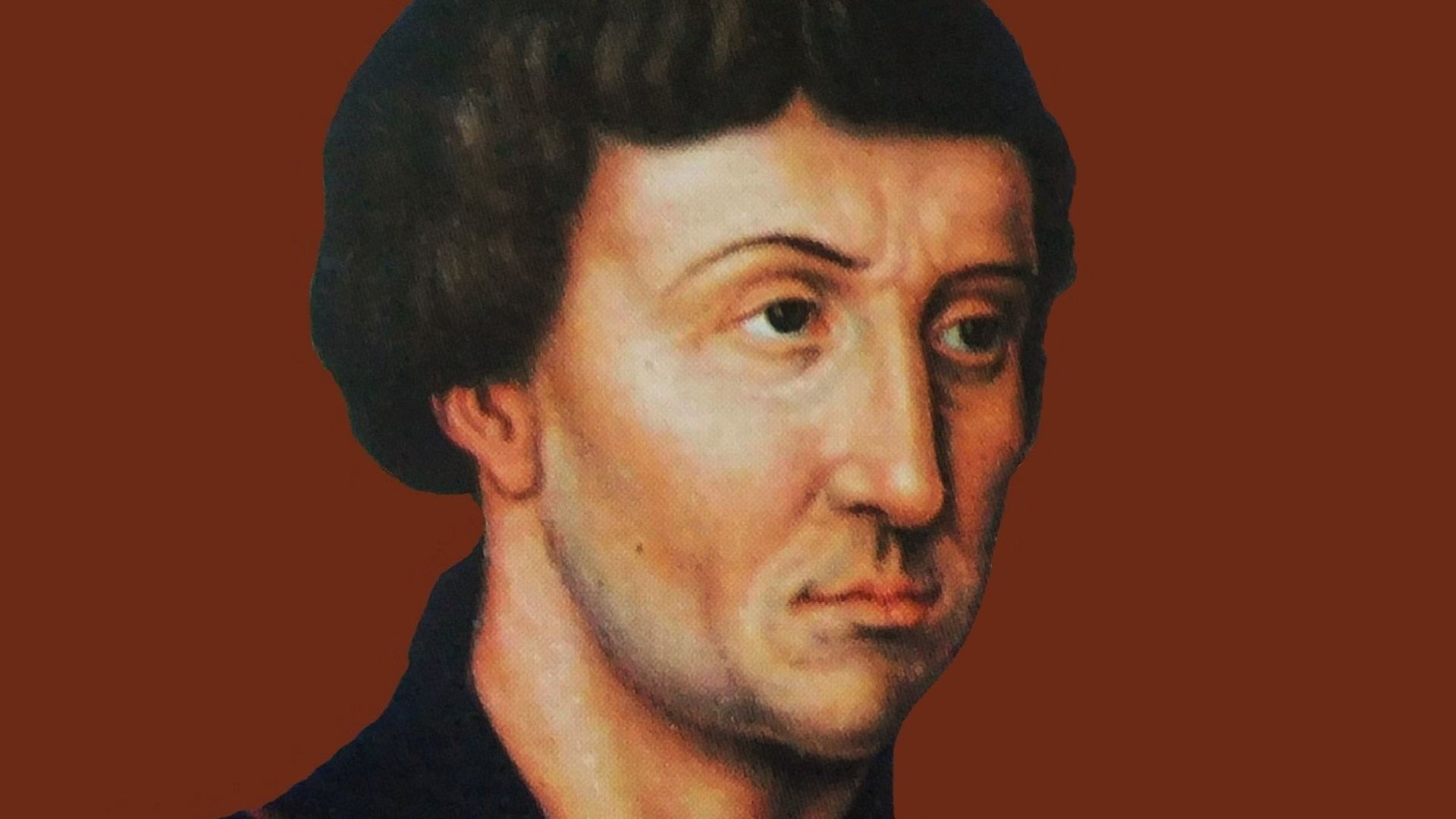
11. Charles the Bold
Charles the Bold, Duke of Burgundy, wanted to turn his scattered territories into one of Europe's great powers. His ambitions repeatedly brought him against the Swiss Confederacy, whose infantry proved much stronger than he seemed willing to accept. After earlier defeats, Charles confronted them again at Nancy in 1477 and was killed when his army collapsed.
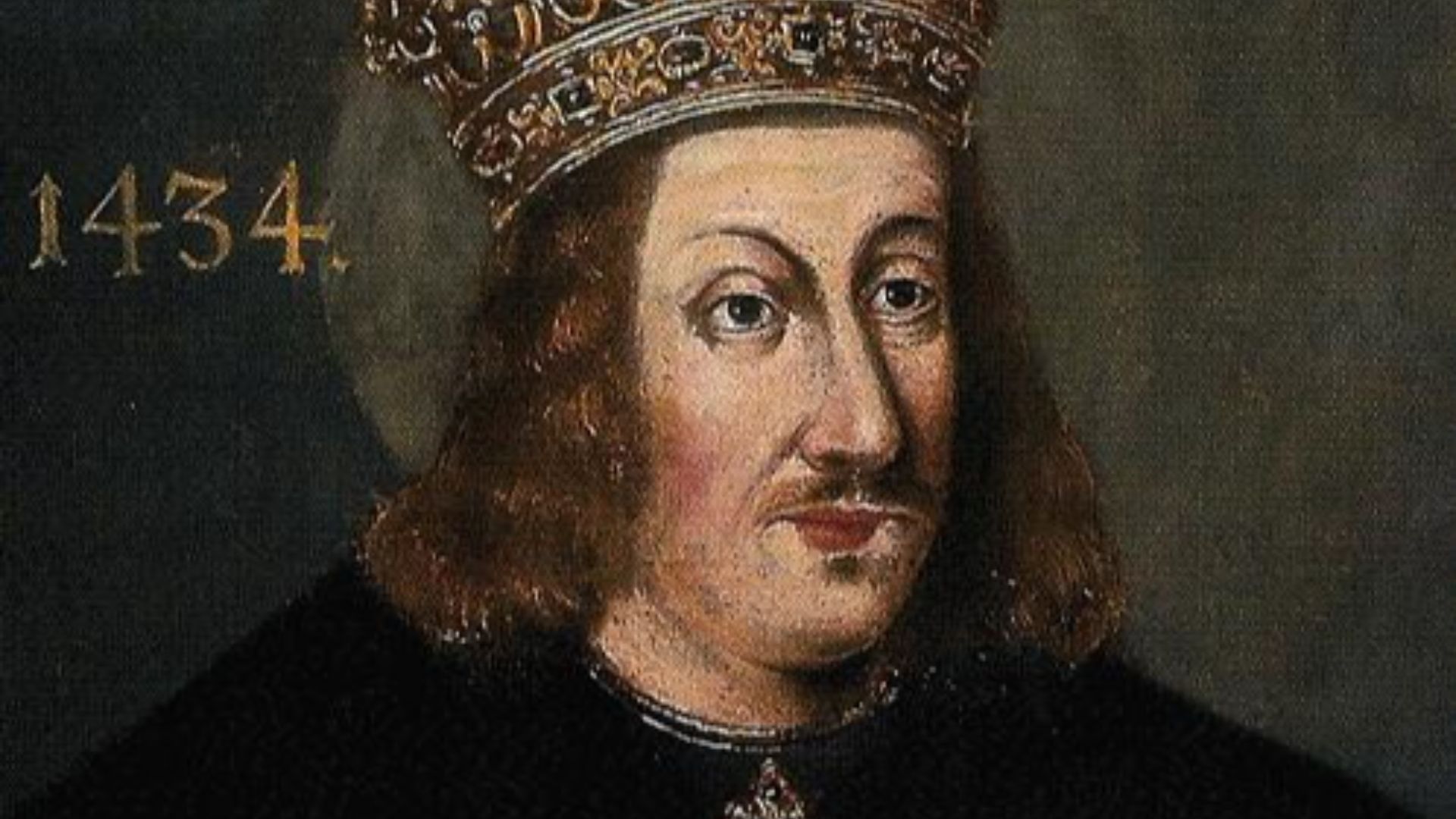
12. King Władysław III
Władysław III of Poland and Hungary joined a major Christian campaign against the Ottoman Empire and initially had reason to feel confident. At the Battle of Varna in 1444, however, the young king launched an aggressive cavalry attack toward Sultan Murad II instead of maintaining his army's stronger position. Ottoman troops surrounded him, Władysław was killed, and the crusading army fell apart soon afterward.
13. King Sebastian of Portugal
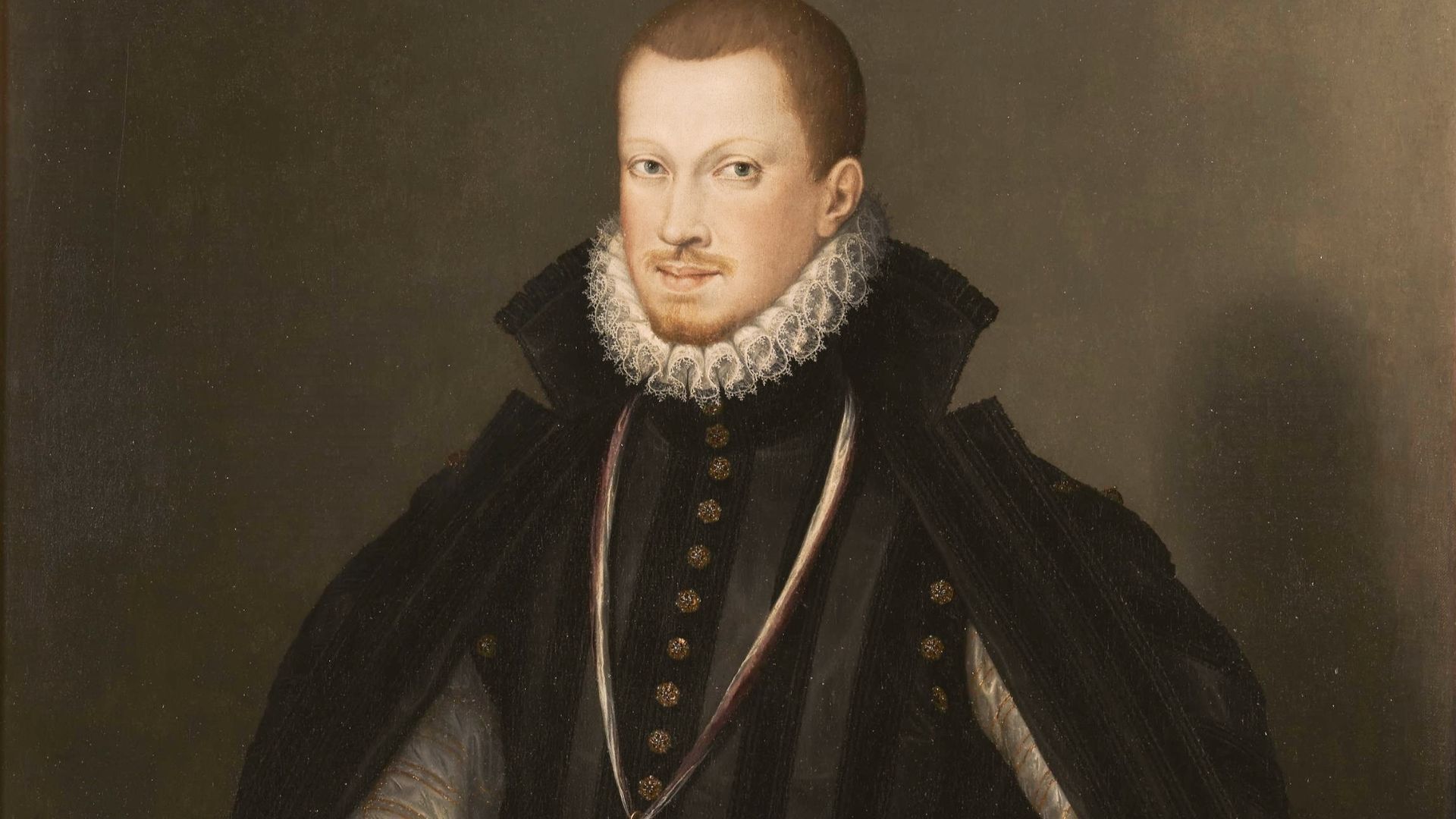
Sebastian of Portugal was only in his twenties when he personally led an invasion of Morocco in 1578. He supported a claimant to the Moroccan throne and expected a glorious campaign, but Sultan Abd al-Malik had assembled a much stronger force than Sebastian anticipated. The Portuguese army was crushed at the Battle of Alcácer Quibir, where Sebastian disappeared and was almost certainly killed.
14. George Armstrong Custer
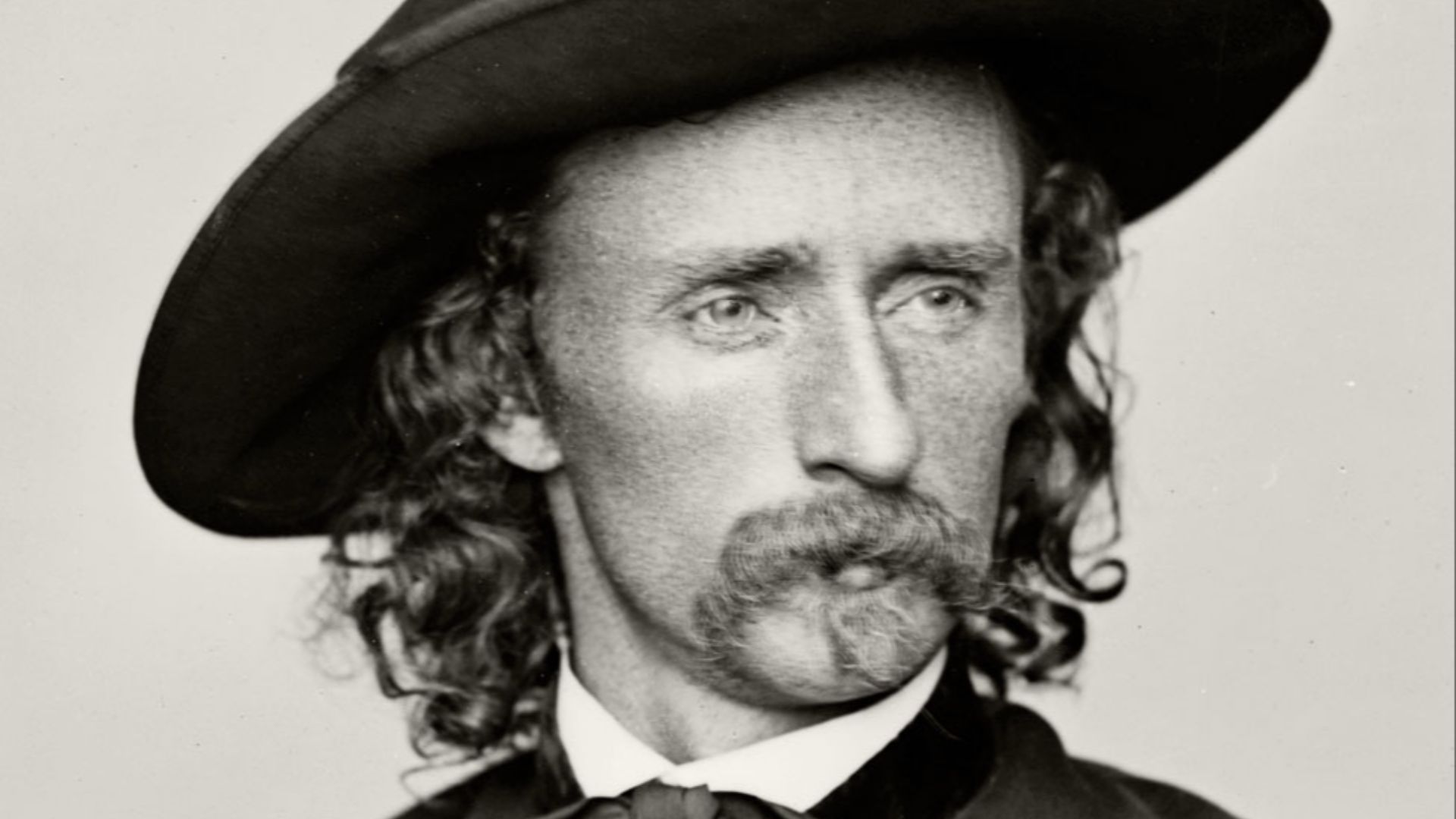
Lieutenant Colonel George Armstrong Custer expected to encounter a Native American village at the Little Bighorn in 1876, but he badly misjudged the size of the force gathered there. Thousands of Lakota, Northern Cheyenne, and Arapaho were camped in the area, with prominent leaders including Sitting Bull and Crazy Horse. Custer divided his regiment before attacking, and he and every man in his immediate command were killed.
15. Blackbeard
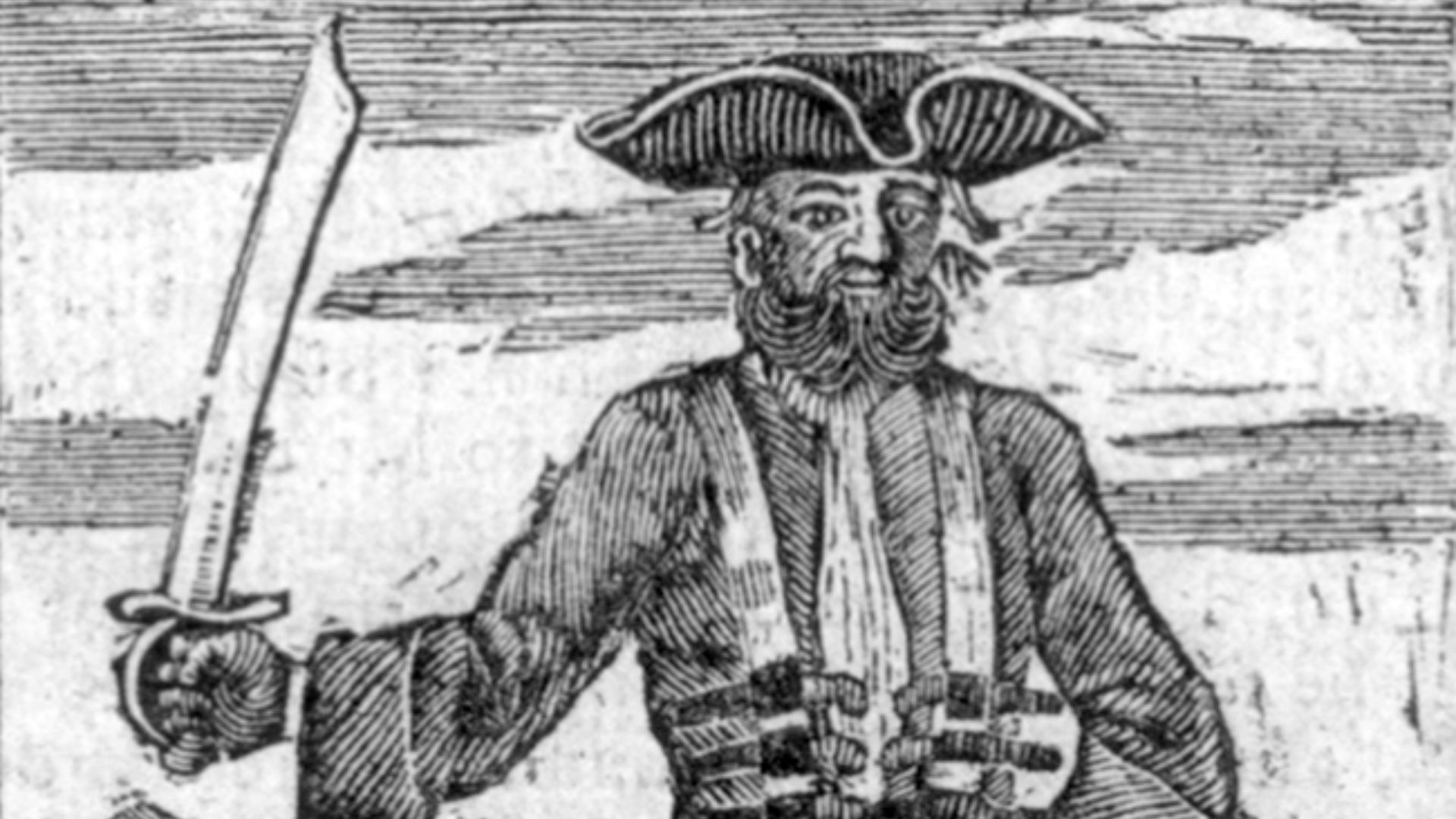
Blackbeard thought he had the upper hand after blasting Lieutenant Robert Maynard’s sloop with cannon fire and seeing only a small number of men still on deck. What he didn’t realize was that Maynard had hidden much of his crew below deck to make the vessel look far more vulnerable than it really was. Blackbeard boarded expecting an easy finish, but Maynard’s concealed sailors suddenly rushed out, and the pirate was killed in the brutal fight that followed.
16. Jesse James
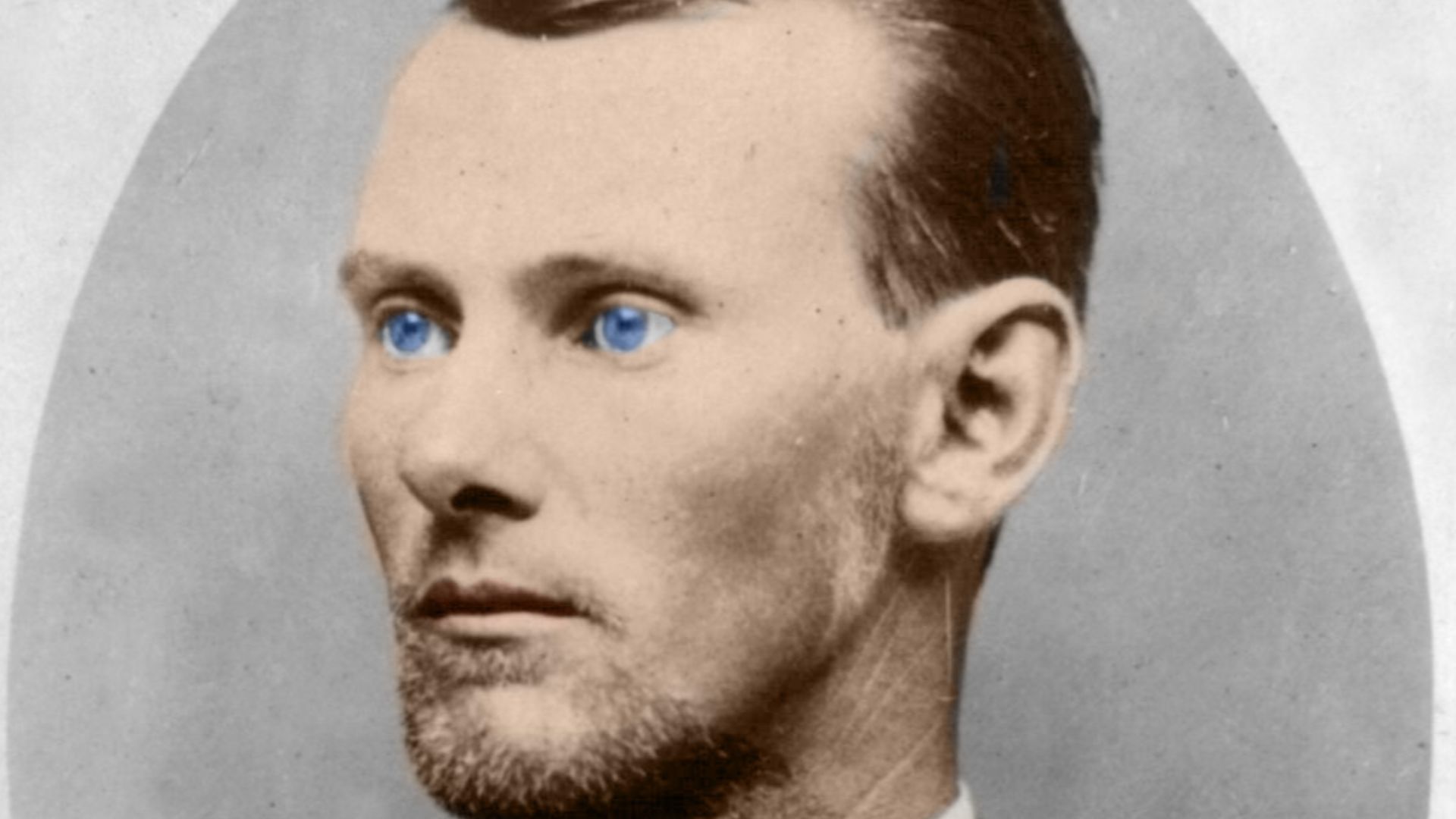
Outlaw Jesse James had become increasingly suspicious of people around him, but he still allowed brothers Robert and Charley Ford into his household. Robert secretly hoped to claim the reward being offered for James and had discussed killing him with Missouri governor Thomas Crittenden. In 1882, James reportedly removed his guns and turned away to straighten a picture when Ford shot him in the back of the head.
17. Wild Bill Hickok
Jack McCall lost money playing poker with Wild Bill Hickok in Deadwood in 1876 and reportedly received some advice and money for breakfast afterward. Whatever McCall's motive, Hickok apparently didn't consider him enough of a threat to change his routine dramatically. The next day, McCall walked into the saloon and shot Hickok from behind while the famous gunfighter was playing cards.
 Blankfaze~commonswiki on Wikimedia
18. Maximilian I
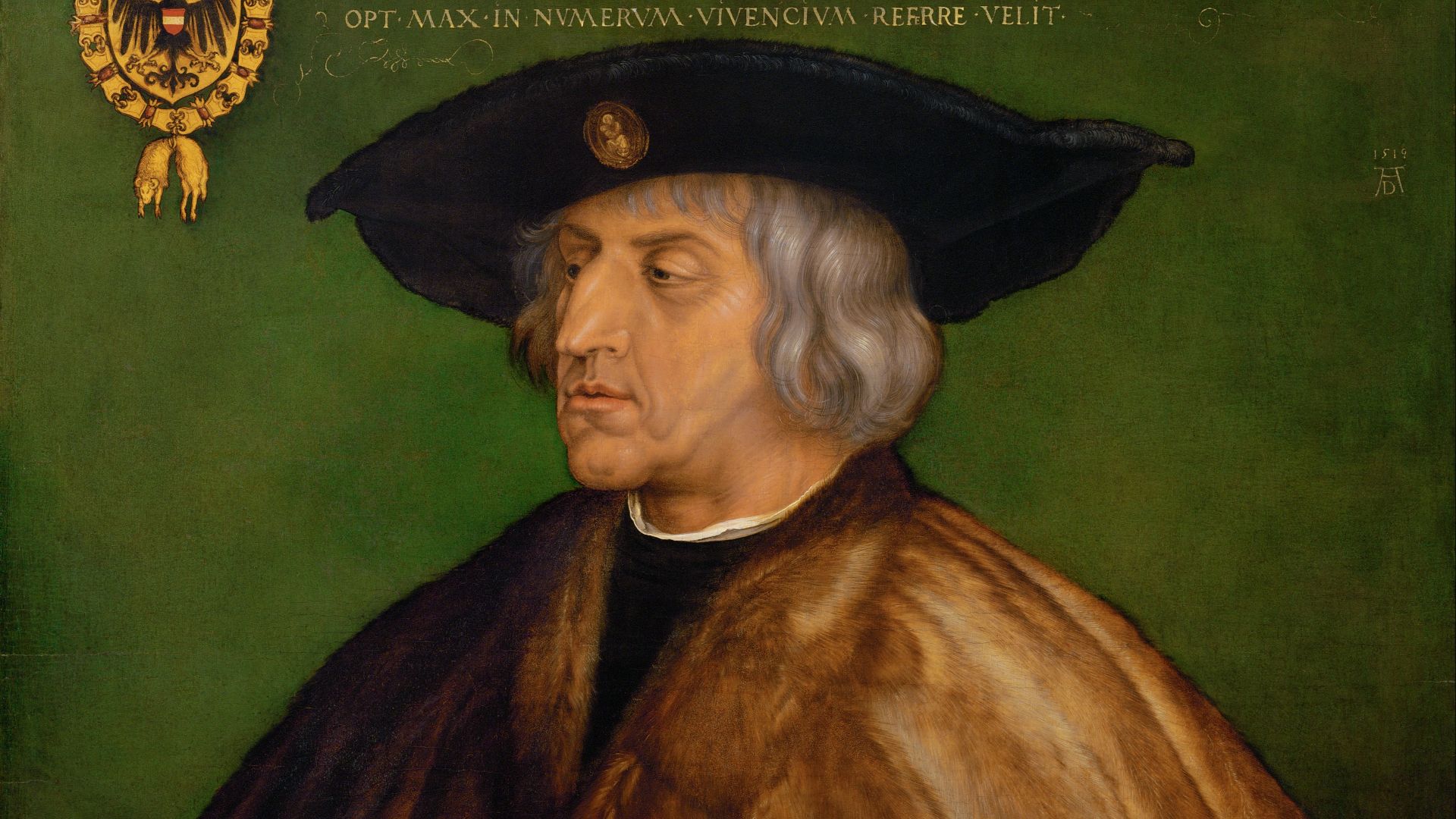
Maximilian I underestimated how determined Benito Juárez and the Mexican republican forces were to remove him, even after French support for his empire began disappearing. Rather than abandon Mexico while he still had the chance, Maximilian stayed and tried to hold onto power, apparently believing Juárez’s resistance could still be defeated. Republican troops captured him at Querétaro in 1867, and Juárez’s government refused appeals for clemency before Maximilian was executed by firing squad.
19. Maximilien Robespierre
Robespierre mercilessly sent opponents to the guillotine during the French Revolution, which made his fellow politicians increasingly worried they could be next. In July 1794, members of the National Convention turned against him before he could move against them first. Robespierre was arrested, badly wounded during the chaotic struggle that followed, and guillotined the next day without ever regaining control.
Unidentified painter on Wikimedia
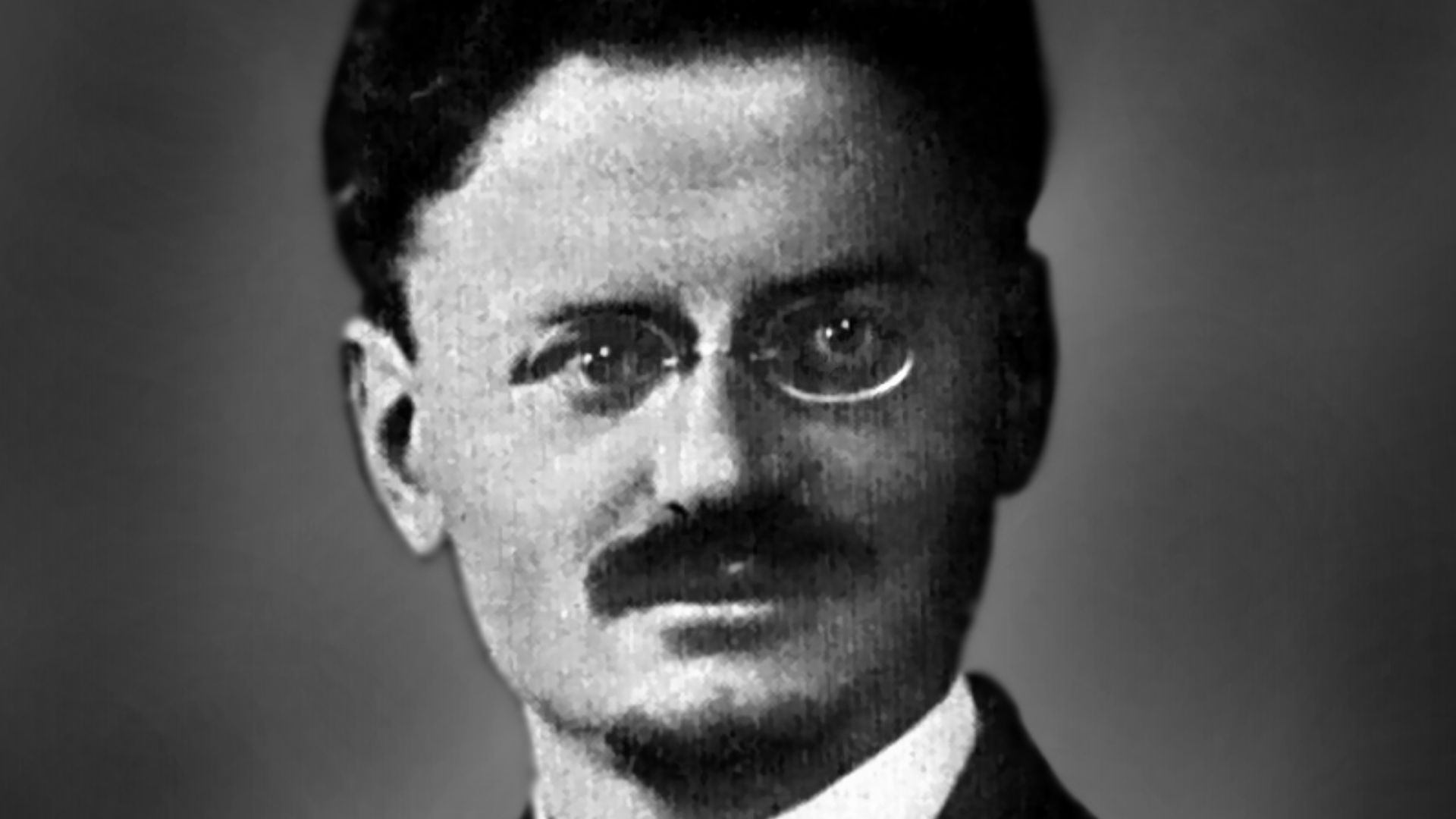
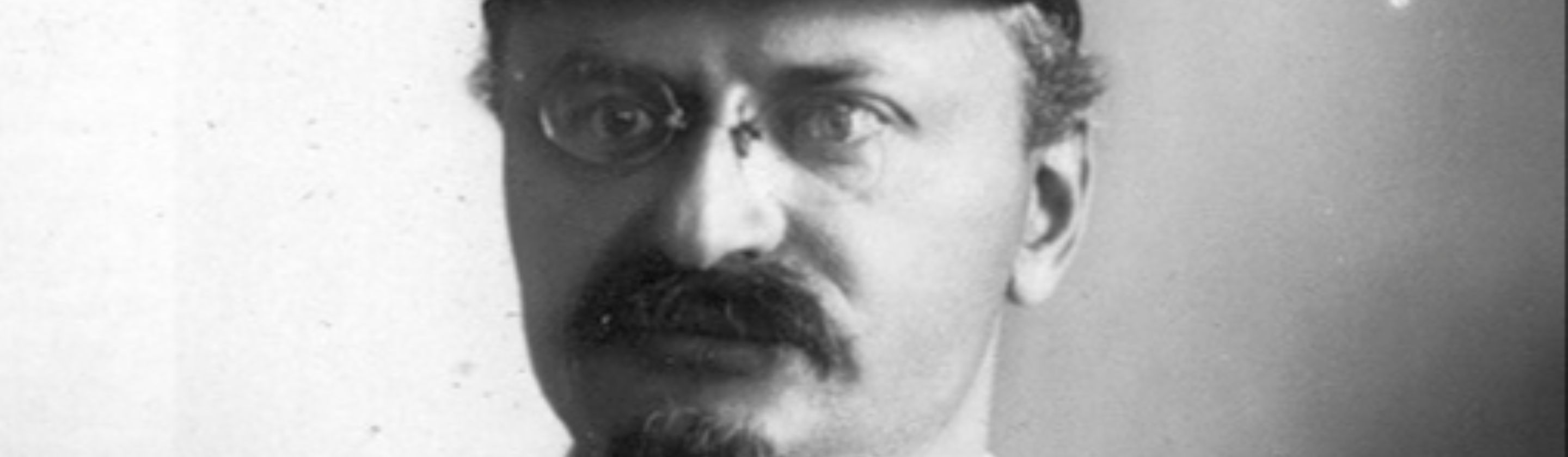
20. Leon Trotsky
Leon Trotsky knew Joseph Stalin wanted him dead and lived under heavy security while exiled in Mexico, even surviving an earlier armed attack on his home. Ramón Mercader, however, gained access to Trotsky's circle through a relationship with one of his supporters and gradually made himself seem trustworthy. On August 20, 1940, Trotsky allowed Mercader into his study, where the assassin struck him with an ice axe and inflicted wounds that killed him the following day.