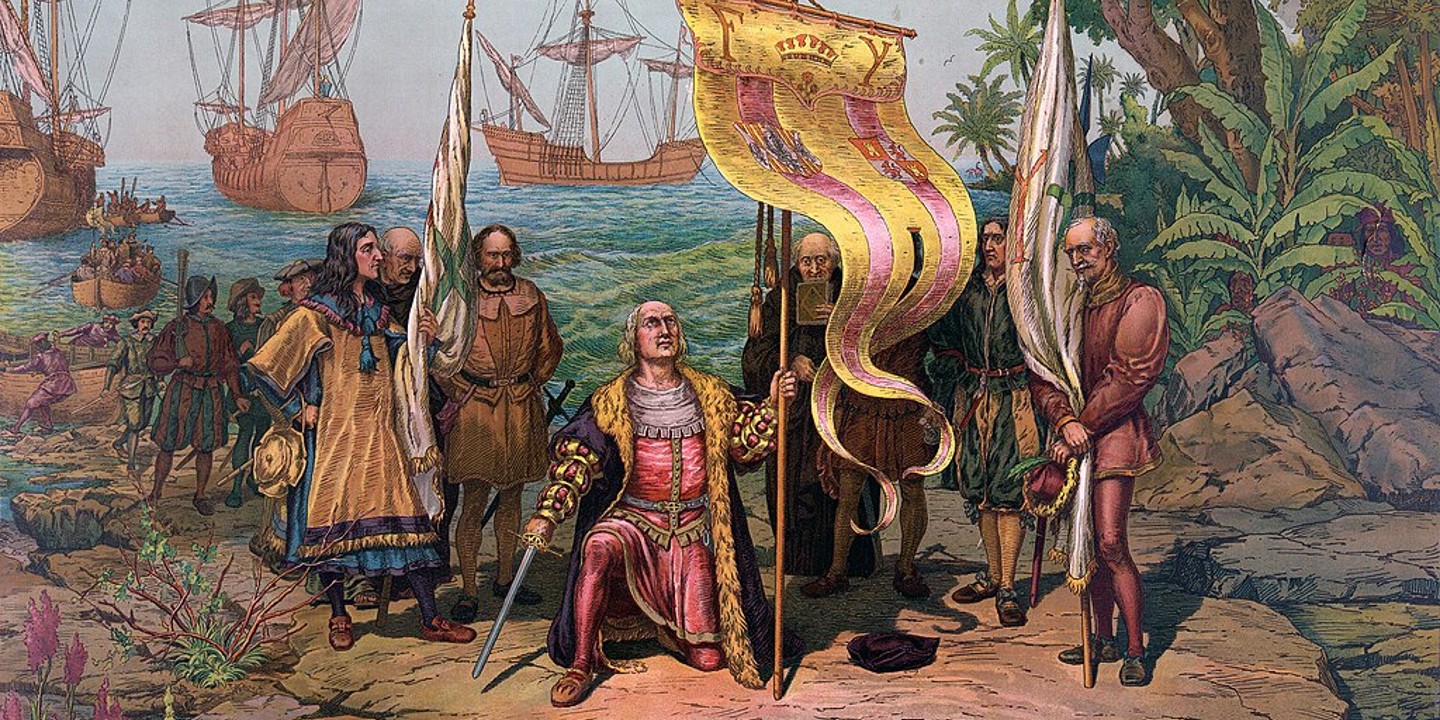
Til Death Do Us Part
Unlike fairy tales, real love can be extremely fickle, involving flawed human beings and unforgiving realities, and history is full of couples whose devotion led to heartbreak instead of a lifetime together. From ancient philosophers and emperors to famous literary poets and more recent accounts, the 20 pairs on this list faced near-insurmountable obstacles, including war, disease, social class, and even death itself, proving that love can be as intensely passionate as it is gut-wrenching.
1. Napoleon Bonaparte and Josephine de Beauharnais
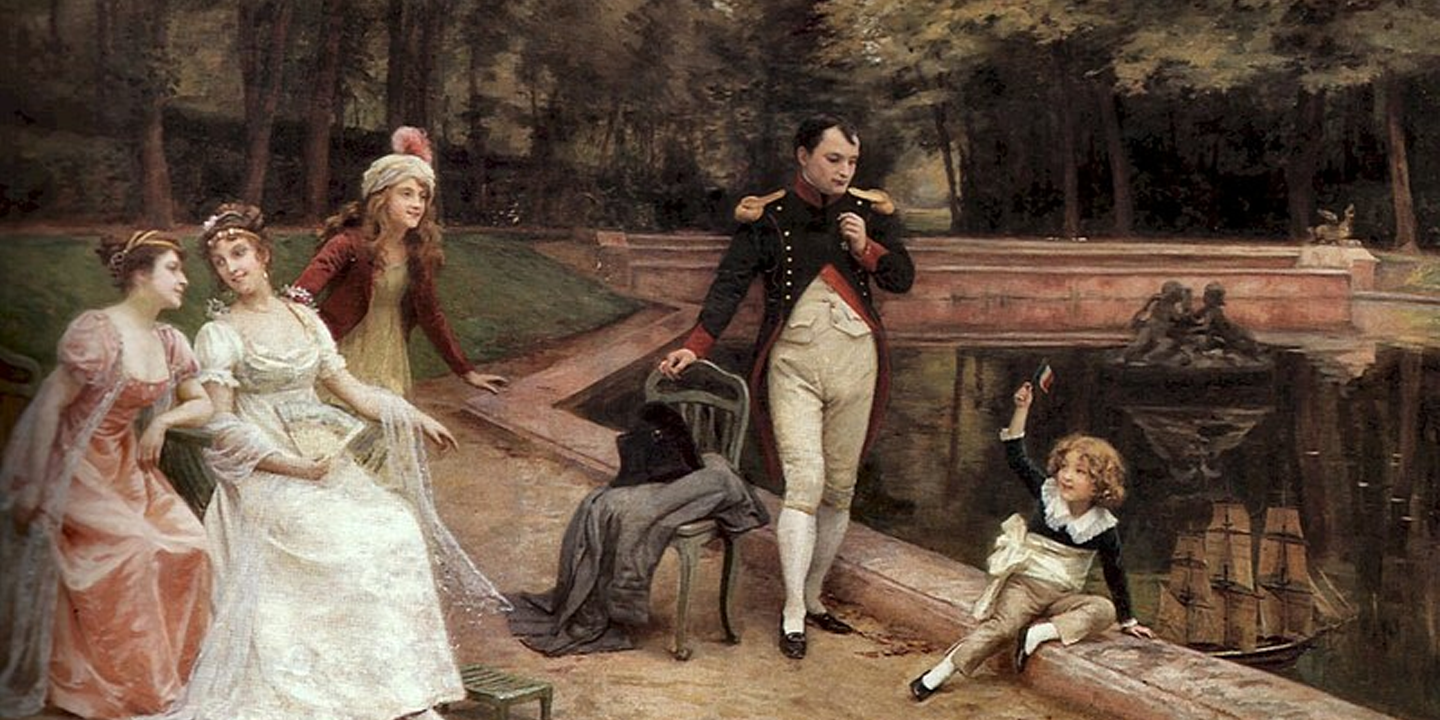
Napoleon fell for Josephine almost immediately after meeting her, and he wrote her passionate letters throughout their courtship and marriage. Despite his devotion, political pressure to produce an heir eventually forced him to annul their marriage, even though he continued to love her until his final days. He reportedly spoke her name on his deathbed, proving that their bond never fully broke despite the separation.
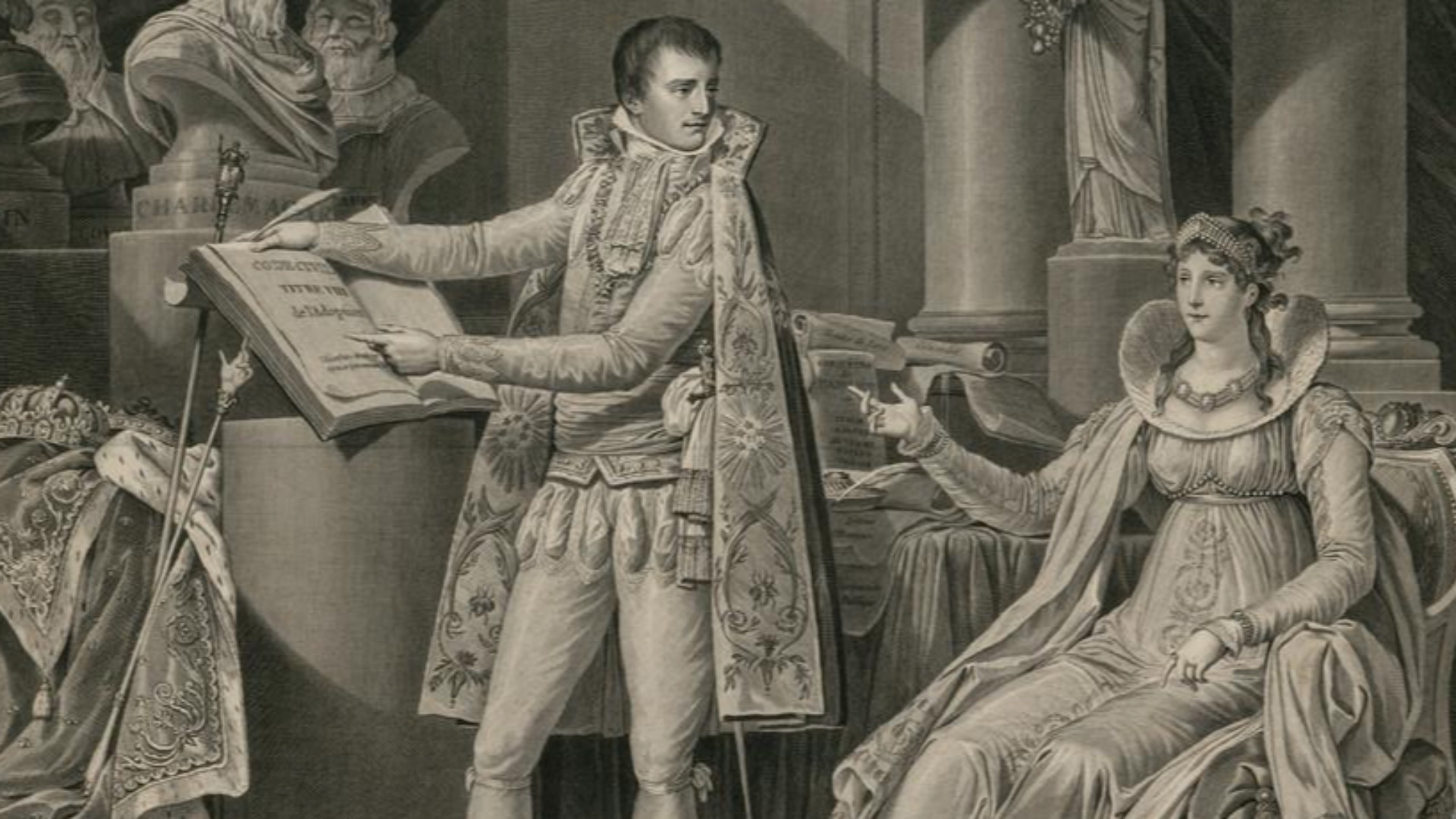 François-Anne David on Wikimedia
2. Marc Antony and Cleopatra
Mark Antony’s relationship with Cleopatra VII developed within the dangerous politics of the late Roman Republic, making their personal lives almost impossible to separate from military ambition. After Antony and Cleopatra were defeated by Octavian’s forces at the Battle of Actium in 31 B.C., however, their position became increasingly hopeless. He took his own life after receiving false news of Cleopatra's death, and she followed him shortly after, sealing their story as one of antiquity's most famous tragedies.
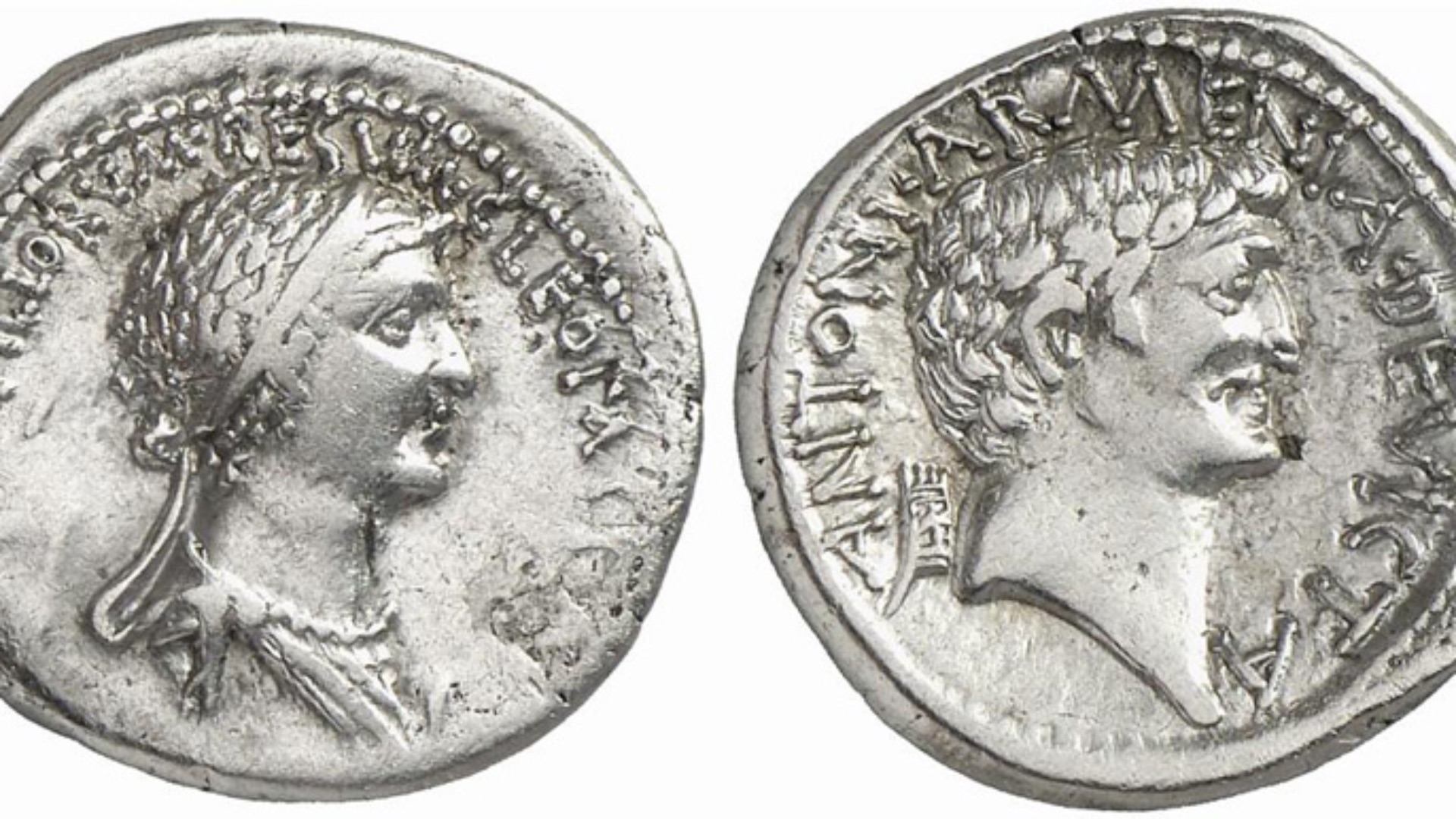 Classical Numismatic Group on Wikimedia
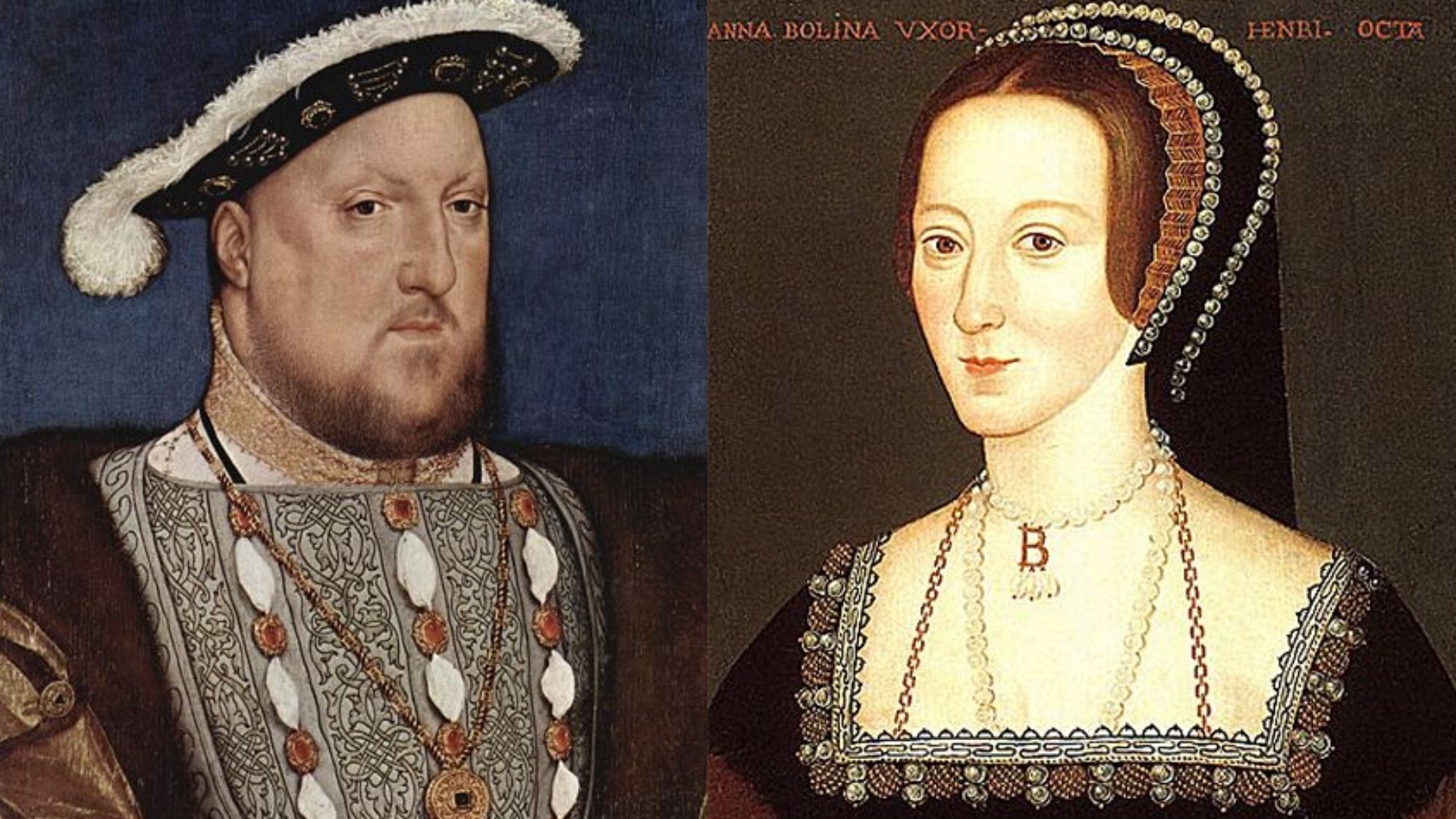
3. Anne Boleyn and Henry VIII
Henry VIII’s pursuit of Anne Boleyn helped produce one of the most consequential marital disputes in European history because he couldn’t obtain the papal annulment he wanted from Catherine of Aragon. Henry eventually broke with papal authority, married Anne in 1533, and recognized their daughter Elizabeth as his legitimate heir, but the relationship deteriorated when Anne failed to provide a surviving son. In 1536, she was arrested and prosecuted for adultery, incest, and treason in proceedings that historians have long regarded with considerable skepticism. Anne was executed at the Tower of London on May 19, turning what began as a passionate romance into one of history's most chilling betrayals.
4. Marie Antoinette and Axel von Fersen
Marie Antoinette and Swedish count Axel von Fersen shared a close relationship that many historians believe went beyond friendship, with their letters hinting at deep affection. Fersen attempted to help the royal family flee France during the Revolution, risking his own safety for her sake. She was executed before they could reunite, and Fersen spent the rest of his life mourning a woman he never got to save.
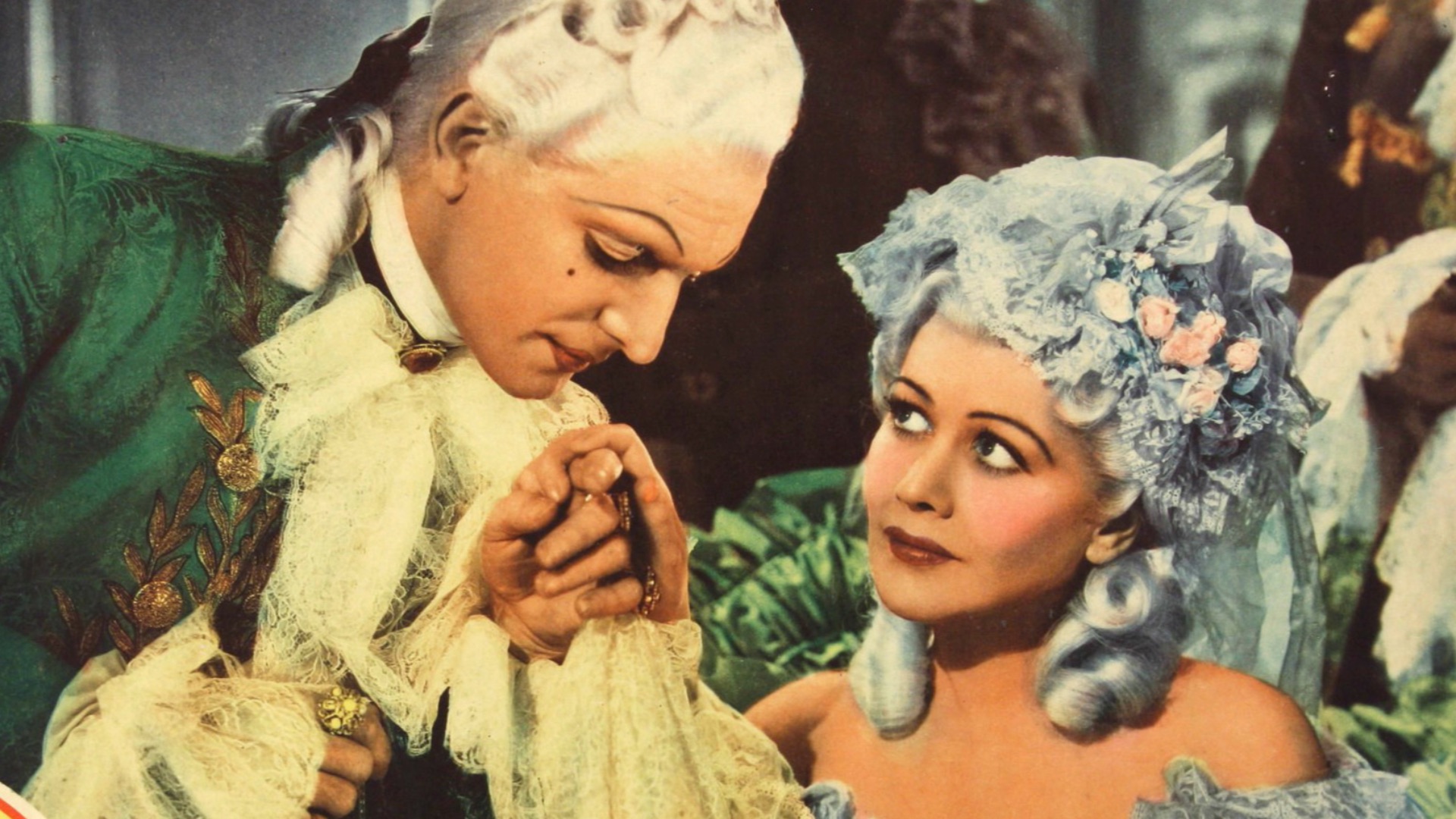 Metro-Goldwyn-Mayer (MGM) on Wikimedia
5. Elizabeth Barrett and Robert Browning
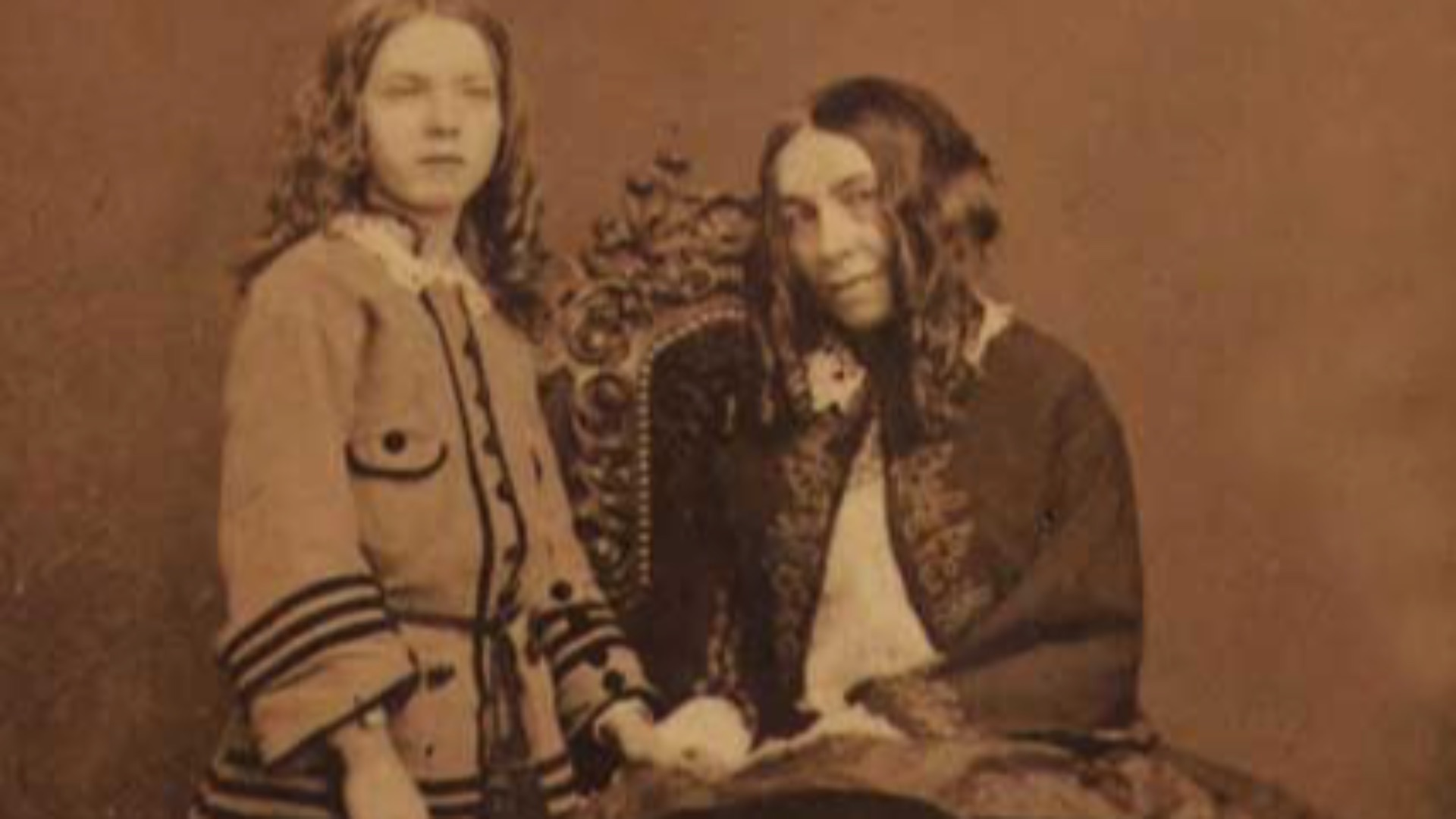
Elizabeth Barrett was practically an invalid when she met poet Robert Browning, and her father strongly disapproved of their budding romance. The couple eloped in secret and moved to Italy, where Elizabeth's health actually improved for a time, giving them several happy years together. She passed away in Robert's arms years later, and he never fully recovered from the loss, spending his remaining decades honoring her memory through his writing.
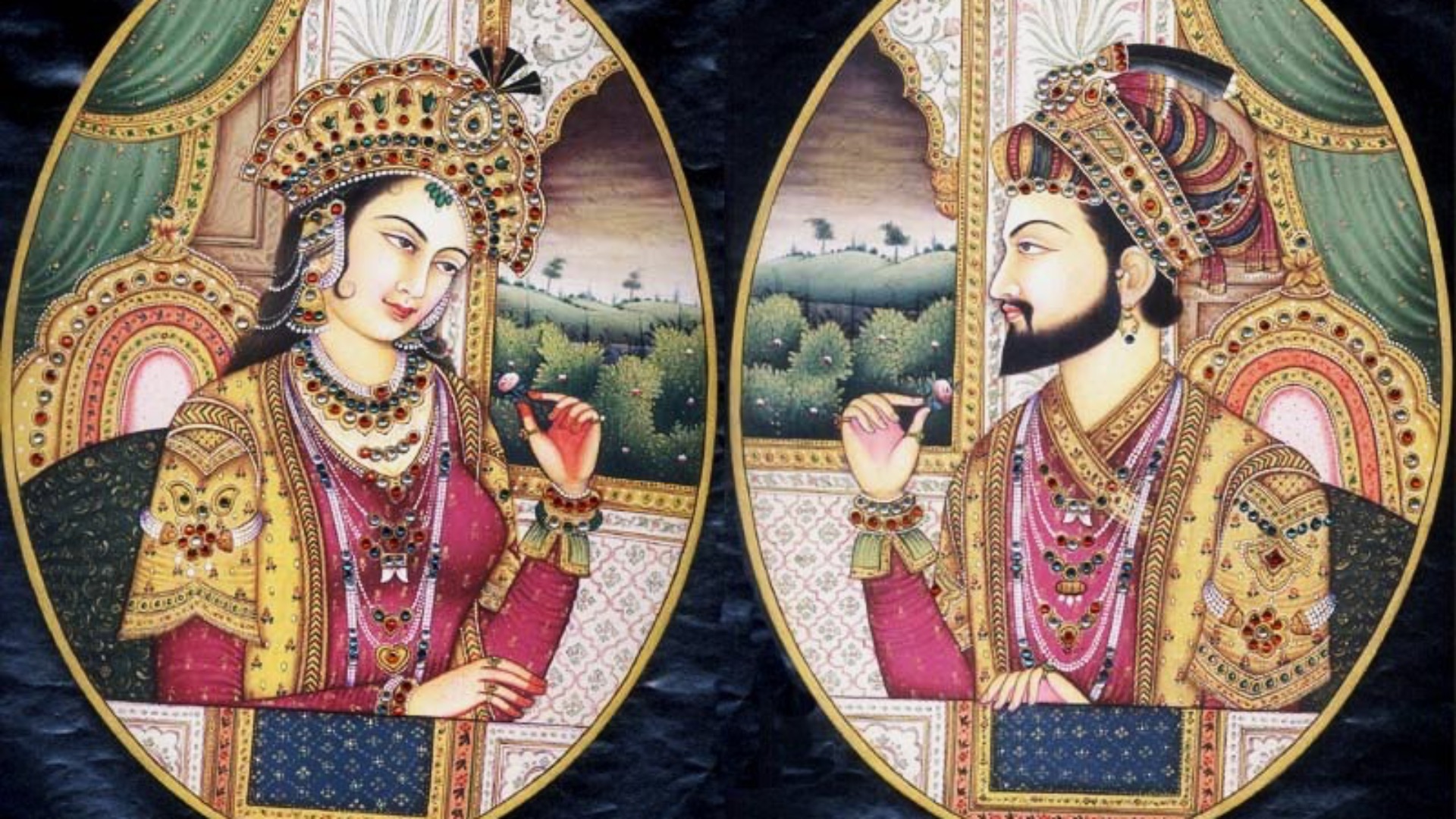
6. Shah Jahan and Mumtaz Mahal
Mughal prince Khurram, who later ruled as Shah Jahan, married Arjumand Banu Begum in 1612 and gave her the title Mumtaz Mahal after becoming emperor. She remained an important companion during his reign and bore 14 children, but she died in 1631 after giving birth to their youngest daughter. Shah Jahan subsequently commissioned the enormous mausoleum complex now known as the Taj Mahal in Agra, where Mumtaz was buried and where he was eventually interred as well. Whatever romantic mythology accumulated around them later, her death unquestionably produced one of the most ambitious commemorative building projects of the Mughal era.
7. Queen Victoria and Prince Albert
Victoria married her first cousin Prince Albert of Saxe-Coburg and Gotha in 1840, and their marriage produced nine children while Albert took an increasingly active role in royal and public affairs. He died in December 1861 at only 42, leaving Victoria a widow when she was still in her early forties. Her grief affected her public life for years, and she continued to commemorate Albert long after his death through residences, monuments, ceremonies, and personal observances. When she celebrated 50 years on the throne in 1887, her own writing still emphasized how deeply she felt his absence.
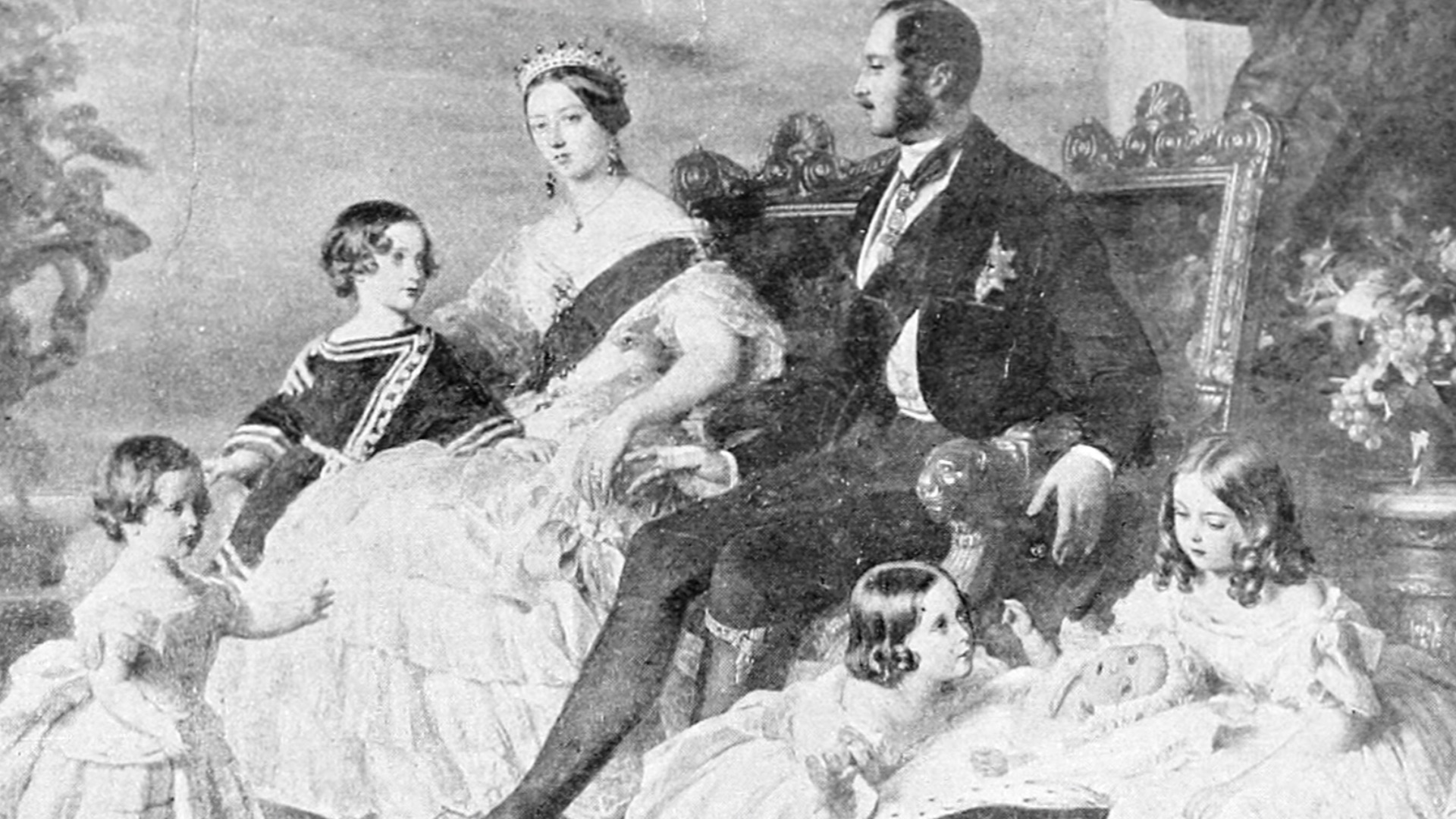 Lytton Strachey Artist F. Winterhalter on Wikimedia
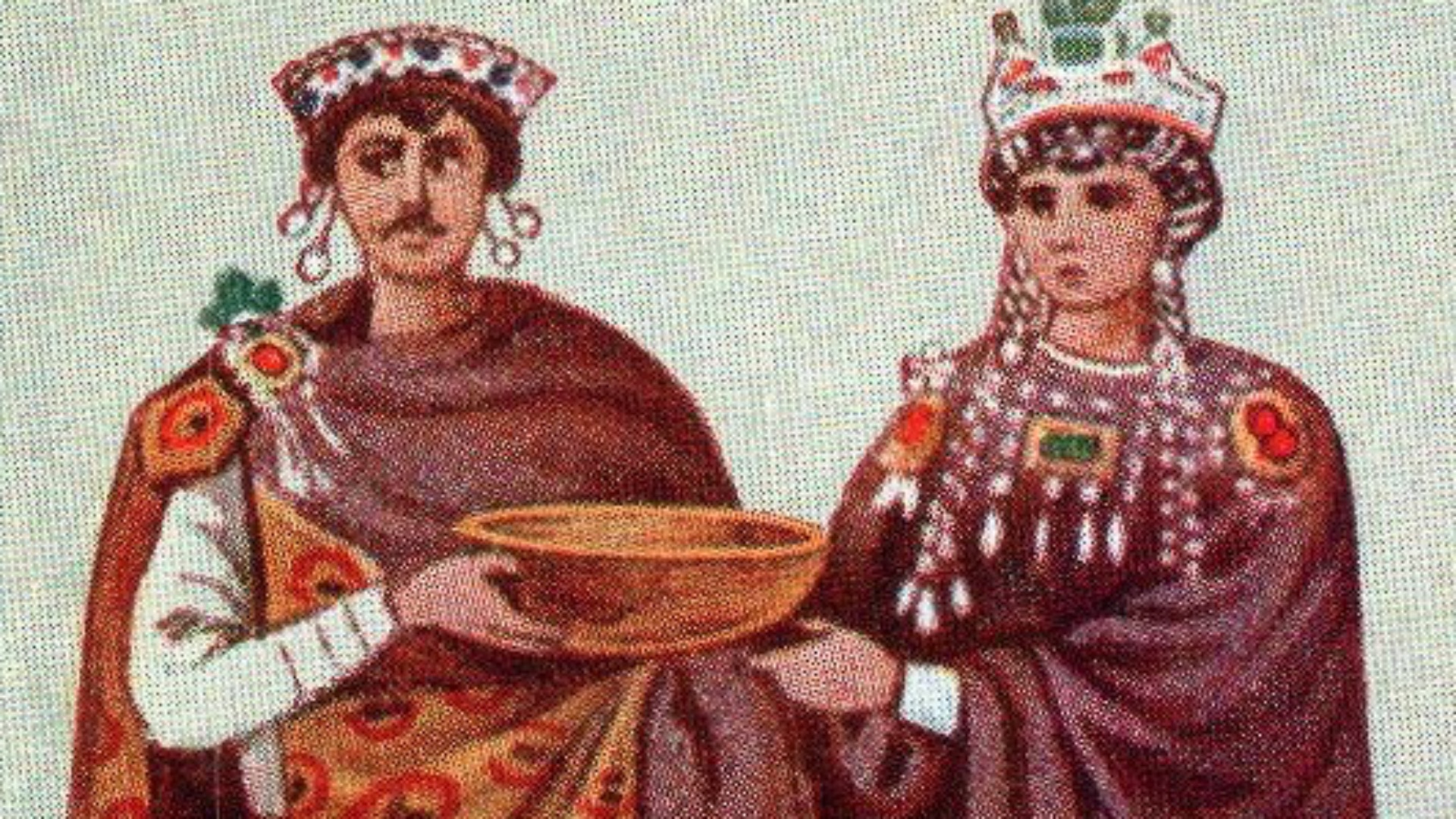
8. Emperor Justinian and Empress Theodora
Justinian broke Byzantine law to marry Theodora, a former actress and courtesan, because he refused to let social class stand in the way of their love. She became one of the most powerful and influential empresses in Byzantine history, often ruling alongside him as a true partner. When she died of cancer, Justinian was reportedly devastated and never remarried, ruling for nearly two more decades without her by his side.
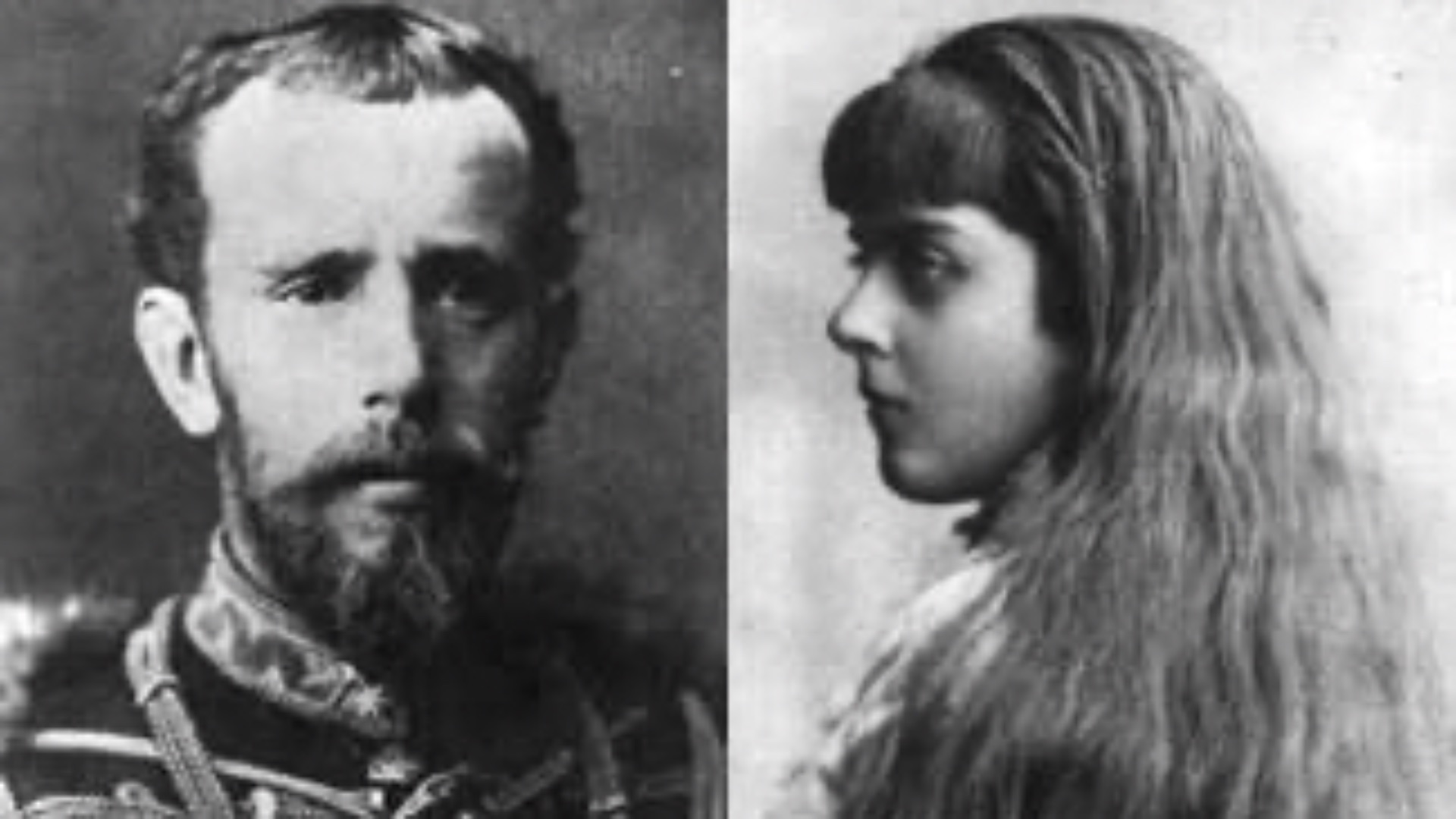
9. Crown Prince Rudolf and Mary Vetsera
Crown Prince Rudolf of Austria was married when he became involved with the much younger Baroness Mary Vetsera, making their relationship controversial even before its fatal conclusion. On January 30, 1889, the 30-year-old Rudolf and 17-year-old Mary were found dead at his hunting lodge at Mayerling. Evidence discovered later, including Mary’s farewell letters, strongly supports the conclusion that she expected to die with Rudolf, although exactly how the final hours unfolded has remained the subject of argument. Beyond the personal tragedy, Rudolf’s death altered the Habsburg succession and contributed to the chain of dynastic circumstances that later made Franz Ferdinand heir presumptive.
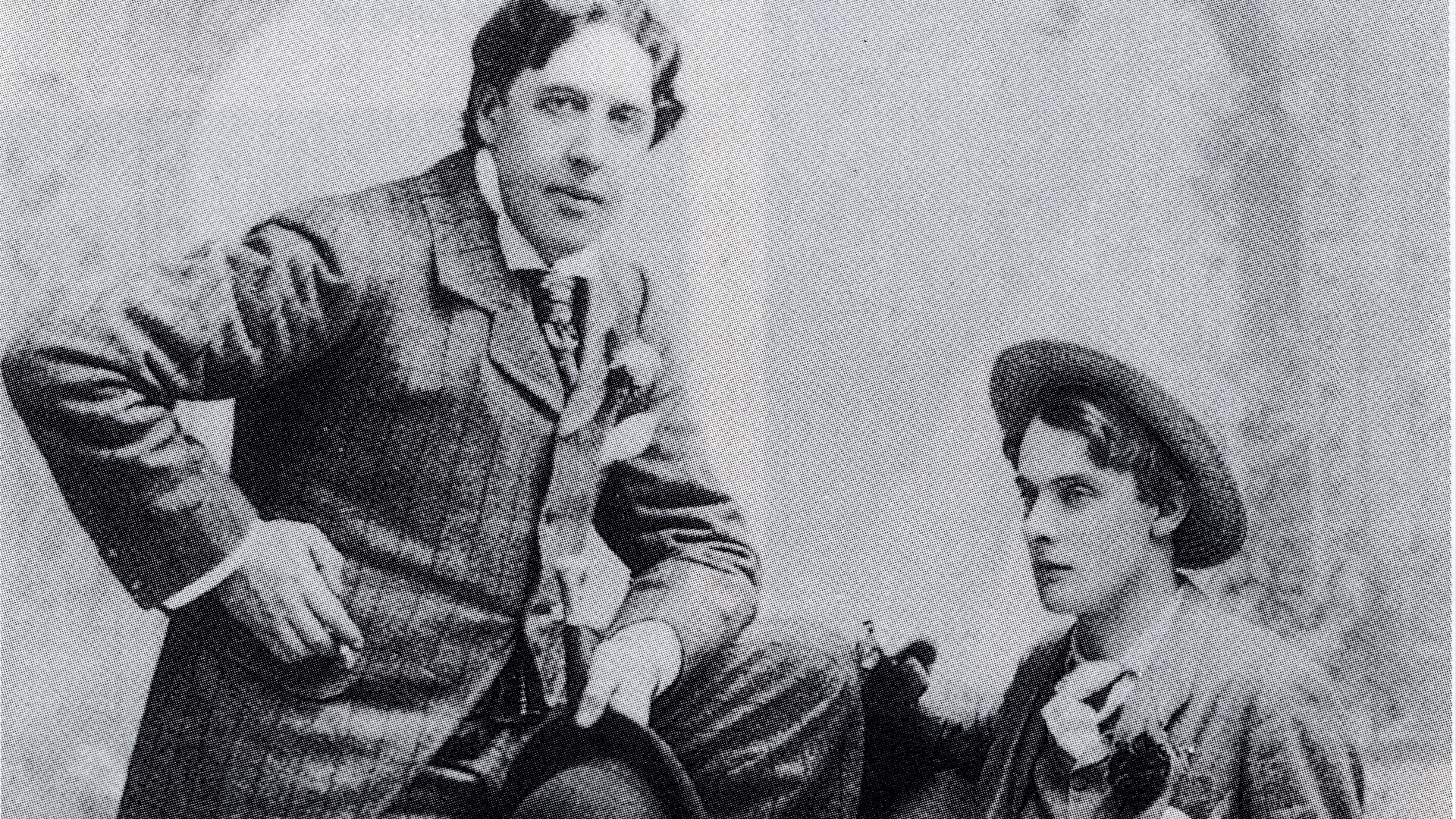
10. Oscar Wilde and Lord Alfred Douglas
Oscar Wilde met Lord Alfred Douglas in the early 1890s, and their turbulent relationship became entangled with one of the most damaging scandals of the Victorian period. Douglas’s father, the Marquess of Queensberry, publicly attacked Wilde over the relationship, prompting Wilde to bring a libel case that disastrously exposed details of his private life. Wilde was subsequently prosecuted and sentenced in 1895 to two years of imprisonment with hard labor for gross indecency. He and Douglas reunited for a time after Wilde’s release, but the relationship deteriorated, and Wilde died impoverished in Paris in 1900 at the age of 46.
11. John Keats and Fanny Brawne
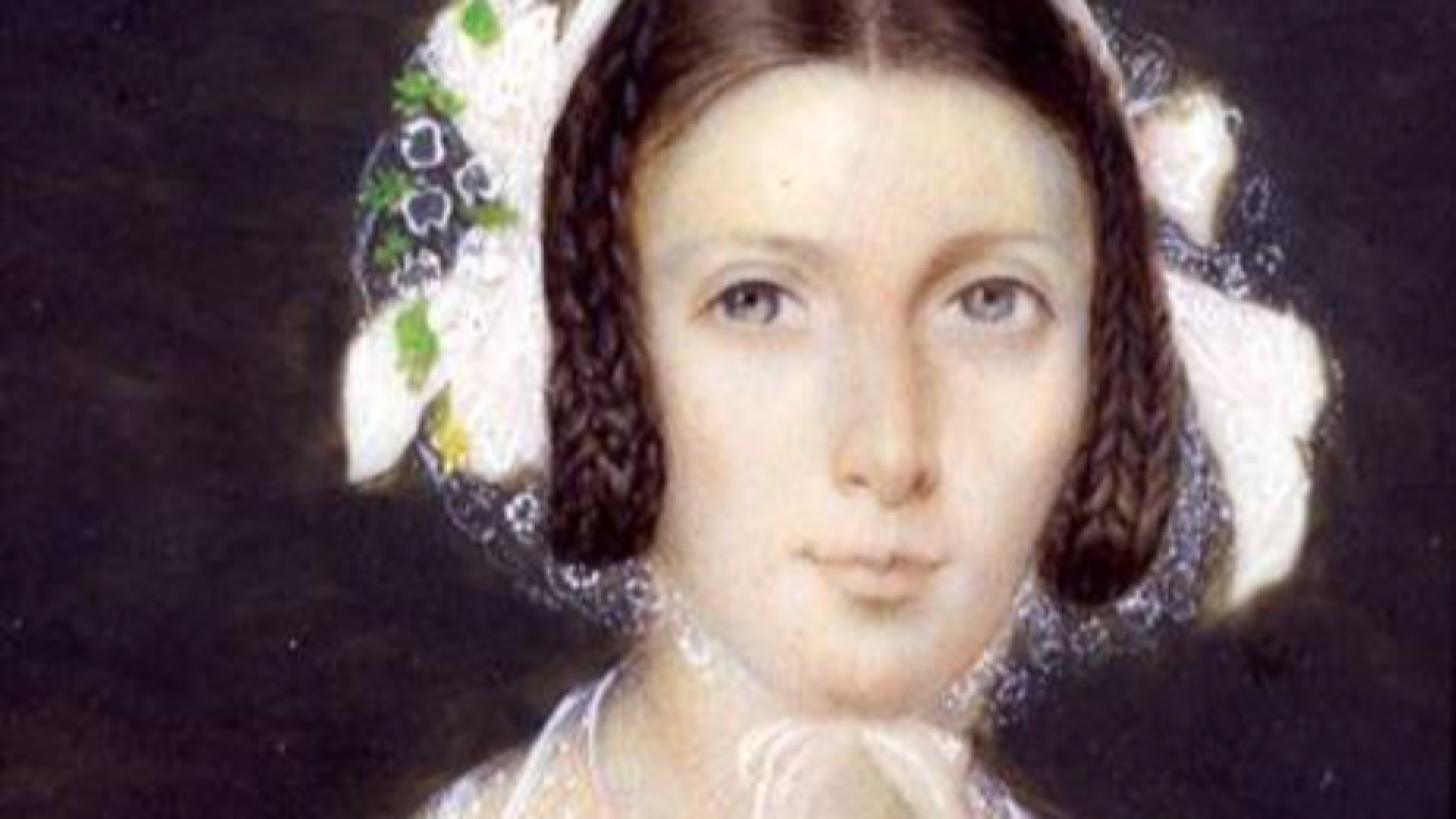
English poet John Keats met Fanny Brawne in 1818, and the two became engaged as his literary career was beginning to develop. Their circumstances were difficult from the start because Keats had little money, but tuberculosis soon created a much more serious obstacle. His health declined so badly that he left England for Italy in 1820 in the hope that a warmer climate would help, separating him permanently from Brawne. Keats died in Rome in February 1821 at just 25, while his letters and poems preserve some of the emotional intensity of a relationship that never reached marriage.
12. Wallis Simpson and King Edward VIII
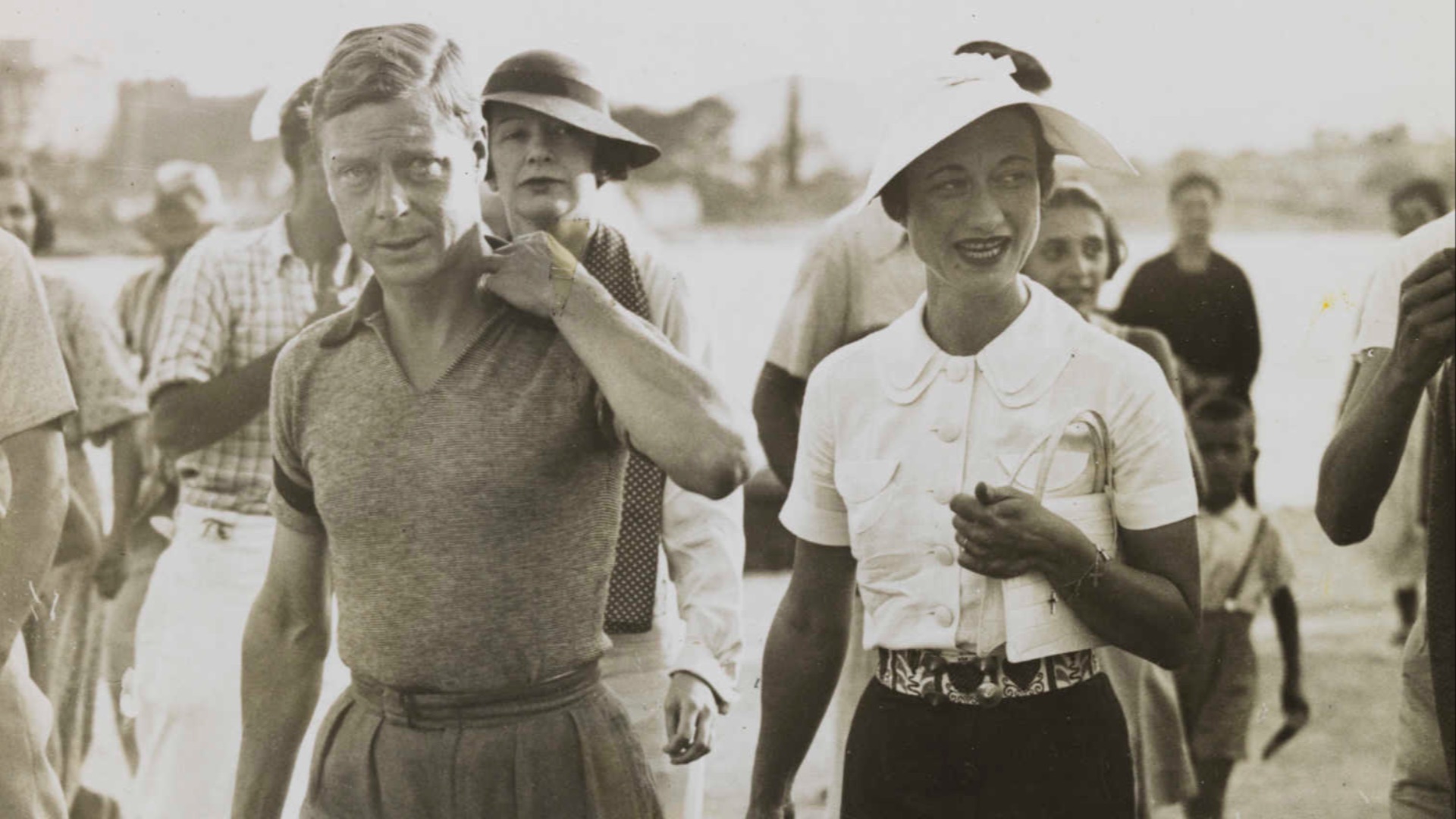
When King Edward VIII decided that he wanted to marry the American divorcée Wallis Simpson, he created a constitutional crisis that reached far beyond the couple themselves. Unable to secure an acceptable arrangement that would let him remain king and marry her, Edward abdicated in December 1936 and became the Duke of Windsor. While his decision shocked the world and forever changed the course of the British monarchy, Edward never once regretted his decision. The couple lived out their days together in relative exile, proving that his love for her outweighed even a crown.
 National Media Museum from UK on Wikimedia
13. Isidor and Ida Straus
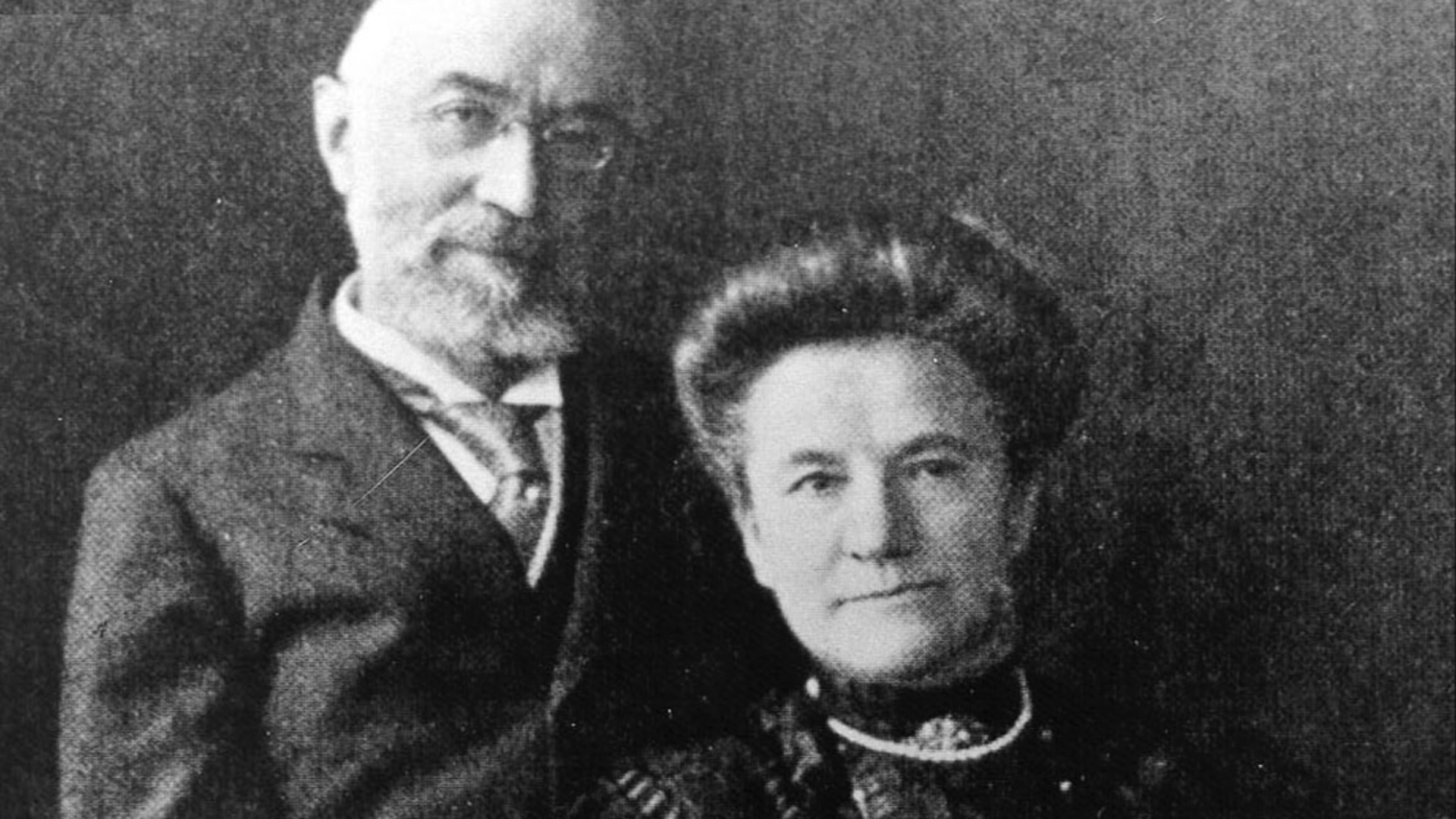
Isidor and Ida Straus had been married for more than 40 years when they boarded the Titanic for its maiden voyage in 1912. During the evacuation, Ida was offered a place in a lifeboat, while Isidor refused to board as long as women and children remained on the ship. Ida chose to stay with him rather than escape alone, telling those around her that she wouldn’t be separated from the husband with whom she had spent so much of her life. Both died when the Titanic sank on April 15, turning the Strauses into one of the disaster’s most remembered married couples.
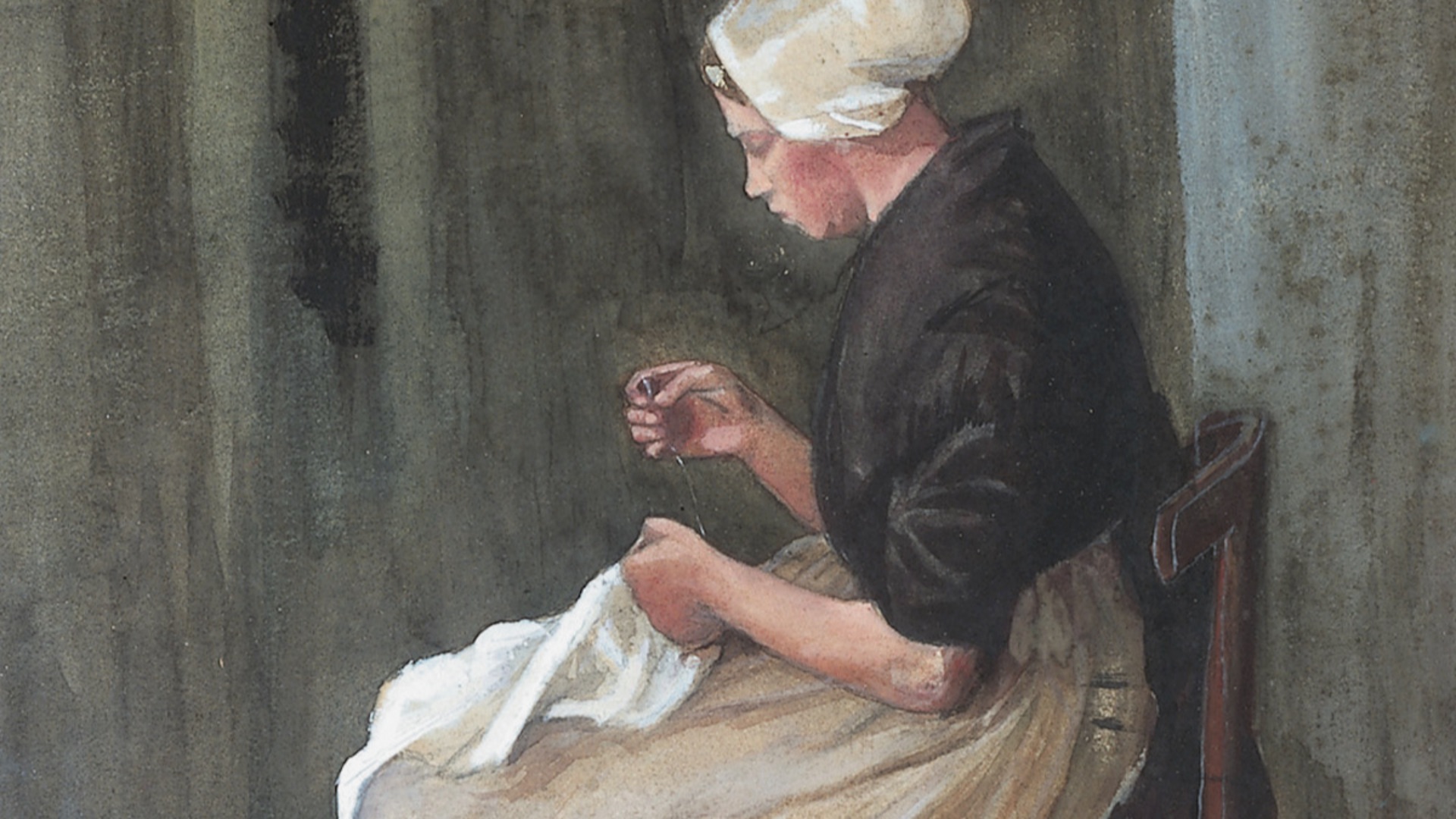
14. Vincent van Gogh and Margot Begemann
Margot Begemann fell in love with Vincent van Gogh while he was staying with her family, though her relatives strongly opposed the match due to his unstable finances and reputation. The stress of their families' disapproval drove Margot to attempt suicide, and though she survived, the relationship never recovered from the trauma. Van Gogh's own struggles with mental health continued afterward, and the couple's brief connection remained one of the many sorrowful chapters in his troubled life.
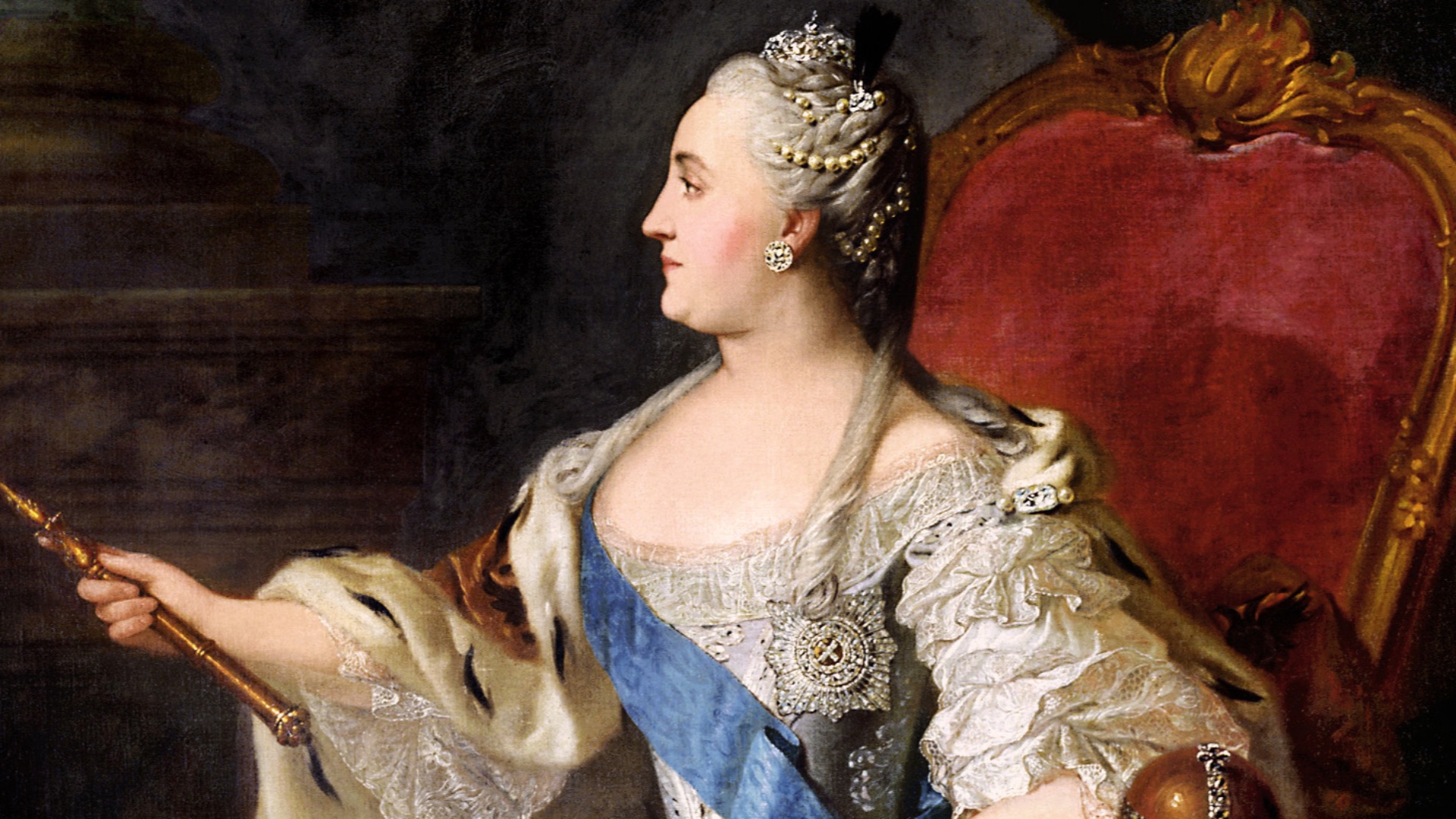
15. Catherine the Great and Grigory Potemkin
Catherine the Great and military leader Grigory Potemkin shared a passionate romance that some historians believe included a secret marriage. Their relationship evolved into a political and personal partnership that lasted for decades, even after their romantic connection cooled. Potemkin's sudden death left Catherine grief-stricken, and she reportedly said that no one could ever replace the void he left in her life.
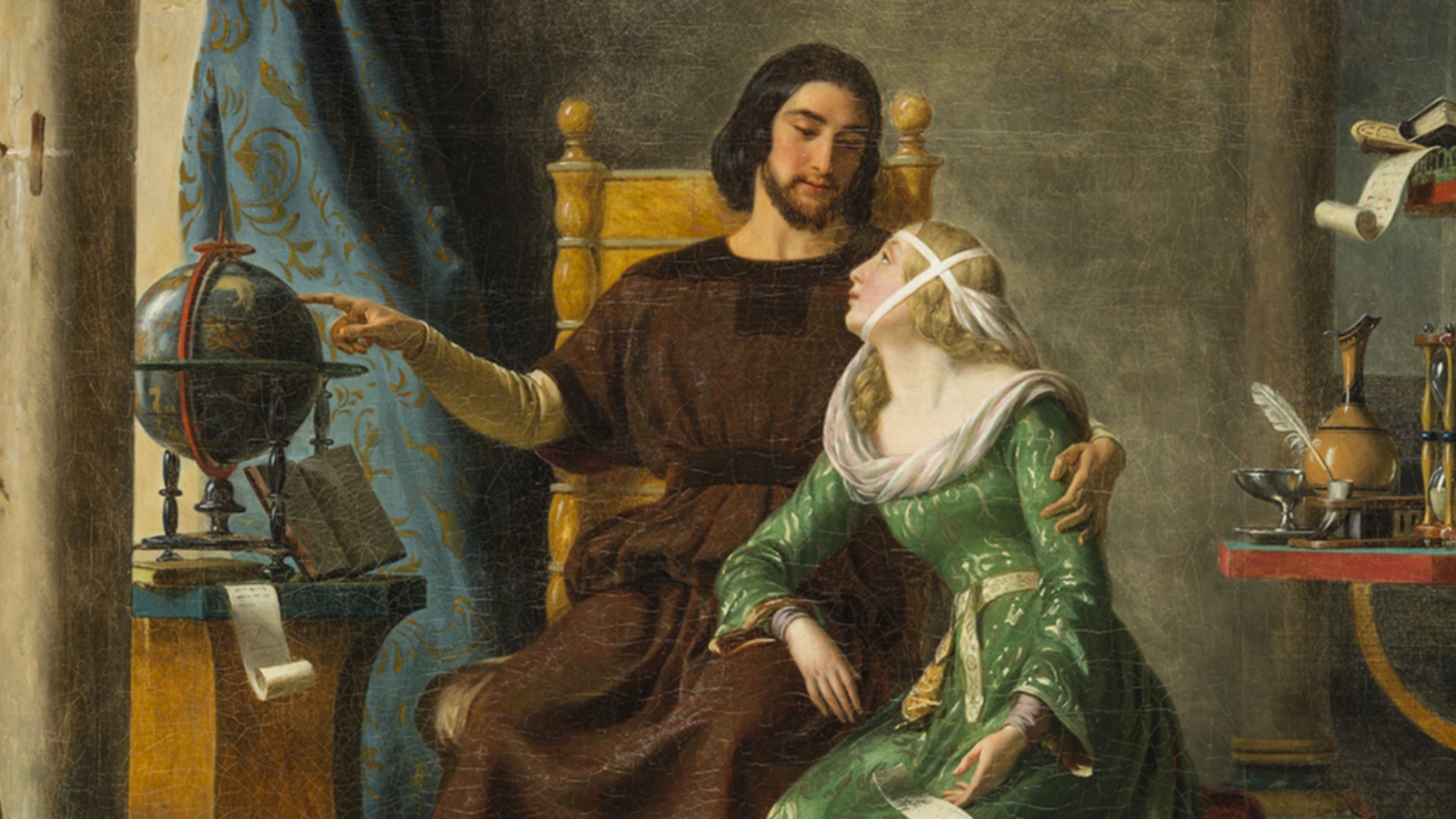
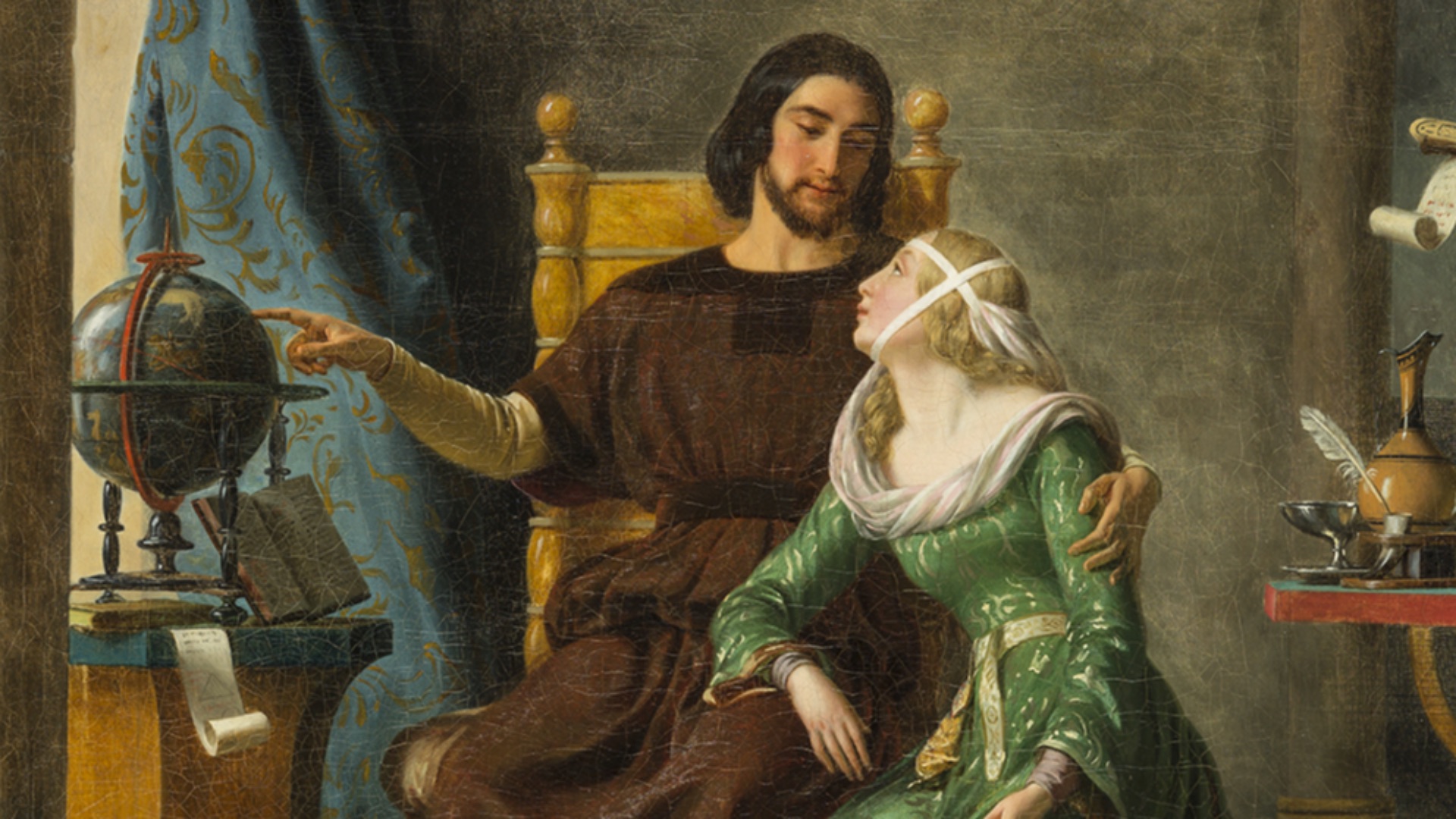
16. Heloise and Abelard
The relationship between philosopher Peter Abelard and his brilliant student Héloïse began in early 12th-century France and quickly created a scandal. They had a son and secretly married, but Héloïse’s family believed Abelard had disgraced her, and men associated with her uncle later attacked and castrated him. Abelard became a monk, while Héloïse entered religious life and eventually became an influential abbess. Their surviving correspondence preserves an unusually personal record of affection, resentment, memory, faith, and separation in medieval Europe.
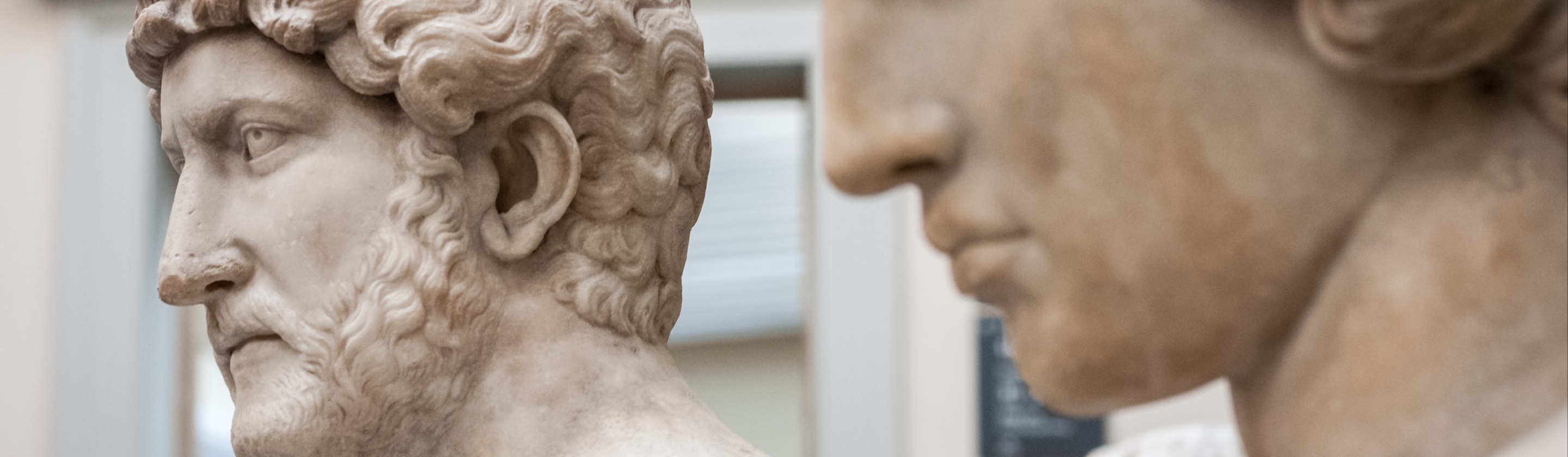
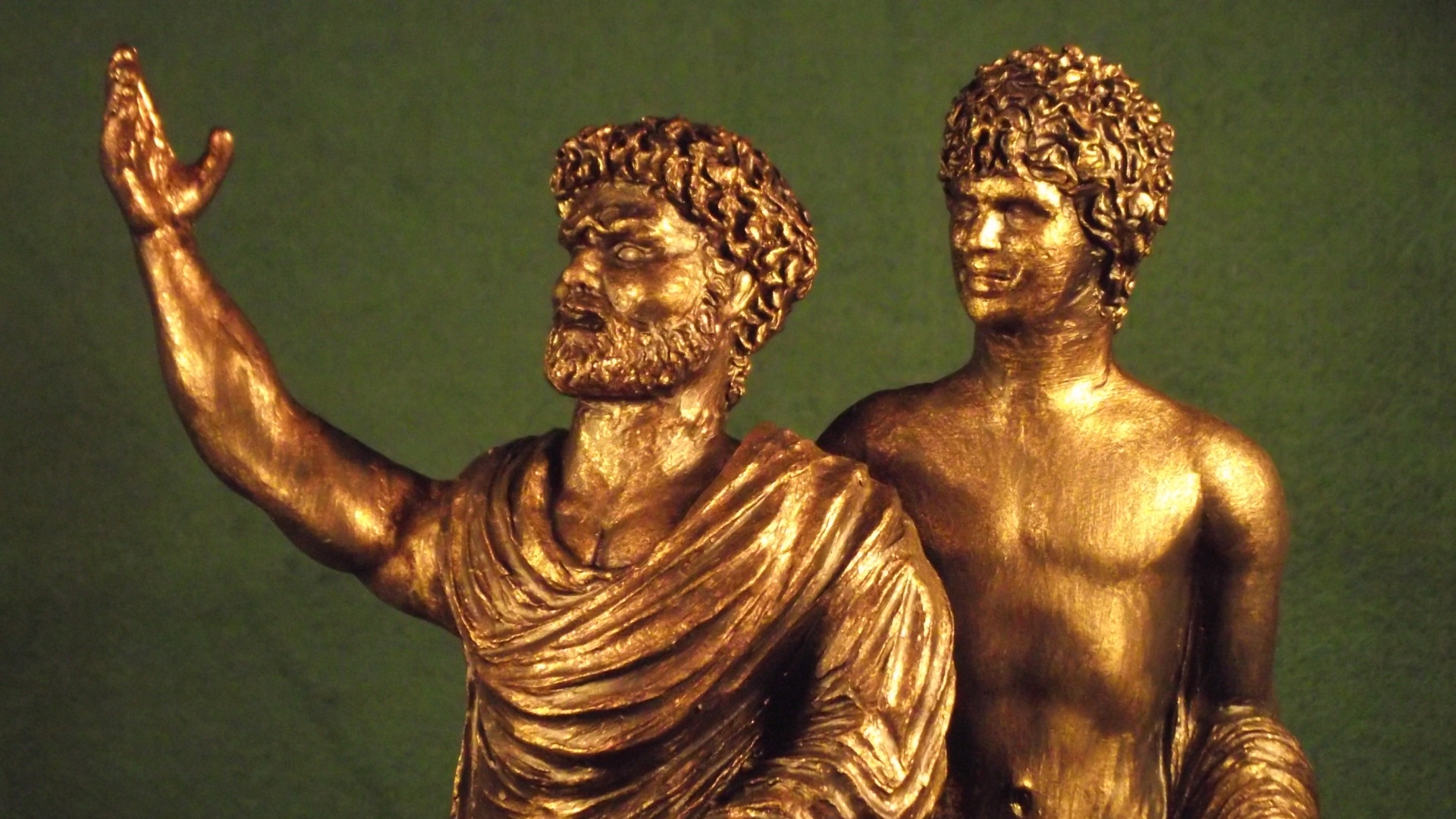
17. Hadrian and Antinous
Roman emperor Hadrian developed a close relationship with Antinous, a young man from Bithynia who accompanied him during his travels through the empire. In 130, while the imperial party was in Egypt, Antinous drowned in the Nile under circumstances that remain uncertain. Hadrian responded by founding the city of Antinoöpolis, commissioning numerous images of Antinous, and supporting his commemoration throughout the empire. The number of surviving portraits and monuments connected with Antinous makes Hadrian’s response to his death unusually visible even nearly two thousand years later.
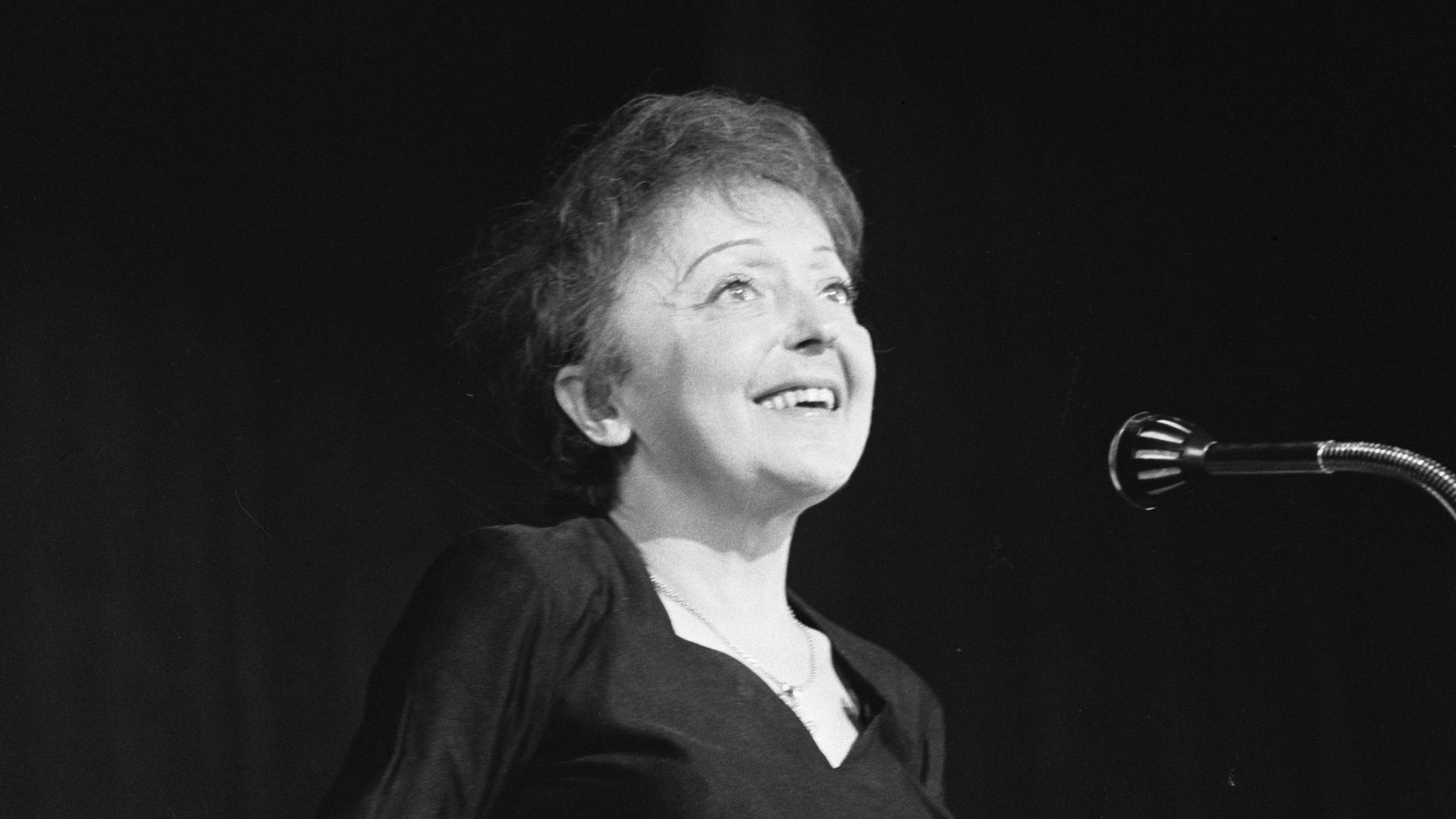
18. Édith Piaf and Marcel Cerdan
French singer Édith Piaf began an affair with world middleweight boxing champion Marcel Cerdan in the late 1940s, even though Cerdan was married and had children. Their relationship quickly became one of the most significant of Piaf’s life as her international career continued to expand. In October 1949, Cerdan boarded a flight from Paris to New York, where Piaf was performing, but the aircraft crashed in the Azores and everyone aboard perished. Piaf continued performing after his death, yet Cerdan remained closely associated with accounts of her emotional life for the rest of her career.
 Eric Koch for Anefo on Wikimedia
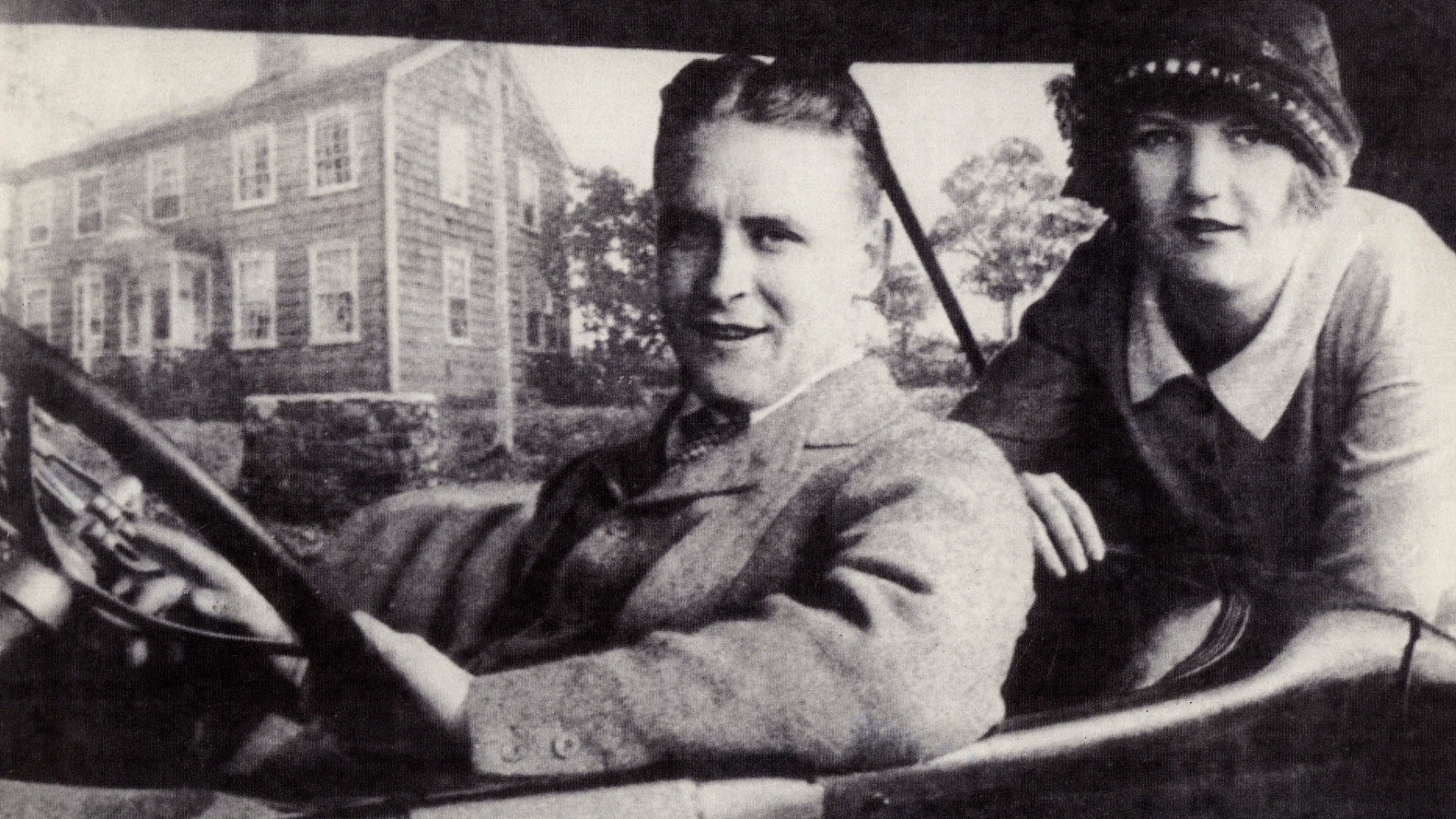
19. Zelda and F. Scott Fitzgerald
F. Scott Fitzgerald and Zelda Sayre married in 1920, shortly after the success of his first novel gave them the financial security Zelda’s family had wanted him to achieve. Their marriage became associated with the excesses of the Jazz Age, but it was also marked by heavy drinking, financial pressures, professional jealousy, and Zelda’s serious psychiatric difficulties. By the 1930s, she spent extended periods receiving institutional care while Scott struggled with alcoholism and declining literary fortunes. Scott died in 1940, and Zelda died eight years later in a fire at Highland Hospital in North Carolina, bringing a difficult relationship that had already endured decades of instability to an end.
 Motor magazine (publisher), Spring 1924 on Wikimedia
20. Nicholas II and Alexandra Feodorovna
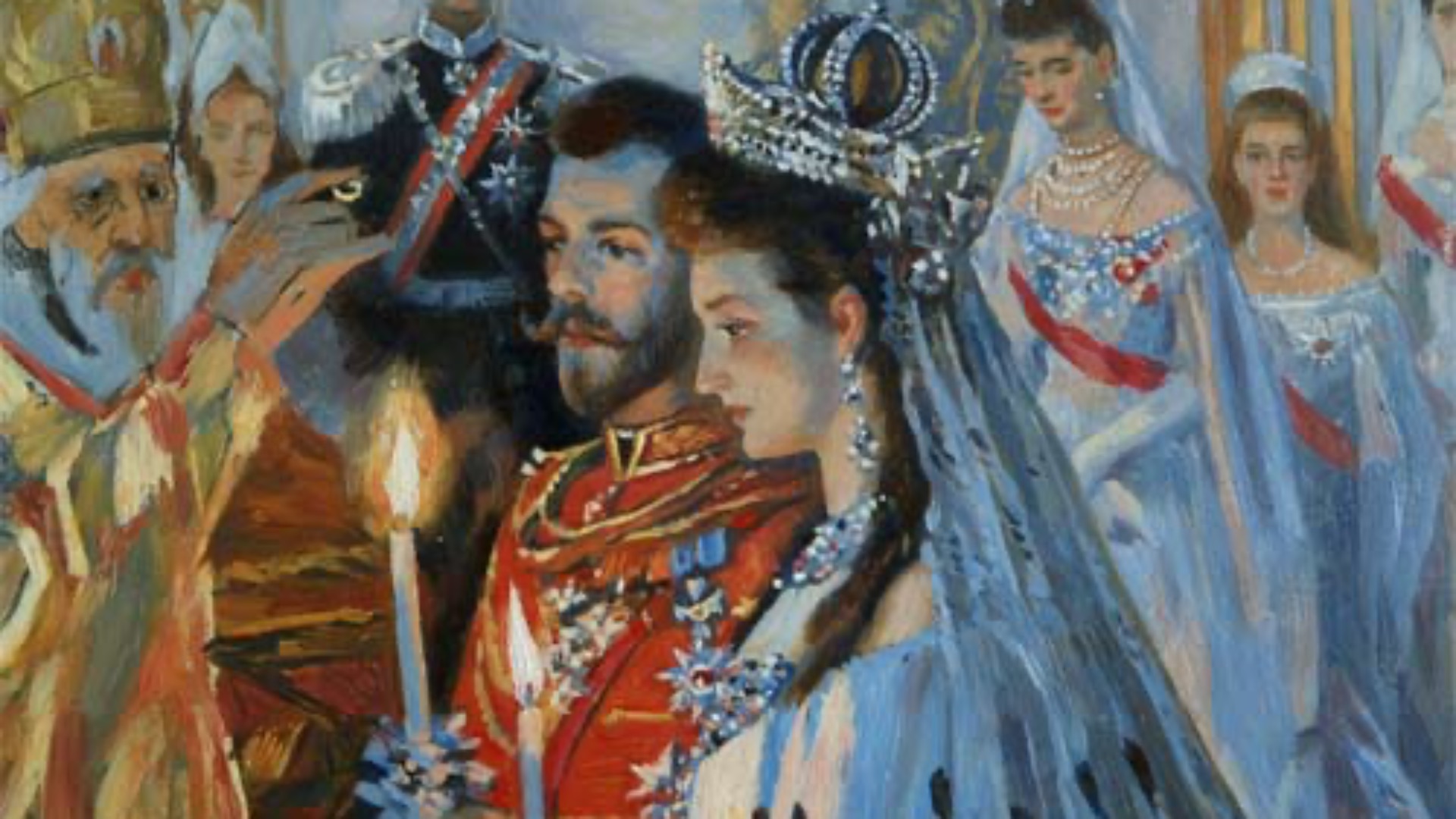
Nicholas II of Russia and Alexandra Feodorovna married in 1894 after overcoming resistance to their match, and their extensive correspondence reveals a notably affectionate marriage. Their family life nevertheless unfolded amid political instability, war, and intense public criticism, particularly over Alexandra’s association with Grigori Rasputin and the secrecy surrounding their son Alexei’s hemophilia. Nicholas abdicated during the Russian Revolution in 1917, after which the couple and their children were held under increasingly restrictive conditions. In July 1918, Nicholas, Alexandra, their five children, and several attendants were executed by Bolshevik guards in Yekaterinburg.