20 Historical Villains Who Were More Complicated Than We Were Told
The Bad Guys Rarely Fit The Costume
History loves a clean villain almost as much as it loves a clean hero, and the two roles get written the same lazy way, flattened down until only the worst parts survive. Some of the names on this list absolutely did terrible things and don't need defending. But a lot of what people "know" about them came from rival propaganda, sensationalized reporting, or a story that got simpler every time it was retold, and the real record is usually stranger and more human than the caricature. None of this is about excusing cruelty; it's about noticing how much of the reputation was built after the fact by people with their own reasons to exaggerate it. Here's 20 villains whose stories get a lot messier once you look past the legend.
1. Genghis Khan
Genghis Khan's armies were genuinely brutal, but the "barbarian horde" image ignores that he also built a religiously tolerant empire and created a written legal code that applied to nobles and commoners alike. Much of his monstrous reputation in the West comes from chroniclers writing from the perspective of the people he conquered.
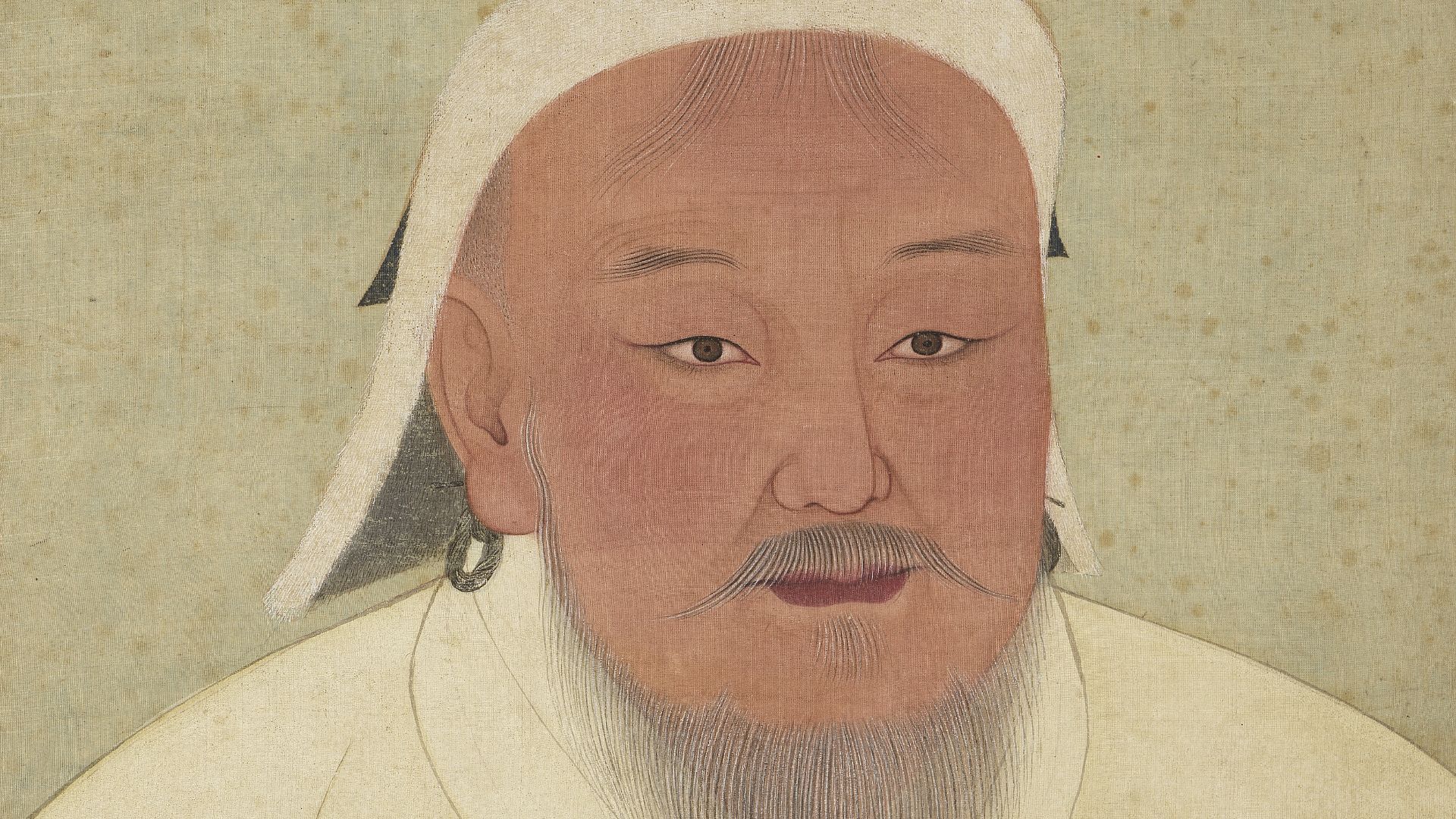 Unknown authorUnknown author on Wikimedia
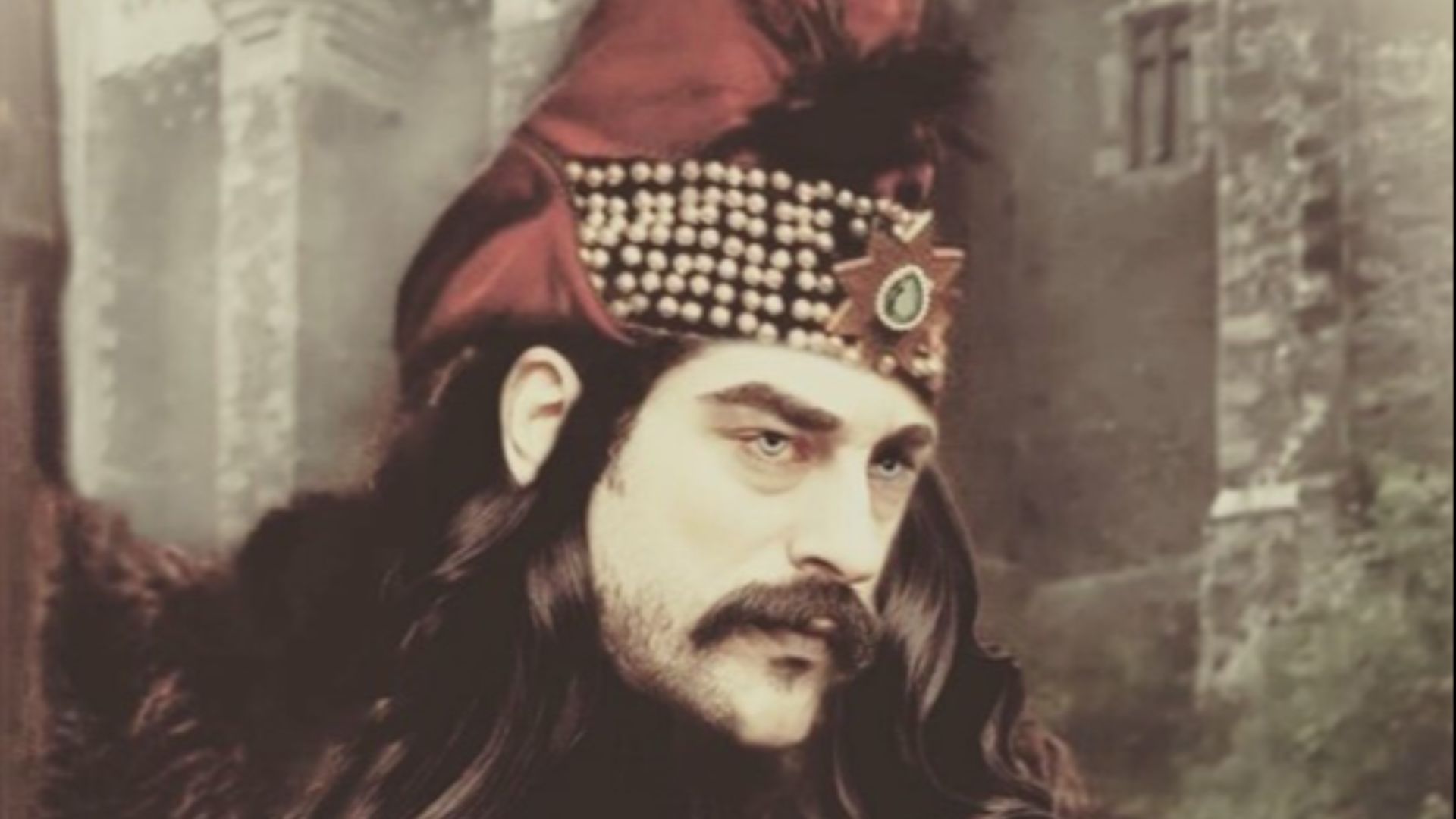
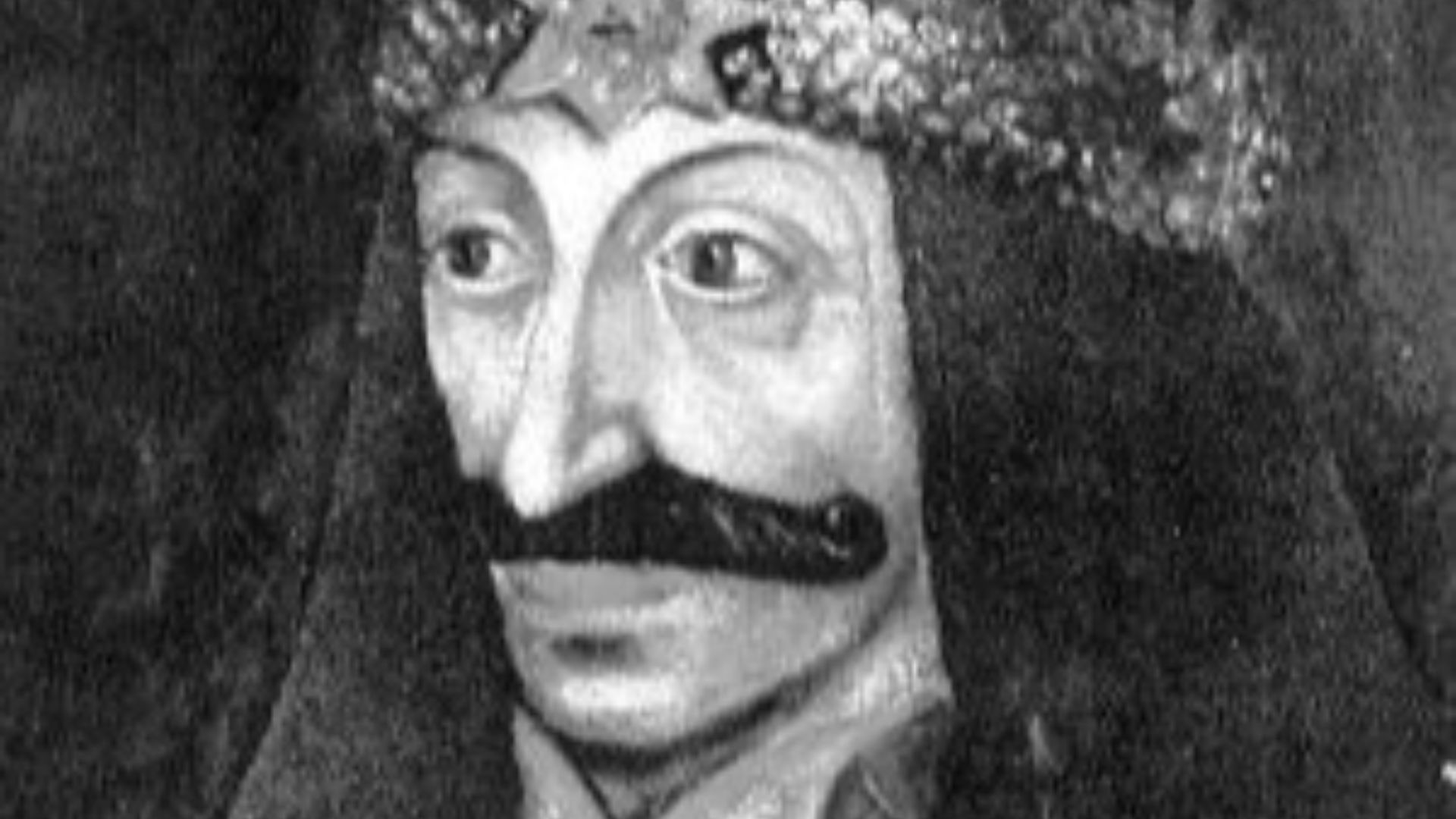
2. Vlad the Impaler
Vlad III's reputation for impaling enemies is real, but a lot of the lurid detail came from German pamphlets written by merchants he'd angered and rivals with reasons to exaggerate. In Romania, he's remembered less as a monster and more as a ruler who defended his territory against Ottoman expansion using brutal but not unusual methods for the period.
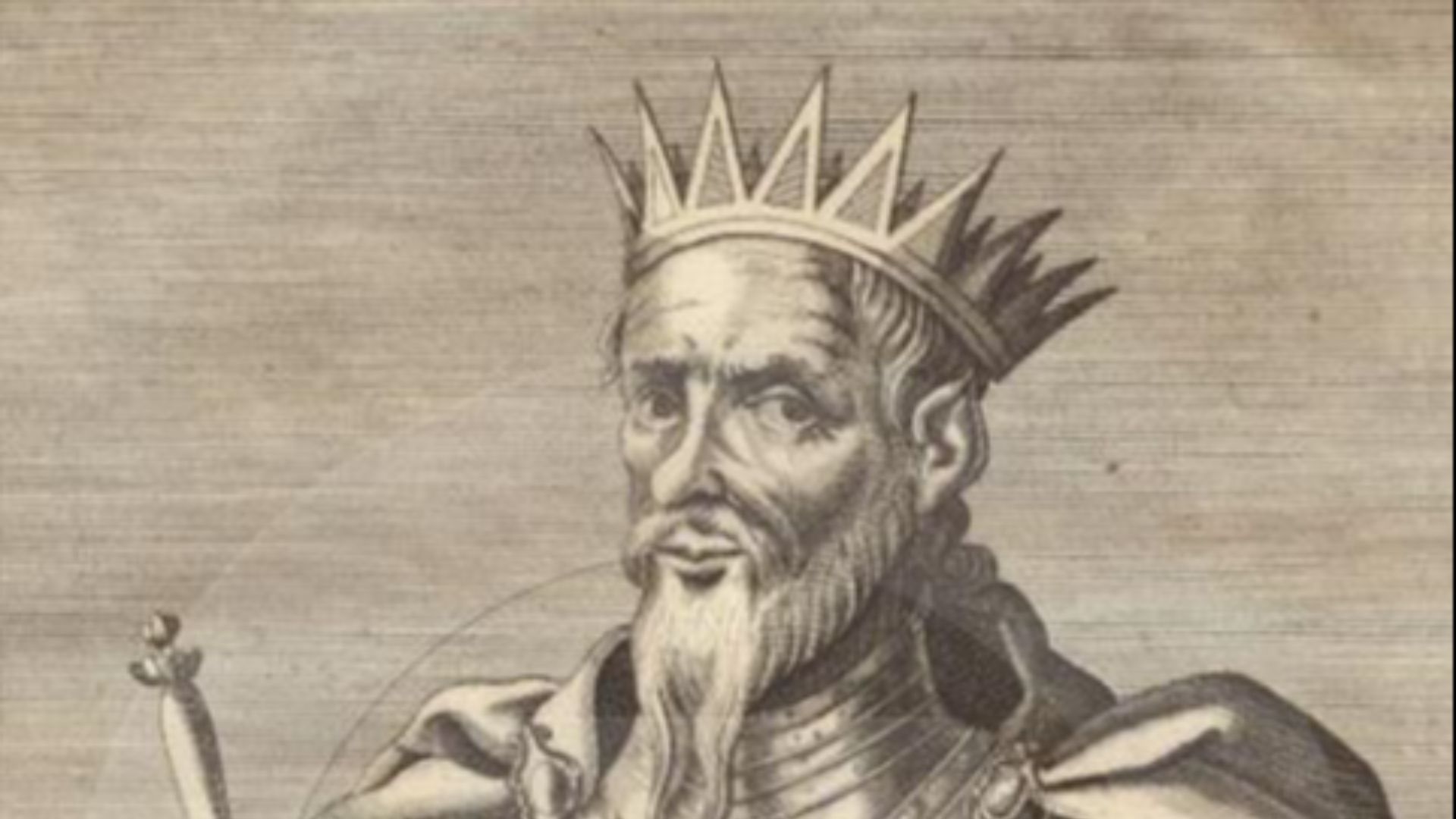
3. Attila the Hun
Attila terrified the Roman world, but Roman writers had strong incentive to paint him as a chaotic savage rather than admit he was a skilled diplomat who negotiated tribute as often as he fought. His court, described by the Roman envoy Priscus, was more orderly and multicultural than the "scourge of God" image suggests.
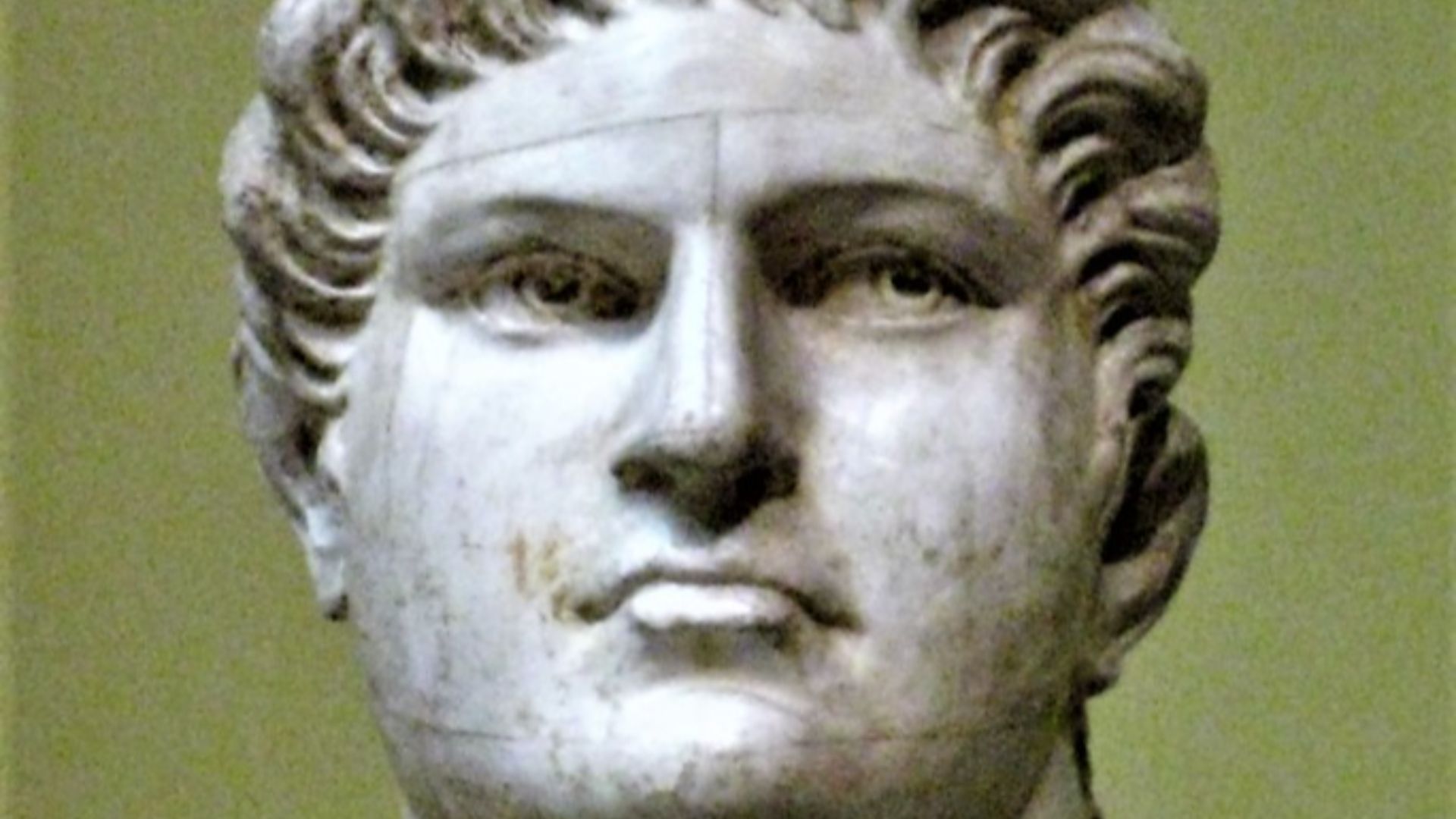
4. Nero
Nero's reputation for fiddling while Rome burned rests on accounts written by senators who despised him and had political reasons to trash his legacy. Historical records actually suggest he organized relief efforts during the fire, opening his own gardens to house displaced residents.
5. Robespierre
Robespierre presided over the Reign of Terror, and thousands died under policies he defended, so this one isn't really in dispute. But he spent his early career as a passionate abolitionist, pushing for universal male suffrage and the end of slavery years before either was politically popular in France.
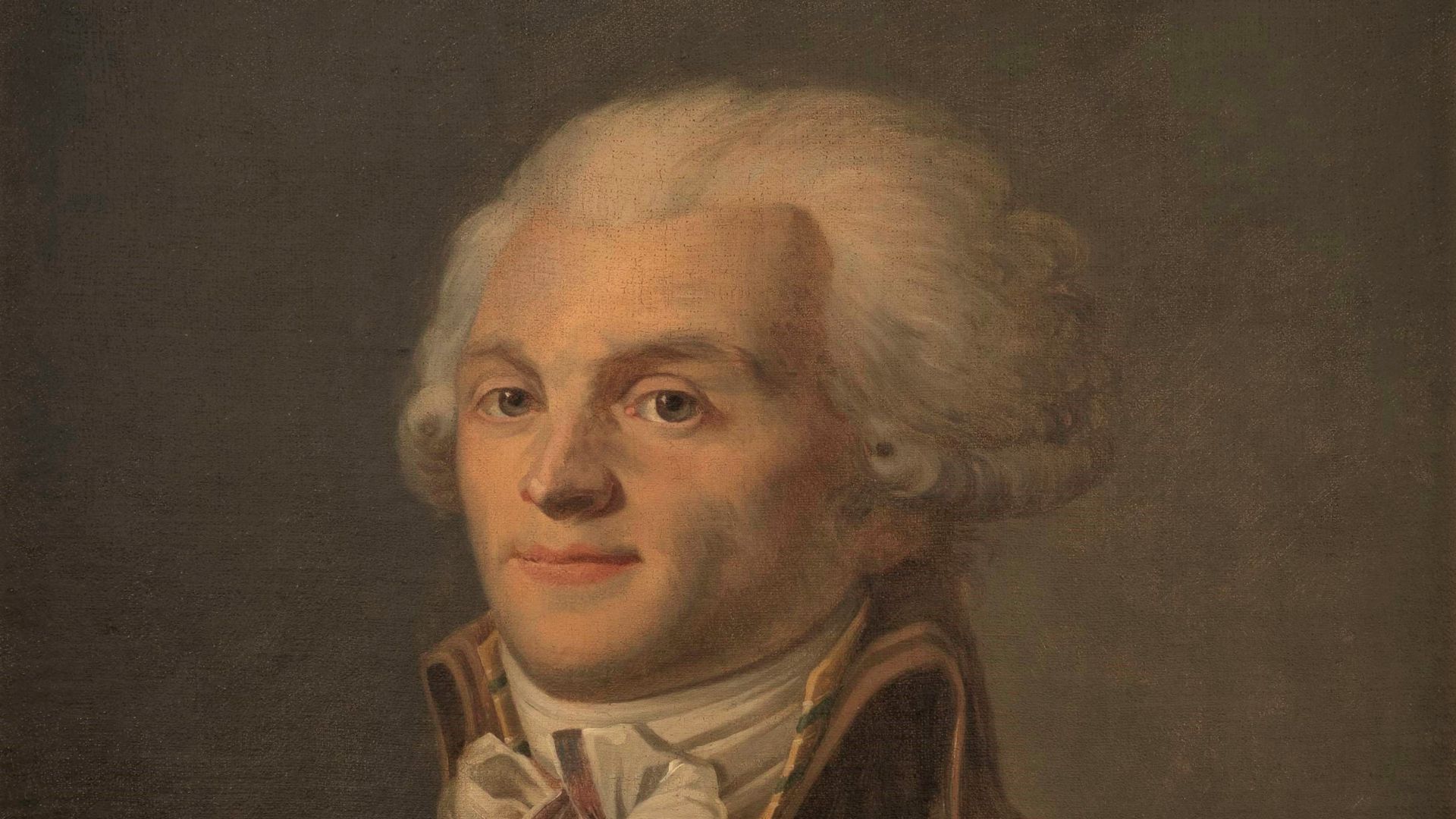 Unidentified painter on Wikimedia
6. Guy Fawkes
Guy Fawkes gets remembered as the mastermind of the Gunpowder Plot, but he was actually a hired explosives expert brought in after Robert Catesby and a small group of others had already designed the plan. Fawkes had spent years fighting as a soldier in the Spanish Netherlands and was recruited specifically for his technical skill, not his leadership.
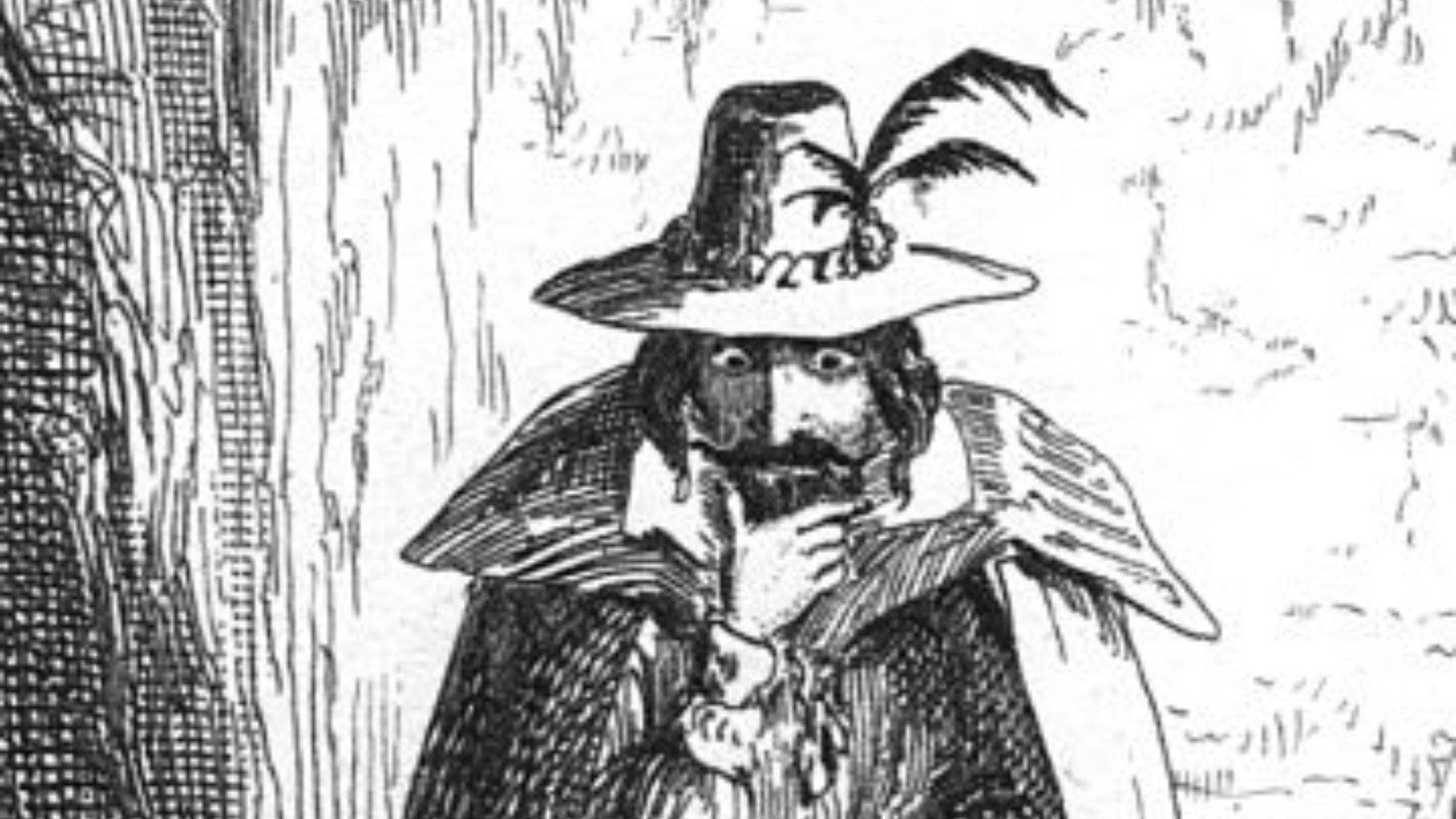 George Cruikshank on Wikimedia
7. Benedict Arnold
Arnold's name is now shorthand for betrayal, but before he defected to the British he was one of the most effective generals in the Continental Army, credited with key victories at Fort Ticonderoga and Saratoga. He switched sides after years of feeling passed over for promotion and buried in debt from wounds sustained in battle, not out of simple greed.
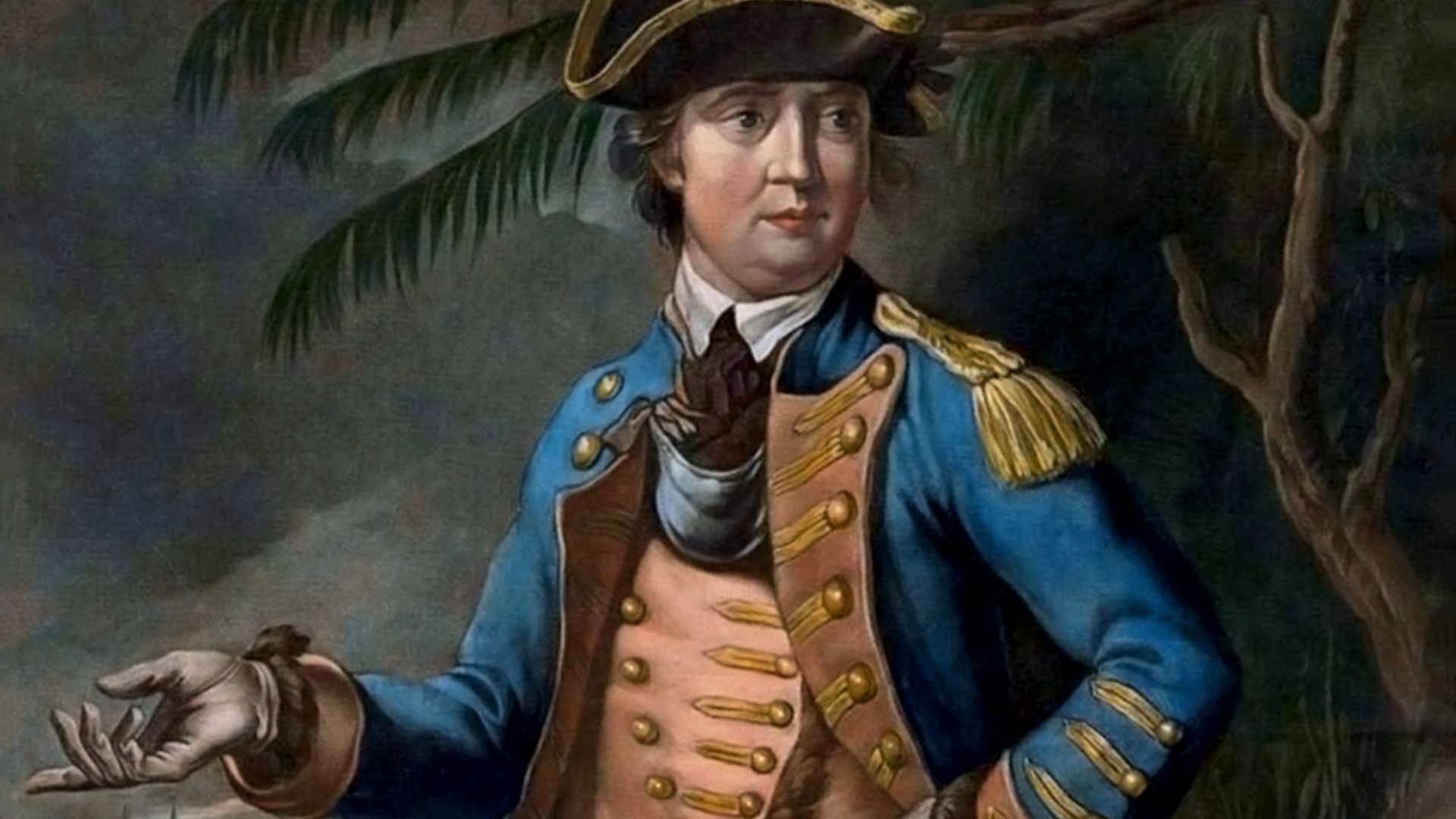
8. Cesare Borgia
Cesare Borgia's ruthlessness inspired Machiavelli's "The Prince," and the stories of poisonings attached to his name are largely accurate to the political culture of Renaissance Italy. What often gets left out is that his methods weren't unusually shocking for the era, since rival city-states and the papacy operated with similarly brutal tactics.
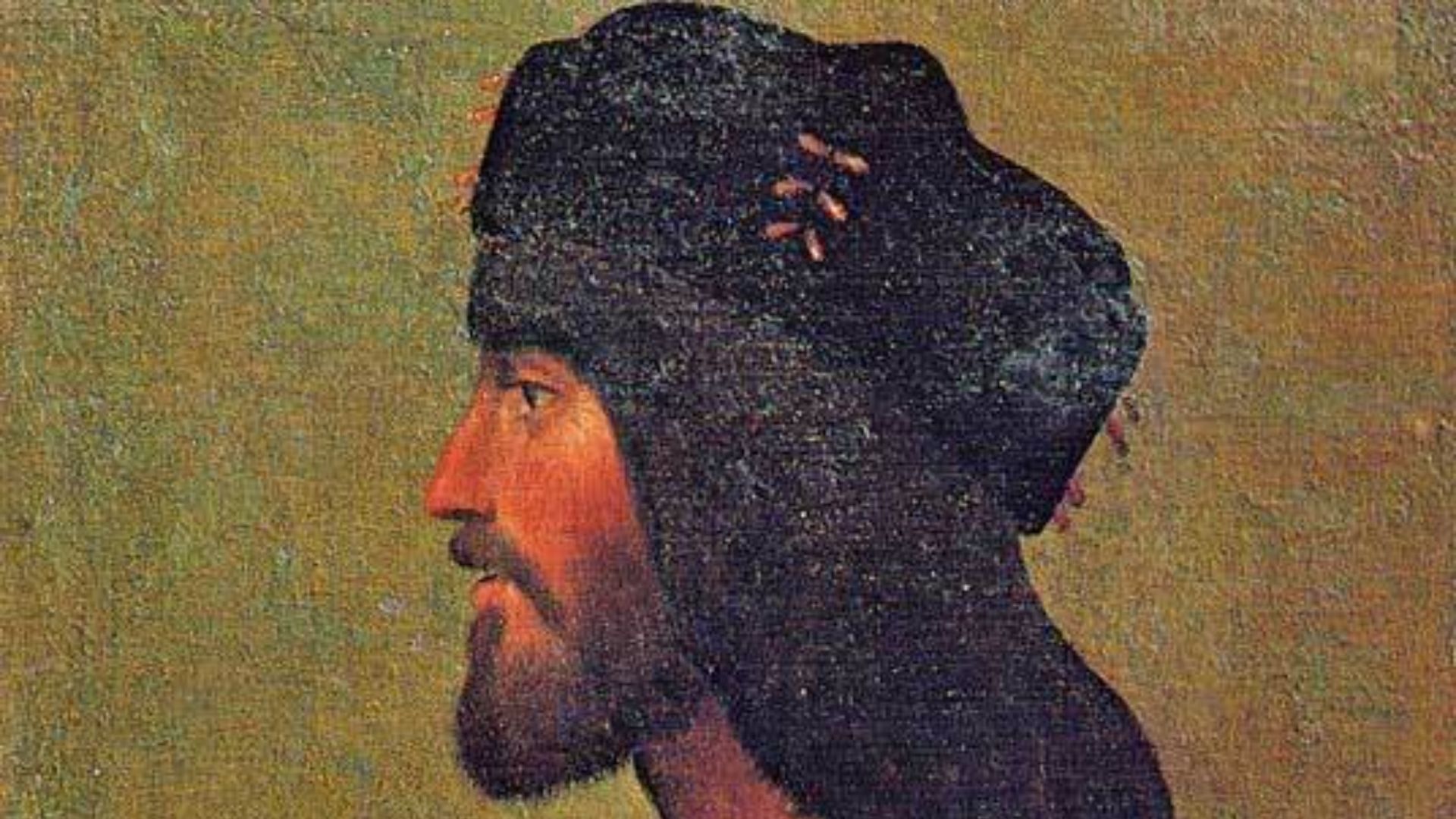 Unknown artistUnknown artist on Wikimedia
9. Rasputin
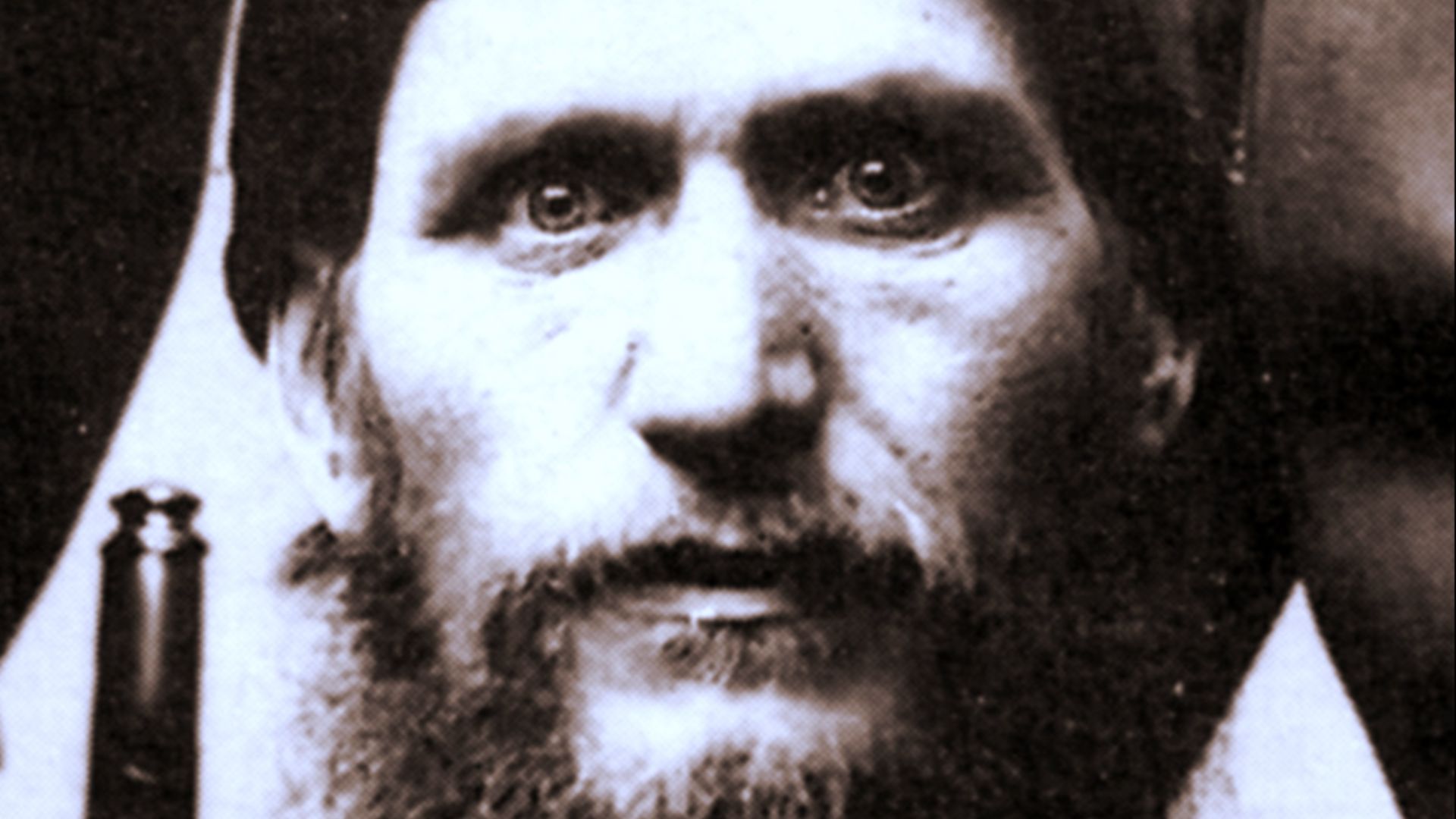
Rasputin is remembered as a manipulative mystic who corrupted the Russian court, but much of that image comes from political enemies of the royal family who used him as a scapegoat for unrelated failures of the monarchy. He did have real influence over the Romanovs, largely because he seemed to ease the suffering of their hemophiliac son through methods historians still debate.
10. Blackbeard
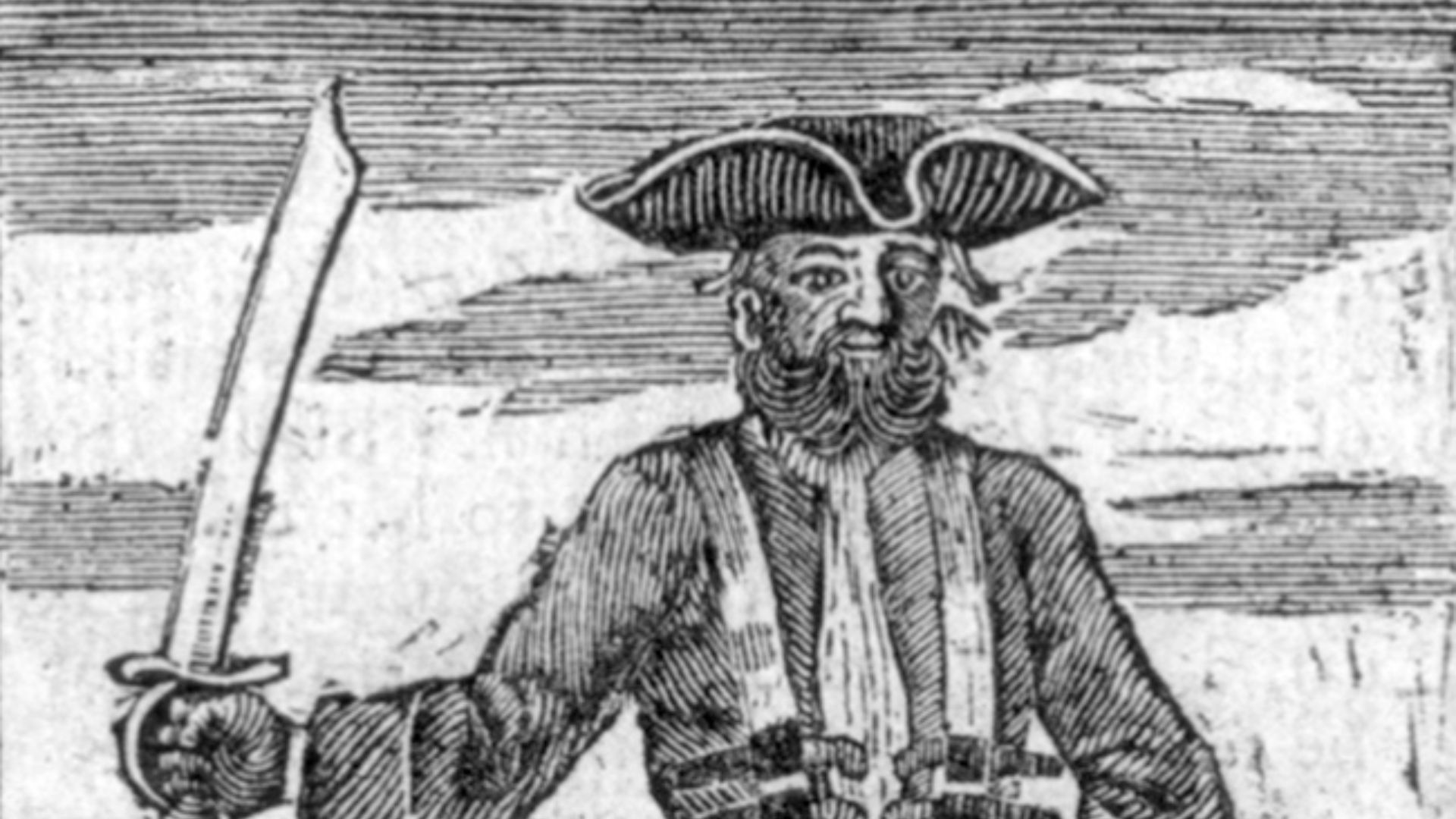
Blackbeard cultivated a terrifying image on purpose, weaving lit fuses into his beard before a fight, but historical records suggest he preferred intimidation to actual violence and rarely killed captives who surrendered. His reputation for savagery was largely theater, a psychological weapon meant to end conflicts before they started.
 Unknown authorUnknown author on Wikimedia
11. Billy the Kid
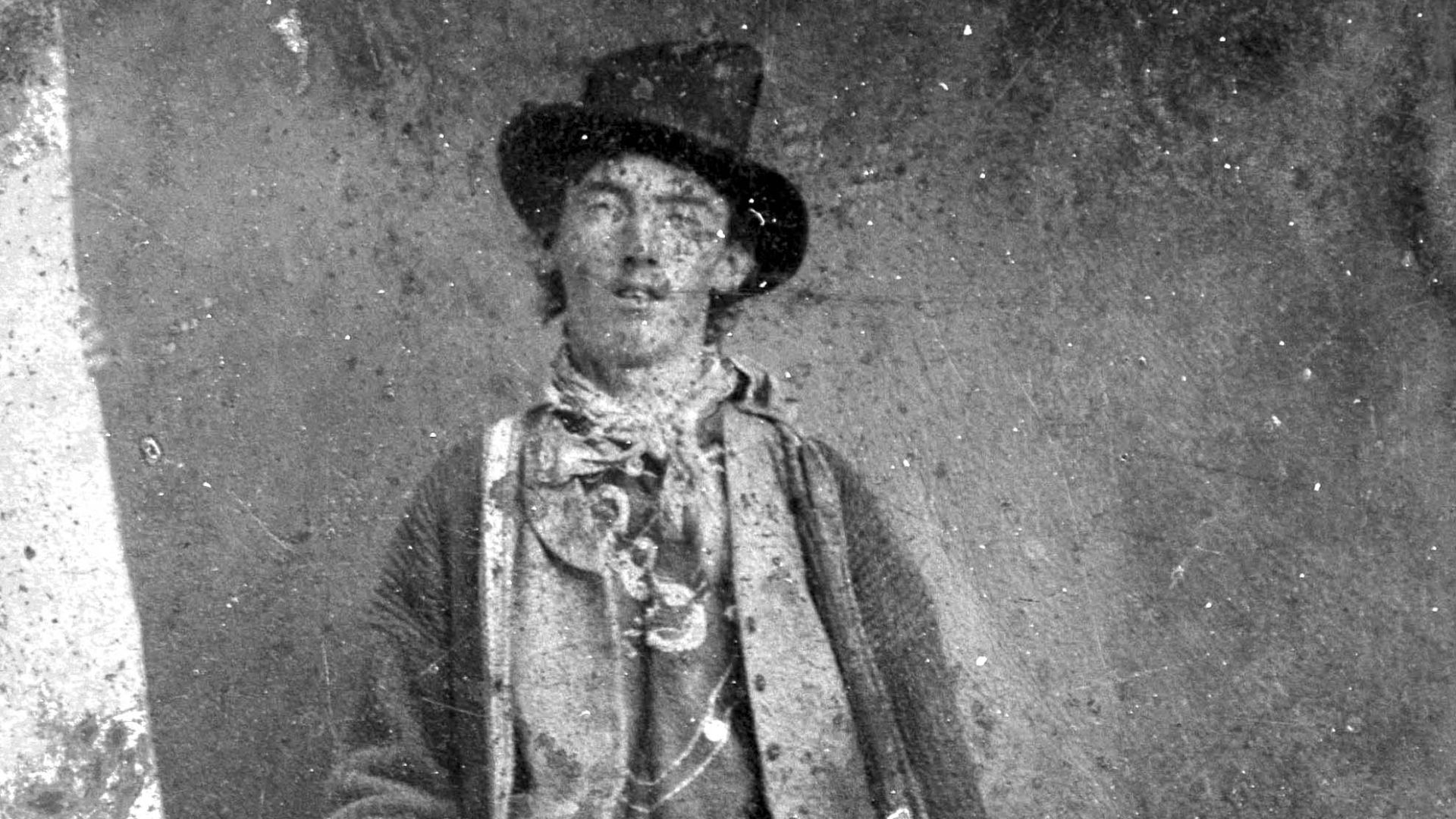
Billy the Kid's body count in dime novels ran into the dozens, but historians who've dug through actual court records put the number he was directly responsible for closer to four or five. He grew up poor after his father died and his mother struggled with tuberculosis, and his early crimes were mostly petty theft tied to survival.
 Ben Wittick (1845–1903) on Wikimedia
12. Jesse James
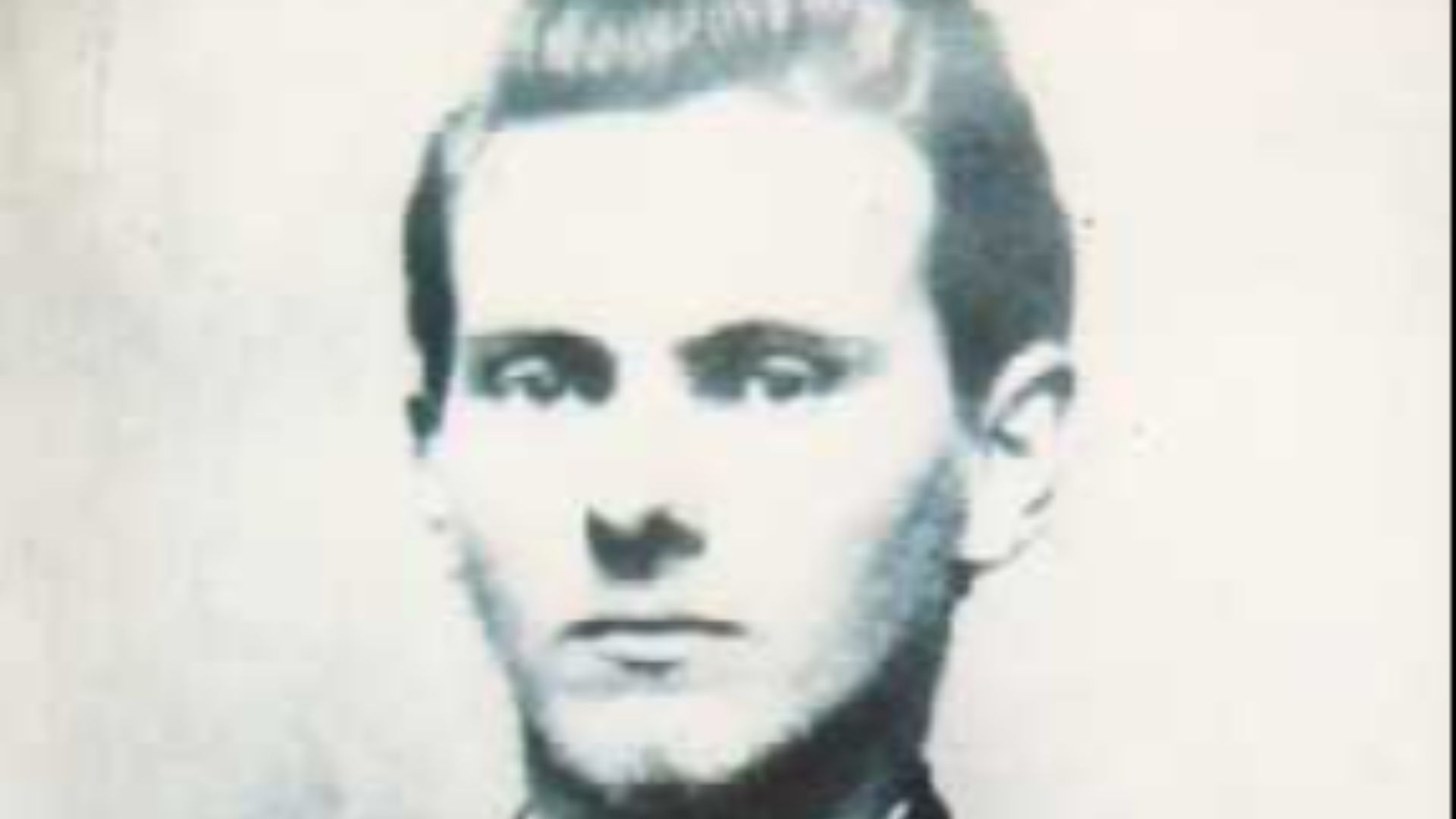
Jesse James is often remembered as an outlaw Robin Hood, a reputation mostly invented by sympathetic newspapers, but there's a real thread underneath it. He and his gang emerged from Confederate guerrilla units during the Civil War, and some of their early targets were railroads and banks tied to deeply unpopular Reconstruction-era policies.
13. Al Capone
Capone's name is synonymous with organized crime violence, and the body count tied to his operation is real, but during the Depression he also ran soup kitchens in Chicago that fed thousands daily, at his own expense. Plenty of residents at the time genuinely saw him as a community figure providing jobs the city government wasn't offering.
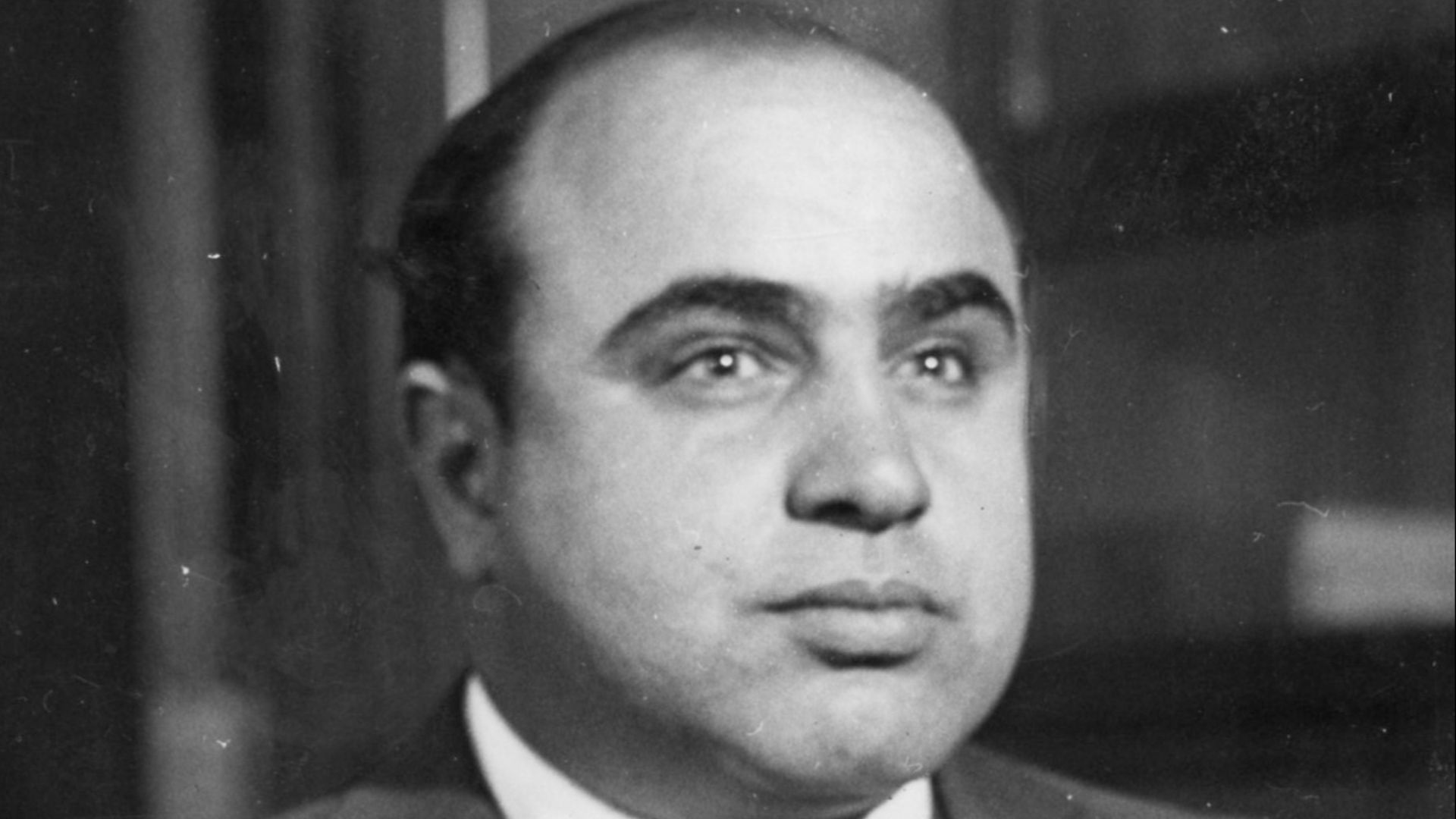 Chicago Bureau (Federal Bureau of Investigation) - Wide World Photos. on Wikimedia
14. Bonnie and Clyde
Bonnie Parker and Clyde Barrow are remembered as glamorous outlaws, but the reality is closer to two desperately poor young people from Dallas slums who turned to crime after Clyde's brutal treatment in a Texas prison left him hardened. Bonnie herself was reportedly a talented poet who wrote extensively during their time on the run, a detail the retellings usually skip.
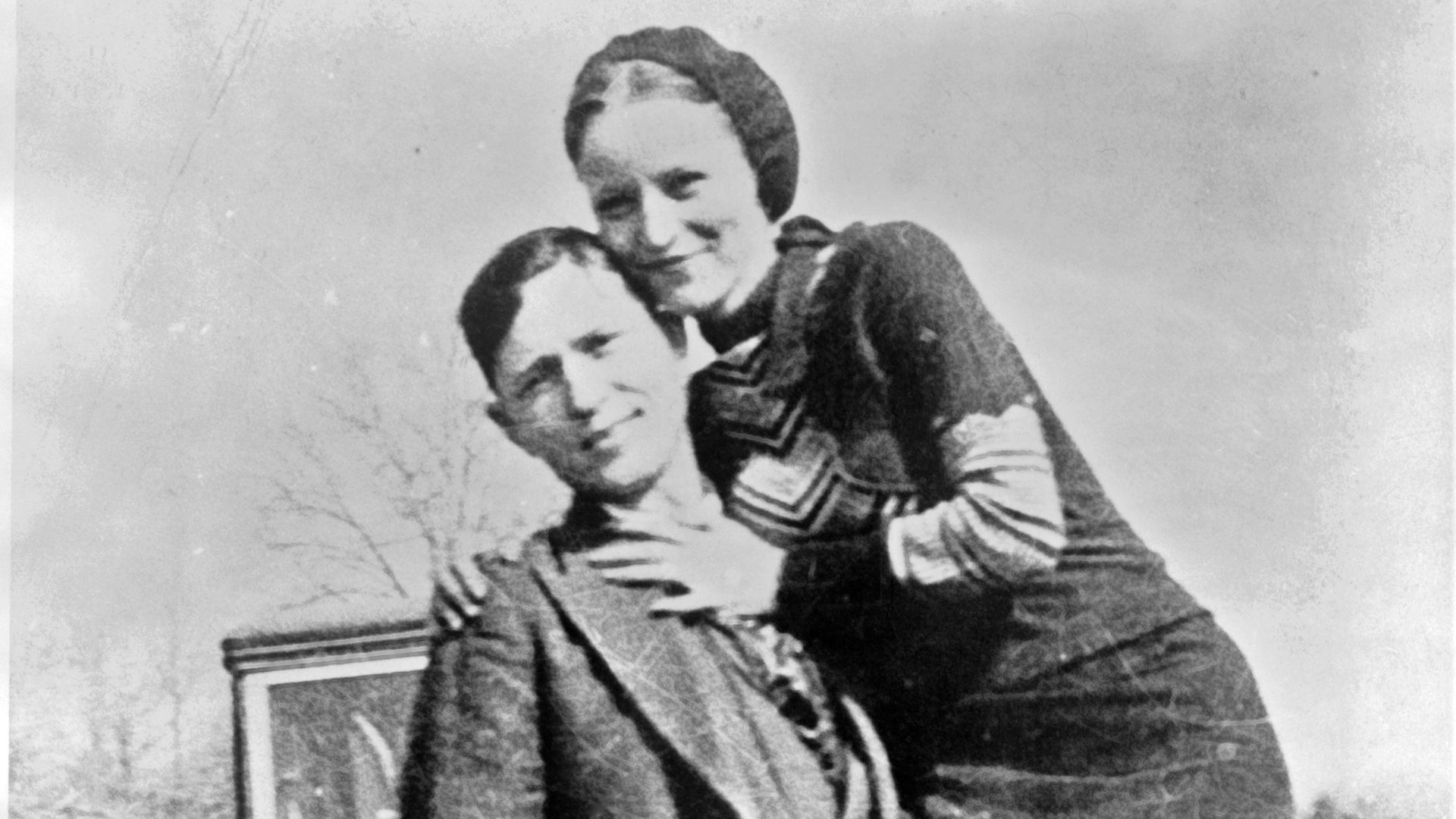
15. Niccolò Machiavelli
Machiavelli's name became a synonym for ruthless manipulation because of "The Prince," but many historians now read it as at least partly satirical, written by a man imprisoned and tortured by the Medici family he was supposedly advising. His other major work argues strongly in favor of republican government and civic virtue, which sits awkwardly next to his reputation as an amoral cynic.
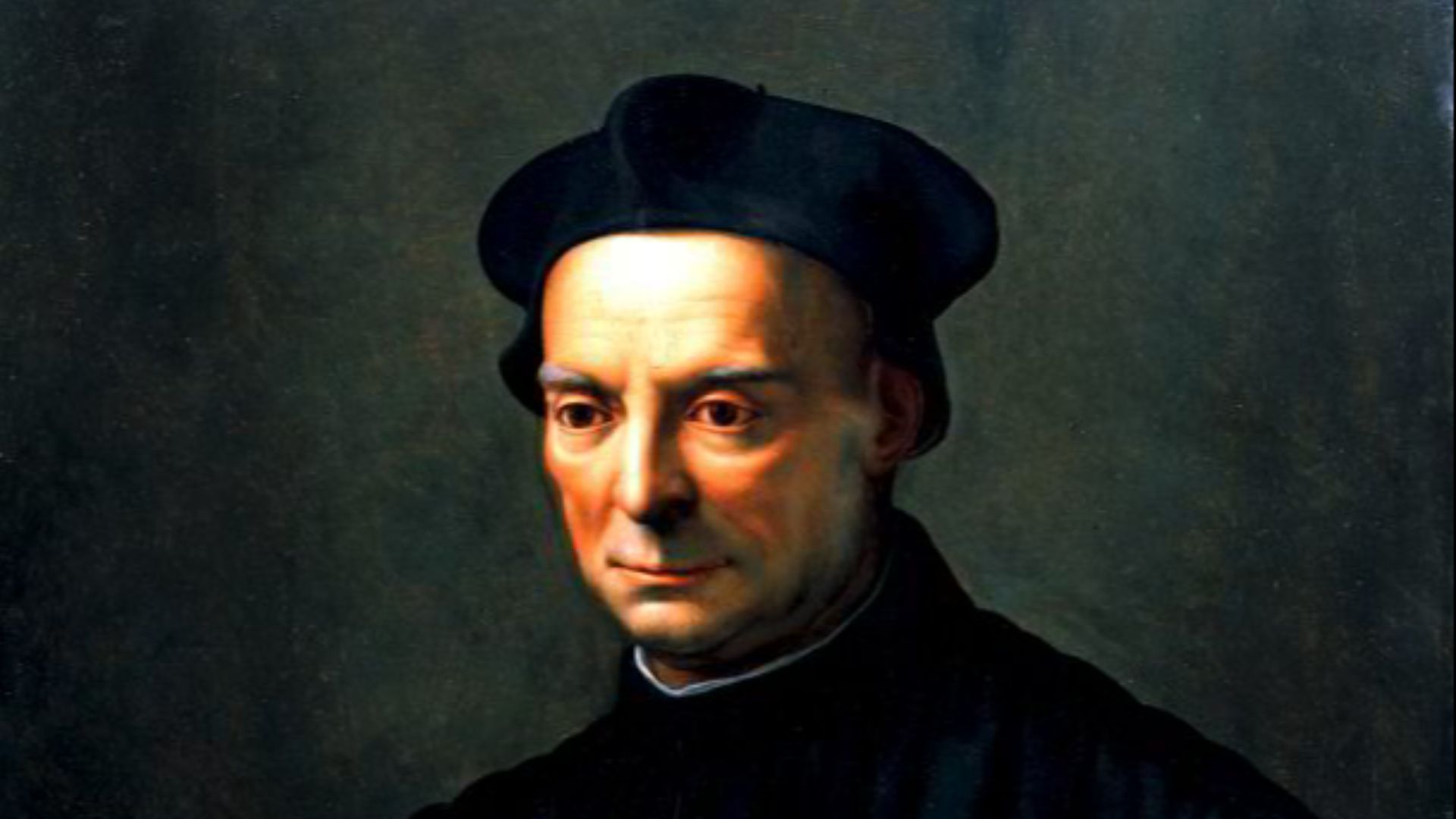 Ridolfo del Ghirlandaio on Wikimedia
16. Henry VIII
Henry VIII's reputation for executing wives overshadows the fact that his early reign was marked by genuine scholarship and real sponsorship of Renaissance humanist thinkers. Chronic pain from jousting injuries, and possibly a degenerative illness, are believed by some historians to have contributed to the personality shift that defined his later, more tyrannical years.
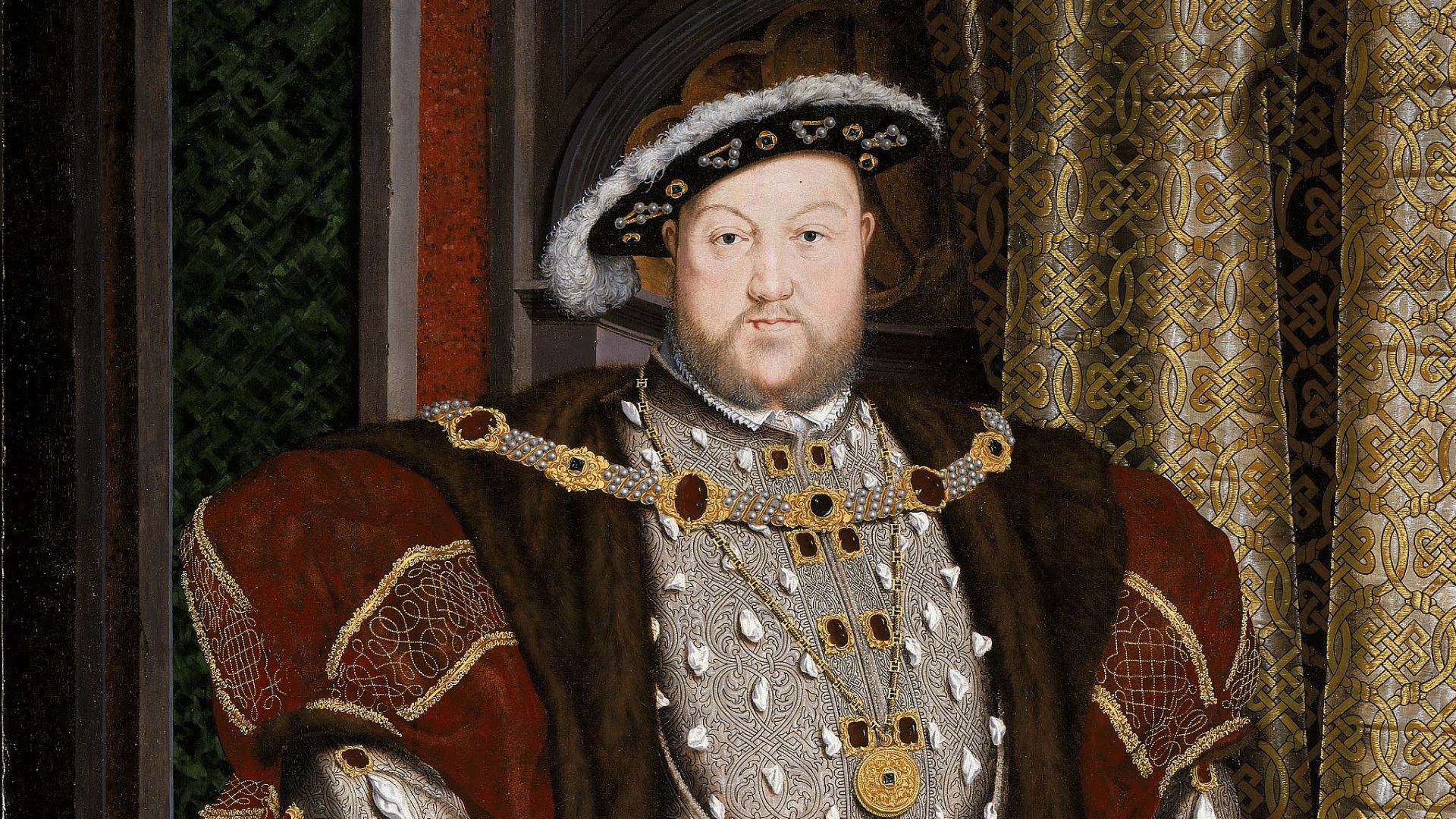 Workshop of Hans Holbein the Younger on Wikimedia
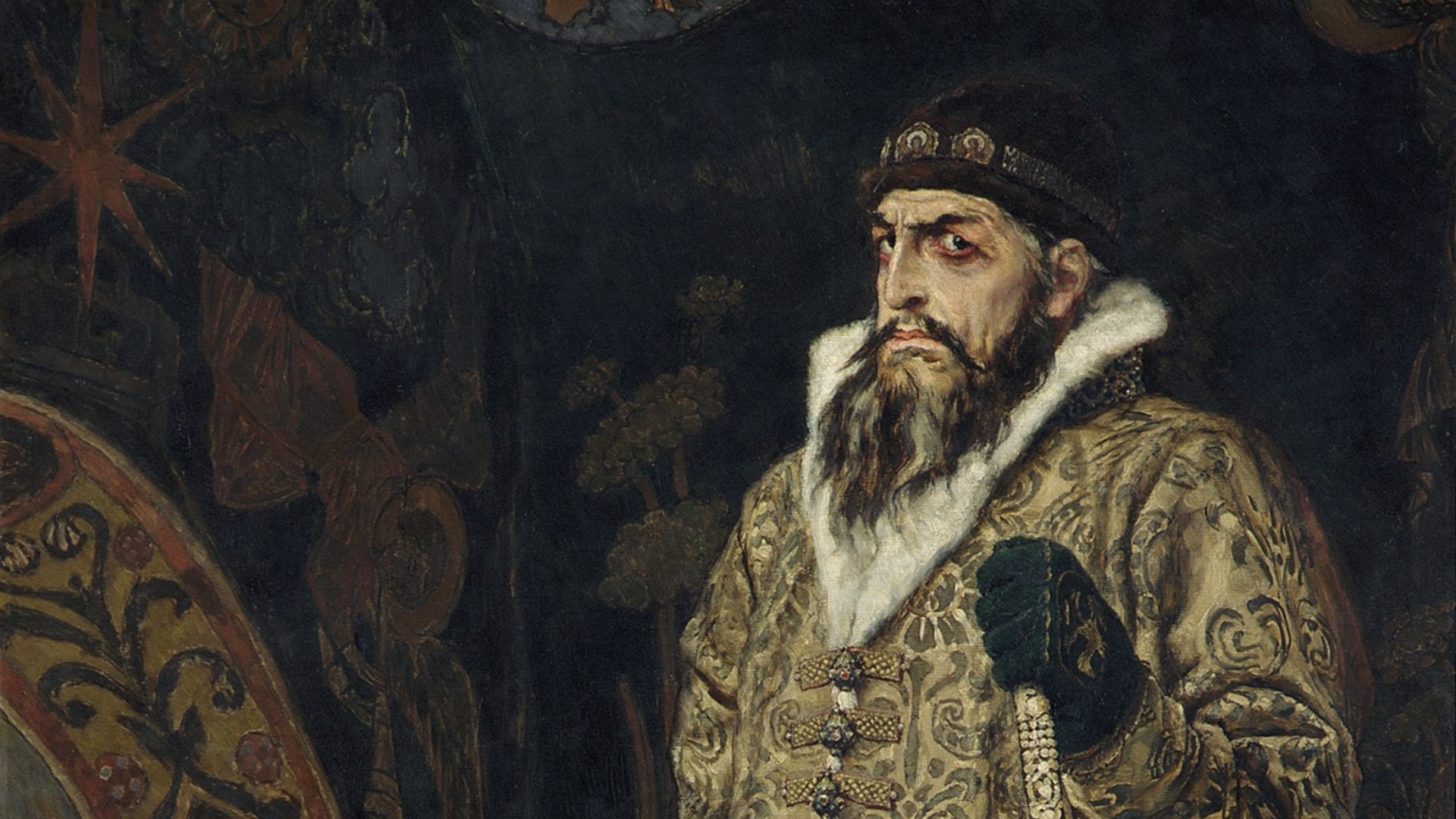
17. Ivan the Terrible
Ivan's epithet is often mistranslated; the original Russian is closer to "formidable" than "evil." His early reign included real legal and administrative reforms that unified Russia's legal code, well before the Oprichnina purges that later defined his darker years.
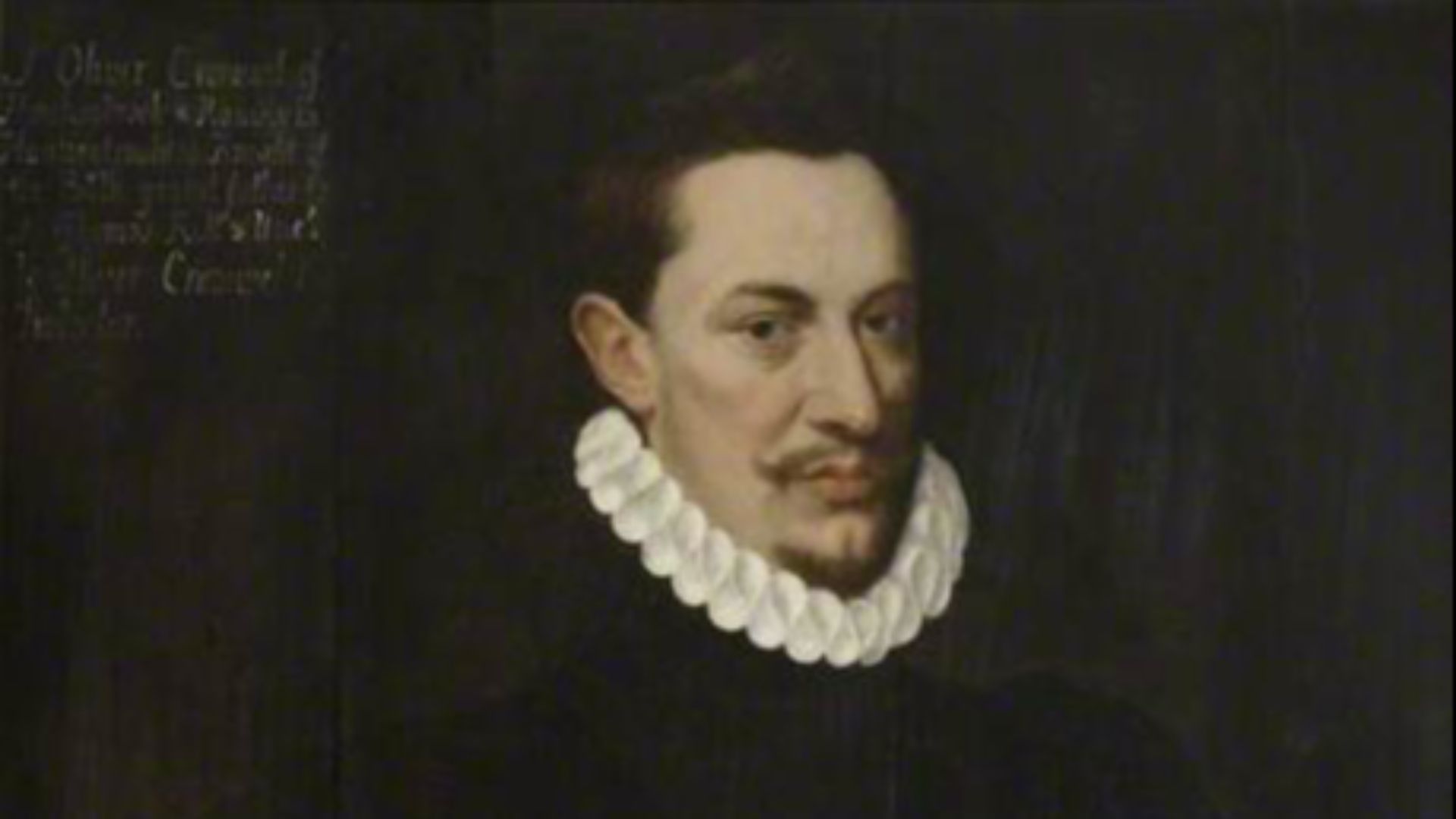
18. Oliver Cromwell
Cromwell's campaign in Ireland, including the sieges at Drogheda and Wexford, remains one of the more brutal chapters of his career and isn't disputed by serious historians. At the same time, in England, he pushed through policies allowing Jewish resettlement after centuries of expulsion and championed a more representative Parliament against royal absolutism.
 Hieronimo Custodis on Wikimedia
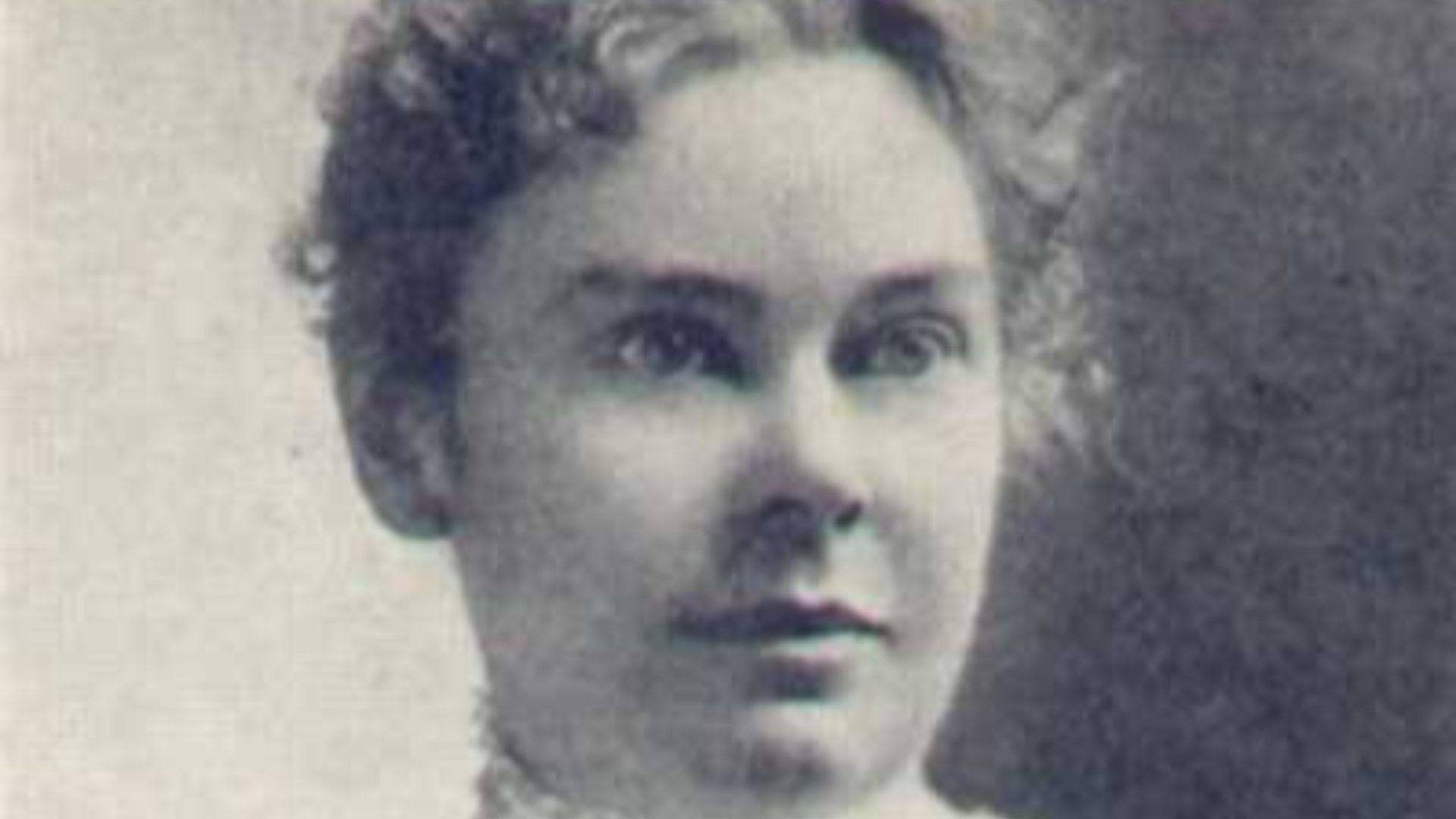
19. Lizzie Borden
Lizzie Borden is remembered through a nursery rhyme as an axe murderer, but she was actually acquitted at trial, and the physical evidence against her was thin even by 1892 standards. No blood-soaked clothing was ever found despite an extensive search, which makes the confident cultural verdict a lot shakier than the rhyme suggests.
 AnonymousUnknown author on Wikimedia
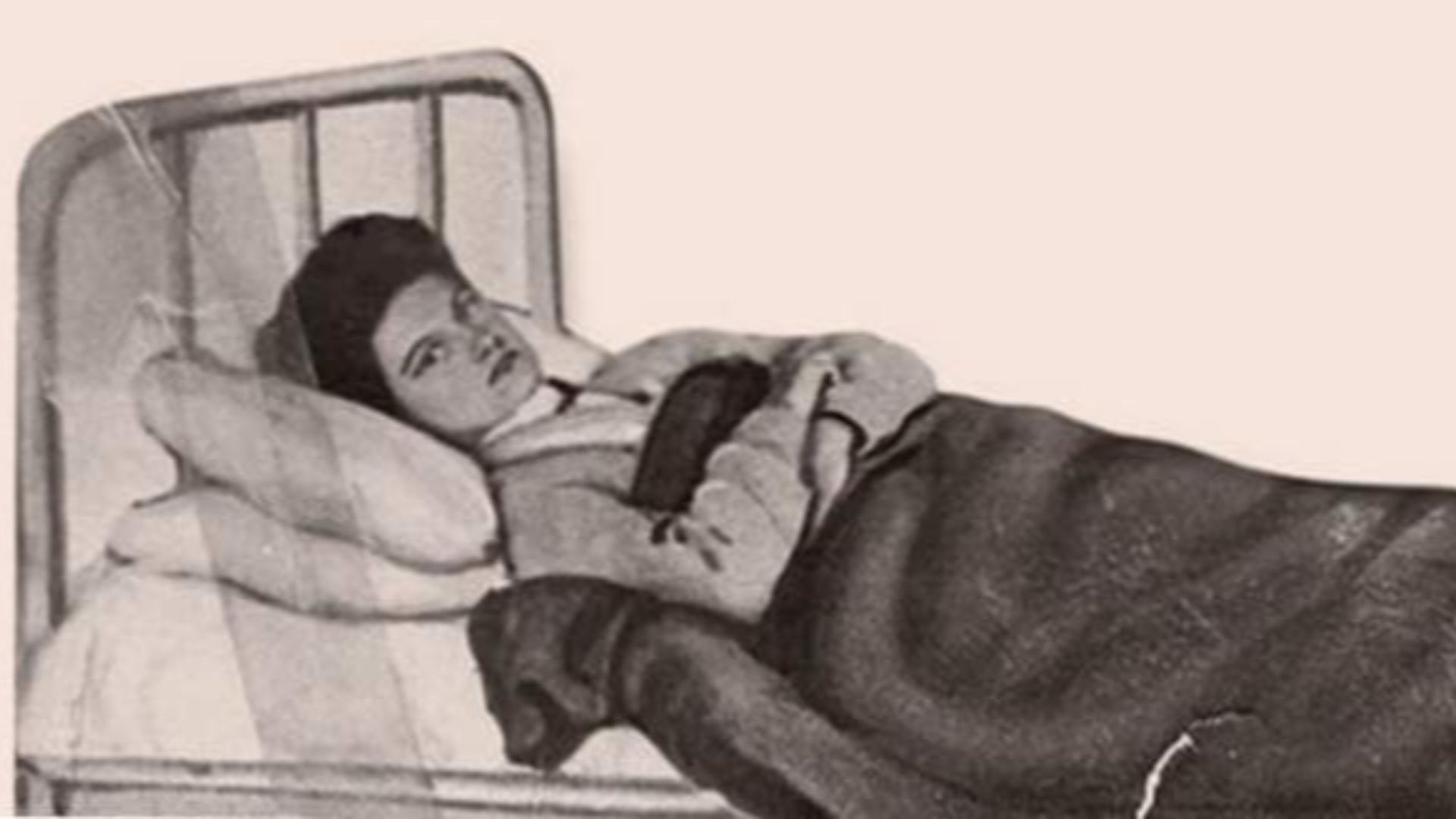
20. Typhoid Mary
Mary Mallon became a symbol of reckless disease spreading, but she was an asymptomatic carrier of typhoid at a time when the concept of a healthy carrier was brand new and barely understood, even by the doctors investigating her. She was quarantined against her will for years, and her Irish immigrant background likely shaped how harshly she was treated compared to other carriers identified later.
KEEP ON READING