The Statues Rarely Tell The Whole Story
History tends to flatten people into single, clean narratives, and the people who end up on currency or in textbook chapter titles usually get the kindest edit of all. But the closer you look at almost any celebrated figure, the messier the picture gets. None of this erases what these people accomplished, and a lot of them genuinely changed things for the better in one area while causing serious harm in another. That contradiction is uncomfortable, but it's also just accurate, and it's worth sitting with instead of smoothing over. Here's 20 figures whose legacies get a lot more complicated once you stop squinting at the highlight reel.
 Unknown authorUnknown author on Wikimedia
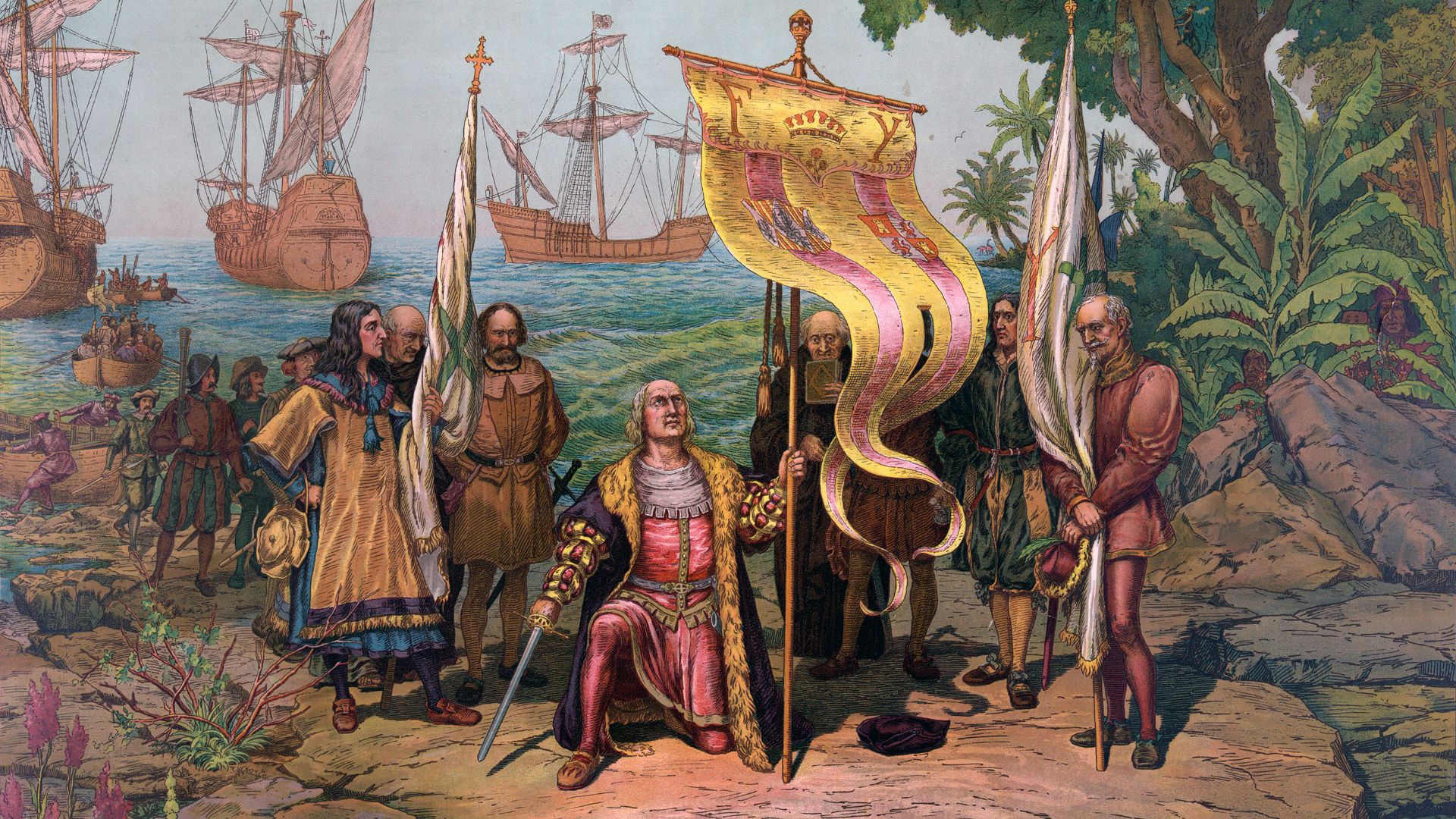
1. Christopher Columbus
Columbus is credited with connecting two hemispheres, but his own writings and the accounts of his crew describe brutal treatment of the Indigenous people of Hispaniola, including forced labor and mutilation as punishment for failing to meet gold quotas. Spanish colonial authorities eventually arrested him over his administration of the colony he governed. The version taught in elementary school skips almost all of this.
 L. Prang & Co., Boston on Wikimedia
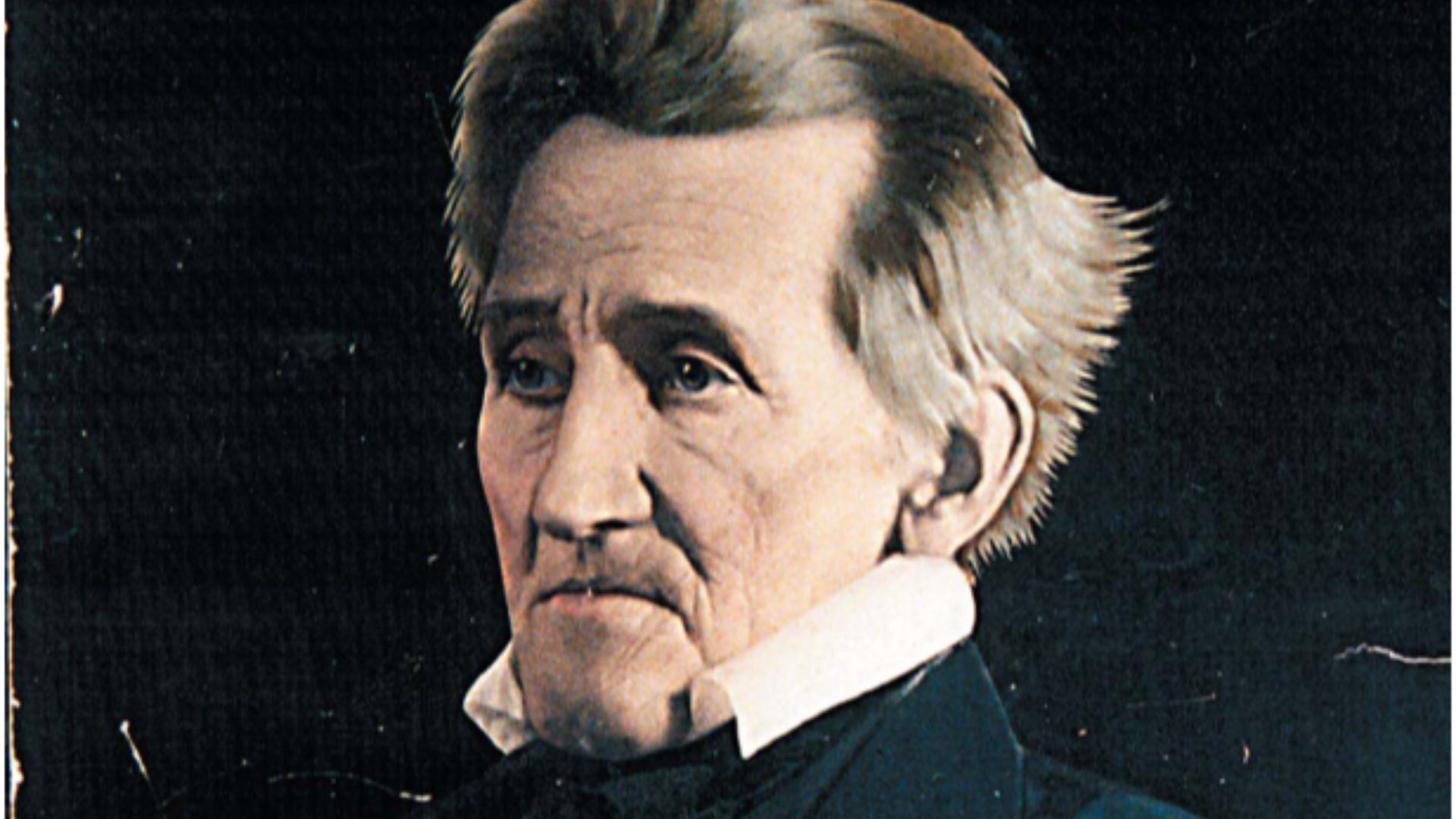
2. Andrew Jackson
Jackson's populist reputation tends to overshadow the Indian Removal Act, which he championed and enforced, leading directly to the Trail of Tears and the deaths of thousands of Cherokee, Muscogee, Chickasaw, Choctaw, and Seminole people. He also owned a large number of enslaved people throughout his life and expanded slavery on his own plantation. His face is still on the twenty-dollar bill.
 Unknown authorUnknown author on Wikimedia
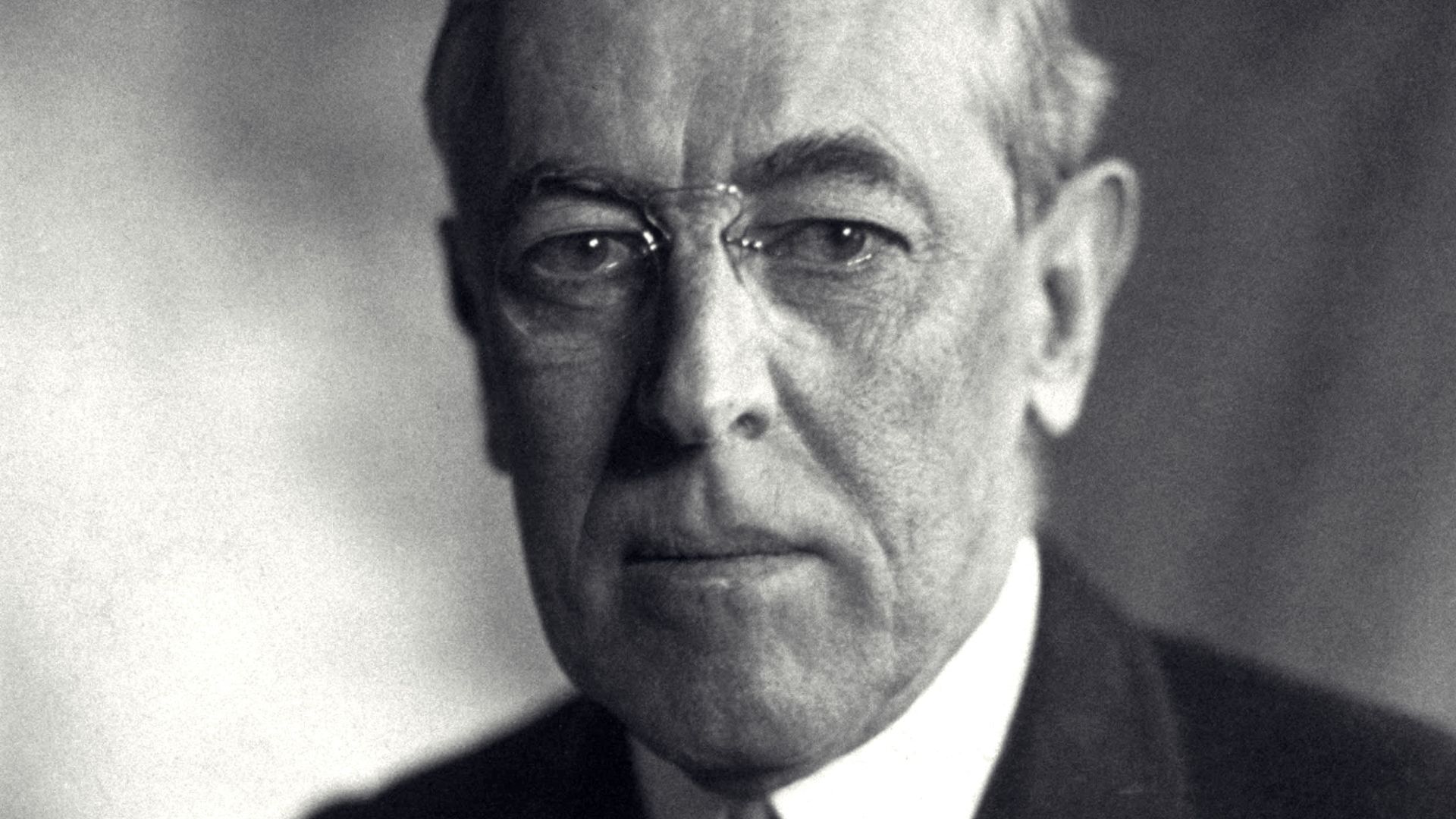
3. Woodrow Wilson
Wilson gets credit for the League of Nations and progressive-era reforms, but he actively resegregated federal agencies that had previously employed Black workers alongside white ones, pushing many Black federal employees out of their jobs entirely. He also screened "The Birth of a Nation," a film glorifying the Ku Klux Klan, at the White House. His record on civil rights is far darker than his diplomatic legacy suggests.
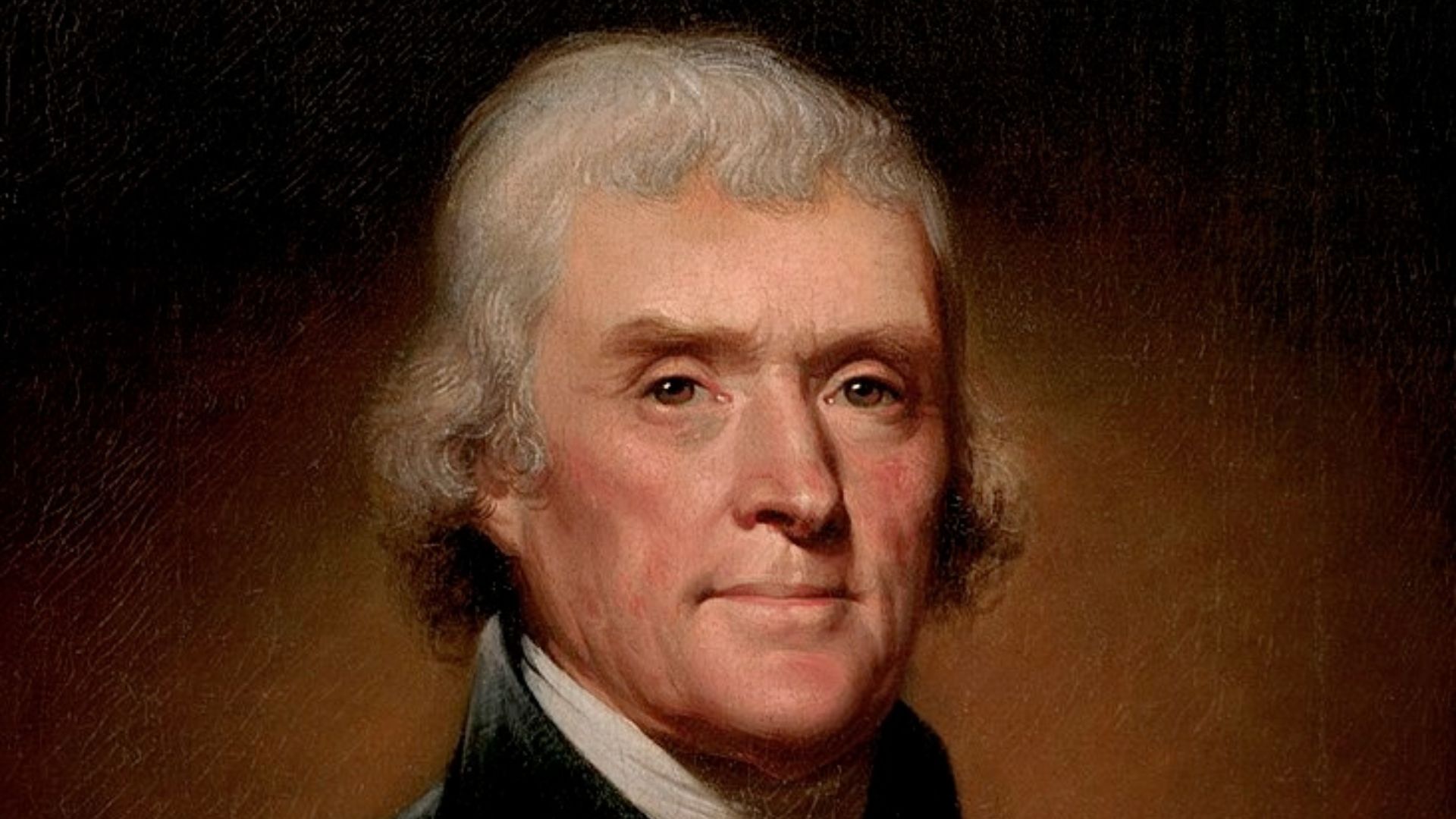
4. Thomas Jefferson
Jefferson wrote the words "all men are created equal" while enslaving over six hundred people across his lifetime and fathering children with Sally Hemings, a woman he legally owned. He freed only a handful of enslaved people in his will, mostly members of the Hemings family. The gap between his stated ideals and his actual conduct is about as wide as it gets among the founders.
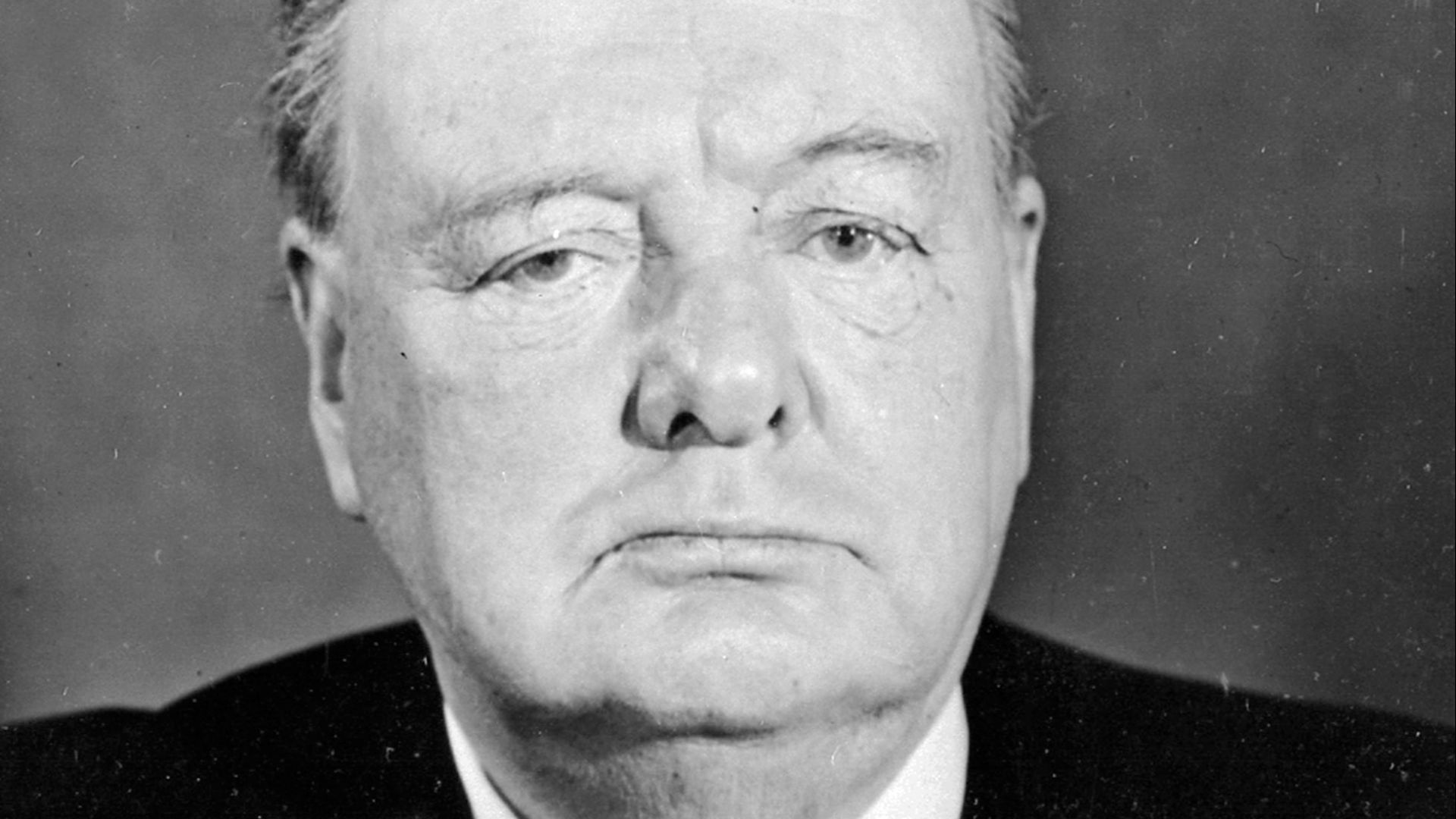
5. Winston Churchill
Churchill's wartime leadership against Nazi Germany is genuinely remarkable, but his record in colonial India includes decisions during the 1943 Bengal famine that historians argue worsened a food crisis that killed an estimated three million people. He also made openly racist remarks about Indian and African populations that are well documented in his own writing and speeches. The wartime hero and the colonial administrator were the same person.
 Central Office of Information on Wikimedia
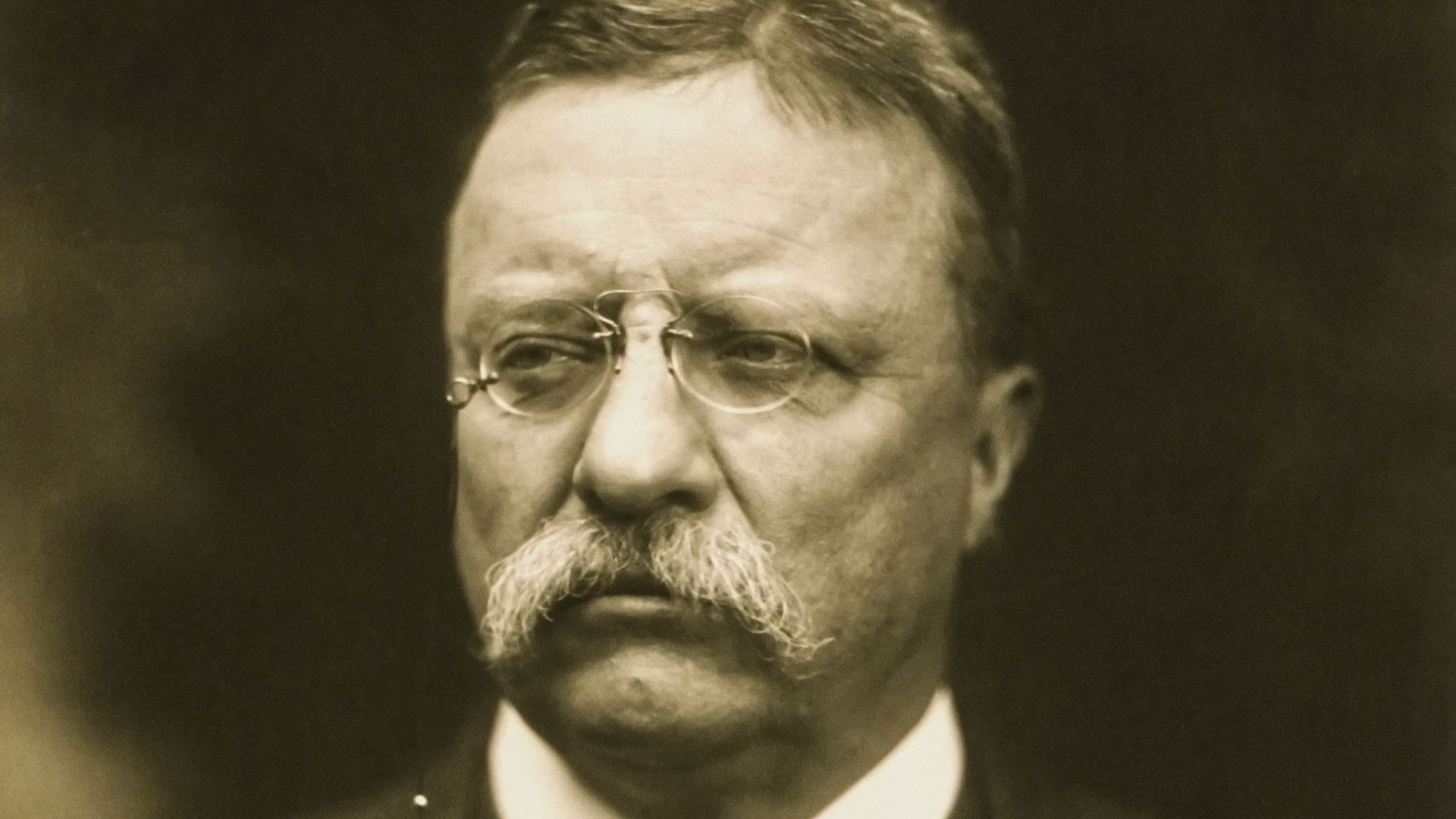
6. Theodore Roosevelt
Roosevelt's conservation legacy is real, and national parks owe him a lot, but he also held explicitly racist views about Indigenous people and Black Americans that show up repeatedly in his personal writing and public speeches. His support for eugenics-adjacent ideas about racial fitness was mainstream in his era but is jarring to read now. Environmentalist and imperialist lived comfortably in the same man.
 Pach Brothers (photography studio) on Wikimedia
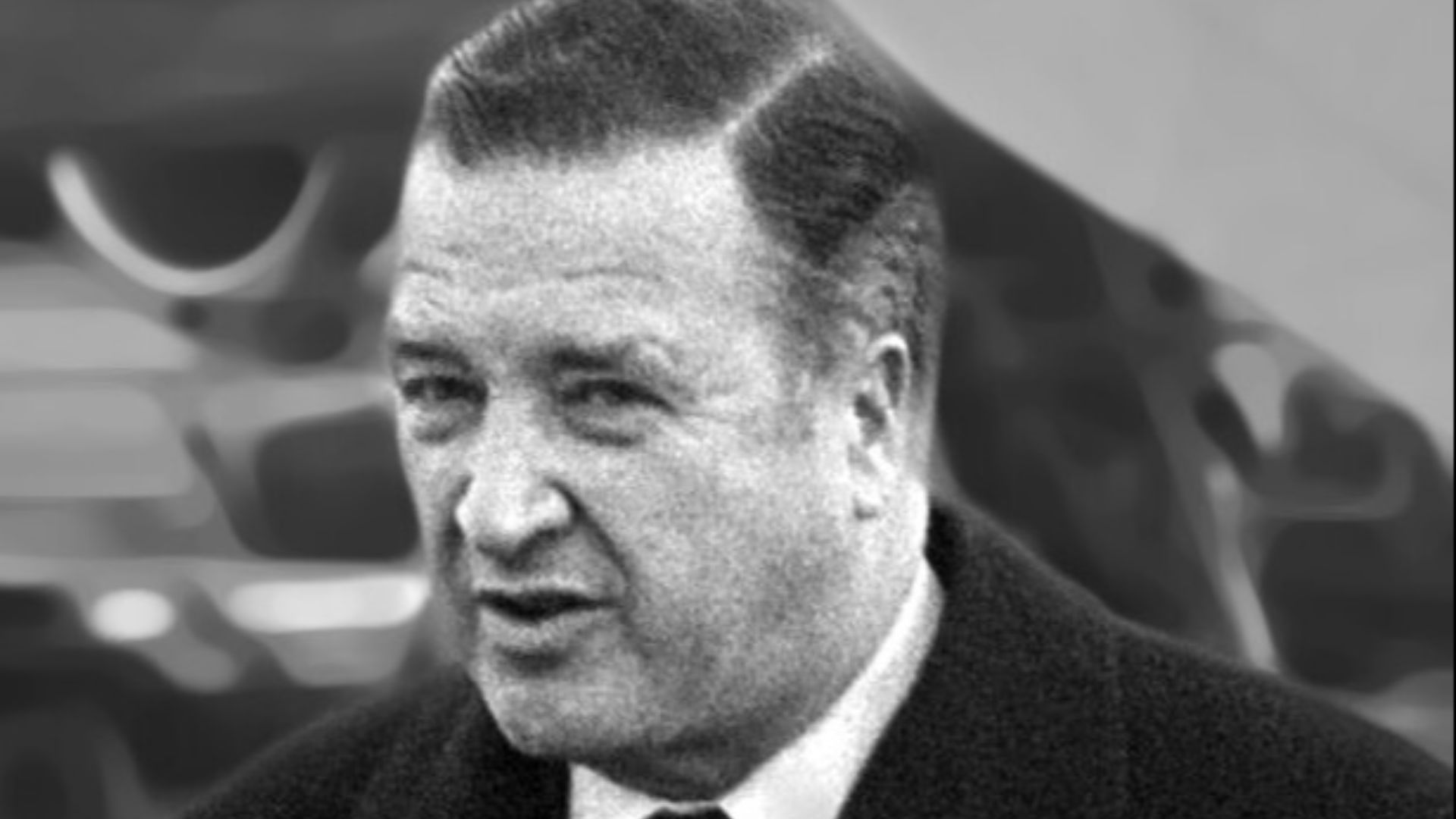
7. Henry Ford
Ford revolutionized manufacturing with the assembly line and famously paid workers enough to afford the cars they built, but he also funded and personally distributed antisemitic propaganda through his newspaper, the Dearborn Independent, for years. Adolf Hitler cited Ford's writing approvingly in Mein Kampf. Ford later received a medal from the Nazi government in 1938.
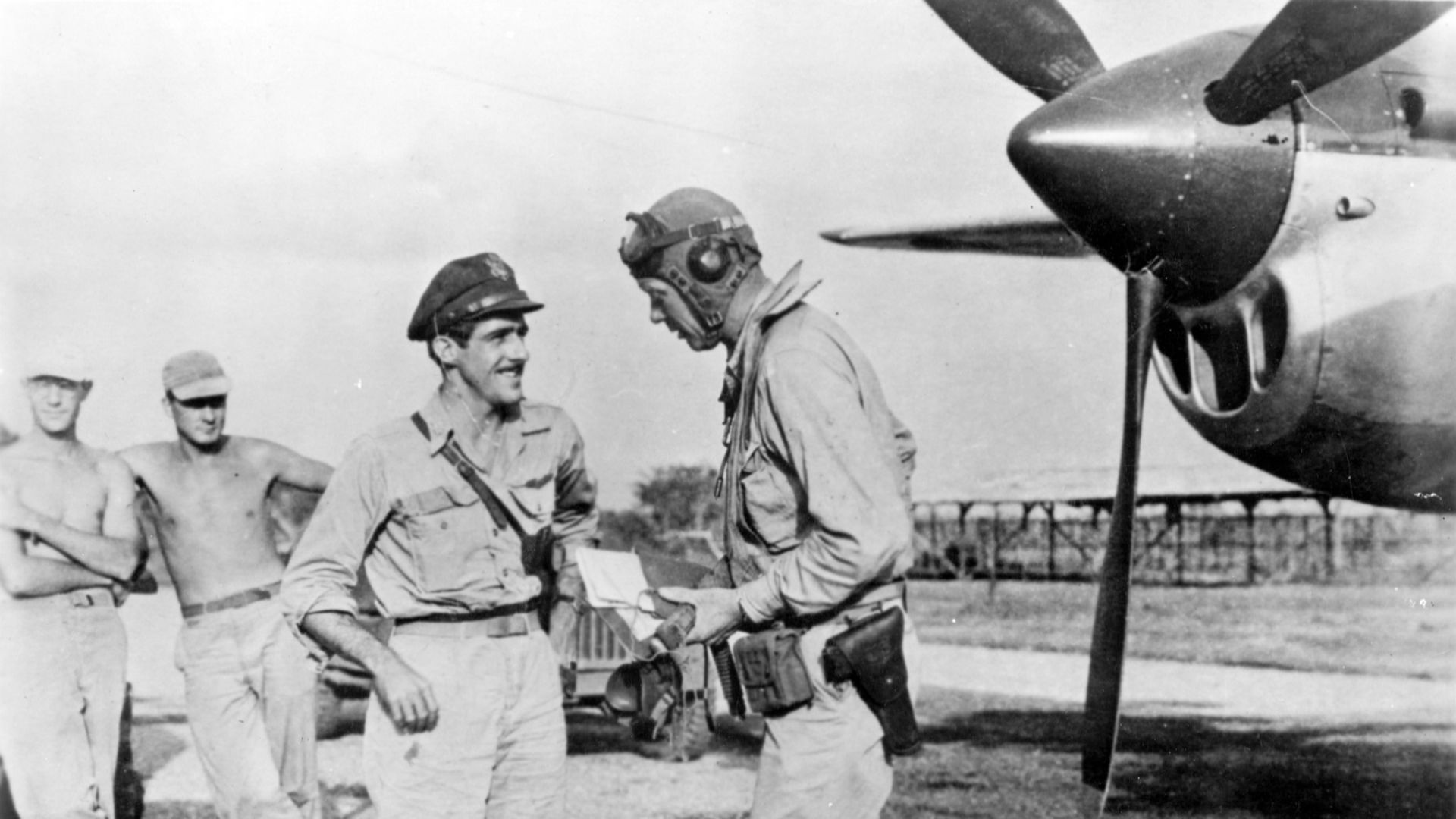
8. Charles Lindbergh
Lindbergh's transatlantic flight made him a global celebrity, but he spent much of the late 1930s publicly praising Nazi Germany's air force and arguing against American involvement in the war. His speeches for the America First Committee included remarks widely criticized as antisemitic at the time. The aviation hero and the isolationist propagandist overlapped for years.
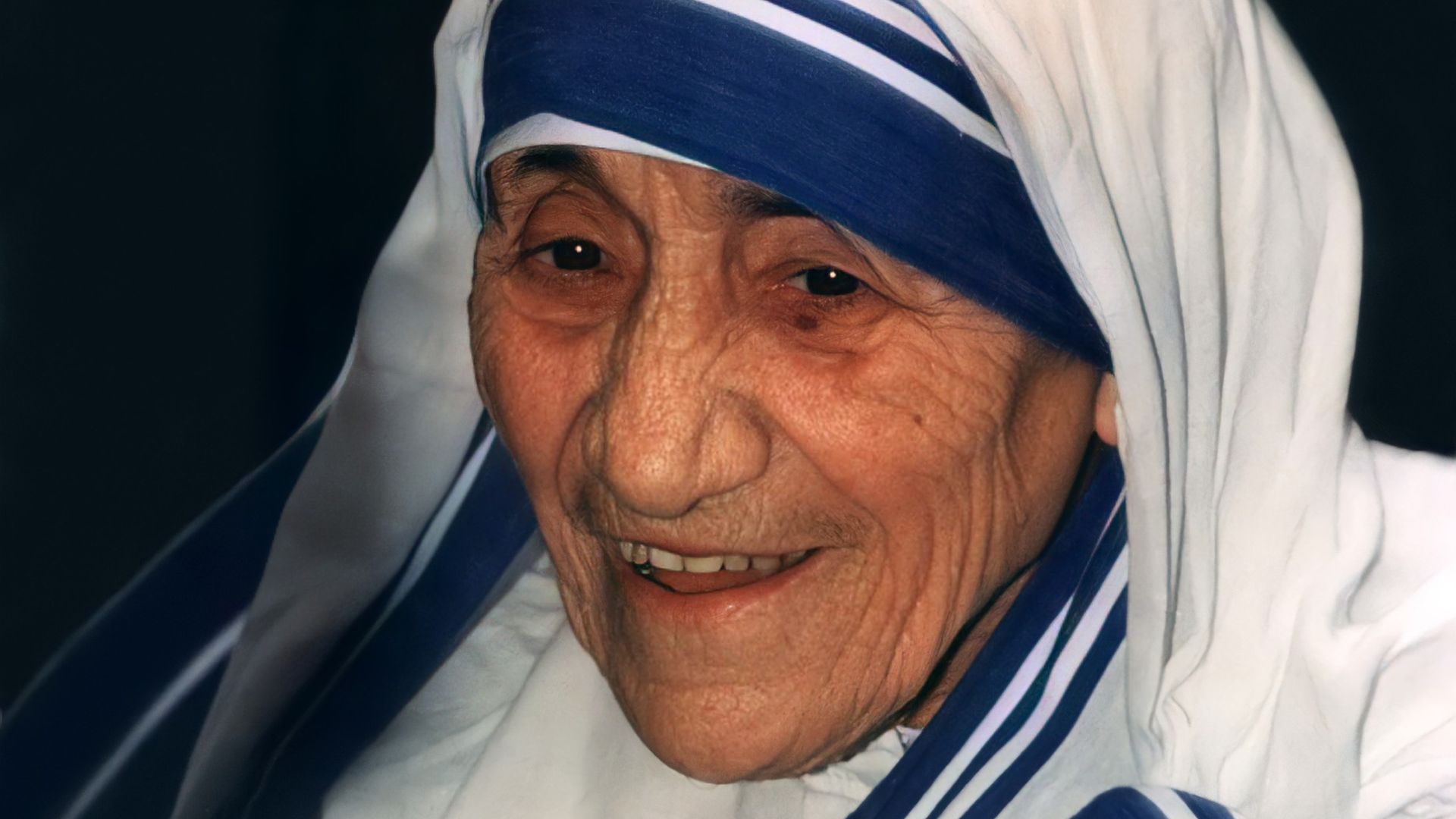
9. Mother Teresa
Mother Teresa's charitable work in Kolkata earned her global admiration, but medical investigations of her hospices found conditions that were often unsanitary, with reused needles and limited pain relief even when funds were available. Journalists and researchers who examined her organization's finances found large sums donated by supporters that were rarely reinvested into improving patient care. The image of pure selflessness doesn't match what investigators found on the ground.
 Kingkongphoto & www.celebrity-photos.com from Laurel Maryland, USA on Wikimedia
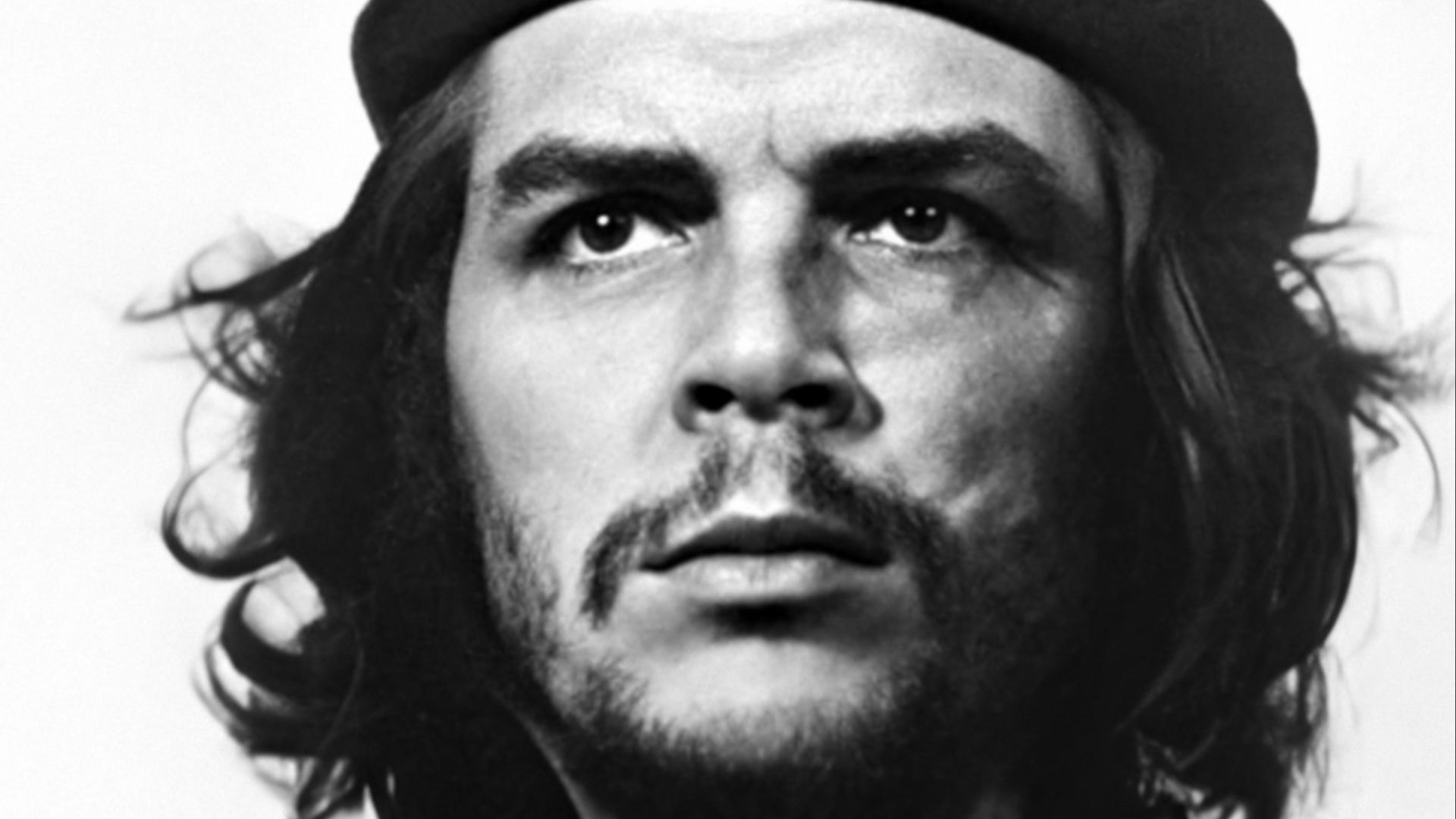
10. Che Guevara
Guevara is often presented as a romantic revolutionary figure, especially on t-shirts, but he personally oversaw executions at La Cabaña prison after the Cuban Revolution, often with limited due process for the accused. His own diaries describe these executions in fairly clinical terms. The image on the shirt leaves out most of what actually happened after the revolution succeeded.
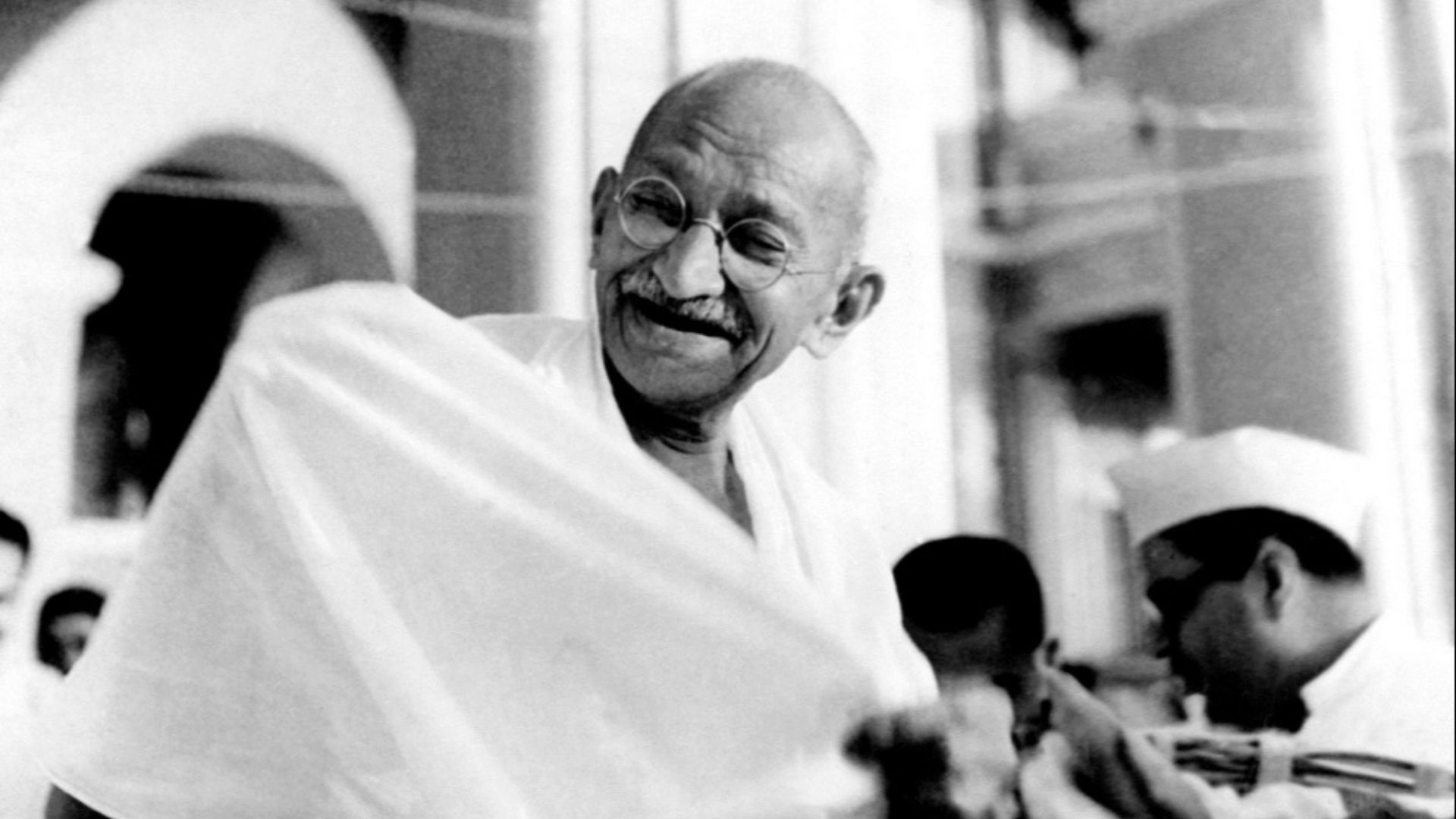
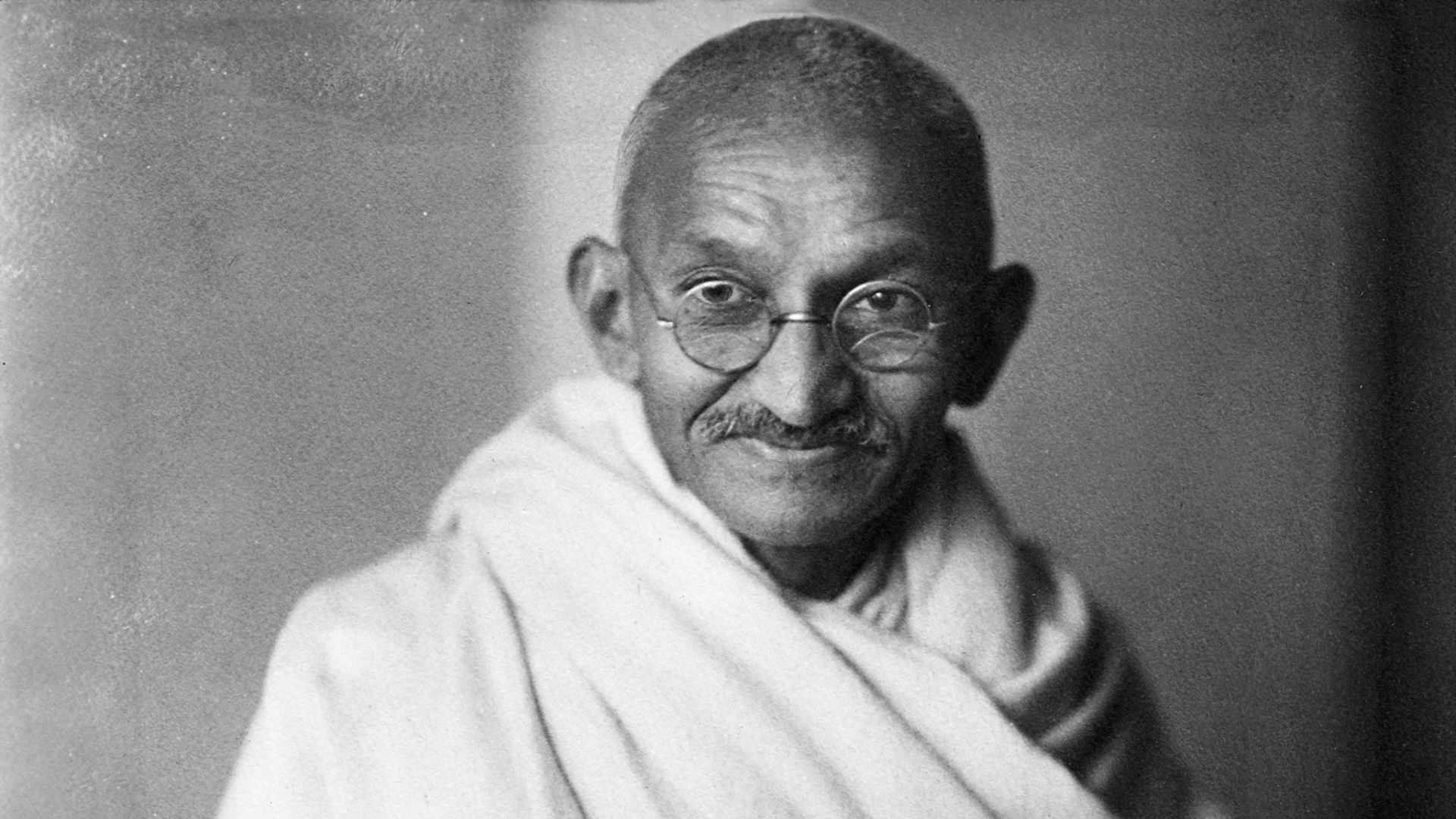
11. Mahatma Gandhi
Gandhi's role in Indian independence is well earned, but his early writings from his years in South Africa include disparaging comments about Black South Africans that historians have documented extensively. He also made controversial statements later in life about how women and girls should respond to sexual violence that many find deeply troubling today. The philosophy of nonviolence he's remembered for coexisted with views that get left out of most tributes.
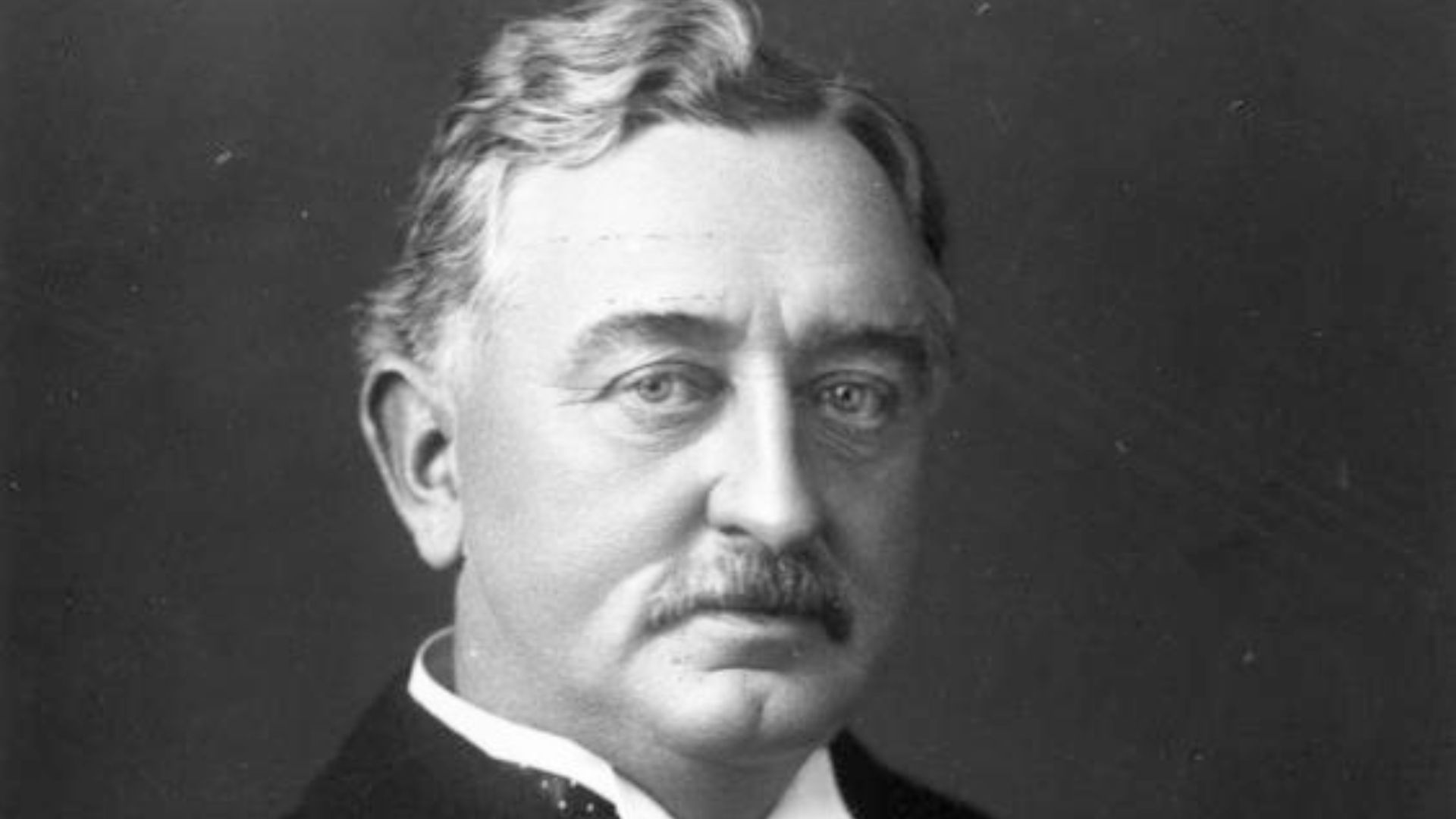
12. Cecil Rhodes
Rhodes is still honored through the Rhodes Scholarship, but he built his fortune through a colonial diamond empire in southern Africa that relied on forced labor and land seizure from Indigenous populations. He openly advocated for British racial superiority and helped design the legal groundwork that later fed into apartheid. Scholarship recipients today often have to reckon with exactly whose money is funding their education.
 Unknown authorUnknown author on Wikimedia
13. Napoleon Bonaparte
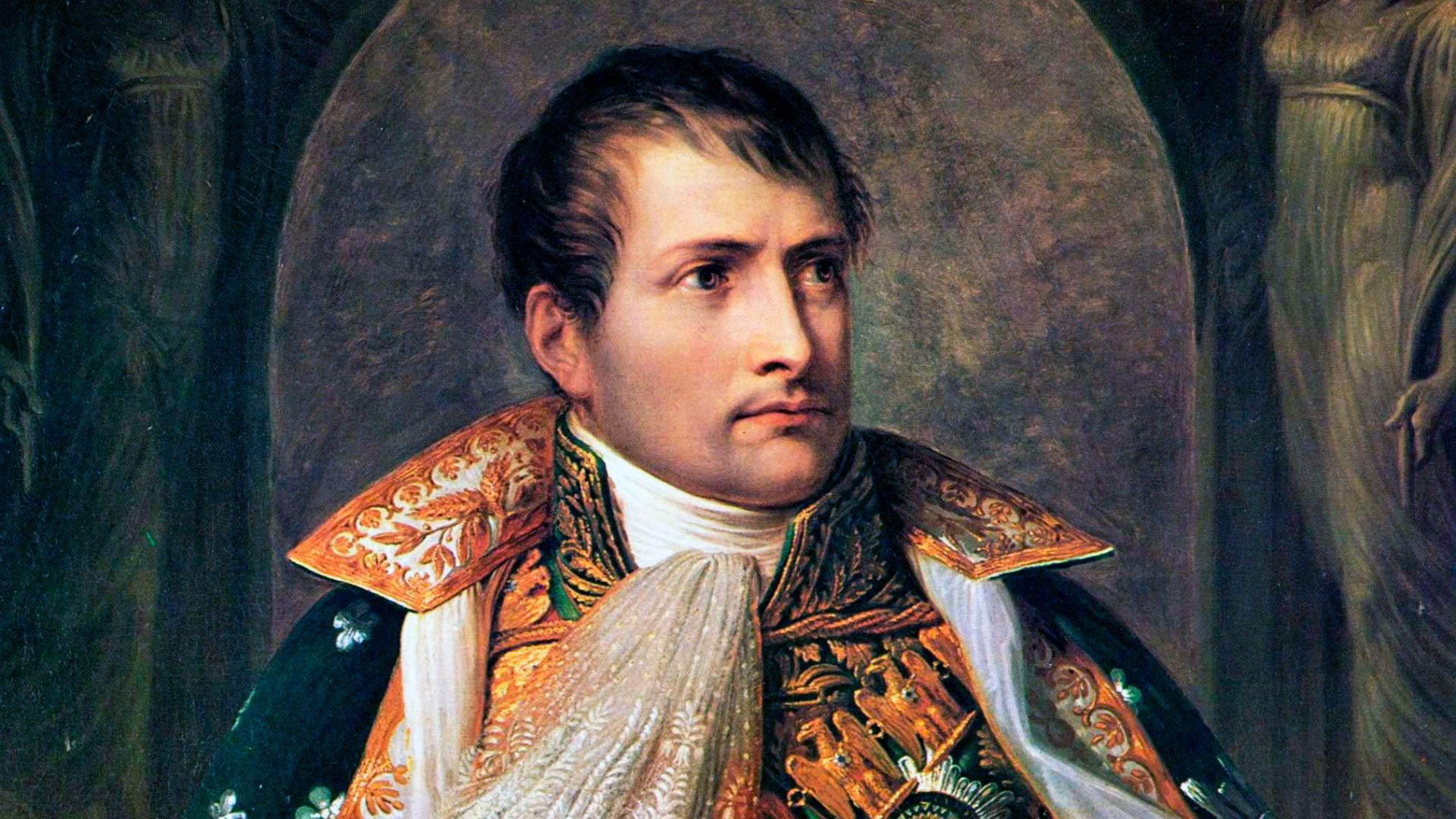
Napoleon reformed legal systems across Europe through the Napoleonic Code, but that same code stripped rights from women and reinstated slavery in French colonies after it had been abolished during the Revolution. His invasion of Haiti to reimpose slavery led to a brutal war and tens of thousands of deaths. The legal reformer and the man who tried to re-enslave an entire country were the same person, within the same decade.
14. King Leopold II
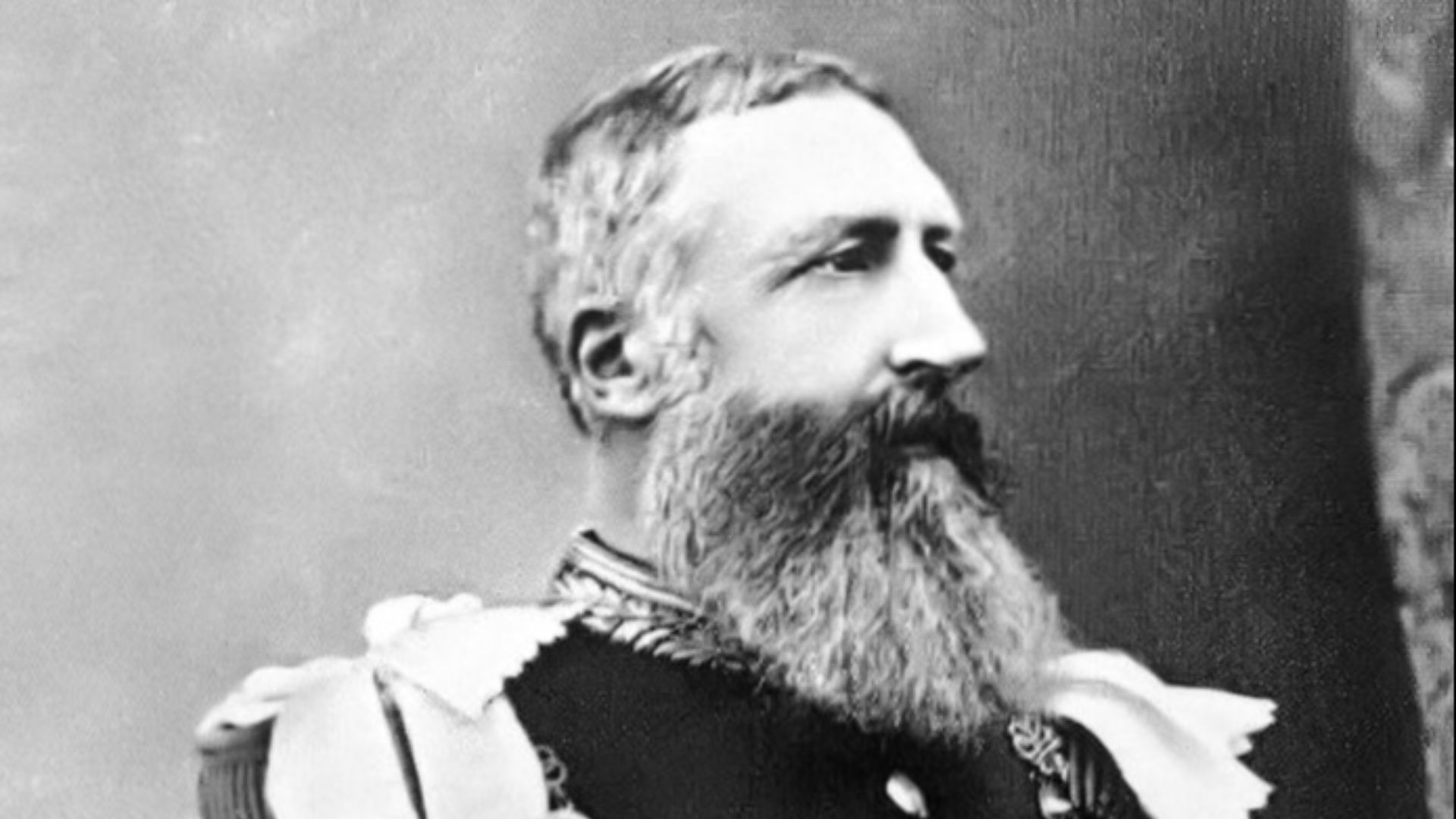
Leopold's Congo Free State was framed to Europe as a humanitarian project, but it functioned as a forced-labor system that killed an estimated ten million people through mutilation, disease, and starvation. Workers who failed to meet rubber quotas had their hands severed as punishment, a practice documented by missionaries and photographers at the time. This wasn't a side effect of colonization; it was the operating model.
 London Stereoscopic and Photographic Company on Wikimedia
15. Margaret Sanger
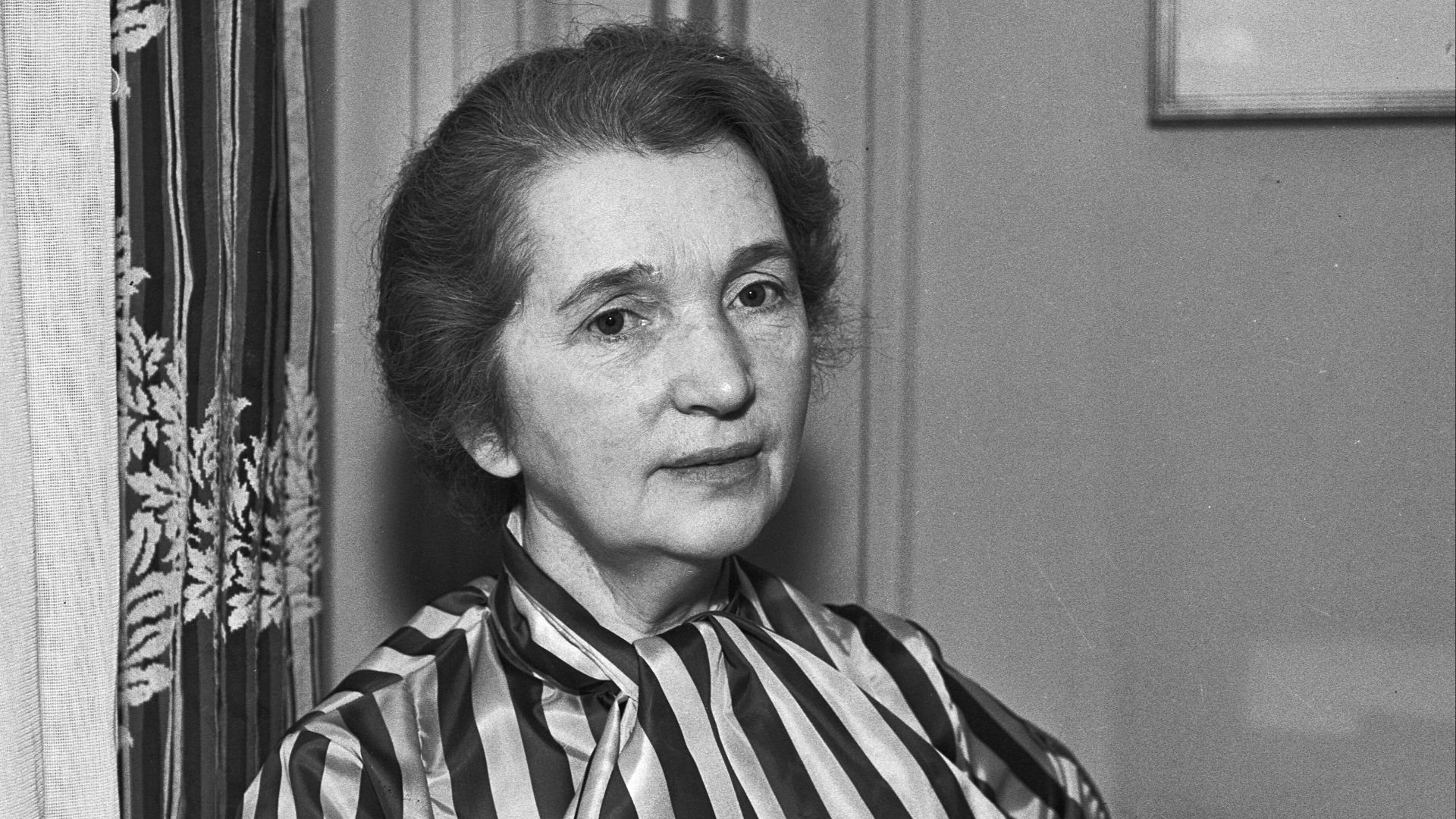
Sanger's work expanding access to birth control changed reproductive health for millions of women, but she also spoke to eugenics organizations and expressed support for restricting reproduction among groups she considered "unfit." Her writing on the subject is uncomfortable to read next to her reputation as a straightforward feminist pioneer. Both threads run through her actual body of work, not just her critics' interpretation of it.
 Los Angeles Times on Wikimedia
16. William Shockley
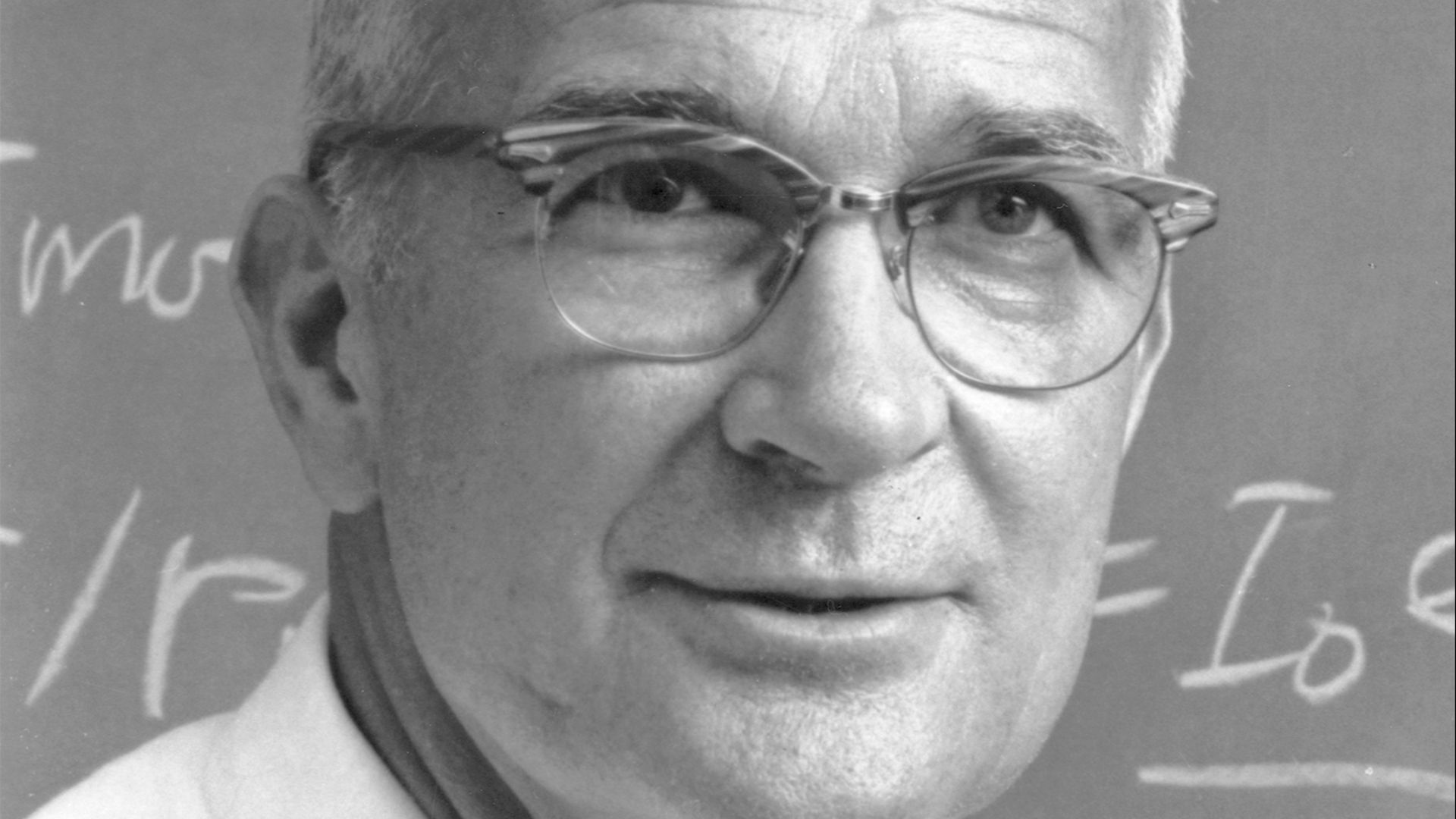
Shockley co-invented the transistor and helped kick off the entire semiconductor industry, but he spent his later career promoting a discredited theory that intelligence was tied to race and pushing for eugenic policies to limit reproduction among people he deemed less intelligent. Fellow scientists at the time publicly distanced themselves from these views. The Nobel laureate and the eugenics advocate were, again, one person.
 Chuck Painter / Stanford News Service on Wikimedia
17. Roald Dahl
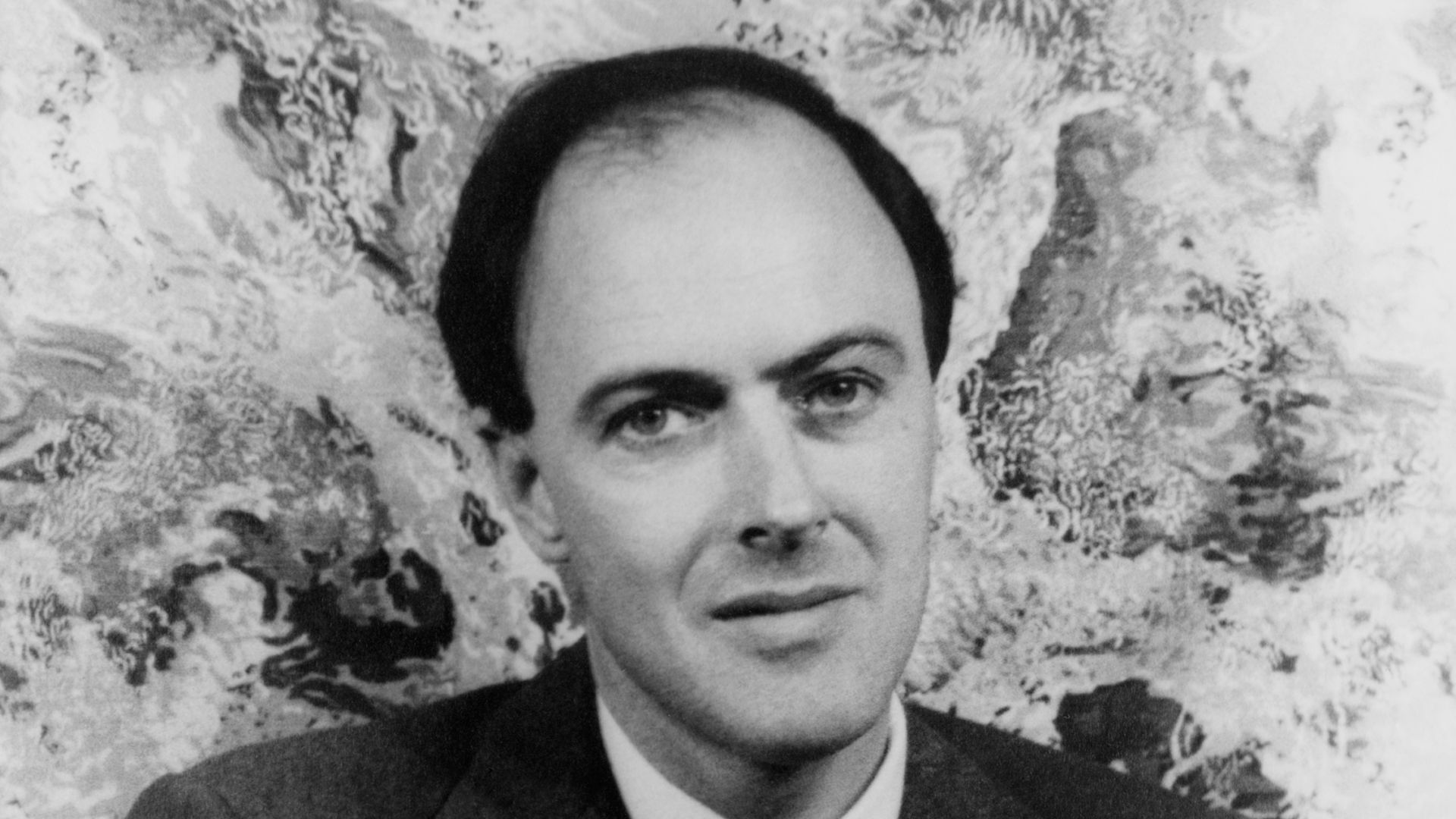
Dahl wrote some of the most beloved children's books of the twentieth century, but interviews and letters from later in his life contain explicit antisemitic remarks that his own family has since publicly apologized for. His publisher issued a statement distancing itself from these views decades after his death. The gap between the whimsical author voice and the private remarks is genuinely jarring.
18. Pablo Picasso
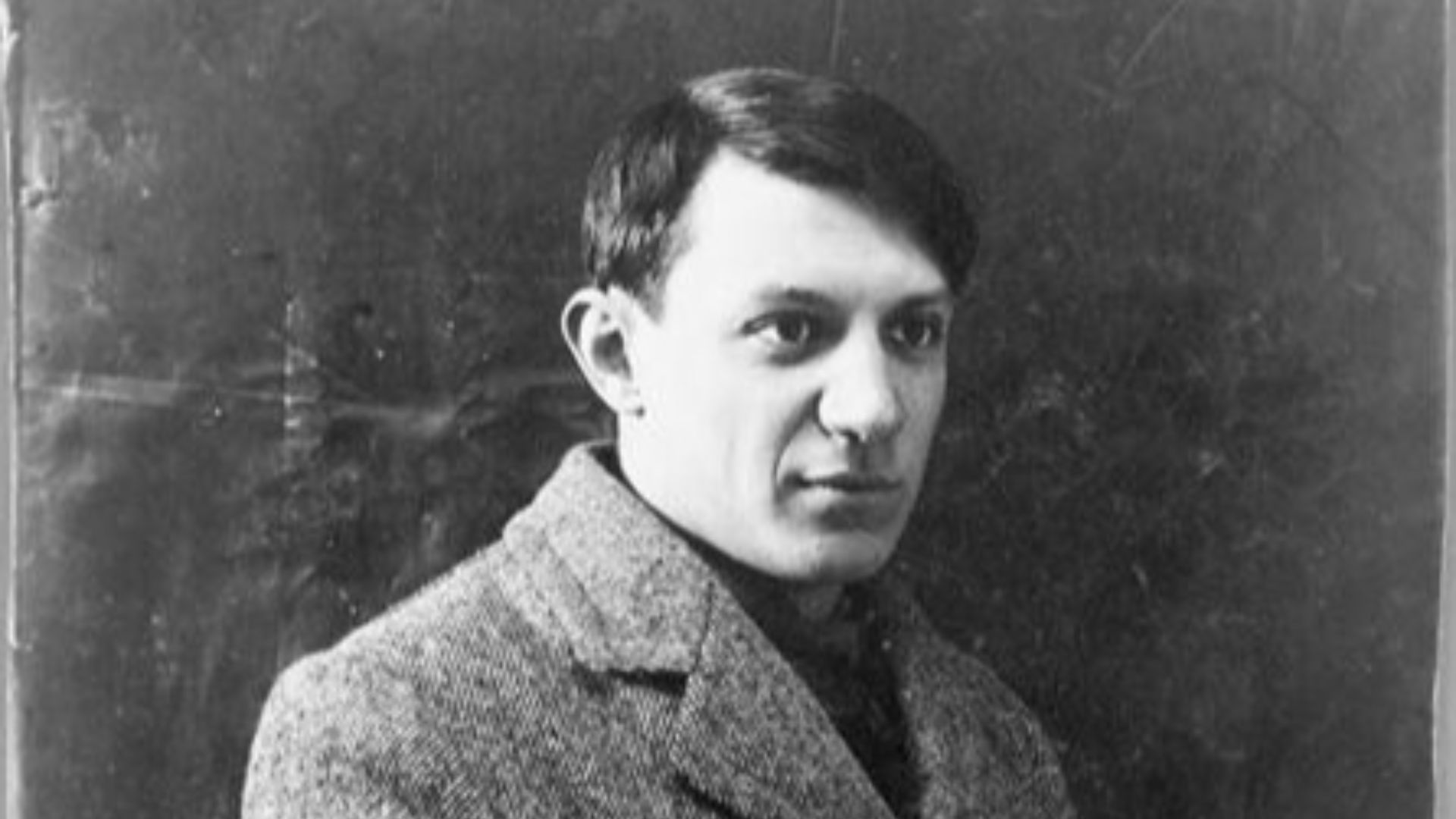
Picasso's influence on modern art is hard to overstate, but multiple women who were close to him, including his granddaughter, have described a pattern of manipulation and cruelty in his relationships. His former partner Françoise Gilot wrote candidly about years of controlling behavior in her memoir. The artistic genius and the personal conduct are frequently discussed as two separate conversations, when they arguably shouldn't be.
 AnonymousUnknown author on Wikimedia
19. Thomas Edison
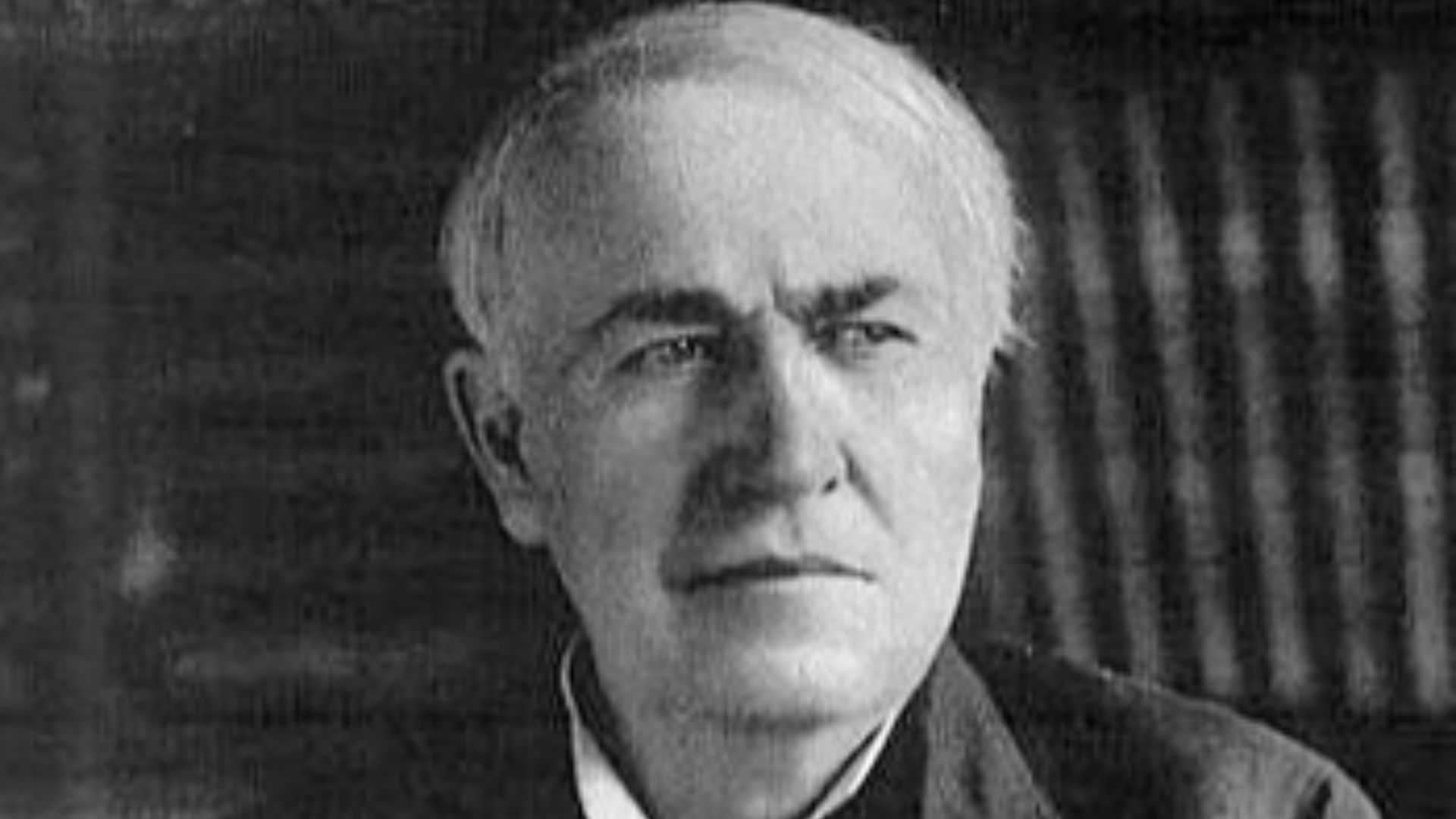
Edison is remembered as America's great inventor, but he also ran a fairly ruthless smear campaign against Nikola Tesla and George Westinghouse during the "War of the Currents," including staged public electrocutions of animals meant to make alternating current look dangerous. Many of Edison's patented "inventions" were also developed largely by employees in his lab who received little public credit. The lone genius narrative leaves out a lot of the actual lab work and the dirty tactics.
 Unknown authorUnknown author on Wikimedia
20. Walt Disney
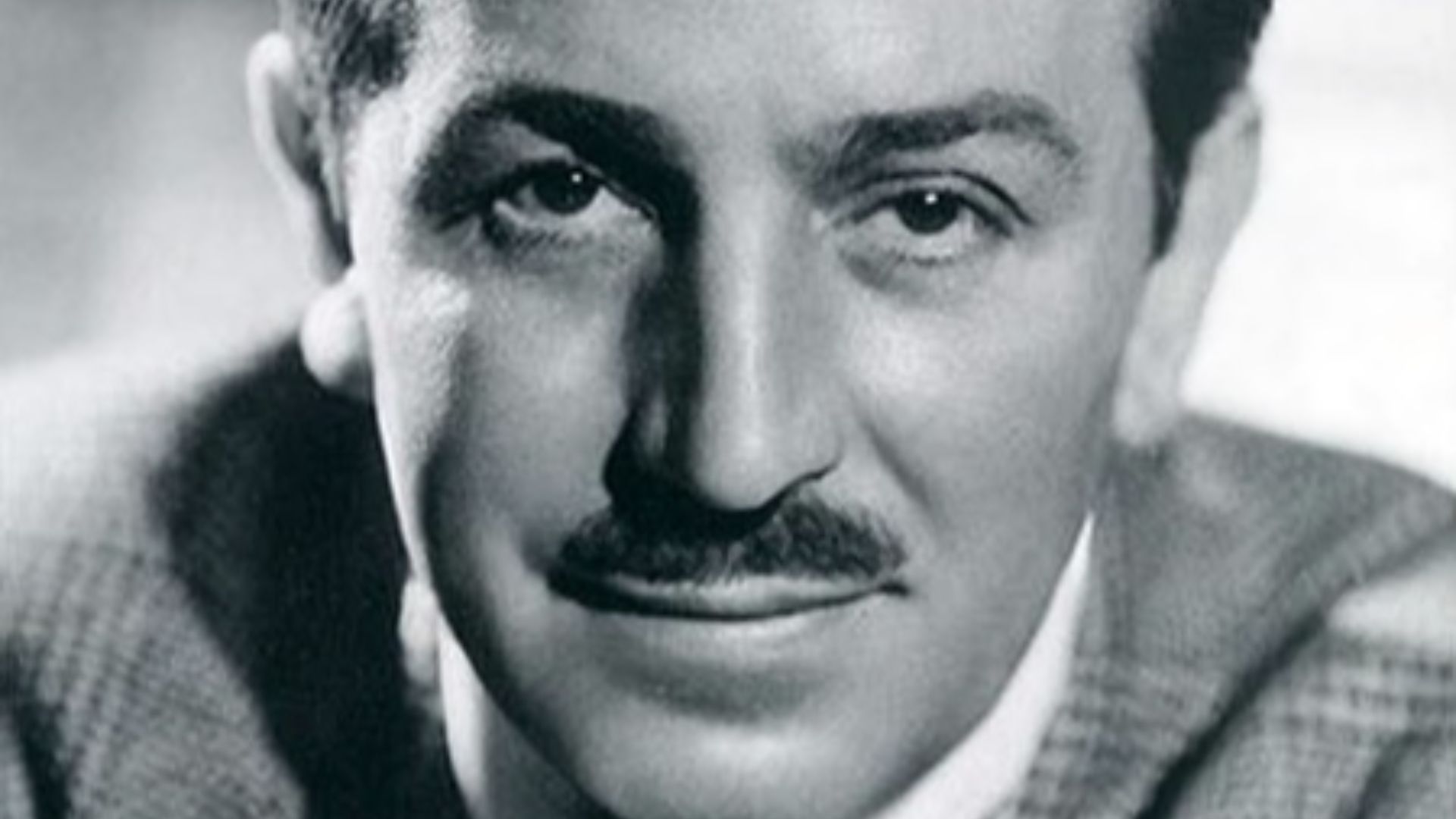
Disney built an entertainment empire that shaped childhood for generations, but former employees and biographers have documented antisemitic remarks and associations with figures tied to isolationist, antisemitic political groups in the years before World War II. Some early studio cartoons also contain racial caricatures that Disney itself has since flagged and contextualized on its own streaming platform. The wholesome family brand and the messier history behind it now sit right next to each other, disclaimers included.
KEEP ON READING