A Lot Of This Still Applies Today
Old advice books give us a revealing look at the standards men were encouraged to meet, though they don’t show what every marriage was actually like behind closed doors. The late-19th-century ideas in this list largely reflected middle-class Christian values, with men cast as providers and household heads while women took care of most domestic work. Even within that unequal setup, bringing home a paycheck wasn’t enough to make someone a model husband. Men were also expected to be affectionate, honest about money, faithful, calm during disagreements, supportive through pregnancy, and willing to care for their children. These 20 qualities helped shape the period’s idea of what made someone “a good husband.”
1. Providing For The Household
A husband was expected to provide the money and material support that kept the household going, whether the family lived comfortably or had to watch every coin. He didn’t have to be wealthy, but he did need to be dependable and understand that married life came with responsibilities beyond paying for his own food, clothing, and entertainment.
2. Living Within His Means
Starting married life with fancy furniture, an impressive home, and a stack of unpaid bills was considered a bad idea. Husbands were encouraged to live modestly, save money when they could, and avoid counting on a future raise or a lucky break to cover spending they couldn’t afford. A smaller home with manageable costs was seen as a much better foundation than an attractive lifestyle built on debt.
3. Giving His Wife Her Own Money
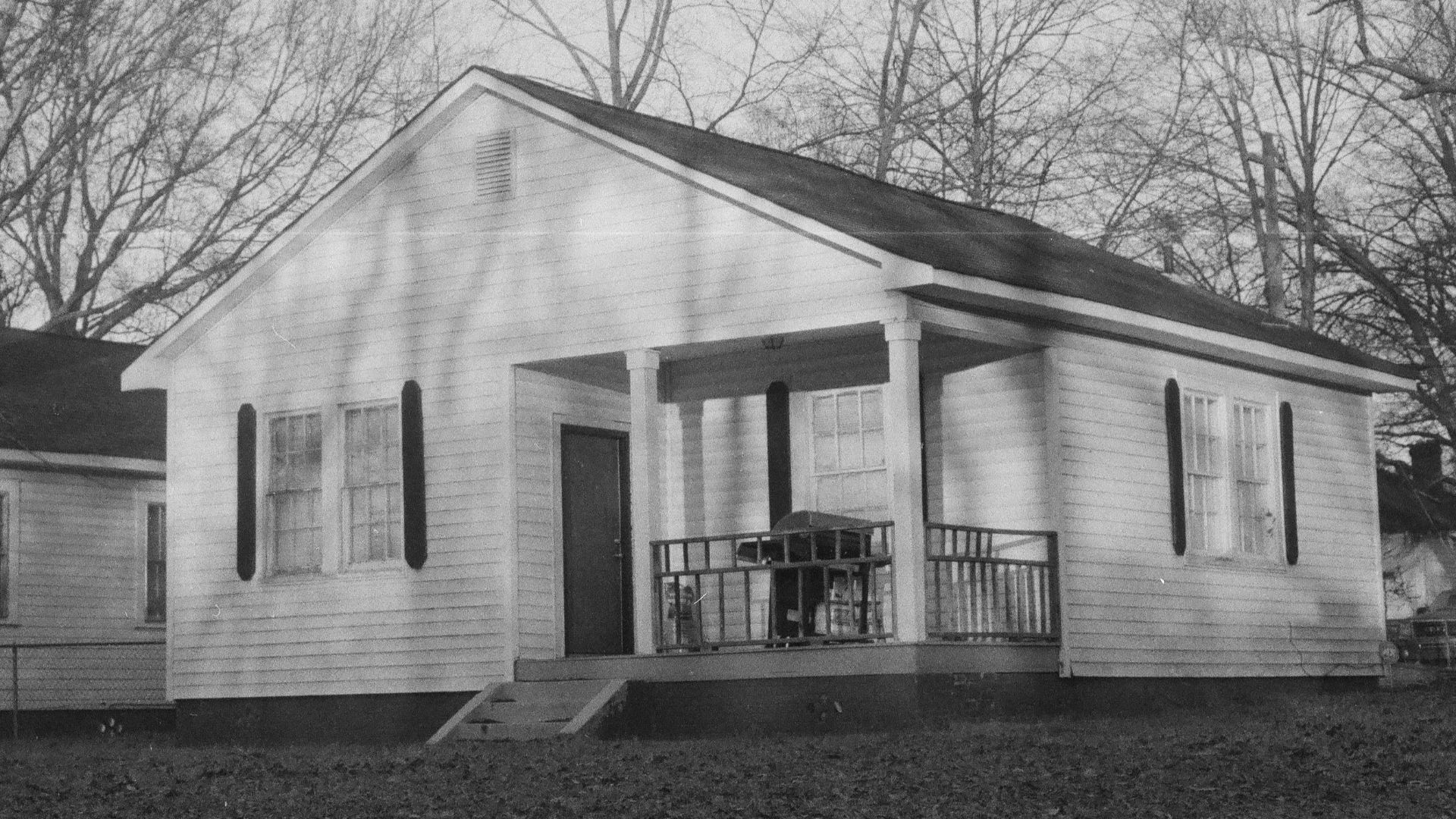
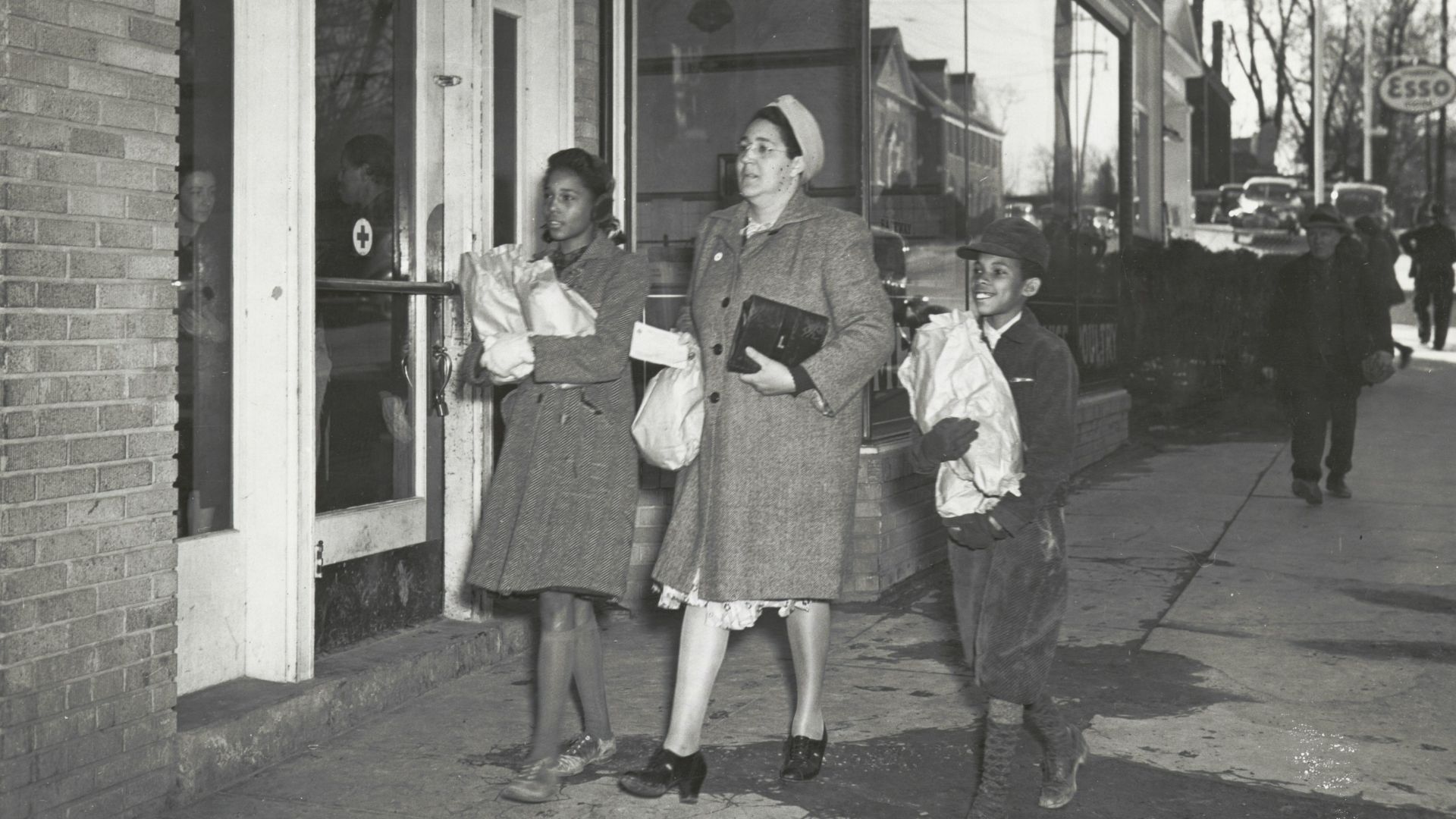
Some old manuals strongly criticized husbands who made their wives ask for every penny and explain each little purchase. A wife was supposed to receive a regular amount of personal spending money, even when the household budget was tight. Giving her that freedom was presented as a matter of trust and basic respect, rather than a special favor she had to earn.
 The New York Public Library on Unsplash
4. Telling The Truth About Money
A wife couldn’t manage the household budget properly if her husband kept his income, debts, or business troubles secret. A good husband was expected to explain what he actually earned and give his wife a clear picture of the family’s financial situation.

5. Continuing The Courtship
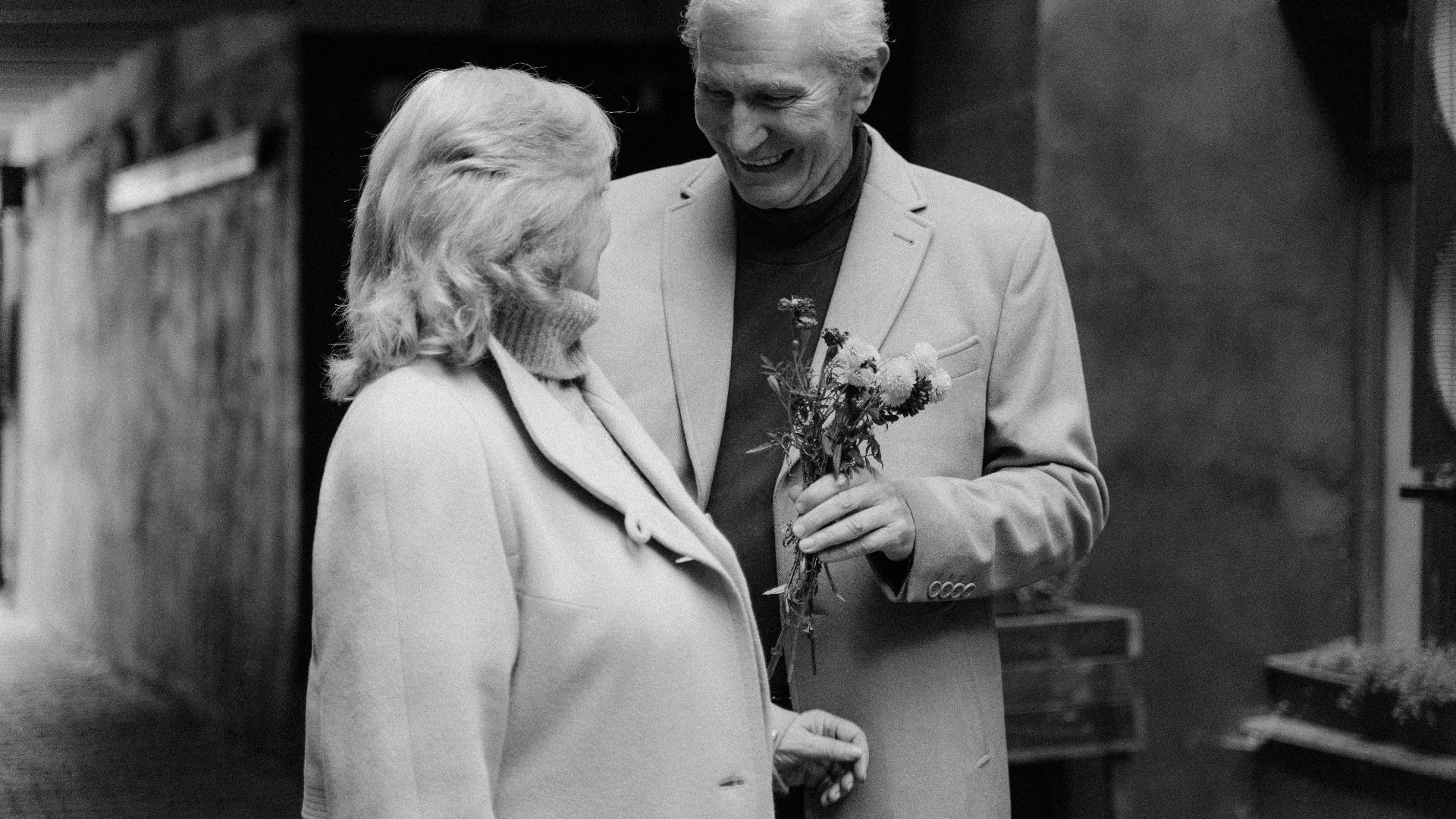
Marriage wasn’t supposed to bring an end to compliments, thoughtful gestures, or affectionate attention. Husbands were encouraged to keep treating their wives like sweethearts by offering kind words, planning enjoyable outings, and making time for each other.
6. Spending Time At Home
Clubs, lodges, saloons, and long evenings with friends often appeared as examples of places where absent husbands wasted their time. A married man could still enjoy outside company, but he wasn’t supposed to leave his wife at home night after night.
 Boston Public Library on Unsplash
7. Making Sure She Had Recreation
Housework and childcare were still work, even when people described them as a woman’s natural role. Husbands were told to make sure their wives had opportunities to rest, visit friends, enjoy an outing, or simply spend some time away from domestic duties.
8. Helping Create A Pleasant Home
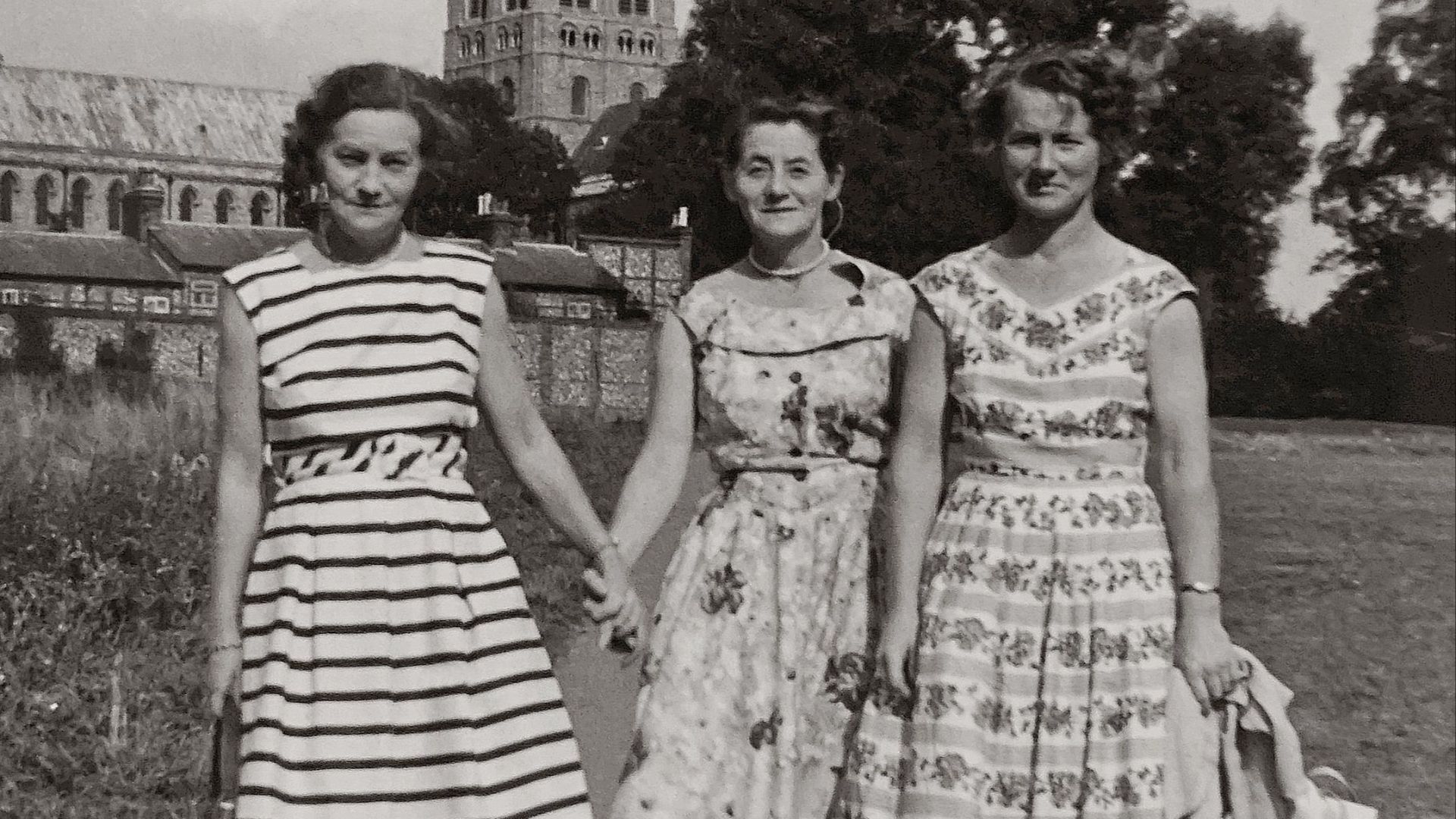
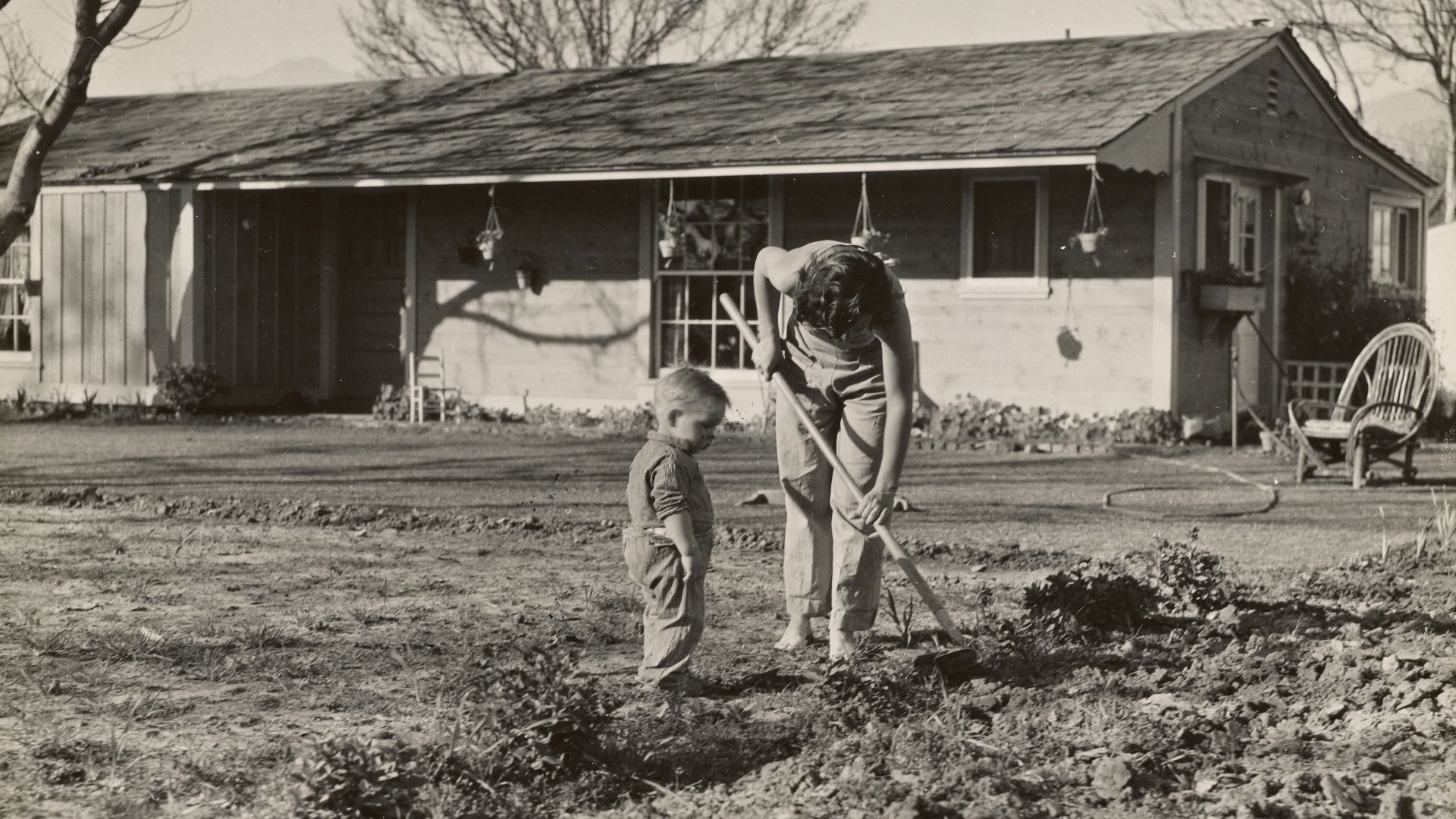
The wife was usually given most of the responsibility for homemaking, but the husband was still expected to help shape the home’s comfort and happiness. He could care for the property, improve the yard, make the surroundings more attractive, and spend meaningful time with the family.
 The New York Public Library on Unsplash
9. Treating His Wife As A Companion
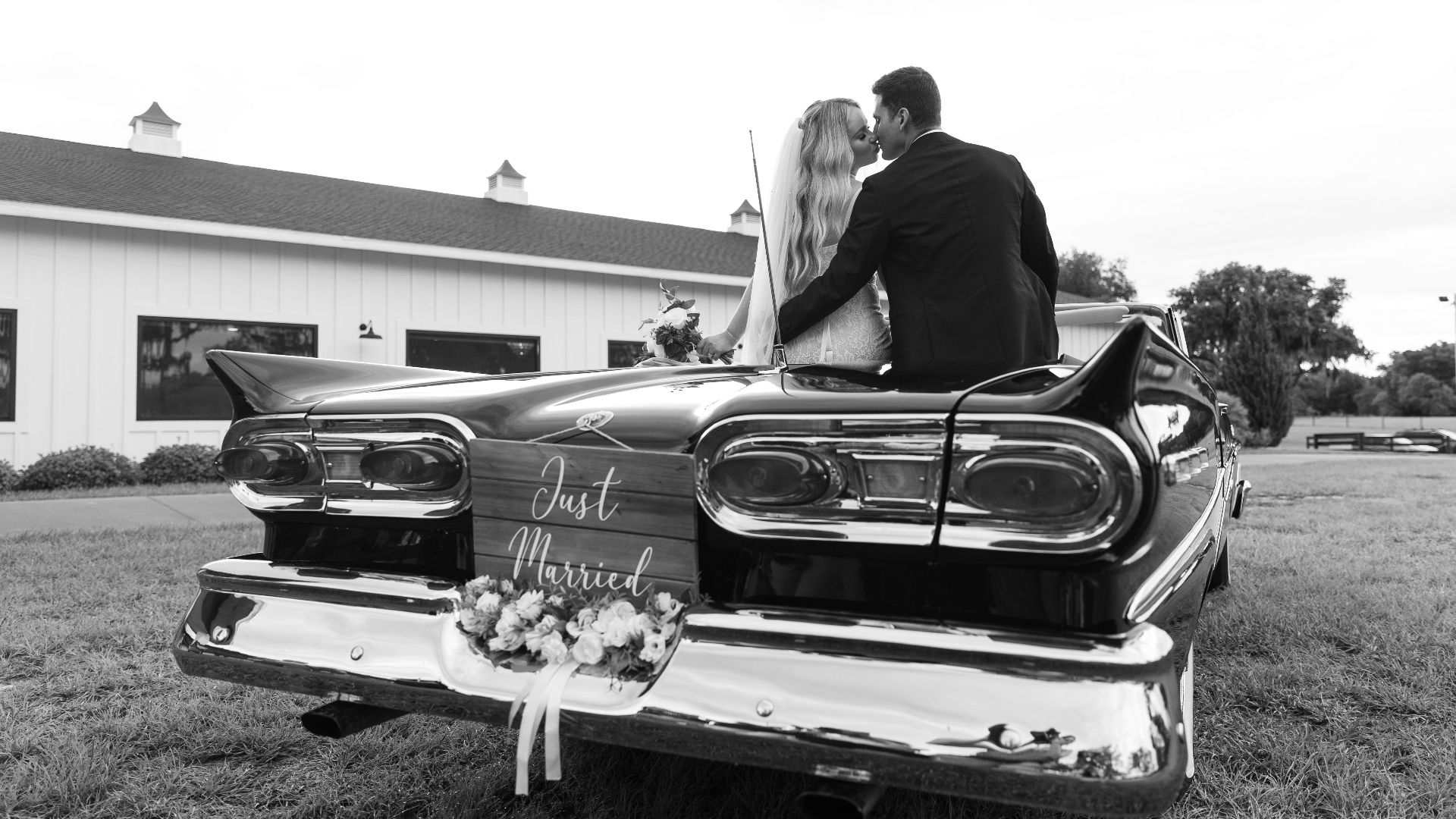
A strong marriage was sometimes described as a partnership in which husband and wife faced good times and difficult periods side by side. Instead of hiding every worry or assuming his wife couldn’t understand serious matters, a good husband shared his hopes, setbacks, and decisions with her.
10. Listening To Her Advice
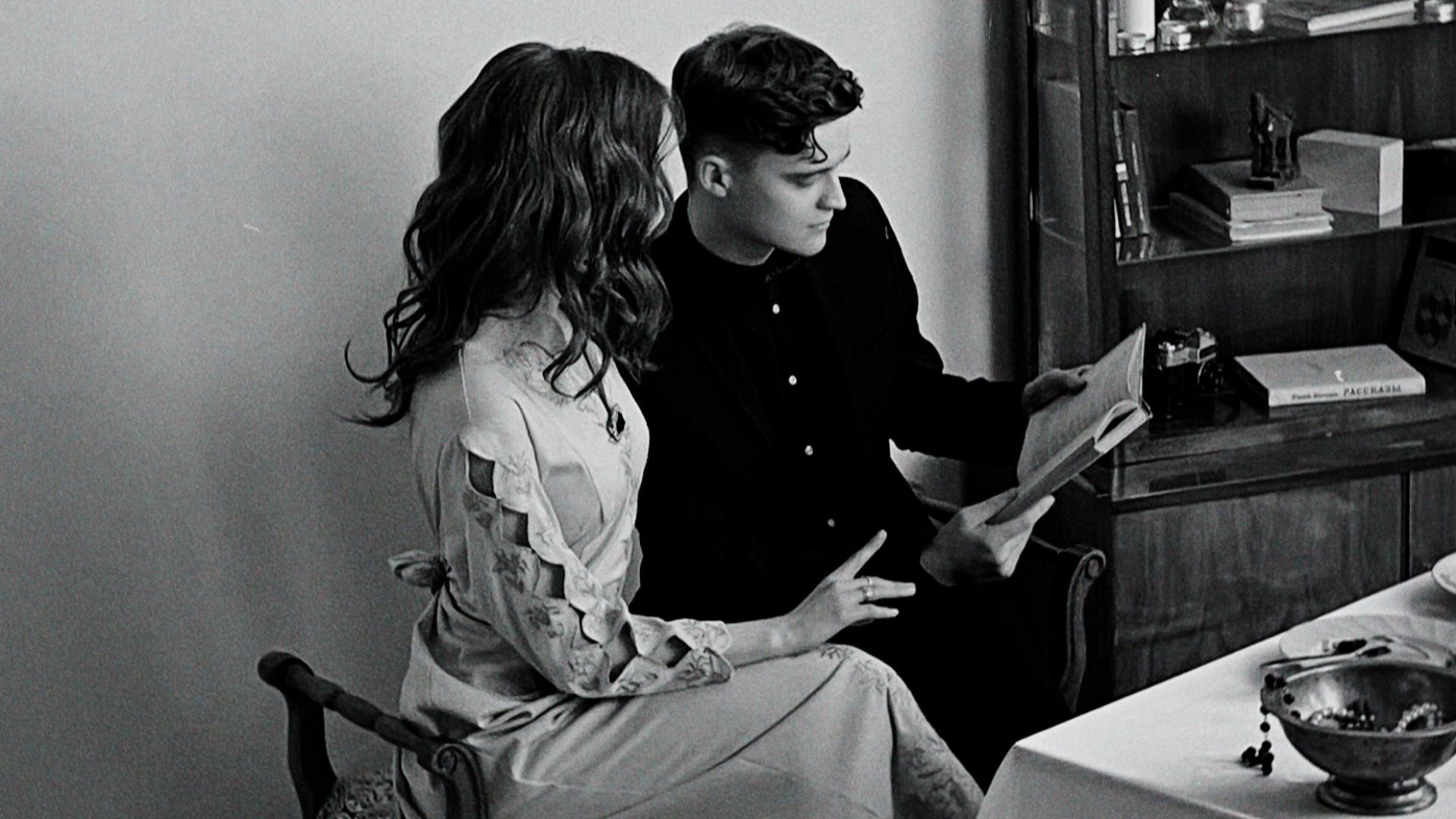
Old marriage manuals could be deeply inconsistent about women’s abilities, yet some still told husbands to listen to their wives’ advice. The man who consulted her was presented as wiser than the husband who insisted on handling every household or financial choice by himself.
11. Correcting Her Kindly
Many advice books accepted the unfair idea that a husband might need to “correct” his wife, but they didn’t treat cruelty as acceptable. Any criticism was supposed to be private, calm, and affectionate.

12. Praising Her Work
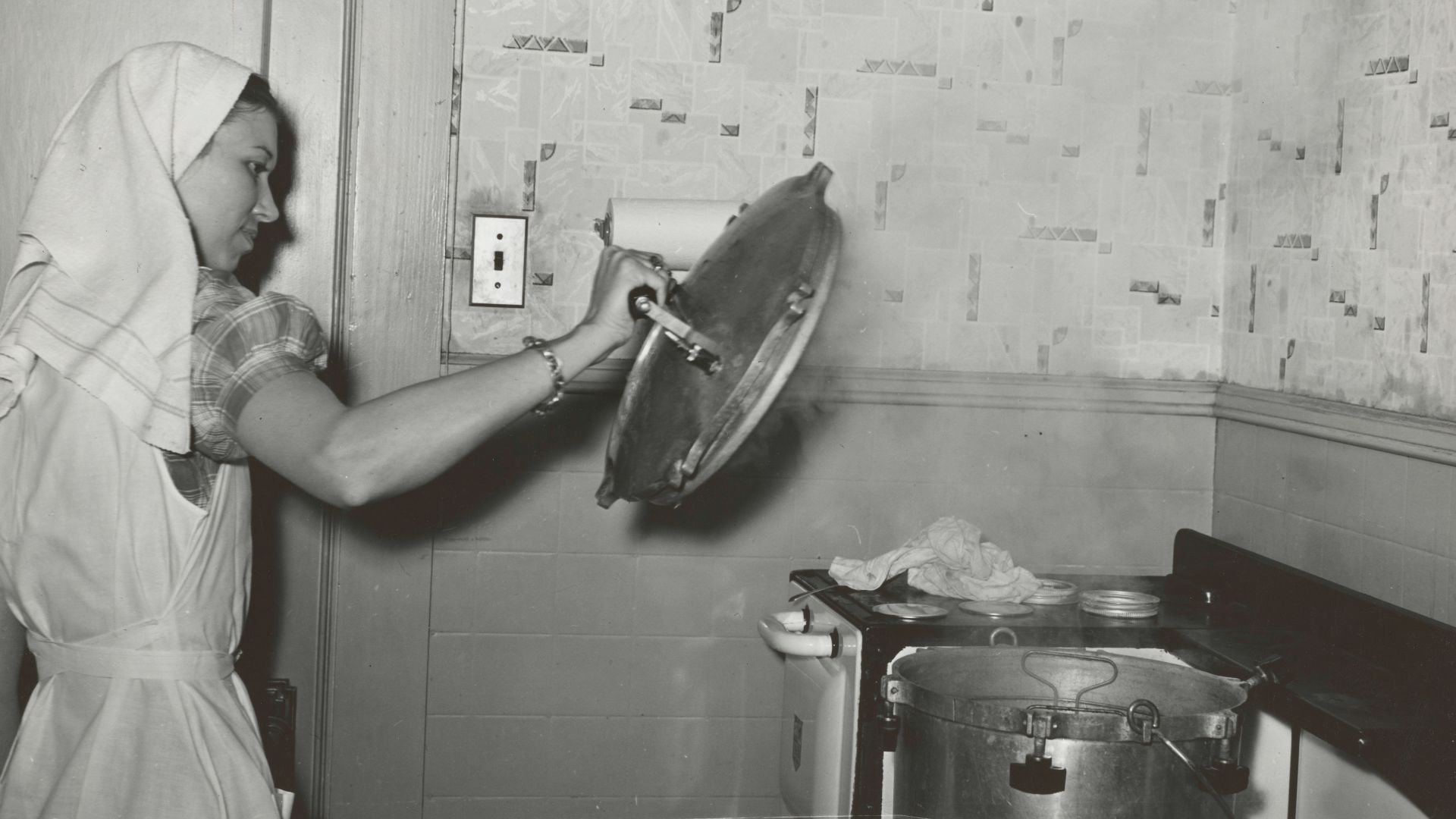
Domestic work was easy to overlook. Husbands were encouraged to notice the cooking, sewing, cleaning, childcare, and other tasks that made family life comfortable. They were also expected to say they appreciated those efforts, rather than assuming their wives could somehow know how grateful they were.
 The New York Public Library on Unsplash
13. Keeping Private Matters Private
Marriage was often treated as a private part of life that shouldn’t be opened up for everyone else to inspect. A loyal husband didn’t entertain his friends with stories about his wife’s faults or tell relatives every detail of the couple’s latest disagreement. Keeping personal matters inside the marriage was seen as a basic sign of loyalty and respect.

14. Protecting Her From Embarrassment
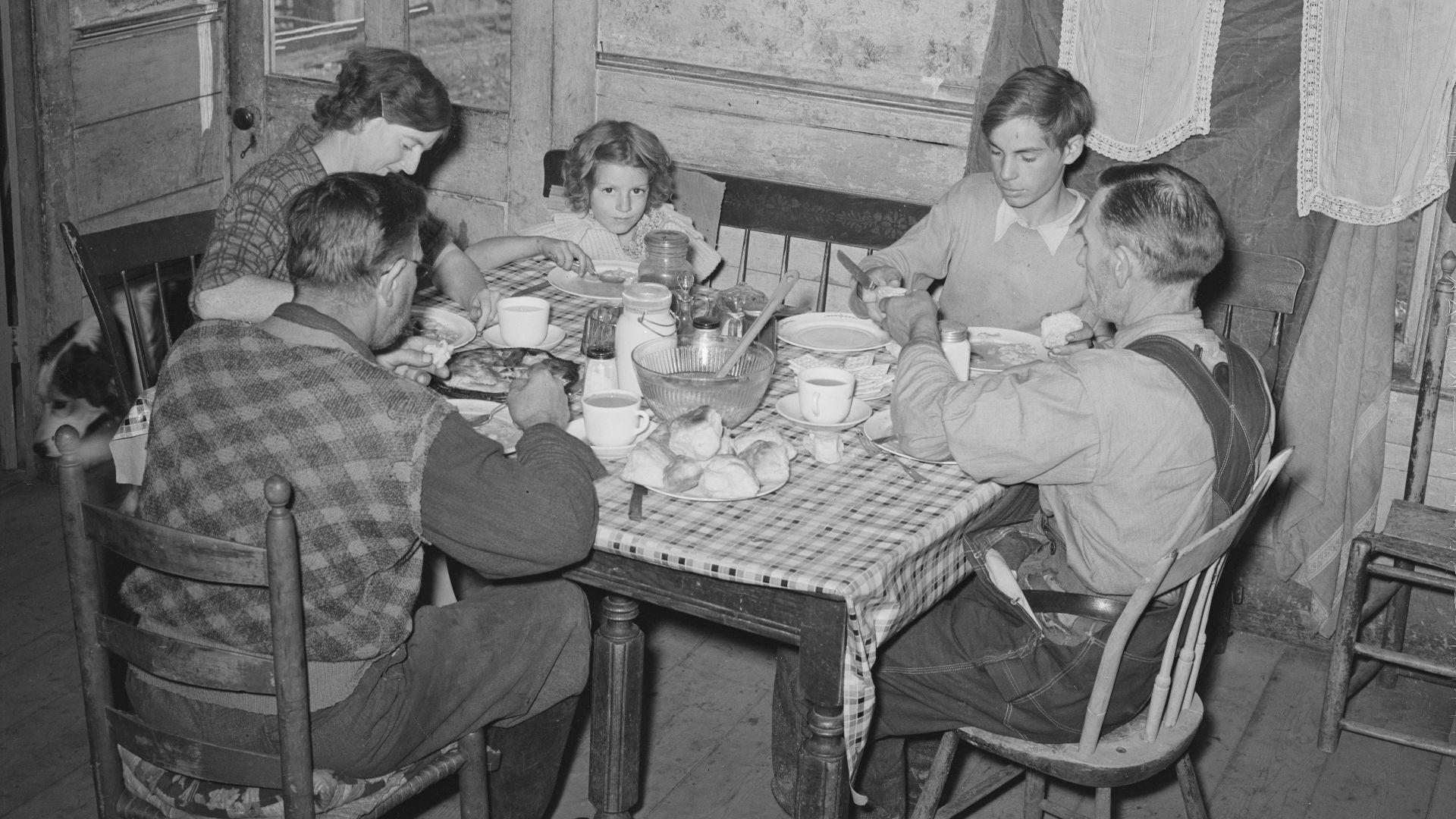
Criticizing a wife in front of guests, children, servants, or neighbors was considered especially unkind. Even when she’d made a mistake, a considerate husband was expected to protect her dignity and wait until they were alone before discussing it.
 Library of Congress on Unsplash
15. Controlling His Temper
Advice books warned couples against angry exchanges where both people tried to say the most hurtful thing before either had calmed down. A good husband was expected to hold back harsh words, respond to anger with restraint, and return to the disagreement when a calm conversation was possible.
16. Remaining Faithful
Some writers directly rejected the double standard that excused behavior in husbands that would have destroyed a wife’s reputation. Fidelity was presented as the same duty for both spouses, and a husband’s affairs were treated as serious betrayals.

17. Avoiding Selfish Habits
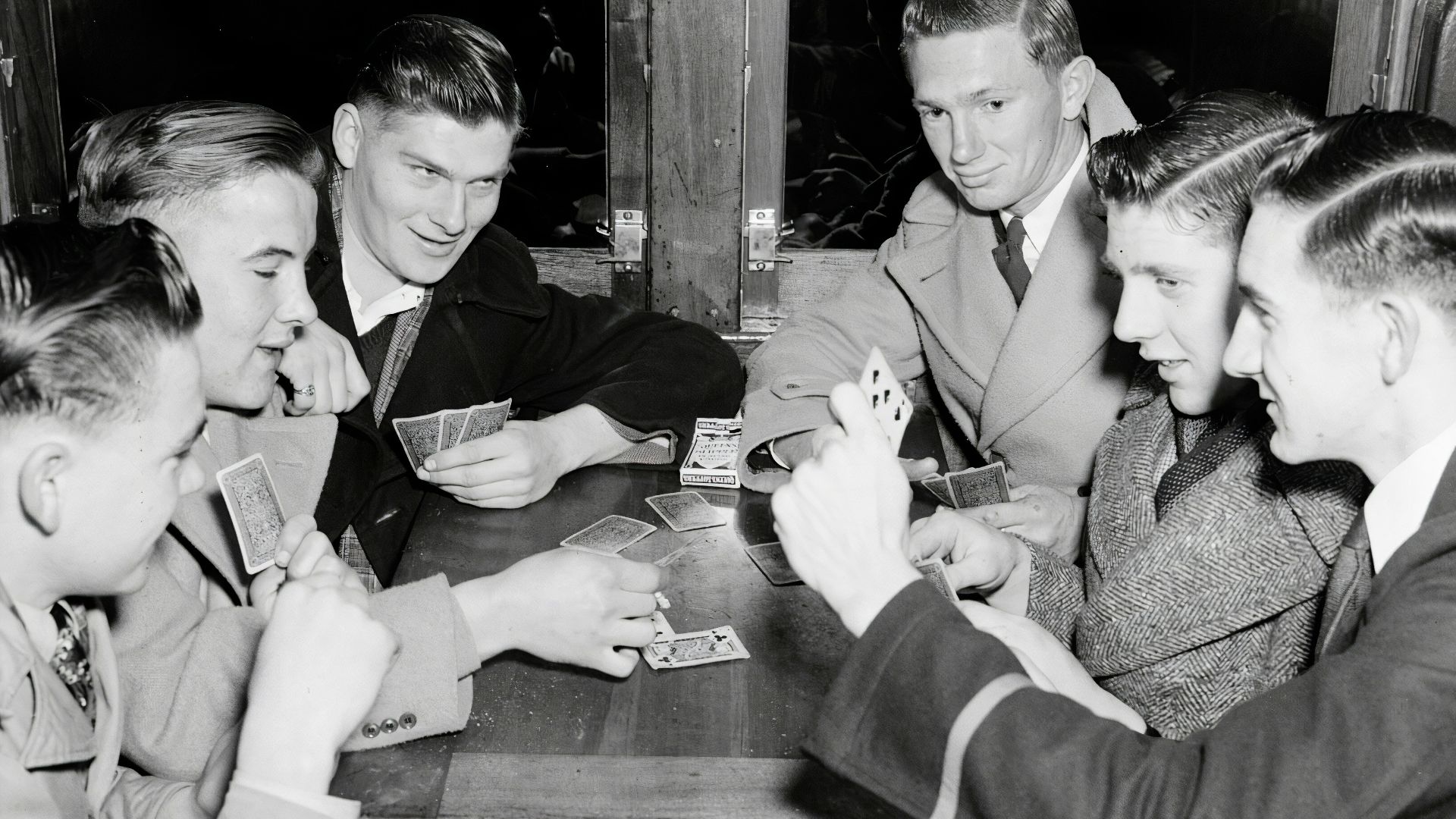
Heavy drinking, gambling, tobacco, and costly nights out were often used to describe a husband who put his own pleasures first. These habits took money and time away from the household. A wife might be repairing worn clothes or cutting basic expenses while her husband spent freely.
 Museums of History New South Wales on Unsplash
18. Respecting Her Bodily Wishes
A few late-19th-century manuals stated clearly that marriage didn’t make a wife her husband’s property, body and soul. They condemned men who ignored a wife’s reluctance, pain, illness, or exhaustion. A husband was expected to control his own desires and treat his wife’s comfort, wishes, and right to refuse with care and respect.

19. Supporting Her Through Pregnancy And Birth
Pregnancy was treated as a time when a husband should become especially patient, informed, and gentle. He was encouraged to learn about what his wife was experiencing, follow the physician’s guidance, ease her fears, and take steps to reduce her stress. During childbirth, his presence was considered helpful when he could offer calm and useful support.

20. Taking Responsibility For His Children
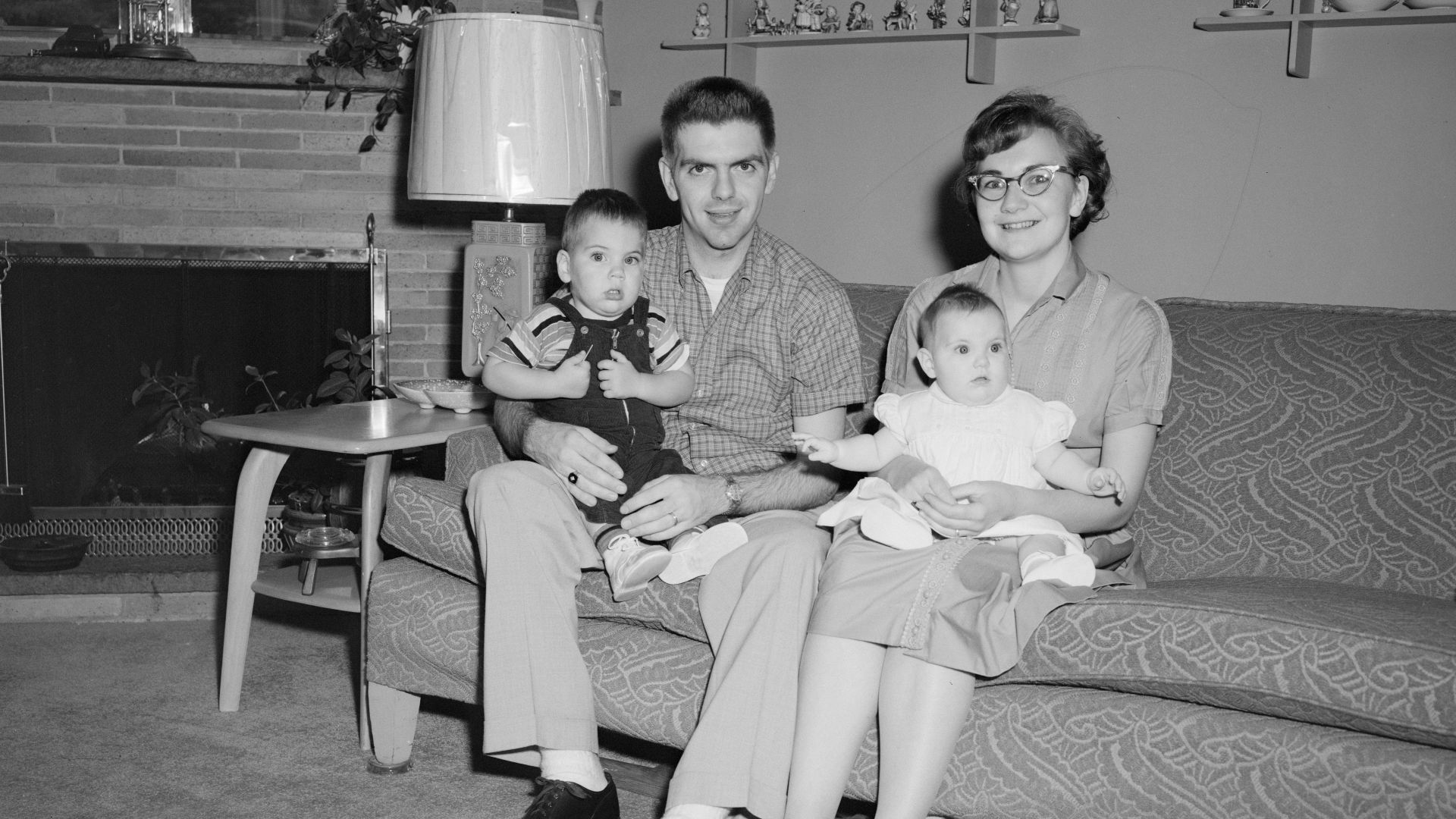
Some manuals made fun of fathers who acted as though babies belonged entirely to their mothers or believed childcare was beneath a man’s dignity. A good husband could hold the baby, push the carriage, spend time in the nursery, and give his tired wife a real chance to rest. Raising children brought work and pleasure to both parents, not just the mother.