Family Trees Can Be Full of Surprises
History often introduces famous people one at a time, making it easy to forget that many of them belonged to the same families. Whether they were siblings, cousins, parents and children, or more distant relatives, these connections sometimes shaped politics, science, literature, and culture in unexpected ways. In some cases, the relationship is widely overlooked because one family member became much more famous than the other.
1. Theodore Roosevelt and Franklin D. Roosevelt
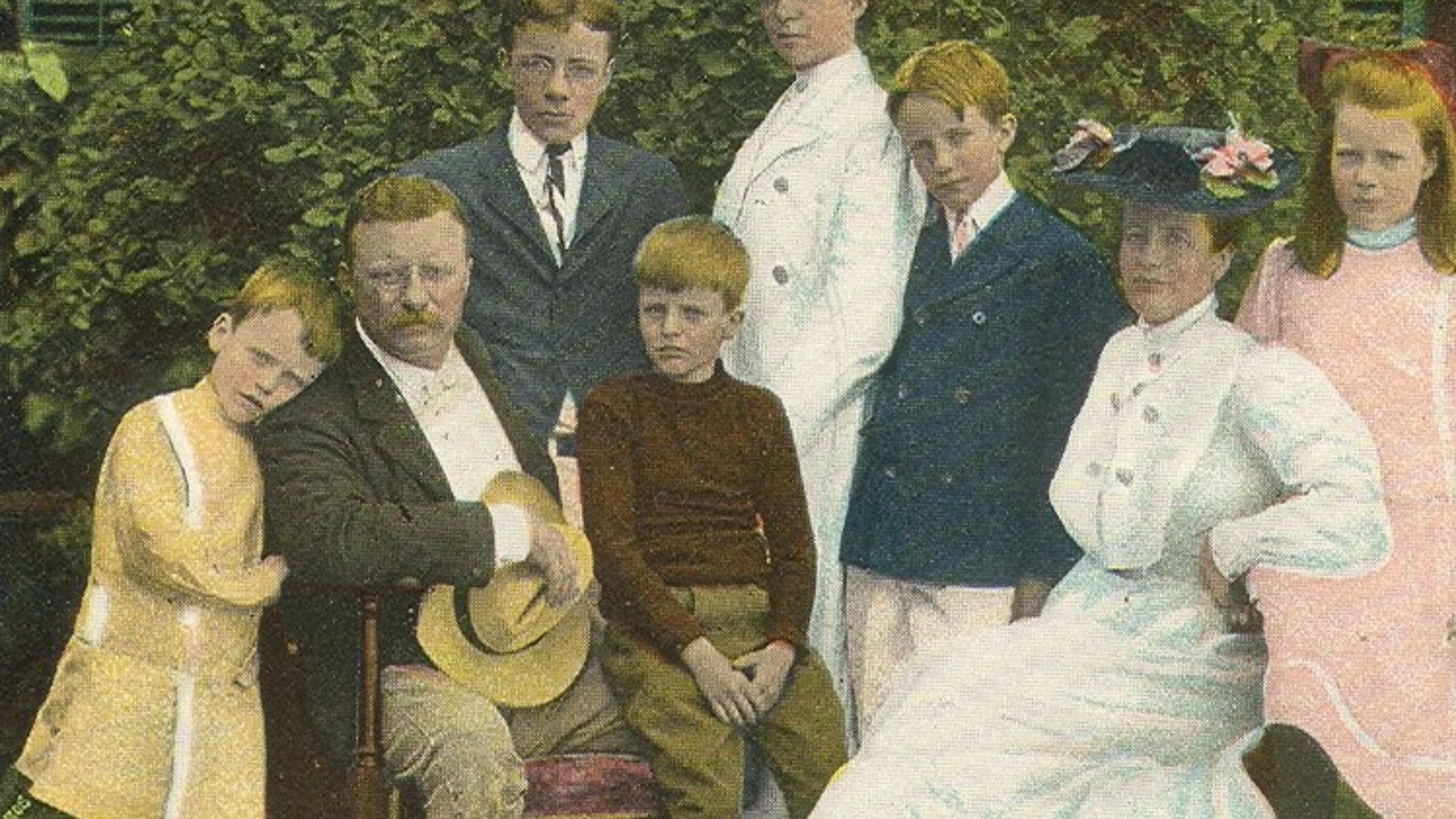
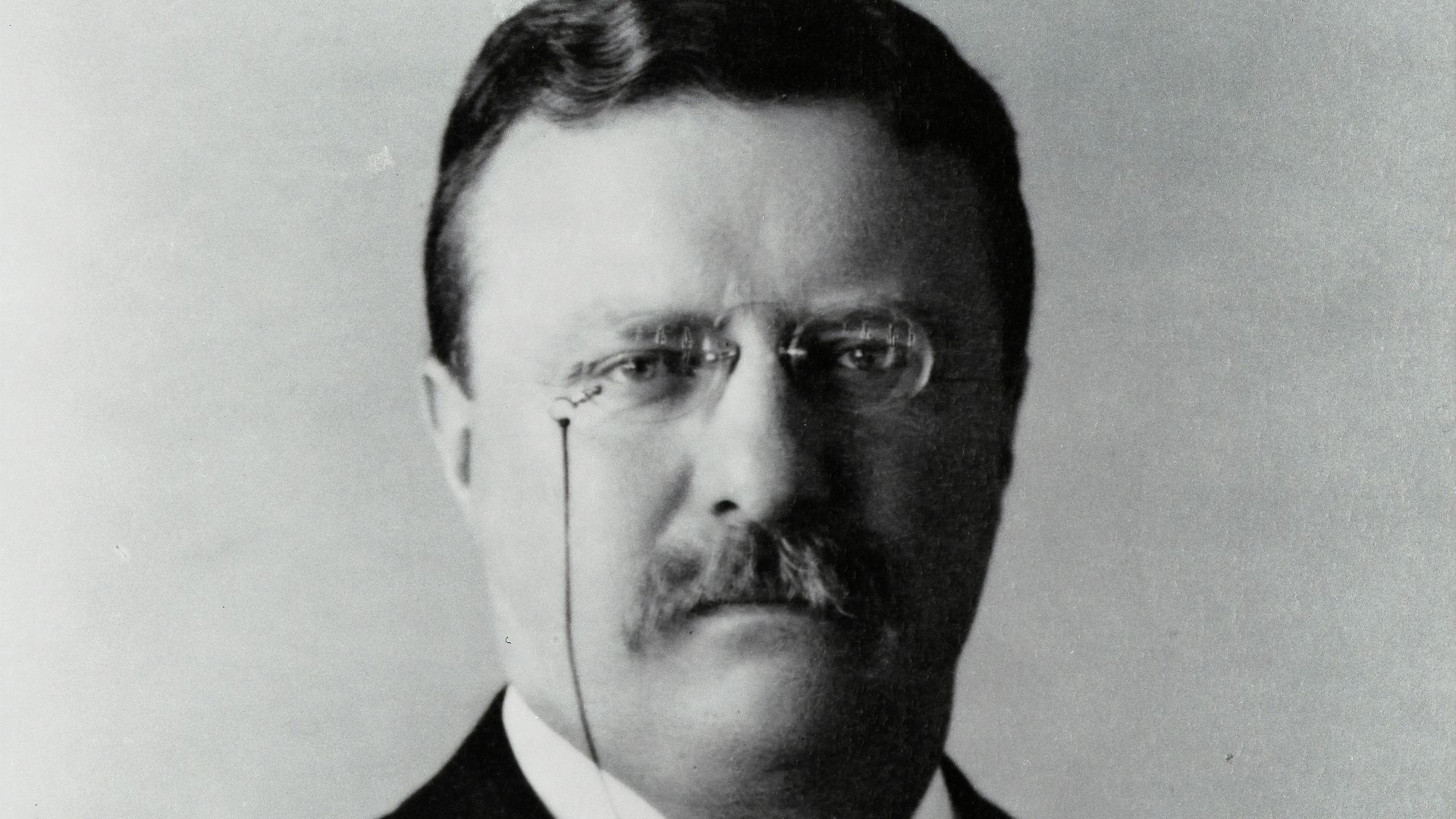
Theodore Roosevelt and Franklin D. Roosevelt are often associated with the presidency, but many people don't realize they were fifth cousins. Their shared Dutch ancestry stretches back to early colonial New York. Despite belonging to different branches of the Roosevelt family and different political parties for much of their careers, both left lasting marks on American history. Their family connection became even closer when Franklin married Theodore's niece, Eleanor Roosevelt.
 Library of Congress on Unsplash
2. Charles Darwin and Francis Galton
Charles Darwin and Sir Francis Galton were cousins from the famous Darwin-Wedgwood family. Darwin made his mark on history through his contributions to biology, while Galton became a pioneer of statistics. Galton shared his cousin’s interest in human traits and was among the first scientists to apply statistics to the study of human behavior.
3. Napoleon Bonaparte and Louis Bonaparte
Napoleon Bonaparte's younger brother, Louis Bonaparte, became King of Holland after Napoleon placed him on the throne. Unlike his famous brother, Louis often put the interests of the Dutch people ahead of Napoleon's wishes. Their disagreements eventually led Napoleon to remove him from power. Even so, Louis founded a family line that would later produce another French emperor.
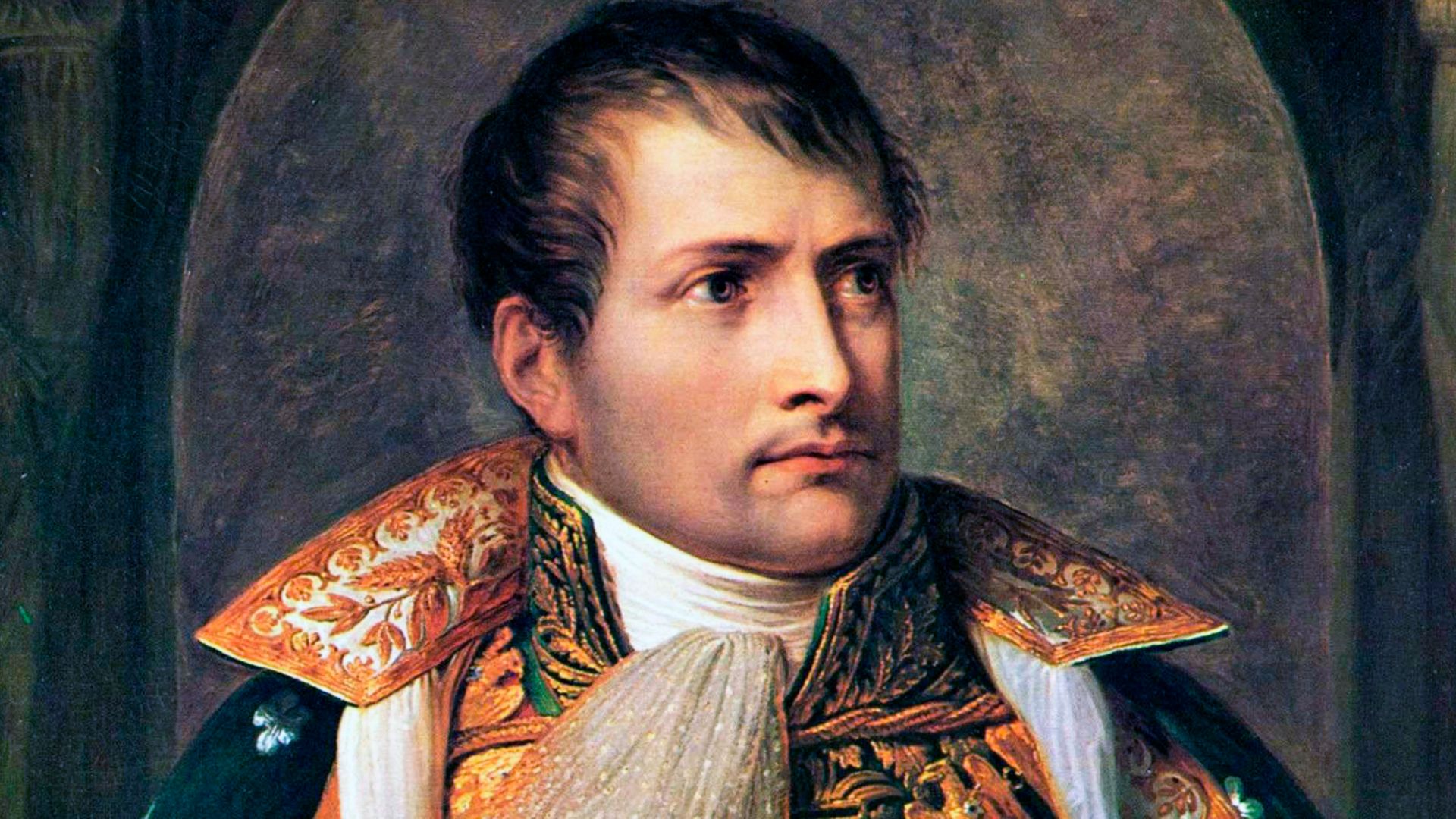
4. Louis Bonaparte and Napoleon III
Louis Bonaparte was Napoleon III’s father. Growing up in exile did nothing to dampen young Louis-Napoleon’s political ambitions. He eventually became president of the French Second Republic before deposing it in favor of the empire.
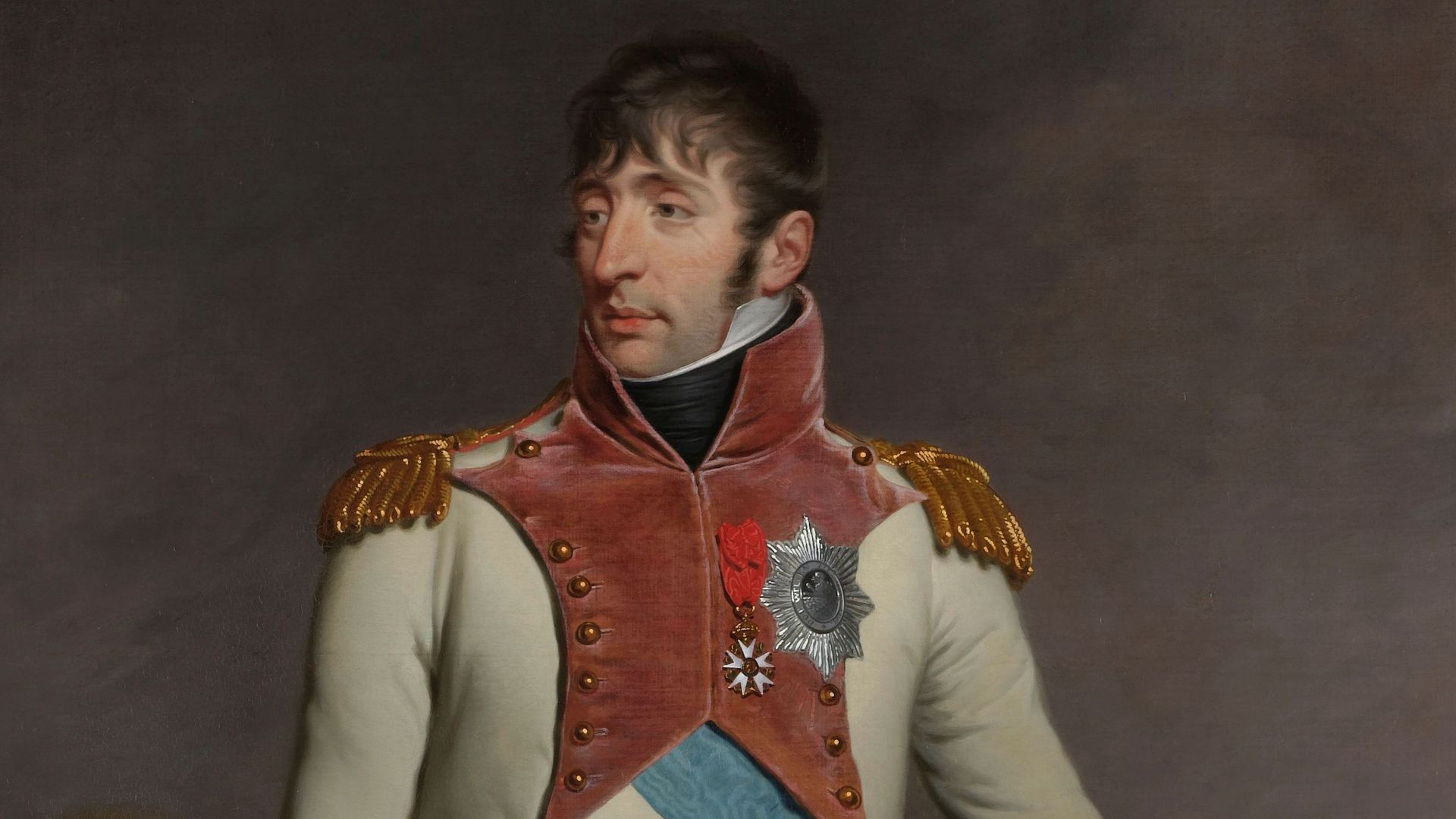 Charles Howard Hodges on Wikimedia
5. Anne Boleyn and Catherine Howard
Anne Boleyn and Catherine Howard, two of King Henry VIII's wives, were first cousins. Both became queens of England, and both were eventually executed on charges of treason. Their shared family background didn't protect either woman from the dangers of Tudor politics. Looking back, it's remarkable that two close relatives experienced such similar and tragic fates.
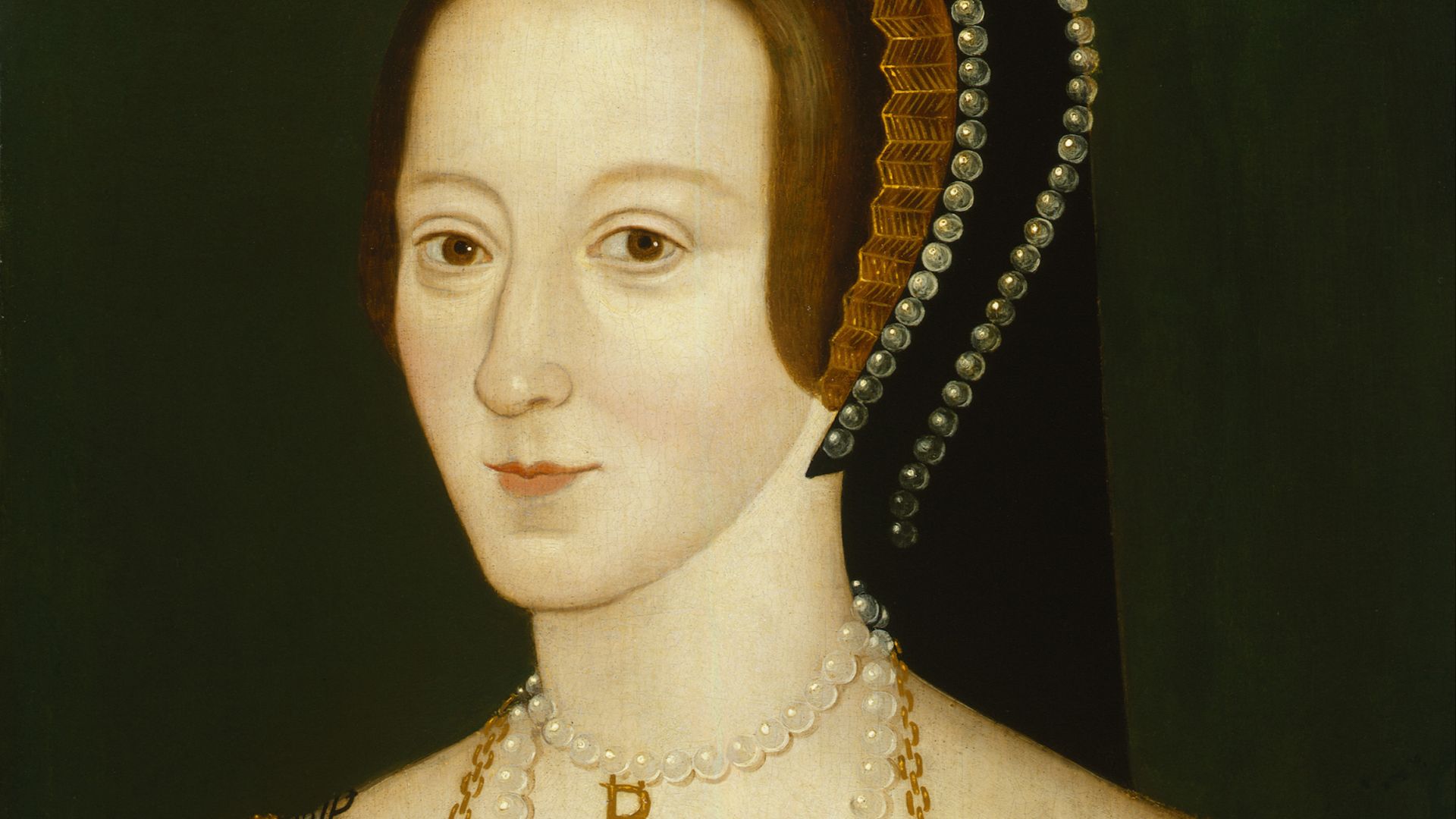 UnknownUnknown , English on Wikimedia
6. William Pitt the Elder and William Pitt the Younger
William Pitt the Younger was Britain’s youngest-ever prime minister, but he had a famous father to thank for his politics. He inherited his name and position from William Pitt the Elder, who was the prime minister well known for his leadership during the Seven Years’ War. William Pitt the Elder’s son would go on to lead Britain through much of the French Revolutionary Wars.
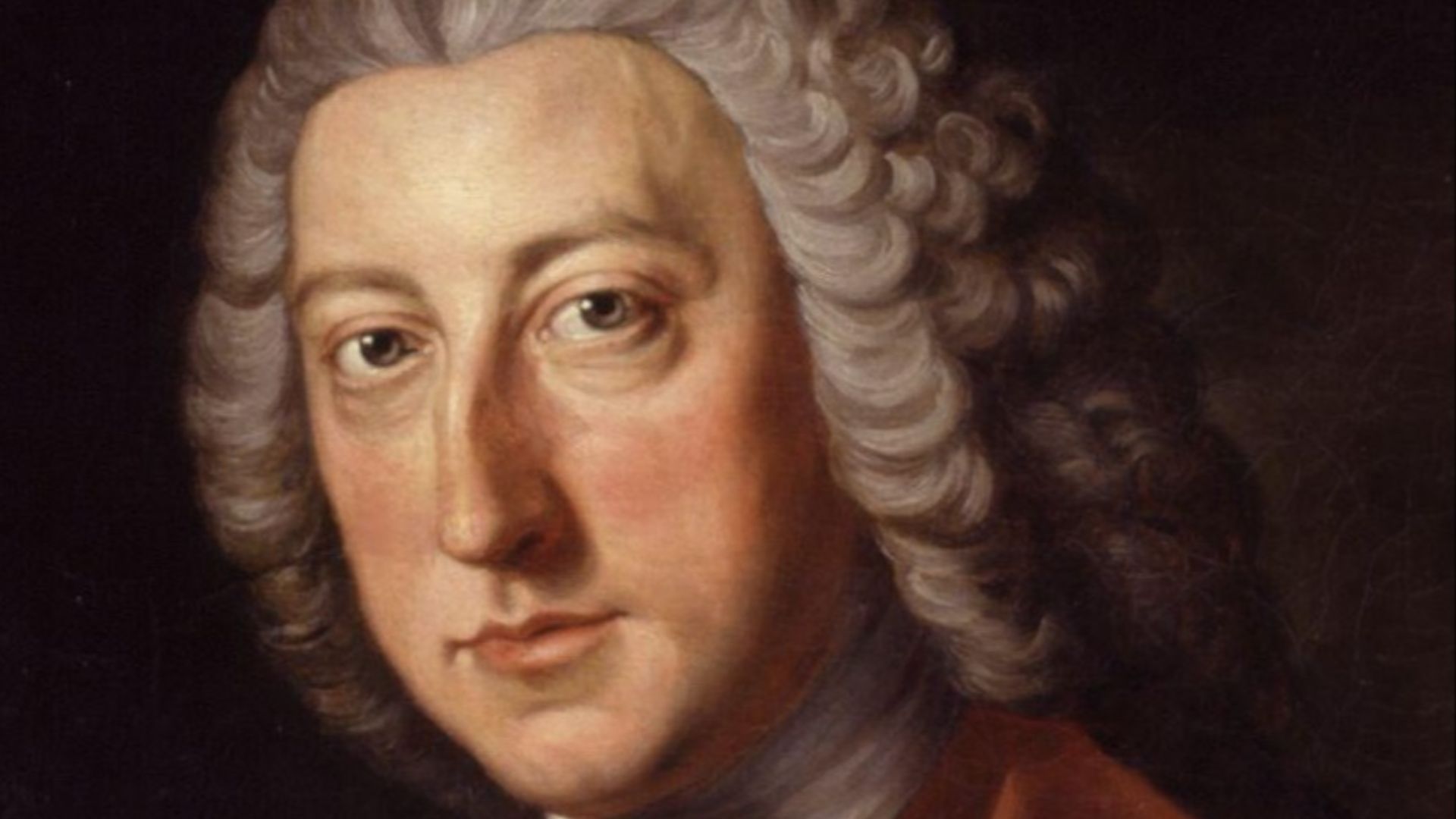
7. John Adams and John Quincy Adams
John Adams became America's second president, and his son John Quincy Adams later became the nation's sixth. Their careers reflected a deep commitment to public service and diplomacy. Although John Quincy served only one presidential term, he remained highly influential afterward as a member of Congress. Together, they formed one of the most accomplished political families in American history.
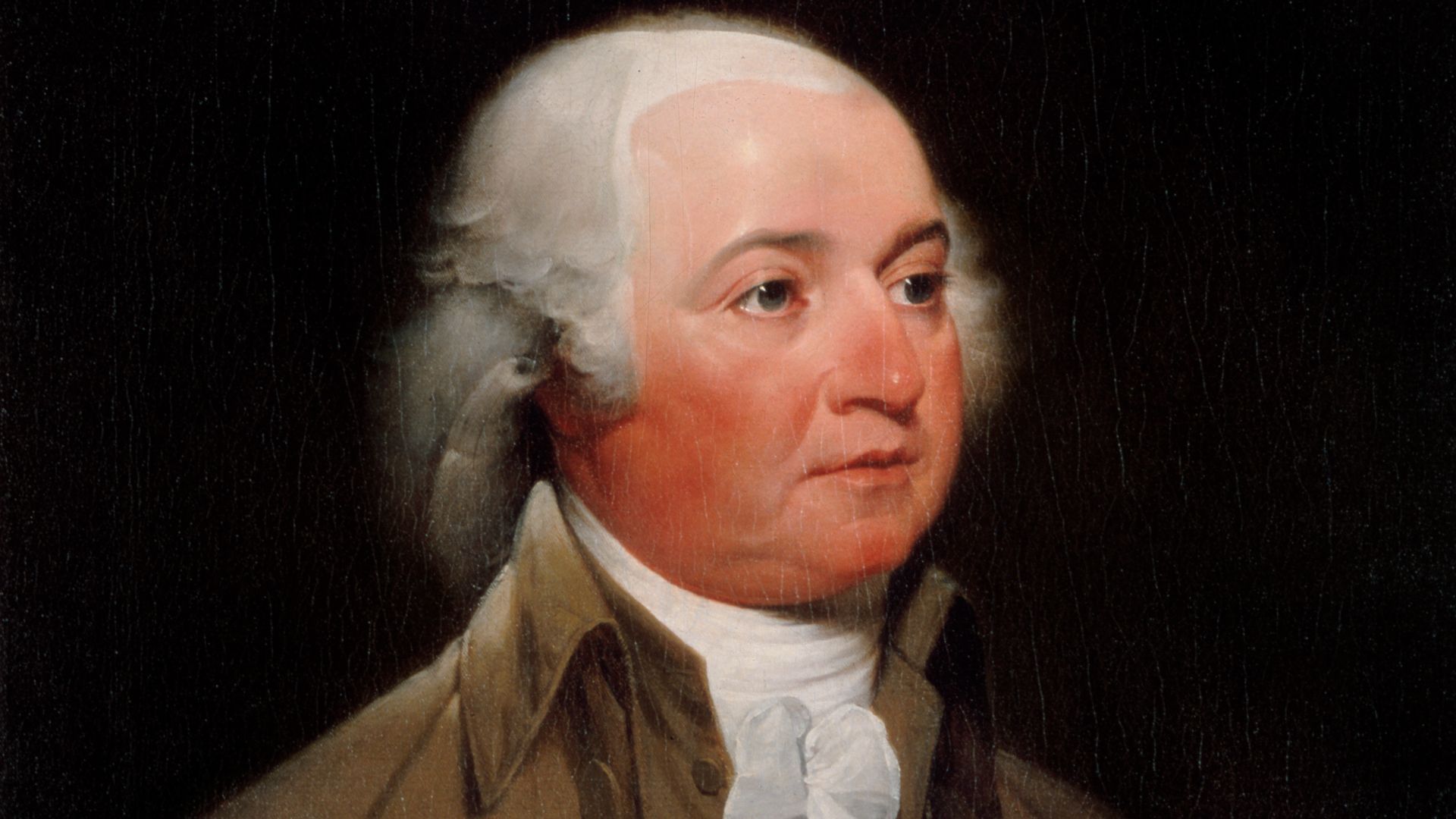
8. Pierre Curie and Jacques Curie
Before marrying Marie Curie and winning a Nobel Prize of his own, Pierre Curie worked alongside his brother Jacques Curie. Together, the brothers discovered piezoelectricity. It was a phenomenon that would later become commonplace in today’s technology. Though his brother achieved more fame, Jacques Curie was every bit his match intellectually and helped him in his early research.
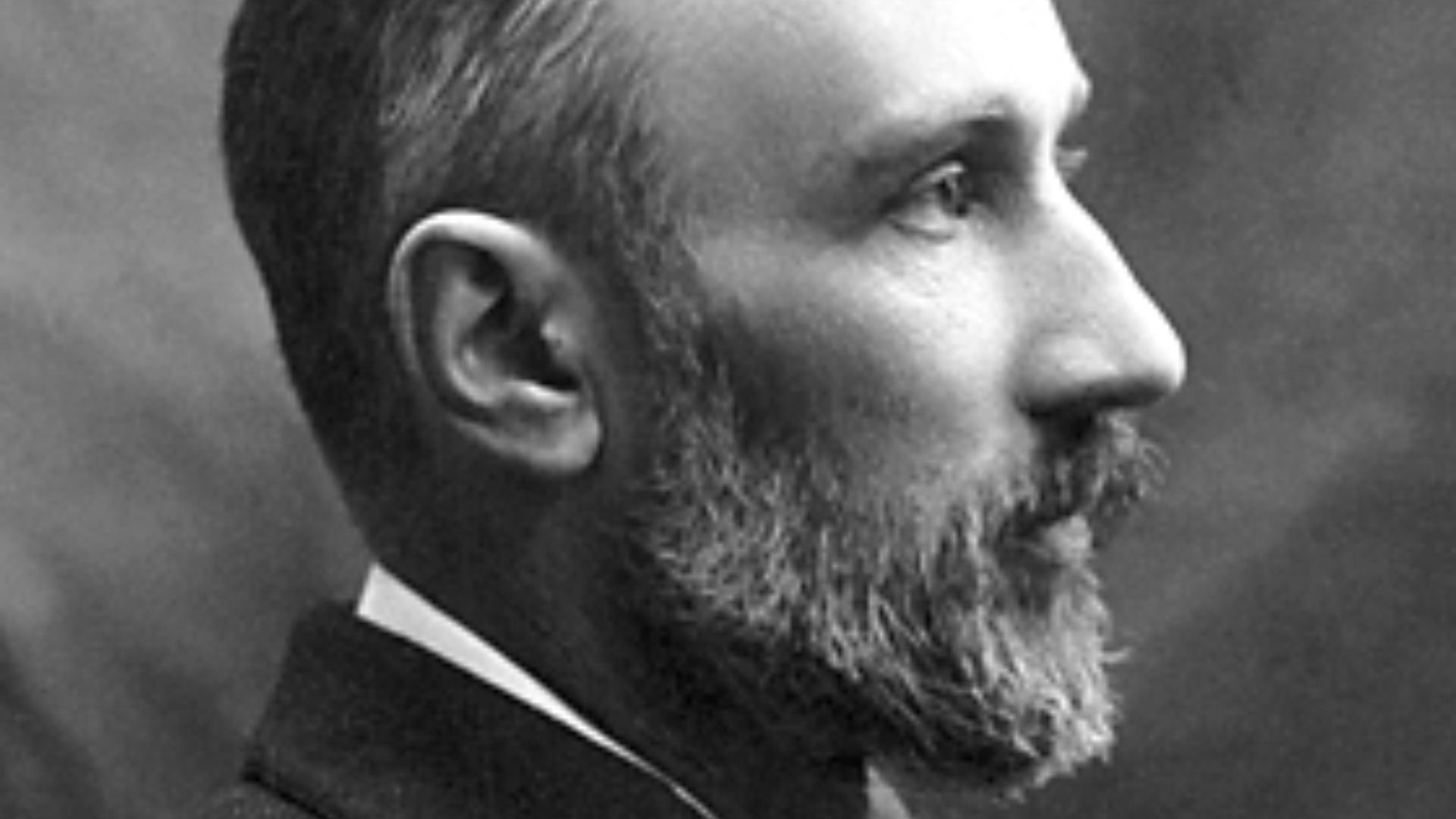
9. Mary Wollstonecraft and Mary Shelley
Mary Wollstonecraft, a pioneering advocate for women's rights, was the mother of novelist Mary Shelley. Wollstonecraft died shortly after giving birth, so Shelley grew up knowing her mother largely through her writings. Mary Shelley would eventually write Frankenstein, one of literature's most enduring novels. It's fascinating to see two generations leave such different yet equally lasting cultural legacies.
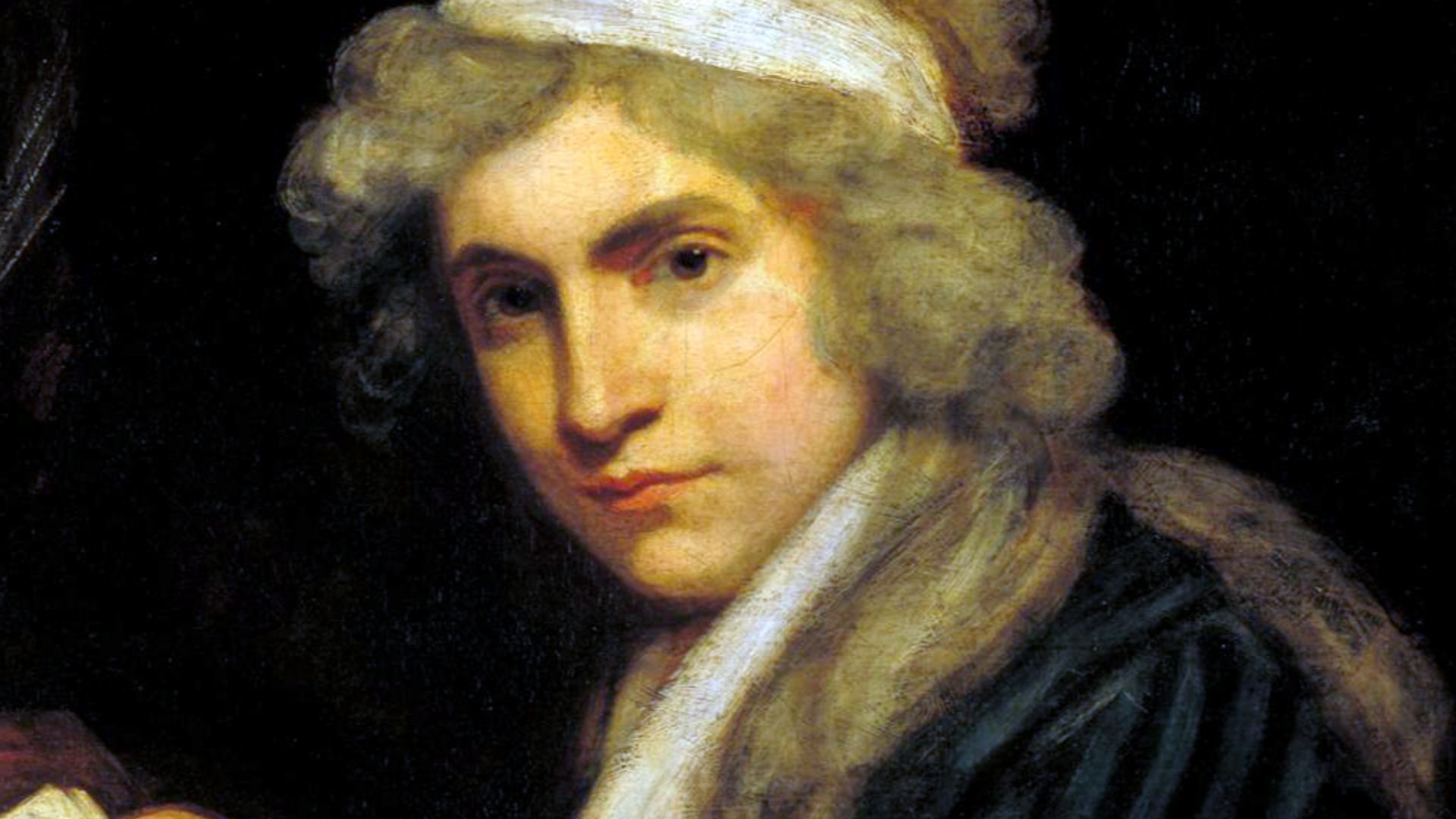
10. William Godwin and Mary Shelley
Mary Shelley’s mother, Mary Wollstonecraft, wasn’t her only famous author relative. She also inherited a talent for writing from her father, philosopher William Godwin. Godwin was a respected political philosopher whose writings went on to influence several future movements.
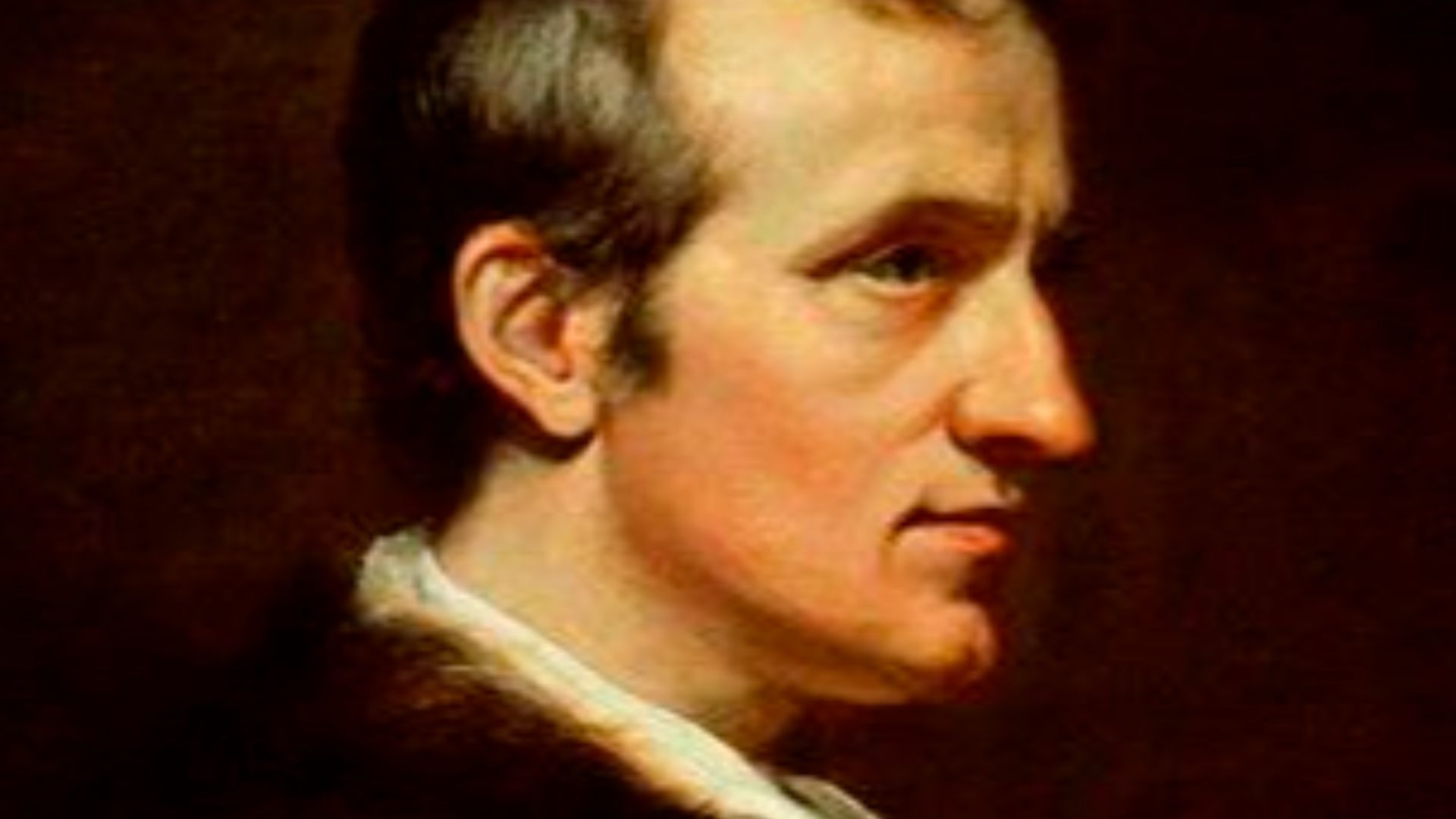 James Northcote (1746-1831) on Wikimedia
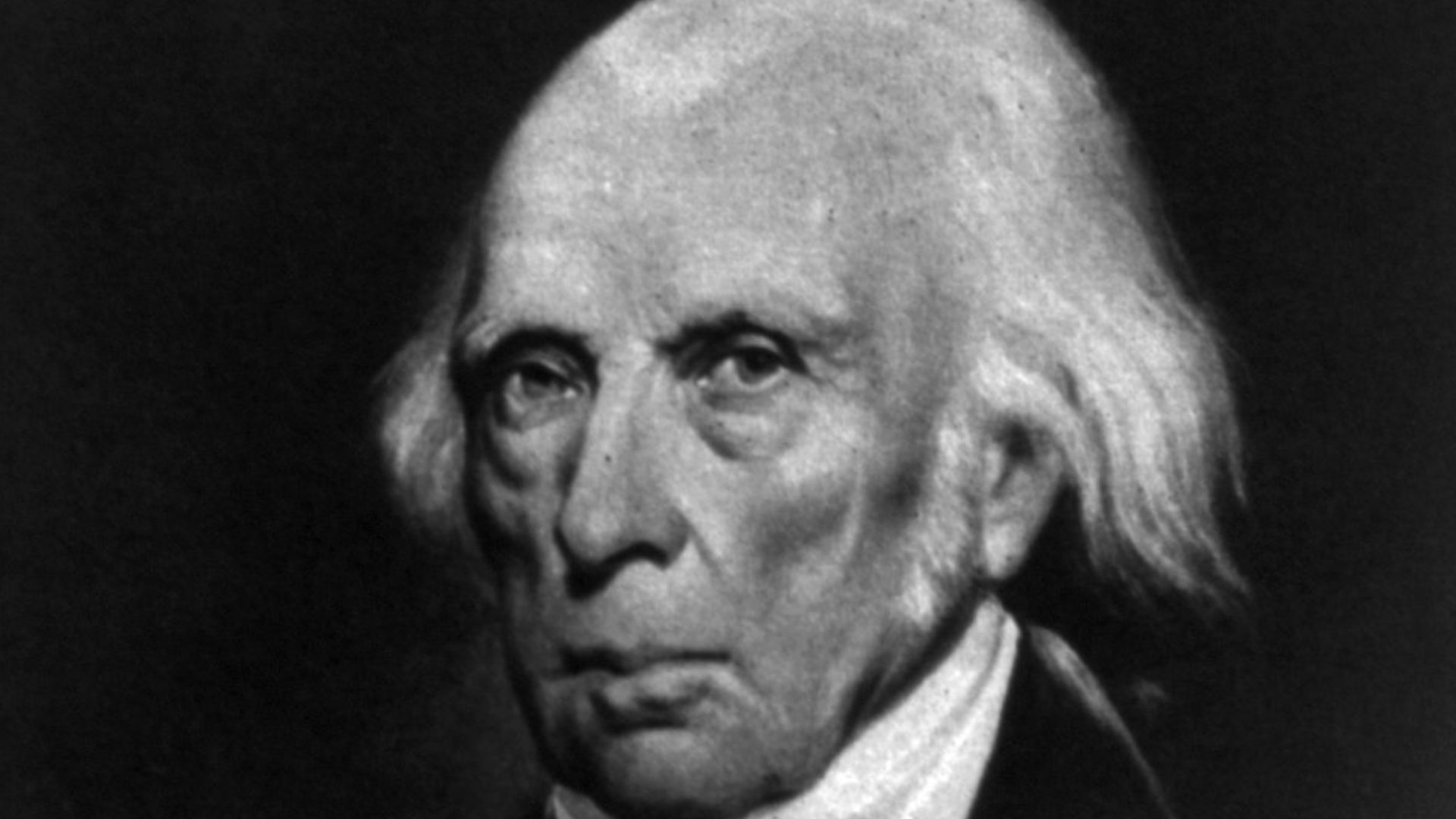
11. James Madison and Zachary Taylor
James Madison and Zachary Taylor were second cousins through the Taylor family. Madison helped write the Constitution before becoming America's fourth president, while Taylor rose to fame as a military hero before winning the presidency decades later. Their careers followed very different paths despite their shared ancestry. It's an unexpected connection between two presidents separated by nearly half a century.
 Miscellaneous Items in High Demand, PPOC, Library of Congress on Wikimedia
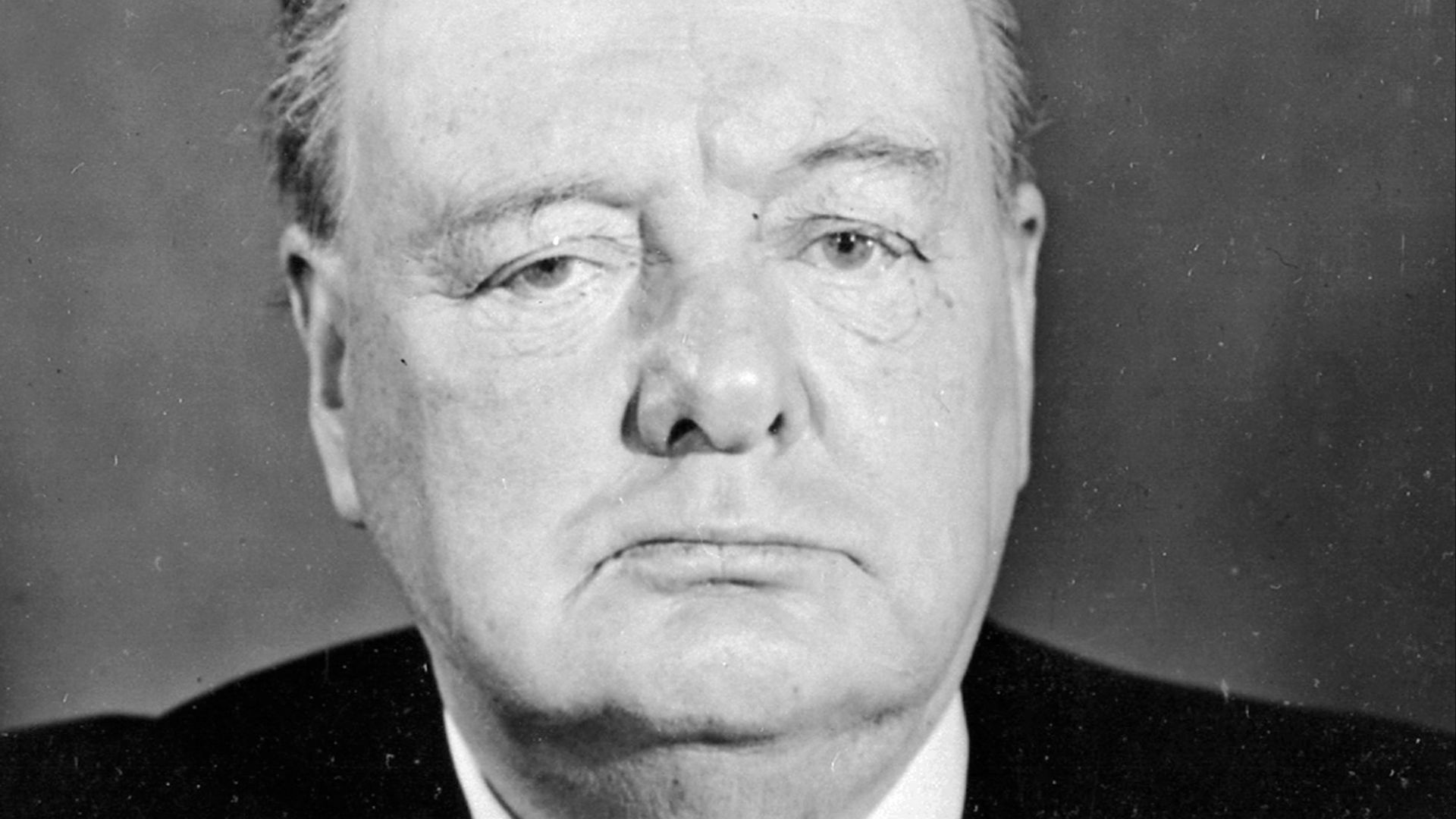
12. Winston Churchill and the Dukes of Marlborough
Winston Churchill was a direct descendant of the Duke of Marlborough, referring to the House of Churchill itself. John Churchill was the first Duke of Marlborough and went on to fame as one of Britain’s greatest military leaders. Churchill frequently wrote about his famous ancestor with pride and admiration.
 Central Office of Information on Wikimedia
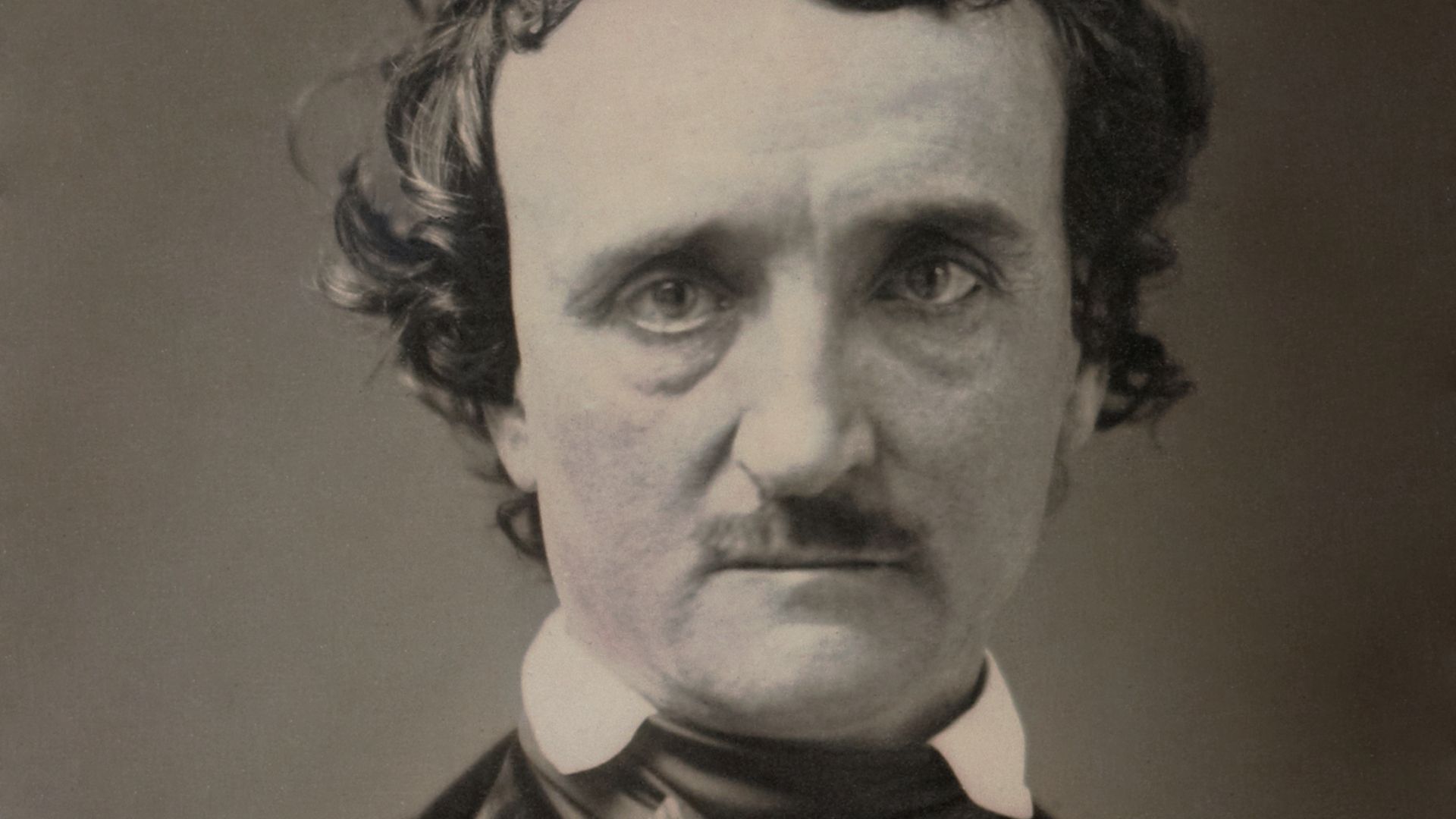
13. Edgar Allan Poe and Maria Clemm
Many people know that Edgar Allan Poe married Virginia Clemm, but fewer realize that Virginia's mother, Maria Clemm, was Poe's aunt. Maria became one of Poe's closest supporters and managed much of the household throughout his adult life. She remained devoted to him through financial struggles and personal hardships. Their unusually close family relationship played an important role in his life.
 Unknown authorUnknown author; Restored by Yann Forget and Adam Cuerden on Wikimedia
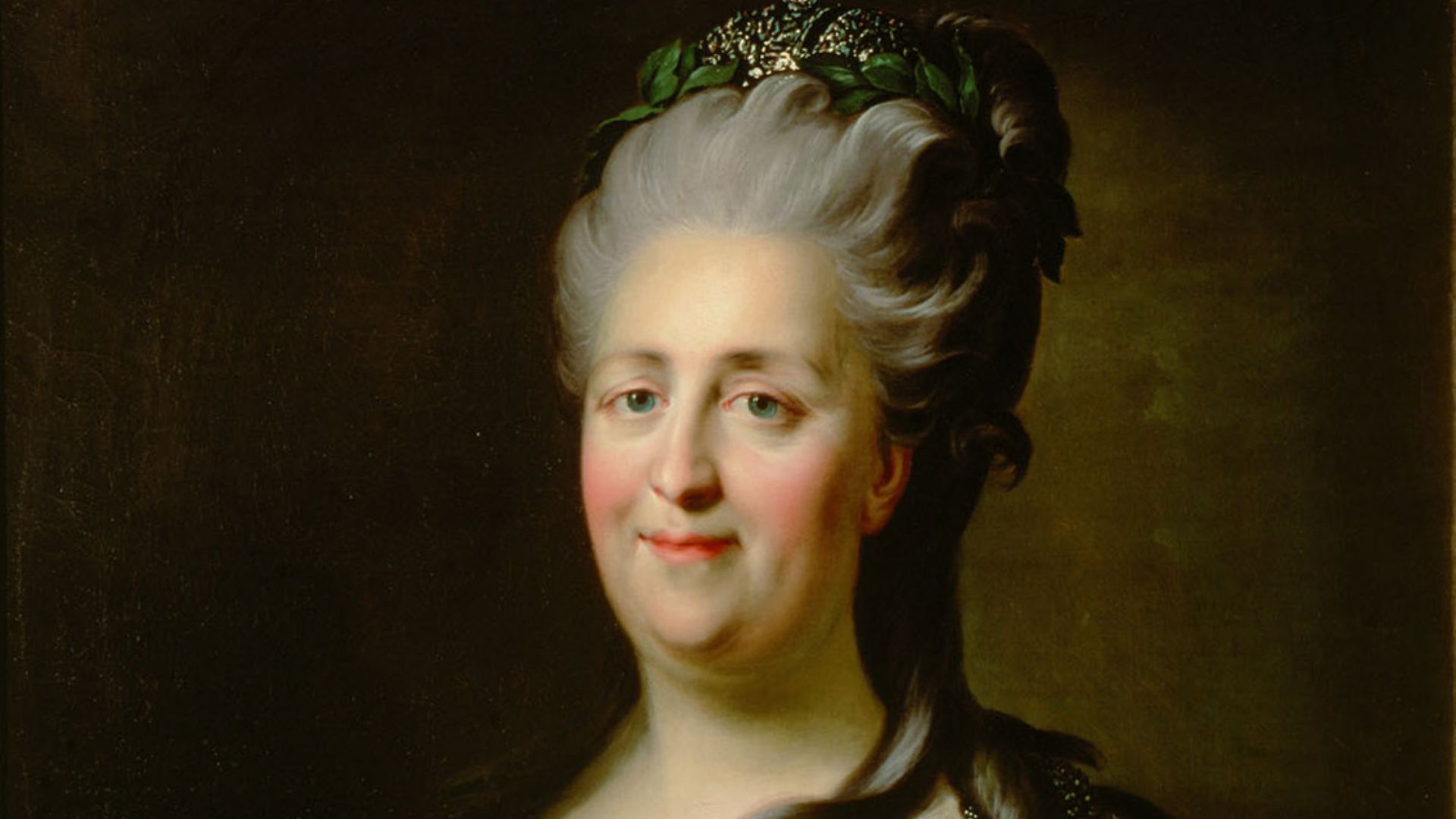
14. Catherine the Great and Gustav III of Sweden
Gustav III of Sweden and Catherine the Great were first cousins. They are linked by German families who helped put both members on their respective thrones. As empress of Russia and king of Sweden, both royals had very impactful reigns.
 After Alexander Roslin on Wikimedia
15. Tsar Nicholas II and King George V
Russia's Tsar Nicholas II and Britain's King George V were first cousins and looked so much alike that they were often mistaken for each other in photographs. Both were grandsons of Queen Victoria, whose descendants occupied royal thrones throughout Europe. Despite their close relationship, political realities prevented Britain from offering Nicholas lasting refuge during the Russian Revolution. Their story remains one of history's most heartbreaking royal connections.
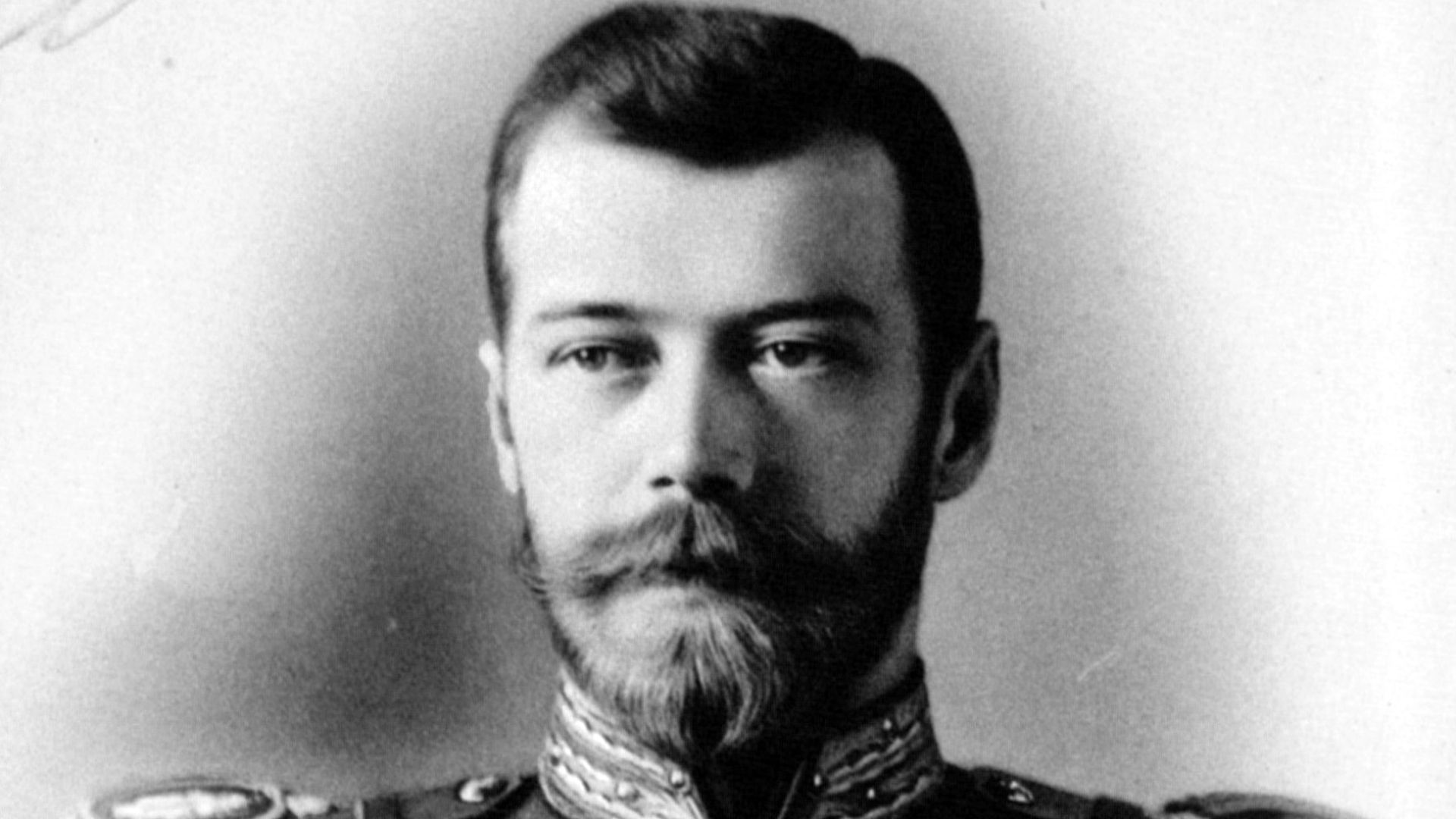
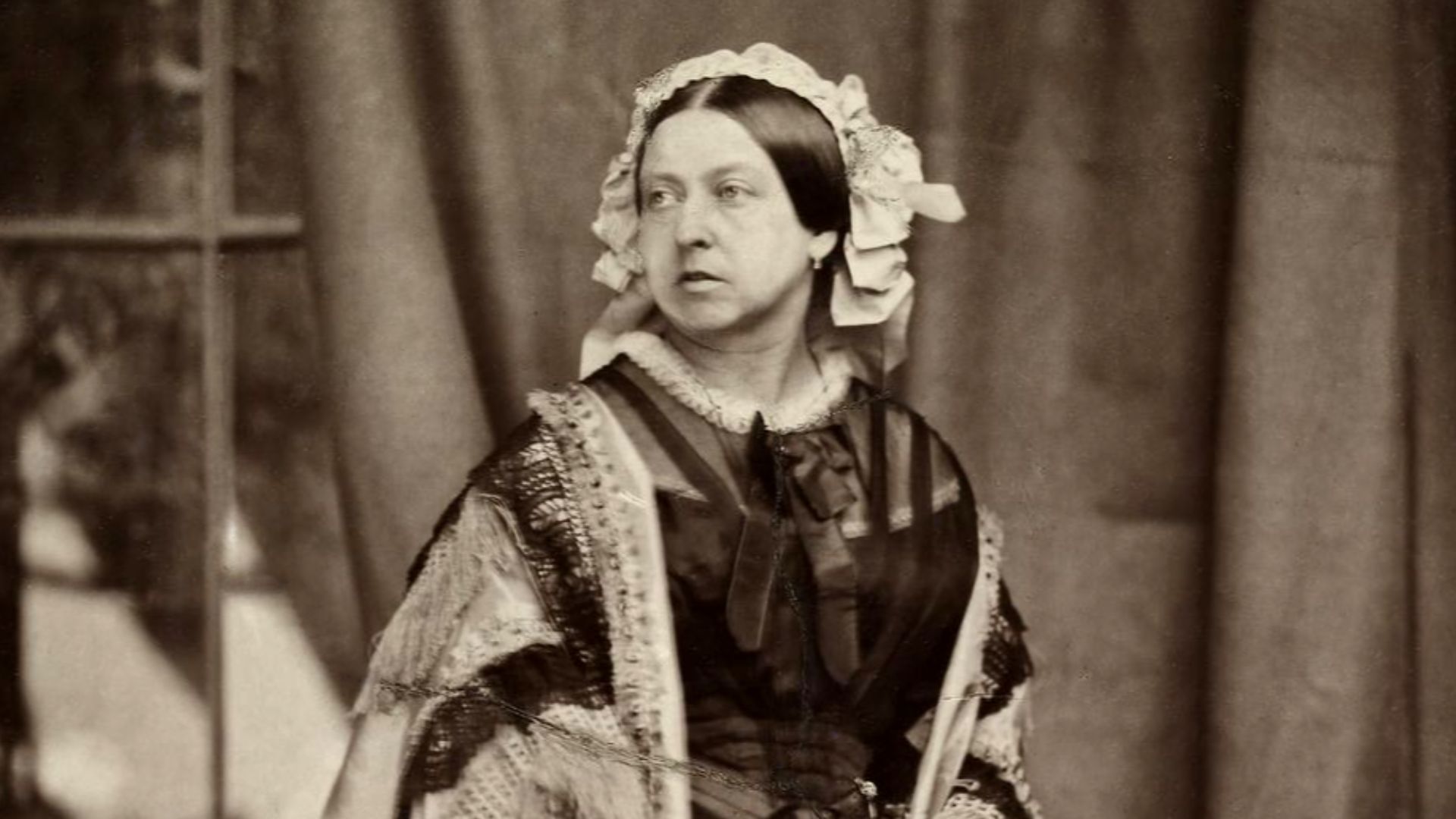
16. Queen Victoria and Kaiser Wilhelm II
Kaiser Wilhelm II of Germany was Queen Victoria's eldest grandson. Family gatherings often brought together future rulers from across Europe, even as political tensions quietly grew. Wilhelm's complicated relationship with Britain became one factor in the years leading up to World War I.
 John Jabez Edwin Mayall on Wikimedia
17. Eleanor Roosevelt and Theodore Roosevelt
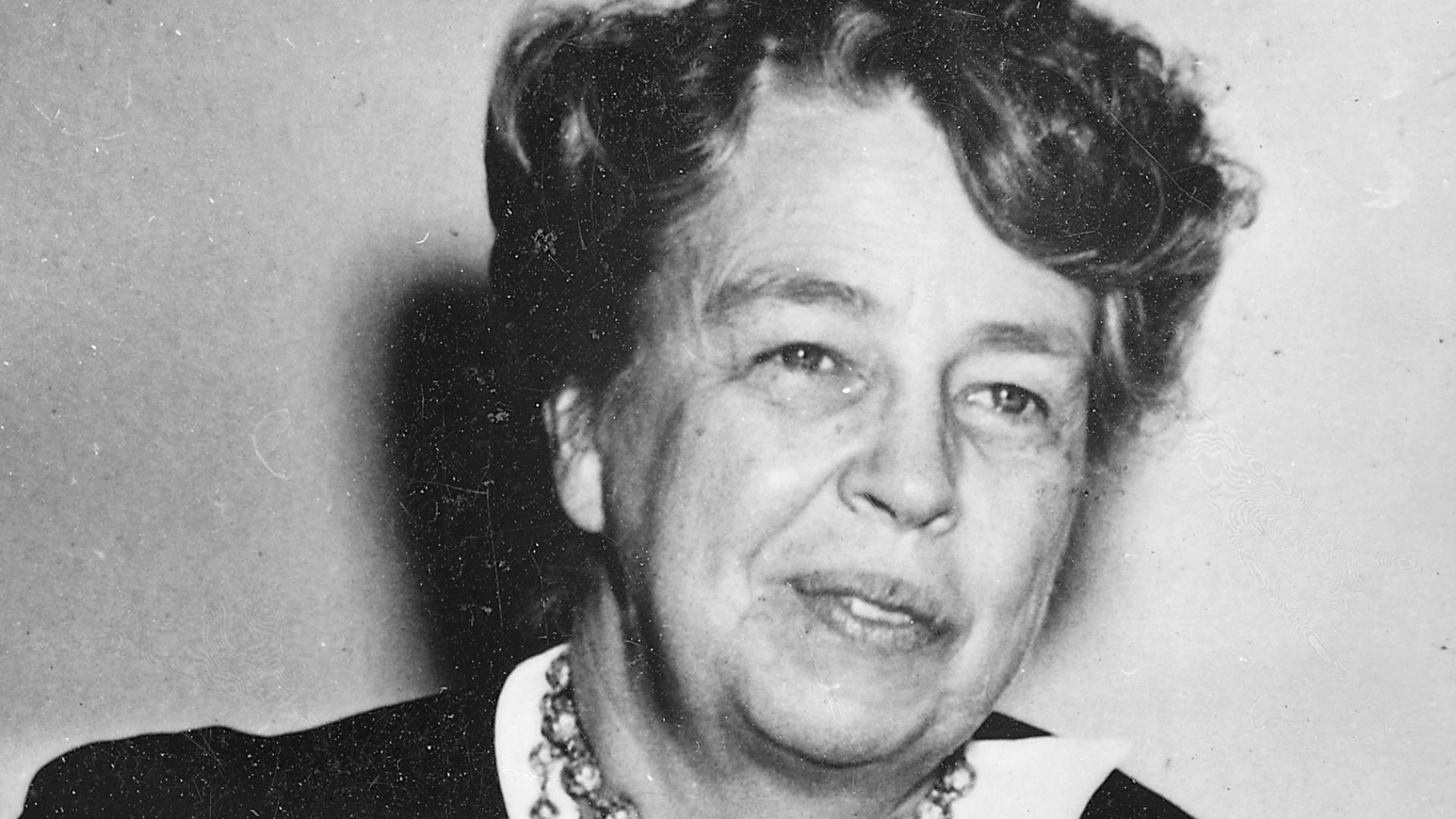
Although Eleanor Roosevelt became America's first lady by marrying Franklin Roosevelt, she was already Theodore Roosevelt's niece. Theodore proudly walked her down the aisle at her wedding in 1905. She would later build an extraordinary public career of her own through human rights advocacy and diplomacy.
 Unknown authorUnknown author or not provided on Wikimedia
18. Alexander the Great and Philip II of Macedon
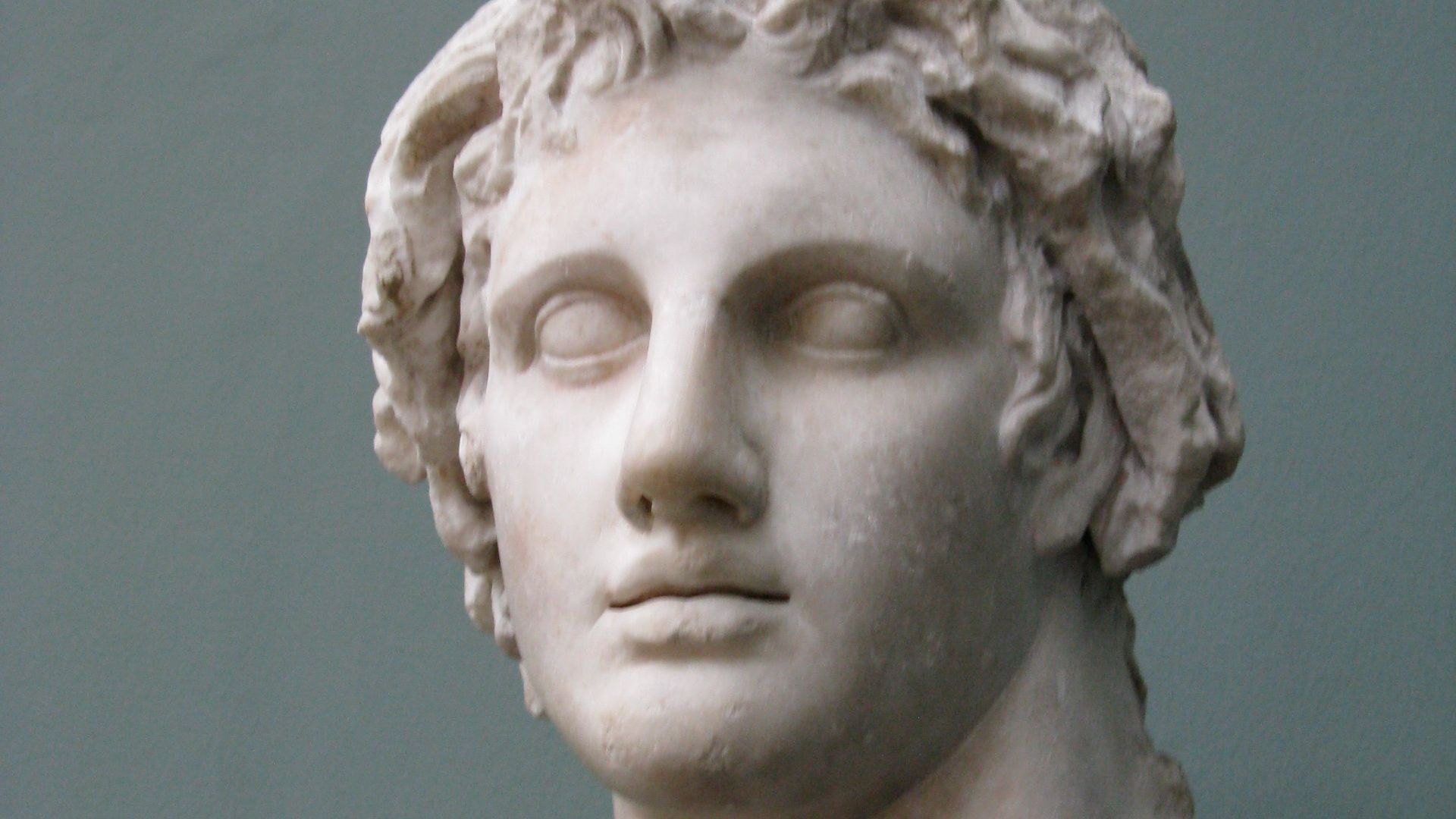
Alexander the Great owed much of his early success to his father, King Philip II of Macedon. Philip transformed Macedonia into a military power and created the army Alexander would later lead across Asia. After Philip's assassination, Alexander expanded the kingdom into one of history's largest empires. Their achievements are often studied separately even though one directly built upon the other's work.
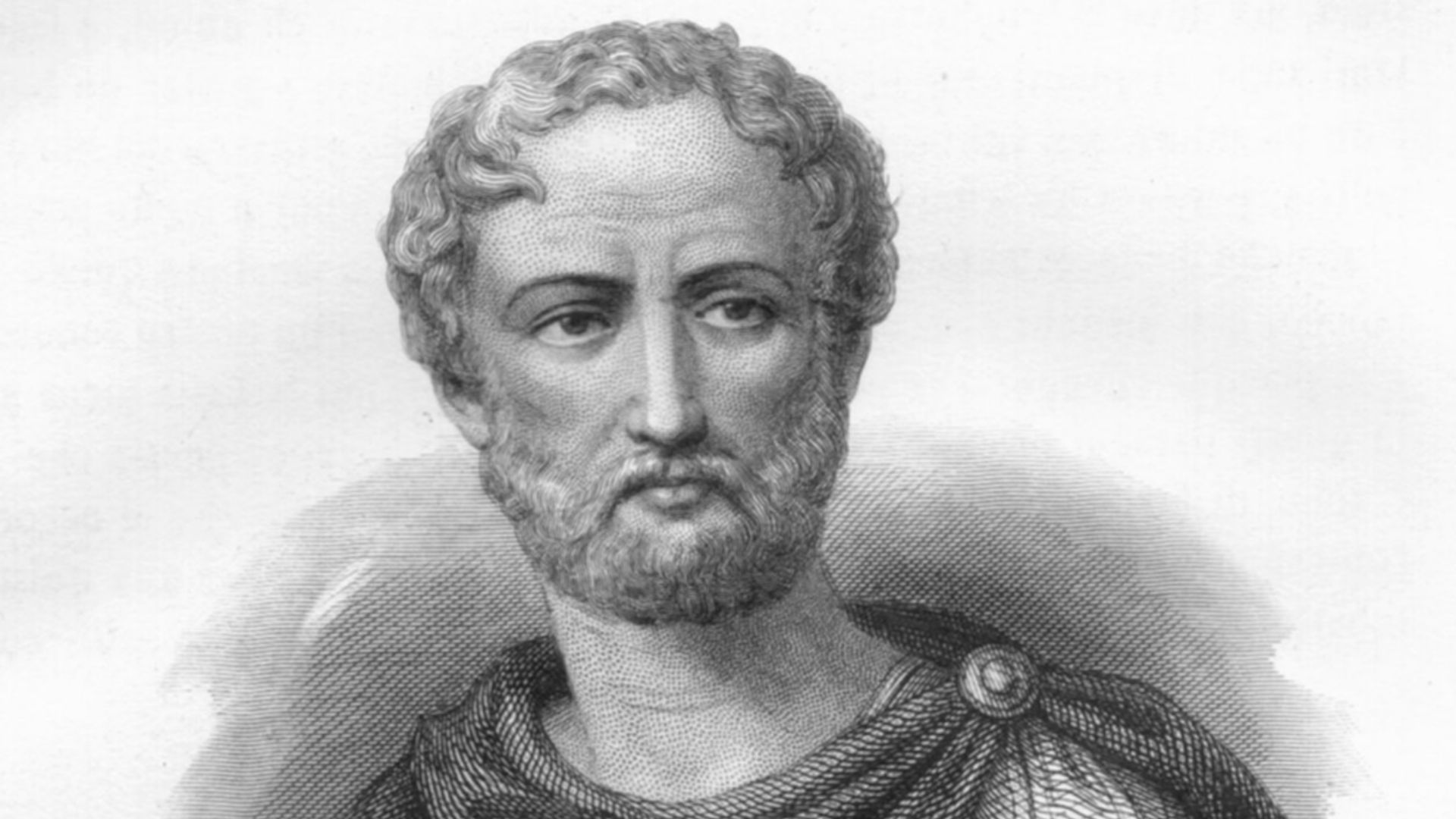
19. Pliny the Elder and Pliny the Younger
The Roman writer Pliny the Younger was actually the nephew and adopted son of Pliny the Elder. After his uncle died during the eruption of Mount Vesuvius, Pliny the Younger preserved much of his memory through detailed letters. Those writings also became one of the most important firsthand accounts of the famous volcanic disaster.
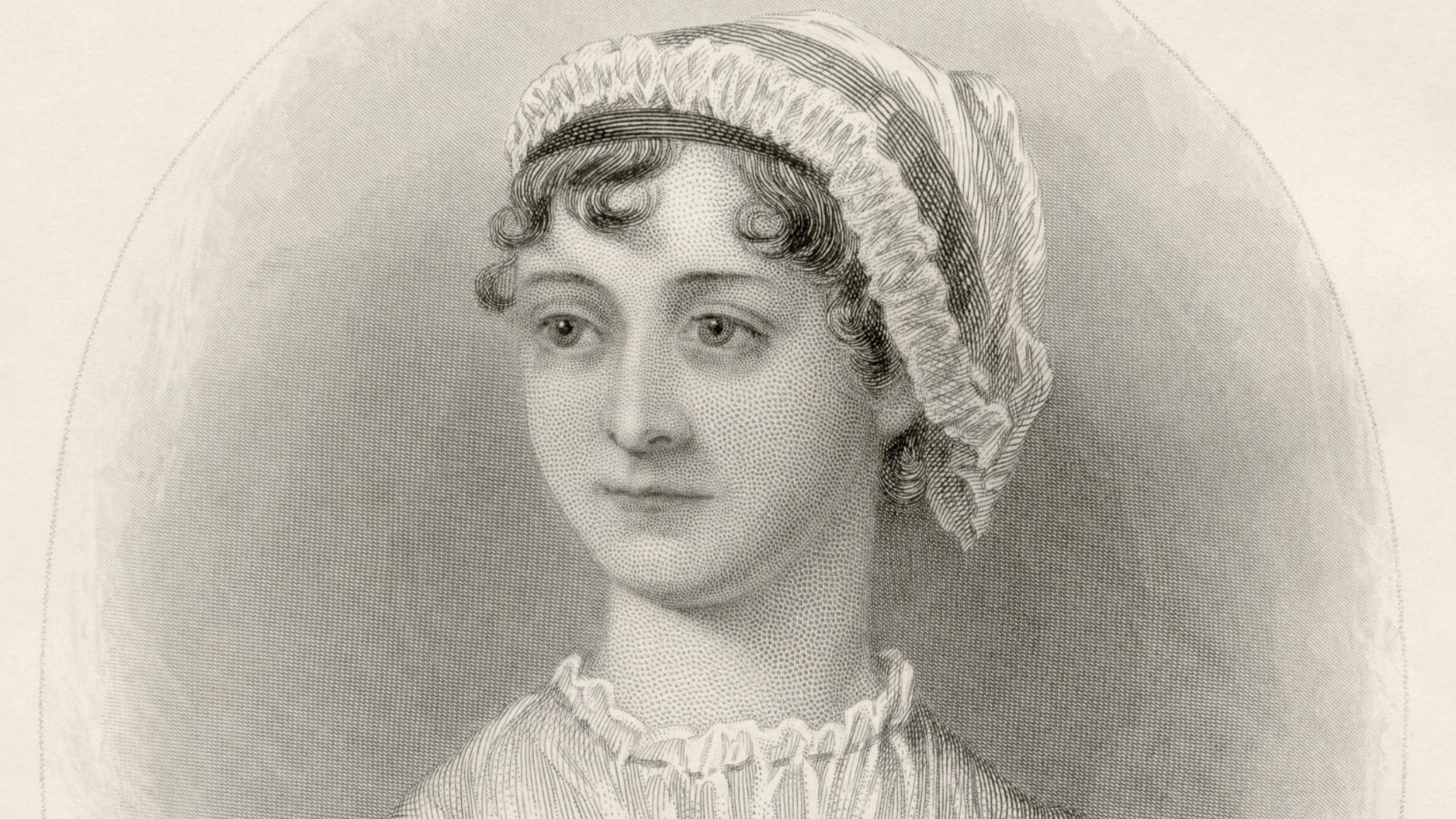
20. Jane Austen and Cassandra Austen
Jane Austen shared an exceptionally close bond with her older sister, Cassandra Austen. Although Cassandra wasn't a famous novelist herself, she remained Jane's lifelong confidante and strongest supporter. Many of the letters that survive today exist because of Cassandra's careful preservation, though she also destroyed some after Jane's passing. Their relationship quietly shaped the legacy of one of history's greatest authors.
KEEP ON READING