Easy To Recognize, Hard To Explain
Say "the Cruel," "the Mad," or "the Merry," and you can practically hear the gossip already brewing. That's the magic of a royal nickname: a few words, slapped on centuries ago by allies, enemies, or exhausted subjects, and suddenly a life packed with war, betrayal, disease, and family dysfunction gets flattened into something you could fit on a coffee mug. The trouble is, nicknames lie by omission. Some were earned through genuinely monstrous behavior. Others were cooked up by rivals with an axe to grind, or grew out of rumors nobody bothered to fact-check before they hardened into "history." Either way, the real story rarely matches the tidy little label stuck to it. Here are 20 royal nicknames, and the far messier truths hiding underneath them.
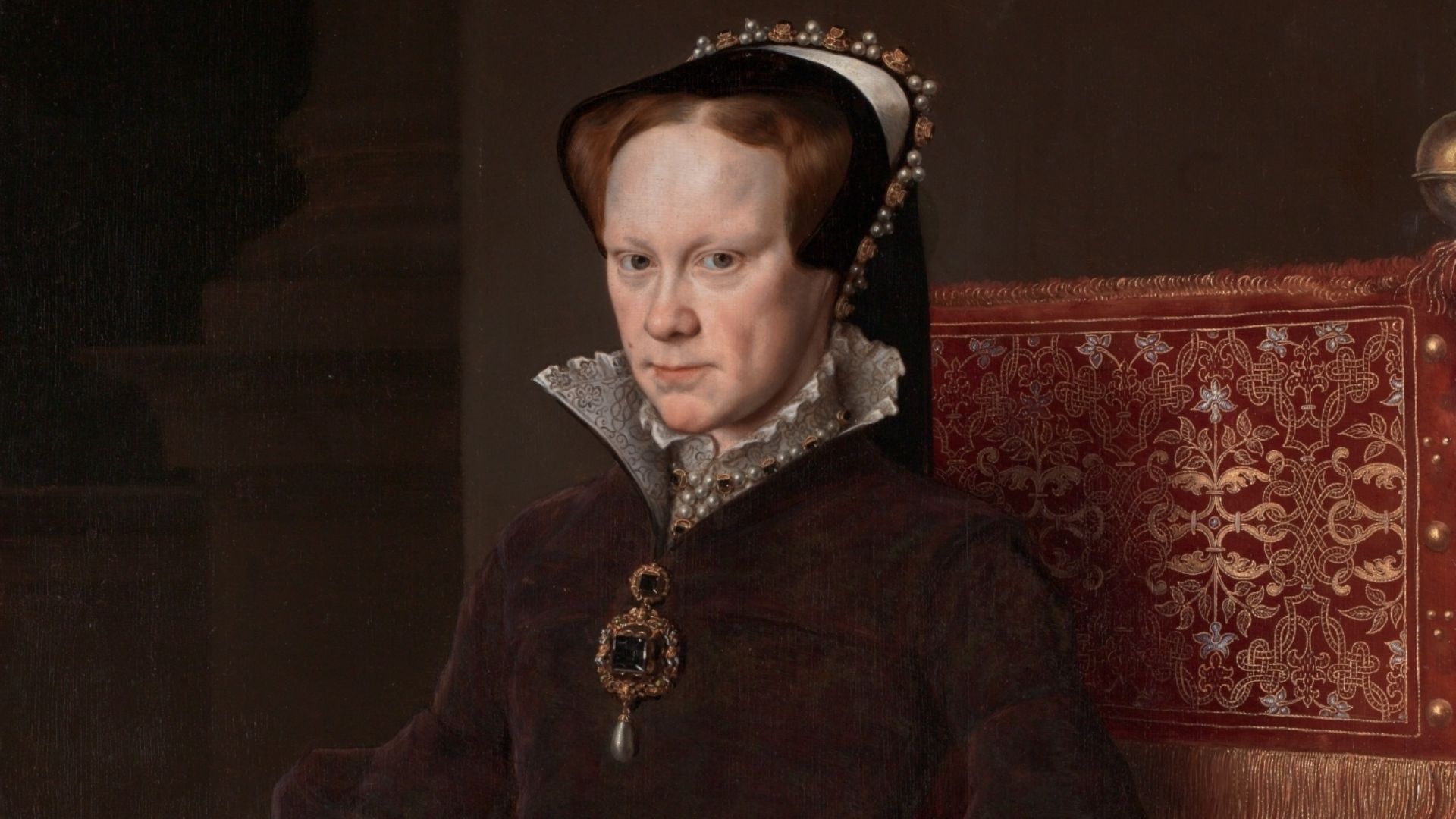
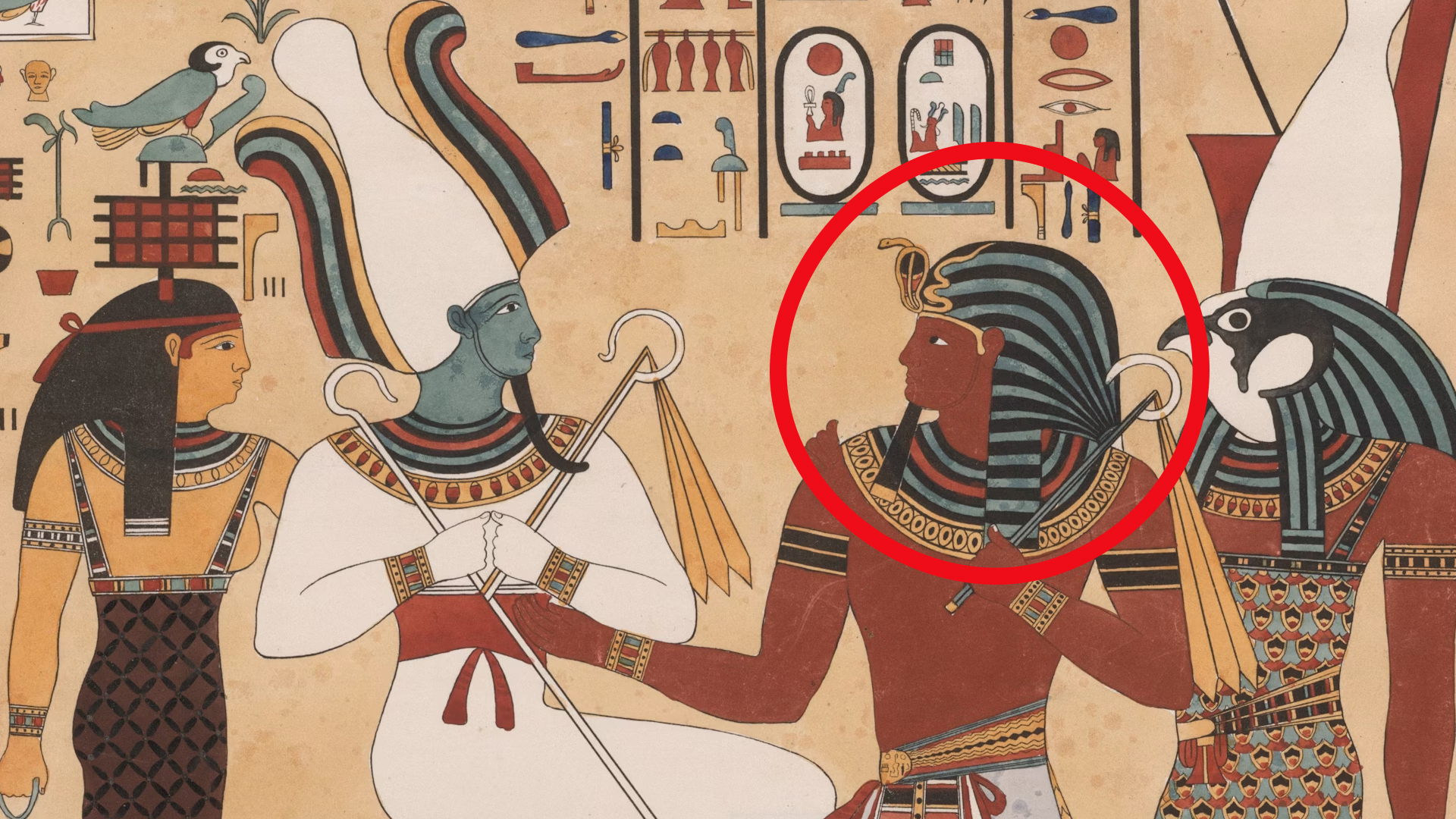
1. Ptolemy XII "Auletes," the Flute Player
The name sounds harmless, almost sweet. In reality, Ptolemy XII spent a fortune buying Rome's favor, got kicked out of Egypt during a revolt, and only reclaimed his throne by marching back in behind Roman soldiers. Not exactly a musician's résumé.
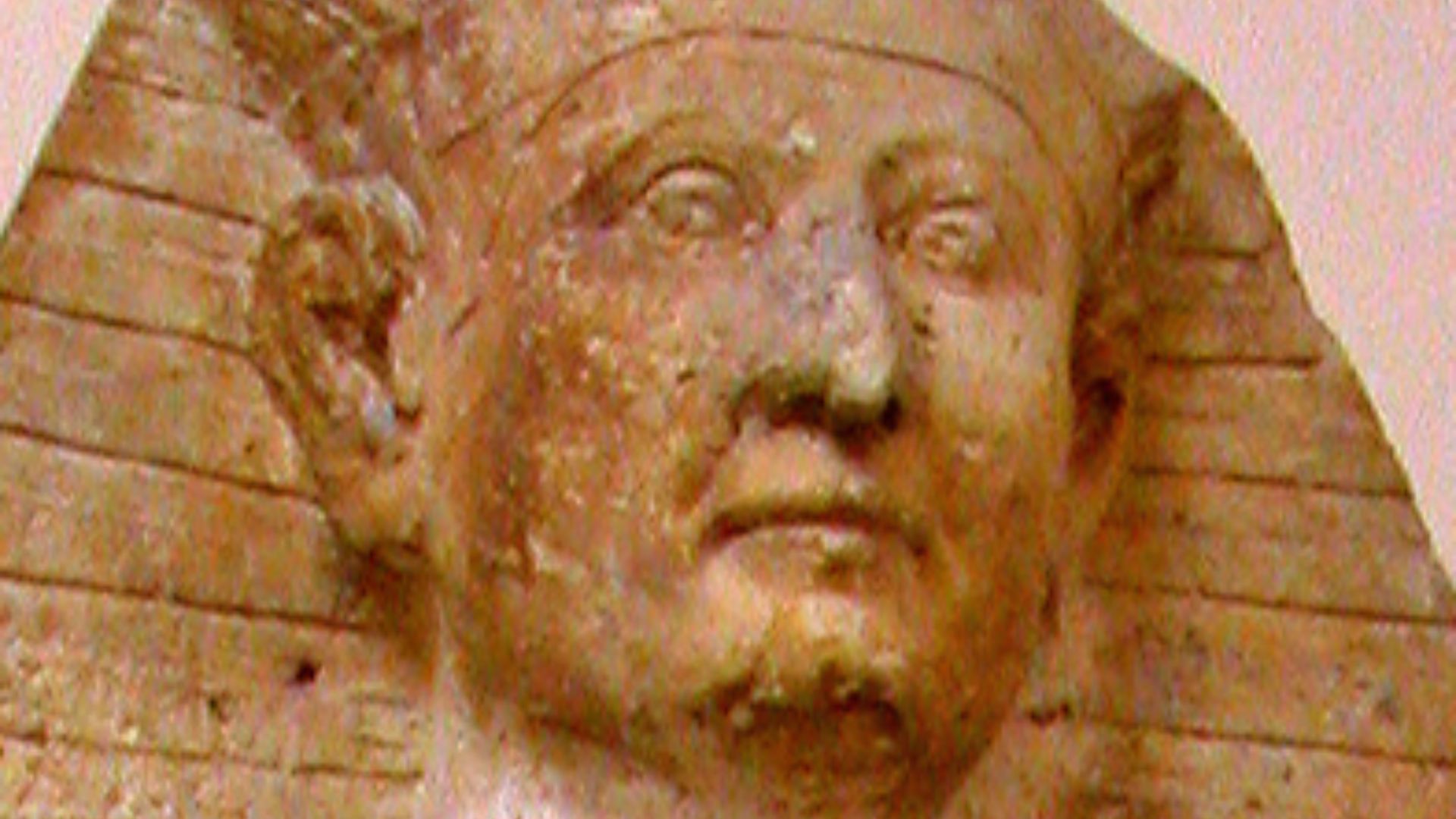
2. Ptolemy VIII "Physcon," the Potbelly
A nickname built purely to mock his body and his personality. Physcon's real scandal, though, was domestic: he married his sister Cleopatra II, then married their niece Cleopatra III without bothering to divorce wife number one. That love triangle helped drag Egypt into civil war.
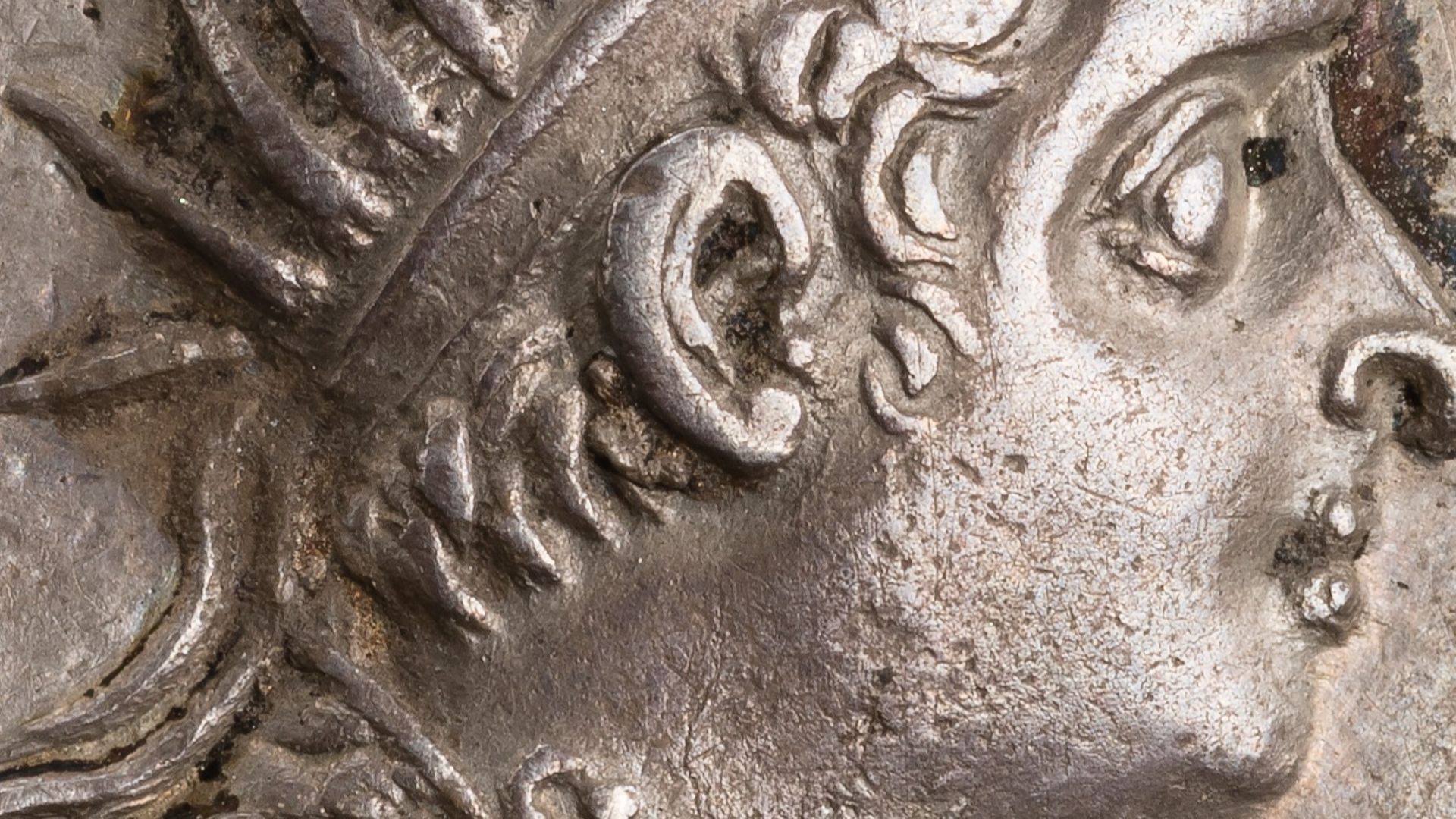 American Numismatic Society on Wikimedia
3. Caligula, "Little Boots"
Adorable as a toddler trailing after his father's soldiers in a miniature military uniform, hence the nickname the troops gave him. The cute phase didn't survive adulthood. Four years into his reign as emperor, the Praetorian Guard, Rome's own elite palace protectors, decided he had to go and assassinated him.
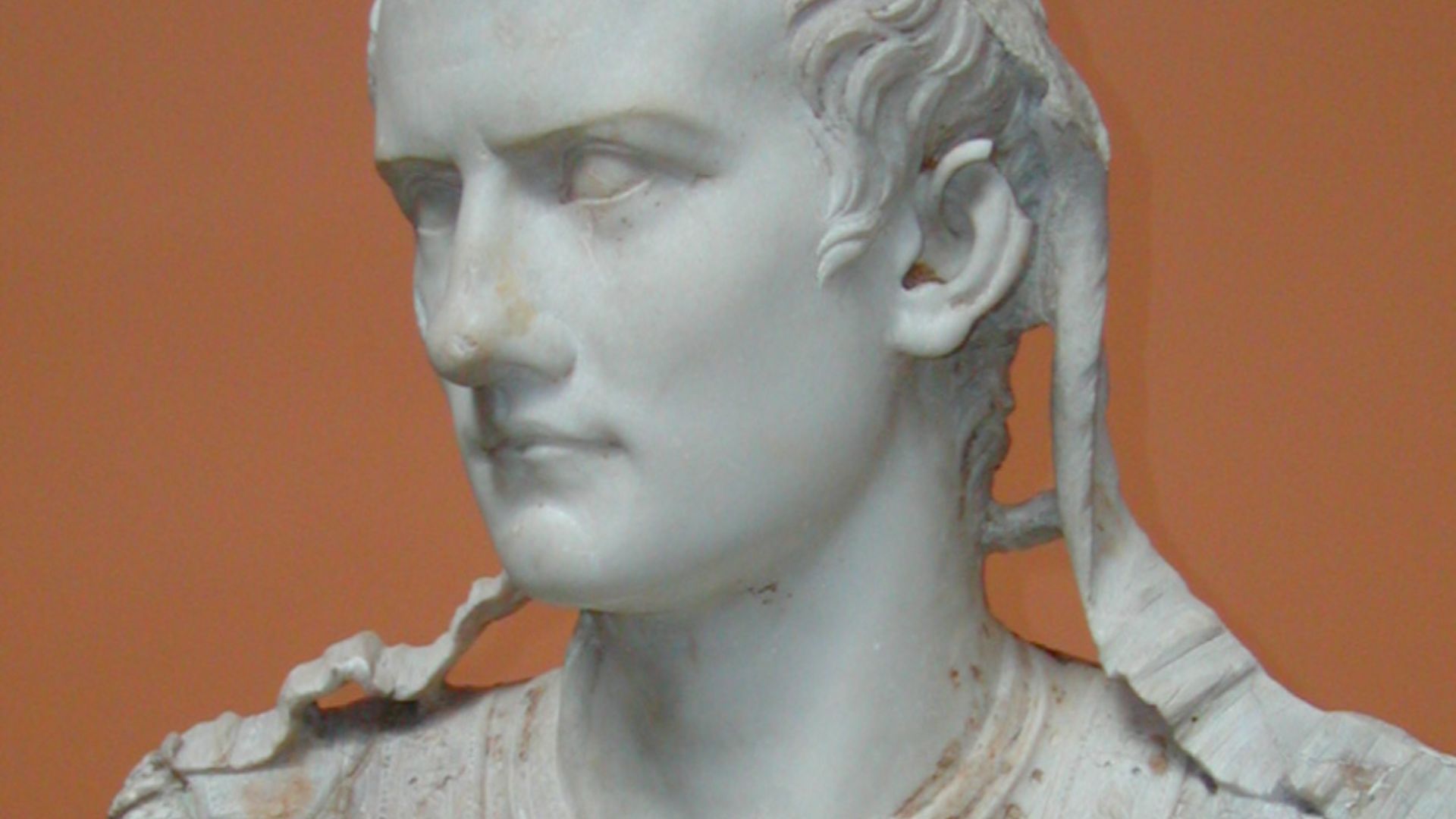
4. Æthelred the Unready
People assume this means he was simply caught off guard. It's actually a pun on an Old English phrase meaning "poorly advised," a dig at the quality of the counsel around him. Given that his reign was defined by relentless Viking raids and ended in Danish conquest, the joke landed, and it stuck for good.
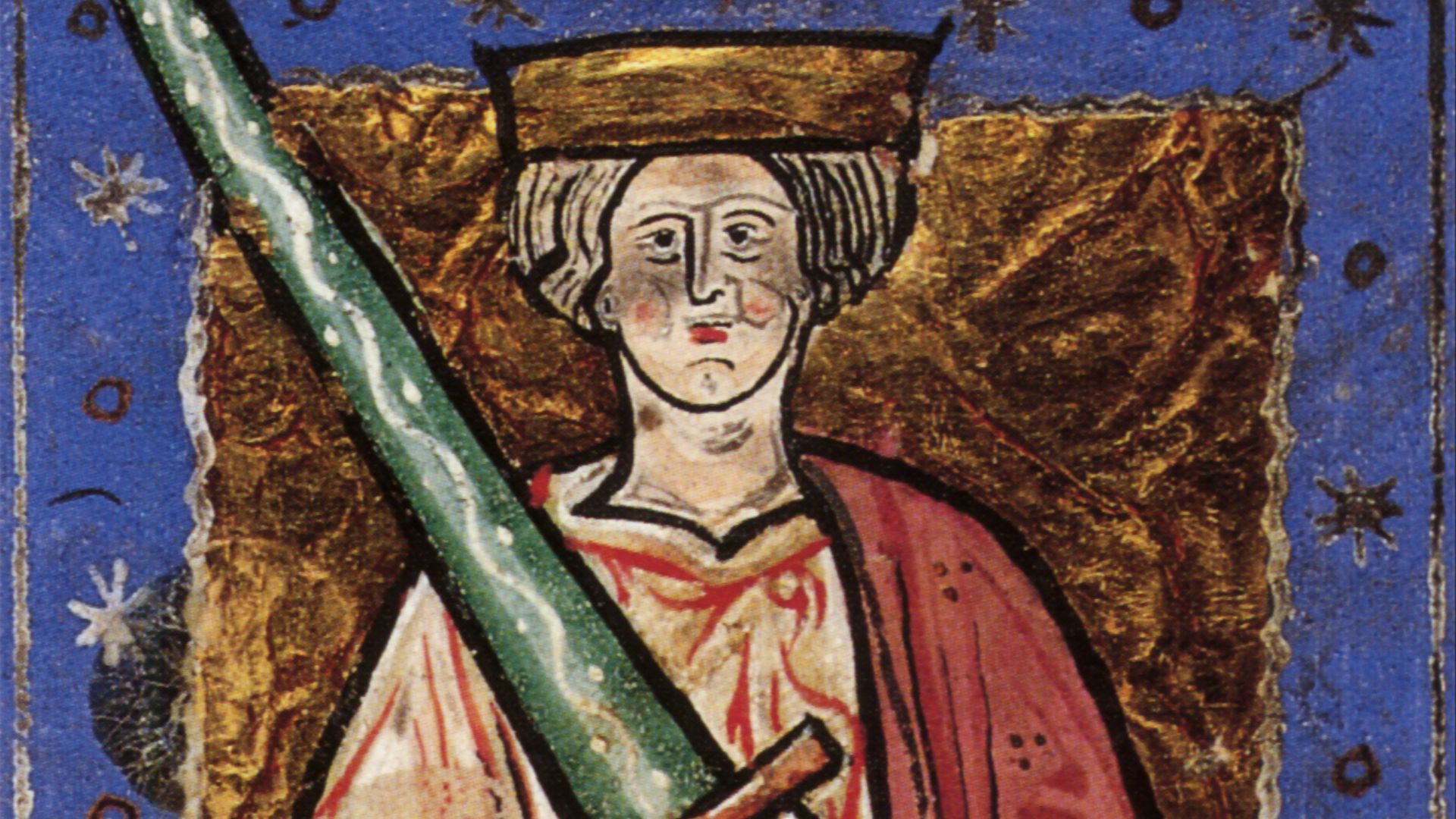
5. William the Bastard
William was mocked for being born to unmarried parents, a serious liability in a world obsessed with legitimate inheritance. Winning the Battle of Hastings in 1066 upgraded his image overnight. This divisive battle awarded him a new nickname: William the Conqueror.
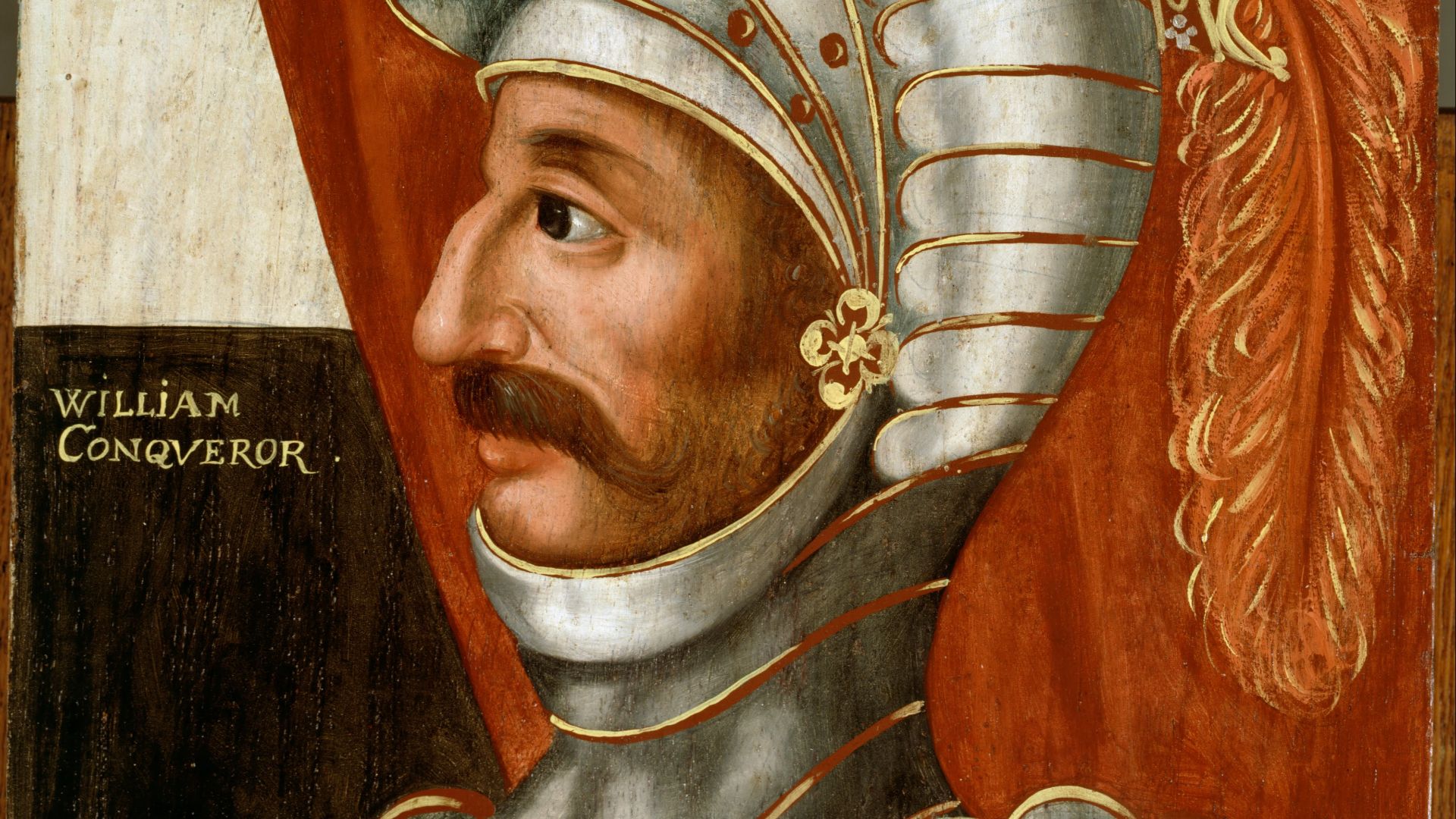 British – School Details on Google Art Project on Wikimedia
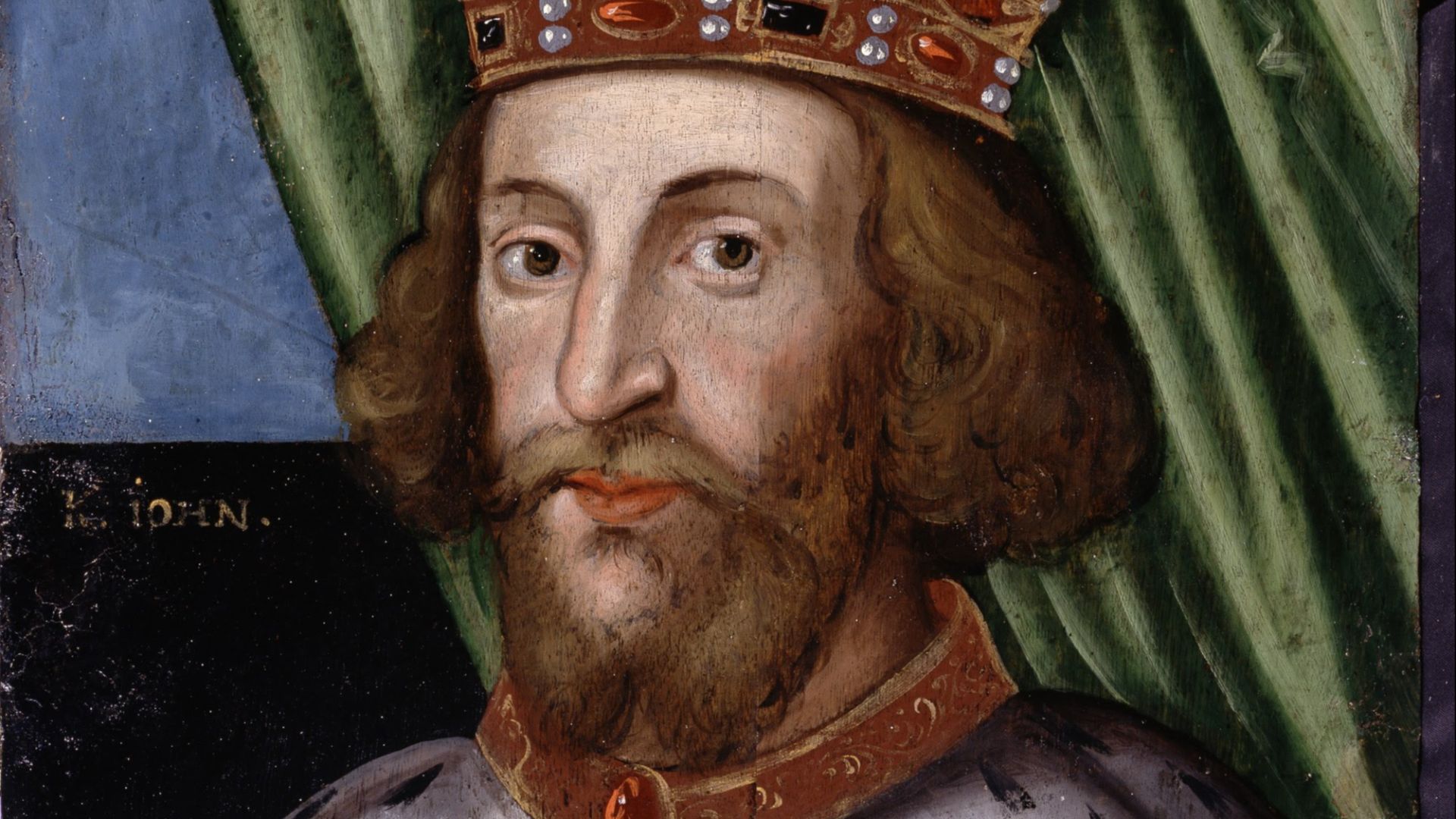
6. John Lackland
As Henry II's youngest son, John wasn't expected to inherit much, hence "Lackland." The name, fittingly, followed him even after he took the throne. He lost huge chunks of French territory, clashed constantly with his own barons, and eventually faced the rebellion that forced Magna Carta into existence.
 British – School Details on Google Art Project on Wikimedia
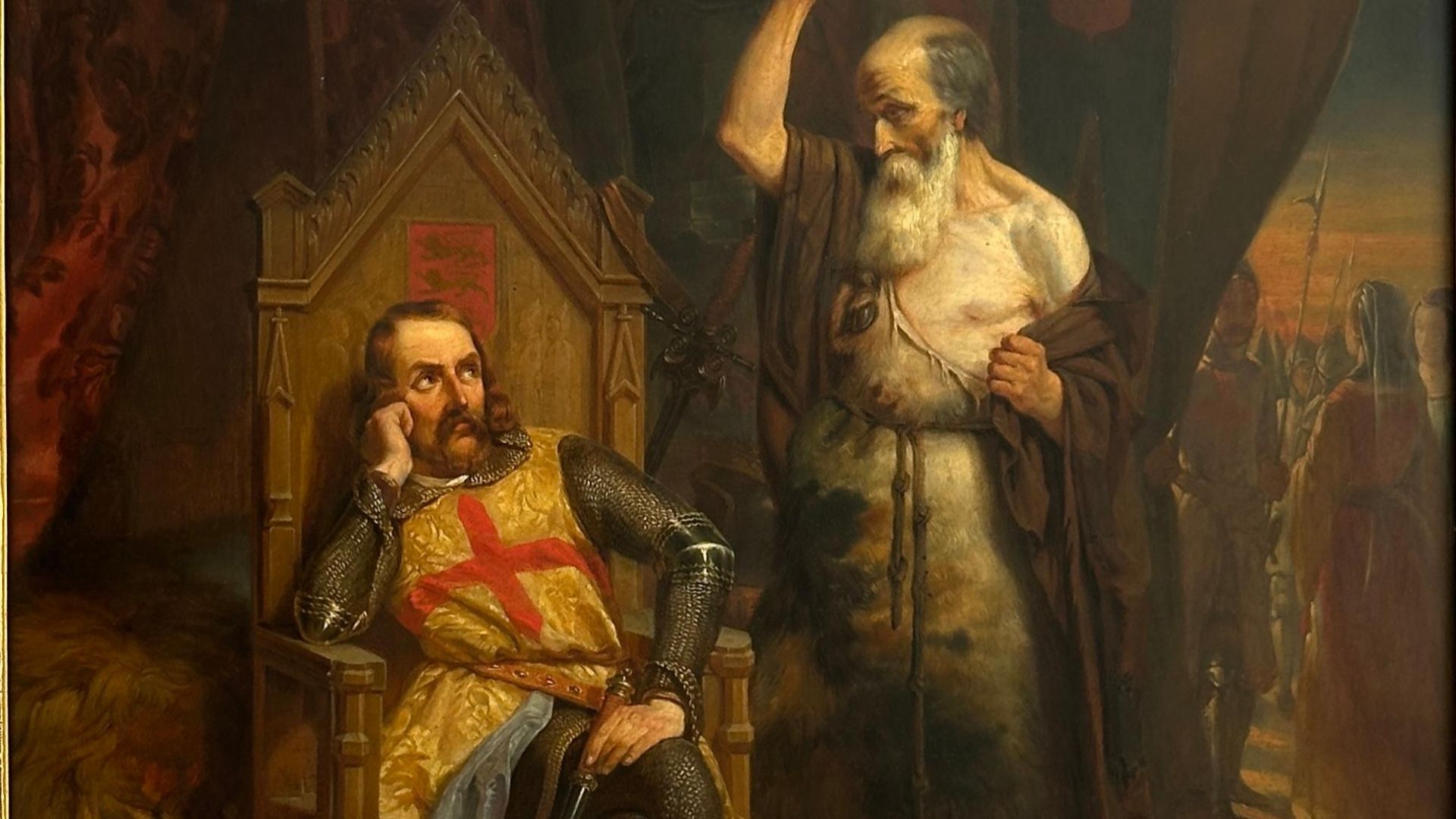
7. Richard the Lionheart
Brave, skilled, and fearless in battle, sure. But Richard also rebelled against his own father before becoming king. During the Third Crusade, after negotiations at Acre collapsed, he ordered thousands of Muslim prisoners killed. That detail rarely makes it into the storybook version of the heroic Lionheart.
 Pierre Victor Verreydt (1813-1848) on Wikimedia
8. Edward of Woodstock, the Black Prince
Since nobody called him this while he was alive, historians still argue whether it referred to his armor, his heraldry, or his battlefield reputation. Edward’s remembered for military triumphs, but war's ugliest consequences traveled right alongside them.
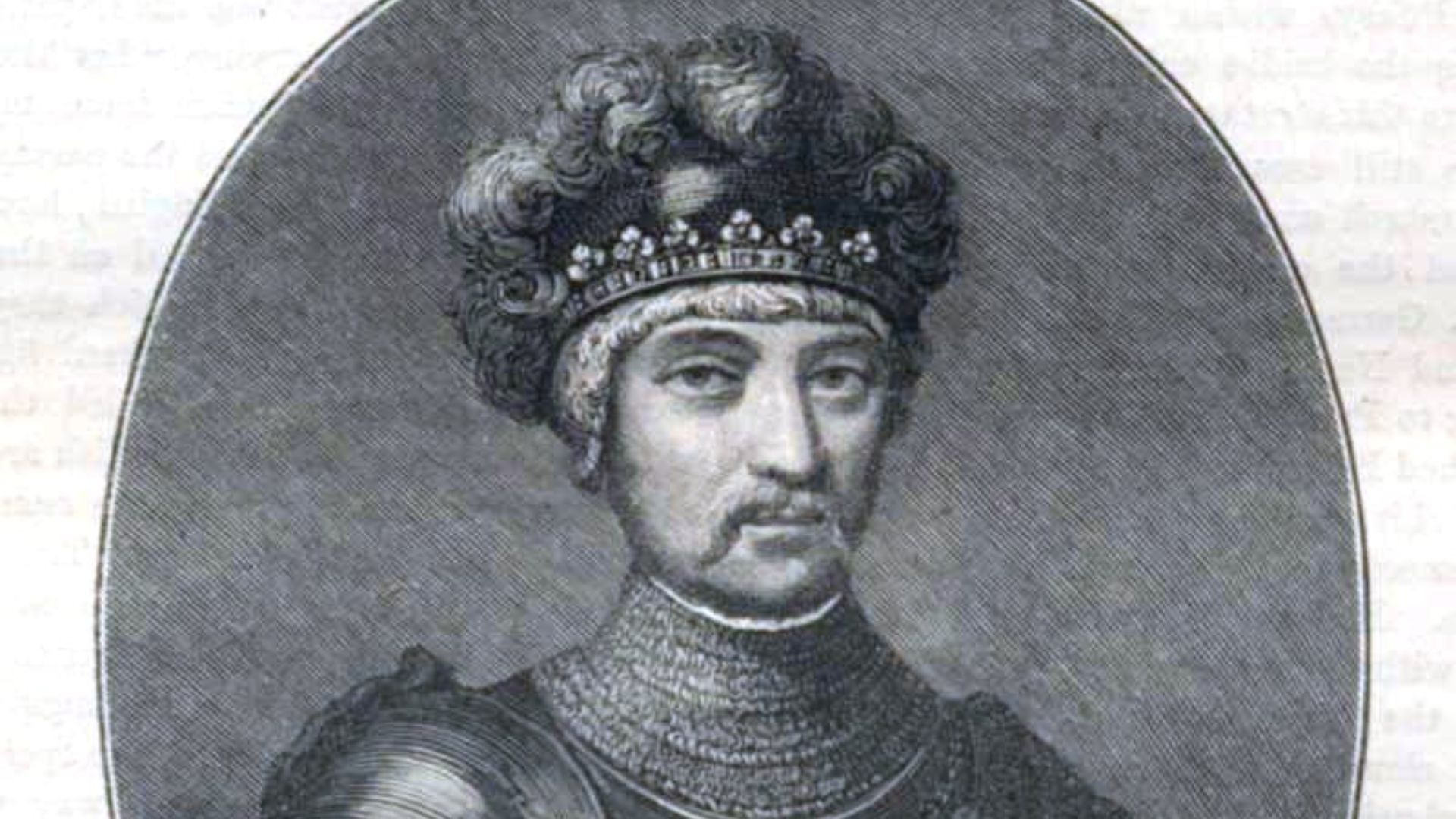
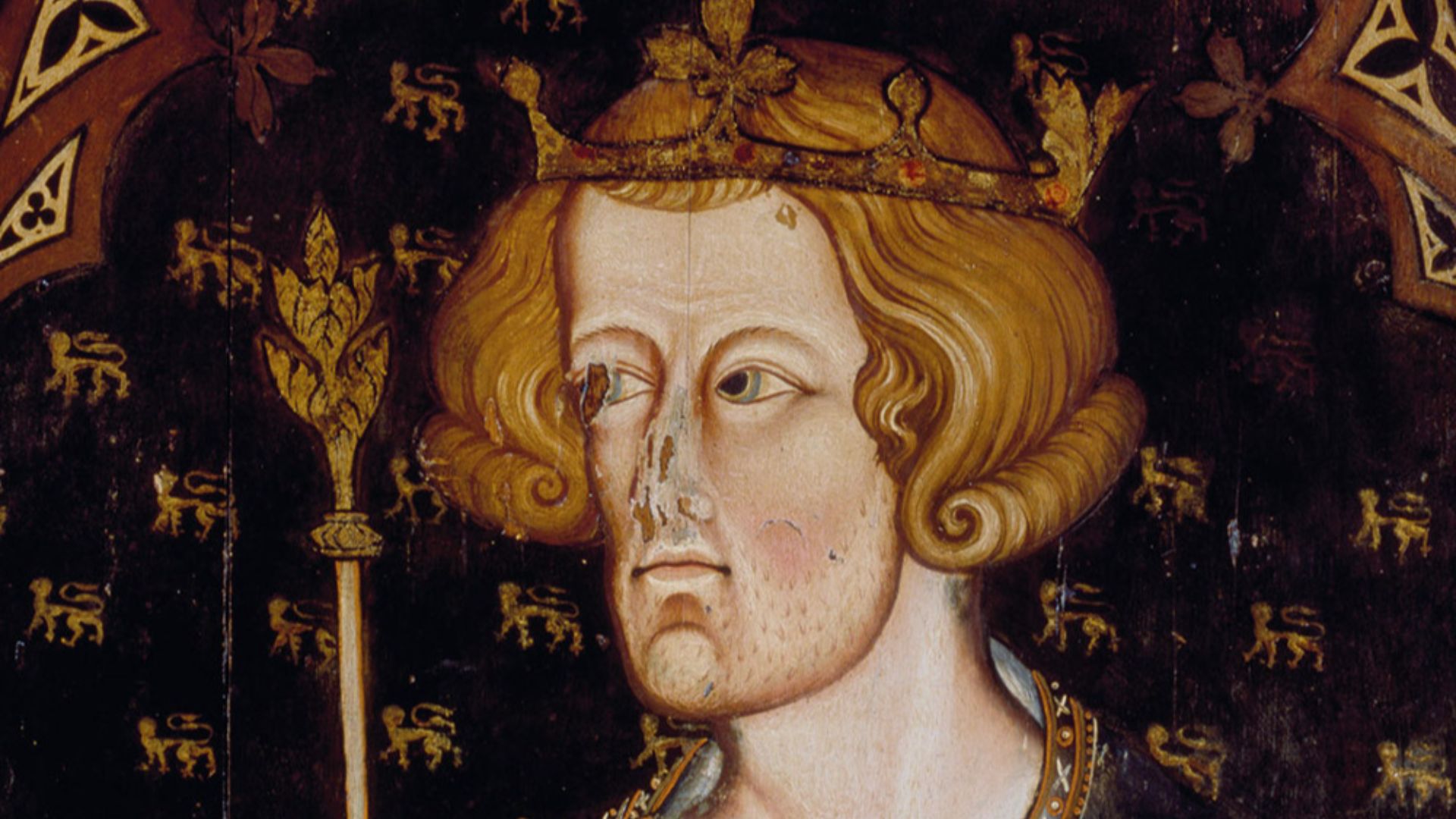
9. Edward I, the Hammer of the Scots
A title that suggests he crushed Scottish resistance once and for all. He didn't. His brutal campaigns in Wales and Scotland made him feared, but the conflict he stirred up in Scotland kept burning long after he died, fueling decades of fighting his nickname conveniently glossed over.
 Unknown authorUnknown author on Wikimedia
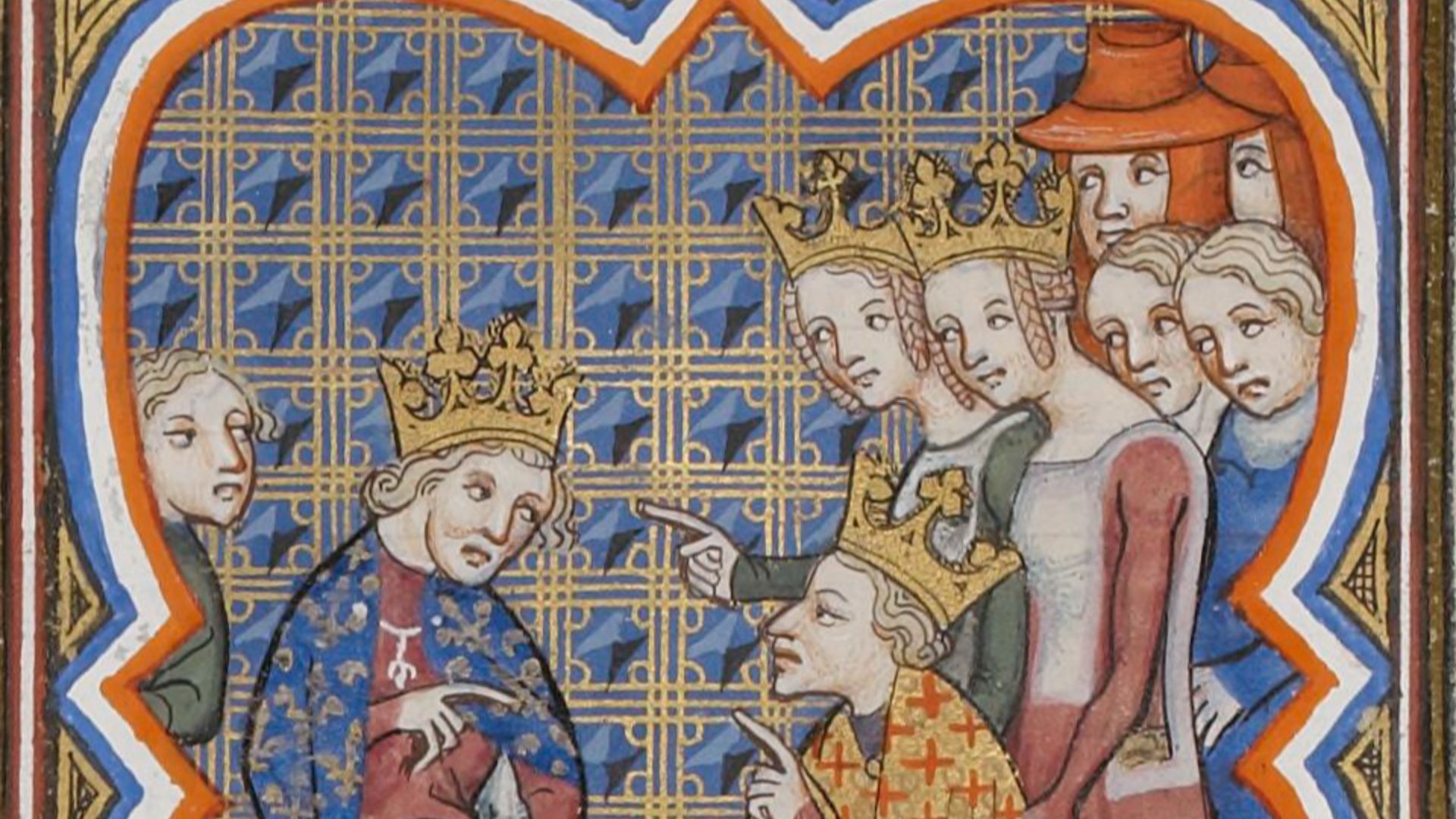
10. Charles II of Navarre, the Bad
Few nicknames are this blunt, and few are this earned. Charles was a master of switching sides, cutting shady deals, and exploiting the Hundred Years' War for personal gain. Murder plots and repeated betrayals followed him everywhere. "The Bad" isn't subtle, but it is accurate.
 AnonymousUnknown author on Wikimedia
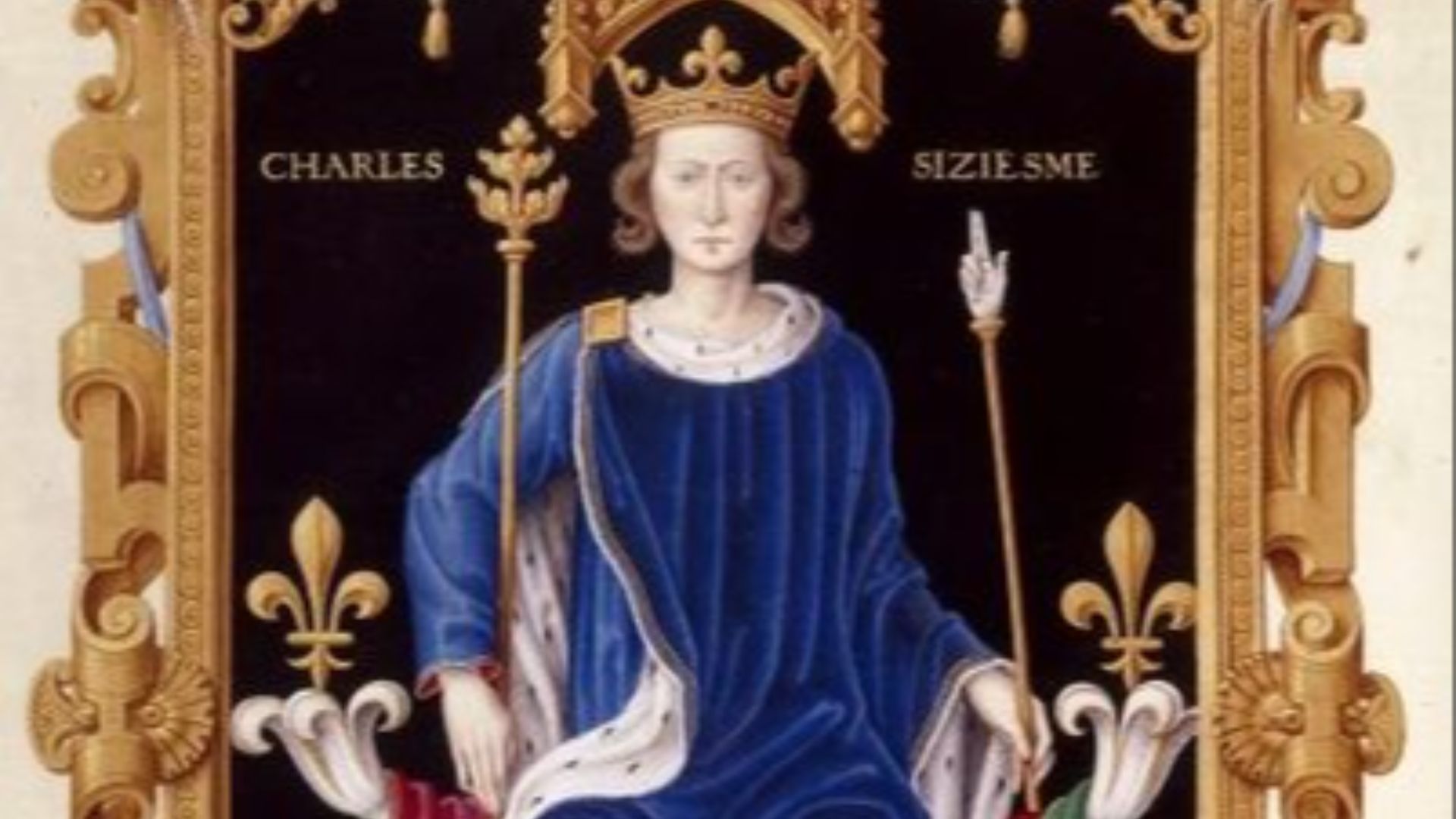
11. Charles VI of France, the Beloved and the Mad
He started as "the Beloved," a promising young king praised for finally taking charge of his own government. Eventually, he faced recurring bouts of severe mental illness, and France spiraled into deeper political chaos and family infighting. By the end, "the Mad" had swallowed up every trace of the earlier praise.
 The original uploader was Michaelsanders at English Wikipedia. on Wikimedia
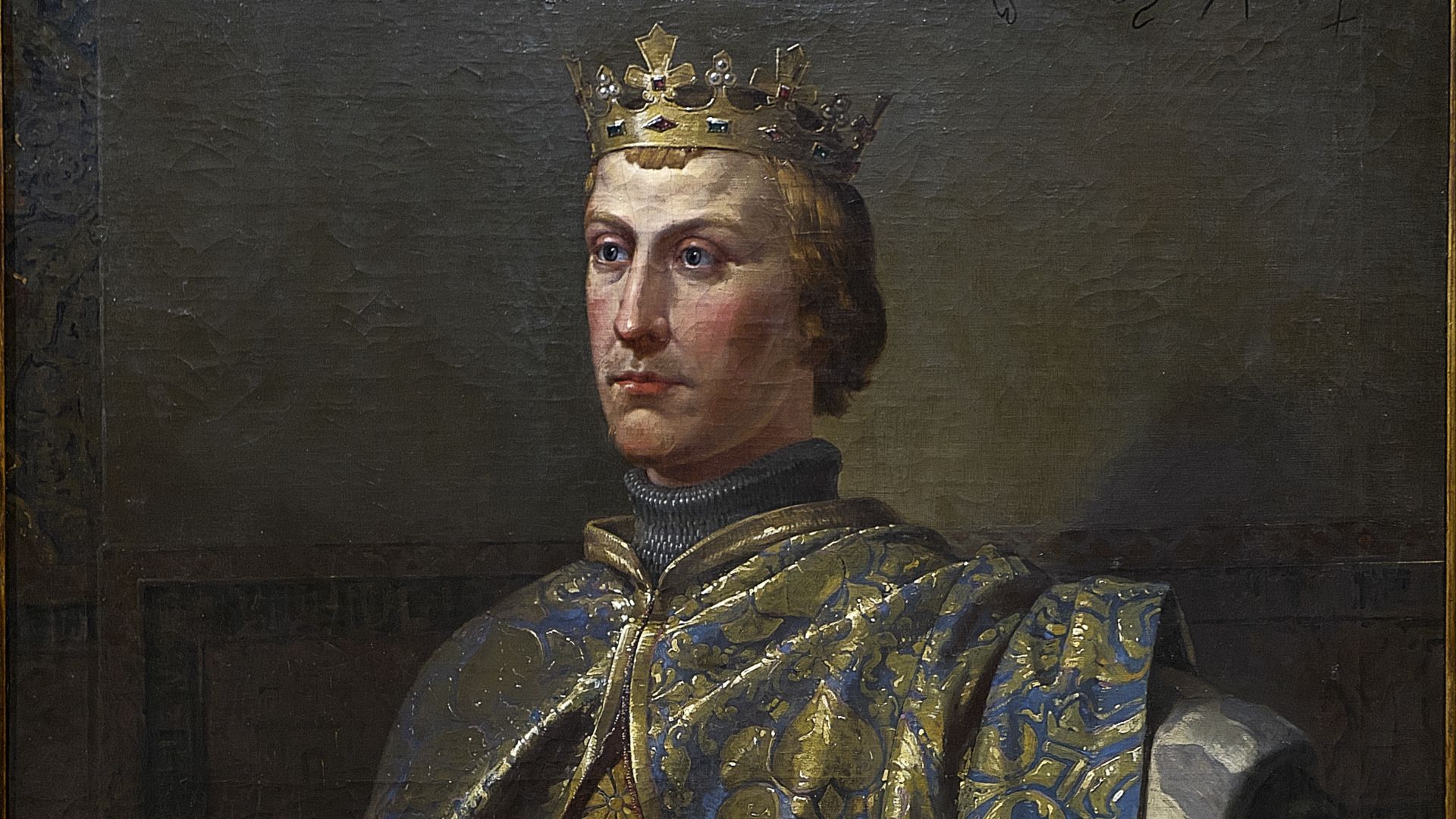
12. Pedro I of Castile, the Cruel or the Just
Depends who you ask. His enemies branded him "the Cruel." His supporters insisted he was "the Just." Both sides were describing the same reign of violence, noble rebellions, and civil war. No single nickname ever managed to capture the whole picture.
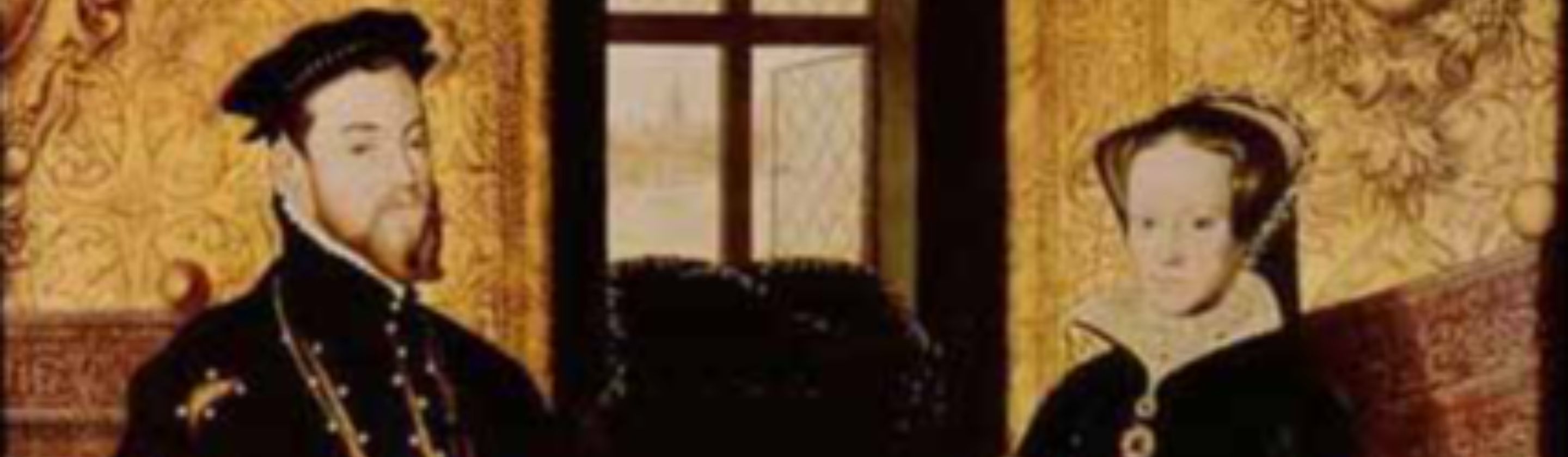
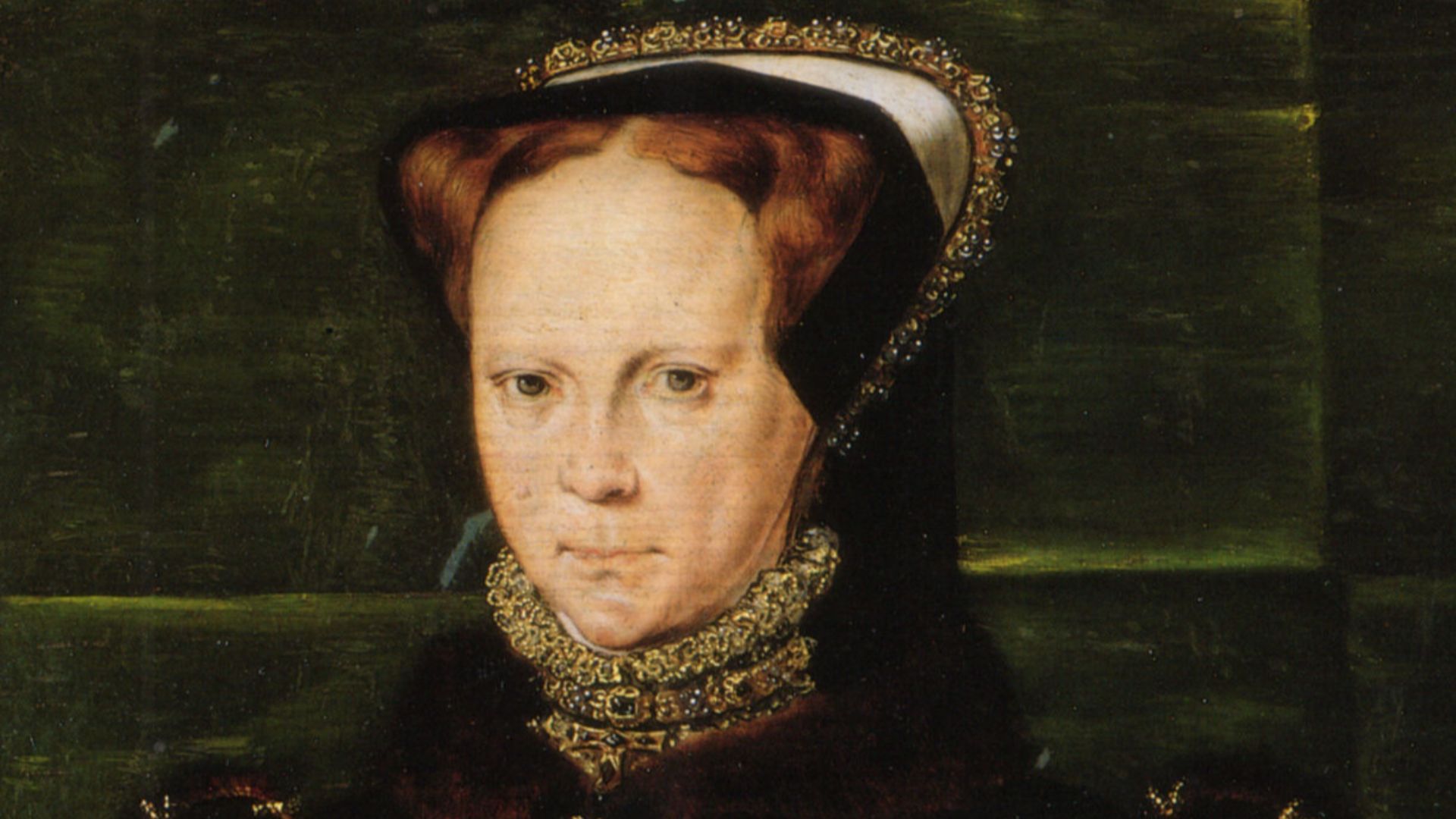
13. Mary I, "Bloody Mary"
Nearly 300 Protestants were executed under Mary's push to restore Catholicism in England, and that grim statistic became the defining image of her rule. The fear of "Bloody Mary" lasted long after her death, even though her reign involved far more than those executions alone.
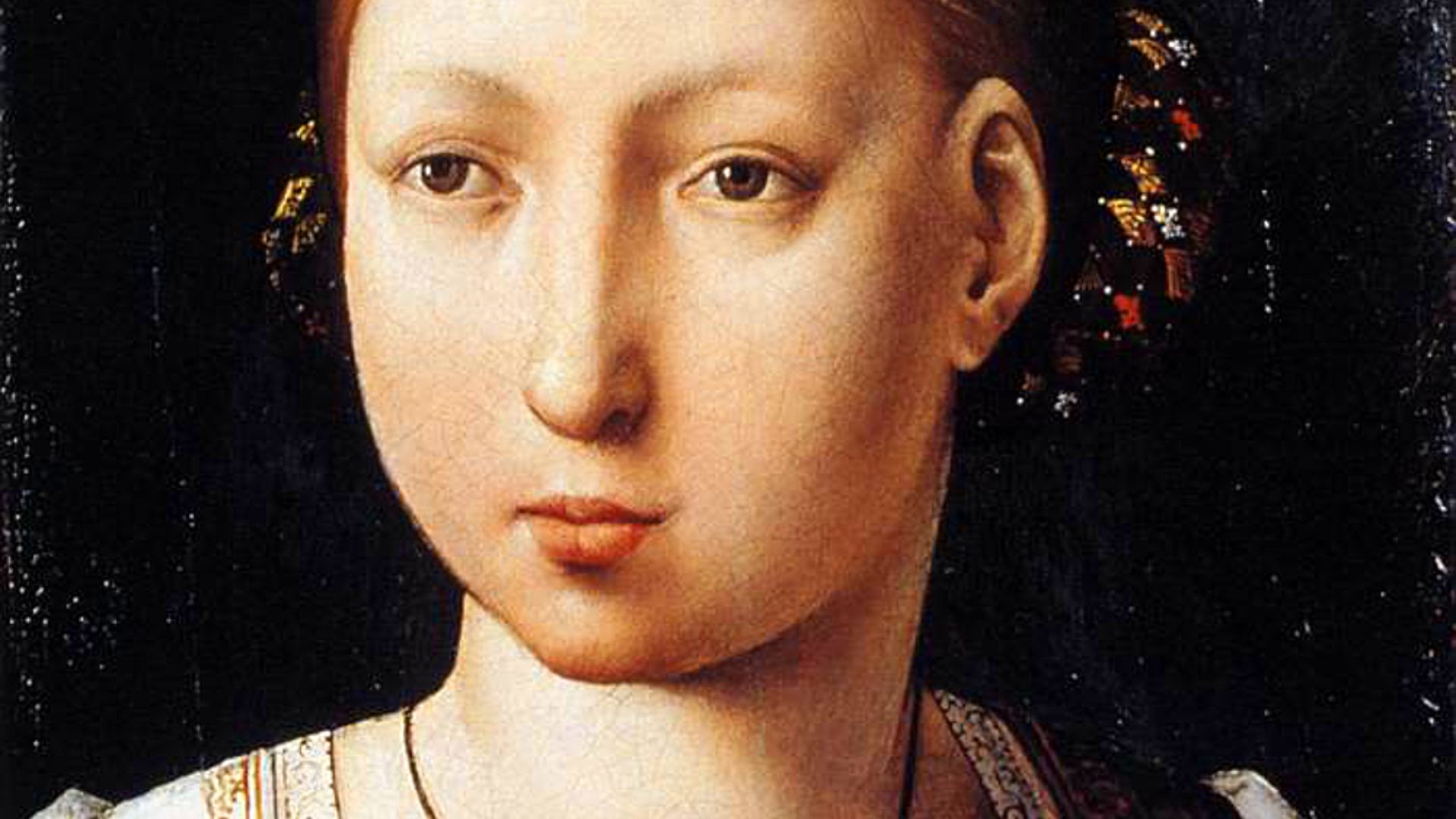
14. Joanna of Castile, "Joanna the Mad"
Joanna inherited both Castile and later Aragon, yet spent most of her adult life locked away while her father, and then her son, ruled in her place. Whether she was actually mentally ill remains unclear. What is clear is that keeping her sidelined was extremely convenient for the men around her.
15. Charles II of Spain, the Bewitched
Chronic illness convinced people around him that he'd been cursed, hence "the Bewitched." Generations of intermarriage in his family likely contributed to his poor health, though it can't explain everything he suffered. When he died without an heir in 1700, Europe erupted into a war over who would take his throne.
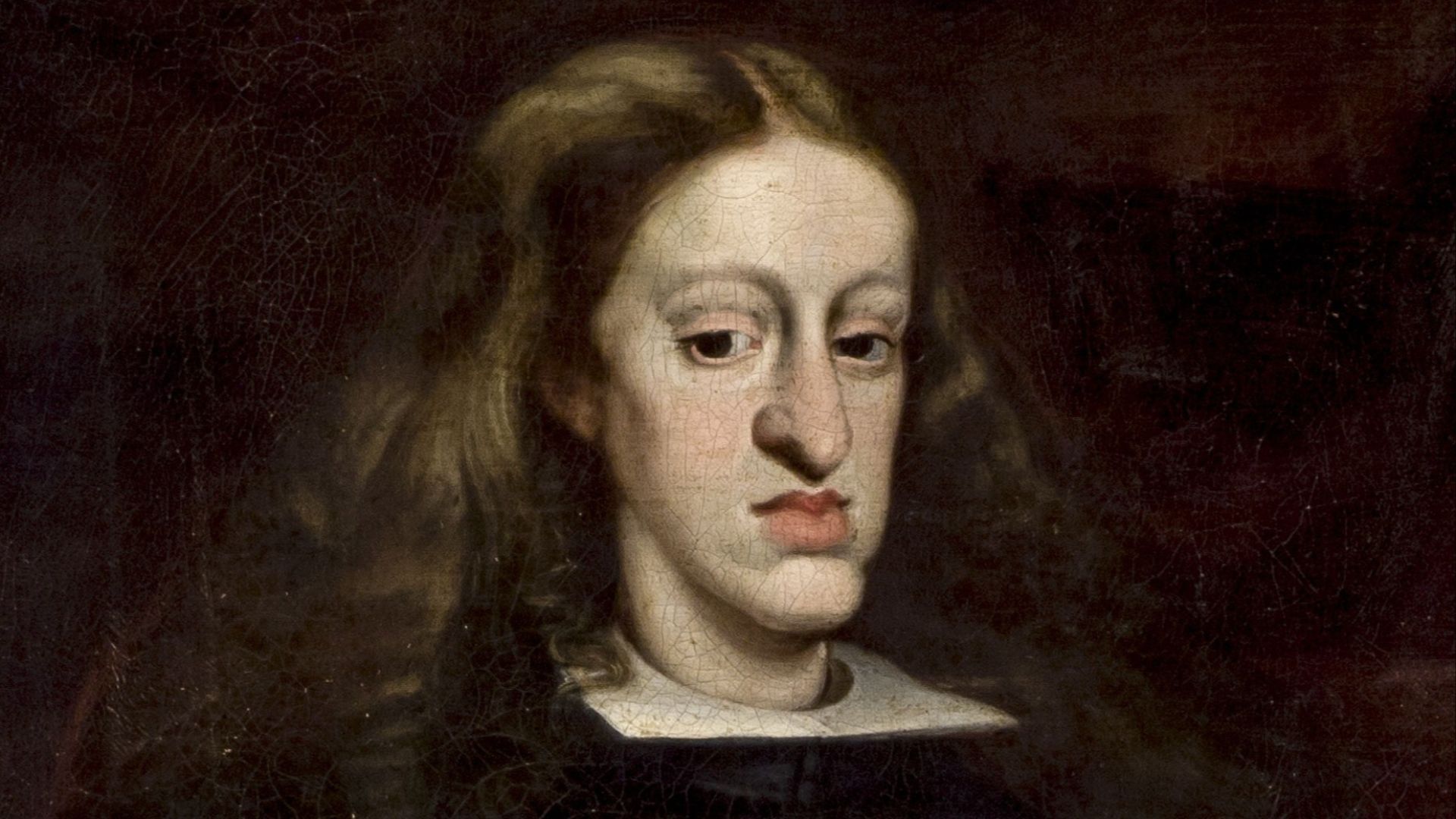 Juan Carreño de Miranda on Wikimedia
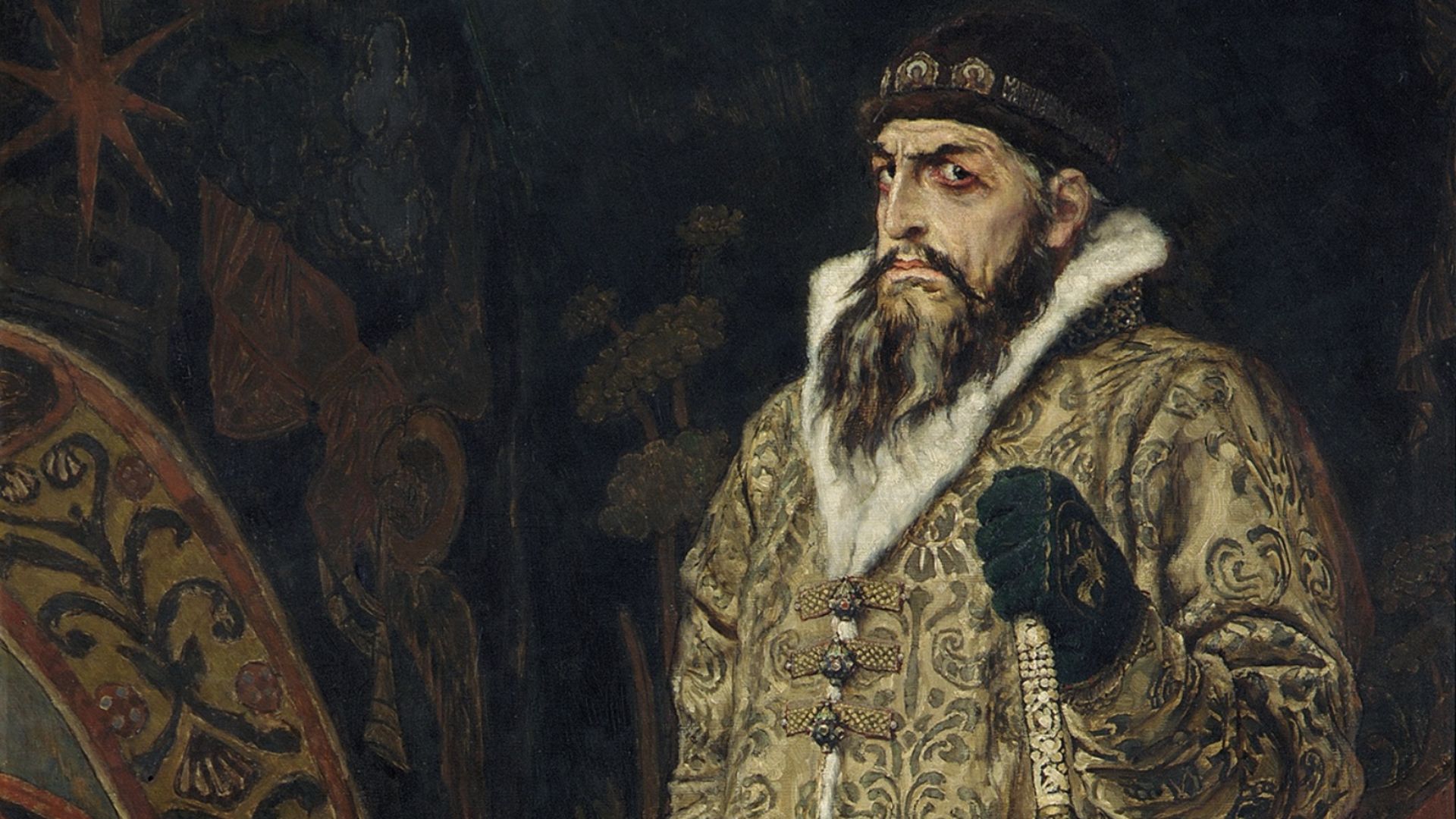
16. Ivan IV, "Ivan the Terrible"
The original Russian term translates closer to "fearsome" or "awe-inspiring" than the modern English word "terrible." Still, his later years gave people plenty of legitimate reasons to be afraid, including the violent oprichnina campaign and brutal purges of perceived enemies. The translation may be imperfect, but the terror was not.
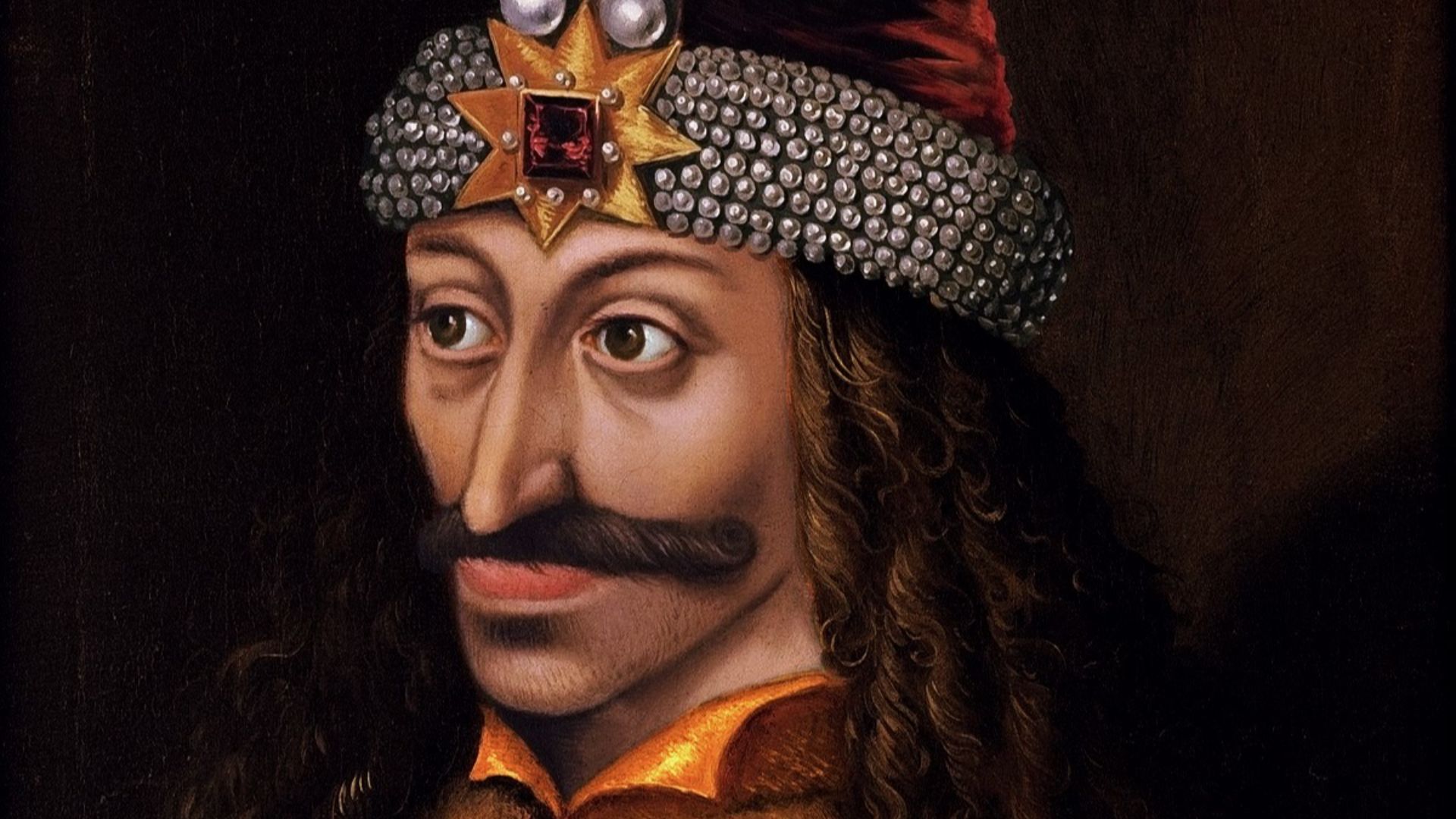
17. Vlad III, the Impaler
He earned his nickname the hard way, through his signature use of impalement to terrorize enemies and subjects alike. Later legends, especially the Dracula myth, piled on even more sensational details. Strip away the folklore, though, and Vlad was already notorious enough on his own.
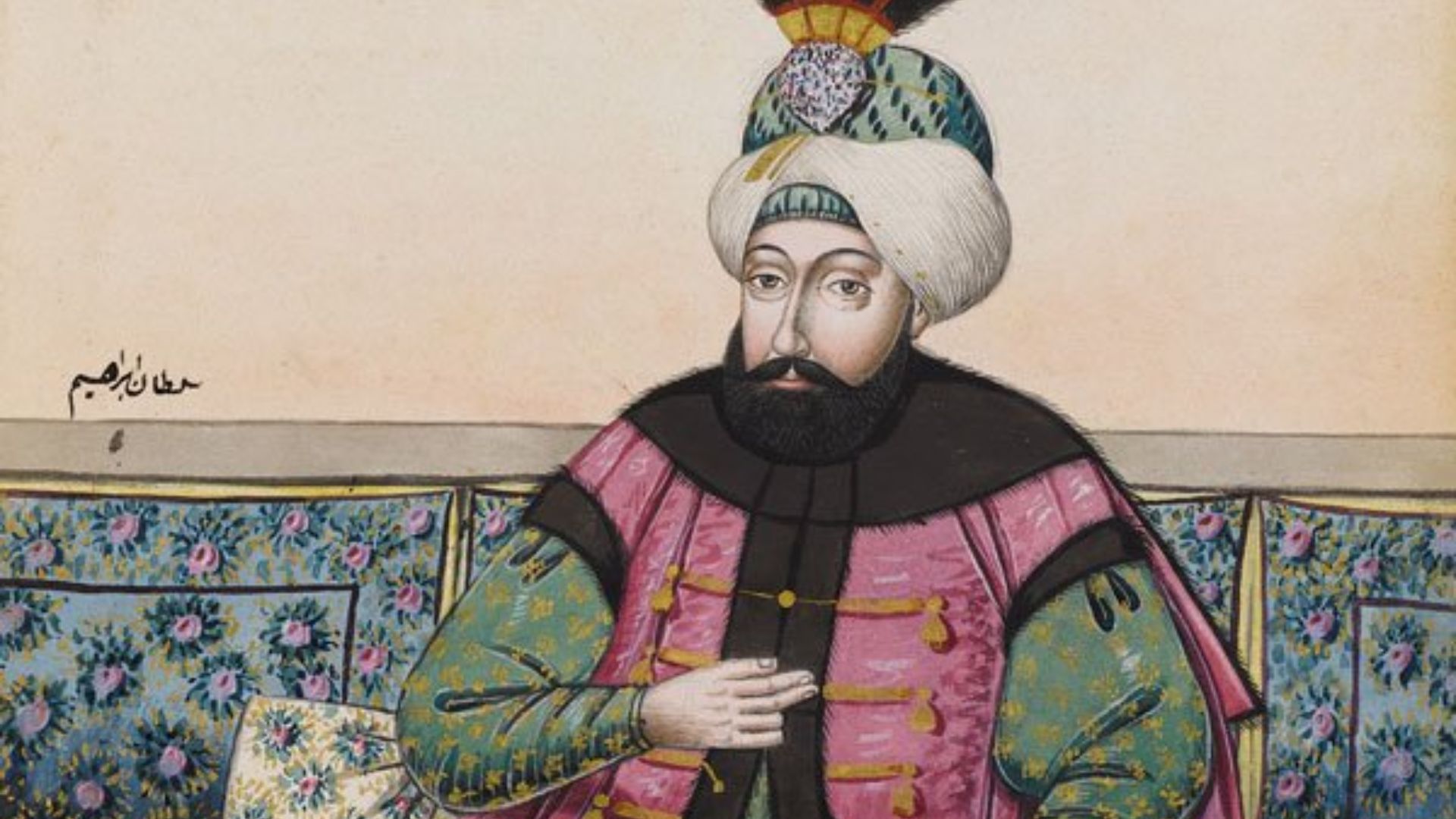
18. Ibrahim, "the Mad"
Ibrahim spent years confined inside the Ottoman palace, living in constant fear of execution like several of his relatives before him. His reign eventually collapsed into unrest, deposition, and his own execution. Calling him simply "the Mad" erases the isolation, fear, and violence that actually shaped his life.
 https://www.pinterest.com/ on Wikimedia
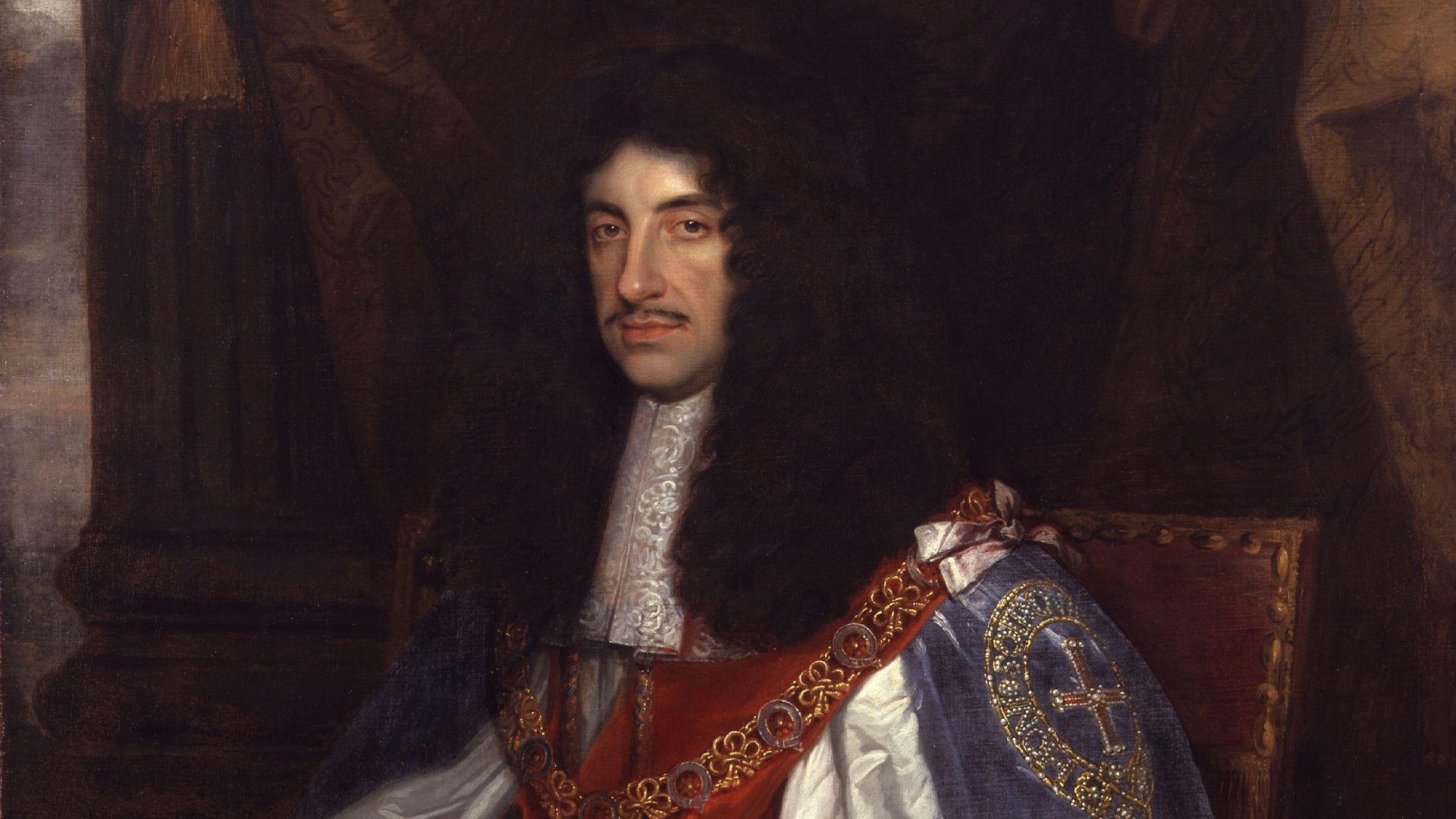
19. Charles II, the Merry Monarch
After years of Puritan austerity, Charles II's court brought back theater, spectacle, and plenty of mistresses, earning him this cheerful-sounding title. But "merry" hides a sharper edge: his openly acknowledged illegitimate children and very public romances kept the gossip mills running for his entire reign.
 John Michael Wright on Wikimedia
20. George III, the Mad King
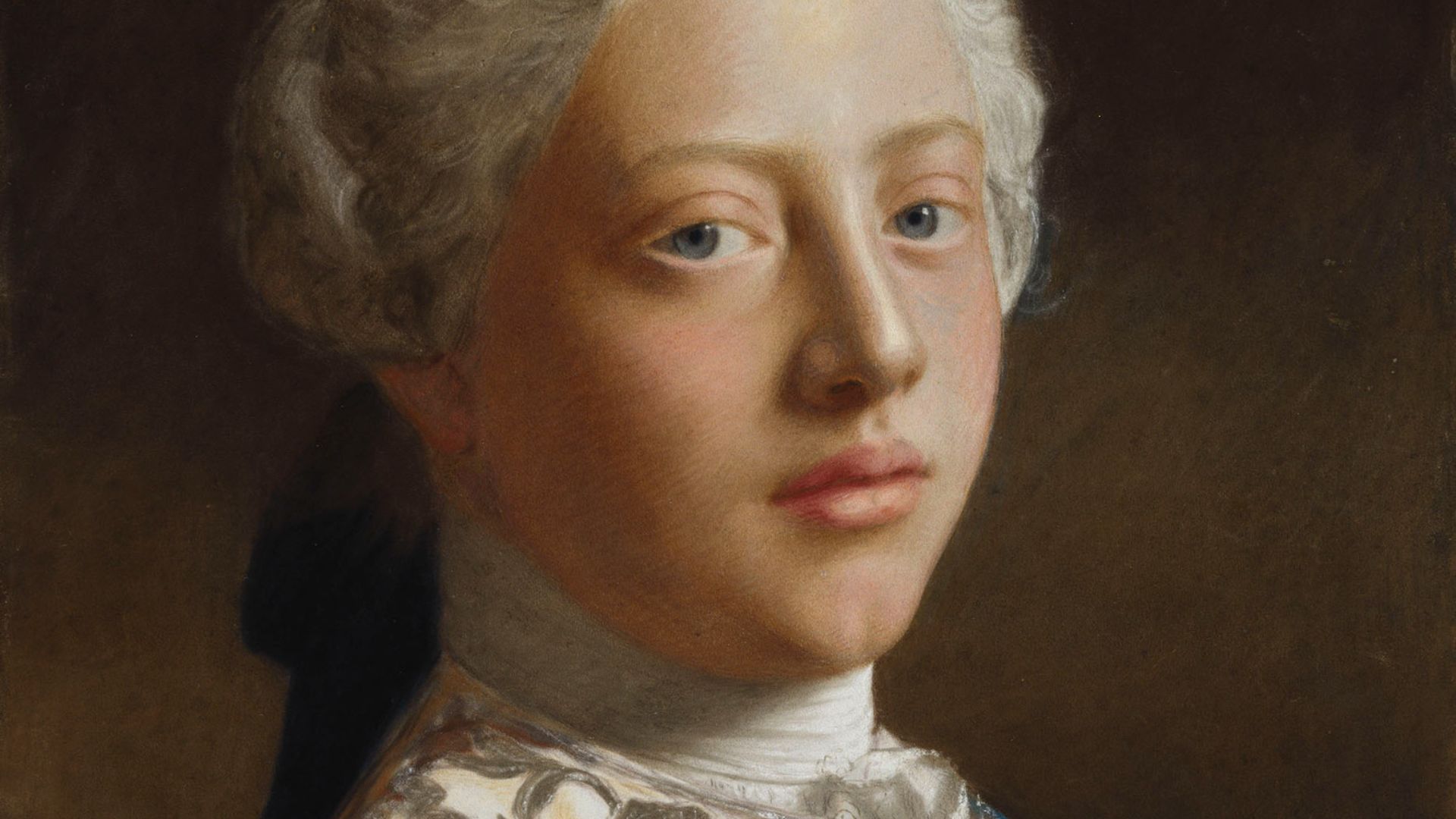
George III battled repeated, serious episodes of physical and mental illness throughout his long reign. "The Mad King" is the label most people remember, but it reduces a genuinely painful medical struggle to a punchline, and conveniently skips over the many years he spent actually governing in between.
KEEP ON READING