10 Famous Leaders Who Overestimated Their Own Genius & 10 Who Underestimated Their Rivals
10 Famous Leaders Who Overestimated Their Own Genius & 10 Who Underestimated Their Rivals
When Confidence Became a Strategic Weakness
Powerful leaders often succeed because they trust their judgment, but that same confidence can become dangerous when nobody is willing to challenge it. Some rulers began believing their past victories proved they could overcome any obstacle, while others dismissed opponents who appeared weaker, less experienced, or poorly equipped. These 20 examples show how personal pride and faulty assumptions influenced campaigns, alliances, and battles, sometimes with consequences that changed entire nations.
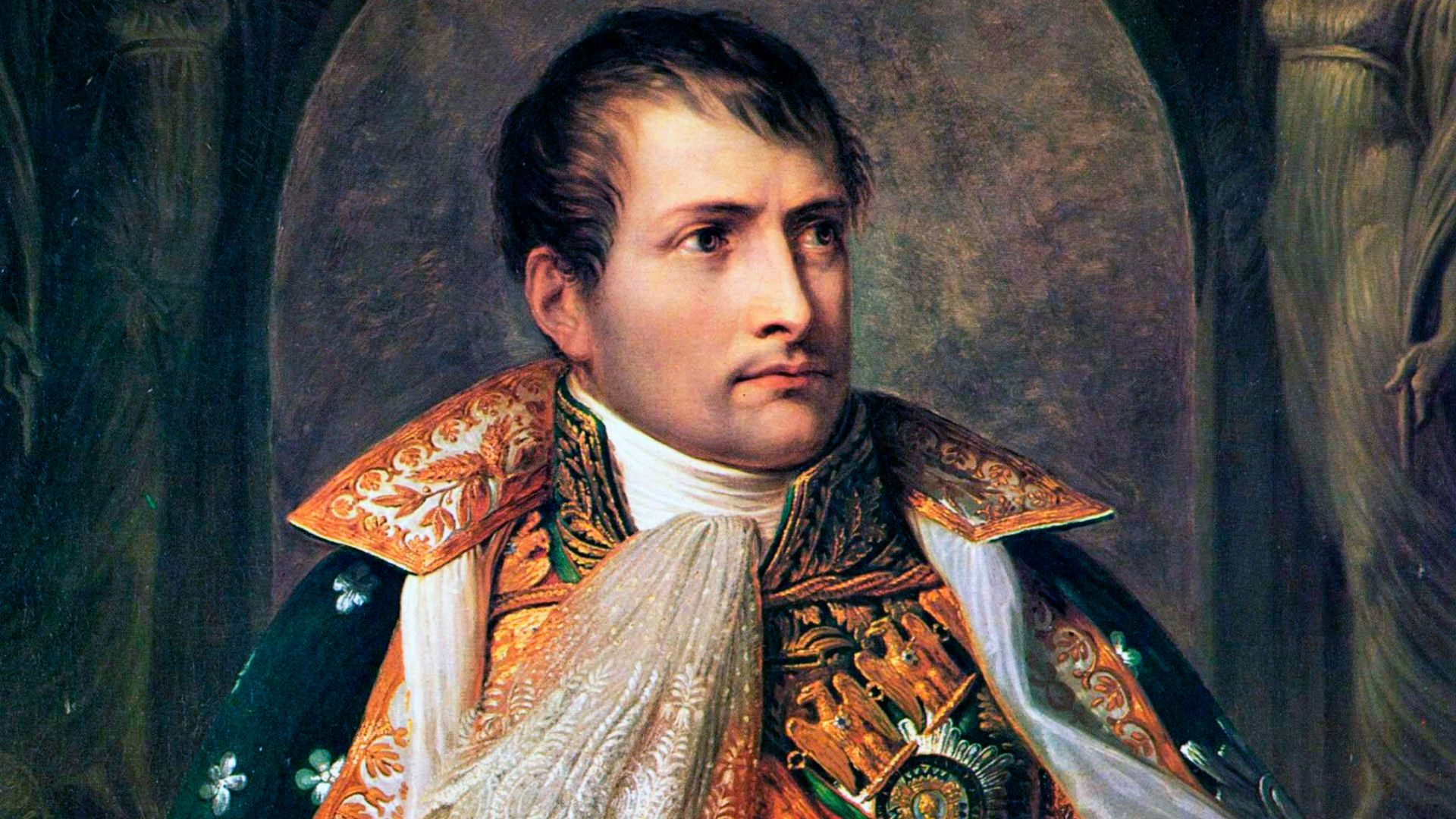
1. Napoleon Bonaparte
Napoleon’s earlier victories encouraged him to believe his army could force Russia into a decisive confrontation in 1812. He advanced deep into the country without adequately accounting for distance, supply problems, disease, and worsening weather. The disastrous retreat destroyed much of his army and weakened the reputation that had helped keep his European rivals cautious.
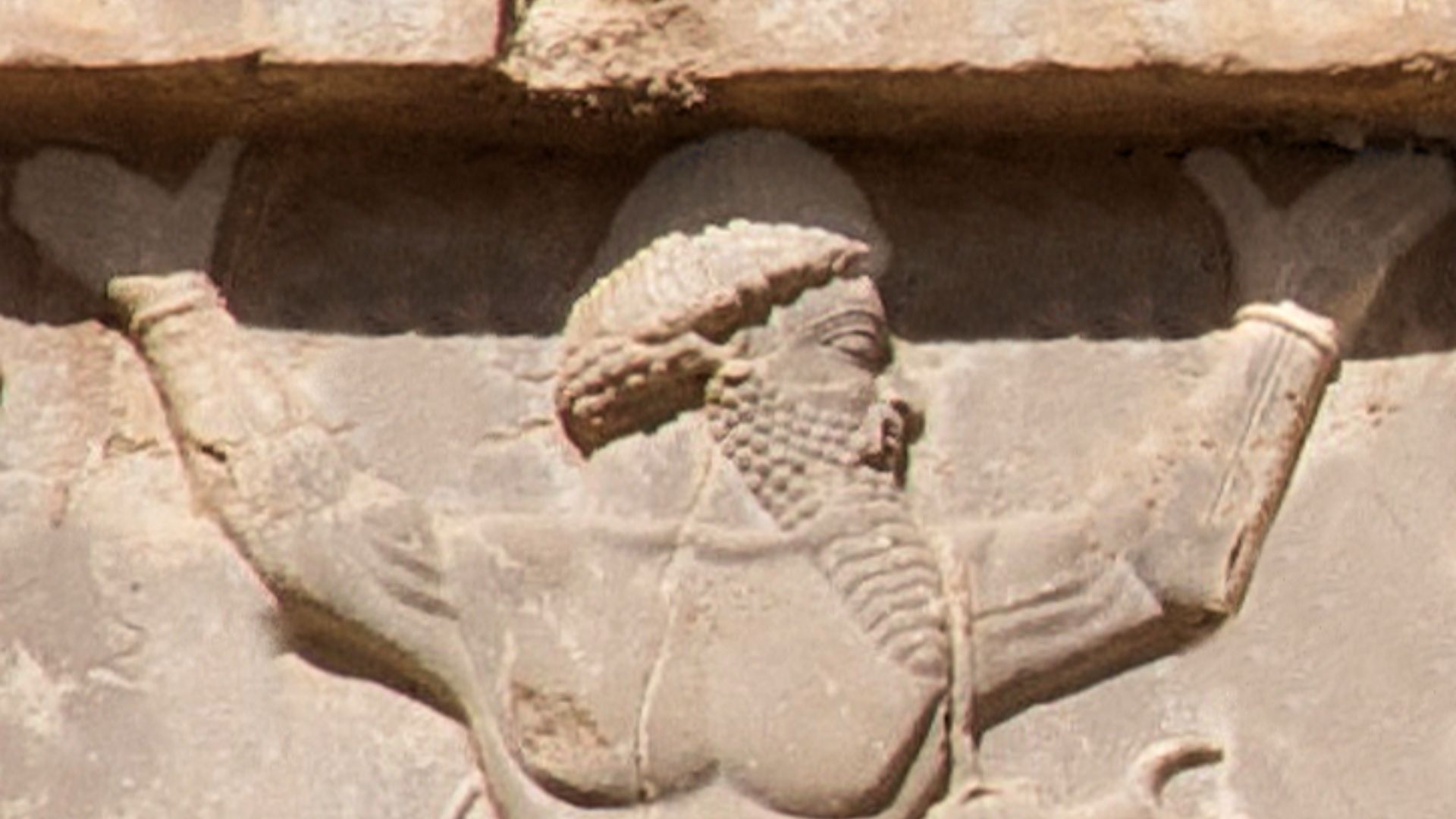
2. Xerxes I
Xerxes assembled an enormous invasion force to bring mainland Greece under Persian control in 480 B.C. Greek resistance at sea and on land demonstrated that numbers alone couldn’t guarantee control over strategically narrow battlefields.
3. Charles XII of Sweden
A series of early victories convinced Charles XII that he could defeat Russia as decisively as he had beaten other opponents. He rejected opportunities for negotiation and led his army farther east, where shortages and severe weather reduced its strength. Sweden’s defeat at Poltava in 1709 ended its momentum and confirmed Russia’s arrival as a major European power.
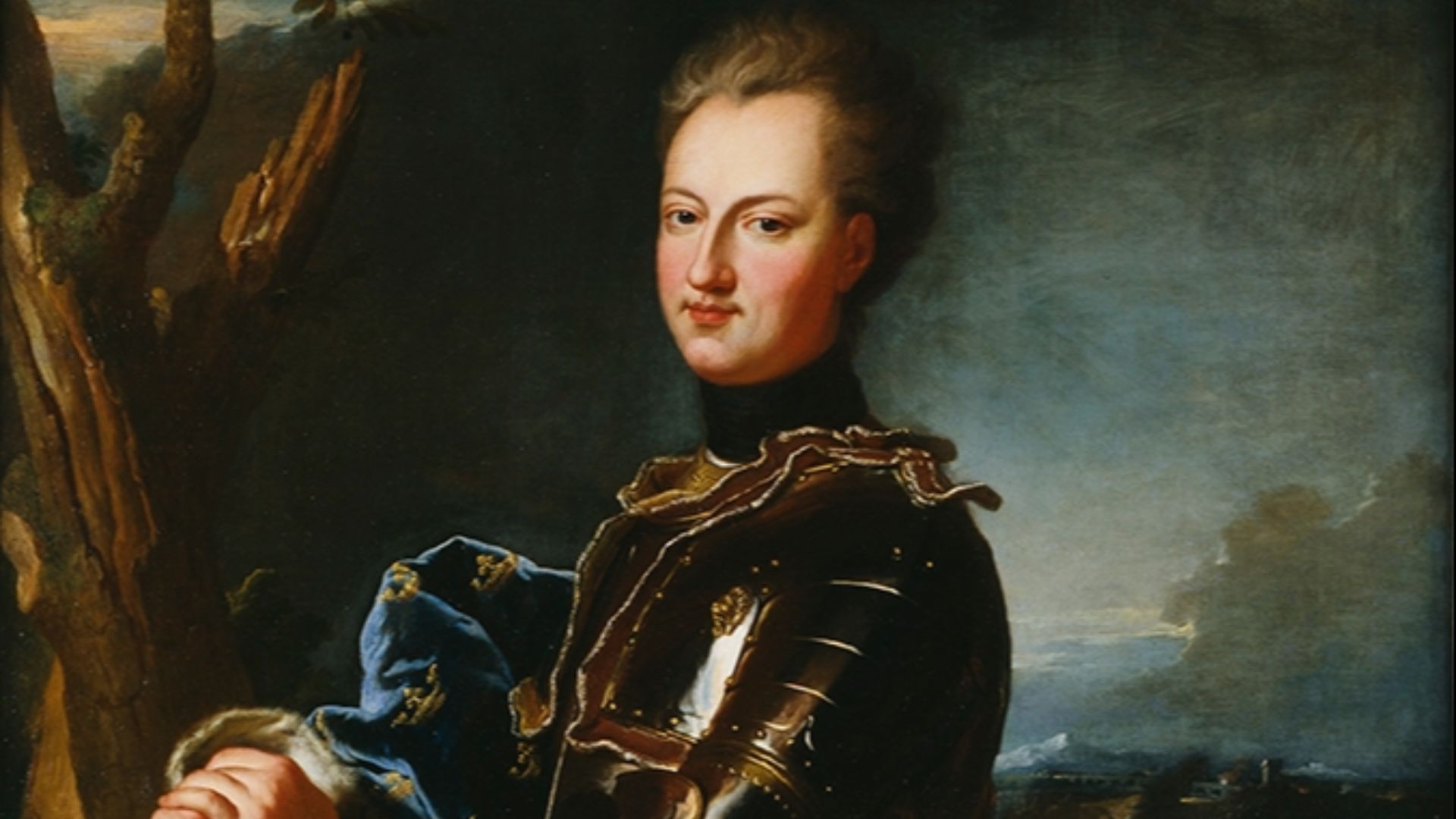 Workshop of Hyacinthe Rigaud on Wikimedia
4. Alcibiades
Alcibiades promoted Athens’ ambitious expedition against Sicily during the Peloponnesian War, presenting expansion as a realistic path to greater power. Although he was removed from command before the final disaster, his confidence helped launch a campaign that ended with a devastating Athenian defeat.
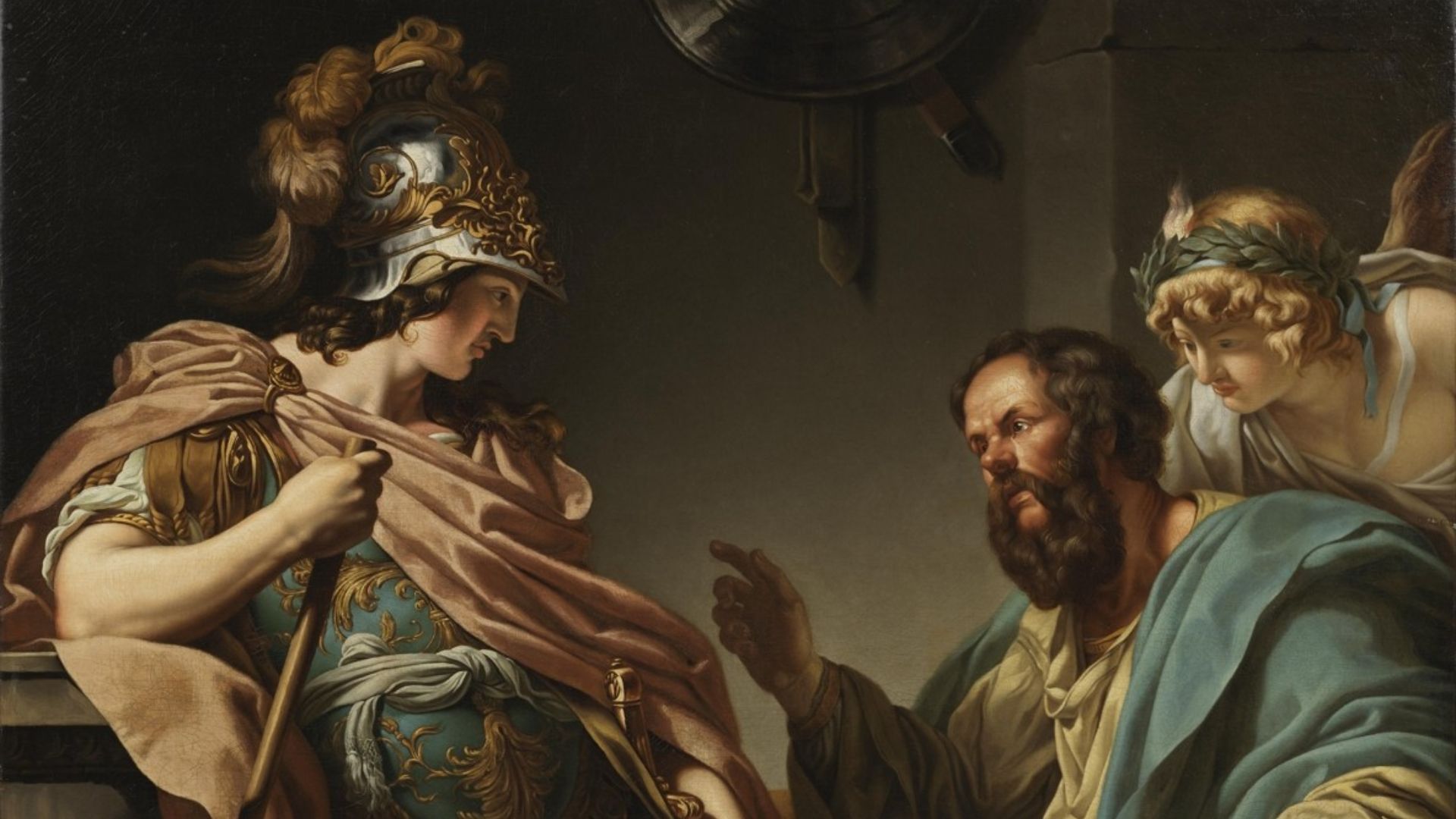 François-André Vincent on Wikimedia
5. Marcus Licinius Crassus
Crassus entered Parthian territory seeking military glory comparable to that of Rome’s most celebrated commanders. He relied heavily on infantry and failed to prepare effectively for highly mobile horse archers operating across open ground. At Carrhae, the Parthians repeatedly attacked from a distance, destroying much of his army and ending his personal ambitions.
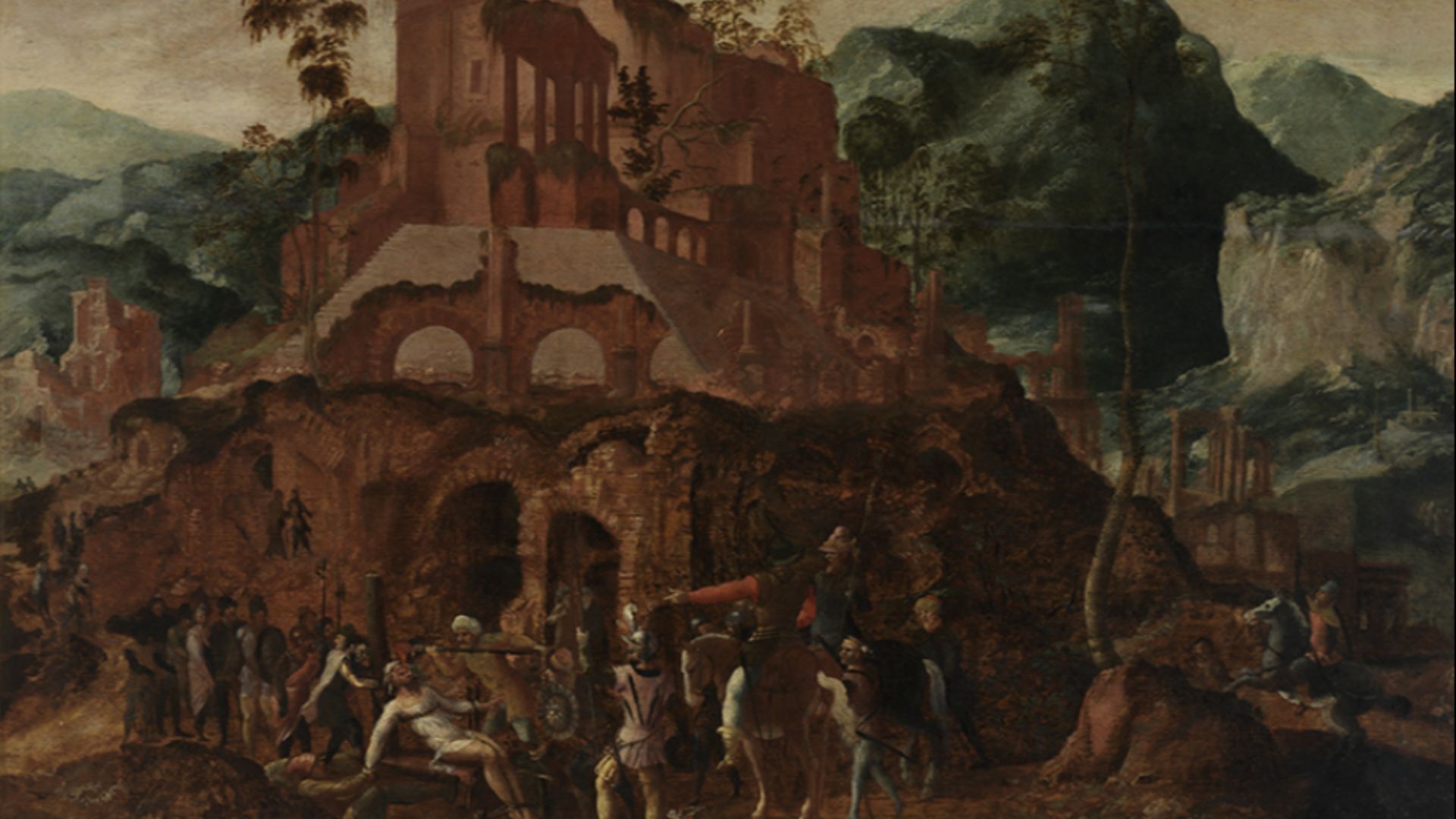 Lancelot Blondeel on Wikimedia
6. Napoleon III
Napoleon III entered the Franco-Prussian War expecting France to defend its status as Europe’s leading military power. The emperor was captured at Sedan, his regime collapsed, and the conflict helped produce a unified German Empire under Prussian leadership.
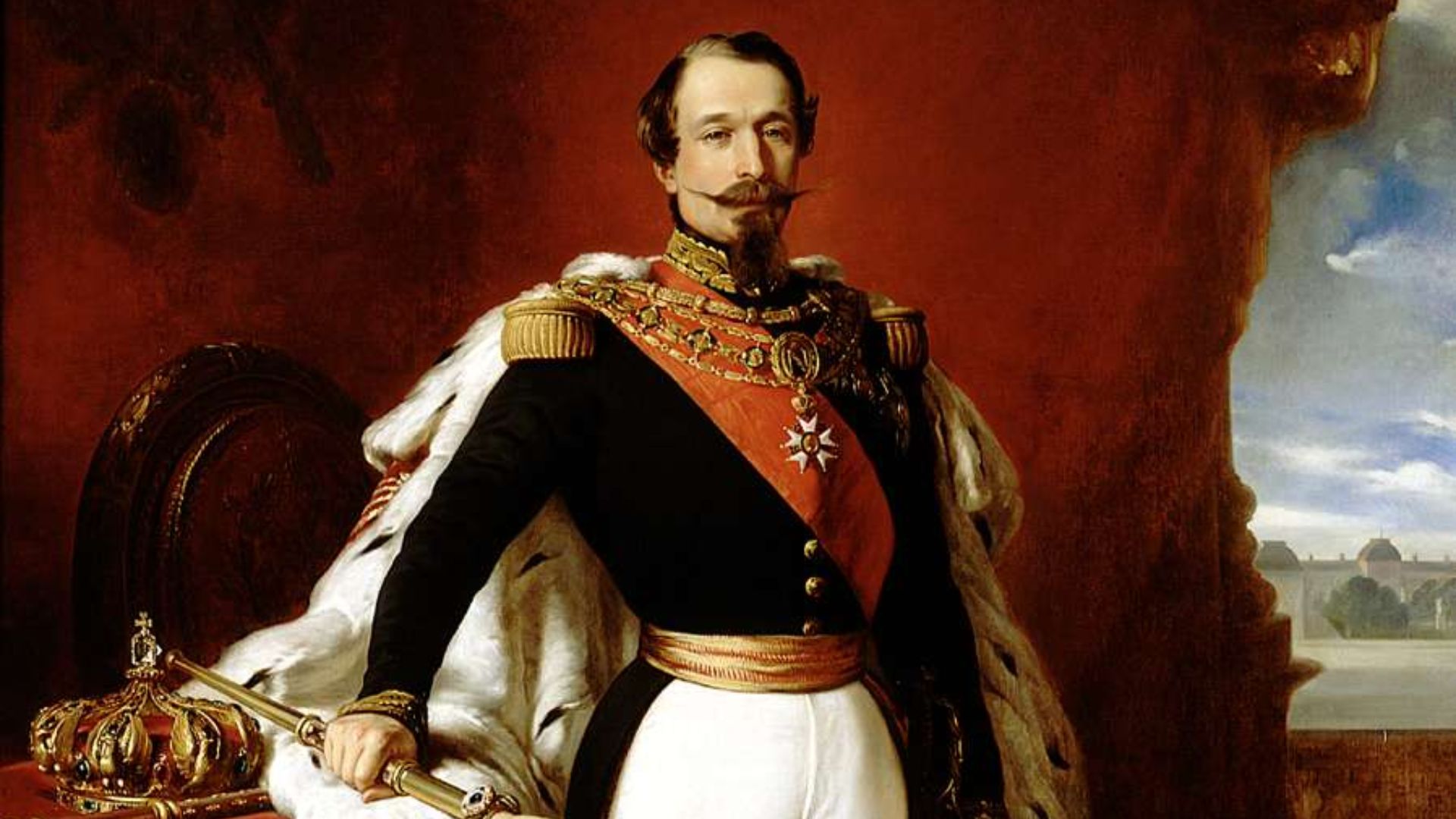 Franz Xaver Winterhalter on Wikimedia
7. Antonio López de Santa Anna
Santa Anna repeatedly presented himself as the indispensable military and political leader of Mexico. A surprise attack resulted in a rapid defeat and his capture, forcing him into negotiations under extremely unfavorable circumstances.
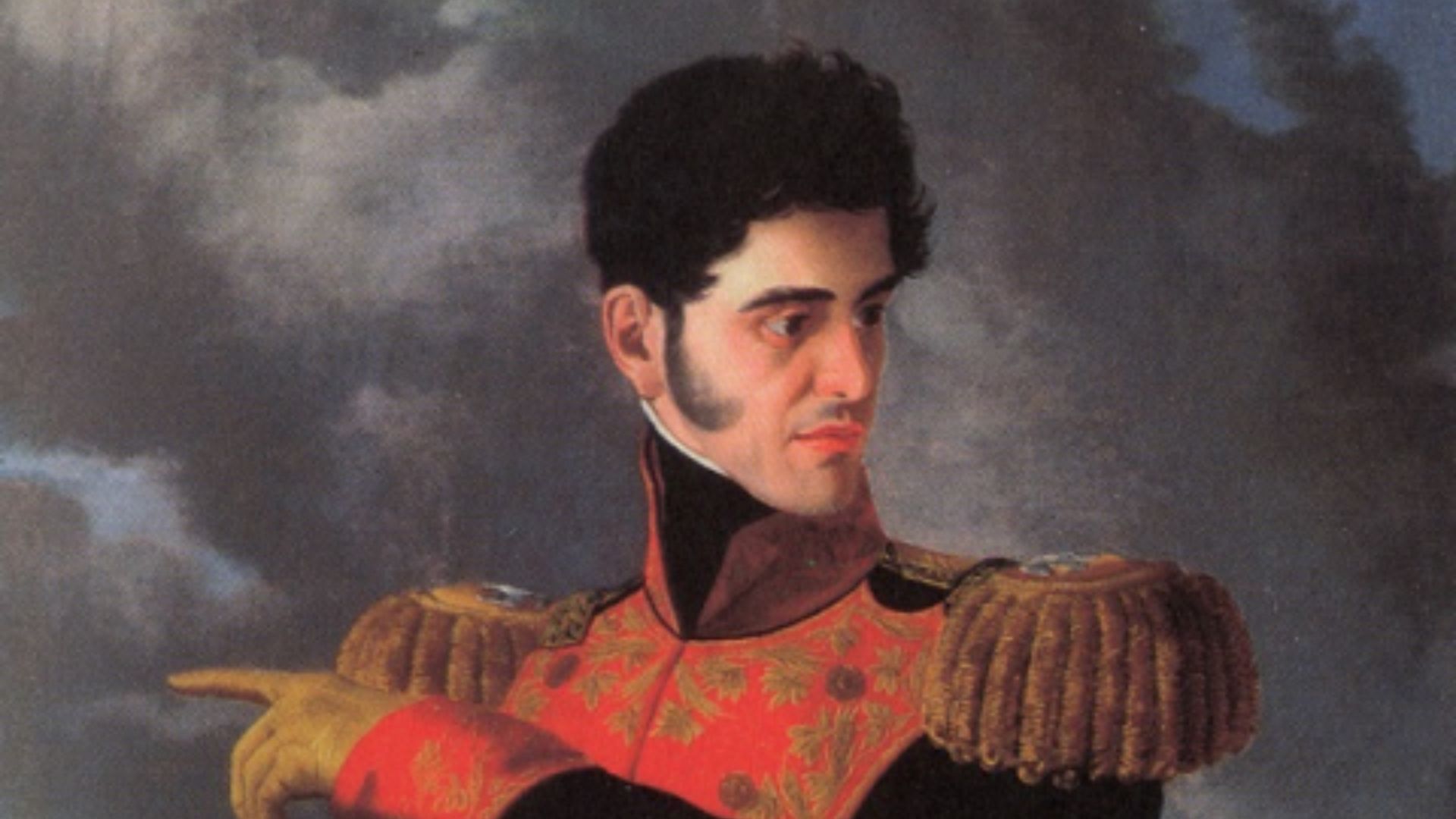
8. Sebastian I of Portugal
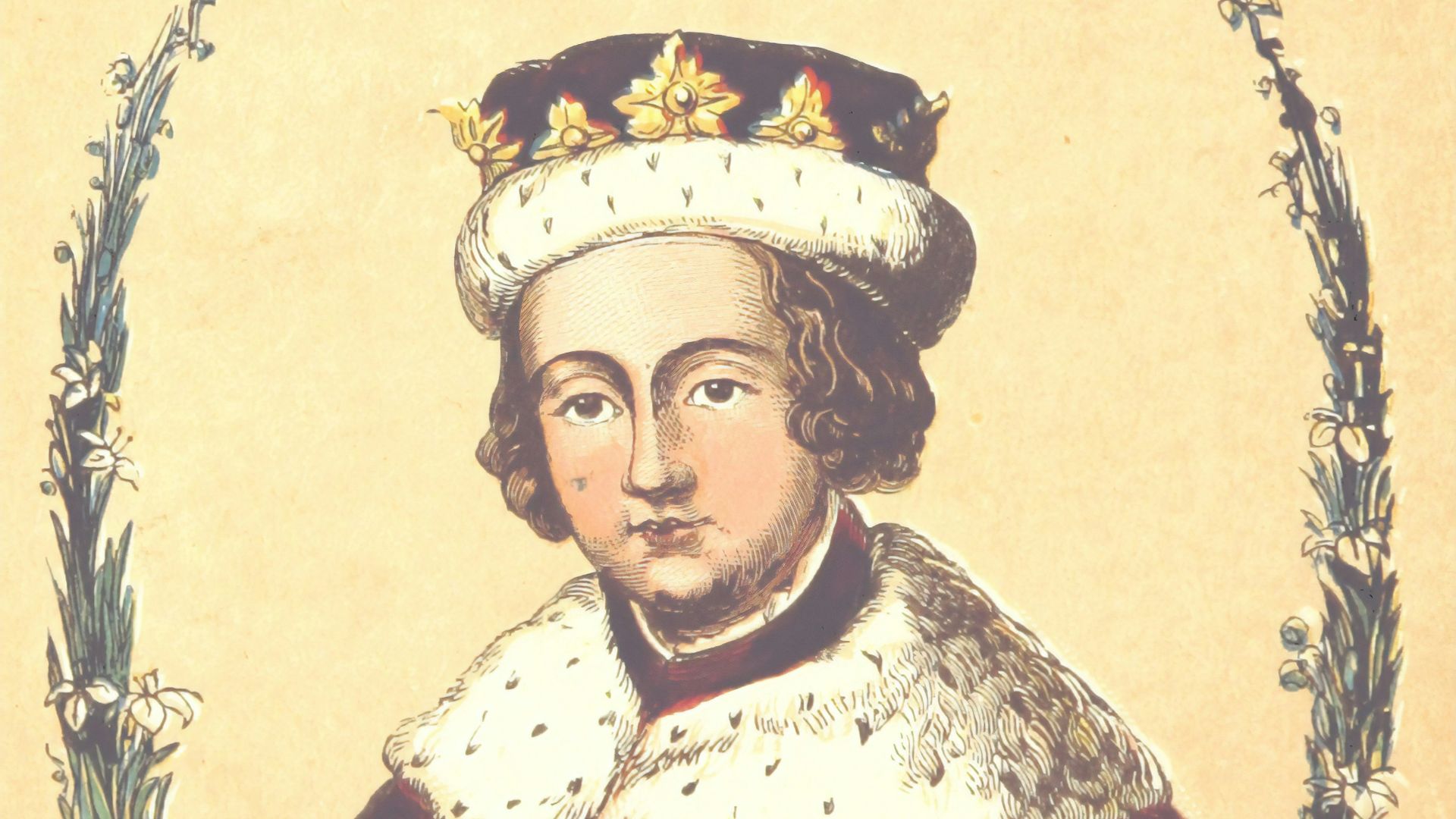
The young Portuguese king dreamed of winning glory through a major campaign in Morocco. He ignored concerns about planning, local politics, and the ability to support a large army far from home. His death at Alcácer Quibir in 1578 created a succession crisis that eventually placed Portugal under the Spanish crown.
9. Emperor Valens
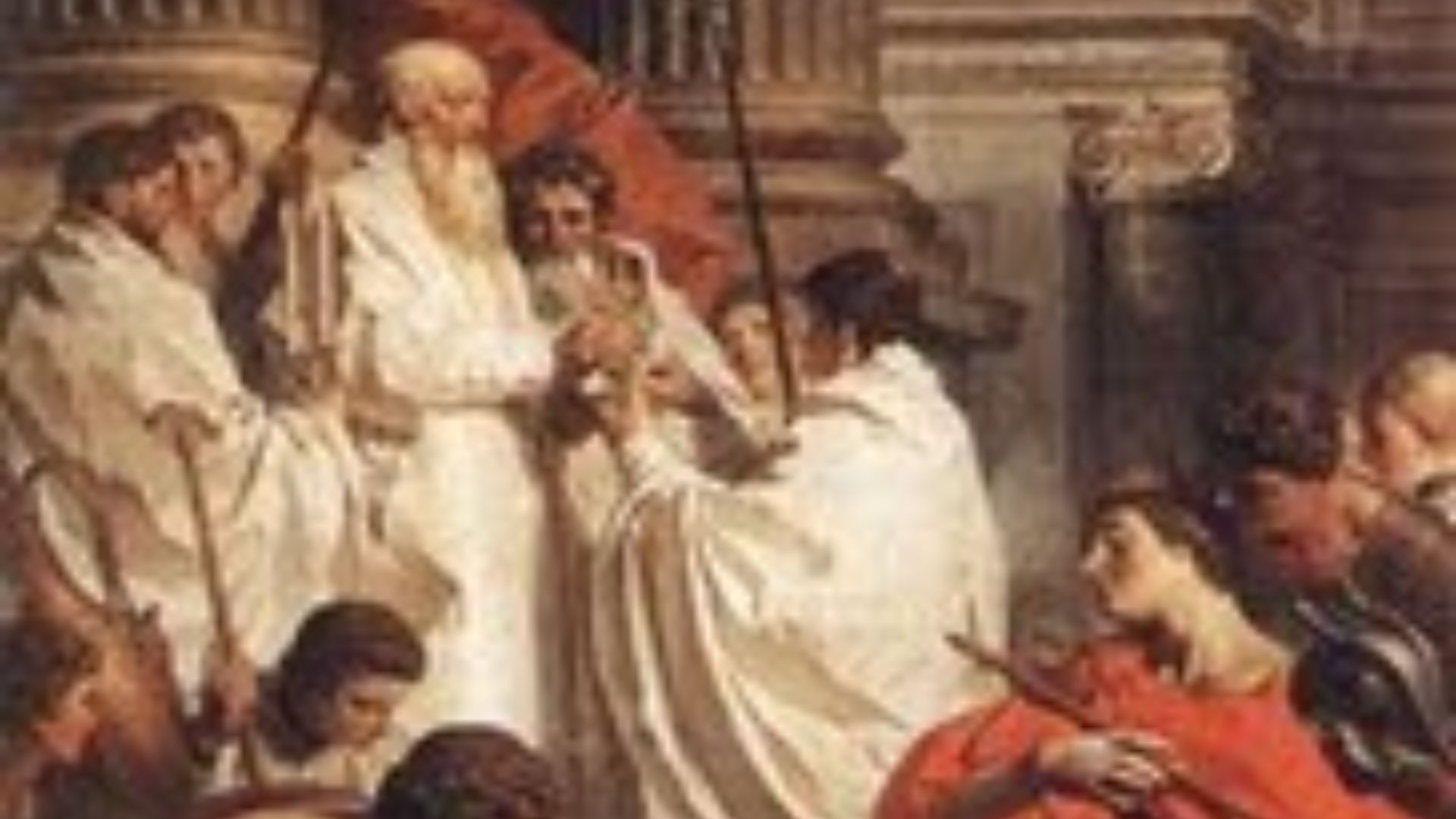
Valens confronted a large Gothic force near Adrianople in 378 without waiting for additional Roman troops led by his nephew Gratian. The Goths overwhelmed the Roman army, and Valens died during one of the empire’s most damaging battlefield defeats.
10. Philip V of Macedon
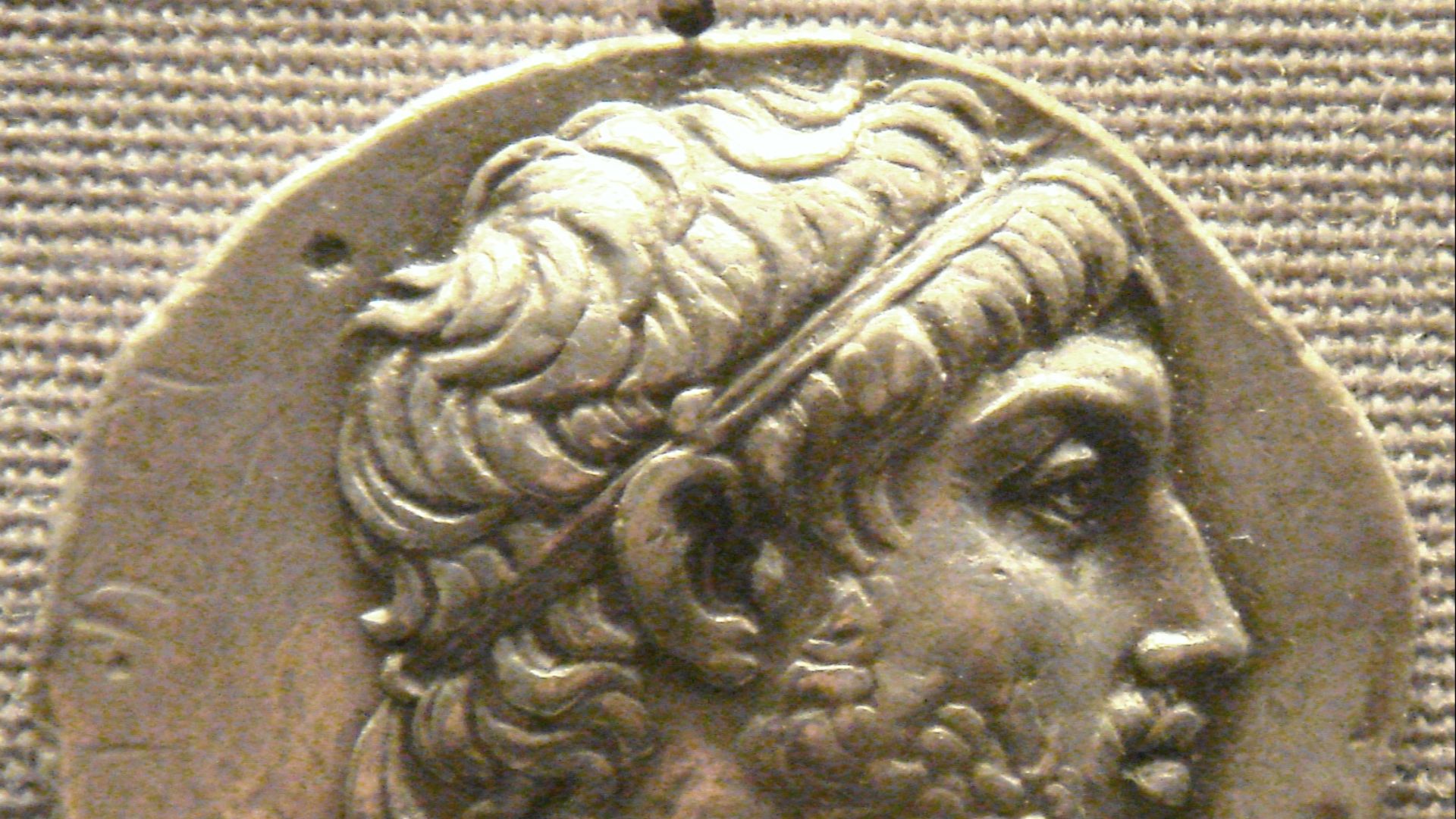
Philip V tried to exploit Rome’s difficulties during its war against Carthage by expanding Macedonian influence. He underestimated Rome’s ability to manage several conflicts while building alliances with states that feared Macedonian power. His eventual defeat at Cynoscephalae revealed the limitations of his strategy and reduced Macedonia’s position in the Greek world.
1. George Armstrong Custer
Custer approached the Little Bighorn believing the Native village could be attacked before its inhabitants dispersed. Lakota, Northern Cheyenne, and Arapaho warriors held a substantial numerical advantage and destroyed the portion of the regiment under his immediate command.
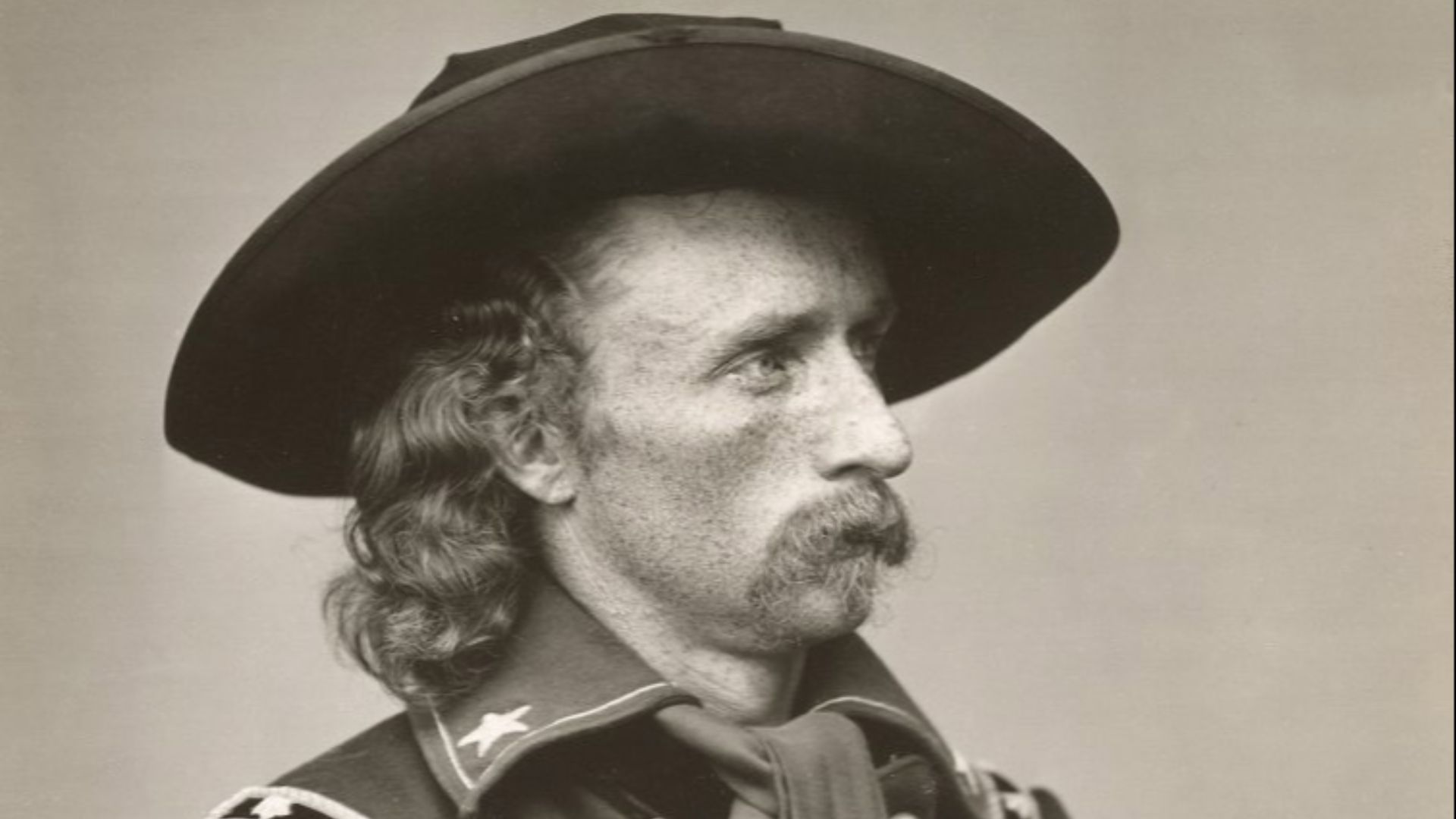 George L. Andrews on Wikimedia
2. Publius Quinctilius Varus
Varus believed Roman authority in Germania was secure enough for him to travel with several legions through difficult forested territory. The ambush in the Teutoburg Forest destroyed three legions and halted Roman expansion east of the Rhine.
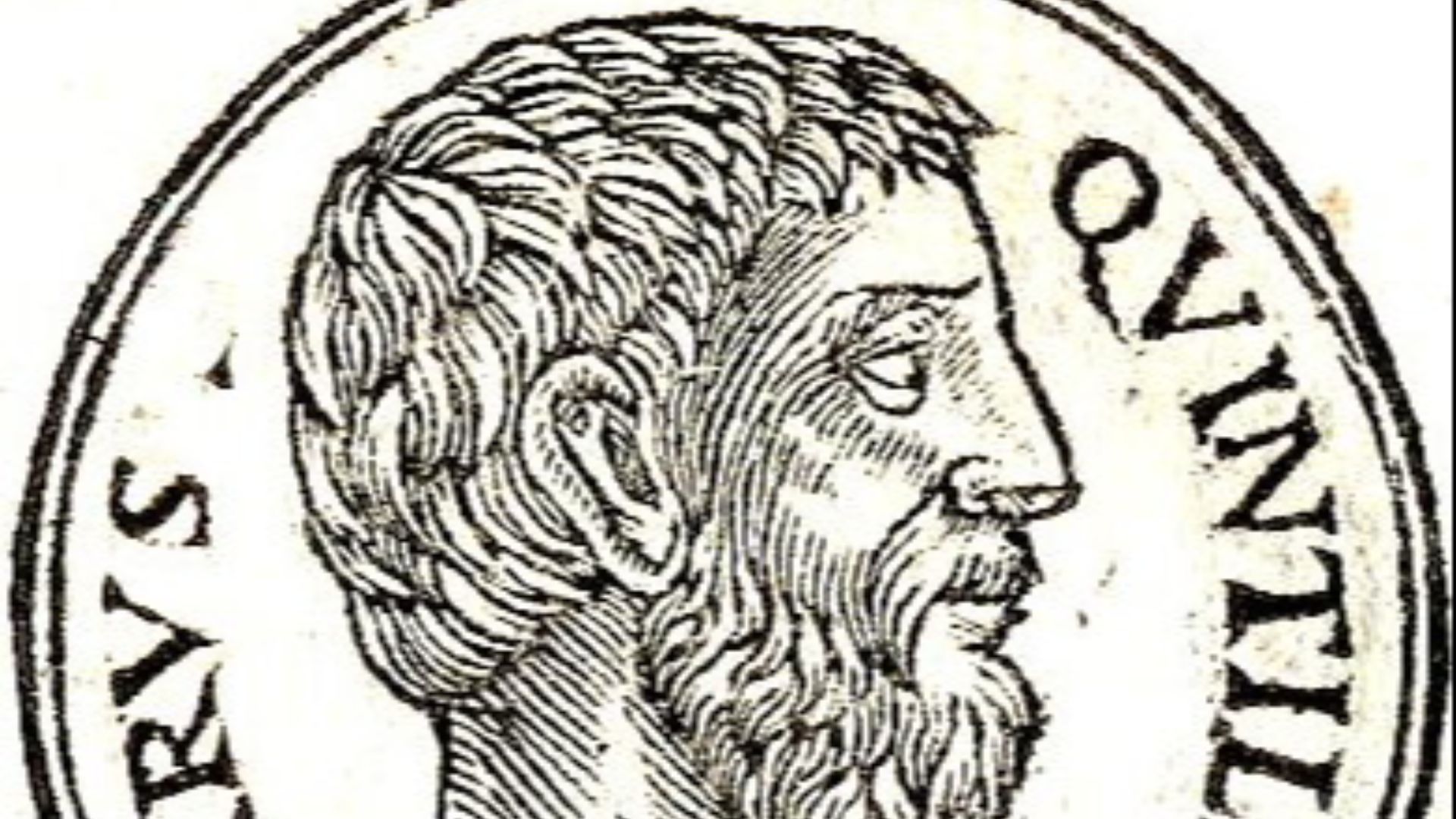 Published by Guillaume Rouille (1518?-1589) on Wikimedia
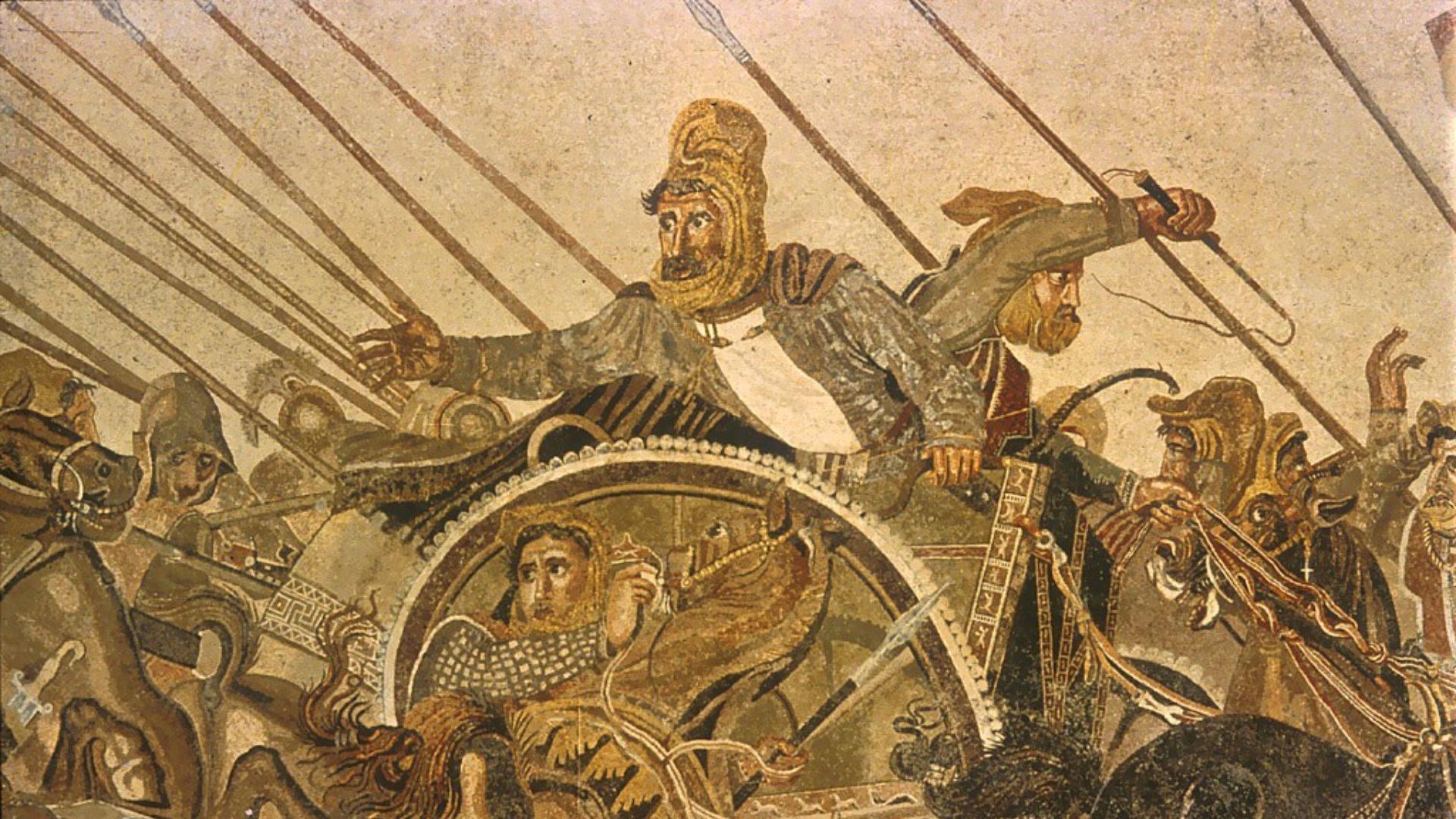
3. Darius III
Darius III possessed larger forces than Alexander of Macedon, but he struggled to use that advantage effectively. Alexander’s disciplined army and aggressive leadership produced victories that shattered Persian control and brought the Achaemenid Empire to an end.
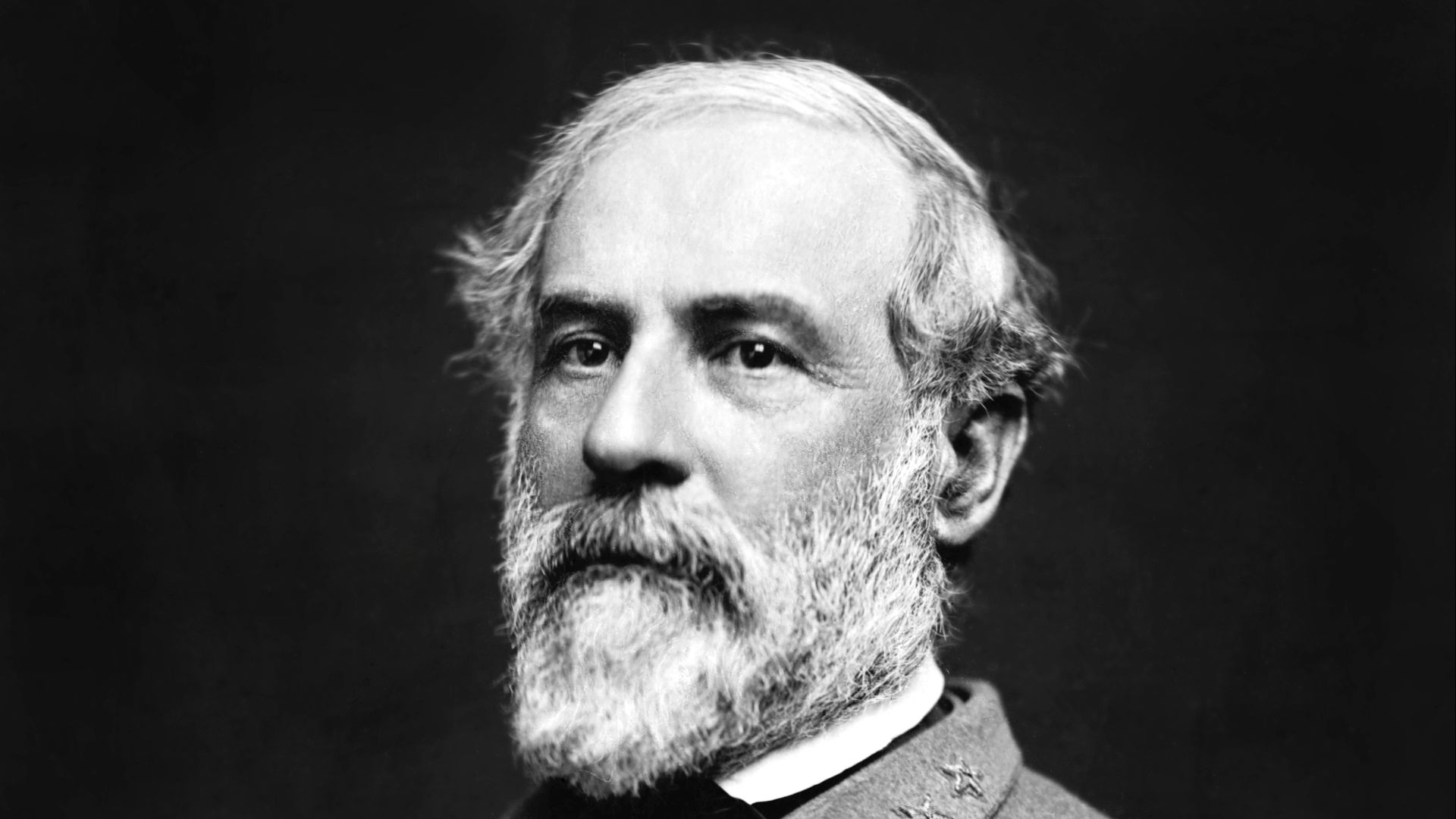
4. Robert E. Lee
Lee believed the Army of the Potomac would remain vulnerable after years of changing commanders and inconsistent leadership. Lee gradually discovered that his rival was prepared to use the Union’s greater manpower and resources to maintain relentless pressure on Confederate forces.
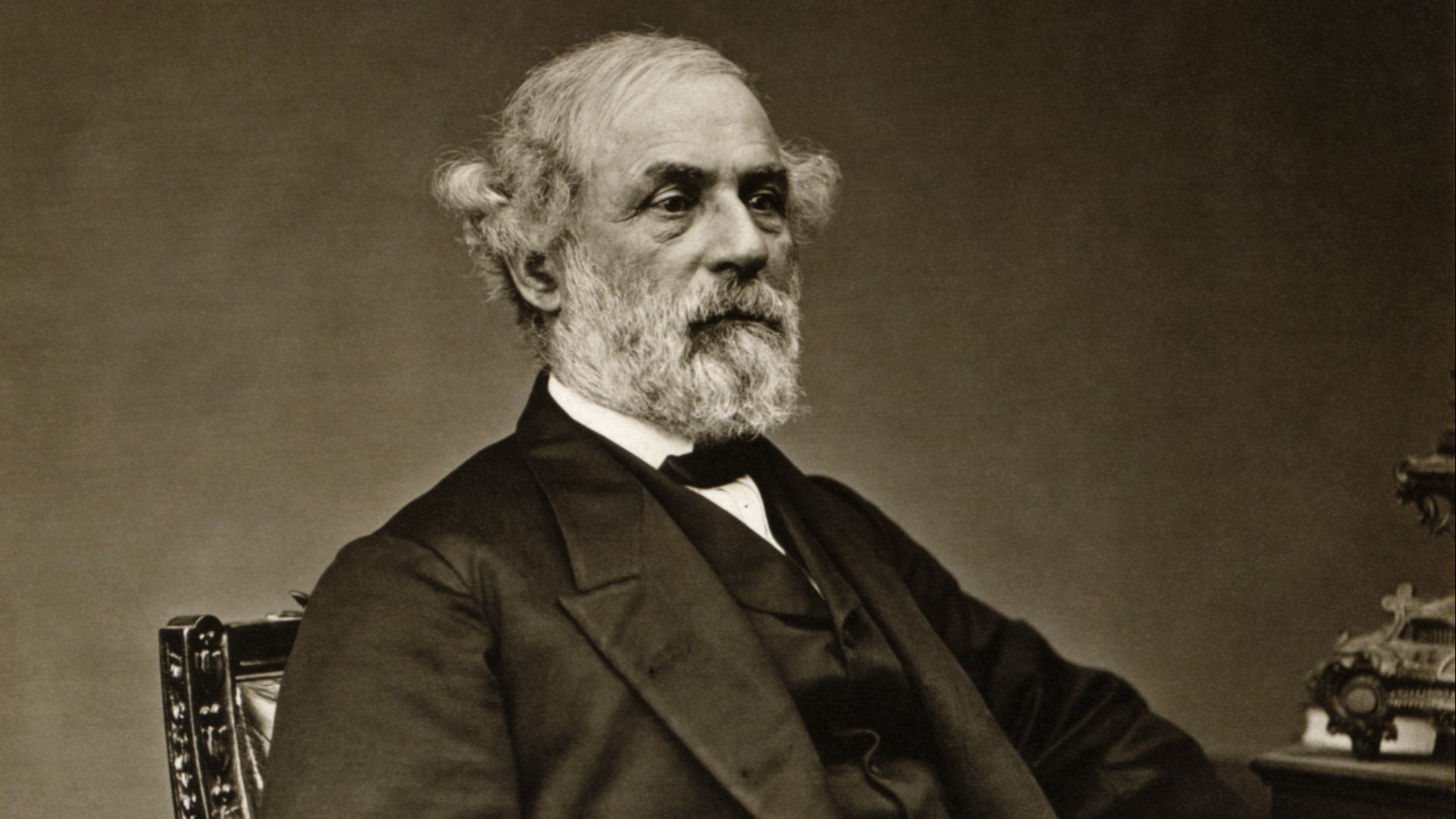 Levin Corbin Handy / Adam Cuerden on Wikimedia
5. Tsar Nicholas II
Nicholas II’s government expected a limited conflict with Japan to reaffirm Russian influence in East Asia. Defeats on land and at sea damaged the monarchy’s prestige and contributed to political unrest within the Russian Empire.
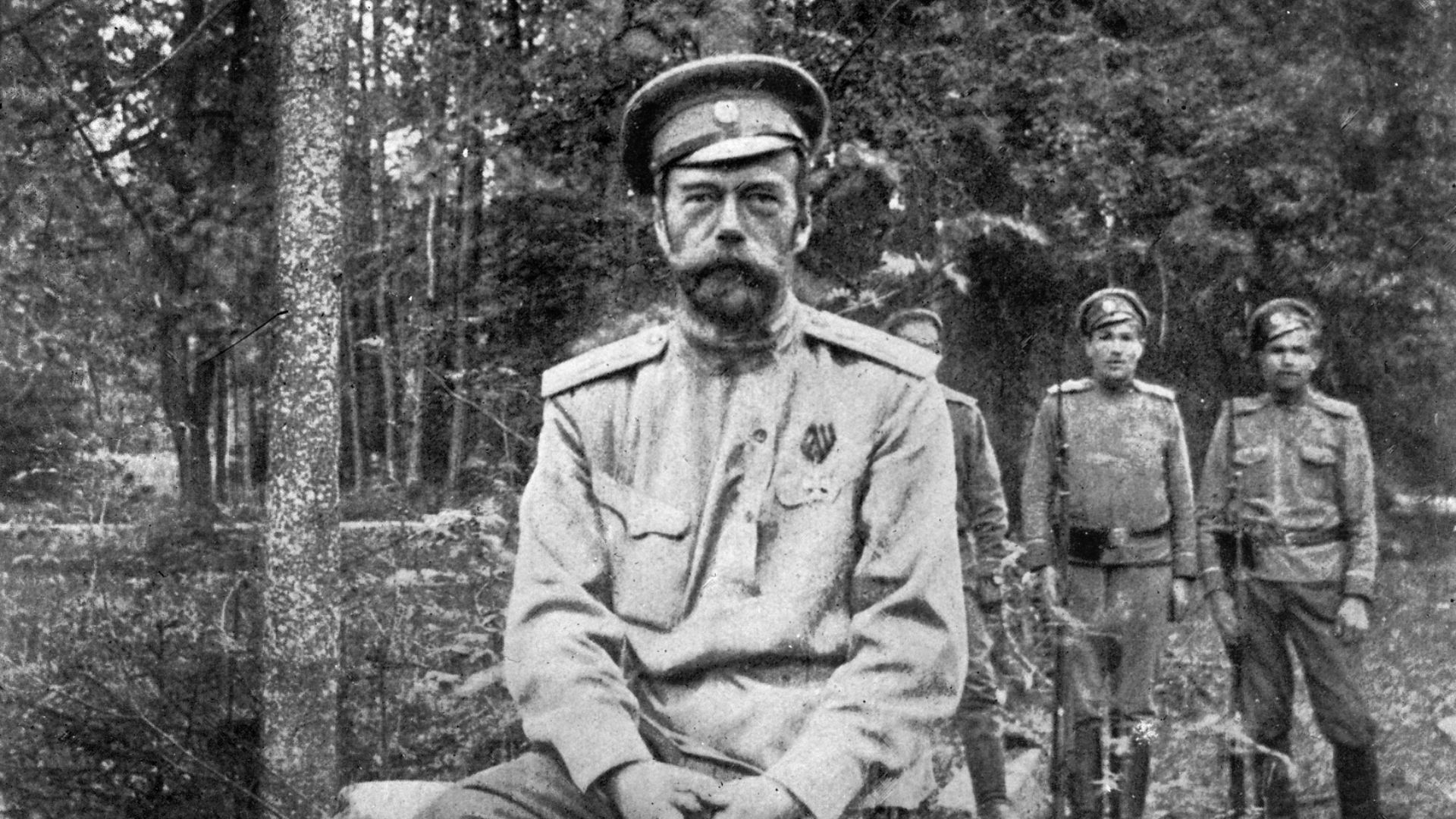 Unknown authorUnknown author on Wikimedia
6. Edward II of England
Edward II marched into Scotland with a large army to relieve Stirling Castle in 1314. At Bannockburn, the Scots used disciplined infantry formations and favorable ground to defeat the English and strengthen Scotland’s fight for independence.
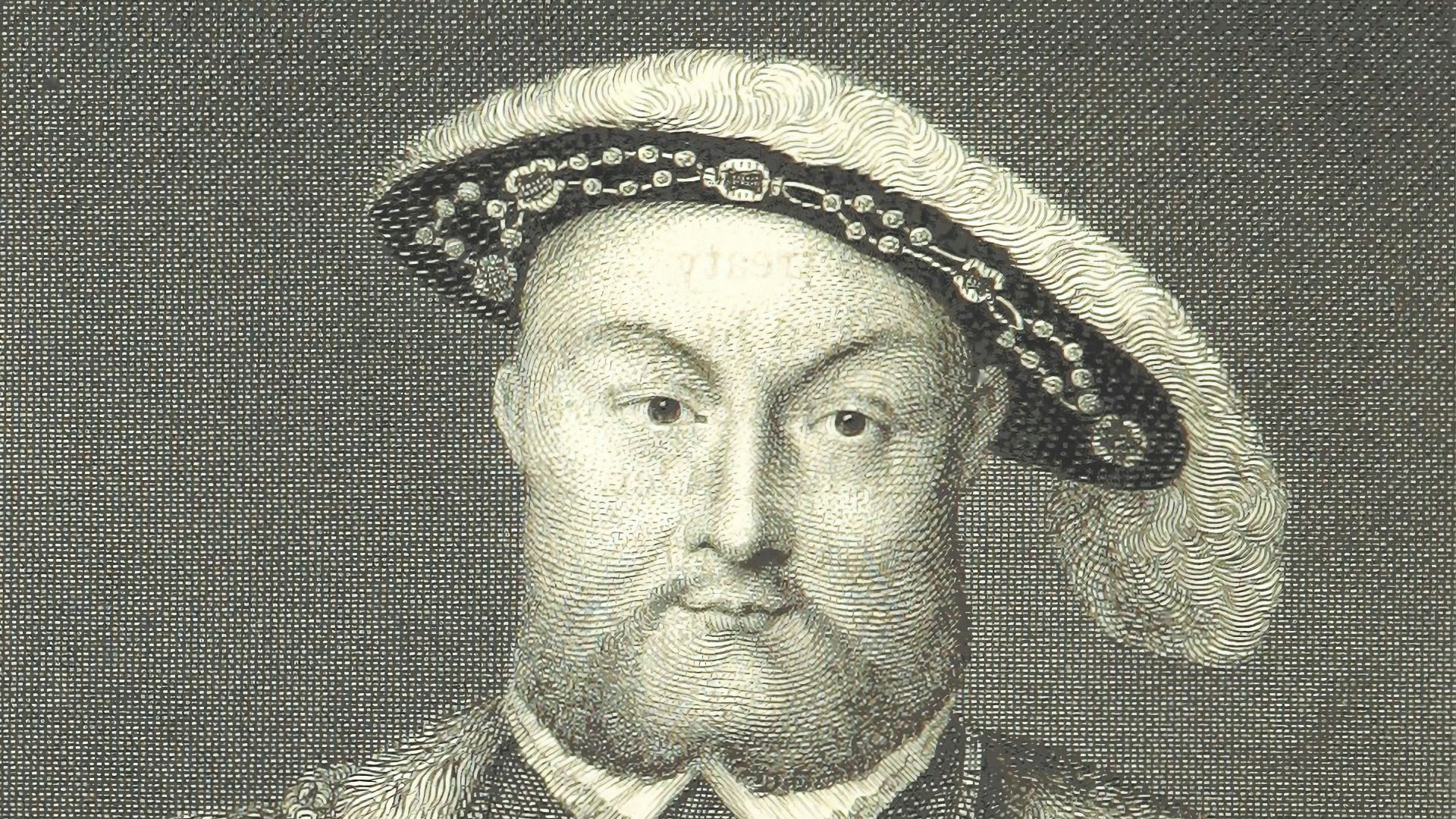
7. Richard III
Richard III met Henry Tudor at Bosworth with a larger army and the authority of a reigning king. When key forces withheld support or joined Henry, Richard’s personal charge failed, and he became the last English king killed in combat.
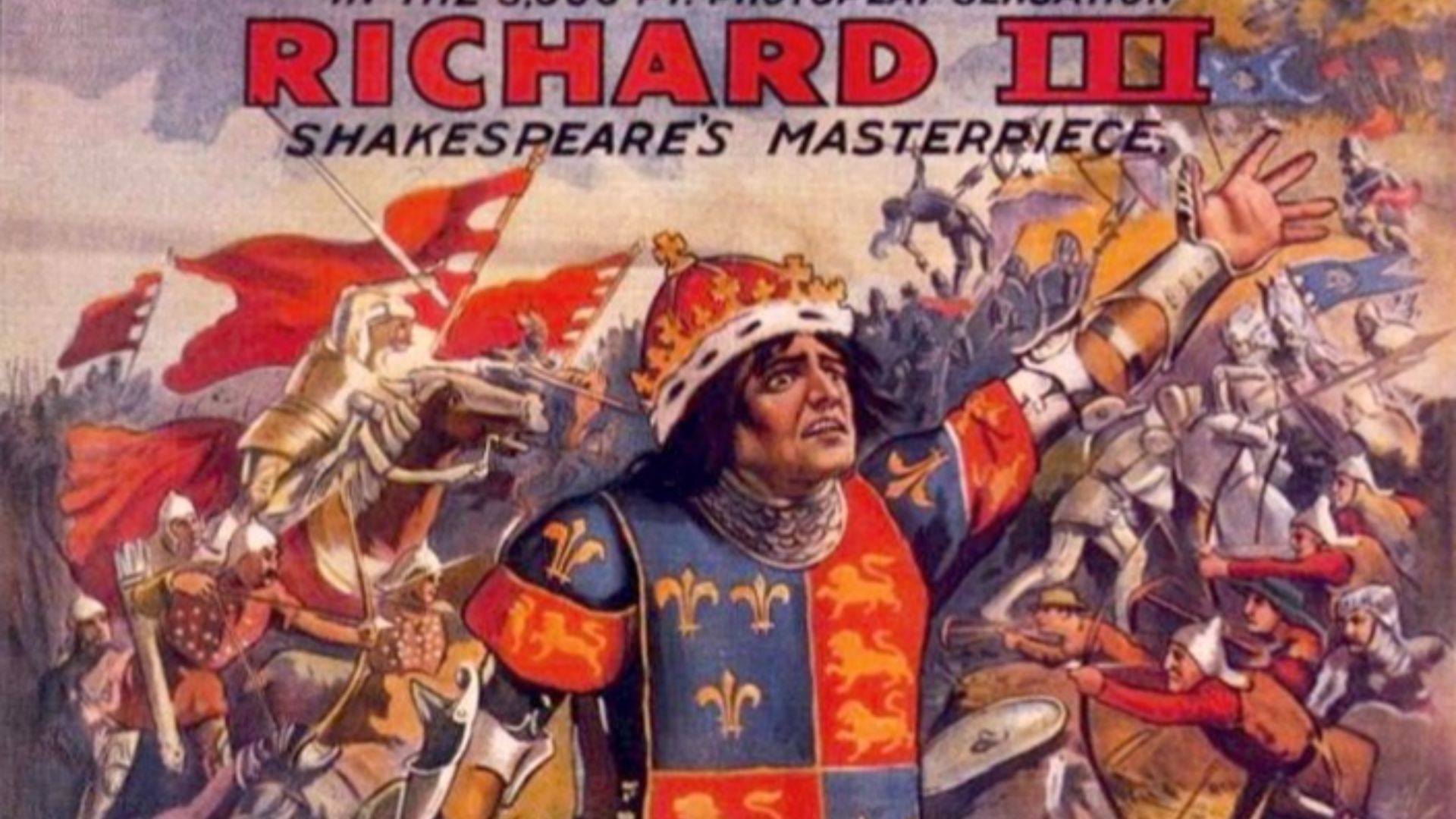 . The original uploader was Vanjagenije at English Wikipedia. on Wikimedia
8. John II of France
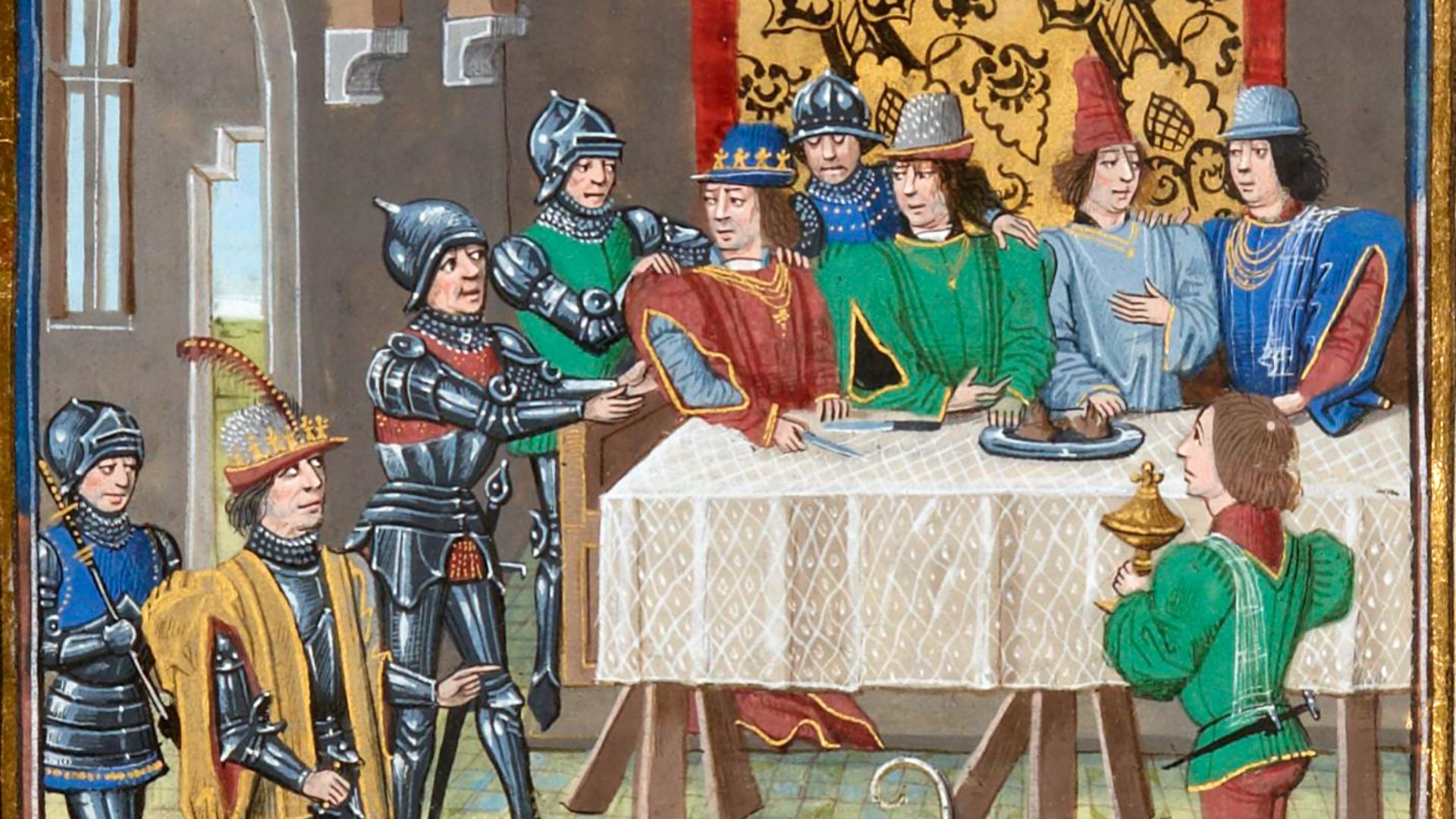
John II pursued the smaller army of Edward, the Black Prince, near Poitiers in 1356. English and Gascon forces occupied a strong defensive position, defeated repeated attacks, and captured the French king, creating a national political crisis.
9. Karl Mack von Leiberich
Austrian General Karl Mack expected to hold Ulm while allied Russian forces moved west to support him in 1805. French forces surrounded Ulm, leaving Mack with few options beyond surrendering tens of thousands of troops.
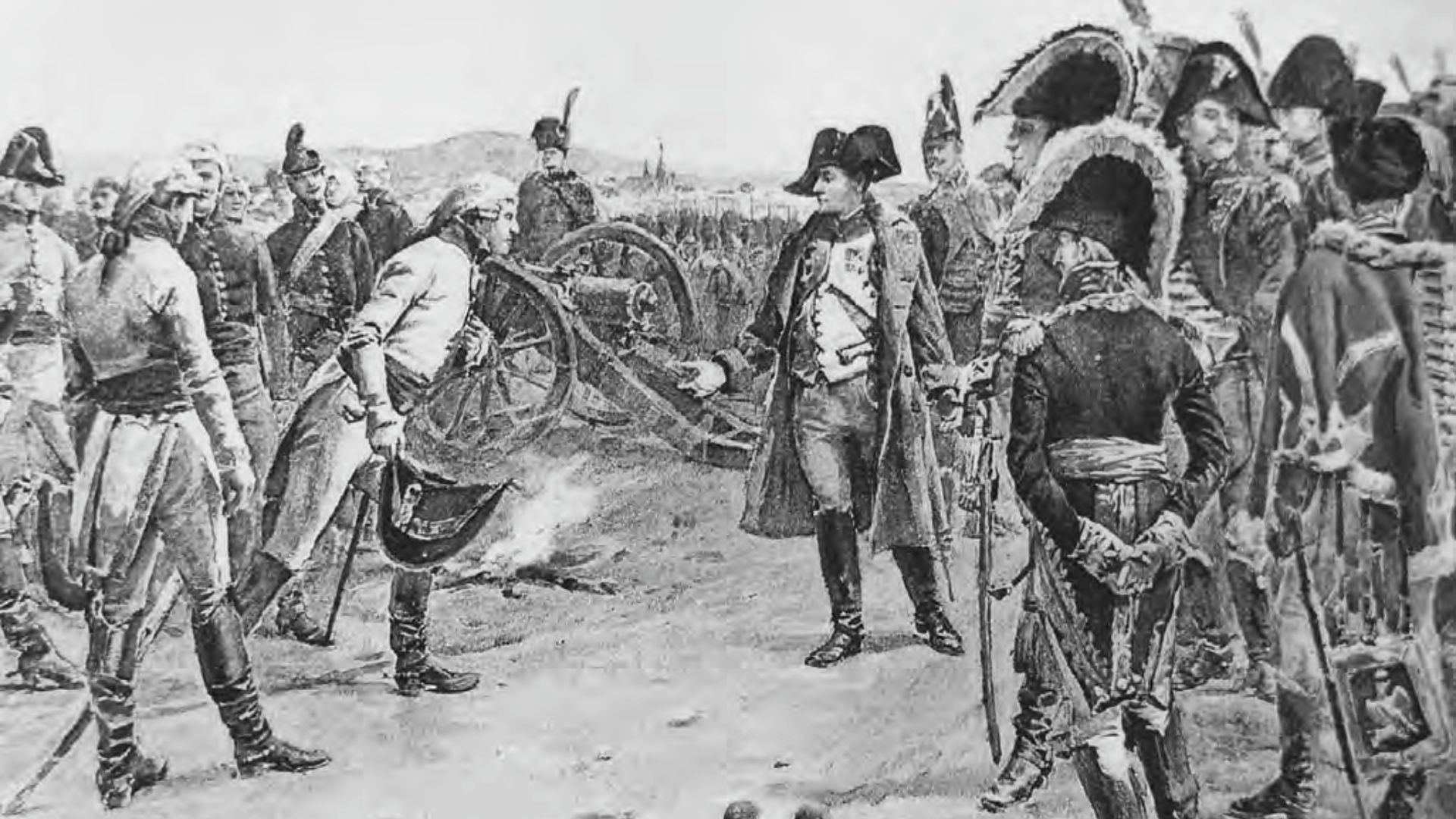 Paul-Émile Boutigny on Wikimedia
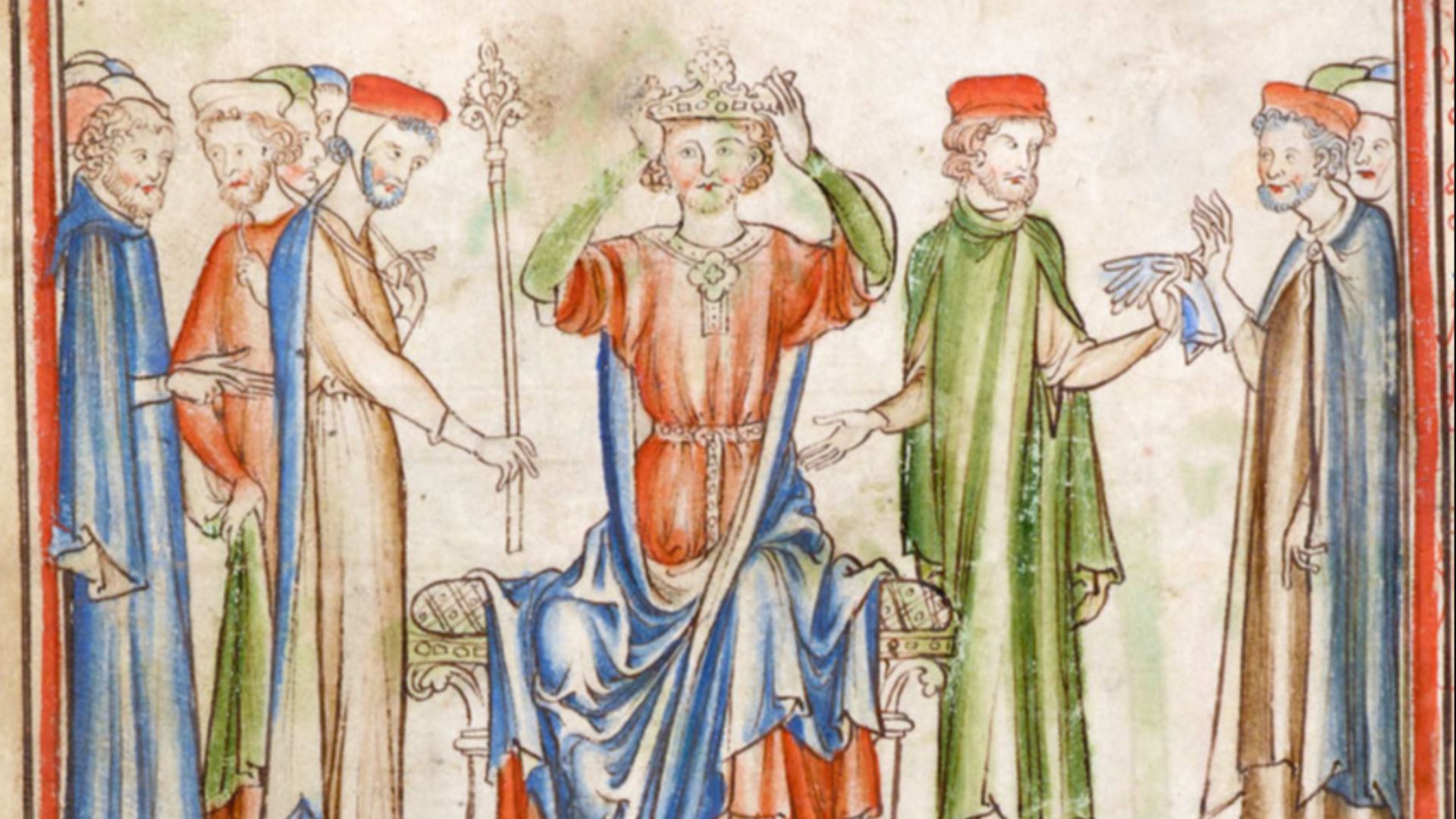
10. Harold Godwinson
Harold defeated a Norwegian invasion in northern England and then hurried south to confront William of Normandy. William’s combined use of archers, infantry, and cavalry eventually broke the English position and secured the Norman conquest.
 Anonymus (The Life of King Edward the Confessor) on Wikimedia
KEEP ON READING