Social media can make body trends feel brand new, especially when the popular shape seems to change so quickly. A lean figure may lose favor as curves become popular, while visible muscle may take over before softer bodies attract attention again under a different label. These changes didn’t begin with magazines or smartphones. Artists and dressmakers were shaping the fashionable body thousands of years earlier, and most of the change has come from cultural expectations rather than changes in human anatomy.
Fashion history can’t tell us what every person privately found attractive during a certain period. The clothes and artworks that survive show which bodies particular artists, patrons, designers, and industries presented as heroic, desirable, respectable, or modern. The Museum at the Fashion Institute of Technology deems the “fashionable body” a cultural construct that has emphasized different shapes and proportions throughout history. Similar body types have become fashionable more than once, although the culture, purpose, and meaning connected to them haven’t stayed the same.
From an Ancient Carving to Renaissance art
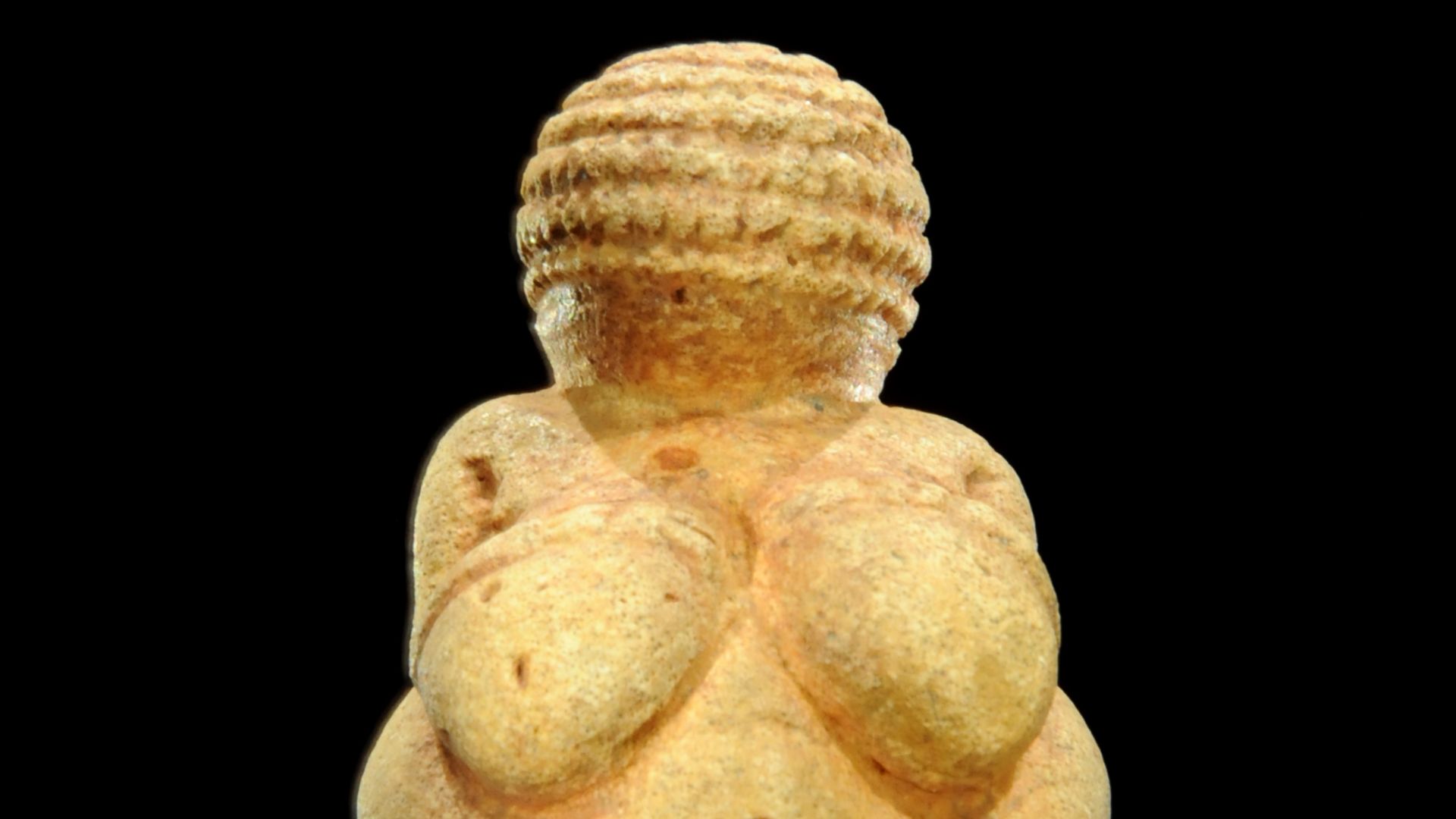
The Venus of Willendorf is an early example of an exaggerated human form. According to the Natural History Museum Vienna, the 11-centimeter limestone figure dates to around 29,500 years ago and still has traces of red coloring on its surface. Its maker gave special attention to the breasts, stomach, and hips while adding much less detail to the face and limbs. Since no one knows its purpose, the figure records a striking portrayal of the female body rather than proving that everyone shared a singular prehistoric beauty standard.
Ancient Greek artists later promoted a very different ideal, especially for men. The J. Paul Getty Museum explains that Greeks often showed male figures nude from the eighth century BCE onward, and young Greek men trained and competed nude during athletic contests. A fit, well-proportioned body could represent arête, or excellence, because people could view physical appearance as an outward sign of a valued inner quality. Sculptors didn’t simply copy the body of one real person either, often using systems of mathematical proportions to create an ideal figure.
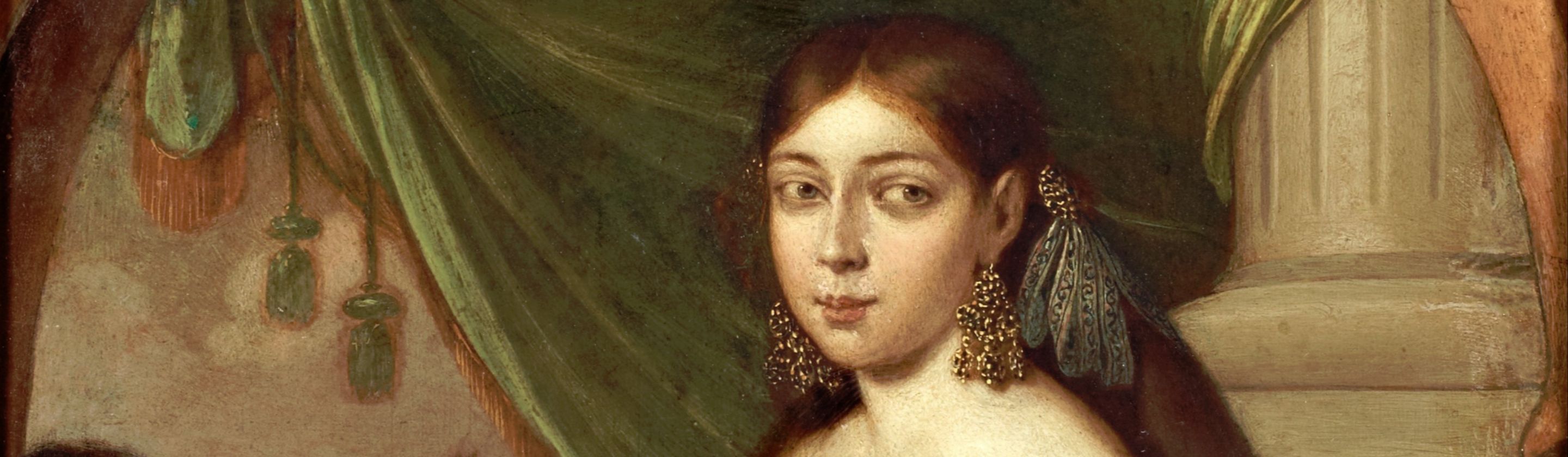
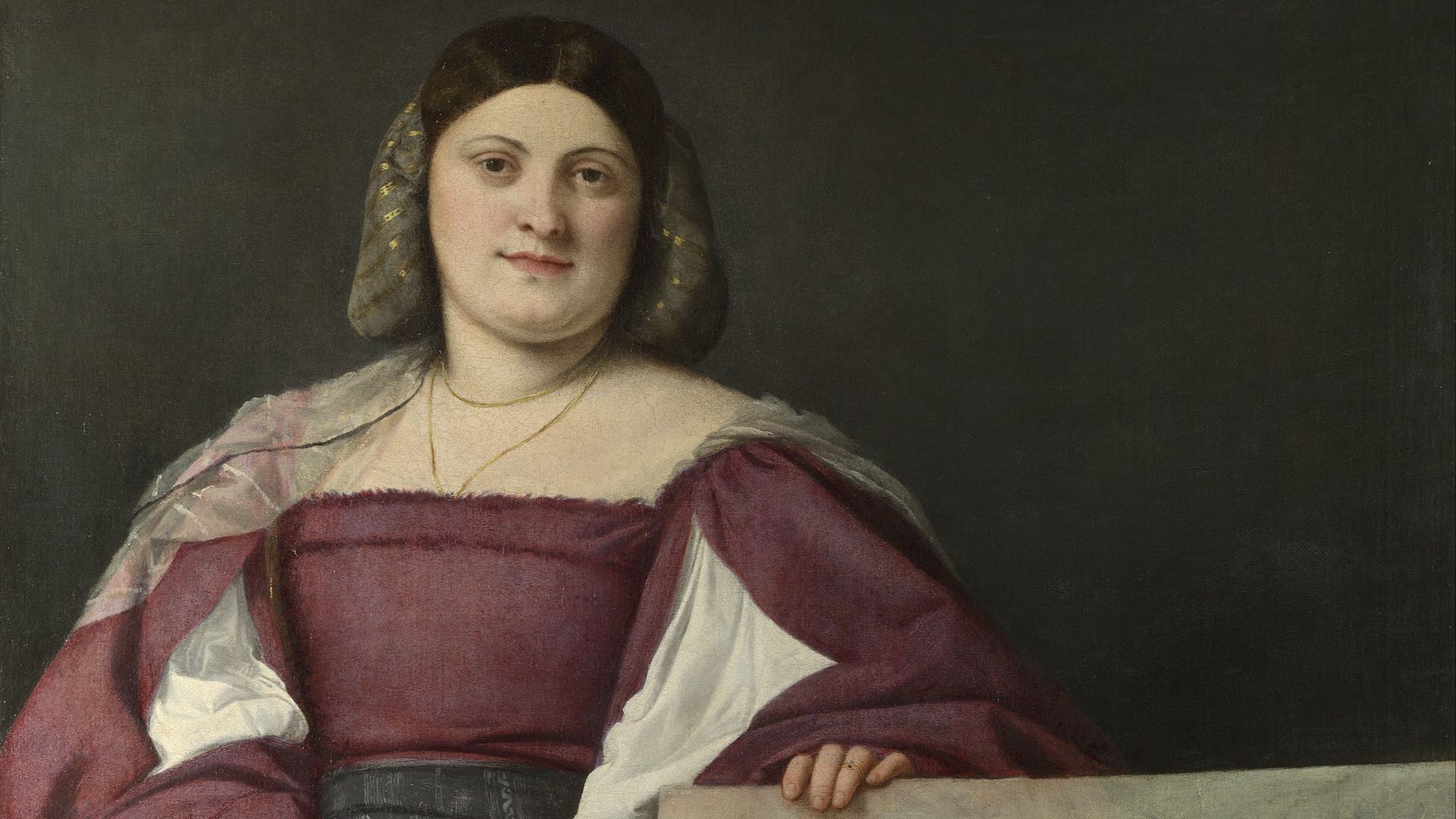
Medieval European art often showed naked bodies in ways that stressed human weakness and defenselessness. The Metropolitan Museum of Art explains that fresh interest in Greco-Roman culture gave the nude an important place in Renaissance art, including Donatello’s classical treatment of David and Michelangelo’s powerful male figures. Renaissance painters didn’t settle on one female type, with Titian favoring sensual warmth while Lucas Cranach the Elder followed a slender Northern European style. During the Baroque period, Rubens gave fuller women a major place in his paintings, creating figures the Met describes as having a “generous figure and radiant flesh.”
Clothes Created Fashionable Shapes
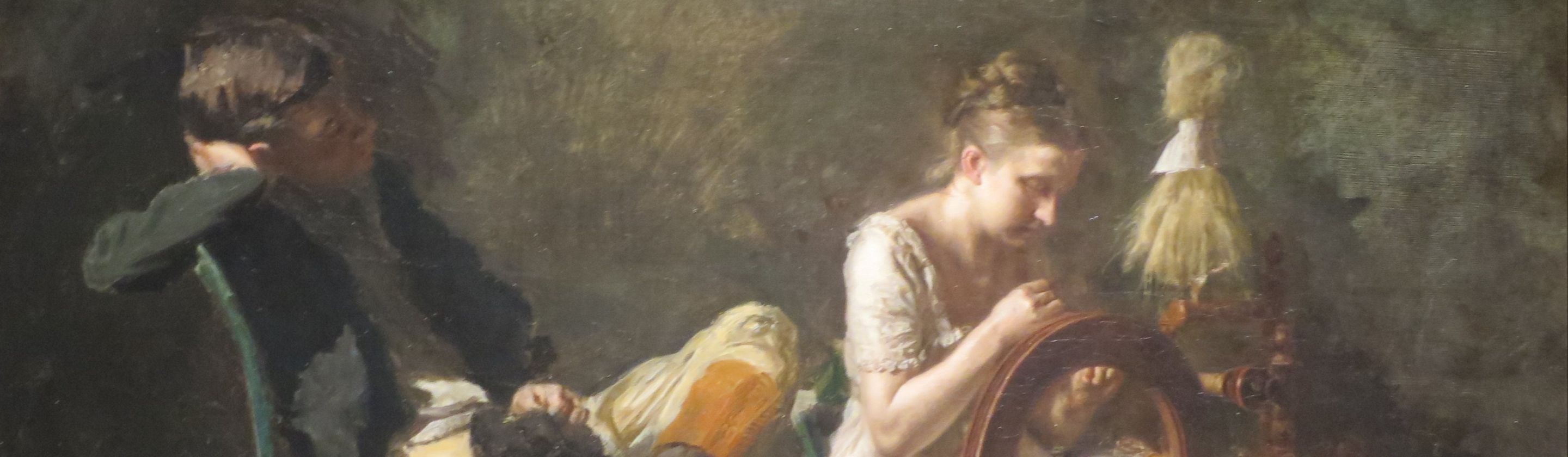
During the 18th and 19th centuries, clothes shaped fashionable proportions as much as a person’s natural anatomy did. The Museum at FIT describes the common ideal before the twentieth century as a mature, curvaceous figure with a narrow waist, and clothing could make those features look even more noticeable. Under their dresses, women wore stays and corsets that molded the torso, while large skirts made the waist look smaller by comparison. The Victoria and Albert Museum explains how structured underwear supported volume around the body.
New clothing technology could change the fashionable outline without changing the person underneath it. The cage crinoline appeared in 1856 as a lighter replacement for layers of heavy petticoats, and it was strong enough to support the wide skirts of the period. During the 1860s, skirt volume shifted toward the back, while the flat-fronted crinolette helped connect that shape to the full bustle of the 1870s. By moving fabric, hoops, and padding to different places, dressmakers could make the same waist and body look noticeably different beneath their clothes.
The 1920s replaced much of that structure with short, loose dresses designed to highlight a straight, lean figure. That roomier shape also fit more body types and helped the ready-to-wear plus-size trade, then called “stout wear,” flourish, according to the Museum at FIT. Christian Dior changed high fashion again in 1947 when his New Look emphasized rounded shoulders, a cinched waist, fuller-looking hips, and a very full skirt. The Met’s history of Dior places this rich hourglass shape in sharp contrast with the uniforms, clothing restrictions, and material shortages of the war years.
Modern Media
 KRLA Beat/Beat Publications, Inc. on Wikimedia
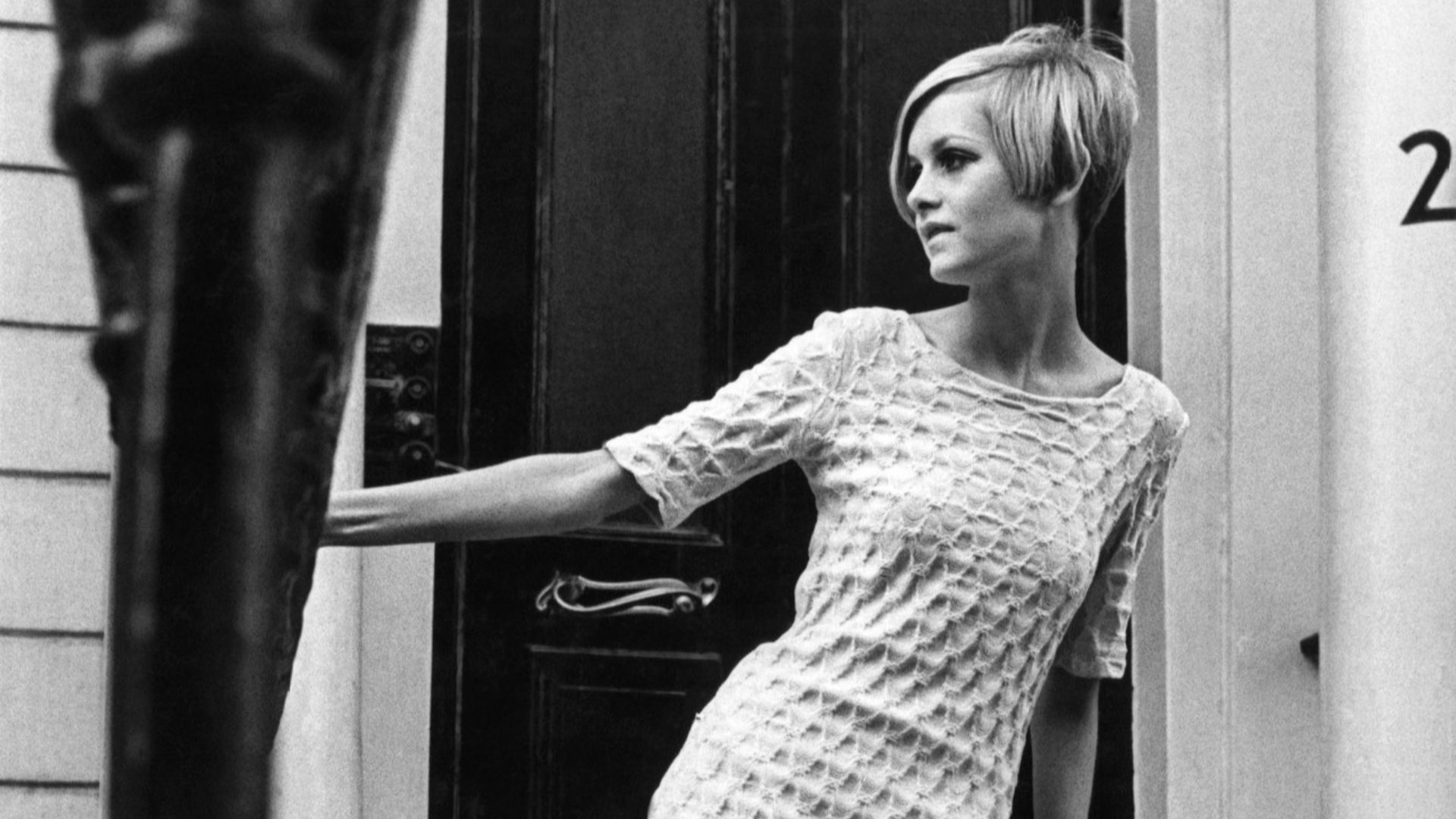
During the 1960s and 1970s, high fashion increasingly favored a young, thin body, with models like Twiggy representing the popular look. Designers also created more body-revealing clothes and moved away from girdles and other foundation garments that had shaped the body underneath clothing. This slender ideal depended less on visible structured underwear and placed more pressure directly on the wearer’s physique. Fashion had left behind the constructed hourglass linked with Dior and brought back the straighter lines seen earlier in the 20th century.
The popular body type changed again during the 1980s, when aerobics culture helped make a hard, muscular body fashionable for women and men. The Museum at FIT’s account of the 1980s and 1990s compares that athletic ideal with the waifish appearance that followed in the next decade. Teenage model Kate Moss became closely connected with the 1990s waif, while gaunt fashion photography became known as “heroin chic.” In little more than a decade, the popular fashion image changed from a body showing trained strength to one associated with deliberate fragility.
The internet and social media have allowed more people to take part in fashion while also putting several body ideals in public view simultaneously. Body positivity challenged narrow standards, and a 2022 study in Frontiers in Sports and Active Living traces the movement to fat, Black, and queer activism while also documenting its later commercialization online. This development added a political struggle over visibility and dignity to the much older history of changing fashionable body types. Bodies aren’t trends, even though the images used to rank, reshape, and sell them have appeared repeatedly for far longer than modern fashion, magazines, or social media have existed.
KEEP ON READING