Life Wasn't Fair, and History Proves It
For most of human history, your birth decided nearly everything about how you'd live, and that included the small comforts most of us take for granted today. While peasants and laborers spent their days focused on survival, the nobility and wealthy elite enjoyed a long list of perks that ranged from practical (think owning mechanical clocks) to purely indulgent (such as wearing expensive fabrics, like silk). From the food on their plates to the shoes on their feet, the upper class had access to a world that regular people could only fantasize. Here are 20 privileges that once belonged exclusively to the upper class, those with money and status.
 Formerly attributed to George Gower on Wikimedia
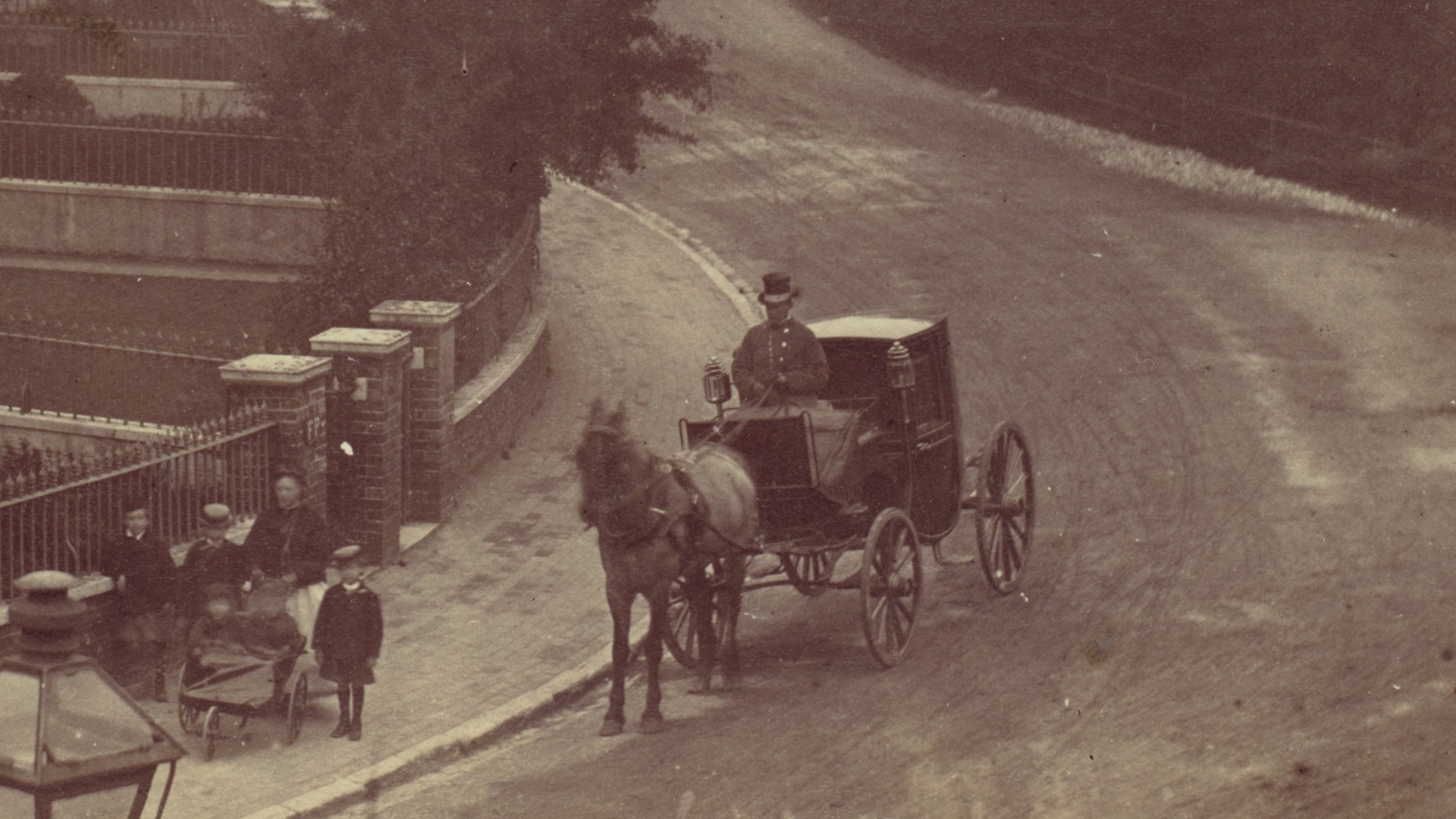
1. Traveling by Carriage
Walking was the default mode of transportation for centuries, but nobles and the wealthy could afford horses, carriages, and later, private coaches. This meant they could cover long distances in comfort while everyday people wore out their shoes on dirt roads. Owning a horse alone was a status symbol, so a full carriage with a driver put you in a league most people never reached.
2. Wearing Silk and Fur
Sumptuary laws in many parts of Europe actually banned commoners from wearing certain fabrics, and silk and fur topped that list. These materials were expensive to produce or import, so they became visual markers of wealth and rank. A merchant caught wearing fur trim reserved for nobility could face fines or public shame, which shows just how seriously people took clothing hierarchies.
 Élisabeth Louise Vigée Le Brun on Wikimedia
3. Learning to Read and Write
Literacy wasn't a given for most of history; it was a privilege tied directly to class and money. Tutors, private schools, and universities were reserved for those who could pay, leaving the majority of the population unable to read a single word. This education gap kept power concentrated among the elite for generations, since knowledge itself became another form of currency.

4. Owning Books
Before the printing press made books more affordable, each copy had to be handwritten by scribes, which made them incredibly expensive and rare. Wealthy families displayed their books almost like trophies, often commissioning elaborate covers and illustrations to match their status. Even after printing became more common, books remained a luxury item that only the well-off could regularly purchase and collect.

5. Seasoning Food with Exotic Spices
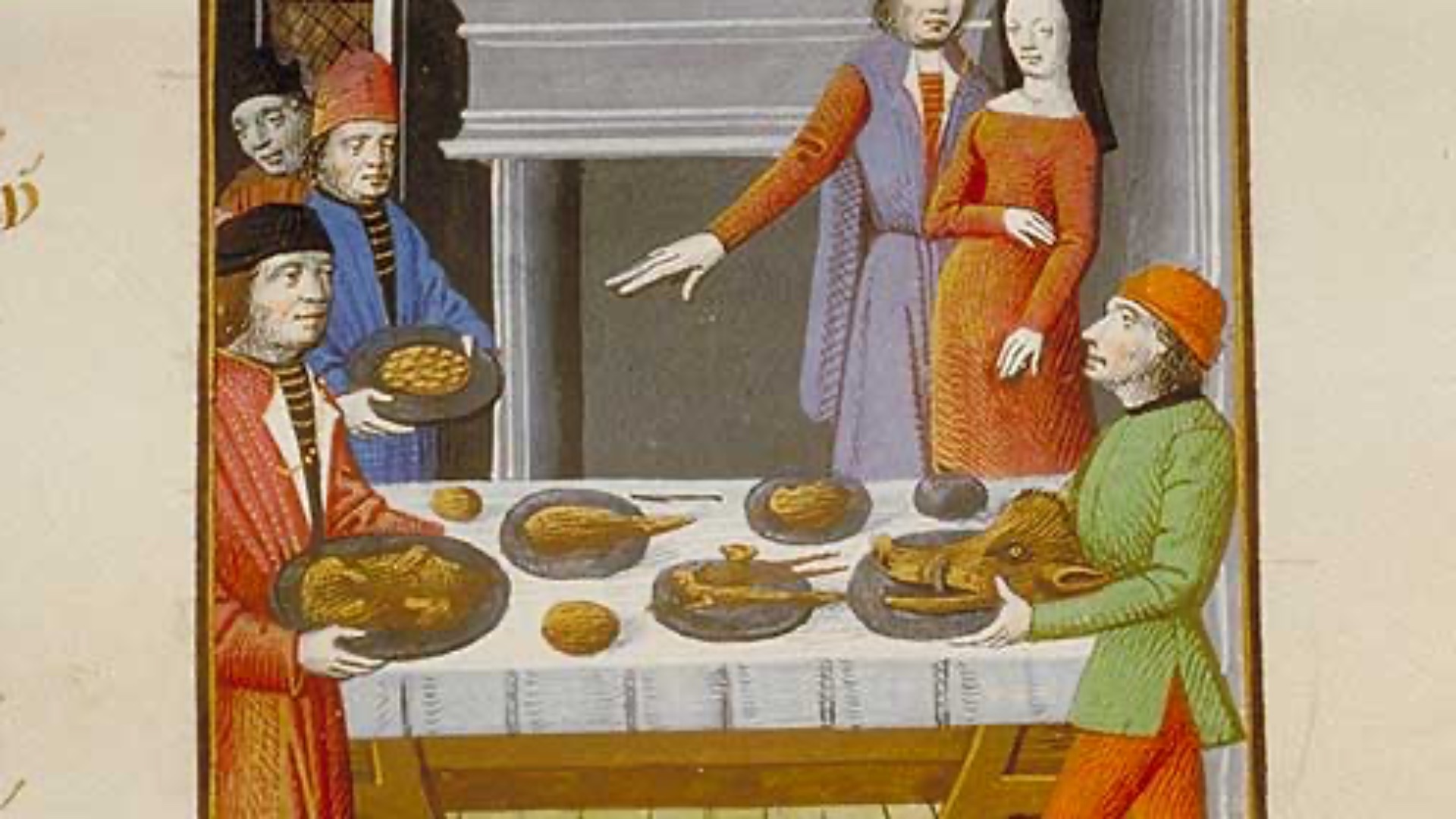
Pepper, cinnamon, nutmeg, and other spices traveled thousands of miles before reaching a European table, and that journey came with a steep price tag. Wealthy households used these spices generously, both to flavor their food and to show off their ability to afford them. Poorer families relied on local herbs and salt, which meant their meals lacked the variety and boldness that spice trade routes made possible for the rich.
6. Drinking Tea, Coffee, and Chocolate
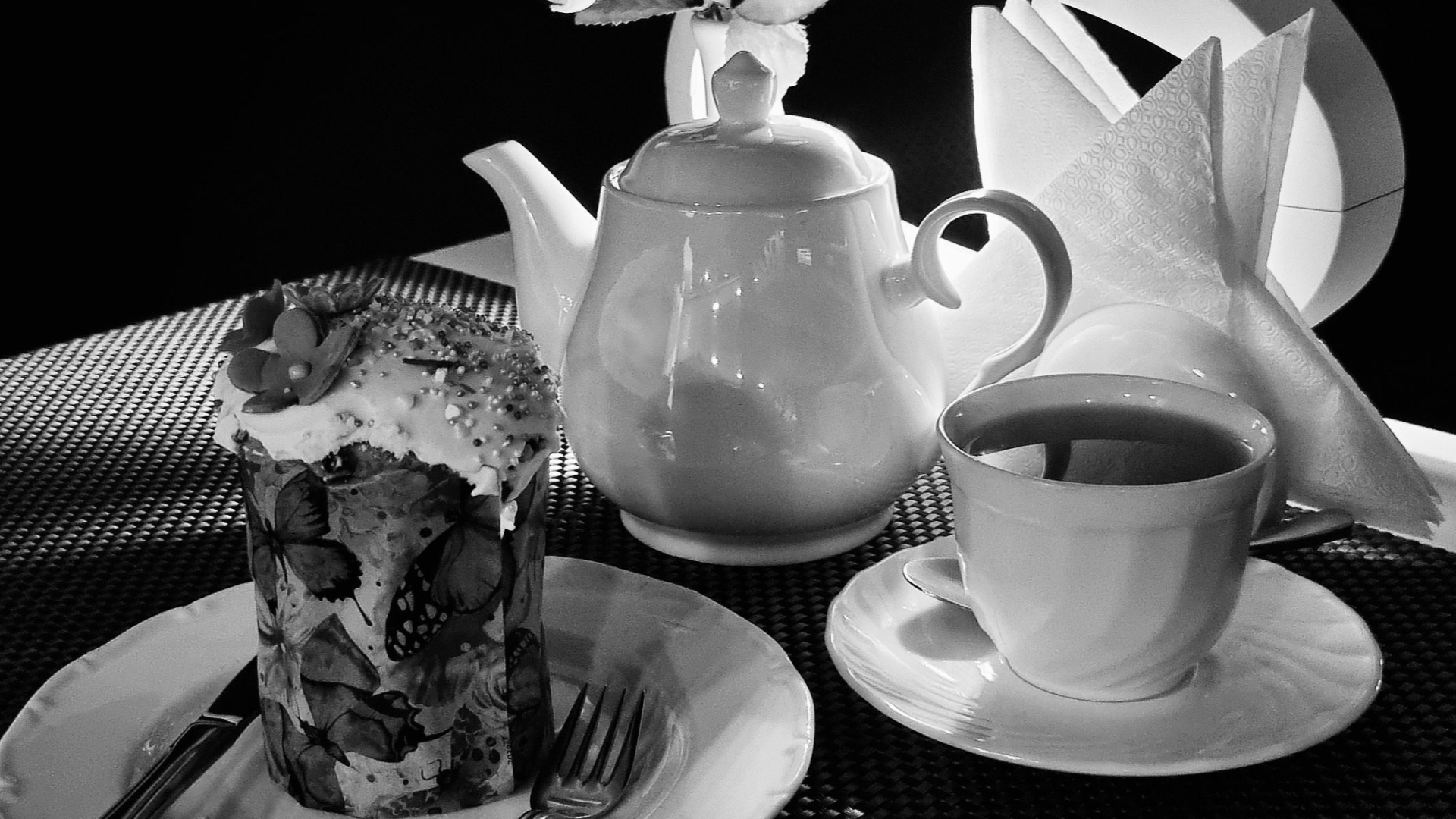
When these beverages first arrived in Europe, they carried price tags that put them well out of reach for ordinary people. Aristocrats sipped tea from delicate porcelain and drank chocolate as a rich, spiced treat rather than the everyday candy bar version we know now. Coffeehouses eventually opened these drinks up to a wider audience, but for a long stretch of time, they remained symbols of refinement and wealth.
7. Eating Fresh Meat Year-Round
Without refrigeration, most people relied on salted or preserved meat to get through the winter months. The wealthy, however, could afford to keep livestock fed and slaughtered on demand, which meant fresh cuts of meat stayed on their tables even in the coldest seasons. Game meat from private hunting grounds added even more variety to their diets, something a farmer or laborer rarely got to taste.

8. Looking Into Real Glass Mirrors
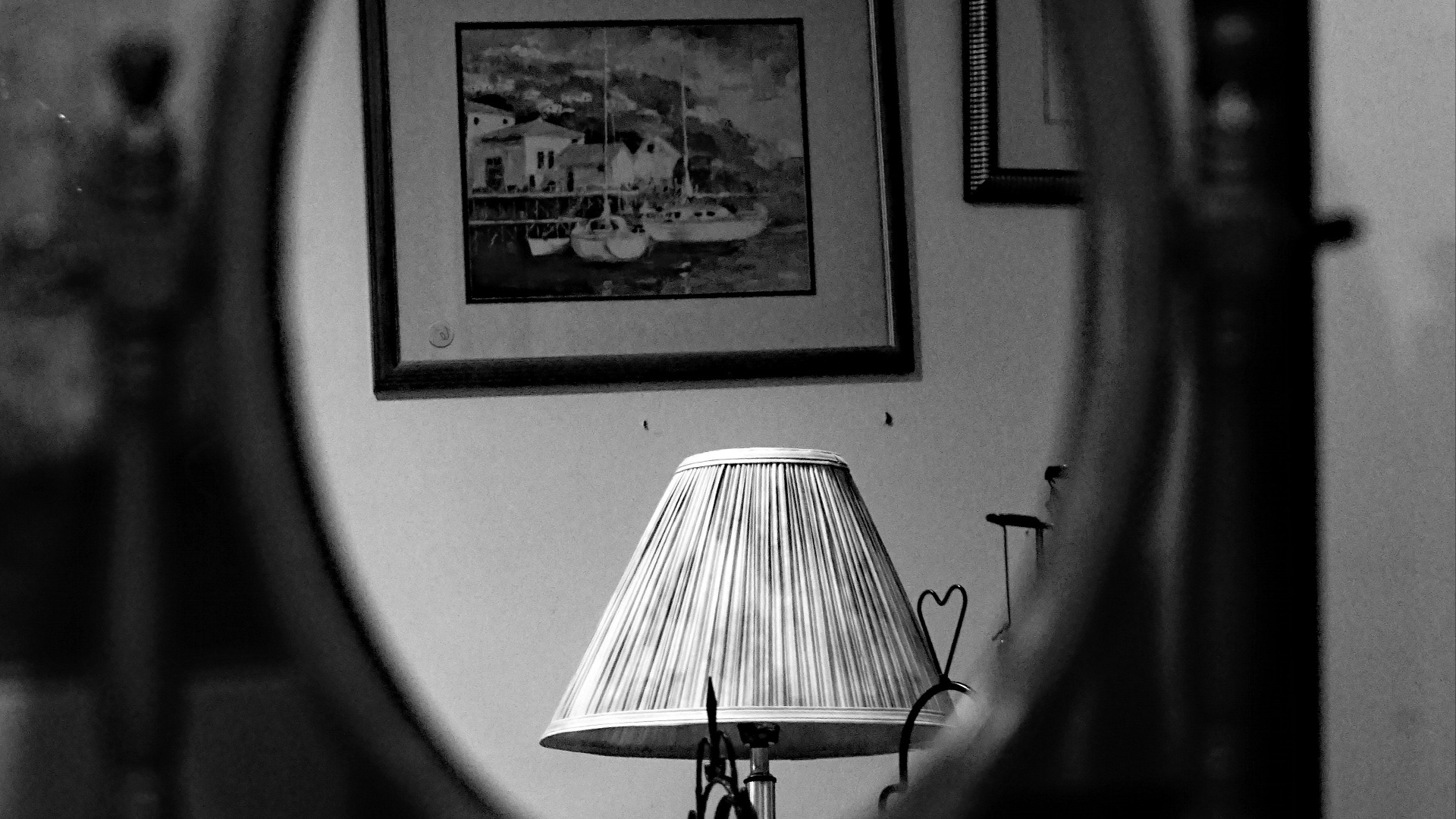
Early mirrors were made from polished metal and gave a distorted, hazy reflection at best. Glass mirrors, especially the large, clear ones produced in places like Venice, were extraordinarily expensive to manufacture and transport. Owning one meant you had serious money, and displaying it in your home was as much about bragging rights as it was about vanity.
 Allen Beilschmidt sr. on Pexels
9. Wearing Custom-Made Shoes
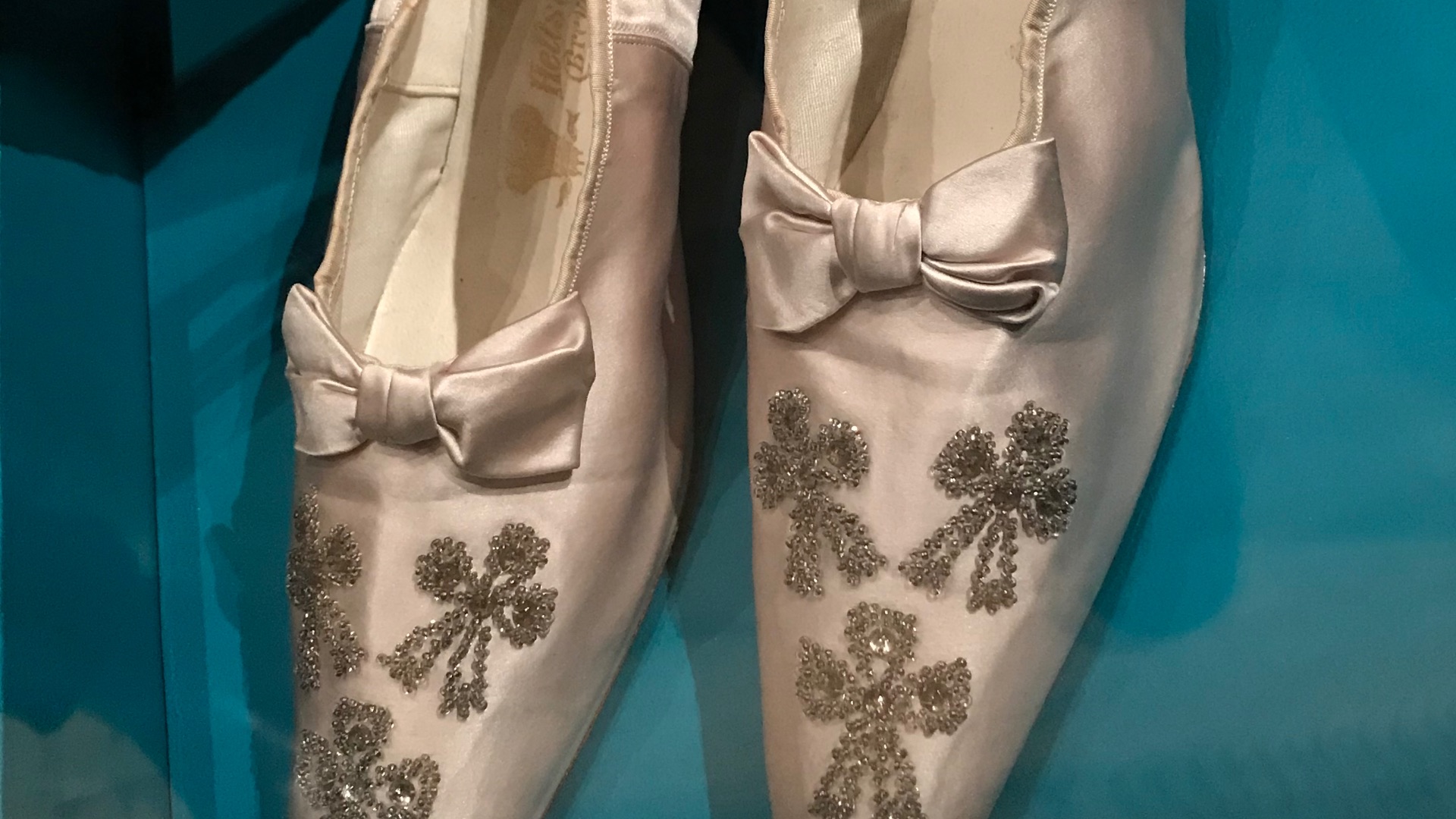
While peasants often went barefoot or wore simple, roughly made footwear, the upper class had shoes crafted specifically for their feet by skilled cobblers. These shoes used finer materials like leather, silk, and sometimes even jewels for decoration. Comfort and durability weren't the only goals either, since elaborate shoe styles became a way to signal fashion sense and social standing.
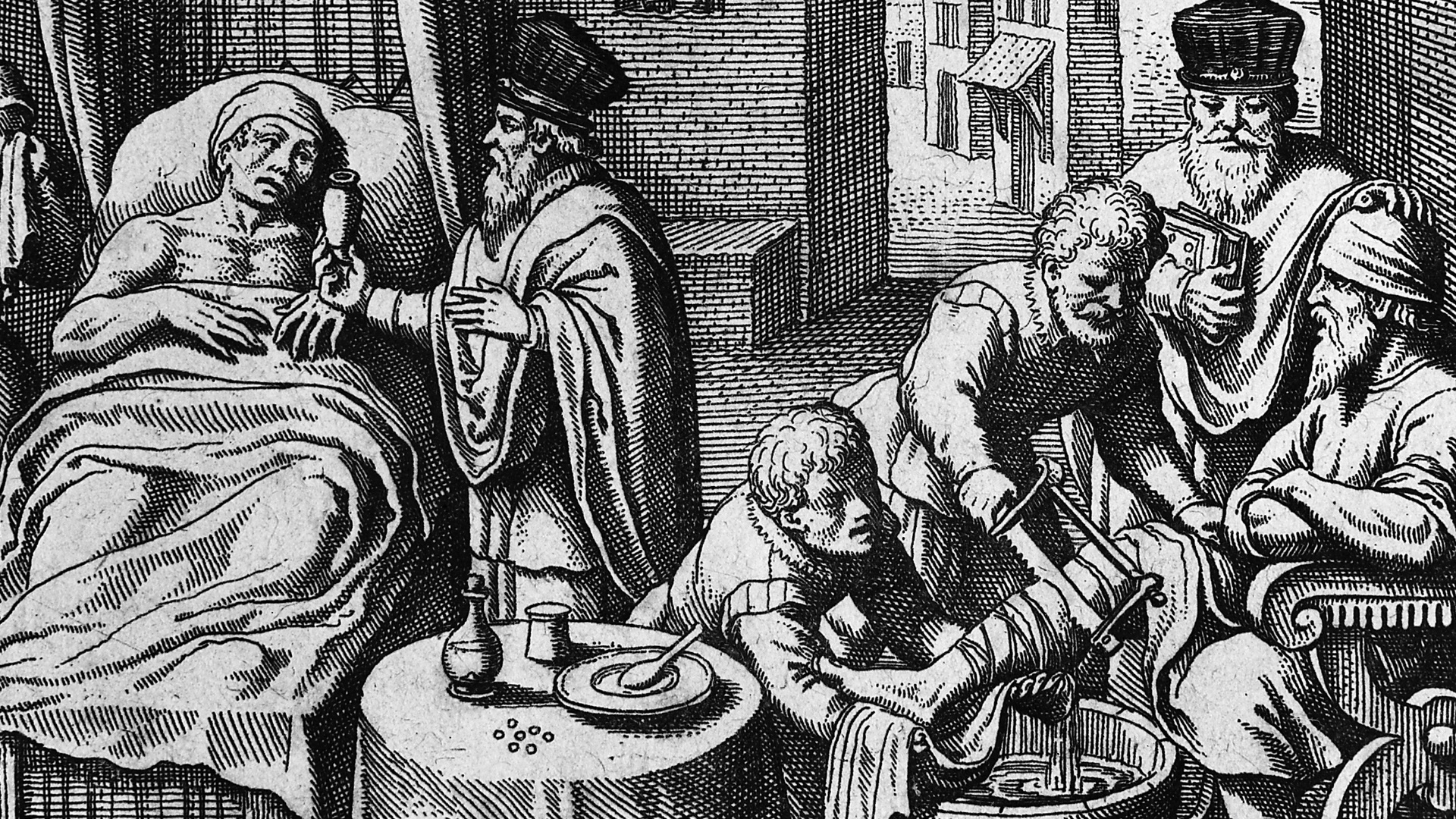
10. Hiring Private Physicians
Medical care in earlier centuries was inconsistent at best, but the wealthy could pay for personal physicians who monitored their health regularly. These doctors, while limited by the medical knowledge of their time, still offered a level of attention that most people never received. Ordinary folks often turned to folk remedies or local healers, which left them more vulnerable to illnesses that better care might have caught early.
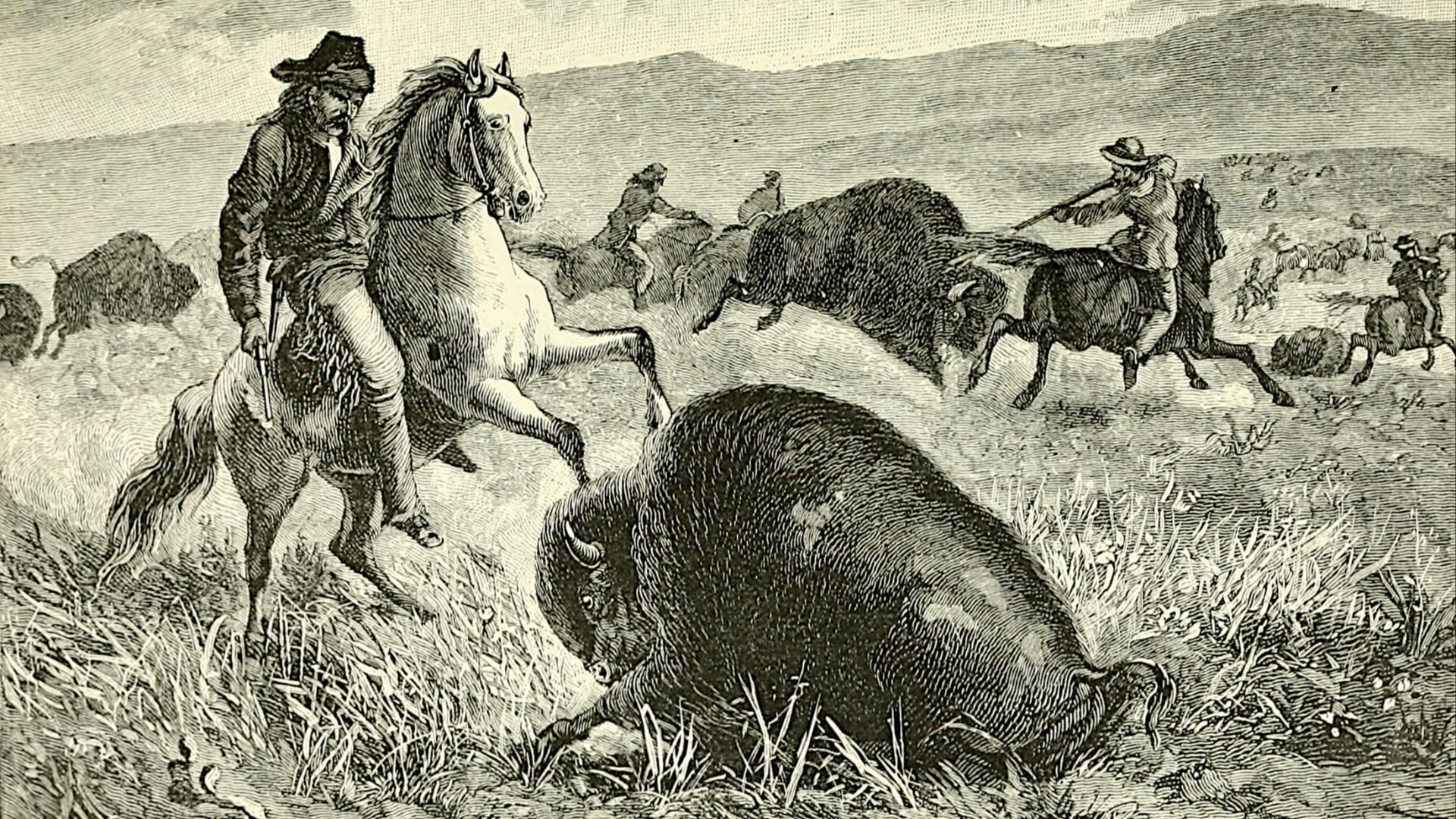
11. Hunting on Private Land
Vast stretches of forest and countryside were often reserved exclusively for the nobility, who used them for hunting deer, boar, and other game. Commoners caught poaching on these lands faced severe punishments, sometimes including imprisonment or worse. This exclusive access turned hunting into both a recreational pastime and a clear demonstration of who controlled the land.
 Internet Archive Book Images on Wikimedia
12. Sitting in Private Church Pews
Even within places of worship, class distinctions followed people right through the door. Wealthy families could purchase or reserve specific pews, often located in prime spots near the front, while everyone else stood or sat in less desirable areas. This practice made social hierarchy visible even during moments meant to unite a community in faith.

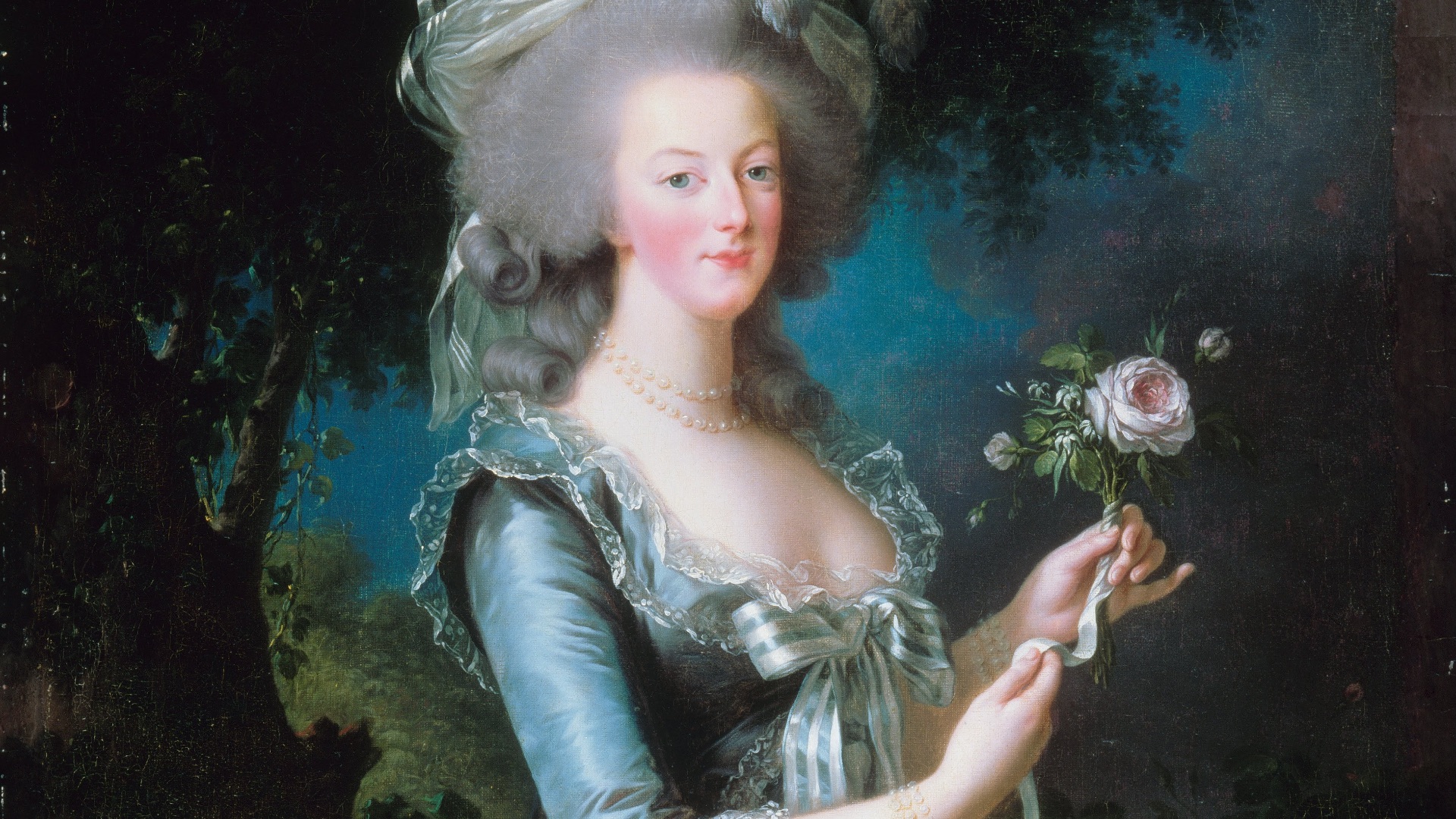
13. Wearing Powdered Wigs
During certain periods, particularly in 17th and 18th century Europe, elaborate powdered wigs became a fashion statement exclusive to those with money and status. These wigs required expensive materials and skilled wigmakers to create and maintain. Beyond the cost, keeping a wig properly powdered and styled took time and effort that only someone with servants and leisure could manage.

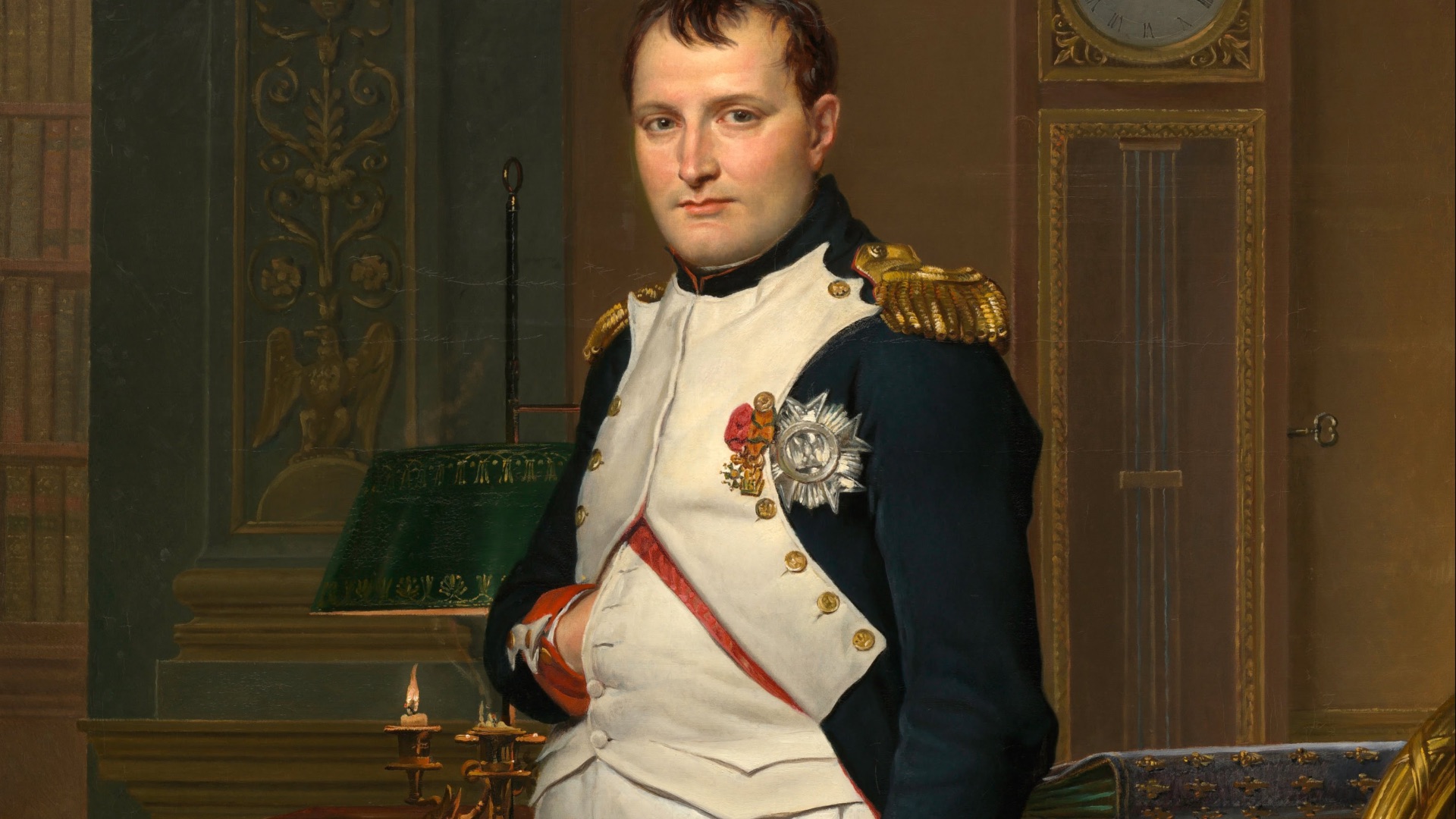
14. Commissioning Portraits
Having your likeness painted by a skilled artist was a luxury reserved for those who could afford both the artist's fee and the time it took to sit for multiple sessions. These portraits often served as family heirlooms, passed down to showcase lineage and wealth to future generations. For most people, no visual record of their appearance existed at all, which makes surviving portraits a rare window into how the elite wanted to be remembered.
 Jacques-Louis David on Wikimedia
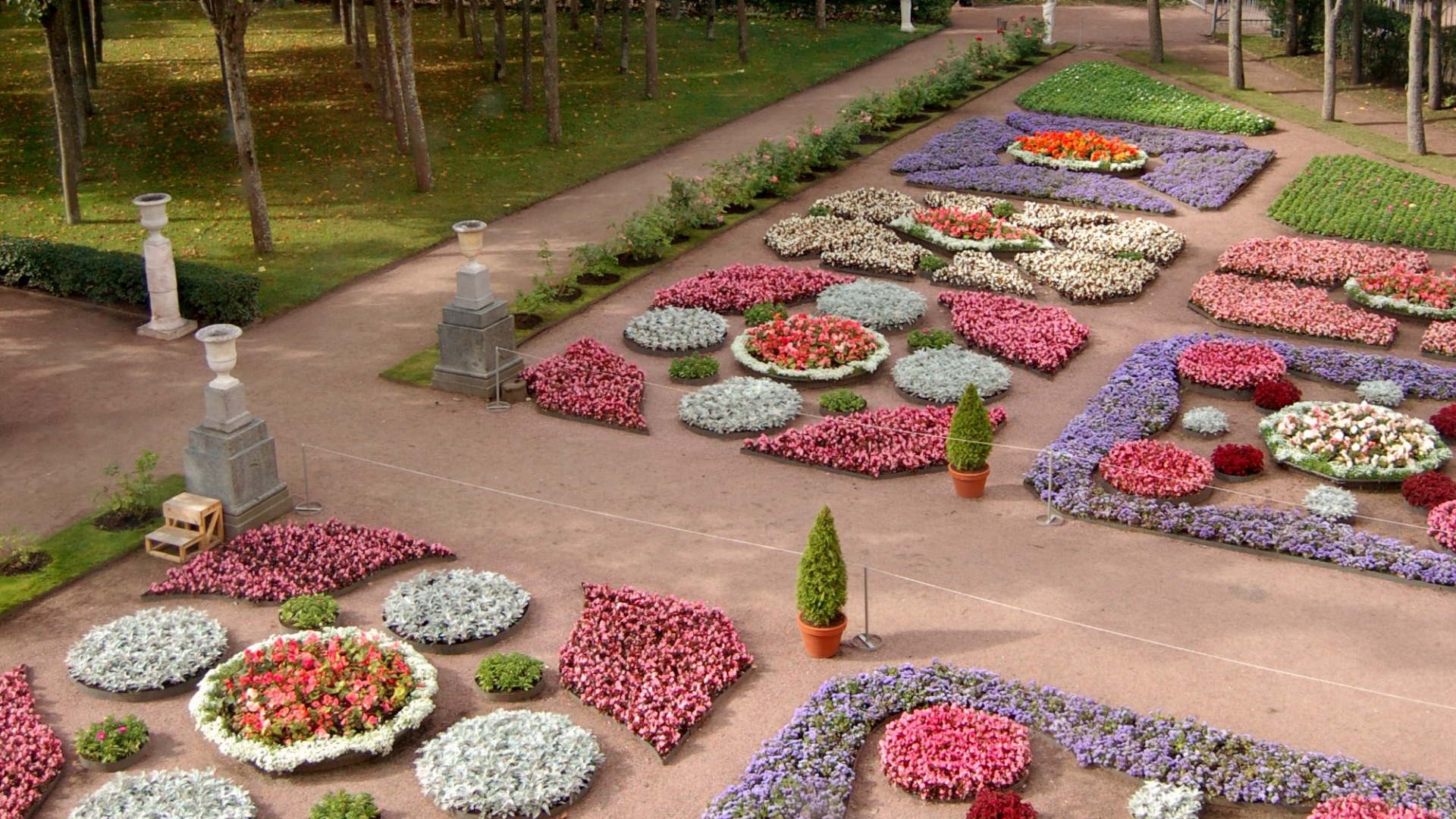
15. Strolling Through Private Gardens
Elaborate gardens filled with imported plants, sculpted hedges, and decorative fountains required land, labor, and money that only the wealthy possessed. These spaces became places for leisurely walks, private conversations, and social gatherings away from the noise of everyday life. Commoners, by contrast, spent their outdoor hours working the land rather than enjoying it purely for pleasure.
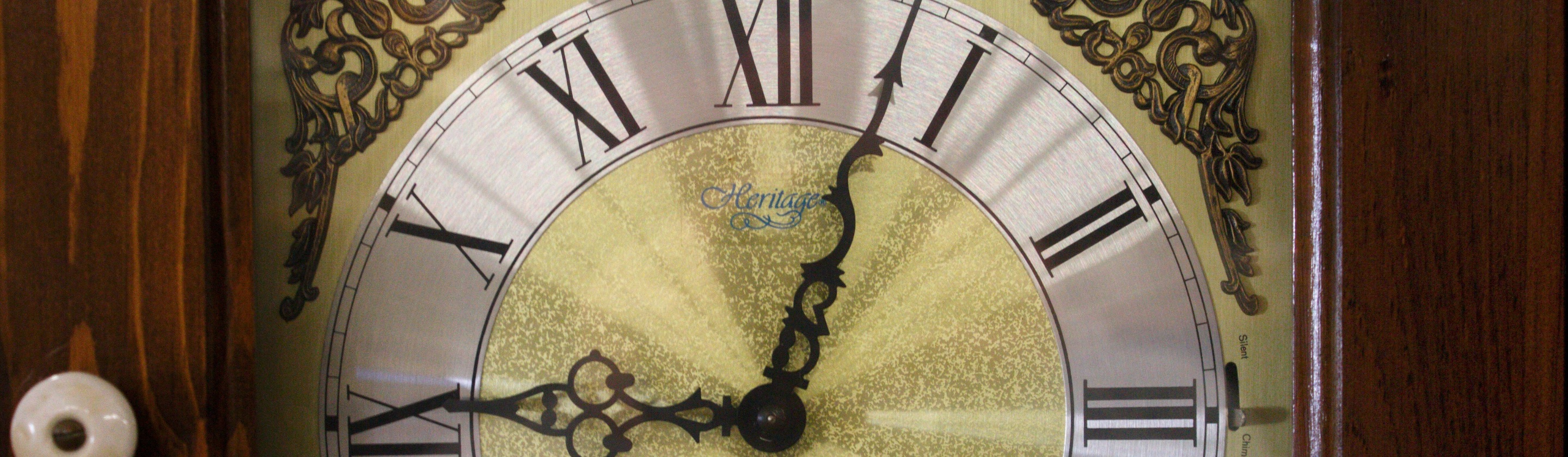
16. Owning Mechanical Clocks
Early mechanical clocks were intricate, handmade devices that took considerable skill and time to produce, making them extremely costly. Wealthy households displayed these clocks prominently, both as functional timepieces and as symbols of sophistication. Most people relied on church bells or the position of the sun to track time, which meant precise scheduling was simply not part of their daily lives.

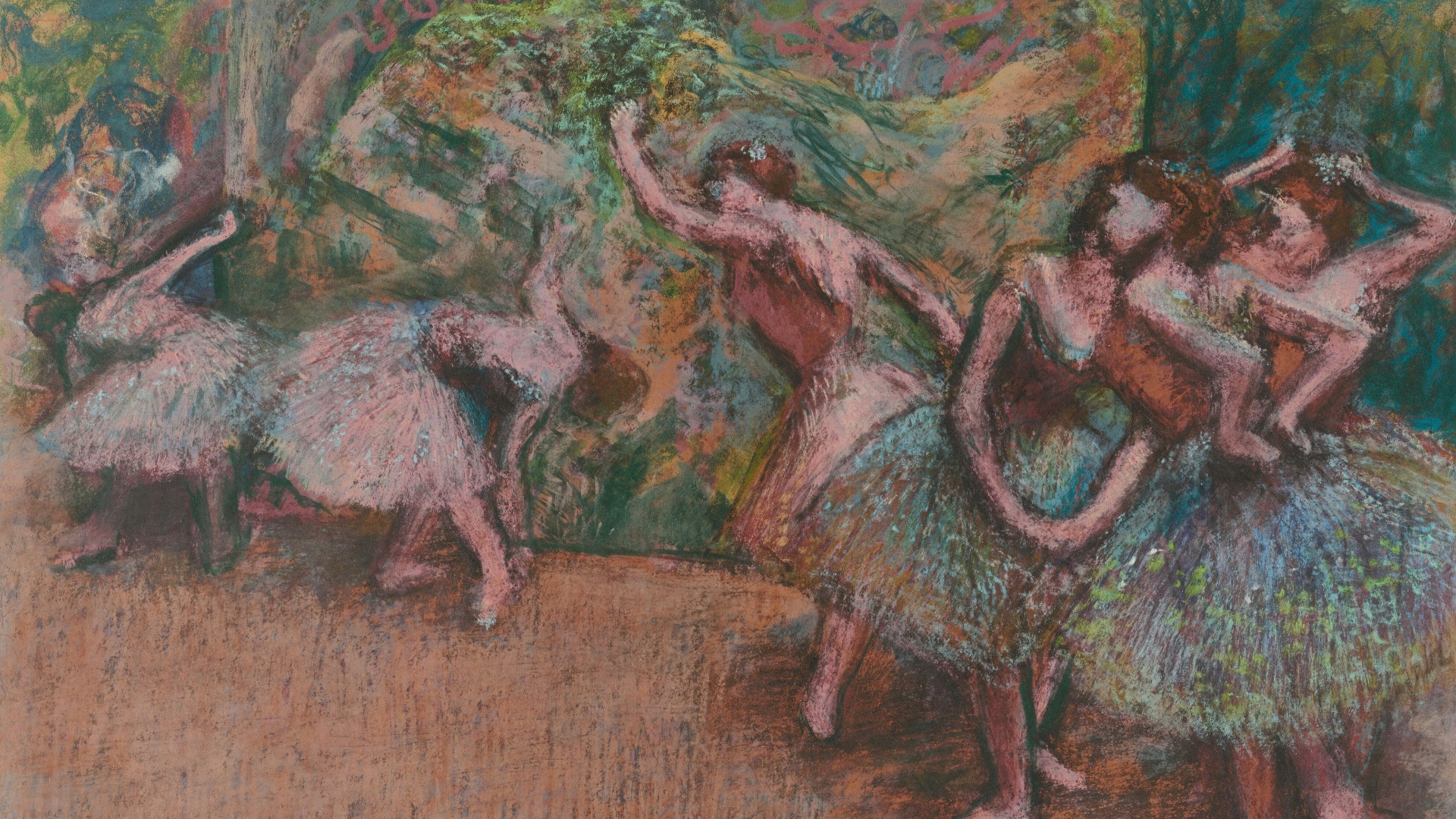
17. Taking Private Dancing Lessons
Formal dances at court and high society gatherings required knowledge of specific steps and etiquette that took years to master properly. Wealthy families hired dance instructors to teach their children these skills from a young age, preparing them for a lifetime of social events. This kind of specialized education wasn't something a working family could justify spending money on, so elaborate dancing remained an upper-class pursuit.
 National Gallery of Art on Unsplash
18. Wearing Perfume
Fragrances made from rare oils, flowers, and imported ingredients were pricey to produce and even pricier to purchase. The upper class used perfume not just to smell pleasant but to mask the less appealing odors of daily life in eras without modern plumbing. This small luxury became another way to distinguish refined society from those who couldn't afford such indulgences.

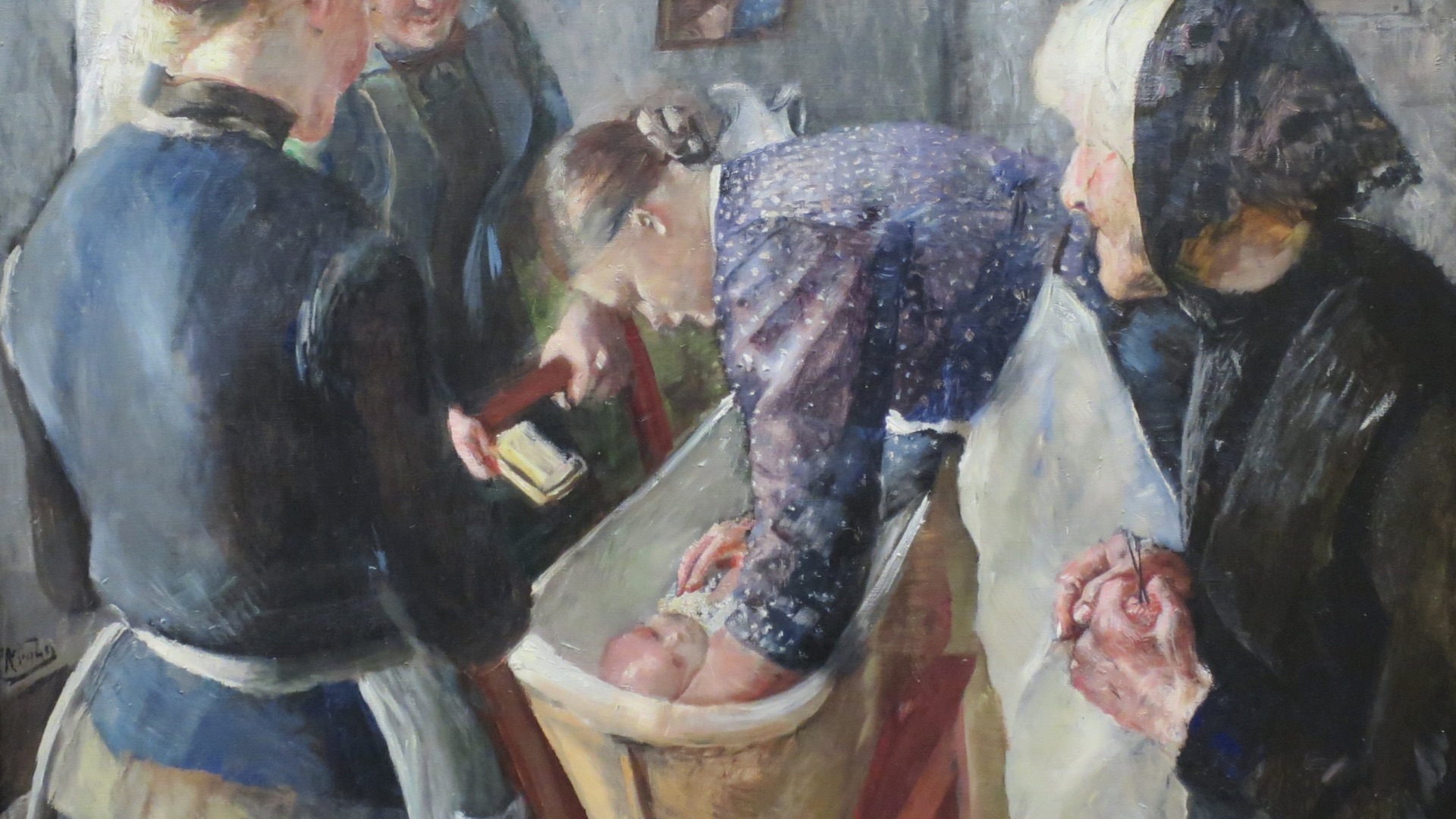
19. Bathing in Private Tubs
While communal bathhouses existed in some cultures, private bathing facilities in one's own home were a mark of significant wealth. Servants often had to haul and heat water manually, which made a private bath a labor-intensive luxury only the rich could sustain regularly. Regular access to clean, warm water for bathing also contributed to better health outcomes among the elite compared to the general population.
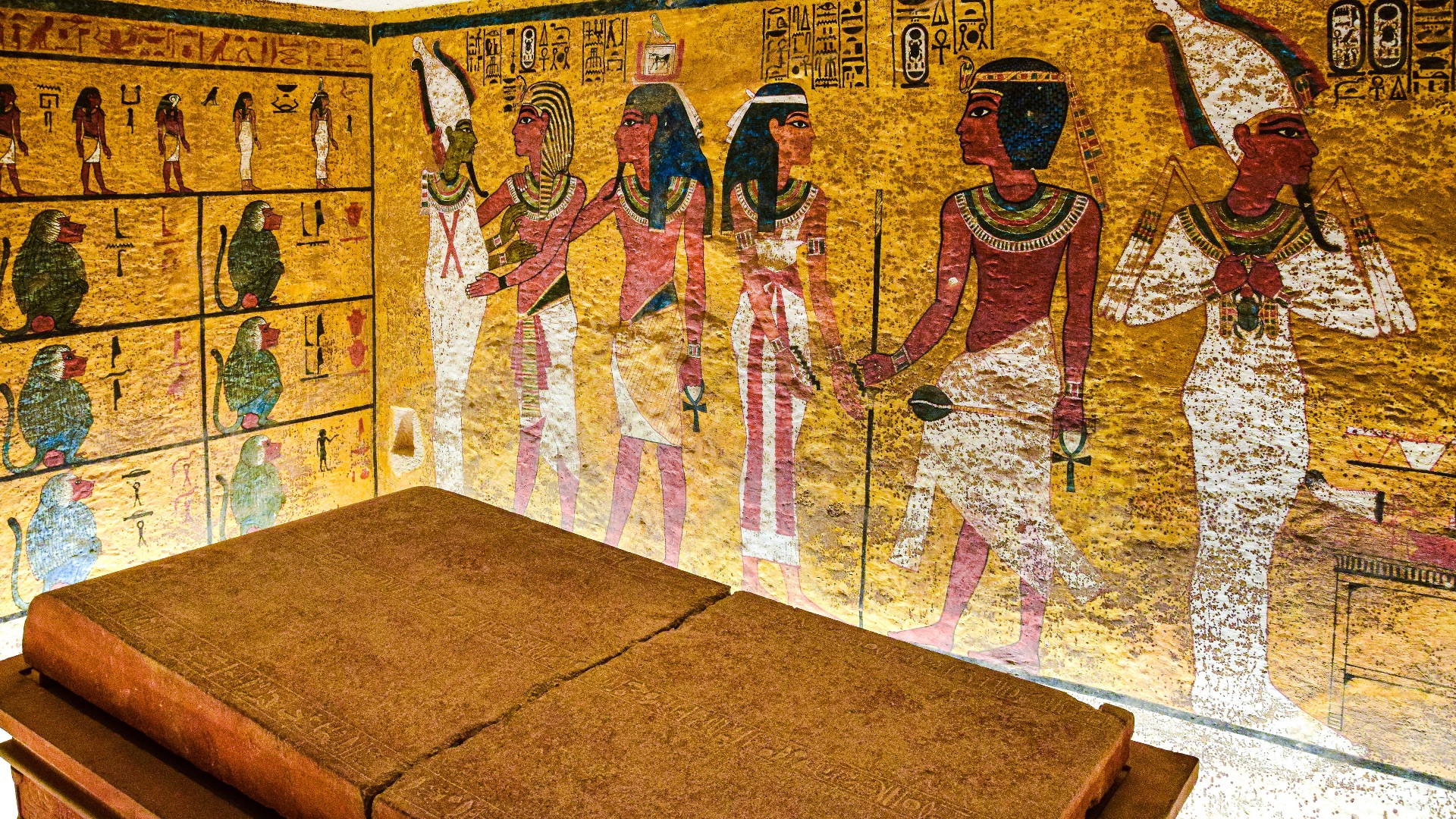
20. Being Buried in Elaborate Tombs
Even death came with class distinctions, as wealthy families could afford ornate tombs, mausoleums, and memorial statues to honor their deceased. These elaborate burial sites often included detailed carvings and inscriptions meant to preserve a family's legacy for centuries. Most people were buried in simple, unmarked graves, which means countless ordinary lives from history left behind no physical trace at all.
KEEP ON READING