Strange Etymologies
English has always been a rather strange, fluctuating language, with many ordinary words having traveled through several meanings (sometimes even opposite meanings) before reaching the ones you know today. For example, did you know "bully" was once an affectionate term, one you might use to address a lover? Or that "girl" was used to refer to any young child? Or that "broadcast" originally had nothing to do with radio transmission? As you flip through these 20 terms, you may even wonder how many more words have fascinating, unexpected stories behind them...
 Department of State. Agency for International Development. 1961-10/1/1979 on Wikimedia
1. Silly
The Old English ancestor of “silly” was sælig, a positive word meaning happy, fortunate, prosperous, or blessed. During the Middle Ages, it began describing people considered innocent or harmless, particularly those whose lack of worldly experience made them vulnerable. Innocence was gradually reinterpreted as weakness and then foolishness, so a word once associated with good fortune became a mild criticism of someone’s behavior.

2. Awful
For centuries, “awful” meant that something inspired awe, a feeling that combined wonder, reverence, and sometimes fear. Religious writers could describe the power of God as awful without implying that it was unpleasant or bad. By the 1800s, casual speakers were increasingly using the word for frightening or disagreeable things, and that negative meaning eventually displaced the older sense in everyday conversation.

3. Girl
When “girl” appeared in Middle English, it actually referred to a child or young person of any gender. Some medieval writers added identifying words when they needed to distinguish a boy from a girl, much as modern speakers might specify a male or female animal. By the late 14th century, the term had become more closely associated with female children, and its earlier gender-neutral use faded from English.

4. Meat
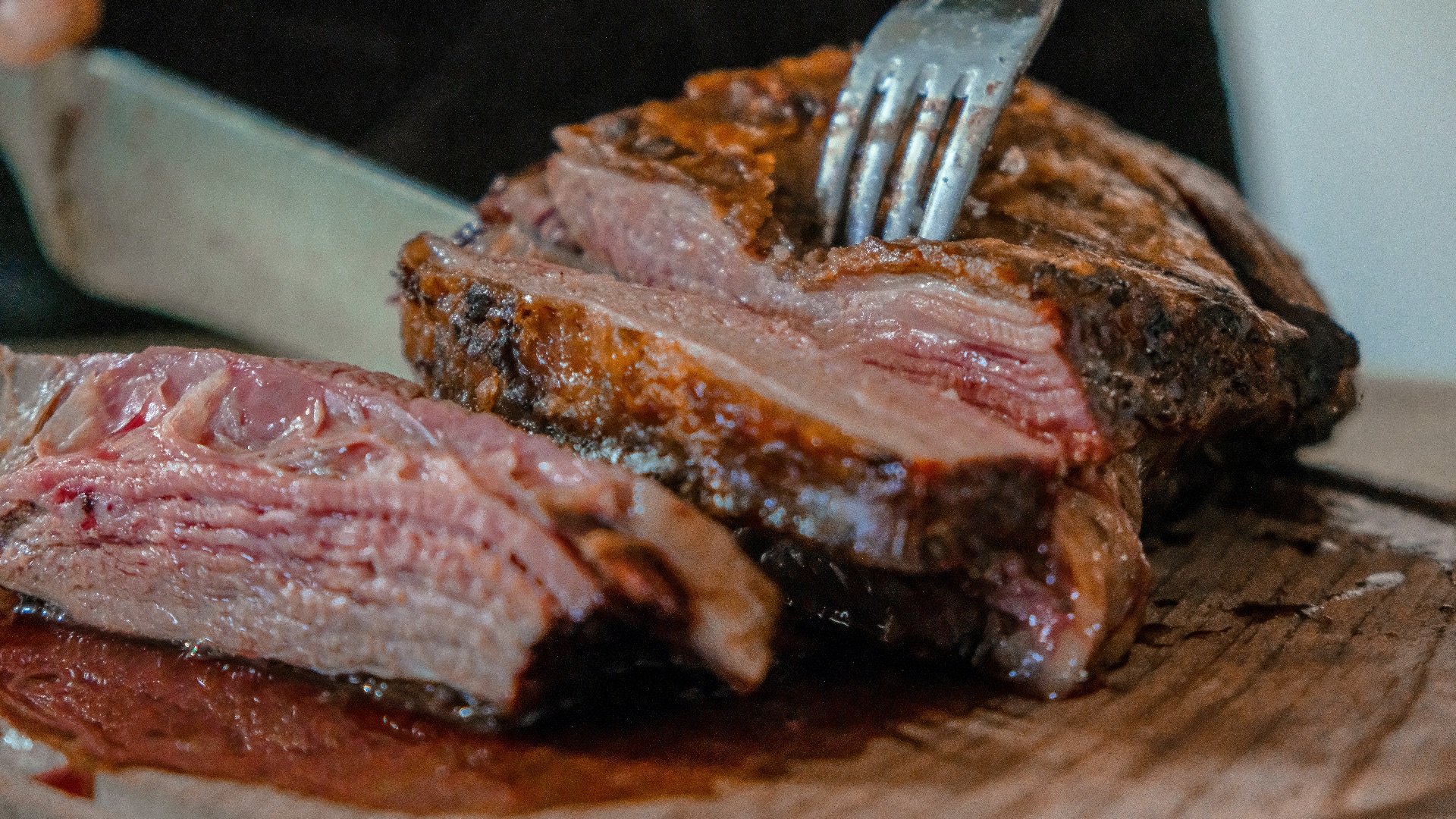
An Old English speaker could use the ancestor of “meat” for almost any kind of food, including bread, vegetables, or other nourishment. That broader meaning remains visible in older expressions such as “meat and drink,” where the word refers to sustenance rather than animal flesh alone. As English developed more specialized food terms, “meat” narrowed until it primarily meant the edible flesh of an animal.
 José Ignacio Pompé on Unsplash
5. Deer
In Old English, dēor was a broad term for a wild animal or beast, not the name of one particular group of mammals. A medieval speaker might therefore use it in reference to an animal that modern English would call a bear, fox, or deer. As individual species acquired commonly recognized names, the original term lost most of its range and became restricted to the antlered animals you know today.

6. Hound
“Hound” was once the ordinary English word for a dog, while the early history of “dog” itself is surprisingly uncertain. The latter may initially have referred to a particular kind of powerful canine before spreading until it became the general name for the species. Once “dog” took over, “hound” was left with a narrower job, describing animals bred for hunting by sight or scent.

7. Villain
The earliest villains weren’t storybook criminals but laborers connected to a rural estate or villa. In medieval society, wealthy writers often treated poor agricultural workers as crude, dishonest, or morally inferior, and those class-based assumptions altered the term. “Villain” moved from identifying someone’s position in the social order to condemning that person’s character, eventually becoming the standard name for an evil antagonist.

8. Candidate
Roman men seeking public office traditionally appeared before voters in specially whitened togas that made them easy to recognize in public. The Latin candidatus meant “clothed in white” and came from candidus, a word associated with brightness and whiteness. The outfit disappeared, but its name survived, so anyone running for office is still linguistically connected to an ancient form of campaign clothing.

9. Quarantine
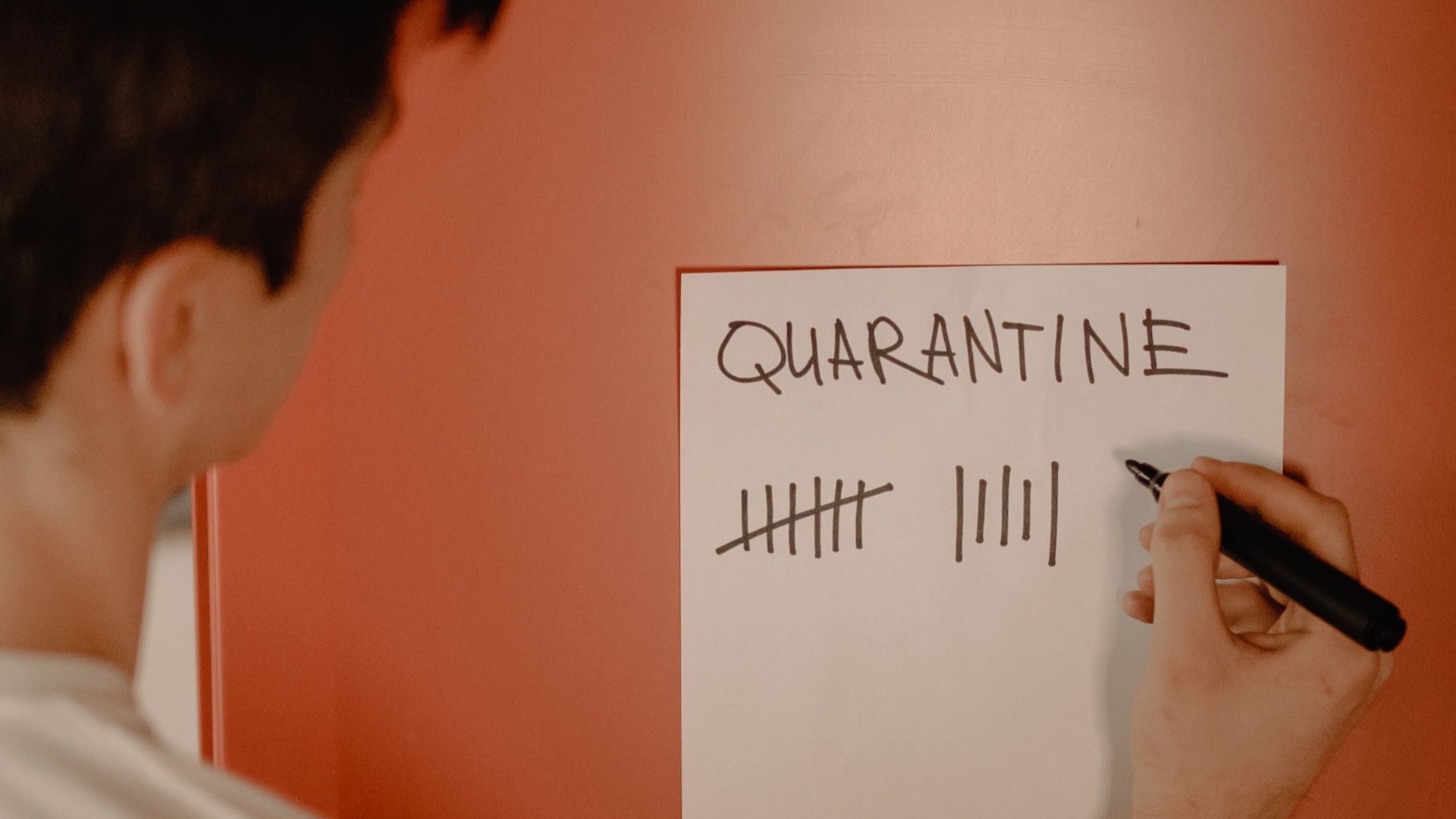
The number hidden inside “quarantine” comes from Italian words meaning “forty days.” During plague outbreaks, maritime authorities in places such as Venice kept arriving ships isolated before allowing their passengers and cargo to enter the city, although earlier policies sometimes used shorter periods. Forty days became a recognized standard, possibly influenced by both medical thinking and the symbolic importance of that number in Christian tradition.
10. Disaster
“Disaster” was created from linguistic elements suggesting an unfavorable or harmful star. Astrology once shaped serious decisions about medicine, politics, travel, and warfare, so an unfortunate celestial arrangement could be treated as a legitimate explanation for events on Earth. The astrological belief disappeared from the modern definition, but the word still carries the severe consequences once blamed on the heavens.

11. Muscle
The Latin musculus, from which “muscle” developed, literally meant “little mouse.” Ancient observers apparently thought that a flexing muscle beneath the skin resembled a small mouse moving under fabric, with the tendon possibly suggesting a tail. Roman medical vocabulary preserved the comparison, and English inherited the anatomical term long after its visual reasoning stopped being apparent.

12. Companion
“Companion” developed from Latin elements meaning “with” and “bread,” making its original sense close to “a person who eats bread with you.” Sharing food carried considerable social importance when meals required collective labor and hospitality helped establish trust between households or travelers. The term gradually expanded beyond dining partners to include friends, associates, romantic partners, and even animals whose presence provides company.

13. Window
English once had native terms for an opening in a wall, but contact with Norse speakers introduced vindauga, meaning “wind eye.” The description suited early windows because many were simply openings that admitted air and daylight rather than glass-covered features. Norse influence was especially strong in parts of England settled by Scandinavians, and their term eventually replaced the older English alternatives.

14. Deadline
During the American Civil War, “dead line” appeared in descriptions of boundaries inside certain prisoner-of-war camps. Captives who crossed the marked limit could be shot, giving the expression consequences far more severe than missing a report or payment today. Printers later adopted “deadline” for limits on a page and then for the latest time material could be submitted, allowing the physical boundary to become a temporal one.

15. Gossip
The Old English godsibb joined the words for “God” and “relative,” and it referred to a godparent or baptismal sponsor. Because godparents often became trusted family associates, the term expanded to cover intimate friends, including women who gathered to assist during childbirth. Their private conversation eventually became more prominent than the relationship itself, turning “gossip” first into a talkative person and then into the personal information being discussed.

16. Broadcast
Before it had anything to do with radio or television, “broadcast” described seeds scattered by hand across a field. The farmer would cast them broadly instead of placing each seed in a carefully prepared hole or row. When early radio stations needed language for signals distributed over a large area, the agricultural term offered an established way to describe something being sent widely to many recipients at once.

17. Egregious
“Egregious” comes from Latin roots that described someone or something standing out from the herd. Early English writers generally used it approvingly for achievements or individuals considered exceptionally distinguished. The word later appeared in sarcastic combinations such as “egregious rascal,” and repeated ironic use changed the emphasis until it came to mean exceptionally bad rather than exceptionally good.

18. Bully
When “bully” entered English, it could be an affectionate term for a lover or beloved companion. It later described a fine fellow or confident man, but that confidence increasingly became associated with swaggering, threats, and aggressive behavior. By the 1700s, the affectionate meaning had largely disappeared, leaving the familiar label for someone who intimidates or mistreats people with less power.

19. Prestige
“Prestige” entered English through French and Latin words connected to illusions, conjuring tricks, and deception. A person who created prestige wasn’t necessarily respected; they might instead be fooling an audience with a convincing display. Over time, the impressive effect of the performance became more important than the trick behind it, and the word shifted toward admiration, reputation, and elevated social standing.
20. Manufacture
The construction of “manufacture” combines Latin elements related to the hand and making, so it originally referred to work performed manually. European governments later promoted manufactures as organized industries, but much of the actual production still depended on skilled workers using hand tools in workshops or their own homes. The Industrial Revolution connected the word with machines and factories, creating the unusual situation in which a term built around hand labor now commonly describes automated mass production.

KEEP ON READING