In the late 1800s, travelers passing through the Uitenhage railway station in South Africa sometimes noticed something odd happening inside the signal box. A chacma baboon sat at the levers, pulling them at exactly the right moments, working alongside a man who could no longer walk on his own legs. Neither detail sounds like it belongs in a real employment record, yet both were true, and the story behind them holds up under scrutiny better than most animal legends do.
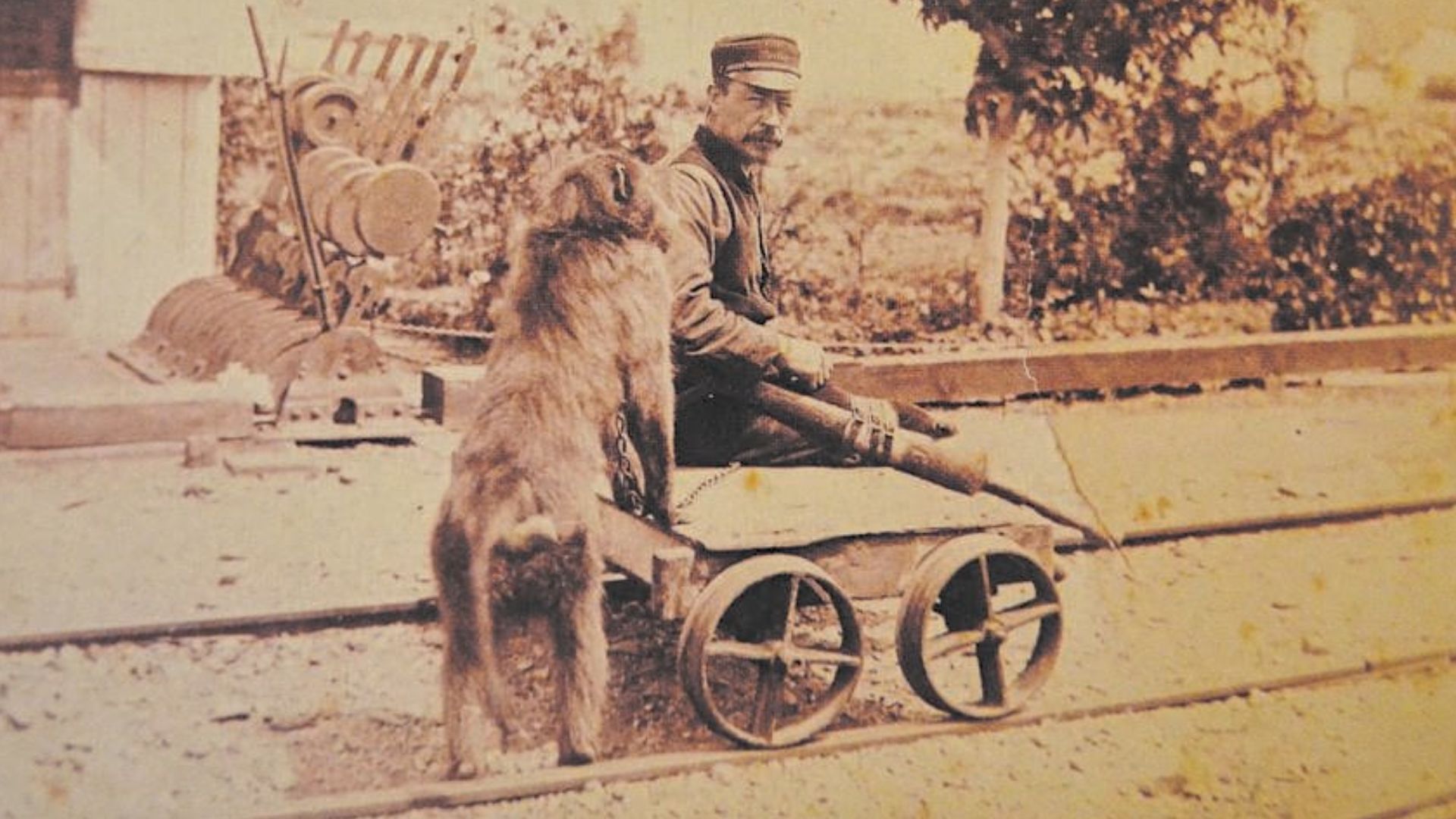
The man was James Edwin Wide, a longtime employee of the Cape Government Railways known to his coworkers as Jumper. The baboon was named Jack, and for close to nine years he did a job that most people assumed only a human could safely handle. Their partnership eventually became well known enough that visitors sought out the station specifically to see it for themselves, and the surviving accounts from railway officials and local writers of the time give the story a level of documentation that most animal legends never get.
An Accident That Ended One Career And Started Another
Wide earned his nickname honestly, through a habit of jumping between moving railway cars rather than waiting for trains to fully stop. He had worked as a guard for roughly a decade when that habit finally caught up with him. While leaping between cars one day, he slipped and fell under a moving train, and the wheels took both of his legs at the knee.
Losing his legs should have ended his career outright, and for a while it looked like it might. Wide fashioned a pair of wooden peg legs for himself and built a small hand-cranked trolley to get around on, determined to prove he could still manage a job despite the injury. The railway eventually agreed, moving him into a signalman position at Uitenhage station rather than letting him go entirely.
The new role solved one problem and created another. Wide's cottage sat roughly half a mile from the station, a distance that was exhausting to cover alone on peg legs and a hand trolley every single day. He needed help getting to work reliably, and that need is what eventually led him to a market stall and an unusually capable animal.
How A Market Baboon Became A Railway Employee
While visiting the local market sometime in the 1880s, Wide spotted a young chacma baboon leading an oxcart, working as what locals called a voorloper, essentially guiding the oxen along their route. Impressed by how sharp the animal seemed, Wide approached the owner and eventually bought the baboon, naming him Jack and bringing him home as a personal assistant.
Jack picked up tasks quickly. He learned to push and pull Wide's trolley along the route to the station, cutting down the daily commute that had been such a burden. Around the house, he took on simple chores like sweeping and taking out the trash, the kind of jobs that suggested real trainability rather than a novelty pet.
The signal box is where Jack's abilities became something closer to remarkable. Accounts from the period describe him learning to distinguish between different train whistles and operate the correct levers in response, working the signals under Wide's watch day after day. Locals began traveling to the station specifically to see whether the story was true, and most left convinced it was.
The Complaint That Almost Ended It, And The Test That Didn't
Word of a baboon operating railway signals eventually reached someone who found it deeply alarming rather than charming. A passenger traveling through the station reportedly saw Jack at the levers and reported the situation to senior railway officials, worried that human lives were being entrusted to an animal. The response was swift, and both Wide and Jack were dismissed from their positions.
Wide pushed back against the decision, arguing that Jack was genuinely capable and had never caused an error. Railway officials agreed to investigate before finalizing anything, sending representatives to observe Jack's work directly rather than relying on rumor. According to the accounts that survive from the period, Jack performed flawlessly under that scrutiny, distinguishing signals correctly and following Wide's direction without hesitation.
That test changed the outcome entirely. Jack was formally reinstated, reportedly given his own employee number and a small ration allowance from the Cape Government Railways, an almost unheard of arrangement for an animal at the time. He continued working at Uitenhage for years afterward, until tuberculosis ended his life around 1890, closing out one of the stranger, better documented partnerships in railway history.