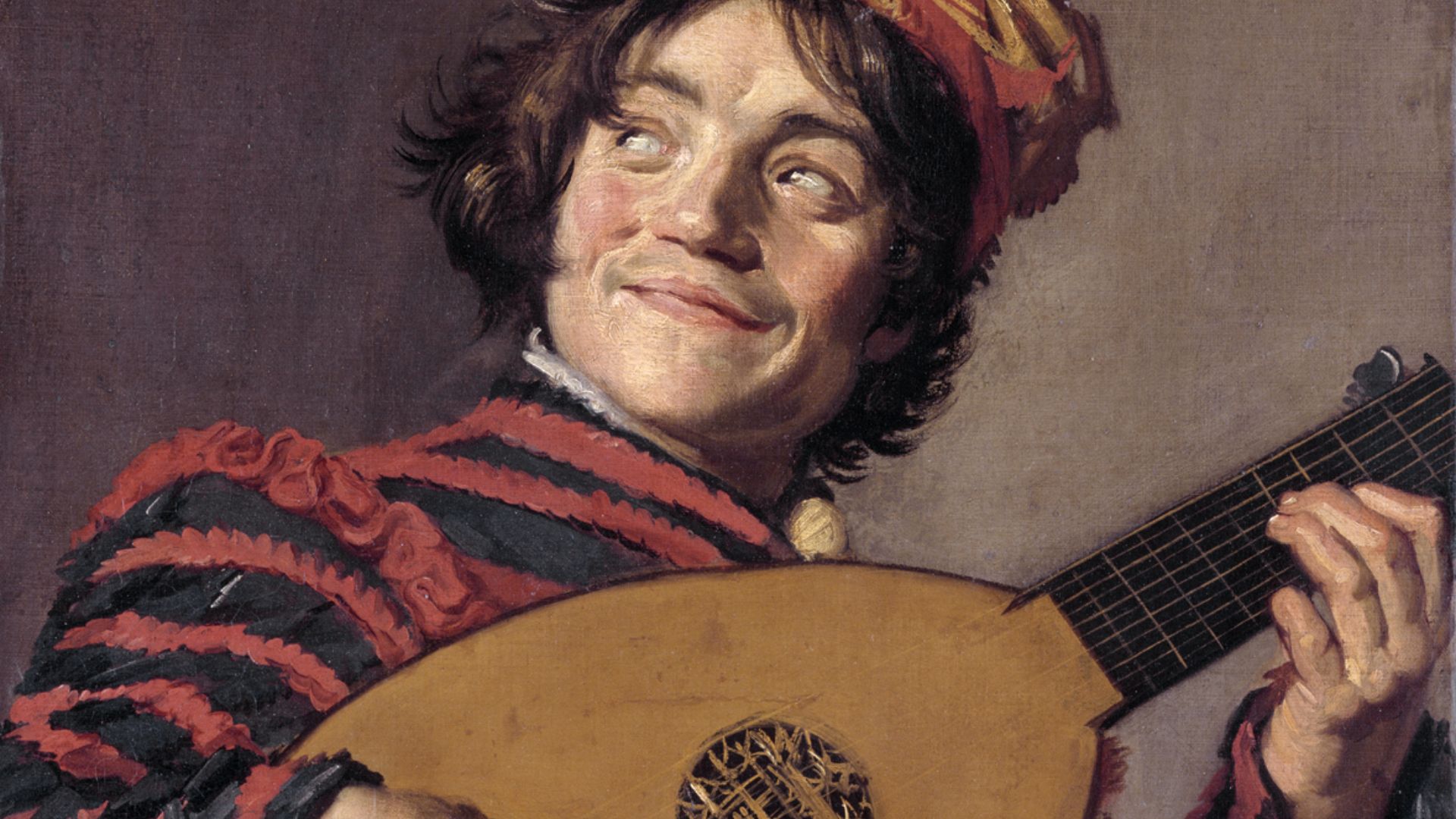
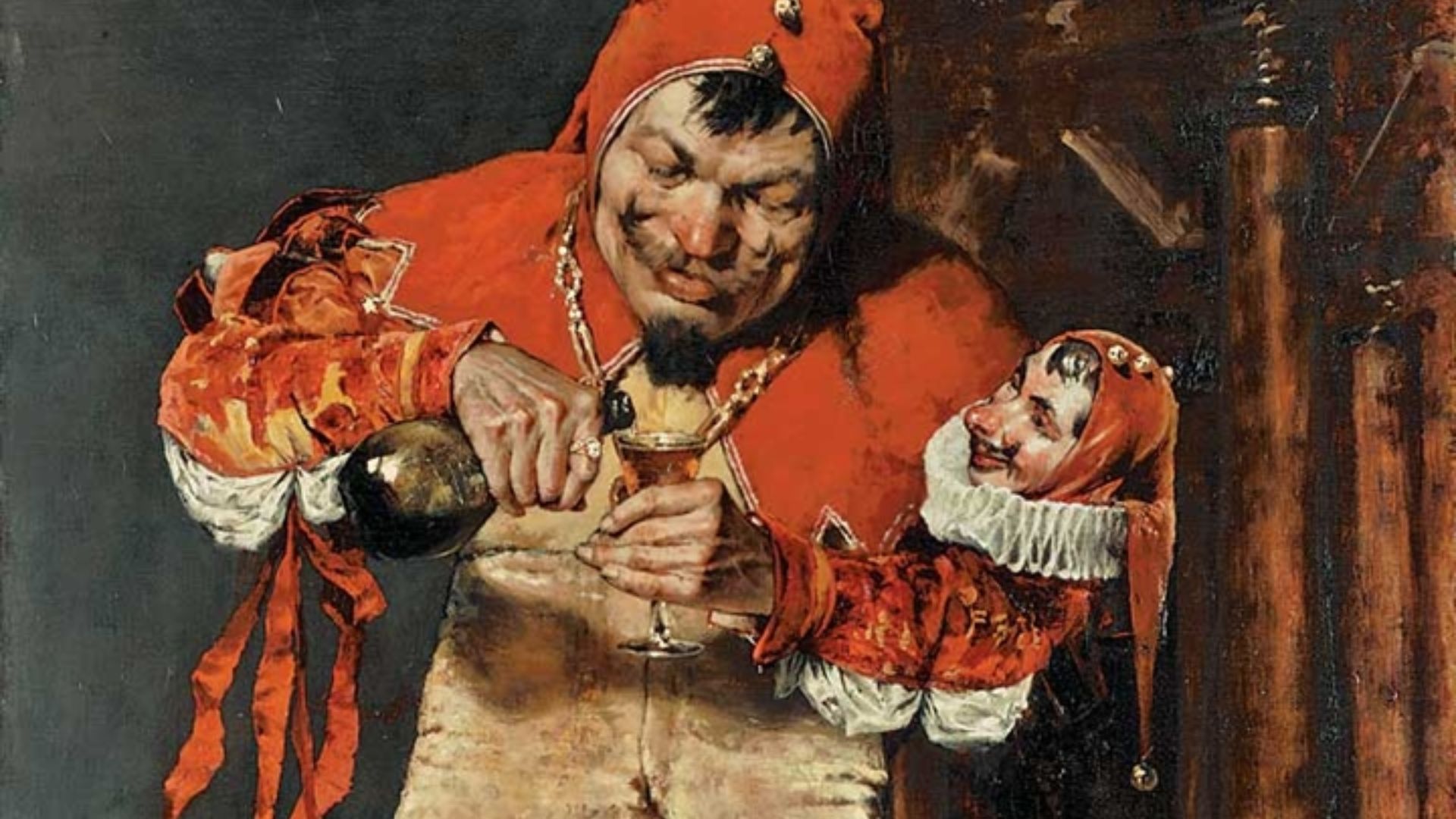
The familiar court jester looks harmless enough: bright clothes, bells, a floppy cap, and maybe even a fancy little scepter. It was easy—and often encouraged—to literally point and laugh, but in reality, the fool occupied one of the strangest positions in a royal household. He could stand close to a ruler, interrupt solemn occasions, mock powerful people, and sometimes say what experienced advisers were too frightened to ever let slip.
That freedom wasn’t a written guarantee, and that’s not to say that jesters could just poke fun at whatever they felt like. But it was all a balancing act, and jesters survived because their insults got packaged as entertainment. Well, that and their deliberately low status made them seem less threatening than nobles with political ambitions. As long as the king laughed, the fool could wander astonishingly far beyond ordinary court etiquette.
Why Rulers Kept People Who Mocked Them
 William Merritt Chase on Wikimedia
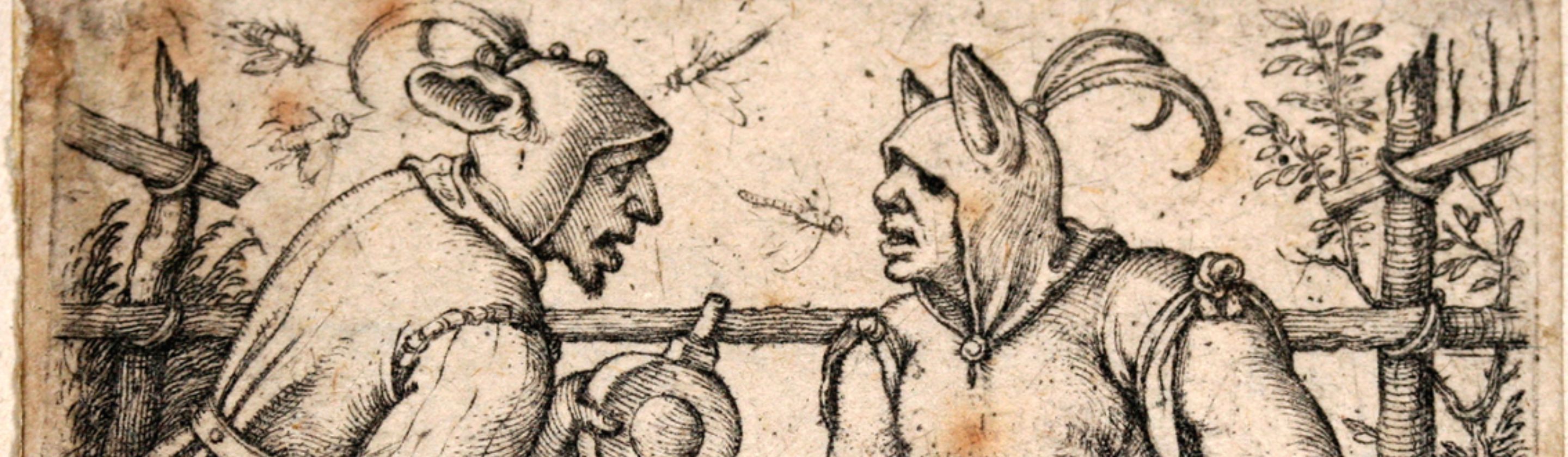
Historical courts didn’t treat every fool as the same kind of performer. Tudor sources sometimes distinguished between “natural” fools (a historical term often used for people believed to have intellectual disabilities) and “artificial” fools who deliberately performed comedy. Modern historians debate how neatly individual performers fit those categories, but either way, these people weren’t simply medieval stand-up comedians in costume.
When you did land the job, a fool might sing, dance, imitate courtiers, perform practical jokes, or merely hang around to provide companionship. Their clothing could identify their unusual position, although the familiar costume we all recognize today wasn’t actually the universal uniform. Surviving wardrobe accounts show that Tudor fools usually wore coats, caps, hose, and other garments from the royal household.
Jesters go back a long time, too. Will Somer, Henry VIII’s best-known fool, first appears in royal accounts in 1535 and remained connected to the Tudor court well after Henry’s death. His closeness to the king is even reflected in Henry’s illuminated Psalter, where Somer appears beside the ruler in one of the manuscript’s images.
If you couldn’t already guess, close access mattered; a jester could present criticism as entertainment rather than opposition. Don’t forget that courtiers had titles, political alliances, and enemies, which made their advice potentially suspicious. A fool, however, occupied a lower and seemingly less threatening position, allowing an uncomfortable observation to slip in whenever they wanted without having a price on their head afterward.
The Most Outrageous Things Fools Got Away With
Thomas Wilson’s 16th-century book The Arte of Rhetorique credits Somer with a remarkably bold joke about Henry VIII’s finances. Somer reportedly turned “auditors,” “surveyors,” and “receivers” into wordplay suggesting that royal officials were actually just fraudsters, people who got money for themselves. If you were literally anyone else accusing the king’s administrators of dishonesty, you’d be in serious hot water—but Somer delivered it all in jest.
Archibald “Archy” Armstrong served James VI and I and later Charles I, and he was even less restrained. During the failed Spanish Match negotiations in 1623, Armstrong reportedly criticized the Duke of Buckingham’s handling of the trip until Buckingham threatened to hang him (so, you know, you couldn’t just say anything). According to preserved accounts, Armstrong replied that dukes had been hanged for insolence, but fools hadn’t been hanged simply for talking.
One of the strangest documented entertainers was actually Roland le Petour, whose arrangement with the English crown had very little to do with political advice. The medieval Book of Fees records that Roland held Hemingstone manor through a service requiring him to perform a jump, a whistle, and a fart at Christmas. Not a bad deal, all things considered.
Poland’s Stańczyk also became famous for presenting serious criticism through witty replies. In a traditional 1533 story about a bear hunt, King Sigismund I criticized the jester for fleeing after a released bear charged the party. Stańczyk supposedly answered that releasing a bear that was already safely caged was the bigger flub, although historians acknowledge that details of his life are difficult to verify. Still, it’s nice to think that Stańczyk actually clapped back.
The Joke Could Still End Badly
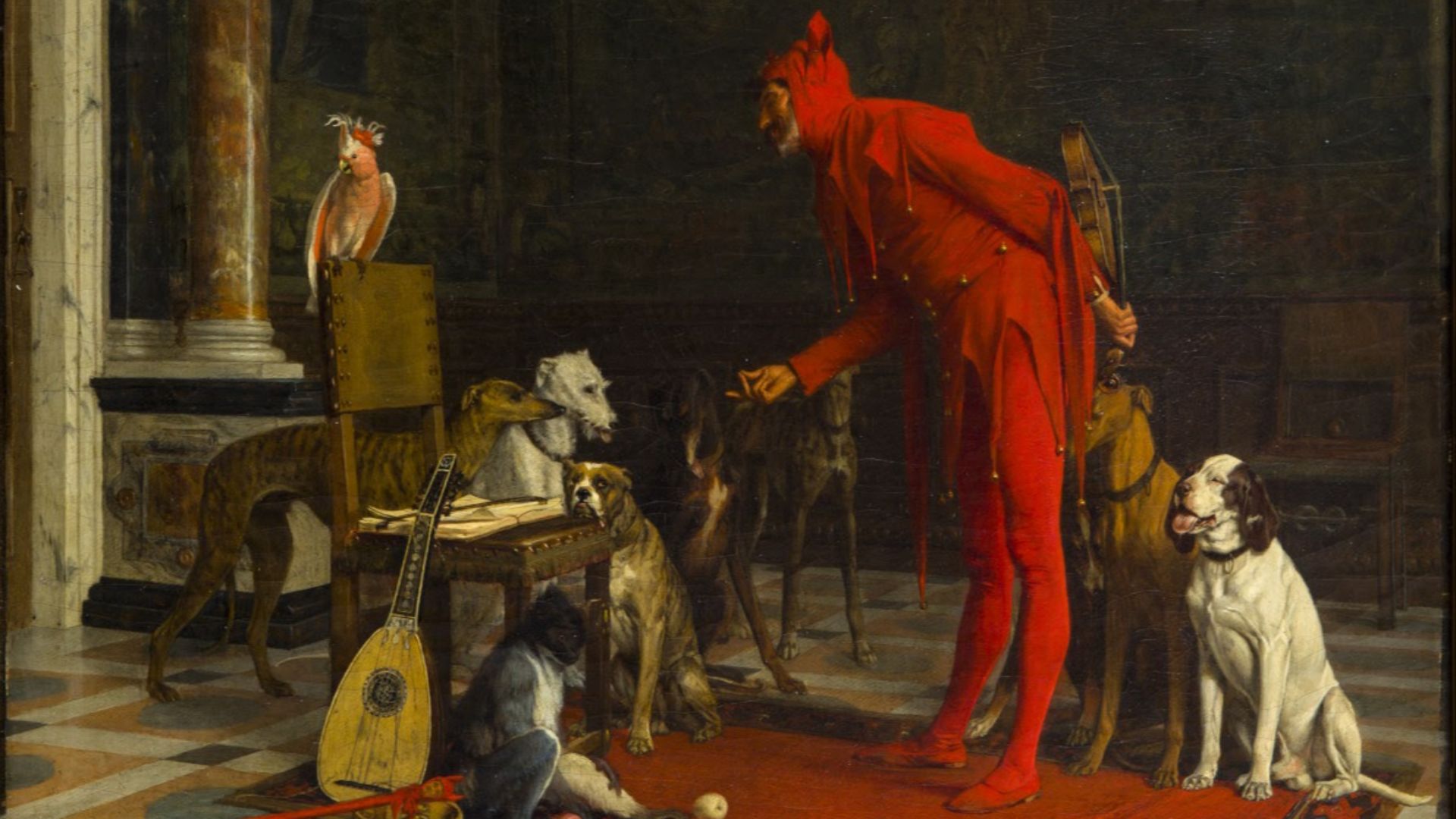 Giovanni Battista Quadrone on Wikimedia
However, it was eventually Armstrong who proved that even the boldest jester had limits. After repeatedly attacking Archbishop William Laud, he reportedly greeted news of Scottish resistance to Laud’s religious policies in 1637 by asking the archbishop, “Who’s fool now?” Laud complained, and the royal council ordered Armstrong’s fool’s coat removed before totally banning him from court.
Losing the coat was a big deal, too. It stripped Armstrong of the position that had allowed him to present these attacks without getting much pushback from those he insulted. He later blamed Laud for his downfall in the pamphlet Archy’s Dream, published after Laud himself had fallen from power.
It’s not easy to say that jesters got away with everything, but some really did come remarkably close. Their low status made them seemingly harmless, their humor softened criticism, and royal affection protected their behavior. The most successful fools knew that survival depended on more than being funny; they had to understand the ruler and the exact moment when the laughter was about to stop.
KEEP ON READING