10 Rulers Who Loved War and Hated Their Crowns & 10 Generals Who Loathed War and Loved Their Rank
10 Rulers Who Loved War and Hated Their Crowns & 10 Generals Who Loathed War and Loved Their Rank
When Duty and Personal Instinct Pulled in Opposite Directions
Some rulers treated the throne primarily as a platform for raising armies, while certain career generals understood warfare well enough to dislike it deeply. These descriptions shouldn’t be taken literally in every case, but each figure showed a noticeable preference for campaigning over court life, or professional military service over the violence that came with it. Here are 10 rulers who loved war and hated their crowns & 10 generals who loathed war and loved their rank.
 Brady-Handy Photograph Collection, Library of Congress on Wikimedia
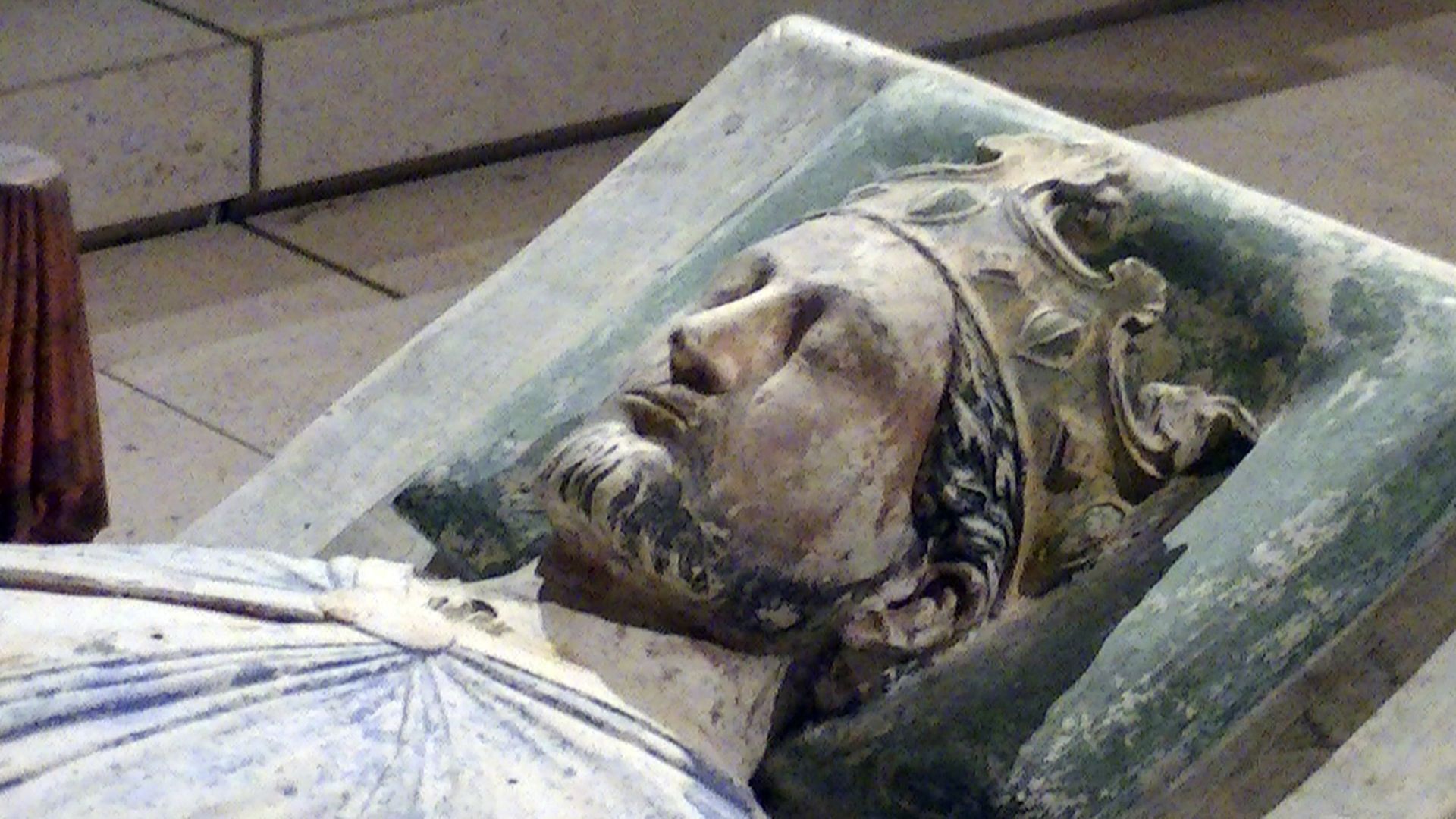
1. Richard I of England
Richard I spent only a small portion of his reign in England because military affairs repeatedly drew him abroad. Administration interested him less than campaigning, and England often functioned as a source of money and manpower for his wars.
2. Charles XII of Sweden
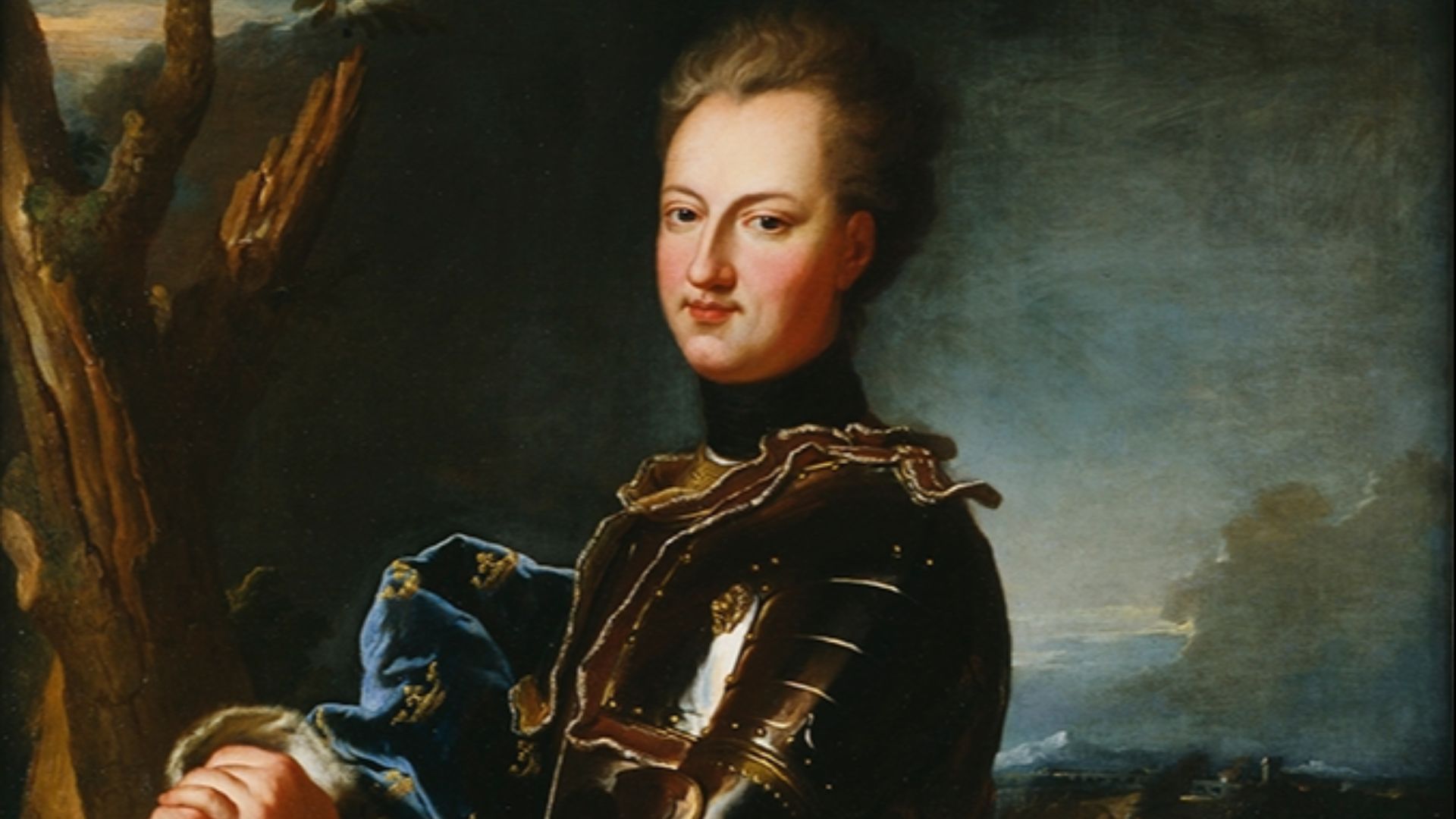
Charles XII became king as a teenager and spent most of his adult life fighting in the Great Northern War. He shared the hardships of his soldiers, accepted considerable personal danger, and remained away from Sweden for years.
 Workshop of Hyacinthe Rigaud on Wikimedia
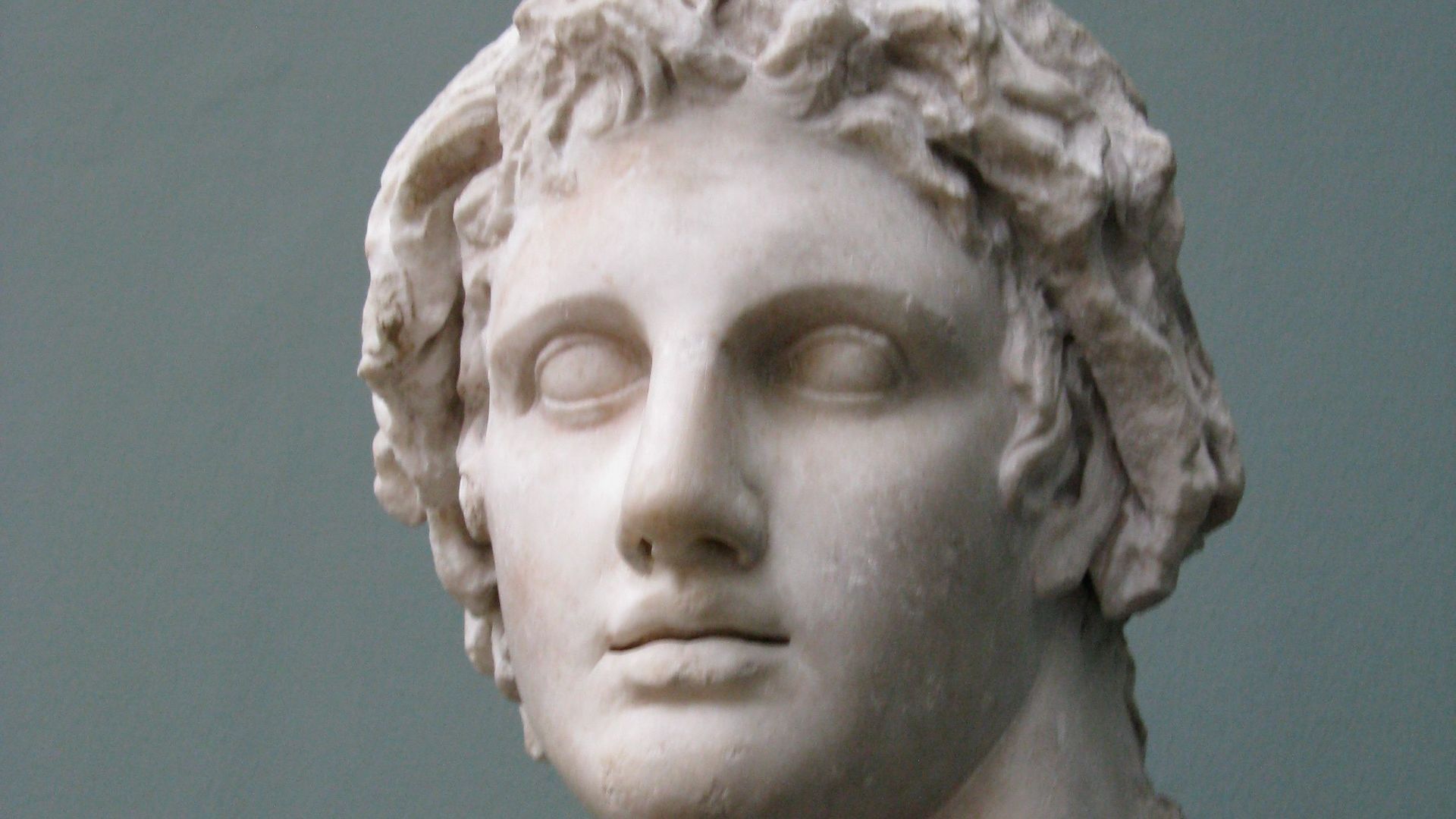
3. Alexander the Great
Alexander inherited a powerful Macedonian kingdom, yet maintaining what he already possessed never seemed sufficient. He moved quickly into Asia and continued campaigning through Persia, Central Asia, and northwestern India. His army eventually demanded a return home, showing how much further he was willing to march than many of his exhausted soldiers.
4. Pyrrhus of Epirus
Pyrrhus repeatedly pursued military opportunities in Macedonia, Italy, and Sicily instead of concentrating on stable government in Epirus. He gained and lost several thrones because campaigning remained central to both his ambition and his political survival.
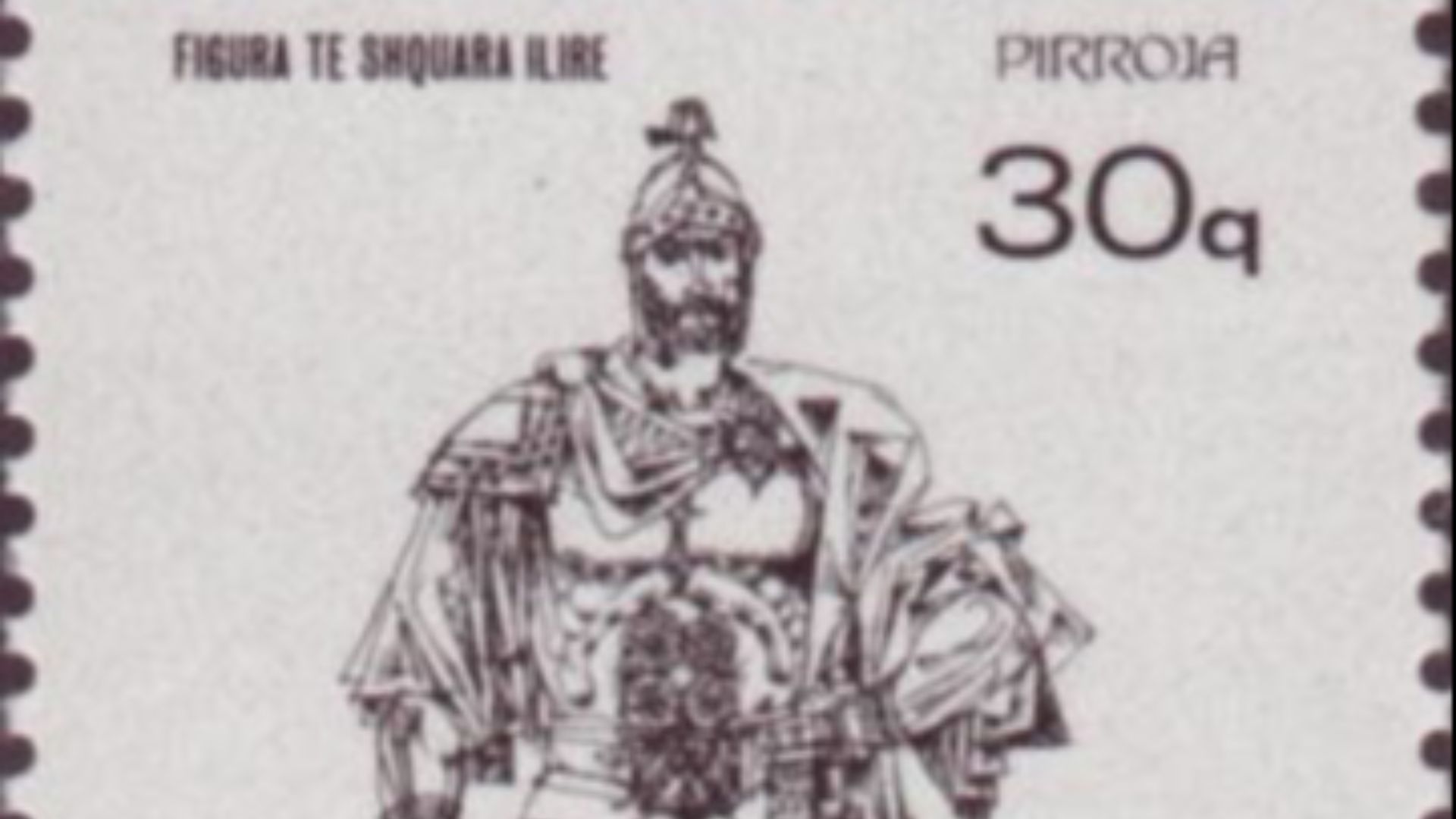
5. Henry V of England
Henry V is closely associated with the war in France that dominated his relatively brief reign. His victory at Agincourt strengthened his position and eventually helped him secure recognition as heir to the French throne. Rather than settling into domestic rule, he continued campaigning until illness ended his life at just 35.
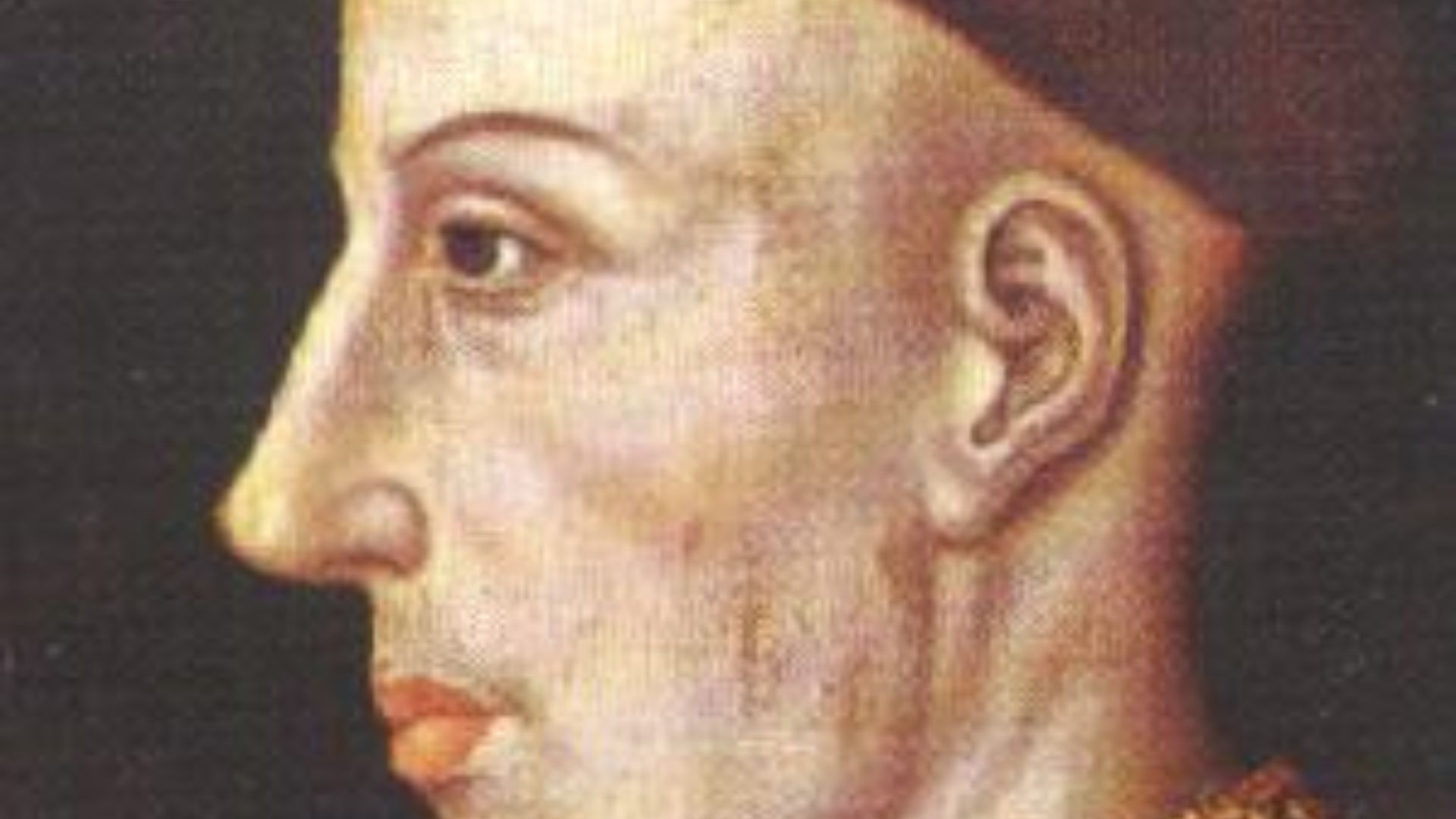 The original uploader was Pyrdracon at German Wikipedia. on Wikimedia
6. Alfonso I of Aragon
Known as Alfonso the Battler, this medieval king spent much of his reign expanding Christian-controlled territory in the Iberian Peninsula. His complicated succession arrangements suggest that preserving a conventional dynasty wasn’t his strongest personal priority.
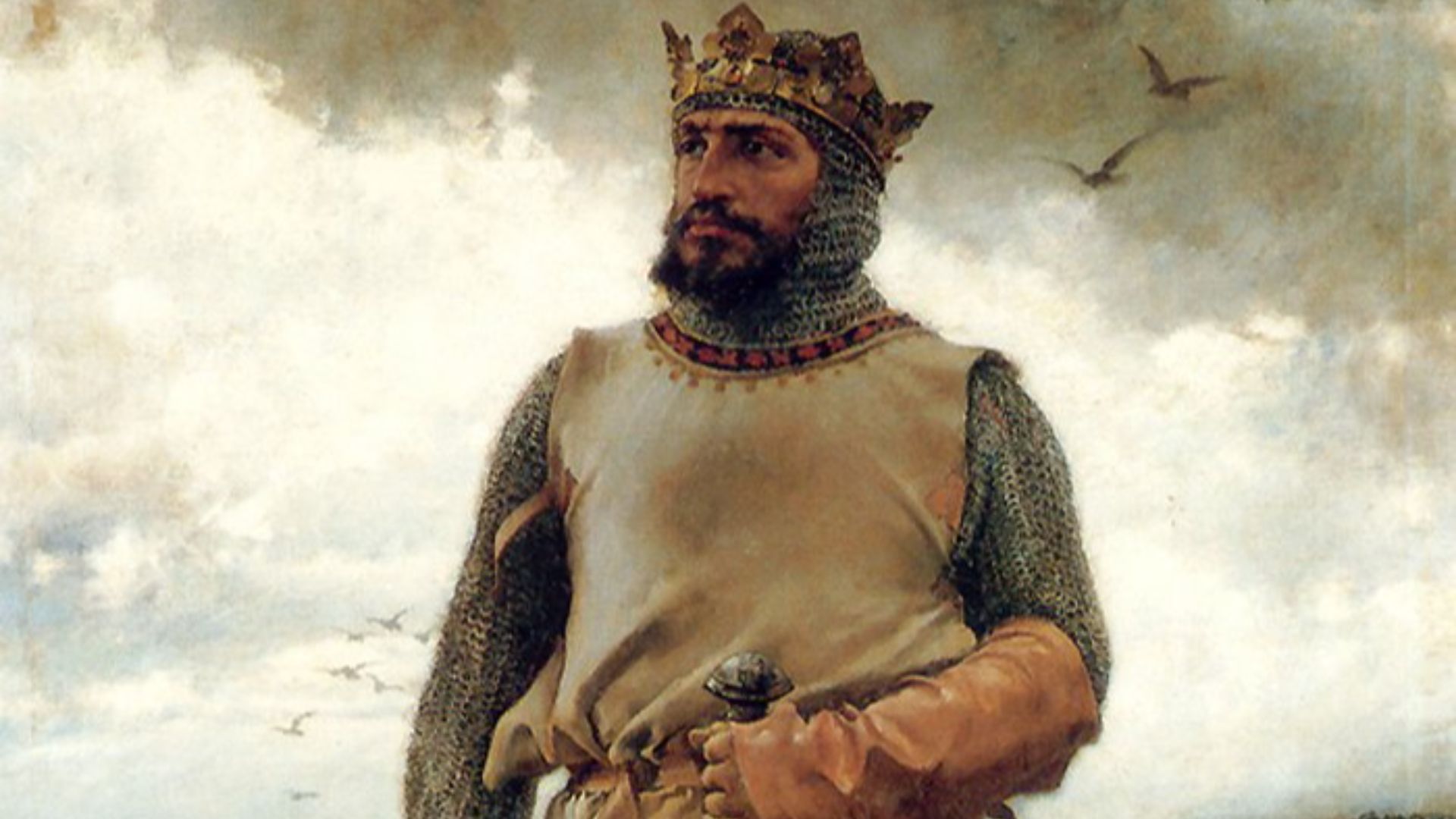 Francisco Pradilla y Ortiz on Wikimedia
7. Frederick II of Prussia
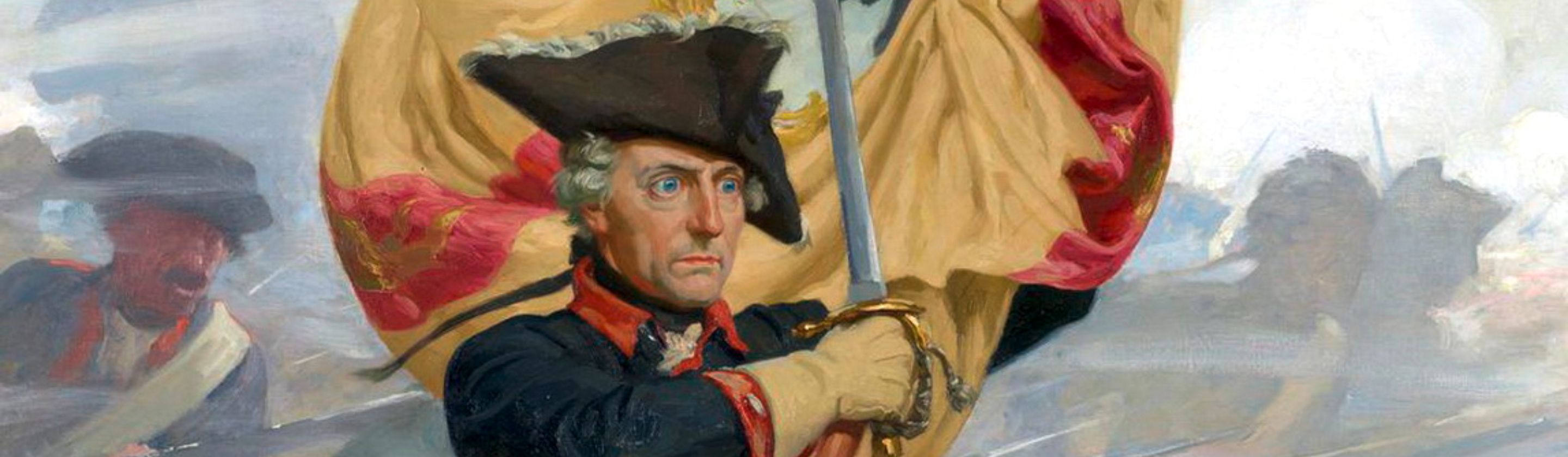
Frederick the Great was an energetic administrator, but warfare became the defining feature of his reign. He seized Silesia early in his rule and later fought through the brutal Seven Years’ War to retain Prussia’s position. Even while governing closely, he repeatedly placed himself near the battlefield and treated military success as essential to kingship.
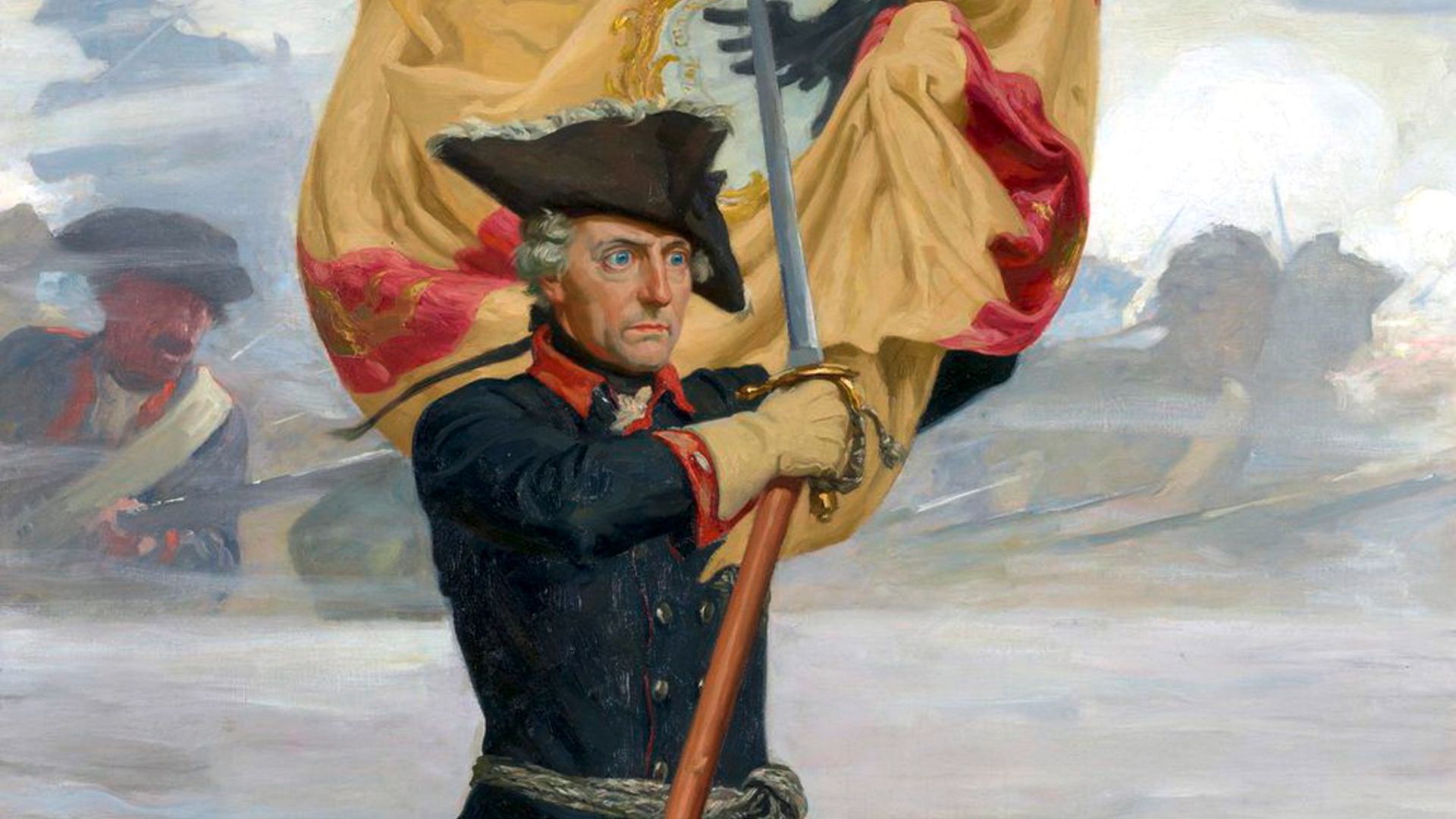
8. Gustavus Adolphus of Sweden
Gustavus Adolphus introduced important military reforms and personally led Sweden’s armies during major European conflicts. His involvement in the Thirty Years’ War elevated Sweden’s international influence but kept him far from ordinary court routines.
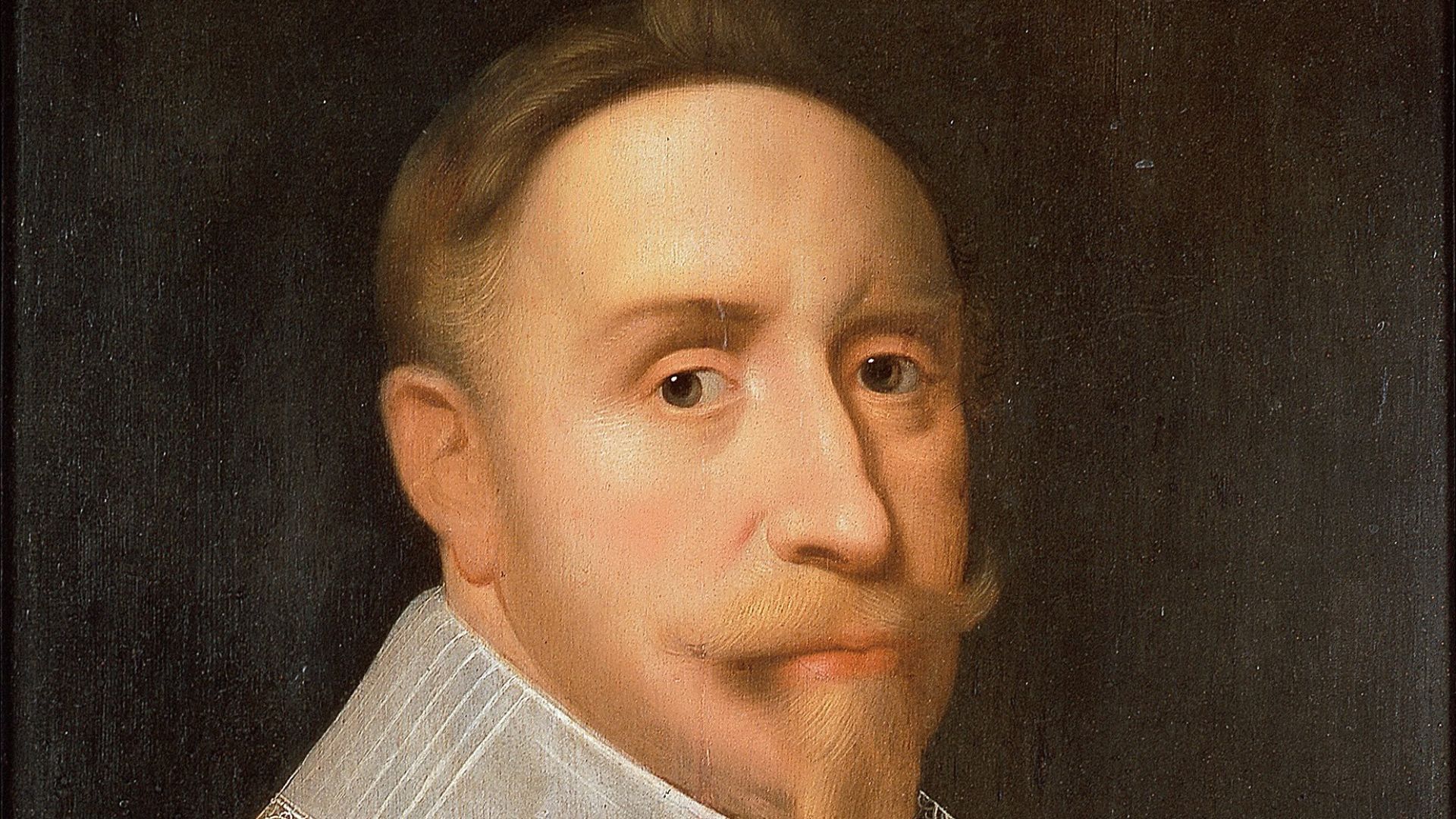 Presumably Jacob Hoefnagel on Wikimedia
9. Babur
Babur inherited a small Central Asian principality but lost it, recovered it, and lost it again while still young. His memoirs reveal continued affection for Central Asia, suggesting that conquest didn’t immediately make his new imperial responsibilities emotionally comfortable.
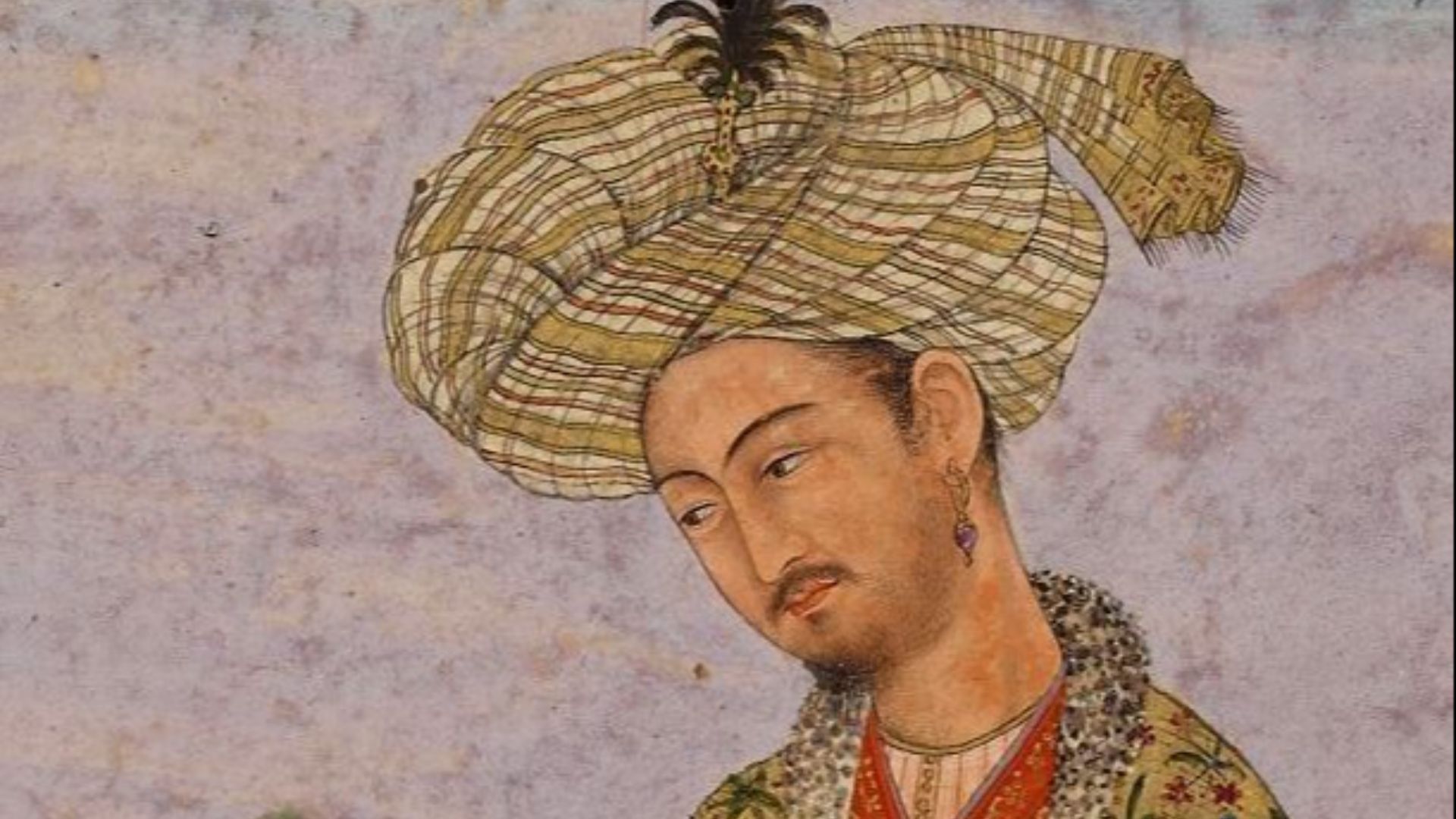
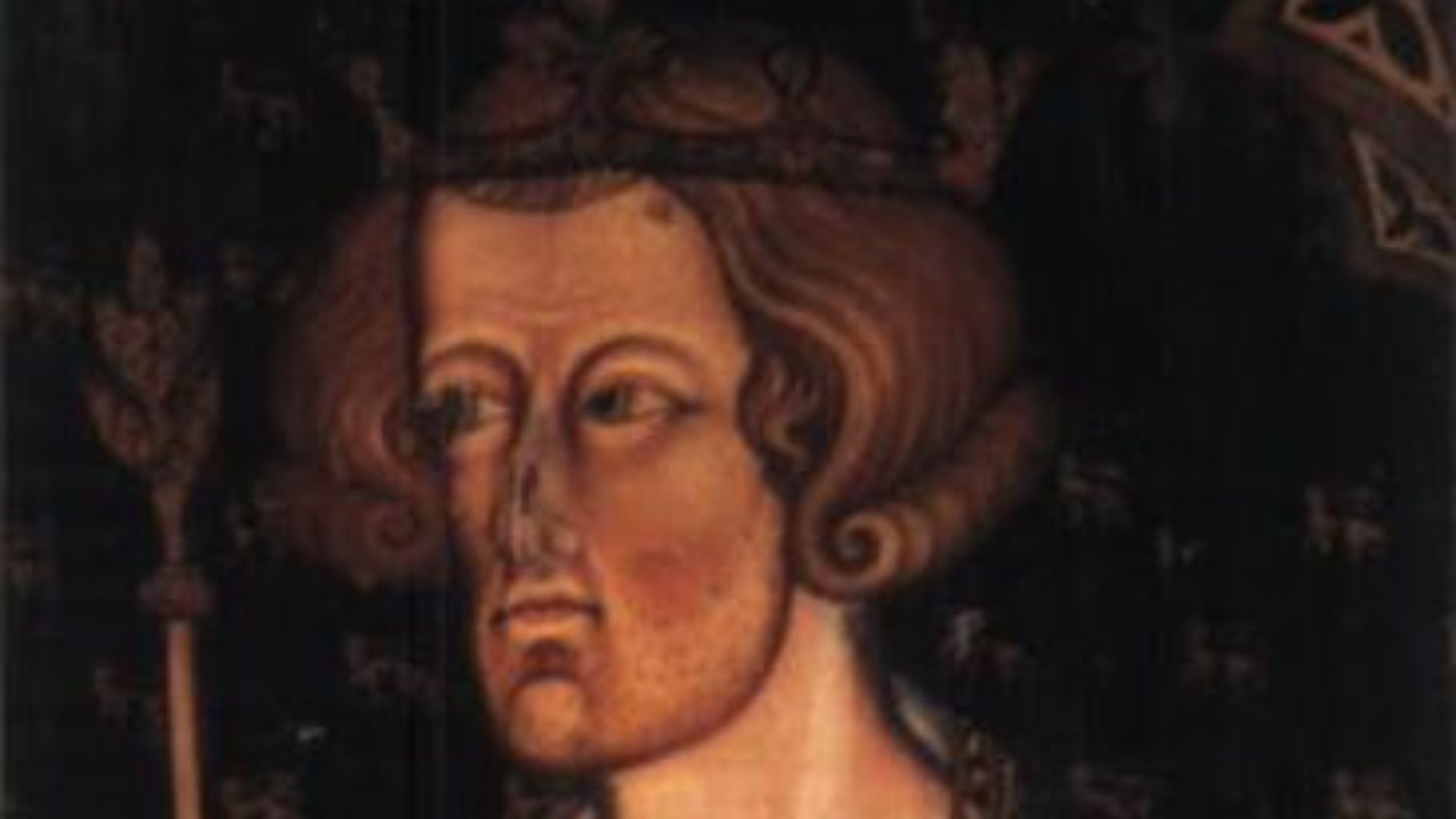
10. Edward I of England
Edward I devoted enormous energy and resources to military campaigns in Wales, Scotland, and France. Although he was also an active lawmaker, warfare consumed so much of his reign that he died during another campaign toward Scotland.
1. William Tecumseh Sherman
Sherman understood war’s destructiveness and famously rejected romantic descriptions of battlefield glory. He believed that when war became unavoidable, it should be prosecuted forcefully enough to bring the conflict to an end.
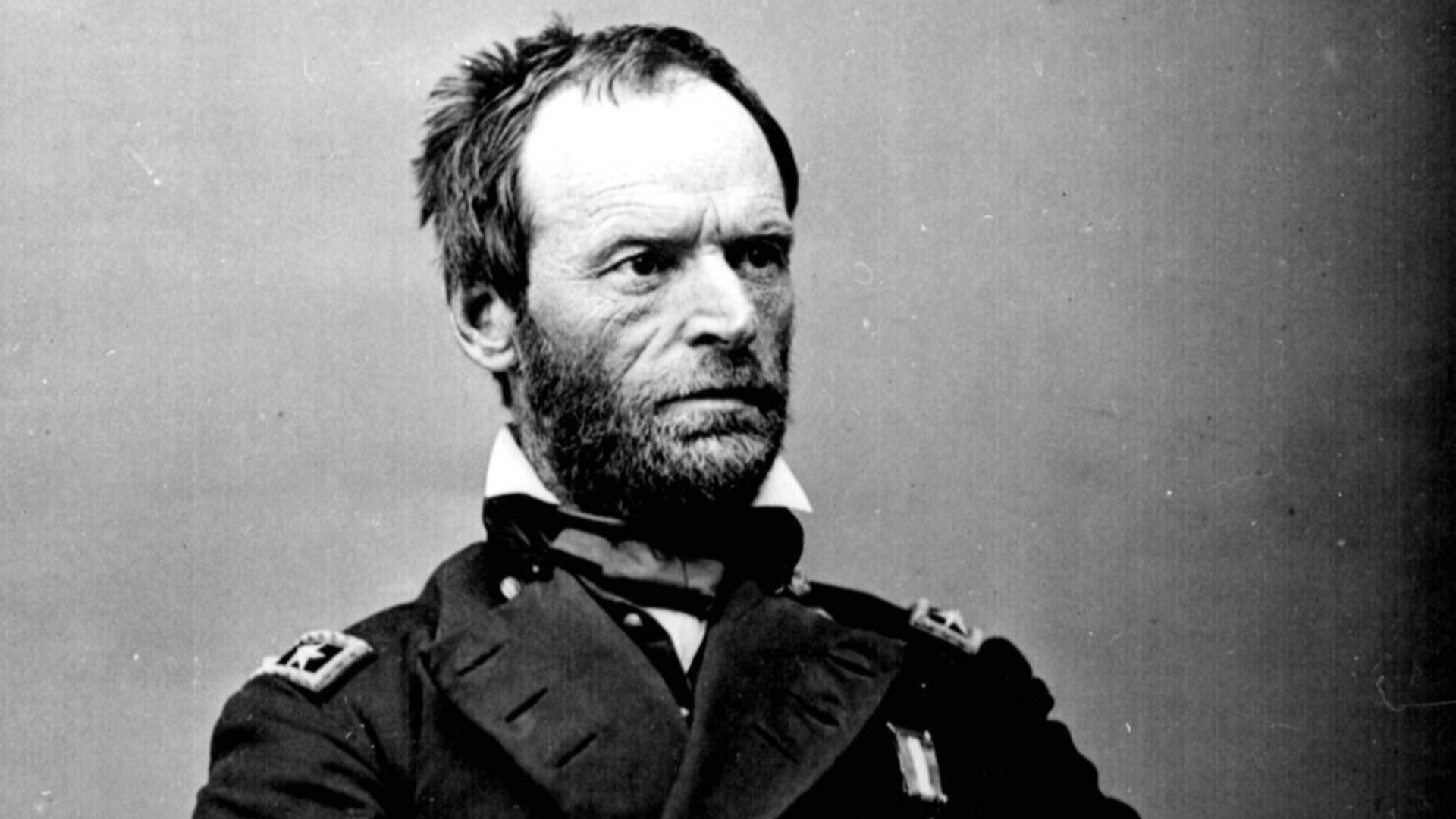 Mathew Benjamin Brady on Wikimedia
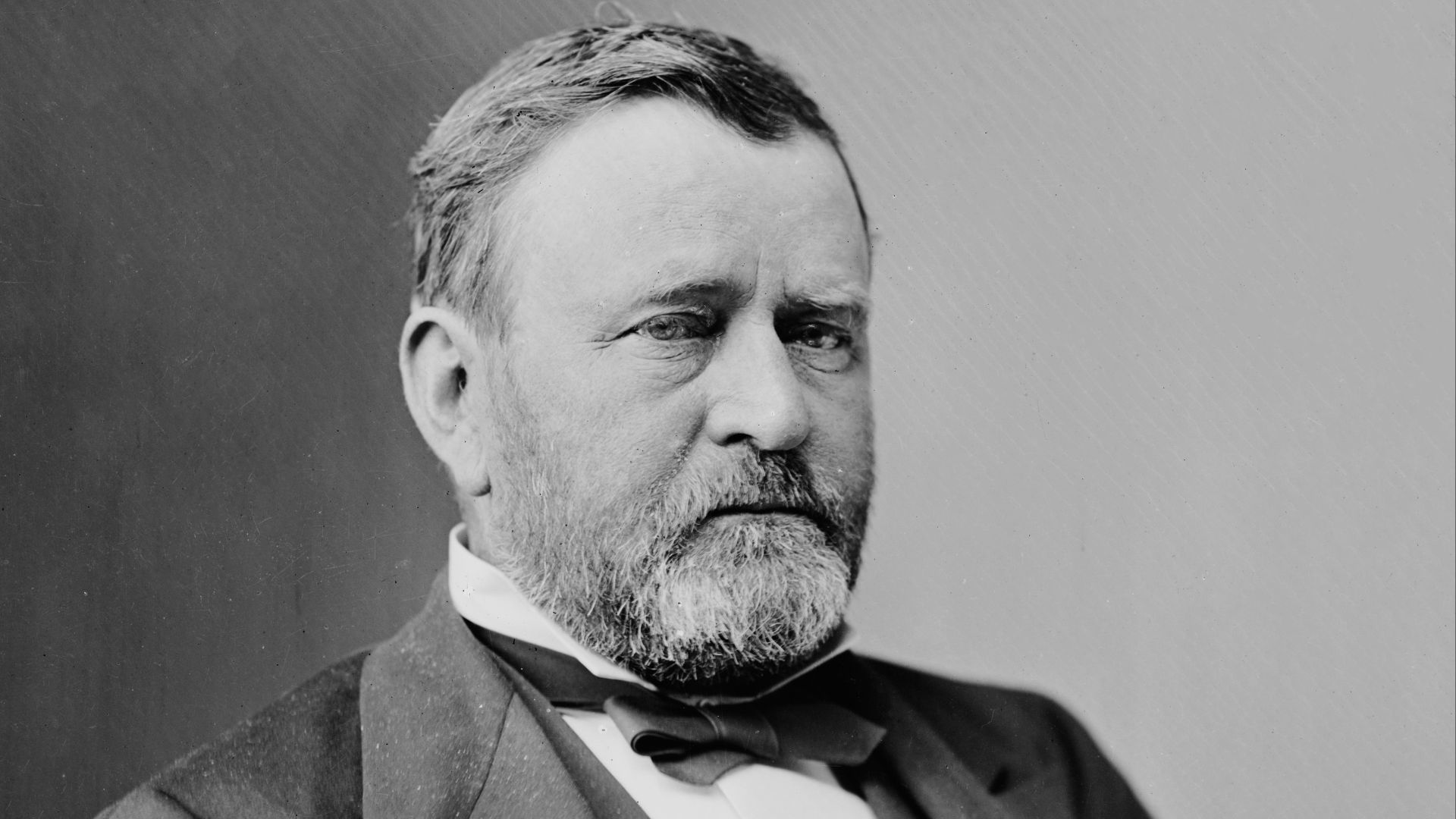
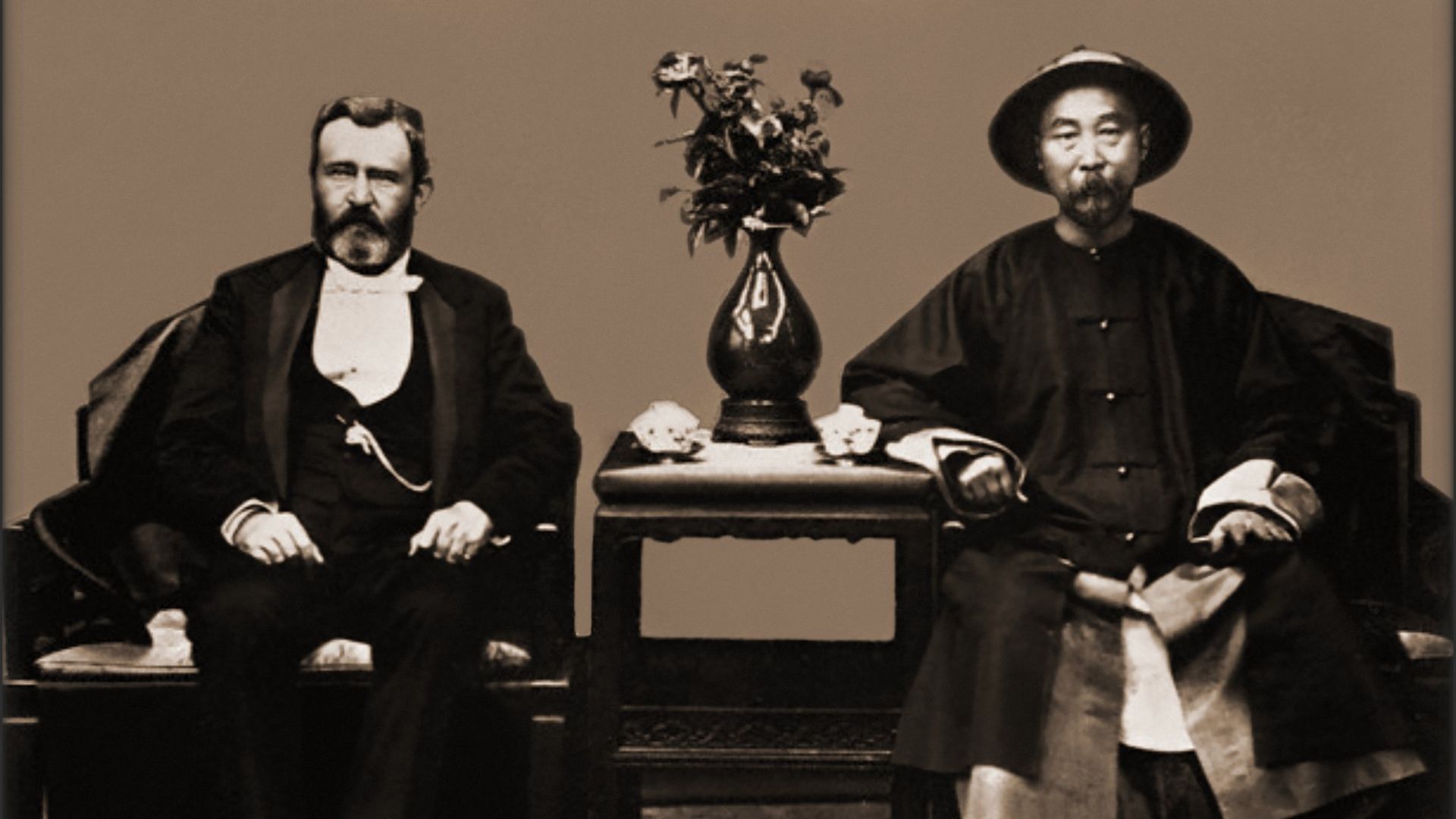
2. Ulysses S. Grant
Grant’s quiet manner rarely matched the popular image of an aggressive battlefield commander. He disliked unnecessary bloodshed, accepted surrender terms intended to promote reconciliation, and later tried to protect the peace created by Union victory.
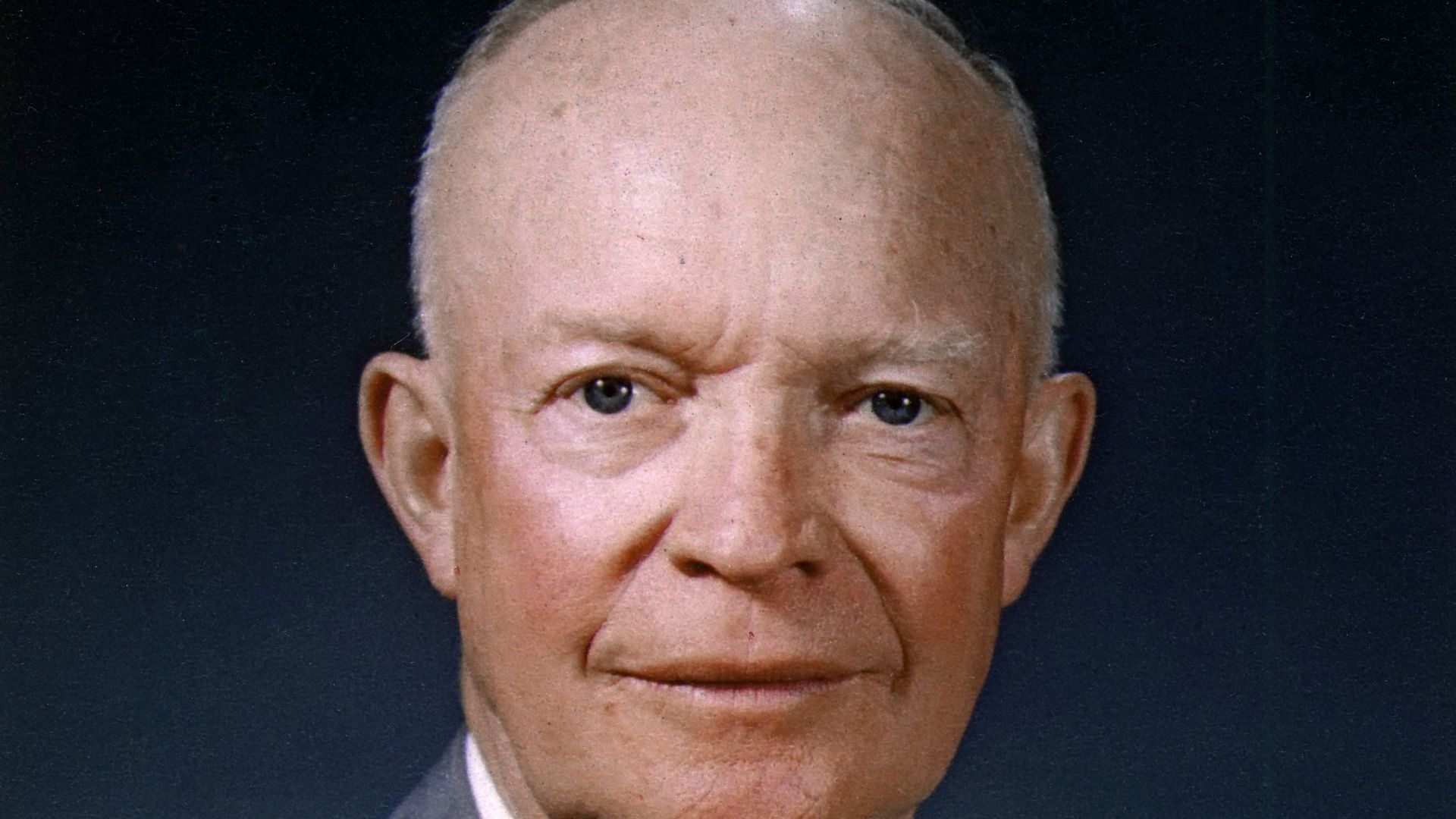
3. Dwight D. Eisenhower
Eisenhower reached the five-star rank and directed the enormous Allied campaign in Western Europe during World War II. He recognized that every major decision placed thousands of lives at risk, and he carried that burden seriously.
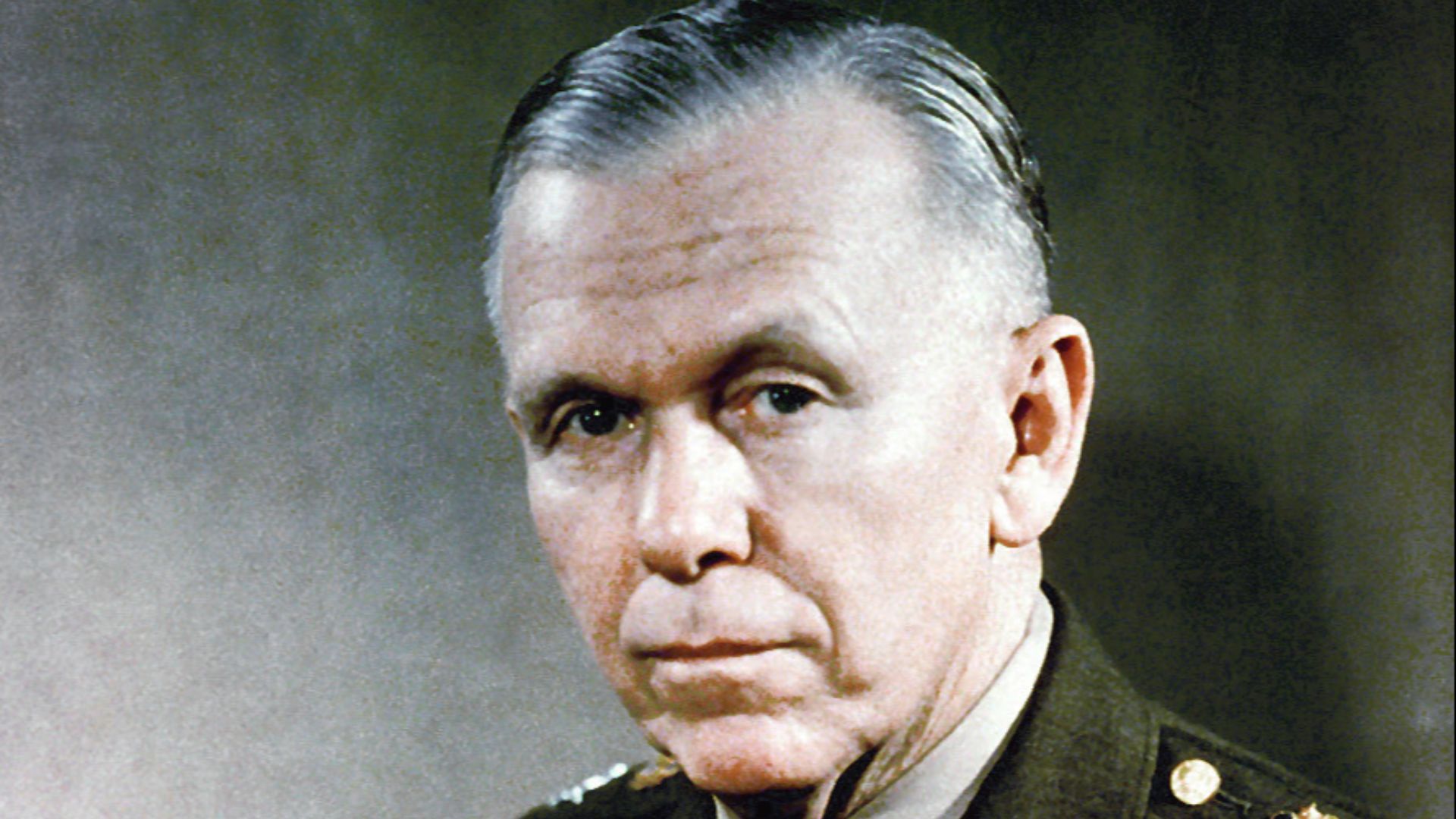
4. George C. Marshall
Marshall spent decades in uniform and became the U.S. Army’s chief of staff during World War II. Rather than seeking dramatic battlefield attention, he concentrated on organization, training, appointments, and long-term strategy.
 Unknown authorUnknown author on Wikimedia
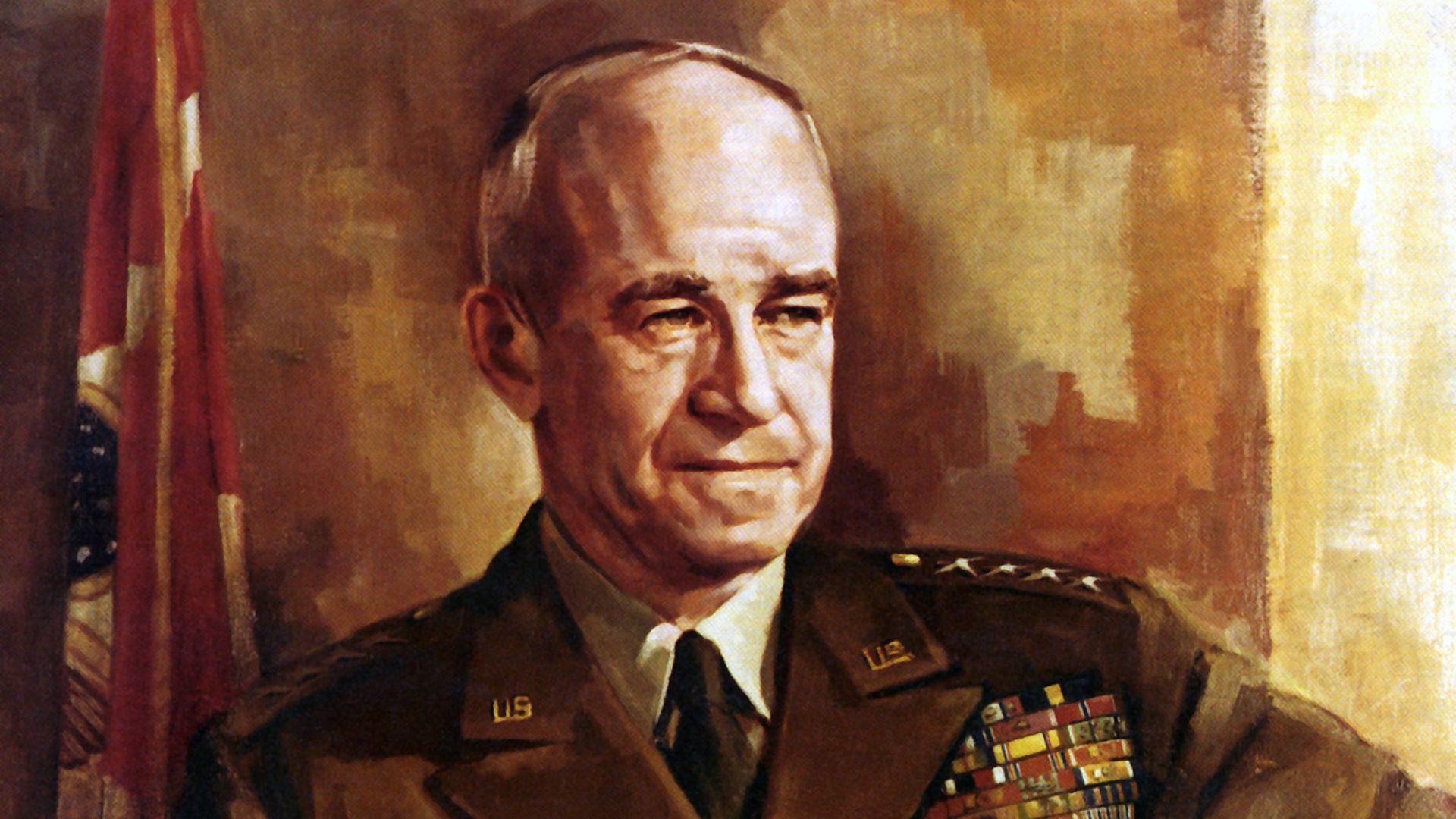
5. Omar Bradley
Bradley earned a reputation for being less theatrical than several other senior Allied commanders. Although he accepted the responsibilities of senior rank, he remained wary of decisions that could expand conflicts or expose troops to needless danger.
 Clarence Lamont MacNelly on Wikimedia
6. William Slim
William Slim led British and Commonwealth forces through the difficult Burma campaign during World War II. He spoke honestly about fear, exhaustion, mistakes, and the human cost of command rather than presenting combat as glamorous.
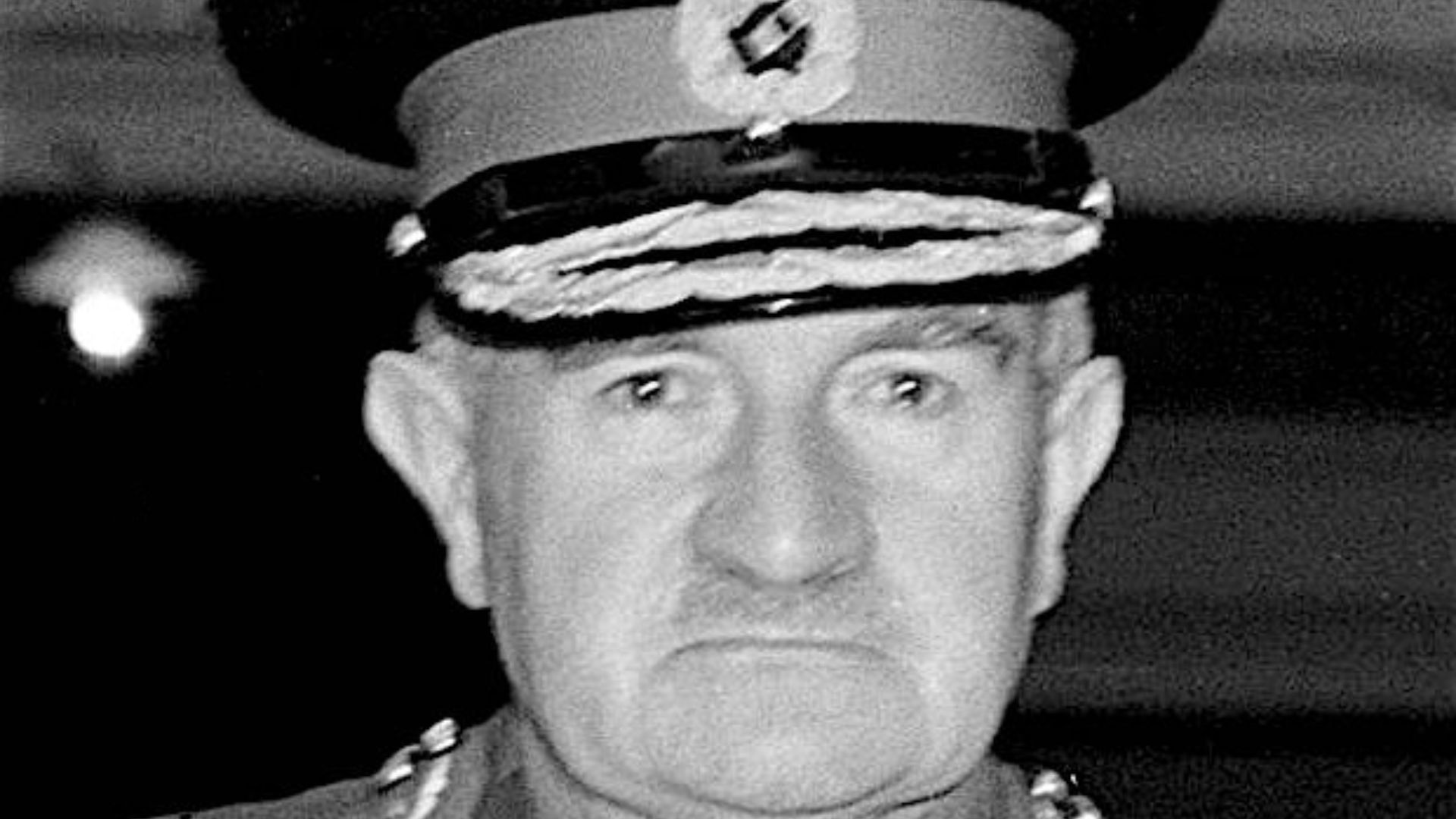
7. Matthew Ridgway
Matthew Ridgway took command during the Korean War when United Nations forces were struggling with morale and organization. Although he accepted senior commands in both Korea and NATO, he later opposed plans he believed could produce costly and strategically unsound wars.
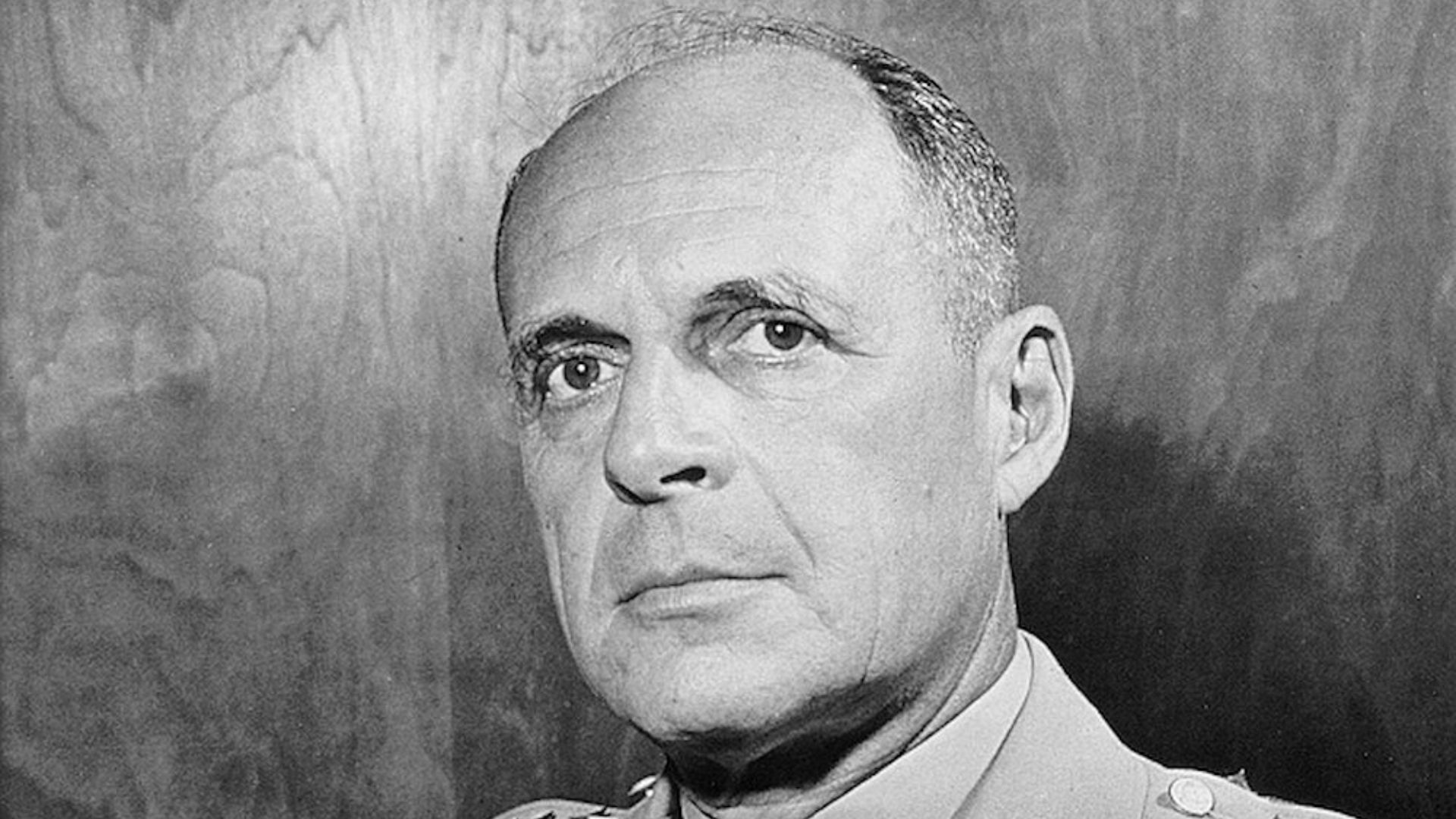 United States Army Japan on Wikimedia
8. Smedley Butler
Smedley Butler became one of the most highly decorated Marines in American history and rose to the rank of major general. After retiring, however, he became an outspoken critic of military interventions conducted for commercial or political advantage.
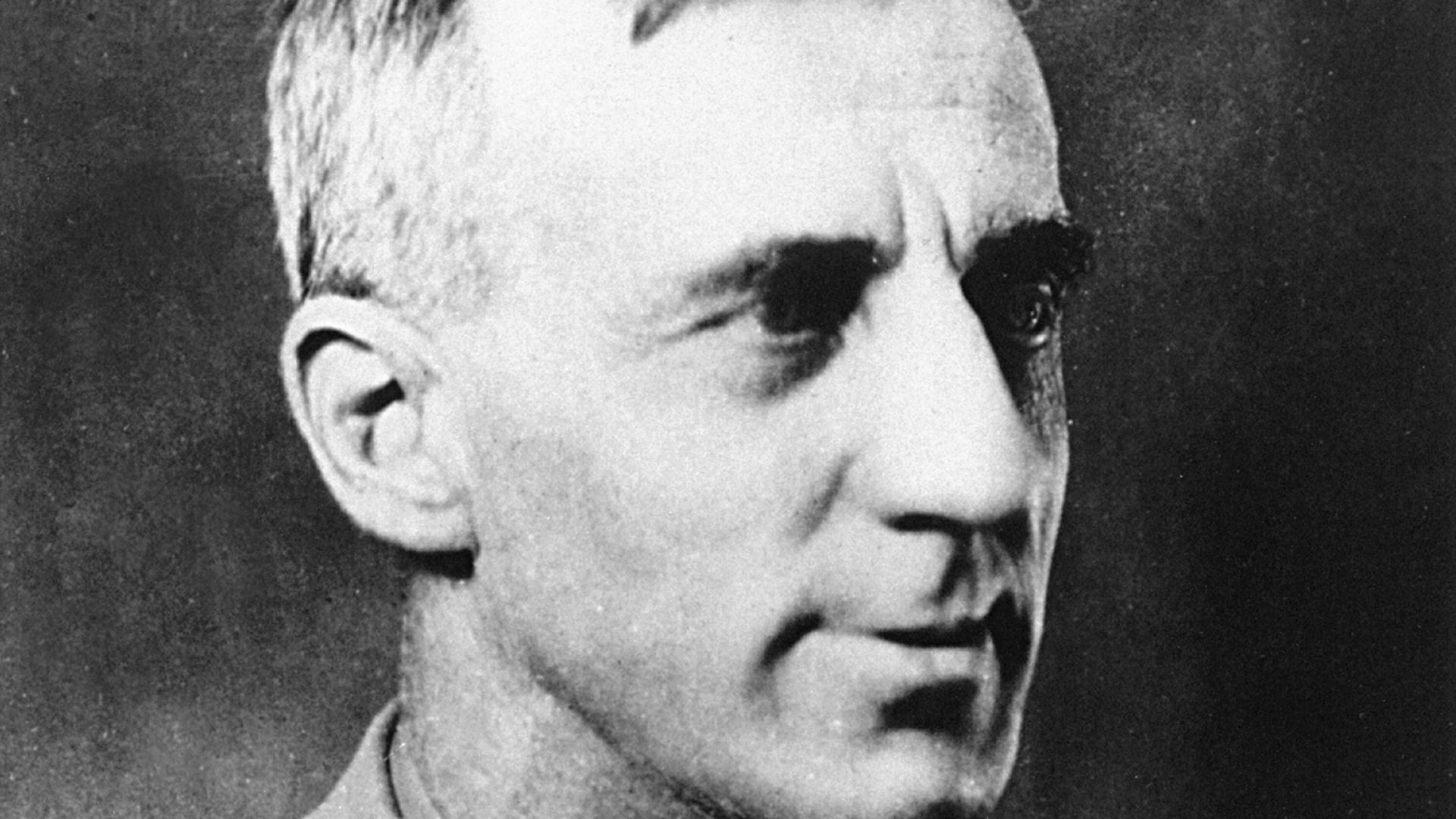 original from here on Wikimedia
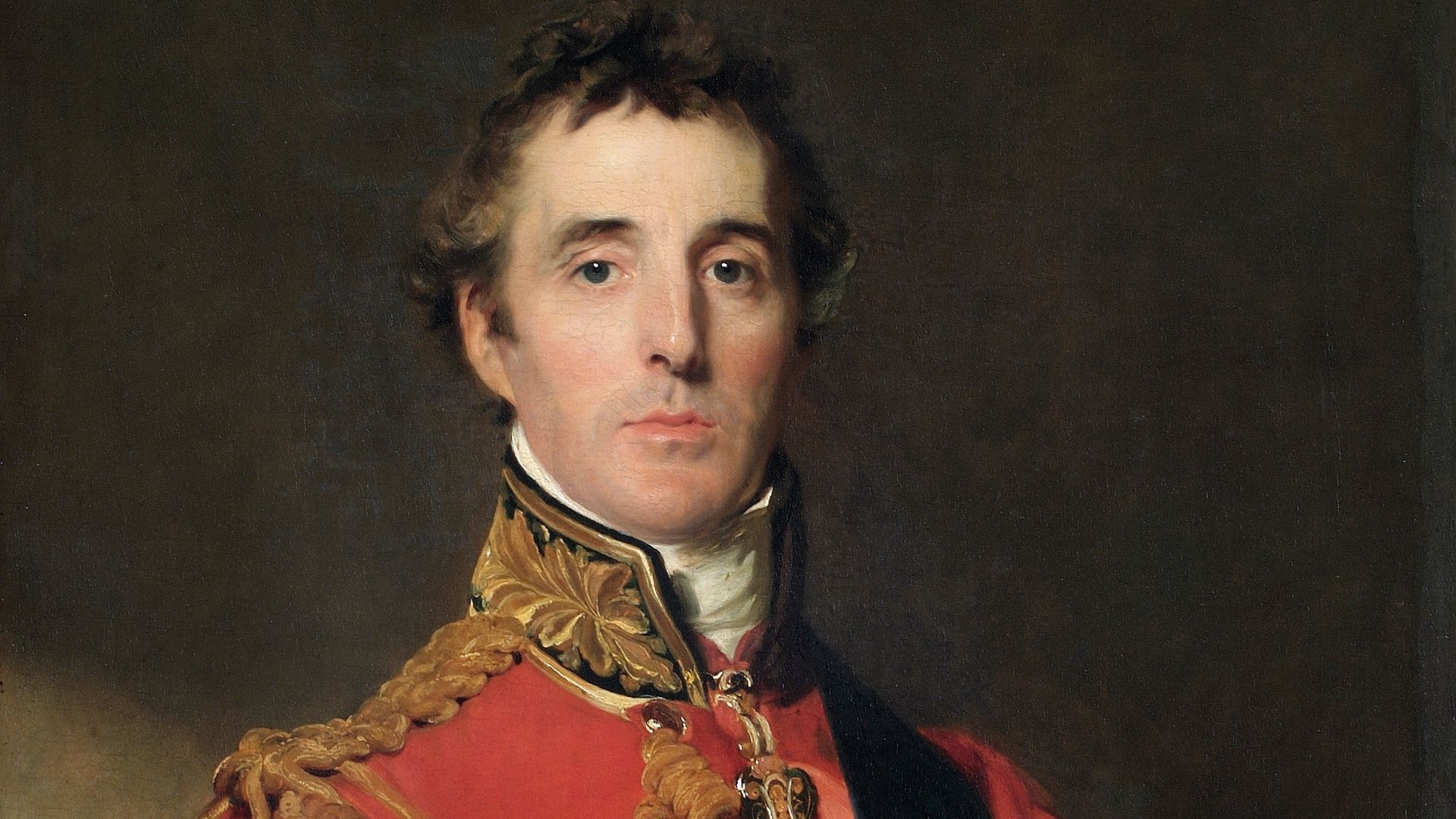
9. Arthur Wellesley
The Duke of Wellington built his reputation through campaigns in India, the Iberian Peninsula, and at Waterloo. Afterward, he remained prominent in public life while expressing little patience for civilians who treated battles as exciting entertainment.
10. Colin Powell
Colin Powell rose from junior Army officer to four-star general and chairman of the Joint Chiefs of Staff. He valued military service while arguing that committing troops shouldn’t become a casual political decision.
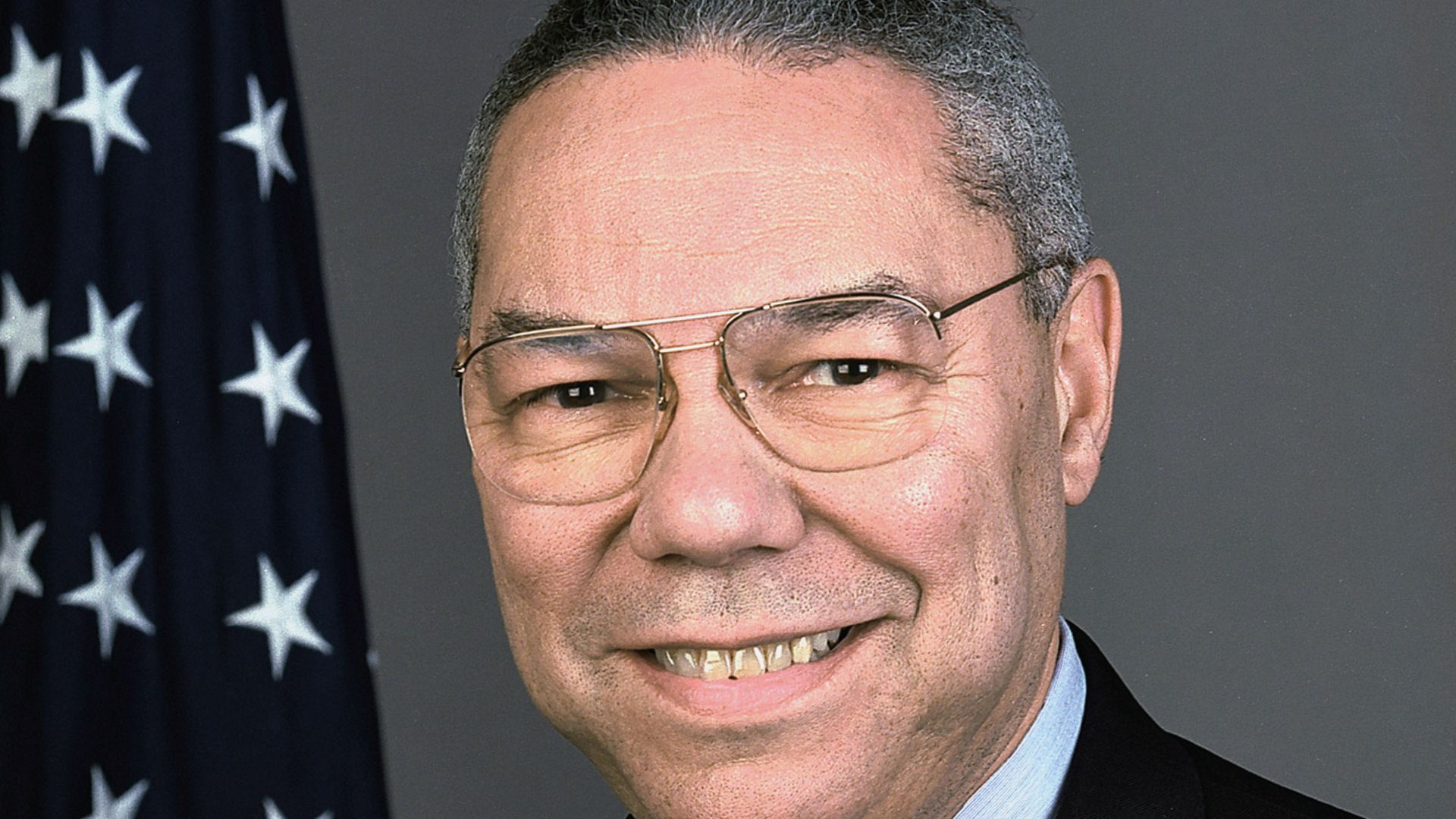 Department of State of the United States of America on Wikimedia
KEEP ON READING