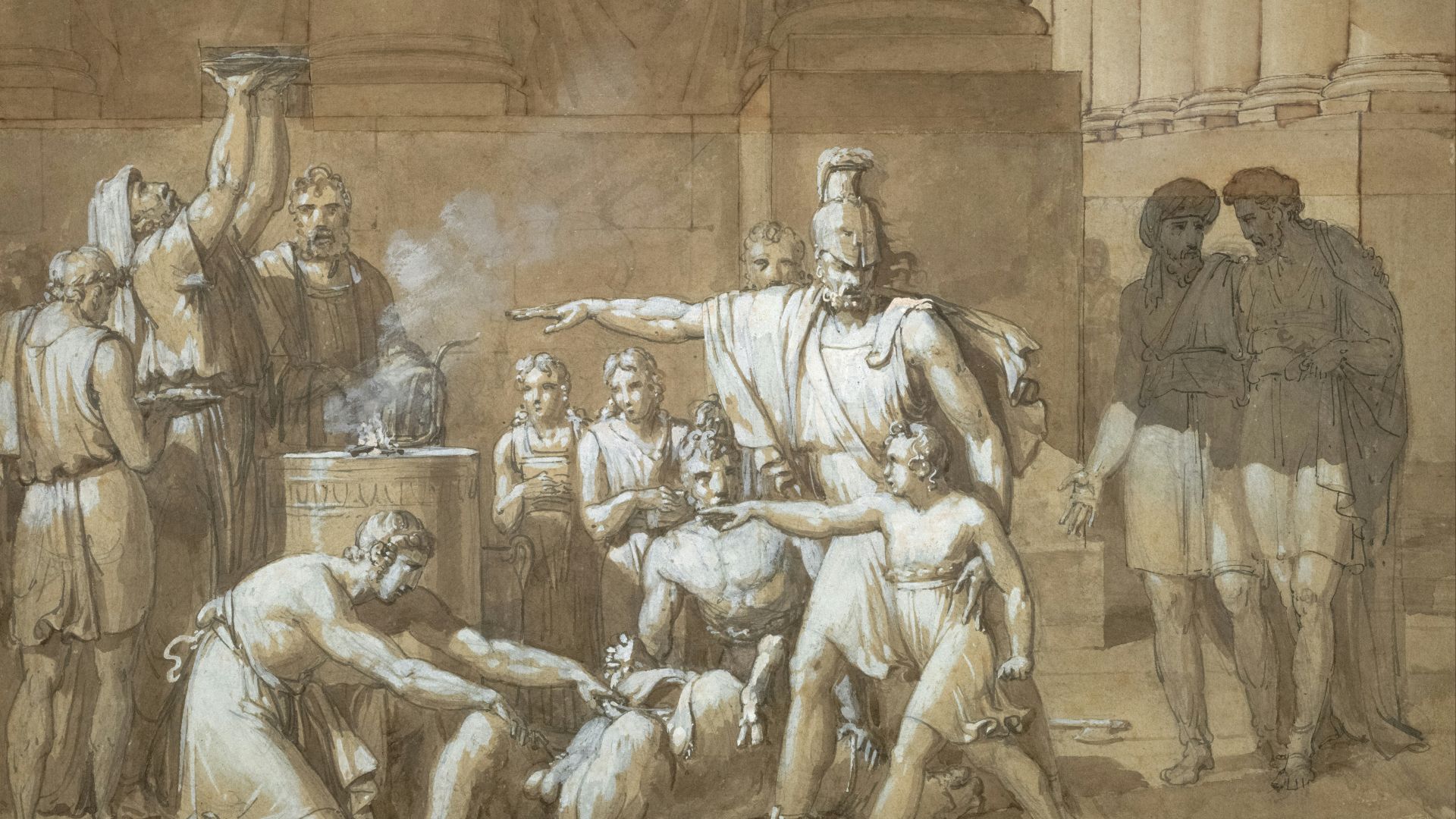
 The Cleveland Museum of Art on Unsplash
Diplomacy in the ancient world rarely involved polished embassies, permanent overseas offices, or officials with carefully defined careers. A diplomat was usually a temporary envoy selected by a king, council, or city because he had political experience, respected family connections, persuasive speaking skills, or a personal relationship with the destination’s rulers. His assignment might involve negotiating peace, delivering a warning, arranging a marriage, requesting military assistance, or explaining why his government hadn’t sent a satisfactory gift.
The experience also varied considerably depending on whether an envoy represented an Egyptian pharaoh, a Greek city-state, a Persian king, a Roman government, or another ancient power. Even so, diplomats across these societies faced many of the same basic challenges, including uncomfortable travel, strict court customs, limited communication, and rulers who didn’t appreciate disappointing news. Being an ancient diplomat meant combining the roles of messenger, negotiator, observer, ceremonial guest, and occasional target of suspicion.
The Journey Could Be A Mission Of Its Own
Reaching a foreign court could take weeks or months because diplomats traveled by foot, animal, chariot, wagon, or ship. Roads varied greatly in quality, while storms, rough seas, illness, bandits, and military activity could delay an otherwise carefully planned journey. An envoy usually traveled with attendants, interpreters, guards, scribes, and servants when his government could afford such support.
Ancient governments sometimes provided official documents, escorts, or recognized symbols intended to protect their representatives. Diplomatic messengers were generally expected to receive safe passage, although that protection depended on the willingness of local rulers and communities to honor it. Greek heralds held a particularly respected status, and harming an envoy could be treated as both a political offense and a violation of religious custom.
Finding suitable food, water, shelter, and transportation created additional difficulties throughout the trip. Foreign courts were often expected to house visiting messengers and cover their basic needs, but reaching that hospitality could require crossing long stretches of uncertain territory. A diplomat couldn’t simply purchase a convenient return ticket when negotiations became uncomfortable or unexpectedly slow.
Every Word, Gift, And Gesture Carried Meaning
Once an envoy arrived, he entered a setting governed by ceremonial rules that might differ sharply from those followed at home. He needed to know when to bow, where to stand, how to address the ruler, and whether he was permitted to speak directly or had to communicate through officials. Ignoring a custom could appear disrespectful, but accepting certain rituals might suggest that his own ruler held an inferior position.
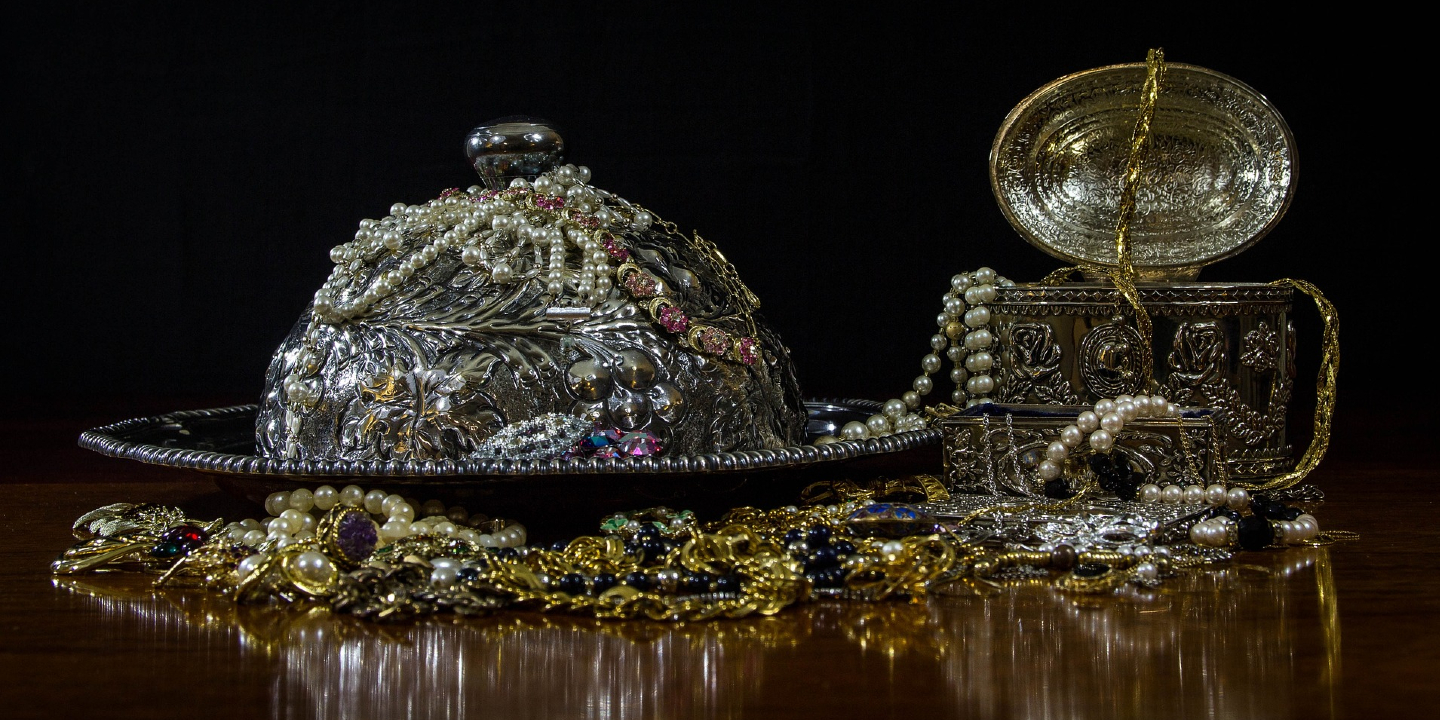
Gifts were central to many ancient diplomatic relationships because they demonstrated generosity, status, goodwill, and recognition between rulers. Delegations might carry precious metals, decorated vessels, textiles, animals, weapons, luxury goods, or marriage payments, depending on the mission and society involved. The recipient could examine the value of the offering as closely as the message accompanying it, which meant a disappointing gift could cause genuine tension.
The diplomat also had to remember or accurately present detailed instructions from the government that had sent him. Written letters were used in many ancient societies, but an envoy was more than a delivery service because he could explain the message, answer questions, and report the other side’s reaction. A persuasive diplomat needed enough flexibility to keep discussions moving without promising something his ruler would later reject.
Negotiations Mixed Politics With Personal Risk
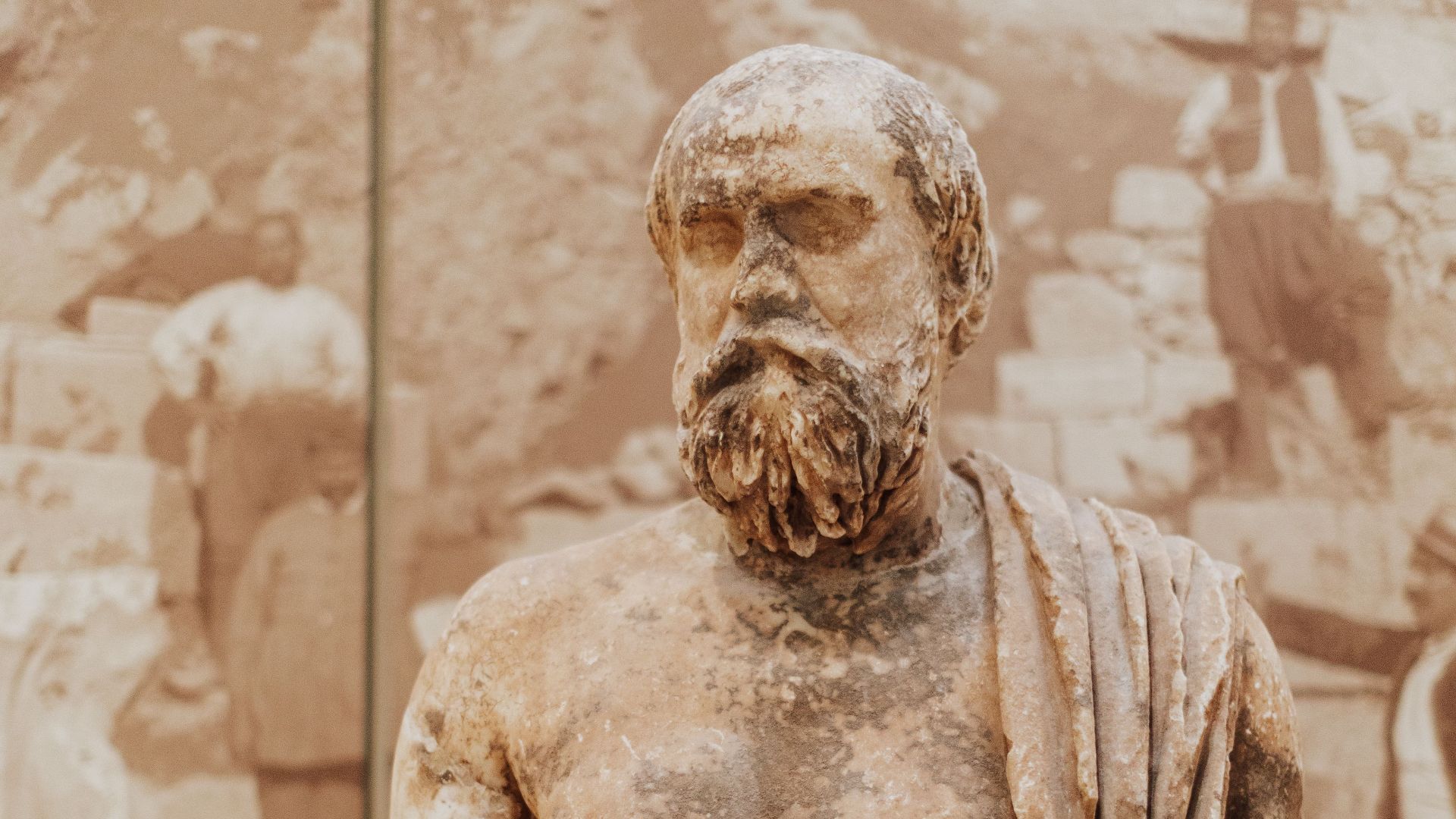
Ancient diplomatic missions addressed practical matters such as borders, trade, prisoners, alliances, tribute, military support, and the ending or prevention of wars. Royal marriages were another important tool because joining ruling families could strengthen an agreement and provide a visible sign of cooperation. These arrangements still required prolonged negotiation over status, gifts, succession, and the treatment of the bride in her new court.
Envoys were also expected to observe conditions in the places they visited, even when they weren’t formally acting as spies. They could notice military preparations, political disagreements, economic problems, court rivalries, or signs that a ruler was weaker than official messages suggested.
Failure could place a diplomat in an awkward or dangerous position because rulers sometimes blamed messengers for the news they carried. An envoy might be detained to pressure his government, prevented from leaving while negotiations continued, or accused of secretly encouraging enemies. Successful representatives could receive honors, public recognition, valuable gifts, or greater political influence when they returned home.
Being a diplomat in the ancient world meant traveling far from home with limited protection while carrying the reputation and demands of an entire political community. The work required patience, courage, cultural awareness, an excellent memory, and the ability to speak carefully before people who held enormous personal power. Their tools were simpler than those available today, but the need to understand another government without surrendering their own side’s interests remains remarkably familiar.
KEEP ON READING