The Ordinary Items Behind Extraordinary Outcomes
Wars are often remembered through famous commanders, major battles, and imposing weapons, but small, practical objects have repeatedly shaped what armies could accomplish. A container that prevented fuel from leaking, a watch that synchronized an attack, or a basic shovel that helped soldiers survive could matter as much as a complicated machine. These 20 objects may look ordinary today, yet each changed military movement, communication, protection, medicine, or planning in ways that influenced entire campaigns.
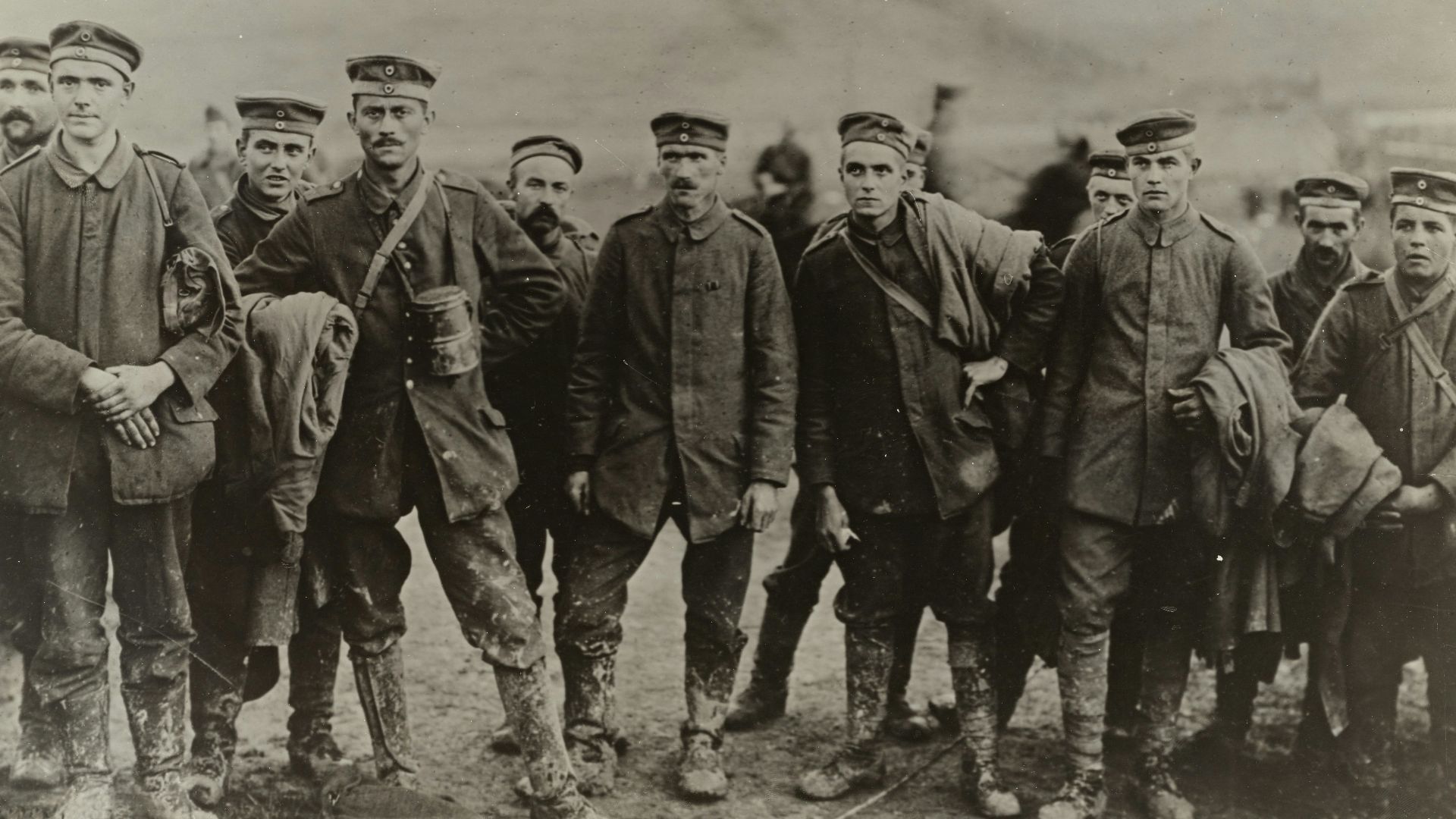 The New York Public Library on Unsplash
1. The Stirrup
The stirrup gave mounted soldiers a more stable platform from which to ride, maneuver, and fight. As the technology spread across Eurasia, it contributed to the growing battlefield importance of heavily equipped mounted troops.

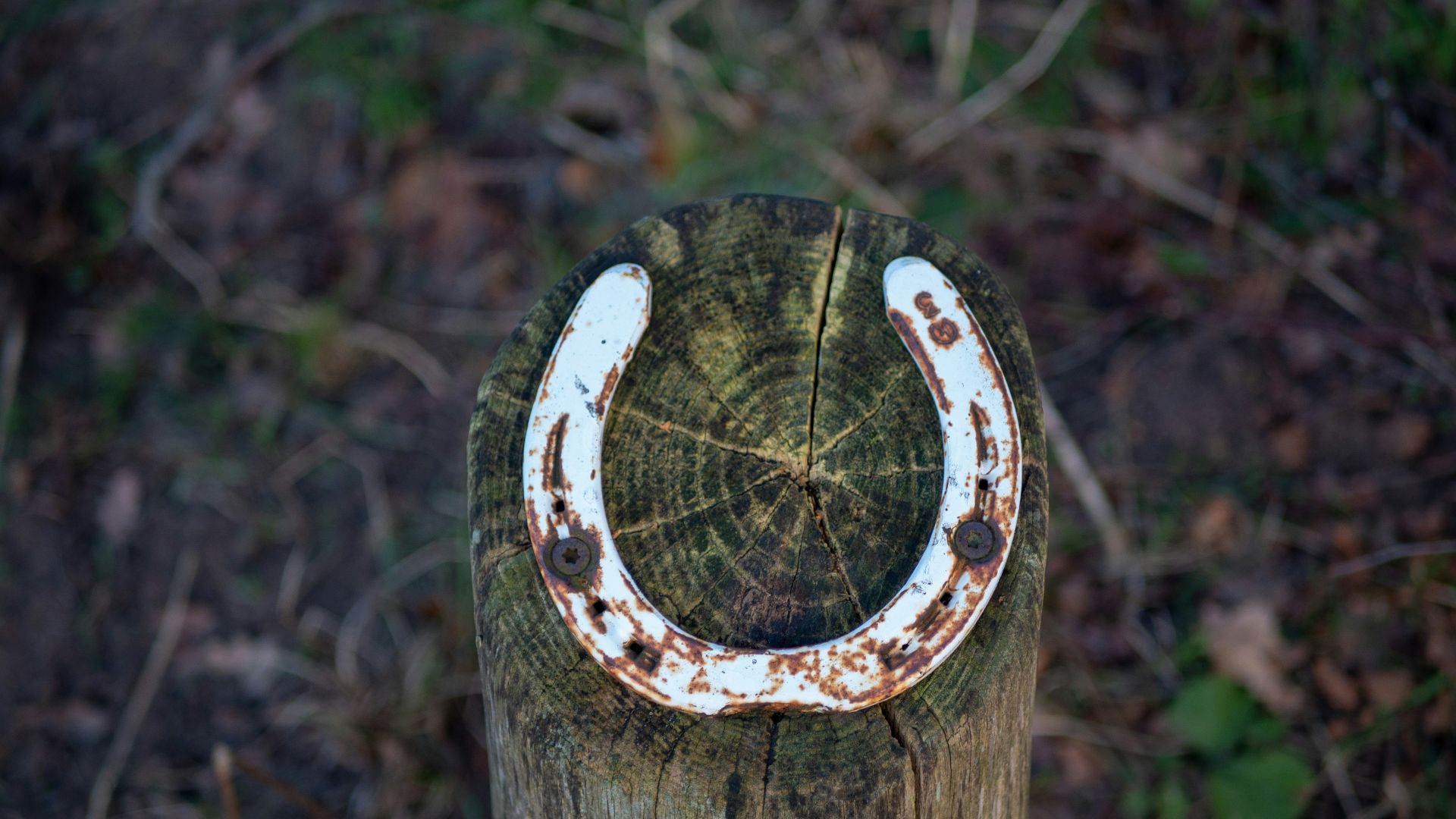
2. The Horseshoe
A simple iron horseshoe protected a horse’s hoof from excessive wear, particularly on hard roads and rocky ground. Healthier hooves allowed cavalry, messengers, and supply teams to travel farther without losing as many animals to preventable injuries. In campaigns that depended heavily on horses, reliable hoof protection supported nearly every part of military movement.
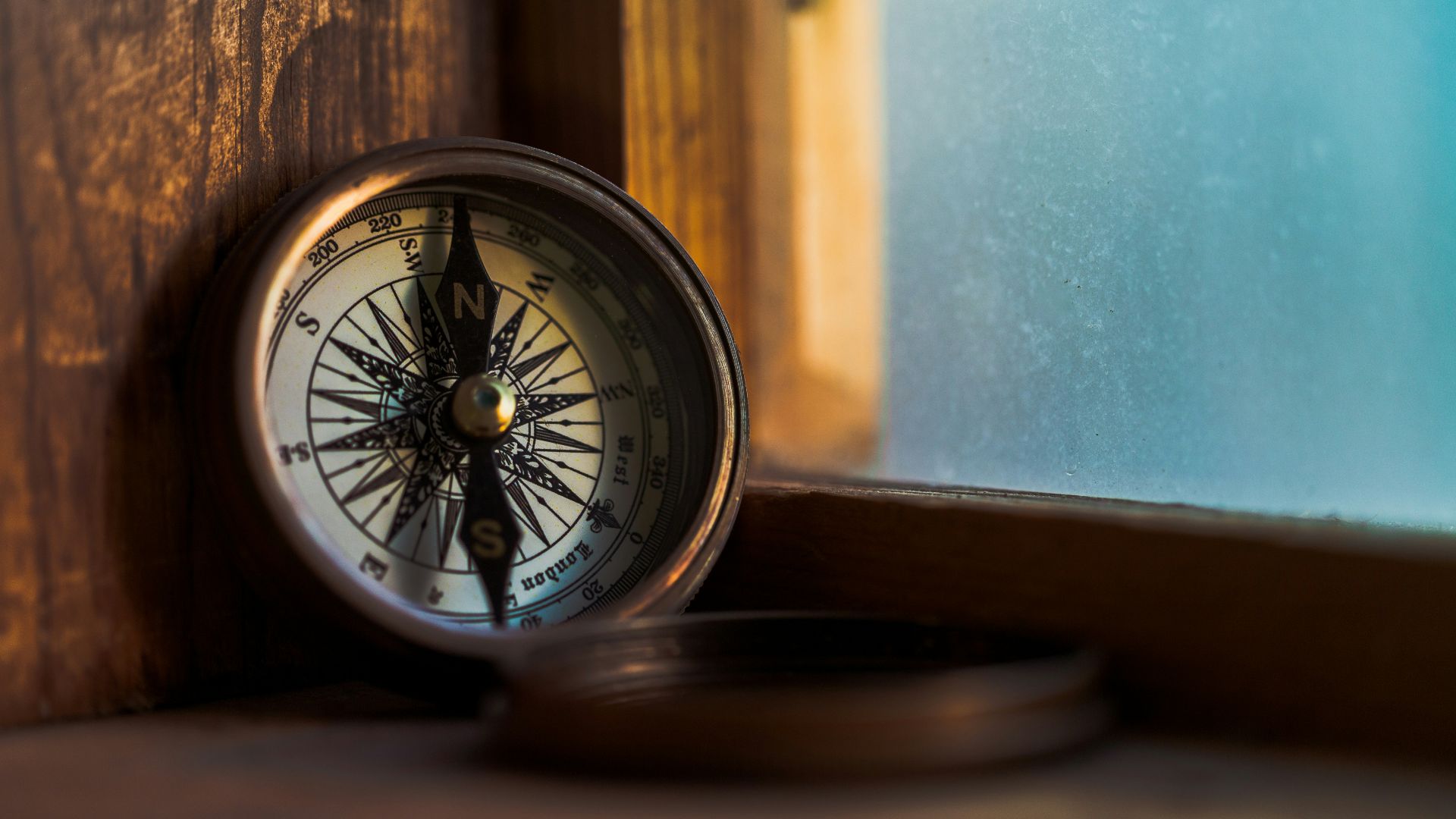
3. The Magnetic Compass
The magnetic compass helped navigators maintain a general direction when coastlines, stars, and other visual references weren’t available. Naval fleets could cross open water with greater confidence, which expanded the range of military expeditions and overseas supply systems.
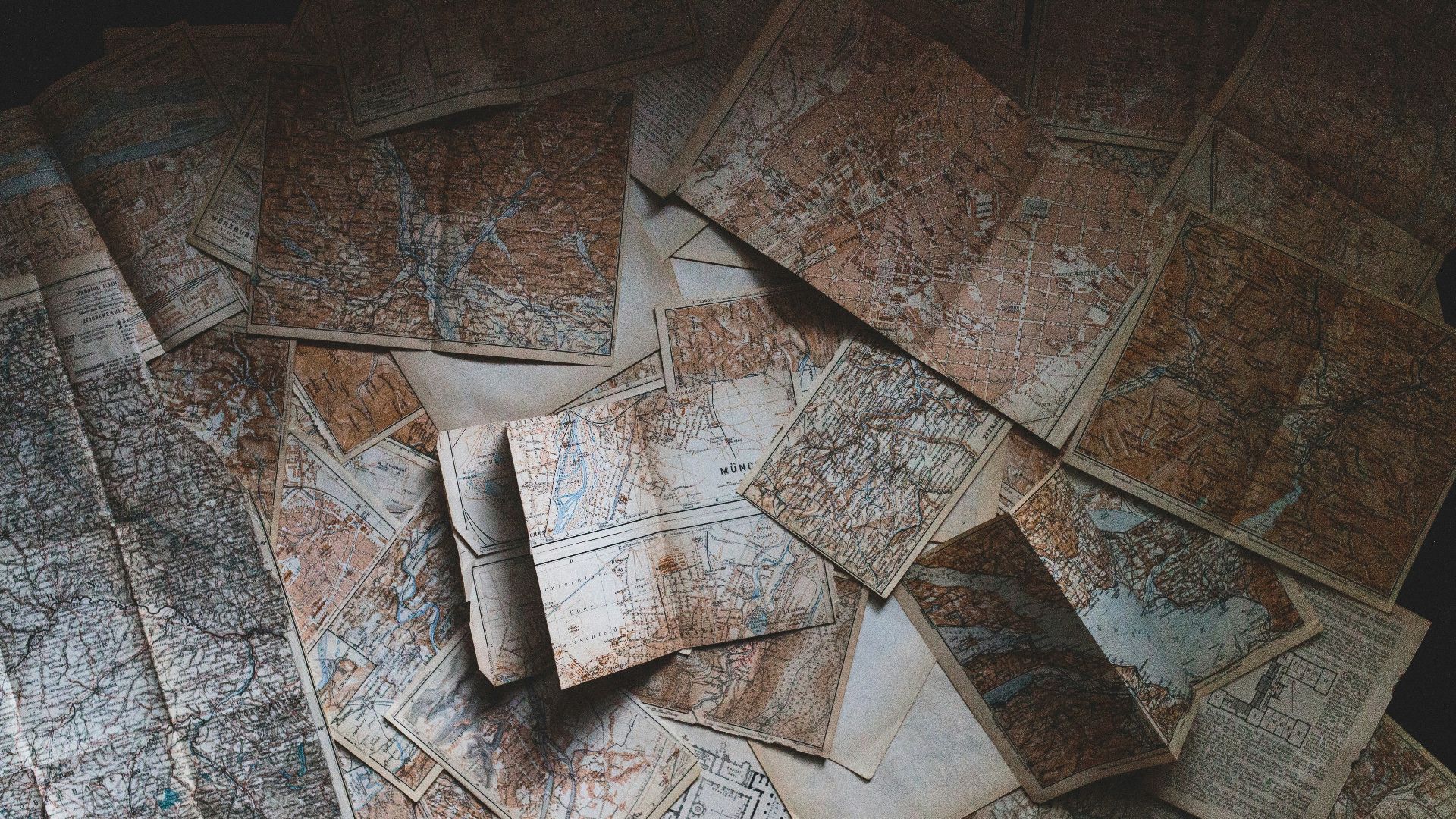
4. The Paper Map
A paper map could turn unfamiliar territory into a practical set of routes, obstacles, elevations, and objectives. When maps were outdated or incorrect, entire operations could be delayed or directed toward terrain that troops couldn’t easily cross.
5. The Railroad Track
Individual rails and wooden ties looked like basic construction materials, yet together they transformed military logistics. During industrial-era conflicts, control of rail junctions frequently determined whether armies received reinforcements or became isolated from their supply networks.

6. The Telegraph Key
The telegraph key allowed military and political leaders to send instructions across long distances in a matter of minutes. Earlier commanders often waited days or weeks for couriers, which meant decisions could arrive after conditions had already changed. Telegraph networks connected capitals, headquarters, rail stations, and supply centers, making centralized coordination possible on a previously unattainable scale.
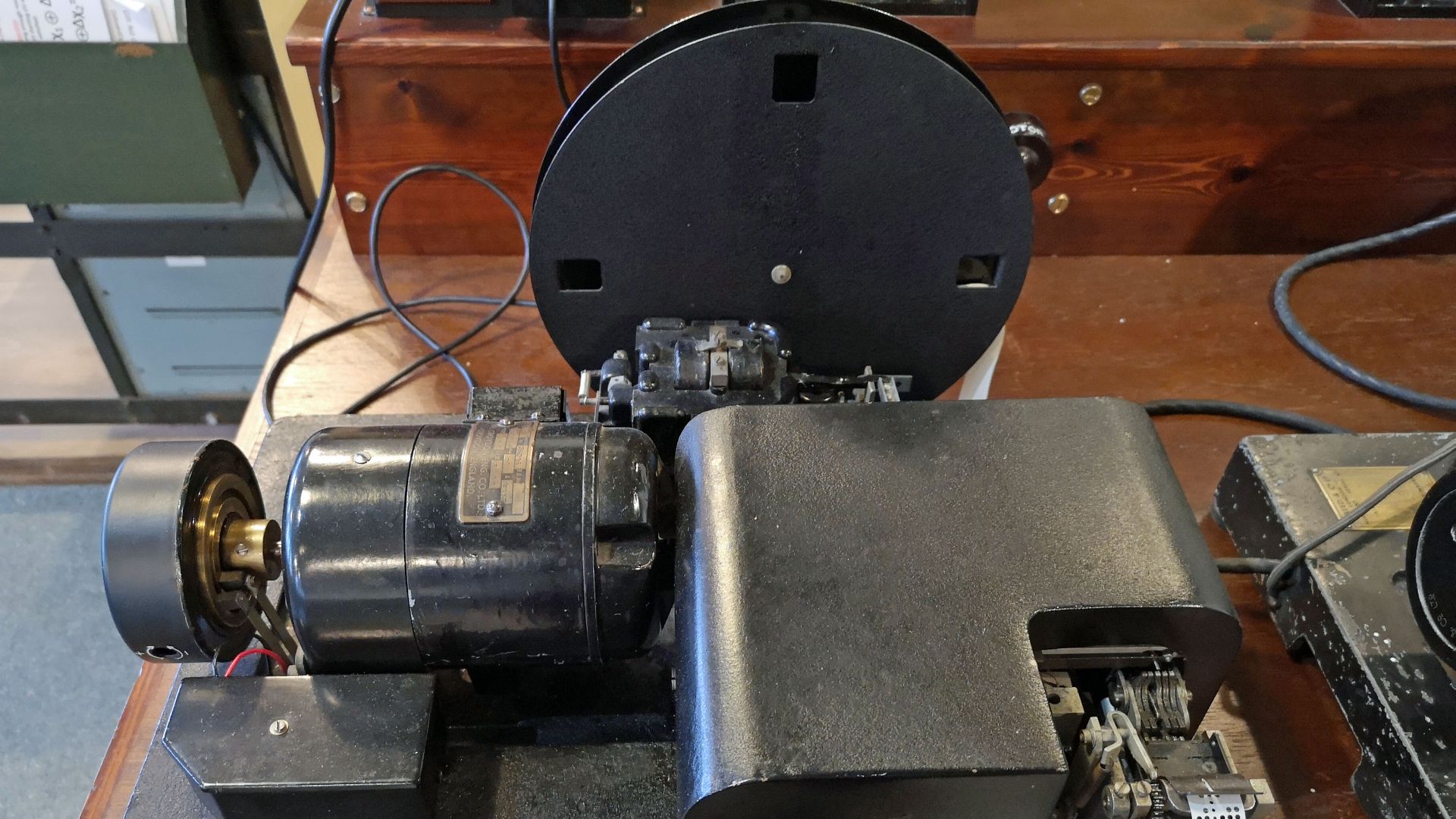
7. The Tin Can
Canned food gave armies access to meat, vegetables, and prepared meals that could survive lengthy transportation and storage. This reduced reliance on local harvests, although poor manufacturing methods occasionally created safety problems in the technology’s early years.
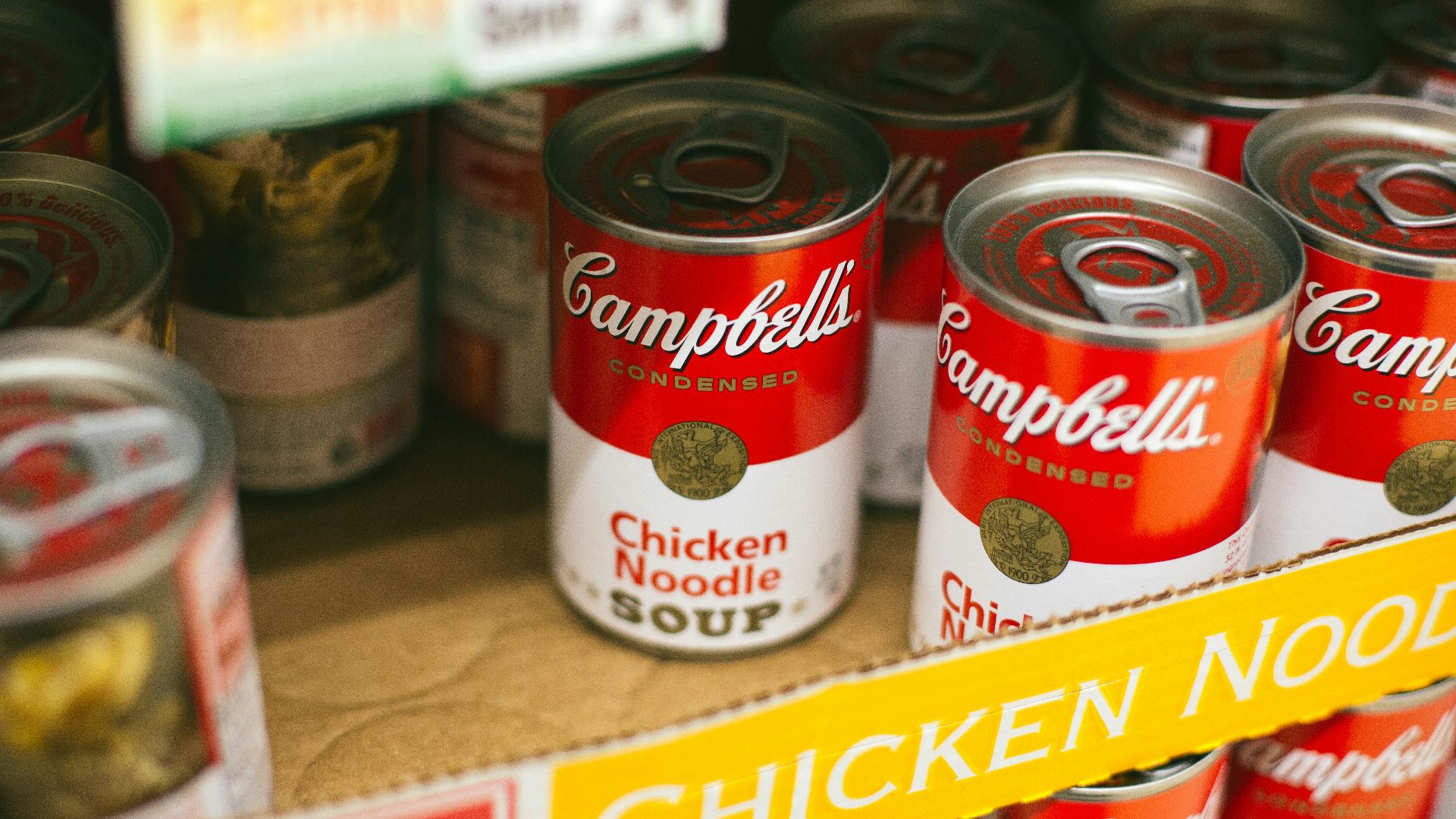
8. The Can Opener
The usefulness of canned food was limited when soldiers lacked an efficient way to reach what was inside. Purpose-built openers eventually replaced improvised methods involving knives, bayonets, stones, and other tools that could waste time or cause injuries. The modest device made preserved rations faster and safer to distribute during crowded marches and brief meal breaks.

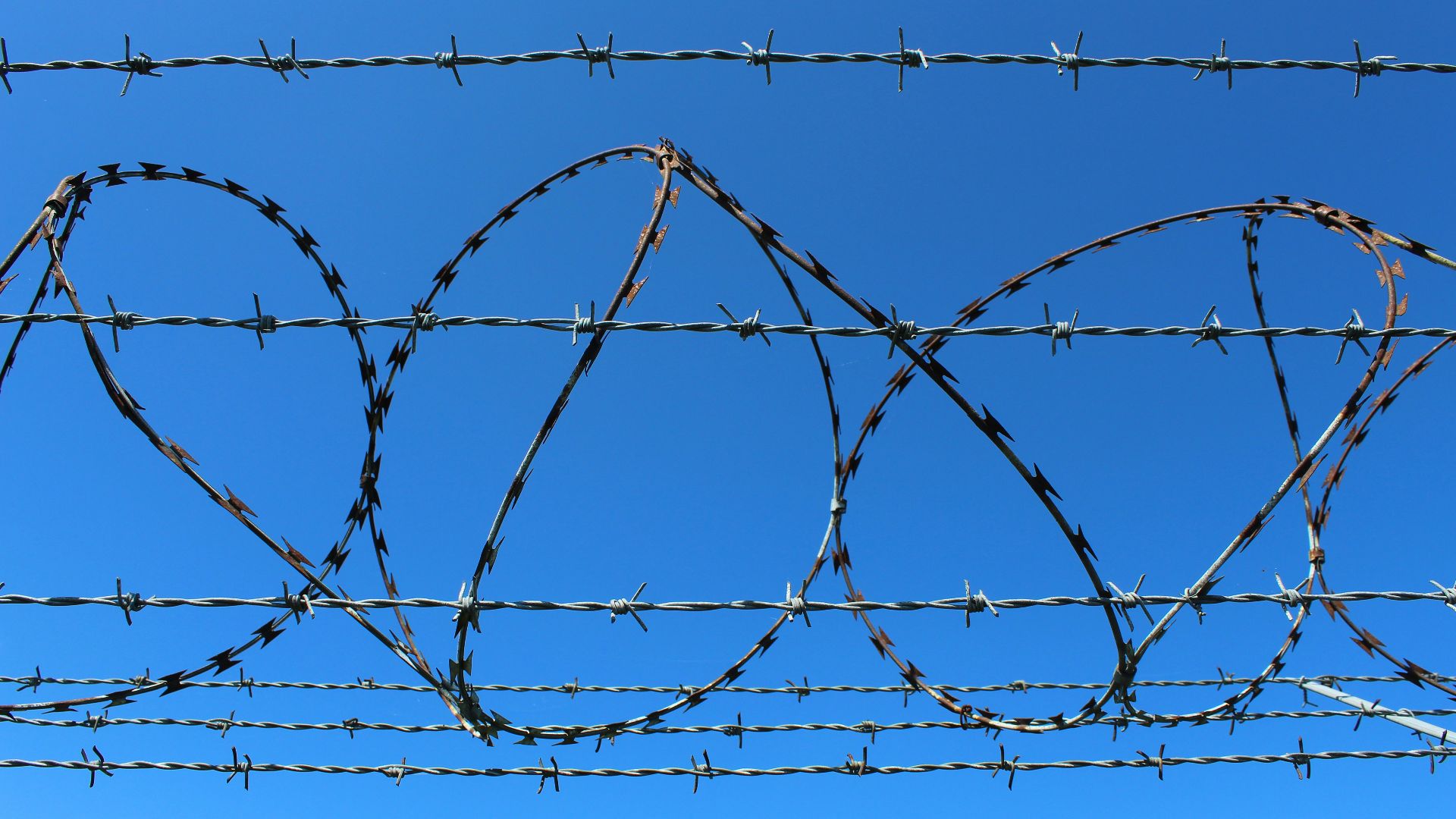
9. The Barbed-Wire Strand
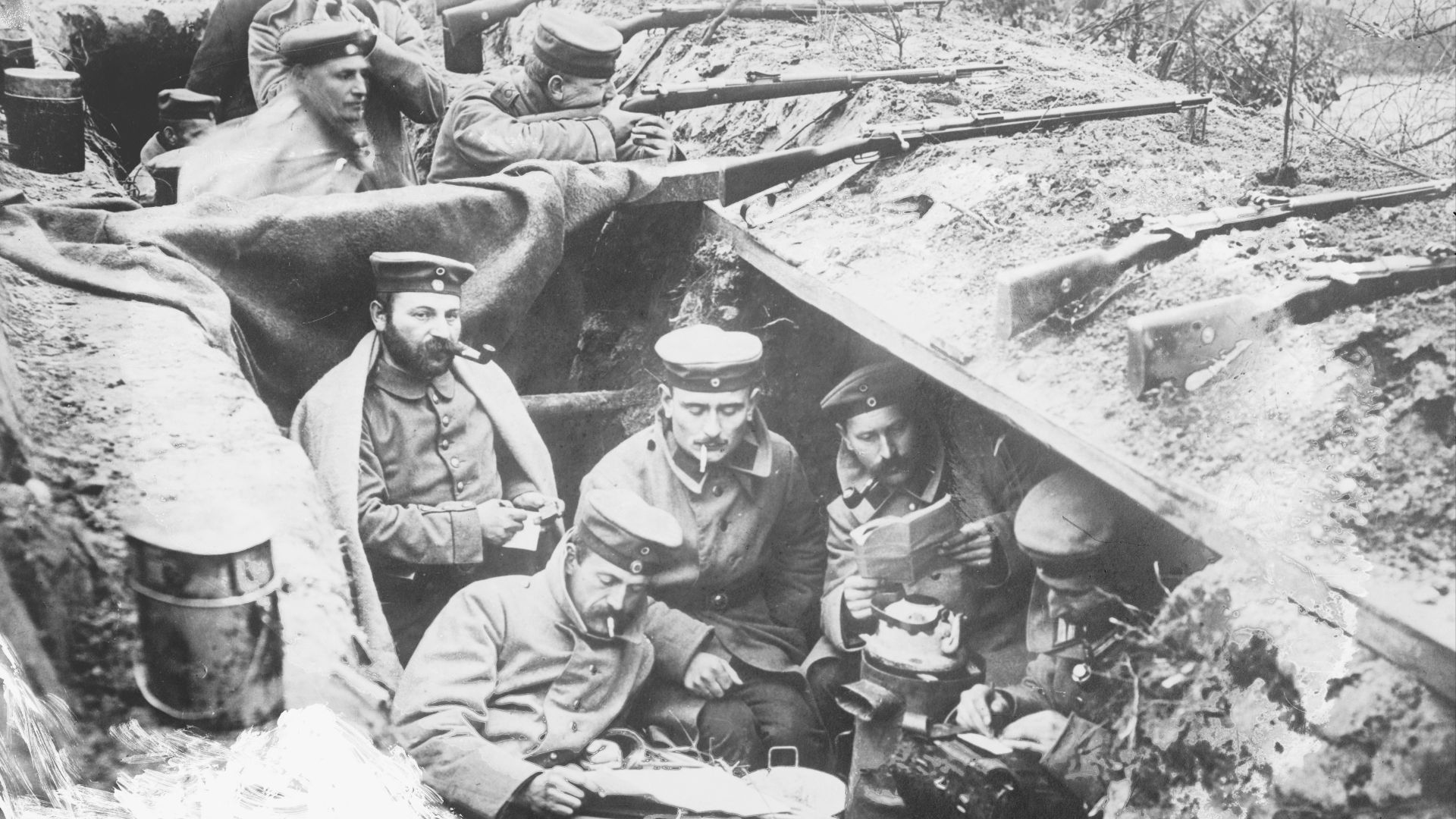
Barbed wire began as agricultural fencing, but armies recognized that inexpensive wire could slow troops, horses, and vehicles. Its military use became especially notorious during World War I, when wire helped strengthen extensive trench systems.
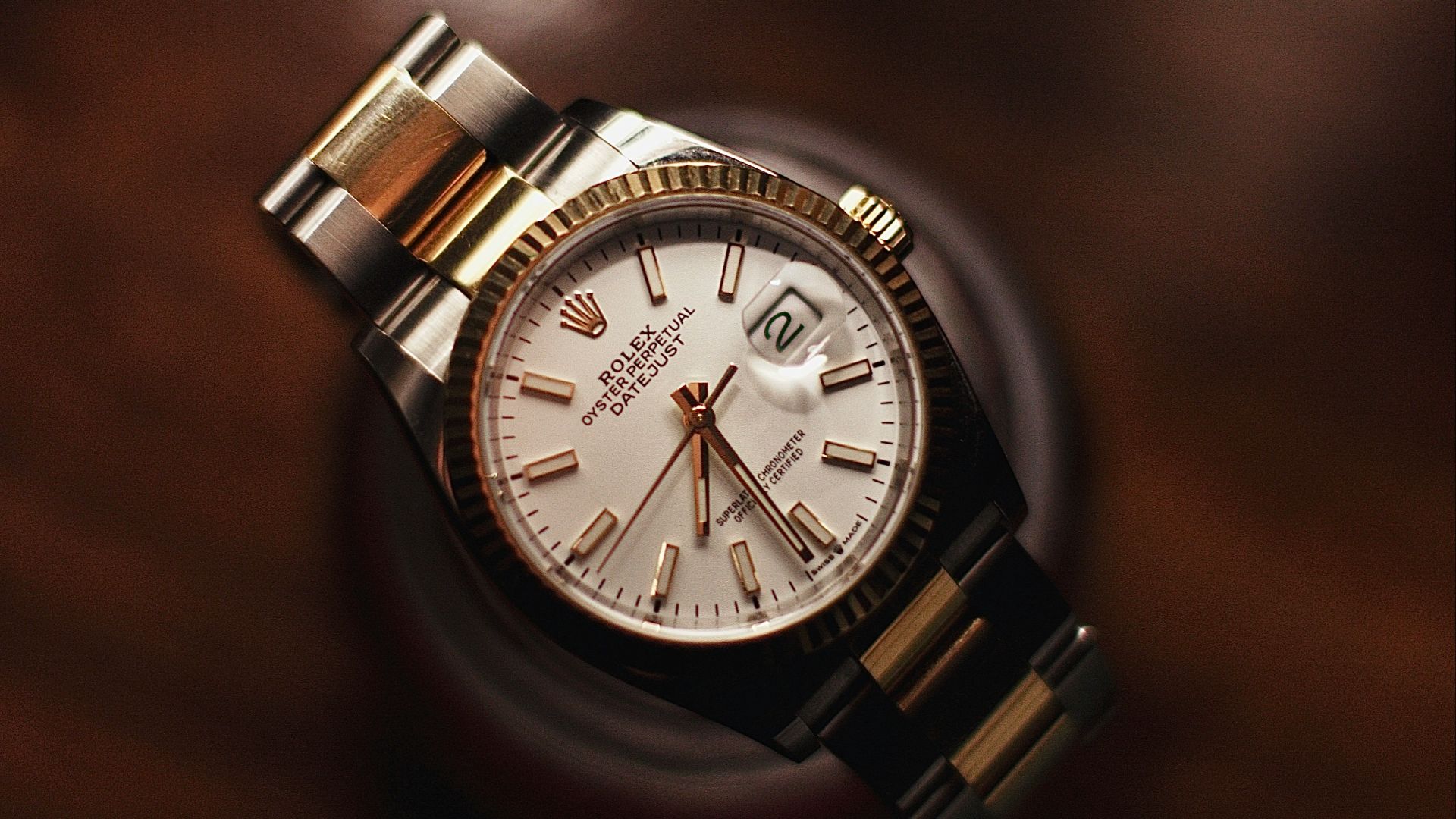
10. The Wristwatch
Pocket watches were inconvenient when officers needed to check the time while holding equipment or moving under pressure. Accurate synchronization became increasingly important as operations involved units that couldn’t always see or communicate directly with one another.
11. The Bicycle
Military bicycles carried messengers, scouts, and infantry without requiring fuel or animal feed. They were quiet, relatively inexpensive, and faster than marching on suitable roads, although mud and rough terrain could reduce their usefulness. Several armies formed bicycle units that handled reconnaissance, communication, patrol work, and rapid local movement.

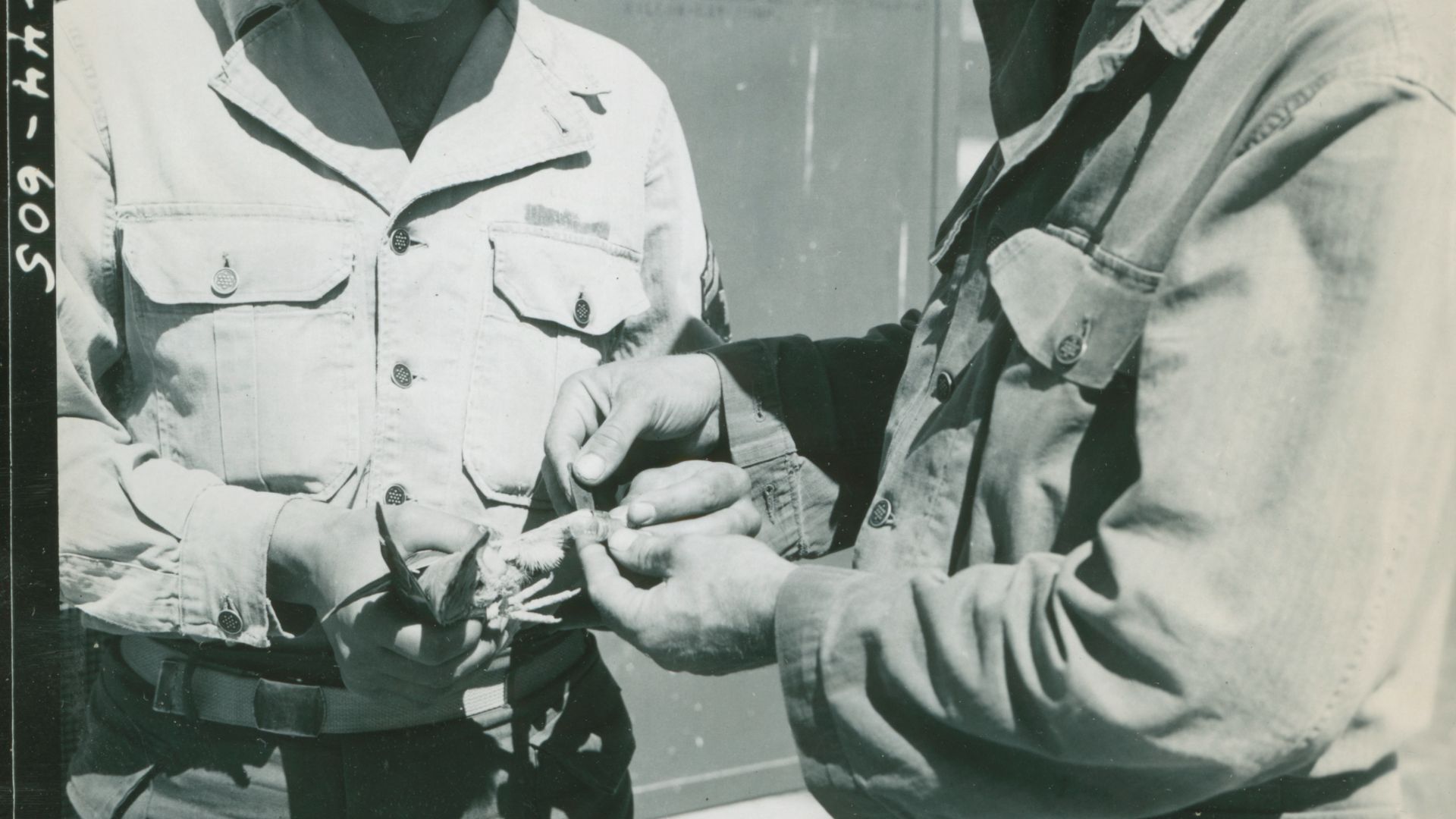
12. The Pigeon Message Capsule
A tiny capsule attached to a homing pigeon’s leg could carry information when telephone wires were cut, and radios failed. Some delivered urgent battlefield reports that helped surrounded units obtain support or prevented friendly troops from being attacked.
 Signal Corps Archive from Ireland and United States on Wikimedia
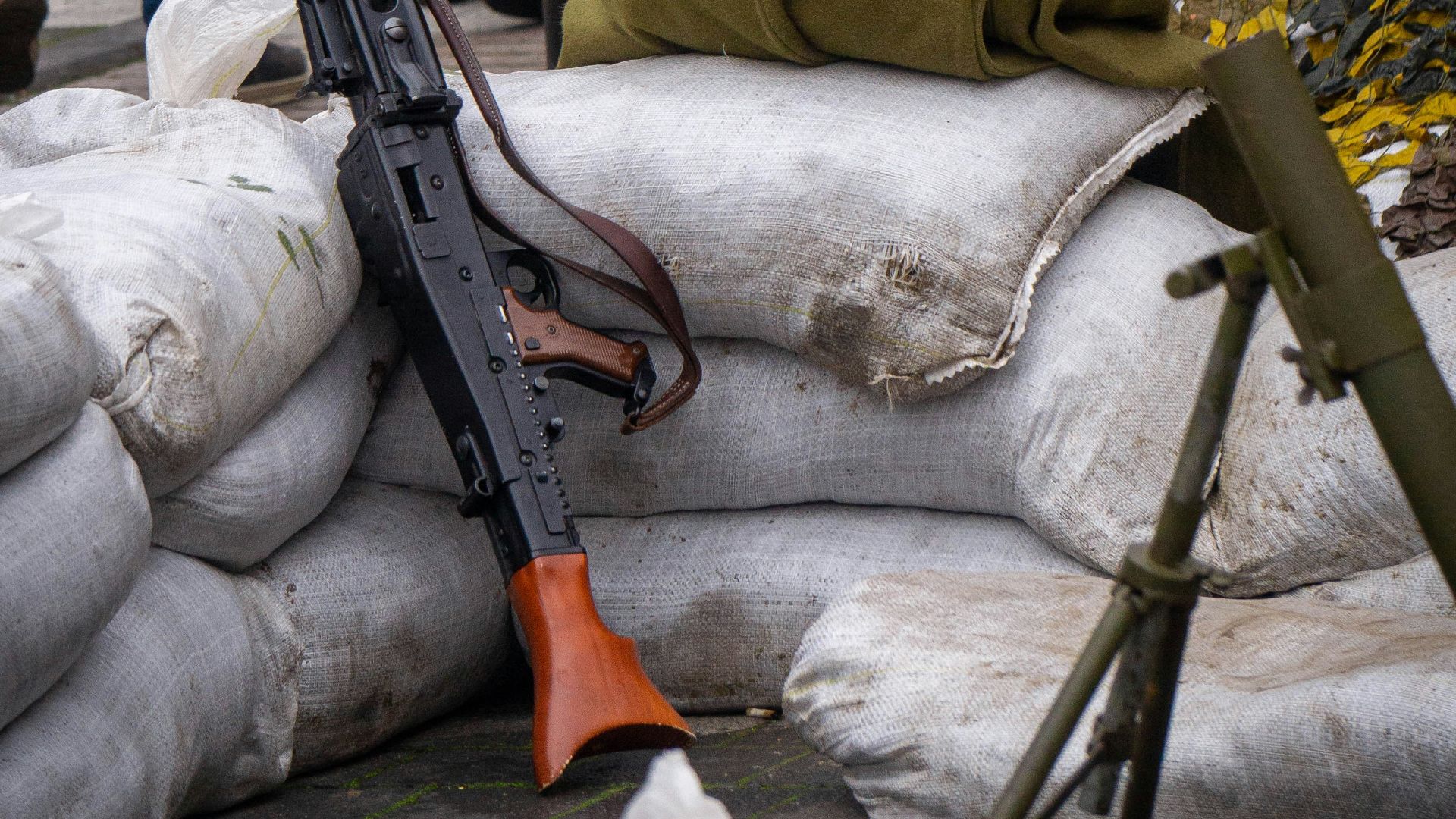
13. The Sandbag
A cloth bag filled with soil could quickly become part of a wall, firing position, bunker, or flood barrier. Sandbags absorbed fragments, reinforced damaged structures, and provided soldiers with protection when permanent construction wasn’t possible. Because they could usually be filled with nearby material, armies didn’t need to transport the full weight of finished defensive blocks.
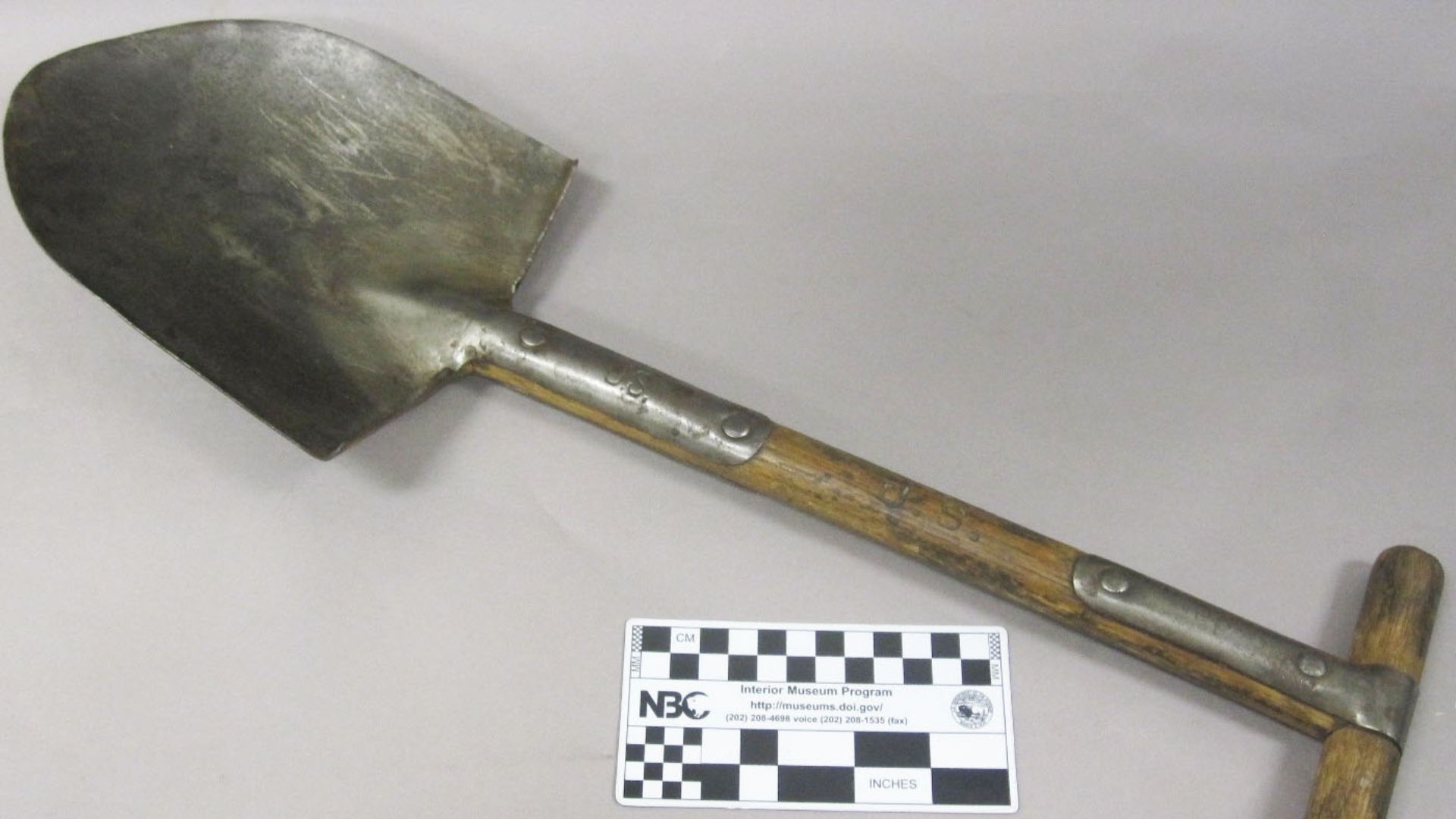
14. The Entrenching Tool
A compact shovel allowed individual soldiers to dig shallow protection without waiting for specialized engineering units. As artillery and rapid-firing weapons made exposed positions increasingly dangerous, digging quickly became an essential survival skill.
 Naval History & Heritage Command from Washington, DC, USA on Wikimedia
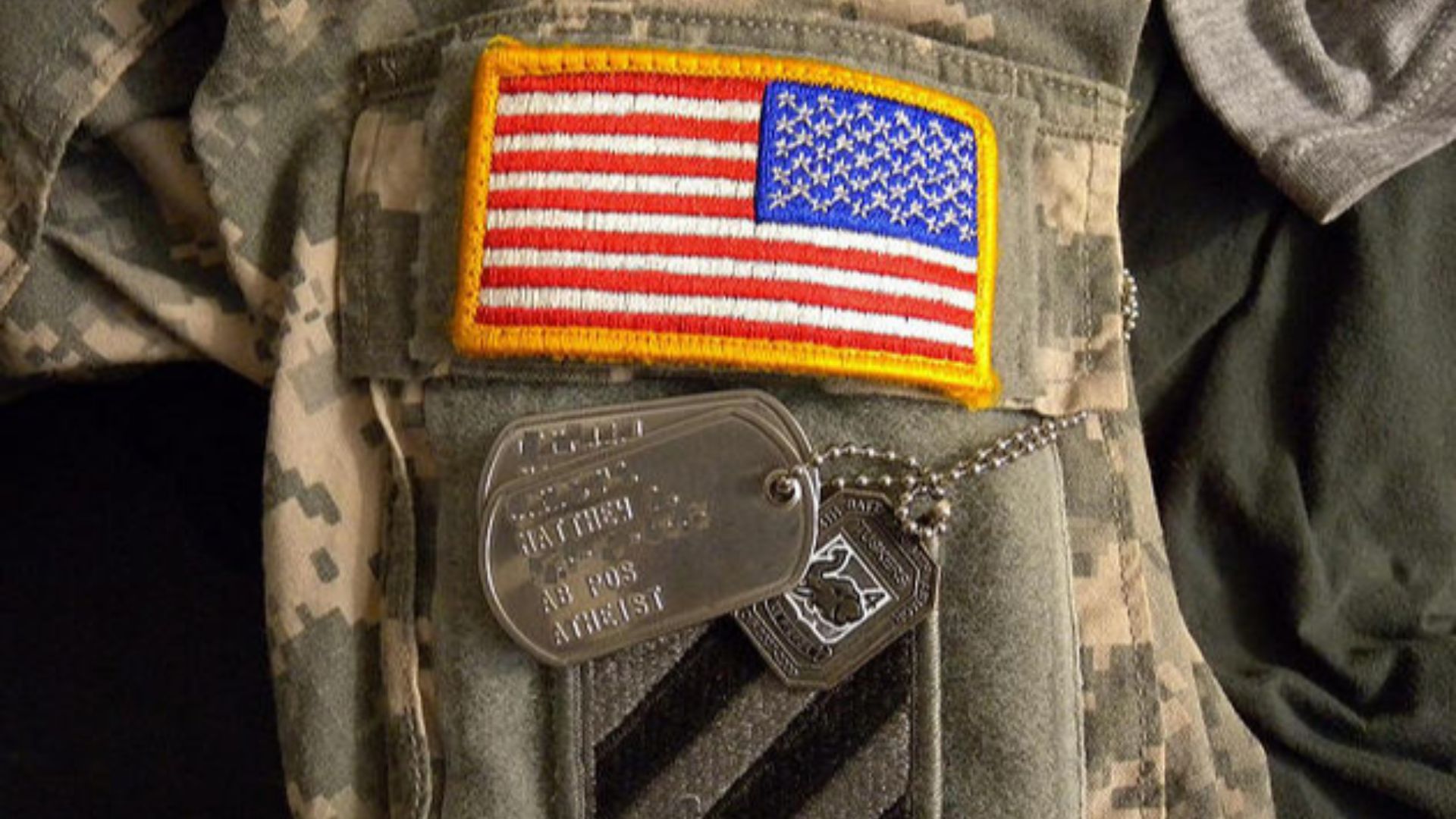
15. The Identification Tag
Military identification tags gave units a standardized way to identify casualties who carried few other reliable records. The object didn’t influence tactics directly, but it changed how modern armies accepted responsibility for accounting for the people they sent into combat.
 Flickr name Darwin.Wins on Wikimedia
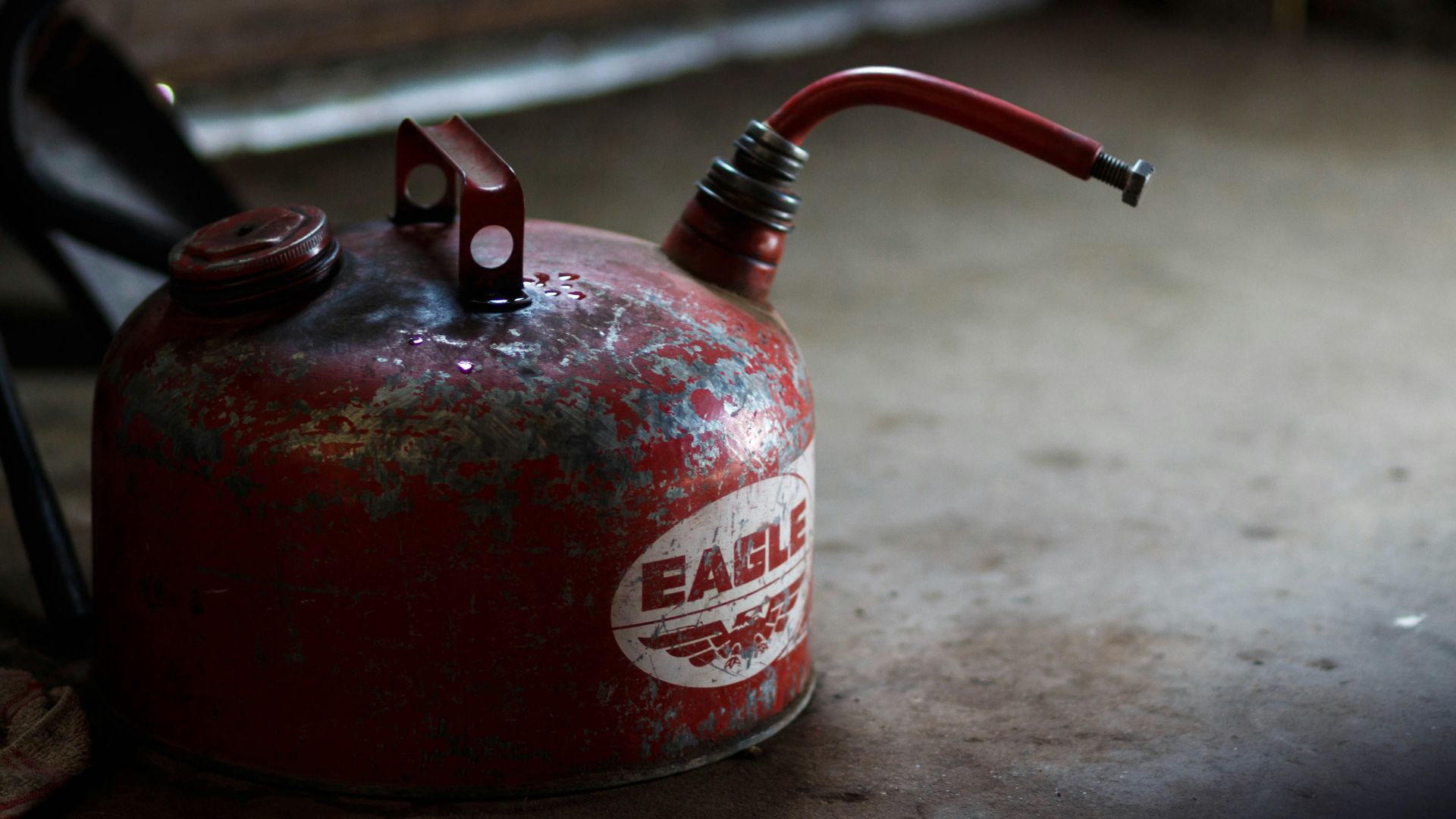
16. The Jerrycan
The German-designed jerrycan combined a strong welded body, practical handles, and a closure that allowed fuel to be poured efficiently. Allied forces copied the design because dependable fuel delivery was essential to keeping motorized armies moving.
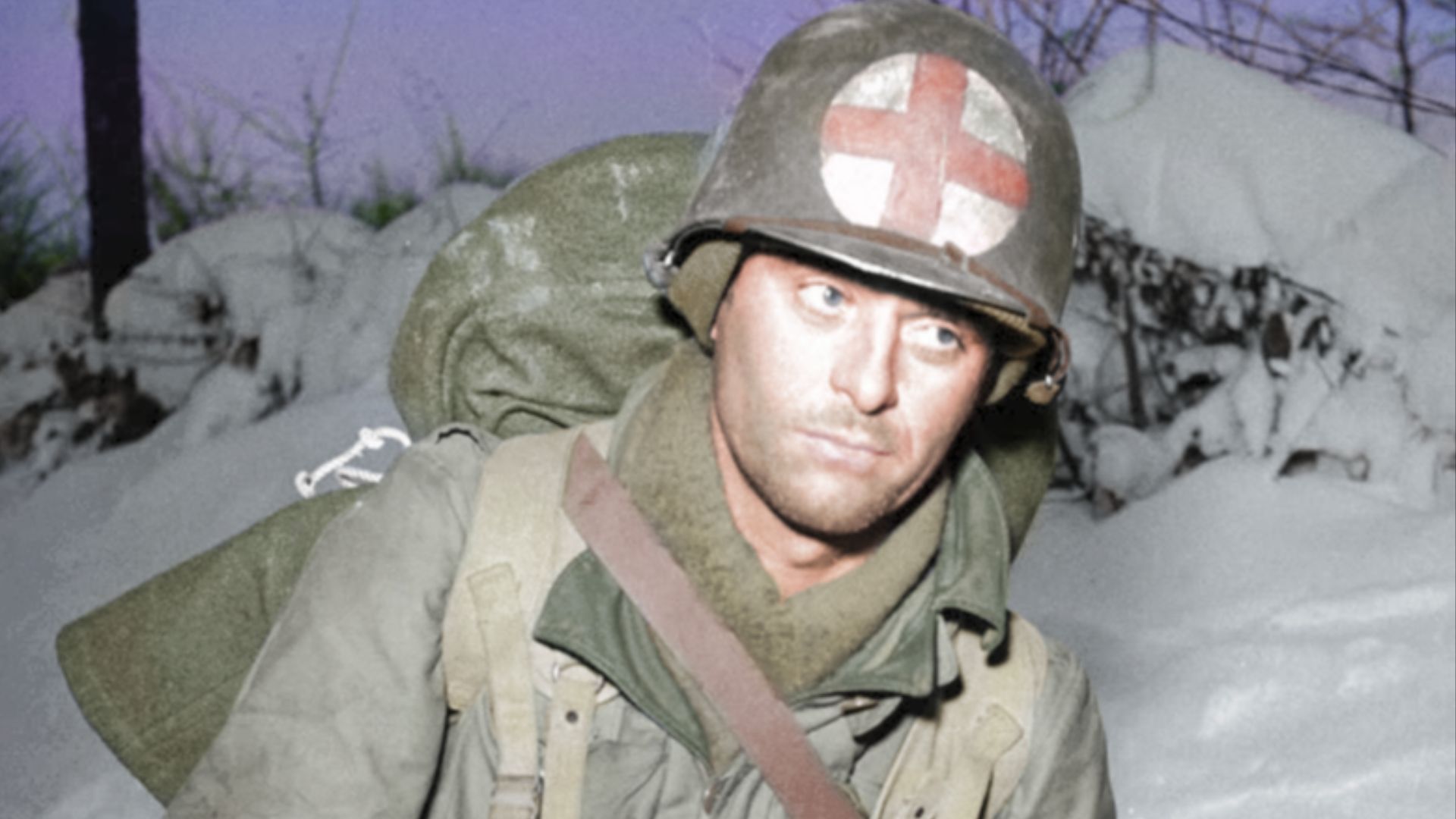
17. The Blood-Storage Bag
Early blood transfusions were difficult to organize near active fighting because blood could spoil, containers could break, and compatible donors weren’t always available. This gave wounded service members a better chance of surviving shock and severe blood loss long enough to receive surgery.
 Cassowary Colorizations on Wikimedia
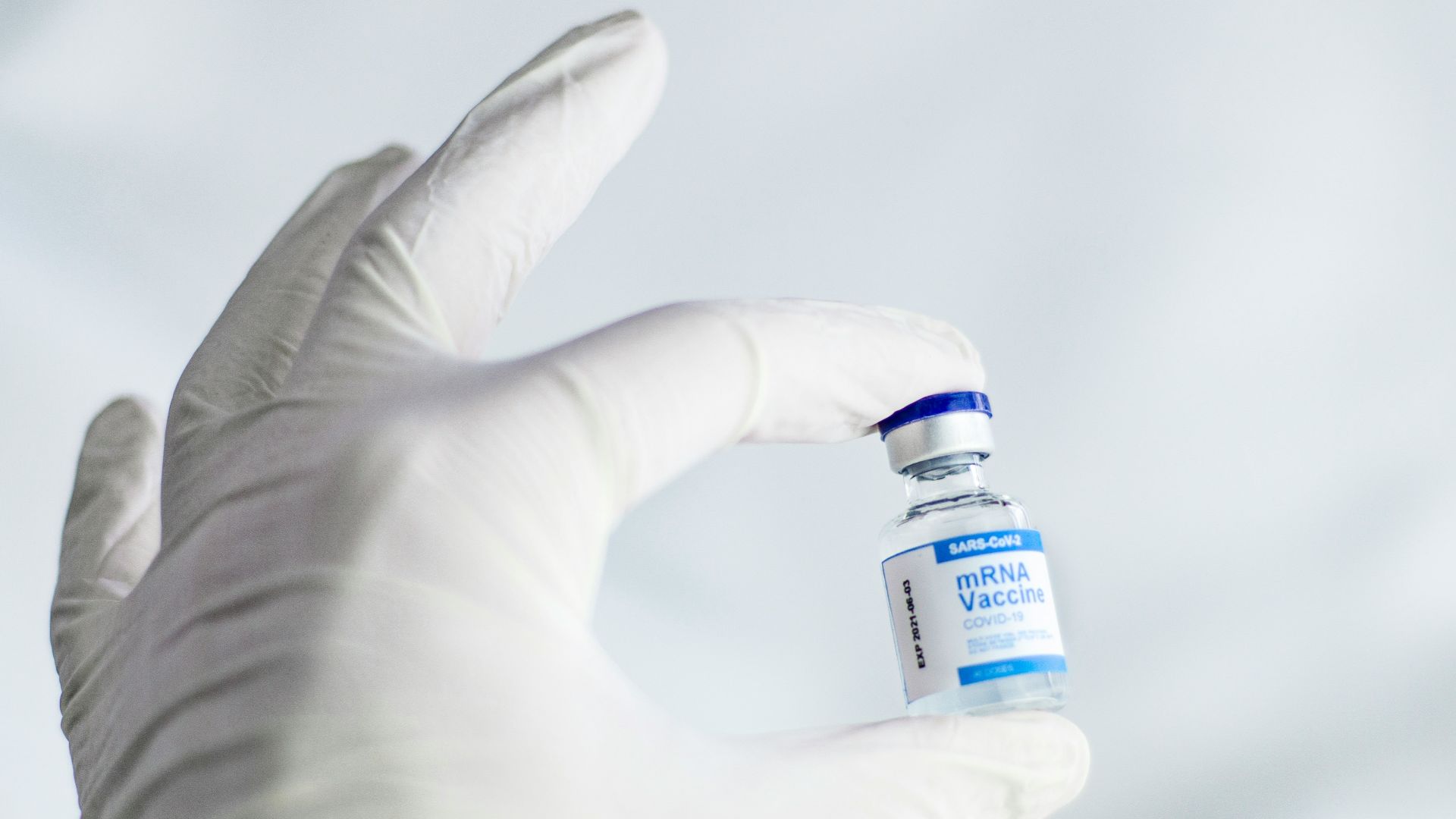
18. The Penicillin Vial
Penicillin became a crucial treatment for many bacterial infections that previously threatened wounded soldiers. Wartime research and industrial production dramatically increased the amount available to Allied medical services during World War II.
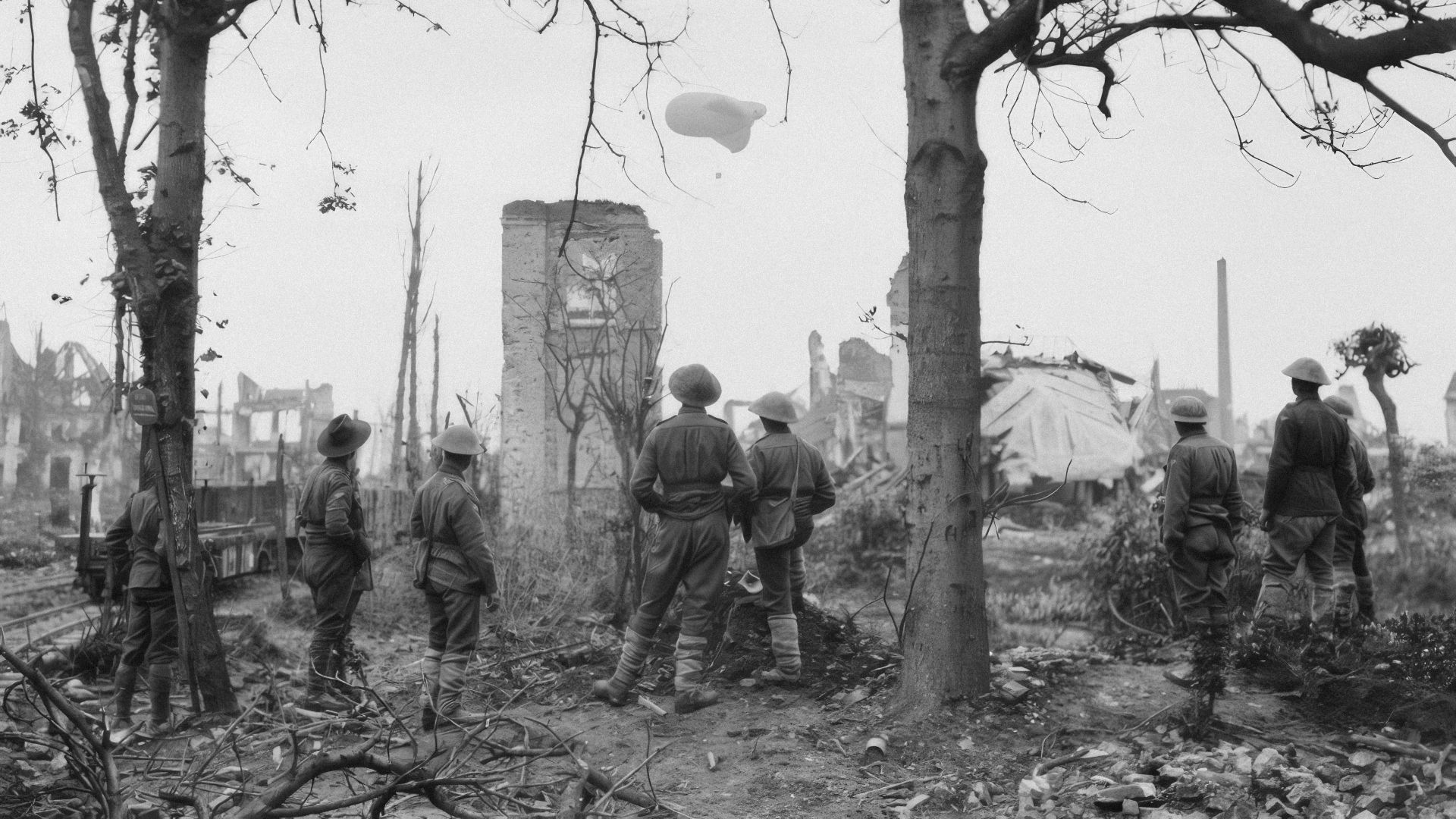
19. The Supply Parachute
A supply parachute could deliver ammunition, medicine, food, and communication equipment to troops beyond ordinary transport routes. Despite those limitations, parachute delivery allowed armies to support forces surrounded by enemies, mountains, damaged roads, or destroyed bridges.
 The Australian War Memorial on Unsplash
20. The Serial-Number Plate
A serial-number plate might appear to be nothing more than a factory label, but captured equipment gave intelligence analysts valuable production data. Their mathematical estimates proved that small markings on ordinary machinery could reveal information that traditional intelligence reports sometimes missed.
KEEP ON READING