20 Historical Figures Who Were Buried in the Wrong Place
History Doesn't Always Get the Last Resting Place Right
You'd think that once someone famous is buried, that's the end of the story. In reality, history is full of mistaken burials, temporary graves, stolen remains, political relocations, and people who spent years or even centuries resting somewhere they were never meant to be. Sometimes it happened by accident, while other times it was the result of war, changing governments, or simple confusion. These 20 historical figures all spent at least part of their afterlife buried in the "wrong" place.
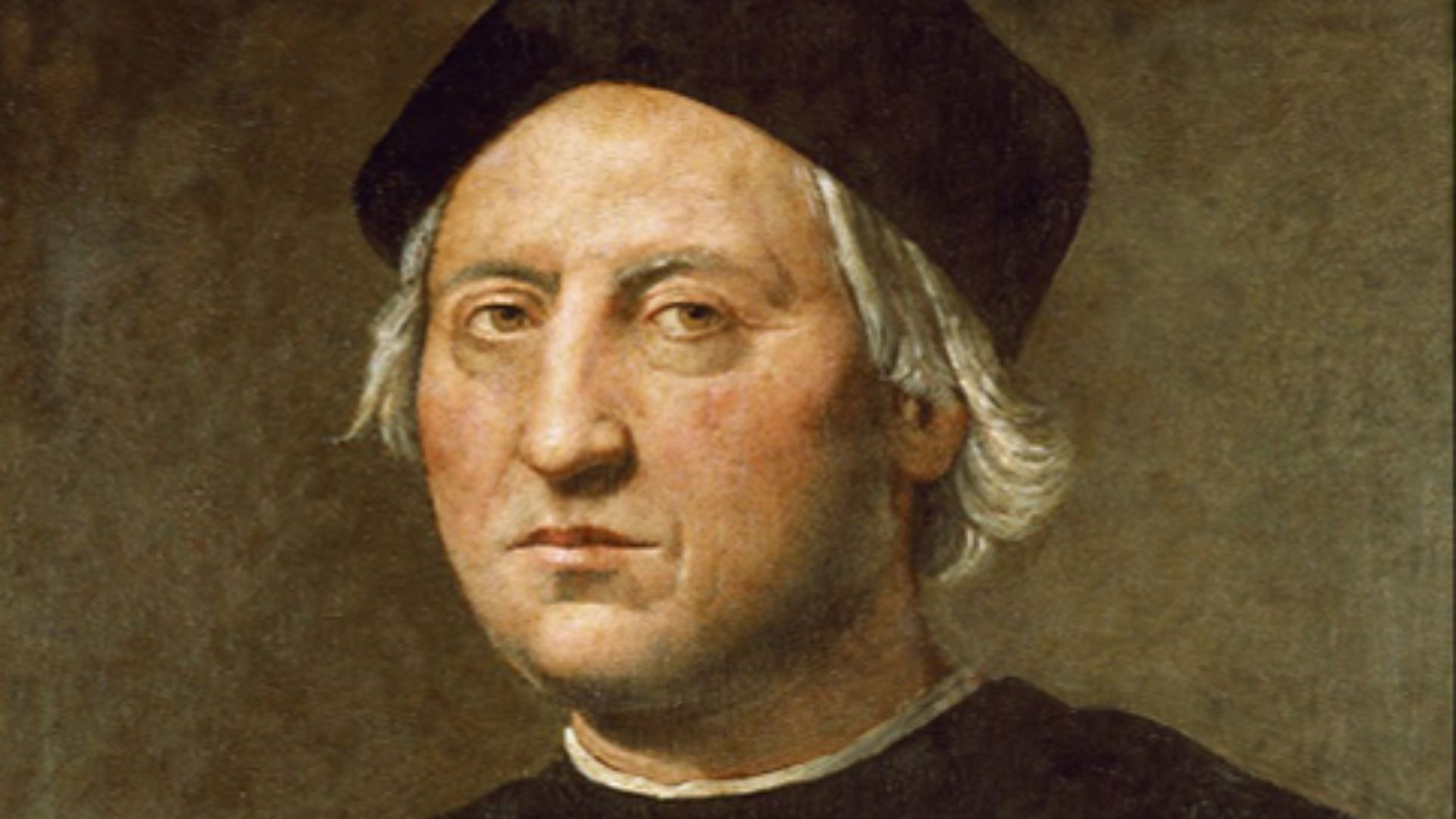
1. Christopher Columbus
Christopher Columbus probably holds the record for the most confusing burial history of any famous explorer. After dying in Spain, his remains were moved to Seville, then Santo Domingo, then Havana, and eventually back to Seville. To make things even more complicated, the Dominican Republic believes it still possesses some of his remains. Even today, historians continue debating where Columbus truly rests.
 Ridolfo del Ghirlandaio on Wikimedia
2. Napoleon Bonaparte
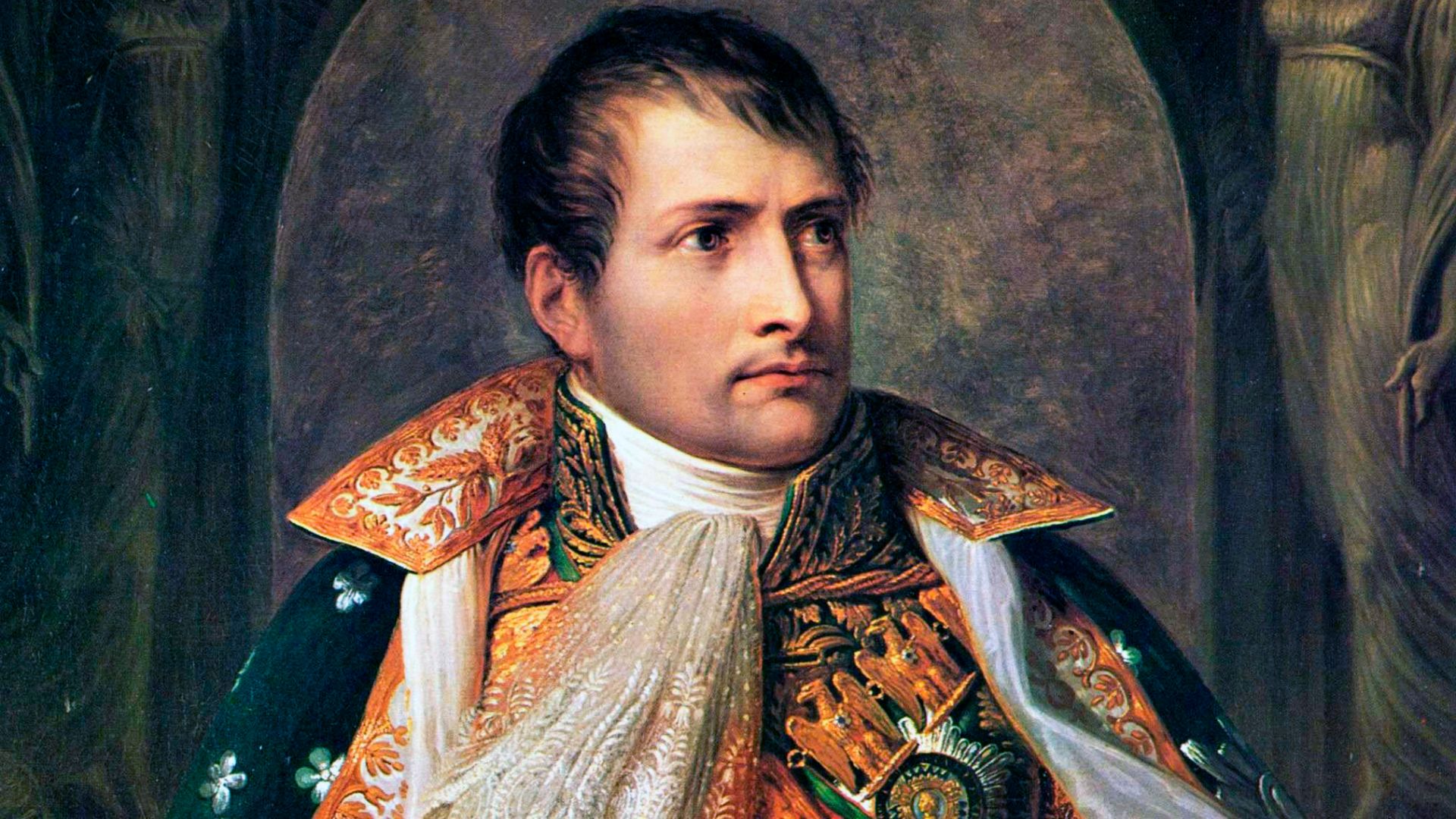
Napoleon was buried on the remote island of Saint Helena after his death in exile in 1821. While that location reflected his political circumstances, it was never intended to be permanent. Nearly 20 years later, France brought his remains home with great ceremony and reburied him beneath Les Invalides in Paris.
3. Richard III
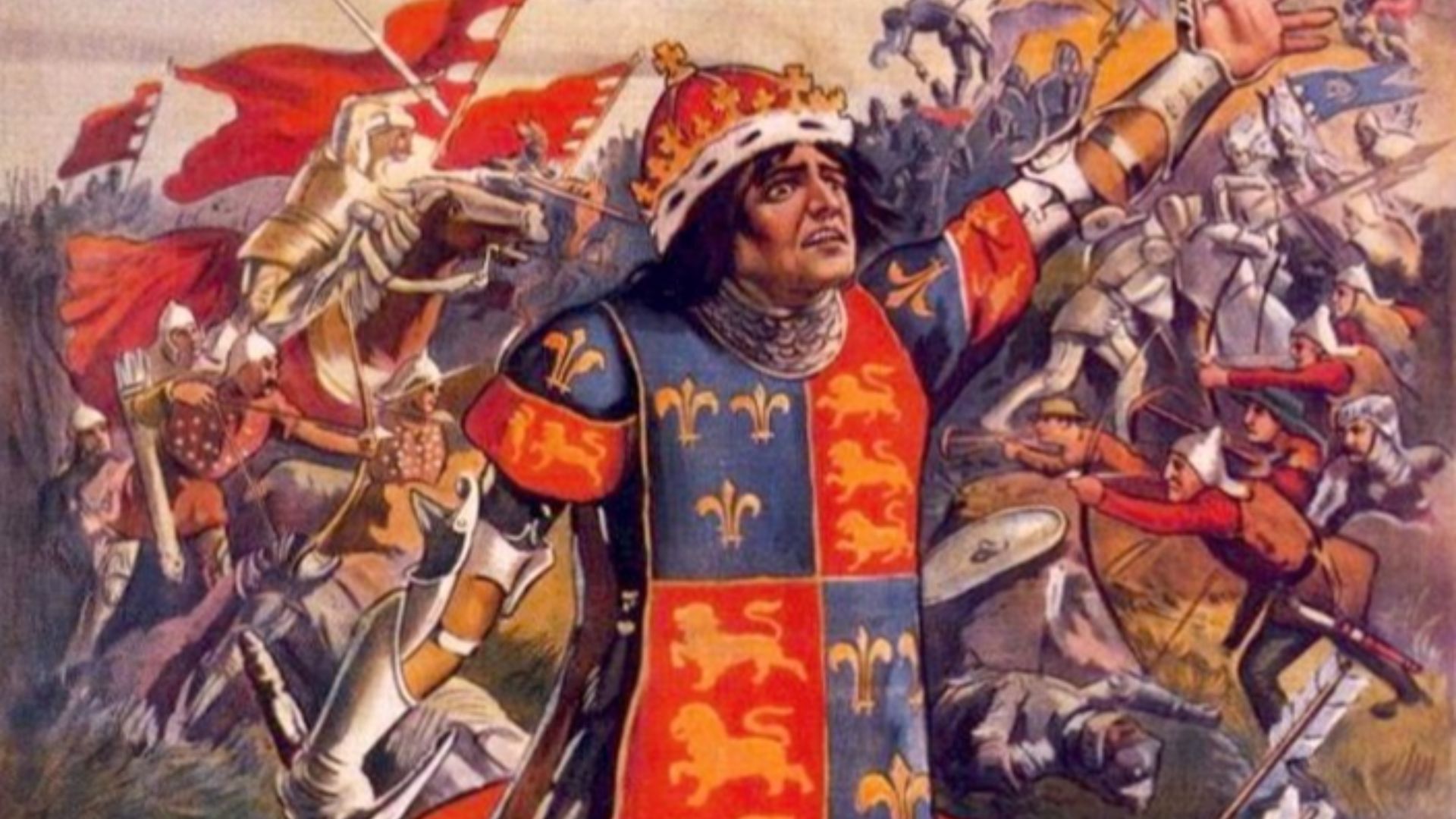
For more than 500 years, Richard III's remains rested beneath what eventually became a city parking lot in Leicester. After his defeat at the Battle of Bosworth, his grave was gradually forgotten following the dissolution of the monastery where he had been buried. When archaeologists rediscovered him in 2012, a debate erupted over where he should be reburied, but he was ultimately laid to rest in Leicester Cathedral.
4. Eva Perón
Eva Perón's body endured an extraordinary journey after her death in 1952. Following a military coup in Argentina, her embalmed remains were secretly removed and eventually buried under a false name in Italy. Years later, they were returned to her family and finally placed in Buenos Aires.
5. Oliver Cromwell
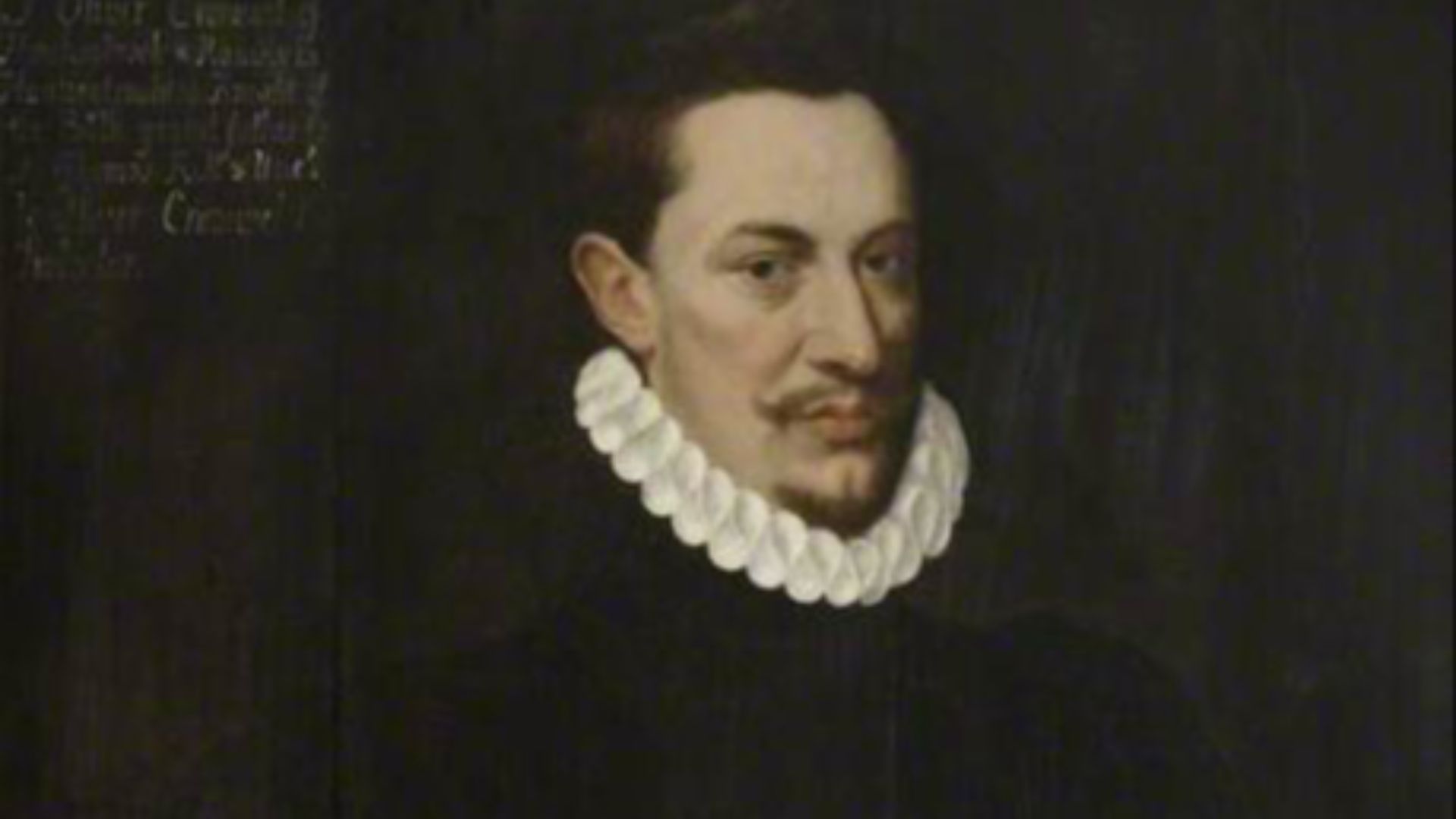
Oliver Cromwell was buried with full honors in Westminster Abbey after his death. Following the restoration of the monarchy, however, his body was dug up, symbolically executed, and removed from its prestigious resting place. His remains disappeared after that dramatic episode, leaving historians uncertain about where much of his body ultimately ended up.
 Hieronimo Custodis on Wikimedia
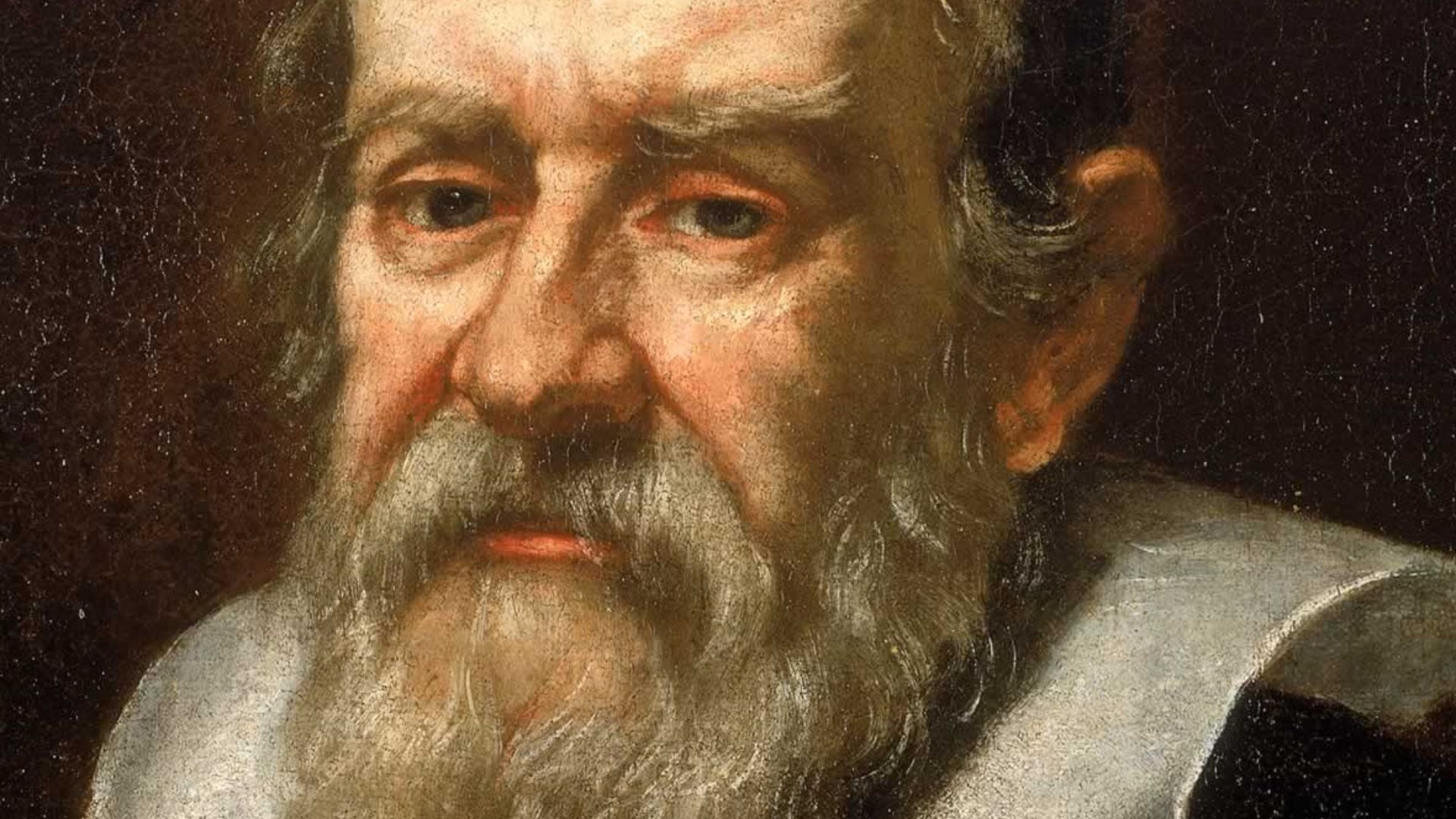
6. Galileo Galilei
When Galileo died in 1642, the Catholic Church refused to allow him the grand burial many supporters believed he deserved. Instead, he was quietly interred in a modest location within Florence's Basilica of Santa Croce. Nearly a century later, his remains were transferred to a far more prominent monument inside the same church.
 Justus Sustermans on Wikimedia
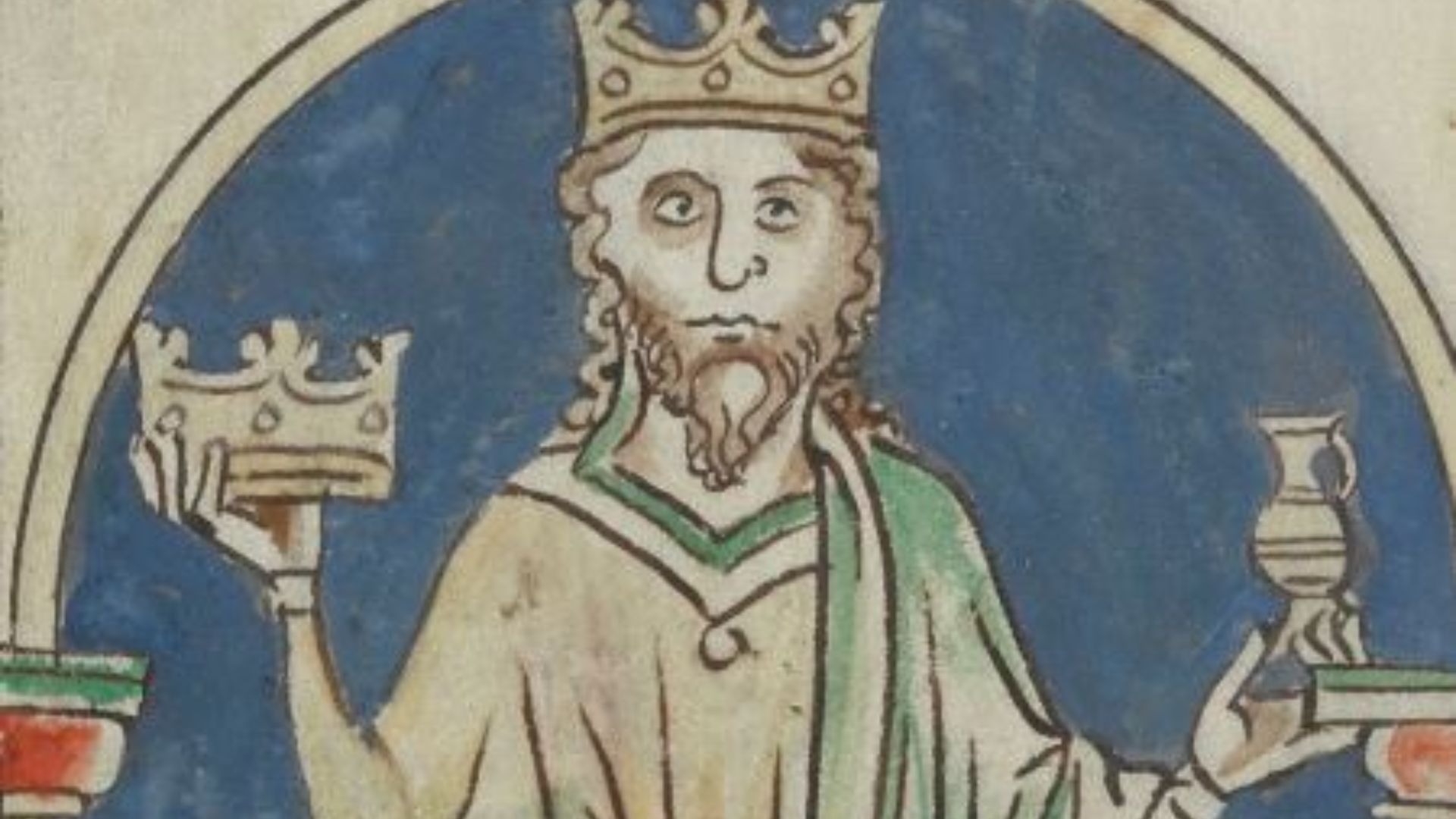
7. Alfred the Great
Alfred the Great's burial became increasingly uncertain as churches were demolished and rebuilt over the centuries. His remains were moved several times before eventually becoming lost altogether. Archaeologists have spent years trying to determine exactly where he ended up. If any bones survive, they're almost certainly no longer resting where medieval mourners intended.
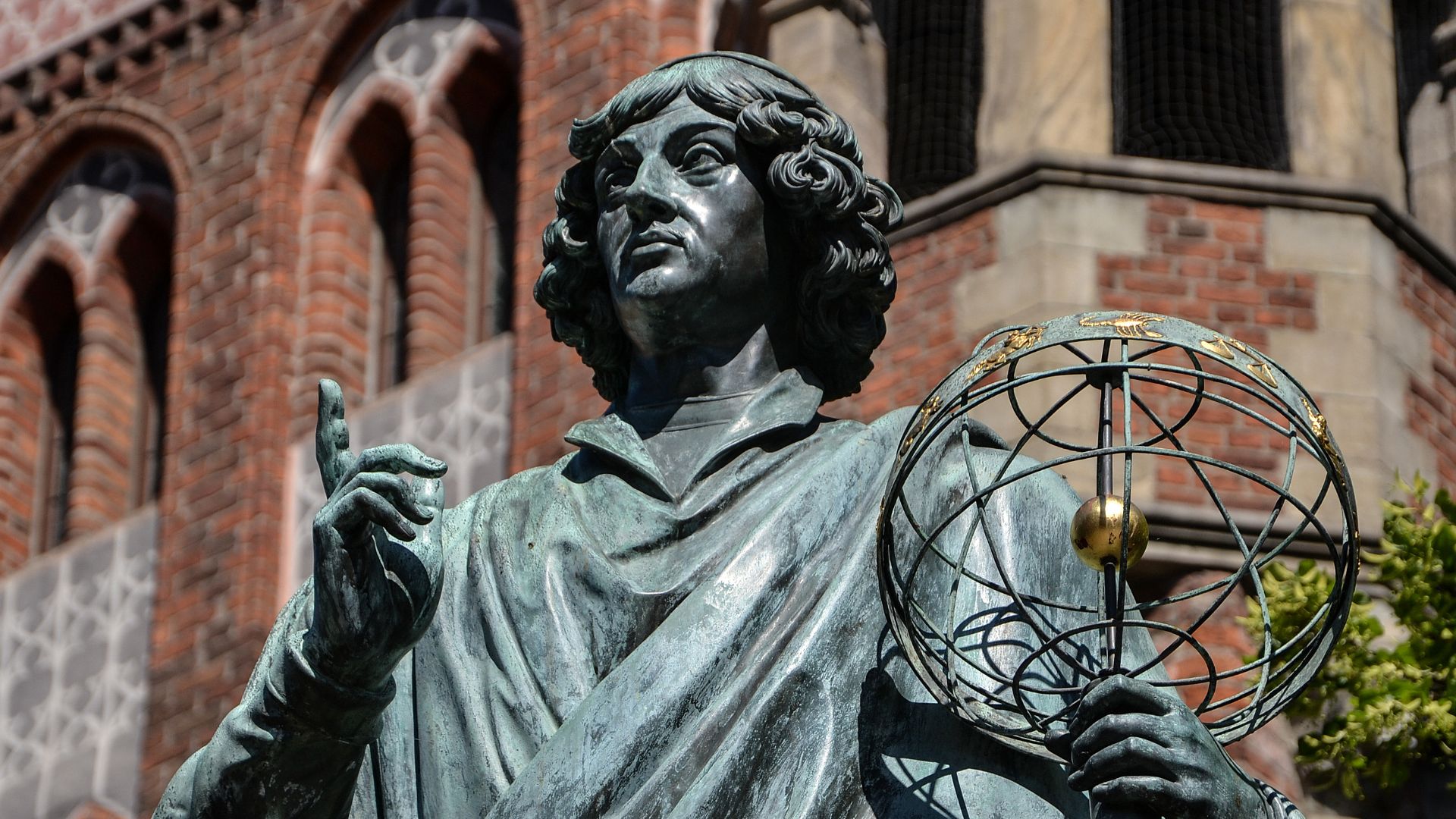
8. Nicolaus Copernicus
For centuries, nobody knew exactly where Nicolaus Copernicus had been buried inside Frombork Cathedral. His grave had simply been forgotten over time. Archaeologists eventually identified remains believed to be his through DNA evidence and historical records. He was reburied with full honors in 2010 after spending generations in an unmarked resting place.
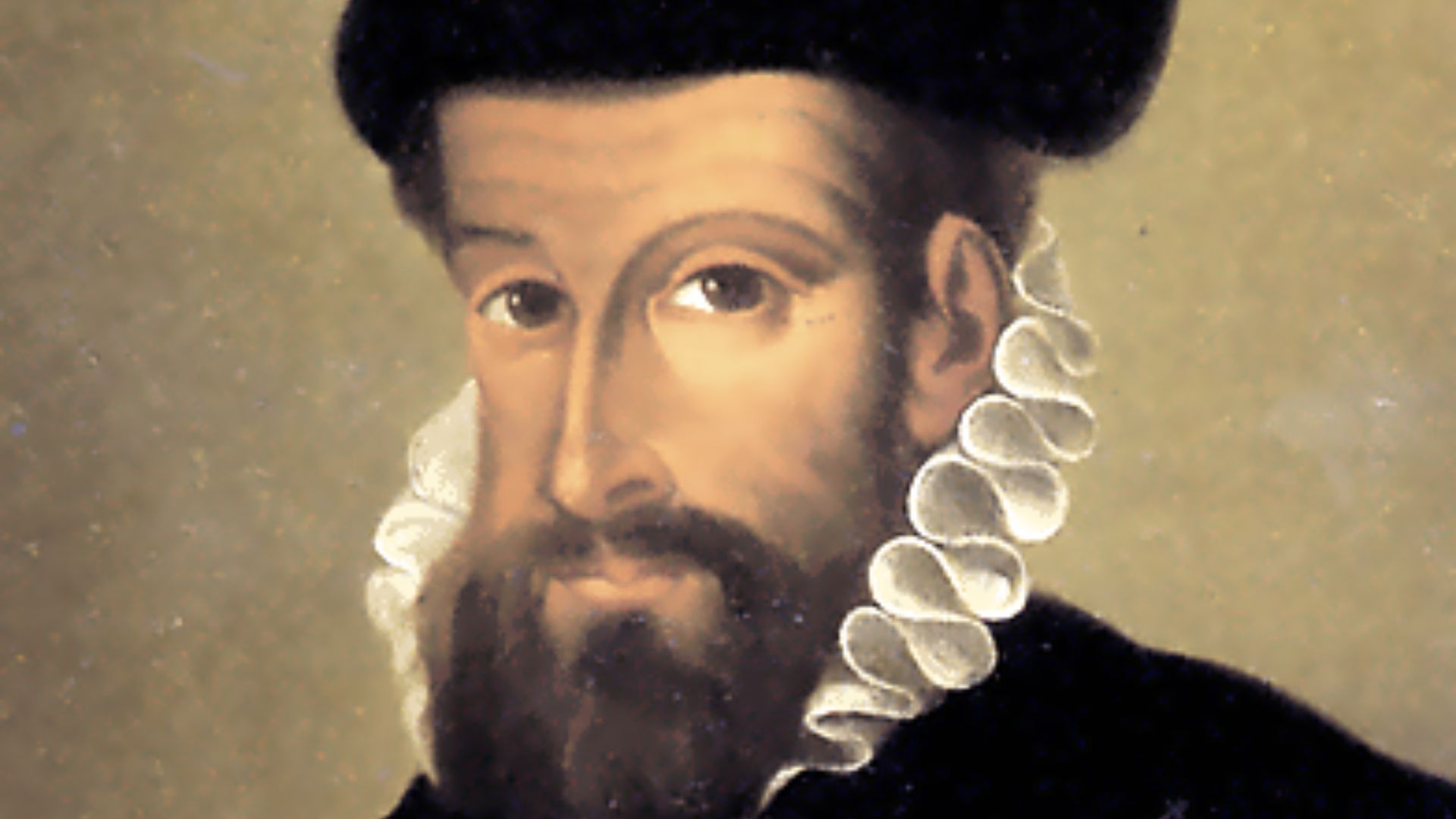
9. Francisco Pizarro
The conqueror of the Inca Empire was long believed to rest in an elaborate tomb inside Lima Cathedral. In the 1970s, researchers discovered another coffin containing remains that better matched historical accounts of Pizarro's violent death. It turned out the celebrated tomb had likely contained someone else, and his actual remains were then reburied appropriately.
 Unidentified painter on Wikimedia
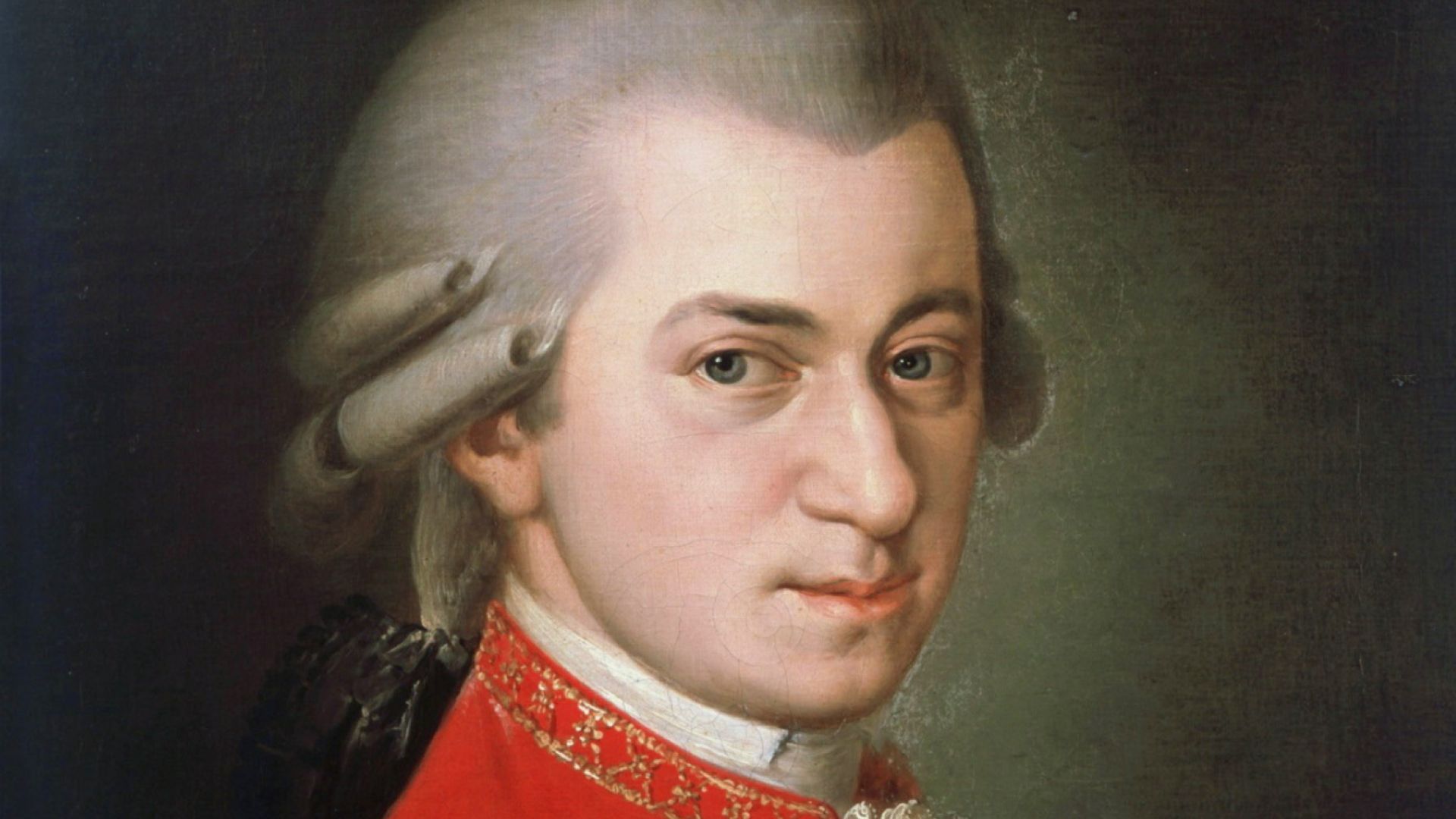
10. Wolfgang Amadeus Mozart
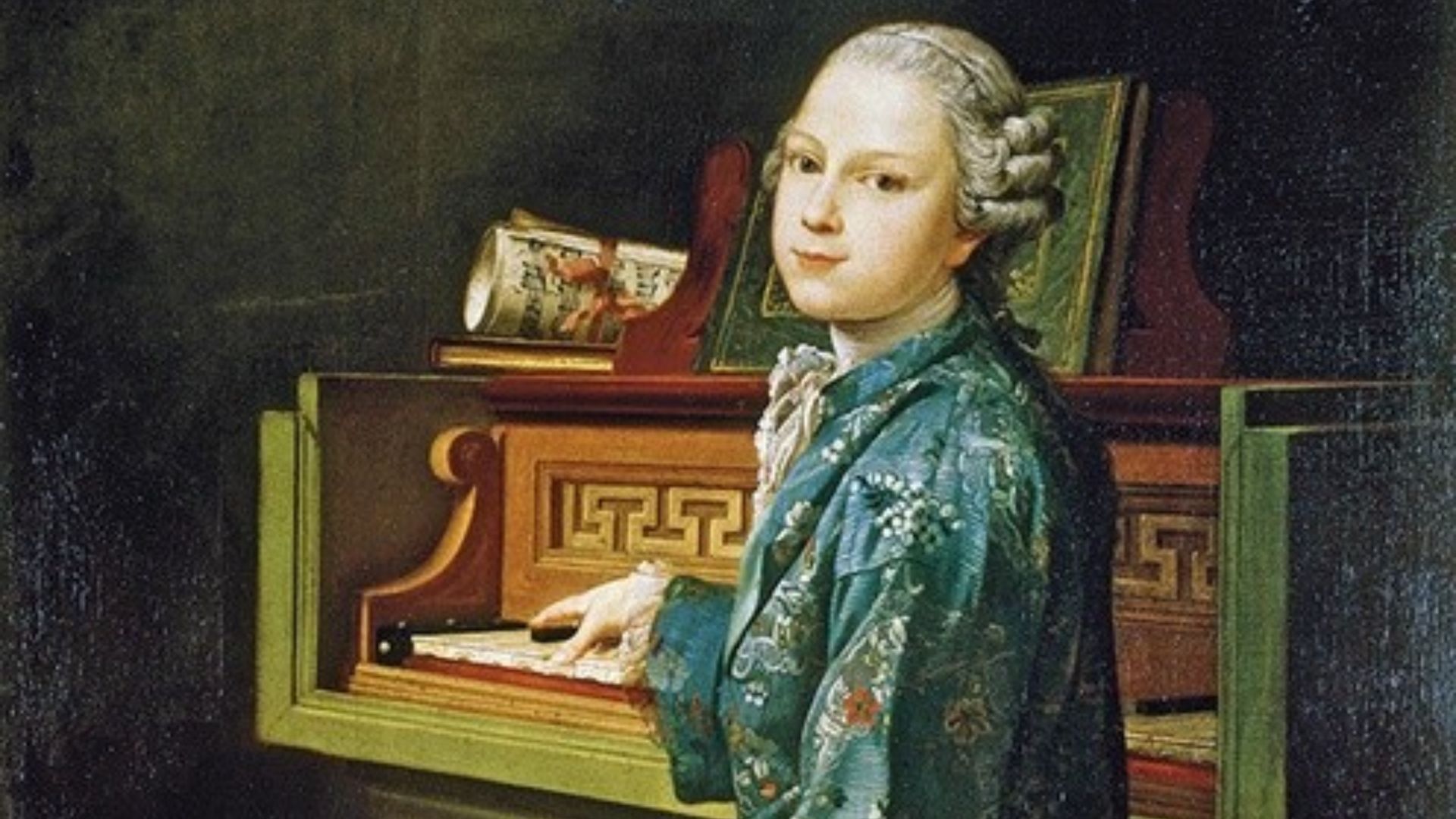
Mozart was buried in a common cemetery outside Vienna, as was customary for many citizens at the time. Because individual grave markers weren't preserved, the exact location of his burial was eventually lost. Later memorials mark only an approximate area rather than a confirmed grave. One of history's greatest composers effectively ended up in an unknown resting place.
11. Jesse James
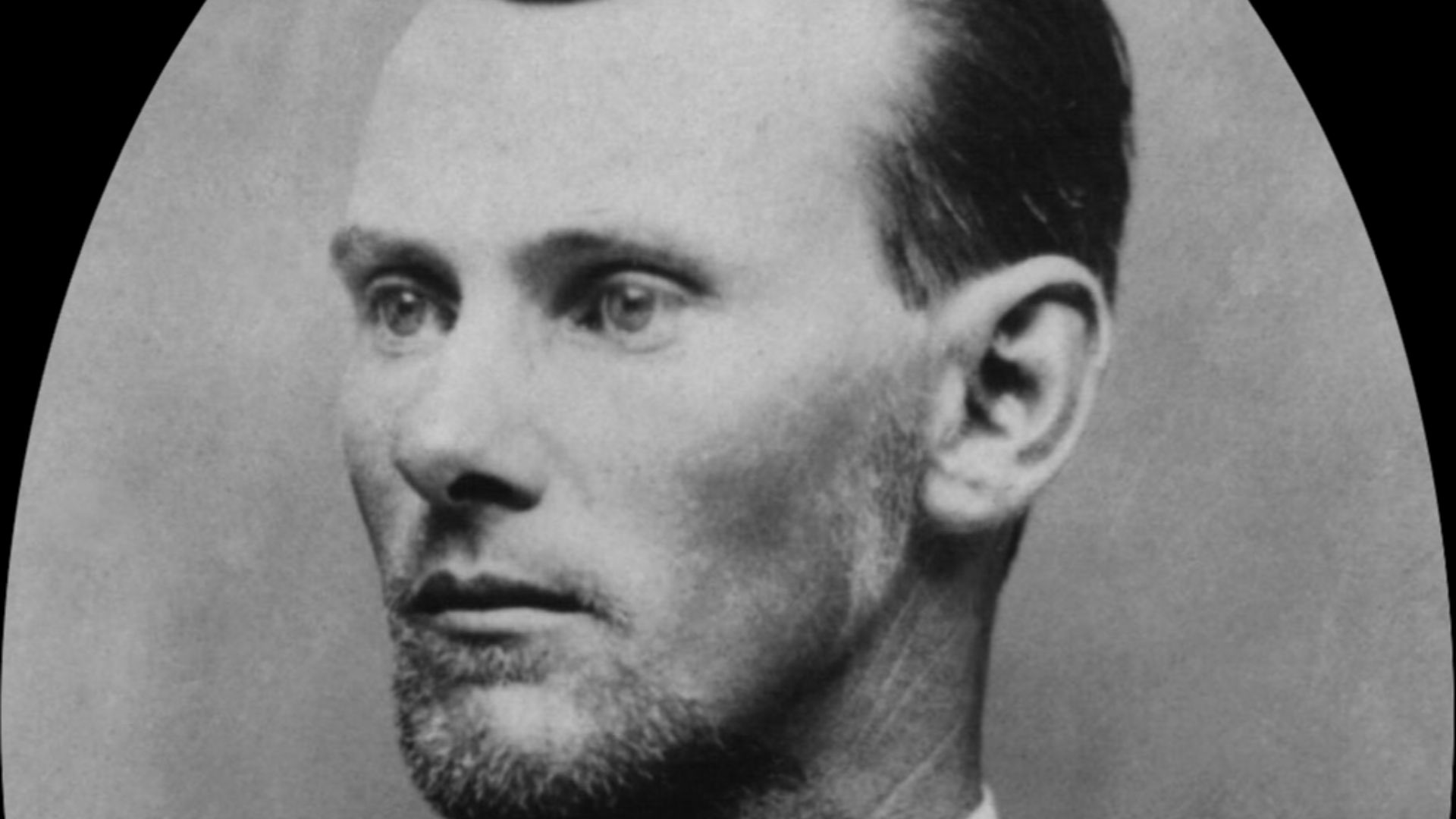
Questions have surrounded Jesse James' burial for more than a century. Rumors persisted that another body had been buried in his place while the outlaw escaped. DNA testing in the 1990s strongly supported that the grave did indeed contain James. Still, decades of speculation left many convinced he had been buried in the wrong place or not at all.
 Photographer unknown on Wikimedia
12. Tsar Nicholas II
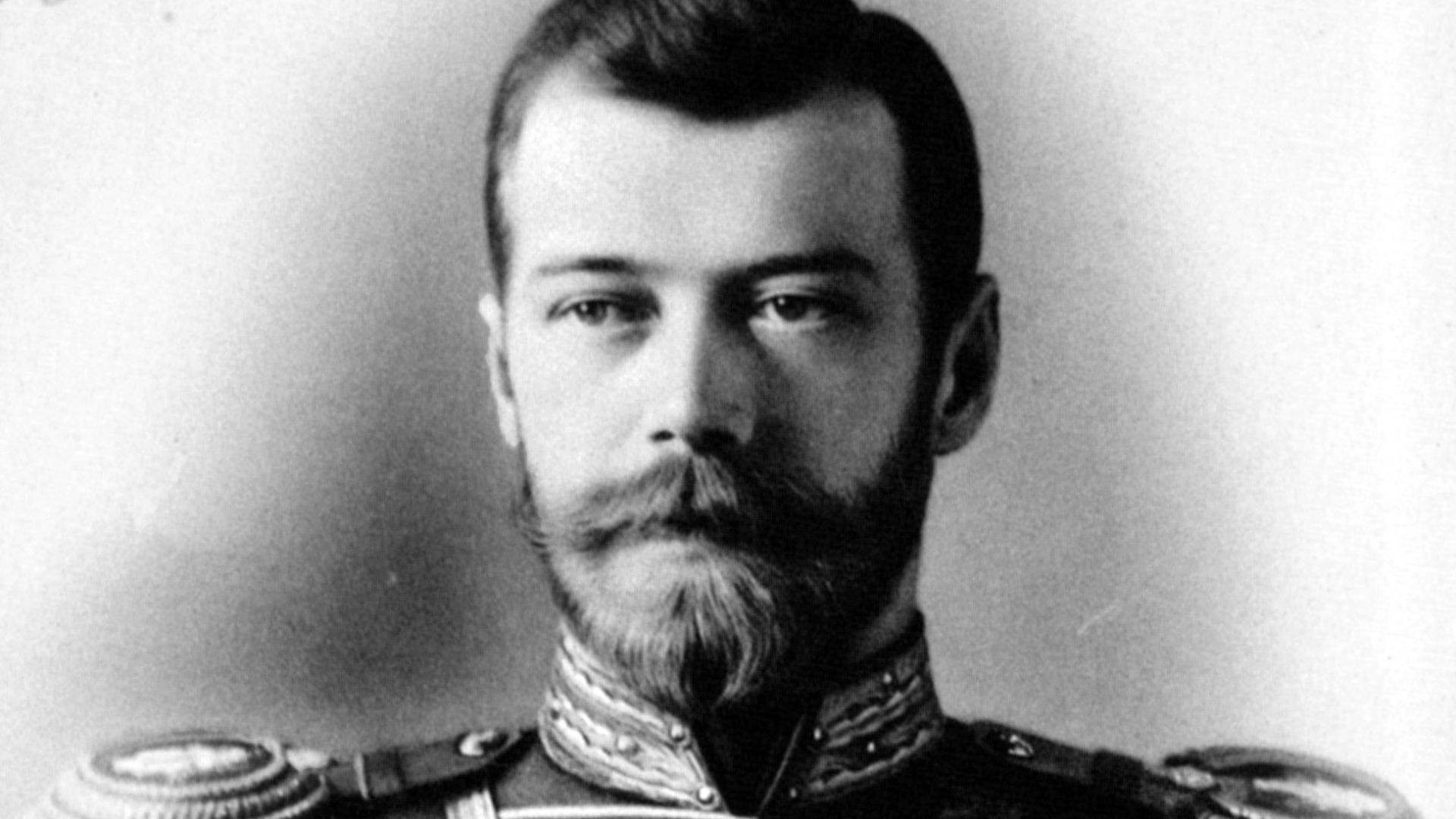
After Tsar Nicholas II and his family were executed in 1918, Soviet authorities secretly buried their bodies in a hidden forest grave to conceal the crime. For decades, nobody outside a small circle knew where the Romanovs had been laid to rest. Following the discovery and identification of their remains in the late twentieth century, Nicholas and most of his family were reburied with state honors in St. Peter and St. Paul Cathedral in St. Petersburg.
13. René Descartes
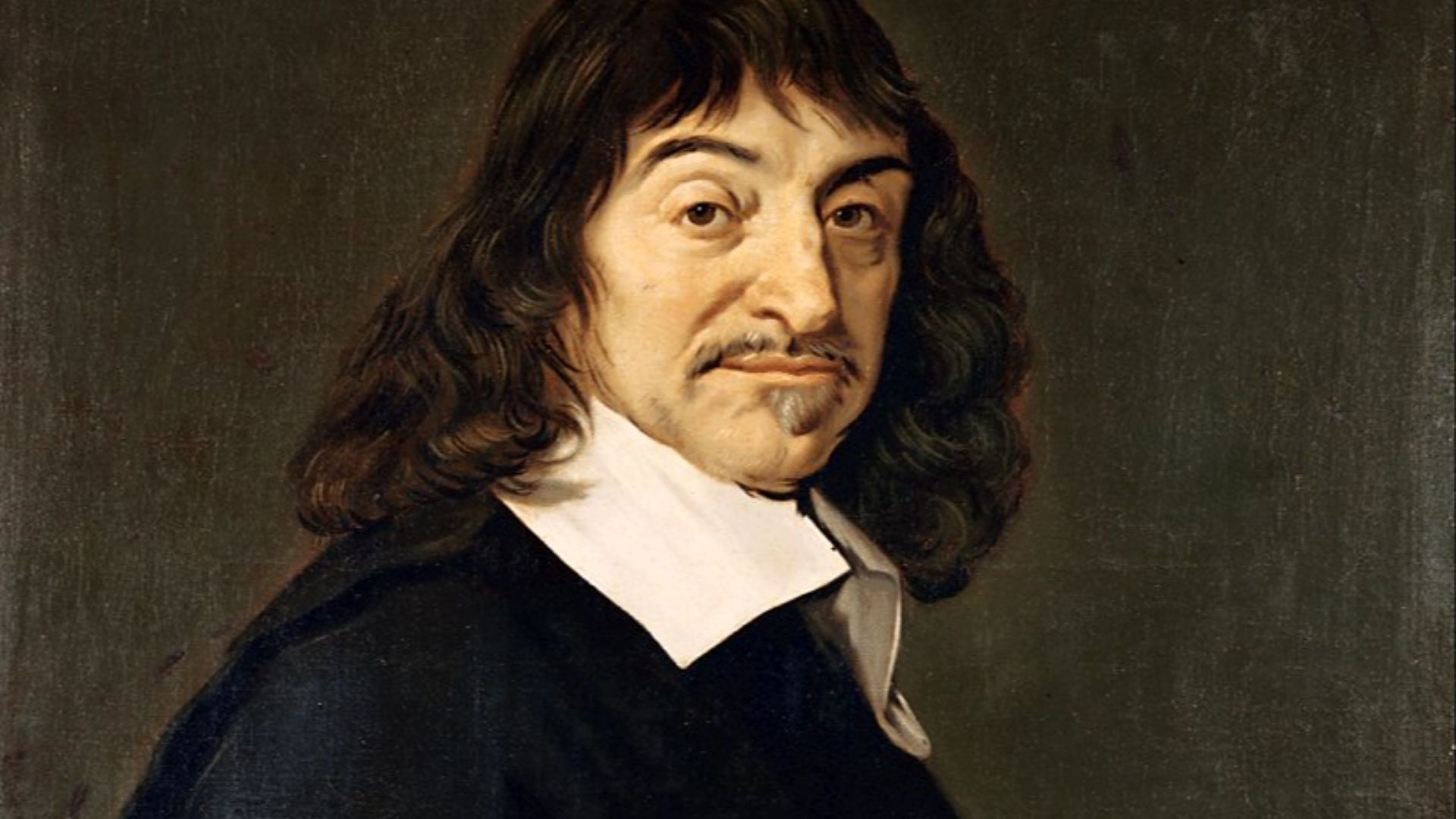
René Descartes died while living in Stockholm and was initially buried in a cemetery reserved for unbaptized infants because, as a Catholic in Protestant Sweden, he wasn't allowed to be buried in consecrated ground. Years later, his remains were exhumed and taken back to France, where they were reburied several times. Along the way, parts of his skeleton were even separated from the rest of his body, including his skull.
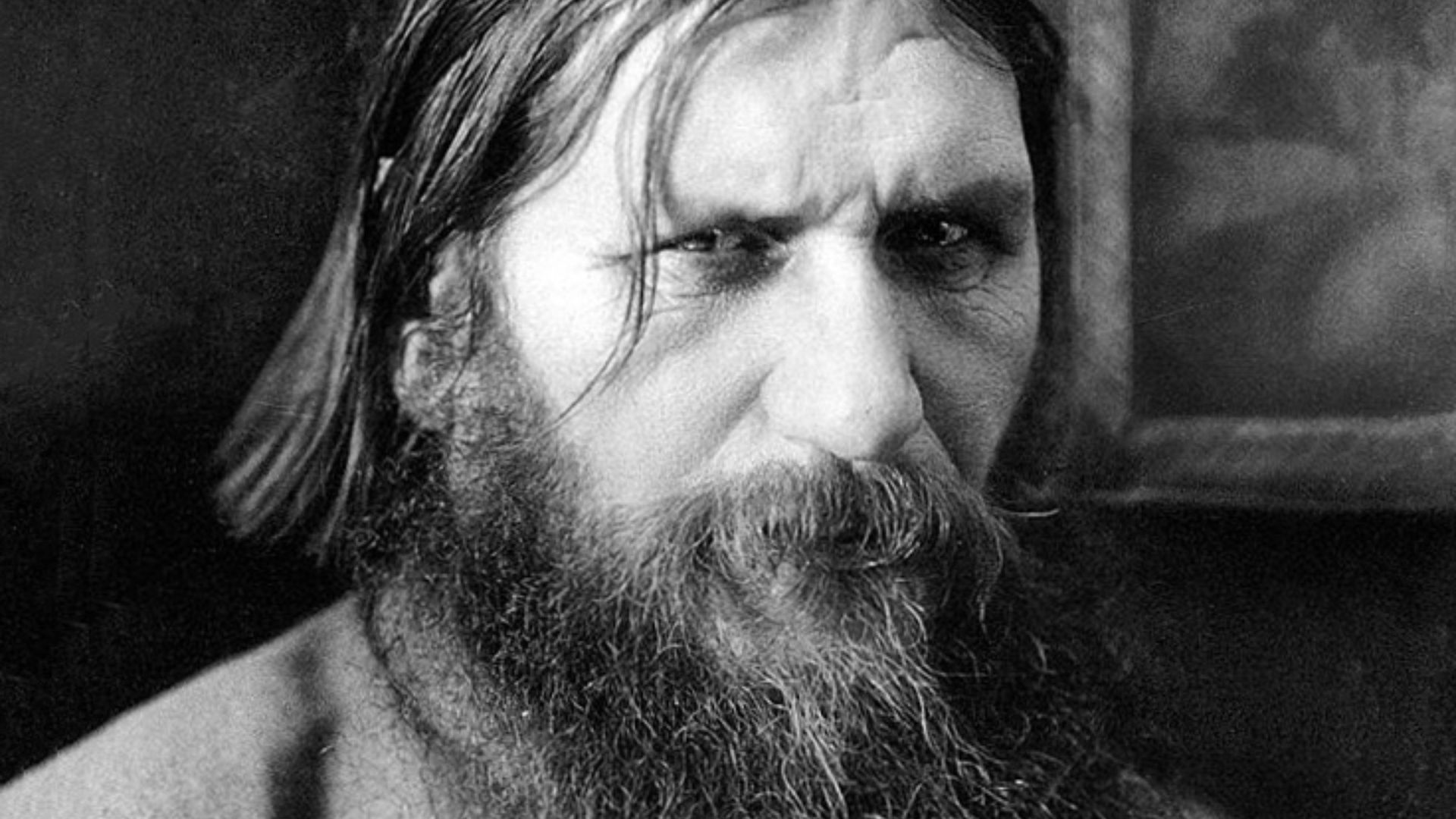
14. Grigori Rasputin
After Rasputin's murder, his body was buried near Tsarskoye Selo. Not long afterward, the Russian Revolution led authorities to exhume and destroy his remains to prevent supporters from turning his grave into a shrine. His ashes were reportedly scattered afterward.
15. Hatshepsut
The great female pharaoh wasn't ultimately found where Egyptologists expected. Her mummy remained unidentified for years before evidence pointed toward remains discovered elsewhere in the Valley of the Kings. Ancient tomb robbers and later relocations had complicated the picture considerably.
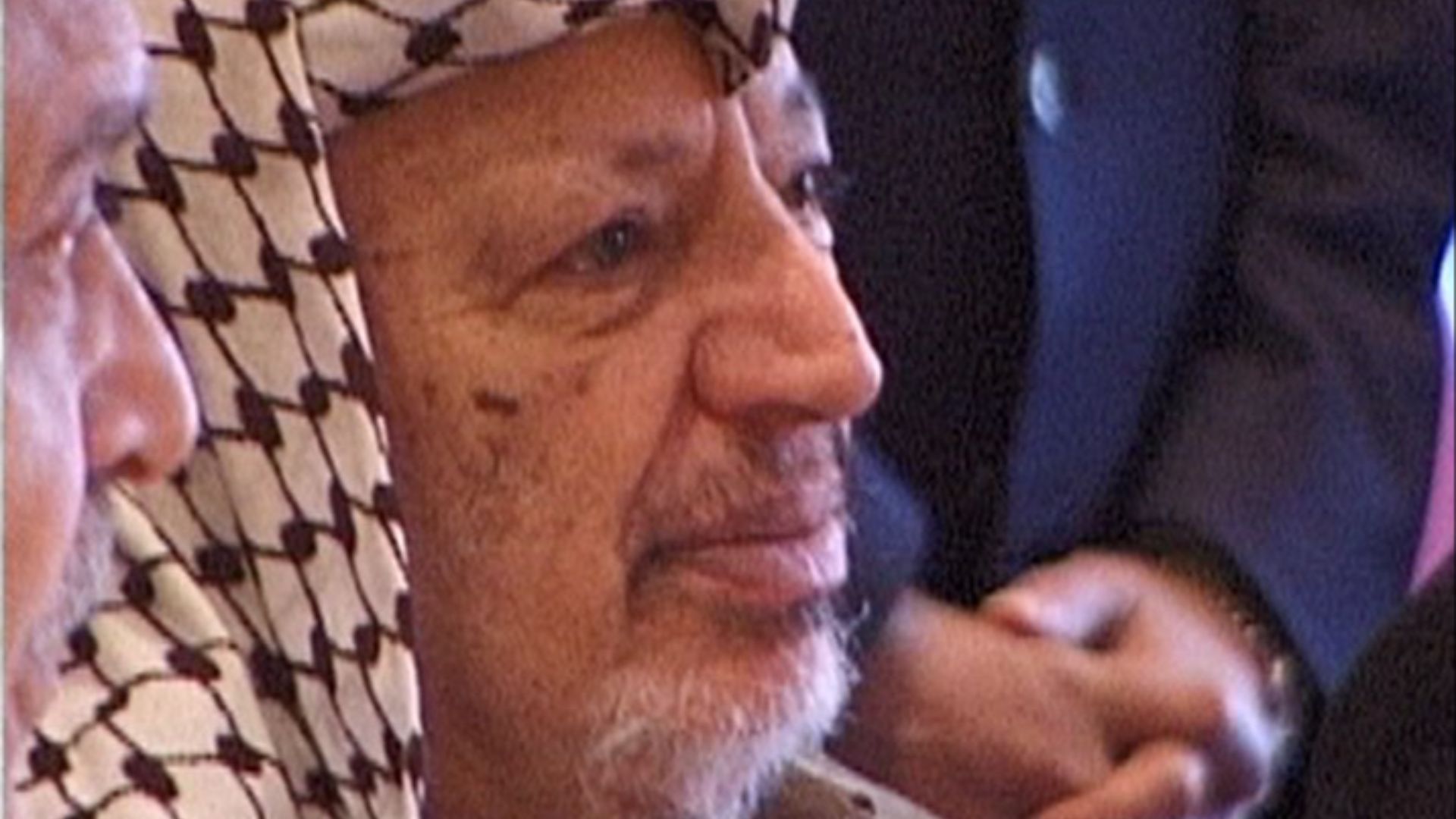
16. Yasser Arafat
Yasser Arafat had hoped to be buried in Jerusalem, but political realities made that impossible. Instead, he was temporarily laid to rest in Ramallah with the expectation that his remains might someday be moved. His mausoleum was deliberately designed so relocation would be possible in the future. In many ways, even his supporters viewed the current burial as unfinished.
 Hans Jørn Storgaard Andersen on Wikimedia
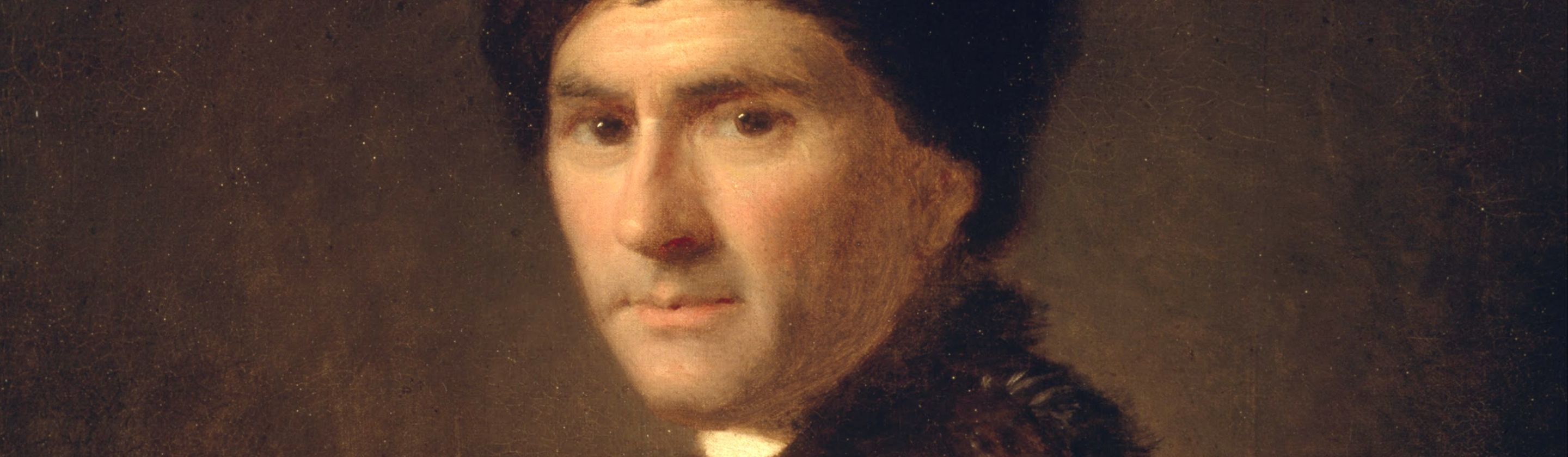
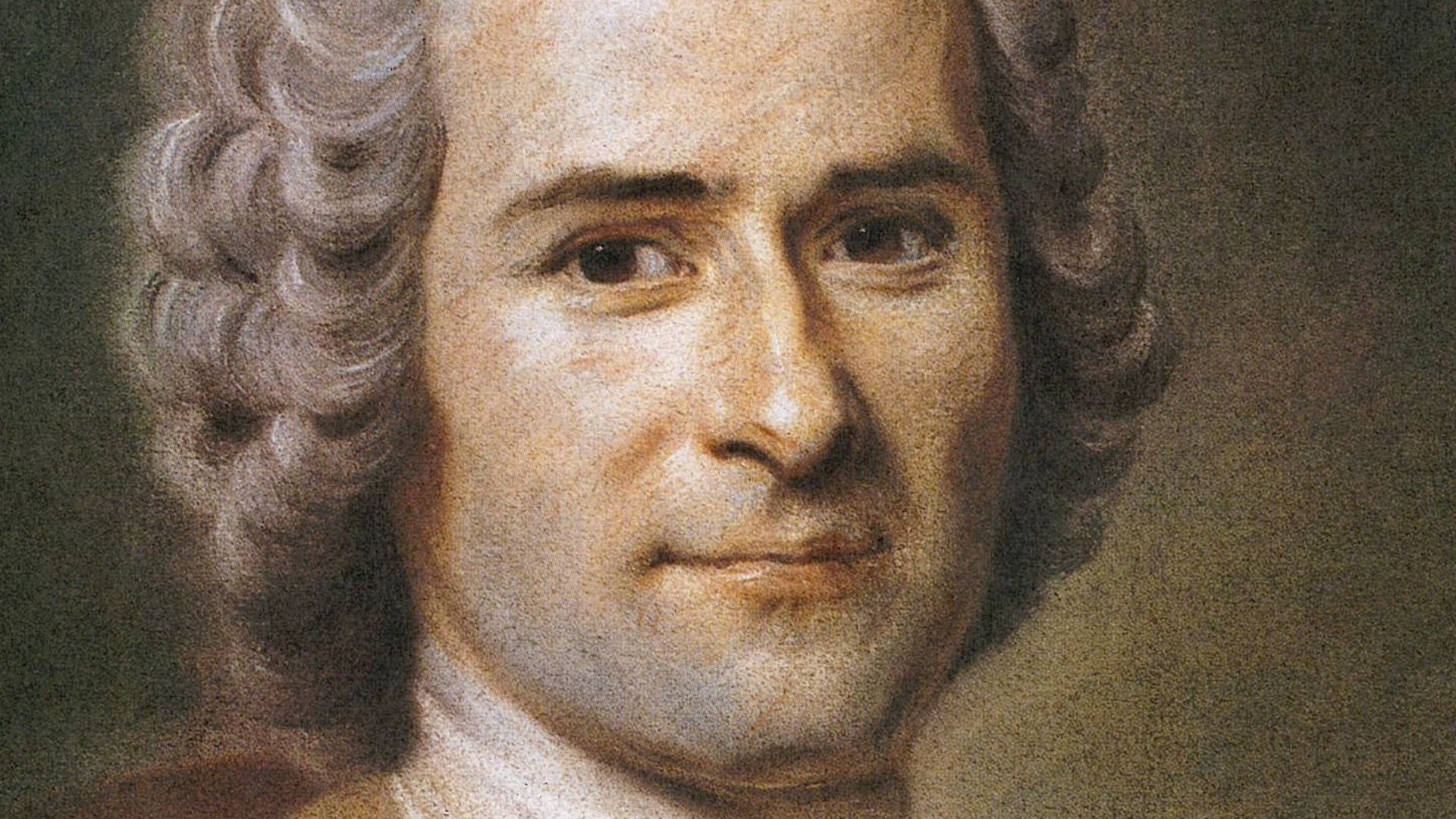
17. Jean-Jacques Rousseau
Jean-Jacques Rousseau was originally buried on a small island at the estate of the Marquis de Girardin, where admirers believed he would rest permanently. During the French Revolution, however, the new government decided his remains belonged in the Panthéon alongside France's greatest national heroes. His body was exhumed and ceremonially transferred to Paris in 1794.
 Maurice Quentin de La Tour on Wikimedia
18. Niccolò Machiavelli
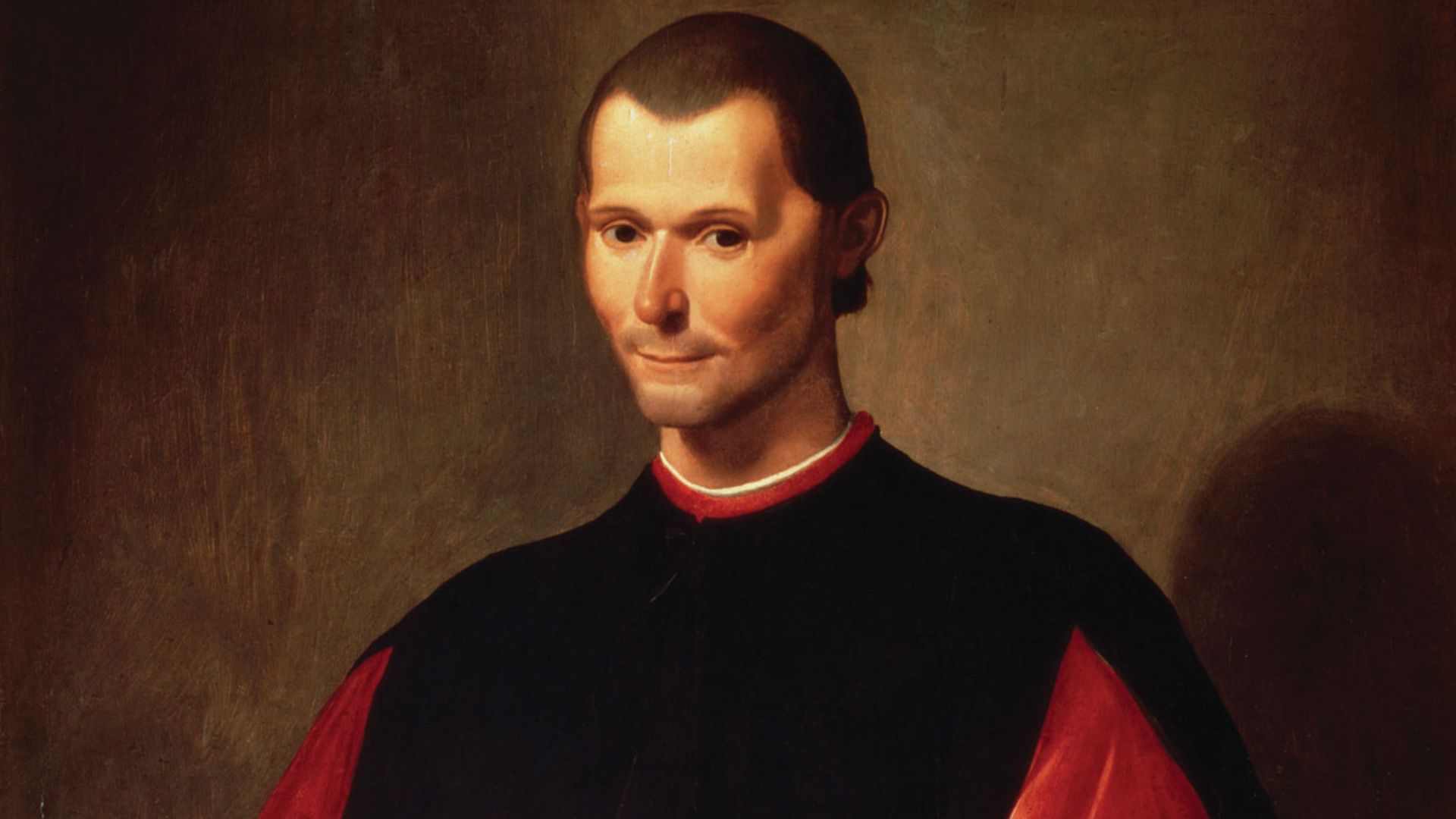
When Niccolò Machiavelli died in 1527, he was buried in a modest grave outside the main floor of Florence's Basilica of Santa Croce. His reputation had suffered during his lifetime, and he didn't receive the prominent burial many later believed he deserved. More than two centuries afterward, admirers moved his remains to an elaborate monument inside the basilica honoring him as one of Italy's greatest political thinkers.
19. Voltaire
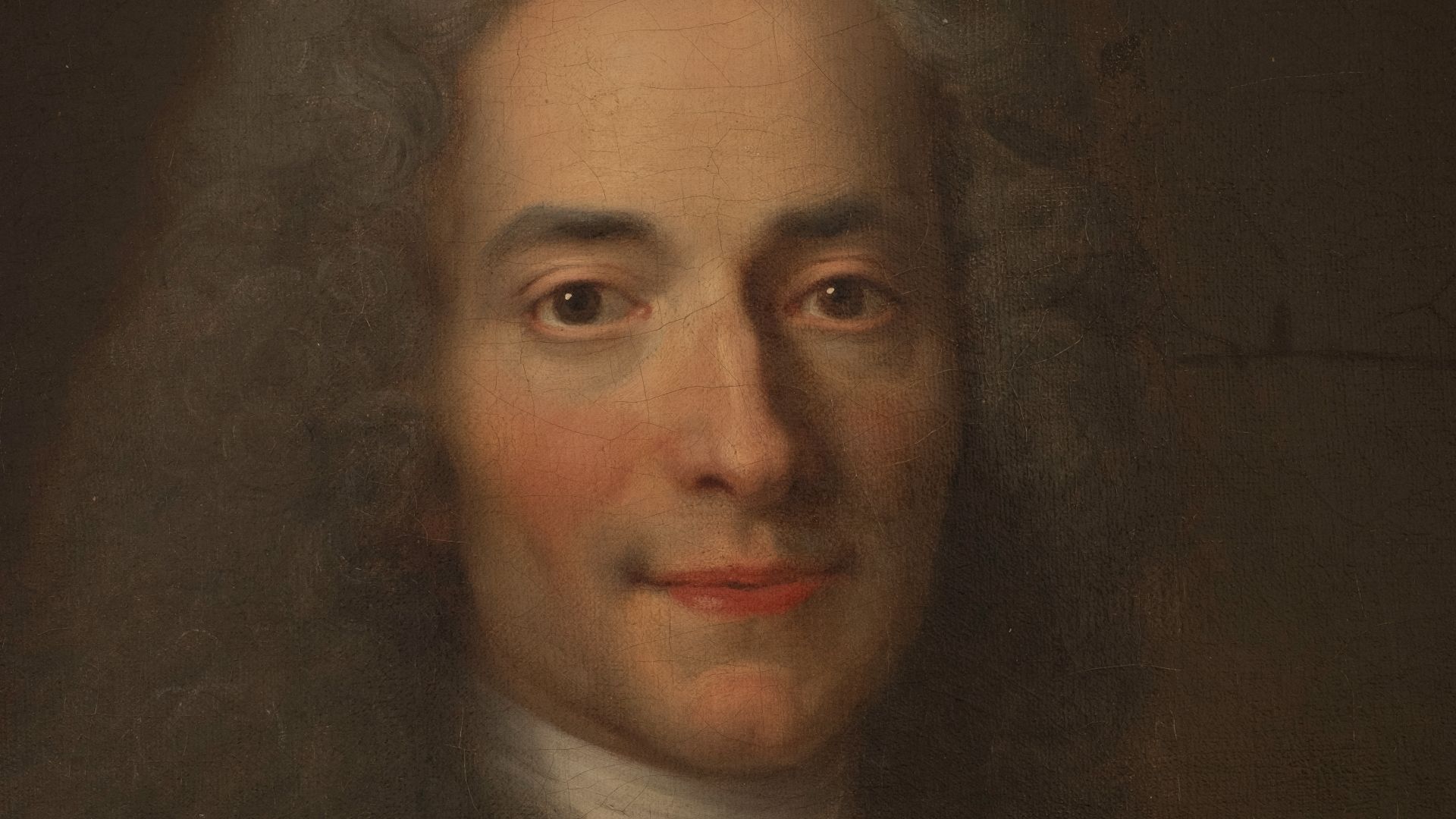
When Voltaire died in 1778, Church authorities refused him a proper Christian burial because of his outspoken criticism of organized religion. To avoid interference, his supporters secretly transported his body to an abbey in Champagne and buried him there before officials could intervene. During the French Revolution, attitudes changed dramatically, and his remains were ceremonially moved to the Panthéon in Paris alongside France's greatest national figures.
 Nicolas de Largillière on Wikimedia
20. Vladimir Lenin
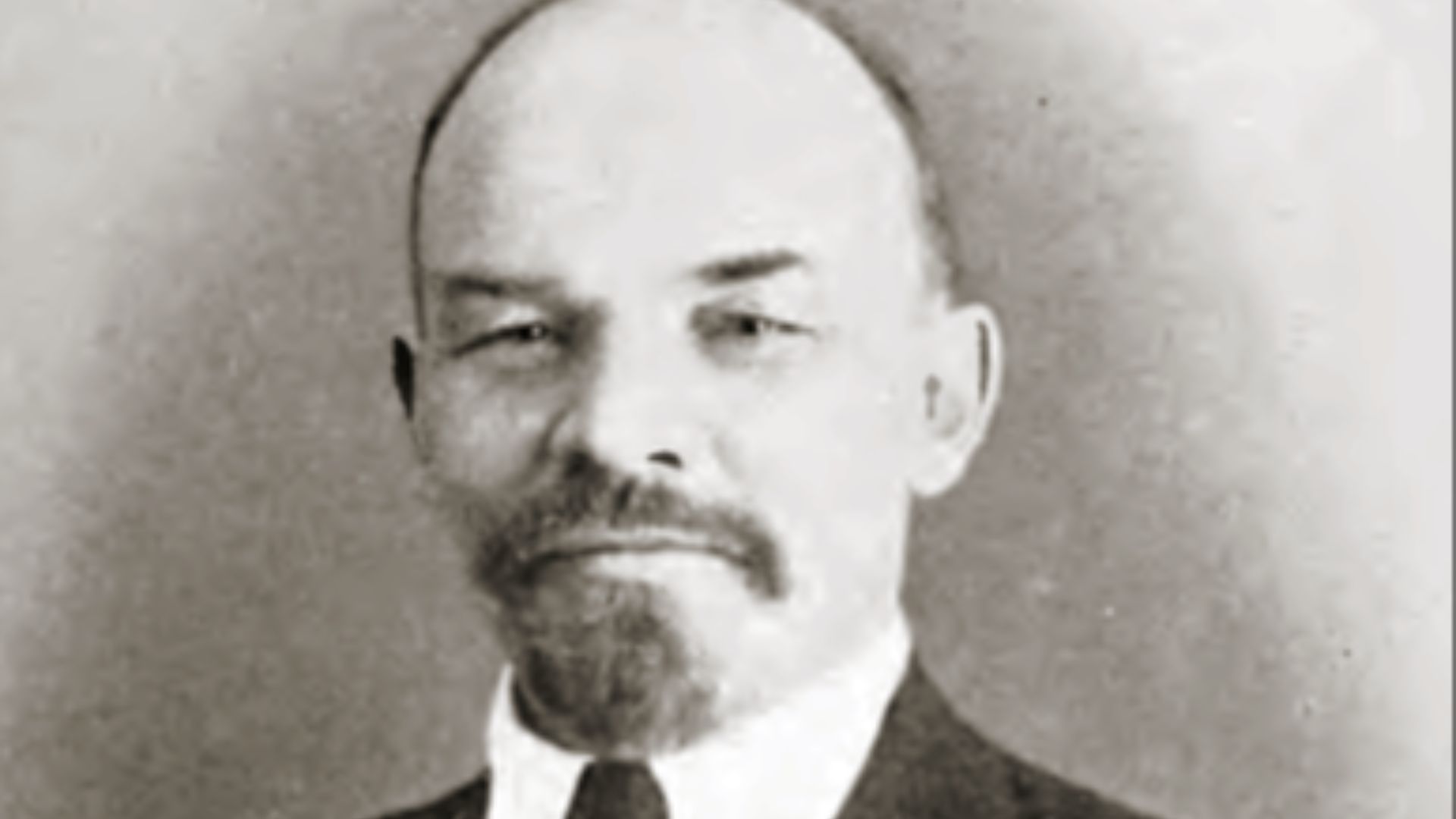
Lenin expected to receive a relatively ordinary burial, but Soviet leaders chose a very different path. Rather than placing him in a cemetery, they embalmed his body and displayed it permanently in a mausoleum on Red Square, making him a political symbol. More than a century later, debates continue over whether he should finally be buried.
KEEP ON READING