
The Empire Was Not Kind To Most People
Toga parties and marble columns make for a nice postcard, but actual daily life in Ancient Rome was brutal for almost everyone who was not wealthy. Disease spread fast, punishment was severe, and survival past childhood was never guaranteed. The empire built roads and aqueducts that still stand today, yet the people who built them often lived and died in conditions that would horrify most modern readers. Strip away the marble and the myths, and what is left is a society running on forced labor, public violence, and constant risk. Here's 20 truths about Roman life that the movies tend to leave out.

1. Fathers Held Life-Or-Death Power
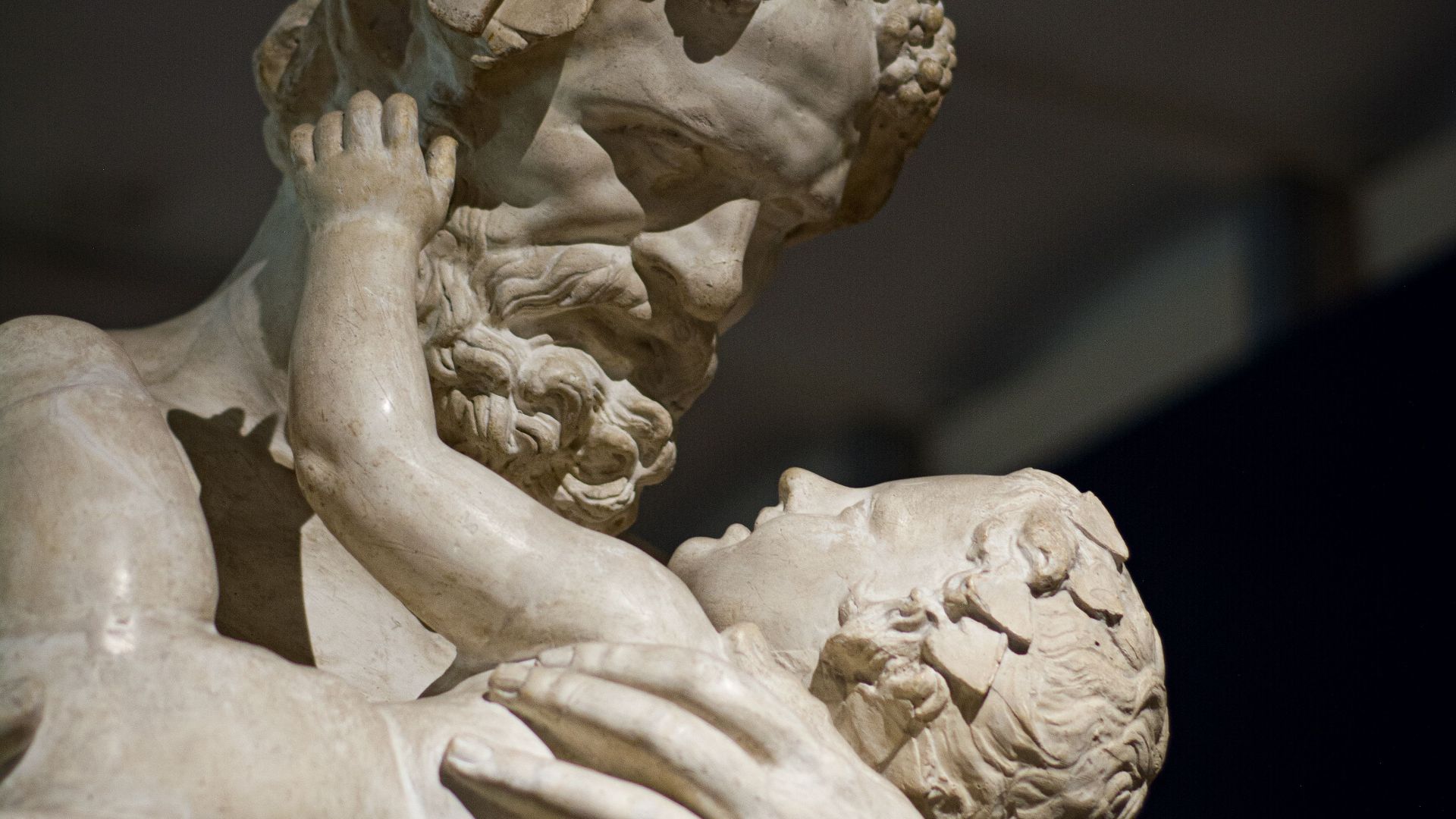
Under Roman law, a father technically had the authority to decide whether a newborn lived or died. This power, called patria potestas, extended over his children for their entire lives while he was alive, not just during childhood. It sounds extreme by modern standards, and it was treated as completely normal at the time.
2. Unwanted Babies Were Left Outside
Infants who were sick, female when a son was wanted, or simply one mouth too many were sometimes left exposed in public places. Some were taken in by strangers, often raised as slaves rather than children. Plenty did not survive the night.
3. Slavery Powered The Entire Economy
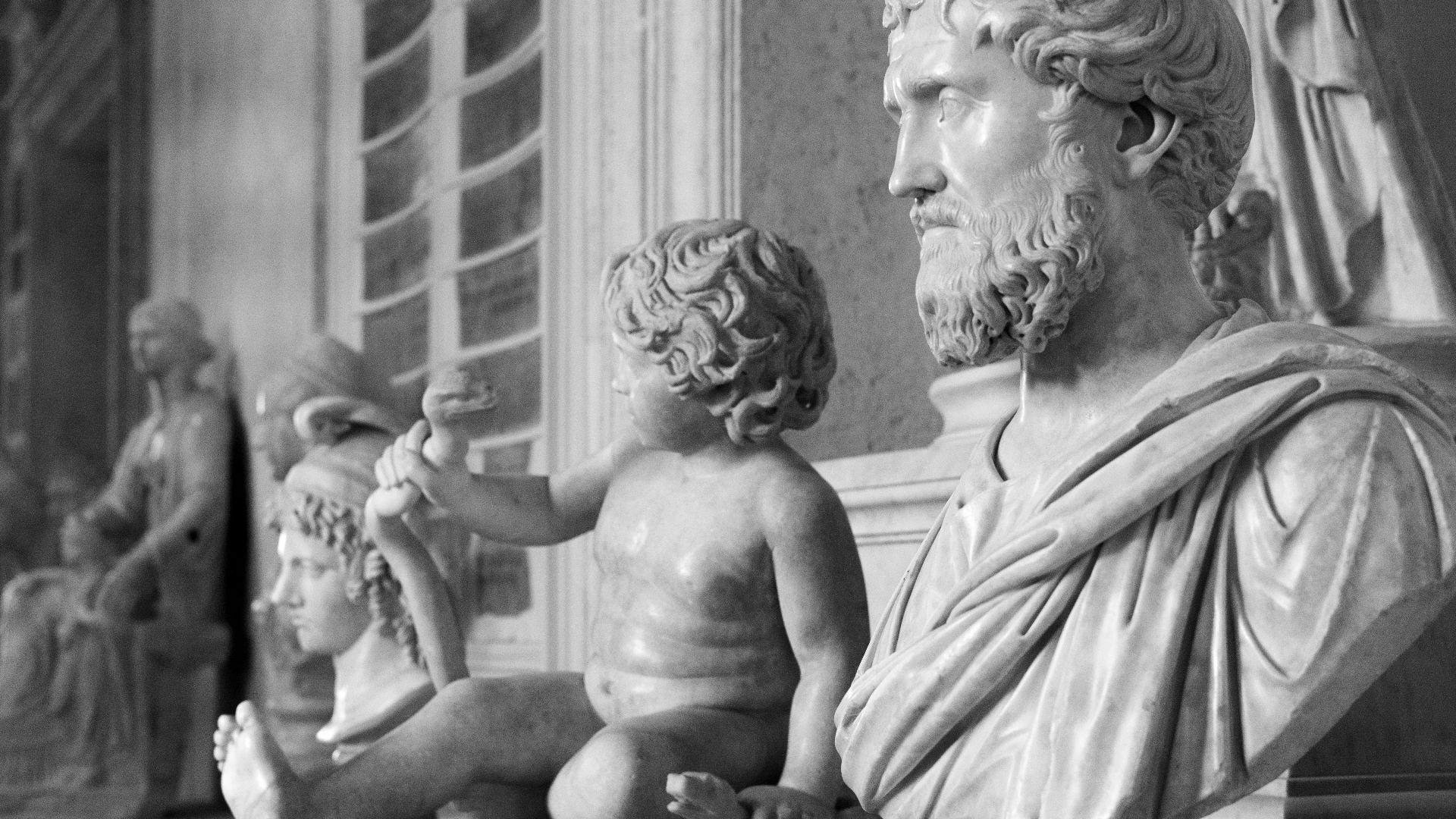
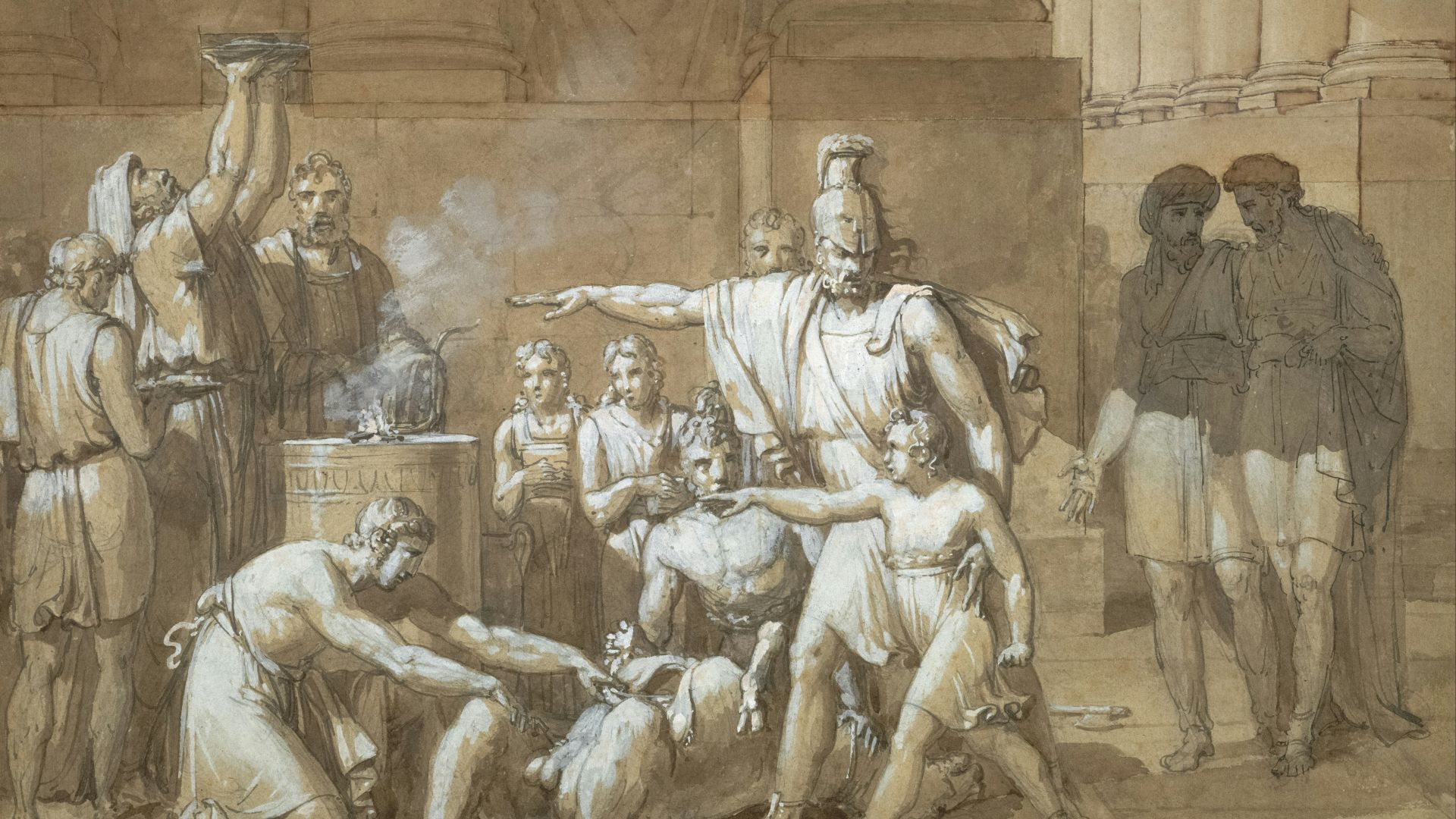
A huge share of the population, likely close to a third in the city of Rome itself, lived in bondage. Slaves worked the fields, ran households, taught children, and built the very monuments tourists visit today. Freedom was possible for some, but it was never guaranteed and never came without cost.
 The Cleveland Museum of Art on Unsplash
4. Childhood Was A Gamble
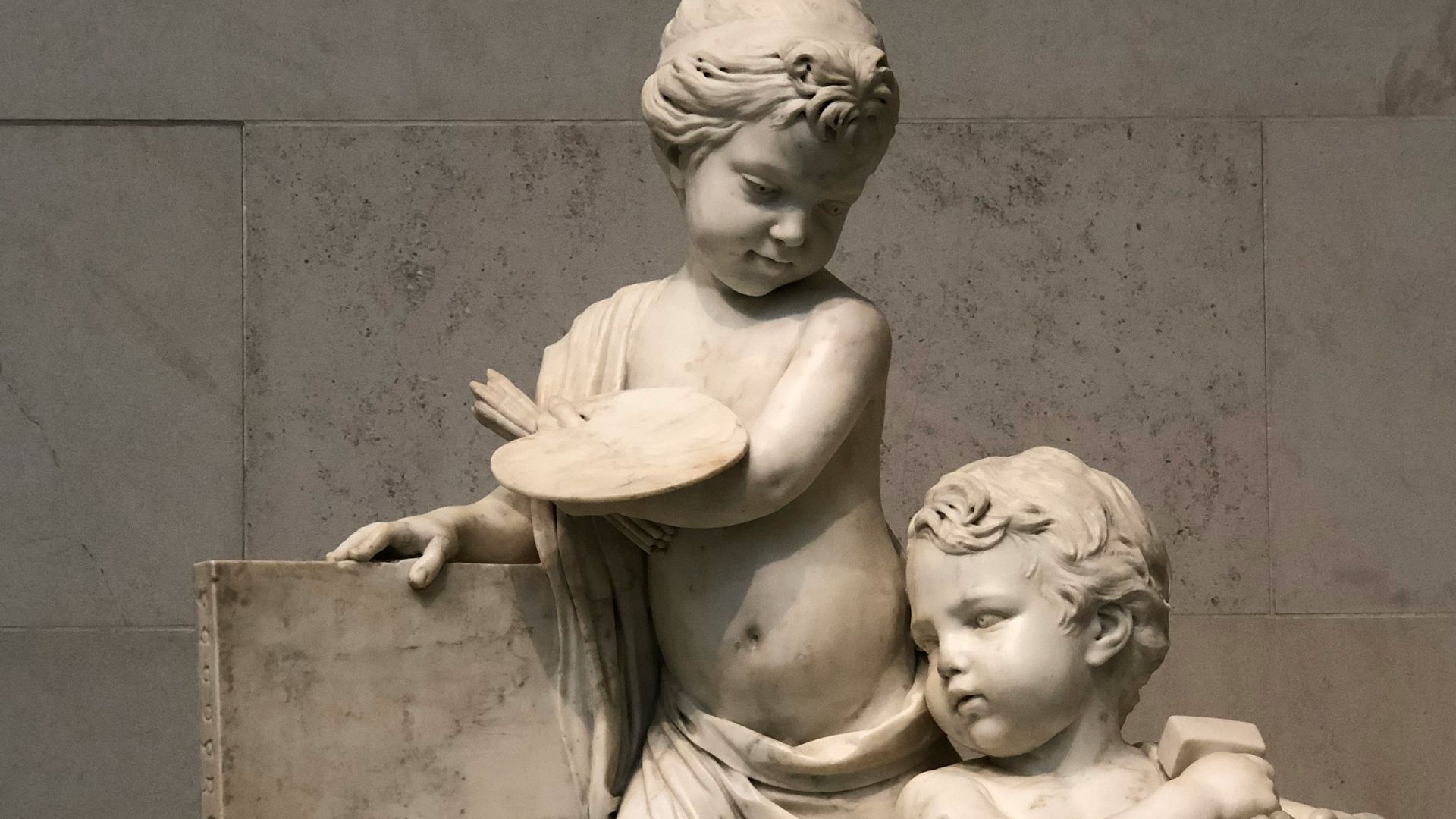
A shocking number of Roman children did not live to see adulthood. Fevers, poor sanitation, and a complete absence of real medicine meant families often buried more children than they raised. Life expectancy numbers from the era look grim mostly because so many died before the age of five.
5. Doctors Barely Understood The Body
There was no germ theory, no anesthesia, and no reliable way to treat infection. Surgery existed, but it was performed while the patient was fully conscious, and survival often came down to luck rather than skill. A broken bone or an infected wound could easily become a death sentence.
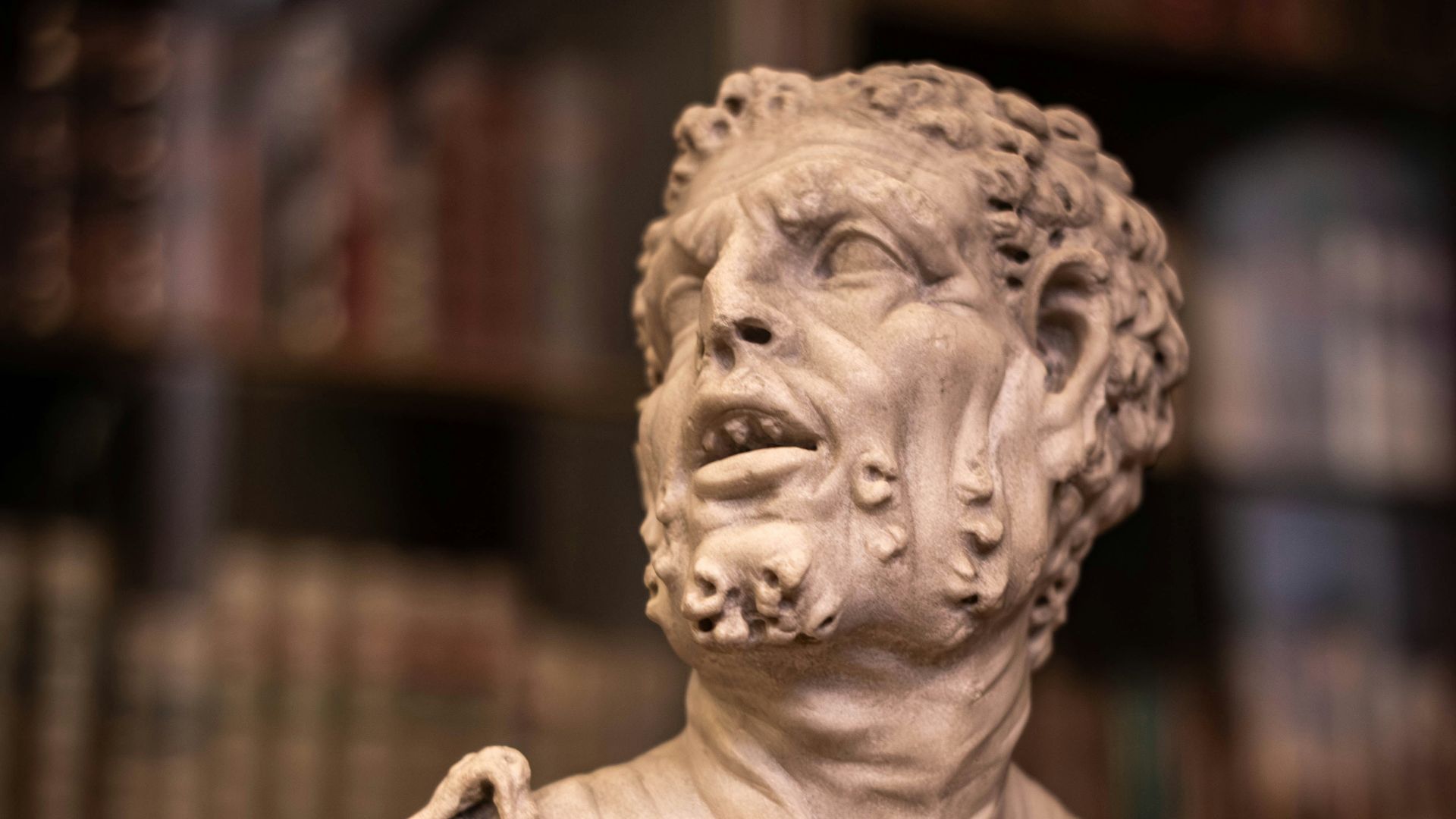
6. The Streets Were Genuinely Filthy
Most apartment buildings had no plumbing, so chamber pots got emptied straight out the window into the street below. Walking through certain neighborhoods meant watching the ground and the balconies above at the same time. Rome smelled the way you would expect a city with no sewage system for ordinary people to smell.
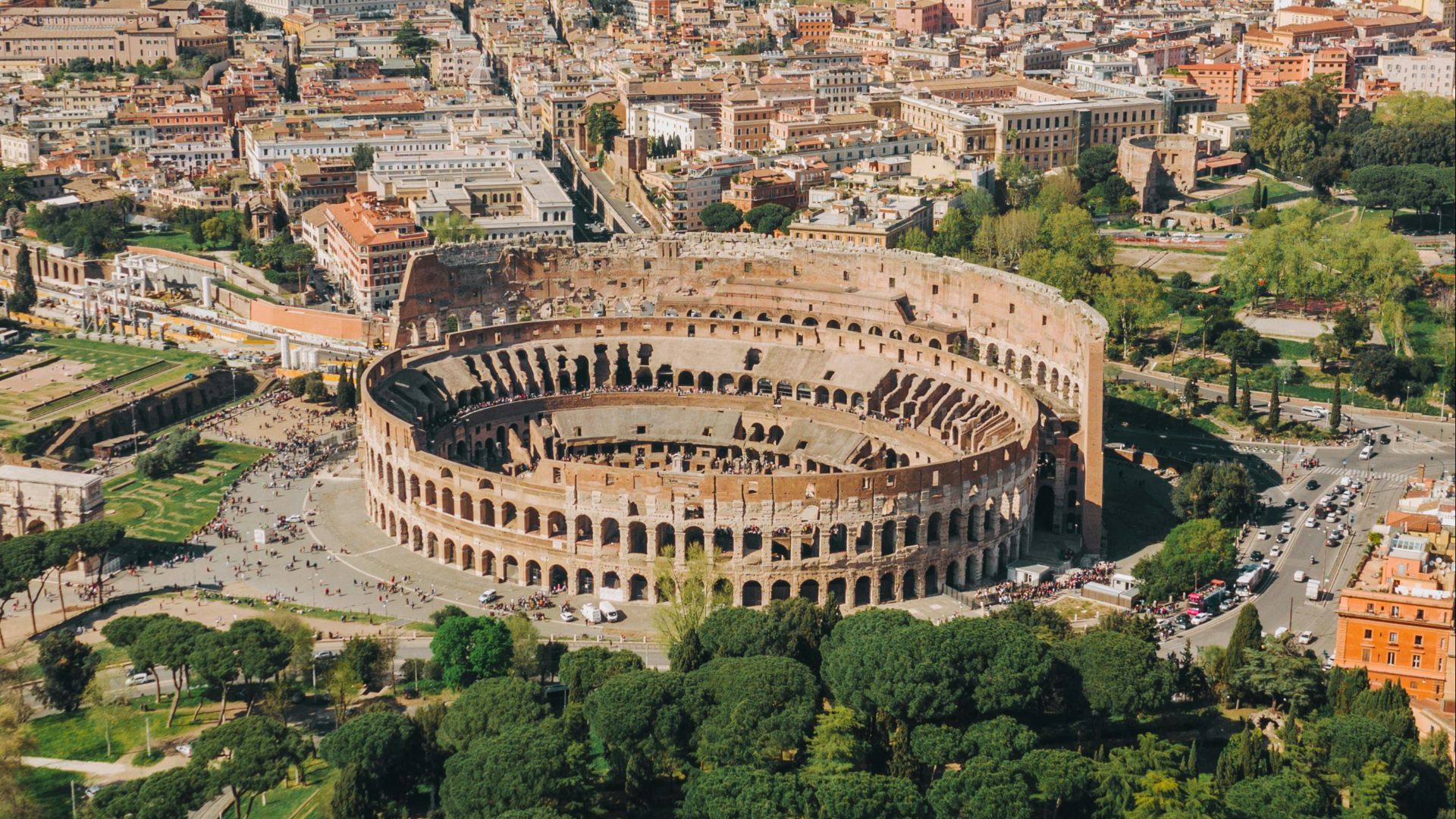
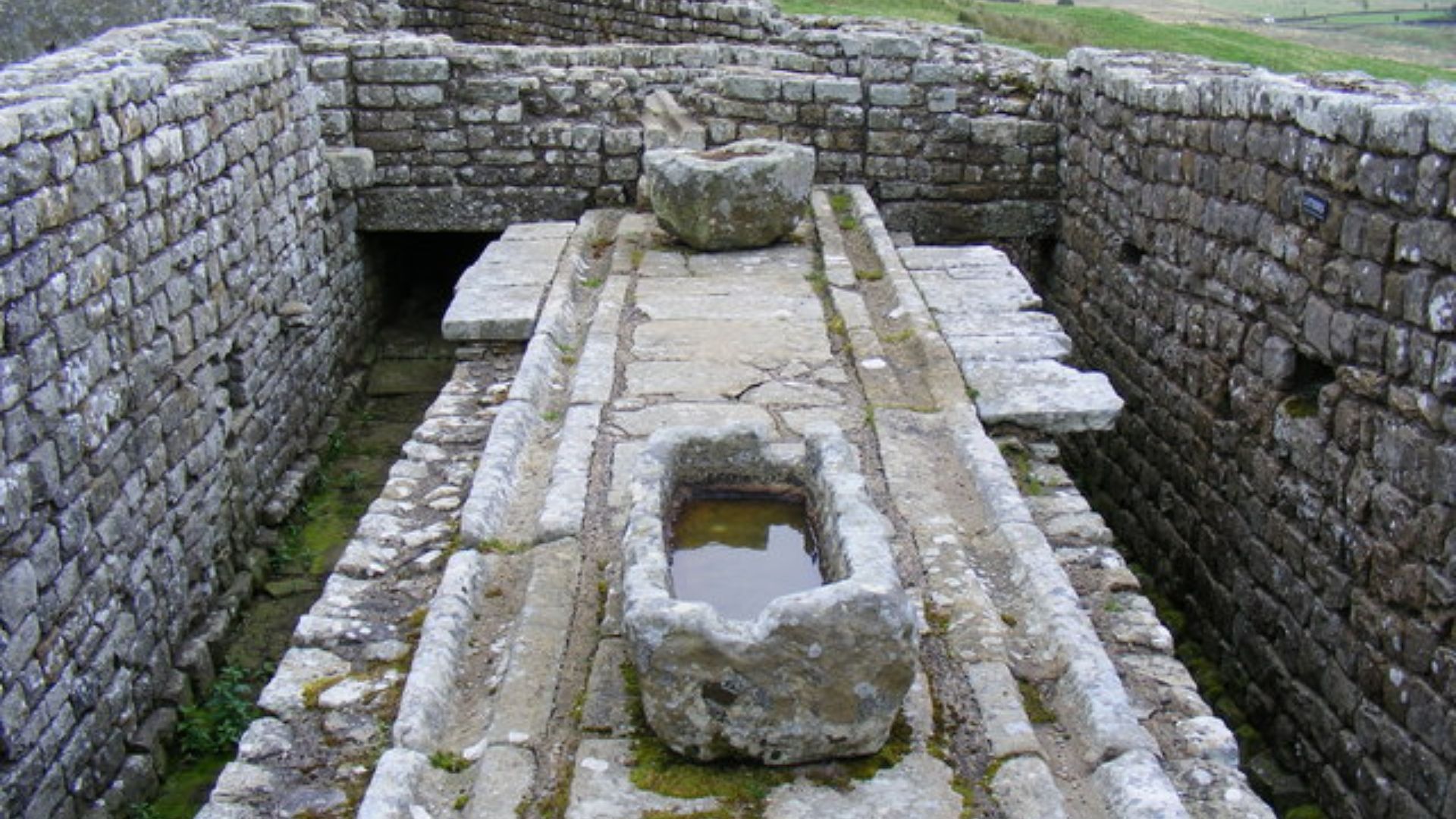
7. Public Bathrooms Shared One Sponge
Roman latrines were communal, with rows of stone seats set close together and no privacy involved. A single sponge on a stick, rinsed in a shared trough of water, was passed around for cleaning. It is exactly as unsanitary as it sounds.
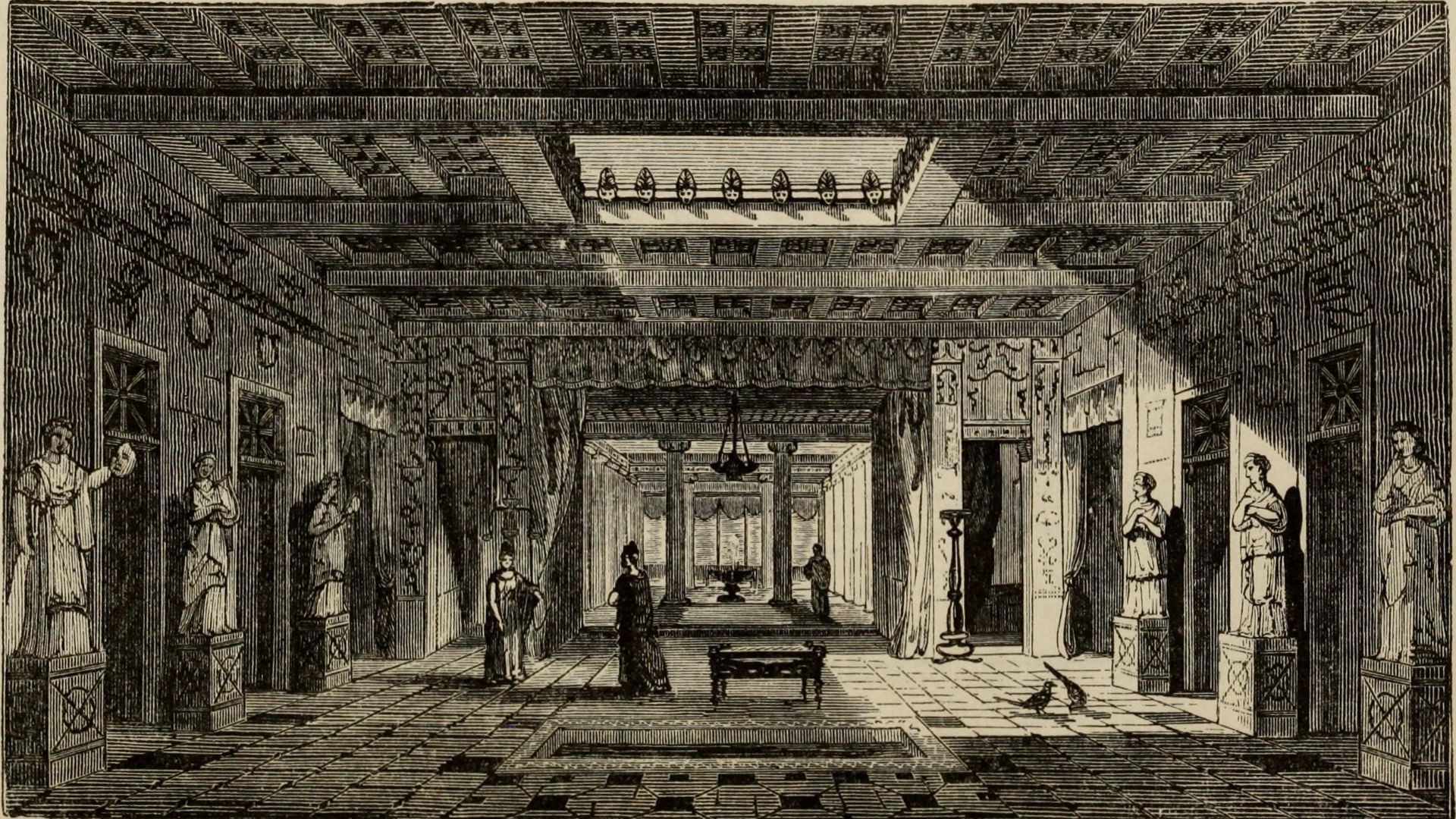
8. Apartment Buildings Caught Fire Constantly
The insulae, cramped multi-story tenements where most poorer Romans lived, were built quickly and cheaply out of wood and thin brick. Fires spread through entire blocks before anyone could stop them, and the Great Fire of 64 AD was only the most famous example. Losing a home to flame was a real possibility, not a rare disaster.
 Internet Archive Book Images on Wikimedia
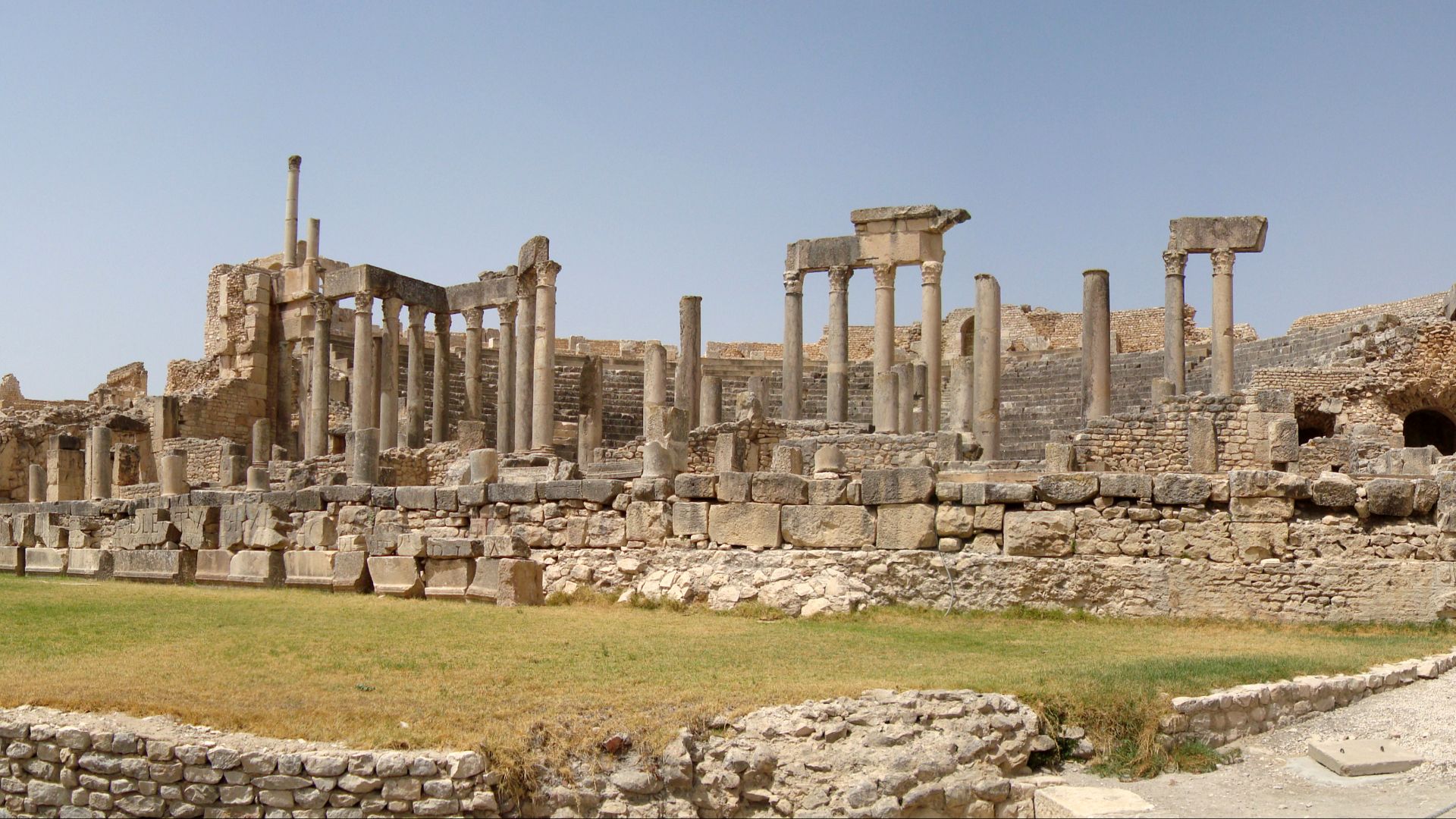
9. Those Same Buildings Could Just Collapse
Landlords cut corners to squeeze in more tenants and more rent, and construction standards for the poor were nowhere near what wealthier homes received. Upper floors sometimes gave way without warning. Living on the top level of an insula was, in a very literal sense, a gamble with your life.
 Elena Tatiana Chis on Wikimedia
10. Justice Depended On Your Social Class
Roman law treated people differently depending on status, splitting citizens into groups like the honestiores and the humiliores. The wealthy faced fines or exile for crimes that could get a poor person tortured or executed. Justice was rarely blind, and everyone knew it.
11. Water Sometimes Ran Through Lead Pipes
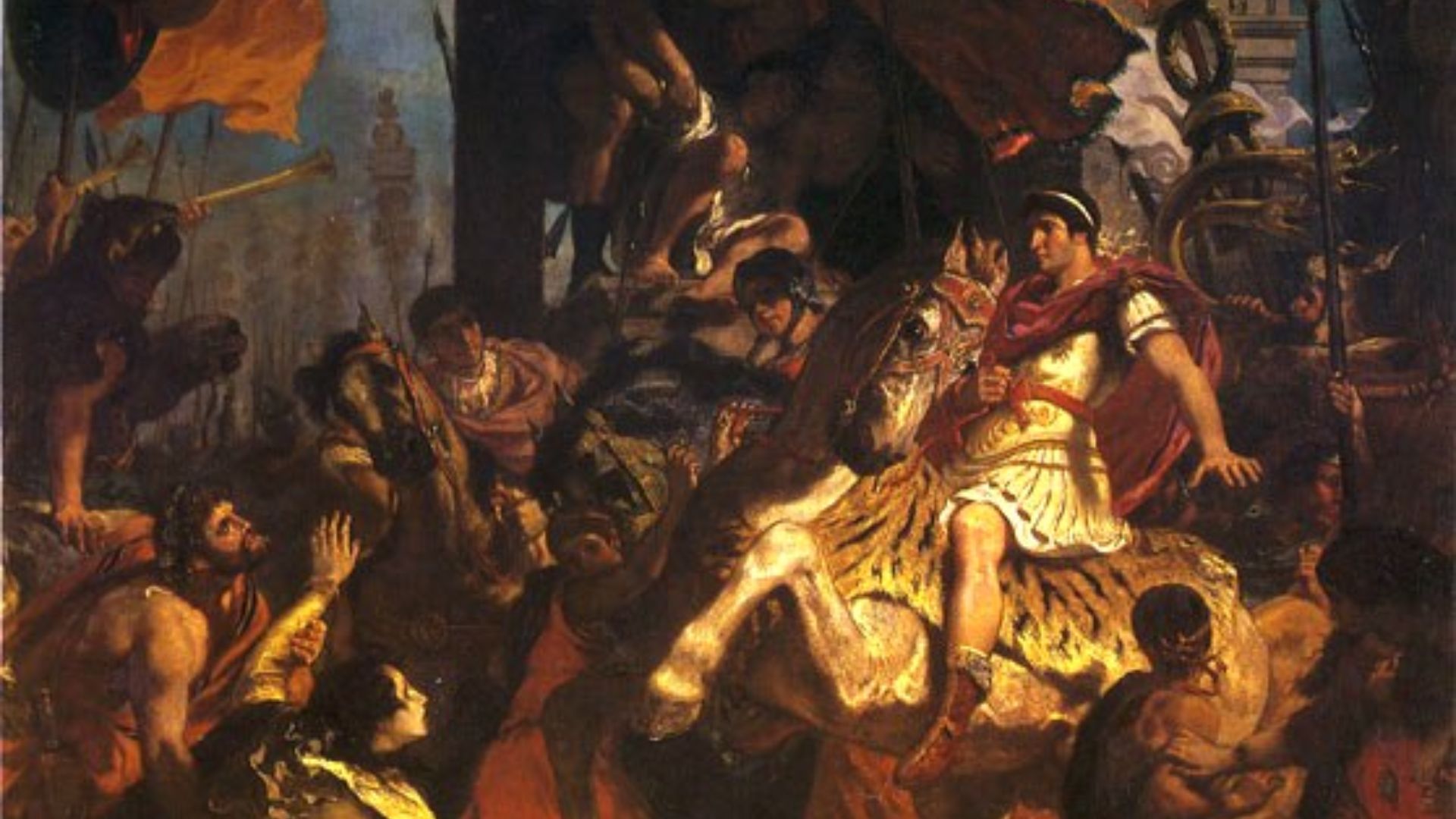
Rome's famous aqueduct system was genuinely impressive engineering, but some of the pipes distributing that water inside the city were made of lead. Long-term exposure carried real health risks that nobody at the time understood. The wealthy, who could afford more direct access to piped water, likely got the worst of it.
12. Executions Doubled As Entertainment
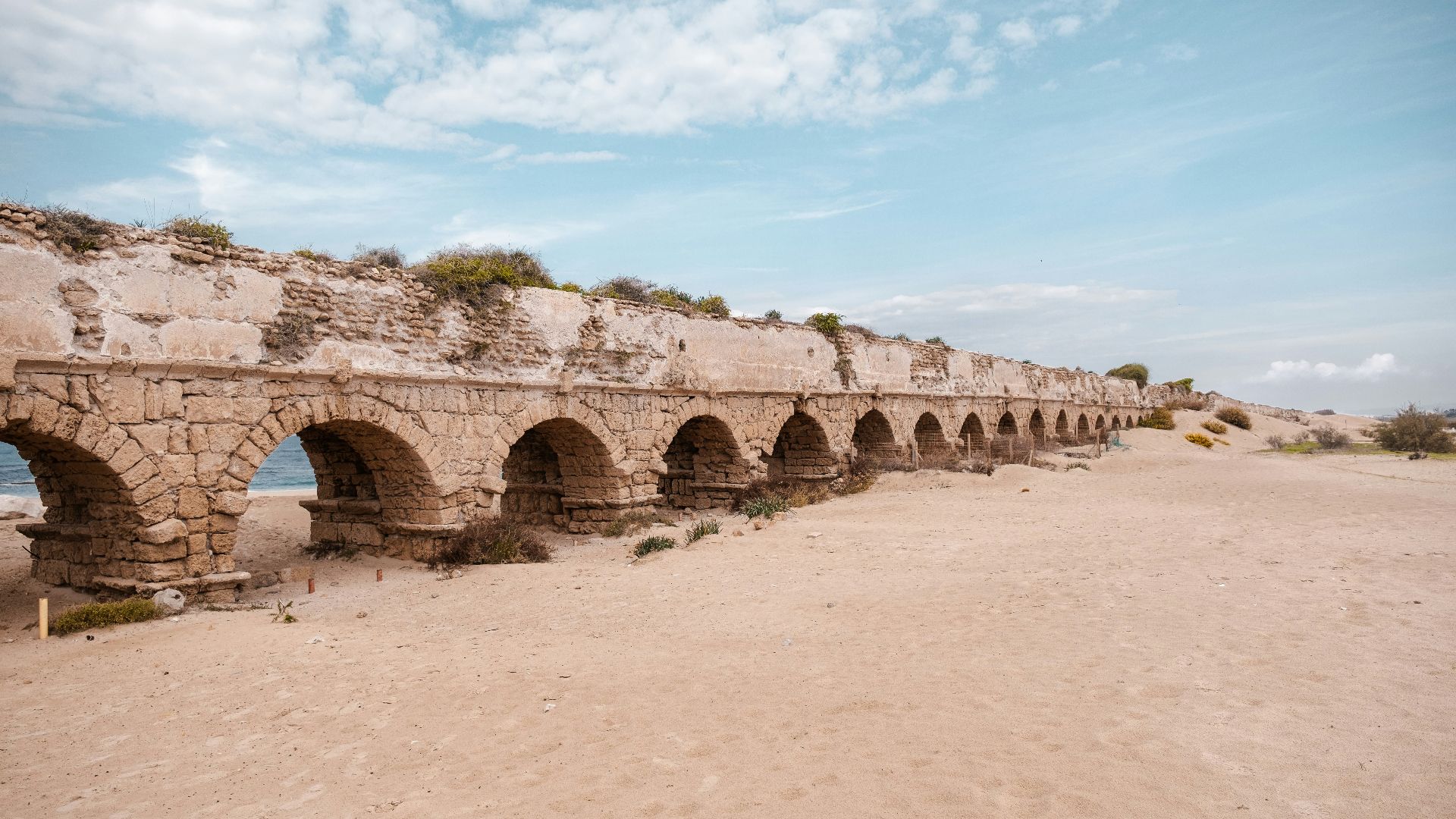
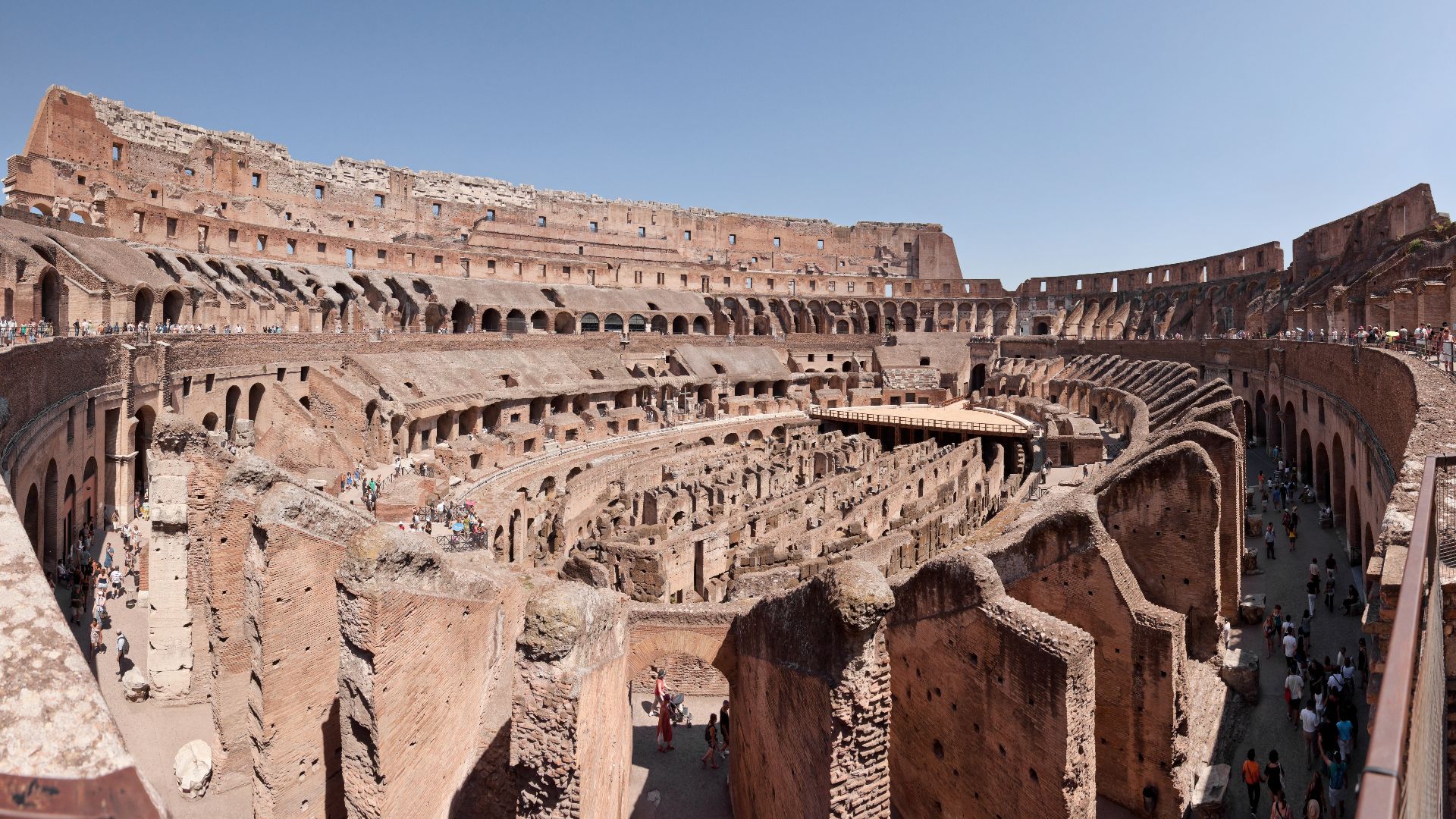
Criminals were sometimes killed in the arena as part of the day's show, torn apart by animals or forced into staged fights they had no chance of winning. Crowds cheered the way people cheer at sporting events today. Death was public spectacle, not something hidden away.
 Paolo Costa Baldi on Wikimedia
13. Crucifixion Was A Common Punishment
Reserved mostly for slaves, rebels, and the lowest classes, crucifixion was designed to be slow, public, and humiliating. Bodies were sometimes left on display along roads as a warning to anyone passing by. It was not rare or shocking to Roman eyes, it was policy.

14. Gladiators Rarely Died Of Old Age
Gladiators were often trained and fed reasonably well, since they represented a real financial investment for their owners. That did not save most of them from a short career. Many died young, in front of a paying crowd, doing exactly the job they had been bought or forced into.
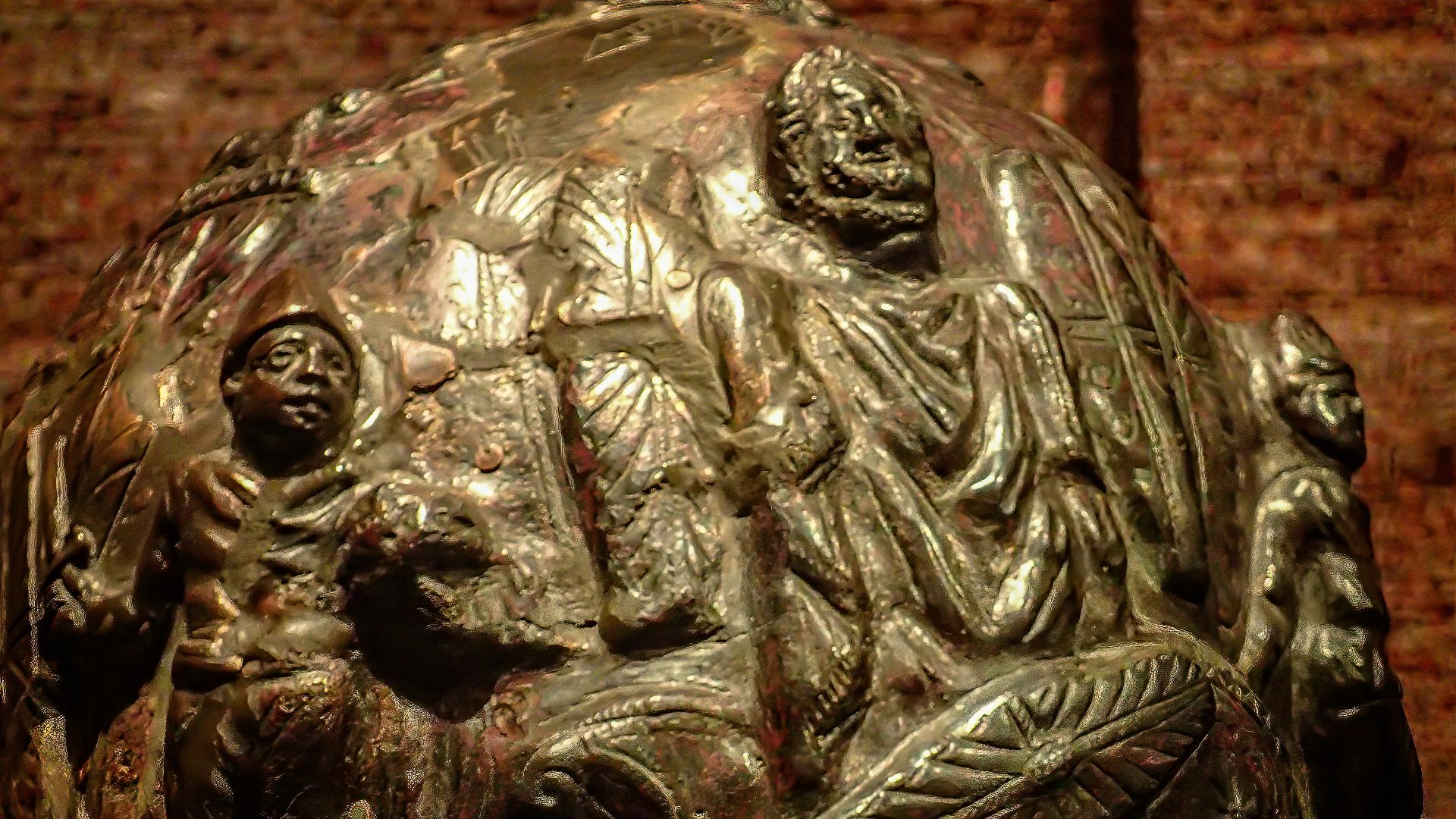
15. Marriage Often Started Very Young
Roman girls could legally marry around the age of twelve, and marriages were typically arranged to serve family or political interests rather than personal choice. Love had little to do with the initial match. Whatever affection developed usually came after the wedding, if it came at all.

16. Women Answered To A Male Guardian
Even adult Roman women generally remained under the legal authority of a father, husband, or other male relative for most of their lives. Property, marriage, and major decisions typically required that guardian's approval. A handful of women found ways around this through wealth or influence, but the system was not built with their independence in mind.
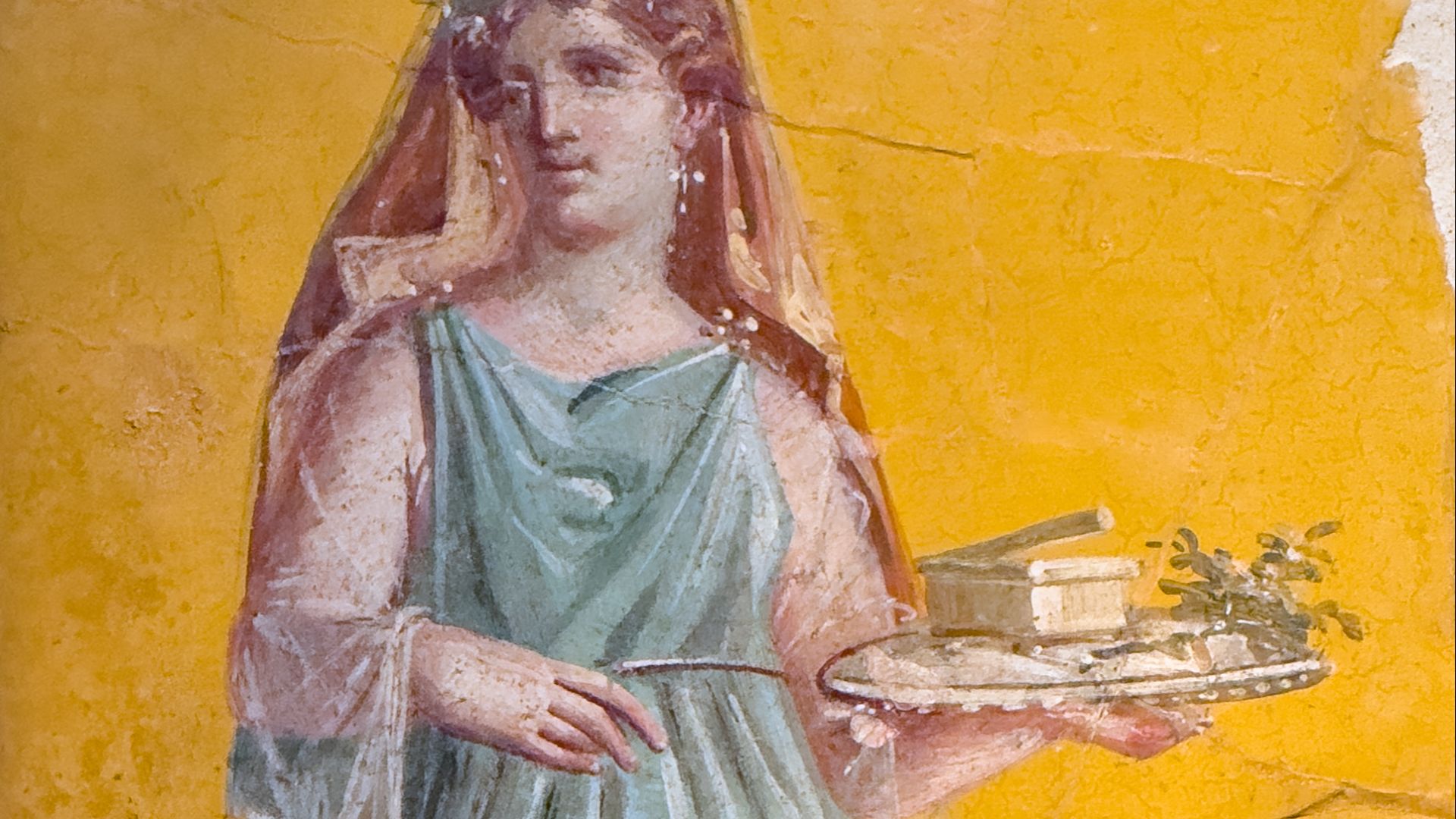
17. Plagues Wiped Out Millions
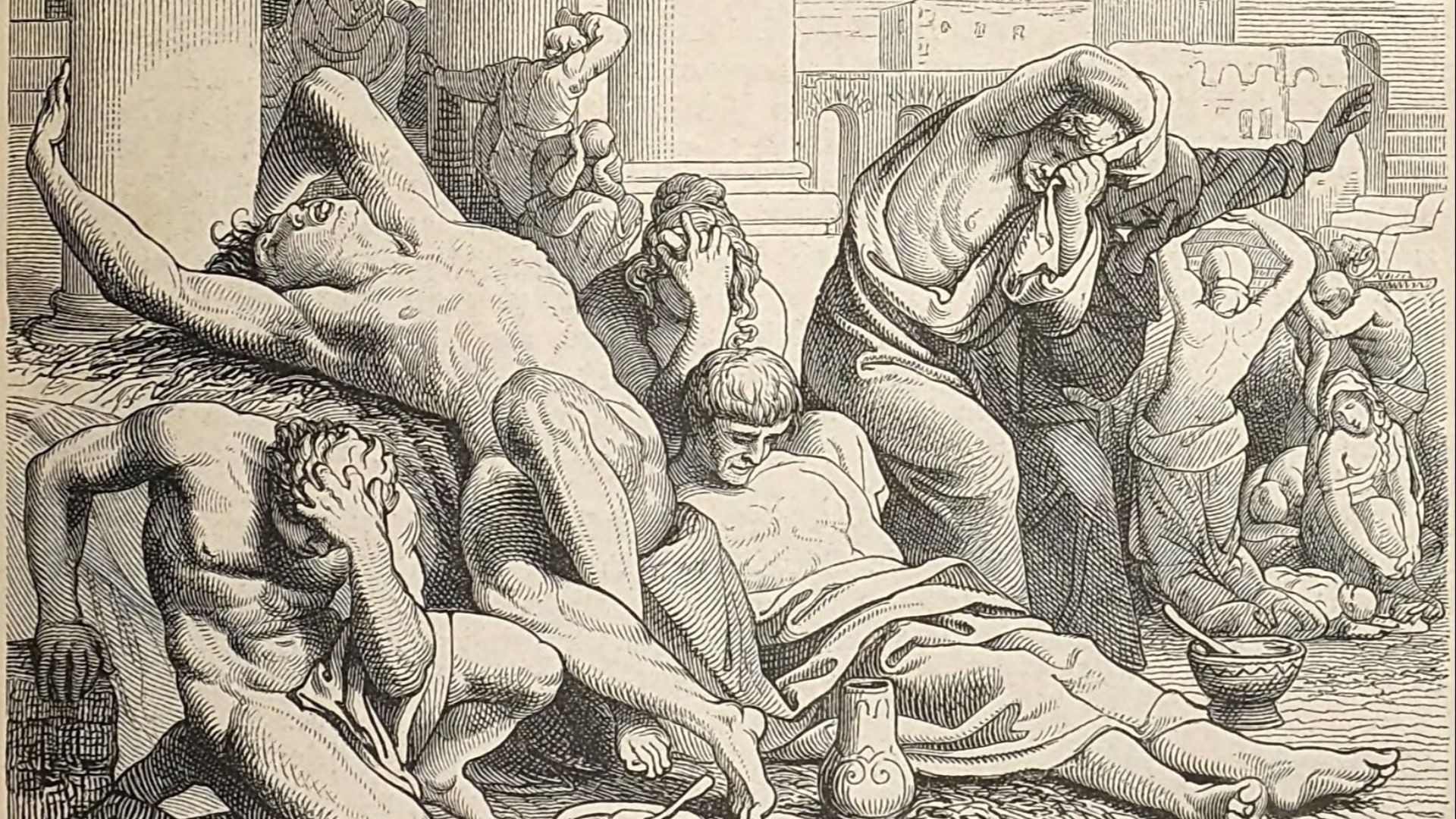
Rome's dense cities and sprawling trade routes made it an efficient highway for disease. The Antonine Plague alone is estimated to have killed millions across the empire, arriving with soldiers returning from campaign and spreading through crowded urban centers with nowhere for people to escape. There was no understanding of contagion, only the panic of watching neighborhoods empty out.
 Peter Johann Nepomuk Geiger on Wikimedia
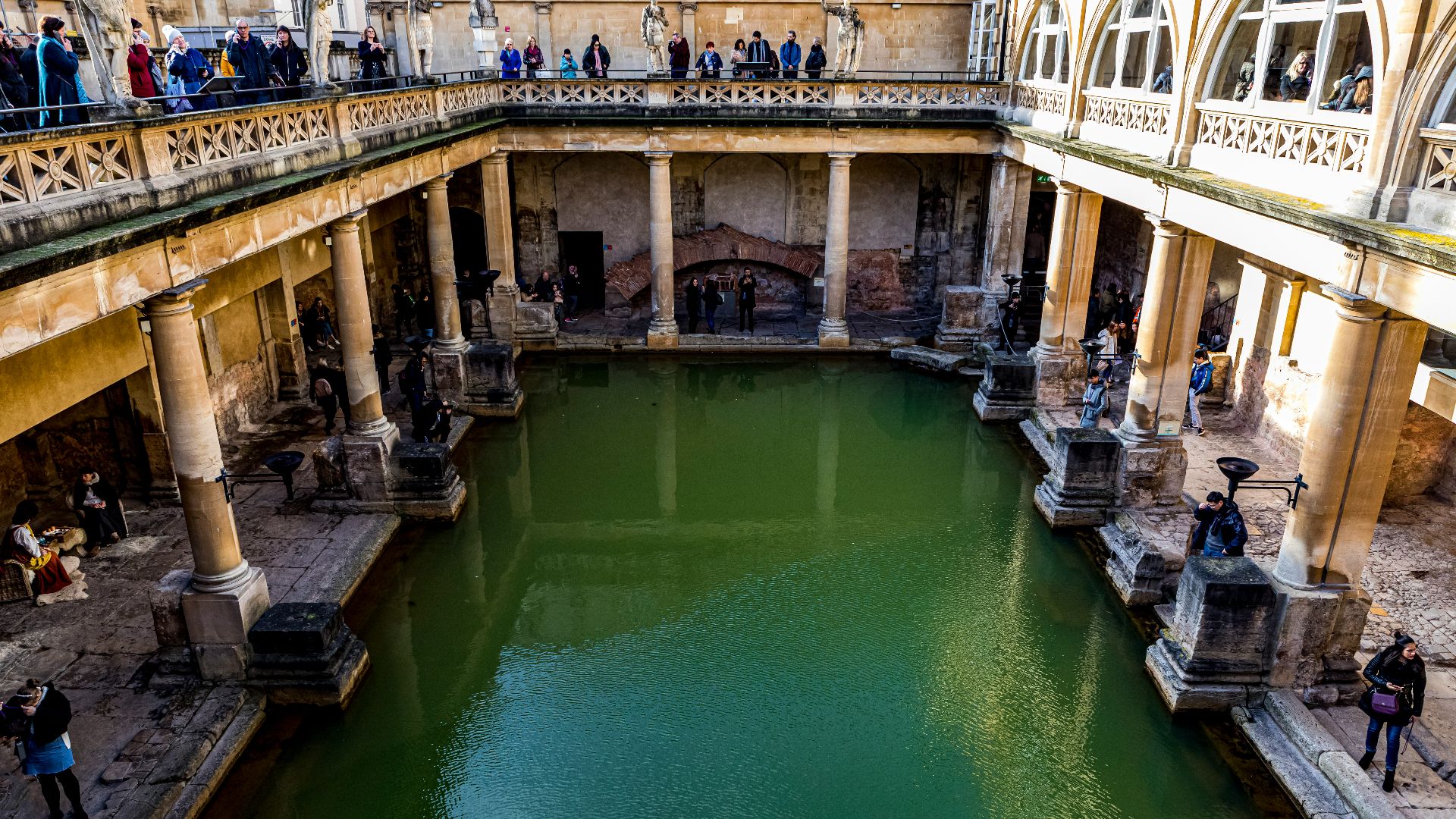
18. The Baths Were Not As Clean As They Looked
Public bathhouses were genuinely popular and beautifully built, but the same water was often used by hundreds of people throughout the day. Skin infections and parasites spread easily in that kind of shared, lukewarm water. A relaxing soak came with a real health tradeoff that nobody at the time could see.
19. Debt Could Cost You Your Freedom
In earlier periods of Roman history, unpaid debt could legally result in bondage to the creditor until the debt was worked off. Even after formal debt slavery faded, the threat of losing everything to a bad loan never really went away. Poverty in Rome was not just uncomfortable, it was dangerous.
 Internet Archive Book Images on Wikimedia
20. Real Medical Care Belonged To The Rich
Wealthy Romans could afford private physicians, imported remedies, and a level of care that gave them a genuine survival advantage. The poor mostly relied on folk remedies, temple prayers, or simply waiting things out. Where you landed on the wealth ladder often decided whether an illness was a minor setback or a death sentence.

KEEP ON READING