Games, Feasts, Performances, And Organized Mischief
Life in the Middle Ages involved a great deal of work, especially for people whose days revolved around farming, trade, or household labor. Even so, people weren’t expected to work without pause from one season to the next. Holy days, fairs, festivals, and local gatherings gave communities time away from the usual routine and brought people together in ways that workdays rarely could. These 20 pastimes show how people in later medieval Western and Central Europe spent their time when work was done, and celebrations began.
 Internet Archive Book Images on Wikimedia
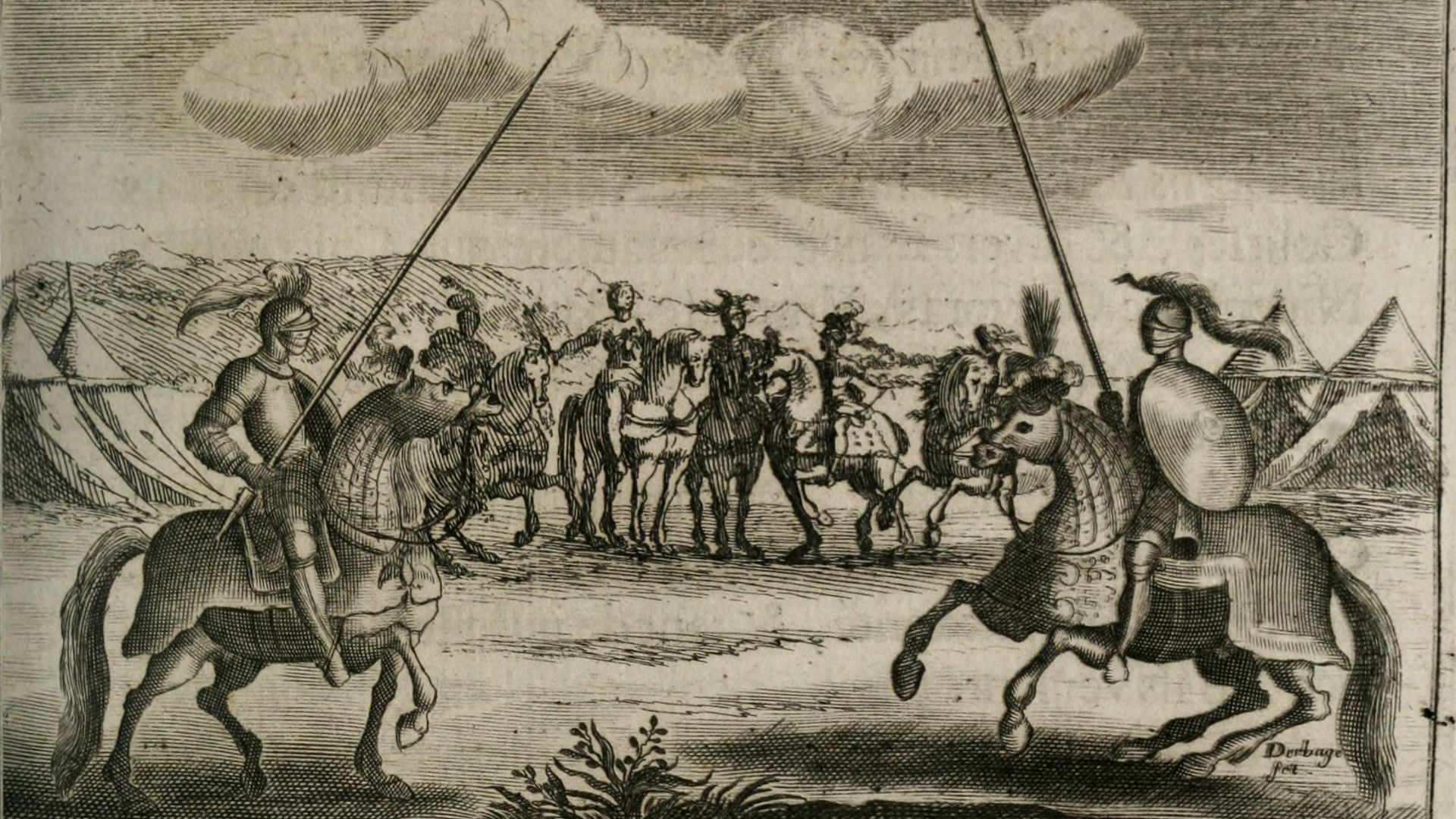
1. Fairs
Medieval fairs weren’t only for buying and selling things. People went to eat, drink, catch up with neighbors, meet travelers, and enjoy the crowd while merchants set out their goods. A fair gave people a change of scenery and a chance to hear what was going on outside their bubble.
 National Historical Museum of Sweden (NHM) on Unsplash
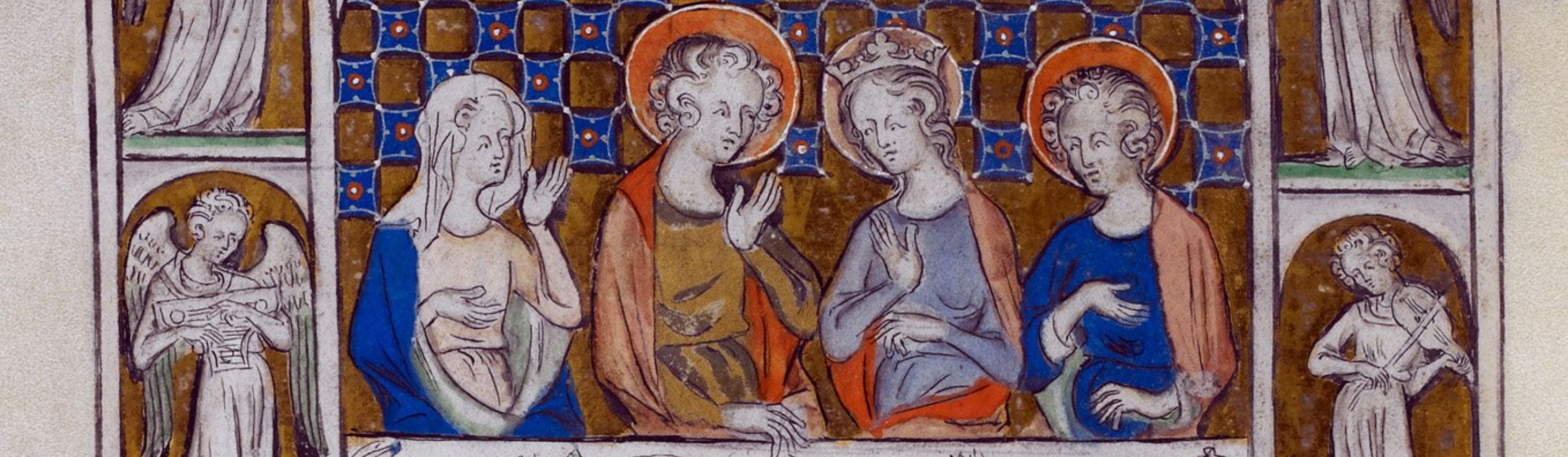
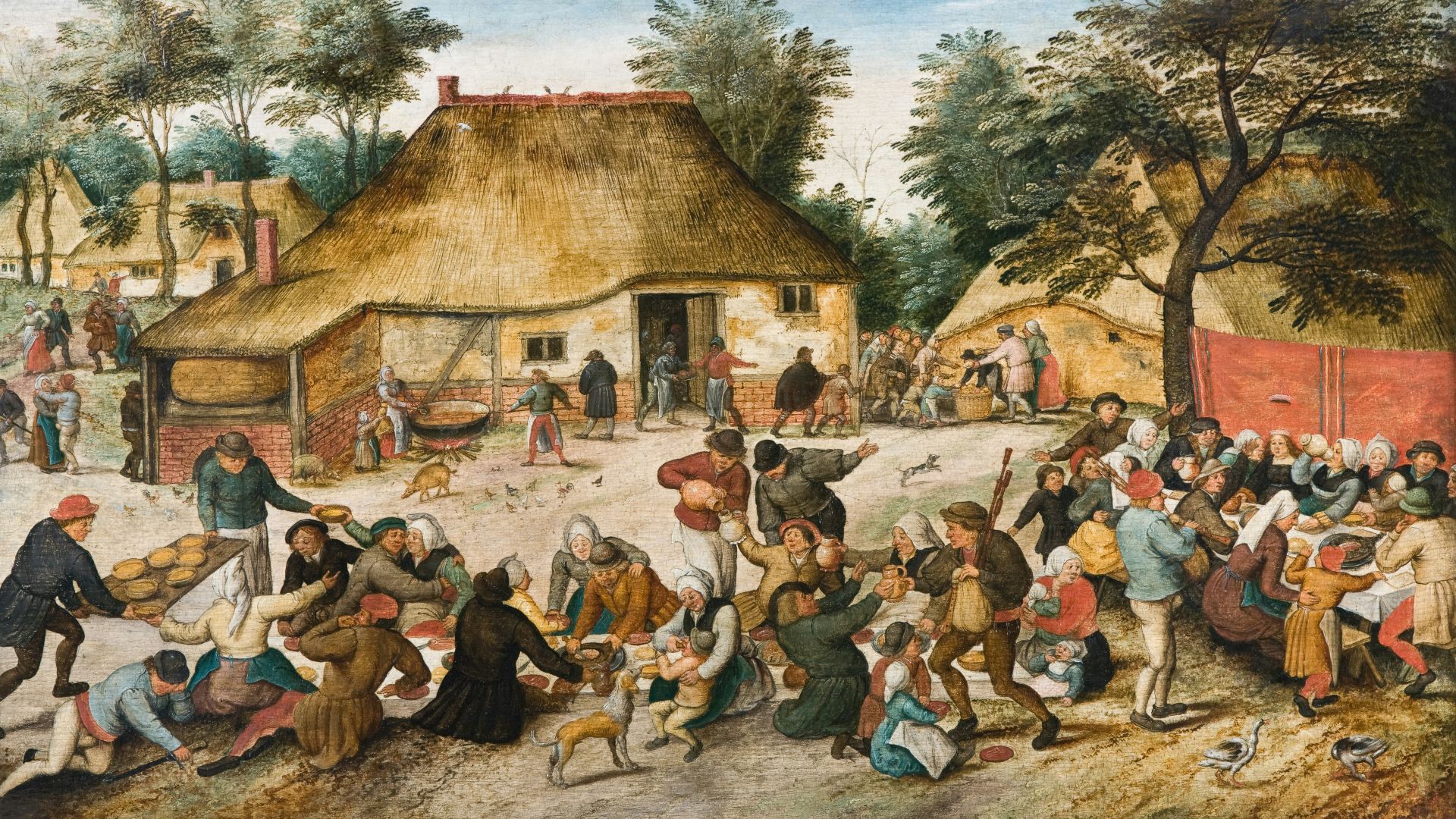
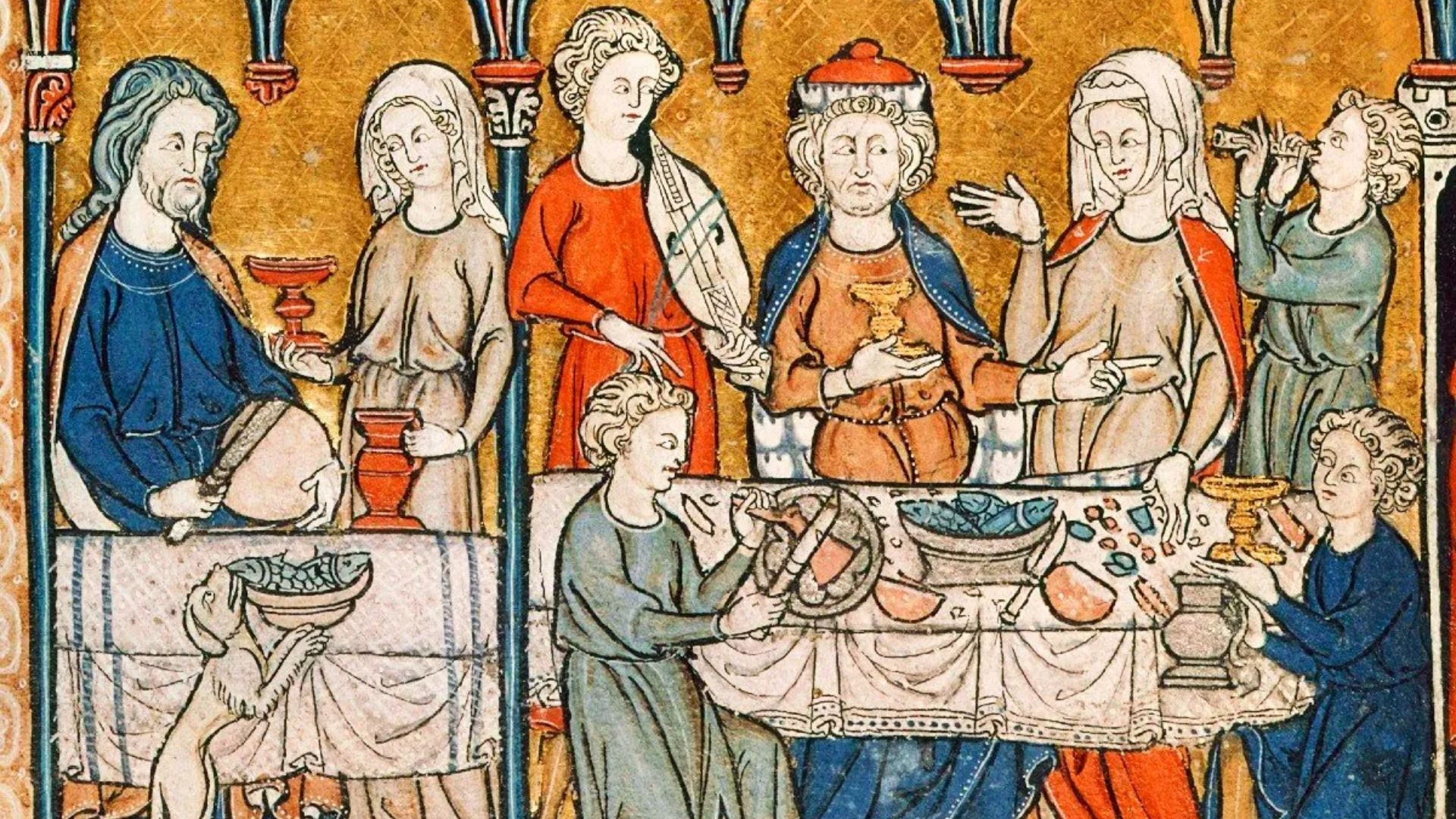
2. Holy Day Feasts
A holiday was a holy day, so it gave people a break from their regular workweek. Families and communities gathered for religious events and shared meals, whether that meant a grand feast in a wealthy household or a simpler spread among neighbors. The food mattered, of course, though the company and the chance to relax were just as important.
 Unknown authorUnknown author on Wikimedia
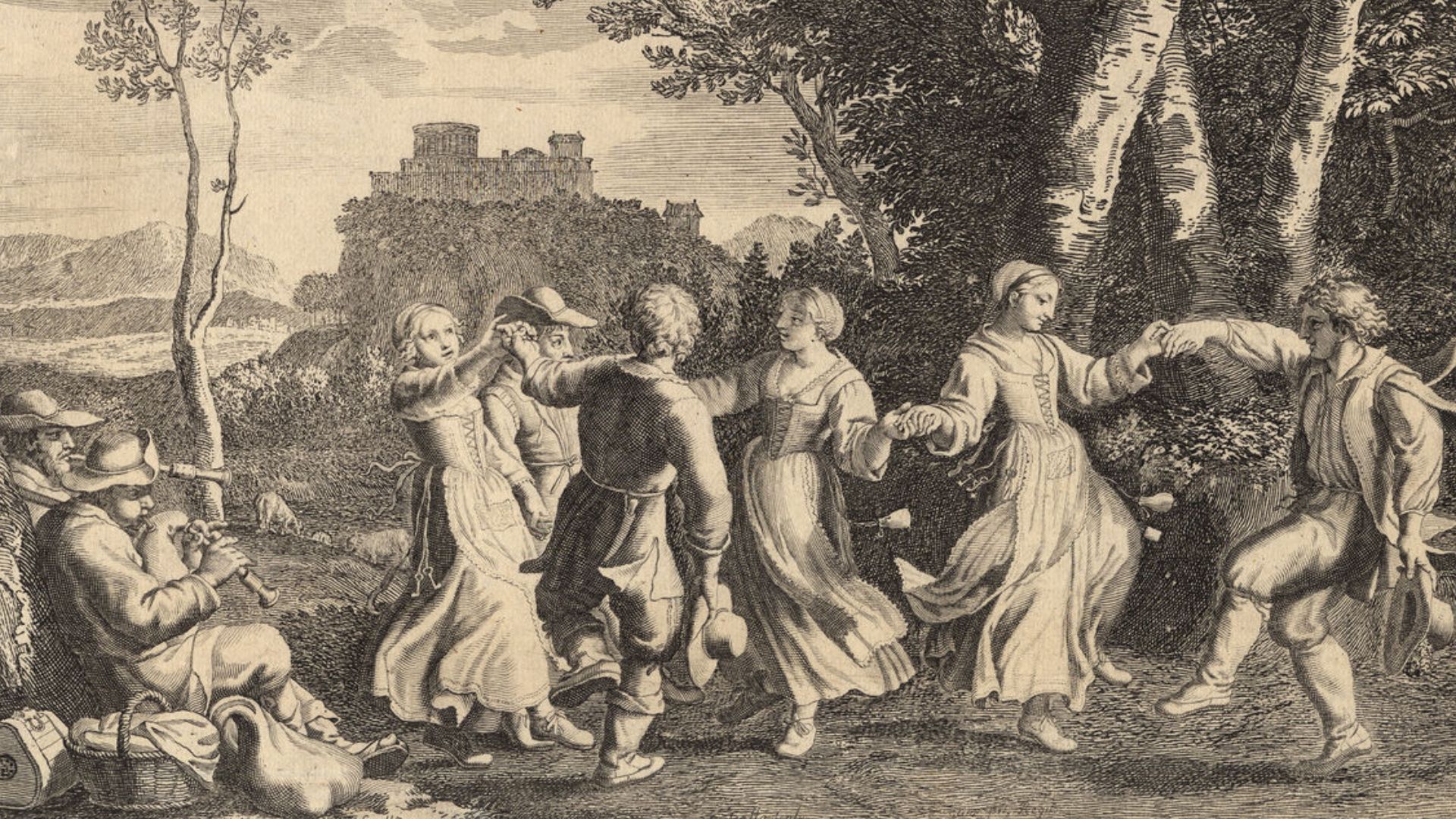
3. Dancing
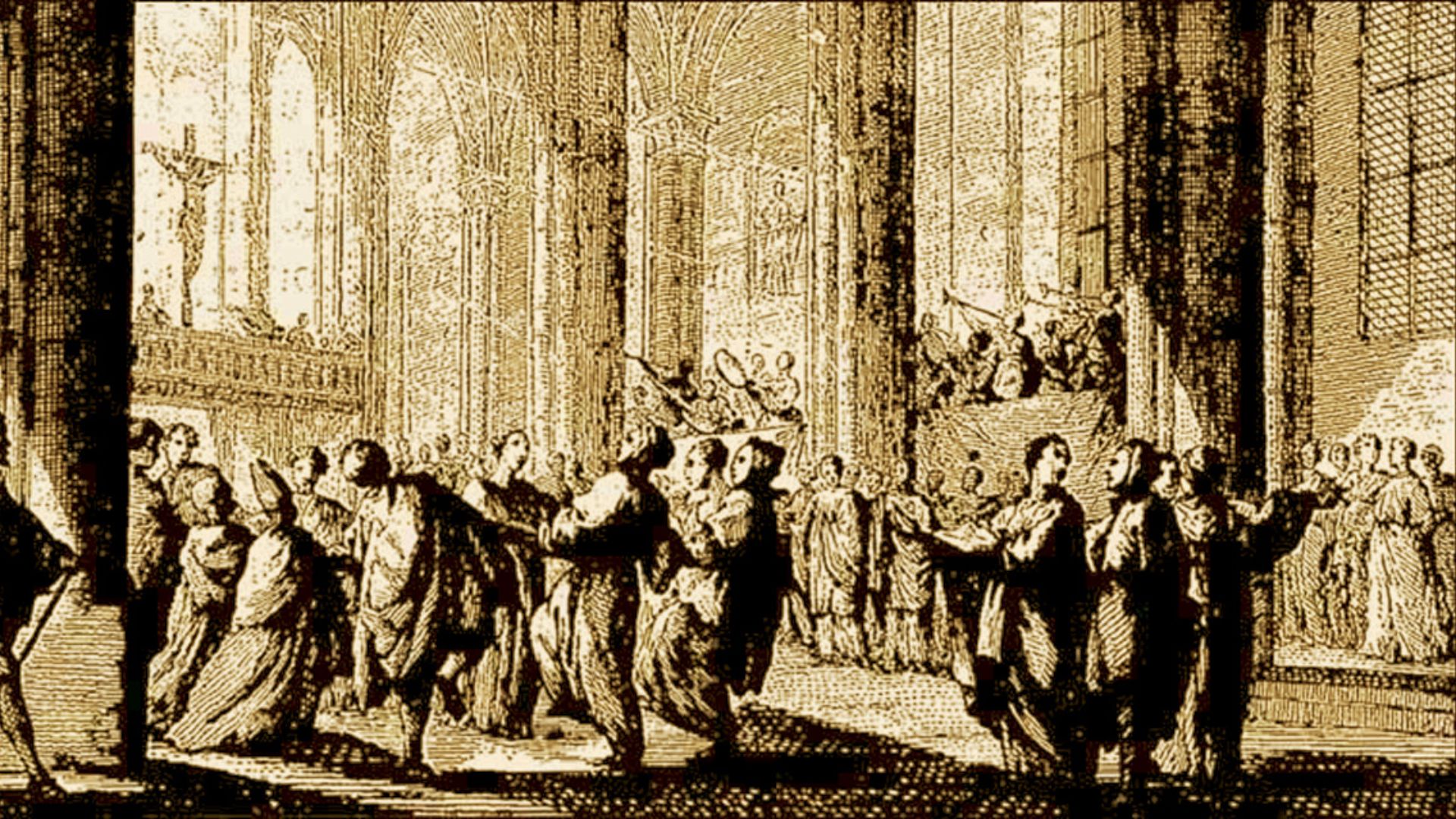
Dancing was a favorite part of weddings, feasts, and seasonal celebrations. Popular dances included the Carole, the Estampie, the Branle, and the Basse. These dances ranged from a simple circle dance to a chain dance, or an elaborate court dance often done by nobility.
 Claudine Bouzonnet-Stella on Wikimedia
4. Minstrel Shows
Originally used to describe traveling performers, minstrels were often found in taverns, at fairs, and in aristocratic halls. Their shows could include love stories, funny material, and familiar tales people were happy to hear again. For many listeners, a minstrel’s visit brought music, storytelling, and a little excitement to an ordinary day.
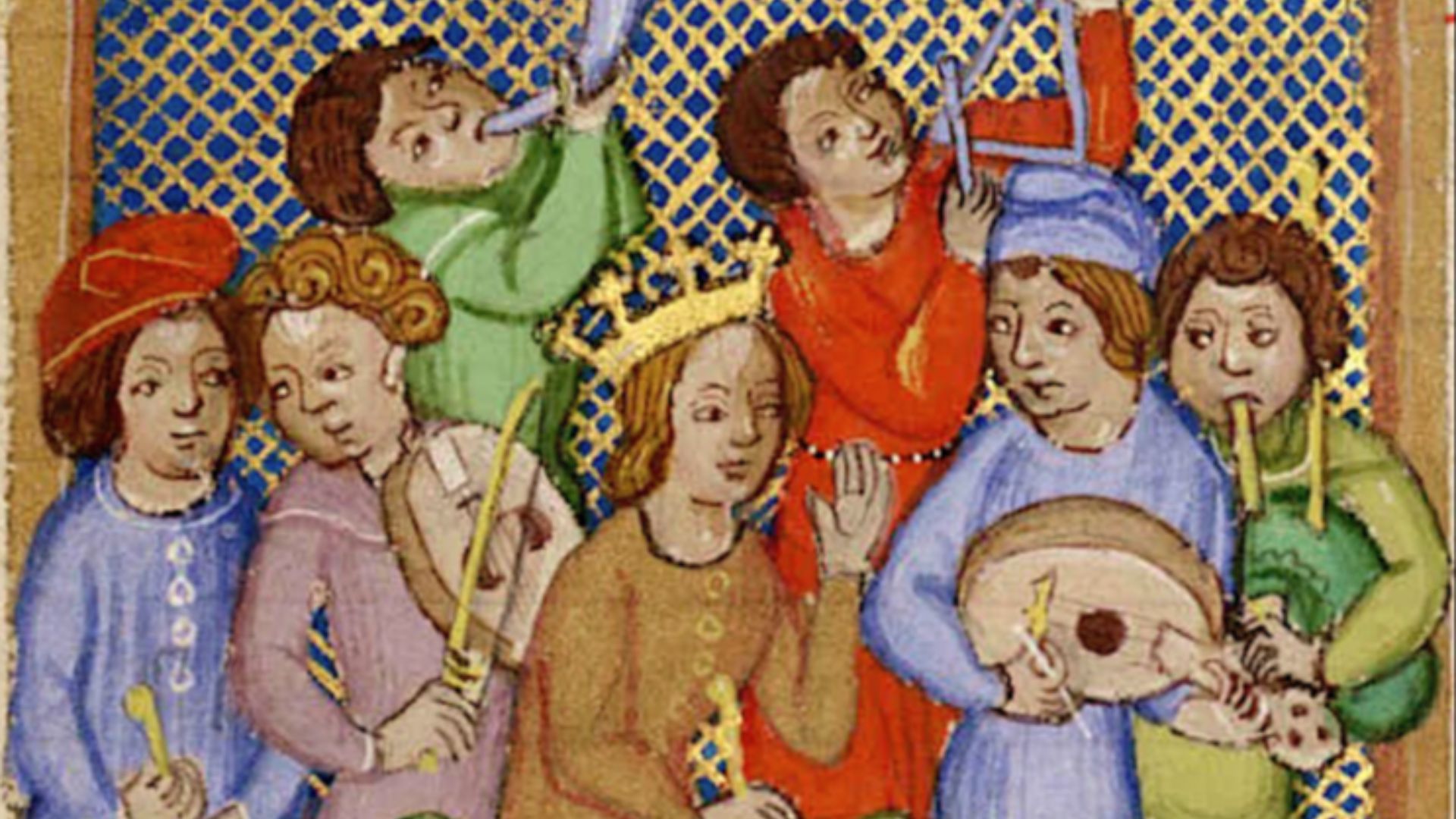 Unknown illustrator, Czechoslovakia, 1417 A.D. on Wikimedia
5. Comedy Shows
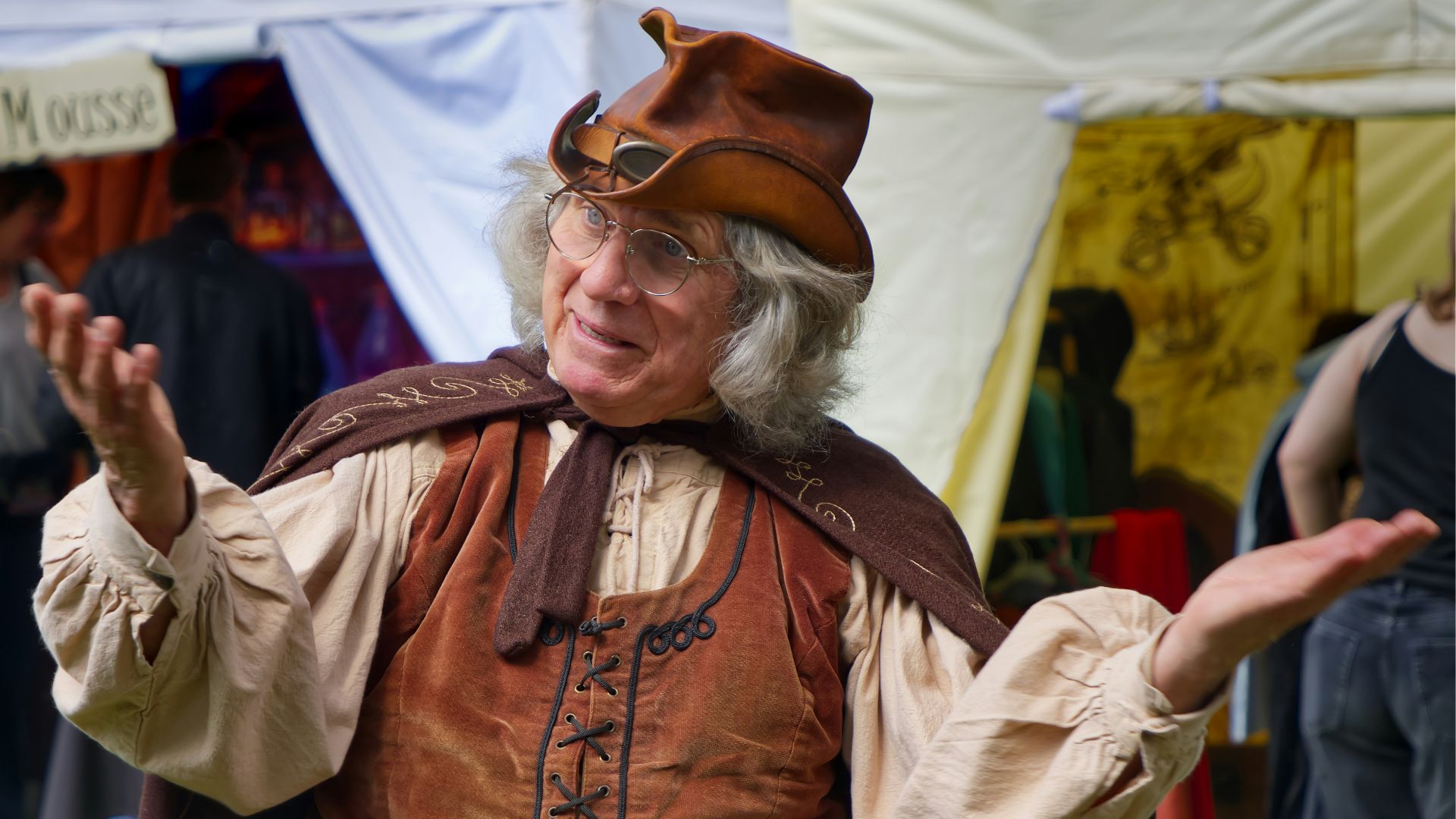
Medieval comedy didn’t always aim for subtlety. It often poked fun at royalty, nobility, and even the church, mixing in slapstick and other bawdy humor to tie everything together. Audiences got a laugh at the expense of everyone, including people who usually held power.
6. Puppet Shows
Glove puppets were easy to carry, so they worked well for entertainers who moved from one place to another. Puppet performances appeared in 14th-century Britain, and the stories likely included religious tales, legends, and familiar characters.
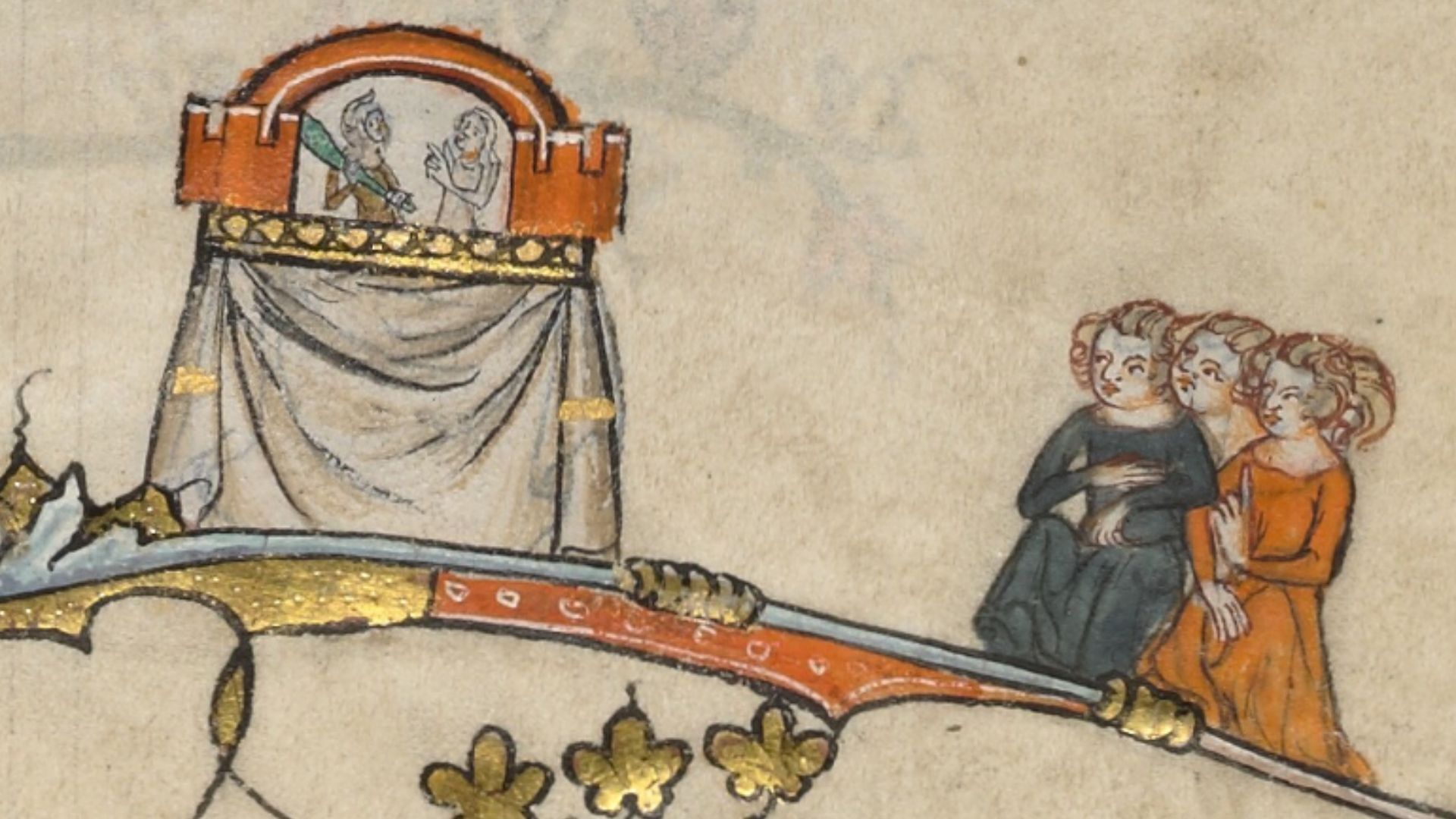 Flemish illuminator Jehan de Grise and his workshop, 1338-1344 on Wikimedia
7. Mystery Plays
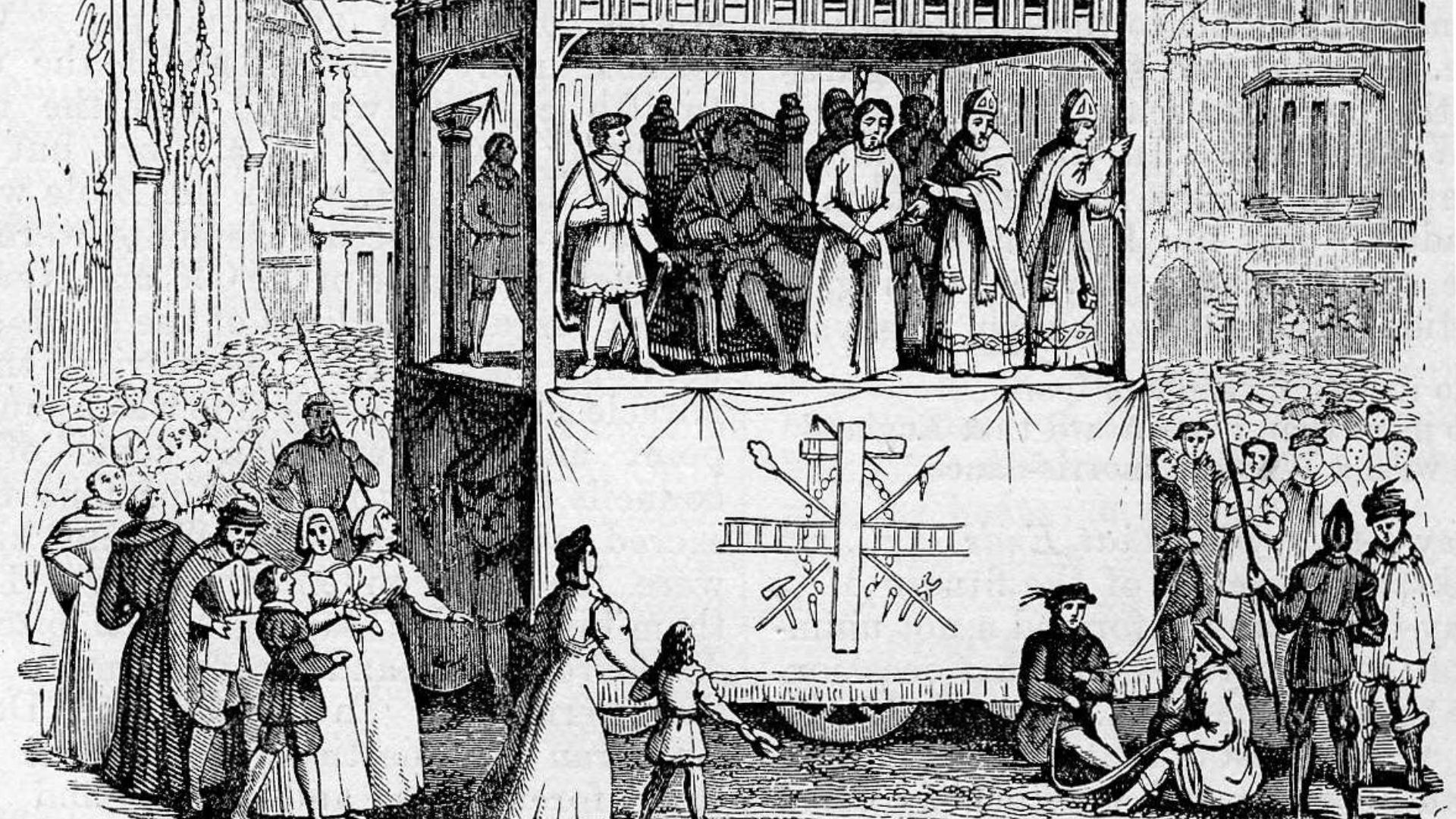
Towns put on mystery plays during important feast days, often using stories from the Bible. Local craft guilds helped organize the performances, which brought costumes, music, crowds, and plenty of town pride into the streets.
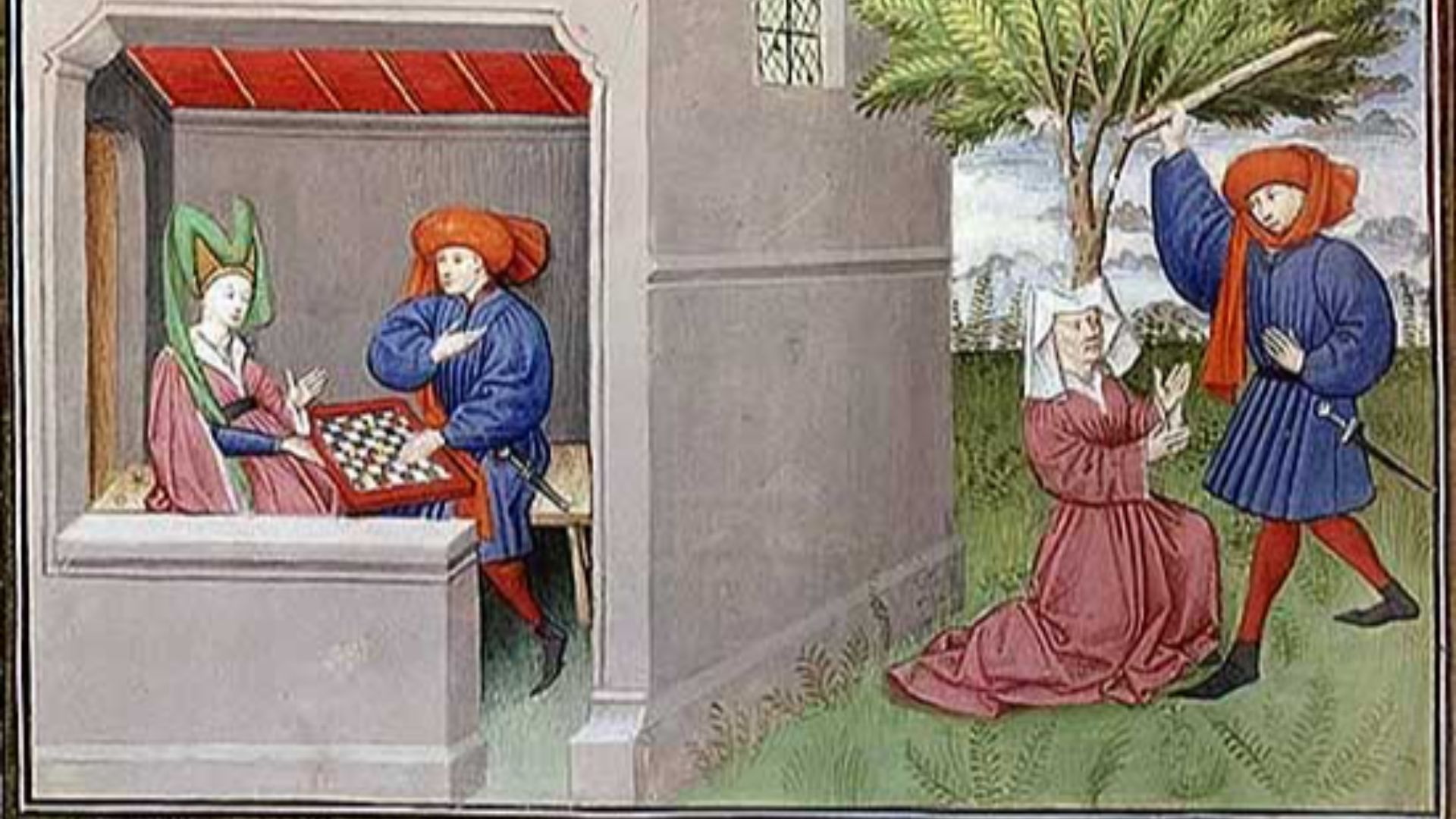
8. Chess
Chess was a familiar medieval game, especially for people who could afford a board and well-made pieces. It was a good choice for a quieter gathering at home or in a hall. A close game could keep two players busy for a long time without needing much space.
 AnonymousUnknown author on Wikimedia
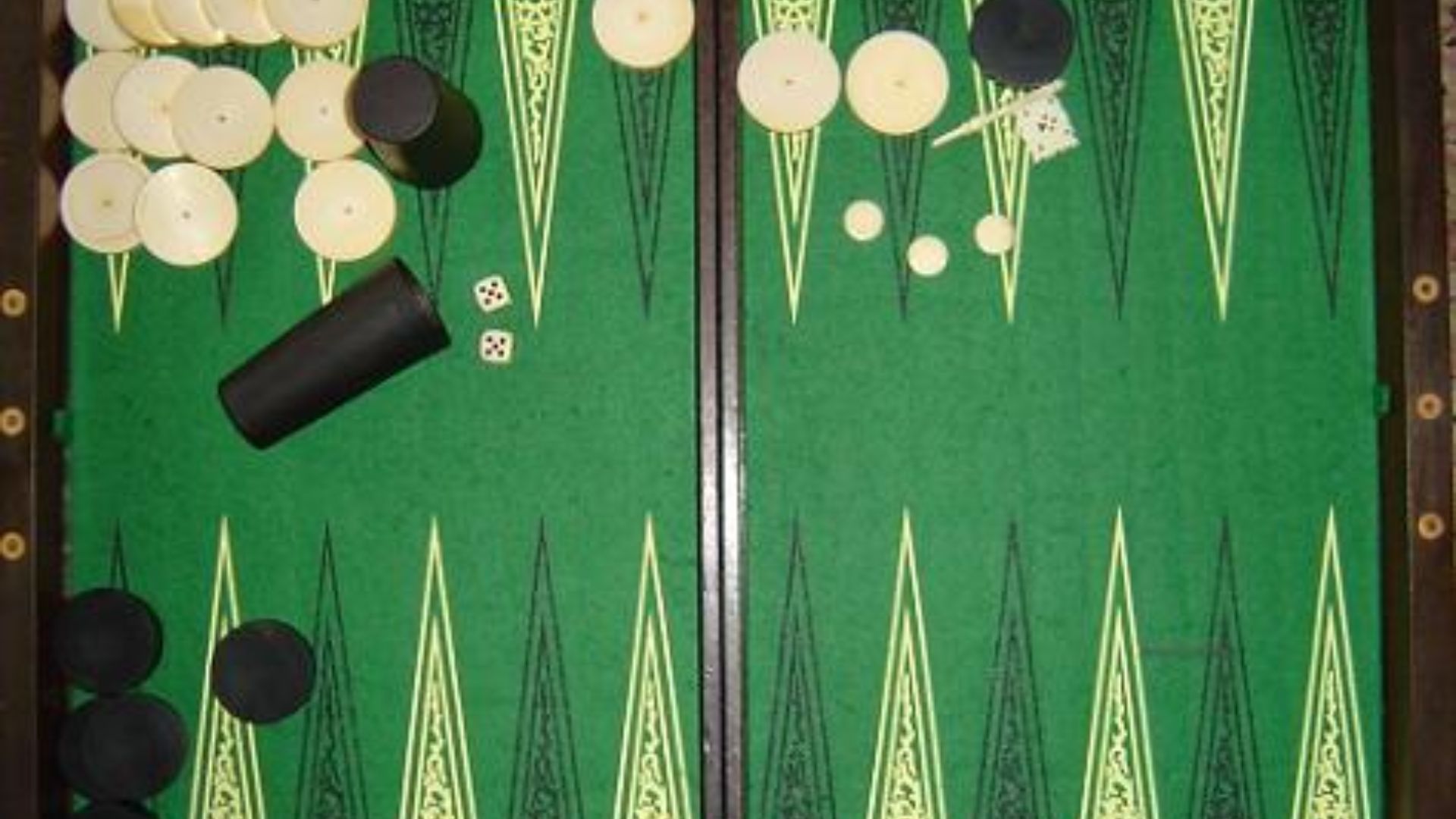
9. Tables Games
Tables games were early relatives of backgammon, using dice and pieces moved across a marked board. Popular games included Trictrac, which originated from France, Quince Tablas from Spain, and Acey-Deucey, which came from Greece and Turkey.
 Philippe Lalanne (French Wikipedia) on Wikimedia
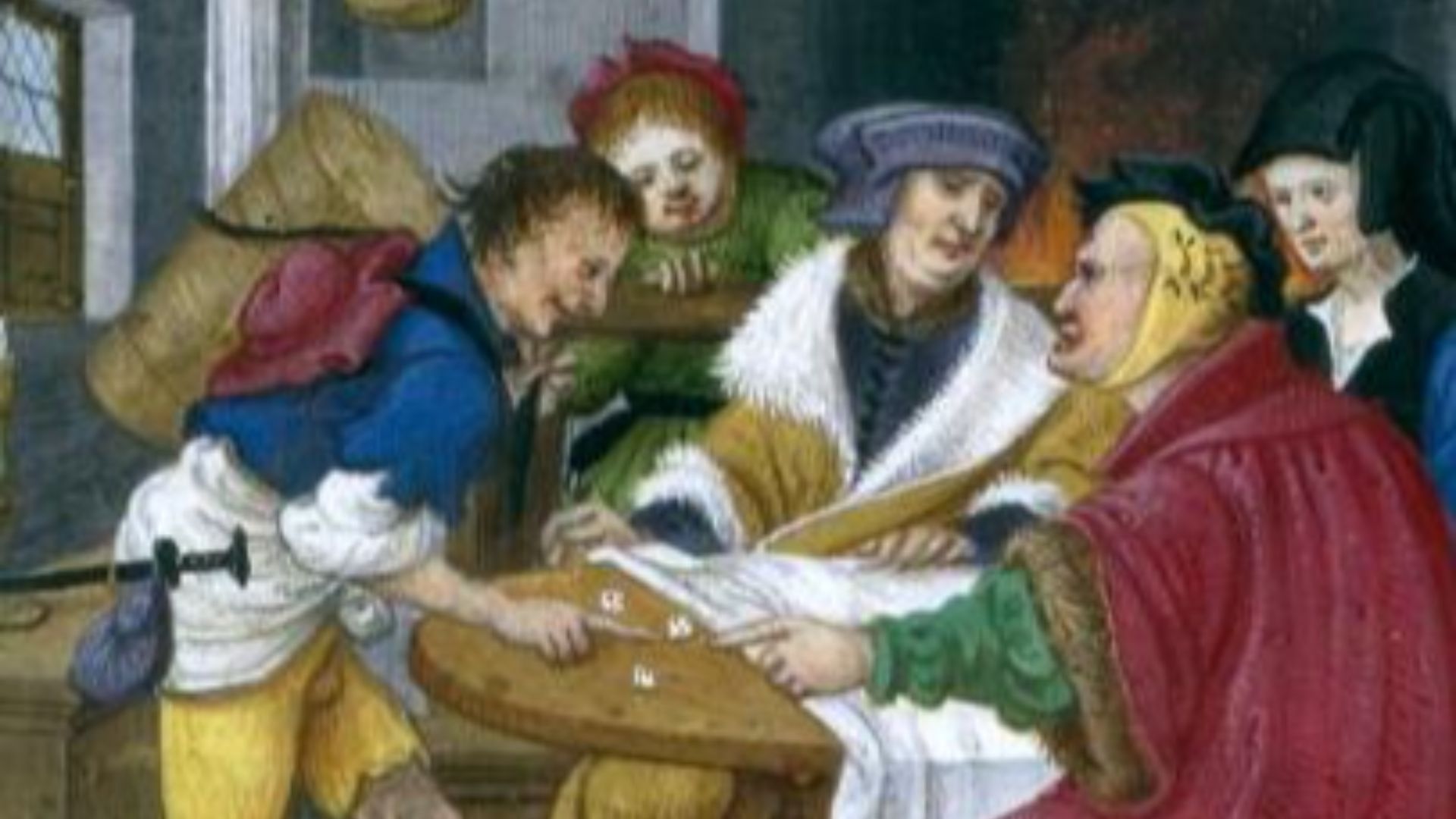
10. Dice Games
Dice were small, easy to carry, and simple to use, so they worked well for quick games in taverns and homes. They were also tied to gambling, which led religious and civic leaders to try limiting their use. Of course, that didn’t stop people from playing.
 Master Jean de Mauléon on Wikimedia
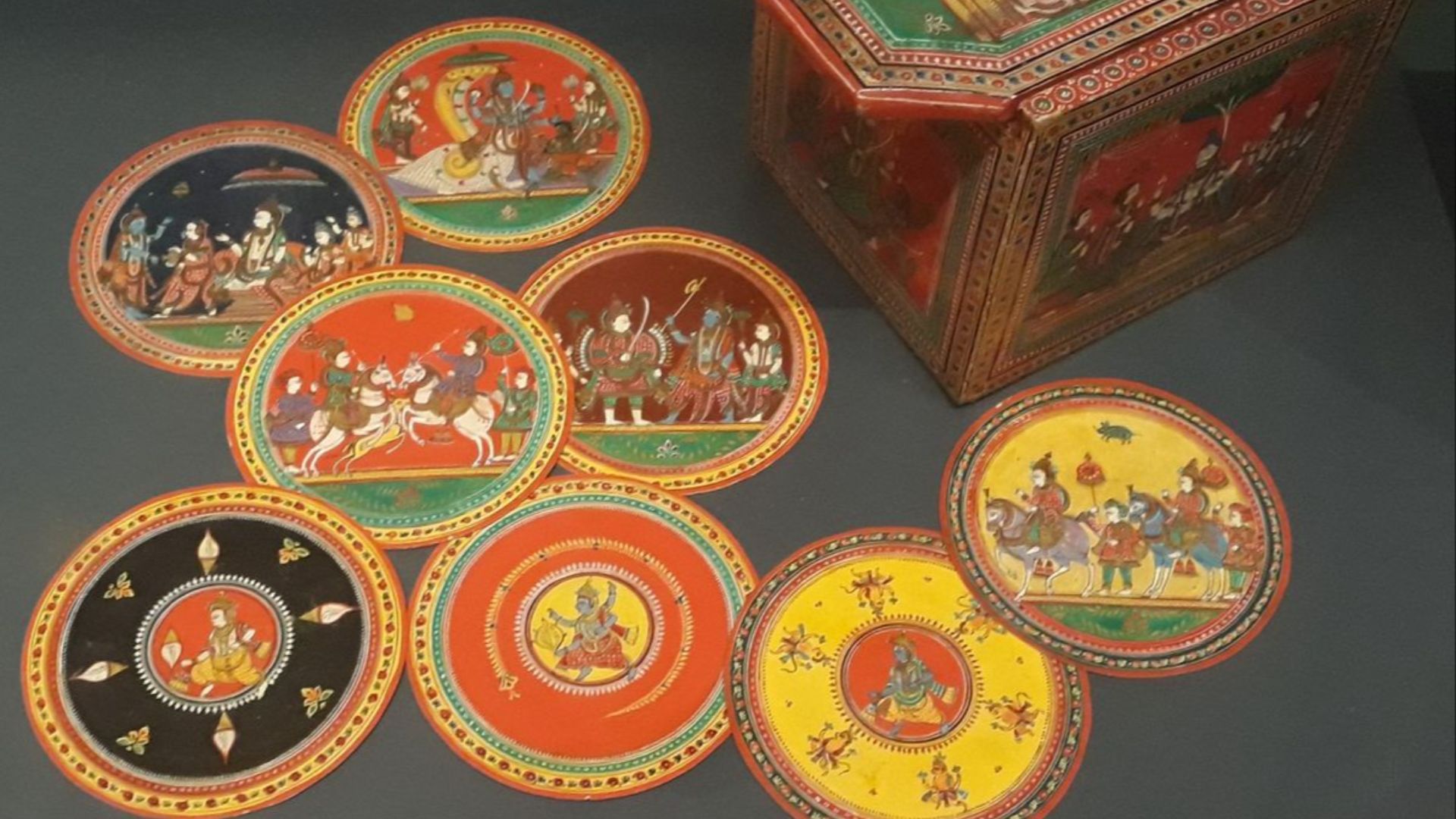
11. Cards
Playing cards appeared in Europe during the later Middle Ages and became popular with people from different social levels. Decks weren’t standardized, so rules could change from one place to another depending on the cards available.
12. Ball Games
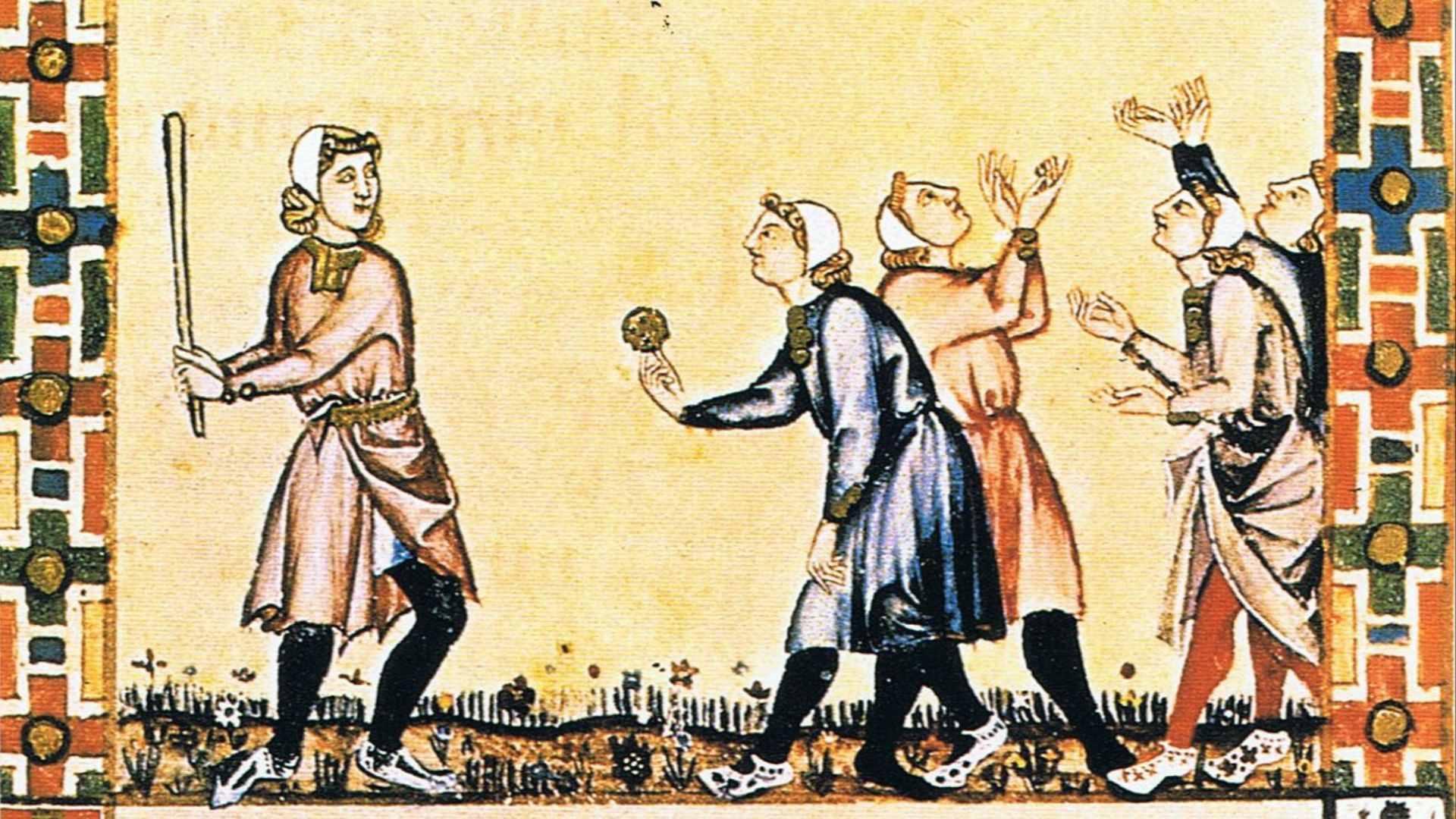
Late medieval communities often played rounds of ball games. Like card games, the rules, player numbers, and structure varied from place to place, so there wasn’t one set way to play. The main idea was still easy to understand: get outside, chase the ball, and enjoy being part of a crowd.
 Unknown authorUnknown author on Wikimedia
13. Wrestling, Running, And Throwing Stones
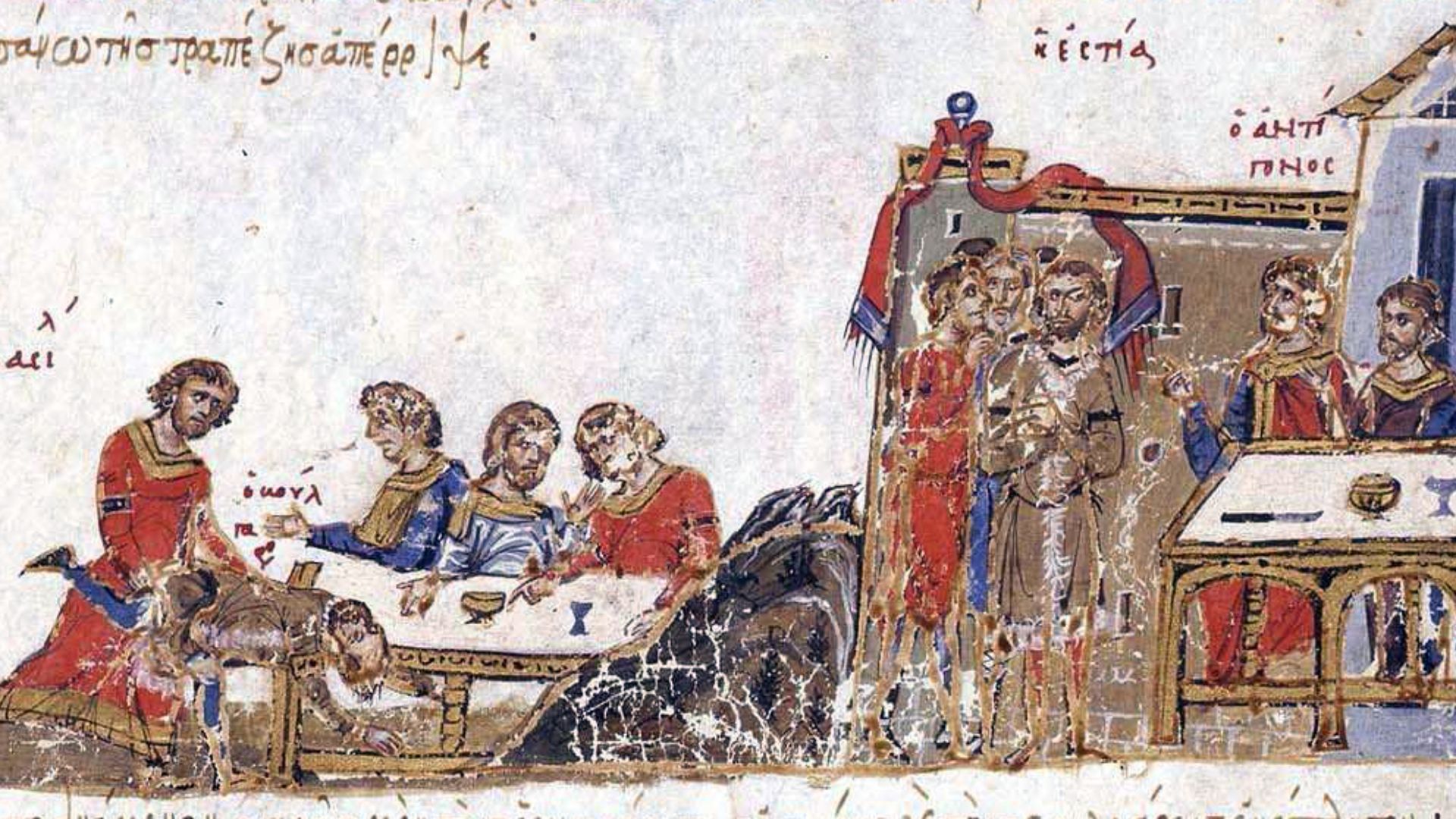
Physical contests gave people a chance to show off their strength, speed, and nerve. Wrestling, running races, boxing, and stone-throwing were part of local life in parts of Central Europe during the late Middle Ages.
14. Shooting Contests
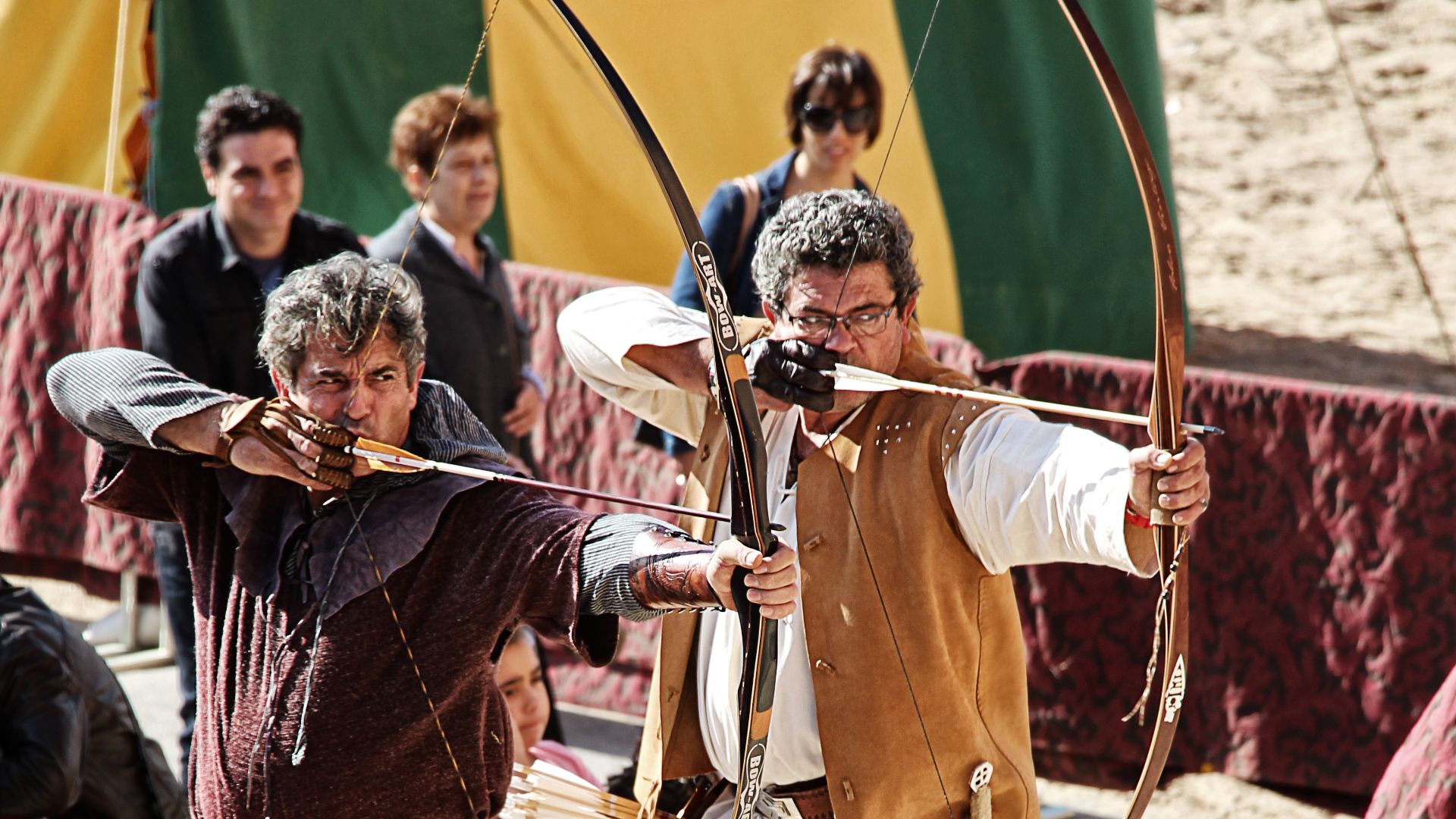
Shooting contests mixed competition and skill set. In late medieval Switzerland, players competed in front of crowds for a selection of prizes. Even women got involved in this fun.
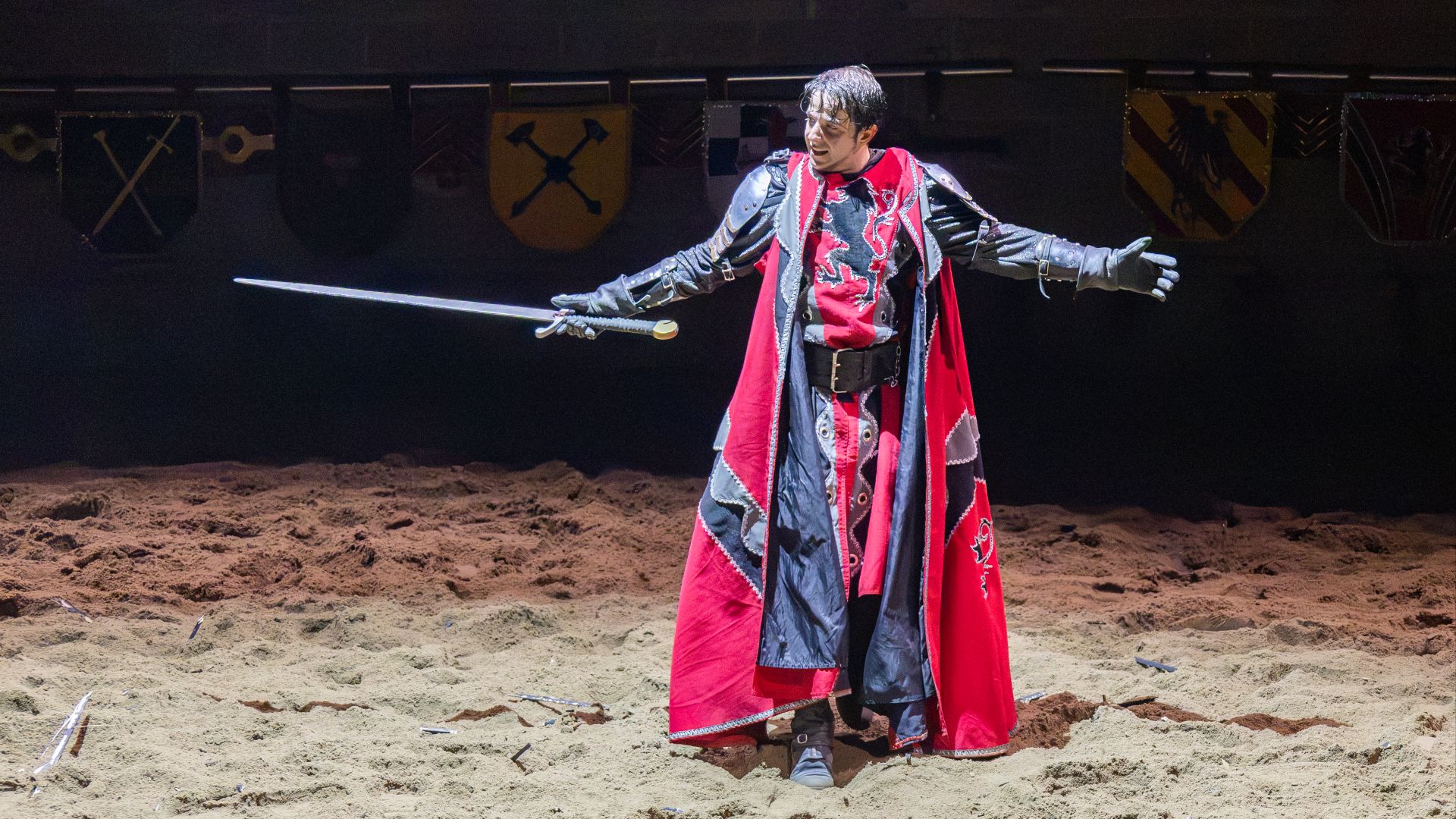
15. Jousting
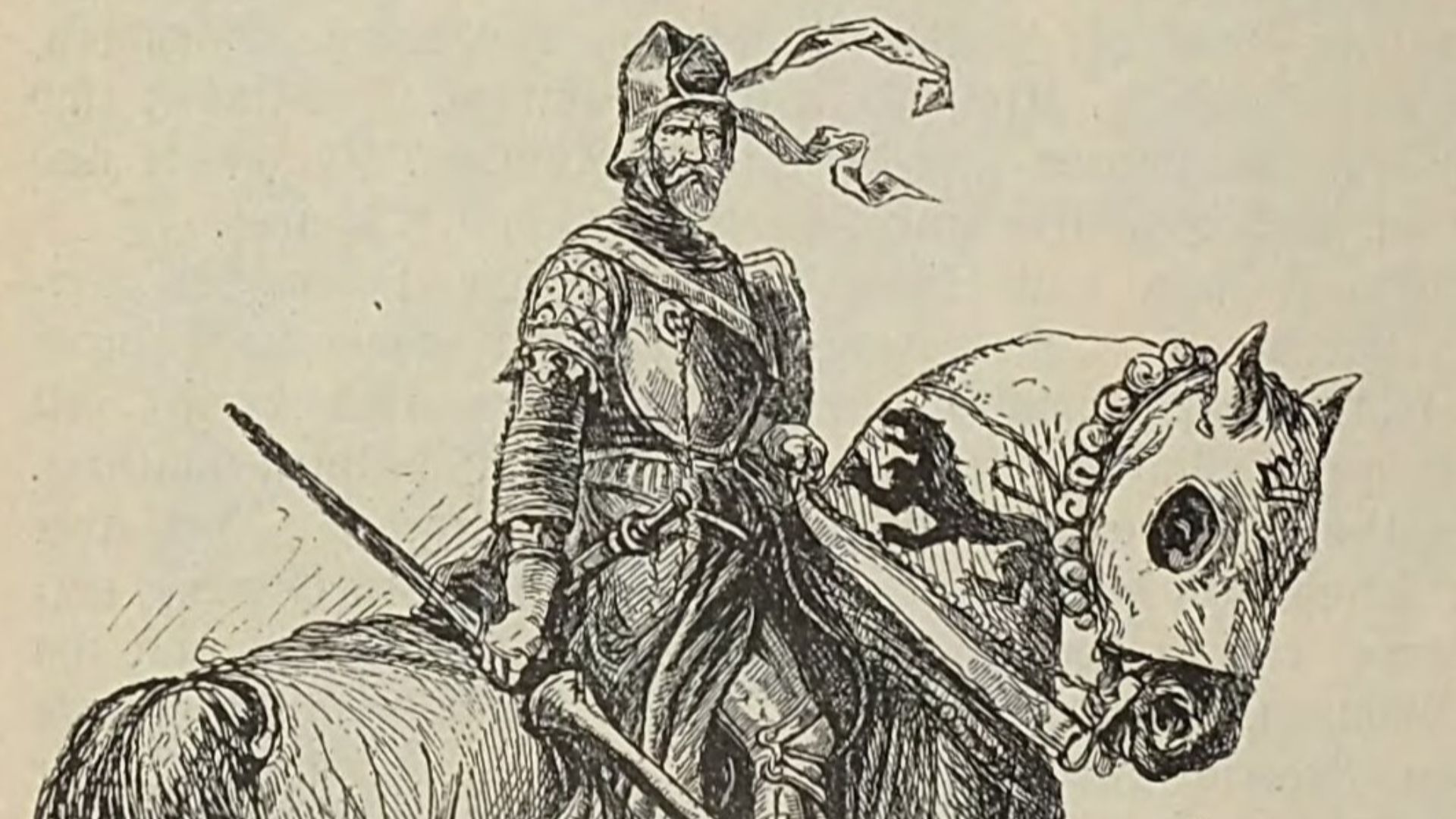
Jousting was costly, risky, and made for a crowd. Spectators came to watch the skill, the danger, and the ceremony around the riders. Just like modern sports, they clapped for their favorite and jeered at all the others.
 Emil Nietzsch Sohn on Wikimedia
16. Armored Combat
Tournaments didn’t only involve people on horseback. Armored competitors also fought on foot with swords and other weapons, showing off their strength and training in front of an audience.
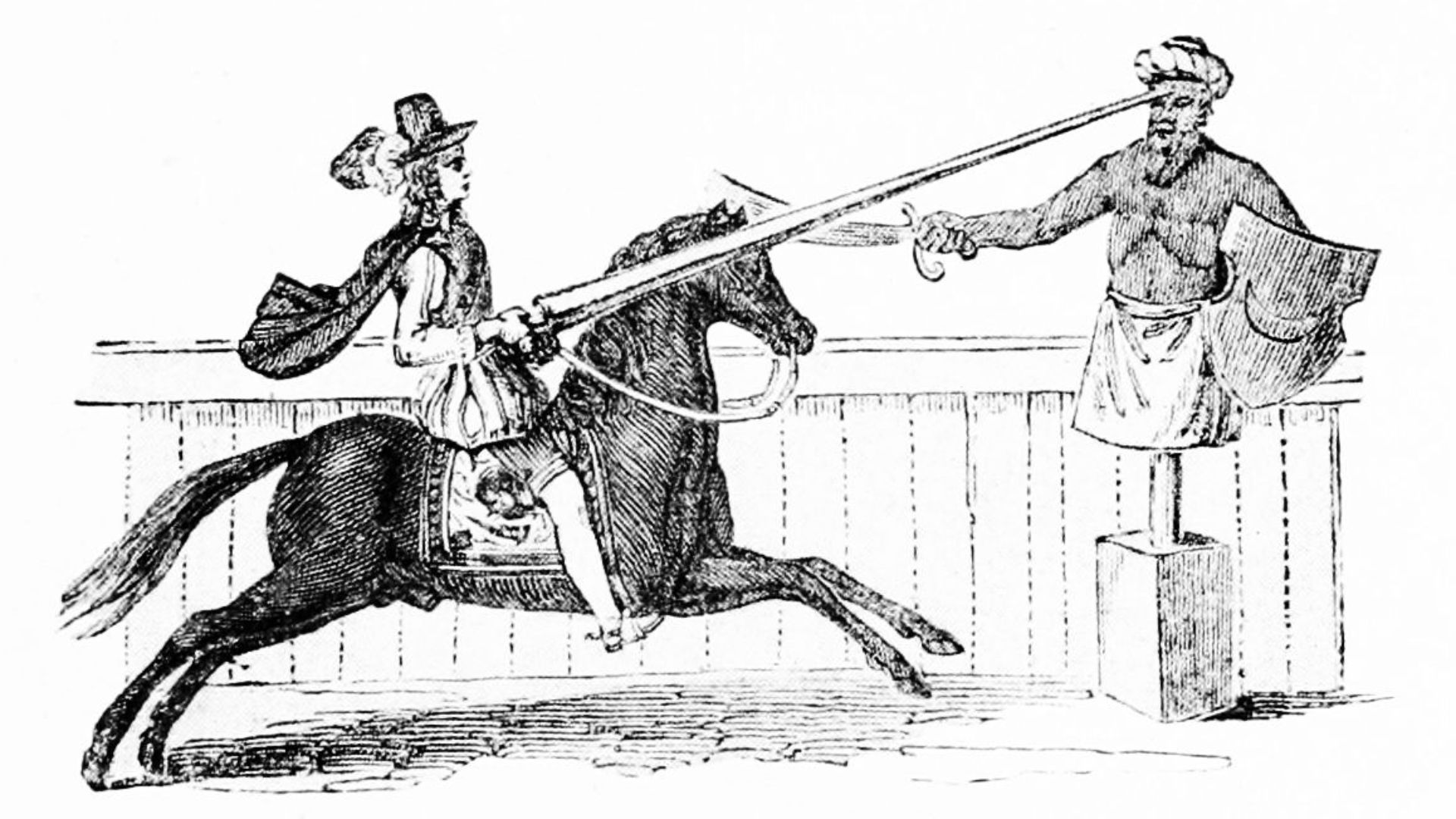
17. Practicing At The Quintain
The quintain began as a training exercise for knights, who rode at a target or dummy to prepare for jousting. Later versions became social games as well, including balance contests where players tried to knock one another off their feet. It gave people a competitive way to test their timing and balance.
 Henry Thew Stephenson
derivative work: — billinghurst sDrewth on Wikimedia
Henry Thew Stephenson
derivative work: — billinghurst sDrewth on Wikimedia
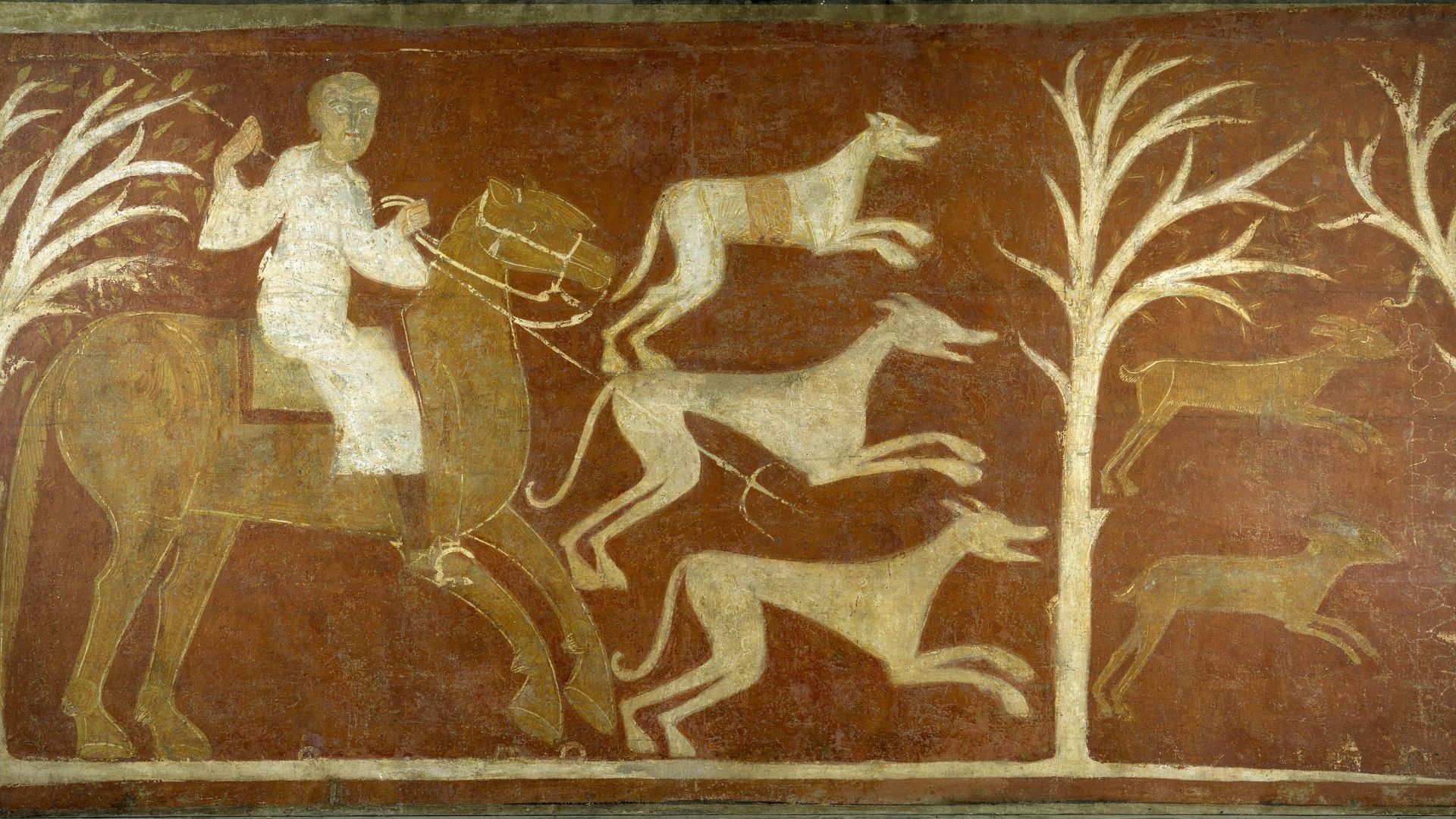
18. Hunting
For nobles, hunting was both recreation and a way to show status. It required land, horses, hounds, weapons, and enough household help to support the outing, so it was never a simple walk in the woods. The hunt itself mattered, though the company, planning, and display were always a part of it as well.
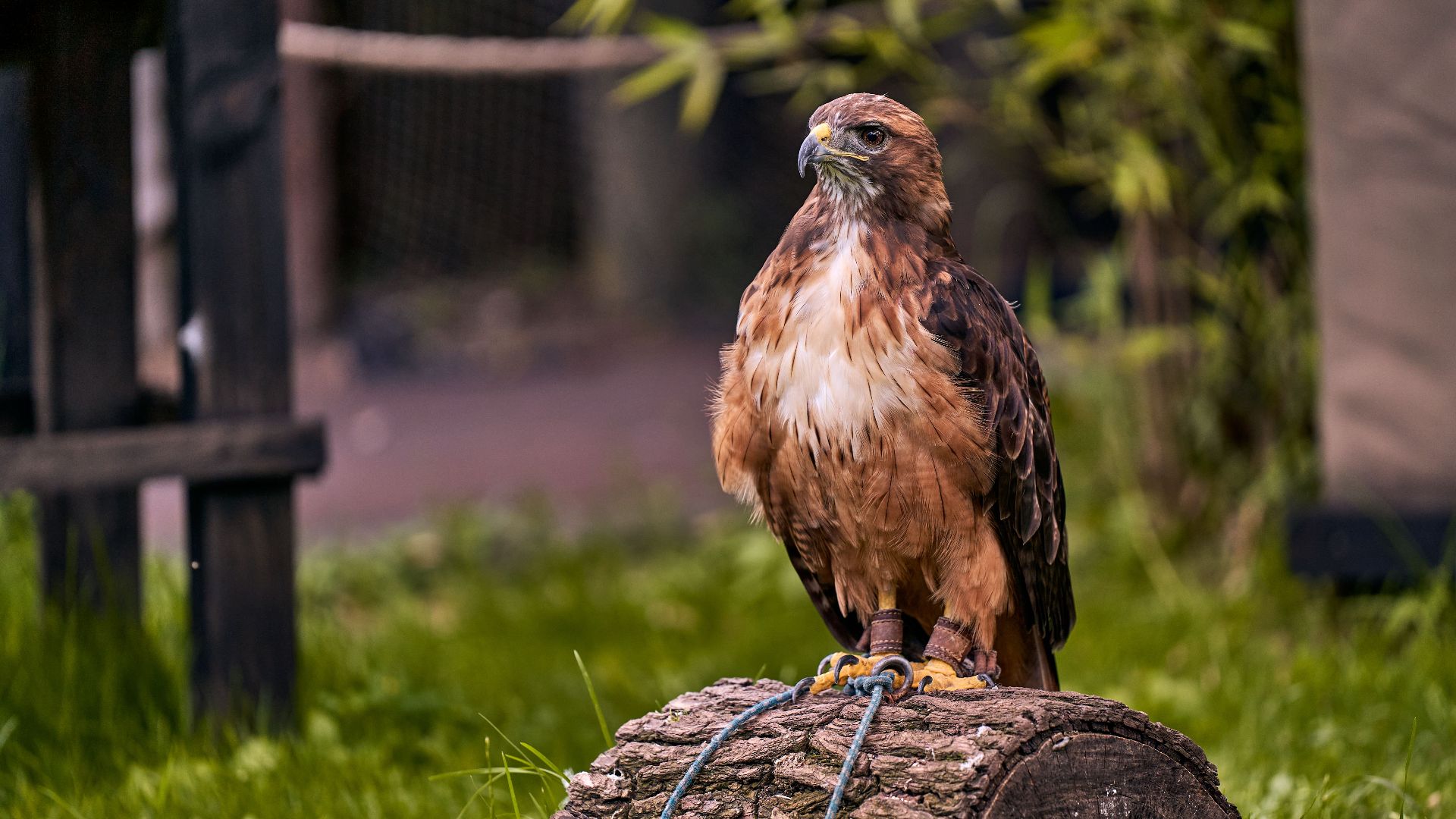
19. Hawking
Falconry, also called hawking, was an aristocratic sport that relied on trained birds and skilled handling. Rulers tended to enjoy this hobby immensely, and a day with a falcon carried plenty of prestige. It took money, experience, and patience, which made it a hobby for people with access to all three.
20. Holiday Misrule
Some winter celebrations gave people a short break from ordinary social rules. During the Feast of Fools, junior clergy could take on senior roles, while mock ceremonies, jokes, and festive disorder turned the usual hierarchy upside down. It didn’t last forever, yet people could enjoy a little chaos before daily routines returned.