From Brave Pigeons to Beloved Parrots, These Birds Have Stories Worth Knowing
Birds don’t usually get much space in history books, though a few of them became impossible to ignore. Some helped people during wartime, while others became famous because they lived with well-known writers, presidents, or other famous folk. A few were loved for their personalities, and others are remembered because they were the last birds of their kind. Their stories took place in forests, battle zones, hotel bars, city buildings, and faraway islands. These 20 birds made history in ways people still talk about.
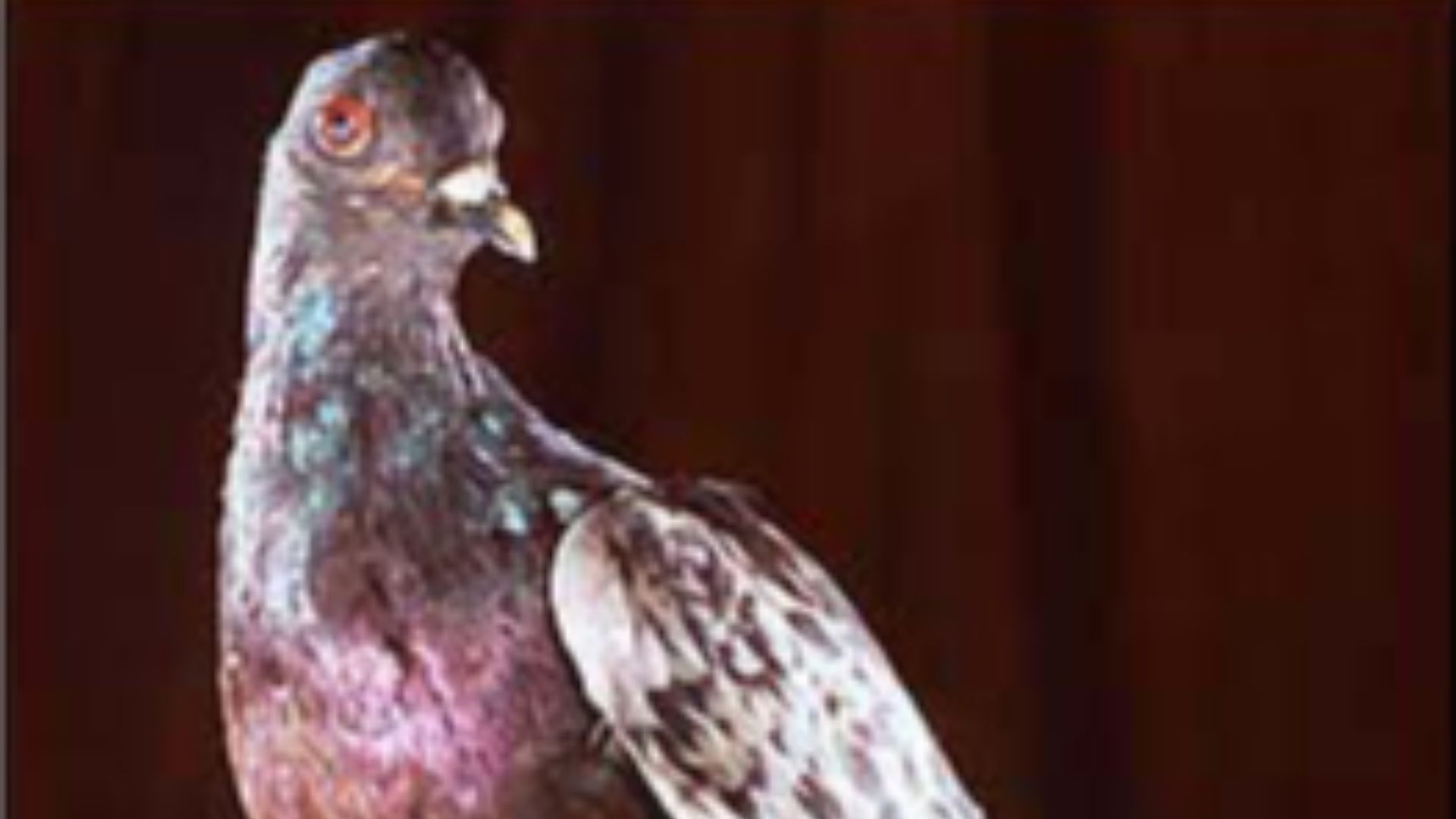
1. Cher Ami
Cher Ami became famous during the Meuse-Argonne Offensive in 1918, when the pigeon carried a critical message from American troops in France. The bird didn’t make the trip without injuries, returning with a serious chest wound and a damaged leg. The message helped American forces locate trapped soldiers in the Argonne Forest during a frightening part of the fighting.
 United States Signal Corps
derivative work: Trizek here or on fr:wp on Wikimedia
United States Signal Corps
derivative work: Trizek here or on fr:wp on Wikimedia
2. G.I. Joe
G.I. Joe flew during the Italian campaign in 1943, carrying a message that stopped an airstrike on Calvi Vecchia. He covered 20 miles in 20 minutes and reached Allied lines just as bombers were getting ready to leave. His timing couldn’t have been better, since the message prevented an attack that would have put Allied troops in danger from friendly fire.
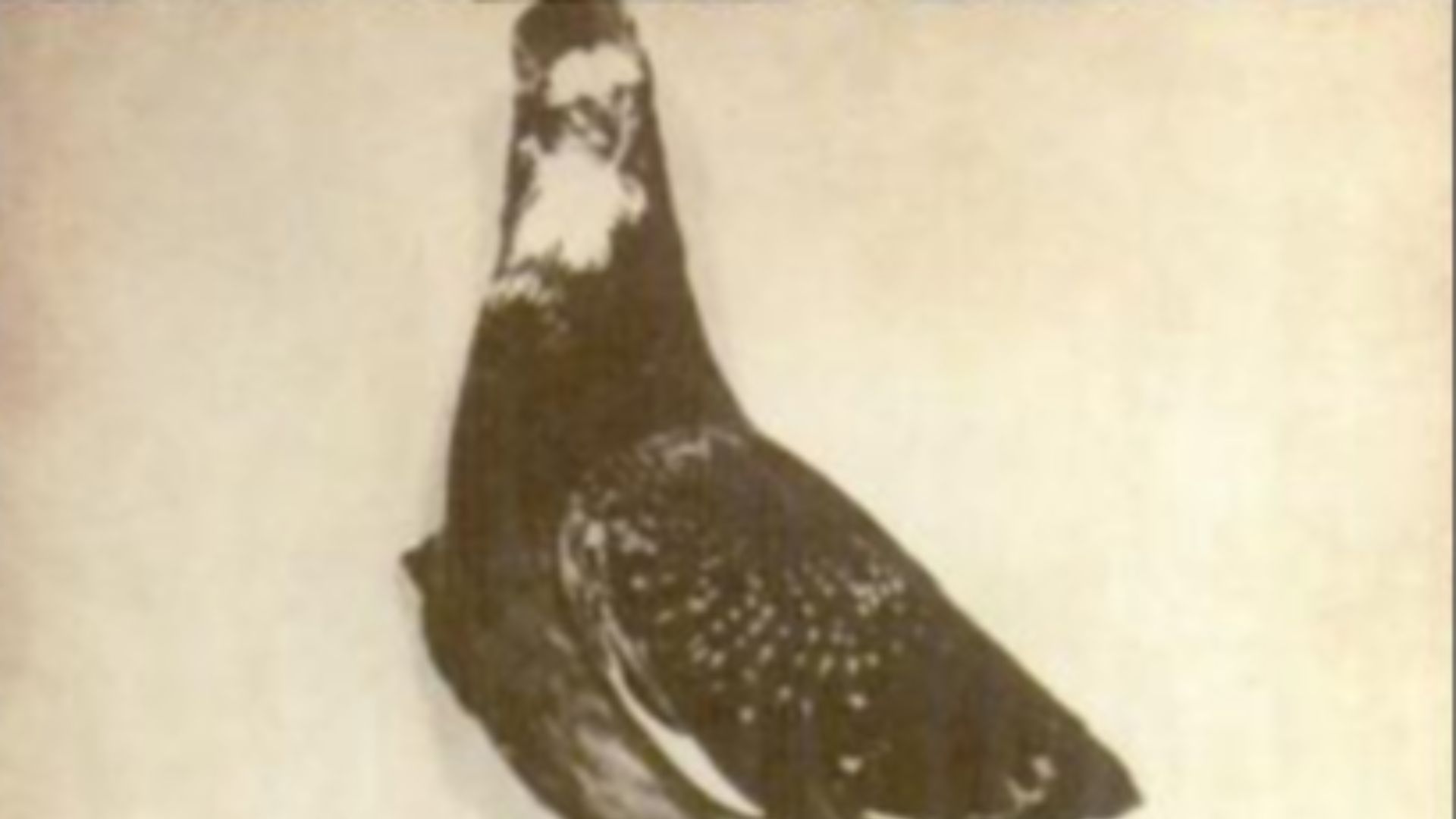 United States Department of Defense/Army Fort Monmouth Historical Office on Wikimedia
3. Winkie
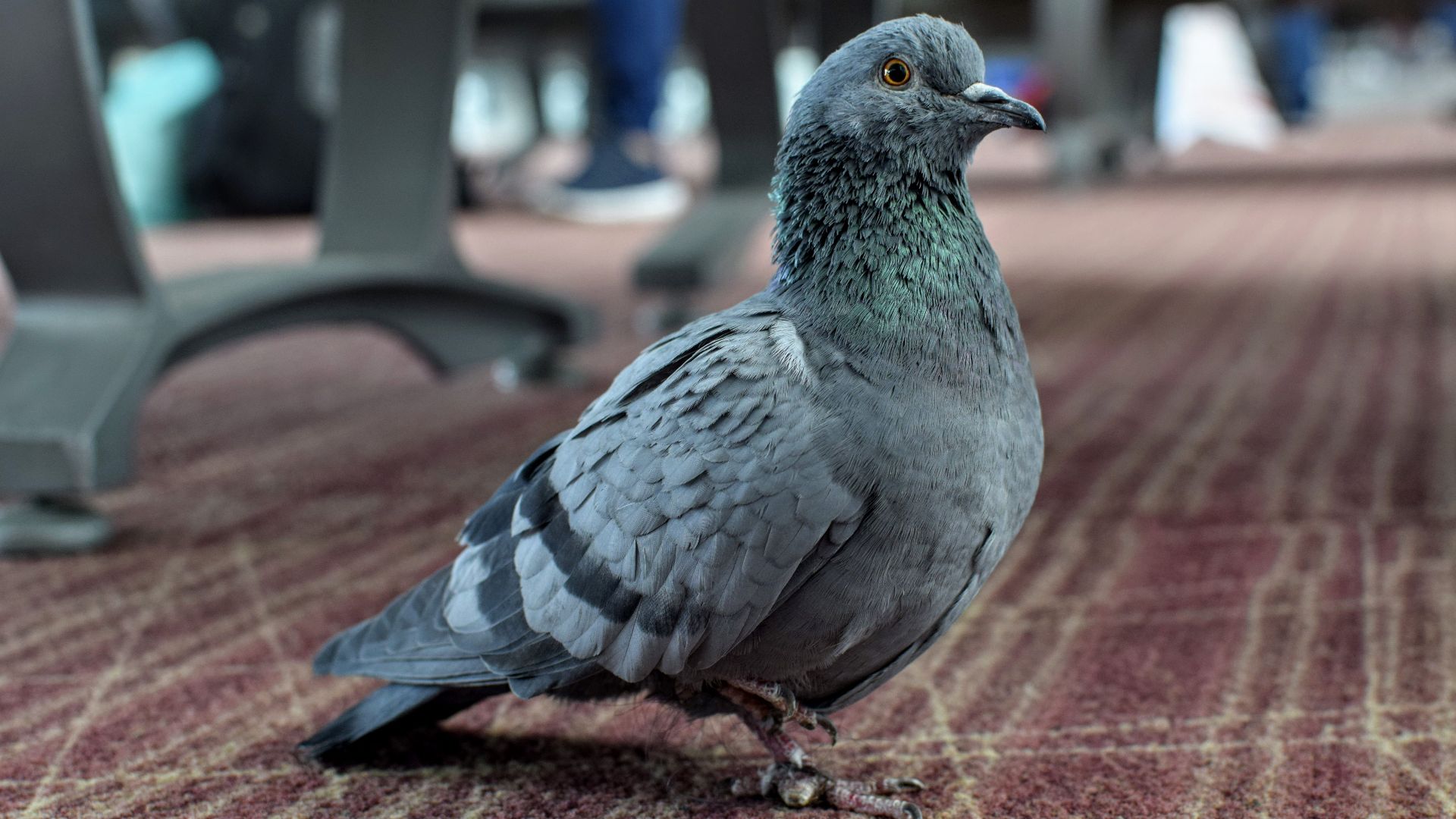
Winkie was released after an RAF bomber went down in the North Sea during a mission over Norway. Covered in feathers and traveling through rough weather, her successful journey home helped rescuers estimate where the missing crew had likely crashed, giving the search a much-needed starting point.
4. Mary of Exeter
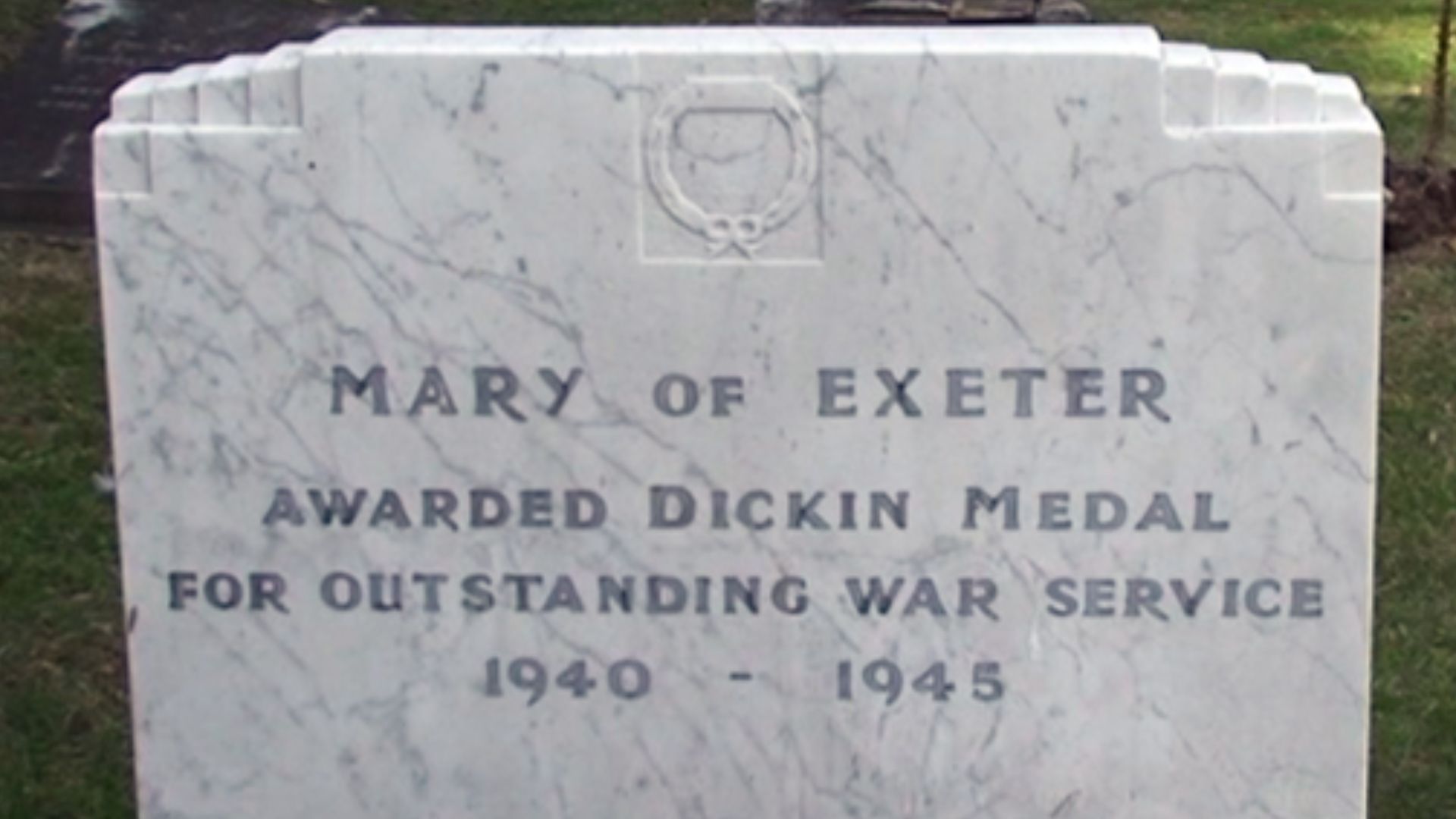
Mary of Exeter completed four wartime missions from France, carrying intelligence back through dangerous conditions. She survived an attack by a hawk, shotgun pellets, shrapnel, and bombing near her home loft. She went through more than most birds ever would, and her story made her one of the best-known pigeons of the war.
5. Duke of Normandy
The Duke of Normandy carried news from Allied paratroopers behind enemy lines on D-Day. After the attack on the Merville Battery, he flew home through rough weather and active combat conditions. His message confirmed that the guns aimed at Sword Beach had been disabled.
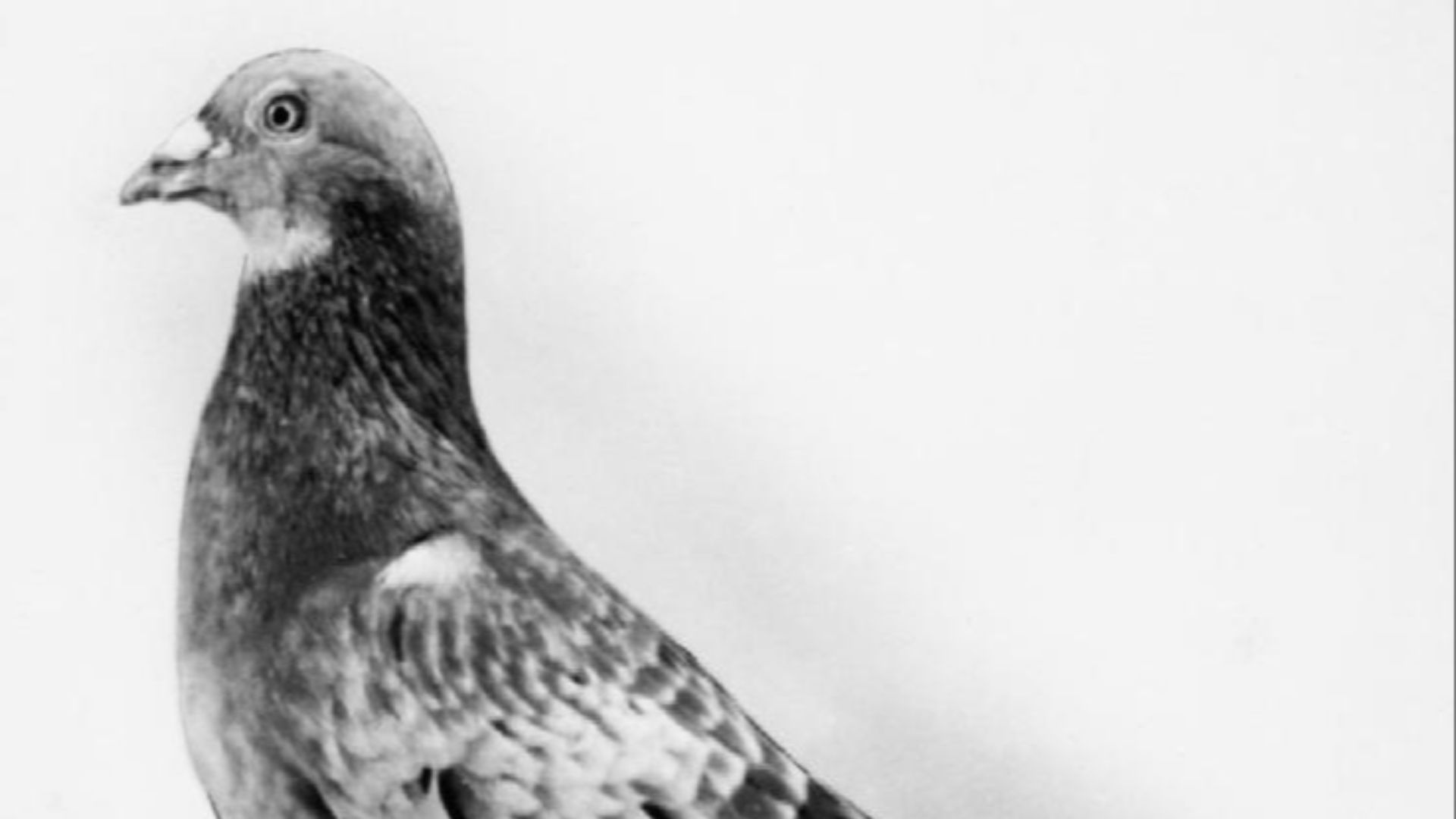 Unknown authorUnknown author on Wikimedia
6. Old Abe
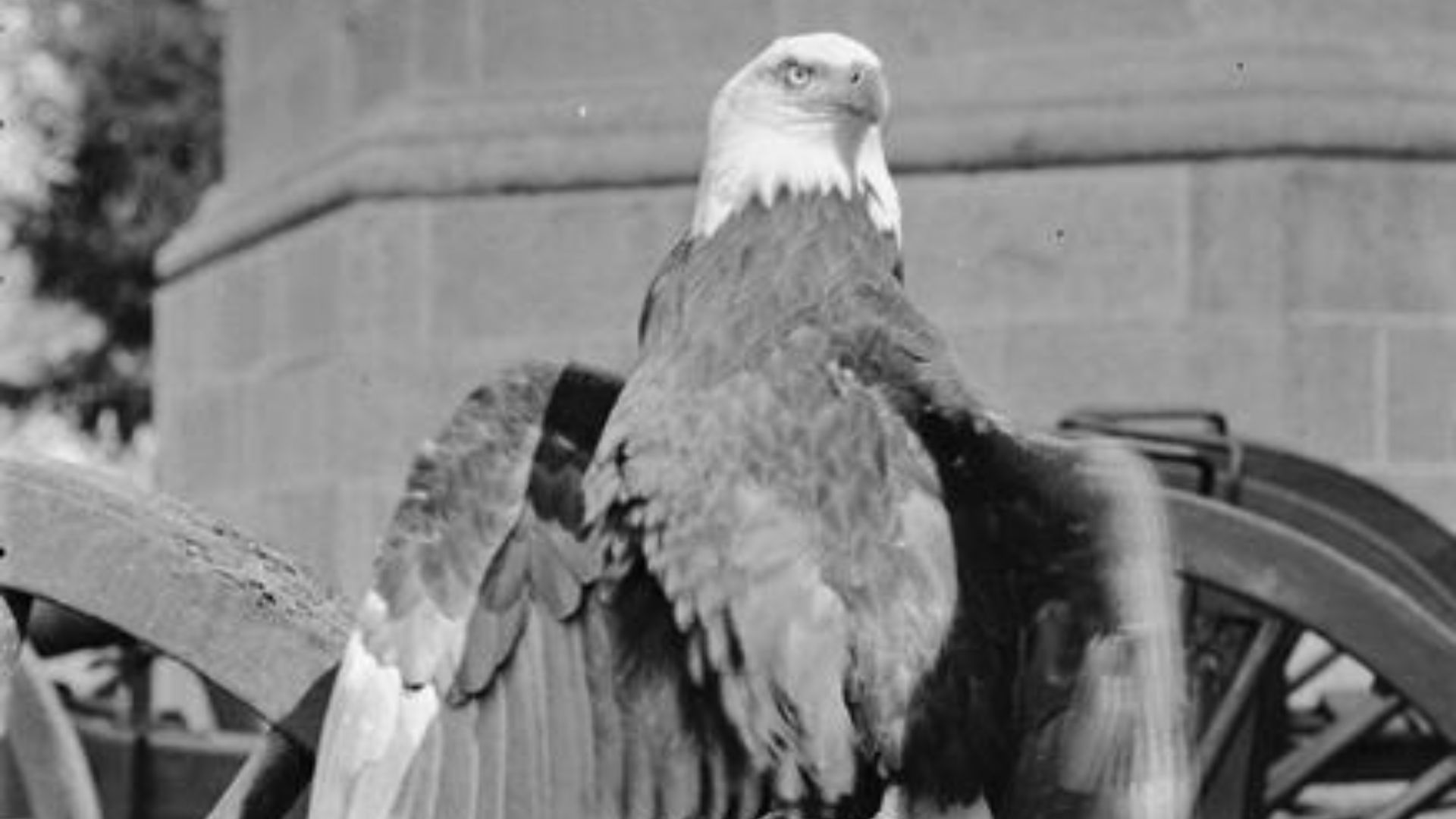
The bald eagle was the mascot of Wisconsin’s Eighth Infantry Regiment during the Civil War. Soldiers carried him on a perch with the regiment’s colors, and he traveled with the unit through 37 battles and skirmishes. He was present during major fighting, including Vicksburg, and became a big part of the regiment’s identity.
 Unknown authorUnknown author on Wikimedia
7. Jack
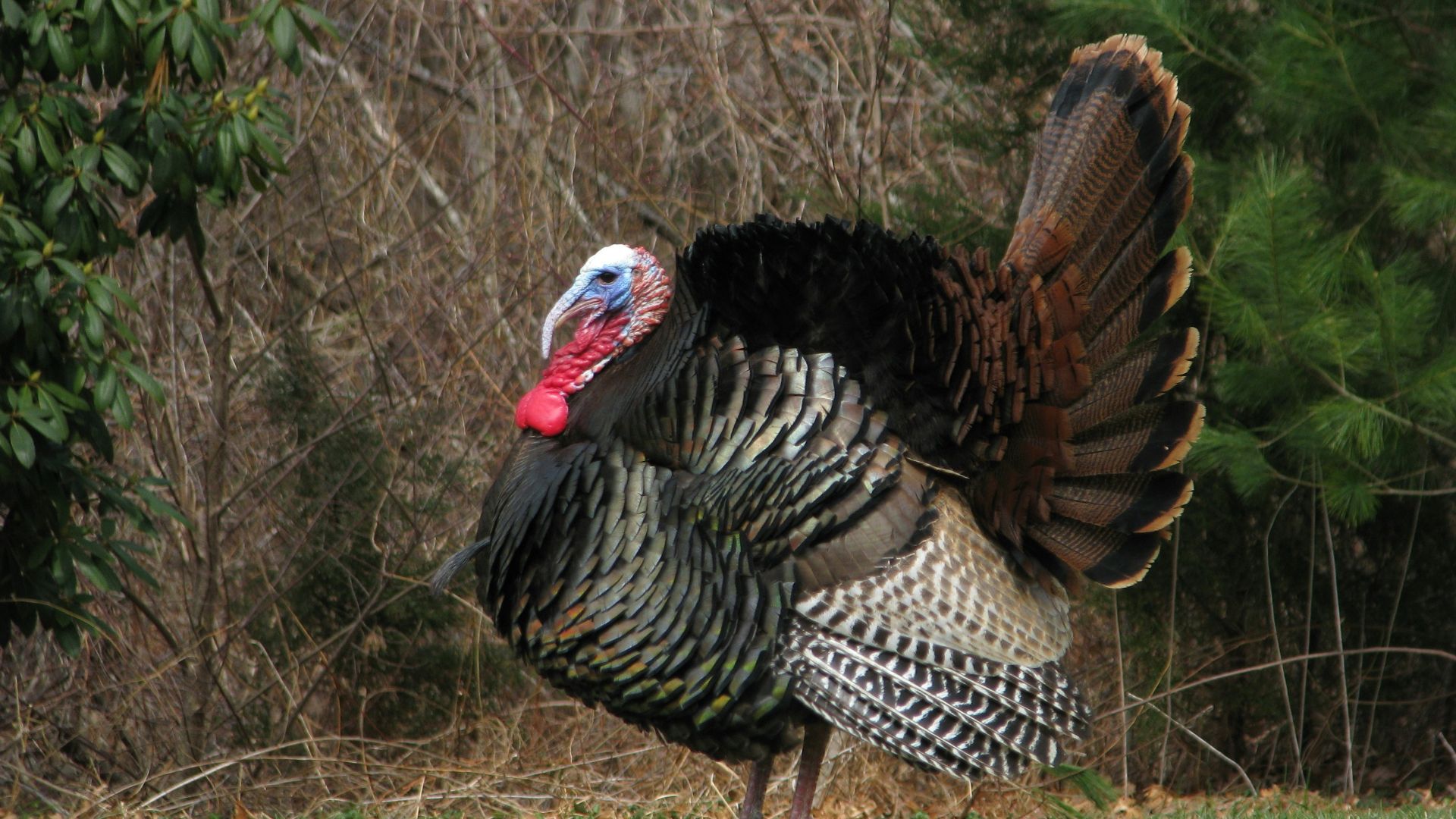
Jack the turkey was first sent to the Lincoln family as a possible dinner. Tad Lincoln grew attached to him and pleaded with his father to spare him from the family’s table. The President agreed, and Jack became a permanent part of the Lincoln household.
8. Grip
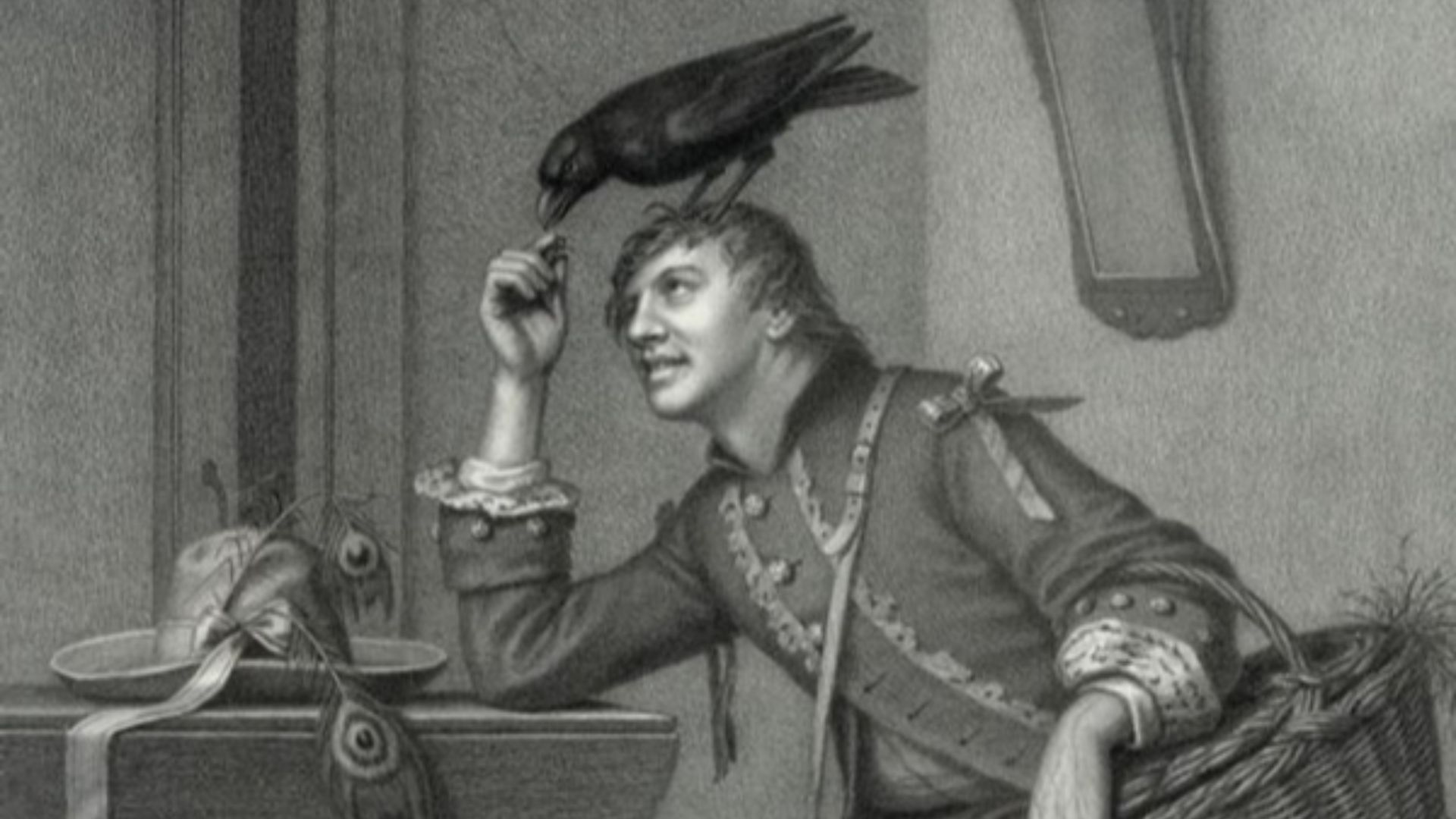
Charles Dickens kept a raven named Grip, who had quite the mischievous personality. He was the inspiration behind a talking raven in Barnaby Rudge, but he has closer connections with Edgar Allan Poe’s “The Raven.”
 File:Barnaby Rudge LCCN2003666735.jpg: Popular Graphic Arts on Wikimedia
9. Cocky Bennett
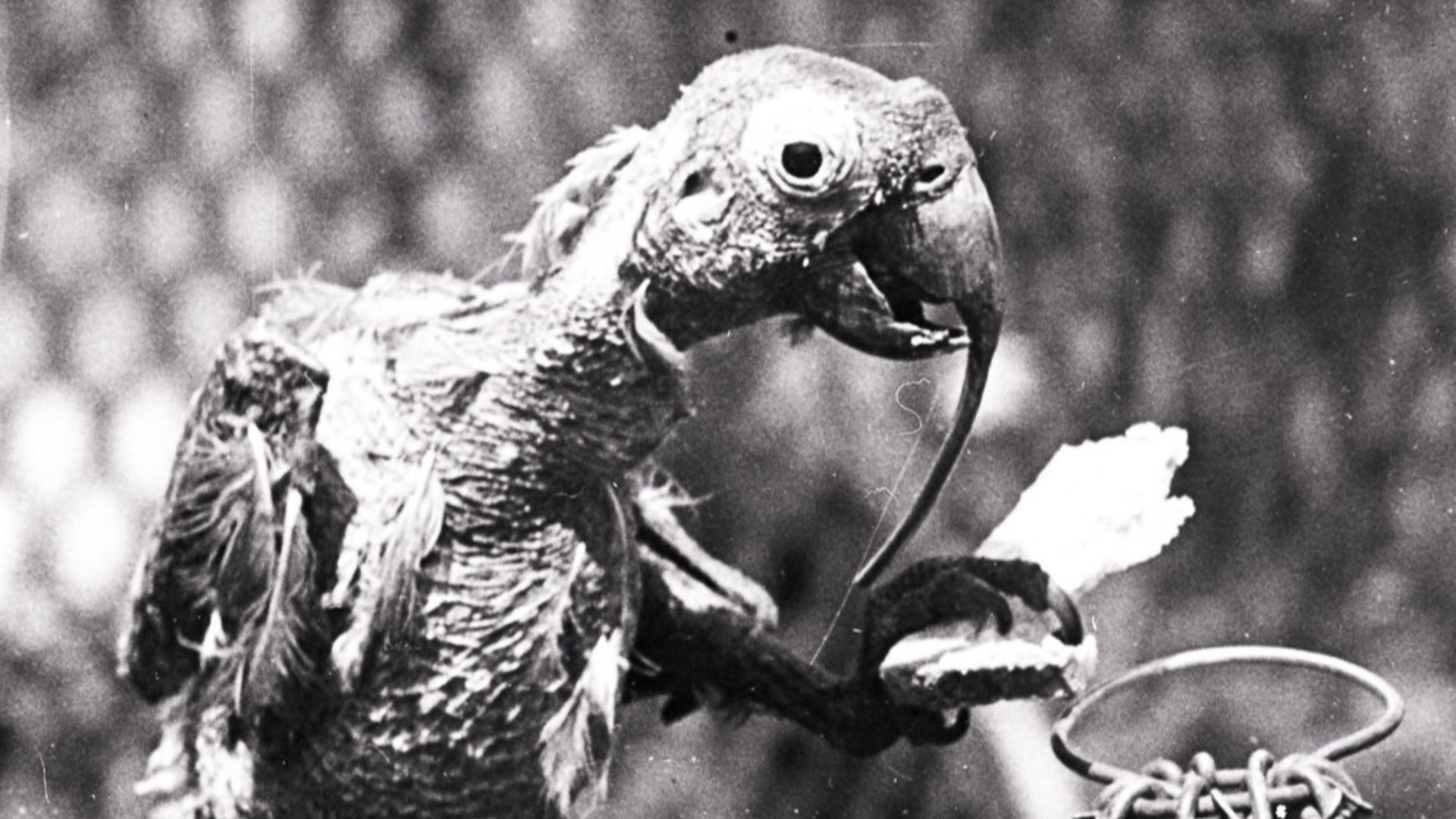
Cocky Bennett was a sulphur-crested cockatoo who entertained hotel guests around Sydney with his colorful talk. People came to hear him chatter, and he became a local favorite over time. Reports from the period placed his age at an impressive 119 or 120 when he died in 1916.
 Unknown authorUnknown author on Wikimedia
10. Martha
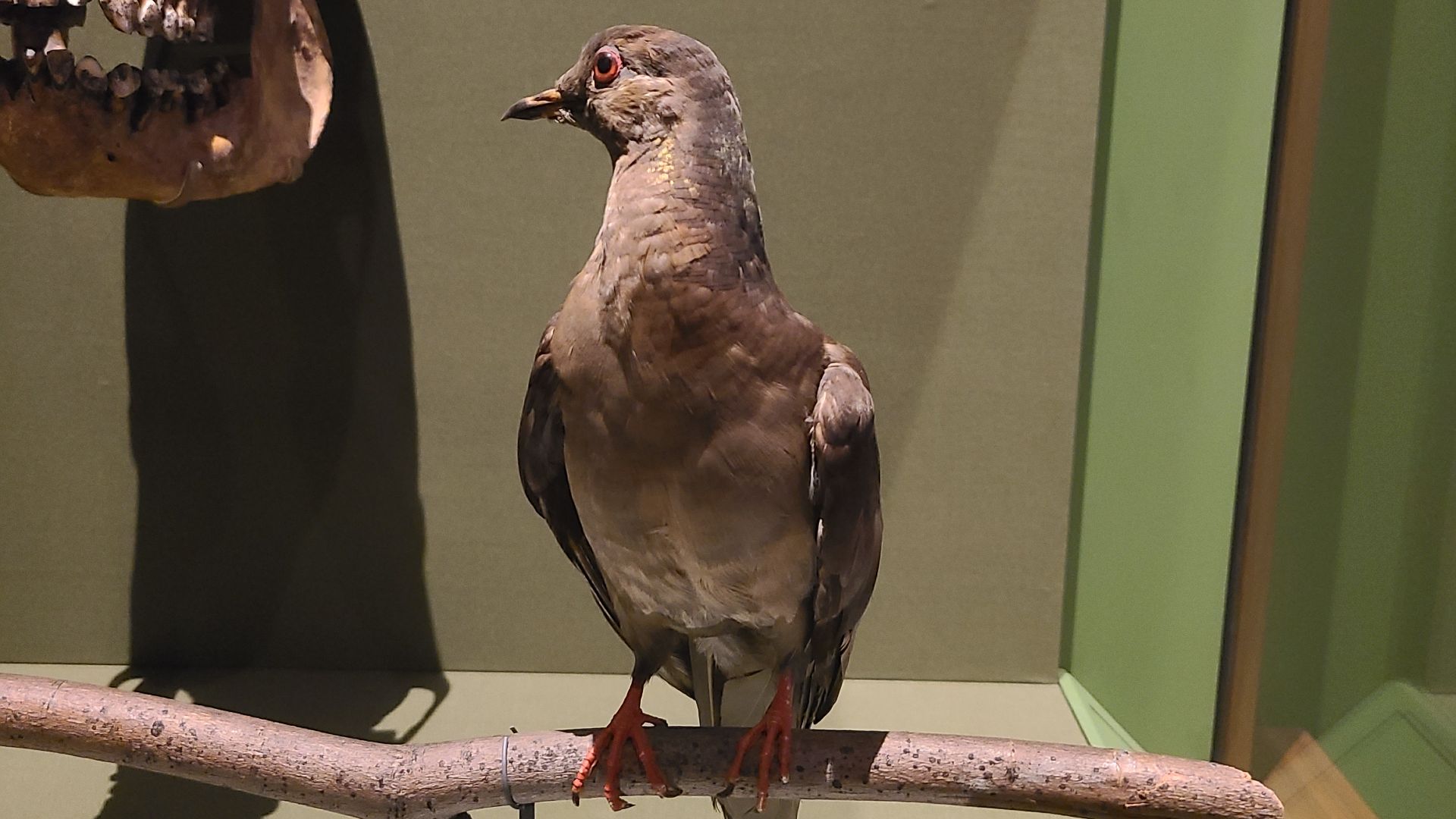
Martha was the last known passenger pigeon, dying in captivity in 1914. Her death still stands as one of North America’s clearest examples of extinction, because passenger pigeons had once traveled in massive flocks. It’s hard to picture a bird that was once so common becoming a single survivor, yet that was Martha’s story.
11. Inca
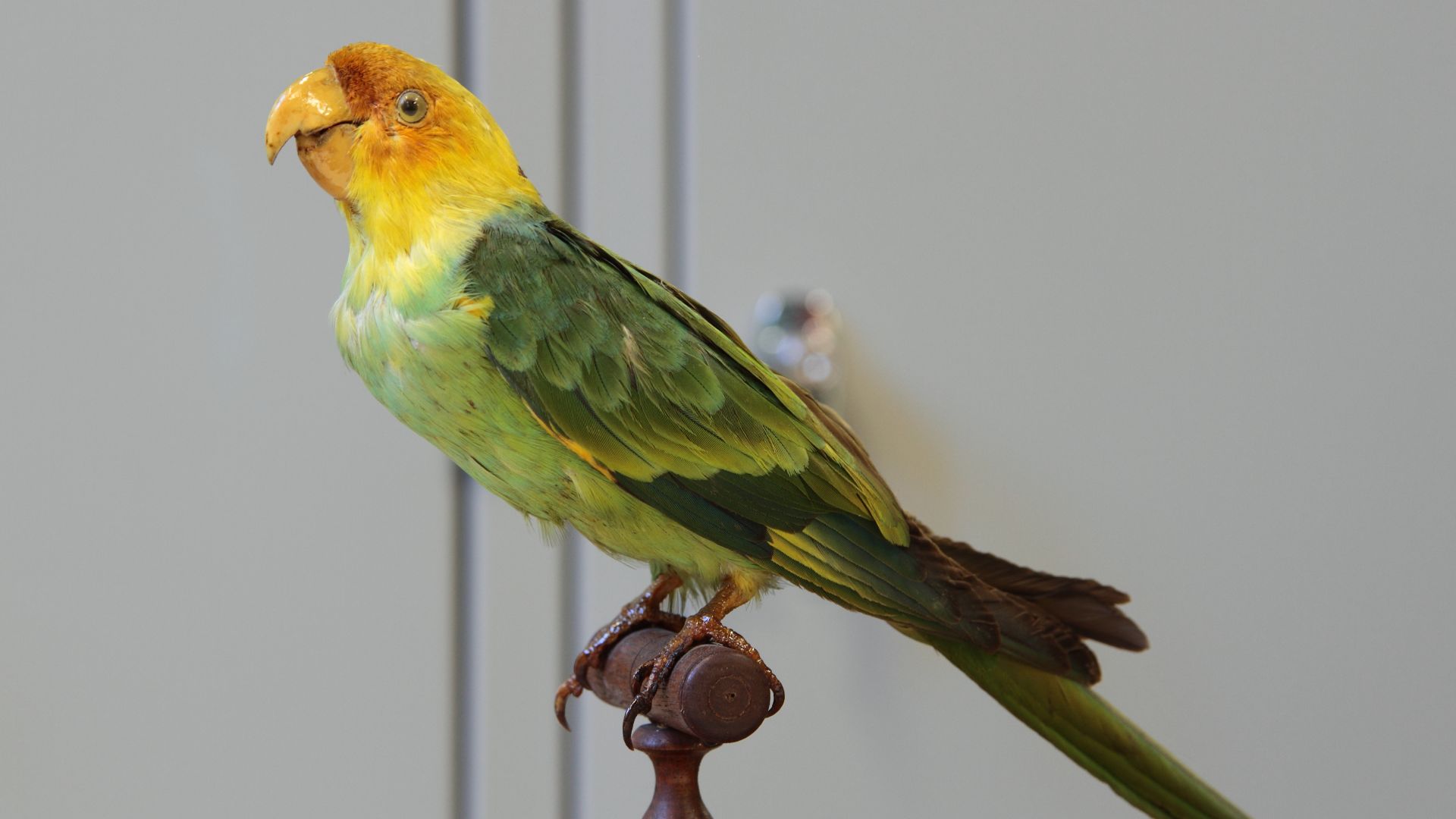
Inca was the last known Carolina parakeet, dying in 1918, only a few years after Martha. Carolina parakeets were the only parrots native to the continental United States. They once brought bright color and plenty of noise to forests and river valleys across the East and Midwest, and their disappearance was felt across the country.
12. Booming Ben
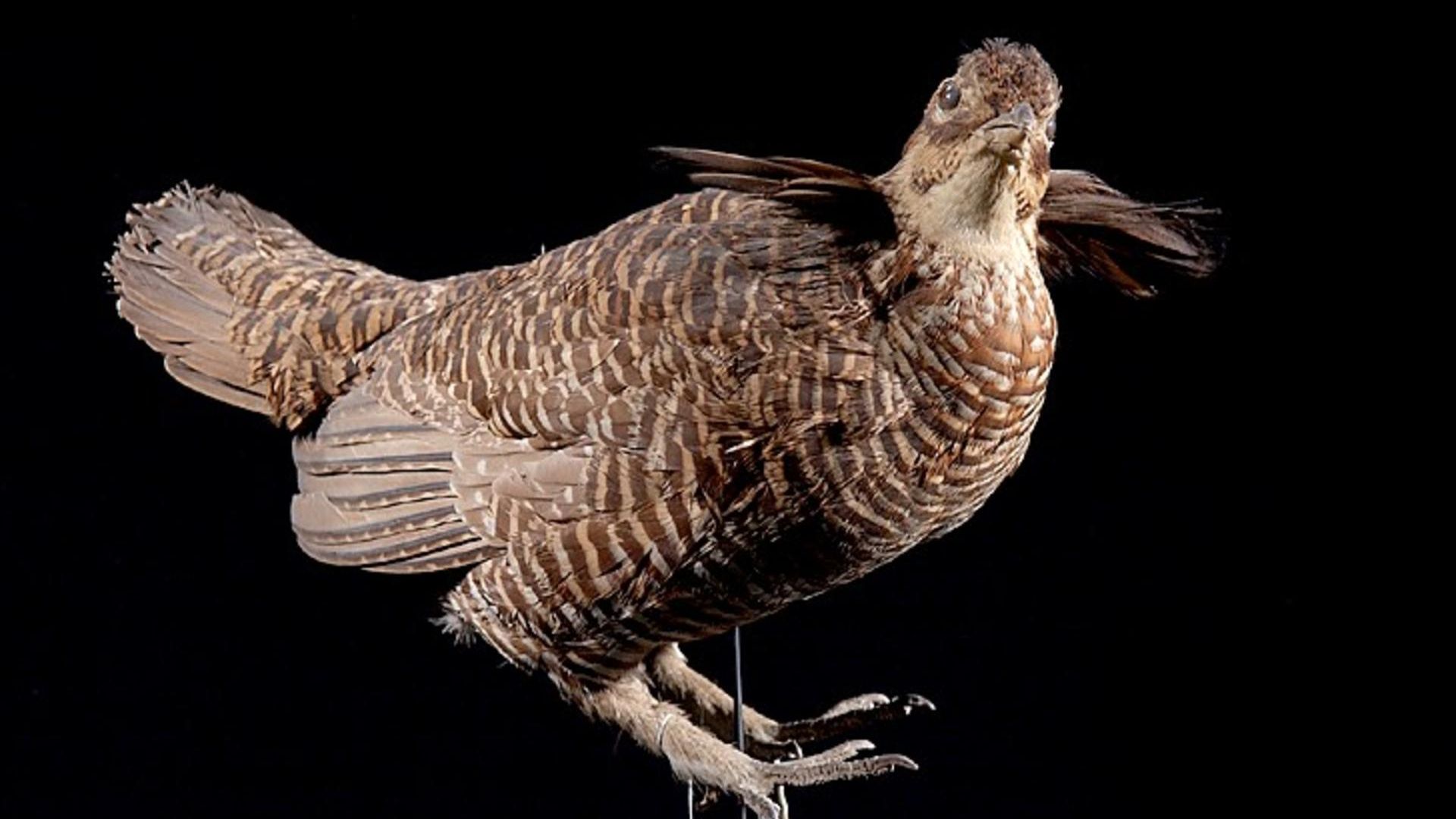
Booming Ben was the last known heath hen, a bird that had once lived across parts of the northeastern United States. He spent his final years alone on Martha’s Vineyard, calling for mates that never came. When he disappeared in 1932, his species left for good.
13. Sirocco
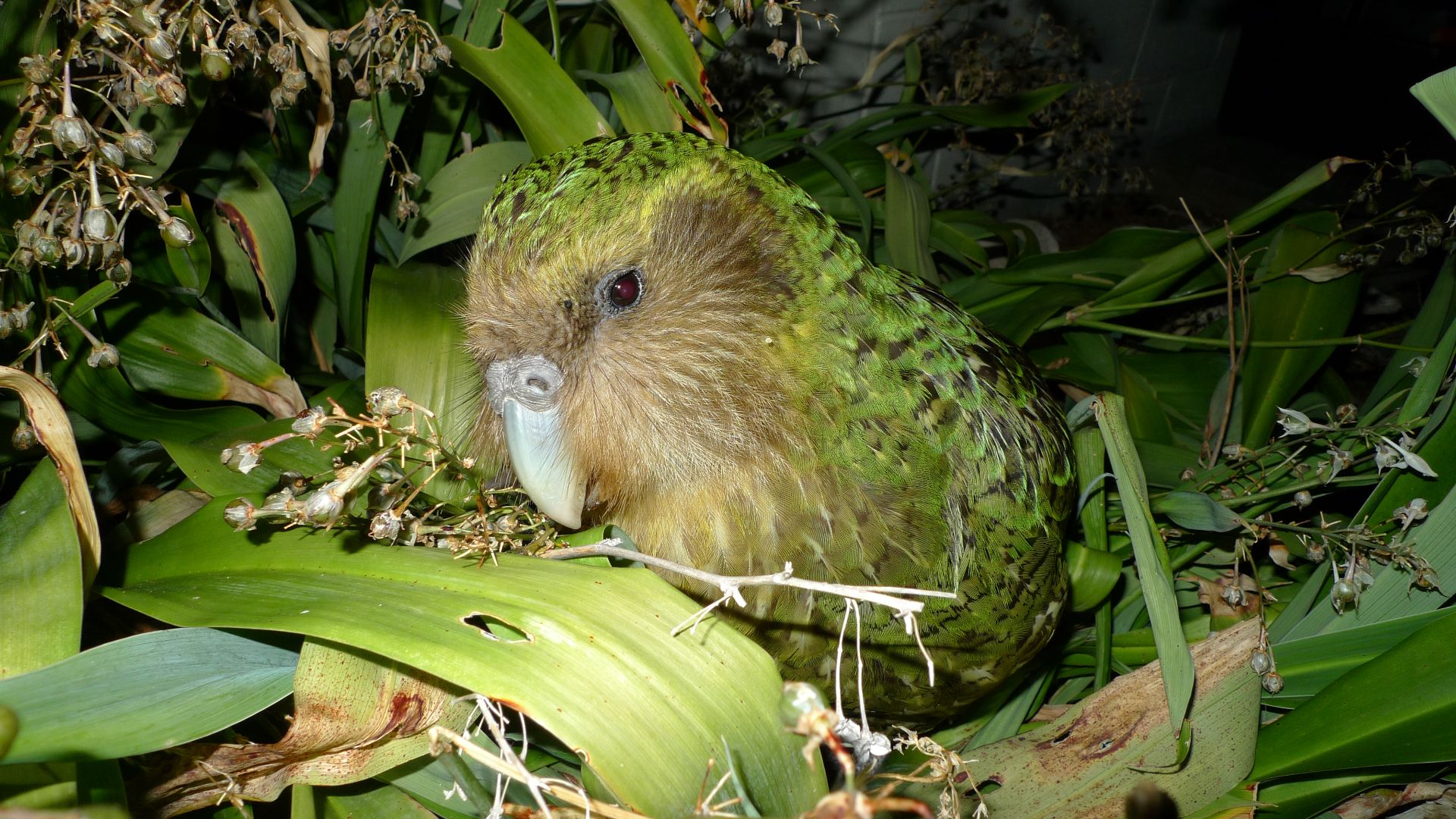
Sirocco is a kākāpō, a flightless parrot found only in New Zealand. His friendly nature and memorable television appearance made him an international conservation celebrity. He later became the country’s official spokesbird for conservation, giving people a reason to pay attention to a bird they probably wouldn’t have seen otherwise.
 Department of Conservation on Wikimedia
14. Wisdom
Wisdom, a Laysan albatross, was first banded in 1956 and became the world’s oldest known wild bird. She has returned to the same nesting area for decades and has continued to raise chicks. Her long life has given academics, scientists, and bird-lovers a rare chance to follow the same seabird across generations.
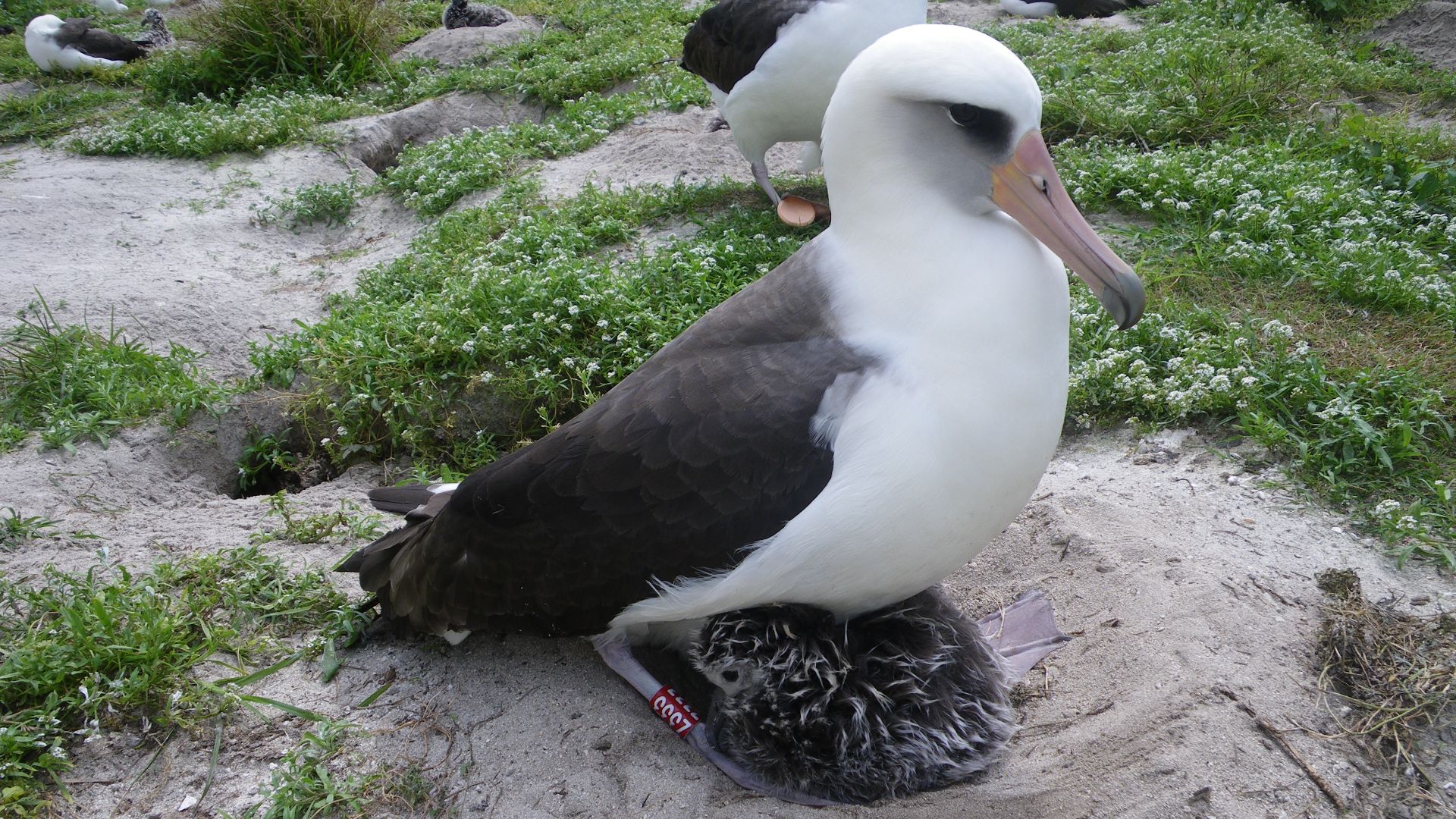 John Klavitter/U. S. Fish and Wildlife Service on Wikimedia
15. Alex
Alex was an African grey parrot who spent much of his life with Irene Pepperberg, a well-known American scientist. He became famous for his remarkable abilities, able to identify objects, colors, shapes, and quantities. Alex proved that parrots can learn far more than the familiar sounds and phrases people often expect them to repeat.
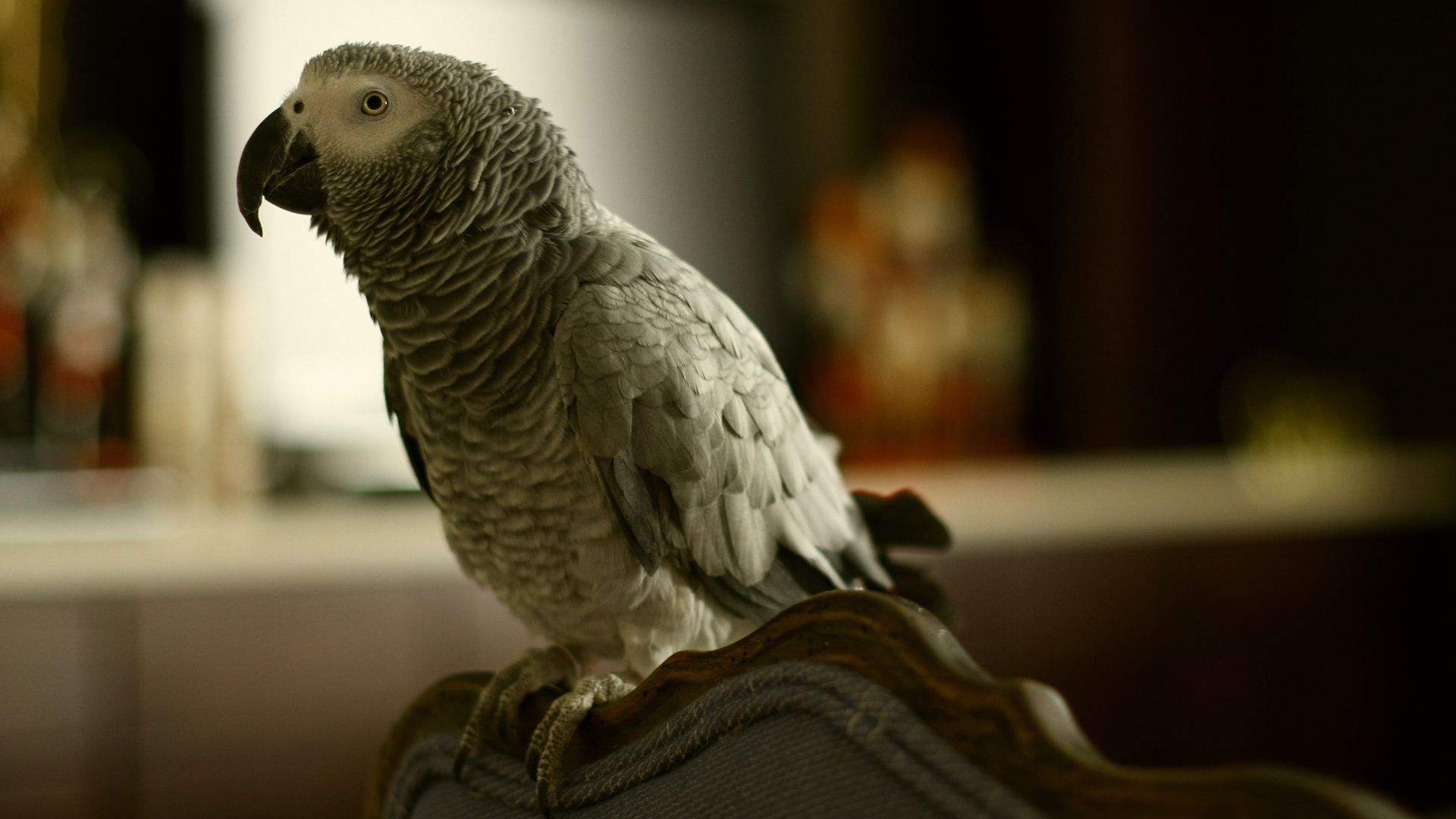 Alex from Ithaca, NY on Wikimedia
16. Betty
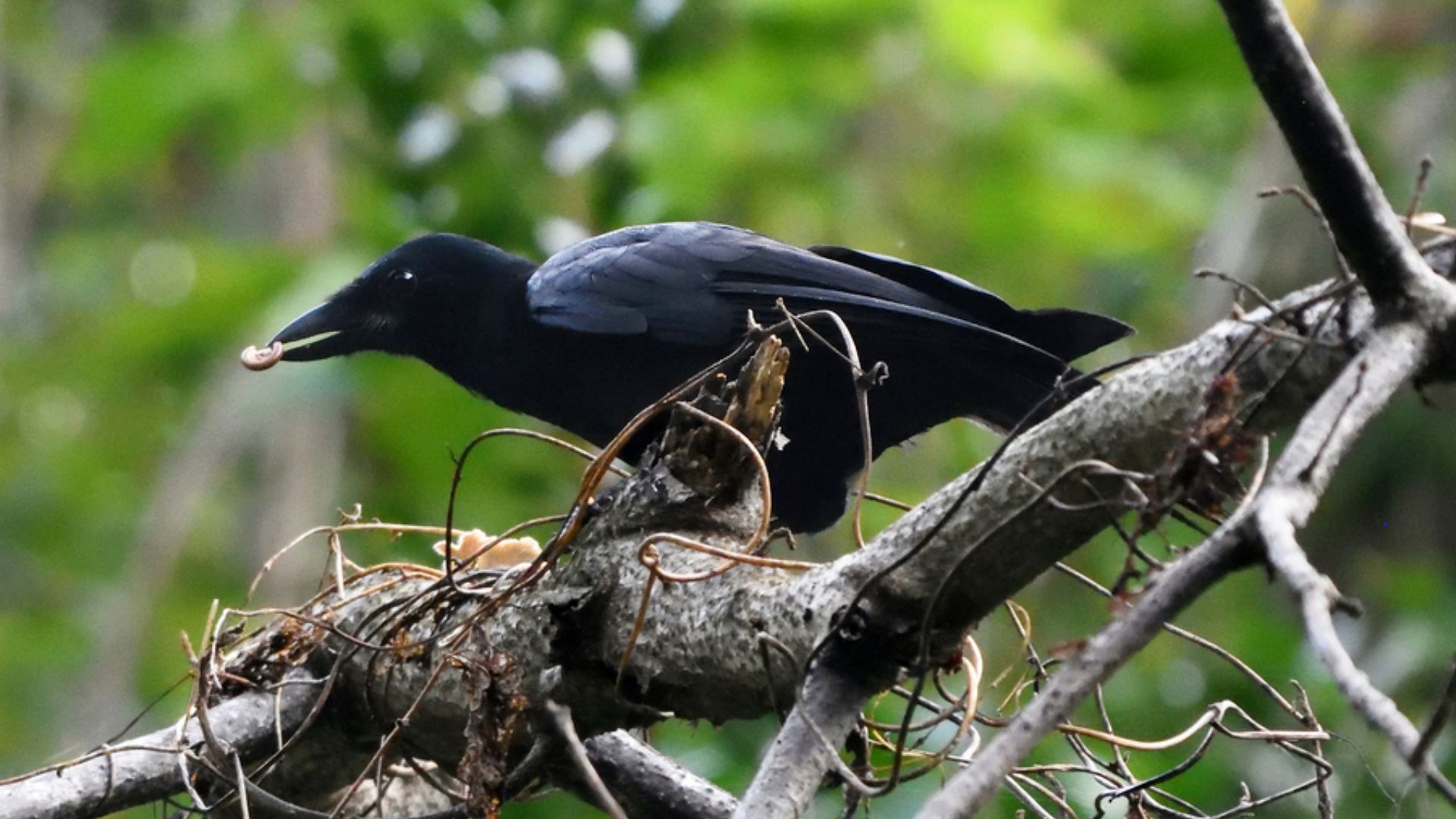
Betty was a New Caledonian crow who became famous after bending a piece of wire into a hook to retrieve food. The moment became one of the best-known examples of an animal using a tool to solve a problem. Betty’s actions helped people see crows as far more capable creatures than originally thought.
17. Snowball
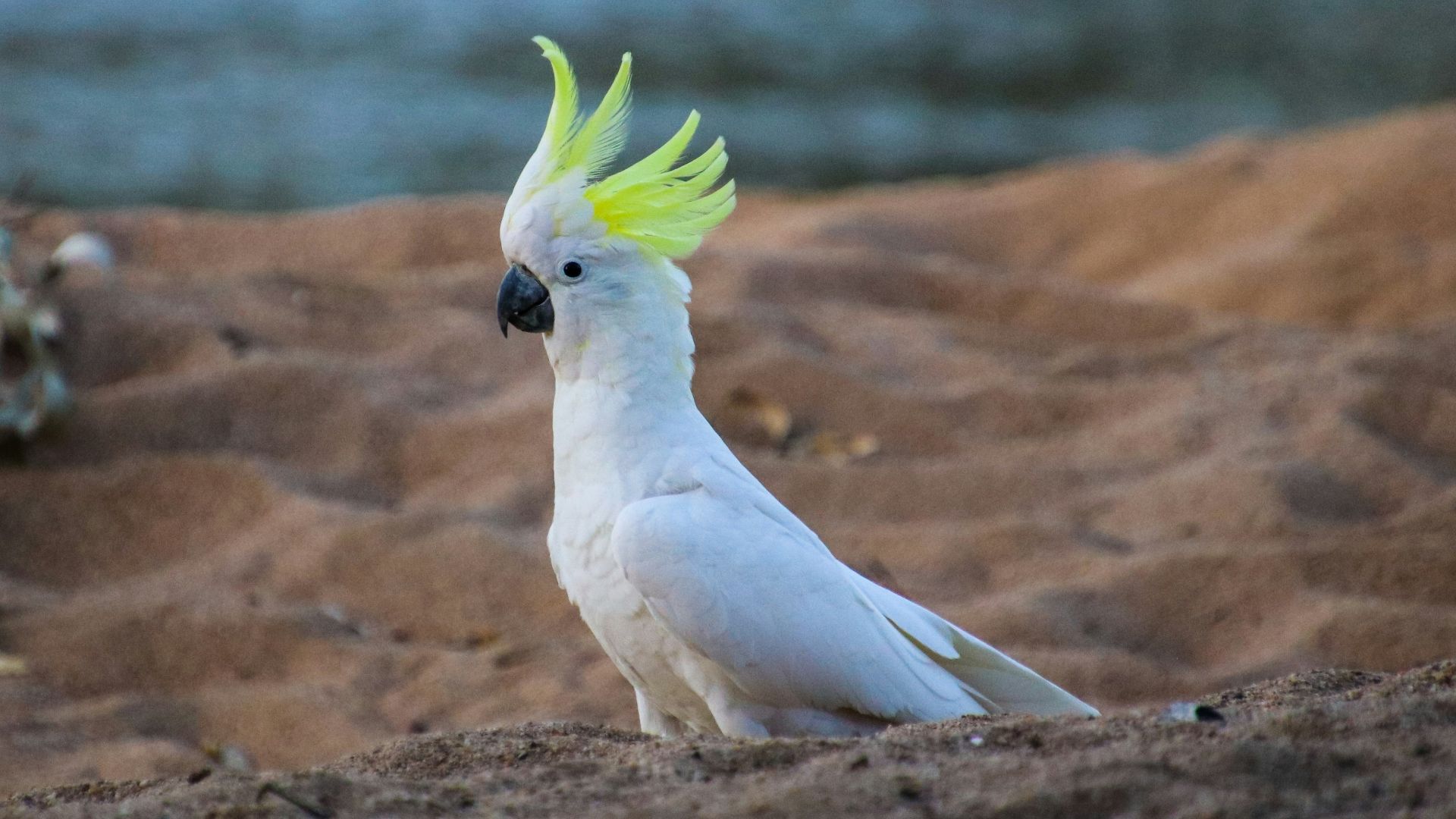
Snowball was a cockatoo known for his sweet, sweet moves. His dancing, which was always in time to the music, developed into a wide range of dance moves. Currently, he's the Guinness World Record holder for most dance moves by a bird.
18. Pale Male
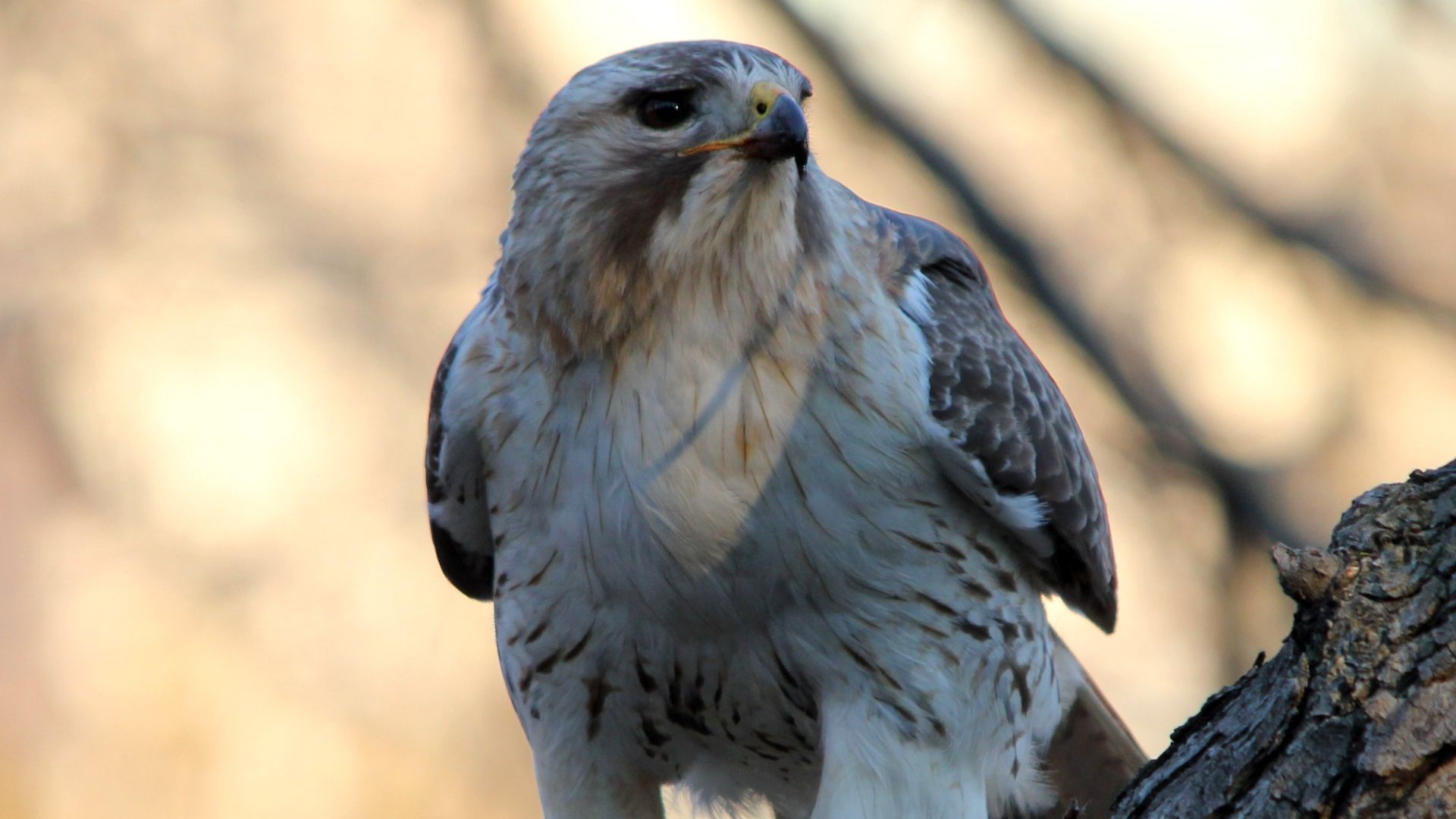
Pale Male was a red-tailed hawk who made a home near Central Park and became a well-known New York City bird. His Fifth Avenue nest attracted devoted birdwatchers, many of whom followed his family life closely. Public support helped protect the place he shared with his mates and chicks.
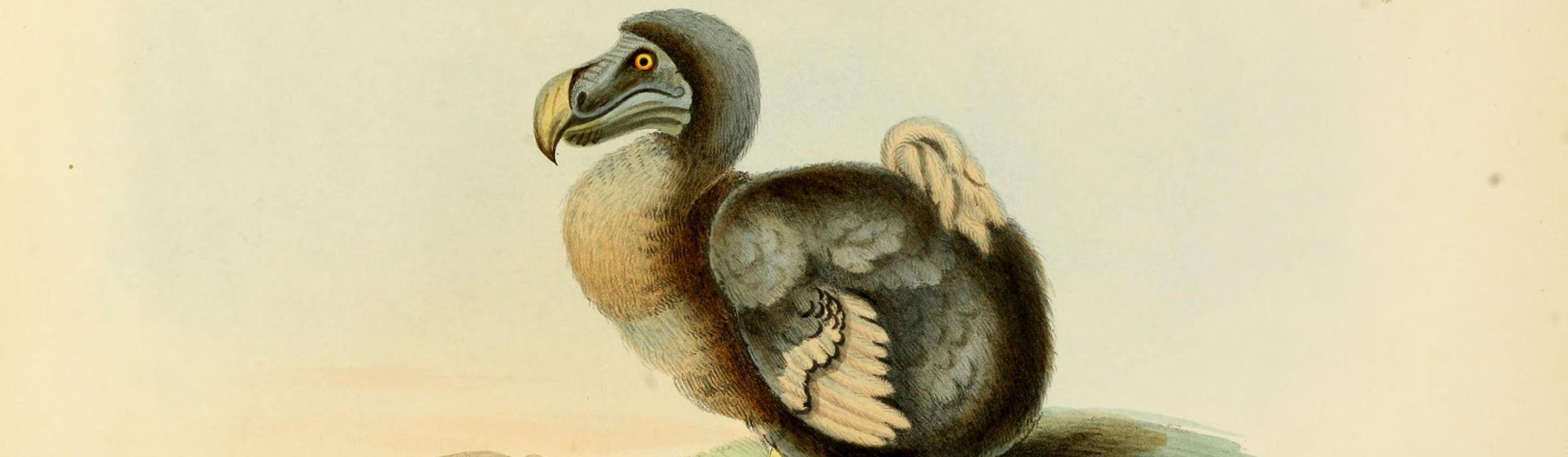
19. The Dodo
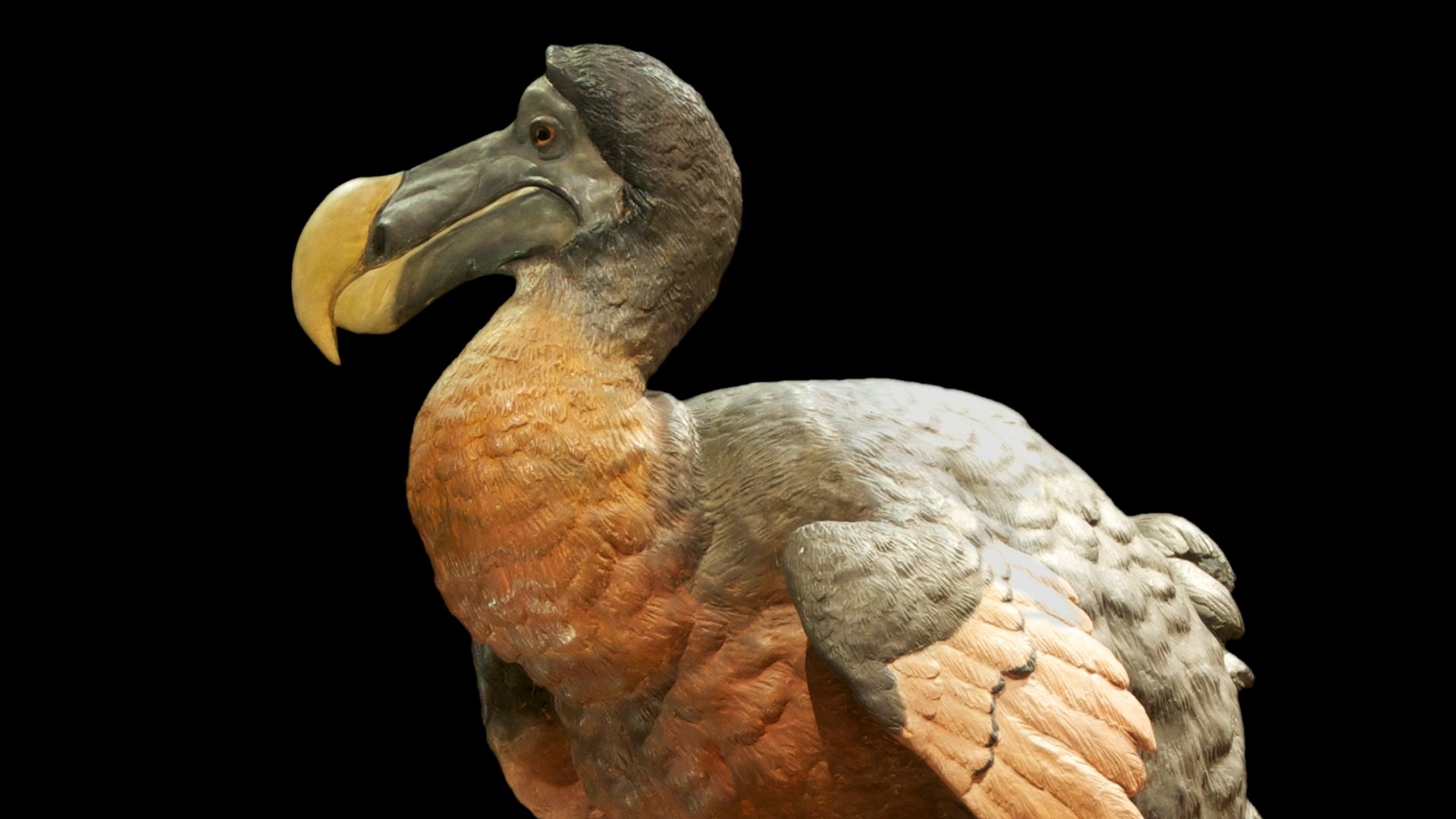
The dodo became one of history’s most recognizable symbols of extinction after disappearing from Mauritius in the 17th century. Later cartoons made it seem slow and foolish, though that wasn’t an accurate picture of the bird. Its flightless nature left it vulnerable to people and animals that eventually inhabited its land.
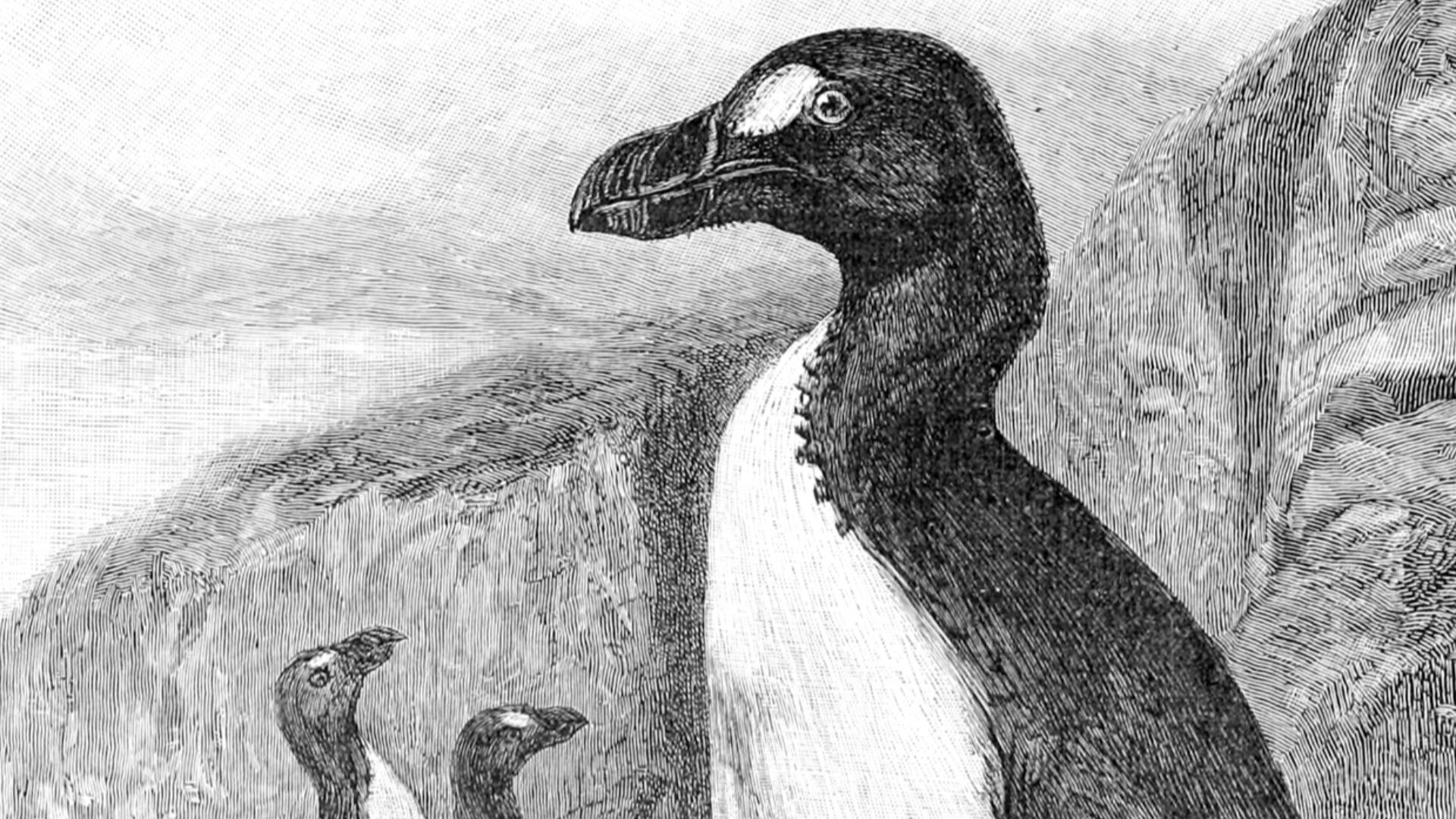
20. The Great Auk
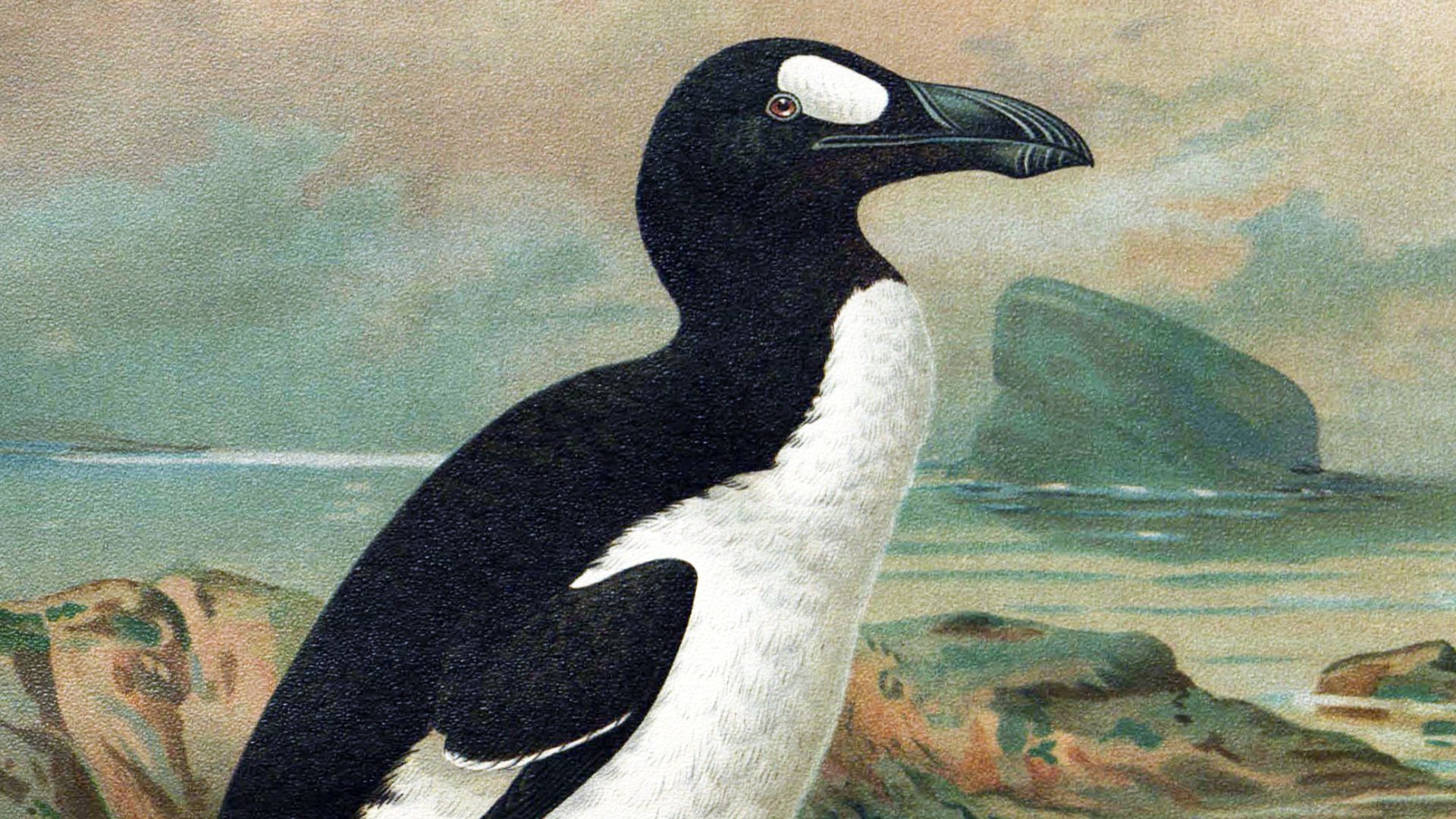
The great auk was a large, flightless seabird that once lived across the North Atlantic. Hunters wanted it for meat, eggs, oil, feathers, and specimens, and those demands steadily reduced its numbers. The last confirmed pair was killed on an Icelandic island in 1844, bringing the species to an end.
 John Gerrard Keulemans on Wikimedia