The Old Panic That Just Kept Finding New Targets
Every generation seems to invent a new villain responsible for corrupting its boys. A book, a song, a game, or simply a place where young men could gather unsupervised was often enough to spark a moral panic. Sometimes the fear was grounded in something real. Far more often, it was a tangle of class snobbery, racial prejudice, or plain discomfort with a changing world. Here are 20 things that, at one point or another, adults were certain would send young men down the wrong path.

1. Myths of Gods and Heroes
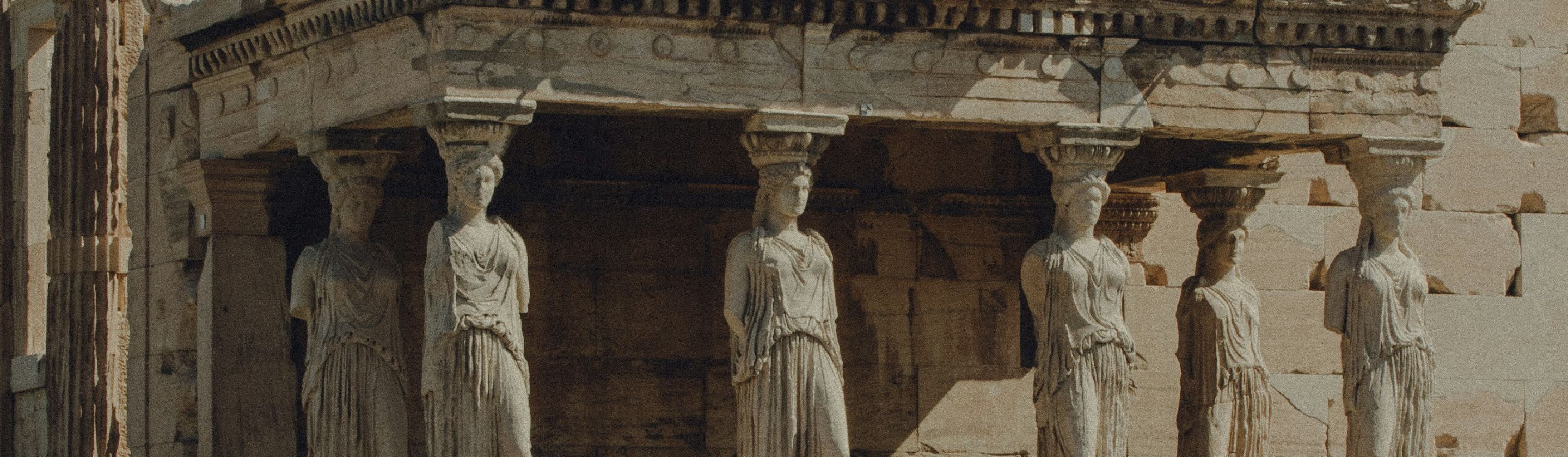
Even in ancient Greece, philosophers fretted that boys would imitate the bad behavior baked into their most beloved stories. Gods who lied and cheated, heroes who trembled at death; none of it seemed like proper training for future soldiers and statesmen. If you wanted brave, disciplined young men, you'd better watch what stories they grew up on.

2. The Public Stage
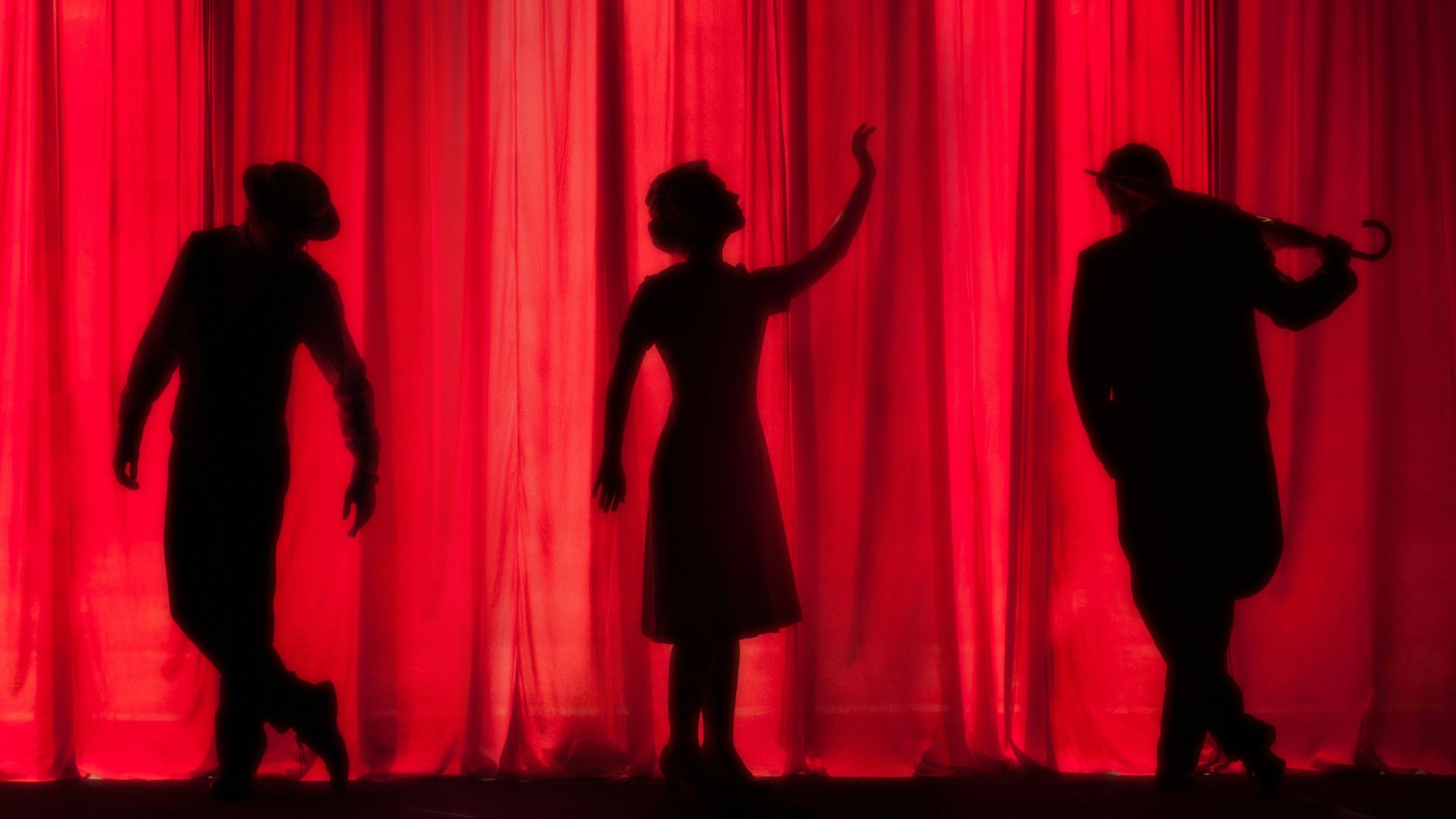
English critics of the late 1500s and early 1600s treated the theater like a den of vice. Playhouses contained idle crowds, elaborate costumes, and jokes dripping with innuendo. A young man who spent his afternoon watching a play instead of learning a trade was, in their eyes, already halfway to ruin.
3. Novels
When novels took off in the 1700s, reading for pleasure suddenly looked suspicious. Critics worried readers would lose themselves in fictional lives and fritter away hours better spent working. Romance plots and tales of easy wealth were seen as especially dangerous, feeding readers unrealistic ideas about how life actually worked.

4. Self-Pleasure
Religious and medical authorities once claimed that solitary pleasure would sap the body and rot the character. The warnings targeted both sexes, but they piled an outsized dose of fear and shame onto boys and young men in particular. The myths lingered for generations, turning an ordinary, private part of growing up into an ongoing source of dread.
5. Penny Theaters
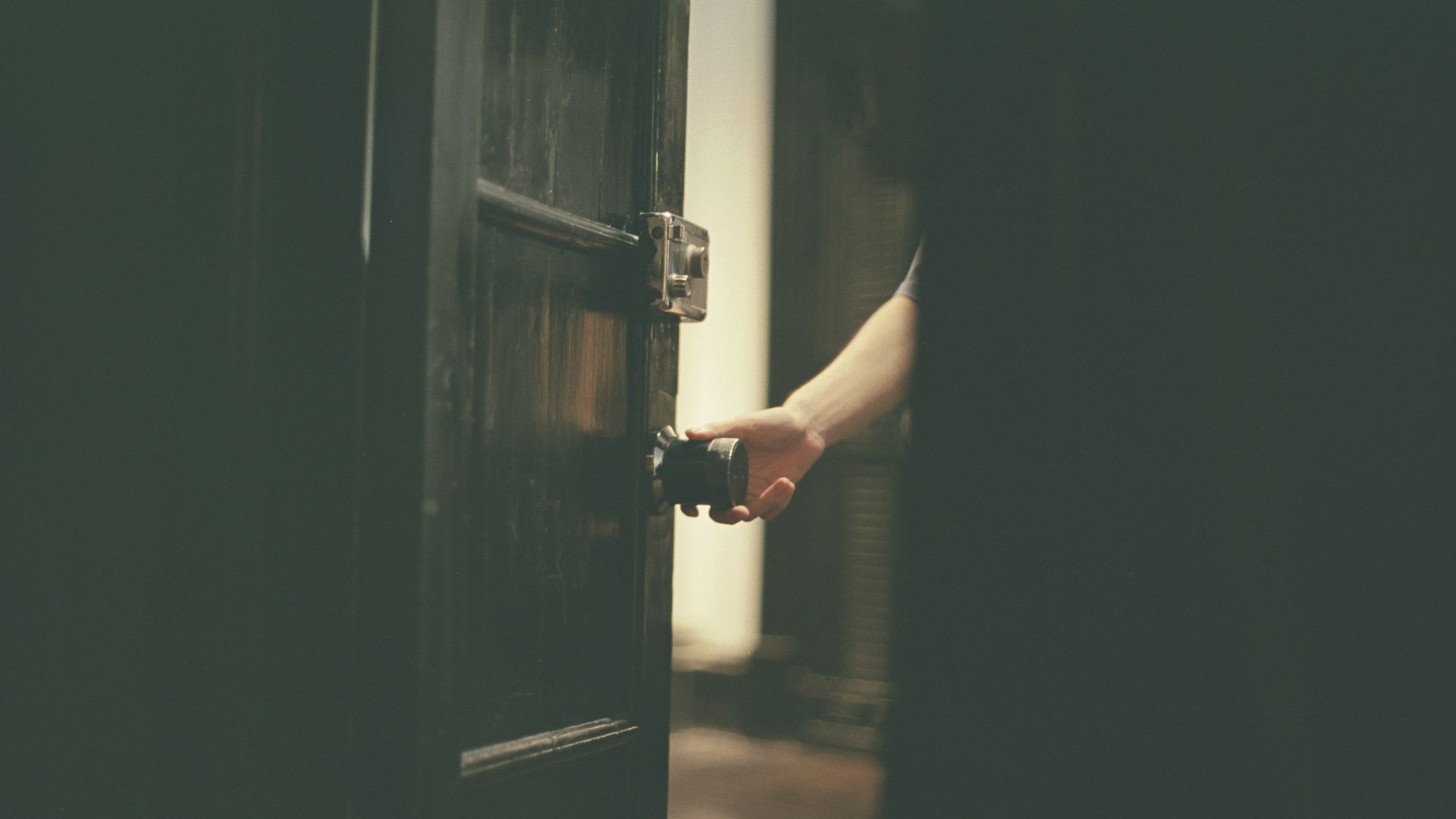
Nineteenth-century Britain's cheap theaters gave working-class audiences comedy, melodrama, and spectacle for pocket change. Reformers saw something more sinister: rowdy crowds, coarse language, and a gateway into petty crime. Boys, they insisted, deserved quieter, more "respectable" ways to spend an evening.
6. Penny Dreadfuls
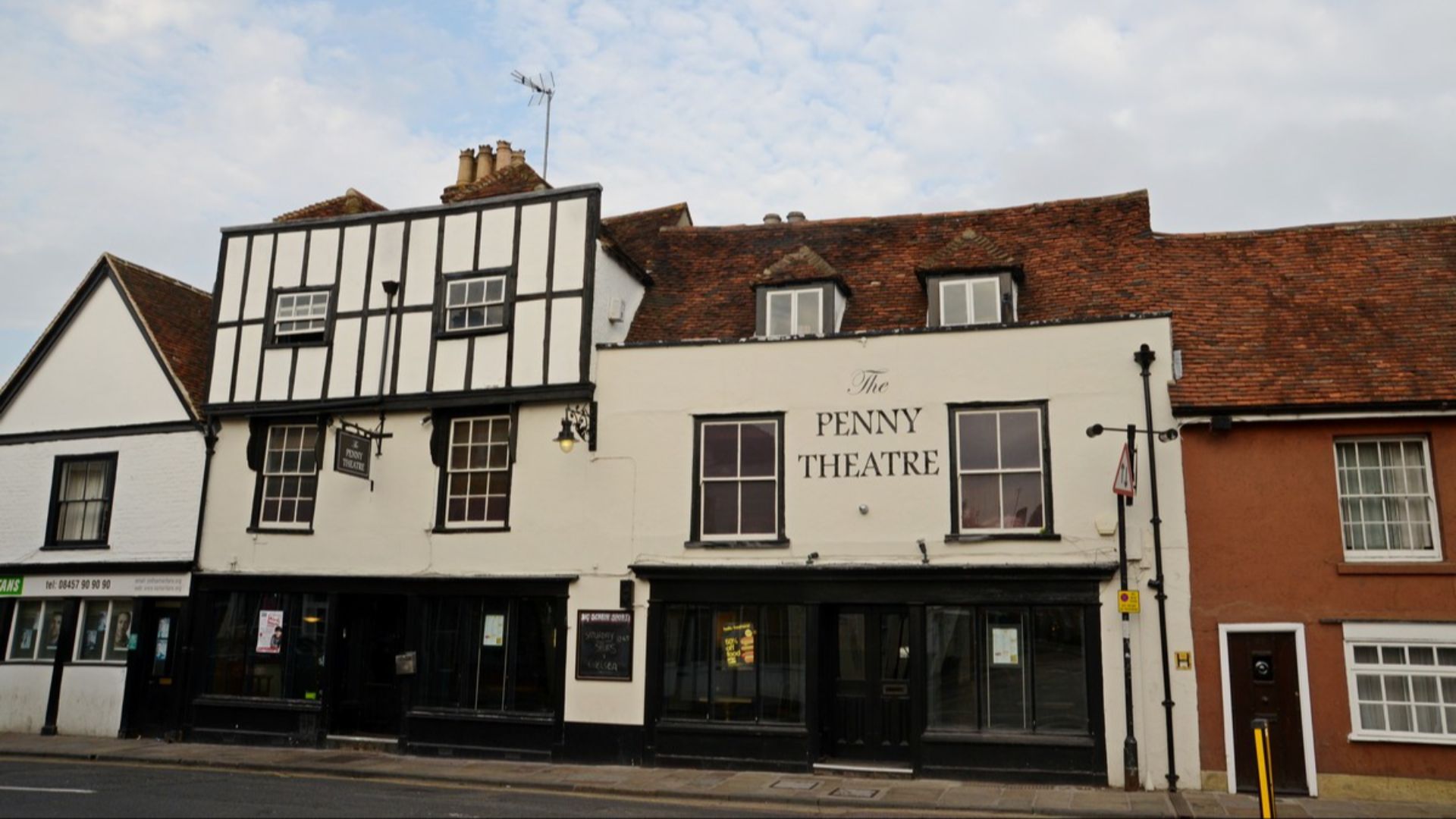
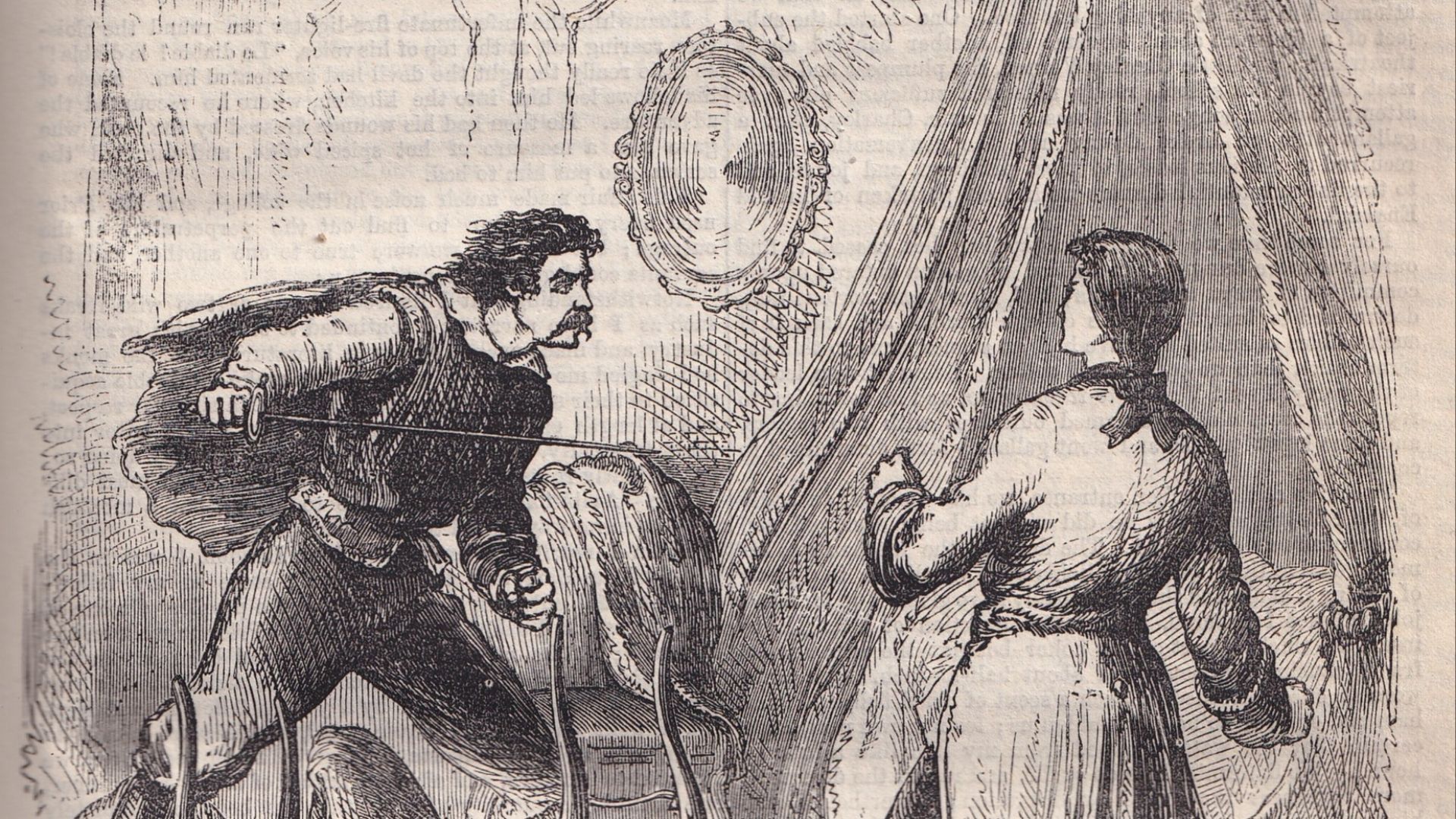
These lurid, cheaply printed stories delivered pirates, highwaymen, murders, and cliffhangers by the truckload. Victorian moralists feared boys would start romanticizing crime after reading about it in such thrilling detail. Never mind that poverty and neglect were the actual drivers of youth crime. A good scapegoat is so much easier to blame than a systemic problem.
 Unknown authorUnknown author on Wikimedia
7. Dime Novels
America's answer to the penny dreadful caught the same heat. When a notorious 1870s murder got tied to a teenage fan of sensational fiction, reformers pounced on the connection as proof of concept. It made for a gripping headline; it just didn't actually prove that adventure stories turned readers into killers.
8. Cigarettes
By the late 1800s, anti-smoking crusaders had legitimate health concerns on their hands. But the campaign against it quickly tangled itself up with rigid ideas about masculinity, self-control, and what "real men" should or shouldn't do, making it as much a morality play as a public health effort.

9. Pool Halls
Billiard halls earned a reputation as breeding grounds for gambling, drinking, and bad company. Some schools treated a student's visit to one as a serious disciplinary matter. Of course, plenty of young men were just there to shoot a few racks with friends, but that nuance rarely made it into the sermons.

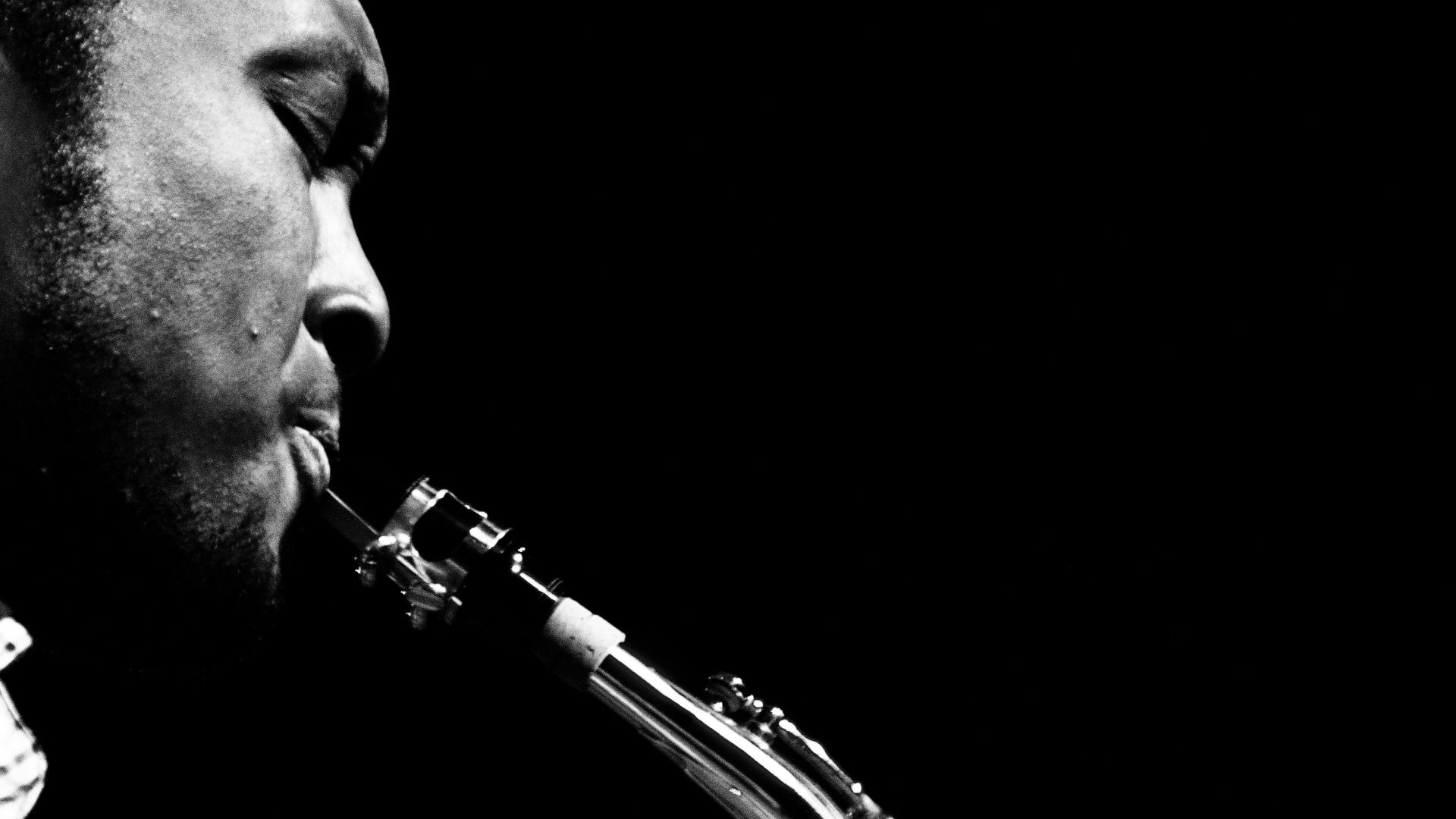
10. Jazz
In the 1920s, jazz represented far more than music to its critics: it symbolized drinking, dancing, and sexual liberation all rolled into one. Racial bias fueled a huge share of the backlash, since jazz was a Black American art form that many saw as a direct threat to the social order they were used to.
11. Dance Halls
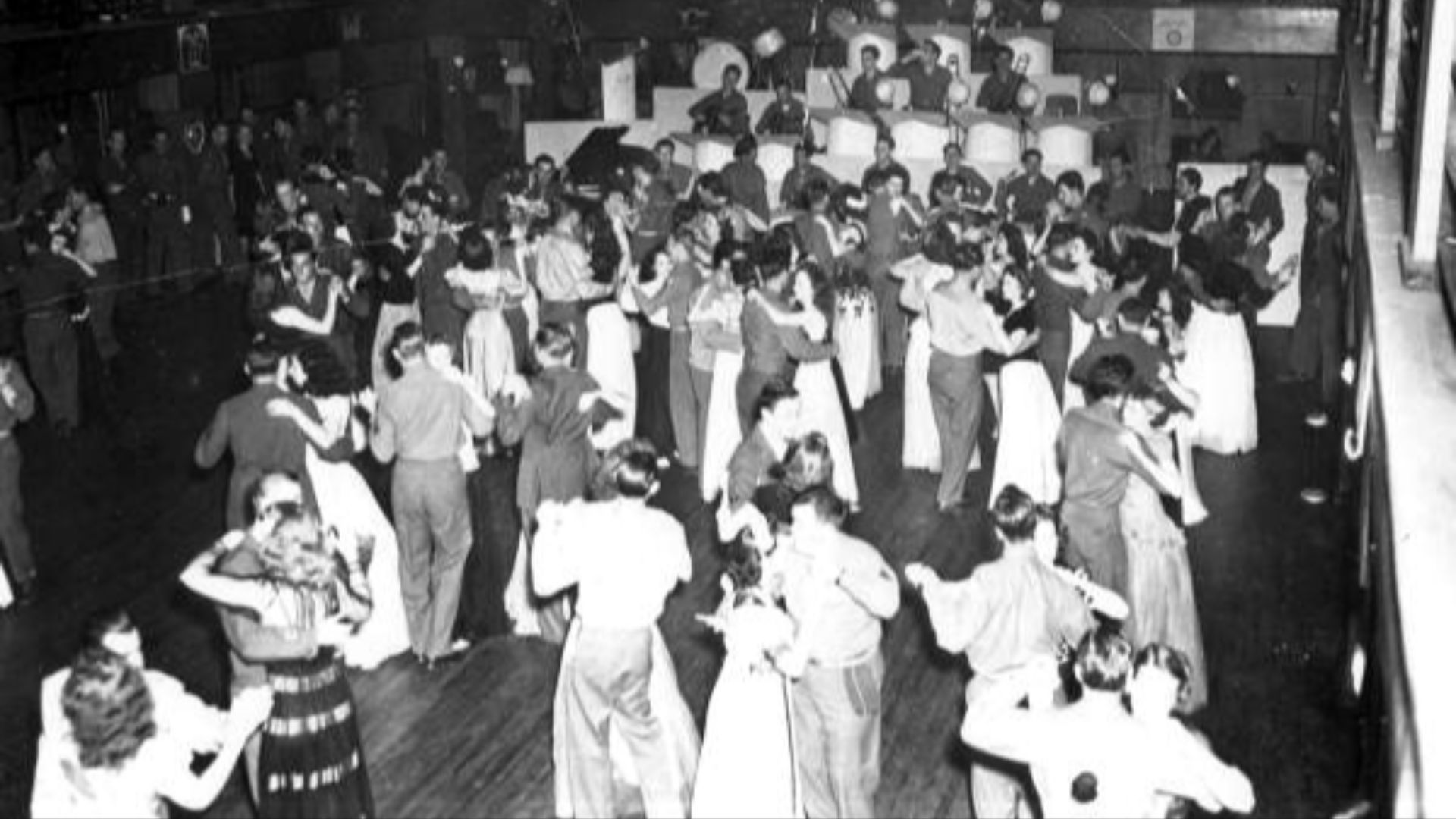
Dance halls offered young people something rare: a place to meet and mingle without a chaperone in sight. That independence terrified reformers, especially once alcohol and close contact entered the picture. Cities responded by regulating hours, conduct, and just about everything else that happened on the dance floor.
 Photographer (presumably US military) not credited on Wikimedia
12. Gangster Movies
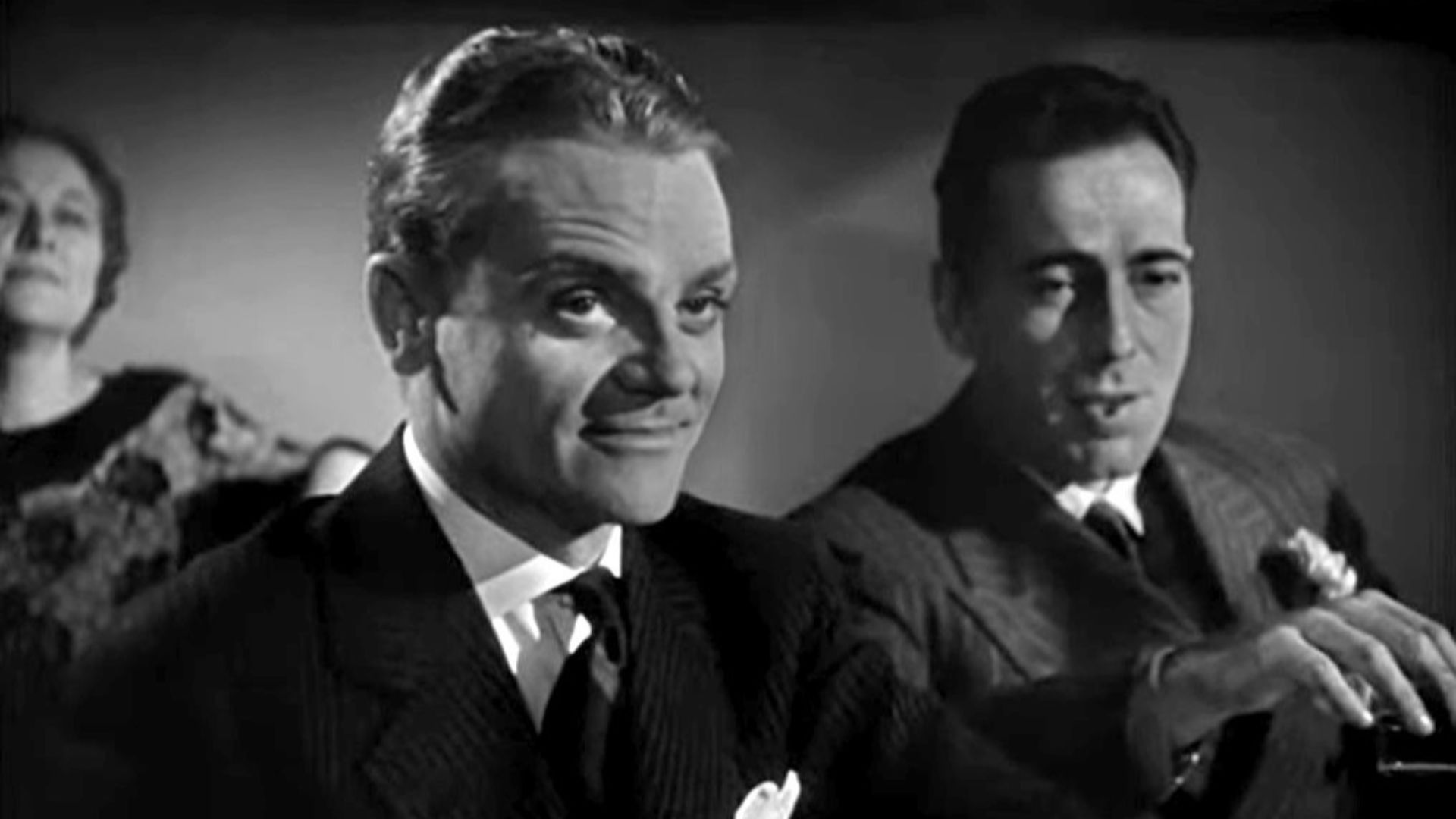
Early-1930s gangster films made a life of crime look glamorous, bold, and impossible to look away from. Critics worried young audiences would see criminals as heroes rather than cautionary tales. The backlash helped push studios toward a rule: the bad guy has to lose by the credits.
13. Comic Books
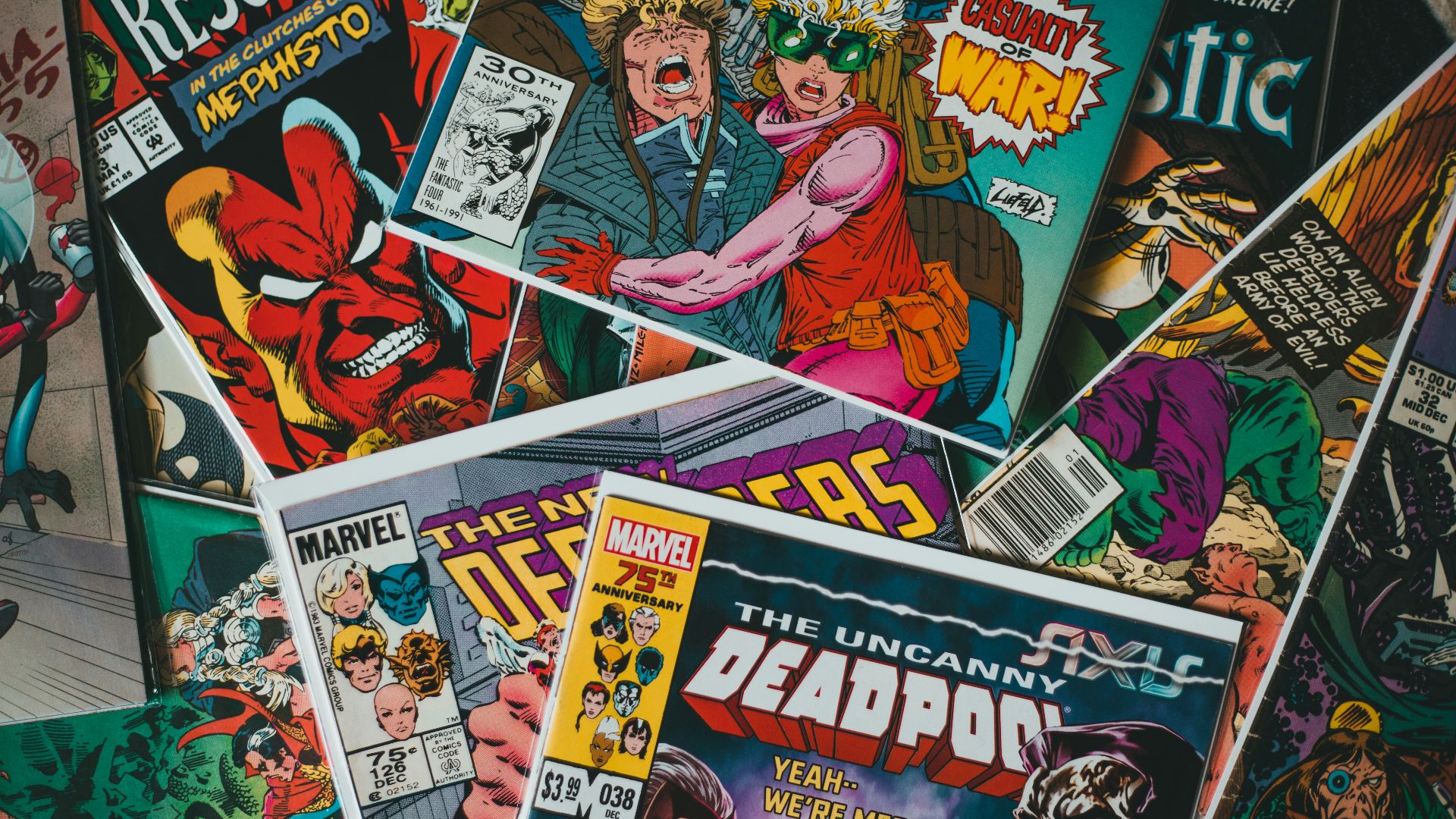
Crime and horror comics became public enemy number one in the 1940s and '50s. Public figures blamed violent panels for rising juvenile delinquency, and a 1954 Senate investigation put the entire industry under a microscope. Publishers responded by adopting a strict self-censorship code that sanitized what could appear on the page.
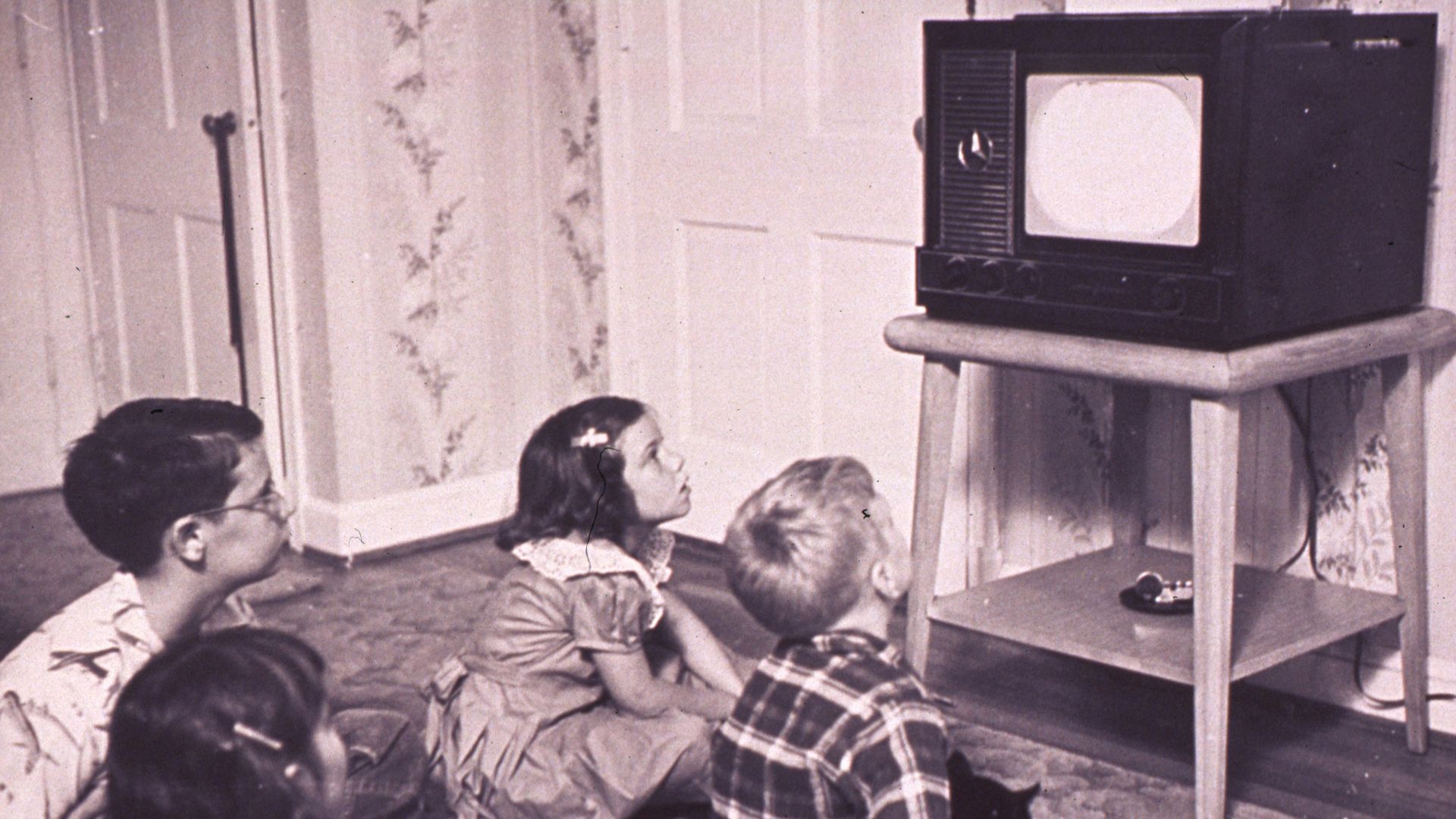
14. Television
TV barely got a honeymoon period before the worrying started. In the 1950s, critics feared violent programming was making young viewers more aggressive and less sensitive to real-world cruelty, and that watching bad behavior night after night would eventually lead boys to imitate it.
 National Library of Medicine on Unsplash
15. Rock 'n' Roll
Rock 'n' roll rattled adults precisely because teenagers loved it so much. The loud guitars, the dancing, the rebellious swagger — it all screamed that young people were pushing back against the old rules. Its roots in Black musical traditions only intensified the backlash, with racial prejudice shaping much of the panic.
 Diane Picchiottino on Unsplash
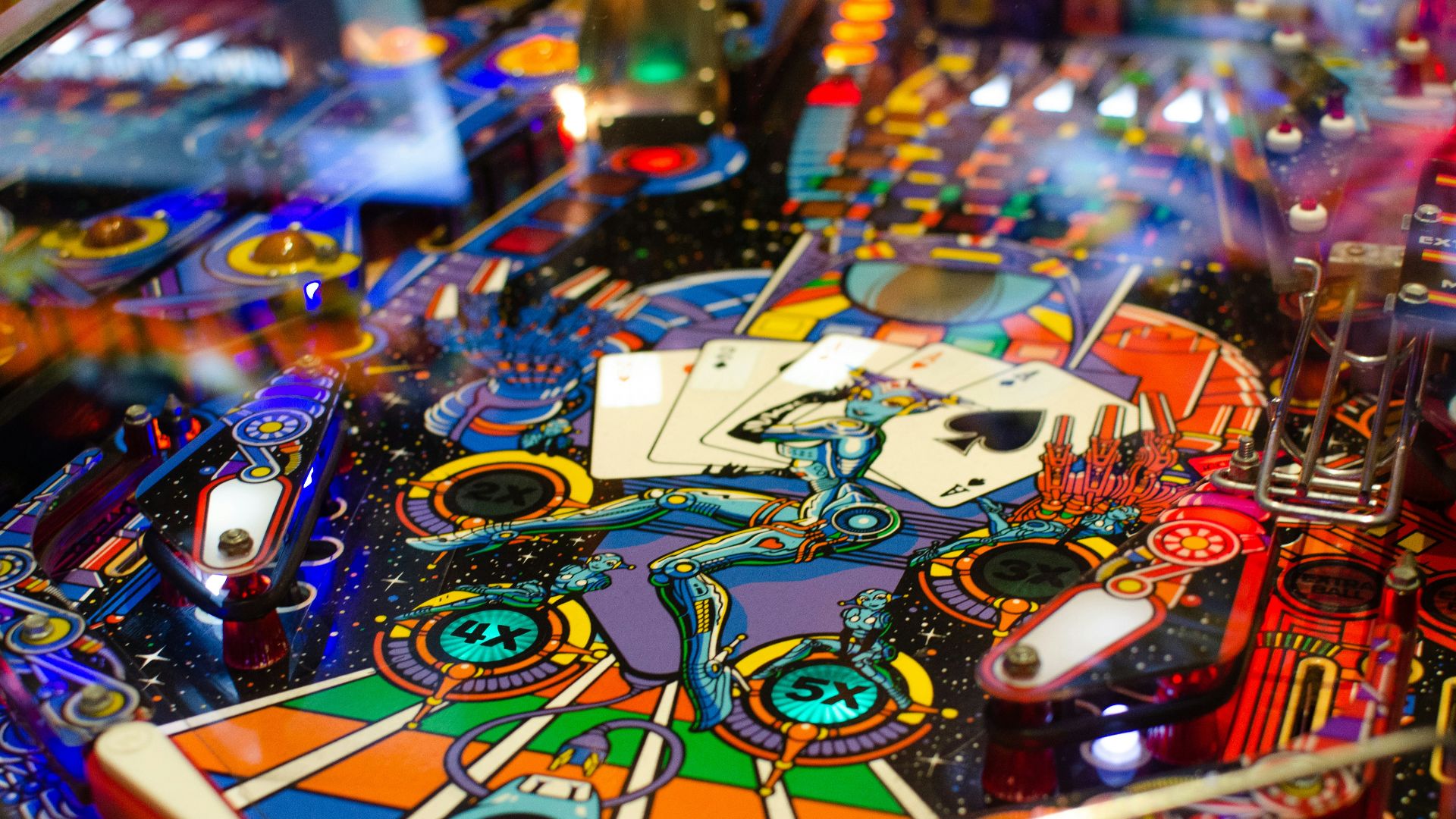
16. Pinball
Several American cities banned pinball outright for decades, treating the machines as glorified gambling devices. Since they turned up in candy stores and arcades, they got lumped in with wasted allowances and too much unsupervised free time; guilt by association for anyone who just liked racking up a high score.
17. Dungeons & Dragons
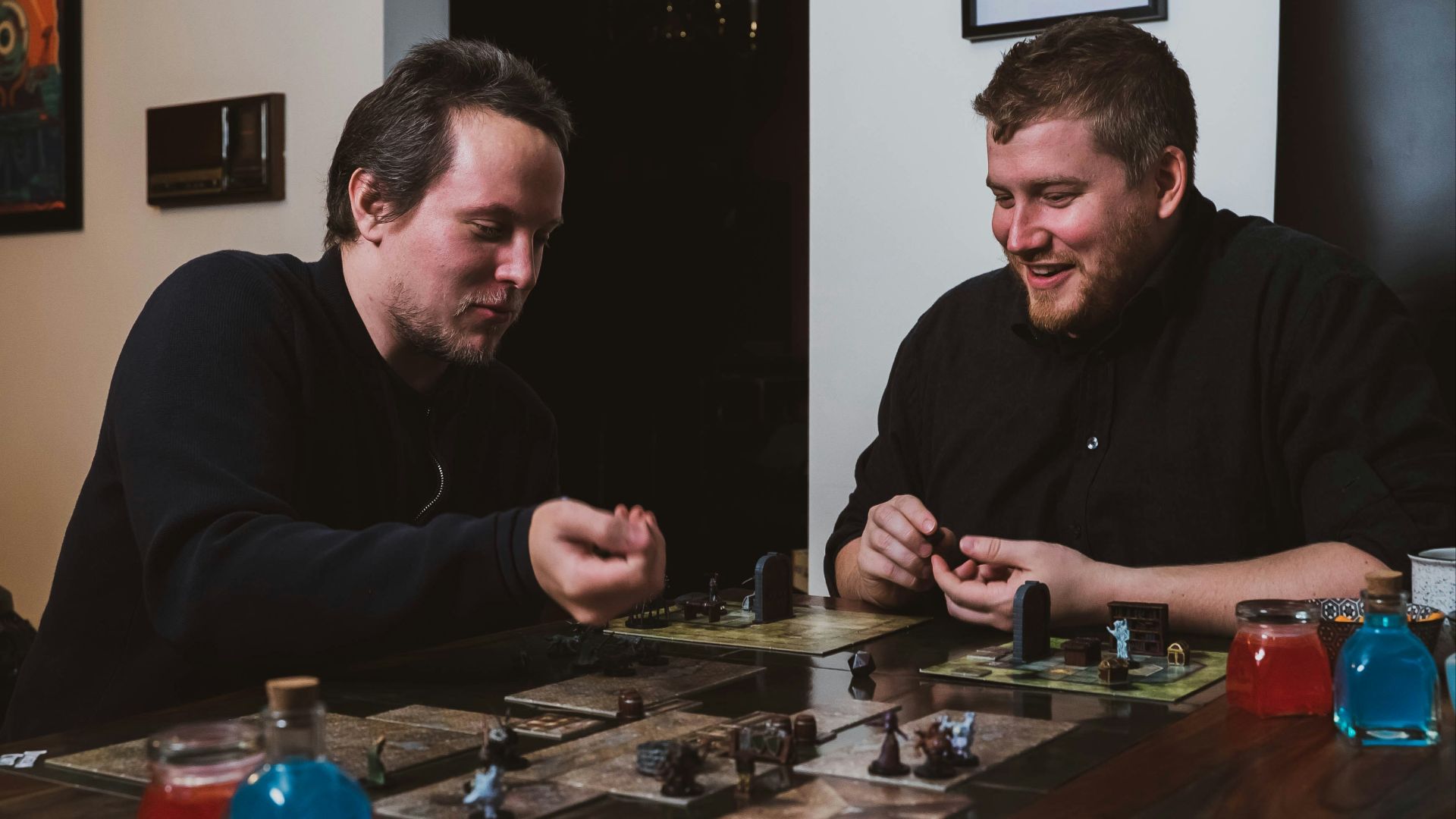
During the Satanic Panic of the 1980s, D&D got accused of everything from devil worship to inciting suicide and violence. Its elaborate fantasy rules simply baffled adults who'd never played it, and that confusion curdled into full-blown fear over a hobby that was really just teenagers using their imaginations.
18. Heavy Metal
Heavy metal's lyrics, album art, and stage theatrics became a national flashpoint in 1985, when a high-profile campaign put explicit music under a Congressional spotlight. Songs touching on drugs, violence, and the occult were treated as a moral hazard for young listeners. It was proof of how fast music could become "the enemy" once adults decided kids were hearing the wrong message.
 Diego Ornelas-Tapia on Unsplash
19. Gangsta Rap
Starting in the late 1980s, gangsta rap got framed as a recruiting tool for crime. Critics often mistook lyrics about violence and poverty for endorsements of it, glossing over the fact that much of it was storytelling and pointed social commentary.

20. Violent Video Games
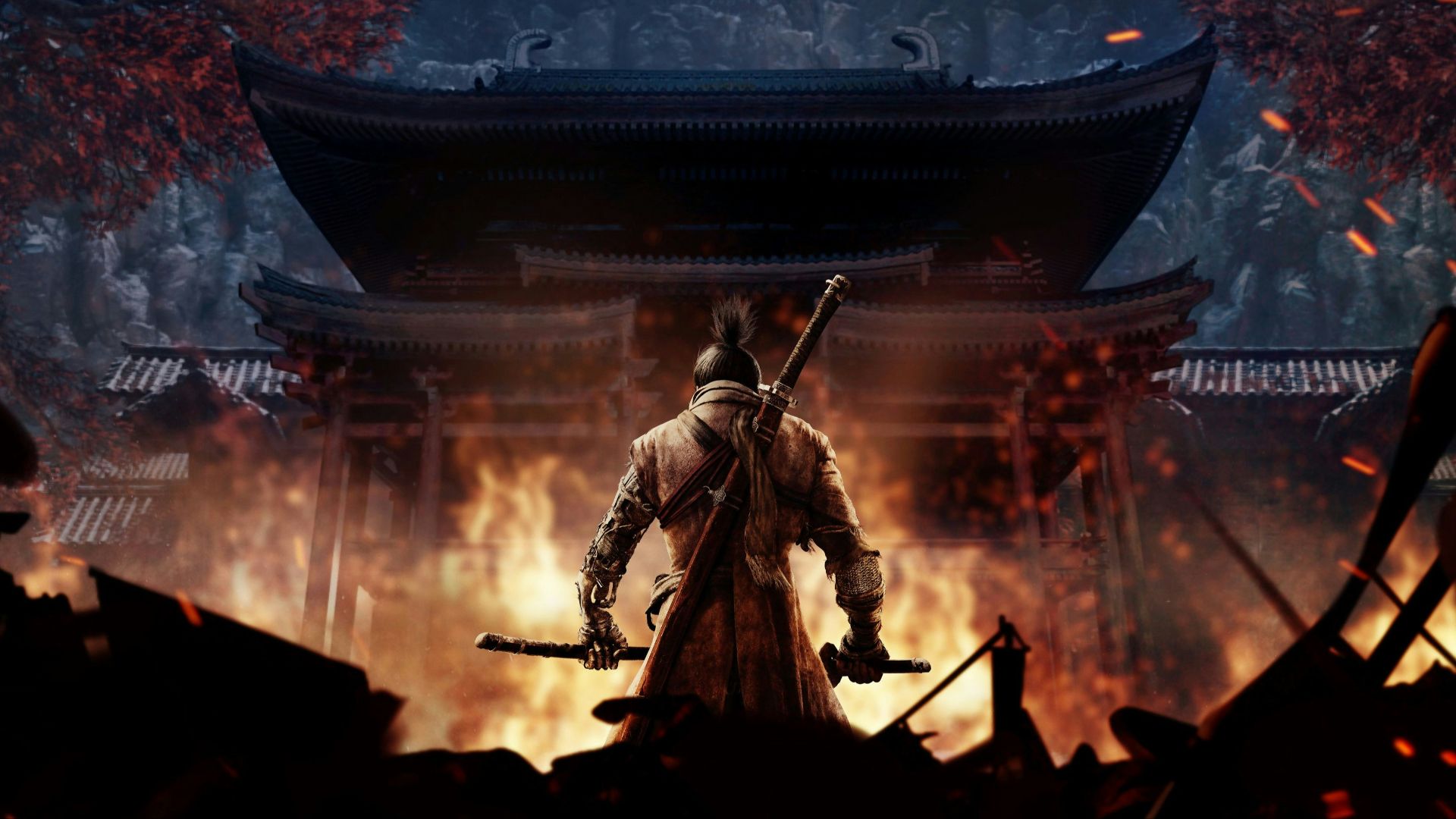
Video games became public enemy number one in the early '90s after titles like Mortal Kombat and Night Trap hit shelves. A federal hearing put graphic gameplay footage in front of lawmakers and reignited the same old fear: that fictional entertainment could push young people toward real-world violence, no matter how clearly make-believe it was.
KEEP ON READING