Beyond The Textbook Version
The story most people remember from grade school involves buckled hats, a big feast, and a rough but manageable start to a new life. What actually happened in the colonies was far grimmer than that, full of disease, starvation, brutal labor, and legal systems that gave almost nobody real protection. Entire settlements nearly wiped themselves out in the first few years, and the ones that survived did so through a level of hardship that is hard to picture from a modern kitchen. Winters killed people outright, childbirth was a genuine gamble, and a bad harvest could mean the difference between making it to spring and not. Here's 20 ways daily life in colonial America was worse than the history books tend to let on.

1. Jamestown Nearly Collapsed Entirely
During the winter of 1609 to 1610, later known as the Starving Time, the Jamestown colony lost the vast majority of its population to hunger and disease. Survivors reportedly resorted to eating shoe leather and worse just to stay alive. The colony came close enough to total failure that the remaining settlers had actually abandoned it before a resupply ship turned them back.
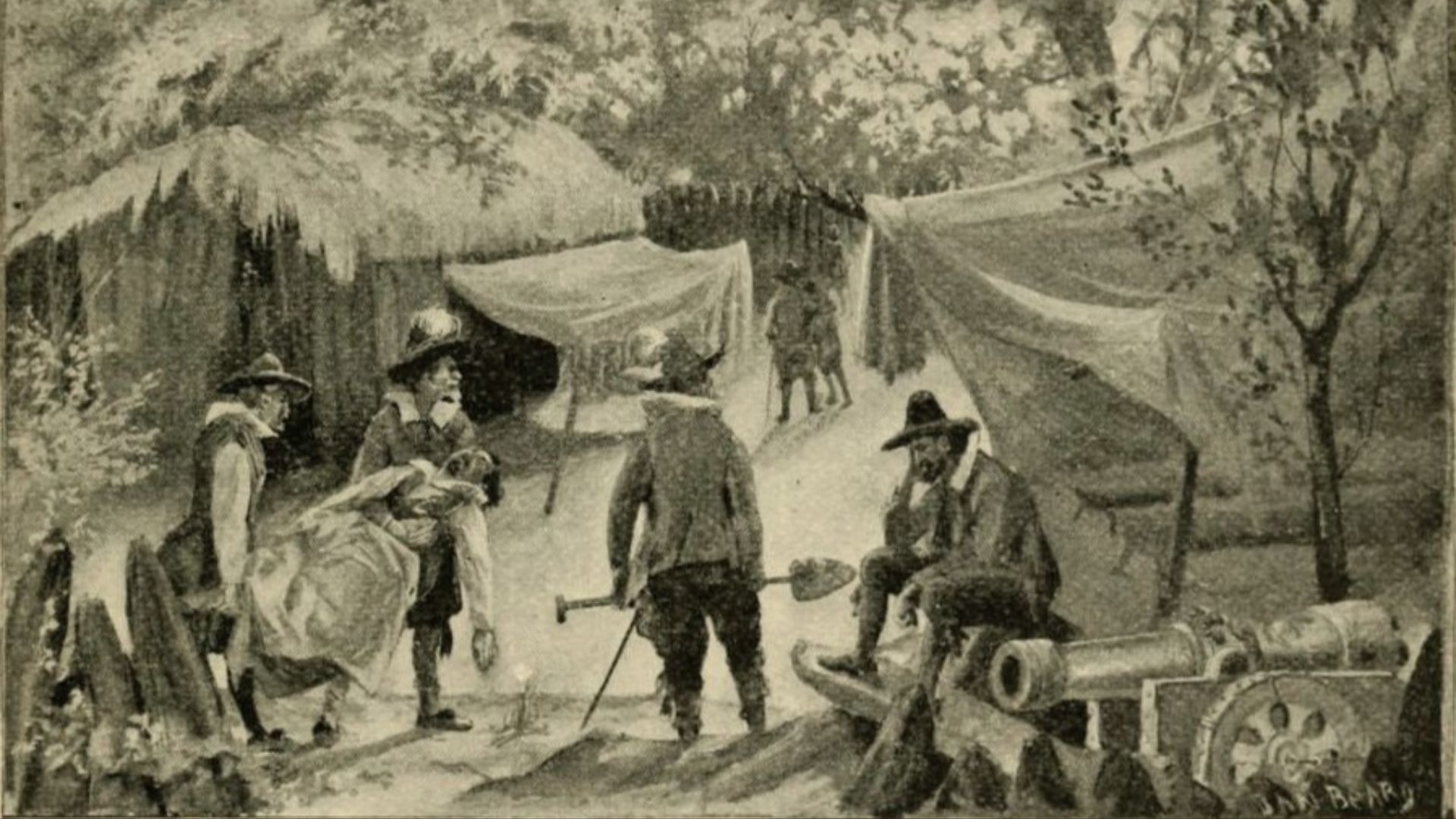 Jan Beary (via Royall Bascom Smithey) on Wikimedia
2. Indentured Servitude Was Brutal
Many colonists arrived not as free settlers but as indentured servants, bound to years of labor in exchange for passage across the ocean. Treatment varied by master, but abuse and overwork were common, and plenty of servants died before their contracts ever ended. Freedom at the end of the term was a promise, not a guarantee.
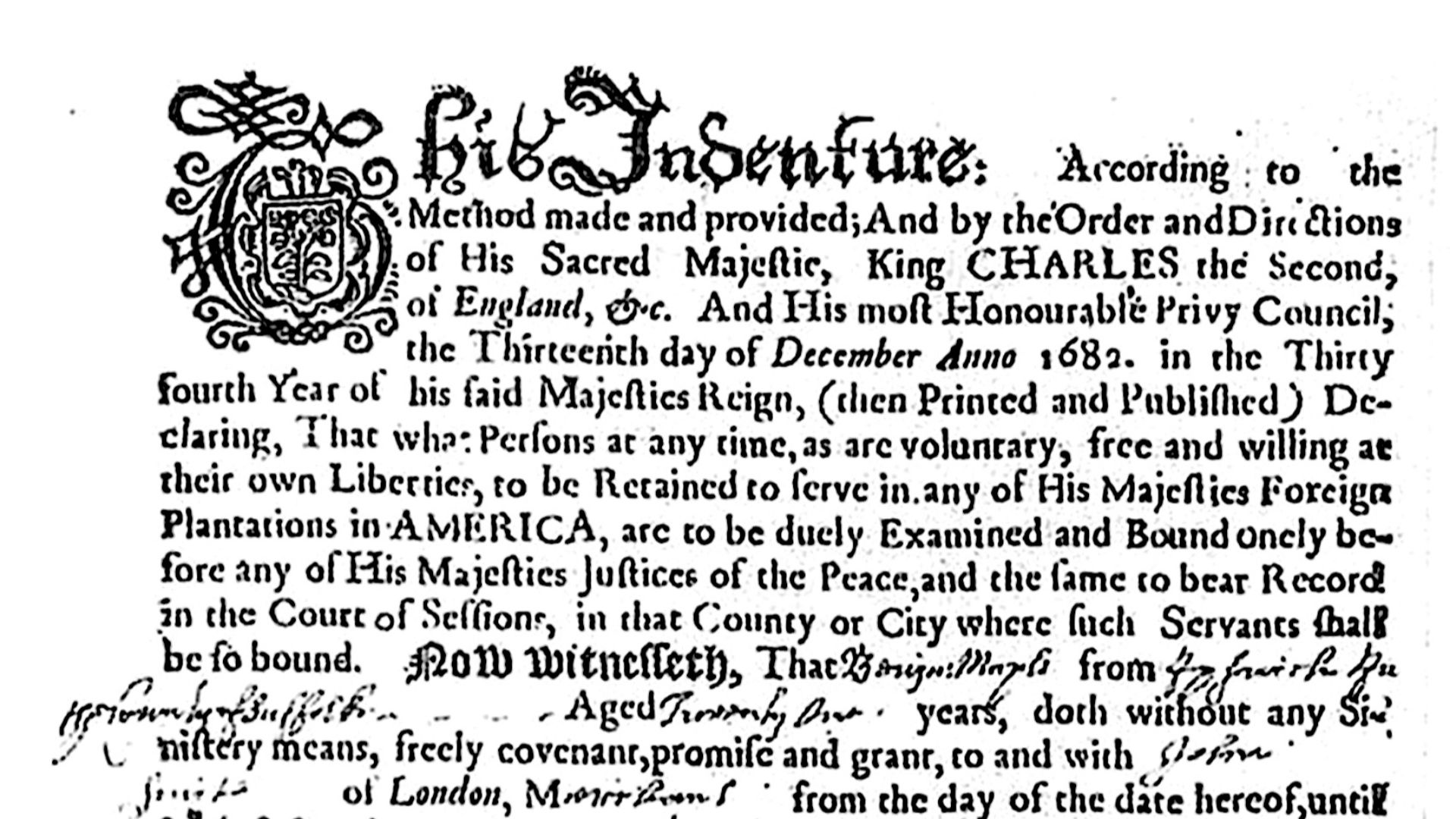 Unknown authorUnknown author on Wikimedia
3. Slavery Defined The Colonial Economy
Enslaved Africans and their descendants had no legal protection and no control over their own lives, laboring under a system built entirely around extracting their work by force. The institution expanded steadily throughout the colonial period, becoming more entrenched with each passing decade. This was not a footnote to colonial life, it was one of its central engines.
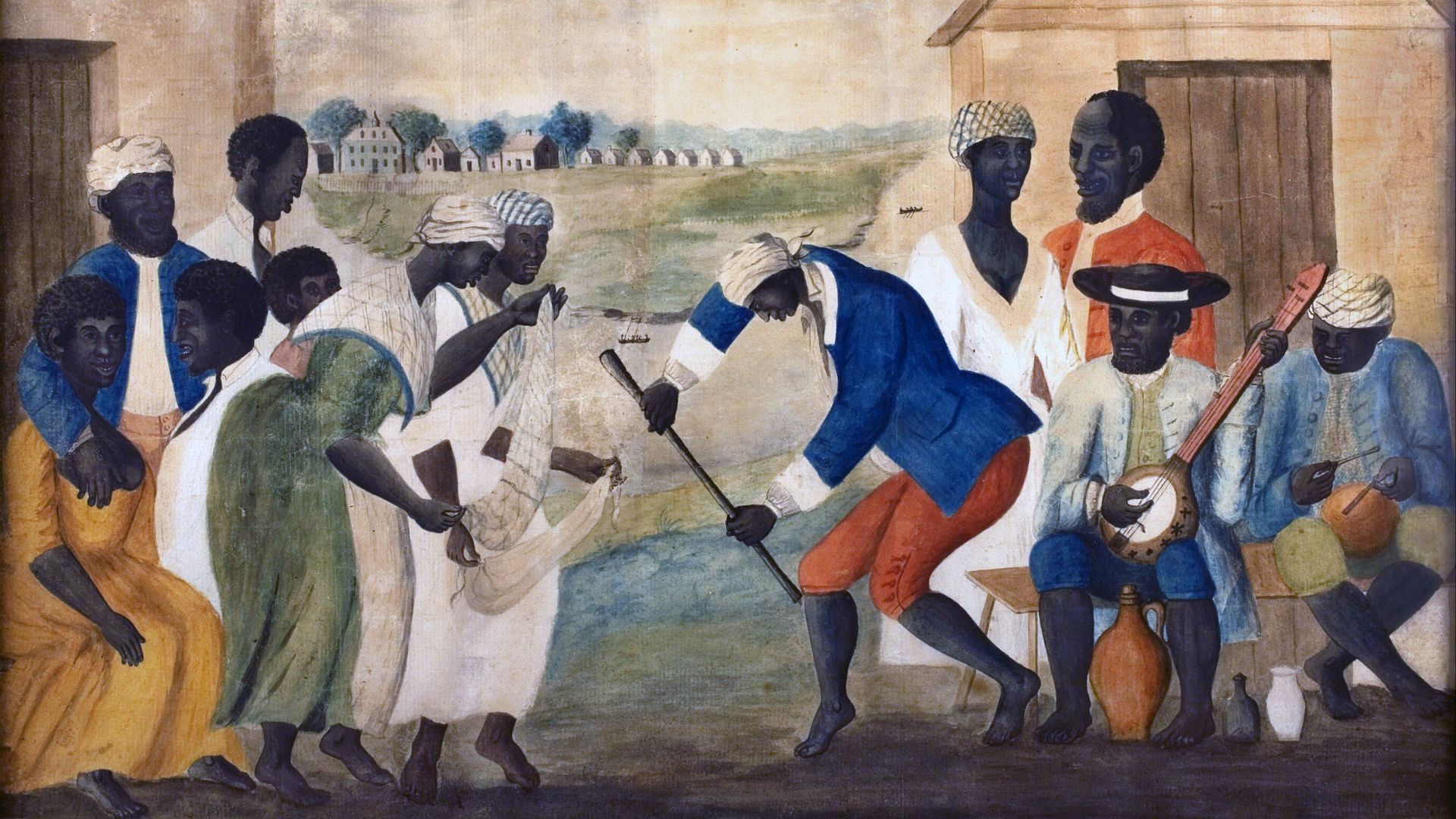 Attributed to John Rose on Wikimedia
4. Childbirth Was A Genuine Risk To Life
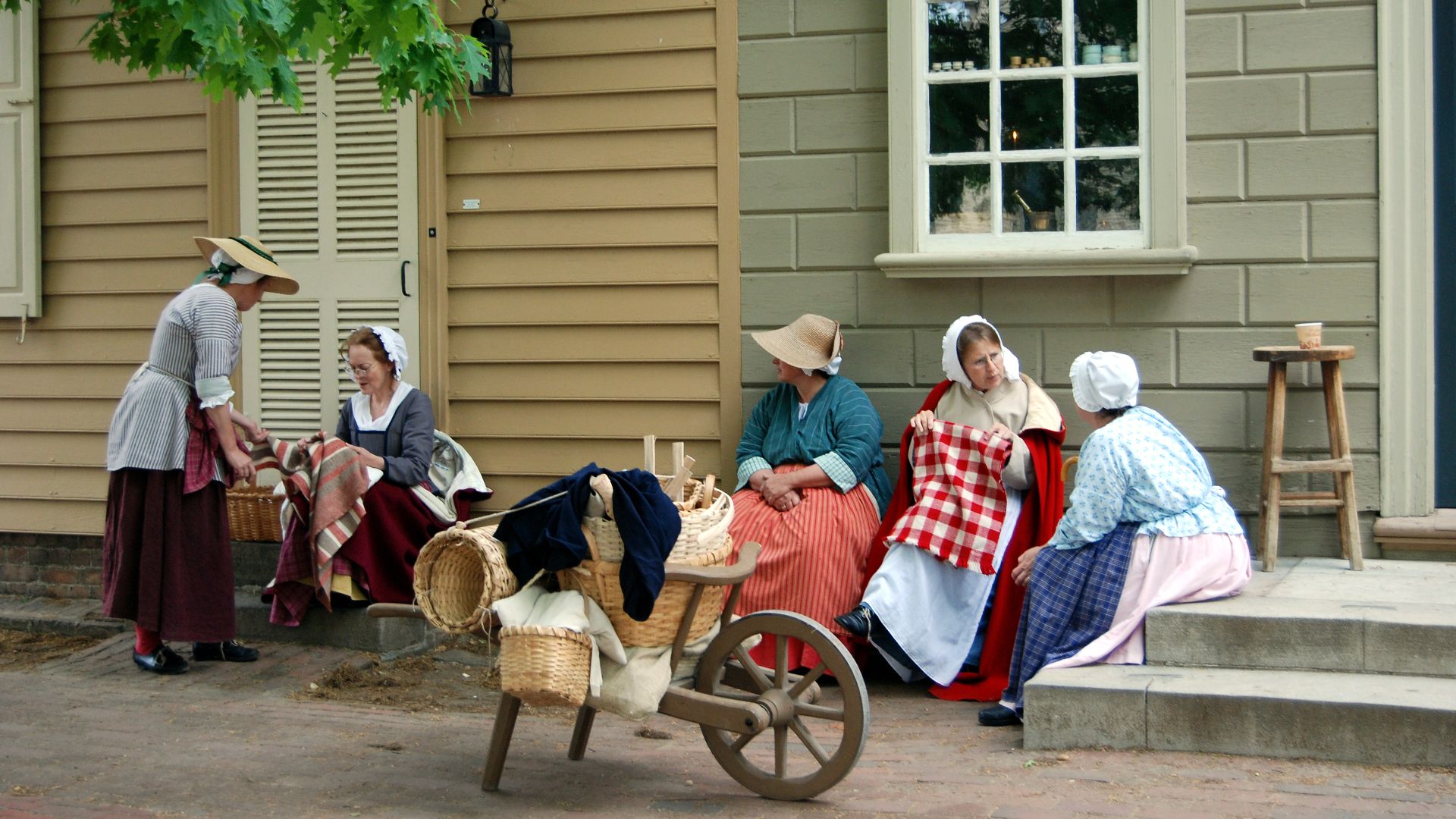
Without modern medicine, giving birth carried a real chance of death for both mother and child. Infection, blood loss, and complications that would be routine to handle today were often fatal. Losing multiple children was common enough that families rarely expected all of them to survive to adulthood.
 Harvey Barrison from USA on Wikimedia
5. Winters Could Simply Kill You
Colonists arriving in New England often faced their first winter without adequate shelter, stored food, or warm clothing suited to the climate. Entire groups died from exposure and starvation before spring arrived. Survival that first season sometimes came down to help from Native communities who already knew how to handle the land.
6. Accusations Could End In Execution
The Salem witch trials of 1692 saw people, mostly women, accused of witchcraft based on little more than rumor, fear, and personal grudges. Nineteen were hanged, and one man was pressed to death under stones for refusing to enter a plea. Suspicion alone was sometimes enough to end a life.
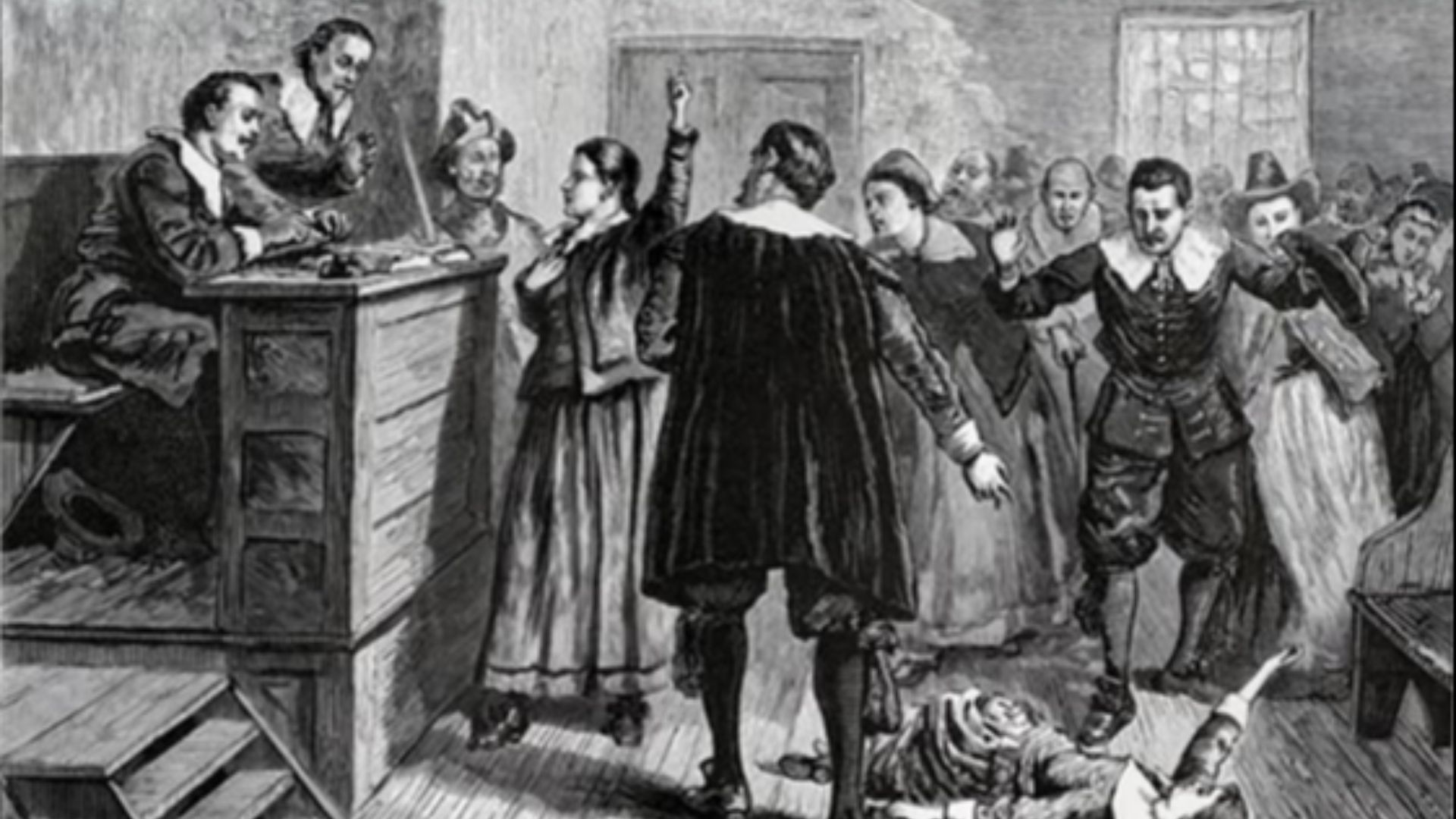 William A. Crafts on Wikimedia
7. Minor Offenses Brought Public Punishment
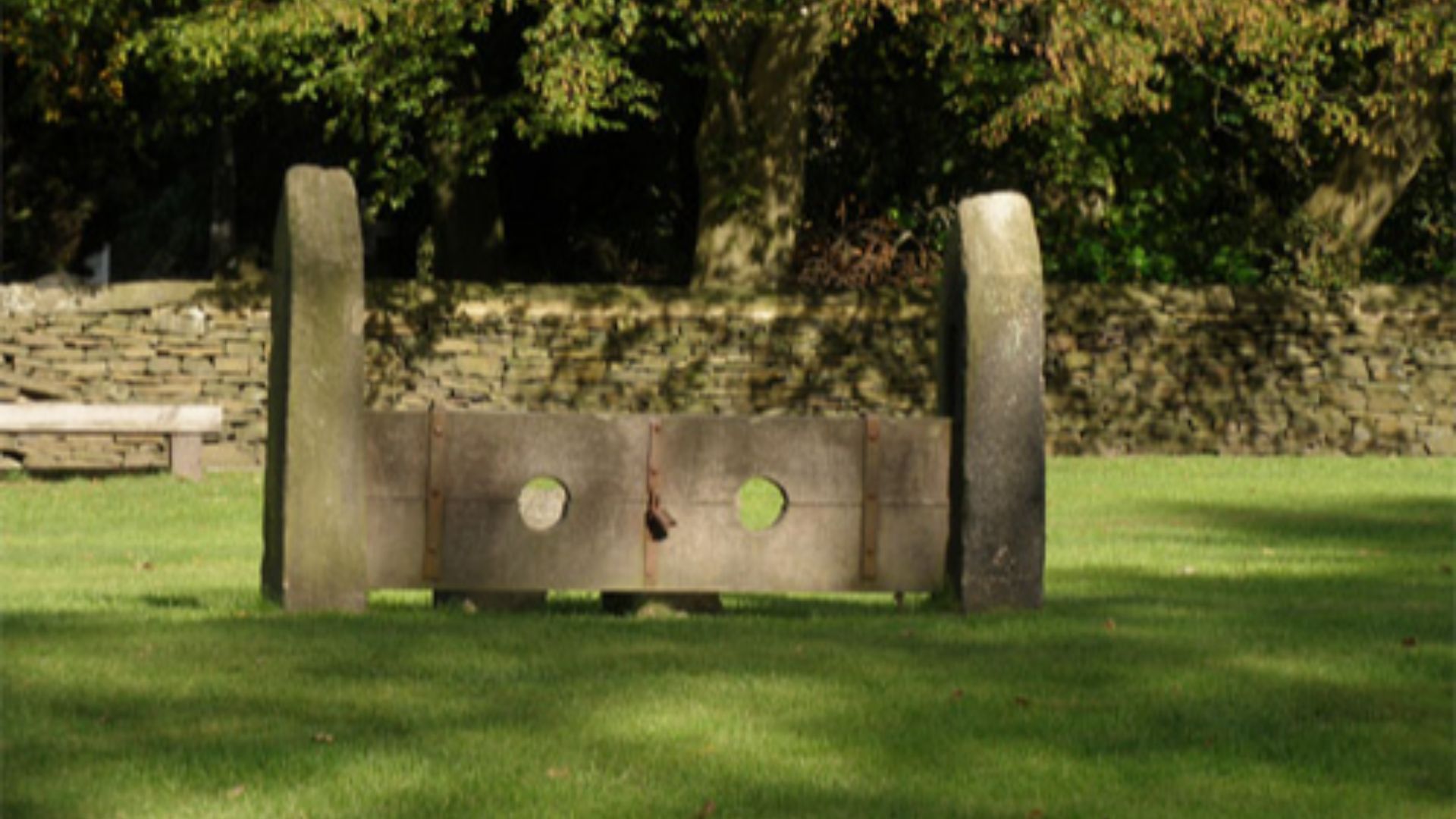
Small infractions like gossiping, missing church, or public drunkenness could land a colonist in the stocks or pillory for public humiliation. Whipping was a common punishment even for fairly minor crimes. Justice was swift, physical, and meant to be witnessed by the whole town.
8. Women Had Almost No Legal Standing
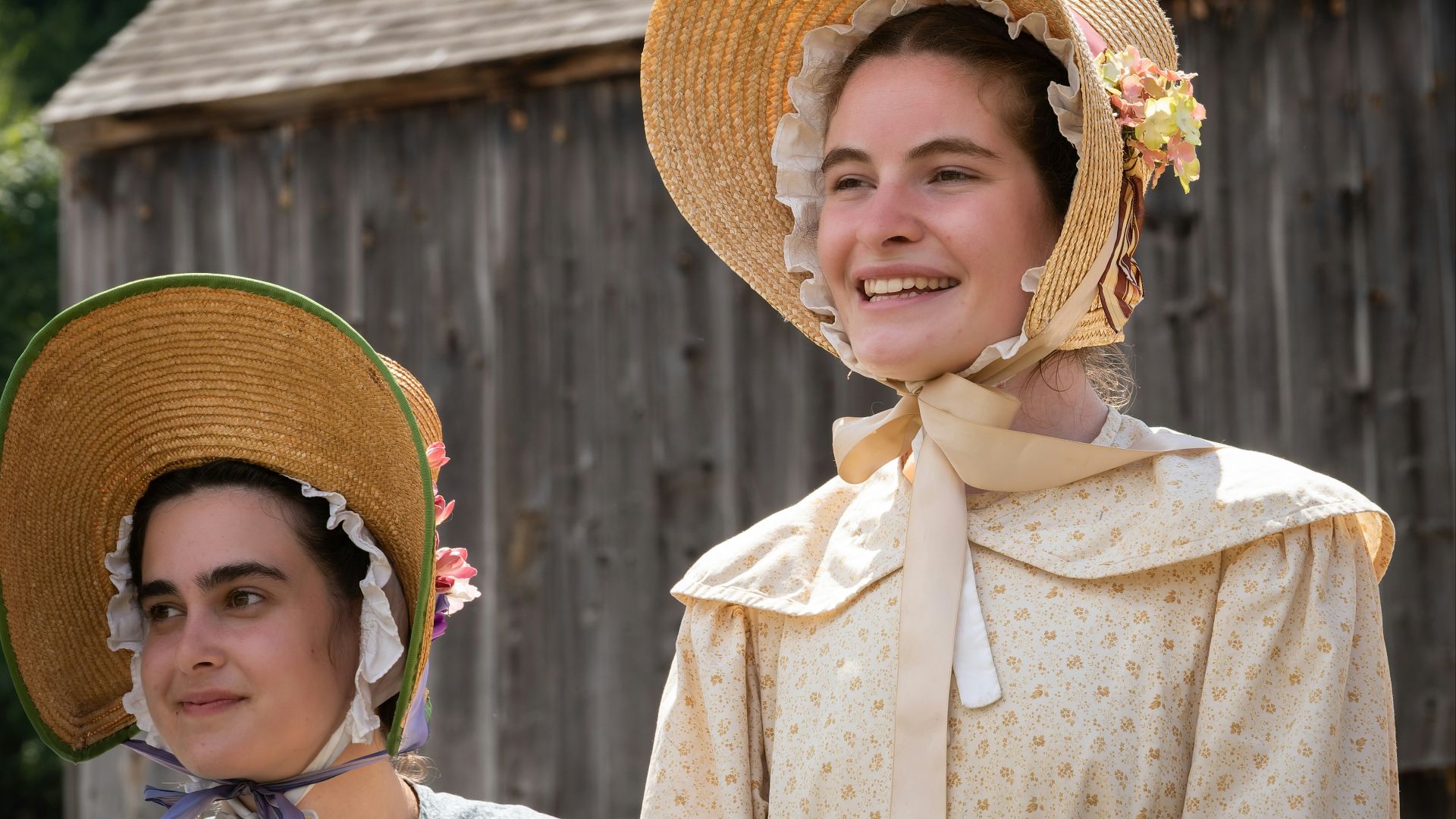
Under the legal doctrine of coverture, a married woman's property and legal identity essentially merged into her husband's. She could not typically own property, sign contracts, or keep her own wages. Widows sometimes gained a bit more control, but married women had very little say over their own lives on paper.
9. Children Worked Almost As Soon As They Could Walk
Farm chores, household labor, and apprenticeships started early, often by age six or seven. Formal childhood as a protected stage of life barely existed for most families. A child's labor was simply part of how the household survived.
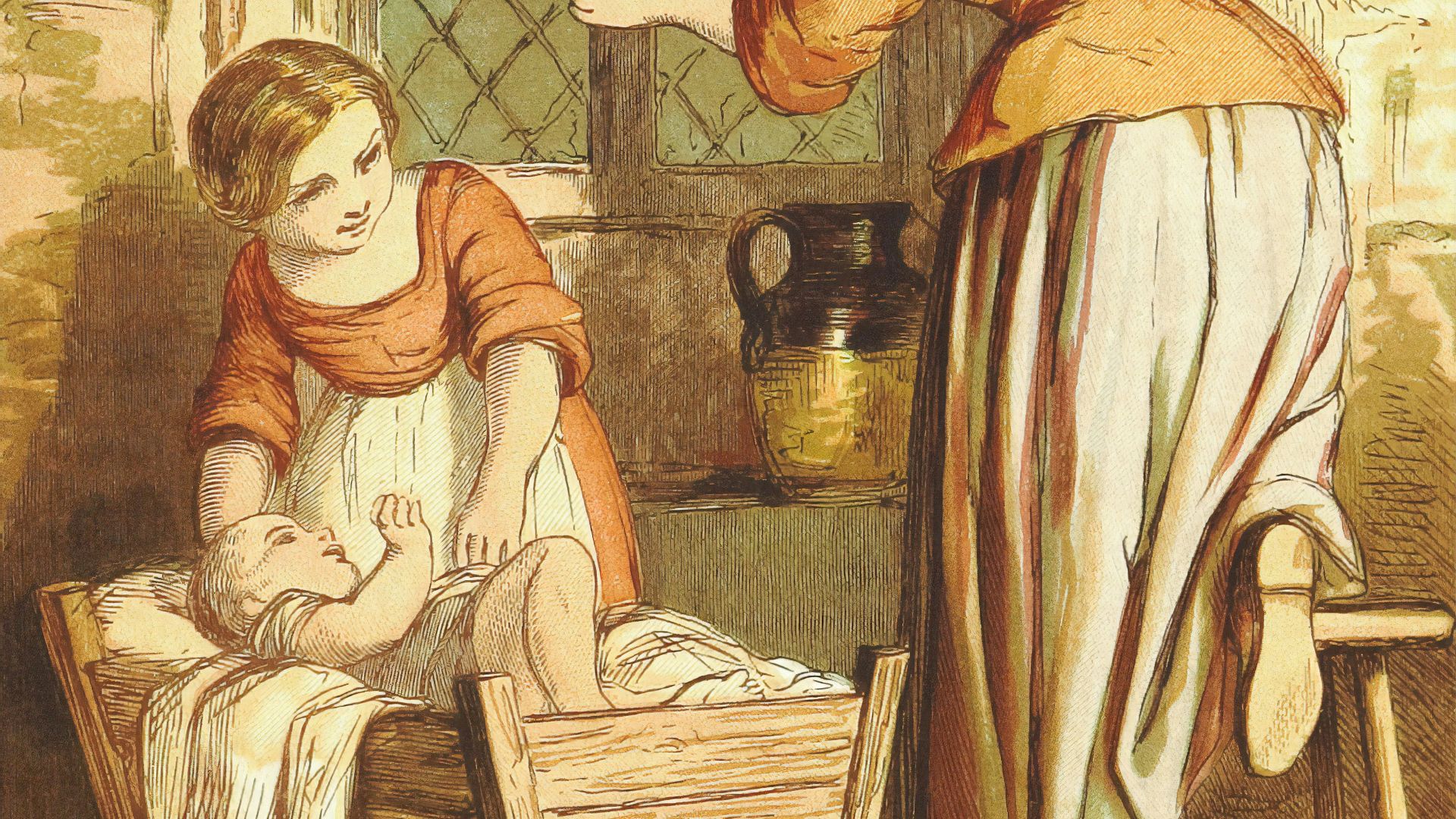
10. One Bad Harvest Could Mean Starvation
There was no supply chain to fall back on if crops failed. A drought, an early frost, or a pest infestation could threaten an entire community's food supply for the whole year. Families stored what they could and hoped it held out until the next growing season.
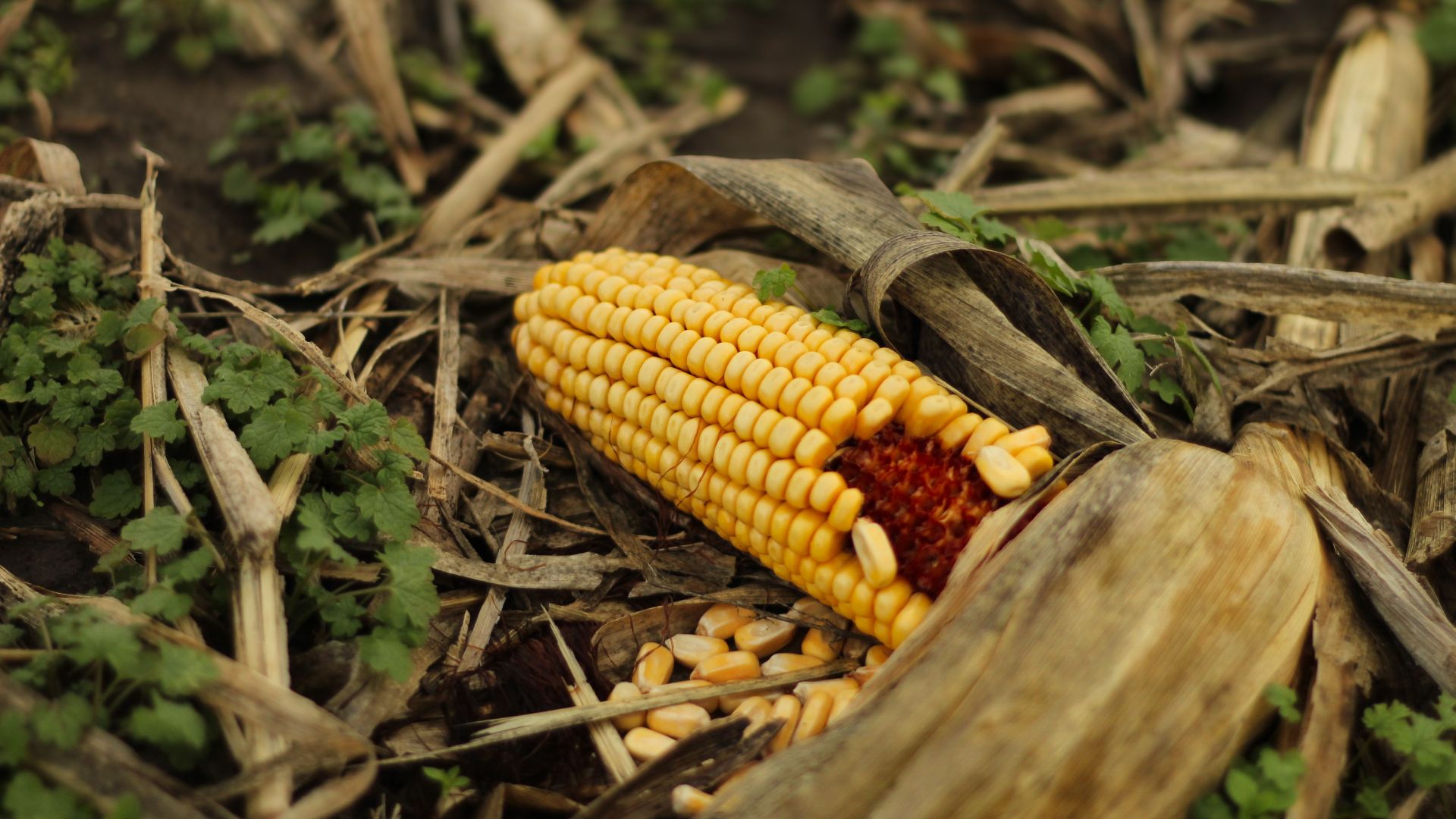
11. The Workday Rarely Ended
Colonial life ran on physical labor from before sunrise until well after dark, six days a week for most households. Rest was limited mostly to Sunday, and even that day often involved mandatory church attendance rather than actual leisure. There was no real concept of time off.
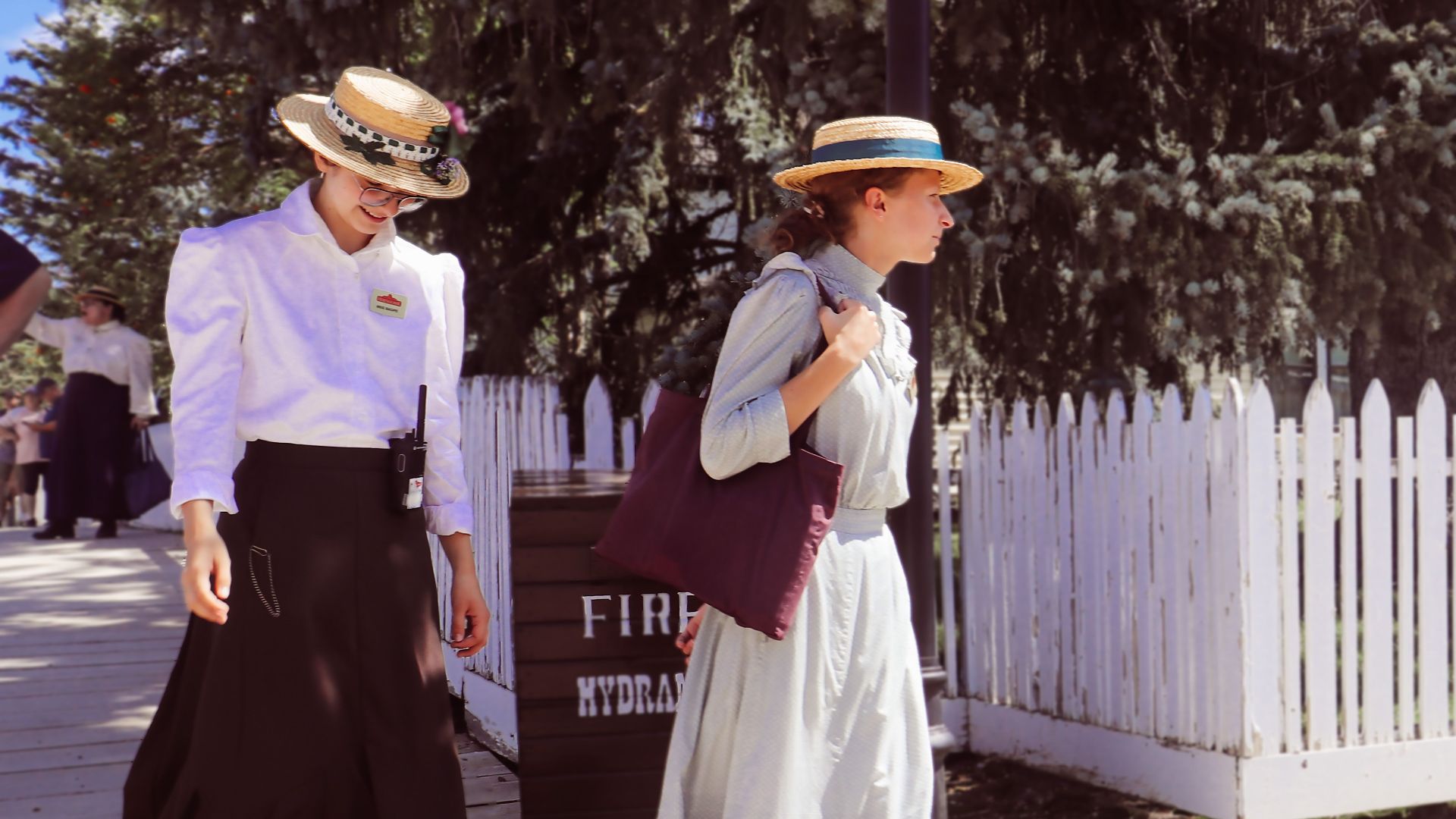
12. Privacy Barely Existed
Large families frequently lived in one or two room homes, sharing beds, meals, and every waking hour in close quarters. Personal space, in the way people think of it now, simply was not part of daily life. Everything happened in view of everyone else in the household.
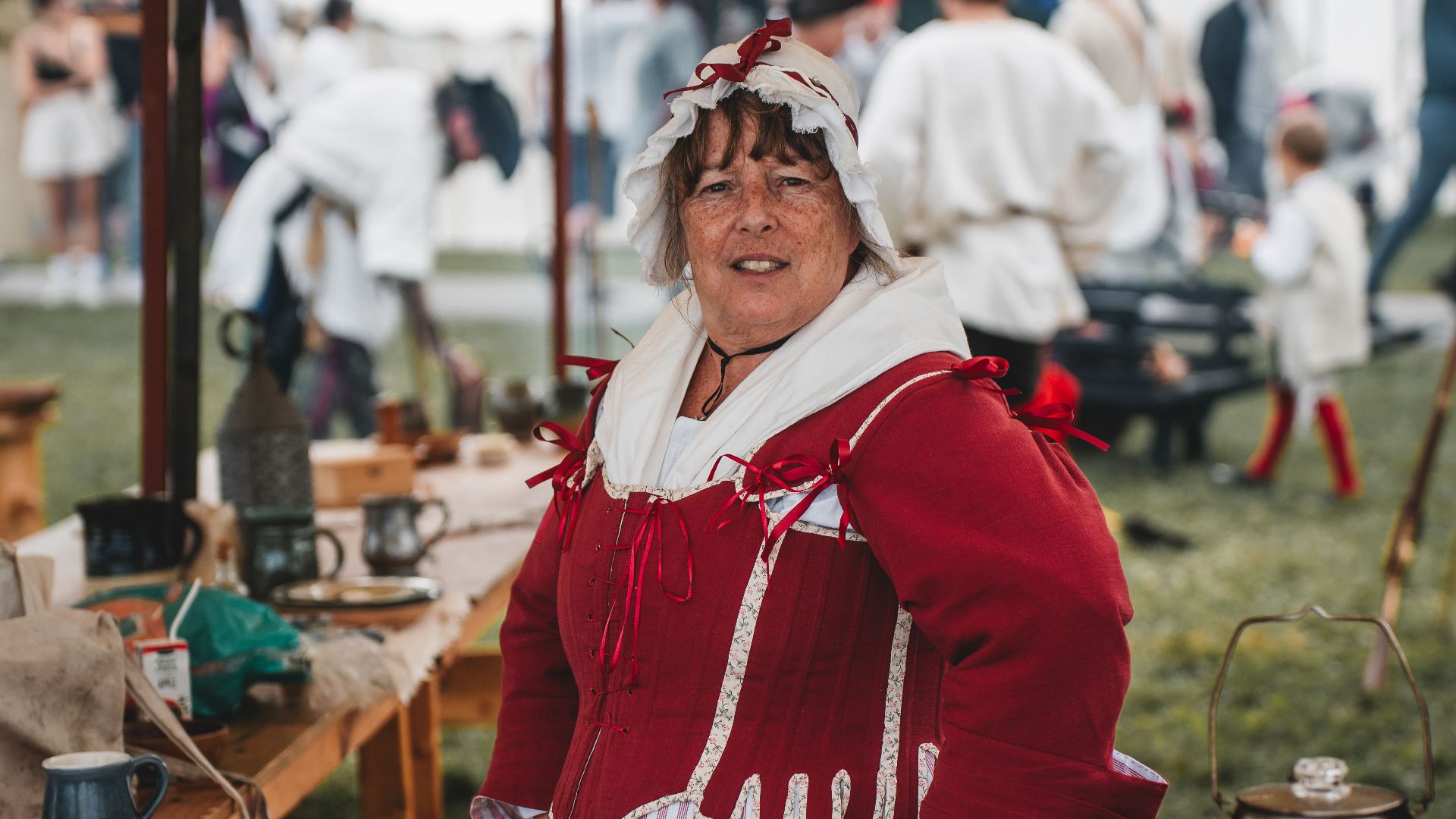
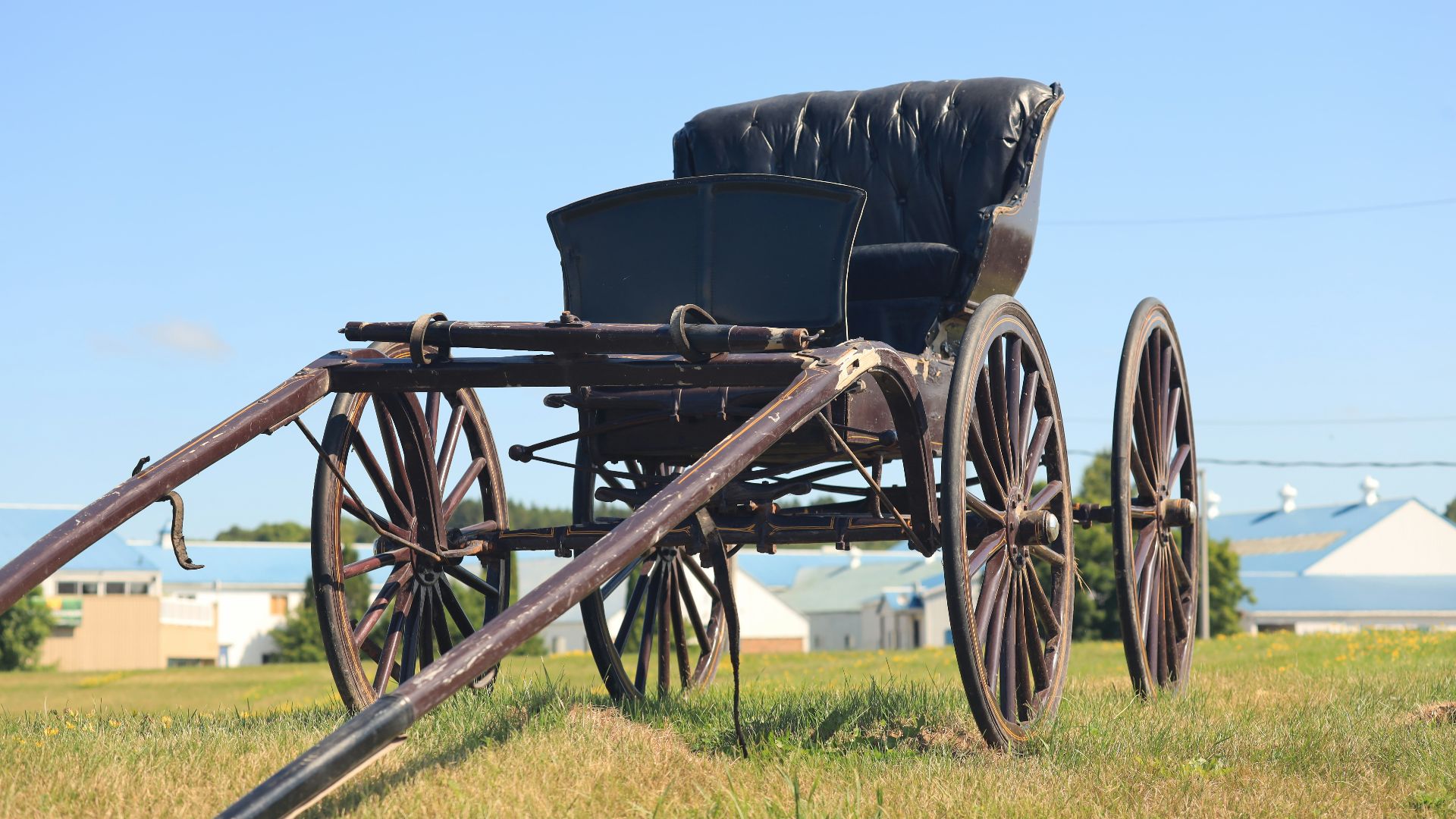
13. Travel Was Slow And Genuinely Dangerous
Roads between settlements were rough, poorly marked, and sometimes nonexistent. A trip that would take an hour by car today could take days on foot or by horse, with injury, illness, or bad weather posing real threats along the way. Many colonists rarely traveled far from where they were born.
14. Conflicts With Native Nations Turned Deadly
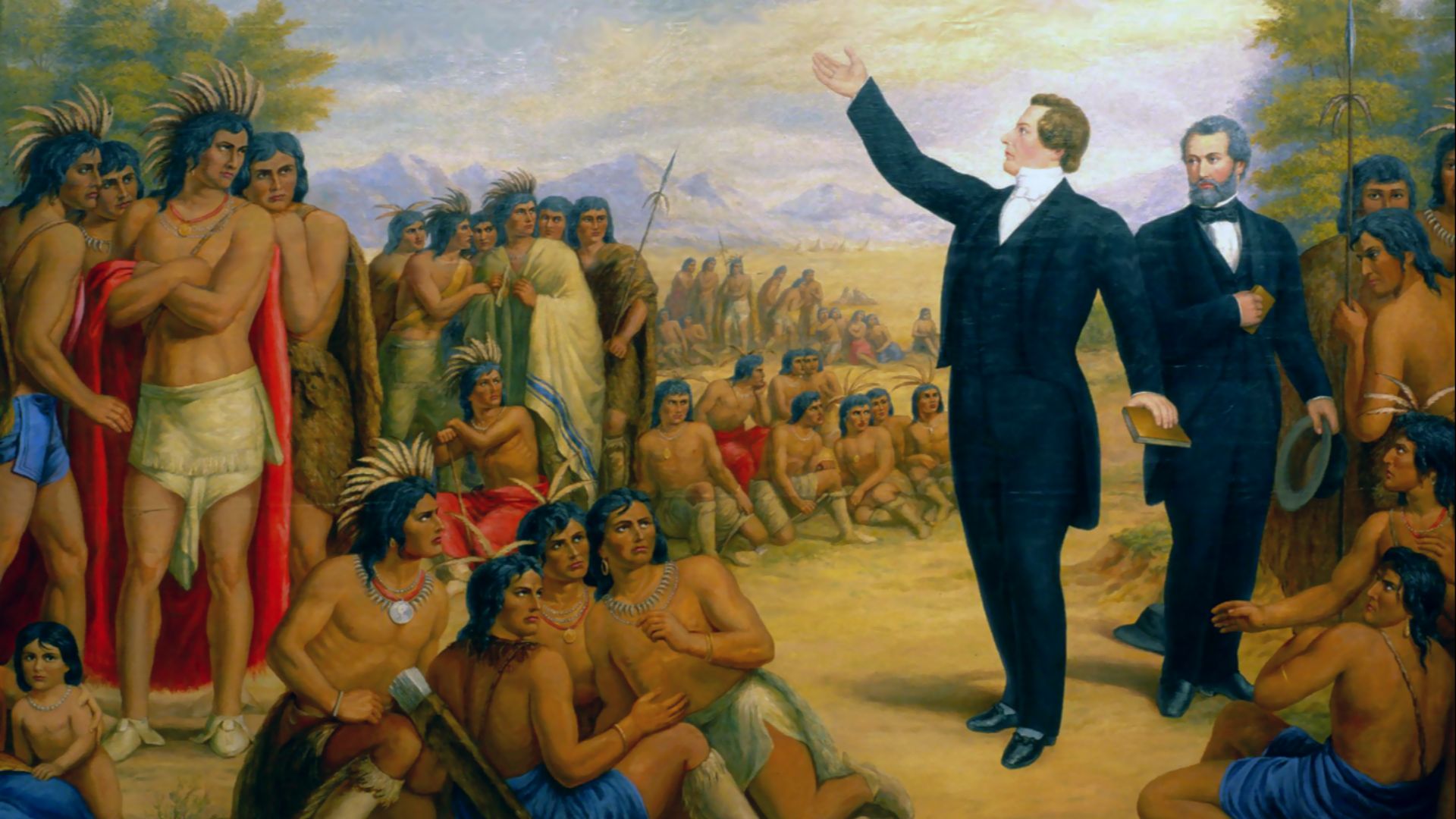
As colonists pushed further into land already inhabited by Native peoples, tensions repeatedly boiled over into violent conflict. Wars like King Philip's War killed thousands and devastated communities on both sides. Peace, when it existed, was often fragile and short-lived.
15. The Legal System Handed Out Death Freely
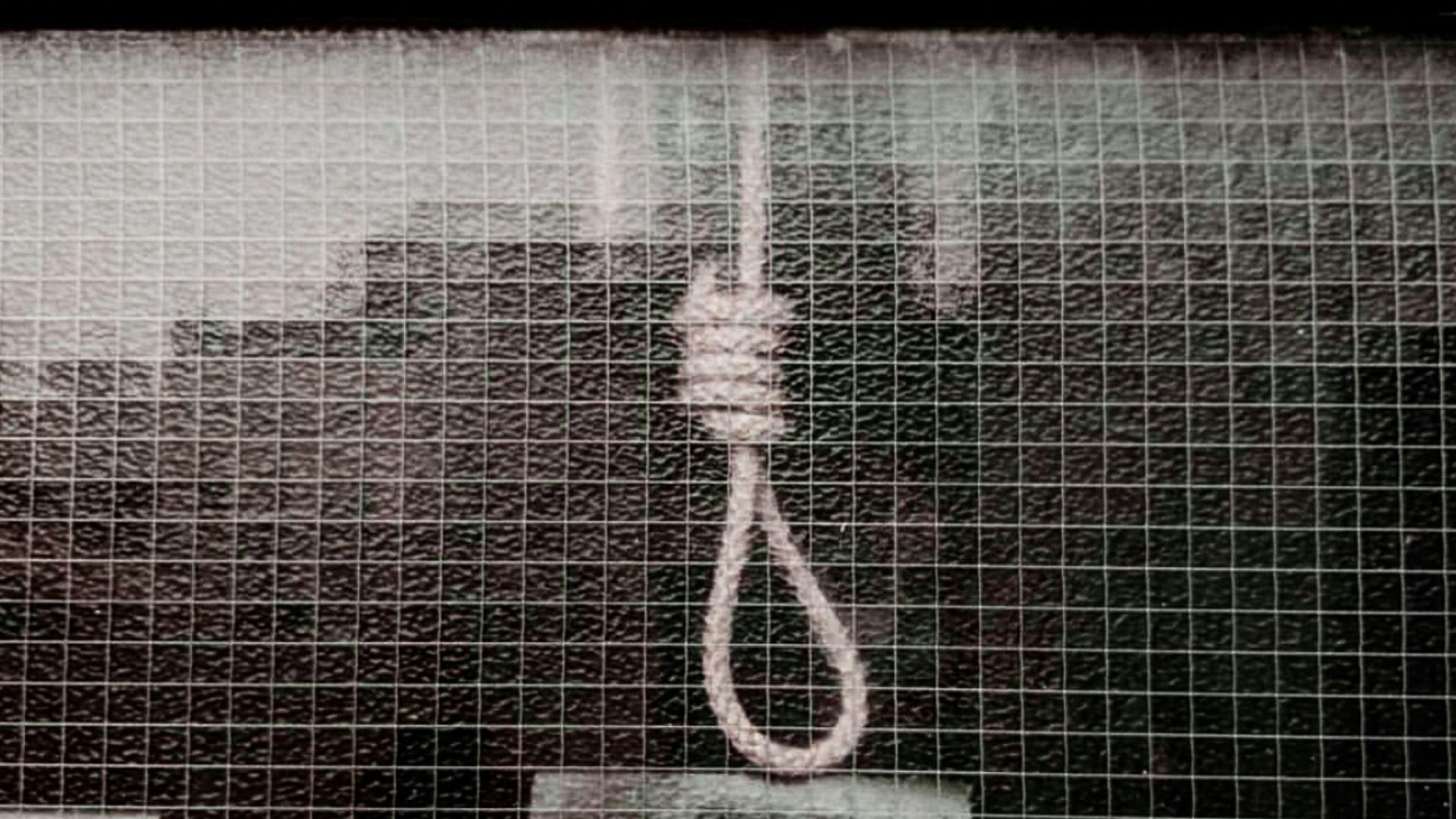
Colonial law listed the death penalty for a surprising range of offenses, including some property crimes that would draw a fine or a short sentence today. Executions were public events, meant to deter the entire town rather than punish quietly. Mercy was not the system's default setting.
16. Religious Dissent Could Get You Banished
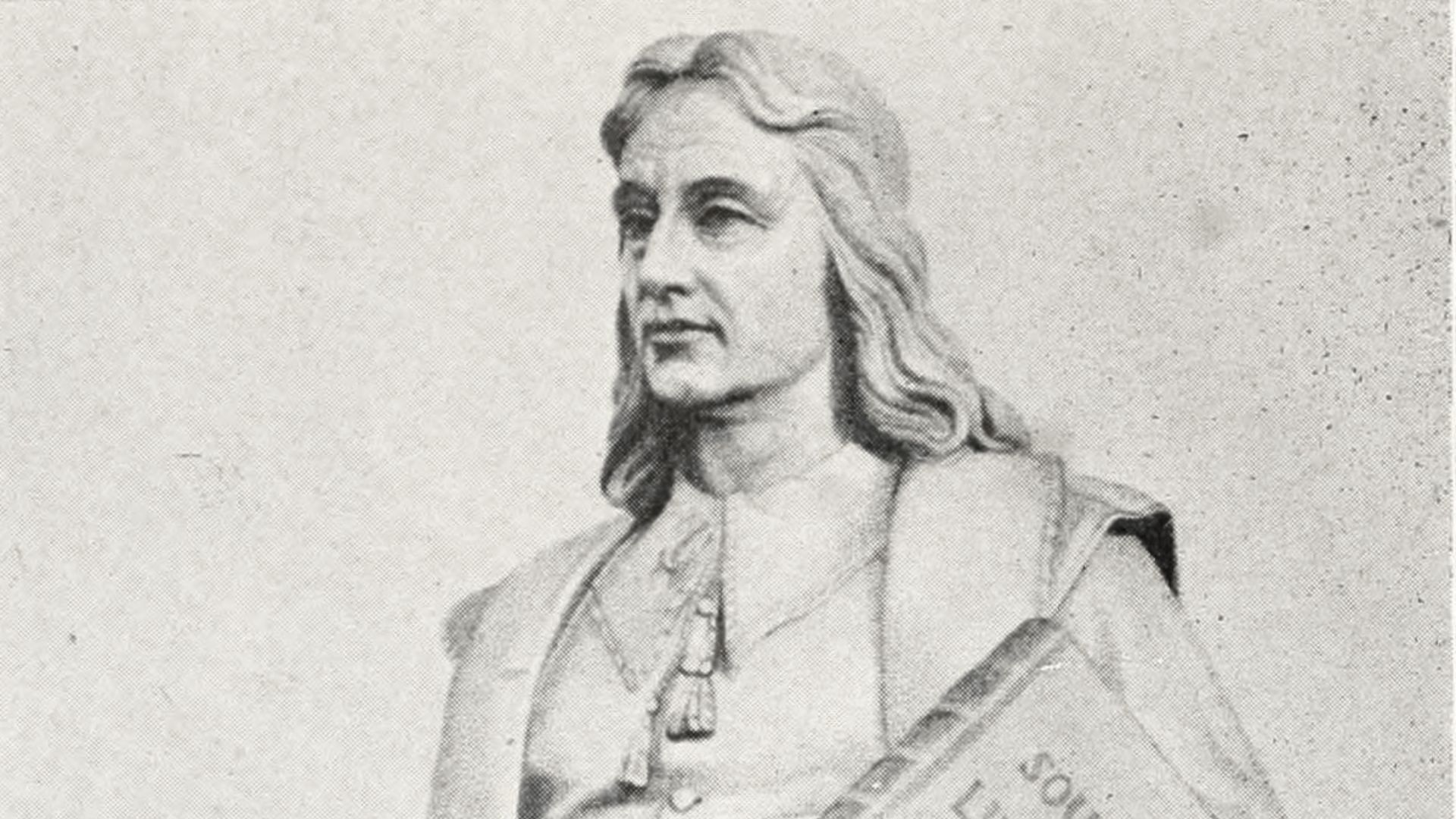
Colonies like Massachusetts enforced strict religious conformity, and people who challenged the accepted doctrine faced serious consequences. Figures like Roger Williams and Anne Hutchinson were both exiled for beliefs that put them at odds with local leadership. Disagreeing publicly with the church could cost someone their home and community.
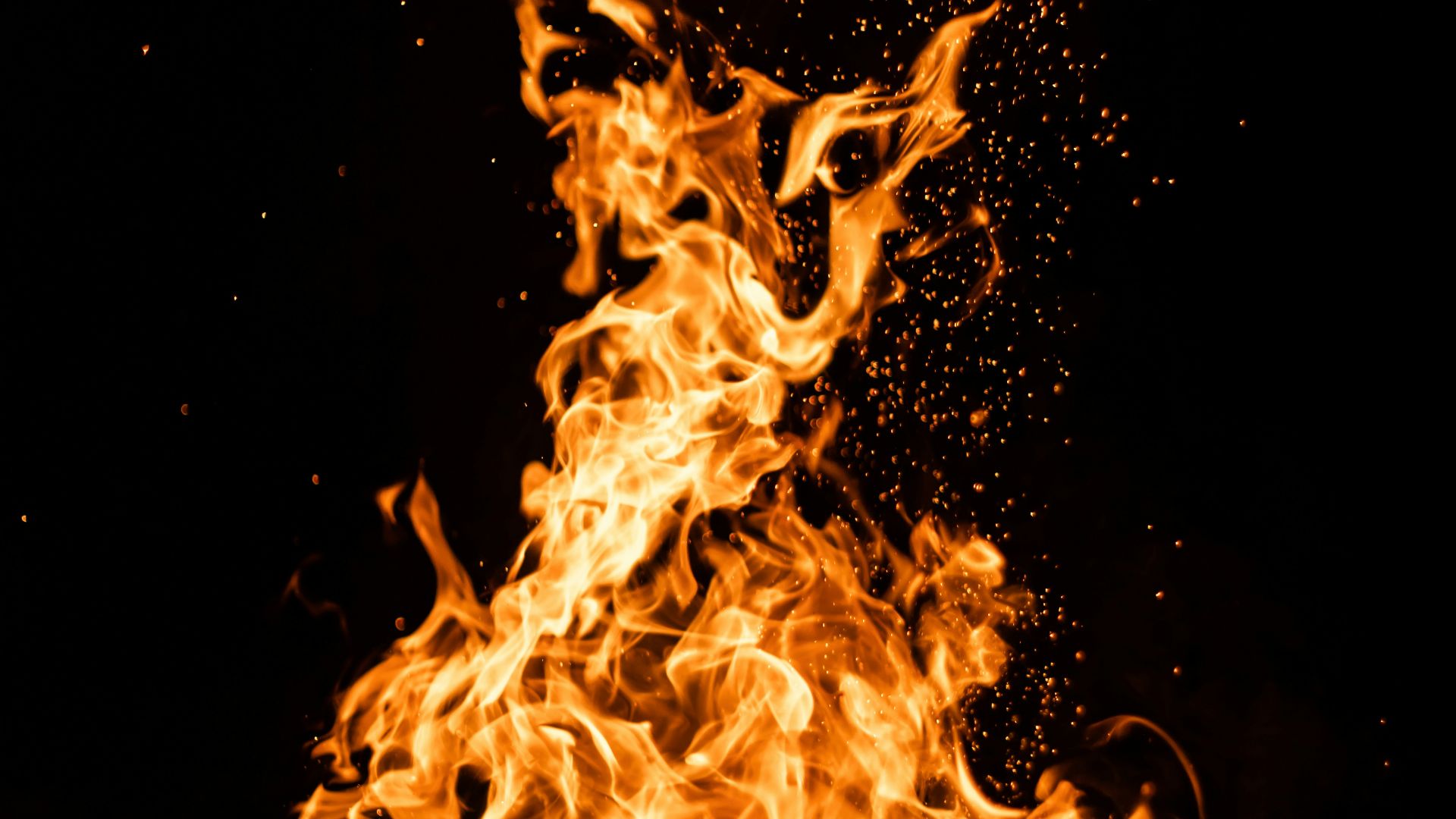
17. Fire Was A Constant Threat
Homes built largely of wood, heated and lit by open flame, caught fire easily and often burned fast. A single spark from a fireplace or candle could destroy a family's home and everything stored inside it within minutes. Firefighting resources, where they existed at all, were primitive at best.
18. News Traveled At A Painful Crawl
Letters and news from Europe took weeks or months to arrive by ship, and colonists were often working from information that was already outdated by the time they read it. Major events, deaths, and decisions made an ocean away could go unknown for a season or longer. Isolation was not a metaphor, it was the actual condition of daily life.

19. Epidemics Could Wipe Out Whole Towns
Diseases like smallpox and dysentery spread through close-quartered settlements with devastating speed, and there was no real way to contain an outbreak once it started. Entire communities, colonial and Native alike, were sometimes reduced by staggering percentages within a single season. Quarantine, when attempted, was based on guesswork rather than any real understanding of how disease spread.
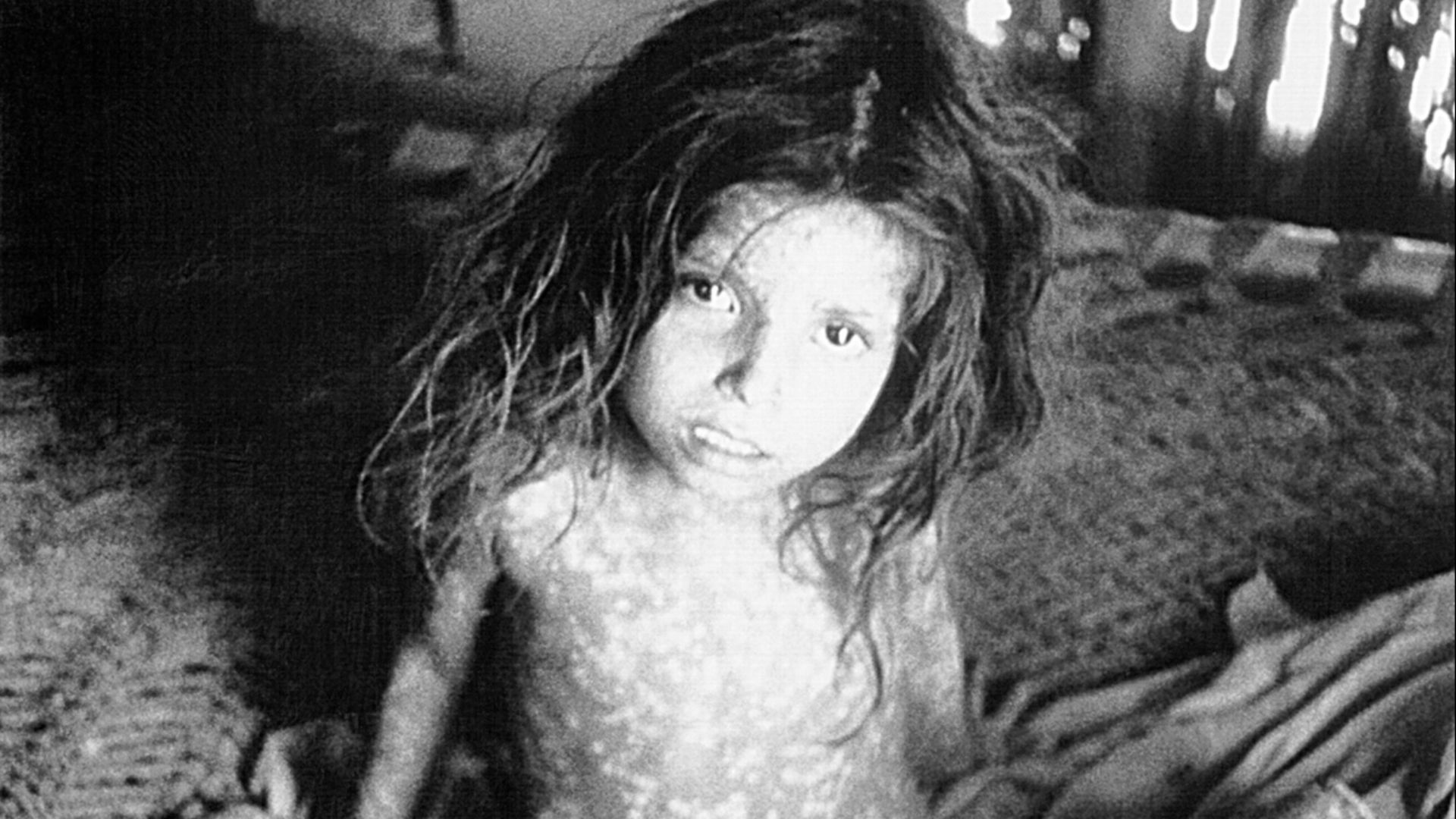 Photo Credit:
Content Providers(s): CDC/ on Wikimedia
Photo Credit:
Content Providers(s): CDC/ on Wikimedia
20. Medicine Often Did More Harm Than Good
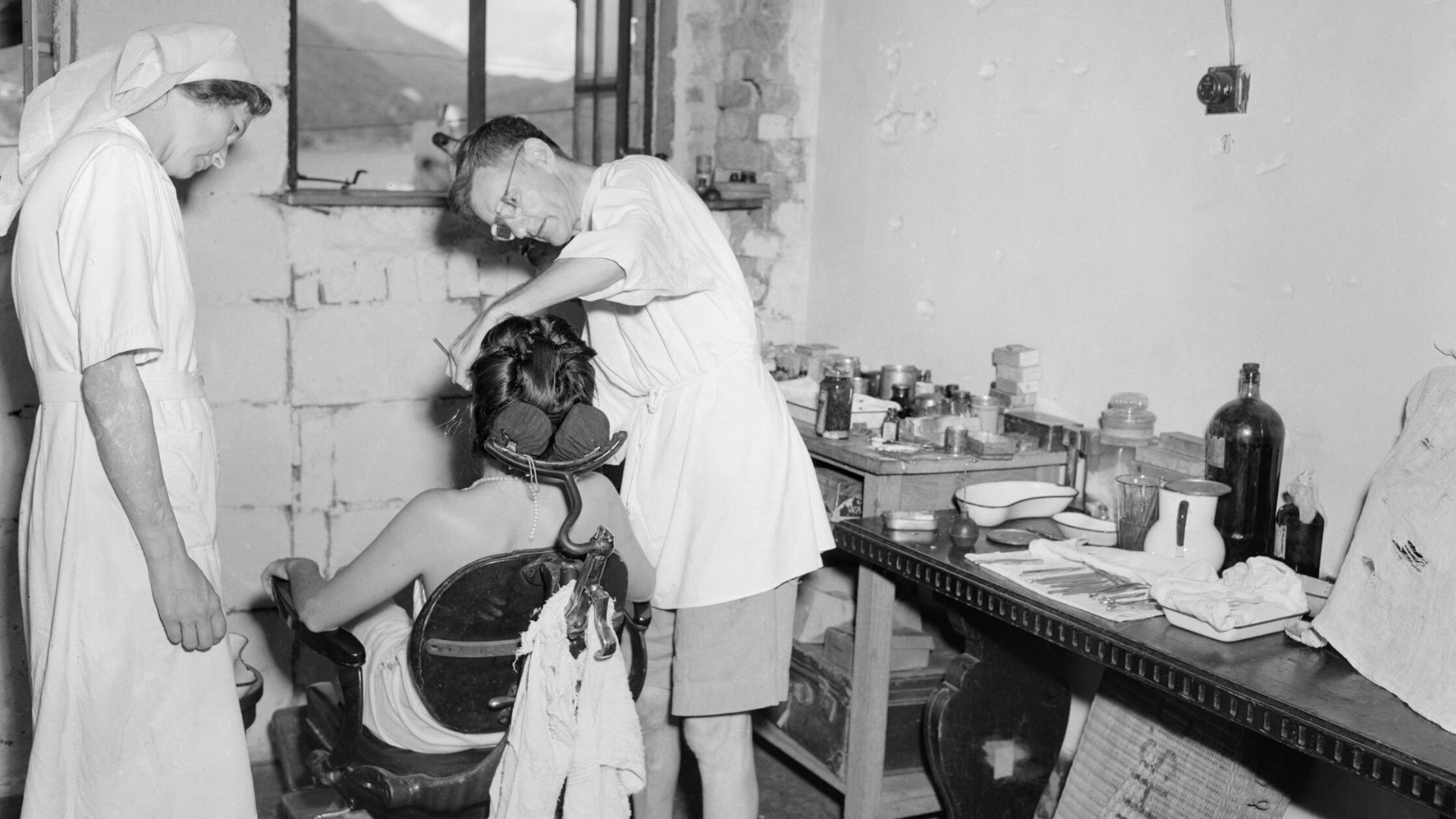
Colonial medical practice relied on remedies like bloodletting, which was believed to balance the body's humors but frequently weakened patients who were already sick. Dentistry meant extraction with no anesthesia, and infection was treated with whatever herbs or folk remedies a household had on hand. A trip to see the local healer carried real risk of its own.