Disappearing Fortunes
Making money has never guaranteed keeping it, and plenty of famous people learned that the hard way. Some gambled on bad investments, others spent with very little restraint, and a few somehow managed to watch enormous empires collapse overnight. These 20 historical figures may have once had their hands on considerable wealth, only to end up bankrupt or buried in debt.
1. Rembrandt Van Rijn
At the height of his career, Rembrandt earned enough money that he did what anyone would do: buy an expensive house. But he also assembled an enormous collection of art, antiques, and curiosities, all of which led to mounting debts that eventually caught up with him. In 1656, he was forced to declare insolvency before his possessions were auctioned off. Not even selling his house and collection allowed him to truly recover.
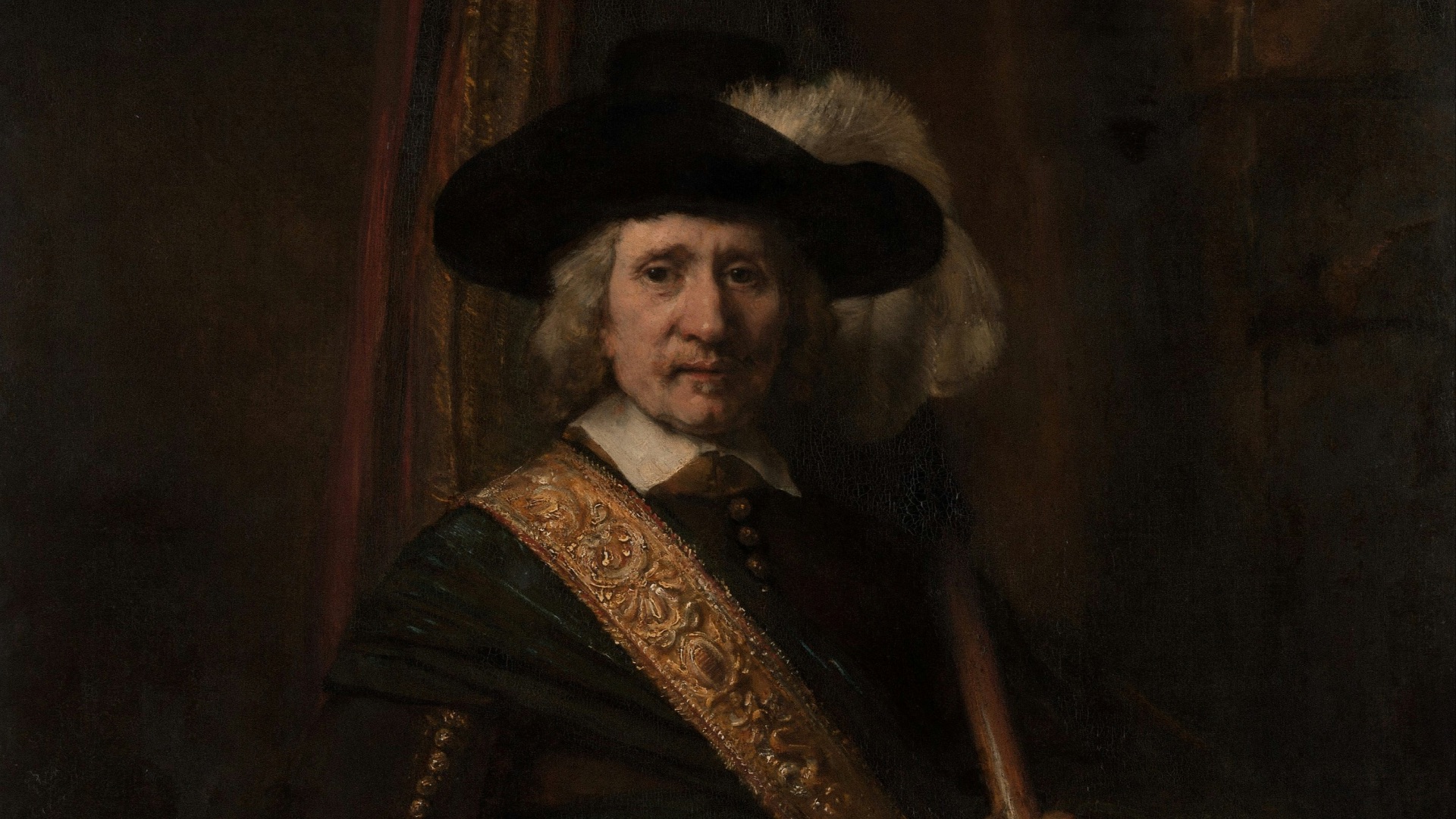 The Metropolitan Museum of Art on Unsplash
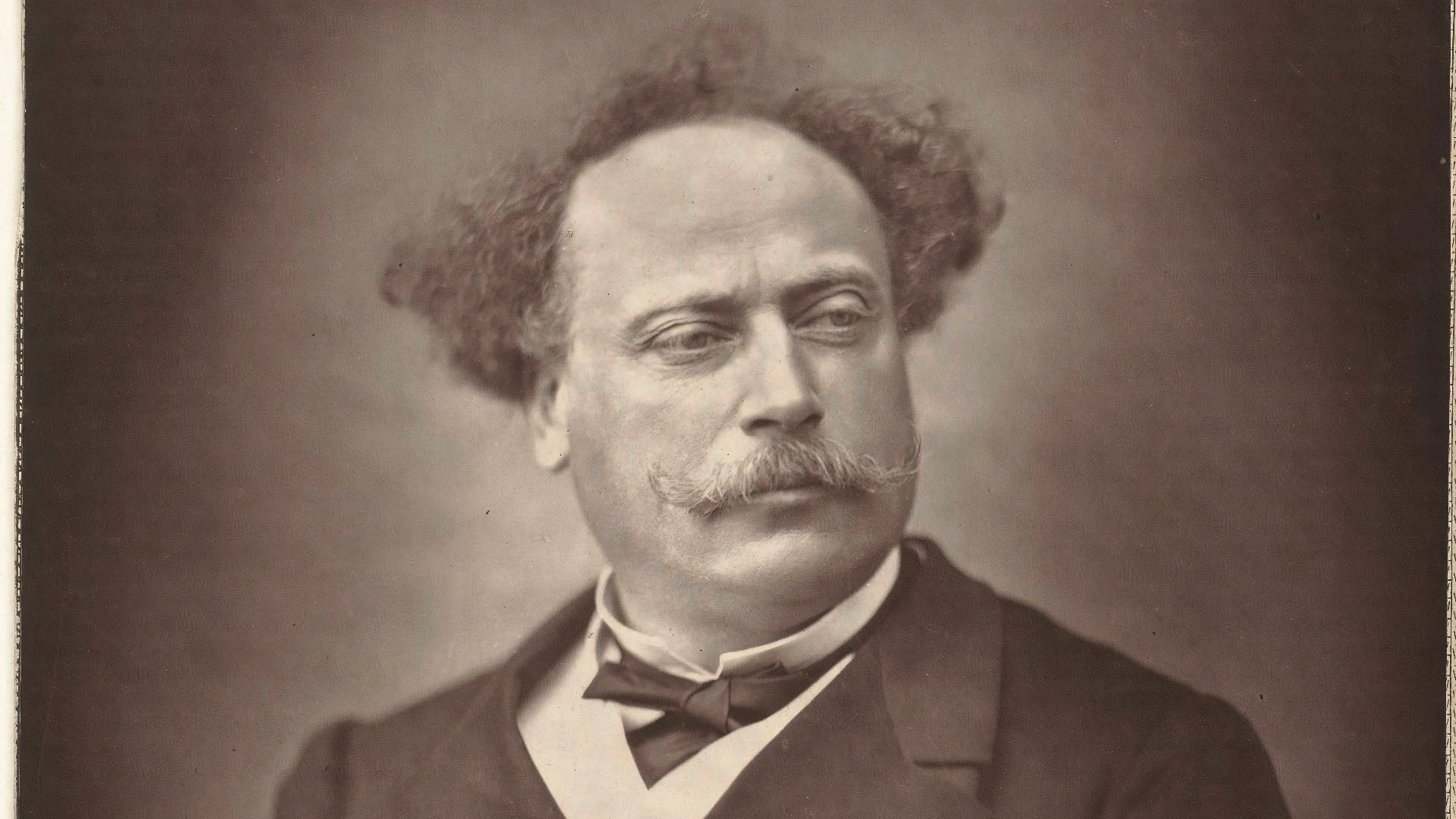
2. Alexandre Dumas
Few 19th-century authors sold as many books as Alexandre Dumas, but earning all that cash didn’t lead to a fairytale ending. He poured money into Château de Monte-Cristo, entertained lavishly, supported numerous people, and eventually sold the estate for a fraction of what its construction had cost. By 1851, his creditors had become such a problem that Dumas left France entirely.
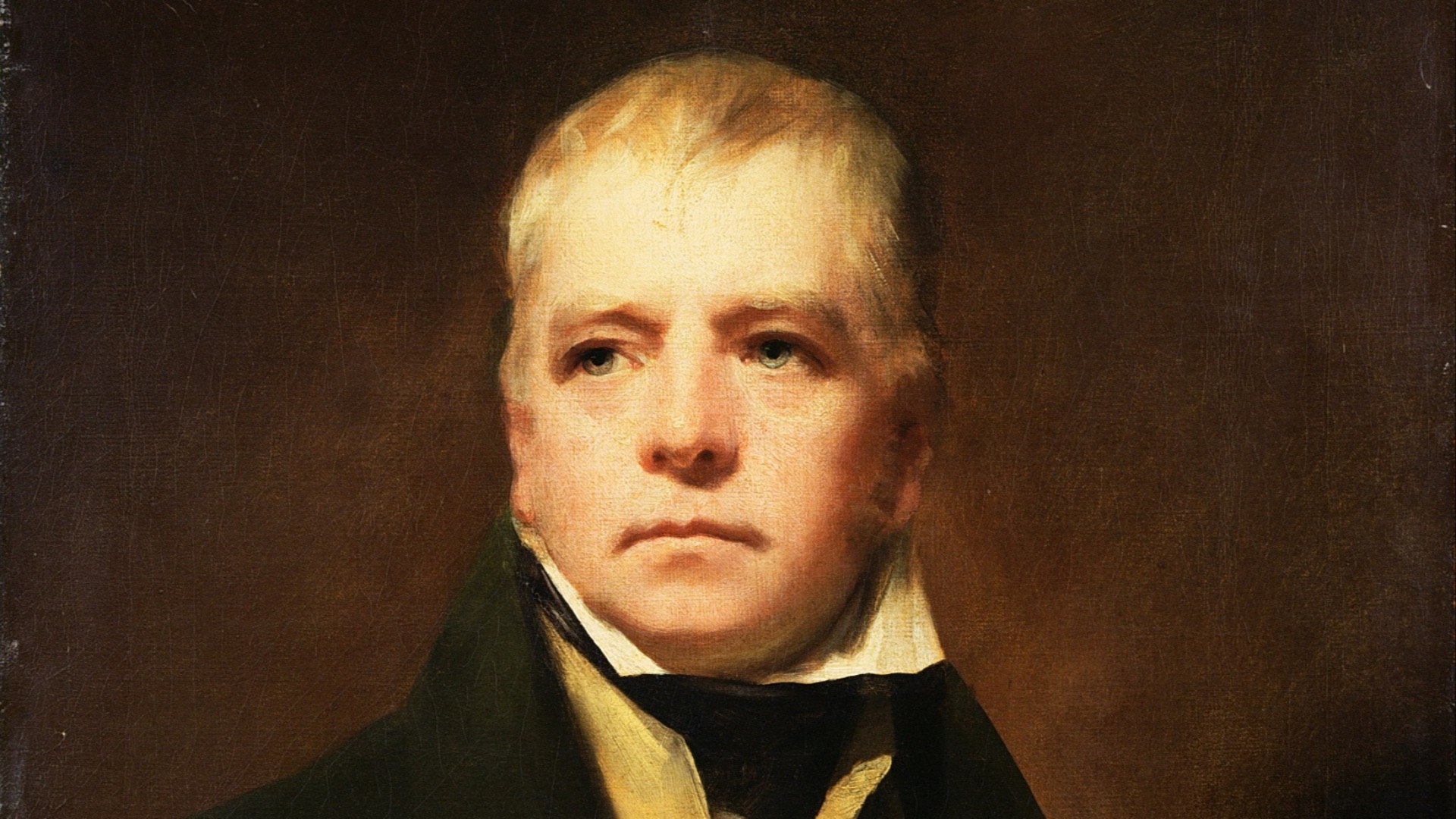
3. Sir Walter Scott
Walter Scott made a fortune from novels before tying much of his financial life to publishing and property. When his business interests collapsed in 1826, he was left with debts of roughly £121,000 (over $13 million USD today). But he didn’t declare bankruptcy; he spent the rest of his life writing to repay creditors.
4. James McNeill Whistler
Artist James McNeill Whistler made the expensive decision to sue critic John Ruskin for libel after Ruskin savaged one of his paintings in print. Whistler technically won the 1878 case, but he received a piddly amount in damages. The legal expenses, however, wrecked him, and by the following year, he declared bankruptcy and had to sell everything to his name.
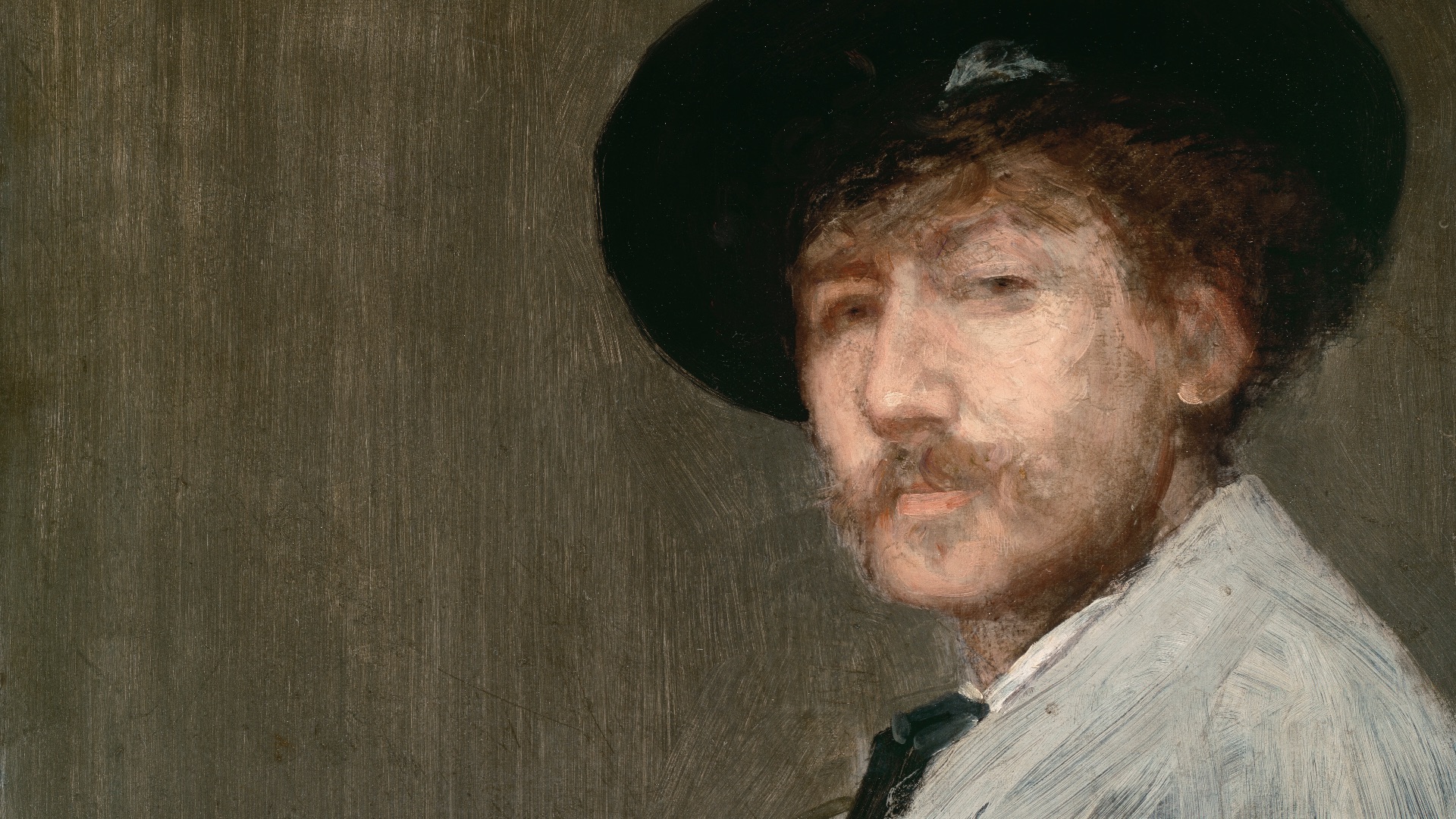 James McNeill Whistler on Wikimedia
5. Beau Brummell
Beau Brummell became one of Regency Britain's most famous tastemakers despite having no inherited fortune capable of supporting him indefinitely. Next thing you know, gambling debts, expensive clothes, and frivolous spending left him owing thousands of pounds. In 1816, creditors were on his tail, and he fled England for good.
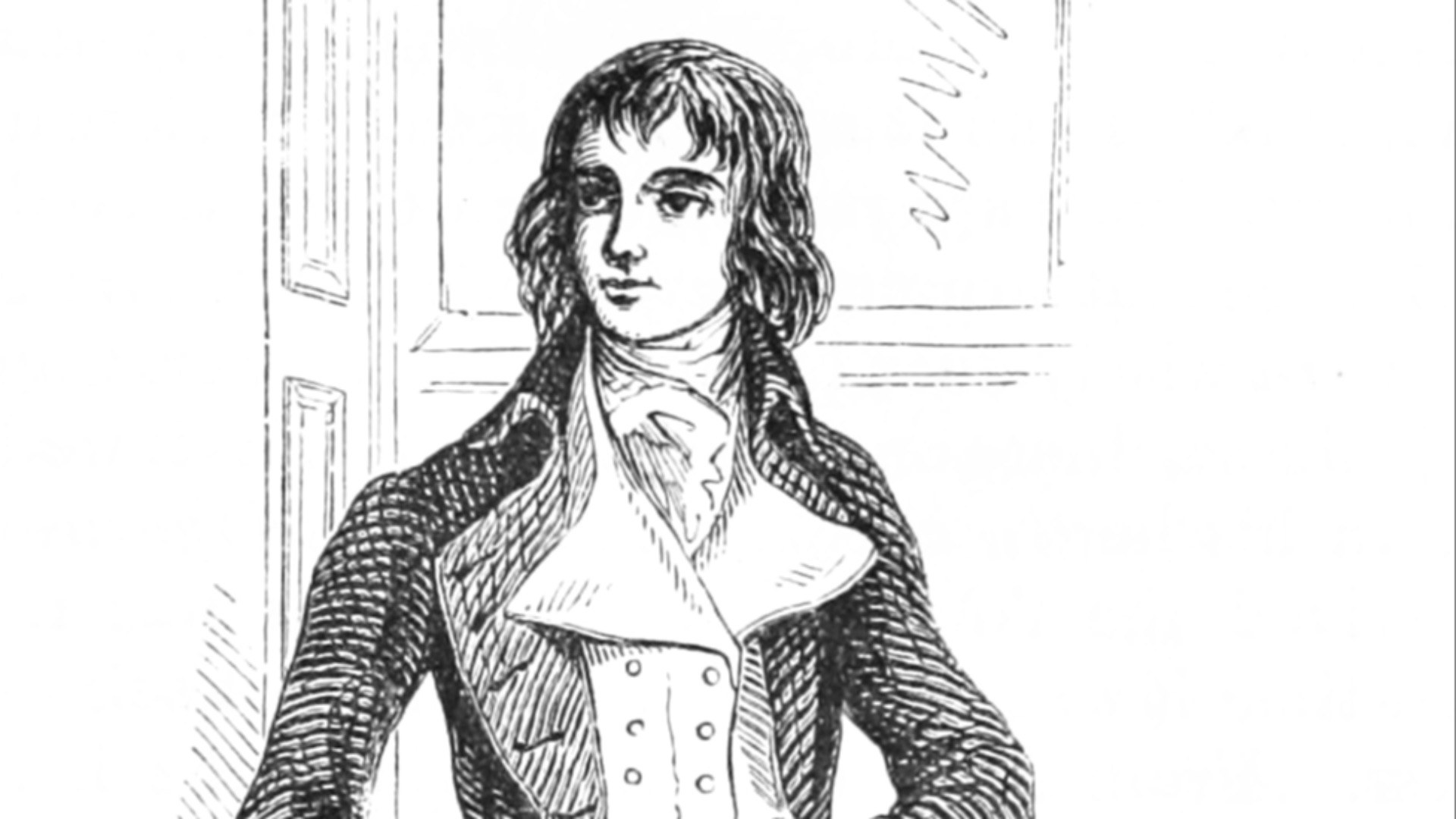 Anonymous engraver on Wikimedia
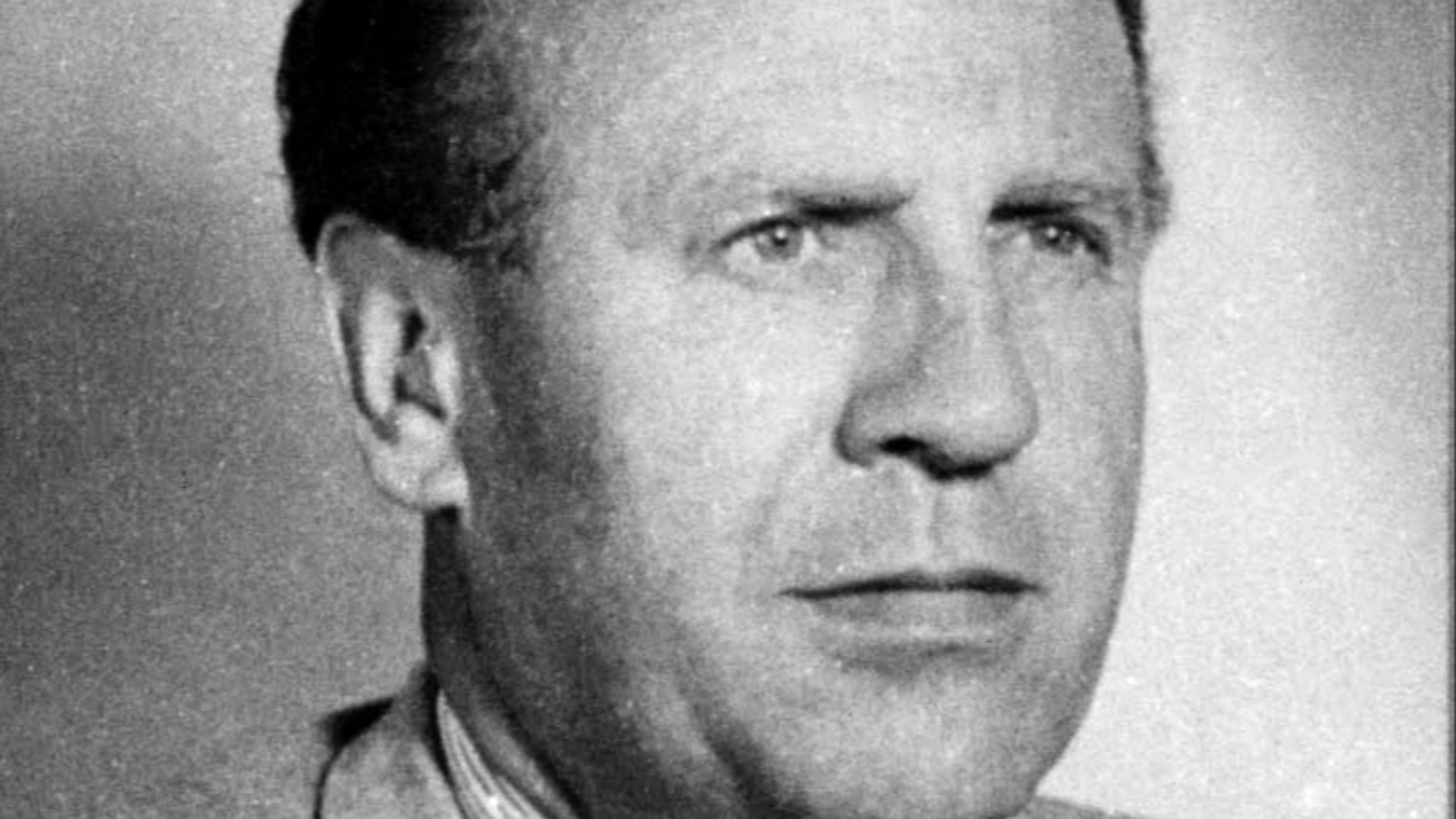
6. Oskar Schindler
Oskar Schindler made a lot of money as a factory owner during WWII, but he never kept it for himself. Instead, he spent a pretty penny bribing officials and protecting the Jewish workers whose lives he helped save. After the war, his business ventures failed, and he struggled with debt for years. He then relied on assistance from people he'd rescued and their supporters.
7. Robert Morris
Robert Morris was once among the richest men in America, playing a major role in financing the Revolutionary War. But after independence, he plunged into land speculation, borrowing a ton of money while betting that all that property would only make him richer. The scheme unraveled, creditors came knocking, and he spent more than three years in prison in 1798.
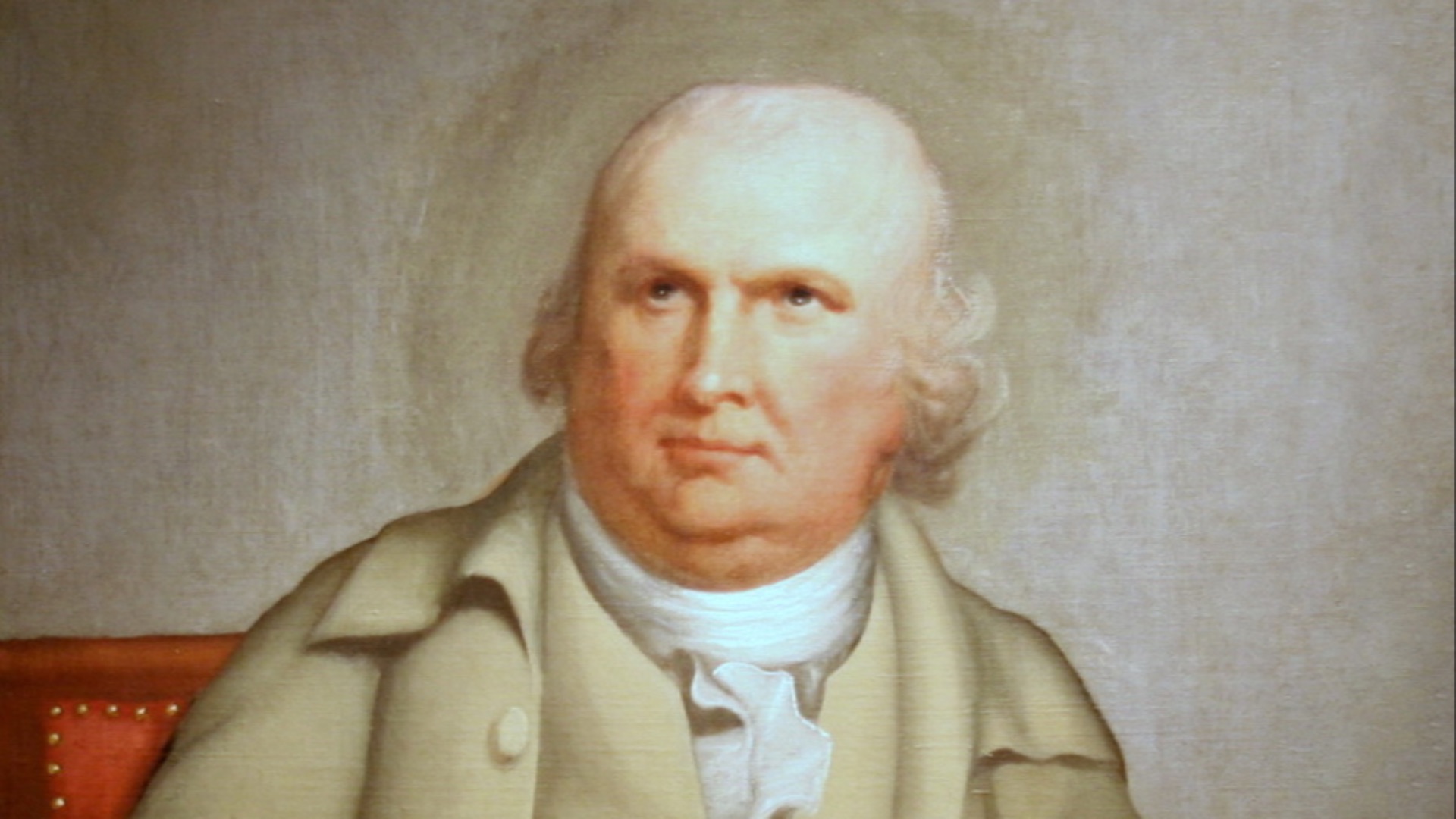 Painter: Robert Edge Pine (c. 1720 - 1788)Photographer: cliff1066 on Wikimedia
8. James Wilson
Morris wasn’t the only one who fell victim to western land speculation, either. Supreme Court Justice and Declaration of Independence signer did too. He borrowed heavily to finance purchases, only to find himself unable to meet those obligations when the land market turned against him. He spent his final years dodging creditors and died in 1798 with his finances in ruins.
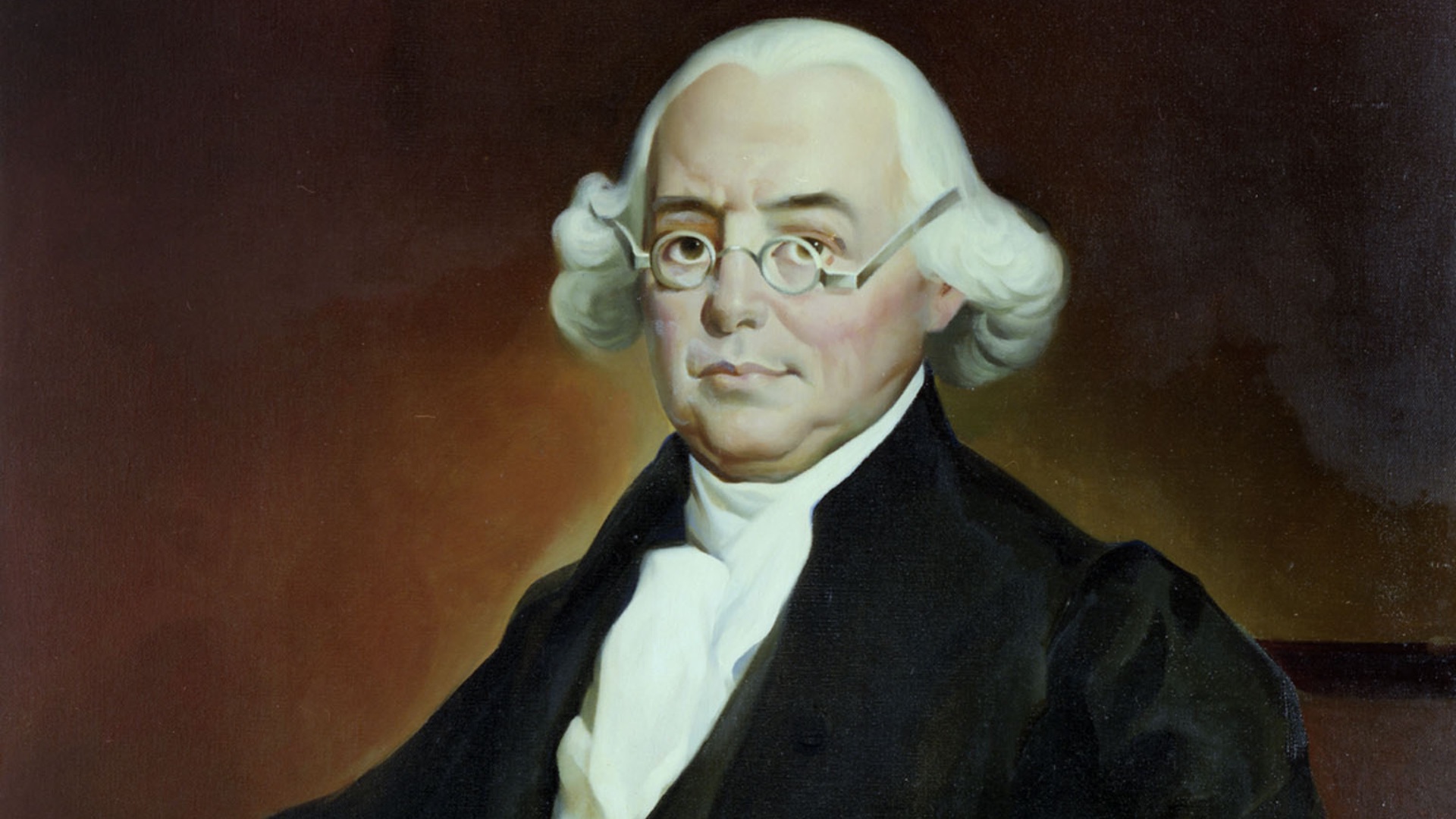 Progressingamerica on Wikimedia
9. George Hudson
George Hudson became so powerful during Britain's railway boom that he earned the nickname "Railway King" and amassed a giant fortune. Investigations started digging into him, though, eventually revealing questionable accounting and financial practices throughout his railway empire. Hudson lost everything and fled abroad to escape creditors (though he did migrate back with a less lucrative reputation).
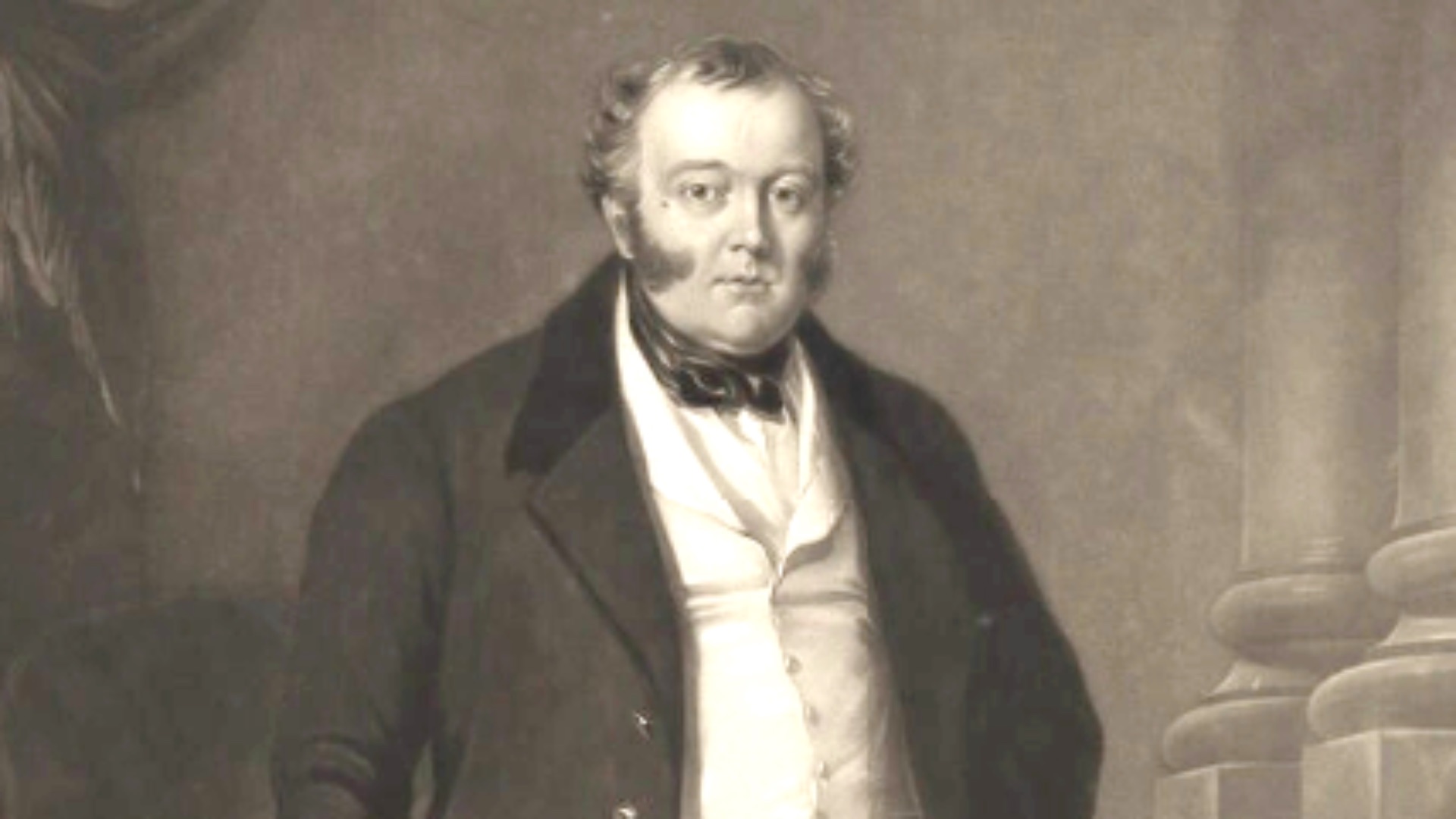 George Raphael Ward (1799-1878), after Sir Francis Grant (1803-1878) on Wikimedia
10. William C. Durant
GM founder William C. Durant didn't lose one fortune so much as demonstrate an impressive ability to lose several. About $90 million disappeared during his effort to support the company's stock around 1920, after which he rebuilt everything from the ground up only to suffer again during the Depression. By 1936, he declared bankruptcy with roughly $914,000 in debts.
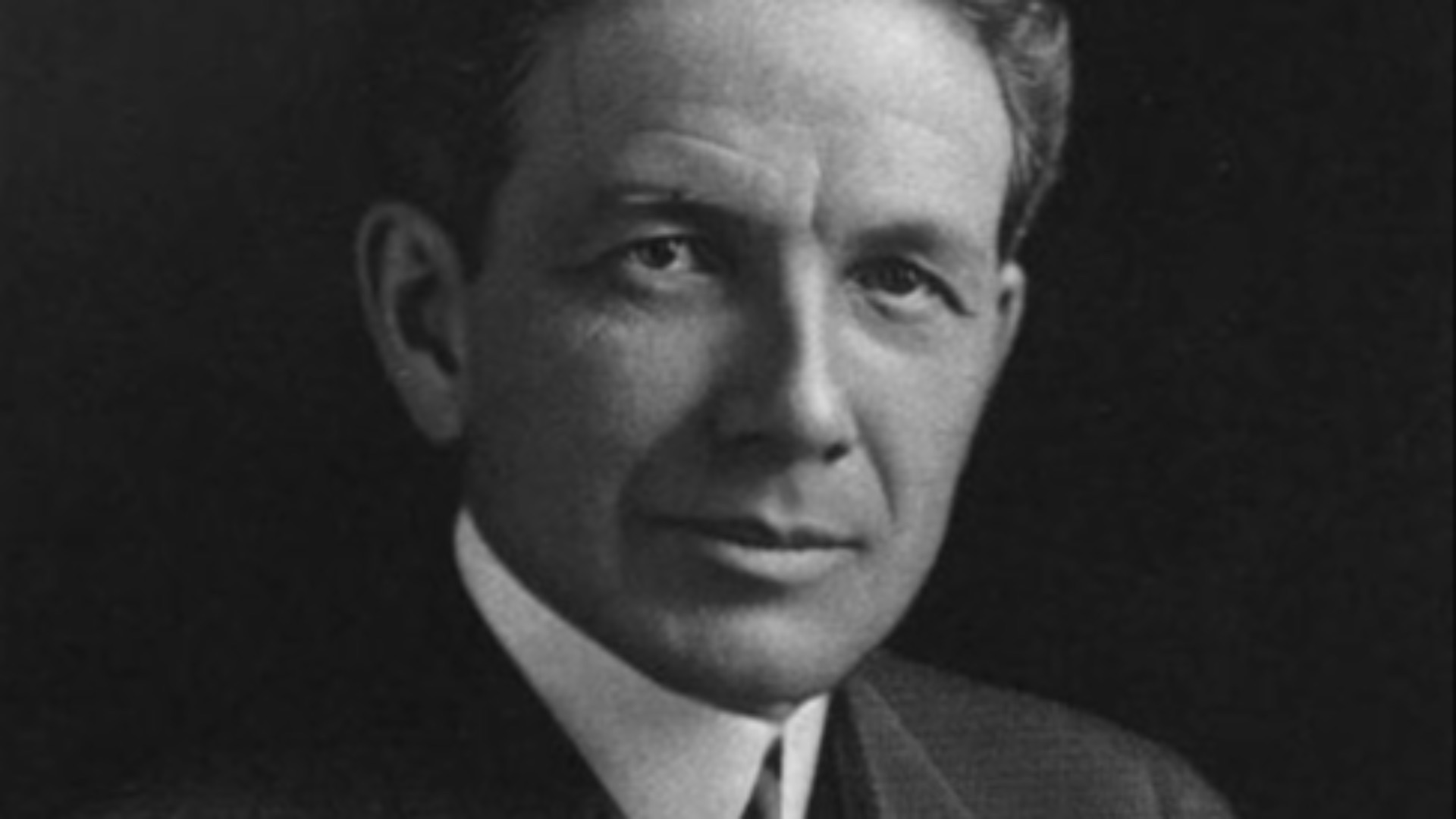 Unknown photographer on Wikimedia
11. Samuel Insull
Utility magnate Samuel Insull built an empire that spanned several states, and it made him one of the most influential businessmen in the United States. The thing is, his companies relied on complicated layers of holding companies and debt, leaving the whole thing a house of cards when the Great Depression hit. The collapse wiped out Insull's personal fortune along with the investments.
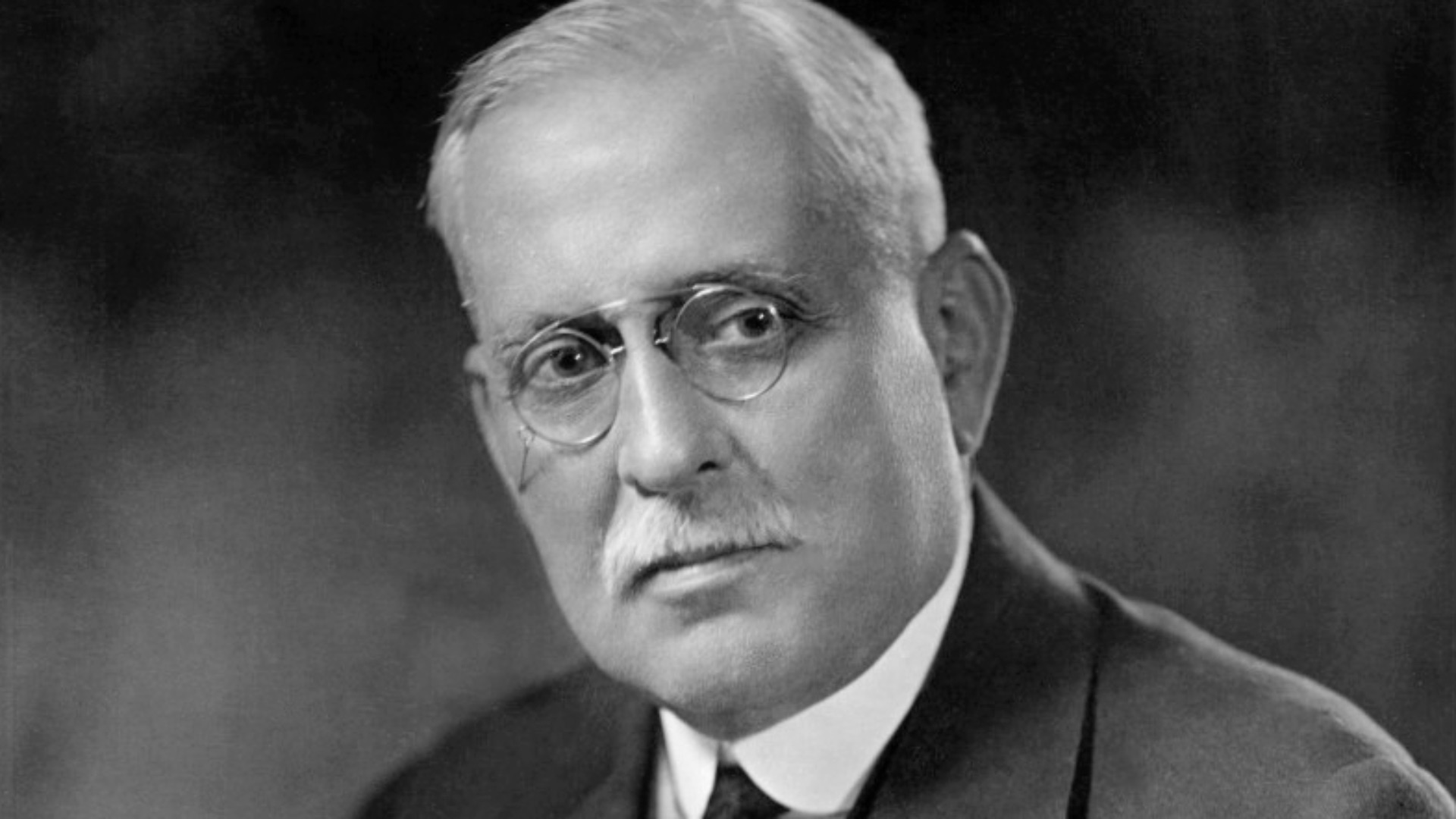 William L. Koehne Studio, Chicago on Wikimedia
12. William Fox
You’ve heard of 20th Century Fox, but what about the guy behind it? Meet William Fox, the guy who built one of America's great early movie empires. Things went well for a while, but financial trouble following the 1929 crash cost him control of his businesses, and his position only worsened throughout the 1930s. When Fox entered bankruptcy proceedings in 1936, claims against him totaled more than $9.5 million.
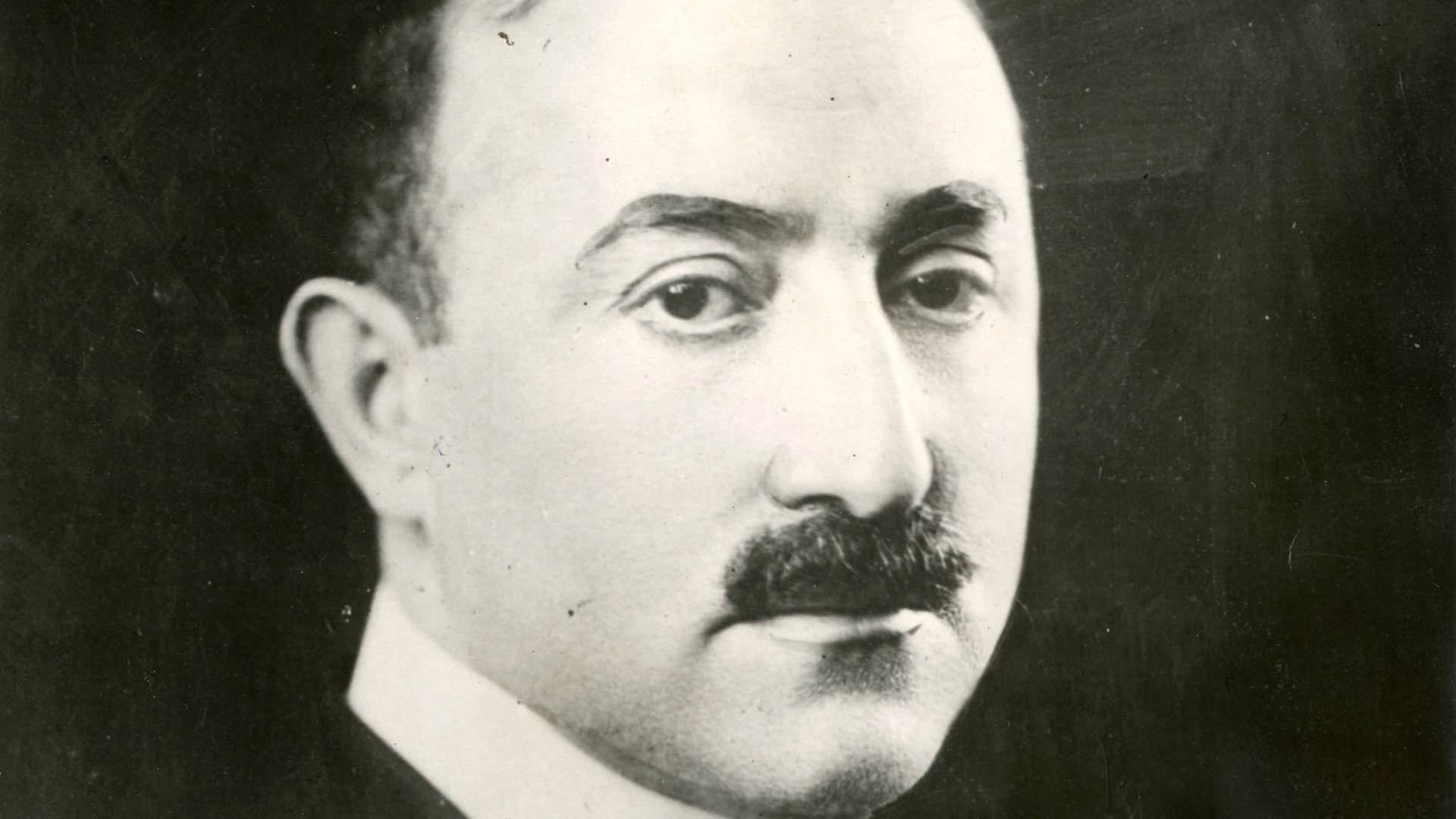 20th Century Studios on Wikimedia
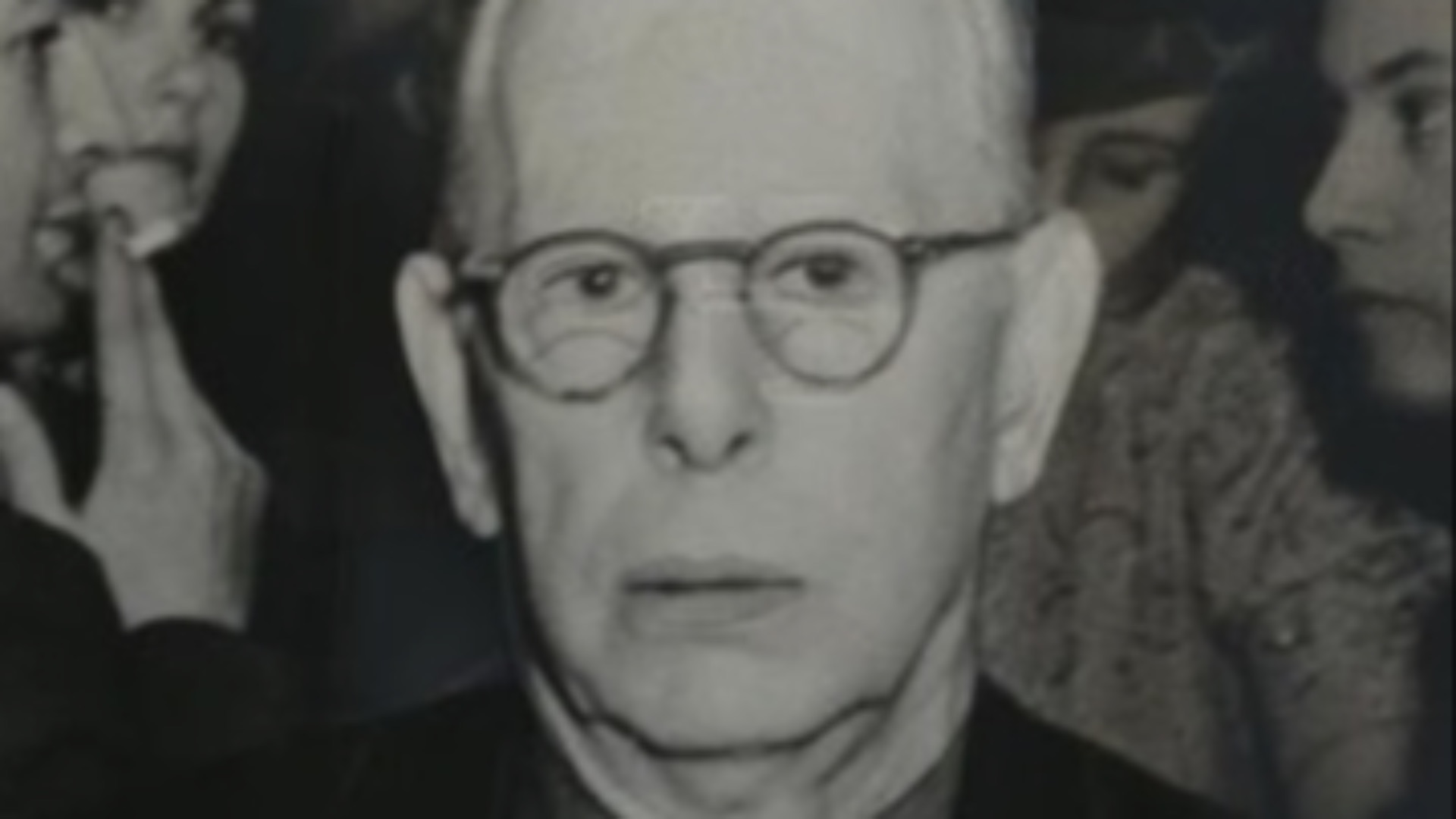
13. Jesse Livermore
Stock trader Jesse Livermore got famous for making and losing fortunes, including profits from correctly betting against the market during major crashes. Eventually, his wins stopped compensating for his losses, and Livermore declared bankruptcy in 1934.
14. Daniel Drew
Wall Street operator Daniel Drew accumulated millions through all the big whig items you could back then: steamboats, railroads, and aggressive stock-market maneuvering. But his luck turned as a new generation of financiers outplayed him. He filed for bankruptcy in 1876 with debts exceeding $1 million. He also had no usable assets and spent his last years dependent on his son.
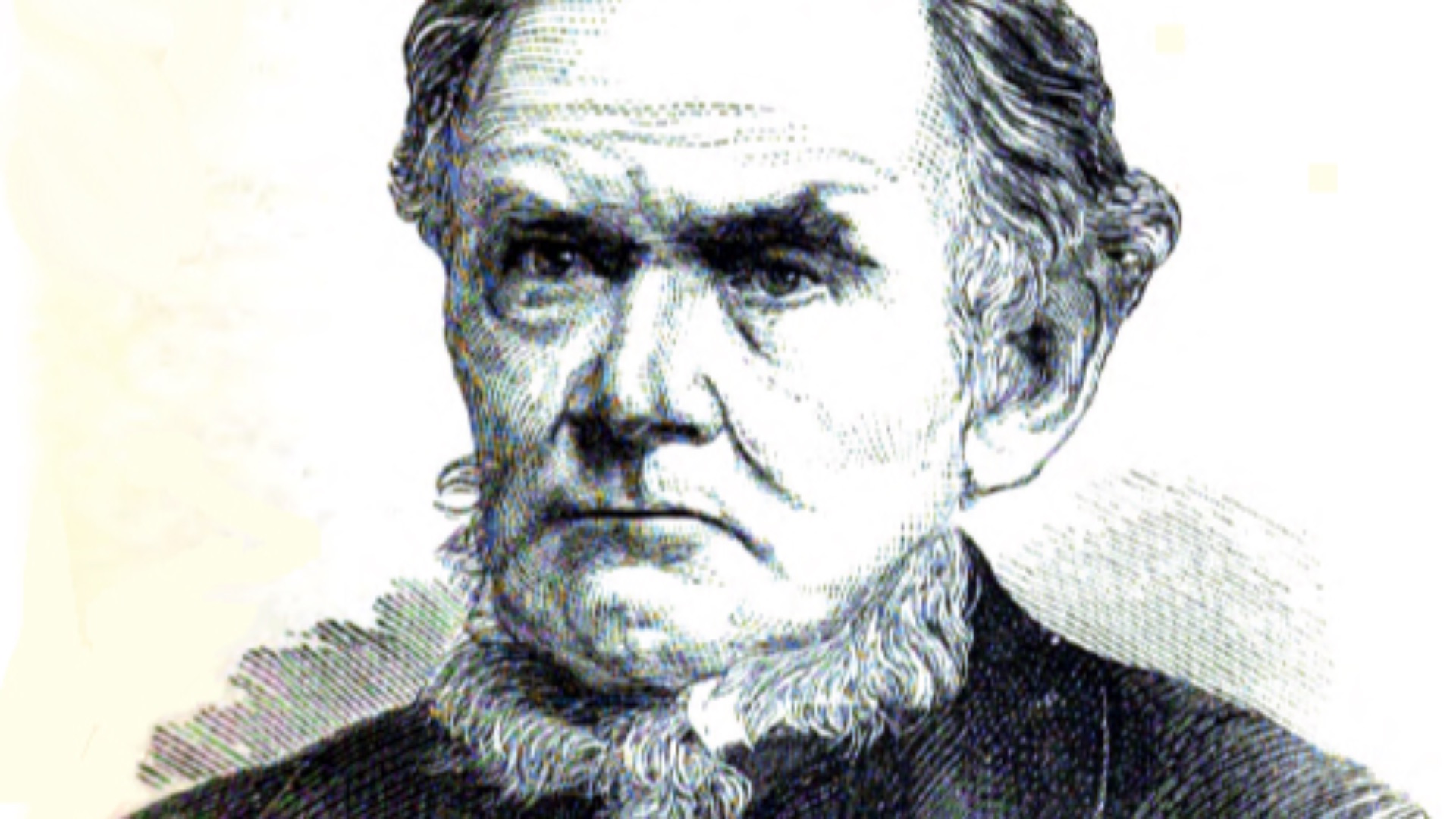 Illustrator not indicated on Wikimedia
15. Ivar Kreuger
Not even the most powerful could sidestep Swedish financier Ivar Kreuger, a man who controlled an empire so enormous that governments themselves borrowed from him. Behind that success, though, sat questionable accounts and liabilities that became impossible to hide after he died in 1932. It’s a good thing he wasn’t around to see his companies collapse, especially since bankruptcy proceedings revealed debts greater than the assets available to cover them.
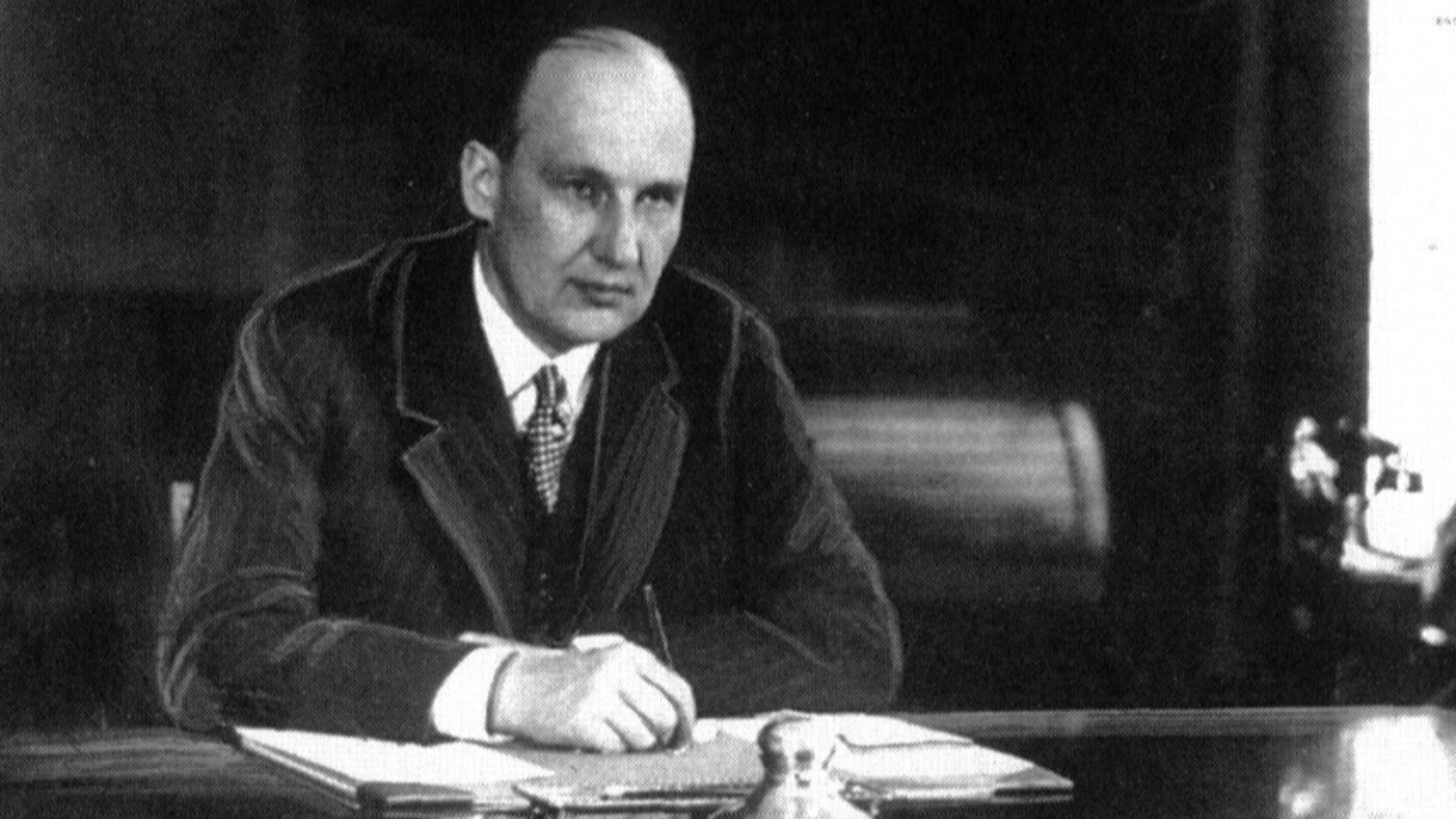 The photografer is not known. on Wikimedia
16. Josephine Baker
Josephine Baker had it all. She rose to fame and made plenty of money during her career. But between supporting her large adopted family and dealing with poor financial management, she found herself with debts she couldn't cover. The château was auctioned after years of trouble, and Baker returned to performing because she needed the money.

17. Florenz Ziegfeld Jr.
Broadway producer Florenz Ziegfeld Jr. earned fortunes from the lavish productions of the Ziegfeld Follies. Unfortunately, his taste for larger-than-life productions was matched by risky investments, and the Wall Street Crash only damaged his finances further. When he died in 1932, he reportedly had debts running into the millions.
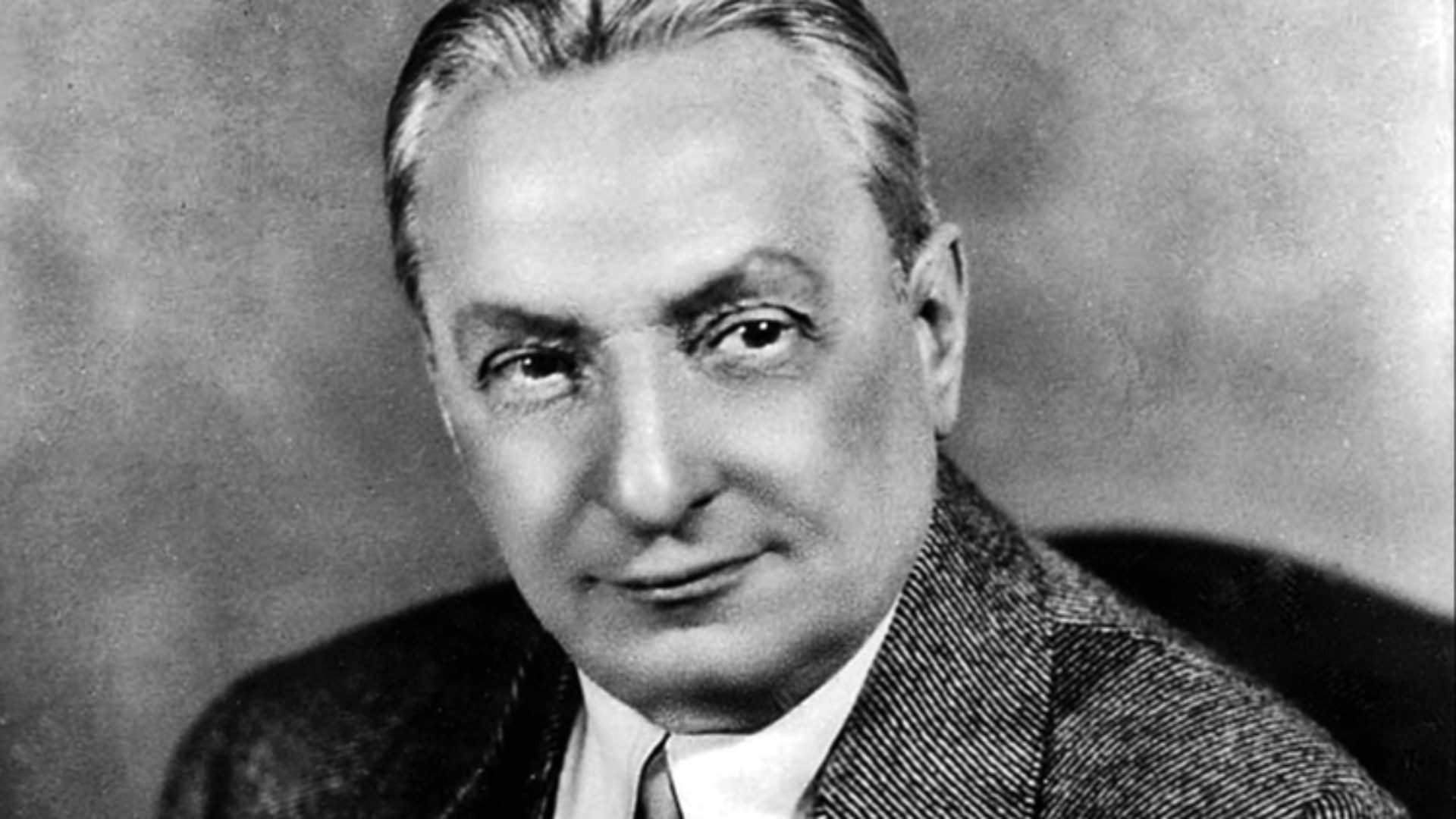 Unknown photographer on Wikimedia
18. William C. Ralston
William C. Ralston helped found the Bank of California and became one of the dominant businessmen of 19th-century San Francisco. You’d think someone in the field wouldn’t fall into a rabbit hole of lost wages, but investments, the costly Palace Hotel project, and problems with the bank itself took his empire down in 1875. Ralston also died the very day his position collapsed.
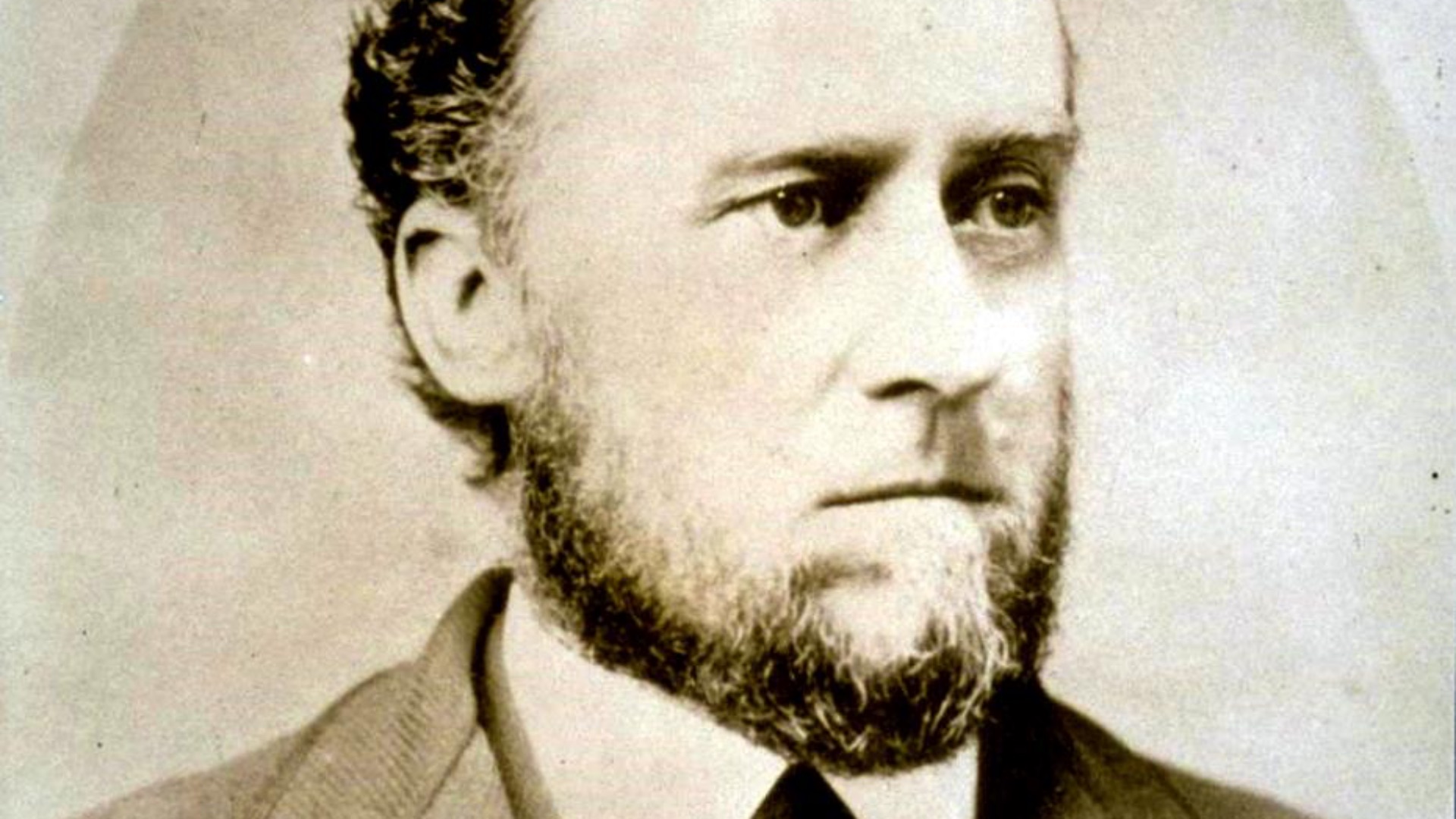
19. Charles M. Schwab
Steel magnate Charles M. Schwab once earned around $2 million a year as the first president of U.S. Steel before building Bethlehem Steel into an industrial giant. However, all that money allowed Schwab to spend lavishly, engage in charitable giving, take on debt, and suffer disastrous investment losses. The fortune didn't survive him.
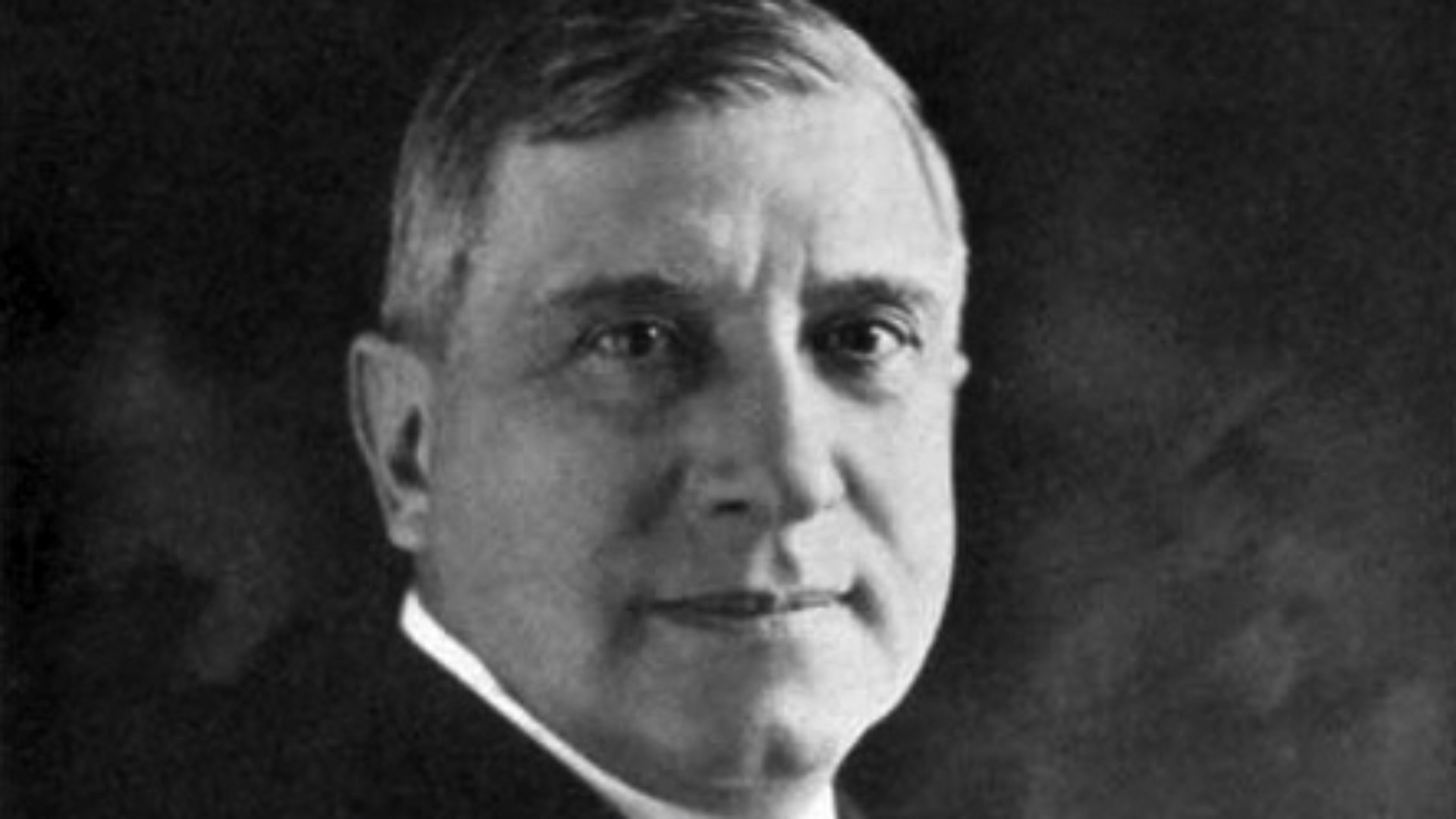
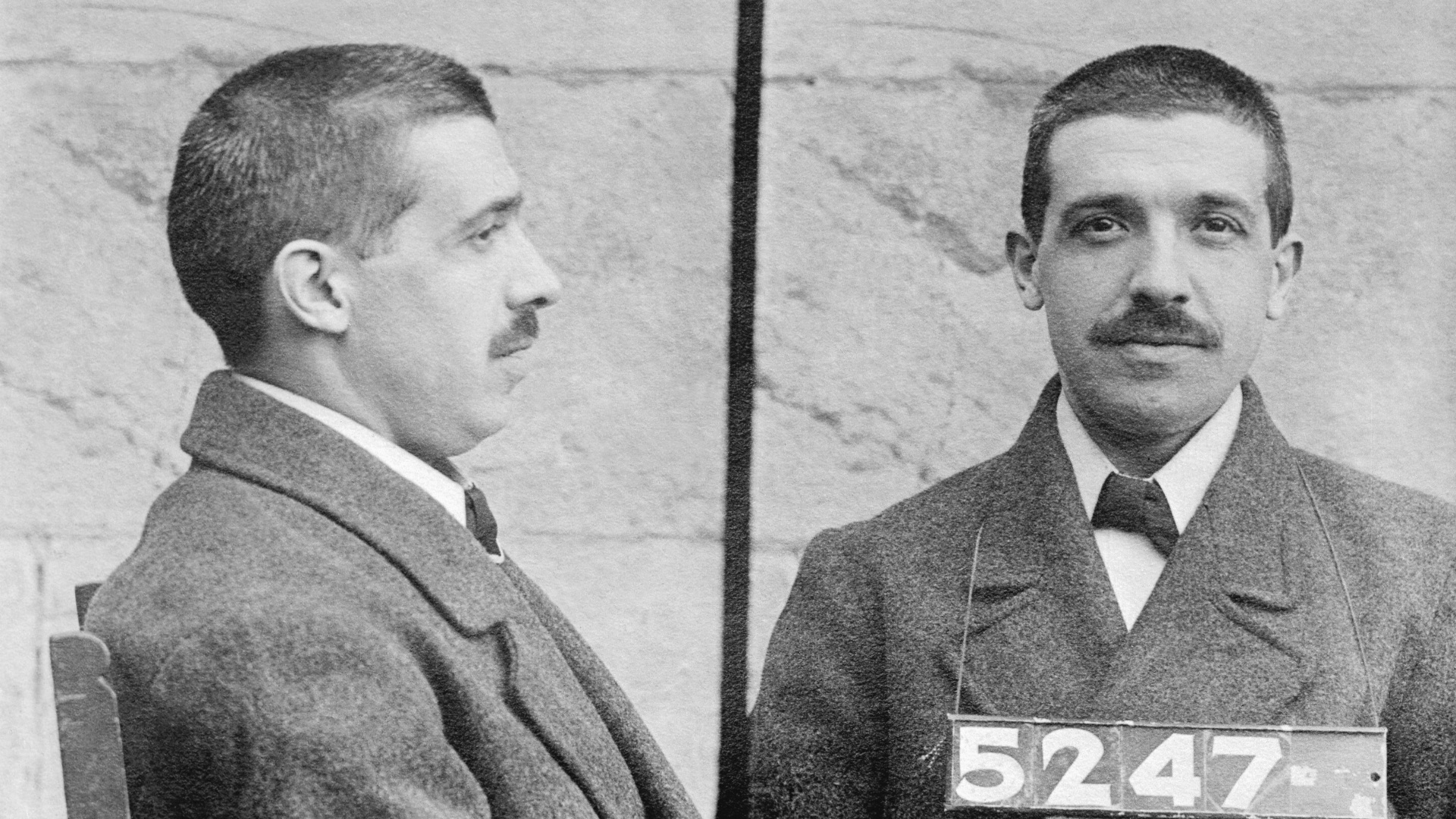
20. Charles Ponzi
Well, after reading the name, you must know where this is going. Charles Ponzi briefly handled enormous sums after promising investors huge returns through the scheme that permanently attached his name to fraud. The operation collapsed in 1920, leading to convictions, imprisonment, and even deportation from the United States.
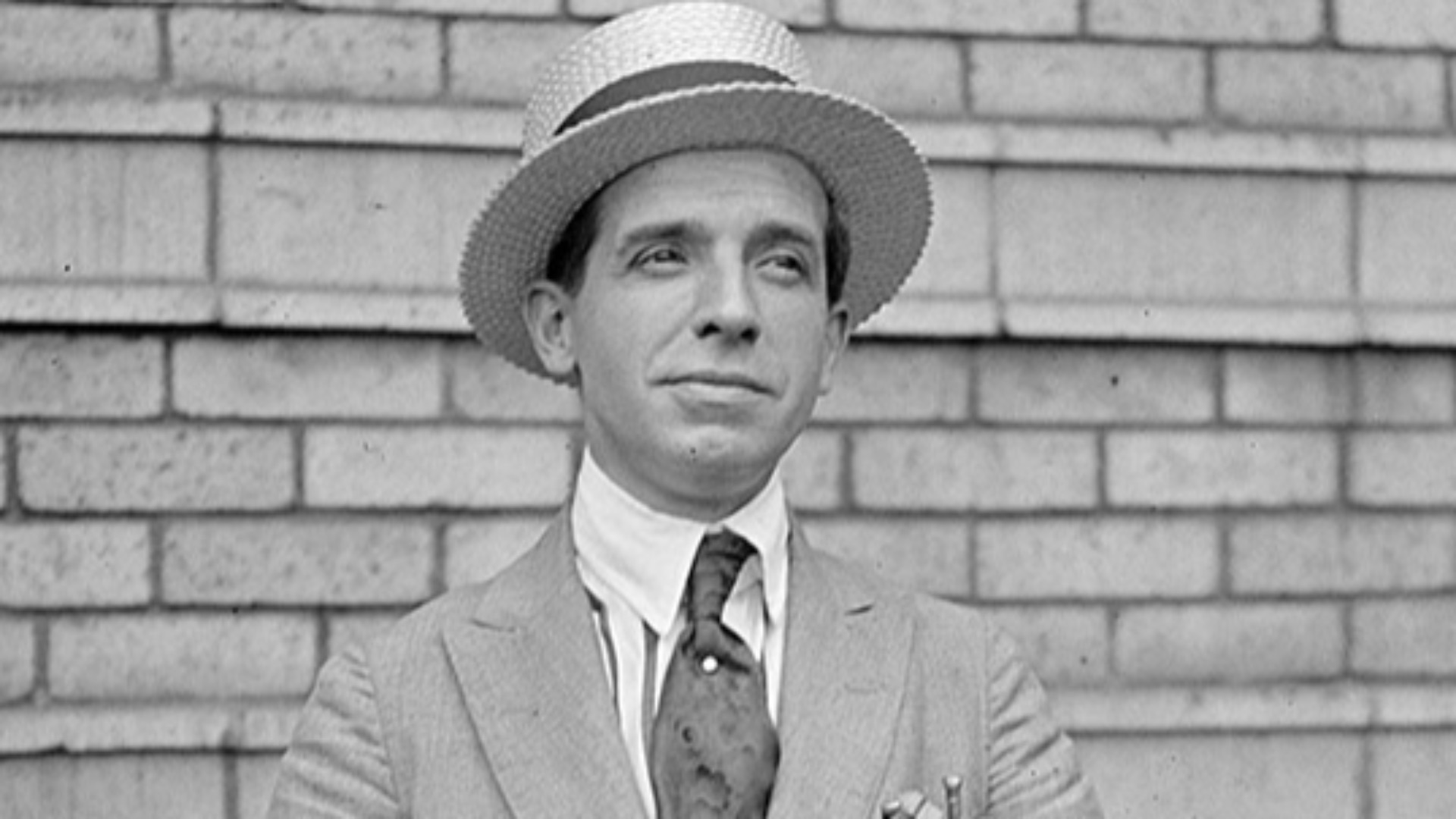 The original uploader was Mgreason at English Wikipedia. on Wikimedia
KEEP ON READING