Their Families Were Never the Same
History is full of political betrayals, but some of the most dramatic involved people turning against their own relatives. Kings fought siblings, children challenged parents, and spouses became enemies when power, money, or revenge entered the picture. These 20 historical figures took family conflict to an extraordinary level, proving that sharing a surname doesn’t always guarantee loyalty.
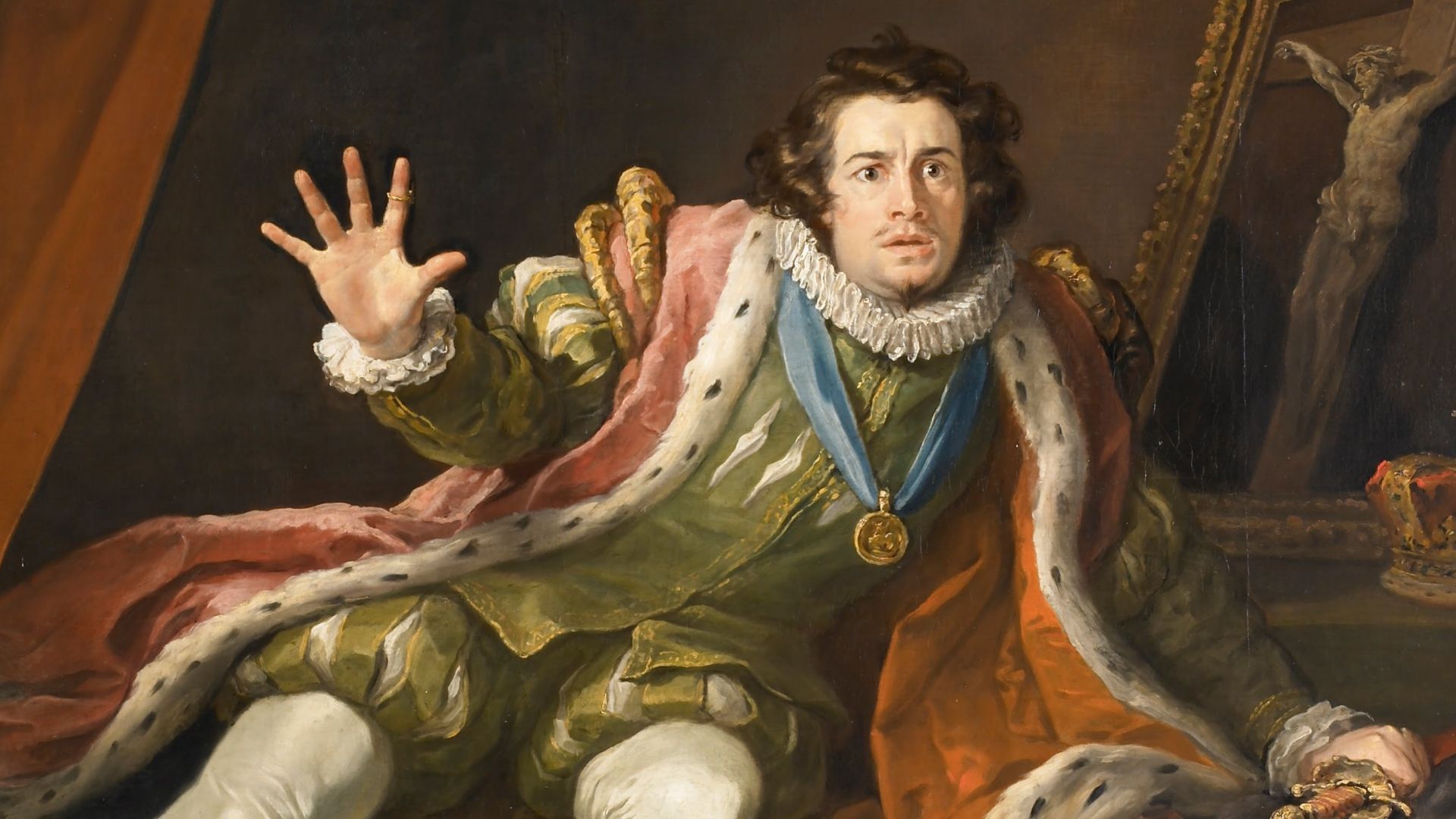
1. Richard III
When his brother died, Richard III took power as king of England. He locked up his nephews Edward V and Richard of Shrewsbury in the Tower of London, and the boys were never heard from again. Richard III remains one of England’s most controversial monarchs because of the fate of his nephews.
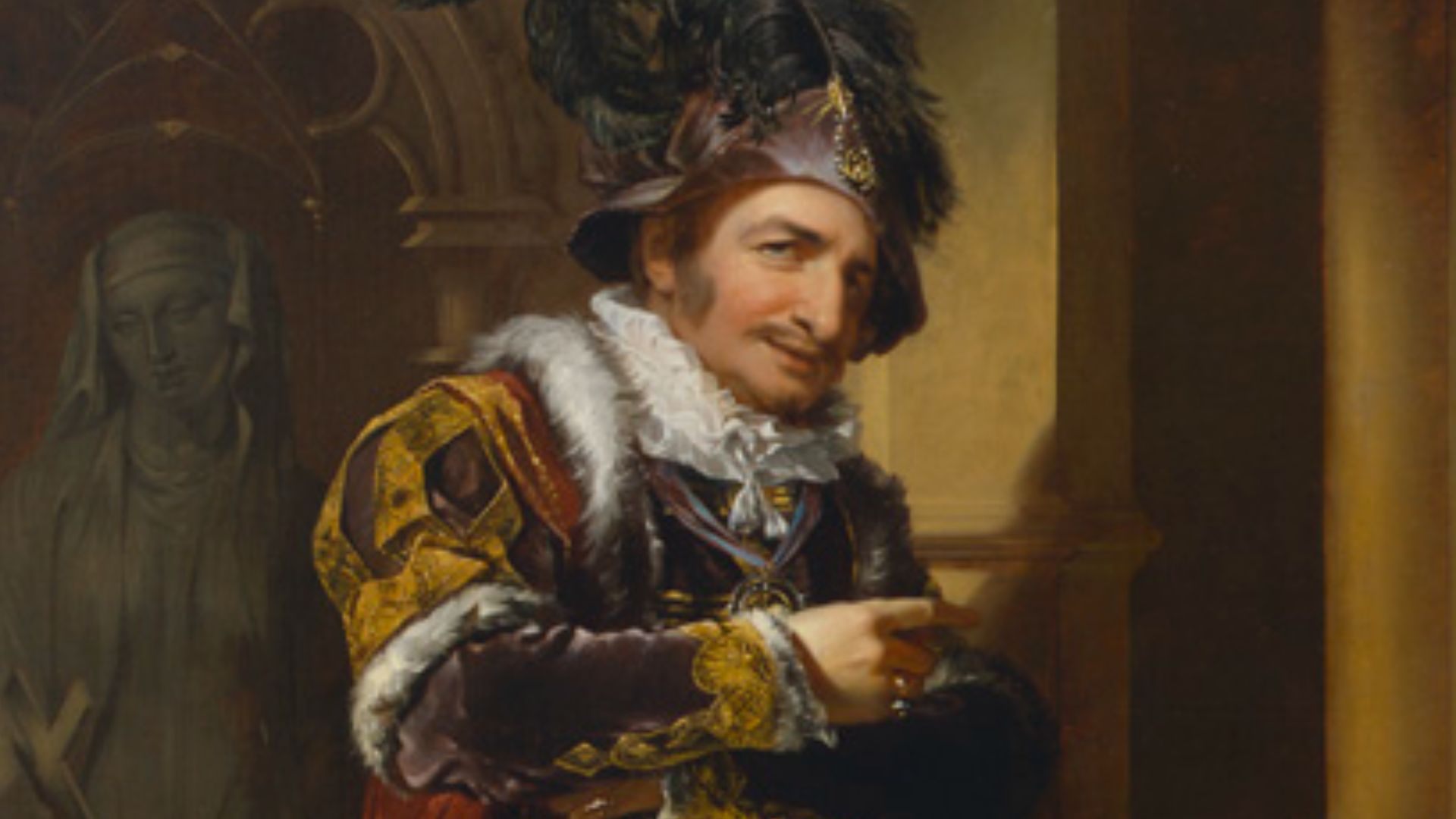
2. Henry II
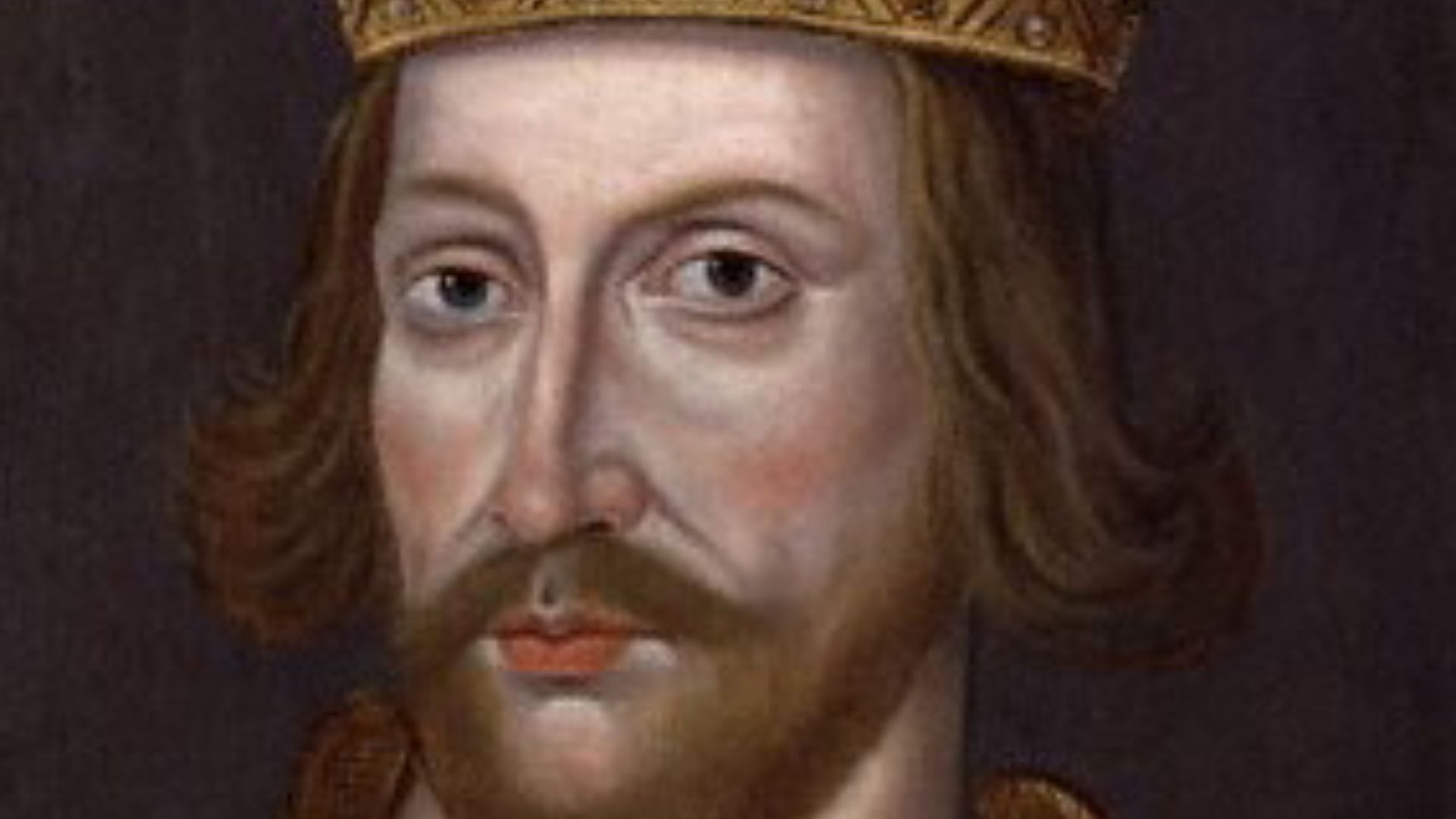
King Henry II of England battled his own sons for decades as they grew into adolescence and adulthood. Henry II faced rebellions from three of his sons: Henry the Young King, Richard, and Geoffrey. The boys joined with their mother Eleanor of Aquitaine against Henry II, who eventually defeated them.
3. Eleanor of Aquitaine
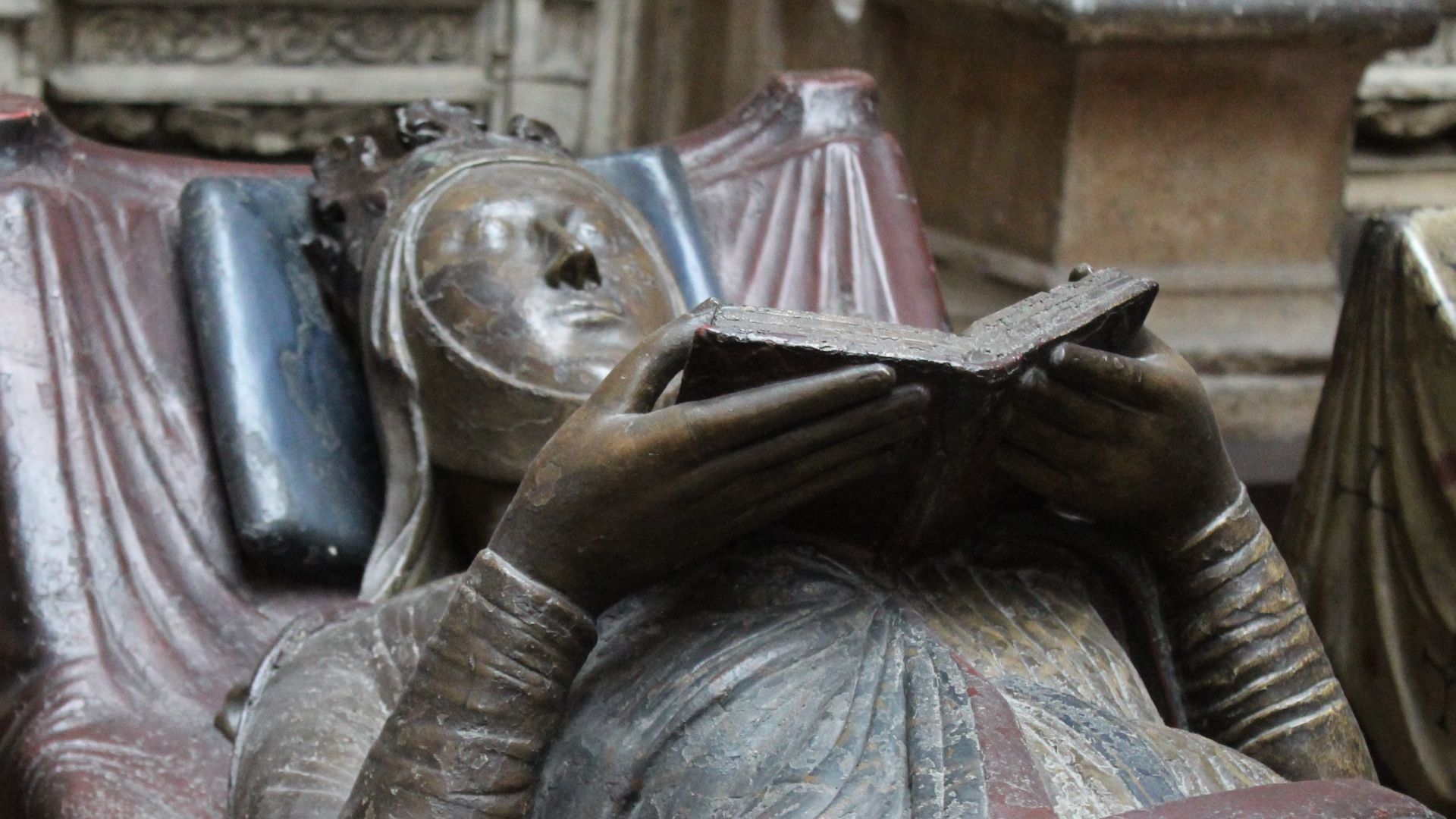
Eleanor fought alongside her sons against her husband, King Henry II. After their revolt was defeated, Henry II had his wife imprisoned for many years. One of medieval Europe’s most powerful marriages became one of history’s worst family disputes after Eleanor broke allegiance to her husband.
4. Ivan the Terrible
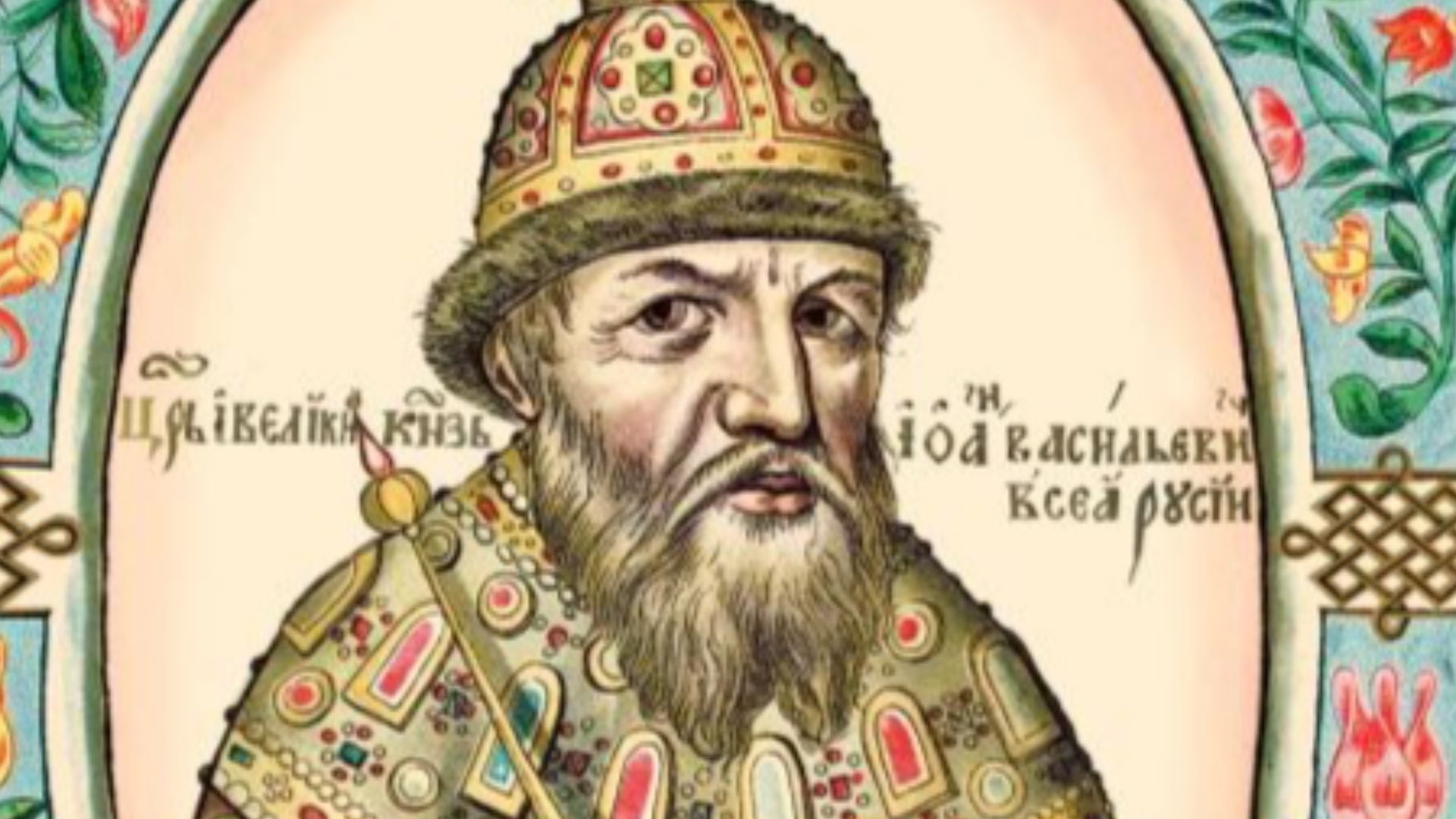
Ivan IV of Russia is remembered for his brutal reign, but his relationship with his son Ivan was especially tragic. According to traditional accounts, the tsar struck his son during an argument, causing an injury that eventually proved fatal. Whether the entire story is true may be up for debate, but it has become one of Ivan’s darkest legends.
 Unknown authorUnknown author on Wikimedia
5. Philip II of Macedon
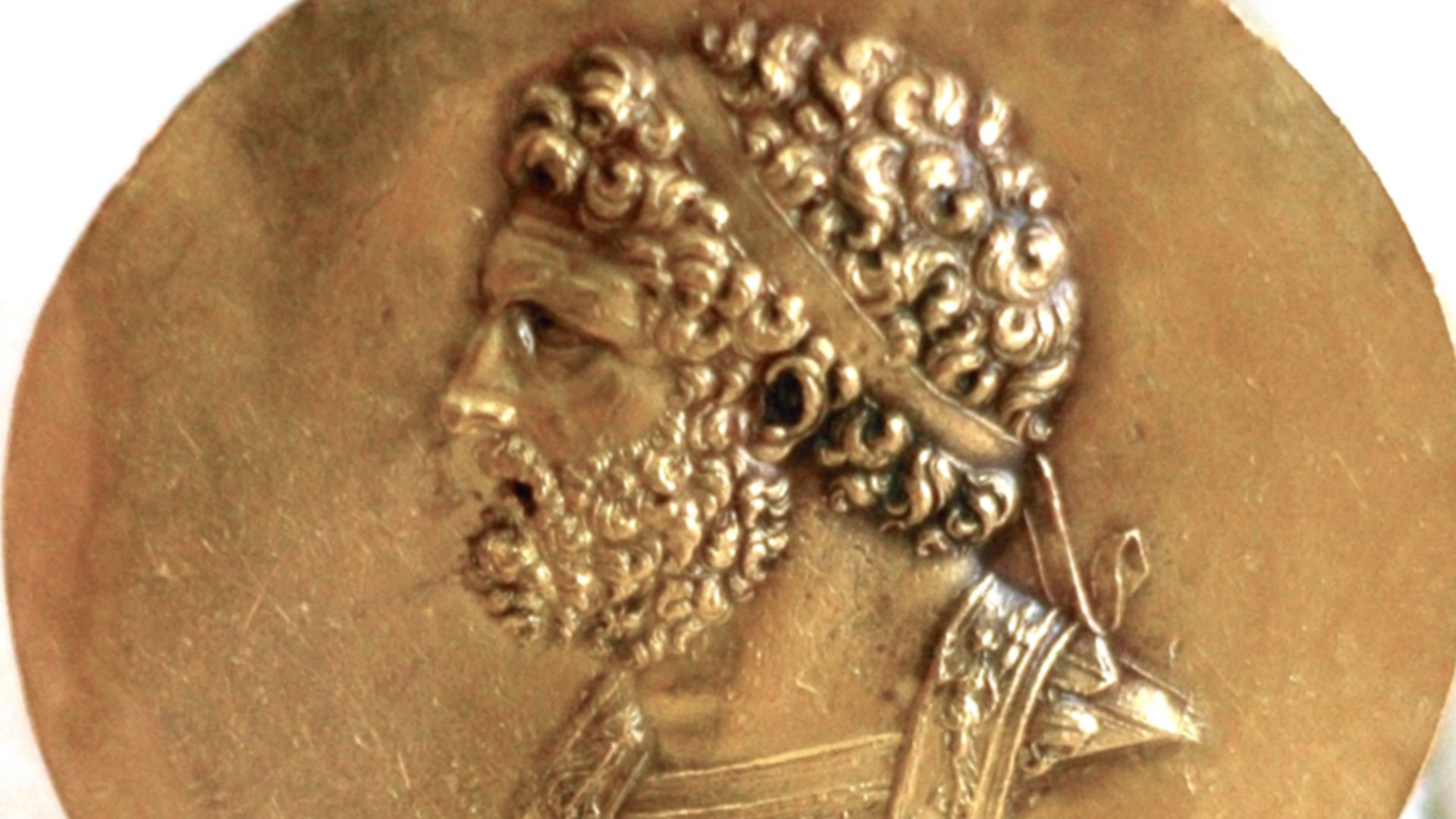
Philip II had a complicated relationship with his son Alexander, who would later become Alexander the Great. Their rivalry intensified after Philip’s marriage to Cleopatra Eurydice, which created concerns about Alexander’s position as heir. Father and son eventually reconciled, but their political relationship had become deeply strained.
 Unknown artistUnknown artist on Wikimedia
6. Alexander the Great
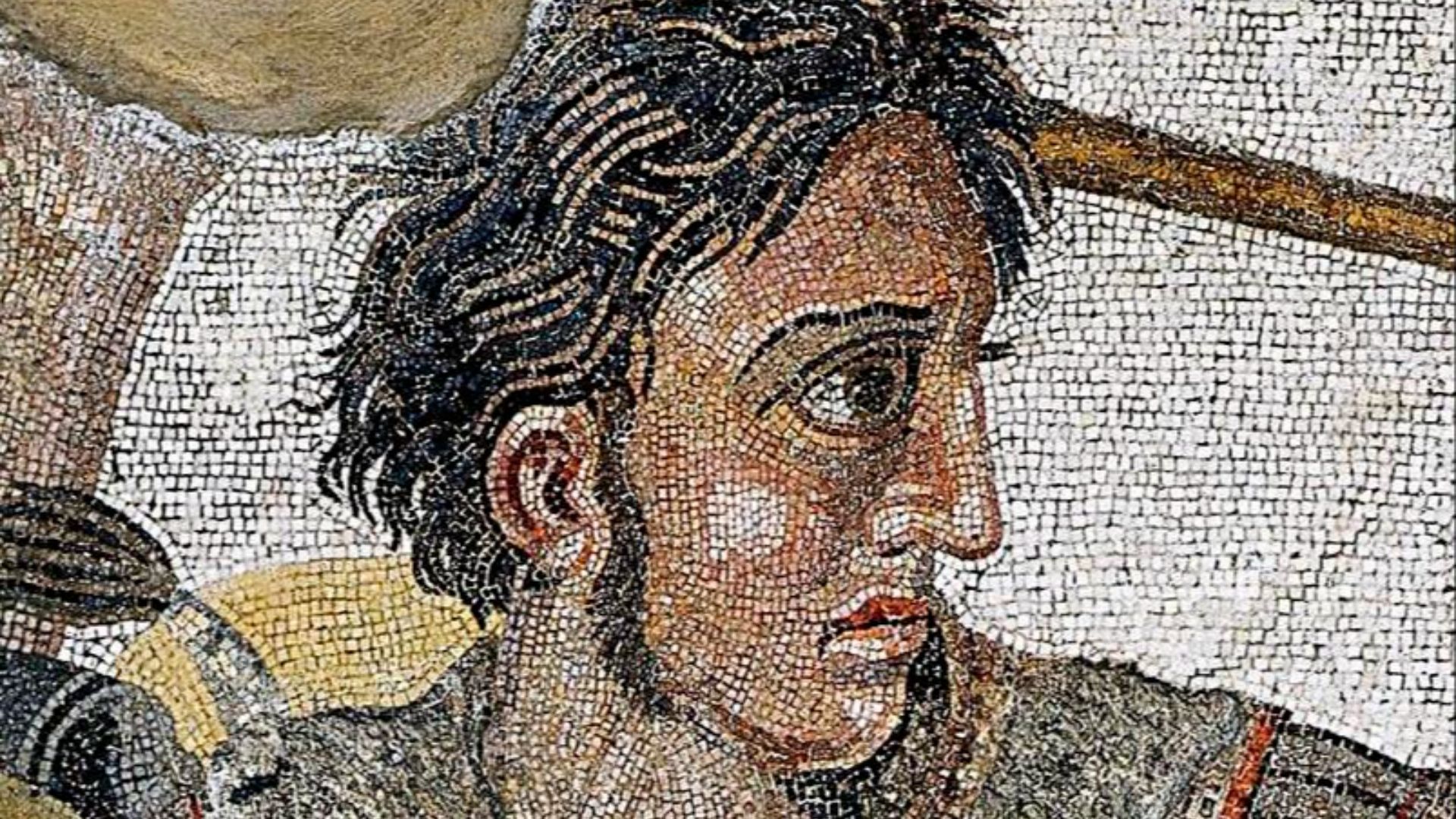
Alexander himself wasn’t immune to family conflict once he became ruler. He ordered the execution of several relatives and potential rivals who threatened his succession after becoming king. His actions helped secure his position, but they also demonstrated how quickly royal politics could turn against people who happened to share your bloodline.
 Unknown authorUnknown author on Wikimedia
7. Cleopatra VII
The famous Cleopatra of Egypt fought a bitter power struggle with her younger brother Ptolemy XIII when she became queen. They were expected to rule jointly, but political divisions caused them to turn against one another. Eventually, Cleopatra allied herself with Julius Caesar and retook the throne from Ptolemy.

8. Henry VIII
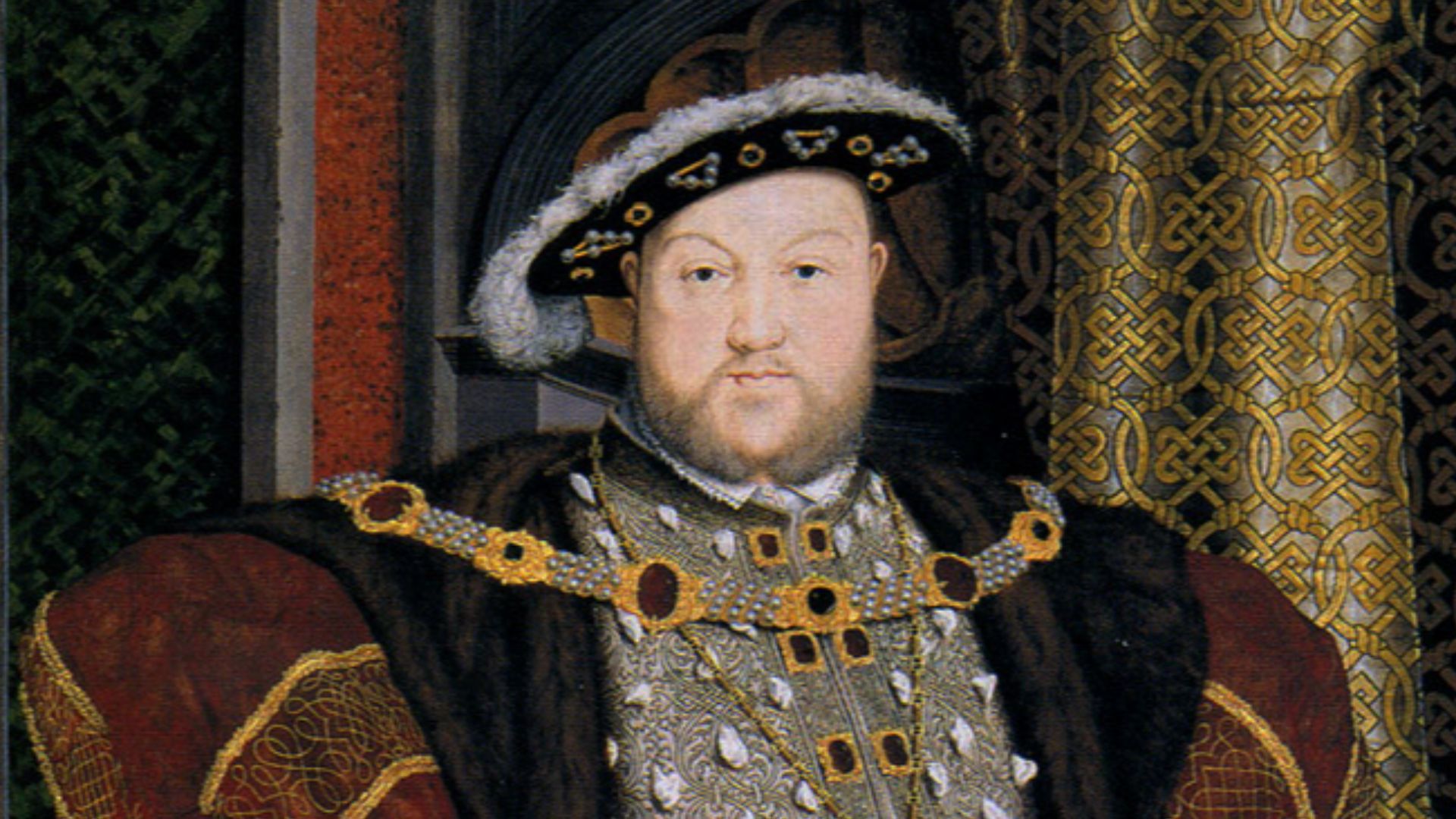
English King Henry VIII had children with multiple wives, declared himself the head of the Church of England, and oversaw massive changes during his reign. His relatives weren’t immune to his changing views, and he seemed willing to attack anyone who crossed him. His cousin Margaret Pole was one of many to be removed during his reign.
 Unknown authorUnknown author on Wikimedia
9. Mary, Queen of Scots
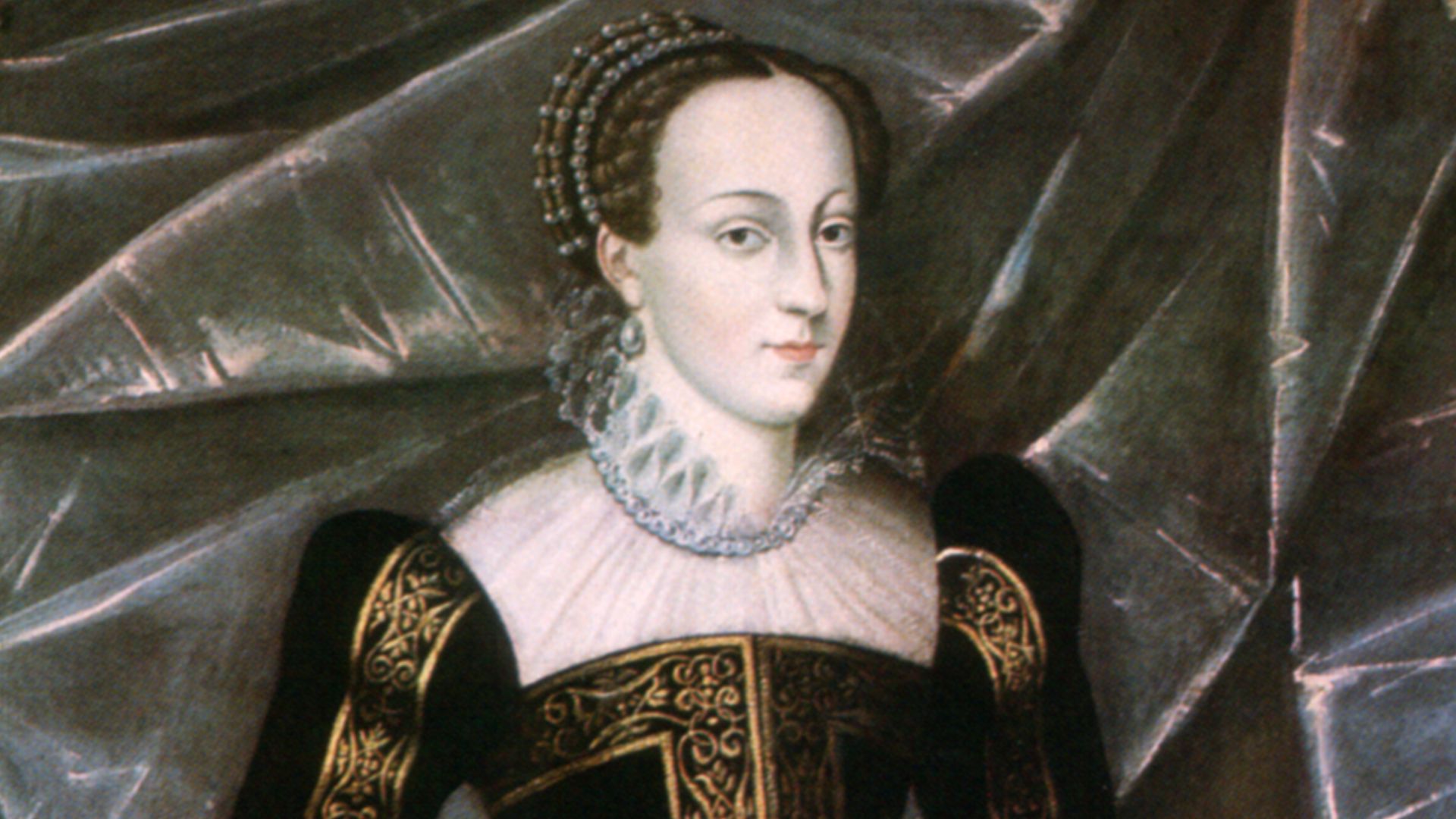
Mary became queen of Scotland as an infant, but her ascension was marked by the power struggle between noble families. Her marriage to Henry Stuart, Lord Darnley, became deeply troubled, and his passing in 1567 created enormous controversy surrounding Mary and her circle. Her subsequent marriage to James Hepburn, Earl of Bothwell, further damaged her position and contributed to her forced abdication.
 Unidentified painter on Wikimedia
10. Richard II
Richard II of England was eventually displaced by his cousin Henry Bolingbroke. Richard confiscated the lands Bolingbroke was supposed to inherit from his father, John of Gaunt. Henry Bolingbroke eventually overthrew Richard II and took the throne as Henry IV.
 AnonymousUnknown author on Wikimedia
11. Henry IV
Henry IV’s rise to power came at the expense of his cousin Richard II, whom he deposed in 1399. Although Henry justified his actions through political and legal arguments, removing a close relative from the throne was an extraordinary breach of dynastic loyalty. His reign also faced repeated rebellions, showing how unstable his victory had been.
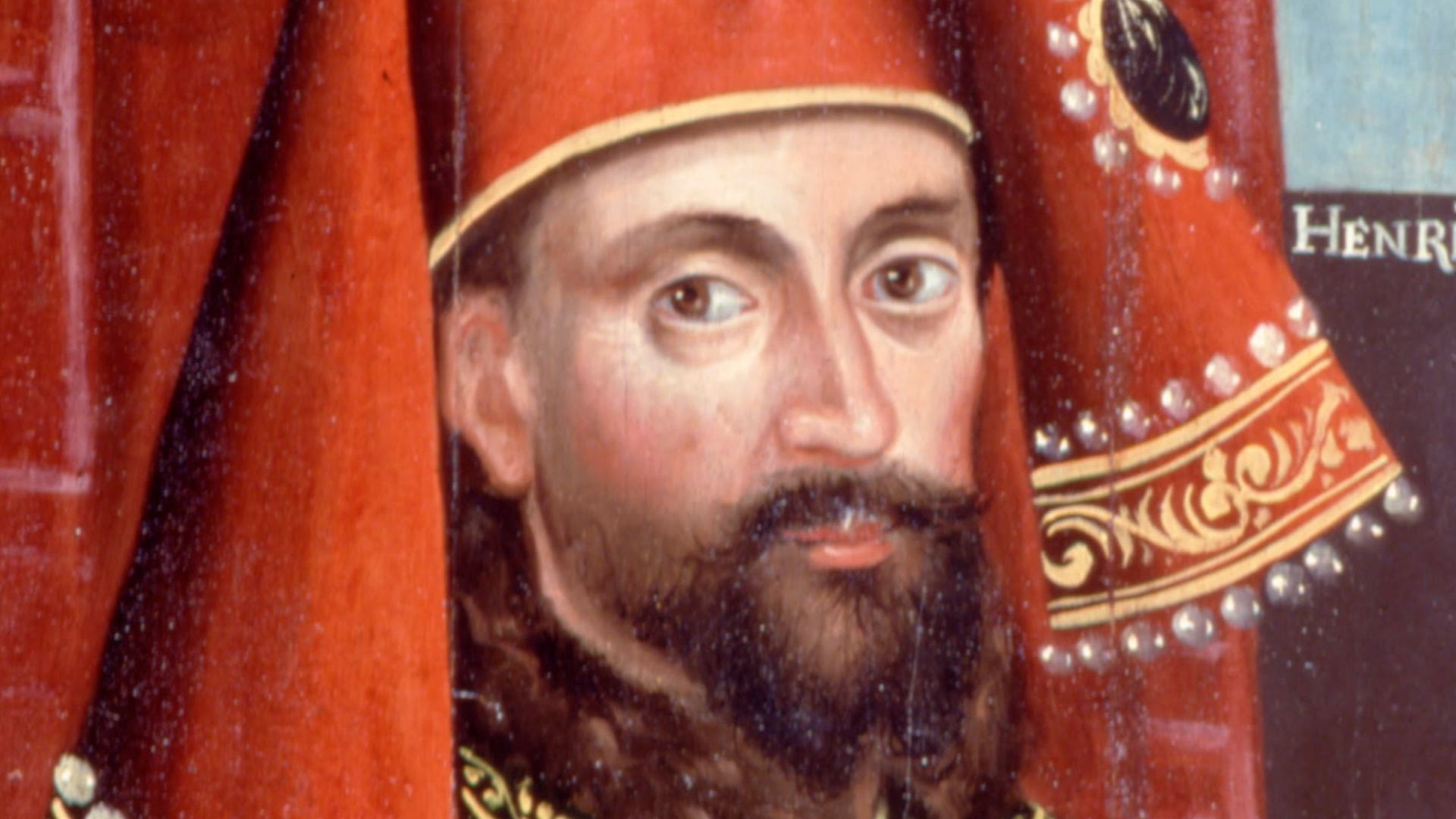 British – School Details on Google Art Project on Wikimedia
12. Brutus
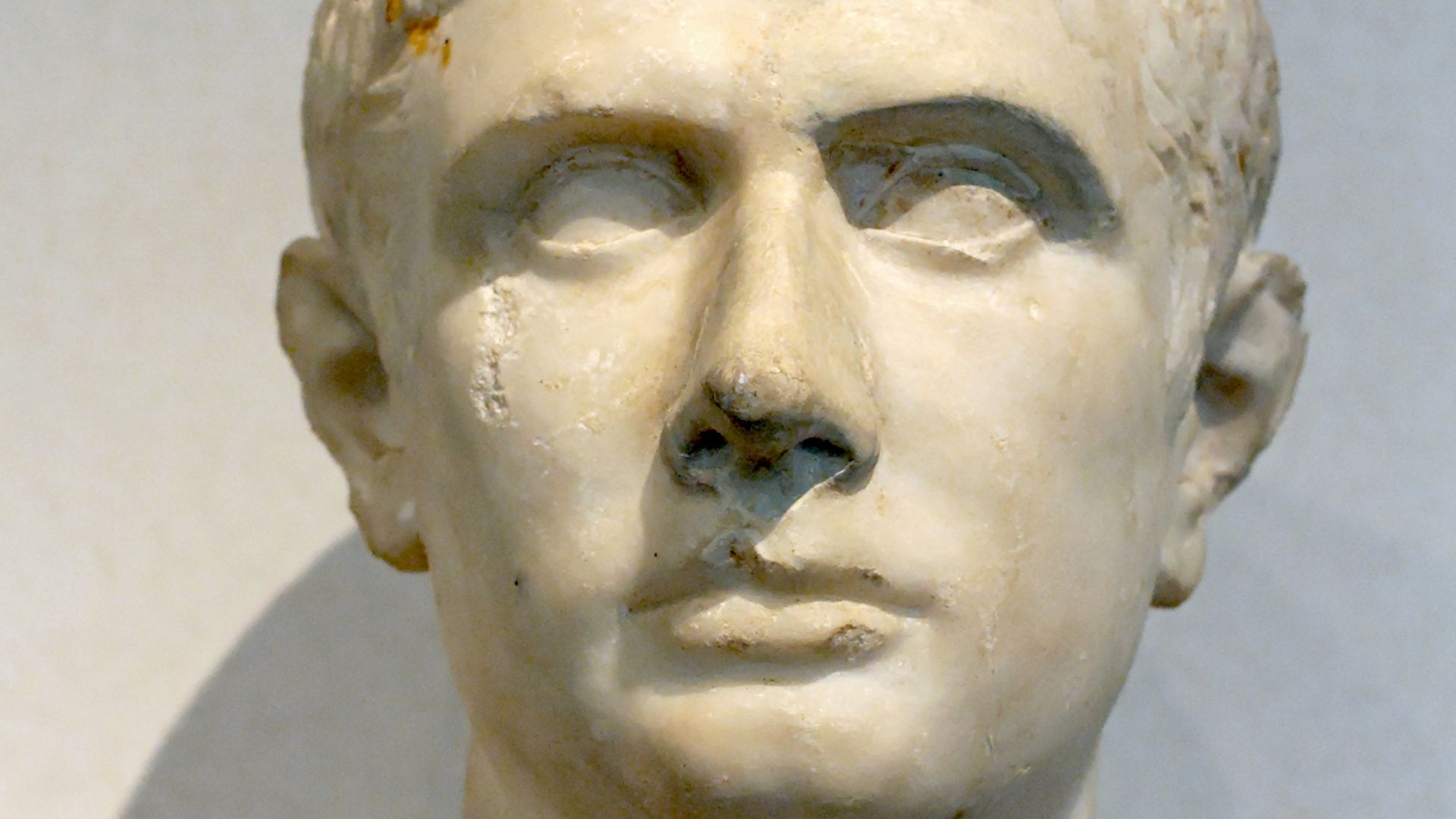
Marcus Junius Brutus became one of the most famous participants in the passing of Julius Caesar. Caesar had been close with Brutus and apparently regarded him as a son. Despite their relationship, Brutus fatally ended Caesar in one of history’s most famous incidents.
13. Julius Caesar
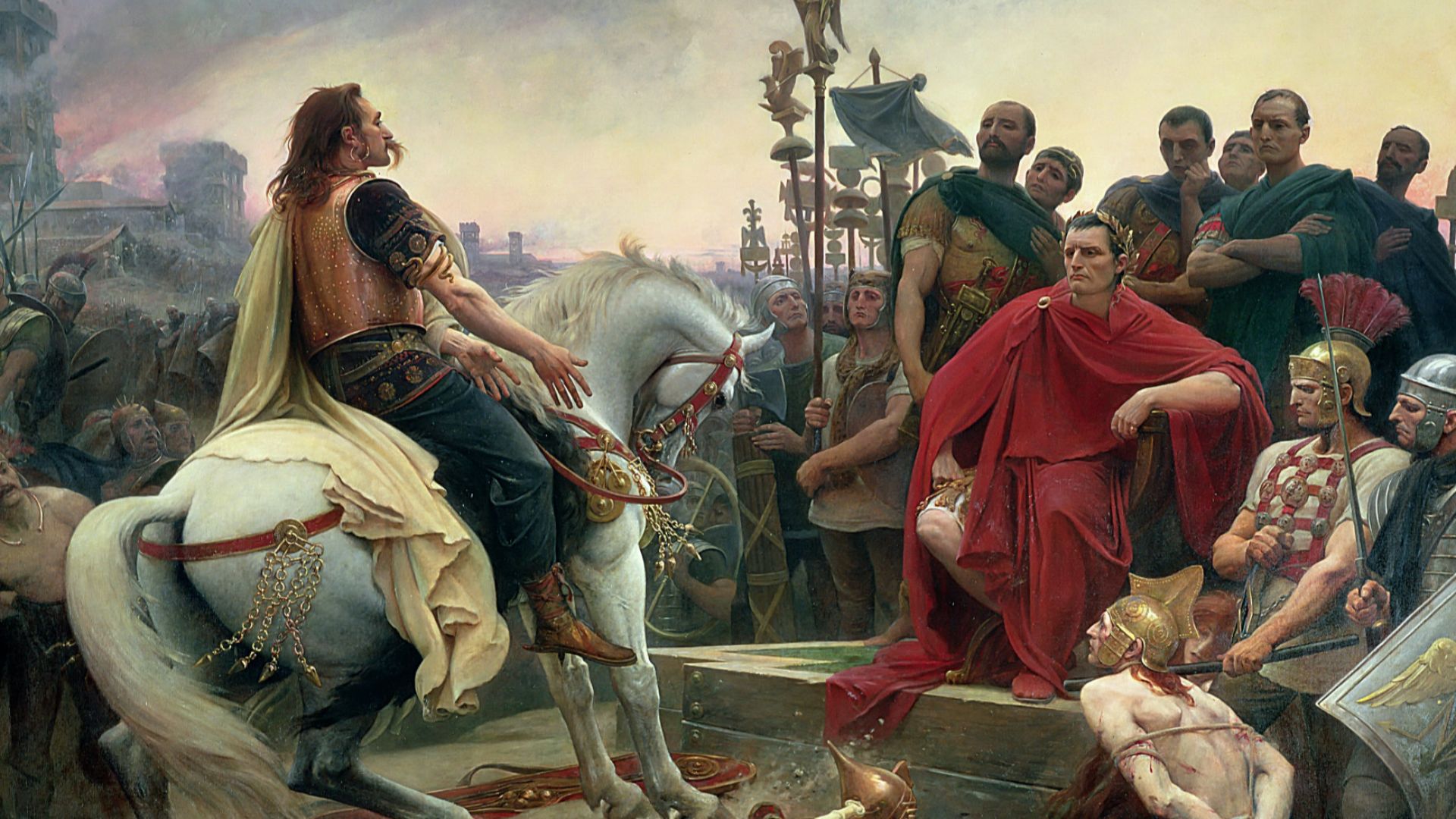
Julius Caesar made an alliance with Pompey that was strengthened by Pompey’s marriage to Caesar’s daughter Julia. However, Julia passed not long afterward, and Caesar and Pompey eventually became adversaries. Their fallout would lead to Caesar crossing a boundary that had protected Roman rulers for generations.
14. Octavian
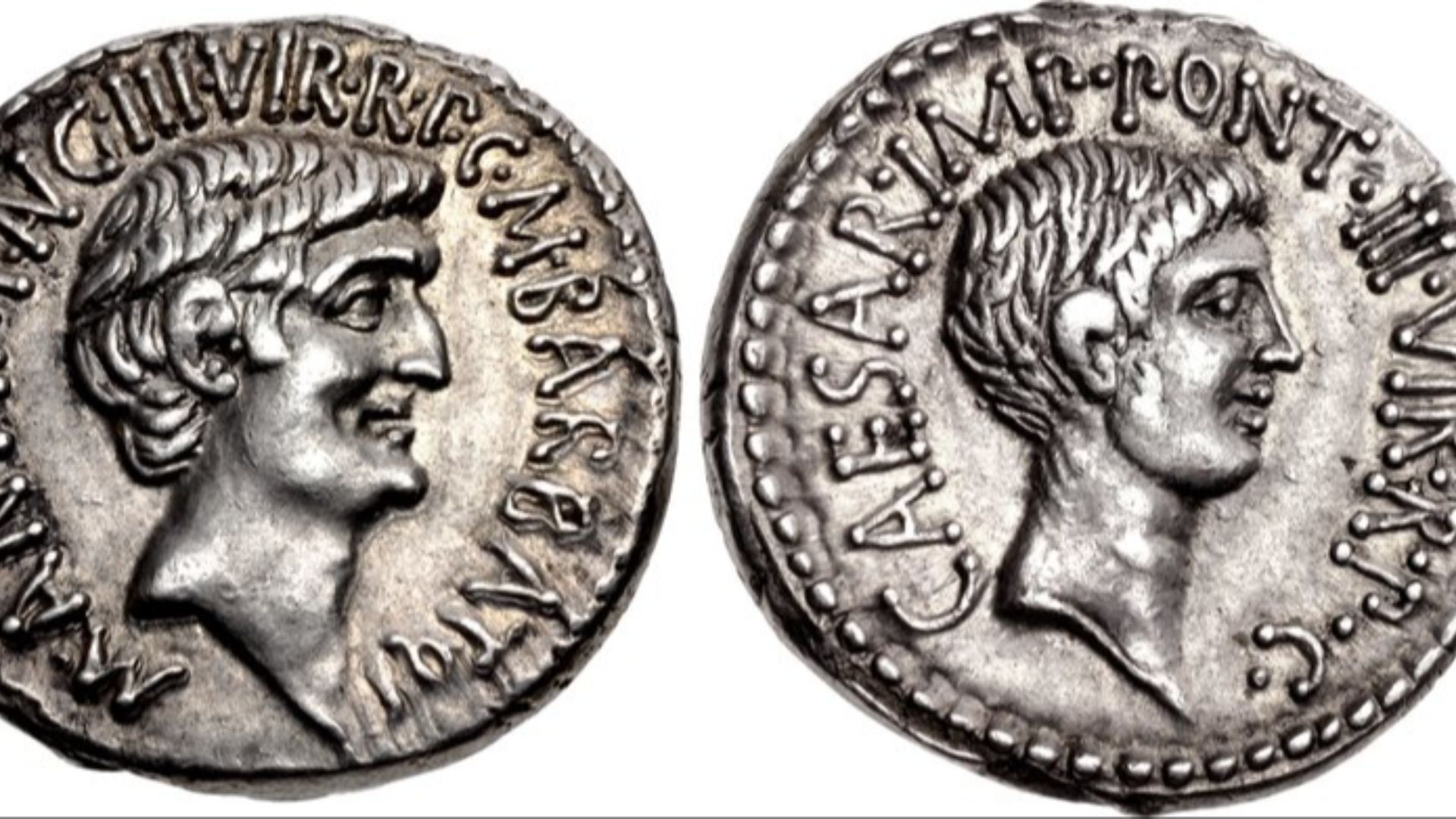
Octavian, who later became known as Augustus, fought against Mark Antony during their war of succession. Mark Antony was married to Octavian’s sister Octavia, but the two grew estranged when Antony became involved with Cleopatra. After defeating Mark Antony, Octavian helped justify his rule by turning Roman public opinion against his former brother-in-law.
15. Catherine de' Medici
Catherine de’ Medici lived through decades of family conflict as she acted as Queen of France. She had three sons who became kings of France, but they didn’t always agree with each other. Catherine watched as her family divided itself during some of France’s most tumultuous years.
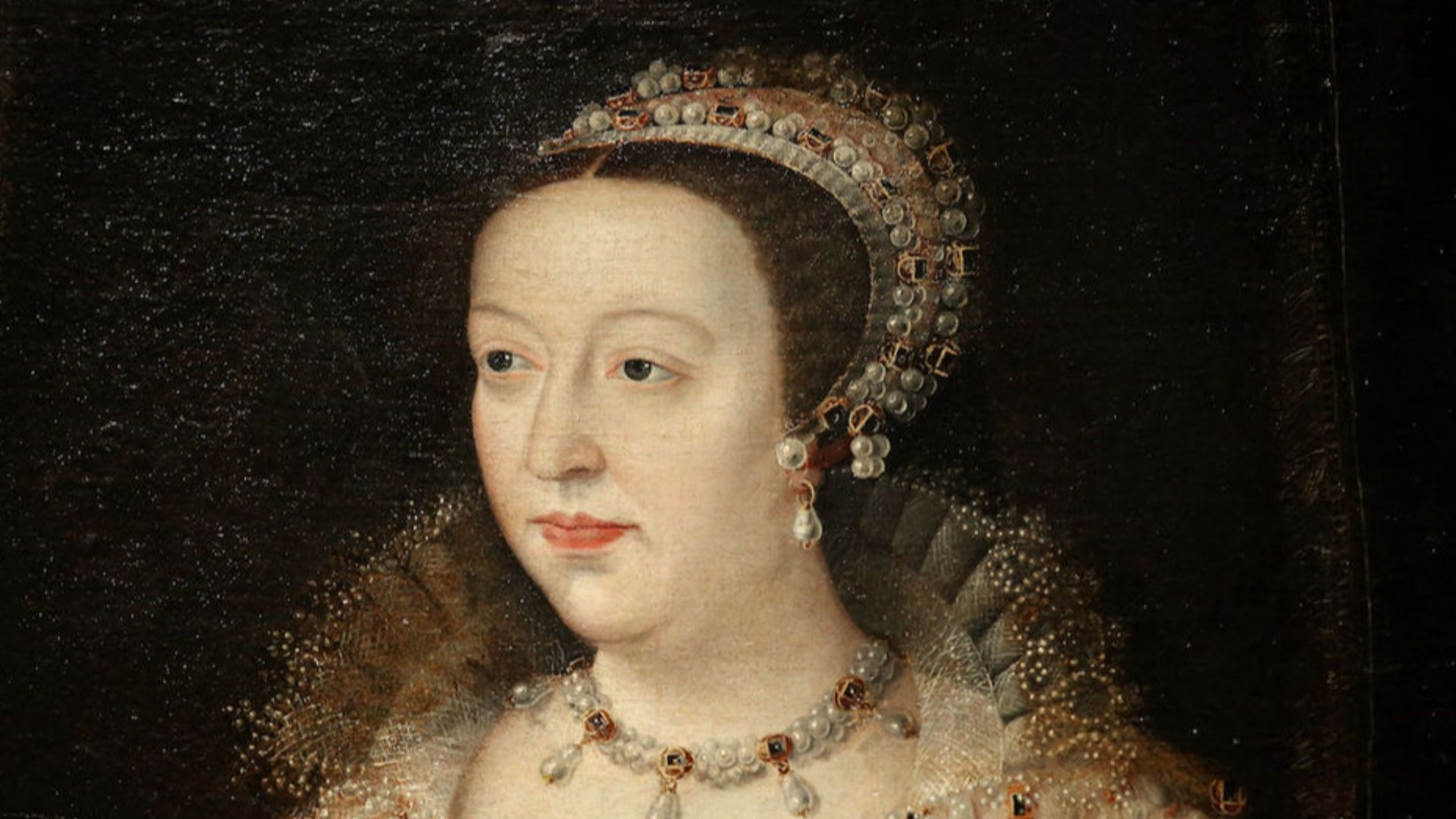 Attributed to Germain Le Mannier on Wikimedia
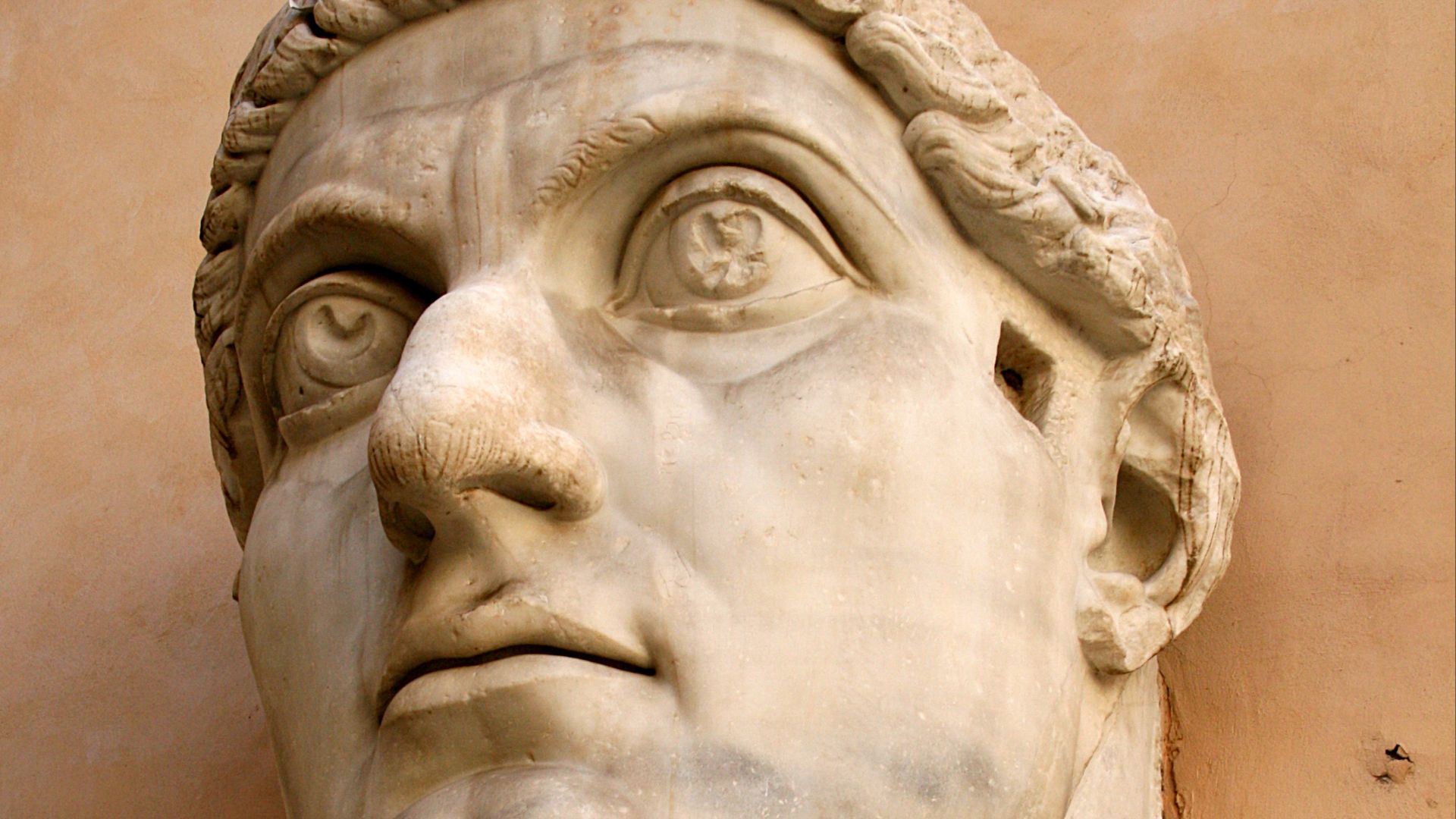
16. Emperor Constantine the Great
Emperor Constantine helped solidify Christianity as a dominant religion, but his own sons quickly changed that. After his death, several of his sons divided the empire and fought among themselves. Constantine’s dynasty survived for a time, but family unity disappeared remarkably quickly once the question of who should rule became unavoidable.
17. Mithridates VI
Mithridates VI of Pontus survived several attempts on his life by people who wanted him gone. Mithridates reacted to those attempts by attacking family members who he felt were threats. He had members of his family dealt with during his rise to power, showing that family can be the first casualty of war.
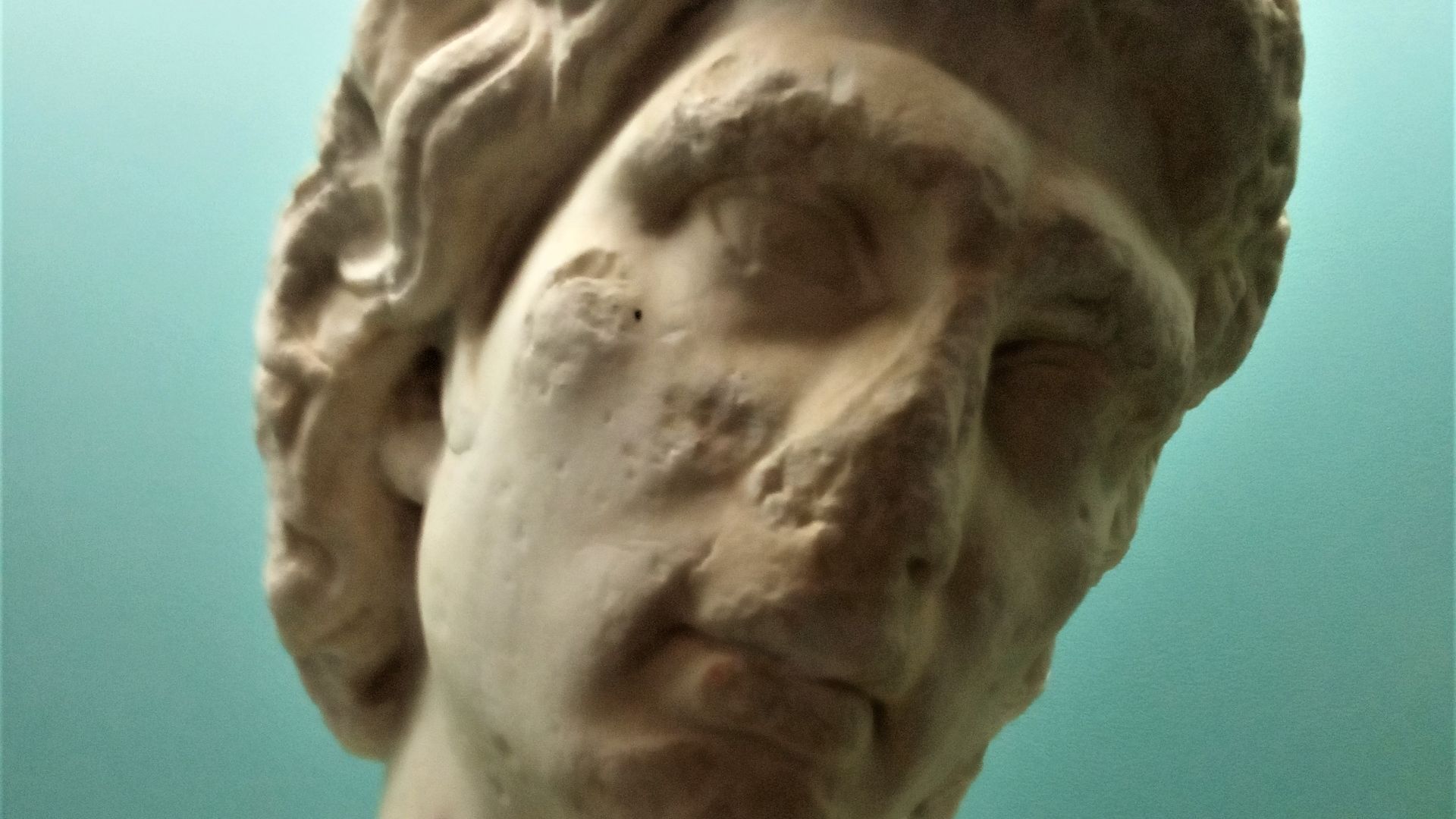
18. Peter the Great
Peter the Great’s relationship with his son Alexei became one of the most painful episodes of his reign. Alexei opposed many of his father’s reforms and eventually fled Russia, fearing punishment. Peter brought him back, had him investigated and imprisoned, and Alexei died in custody in 1718 after being convicted of treason.
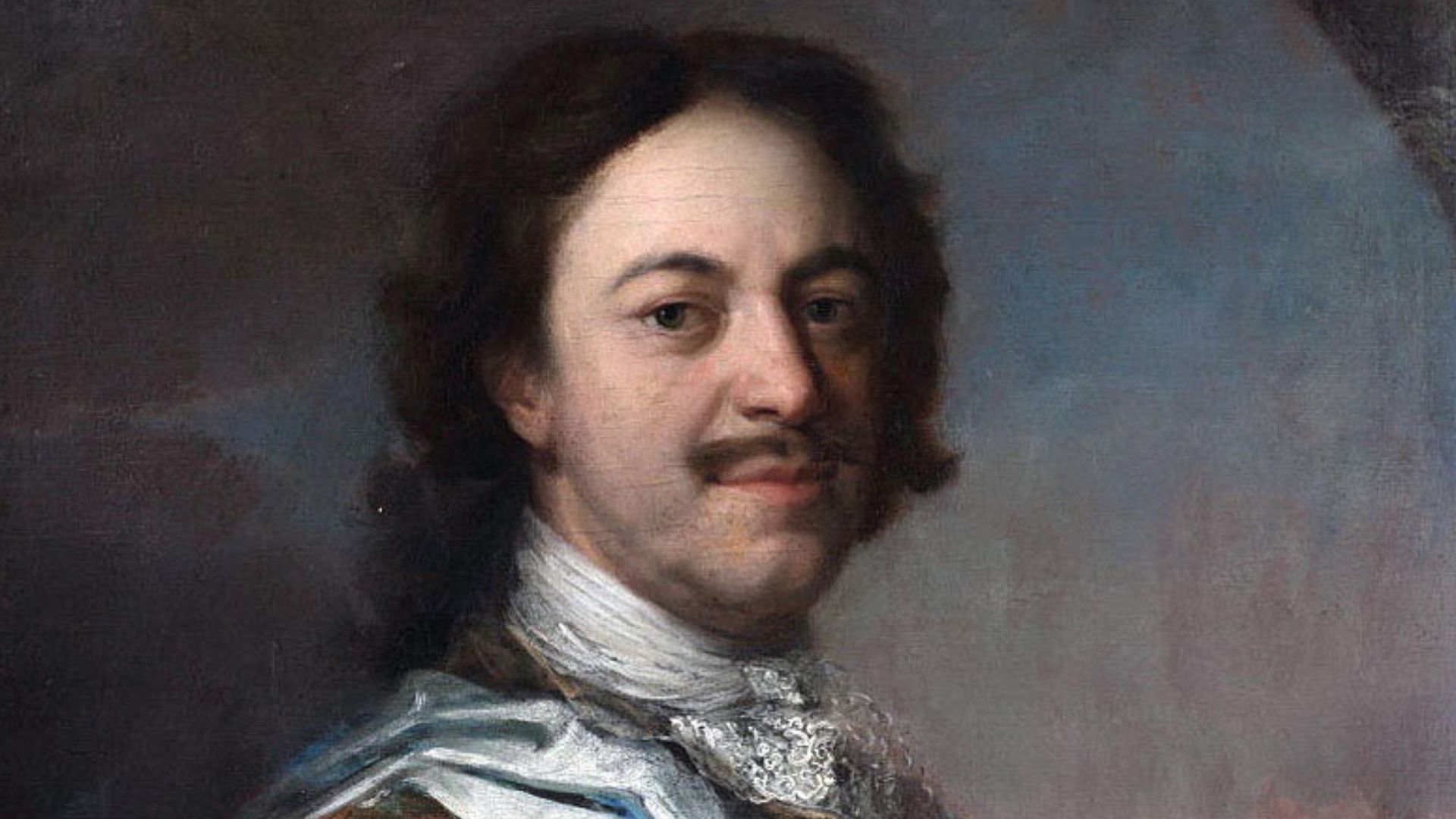 Карел де Моор (Moor, Carel de (1656-1738)) on Wikimedia
19. Mehmed II
Turkish Sultan Mehmed II overthrew his father to take the throne, becoming known as Mehmed the Conqueror. His legacy includes a succession practice that would terrify many royal families. The policy was intended to prevent civil war, but it made family rivalry exceptionally dangerous.
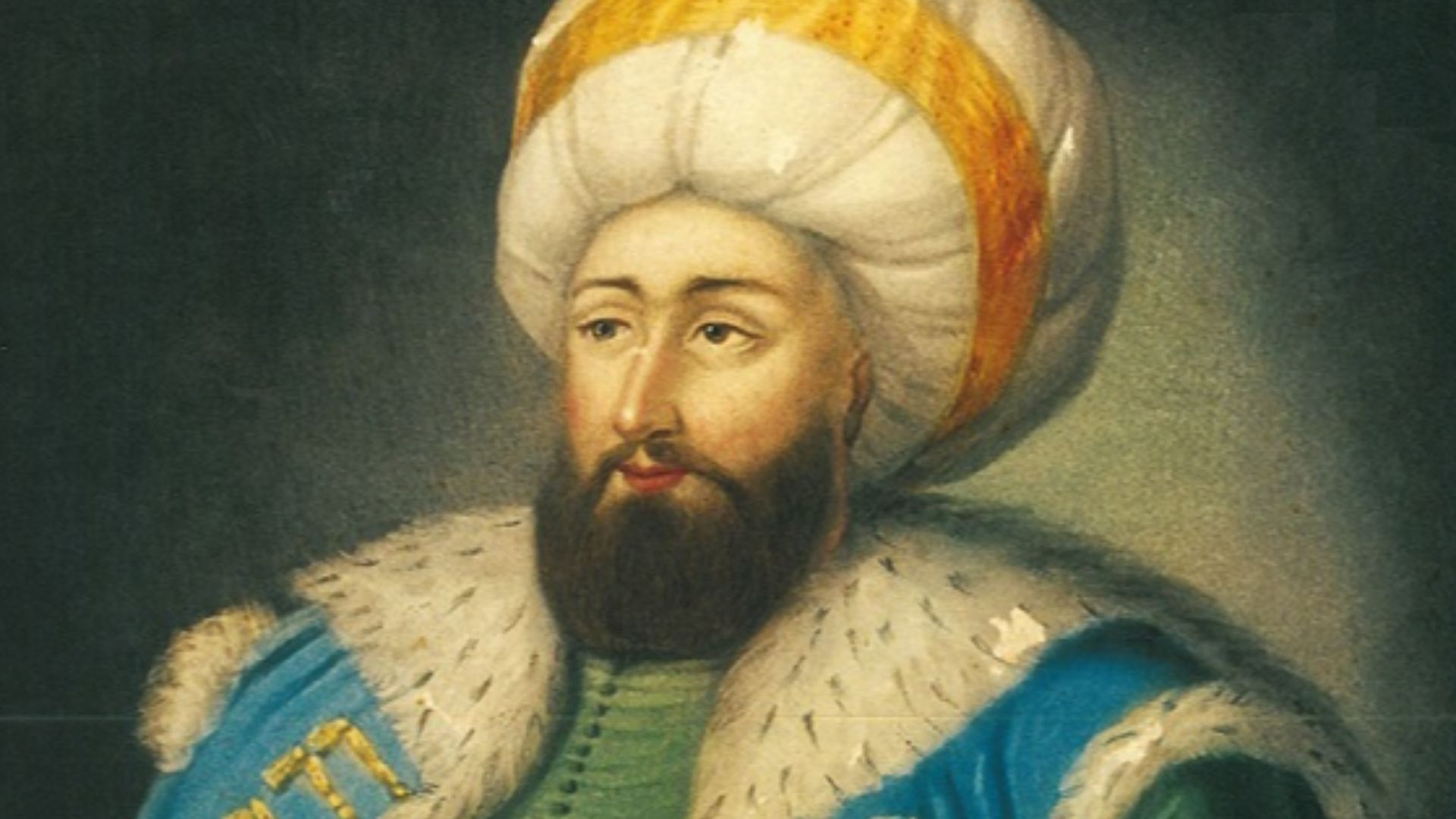 Konstantin Kapıdağlı on Wikimedia
20. Emperor Qin Shi Huang
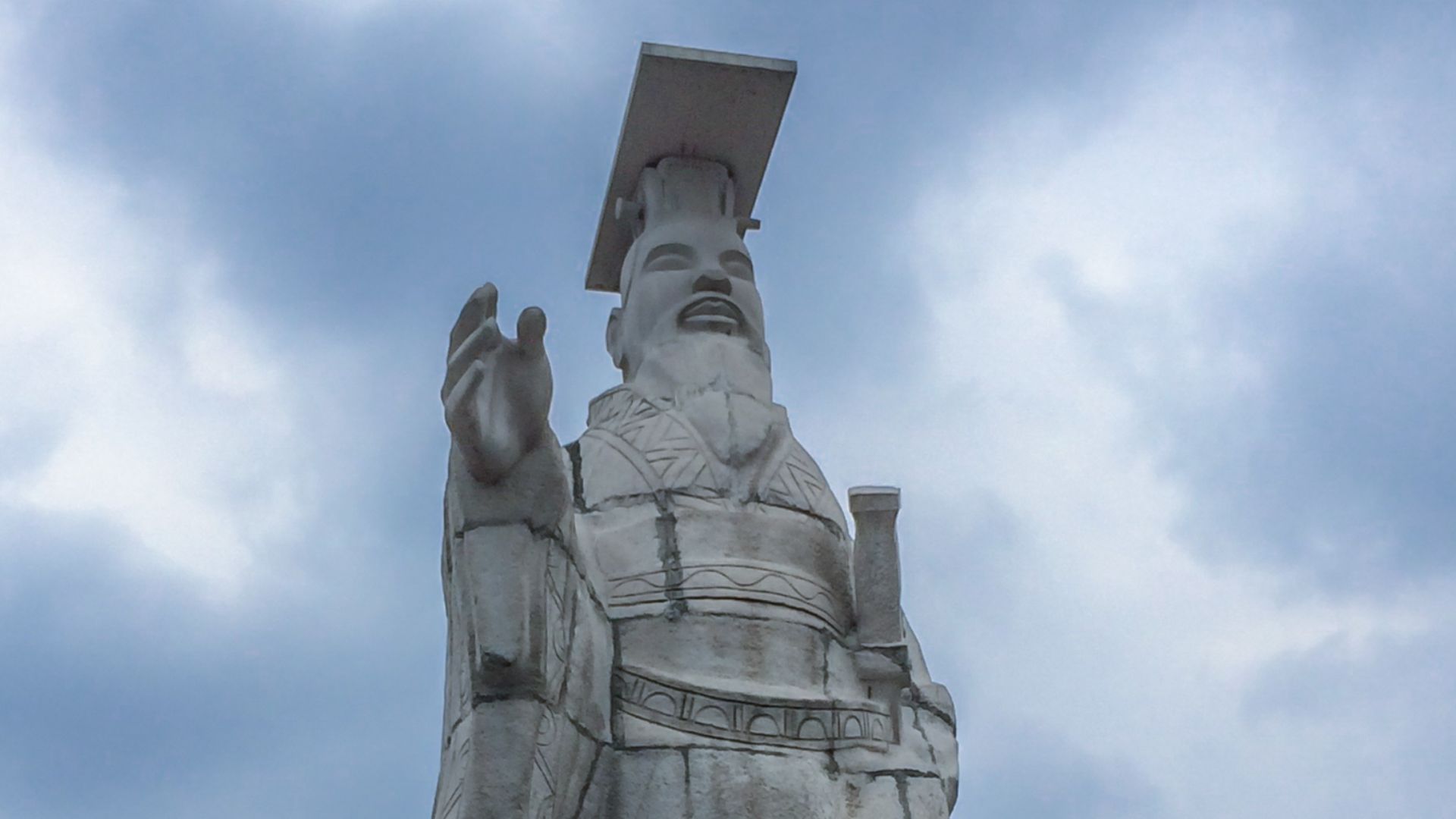
Qin Shi Huang’s family relationships became complicated by the brutal politics surrounding the Qin succession. His father, King Zhuangxiang, had risen to power through a politically advantageous family arrangement, while Qin court politics remained filled with competing factions. China’s imperial system required successors to eliminate potential sources of dissent, including their family members.
KEEP ON READING