Love Became Everyone Else’s Business
For much of history, choosing a partner wasn’t exactly a private decision. Things got messy quickly, which meant all sorts of turmoil: monarchs separated couples, courts invalidated marriages, and relatives destroyed letters when real love threatened order. However, try as history may, these 20 stories refused to stay buried in the records.
 Rudolf Bruner-Dvořák (1864–1921) on Wikimedia
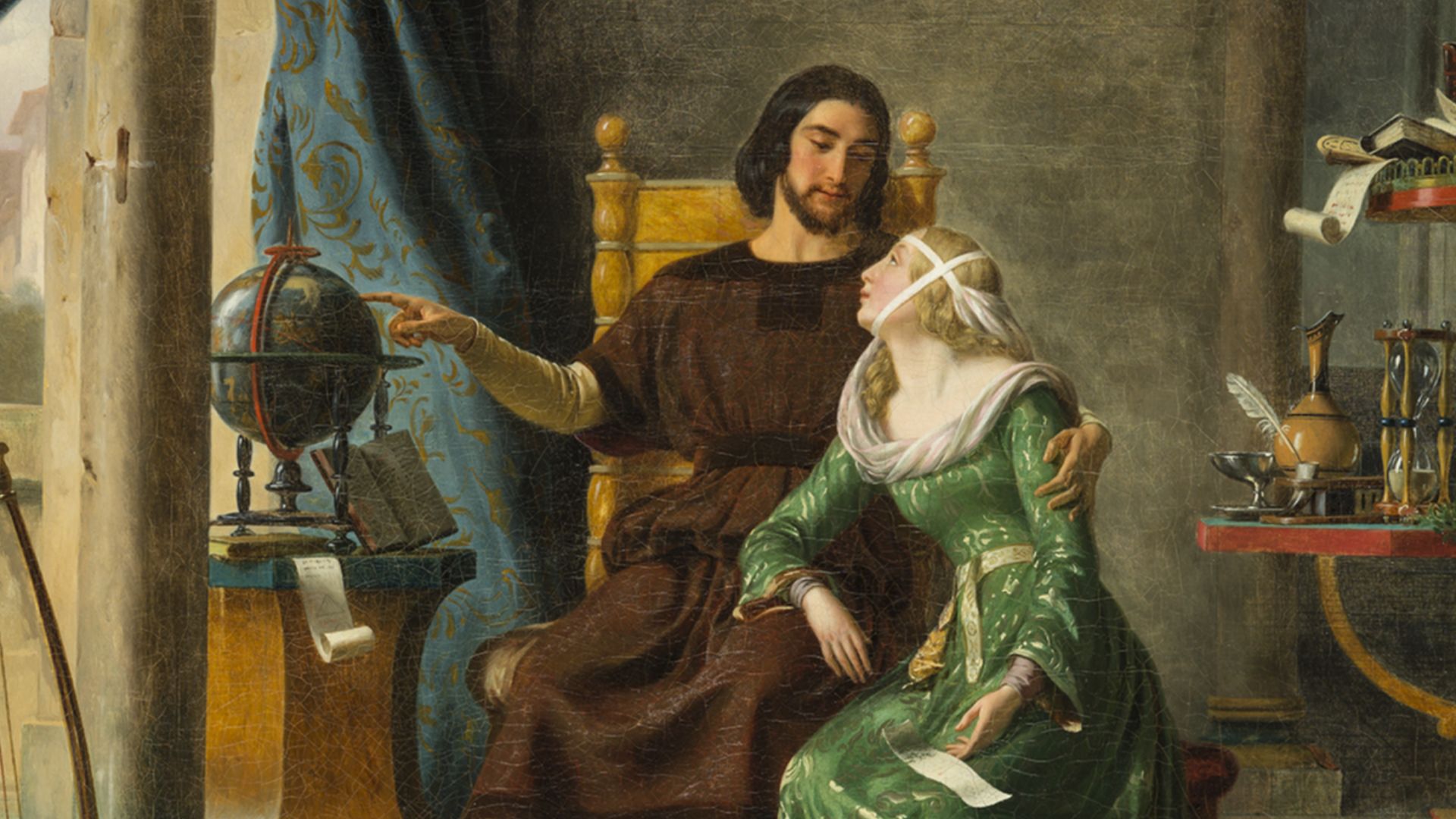
1. Peter Abelard and Héloïse
In Paris around 1115, philosopher Peter Abelard started tutoring Héloïse, the highly educated niece of Canon Fulbert. It didn’t take long before the relationship became intimate, and after Héloïse gave birth to their son, they married privately to avoid hurting Abelard’s career. Well, Fulbert caught wind of it anyway and later arranged Abelard’s castration.
2. Joan of Acre and Ralph de Monthermer
After Joan of Acre’s first husband died in 1295, she fell for Ralph de Monthermer. It wasn’t as innocent as it sounds, though; he was a squire from her late husband’s household whom she persuaded the king to knight. They married secretly in 1297, even while her dad was arranging for her union to someone else. When he found out, he seized Joan’s lands and imprisoned Ralph at Bristol (though he eventually released him).
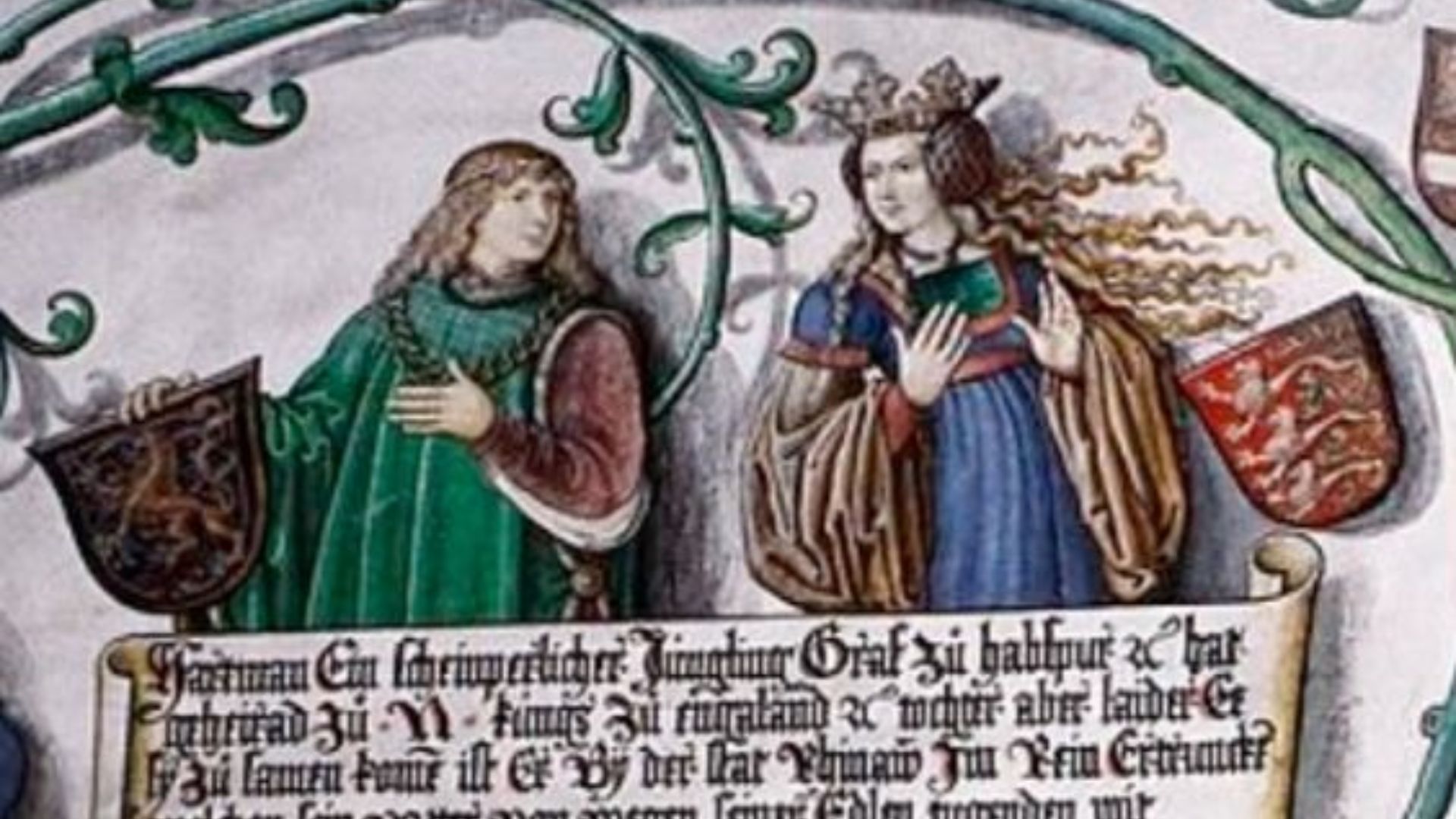
3. Katherine Grey and Edward Seymour
Elizabeth I’s cousin Katherine Grey was a possible heir to the English throne, so who she married was literally a matter of national security. Even so, she quietly married Edward Seymour in late 1560 and only came clean when her pregnancy made the secret impossible to hide in 1561. It didn’t blow over well—the queen imprisoned them, had their marriage declared invalid a year later, and kept Katherine under guard until her death in 1568.
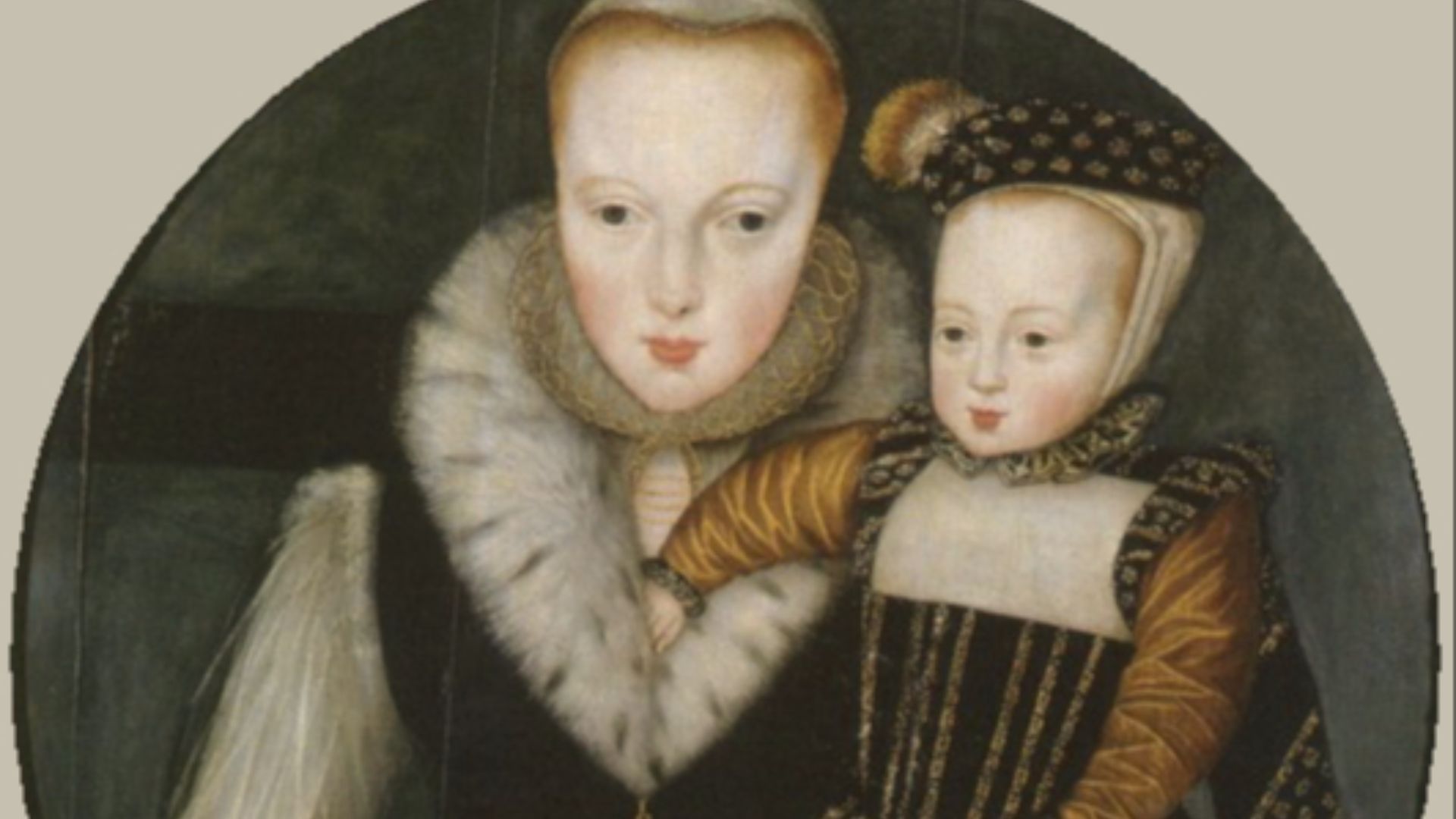
4. Arbella Stuart and William Seymour
Arbella Stuart and William Seymour each had royal blood, which made their wedding at Greenwich Palace in 1610 particularly alarming, especially to James I. Sure enough, the king confined them separately, but they coordinated an escape in 1611. They almost made it, too; William reached Flanders, but Arbella was recaptured and eventually died in 1615 without ever seeing him again.
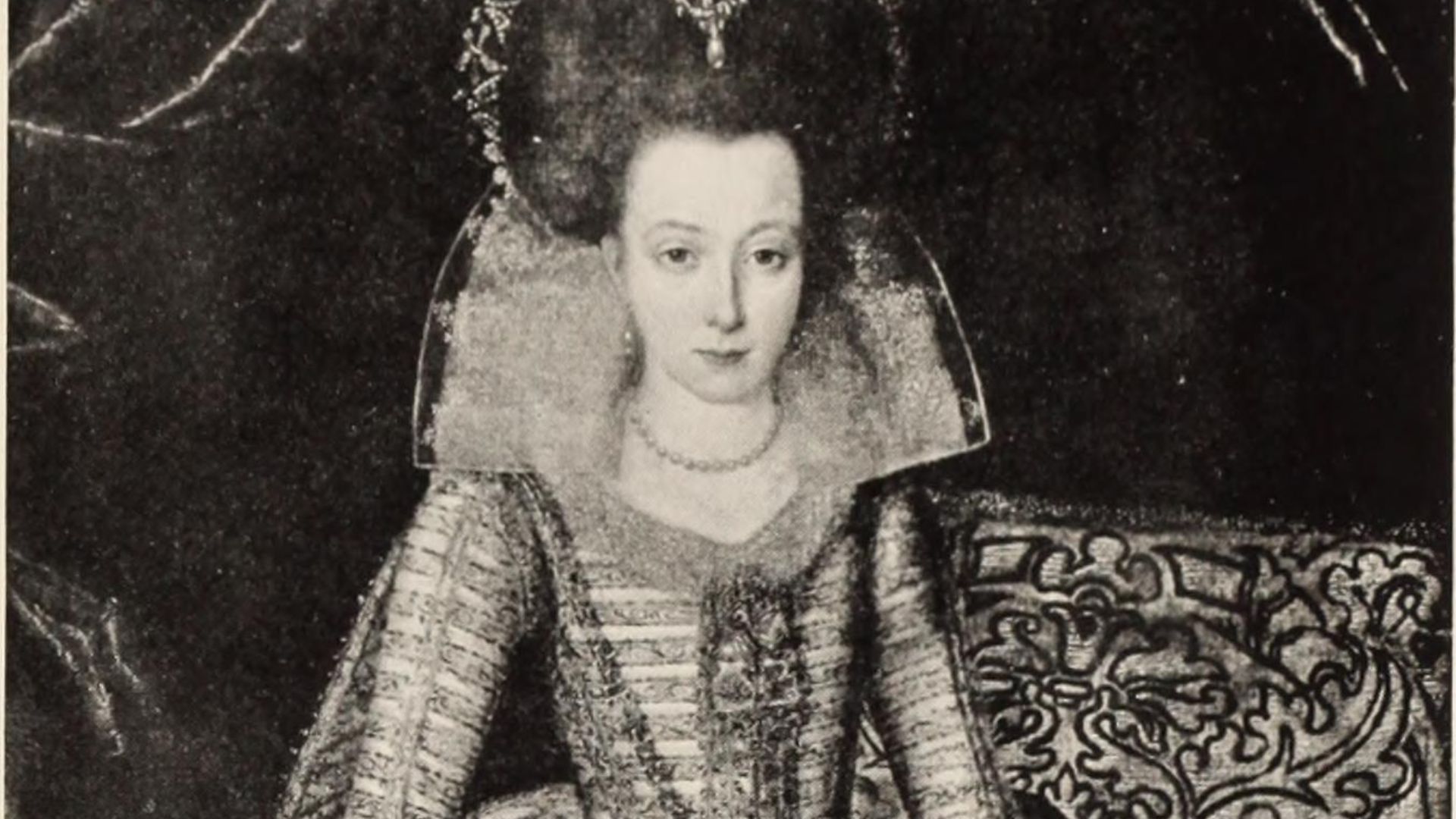 Internet Archive Book Images on Wikimedia
5. Lettice Knollys and Robert Dudley
Few courtiers understood Elizabeth I better than Robert Dudley, her longtime favorite and potential husband. The thing is, remarriage could’ve damaged his position, so Dudley wed the widowed Lettice Knollys at Wanstead in 1578 without telling the queen. After that, Elizabeth excluded Lettice from court for good, though Dudley remained an important figure.
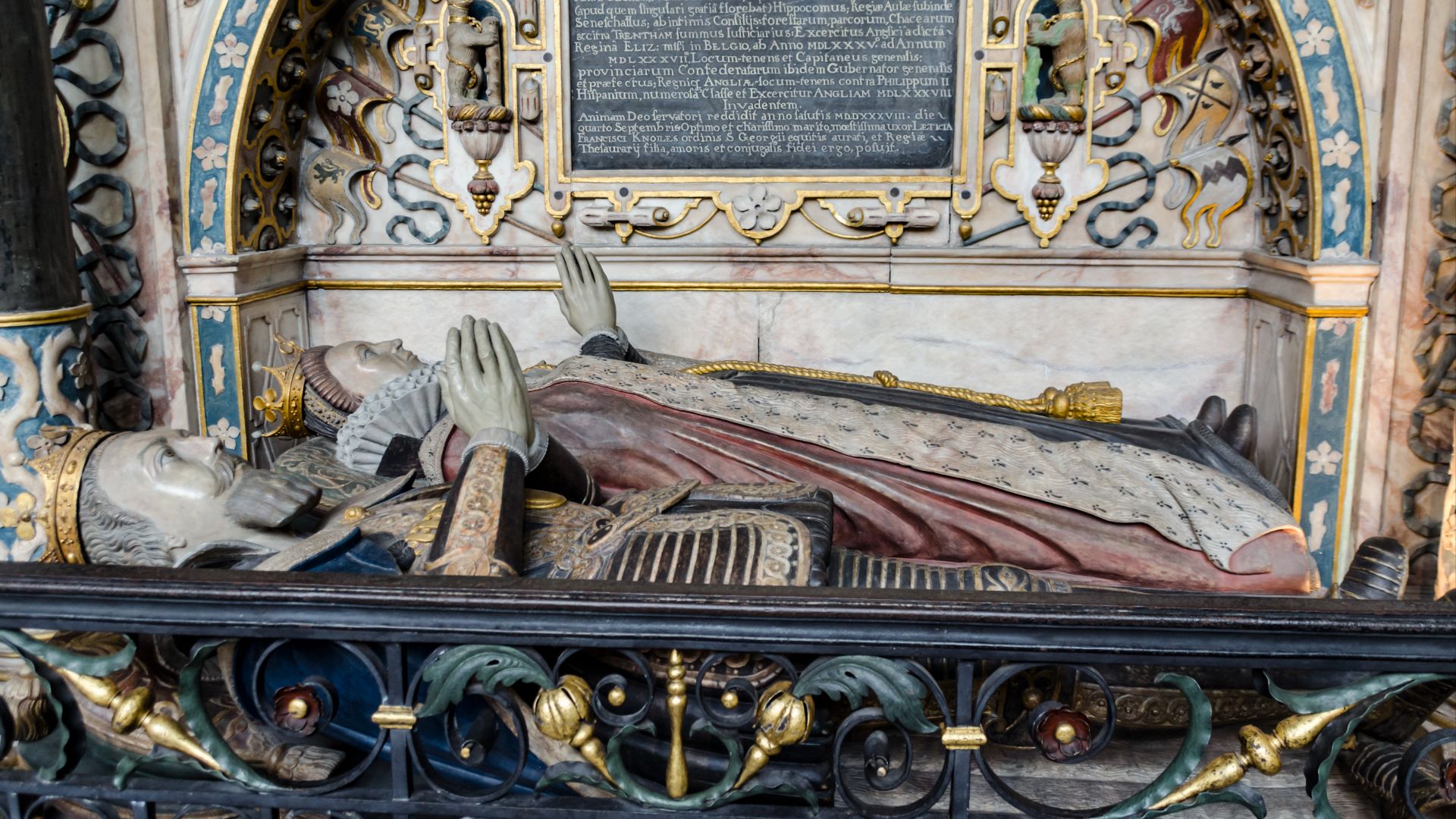 Jules & Jenny from Lincoln, UK on Wikimedia
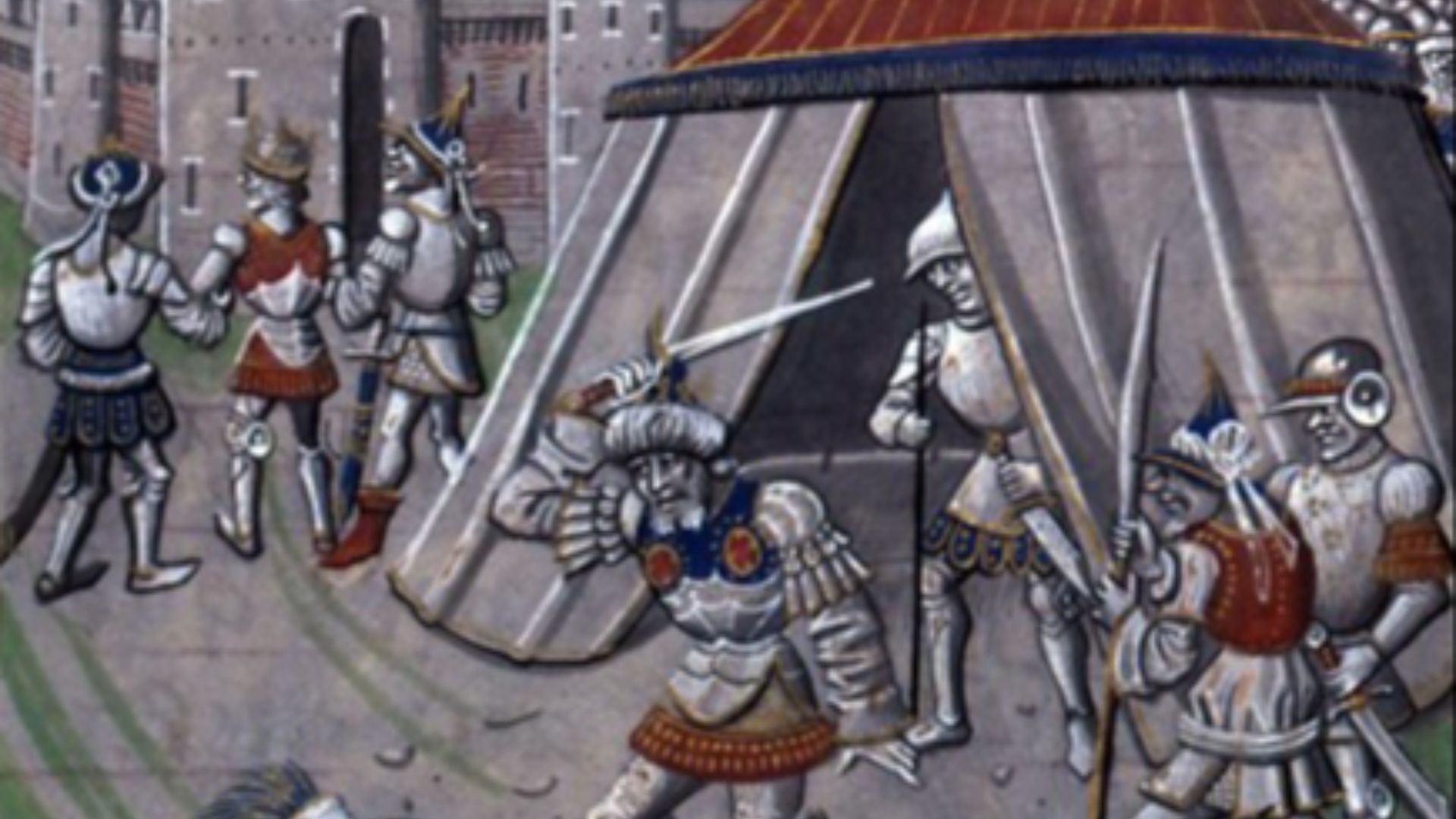
6. Constance of Antioch and Raynald of Châtillon
Constance, the widowed princess of Antioch, had her heart set on one man: Raynald of Châtillon, a French knight of comparatively modest standing who was killed in 1149. After his death, she repeatedly rejected every politically suitable husband.
 fifteenth-century manuscript illuminator on Wikimedia
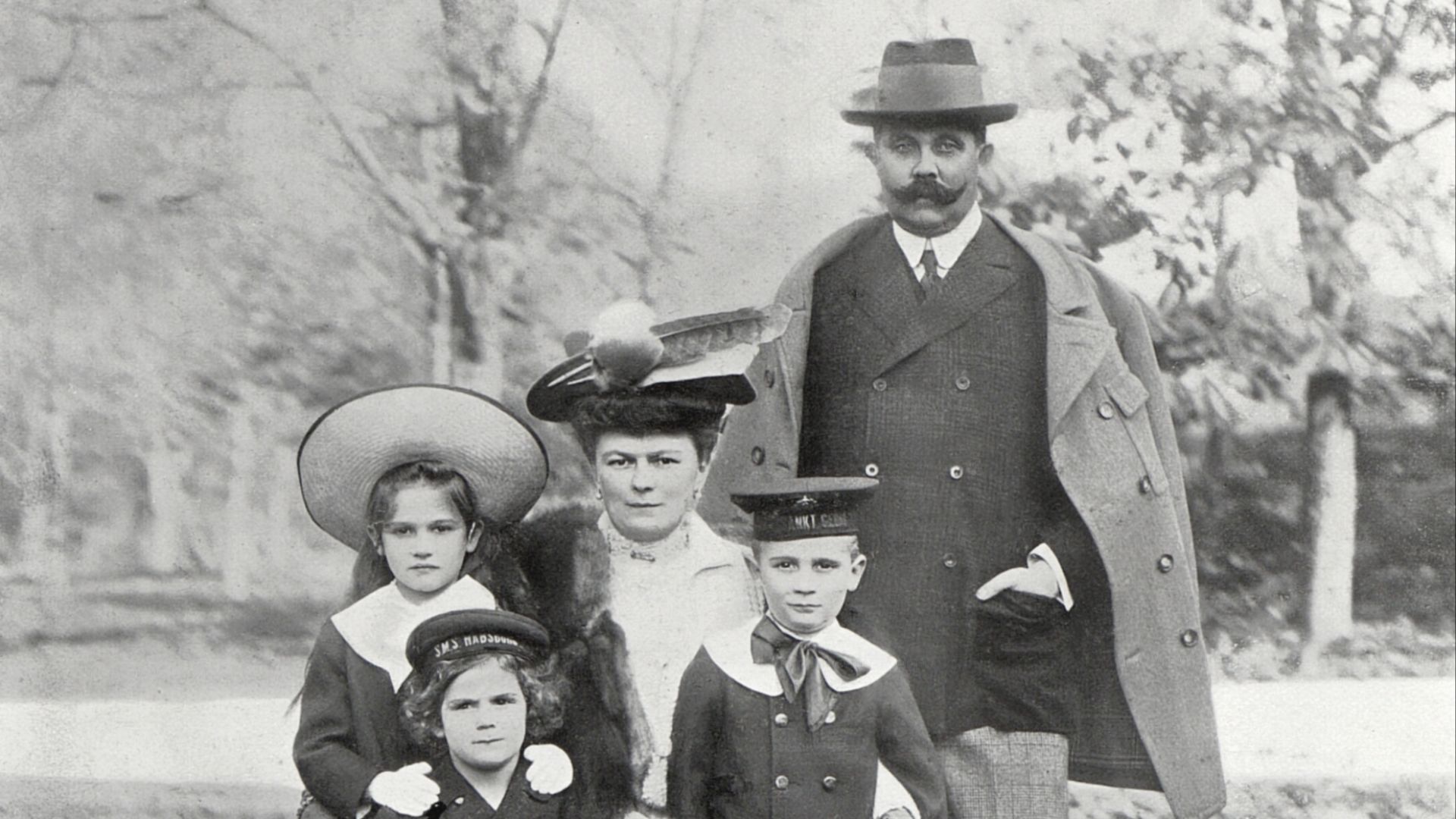
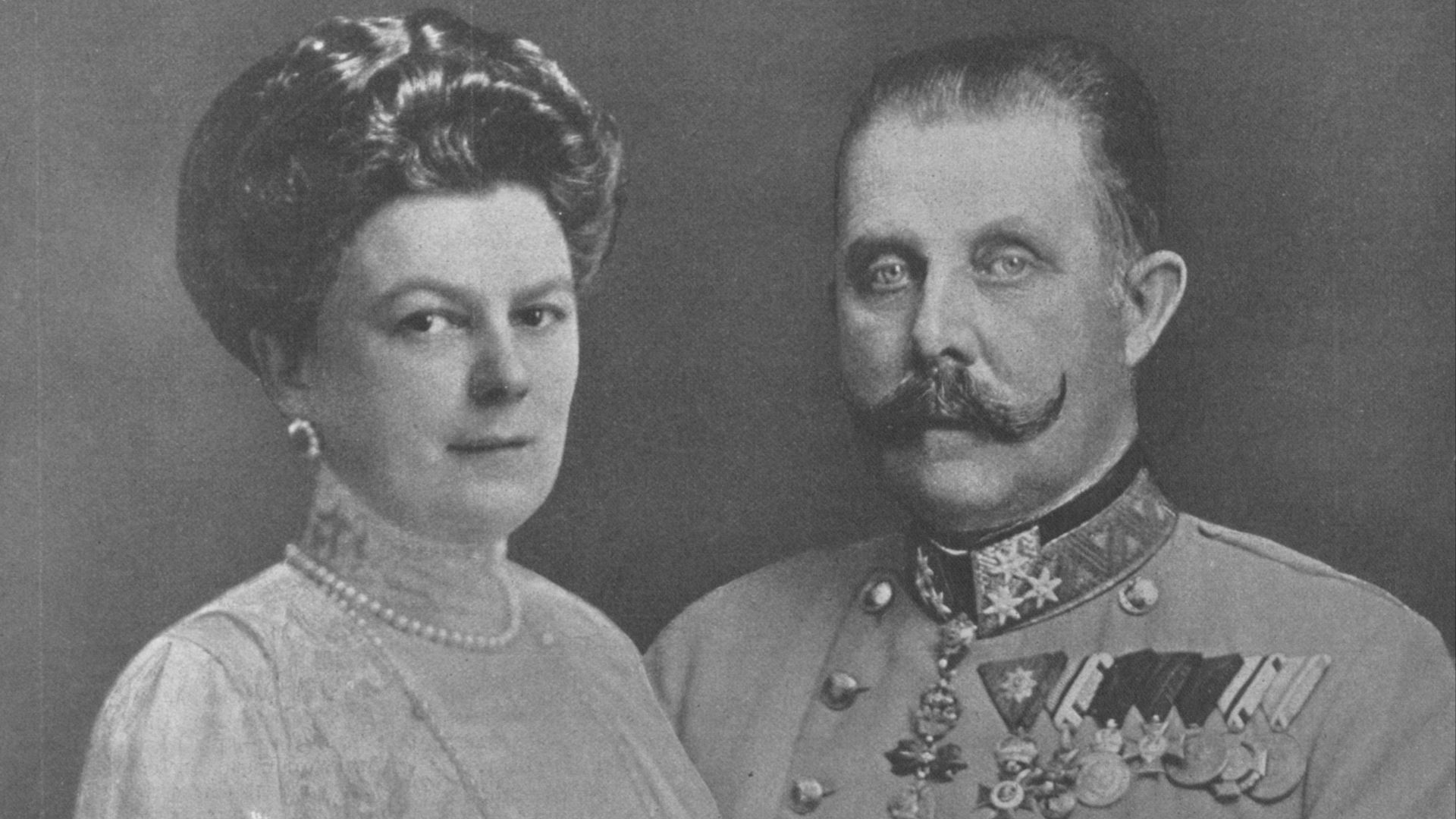
7. Franz Ferdinand and Sophie Chotek
Sophie Chotek belonged to an old Bohemian noble family, but the Habsburg court deemed her too low-ranking to marry Archduke Franz Ferdinand. Despite that, he secured the Emperor’s reluctant approval only after signing a declaration barring Sophie and their future kids from his titles. They got married and stayed together until they were assassinated in 1914.
 Hermann Clemens Kosel on Wikimedia
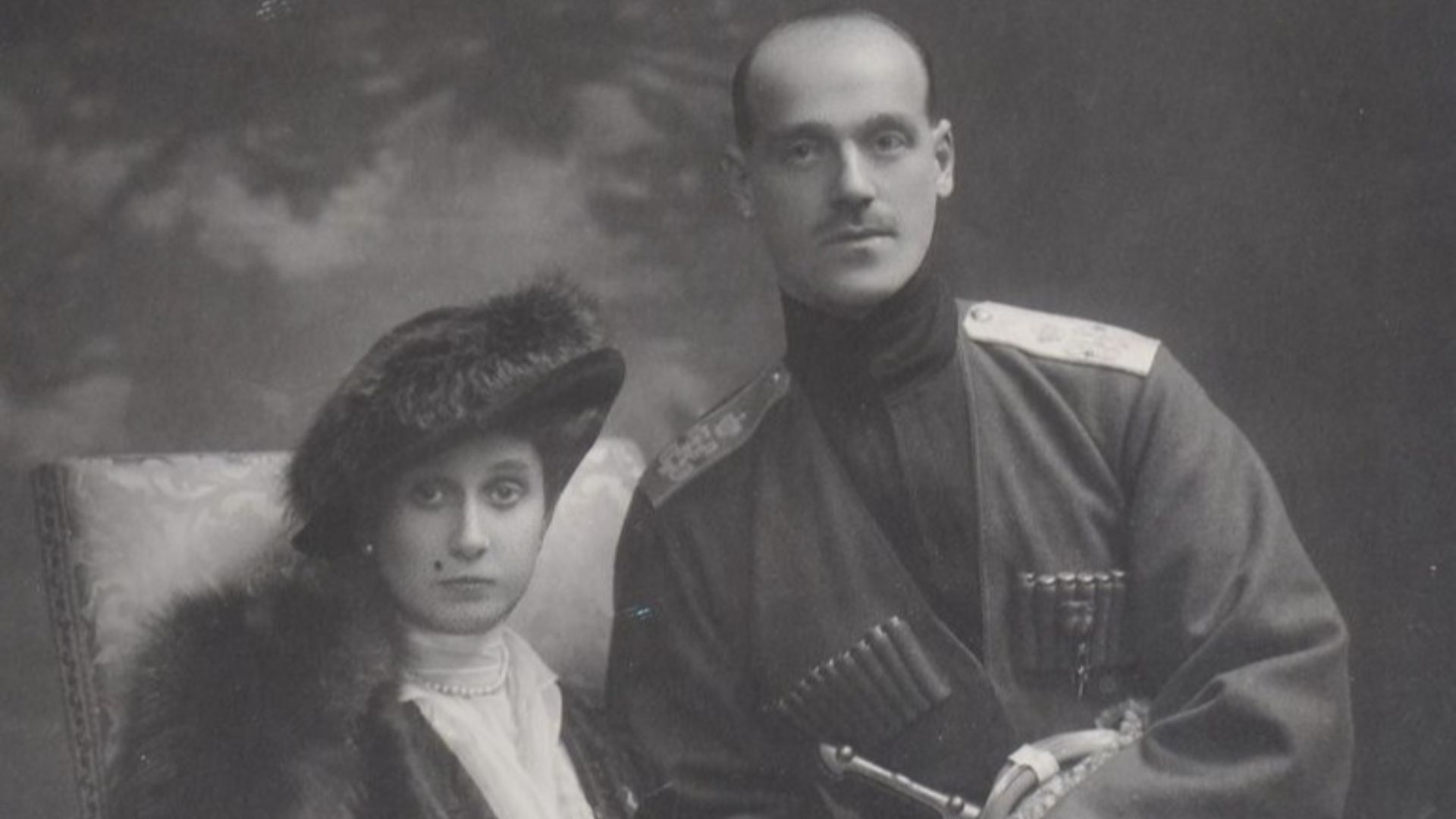
8. Grand Duke Michael and Natalia Brasova
Grand Duke Michael Alexandrovich fell for Natalia Brasova, a twice-divorced woman who lacked royal ancestry. As you can imagine, that didn’t exactly bode well, but they still married in a Serbian Orthodox church in 1912—without the tsar’s permission. Nicholas II, Michael’s older brother, dismissed him from his posts and barred the pair from Russia.
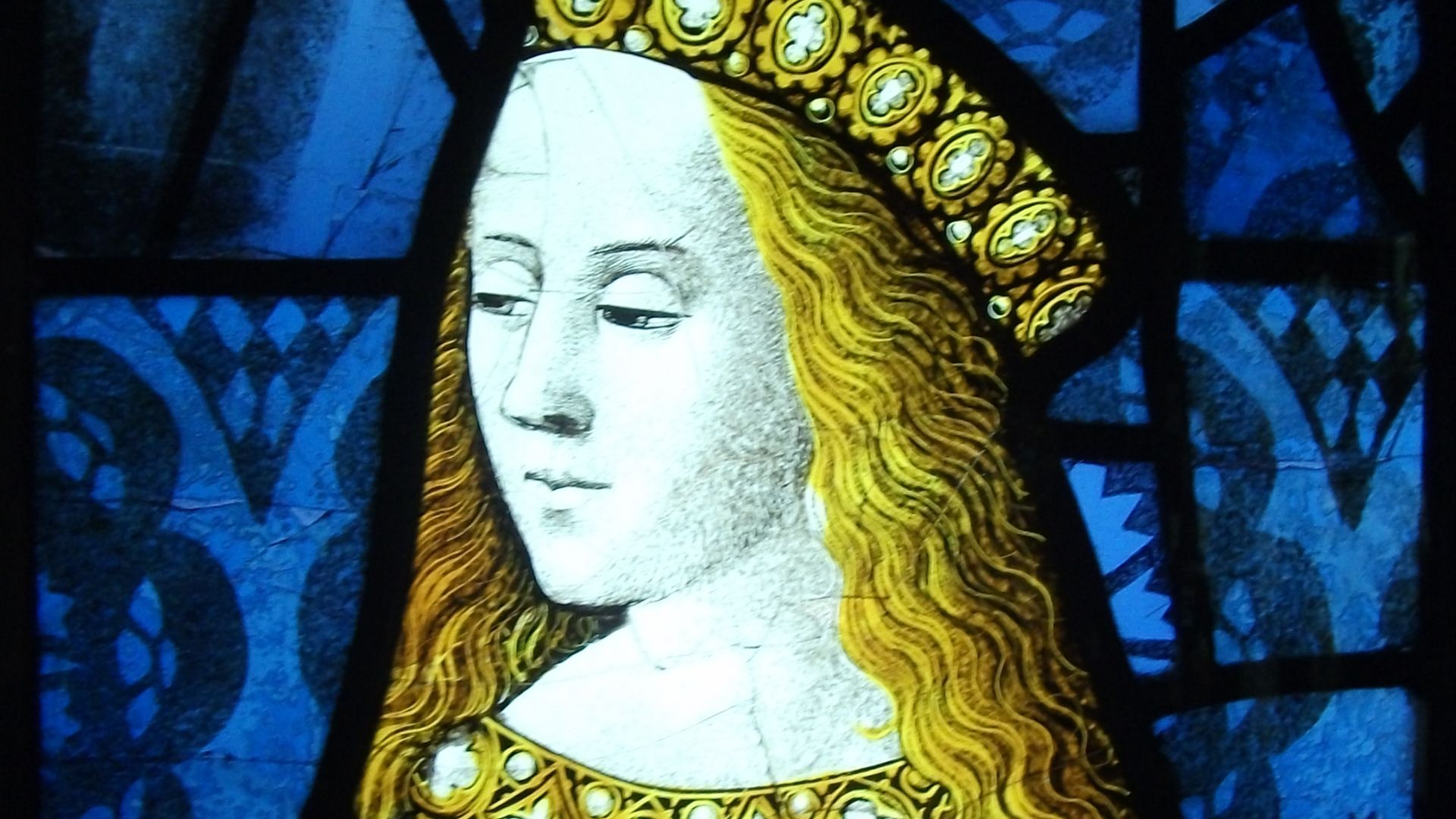
9. Cecily of York and Thomas Kyme
Born a daughter of Edward IV, Cecily of York had already undergone two politically arranged marriages before she refused a third. She chose Lincolnshire squire Thomas Kyme around 1502, and since she married without Henry VII’s approval, the king expelled her from court. He also took the estates she received from her second husband.
10. Margaret Douglas and Lord Thomas Howard
Margaret Douglas, Henry VIII’s niece and a possible successor to his throne, was privately proposed to by Lord Thomas Howard in 1535. Henry didn’t find out until 1536, but when he did, he sent them to the Tower and secured an act condemning Howard to death. The sentence wasn’t actually carried out, but Thomas still died in captivity in 1537, just two days after Margaret was released.
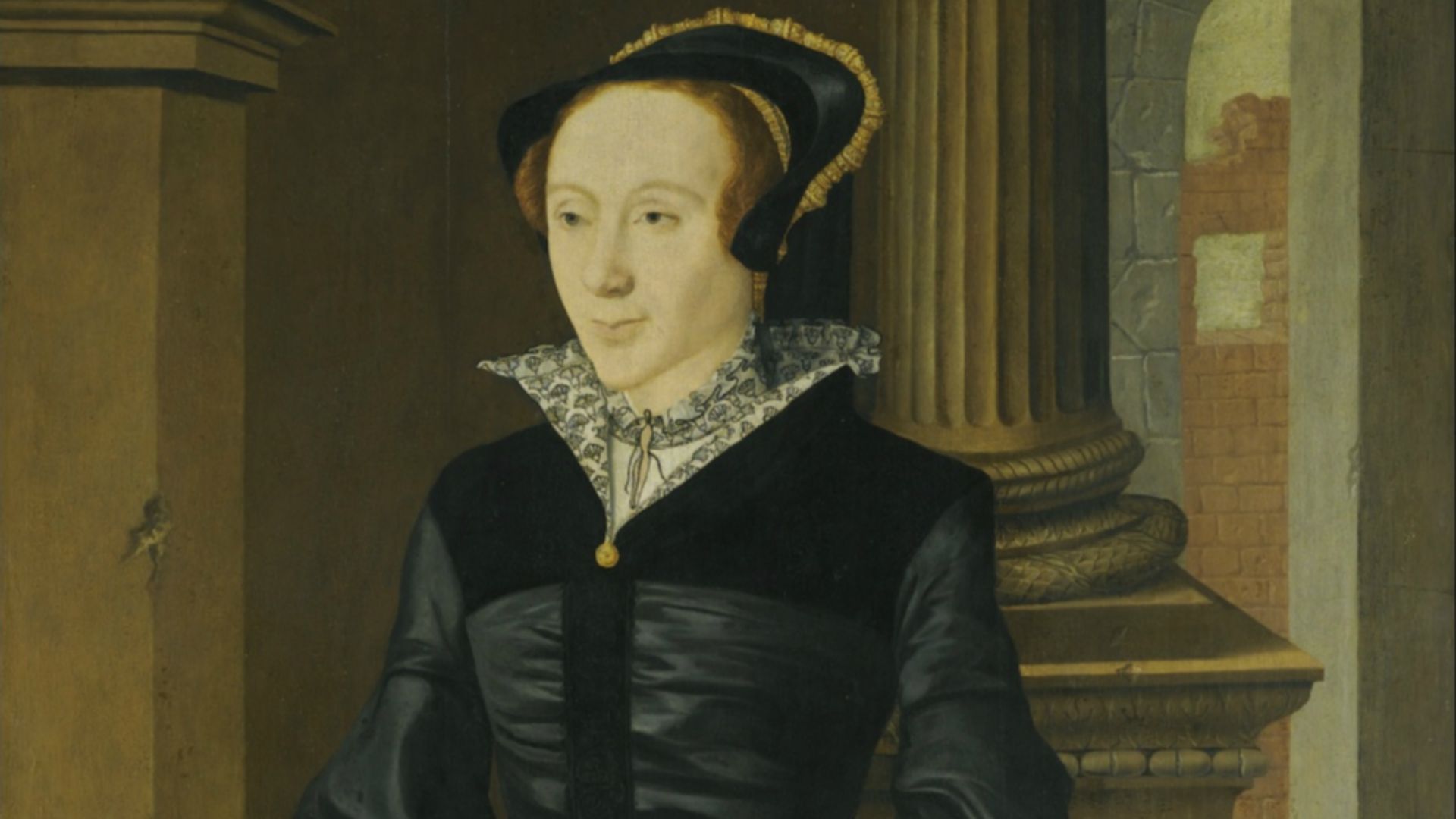
11. Anne Lister and Ann Walker
Yorkshire landowners Anne Lister and Ann Walker exchanged private vows and rings in February 1834, but their union wasn’t met with today’s kind of progression. Either way, they considered themselves married, and Lister even documented their relationship in coded diary entries, which were inaccessible until researchers eventually deciphered and published them.
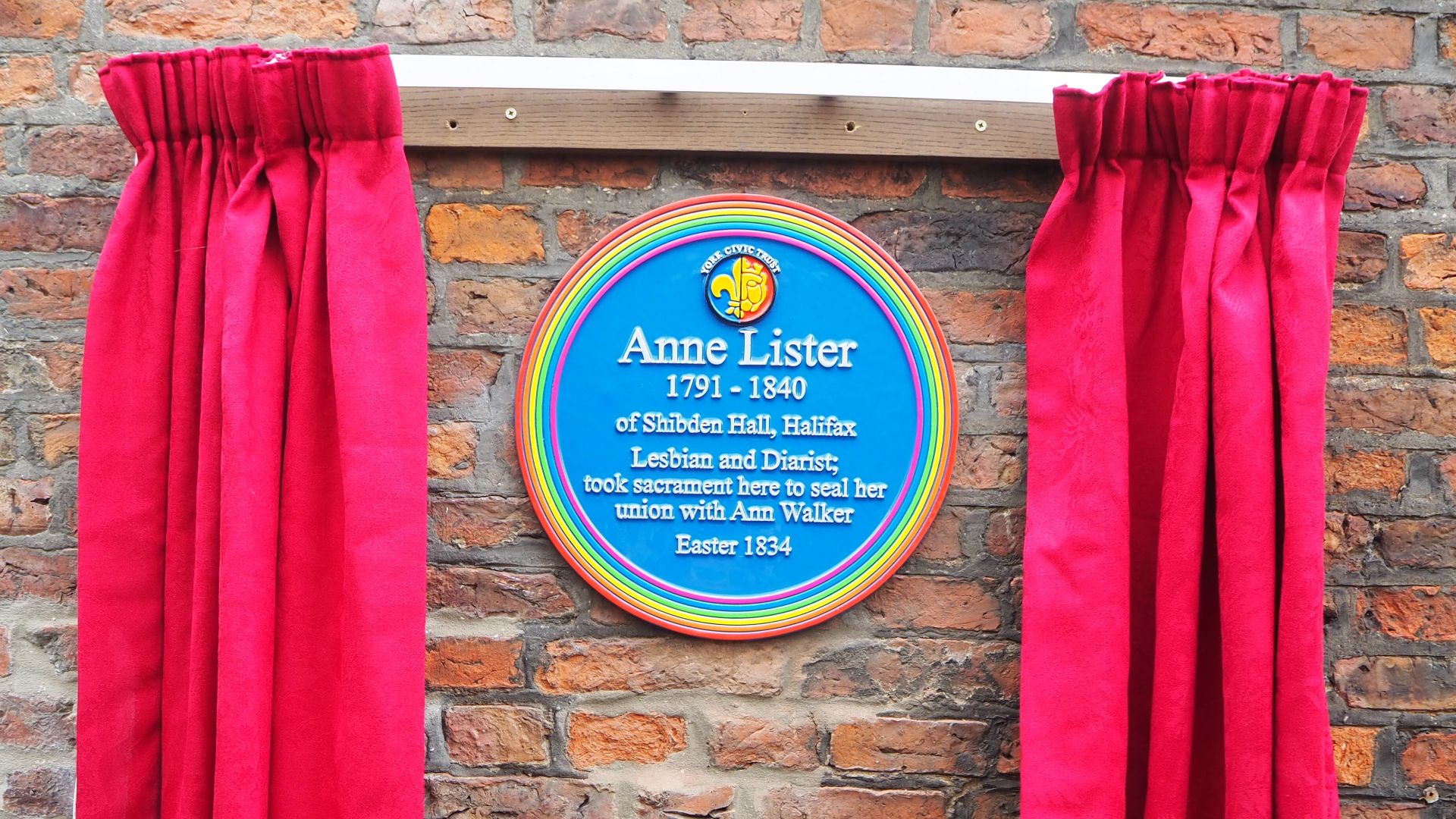
12. Eleanor Butler and Sarah Ponsonby
Twice during 1778, Eleanor Butler and Sarah Ponsonby tried to escape the marriages and convent life their families tried to force on them. Relatives caught up to their first flight near Waterford, but eventually permitted them to settle together in Wales, where they shared a household for nearly 50 years.
 James Henry Lynch on Wikimedia
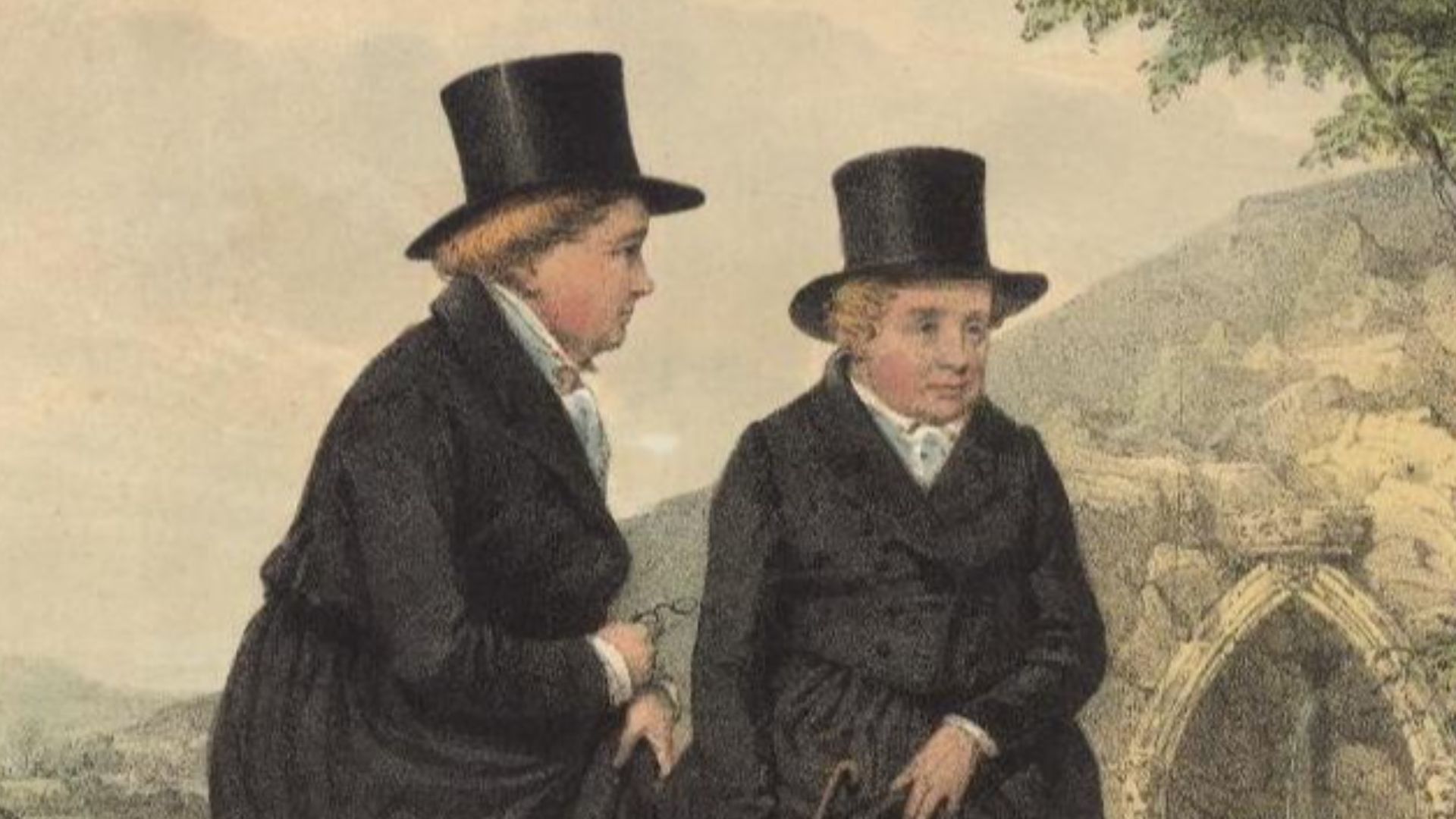
13. Charity Bryant and Sylvia Drake
Charity Bryant and Sylvia Drake started living together in 1807, operating a tailoring business from their home in Vermont. Everyone from relatives and townspeople treated them as one household for 44 years, and even though the law wouldn’t let them marry, their family buried them beside each other and even placed both names on one gravestone.
 Unknown authorUnknown author on Wikimedia
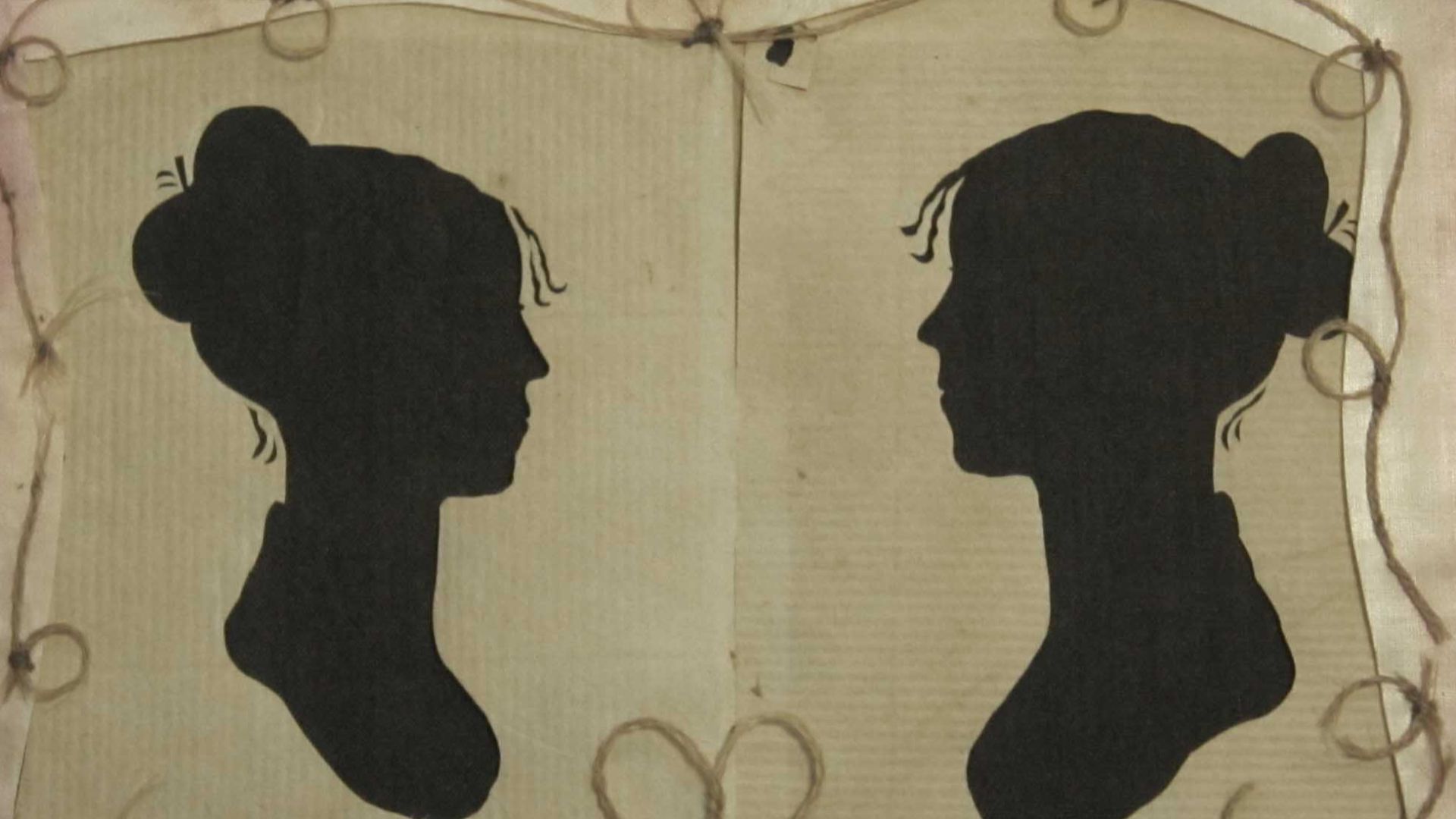
14. Vita Sackville-West and Violet Trefusis
By 1918, Vita Sackville-West and Violet Trefusis had turned a childhood friendship into an affair that continued well into their respective marriages. Their husbands constantly tried to intervene, and Violet’s husband, Denys Trefusis, even burned Vita’s early letters during their honeymoon. Those separations eventually caused the relationship to end by 1921, but historians still have their surviving letters.
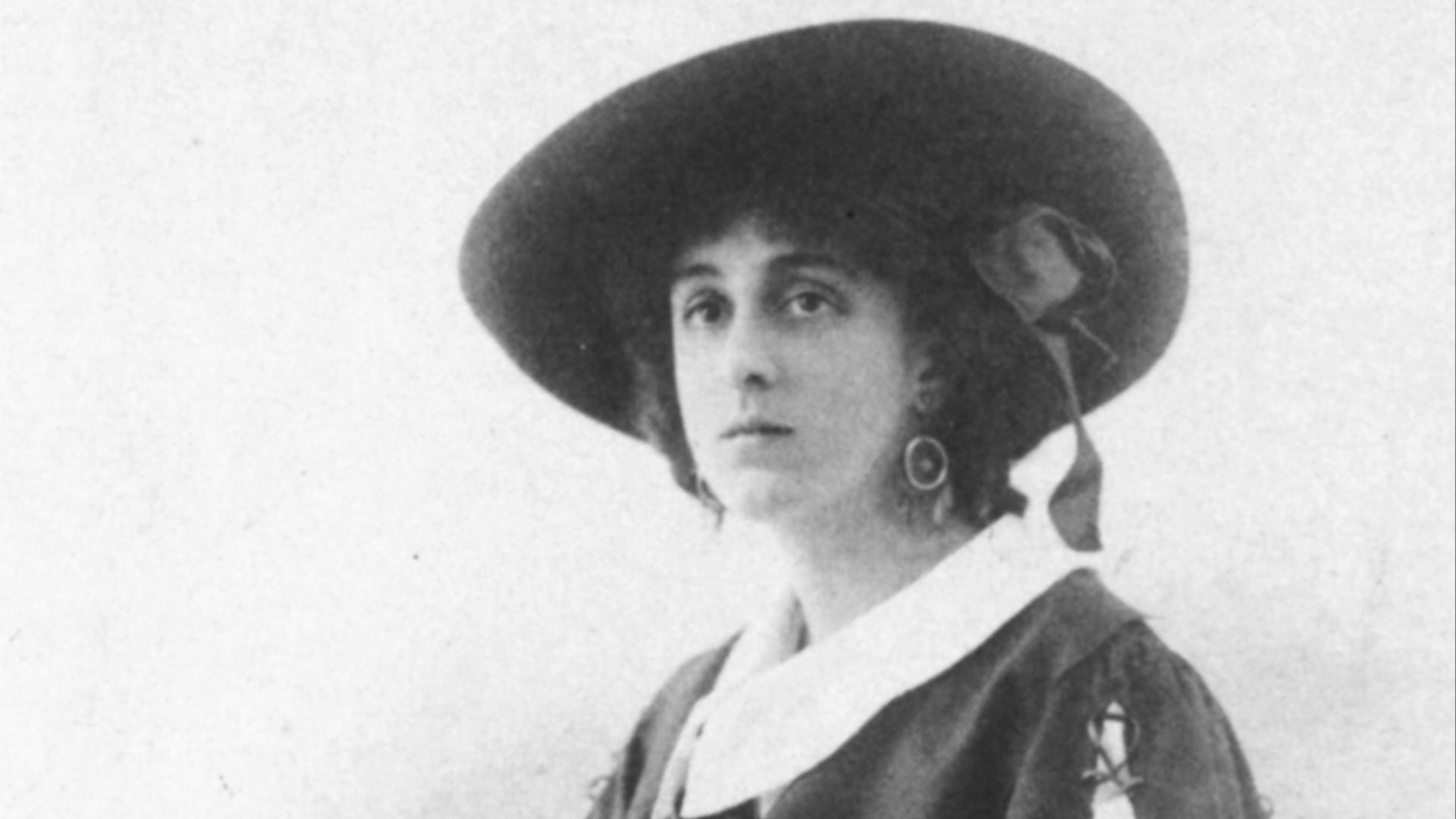
15. E. M. Forster and Bob Buckingham
When novelist E. M. Forster met policeman Bob Buckingham in 1930, gay relationships were considered criminal offenses in Britain. That didn’t stop their love, though, and their bond continued after Buckingham married May Hockey, who eventually understood Forster’s place within their complicated arrangement. Forster kept his private life hidden and even withheld his novel Maurice until it could be published after his death in 1971.
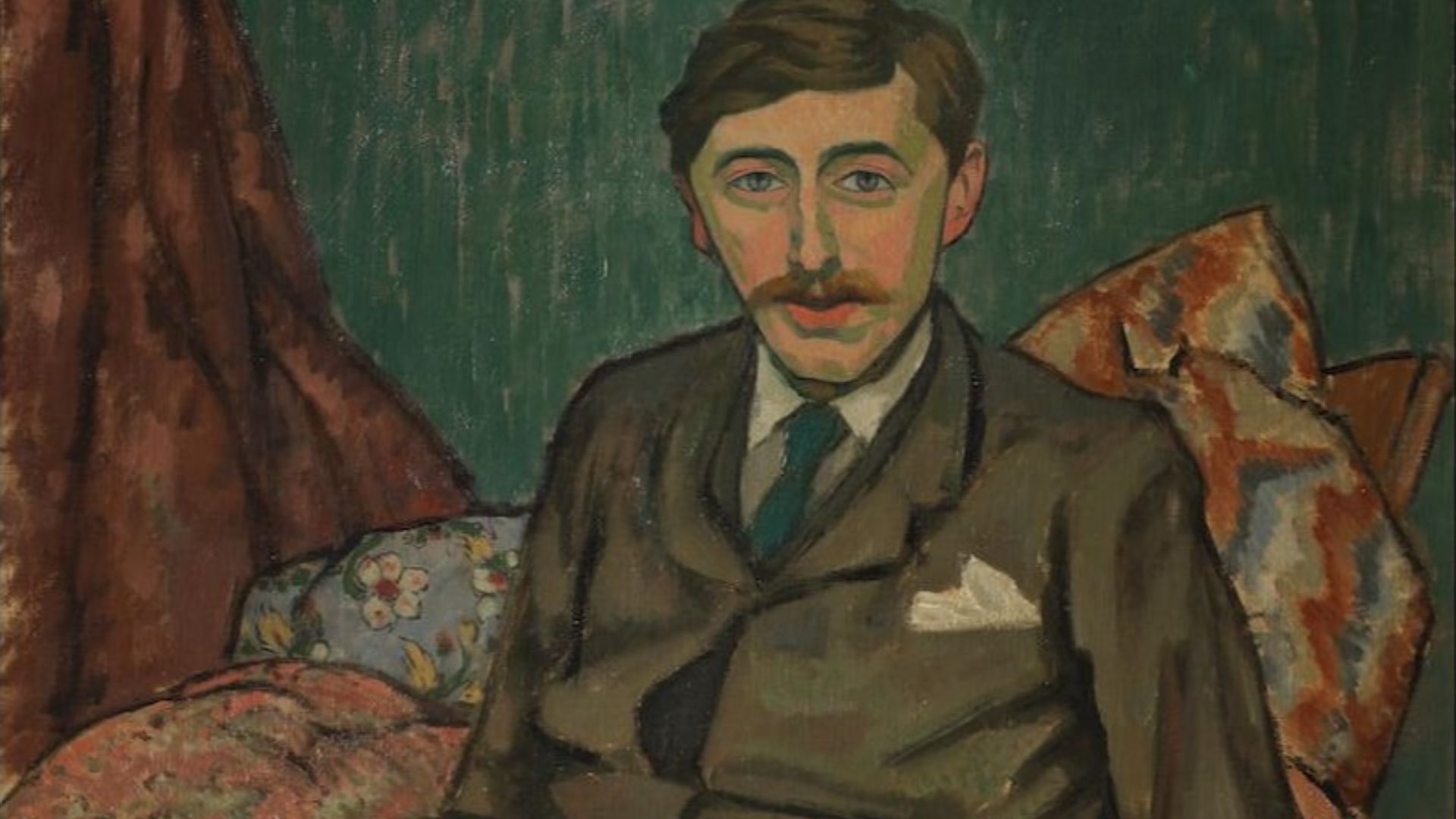
16. Richard and Mildred Loving
Virginia law treated Richard and Mildred Loving’s interracial marriage as a felony, despite them being legally wed in 1958. Police barged into their bedroom just weeks later, and a judge only suspended a one-year prison sentence on the condition that they leave Virginia for 25 years. Well, in 1967, the Supreme Court unanimously struck down state bans on interracial marriage and allowed them to live together at home.
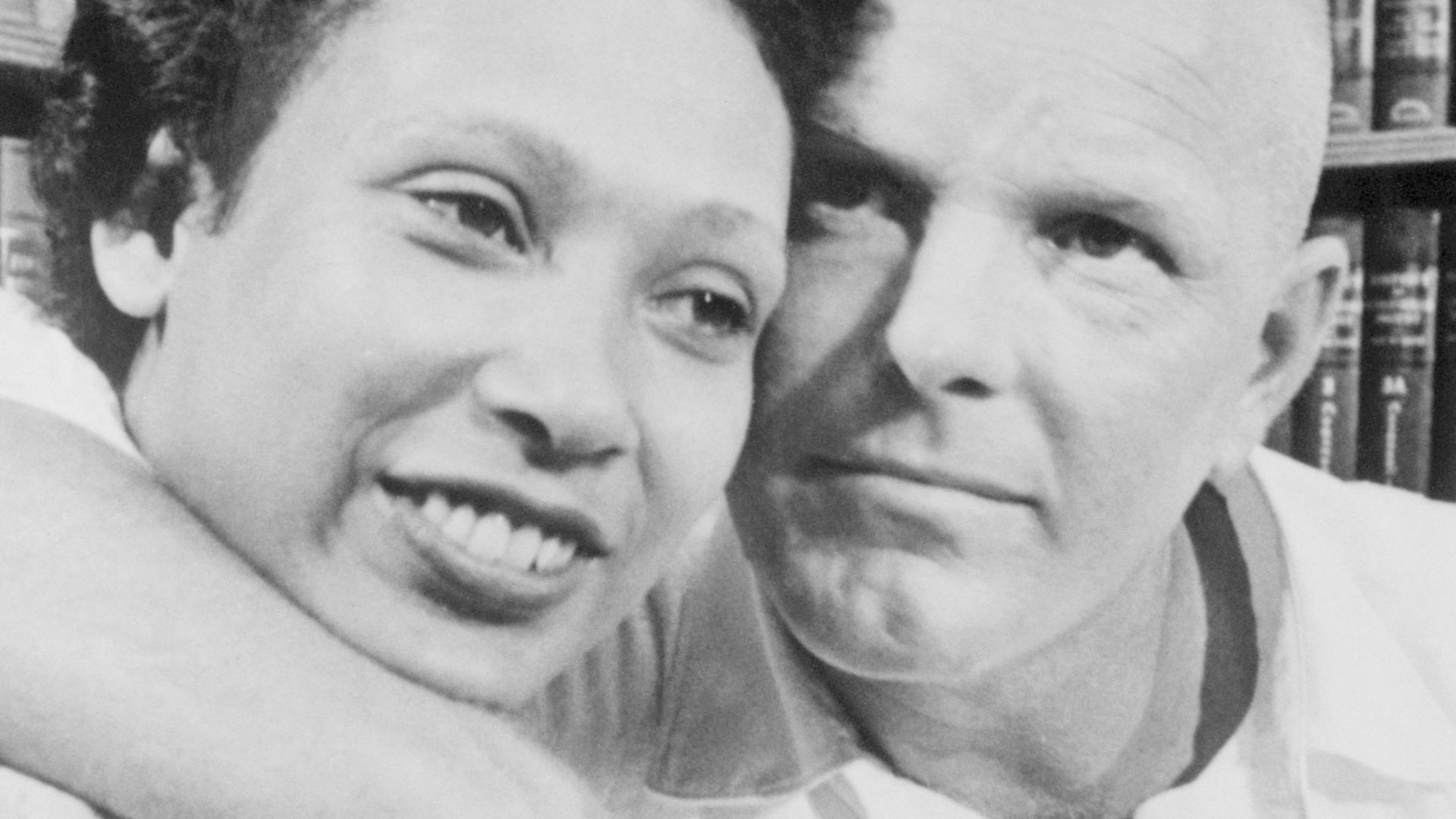 United Press International on Wikimedia
17. Alice Jones and Leonard Rhinelander
Now, while New York didn’t prohibit interracial marriage in 1924, Leonard Rhinelander still hid his wedding to Alice Jones from his family. Within weeks of discovering it, Leonard’s father actually threatened disinheritance, going so far as to pressure his son to seek an annulment. The whole thing went to a sensational 1925 trial, where Alice had to expose her torso and legs before the judge and all-male jury, which rejected Leonard’s claim that she hid her biracial ancestry, and left the marriage valid.
 Tingey Injury Law Firm on Unsplash
18. Bayard Rustin and Walter Naegle
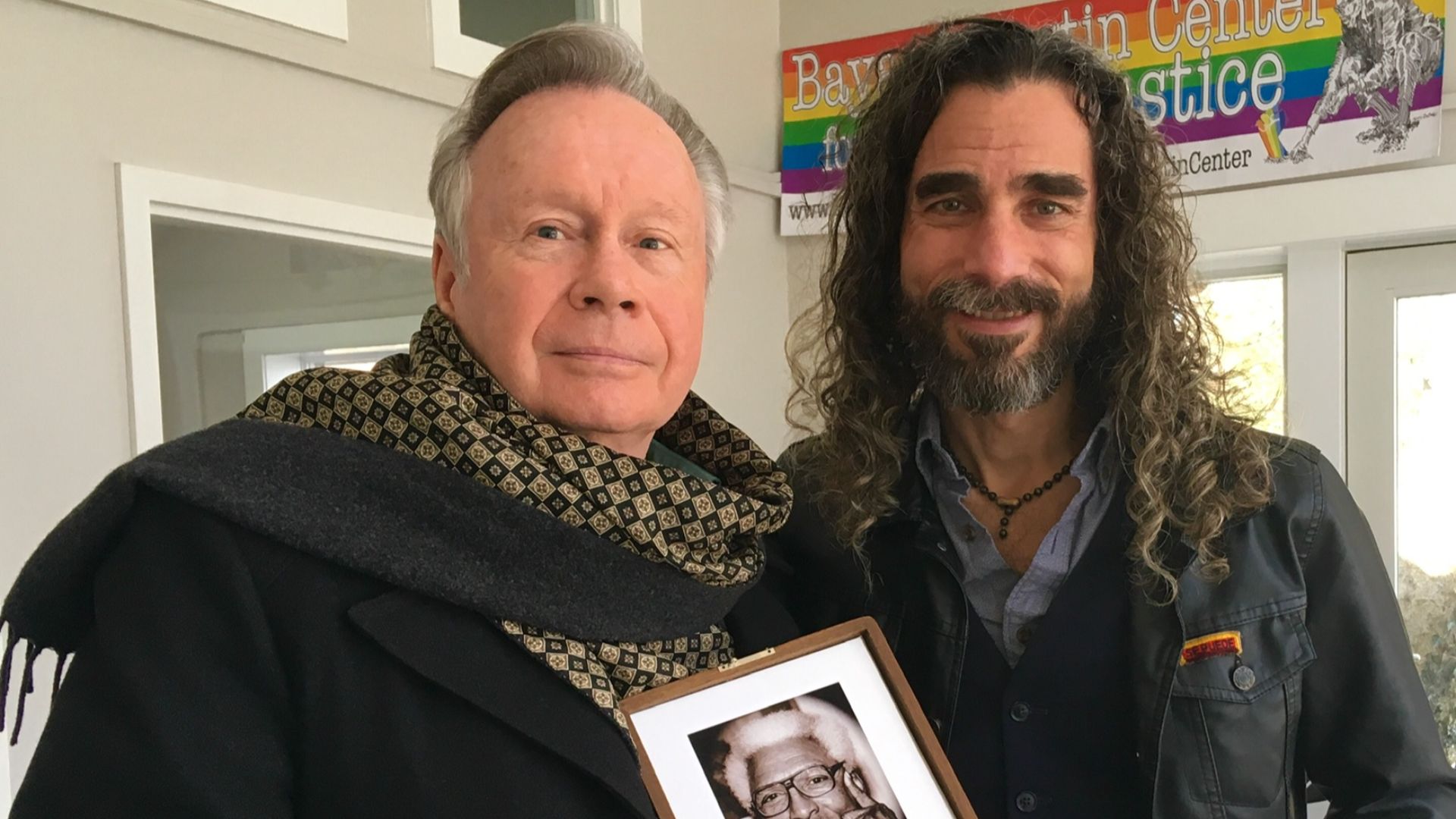
Civil rights organizer Bayard Rustin met Walter Naegle in 1977, but no legal framework saw them as a couple. To secure inheritance, and to somehow make their relationship legally recognized, Rustin formally adopted Naegle as his adult son in 1982. That was their relationship on paper until Rustin’s death in 1987.
19. Seretse Khama and Ruth Williams
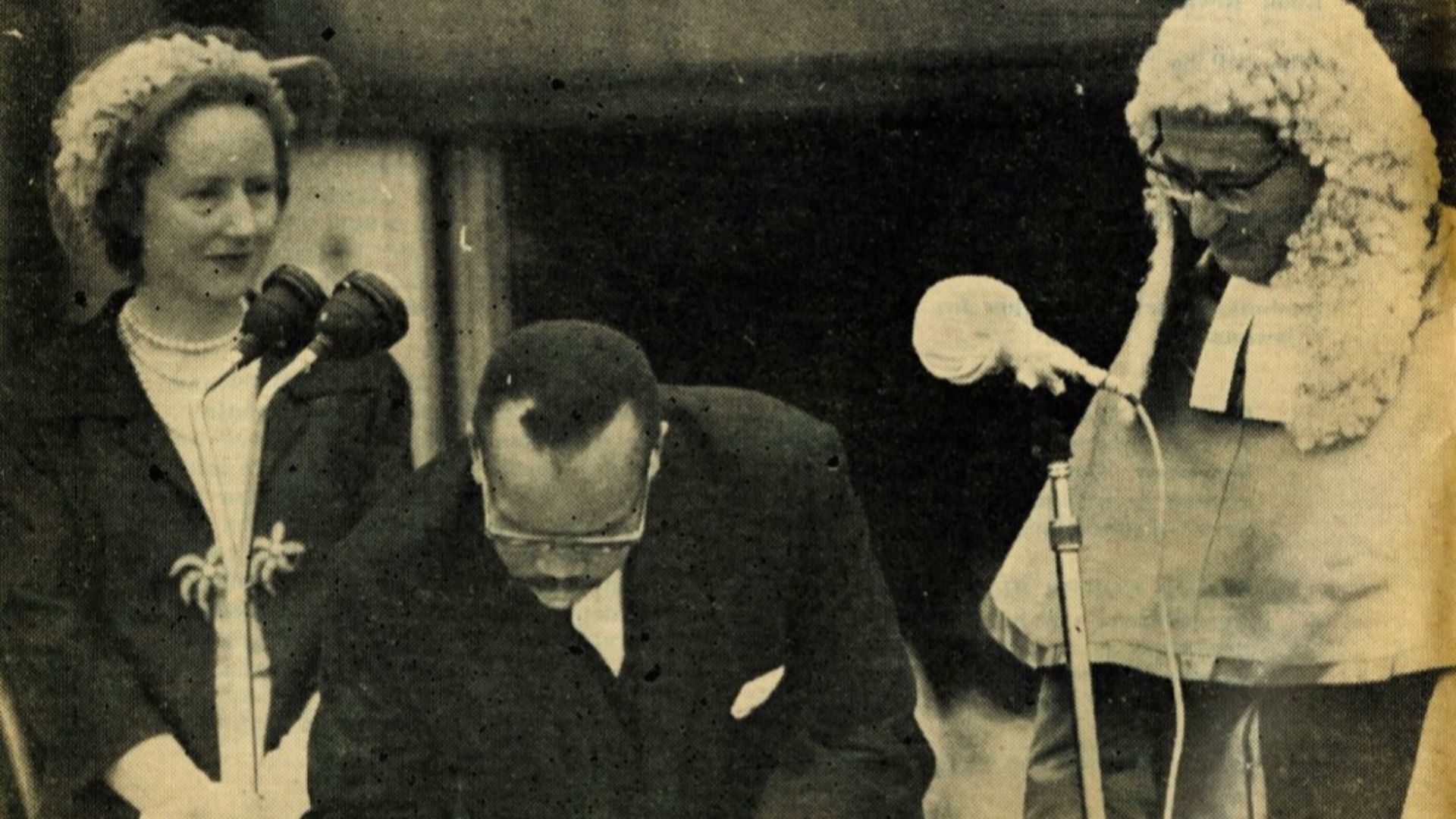
Seretse Khama married Ruth Williams in 1948, despite pressure from apartheid South Africa and Southern Rhodesia. When they tied the knot, it led the British government to exile the pair and suppress a report that found Seretse qualified to rule. They were only allowed home as private citizens in 1956, and later became the first president and First Lady of independent Botswana.
 Kutlwano Magazine on Wikimedia
20. Byakuren Yanagiwara and Ryūsuke Miyazaki
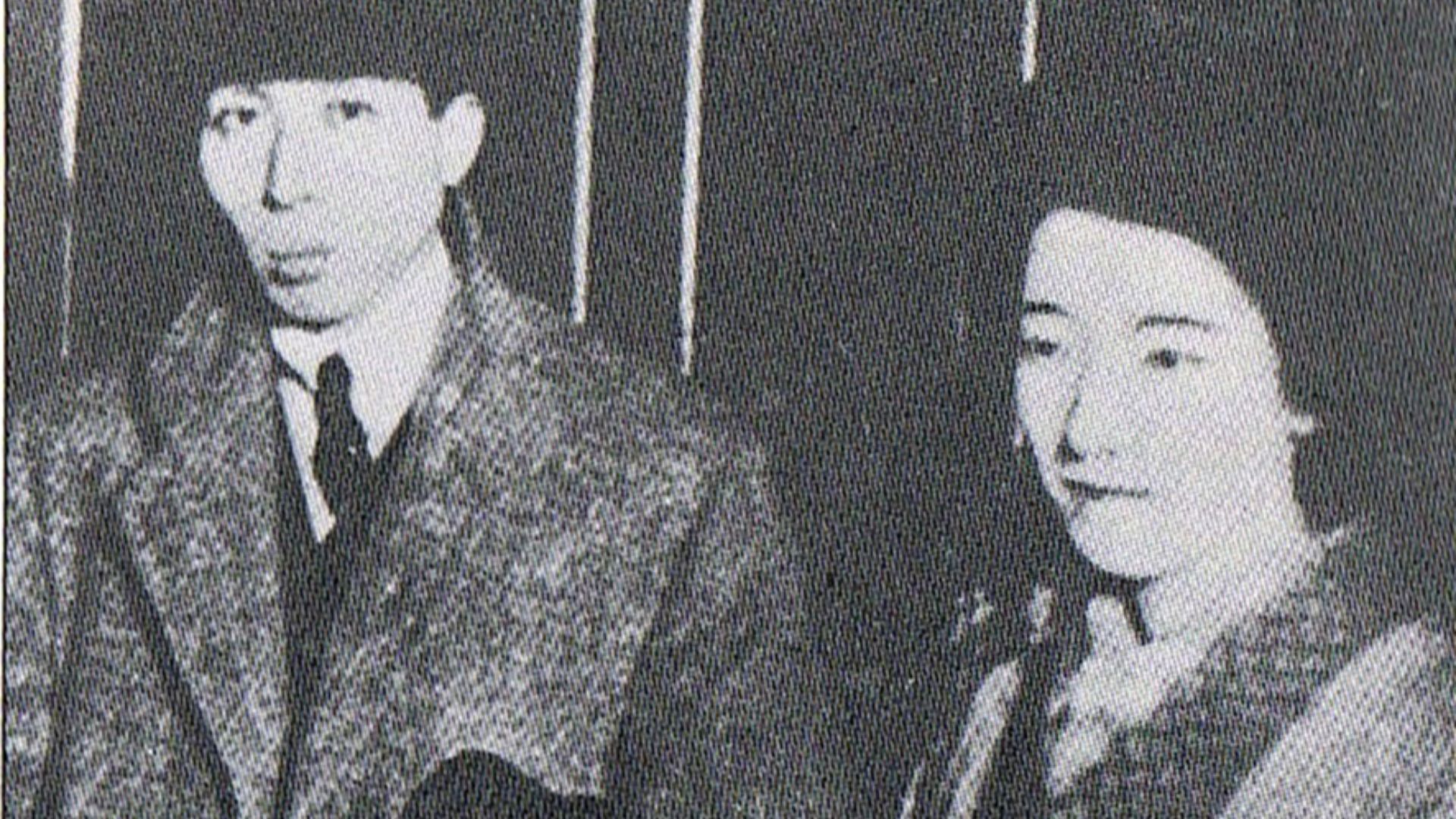
Japanese poet Byakuren Yanagiwara was a few things before falling in love with socialist Ryūsuke Miyazaki—she was Emperor Taishō’s cousin, and already married to a wealthy coal magnate, Den’emon Itō. Given her status, when she left her husband in 1921, newspapers quickly published her open letter condemning the marriage. Back then, adultery carried a possible two-year prison sentence, but Byakuren and Miyazaki married anyway, remaining together until her death in 1967.
KEEP ON READING