20 Famous People Who Left a Piece of Themselves Behind After Death
Death Is Only The Beginning
Death is supposed to be the final chapter. Yet for a surprising number of history's most famous figures, it was a strange new beginning. Kings were split apart by tradition, scientists were dissected in the name of curiosity, and saints were carved up in the name of devotion. Some of these people planned their own bizarre afterlives down to the last detail. Others had absolutely no say in the matter. What follows are 20 of history's strangest cases of bodily leftovers: the brains, bones, organs, and locks of hair that outlived the people they belonged to and, in some cases, are still around today.
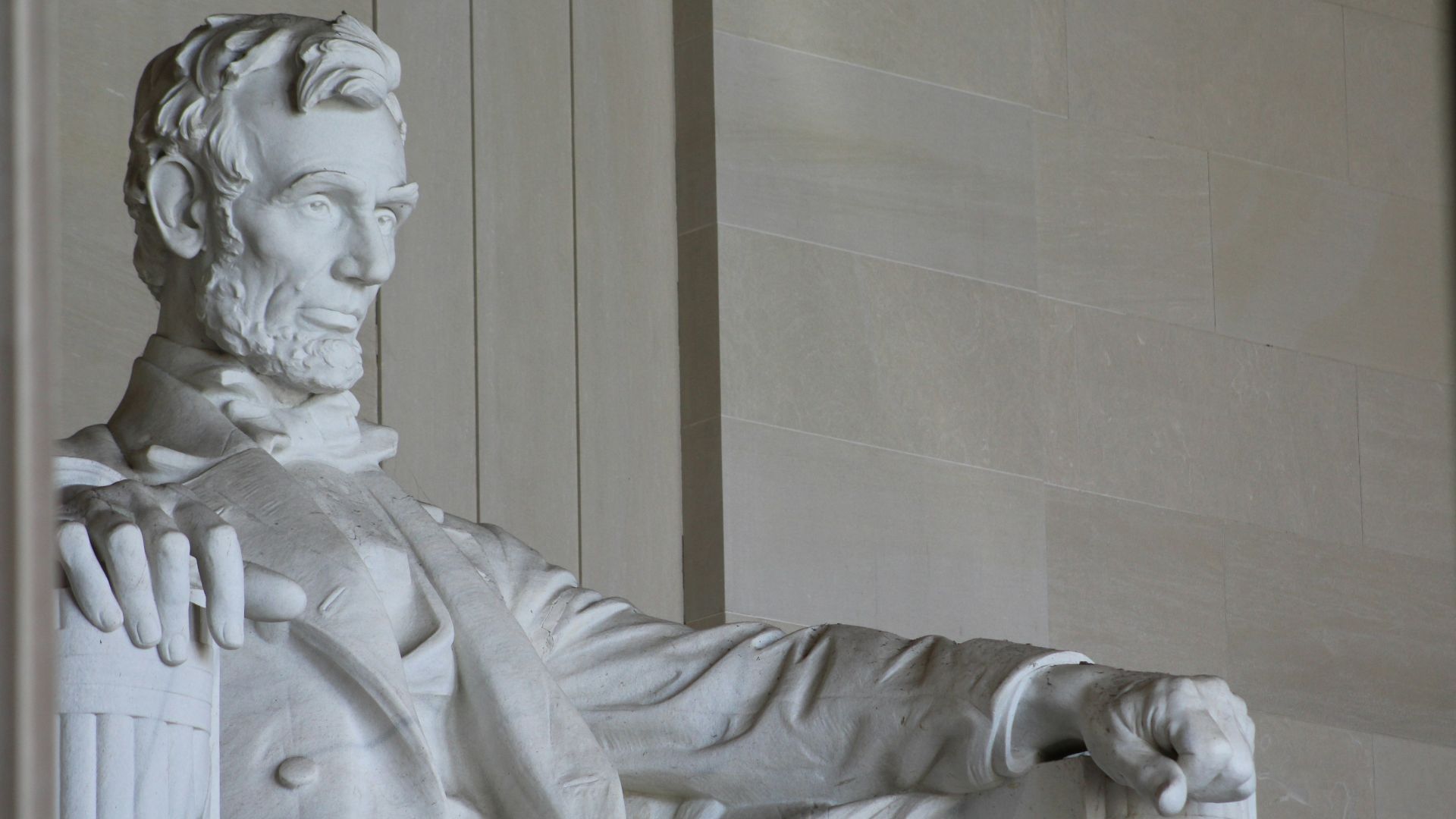
1. Jeremy Bentham's Skeleton and Head
Most people don't get a vote on what happens to their body after they die. Jeremy Bentham did. His 1832 will instructed that his body be dissected, his skeleton reassembled, and the body dressed in his own clothes and seated upright. Unfortunately, the preservation process left his real head looking like a horror prop, so a wax replacement took its place on the seated figure while the genuine article was stored elsewhere.
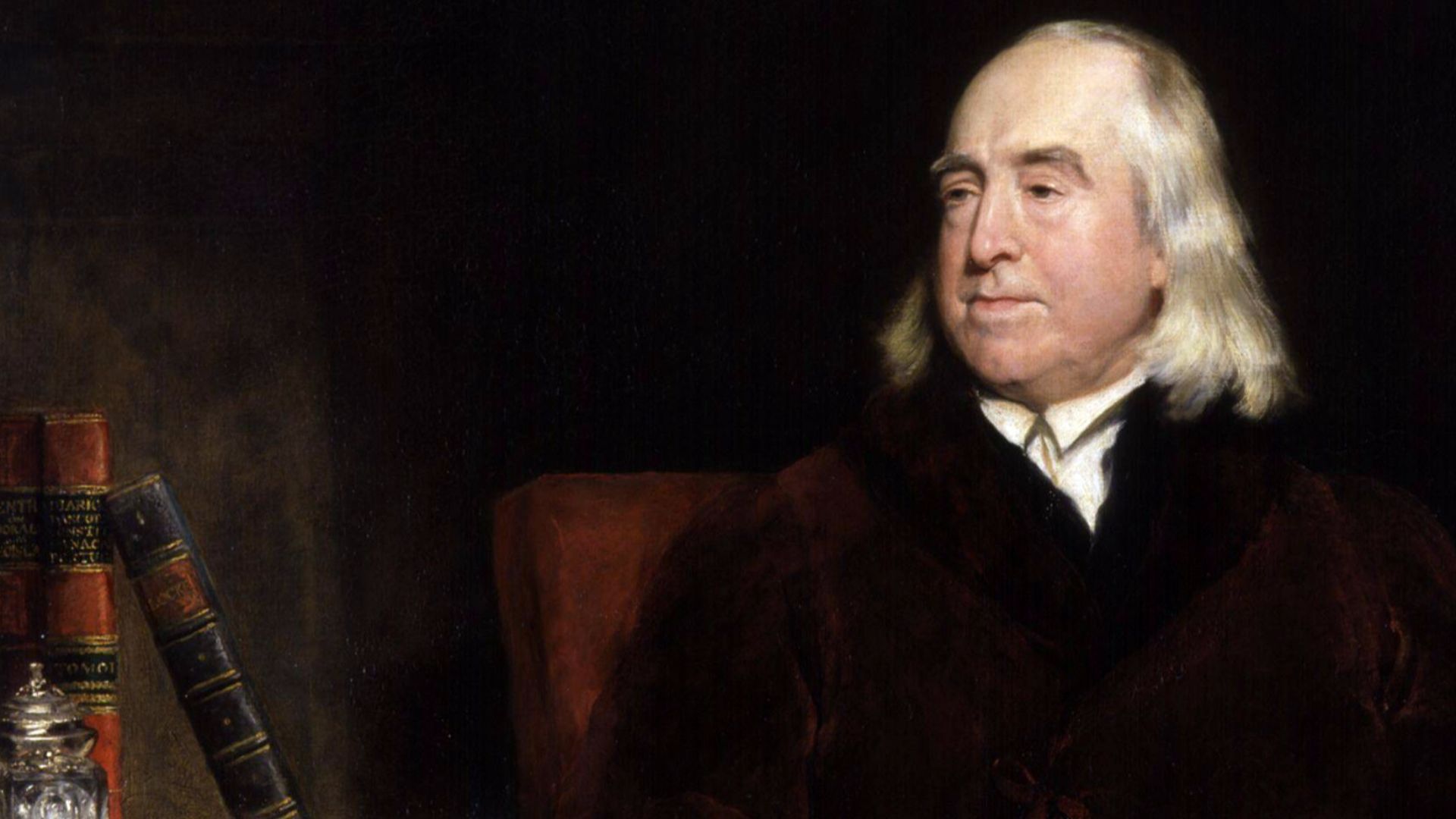 Henry William Pickersgill on Wikimedia
2. Galileo Galilei's Fingers and Tooth
Galileo's body didn't get much peace even after death. Nearly a century after he died in 1642, his remains were relocated to a far grander tomb in Florence, and somewhere in that 1737 move, three fingers and a tooth went missing. His right middle finger eventually became a star attraction.
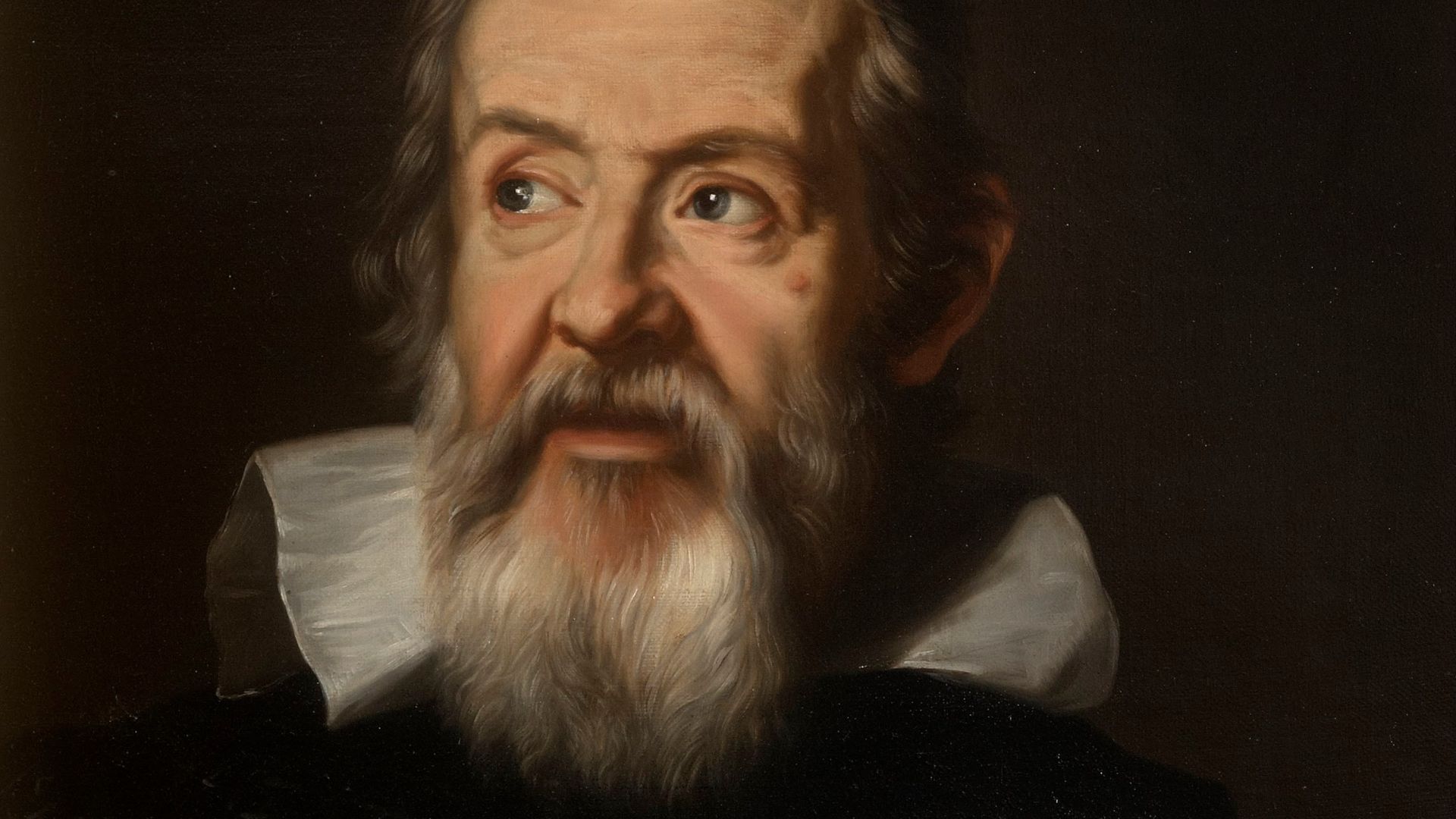 after Justus Suttermans on Wikimedia
3. Albert Einstein's Brain
When Albert Einstein died in 1955, curiosity about what made him so brilliant didn't die with him. During the autopsy, his brain was removed, photographed, and sliced into pieces, preserved in the hope that its physical structure might hold the secret to his genius.
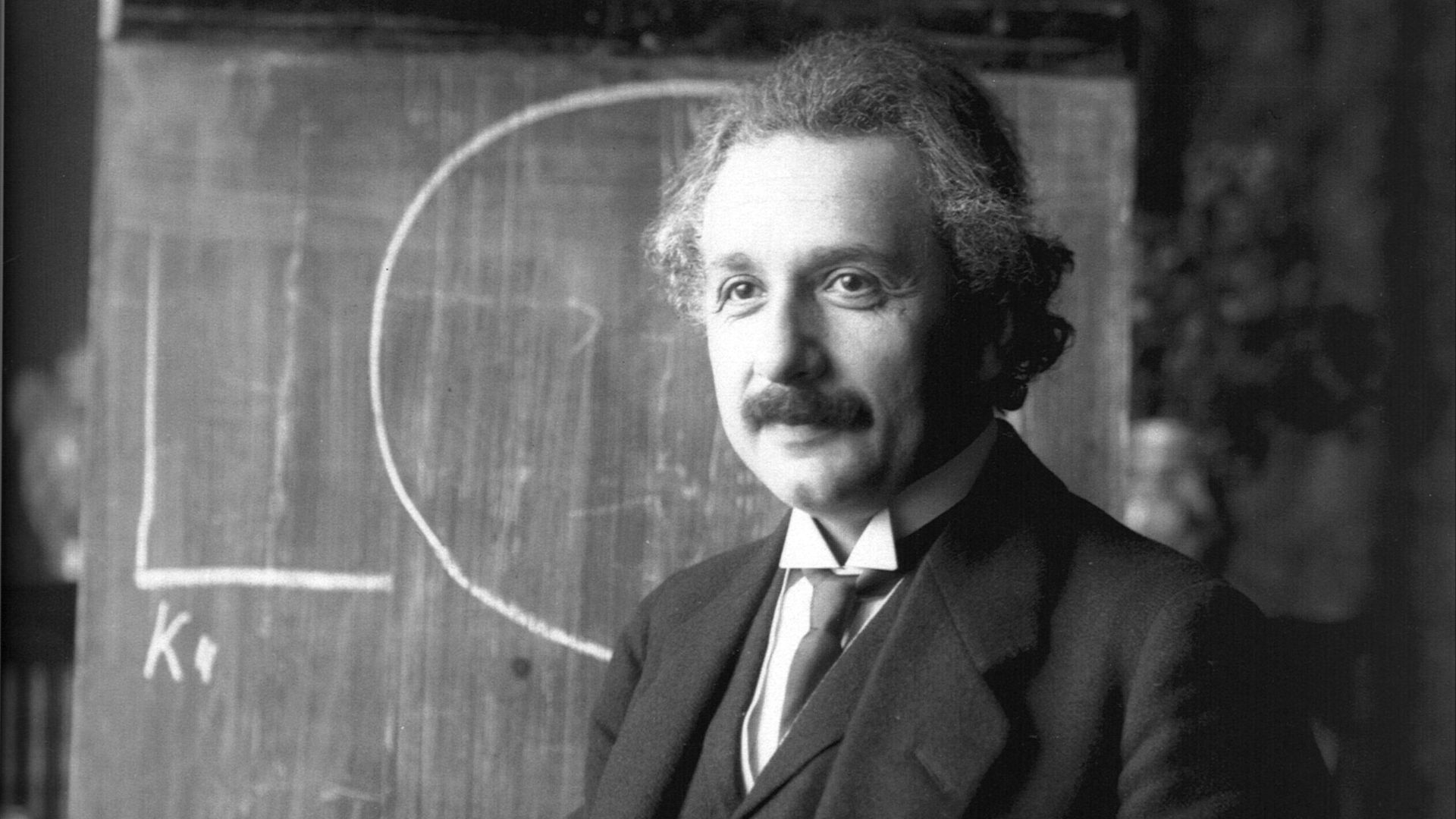 Ferdinand Schmutzer on Wikimedia
4. Charles Babbage's Brain
Charles Babbage helped dream up the machines that would eventually become computers, and after he died in 1871, people wanted to know what kind of brain could do that. Instead of being buried whole, portions of his brain were preserved and studied, part of a broader Victorian obsession with hunting for visible signs of genius inside the skull.
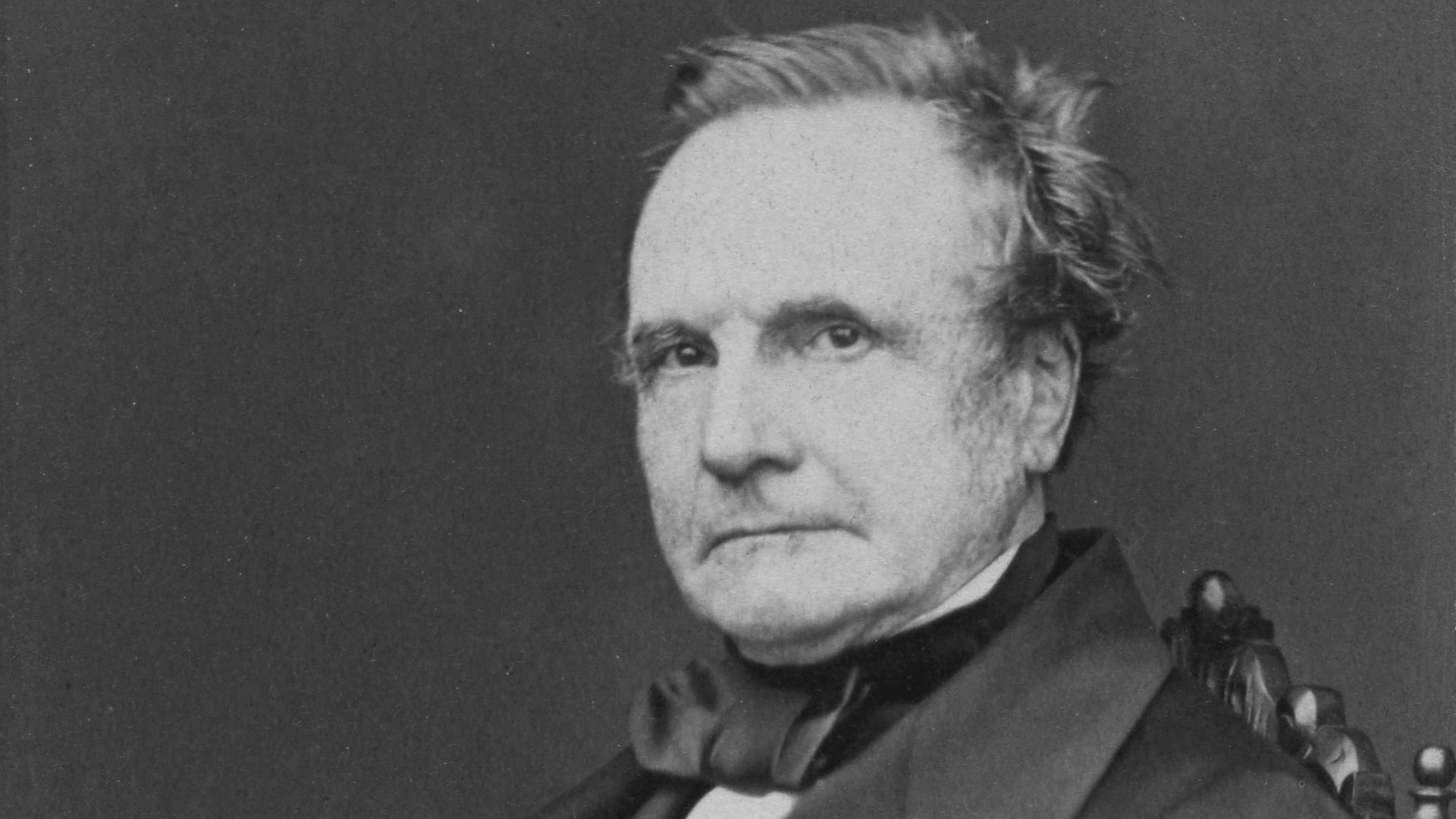 Unknown authorUnknown author on Wikimedia
5. Phineas Gage's Skull
Few medical stories come with such vivid physical proof. In 1848, an iron rod was blasted clean through Phineas Gage's skull in a work accident, and remarkably, he survived. After his death, his skull was exhumed and preserved alongside the very tamping iron that caused the injury.
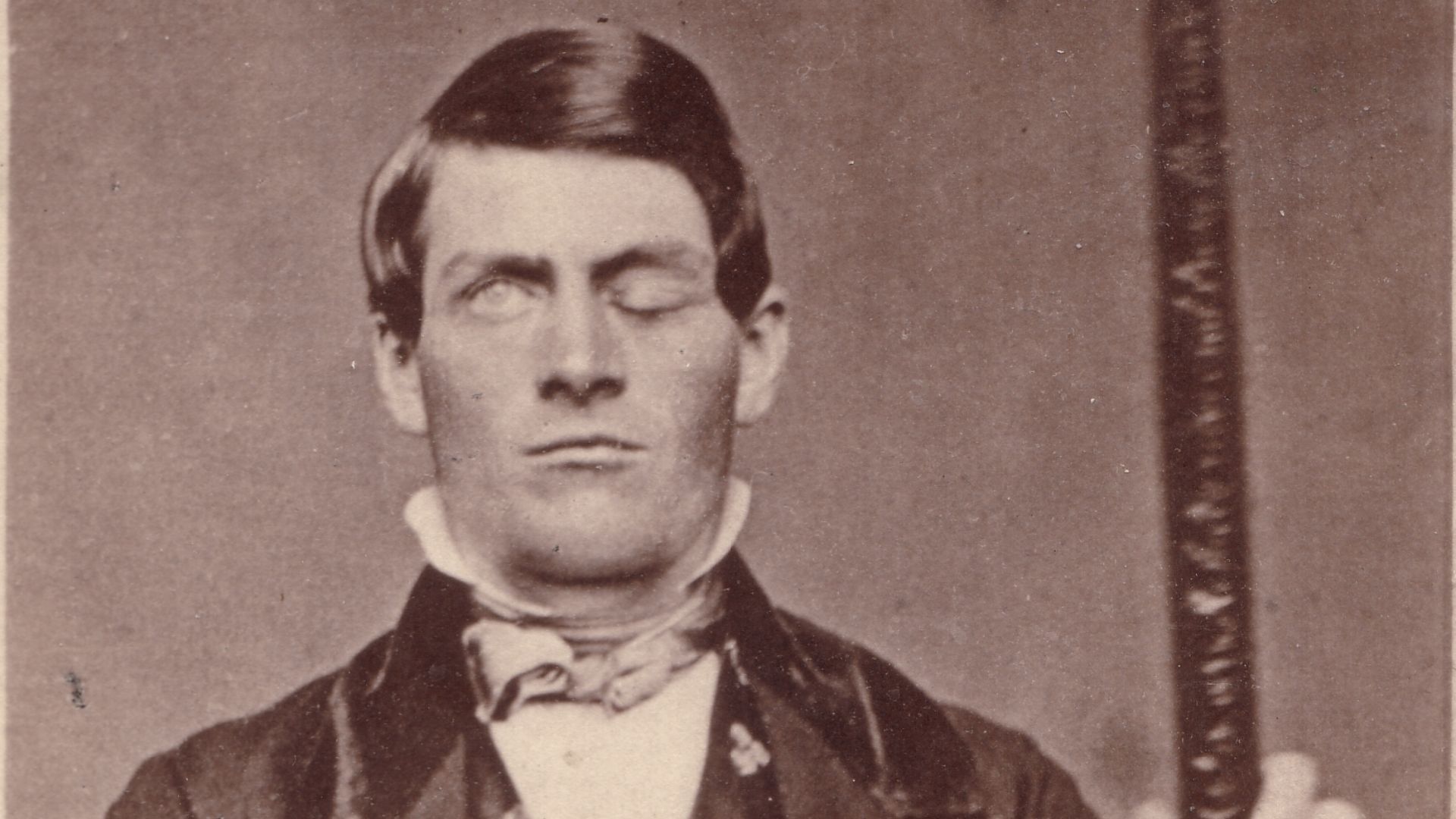 Author of underlying work unknown. on Wikimedia
6. Abraham Lincoln's Hair and Skull Fragments
The assassination of Abraham Lincoln in 1865 left behind far more than a nation in mourning. During his autopsy, doctors preserved locks of his hair along with fragments of his skull damaged by the fatal shot.
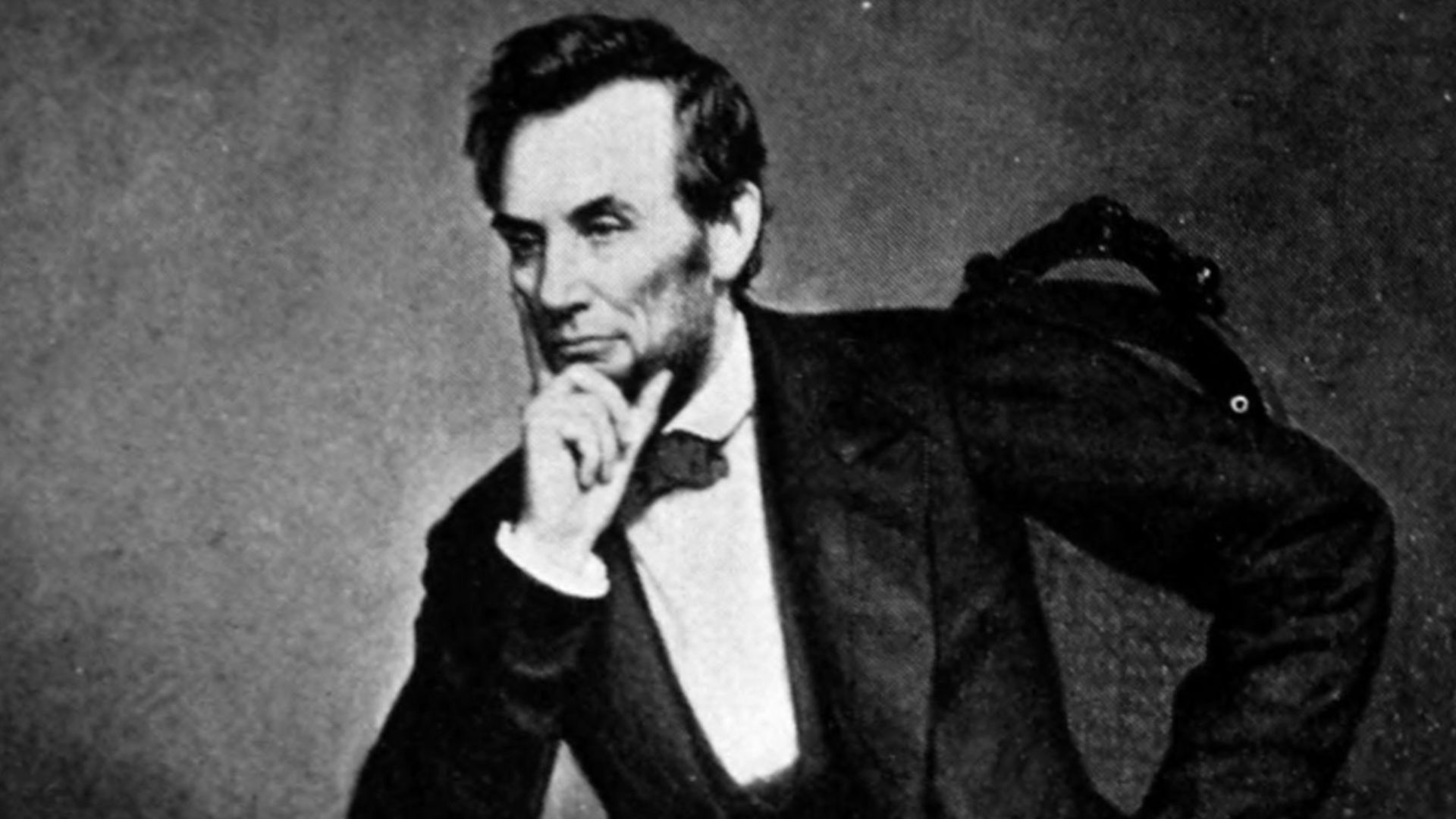 Author Ward Hill Lamon Editor Dorothy Lamon Artist G. P. A. Healy on Wikimedia
7. John Wilkes Booth's Vertebra
Lincoln's killer met his own violent end just days later, shot in the neck after being tracked down in a Virginia tobacco barn. During Booth's autopsy, doctors removed a small section of his spine, preserving the very piece containing the bullet that struck him.
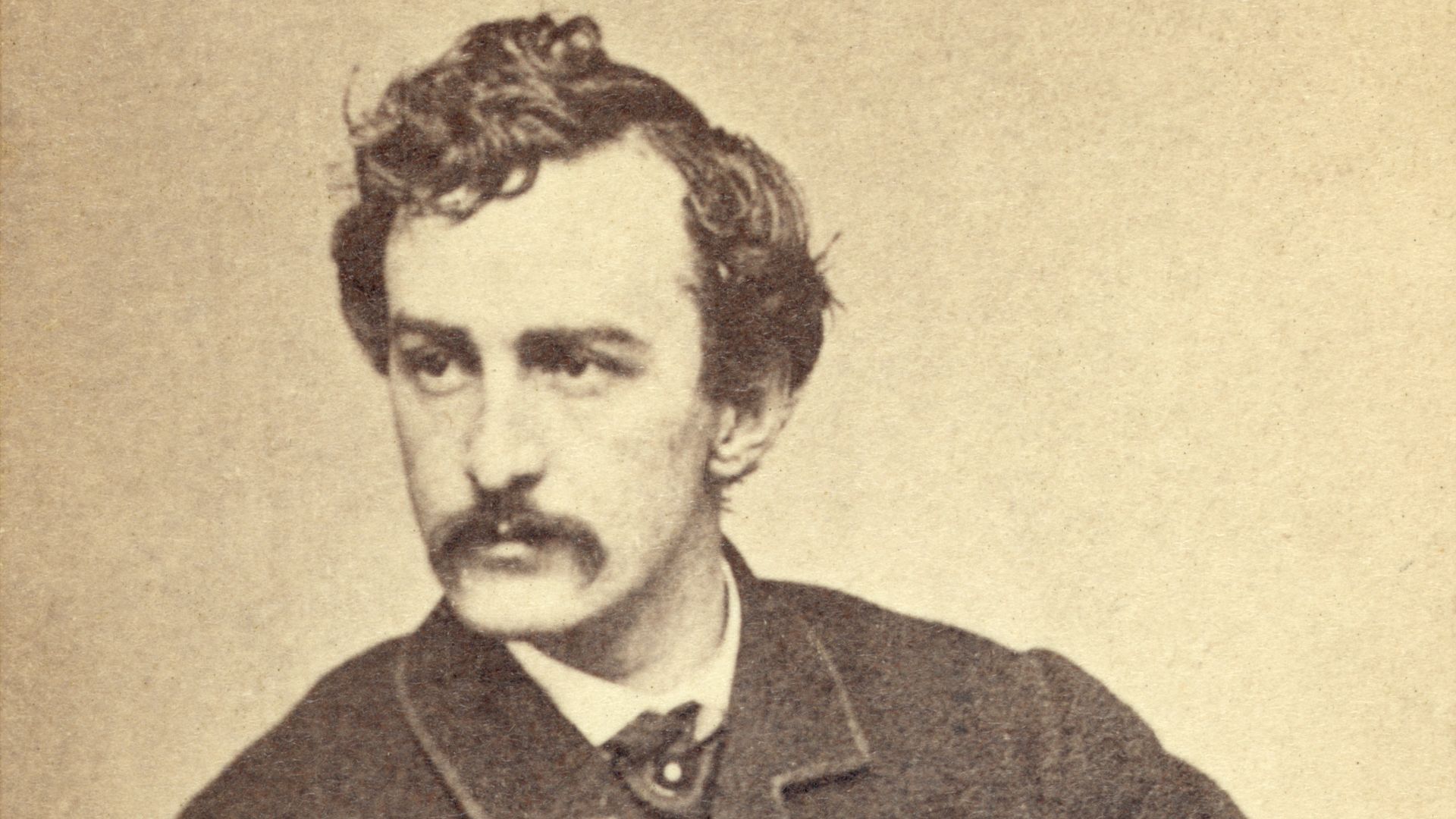 Alexander Gardner on Wikimedia
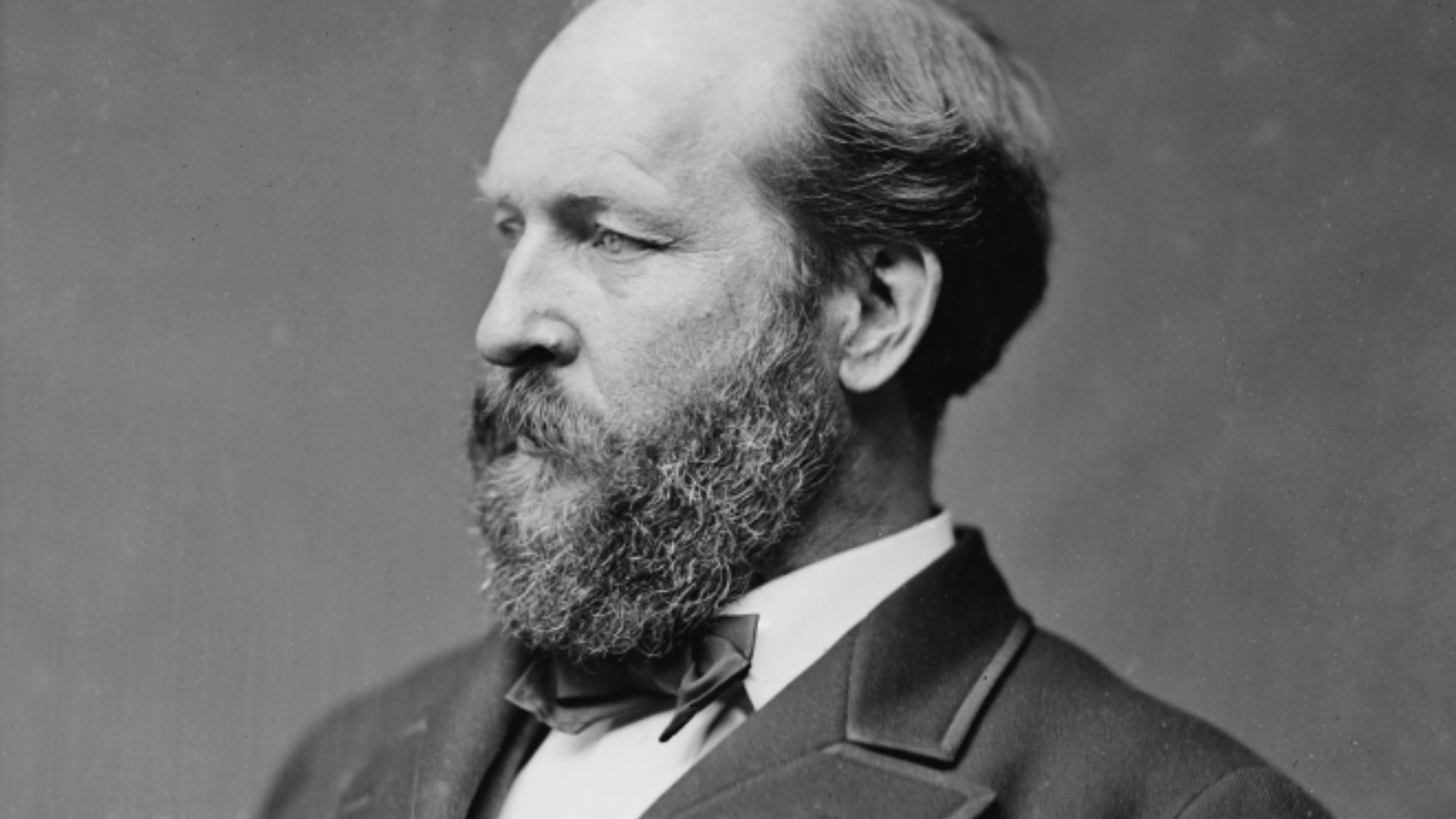
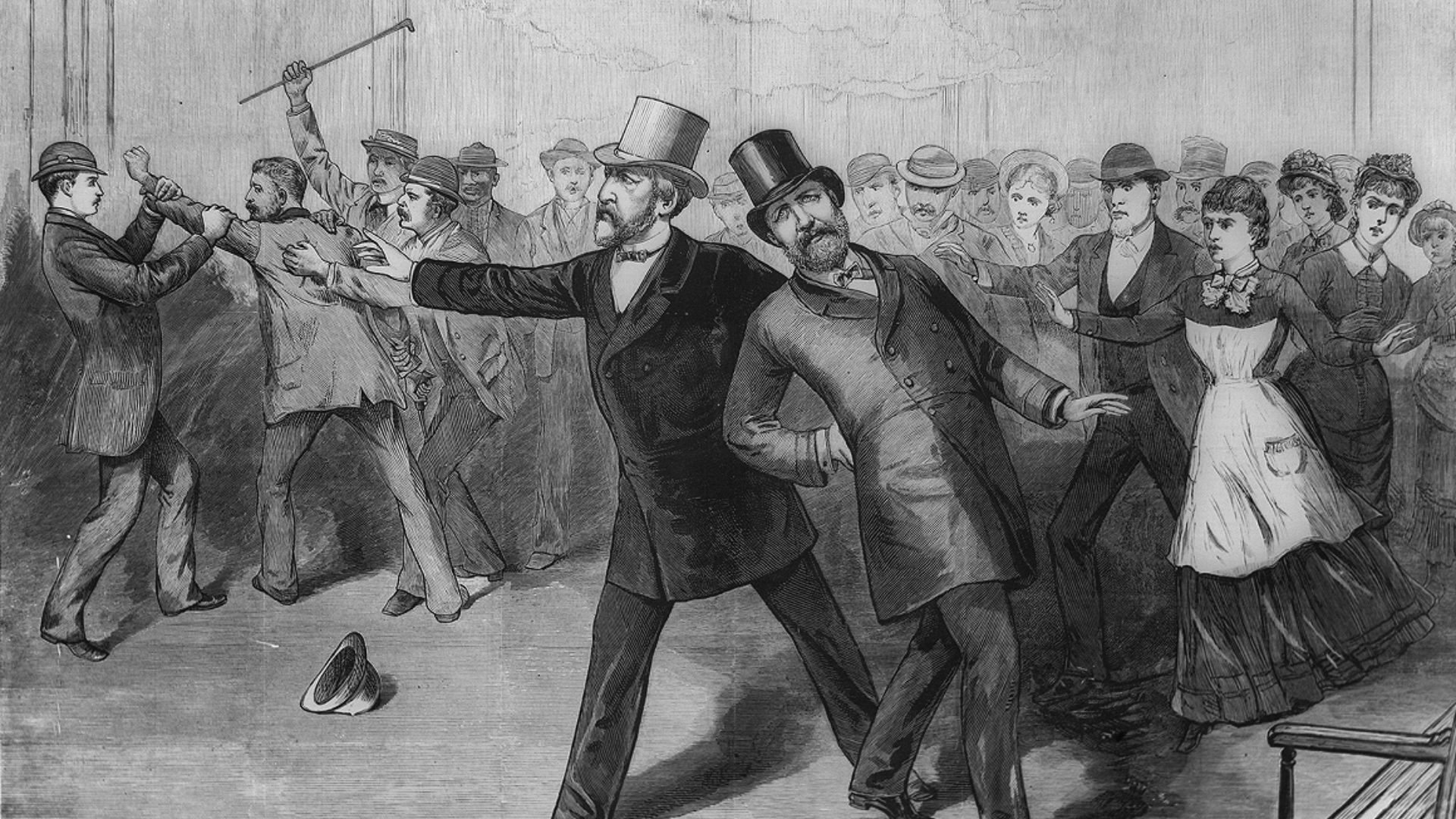
8. James Garfield's Vertebrae
President James Garfield's death was agonizingly slow. Shot by Charles Guiteau in July 1881, he lingered for more than two months before finally succumbing to his injuries. His autopsy revealed the true extent of the internal damage, and vertebrae showing the bullet's exact path were preserved, turning his spine into a permanent record of one of the era's most drawn-out political tragedies.
 Unknown. Restored by Drew R. Smith on Wikimedia
9. Charles Guiteau's Brain
Garfield's assassin was executed in 1882. After his death, his brain was examined and portions preserved, passed among specialists hunting for some anatomical explanation for his crime. None ever emerged.
 A. Berghaus and C. Upham, published in Frank Leslie's Illustrated Newspaper. on Wikimedia
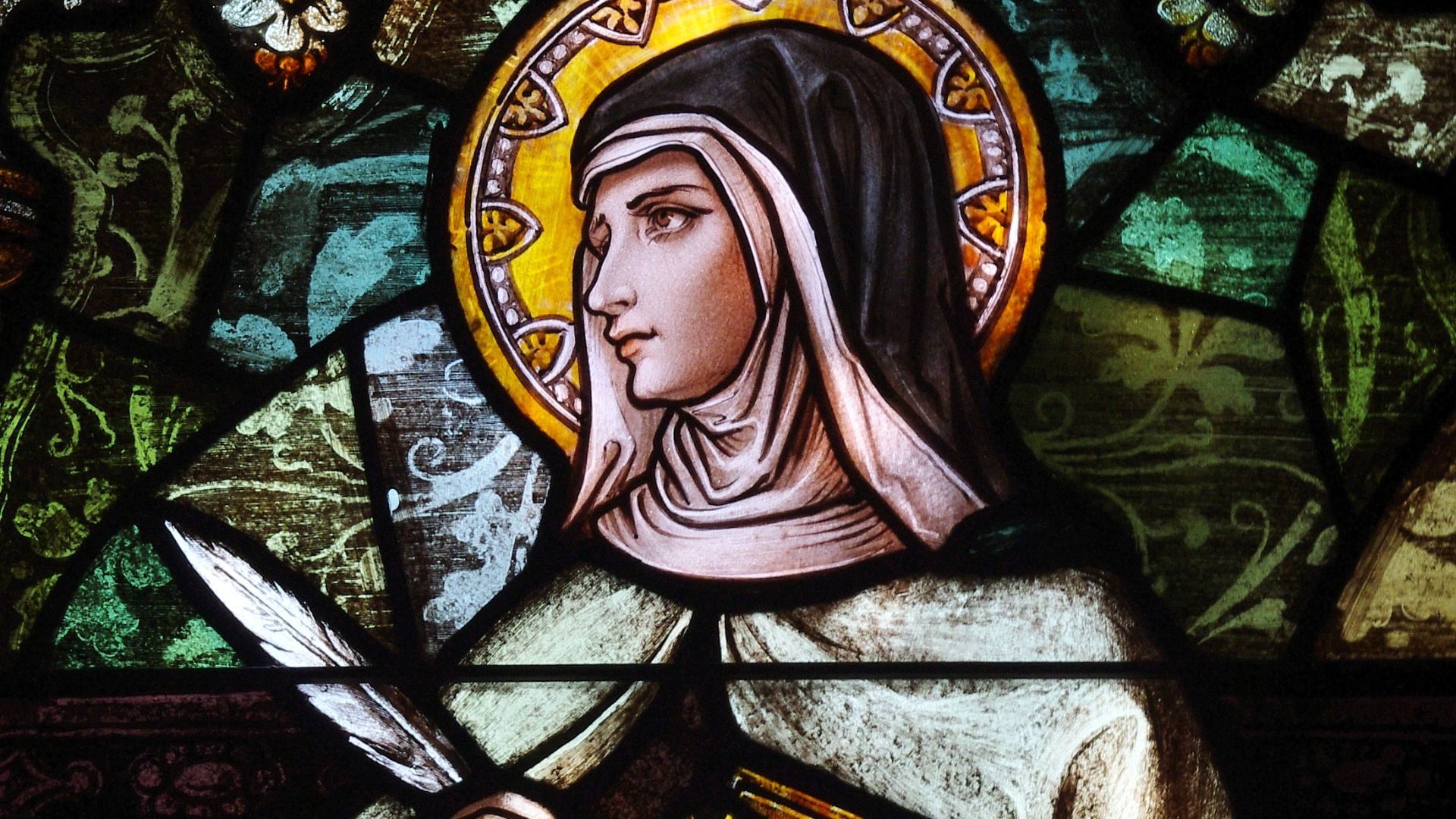
10. Saint Teresa of Ávila's Heart
Saint Teresa of Ávila died in 1582, and years later, during the early stages of the process that would eventually lead to her sainthood, her body was examined. In 1591, her heart was removed and preserved separately, becoming one of the most treasured relics connected to the Spanish mystic.
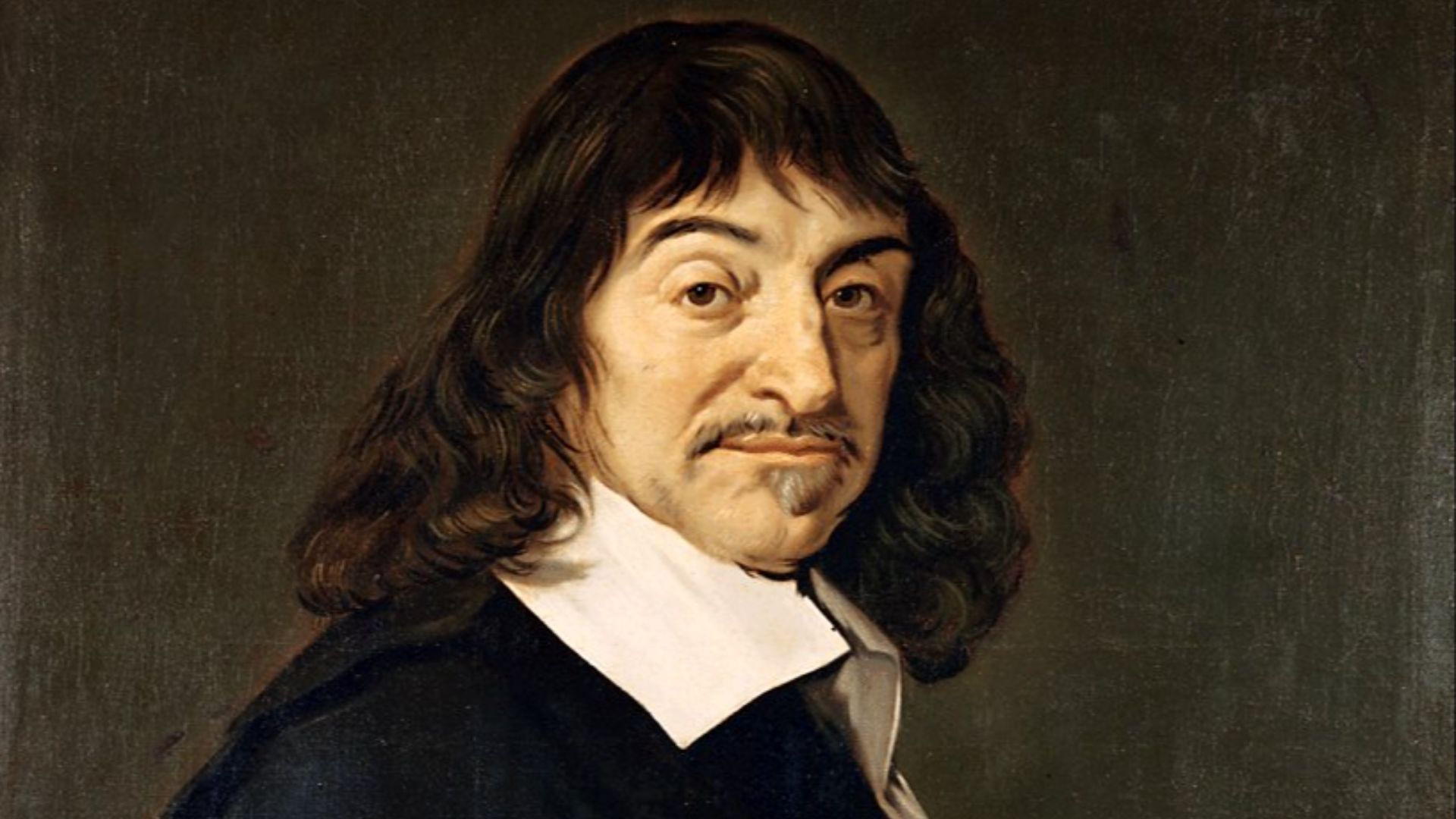
11. René Descartes' Skull
Even one of history's greatest thinkers couldn't keep his head together, literally. René Descartes died in Stockholm in 1650. When his remains were exhumed in 1667 for transport back to France, his skull was nowhere to be found. It bounced between owners for generations before resurfacing in the 19th century, complete with an inscription confirming it had been taken during that original exhumation.
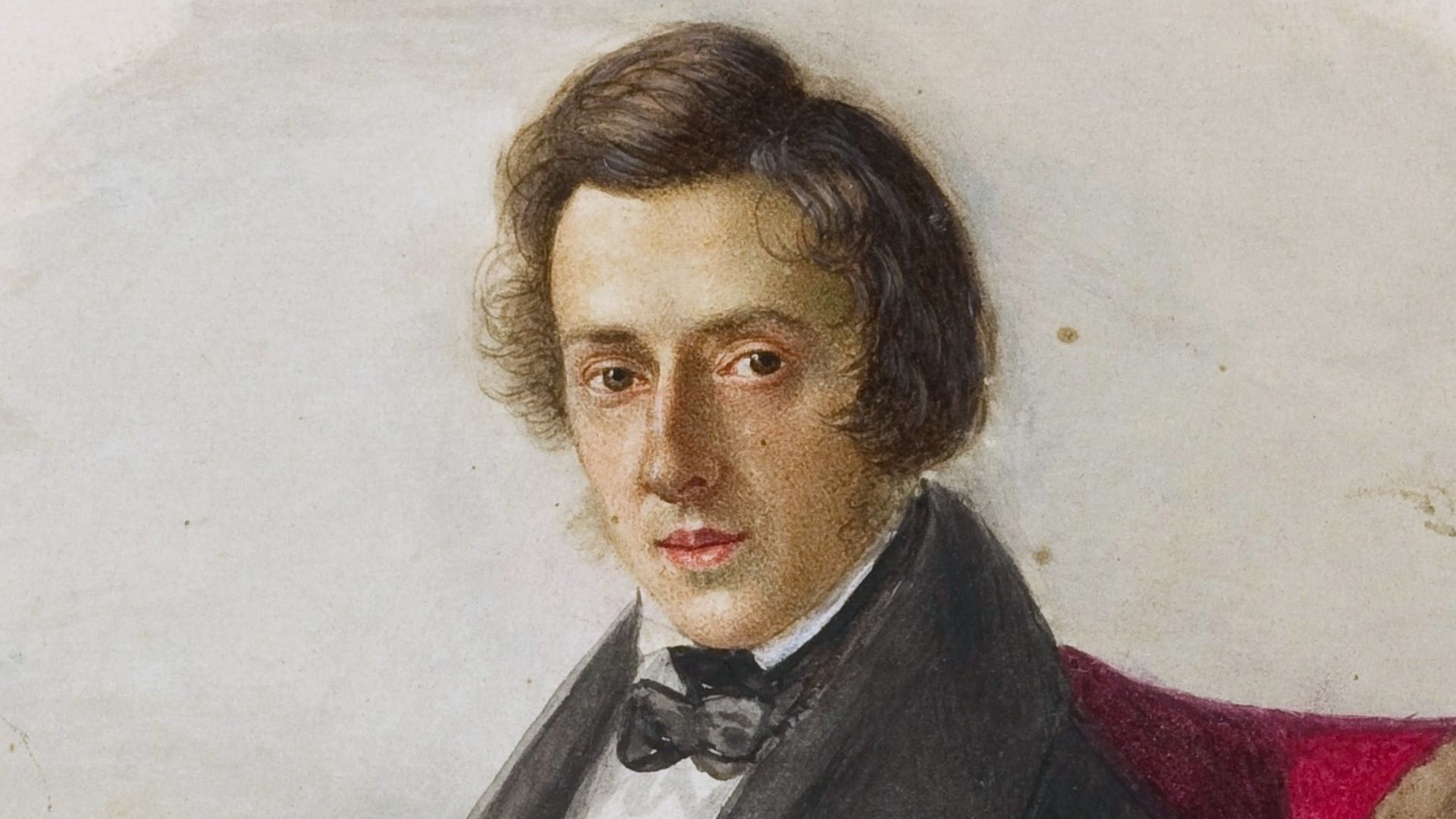
12. Frédéric Chopin's Heart
Frédéric Chopin died in Paris in 1849, but he never stopped longing for the homeland he'd left behind. Per his wishes, his heart was removed after death and carried back to Warsaw by his sister, leaving the composer with two final resting places: his body in France, his heart in Poland.
13. Richard the Lionheart's Heart
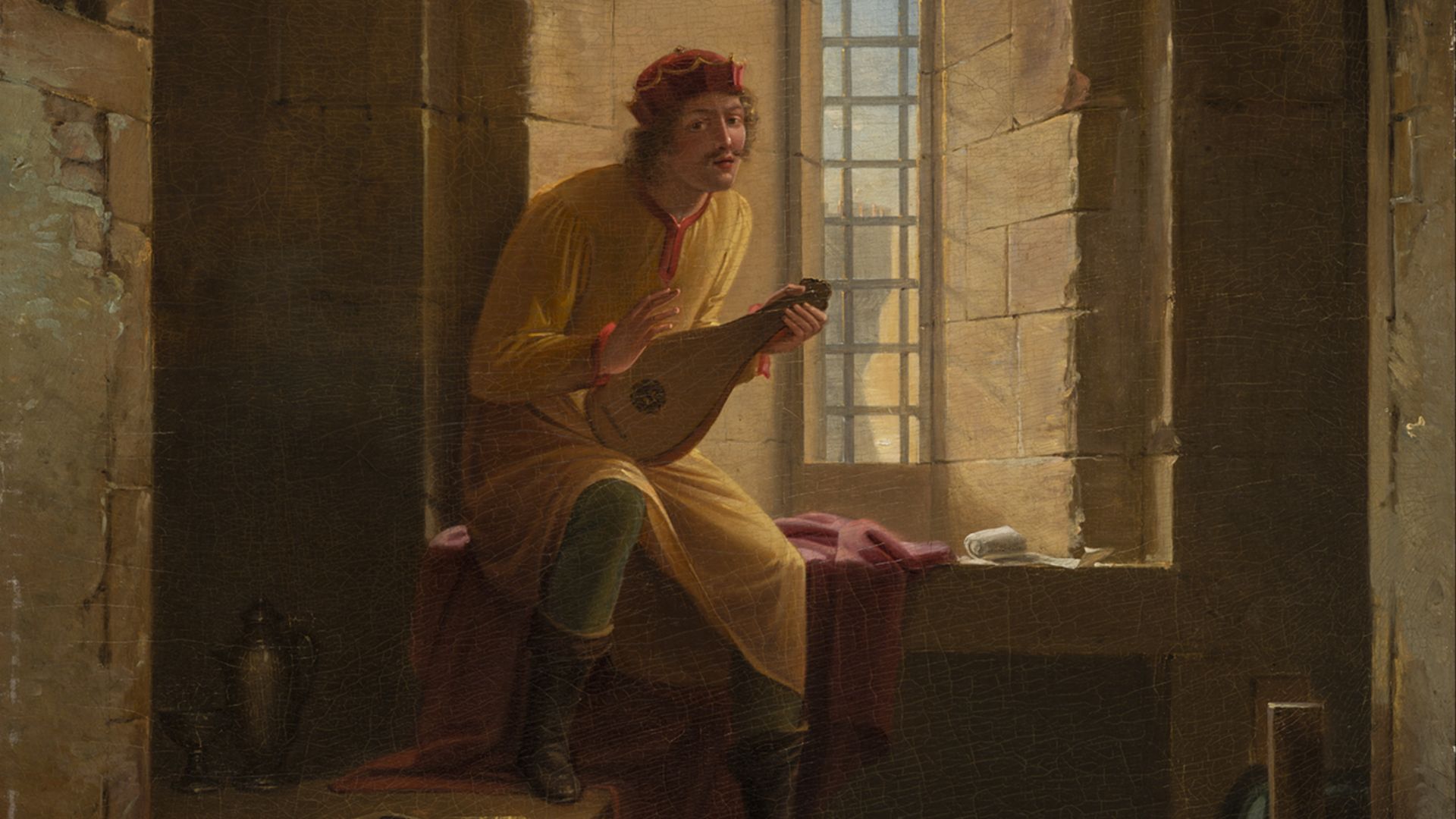
Splitting up a body after death was practically routine among medieval royalty, and Richard I was no exception. When he died in 1199, his remains were divided between burial sites, with his heart embalmed separately and enshrined in Rouen.
 Jean-Antoine Laurent on Wikimedia
14. Catherine of Siena's Head
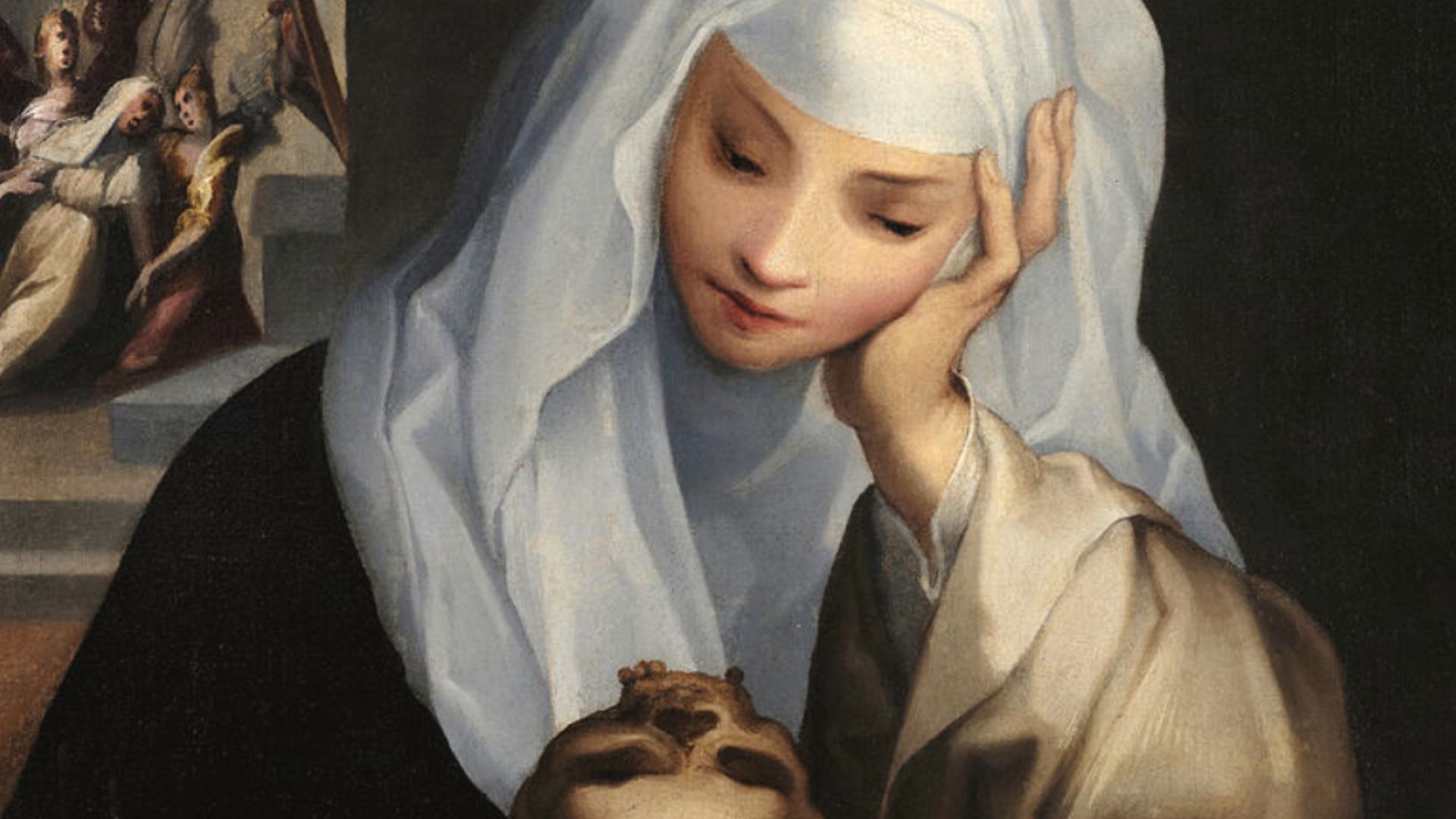
Catherine of Siena died in Rome in 1380, but her head didn't stay there. It was separated from the rest of her body and carried to Siena, arriving in 1384 to become one of the city's most important religious relics. Her thumb was preserved separately as well, leaving the celebrated mystic scattered across multiple locations.
 Beloved female saints on Wikimedia
15. Saint Anthony of Padua's Tongue
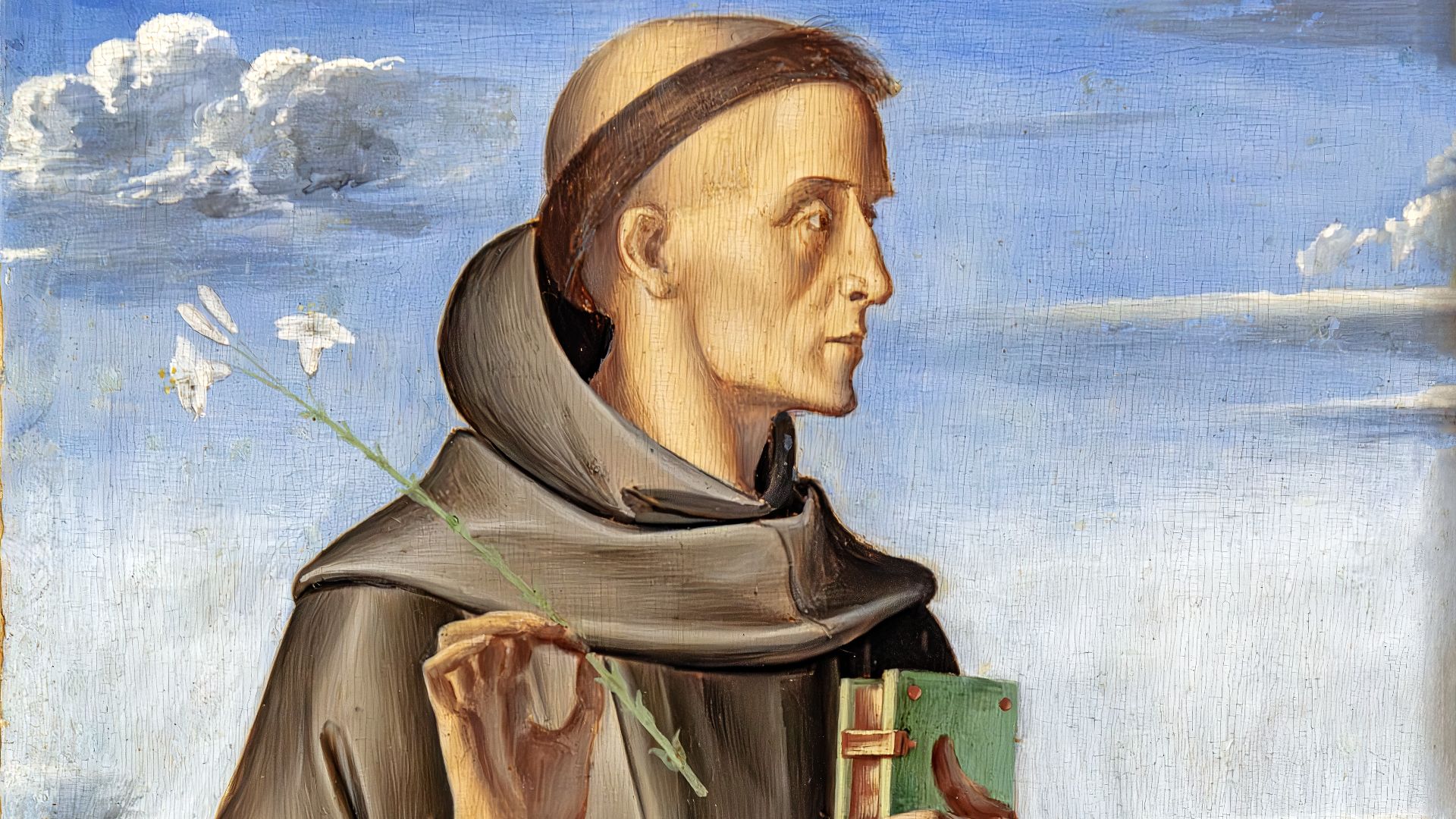
When Saint Anthony of Padua's remains were relocated in 1263, decades after his 1231 death, his tongue was reportedly found remarkably intact and was preserved as a relic in its own right.
16. Saint Francis Xavier's Arm
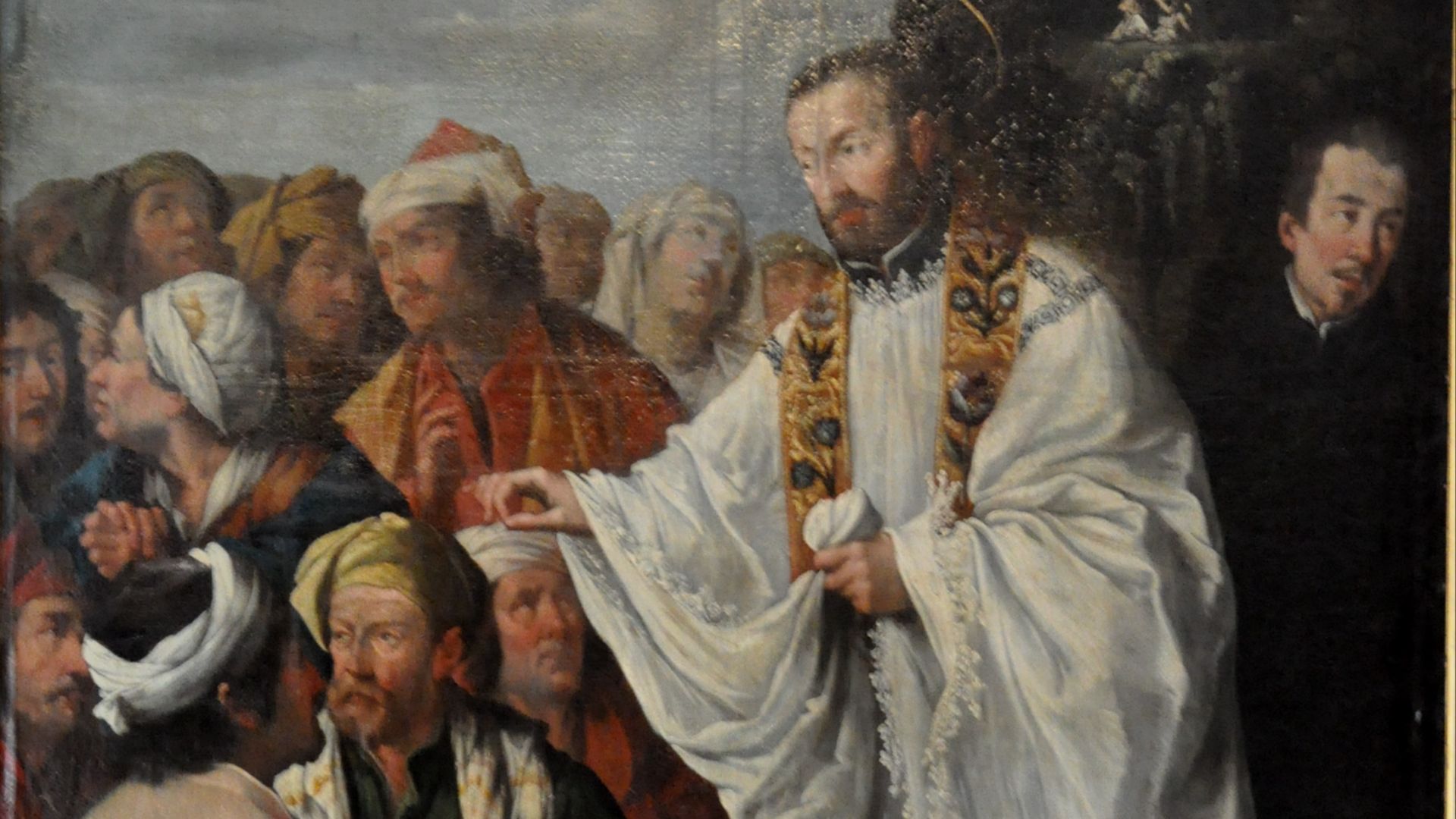
Francis Xavier spent his final years crisscrossing Asia as a missionary before he died in 1552, and most of his body eventually came to rest in Goa. In 1614, his right arm was severed at the elbow and transported to Rome, where it was enshrined as a major relic.
17. George Washington's Hair
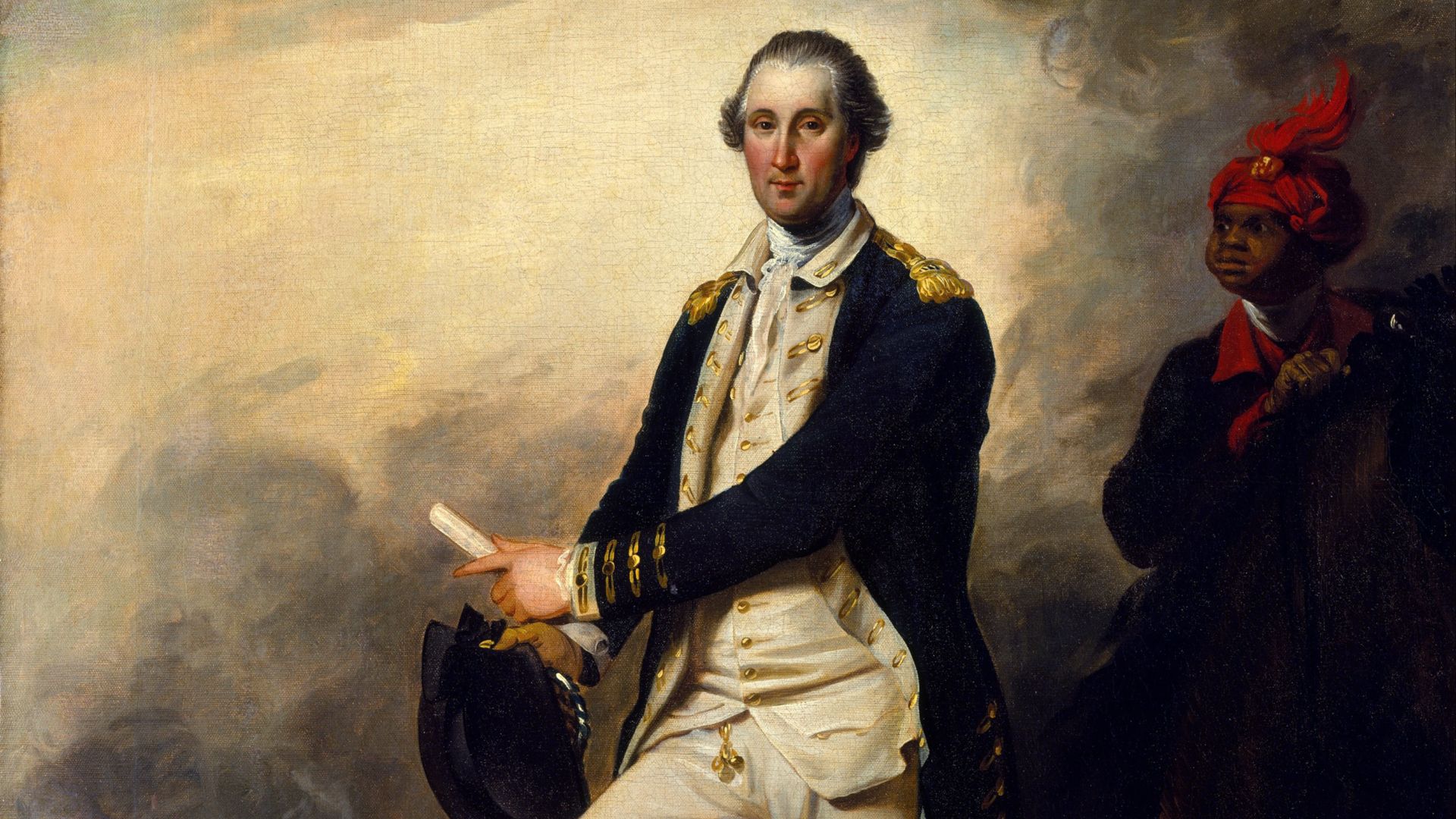
In Washington's era, keeping a lock of a loved one's hair was an ordinary way to mourn, and George Washington's death in 1799 was no exception. His secretary recorded snipping hair from his body after it had already been placed in the coffin.
18. Ludwig van Beethoven's Hair
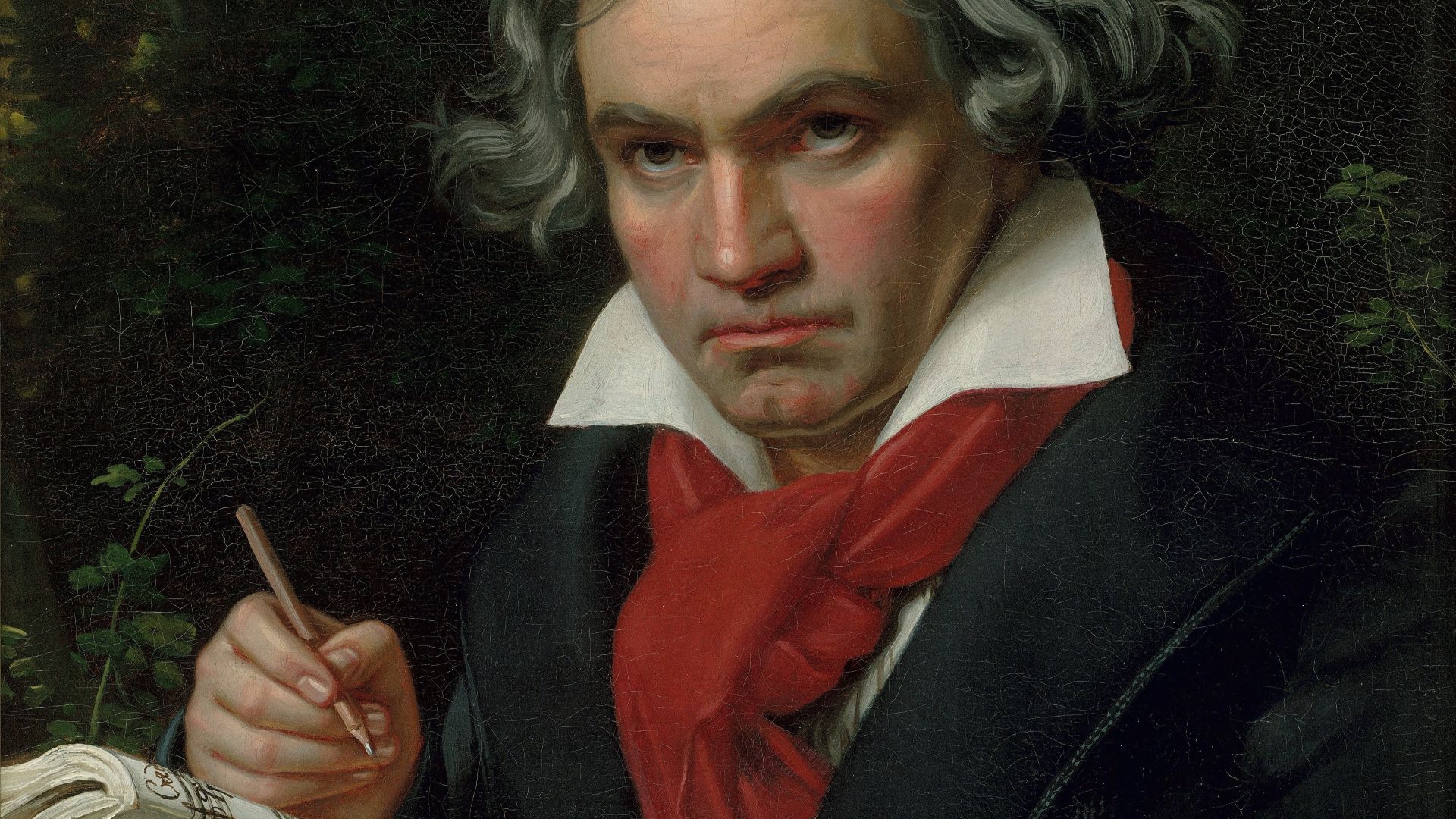
For nearly two hundred years, locks of hair attributed to Beethoven circulated among collectors, though some of the most famous samples eventually turned out to be fakes. In 2023, five separate locks were confirmed as almost certainly authentic, and scientists used them to sequence Beethoven's genome.
 Joseph Karl Stieler on Wikimedia
19. Napoleon Bonaparte's Hair
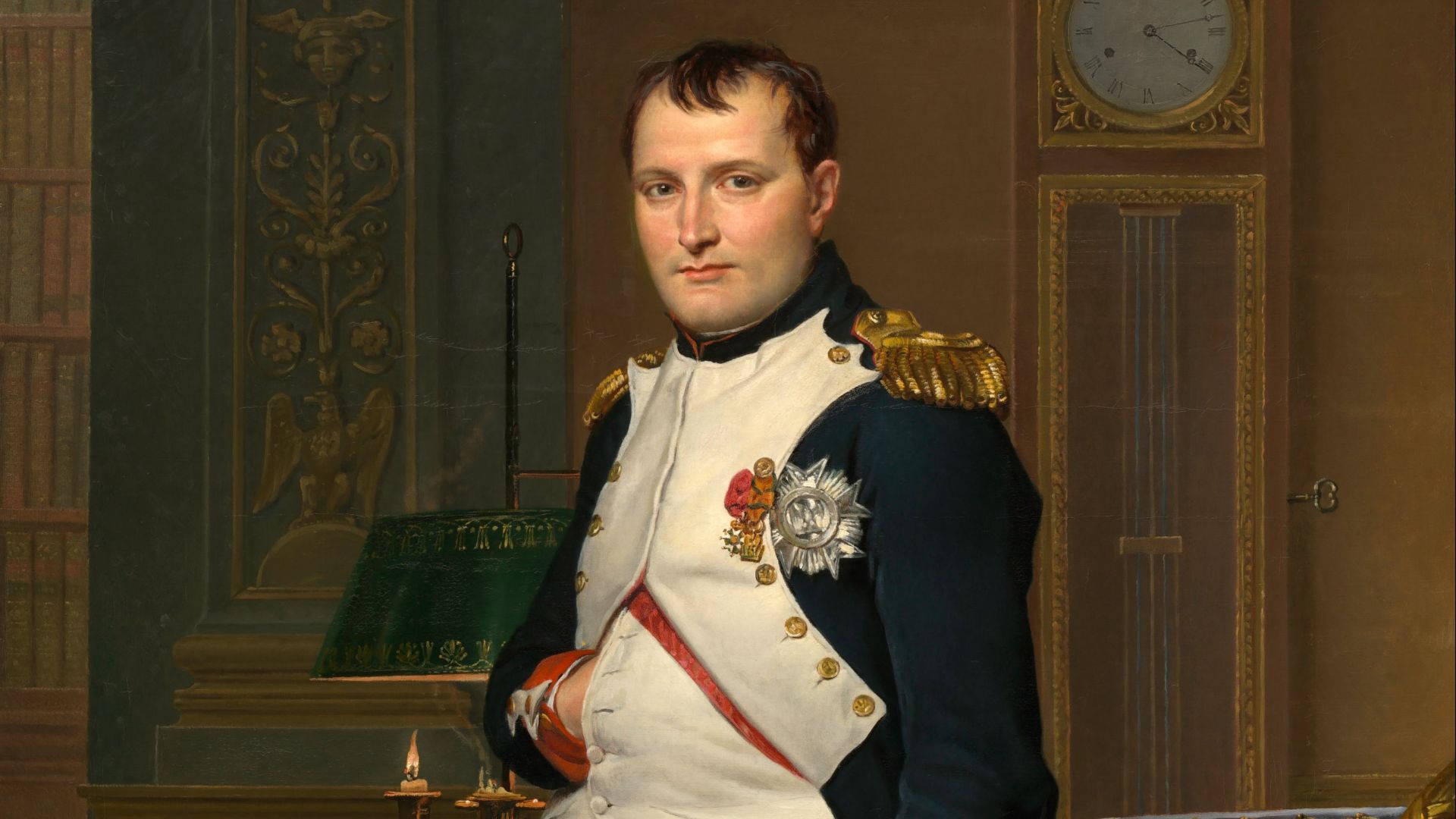
Napoleon Bonaparte died in exile on the remote island of Saint Helena in 1821, and within hours, locks of his hair were already being cut and distributed as keepsakes. Passed down among those close to the fallen emperor, these small, intimate mementos offer a strikingly personal counterpoint to the sweeping military statues and monuments built in his name.
 Jacques-Louis David on Wikimedia
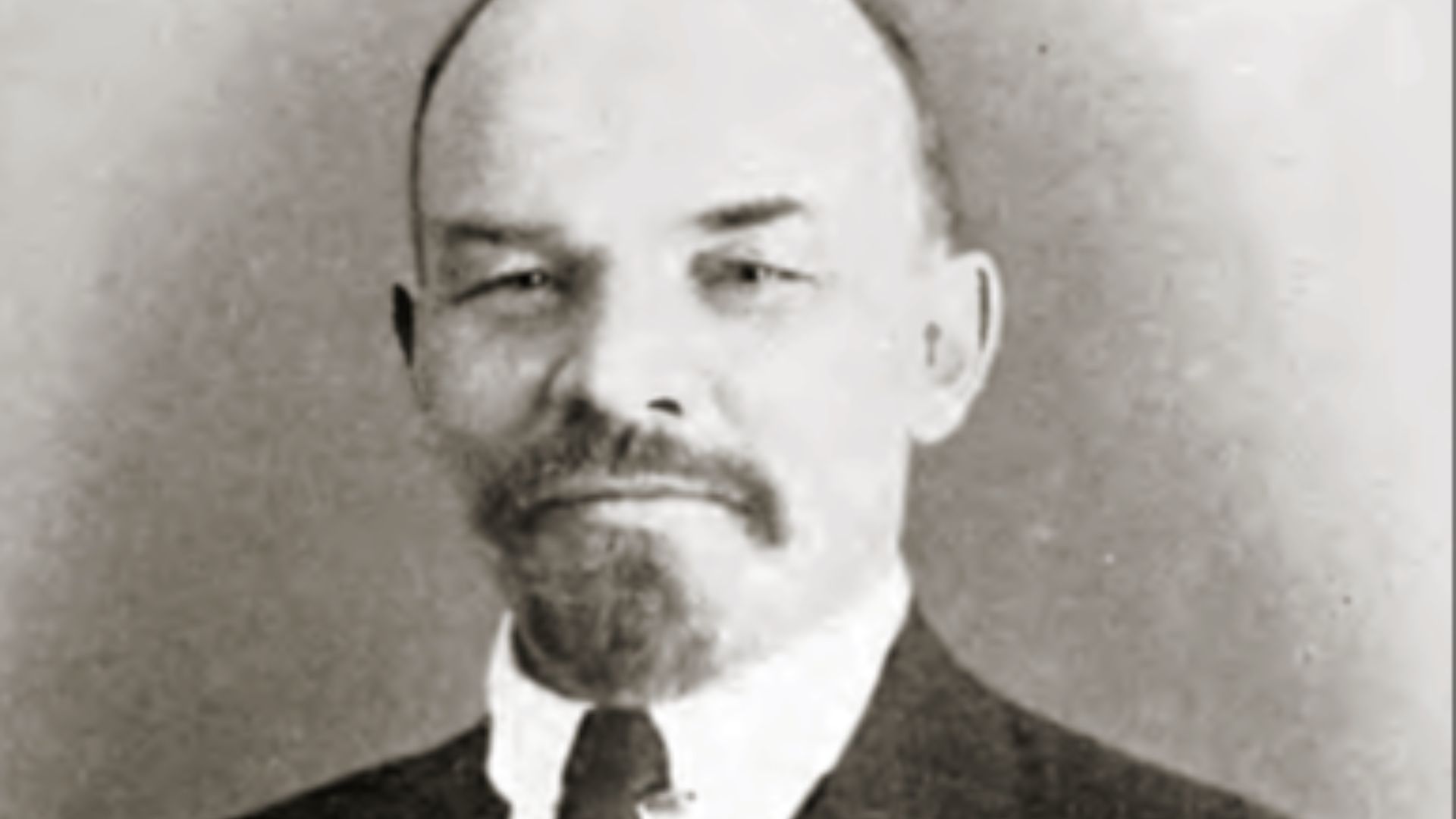
20. Vladimir Lenin's Brain
After Vladimir Lenin died in 1924, his brain was preserved in formaldehyde and eventually sliced into tens of thousands of sections for study. Researchers pursued the controversial theory that exceptional political or intellectual ability might leave visible traces in brain tissue. The idea never panned out scientifically, but pieces of Lenin's brain remain preserved to this day.
KEEP ON READING