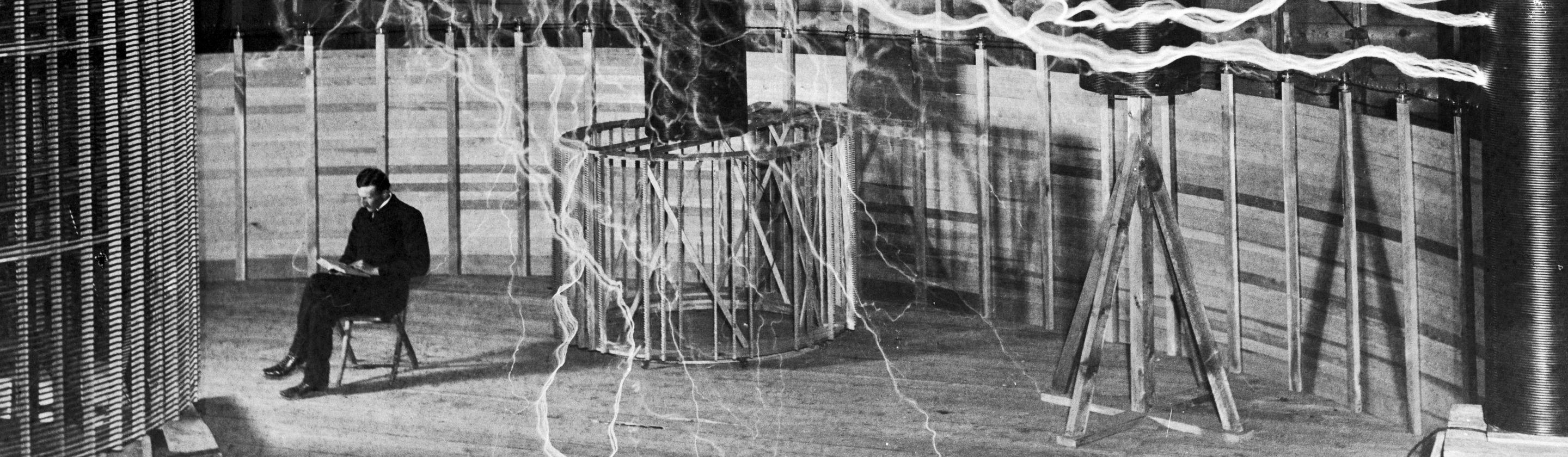
They Did What?!
History's most famous inventors are remembered for creating machines, discovering scientific principles, and developing technologies that changed everyday life. However, their achievements weren't the only interesting things about them, as many had personal routines, peculiar preferences, and unusual working habits that made them memorable. Some preferred working through the night, others kept eccentric schedules, and a few had hobbies that might surprise anyone who knows them only from a textbook.
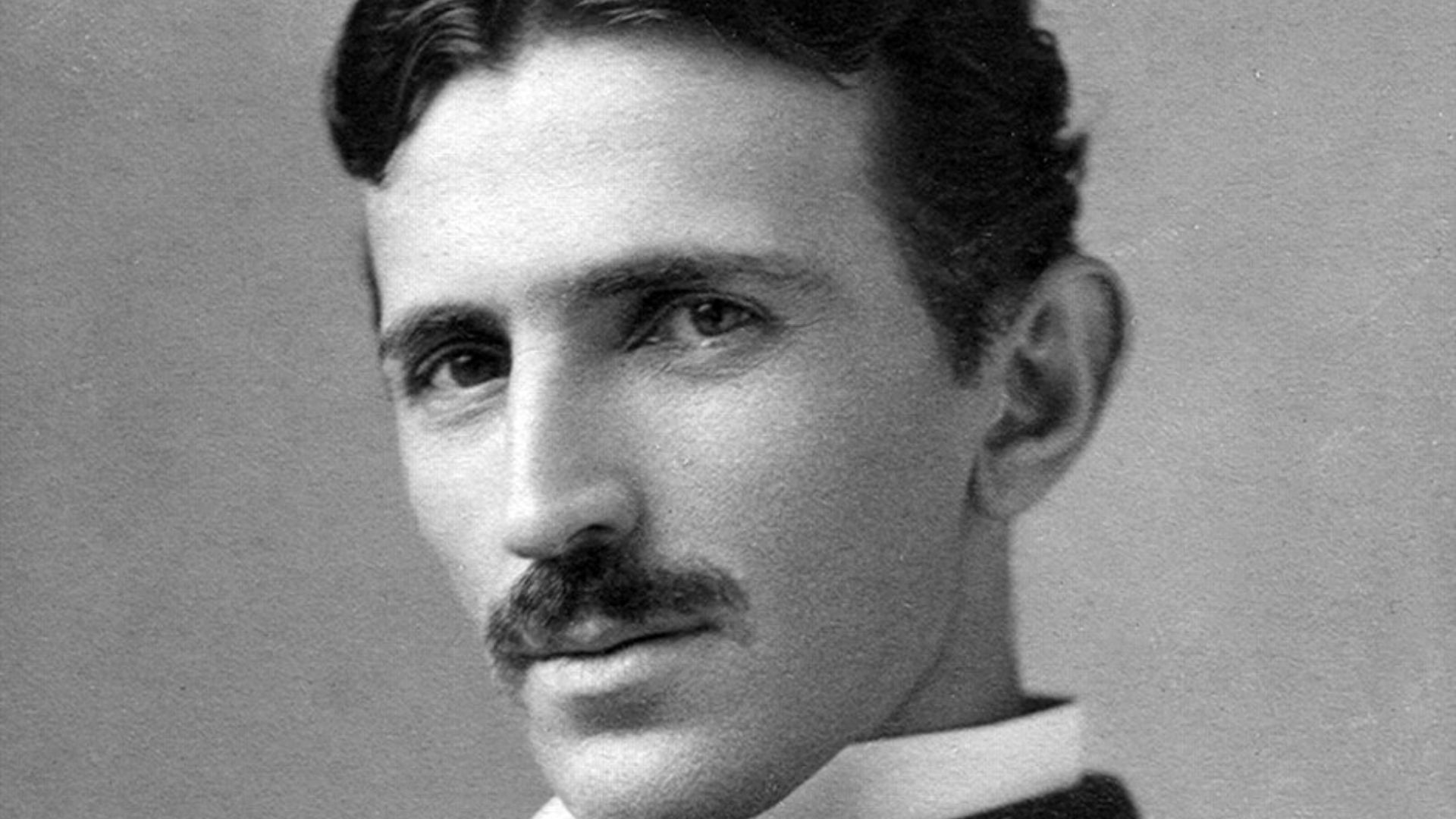
1. Thomas Edison and His Unusual Sleep Schedule
Edison was an inventor who helped develop the practical electric light bulb. Because he spent many hours working, he may have slept less than the average person. He sometimes took short naps rather than following a conventional sleep schedule, believing that he could make better use of his time by working longer.
 Unknown authorUnknown author on Wikimedia
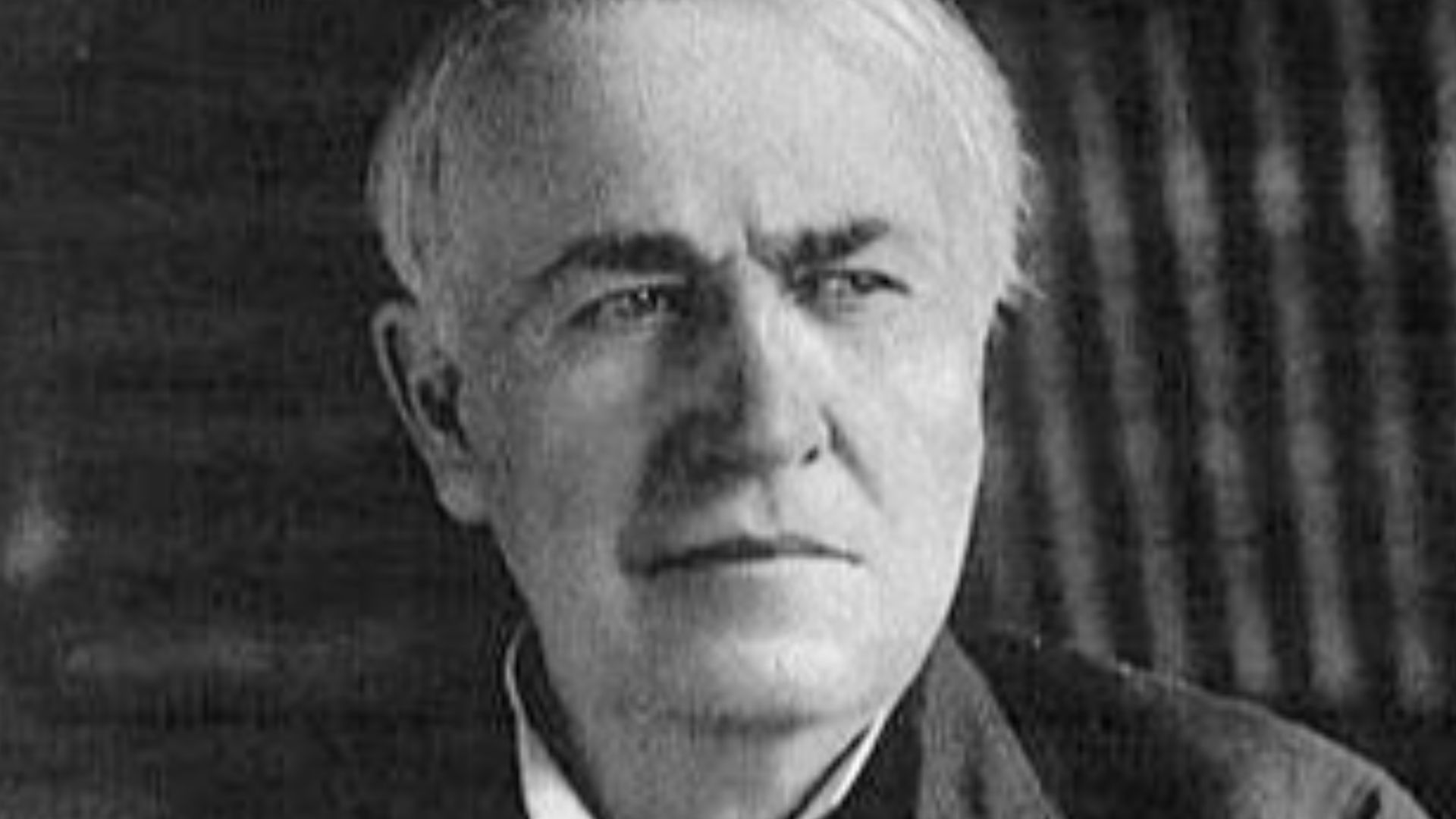
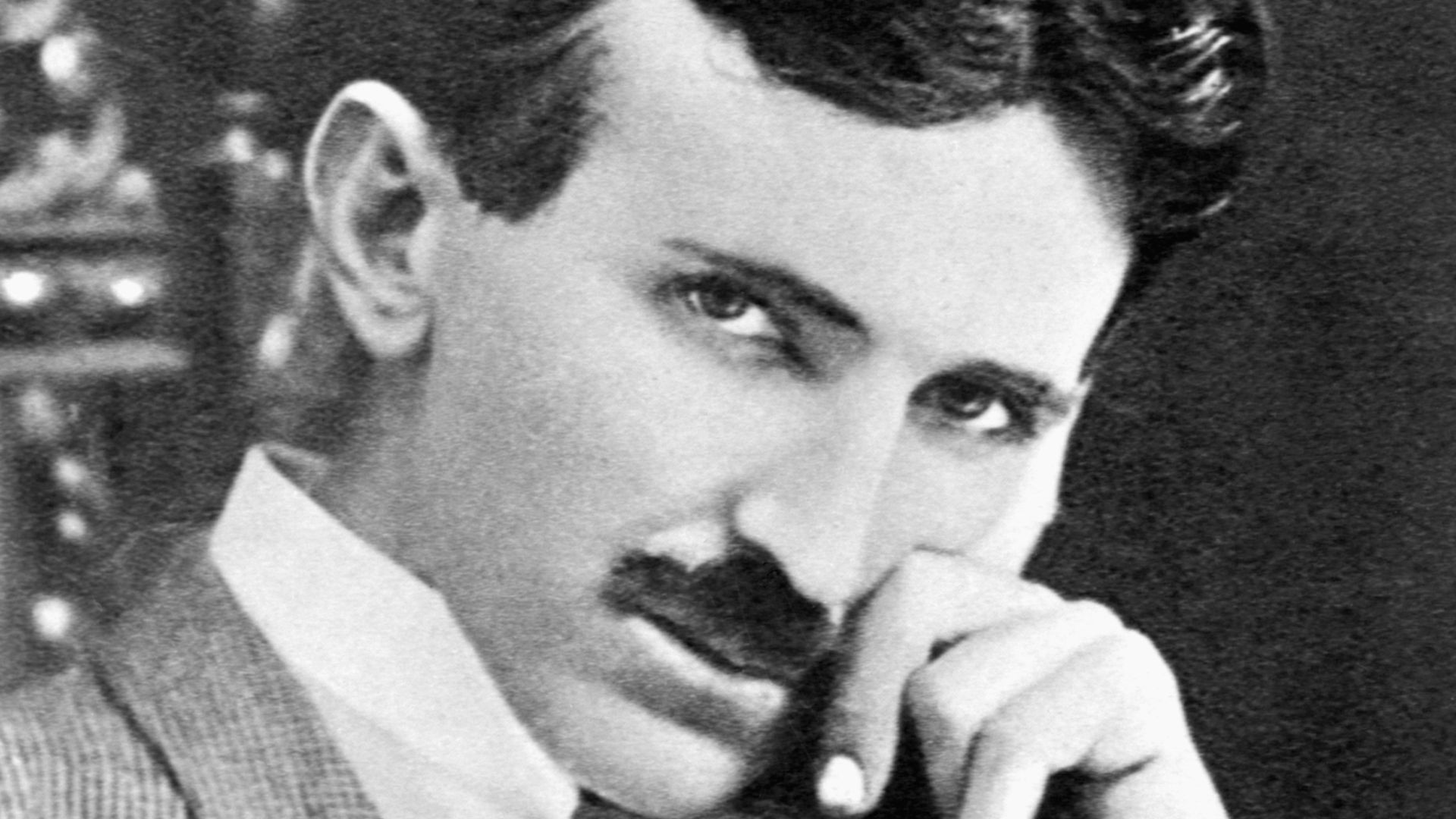
2. Nikola Tesla and His Strict Personal Rituals
Nikola Tesla was another inventor who helped develop alternating current and other forms of technology. He was a man with very specific habits that could become quite obsessive. He reportedly developed an obsession with the number three and sometimes performed actions in groups of three, while also displaying strong preferences for cleanliness and order.
 Unknown authorUnknown author on Wikimedia
3. Benjamin Franklin and His Daily Air Baths
Benjamin Franklin was an inventor who also helped establish our country. Like others on this list, he had some unusual habits. He liked to stand naked in his house and open all the windows for what he called air baths. Franklin believed this practice benefited his health, although his personal theories about wellness weren't always supported by modern medical evidence.
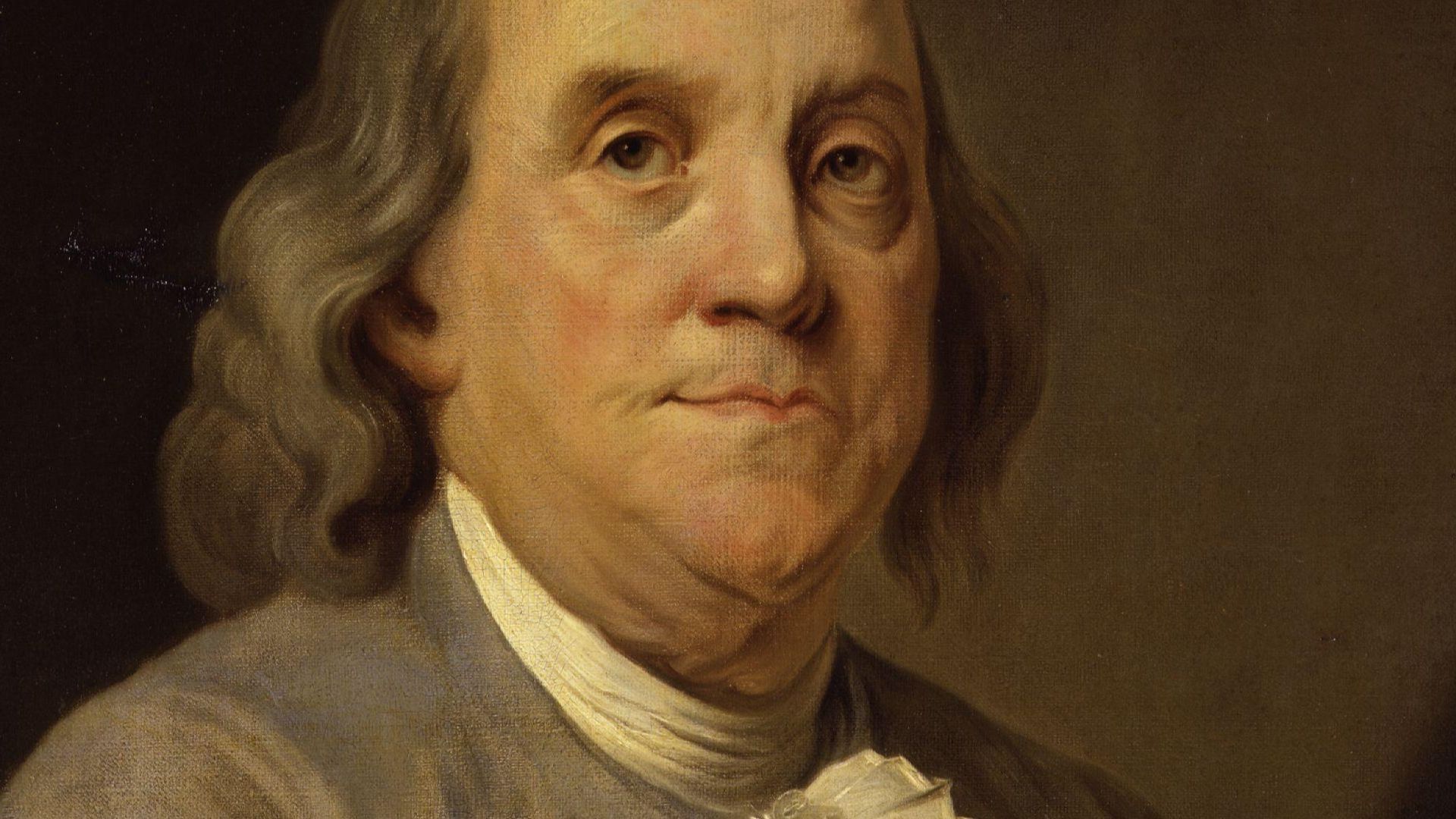 After Joseph-Siffred Duplessis on Wikimedia
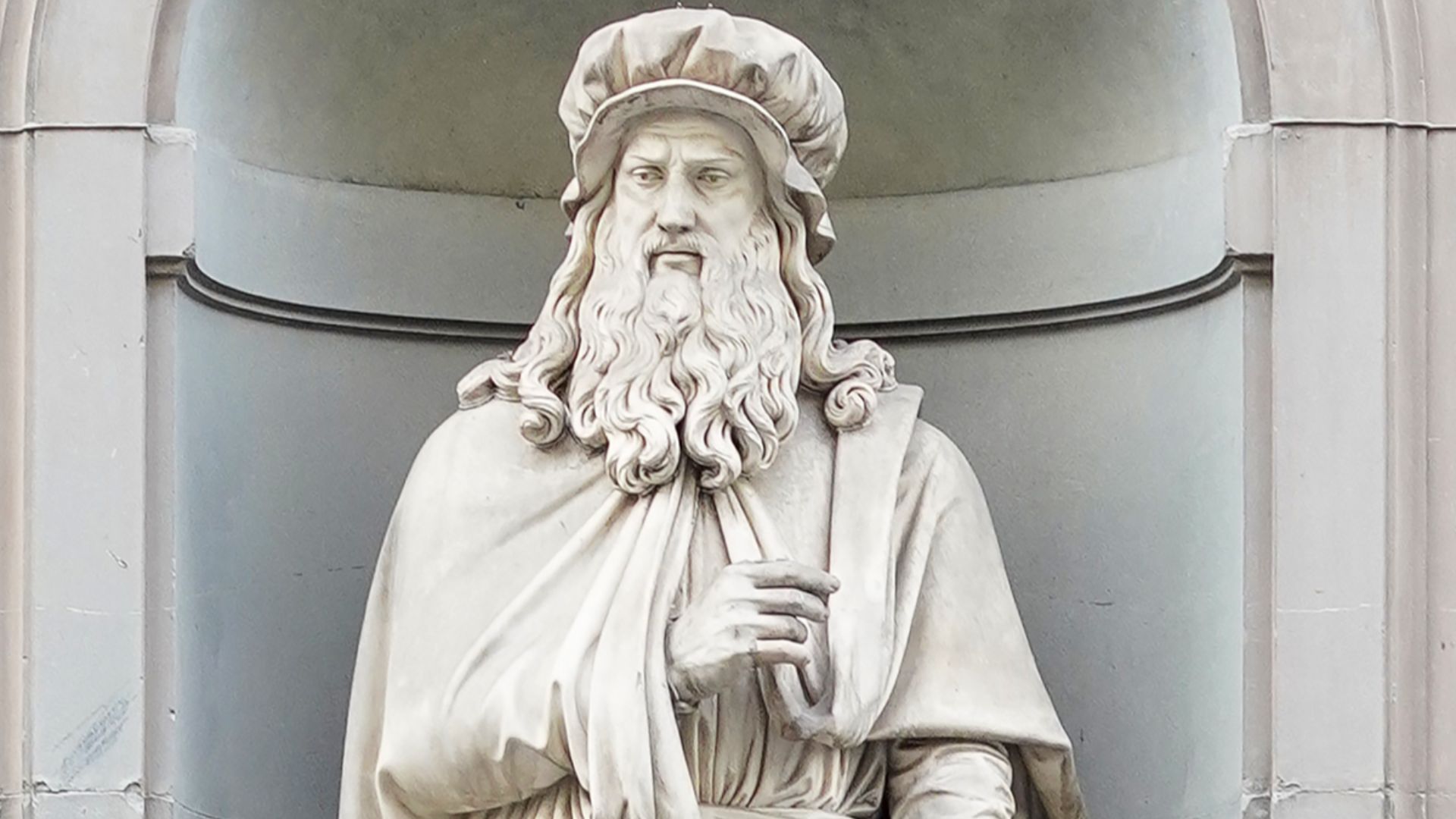
4. Leonardo da Vinci and His Experimental Sleep Patterns
Da Vinci was another inventor who spent hours thinking about different types of technology. He may have slept only a couple of hours a night, although not many historians accept claims about this unusual sleeping schedule as established fact. What is certain is that he filled his notebooks with observations, sketches, and questions, documenting ideas about everything from human anatomy to flying machines.
5. The Wright Brothers and Their Shared Problem-Solving
The Wright brothers spent years trying to figure out how birds flew. After conducting experiments with their glider, they explored ways to apply what they'd learned to powered flight. Both men had experience building bikes, so they used those skills to experiment with what it would take to make a plane fly.
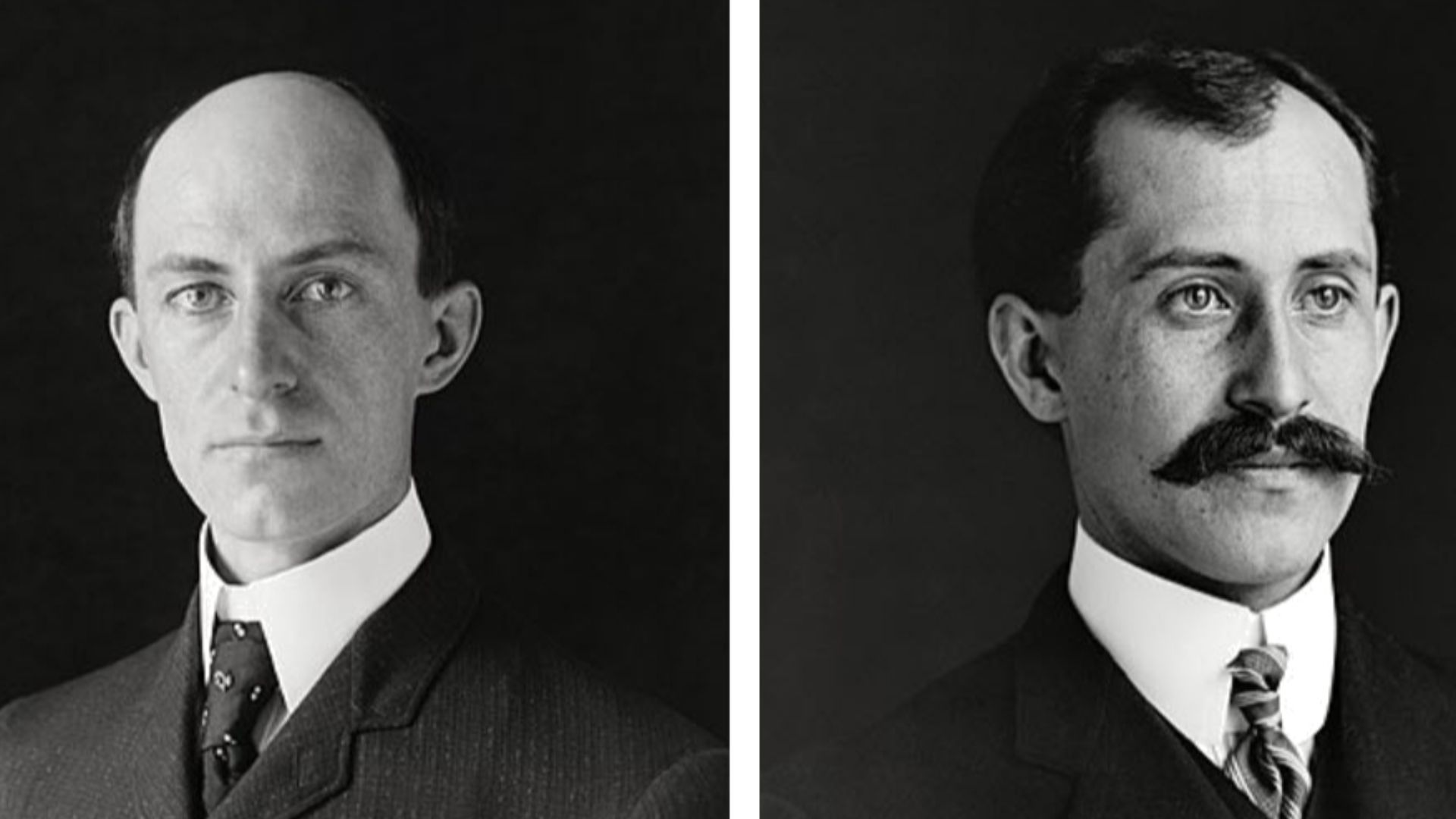 Orville Wright and Wilbur Wright (credited as photographers) [1], [2], [3] on Wikimedia
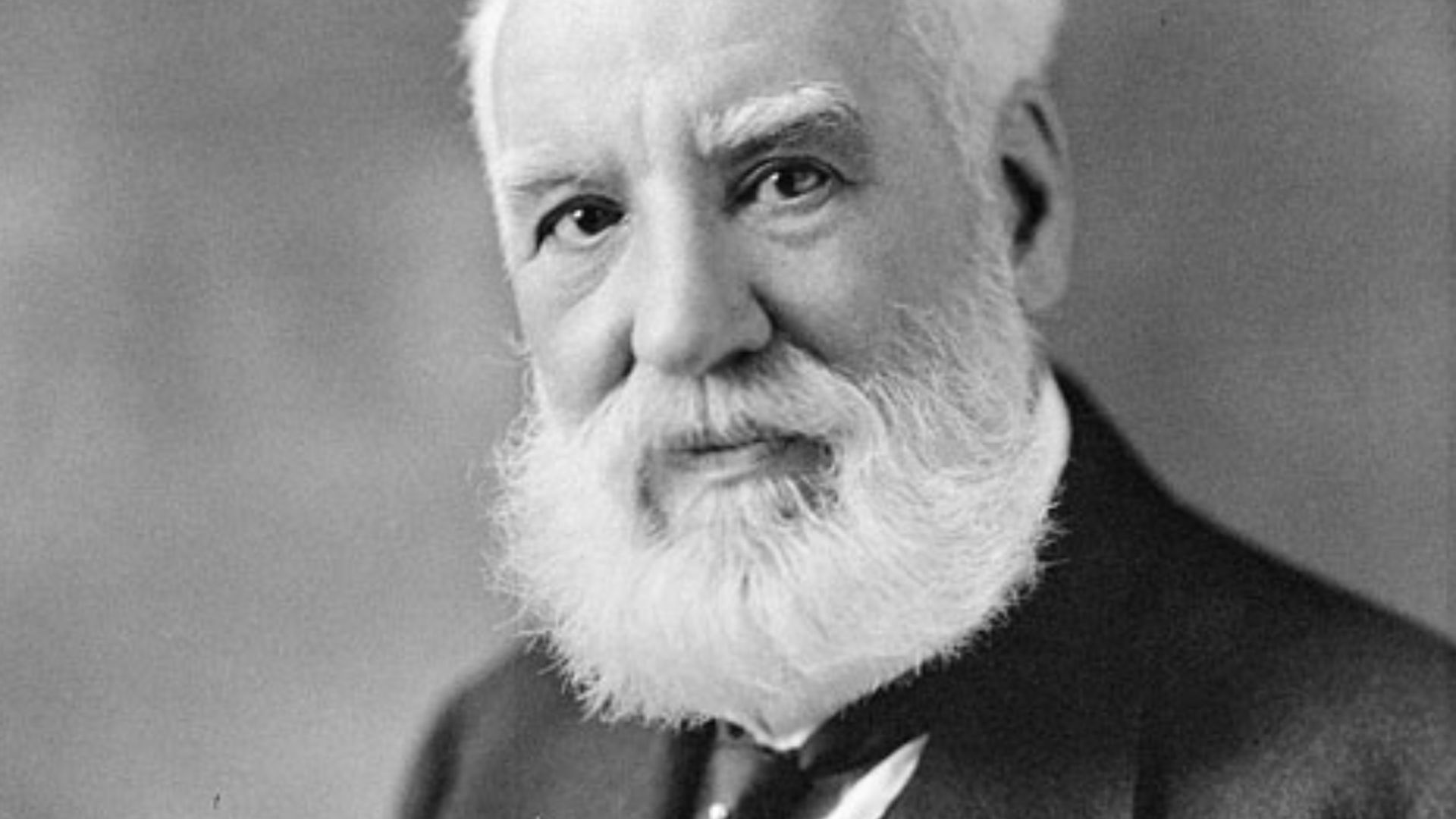
6. Alexander Graham Bell and His Experiments With Sound
Alexander Graham Bell is best known for his work on the telephone. As he grew older, he became increasingly interested in the ability of humans to communicate through speech. His work included experiments involving hearing, speech instruction, and devices that could transmit sound electronically. Bell also reportedly conducted experiments with visible speech patterns, reflecting his determination to understand how spoken language could be represented and reproduced.
7. Hedy Lamarr and Her Inventive Side Projects
Hedy Lamarr wasn't just a beautiful actress; she also had a love for technology and wanted to learn more. She helped develop an idea for a frequency-hopping communication system designed to prevent enemy interference with radio-controlled torpedoes. She also pursued inventive ideas outside her acting career, demonstrating that her interests extended well beyond Hollywood.
 MGM / Clarence Bull on Wikimedia
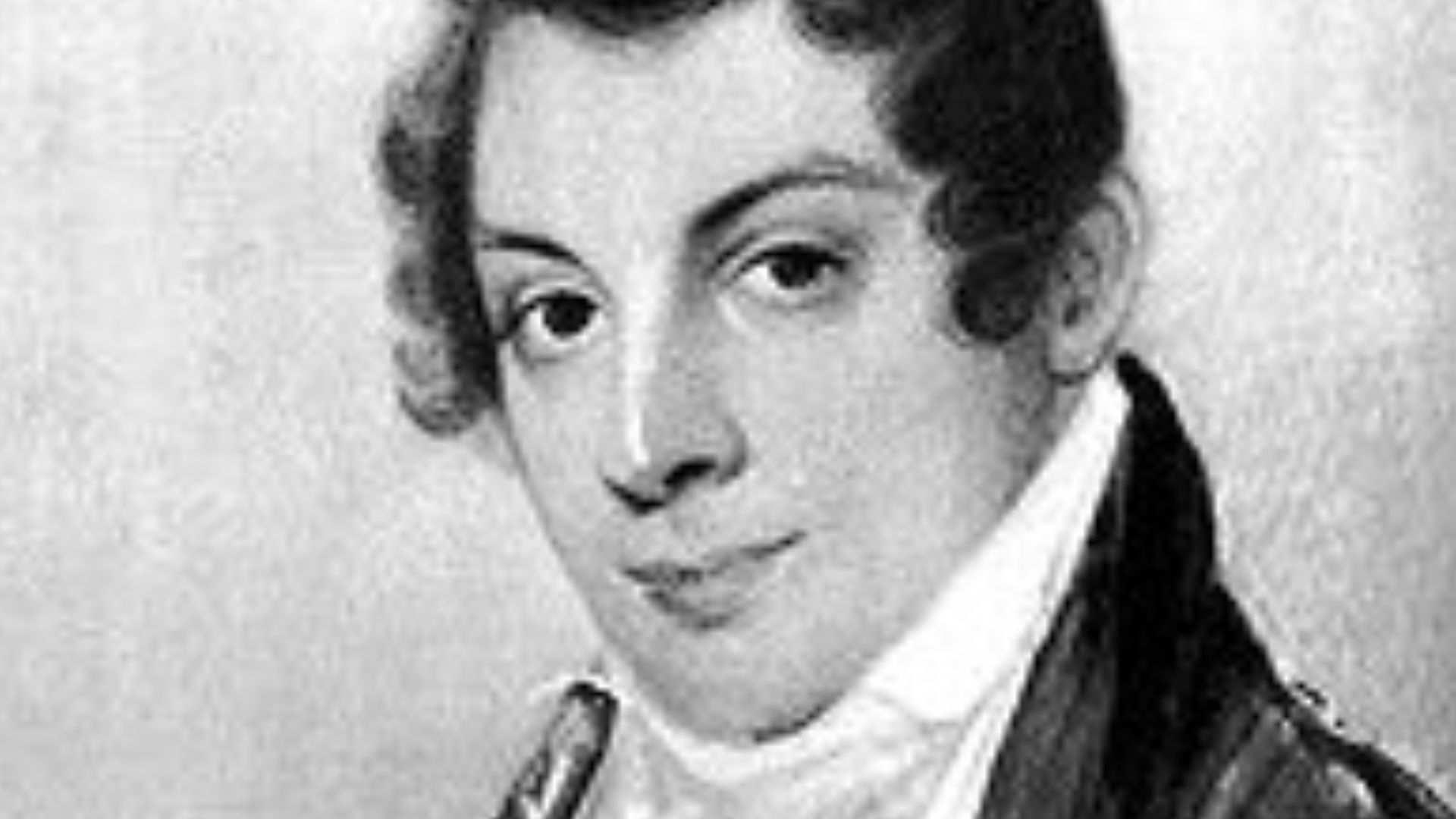
8. Samuel Morse and His Artistic Pursuits
Before Samuel Morse helped develop the telegraph, he was known as a painter who created portraits of others. He spent many years painting before turning his attention to electrical communication. His work helped lead to the development of Morse code, which allowed people to communicate over long distances.
 Luestling~commonswiki on Wikimedia
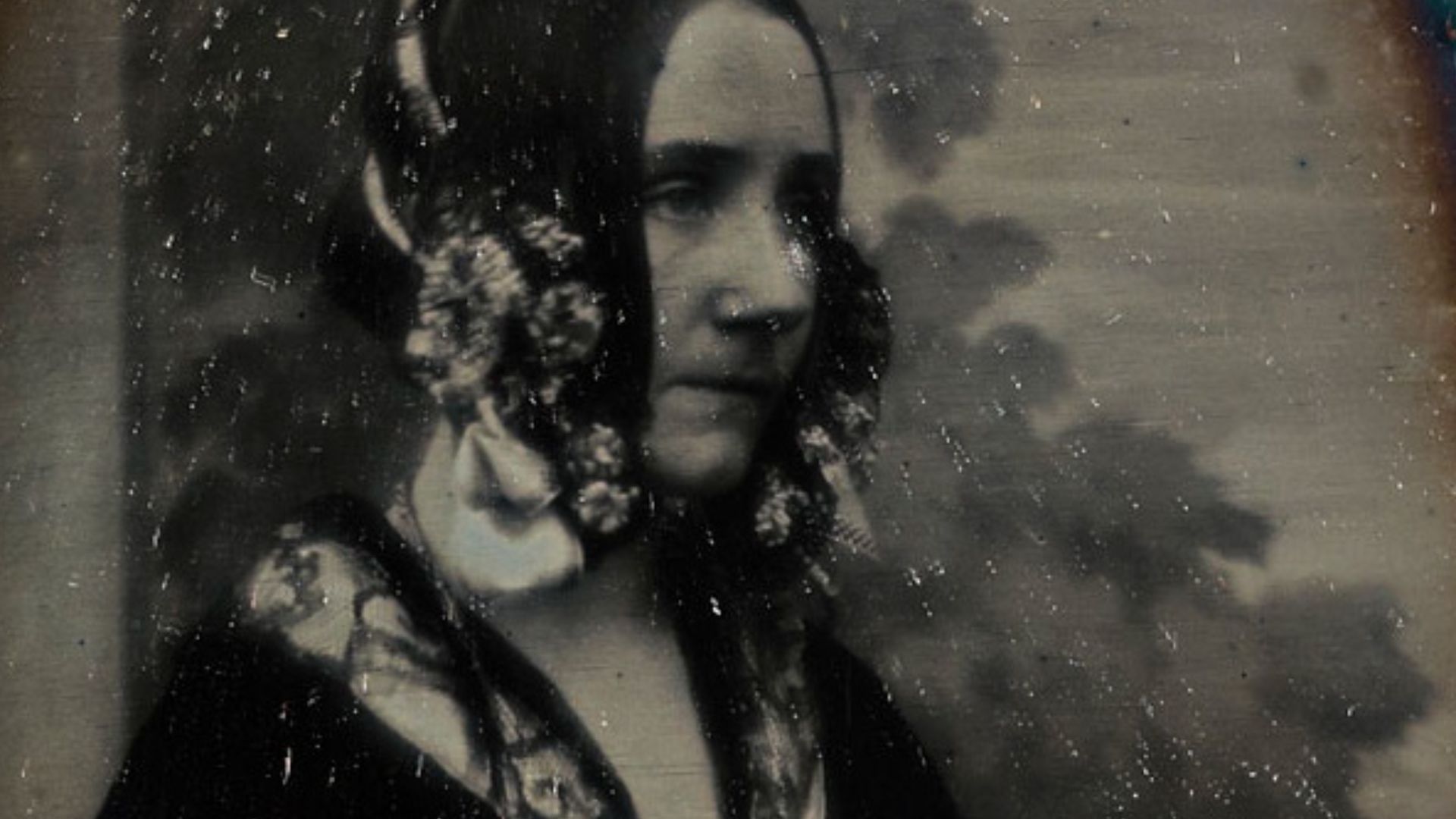
9. Ada Lovelace and Her Mathematical Imagination
Ada Lovelace wrote what is widely recognized as the first published algorithm intended for Charles Babbage's proposed Analytical Engine, a mechanical computer that he was developing. She believed that imagination played an important role in mathematics and wrote about how the two could work hand in hand. She took this idea further by exploring how a machine might manipulate symbols and potentially work with things beyond numerical calculations.
10. James Watt and His Habit of Careful Observation
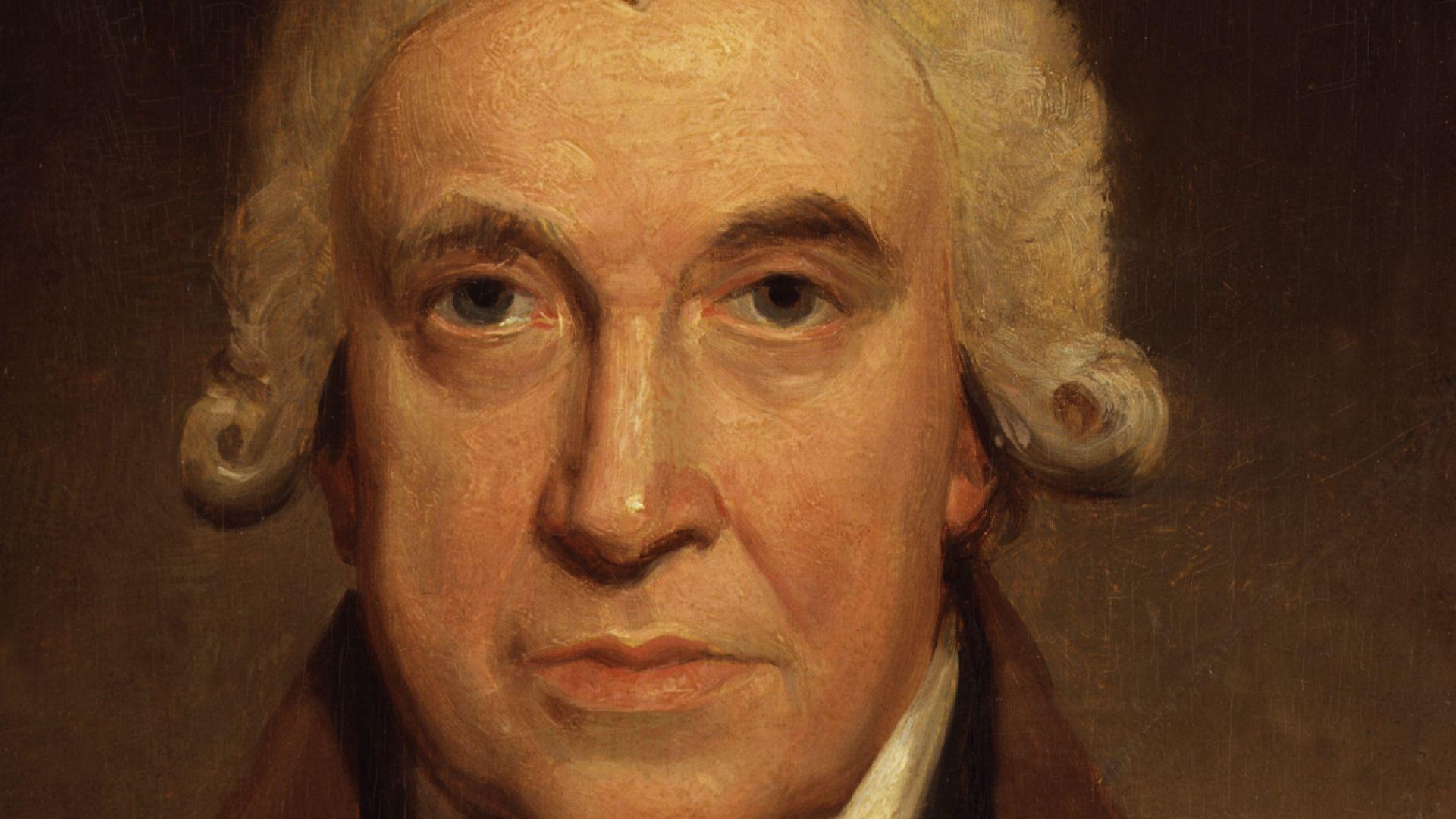
James Watt helped improve the steam engine. He studied existing steam-engine designs and looked for areas that could be improved. Finding ways to reduce wasted heat was one of his major accomplishments. His habit of studying the details of existing technology helped him identify opportunities for improvement, eventually leading to a much more efficient steam engine design.
11. Archimedes and His Love of Mathematical Puzzles
One story about Archimedes says he once forgot to eat and sleep while working on one of his ideas. Although some stories about his personal habits may be exaggerated, we know he made important contributions to mathematics and the study of how objects move. Many of his mathematical principles have stood the test of time.

12. Johannes Gutenberg and His Printing Experiments
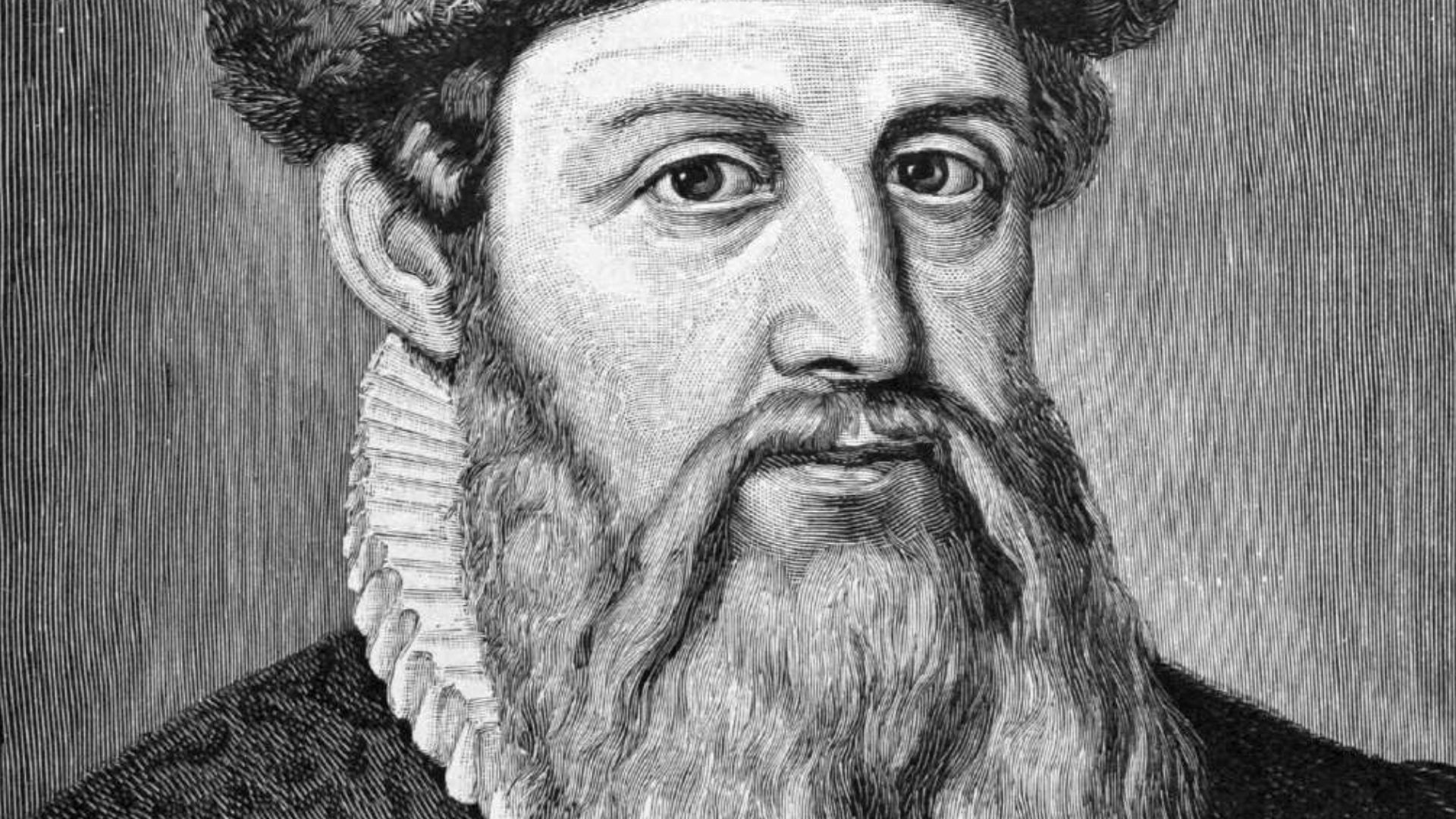
Johannes Gutenberg helped develop the movable-type printing press in Europe. By finding the right materials and refining the printing process, he helped make it possible to produce written works much faster than they could be copied by hand. No one really knows how he learned everything he needed to know or how he spent his time outside his printing work. Gutenberg's achievement depended on practical trial and error, even though detailed accounts of his private working habits haven't survived.
13. John Harrison and His Obsession With Accurate Time
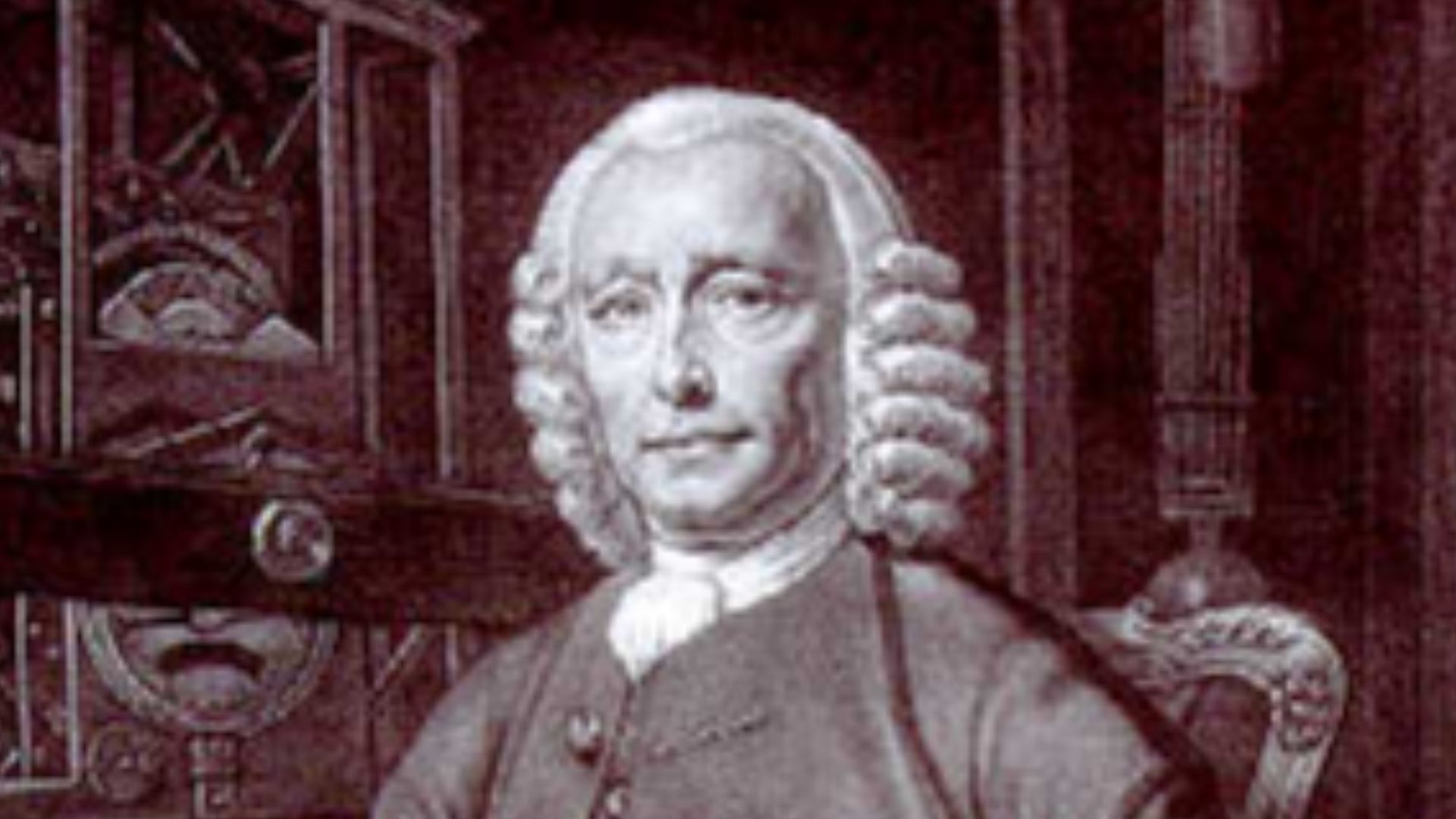
When ships went out to sea, they sometimes struggled to determine their exact locations because sailors couldn't accurately calculate longitude. Harrison set out to solve this problem by developing a clock that could keep accurate time aboard a moving ship, even under changing conditions. His marine chronometers helped sailors determine their longitude more accurately while at sea.
14. Alfred Nobel and His Relentless Inventing
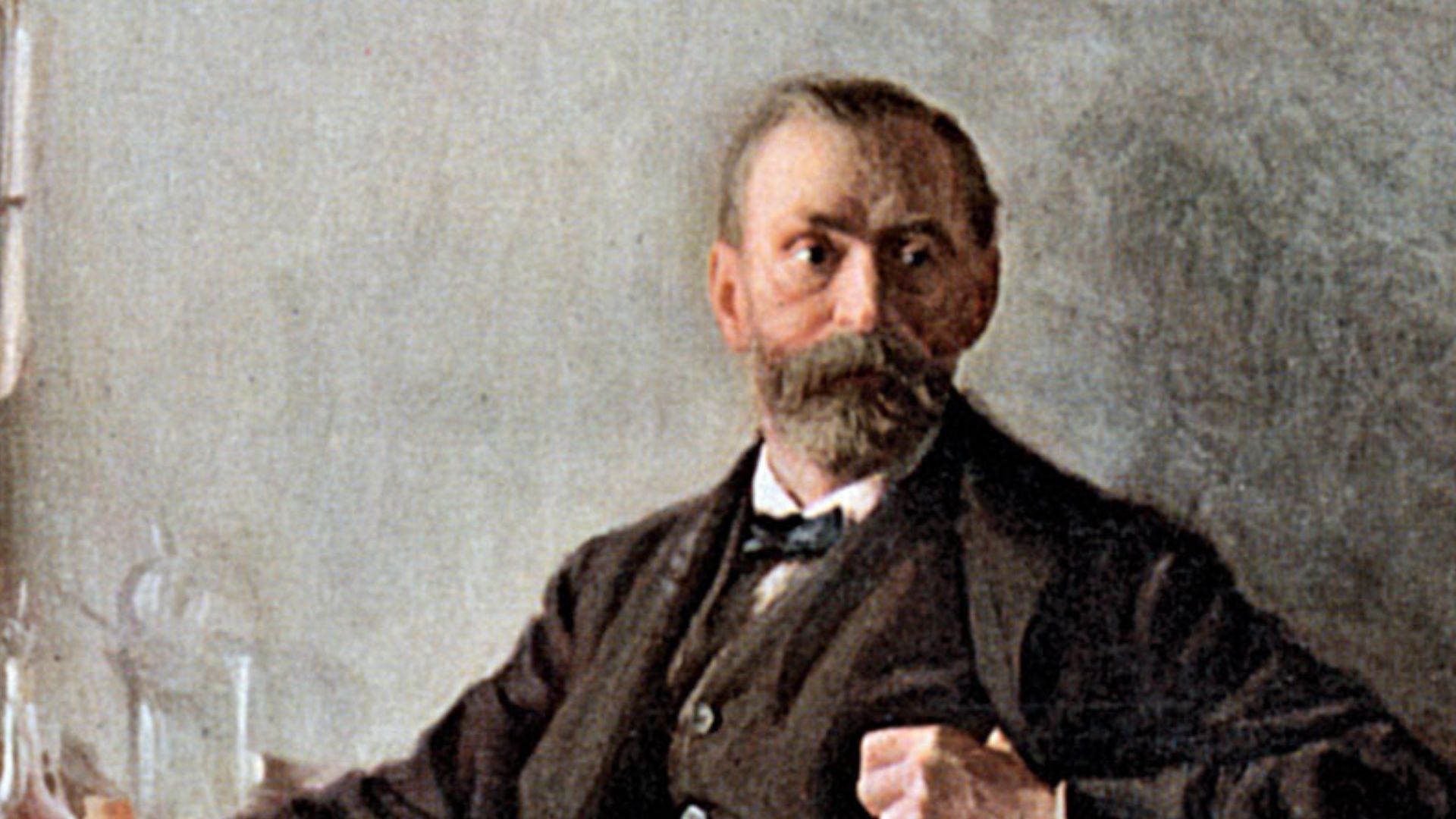
Alfred Nobel was another inventor who couldn't sit still. He found ways to create useful products and continued to patent his inventions. Some accounts of his life suggest that he was constantly working on something new. His demanding professional life was also accompanied by literary interests, including writing poetry and plays, pursuits that reveal a side of Nobel that his industrial achievements often overshadow.
15. Marie Curie and Her Tireless Laboratory Work
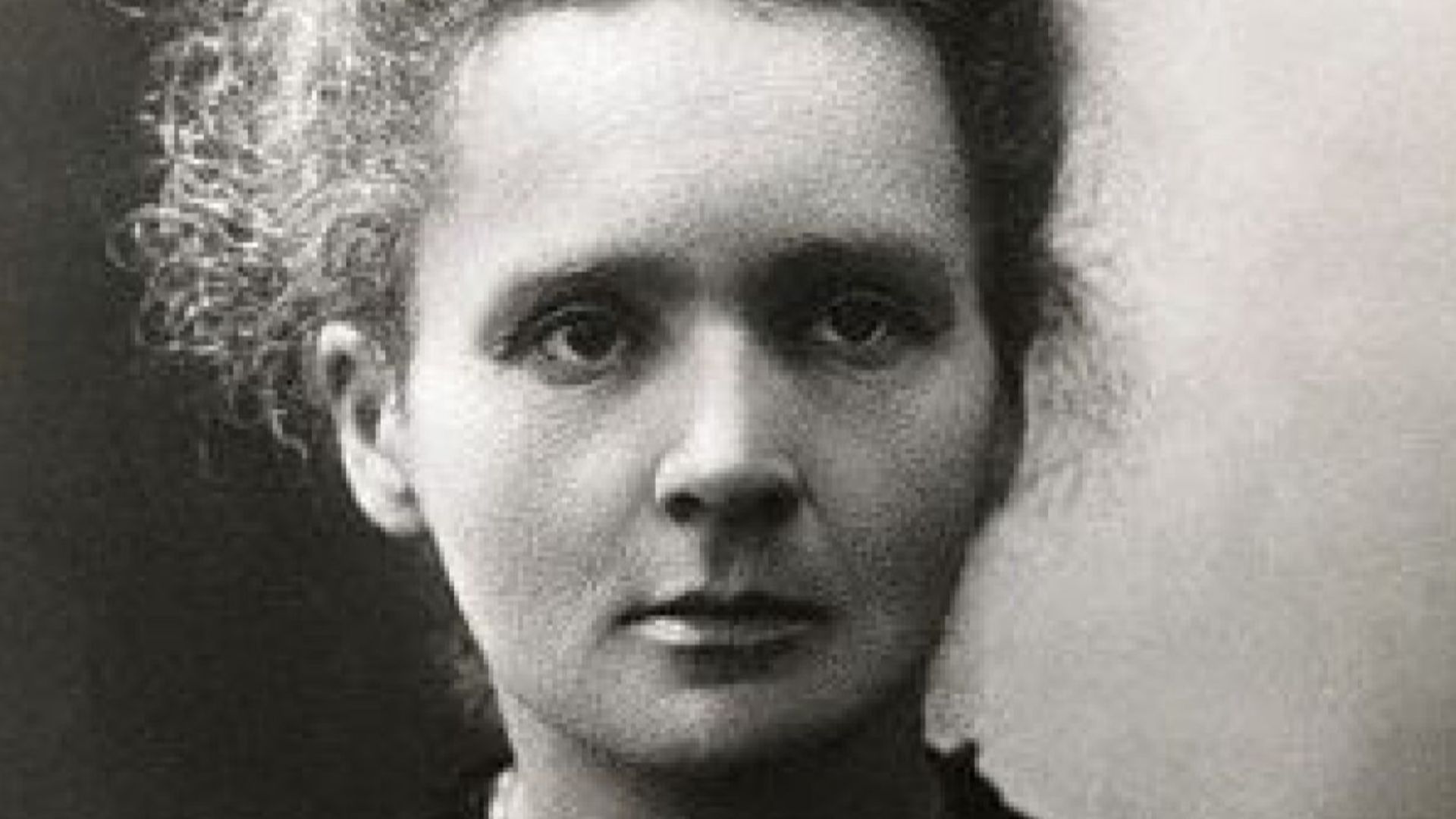
Marie Curie and her husband, Pierre, discovered the radioactive elements polonium and radium. She spent many hours in her laboratory studying radioactive materials and developing methods to isolate these elements from mineral samples. Curie's determination was extraordinary, although the limited safety precautions of her era exposed her and other researchers to dangerous radiation.
 Unknown authorUnknown author on Wikimedia
16. Garrett Morgan and His Practical Problem-Solving
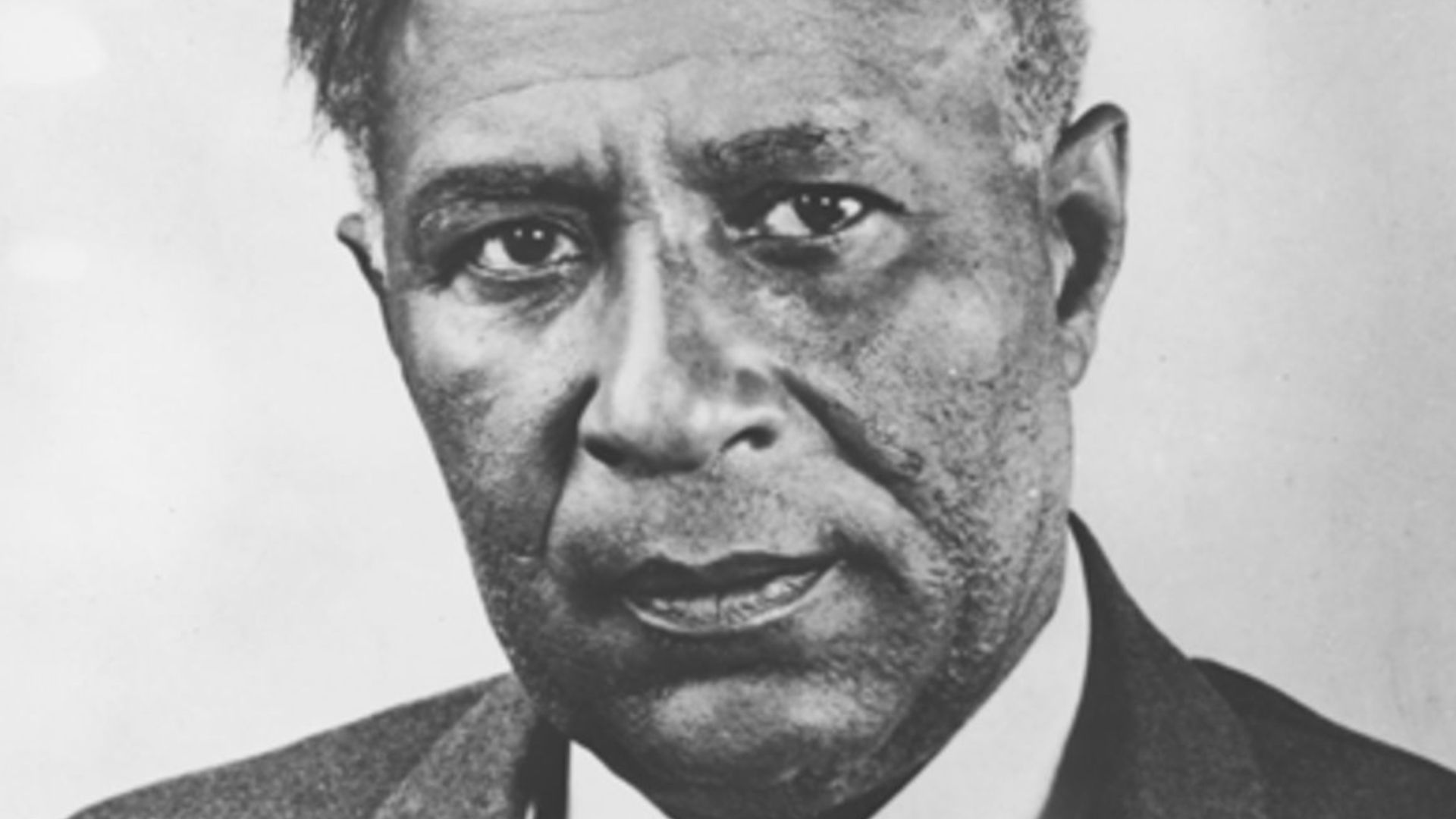
Garrett Morgan was another inventor who wanted to find solutions to everyday problems. He developed an improved traffic signal that included a warning position between the stop and go signals, helping drivers and pedestrians navigate intersections more safely. Morgan often looked for opportunities to solve everyday challenges, applying his mechanical skills to situations where a better design could make a meaningful difference.
 Unknown authorUnknown author on Wikimedia
17. Mary Anderson and Her Attention to Everyday Problems
Mary Anderson noticed that people driving in snowy and rainy conditions had trouble seeing through their windshields. While visiting New York City, she observed this problem and took note of it. Her response was to design a manually operated windshield-wiping device that could clear the glass without requiring the driver to leave the vehicle.
 film screenshot (Richard A. Rowland Productions) on Wikimedia
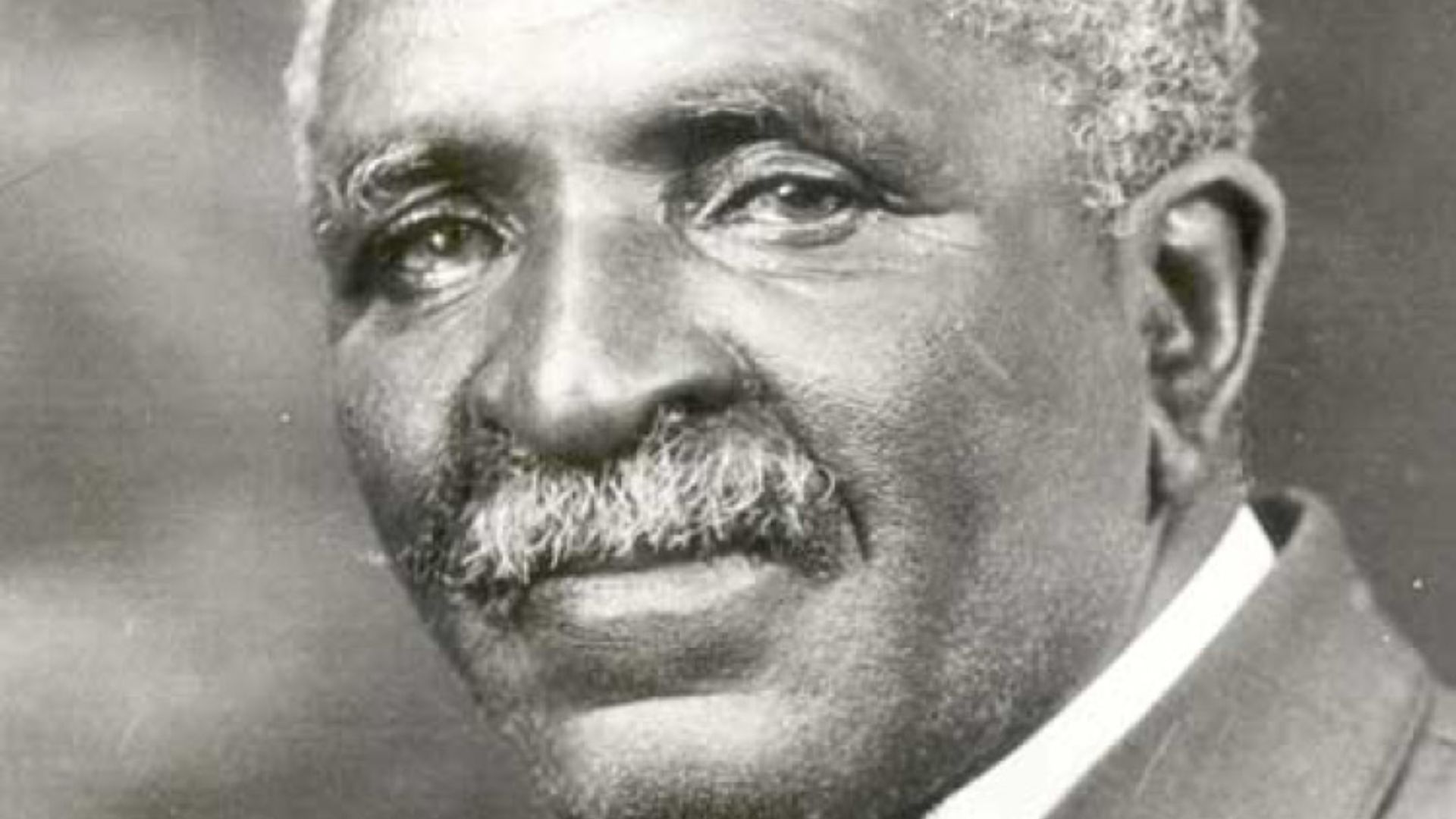
18. George Washington Carver and His Curiosity About Plants
George Washington Carver was an agricultural scientist and inventor who investigated ways to improve farming and make better use of crops. He was known for his work with peanuts and for finding ways farmers could benefit from them. He also had a fascination with plants and collected them throughout his life.
19. Dean Kamen and His Constant Inventing
Dean Kamen, the inventor and entrepreneur behind devices such as the Segway and portable medical technologies, has devoted much of his life to engineering projects. He has spent countless hours working on projects that allow him to continue learning and creating. One might assume that an inventor only works when inspiration strikes, but Kamen's many interests and projects demonstrate his continued commitment to innovation.
 Airman 1st Class Keenan Berry on Wikimedia
20. Steve Jobs and His Unusual Work Philosophy
Steve Jobs, the co-founder of Apple, was known for his distinctive approach to product development and his intense attention to design. He sometimes used long walks to think through problems and was famous for holding walking meetings rather than conducting every discussion around a conference table. Jobs also embraced minimalist design in his personal and professional preferences, a philosophy that became closely associated with Apple's approach to technology.