20 Famous Negative Speeches That Altered Public Opinion Overnight
When Words Shift Perception Instantly
Speeches are often remembered for inspiring change, but some have had the opposite effect, reshaping public opinion in ways that caused backlash, fear, or long-term consequences. In many cases, a single address shifted how people viewed a leader, a policy, or even an entire conflict almost immediately. You may recognize some of these moments not because they were admired, but because of how quickly they changed the public mood. These 20 speeches serve as reminders that words don’t just reflect history, they actively shape it.
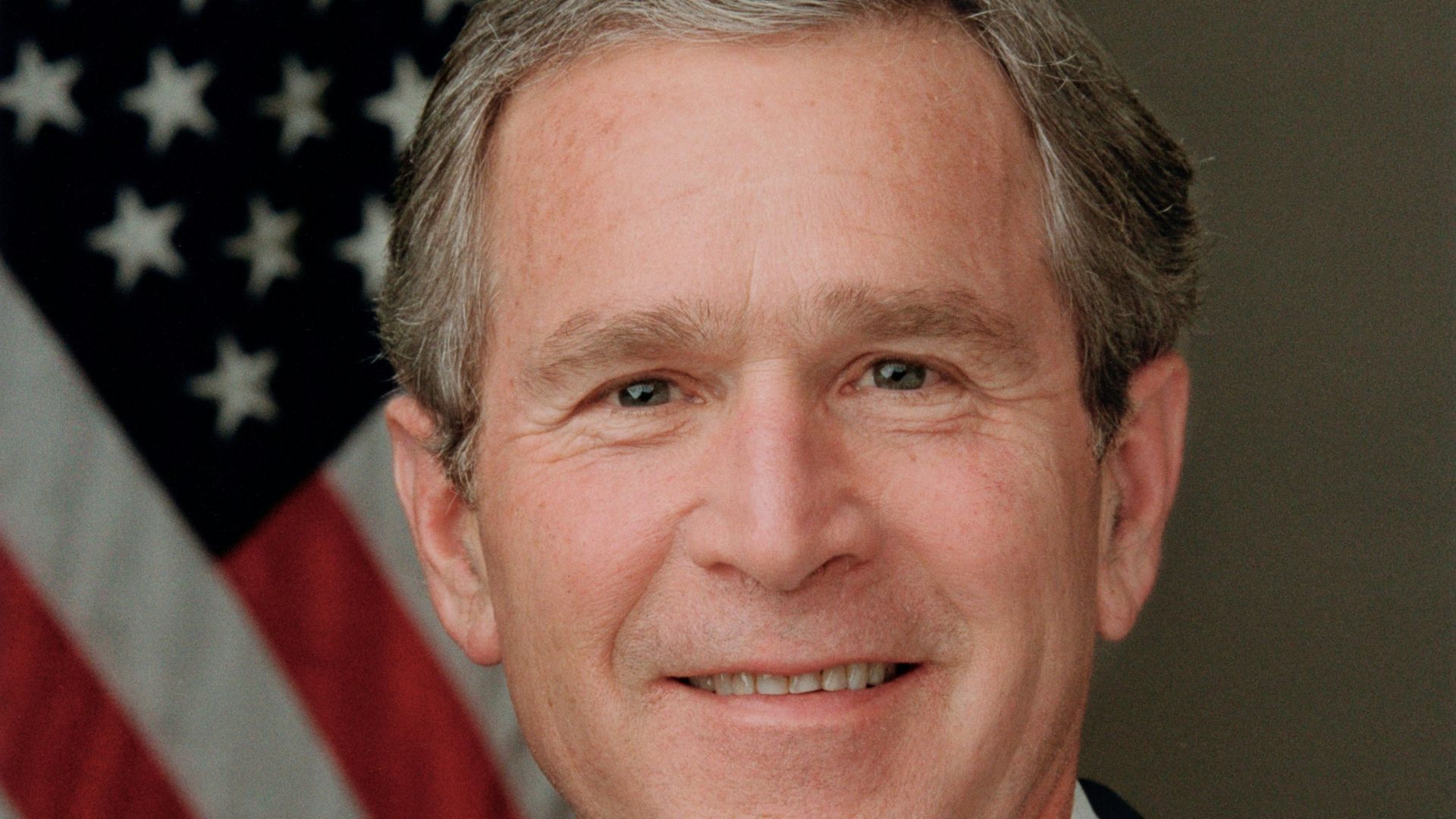
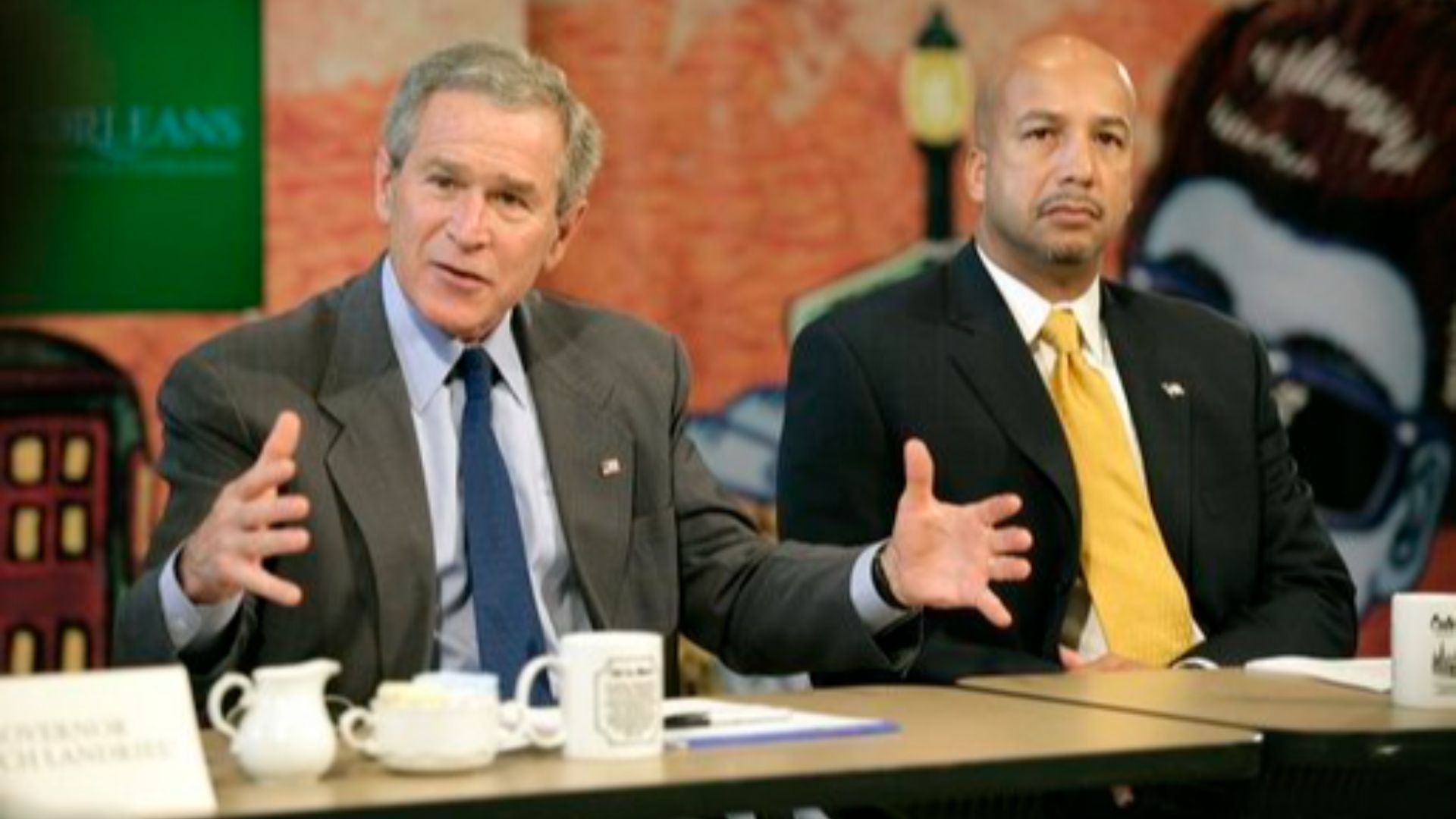
1. George W. Bush’s “Mission Accomplished” (2003)
President Bush declared major combat operations in Iraq over while standing beneath a “Mission Accomplished” banner. The statement quickly became controversial as the war continued for years afterward. Many critics saw it as premature and misleading. Public confidence in the administration’s messaging was significantly affected.
 Library of Congress on Unsplash
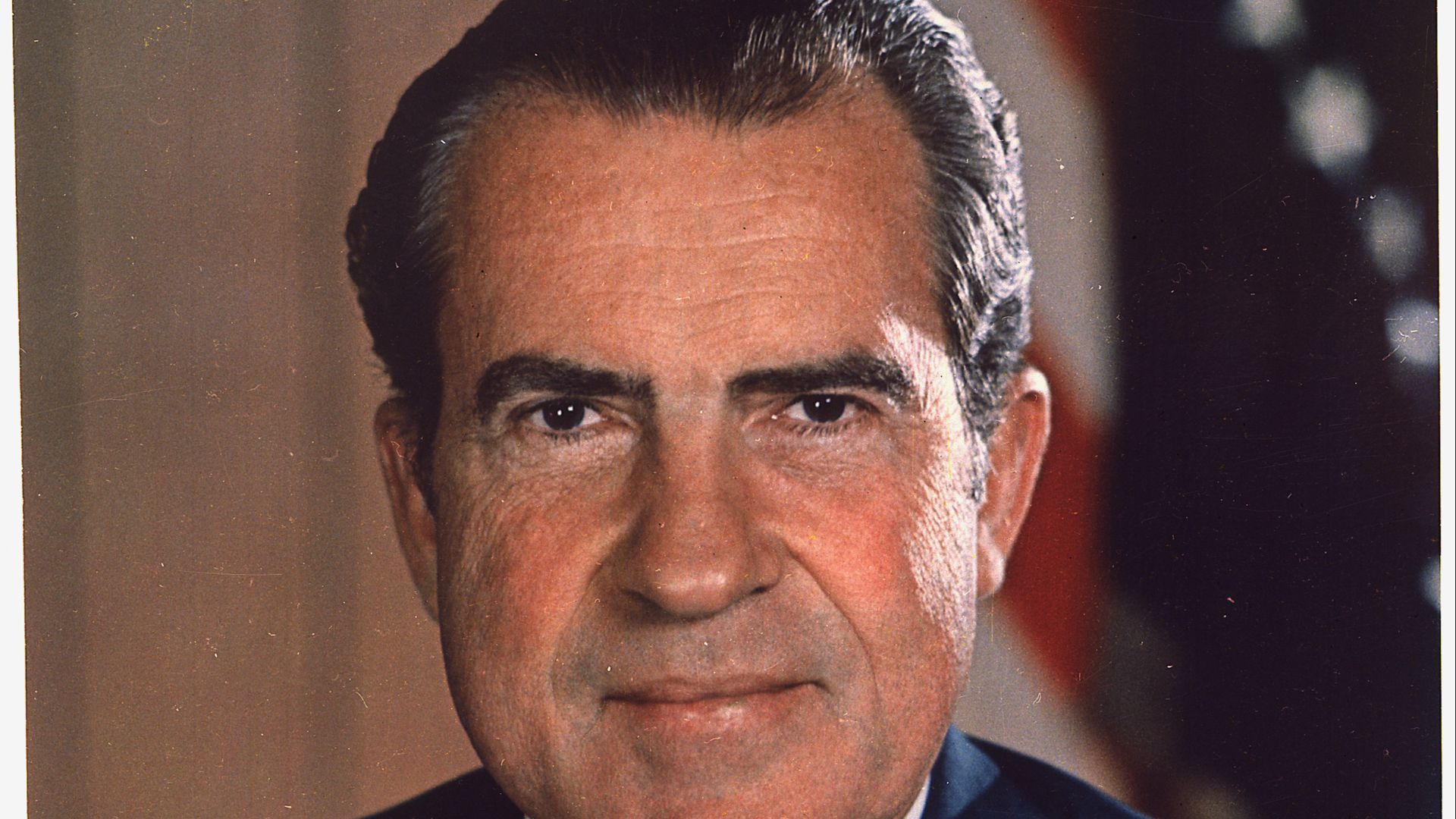
2. Richard Nixon’s “Checkers Speech” Fallout (1952)
Although intended to defend himself, Nixon’s speech about a campaign fund scandal created mixed reactions. While it saved his political career at the time, it also cemented a perception of defensiveness. You can see how it shaped his public image for decades and introduced doubts that never fully disappeared.
 Unknown authorUnknown author or not provided on Wikimedia
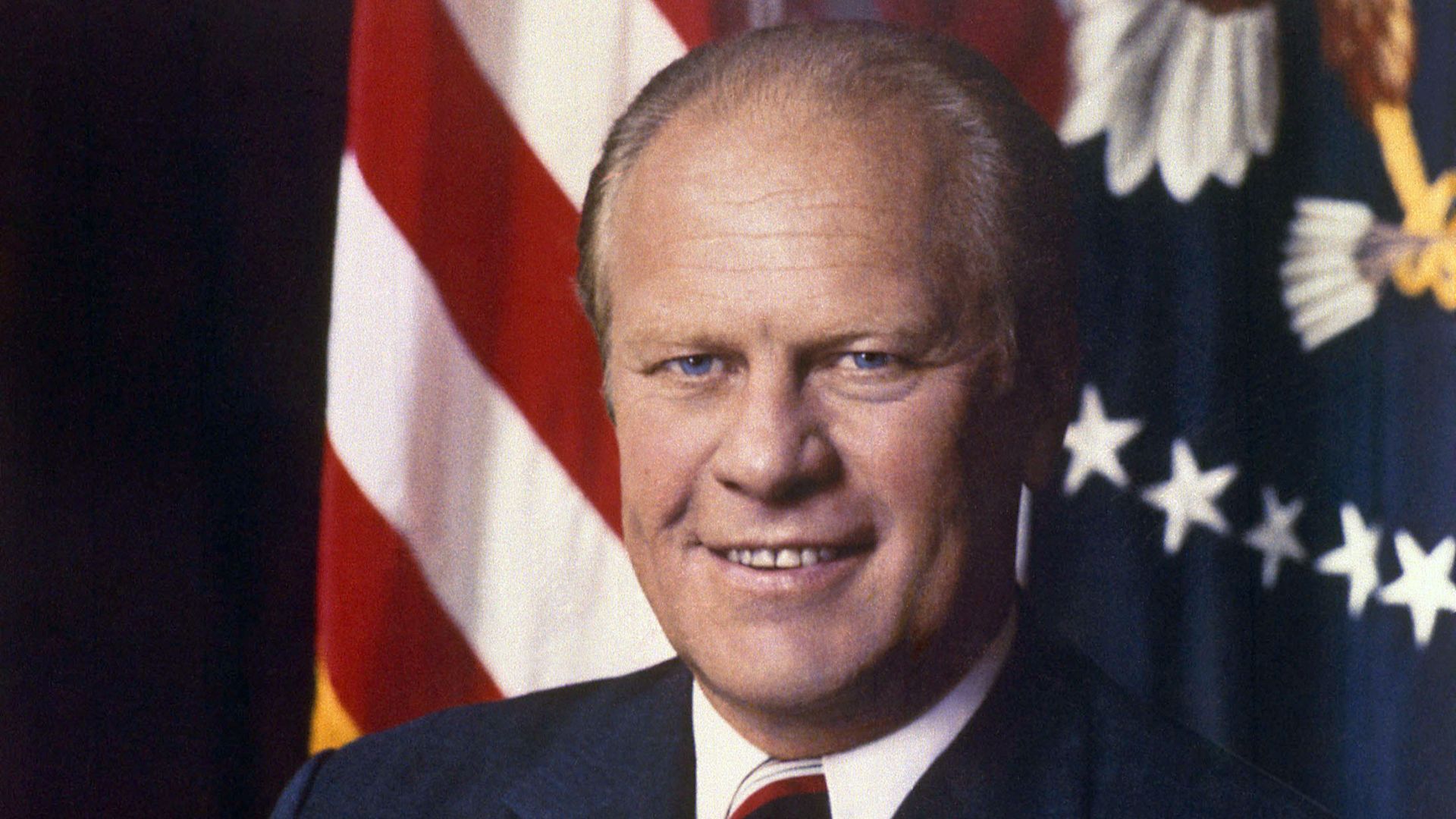
3. Gerald Ford’s “There Is No Soviet Domination” (1976)
During a presidential debate, Ford claimed Eastern Europe was not under Soviet domination. The statement contradicted widely accepted geopolitical realities. It immediately damaged his credibility. Many voters began questioning his grasp of foreign policy.
 David Hume Kennerly on Wikimedia
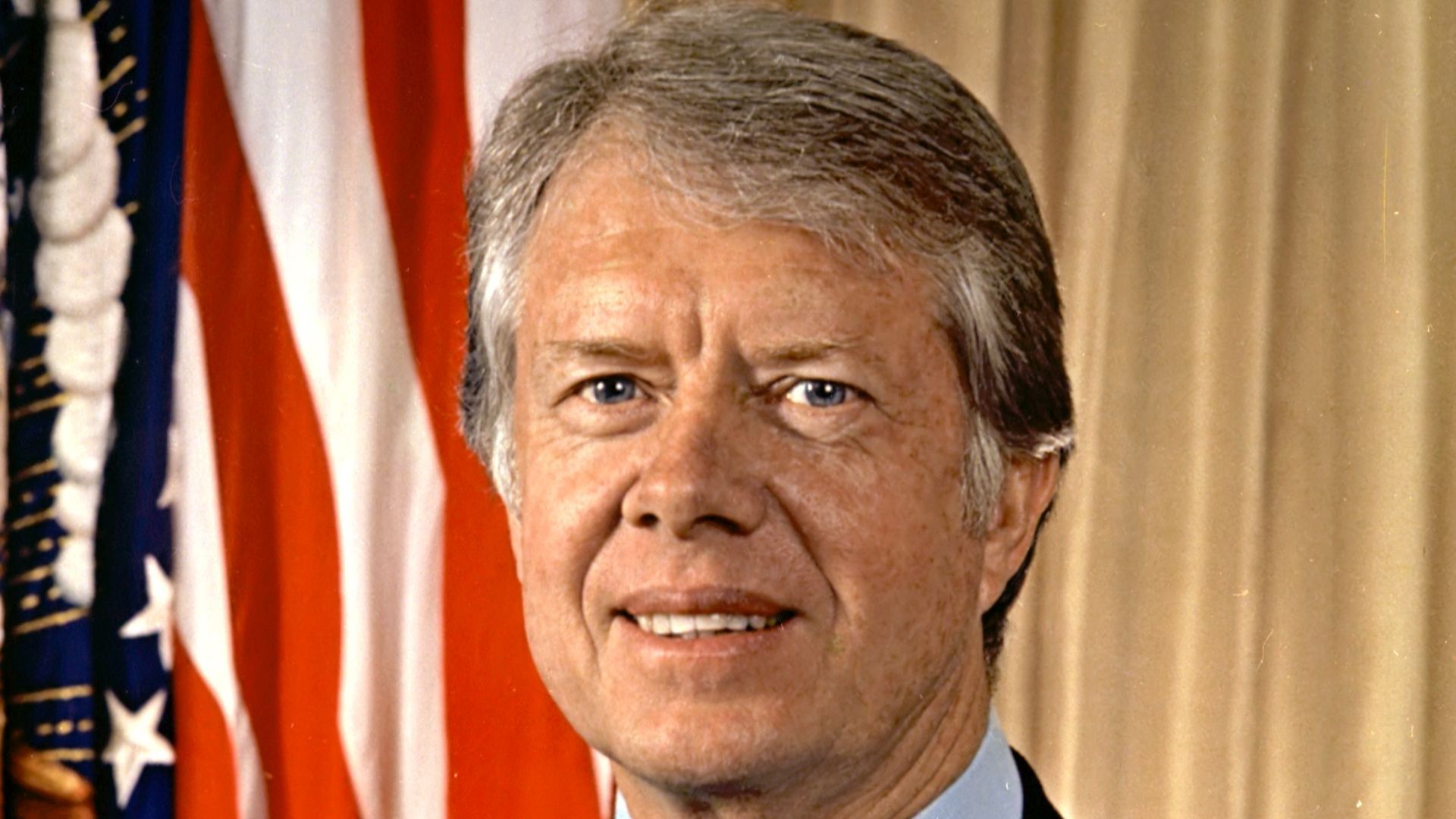
4. Jimmy Carter’s “Crisis of Confidence” (1979)
Carter addressed economic struggles and national morale in a speech that was meant to be honest. However, many Americans interpreted it as blaming the public rather than offering solutions. The tone felt pessimistic to listeners and contributed to declining approval ratings.
 Department of Defense. Department of the Navy. Naval Photographic Center on Wikimedia
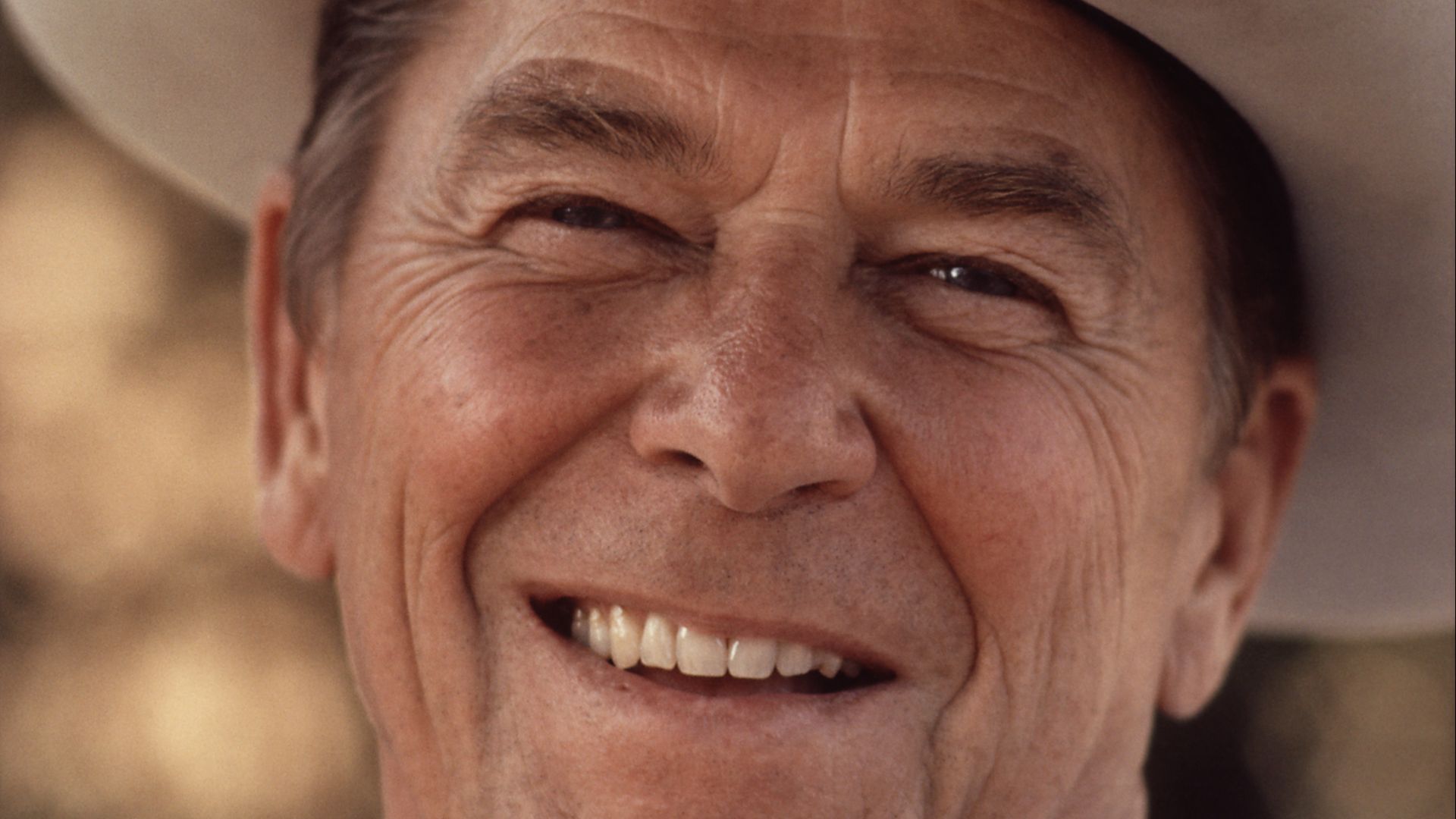
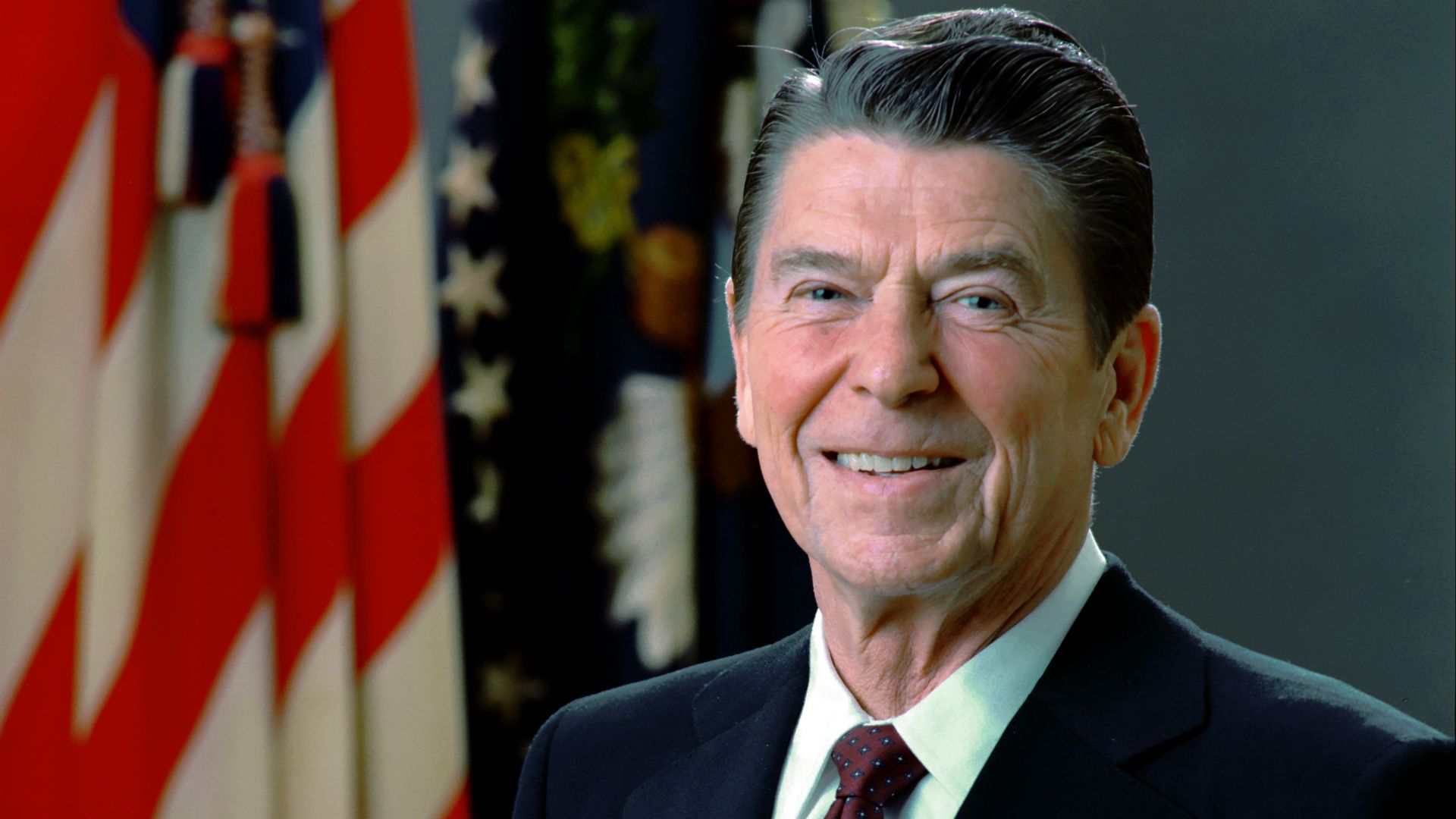
5. Ronald Reagan’s “Trees Cause Pollution” Remark (1981)
Reagan suggested that trees contribute more to pollution than automobiles. The comment drew criticism from environmental groups and scientists and made environmental policy discussions more contentious. Public perception of his administration’s environmental stance shifted quickly.
6. George W. Bush’s “Axis of Evil” (2002)
Bush labeled Iraq, Iran, and North Korea as an “axis of evil” in a State of the Union address. The phrase reframed U.S. foreign policy in stark terms. It increased global tensions and shaped public support for a more aggressive stance. Despite being rooted in some truth, the wording became widely debated.
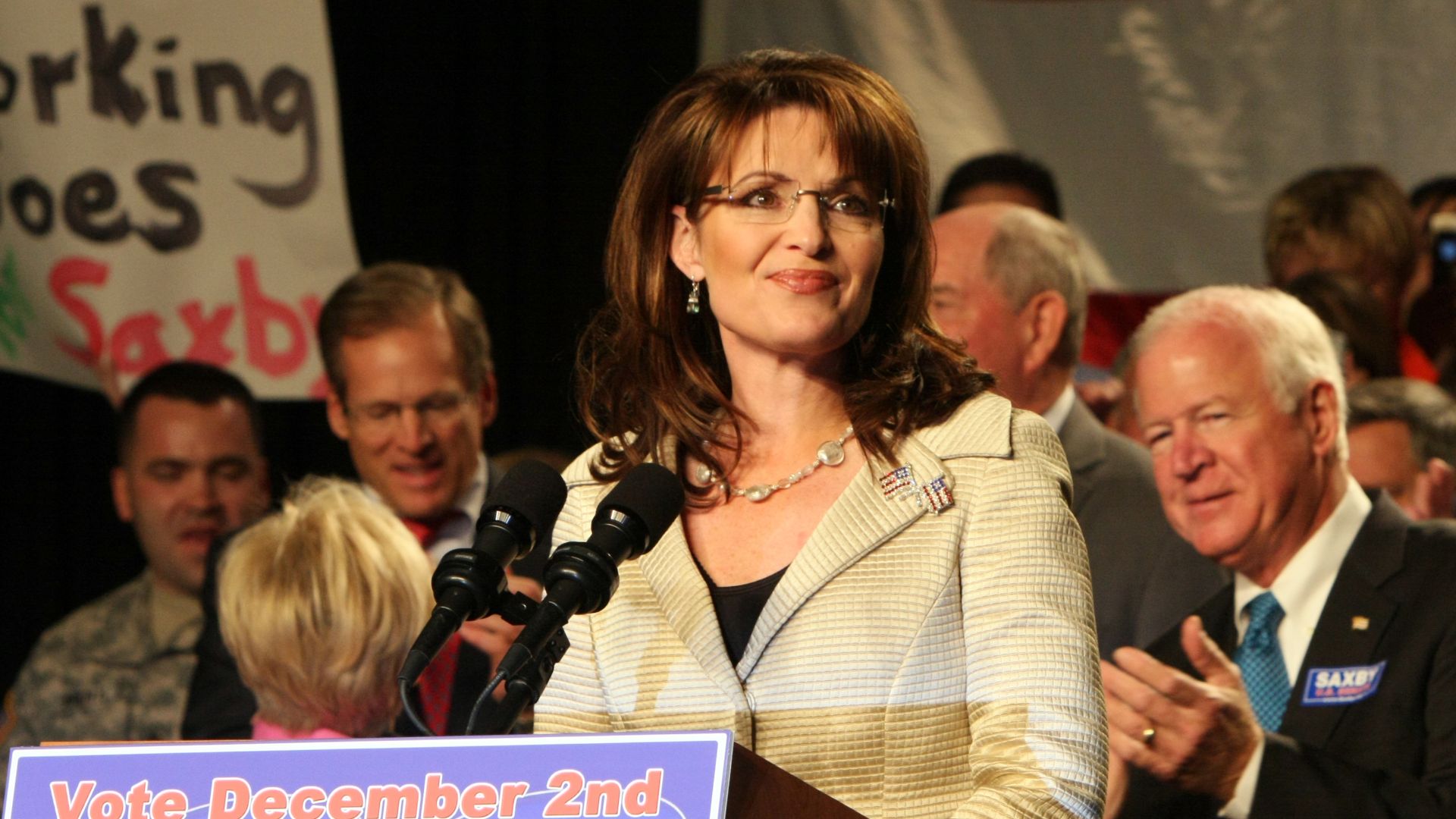
7. Sarah Palin’s Vice Presidential Debate Responses (2008)
Palin’s debate answers included moments that many viewers found unclear or evasive. Public opinion shifted as voters questioned her preparedness. Media coverage amplified these perceptions. It had a lasting impact on the campaign.
 Bruce Tuten from Savannah, Georgia, United States on Wikimedia
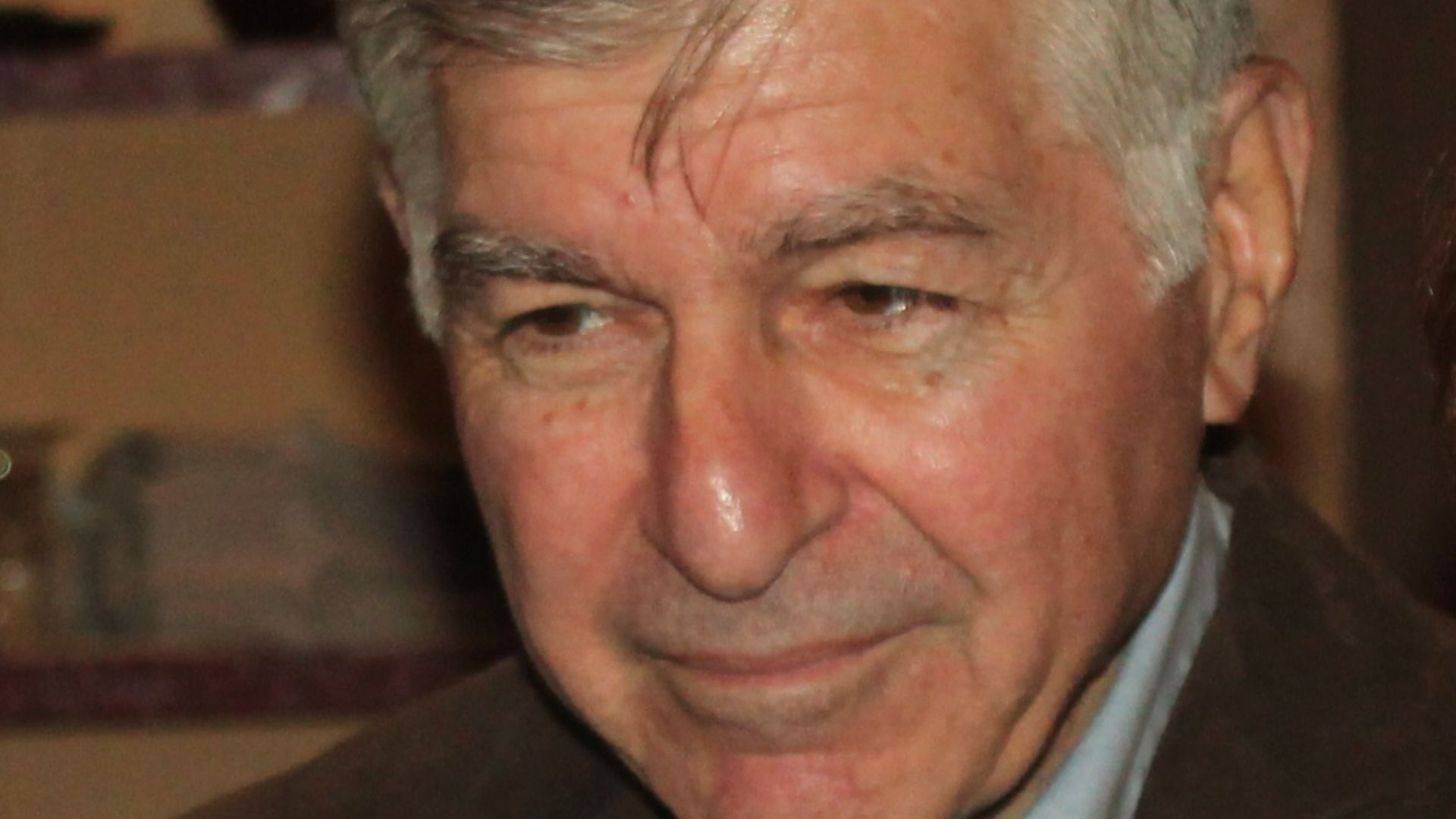
8. Michael Dukakis’s Debate Answer on Crime (1988)
Dukakis gave a calm, policy-focused answer to a highly emotional question about crime. Many voters felt his response lacked empathy. This moment significantly affected how he was perceived and contributed to a drop in support.
 Michael Horan from Stoughton, MA on Wikimedia
9. Tony Blair’s Iraq War Speech (2003)
Blair presented intelligence claims to justify joining the Iraq War. As those claims were later challenged, public trust declined. You can see how the speech influenced initial support and later skepticism. It remains a defining moment of his leadership.
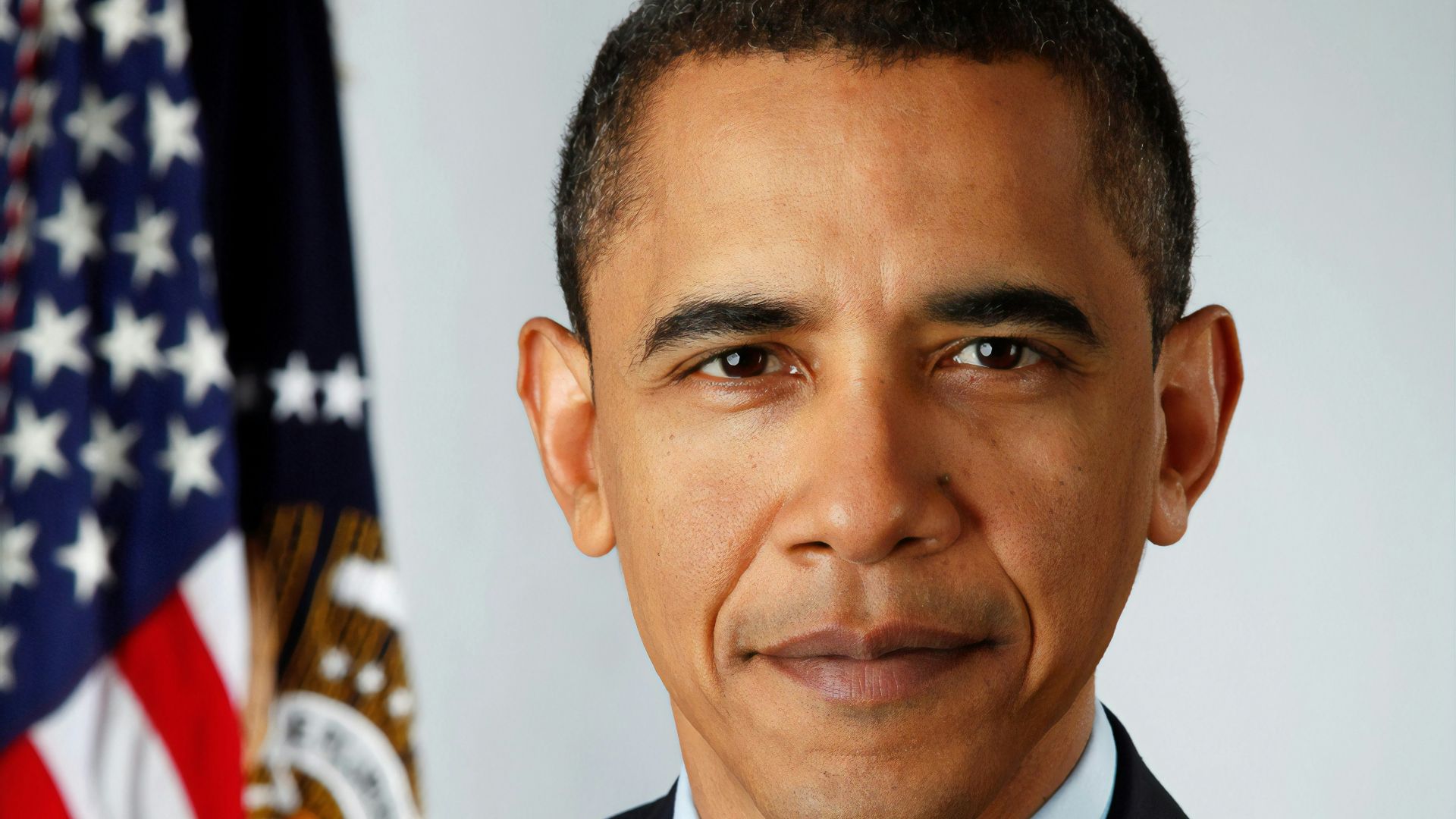
10. Barack Obama’s “You Didn’t Build That” (2012)
Obama’s comment about business success being tied to broader infrastructure was widely debated. Critics interpreted it as dismissive of individual effort. Supporters argued it was taken out of context. The phrase quickly shaped public narratives during the campaign.
 Library of Congress on Unsplash
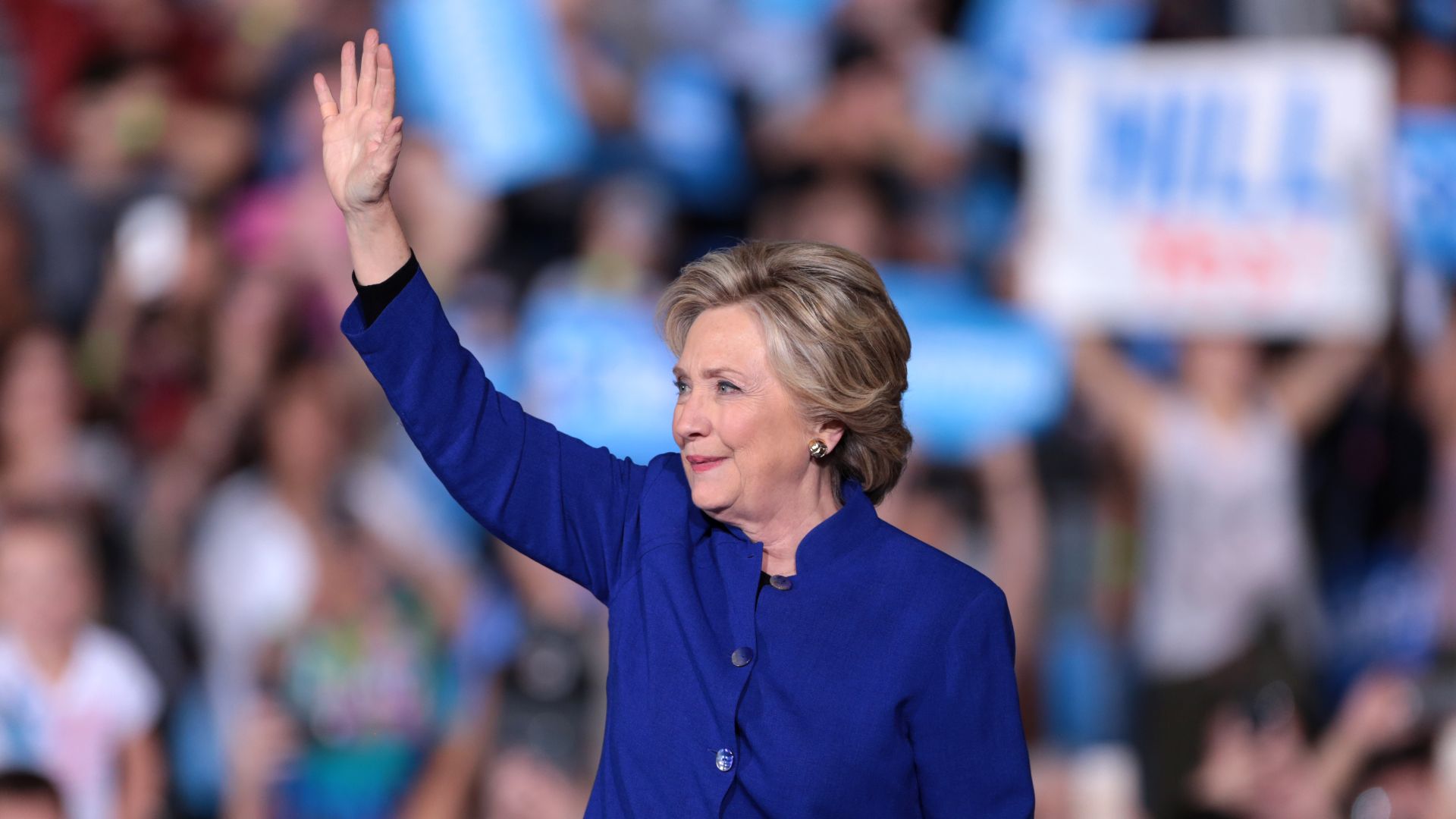
11. Hillary Clinton’s “Basket of Deplorables” (2016)
Clinton described some voters as a “basket of deplorables,” which drew immediate backlash. The comment was seen as dismissive by many. It became a defining moment in the election cycle. Public perception shifted rapidly among undecided voters.
 Gage Skidmore from Peoria, AZ, United States of America on Wikimedia
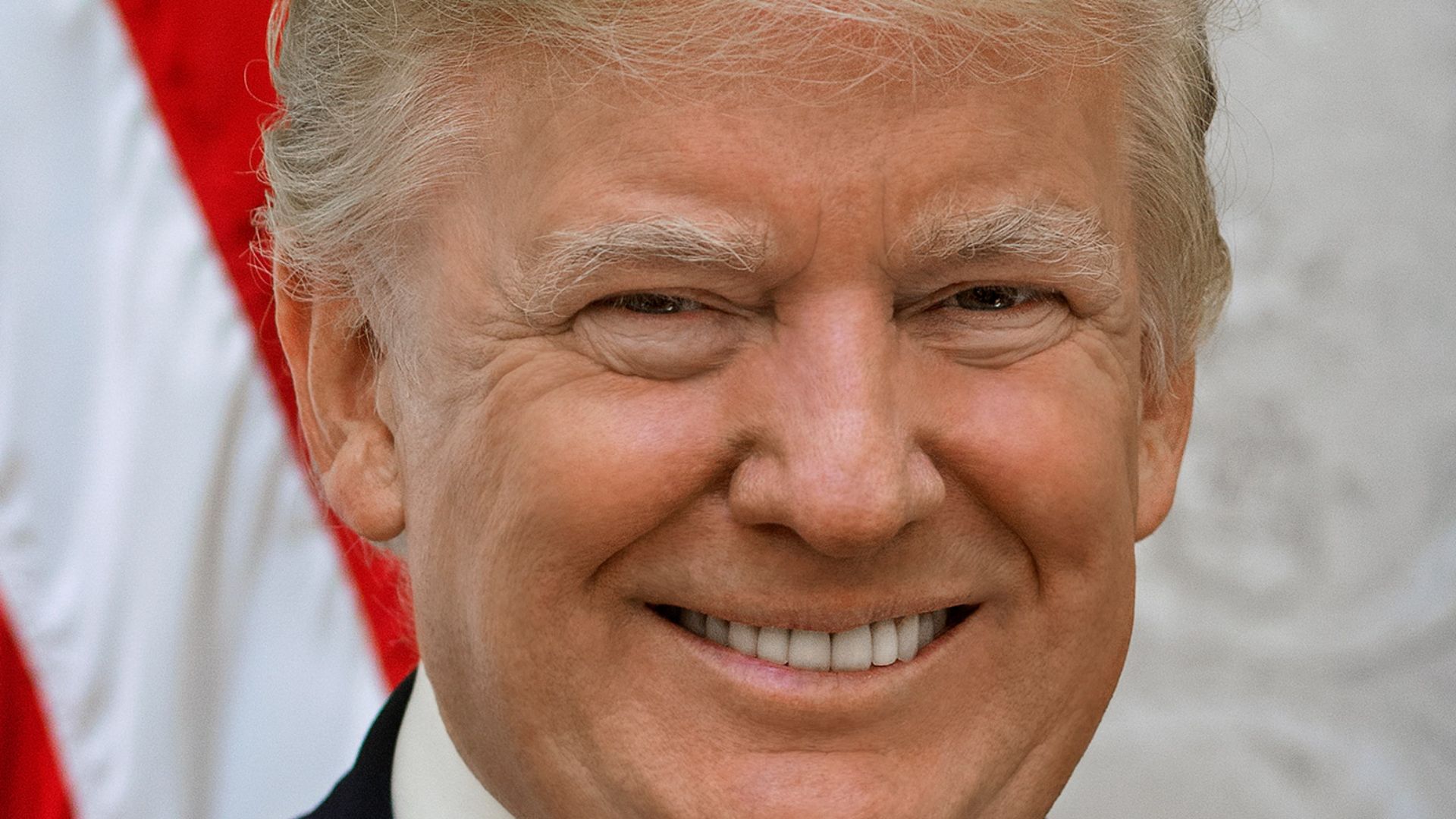
12. Donald Trump’s Charlottesville Remarks (2017)
Trump’s comments following the Charlottesville events were widely criticized for their tone. Many felt the response lacked clarity in condemning extremism. The speech intensified political divisions and had an immediate impact on public discourse.
 Shealeah Craighead on Wikimedia
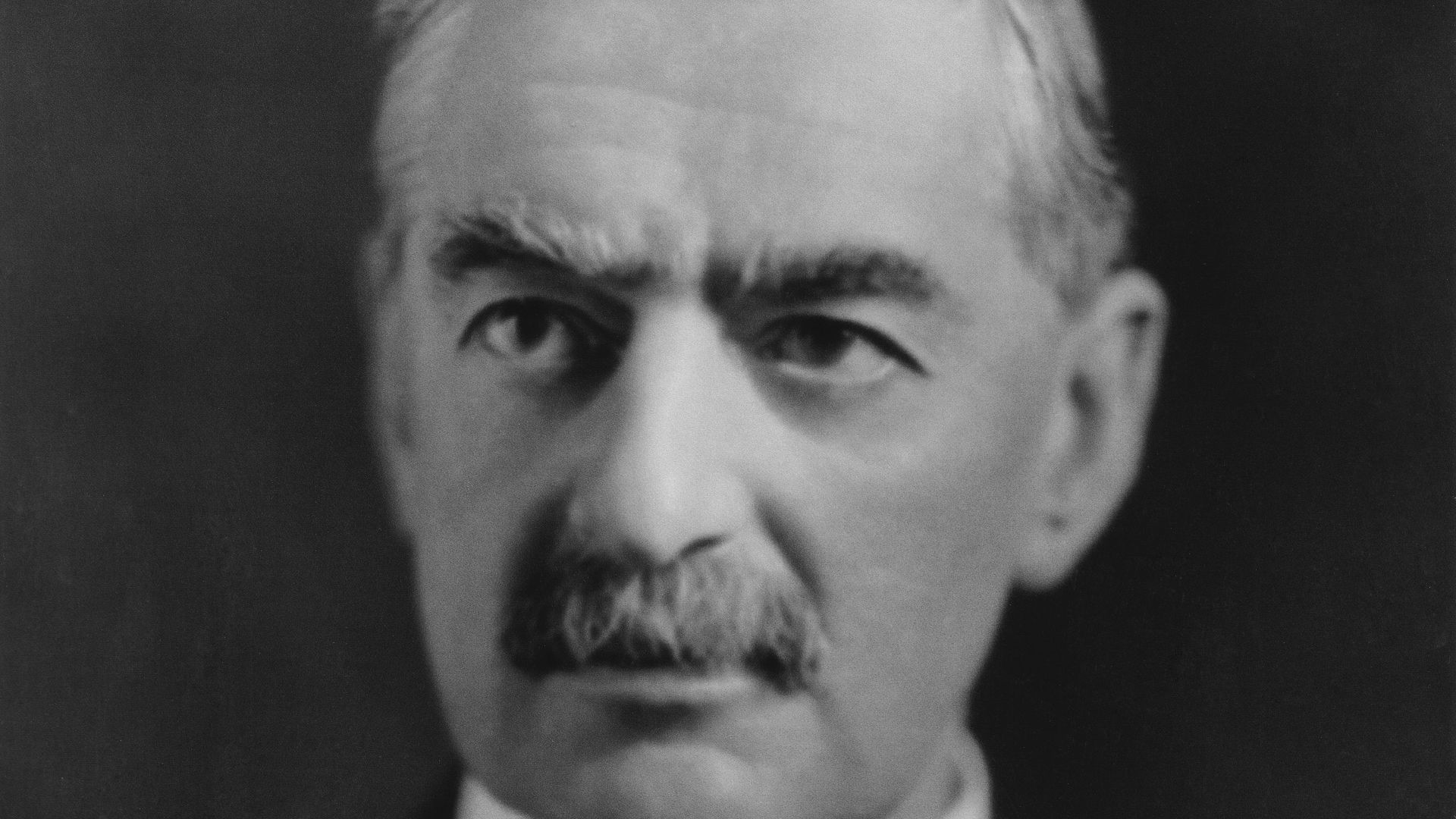
13. Neville Chamberlain’s “Peace for Our Time” (1938)
Chamberlain declared that an agreement with Germany had secured lasting peace. At the time, many welcomed the announcement. However, the outbreak of World War II soon after changed how the speech was viewed. It became associated with misplaced optimism.
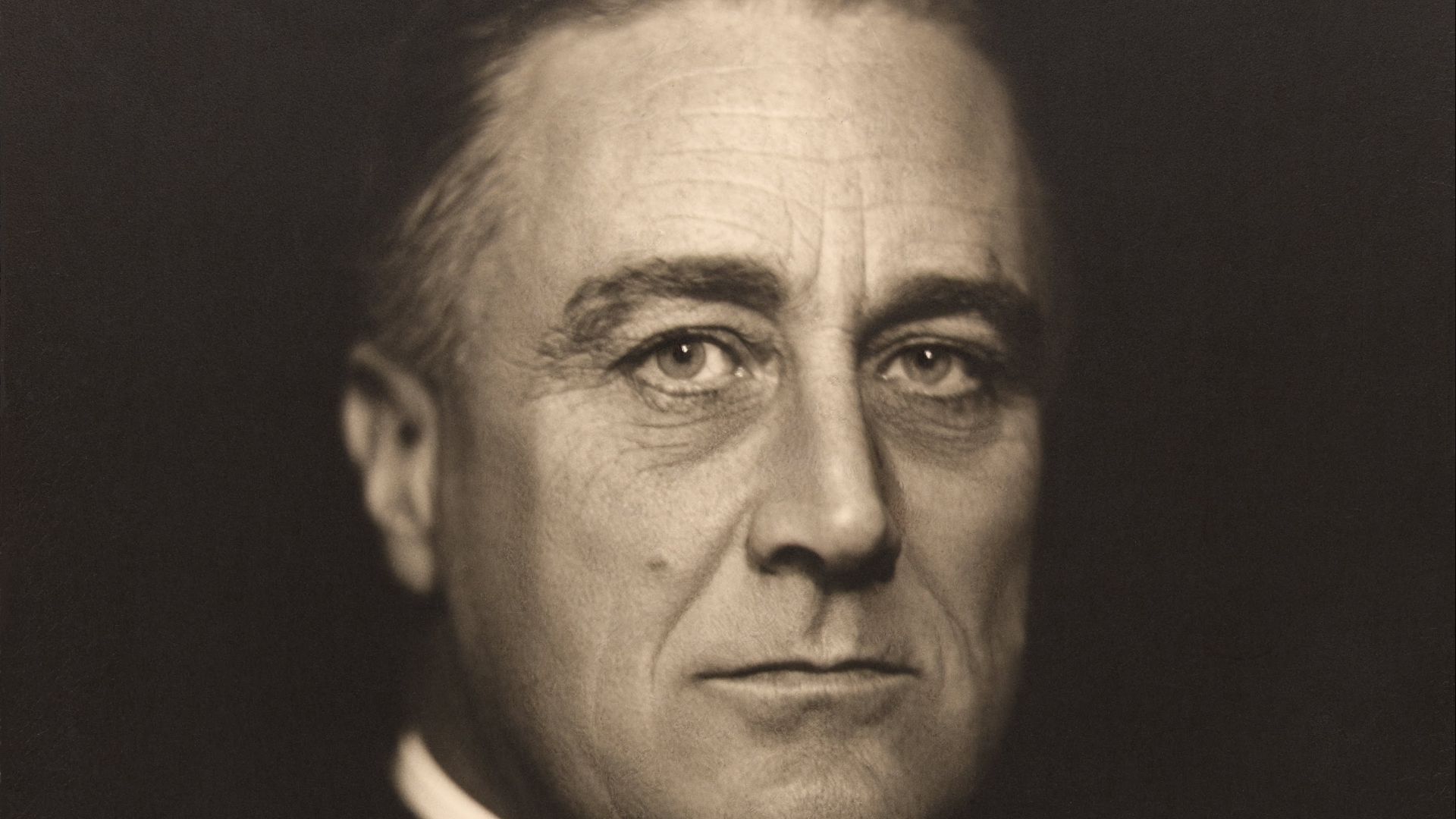
14. Franklin D. Roosevelt’s Court-Packing Speech (1937)
Roosevelt proposed expanding the Supreme Court in a speech defending his plan. While intended to support New Deal policies, it raised concerns about executive power. Public opinion became divided, and the proposal ultimately faced significant opposition.
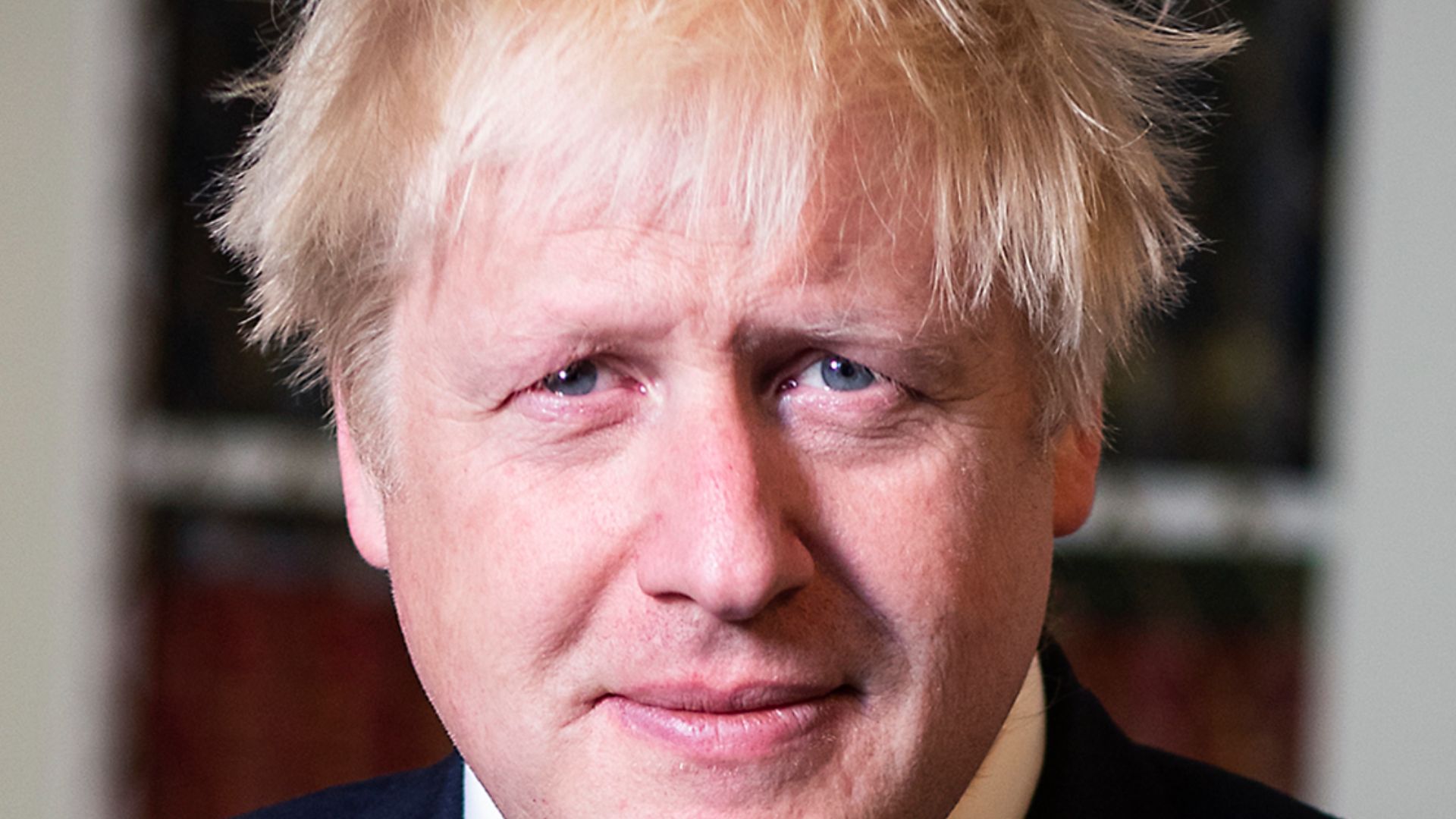
15. Boris Johnson’s Brexit Campaign Speech (2016)
Johnson’s messaging during the Brexit campaign included claims that were later disputed. The speech contributed to strong public reactions on both sides.
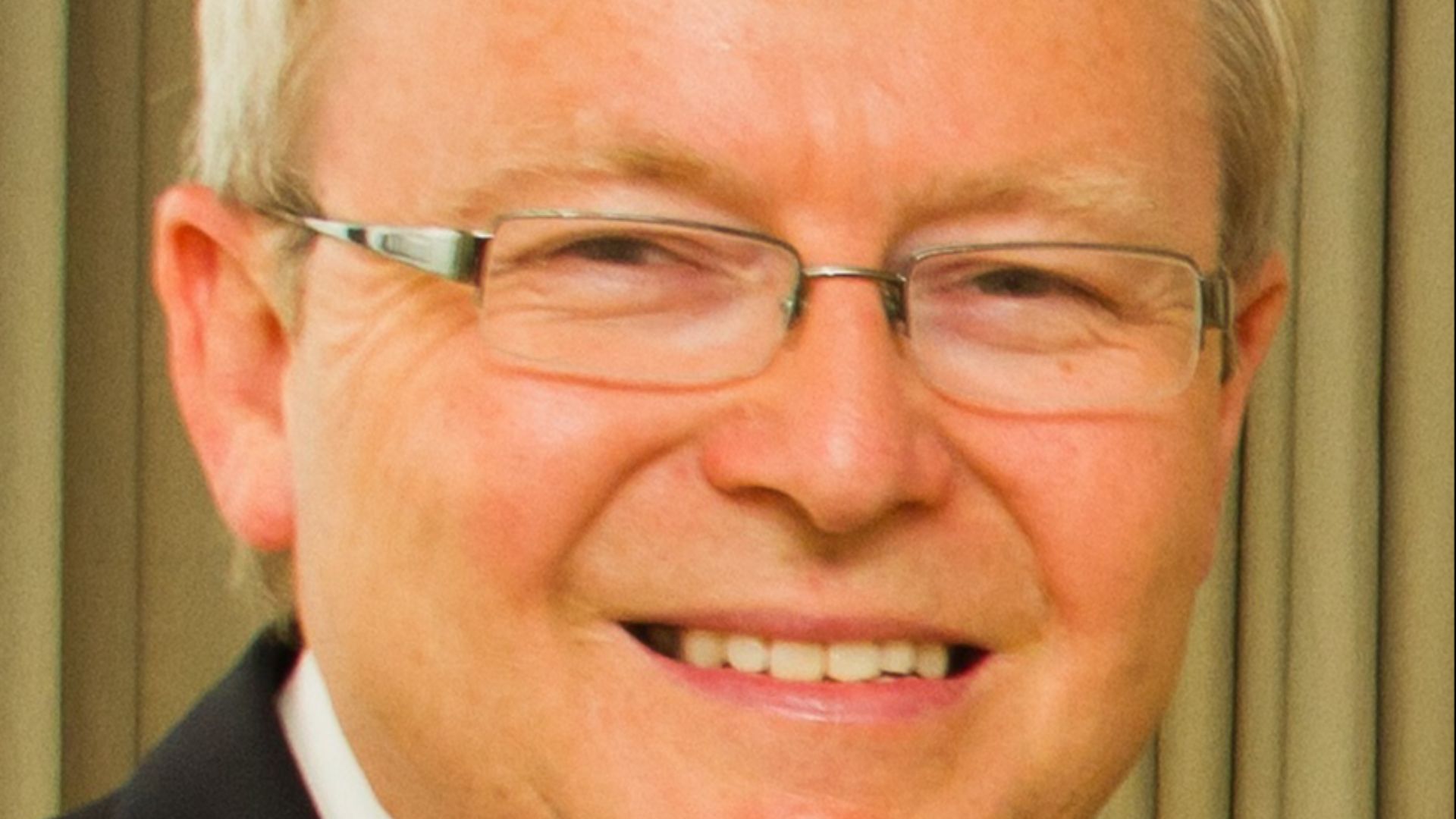
16. Kevin Rudd’s Climate Policy Shift Speech (2010)
Rudd reversed his stance on climate legislation in a televised address. Many supporters felt disappointed by the change, and the speech altered perceptions of his leadership consistency.
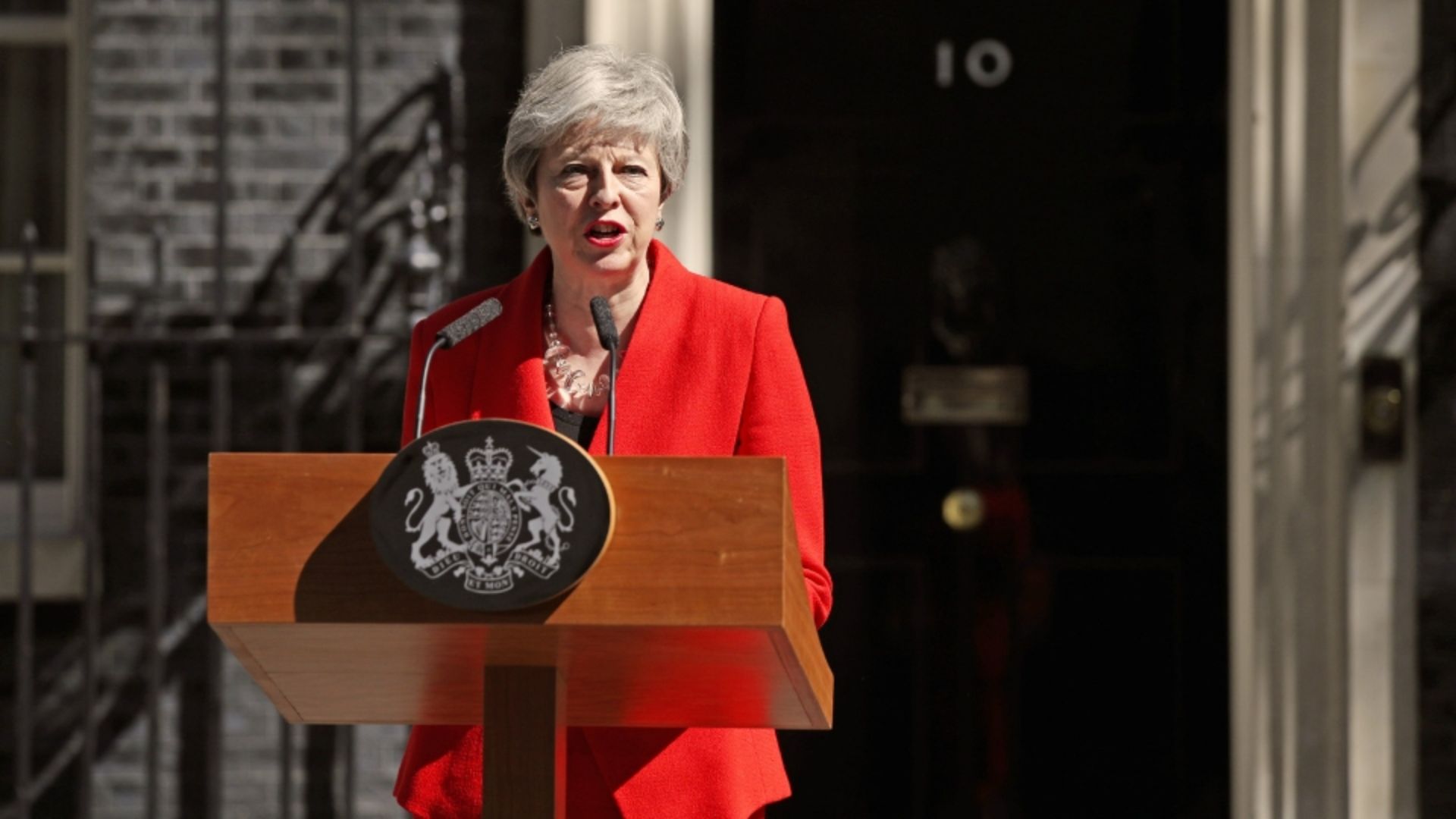
17. Theresa May’s “Strong and Stable” Campaign Speech (2017)
May repeatedly emphasized the phrase “strong and stable” during her campaign. Over time, it became a point of criticism rather than a strength. Opponents used it to question her leadership.
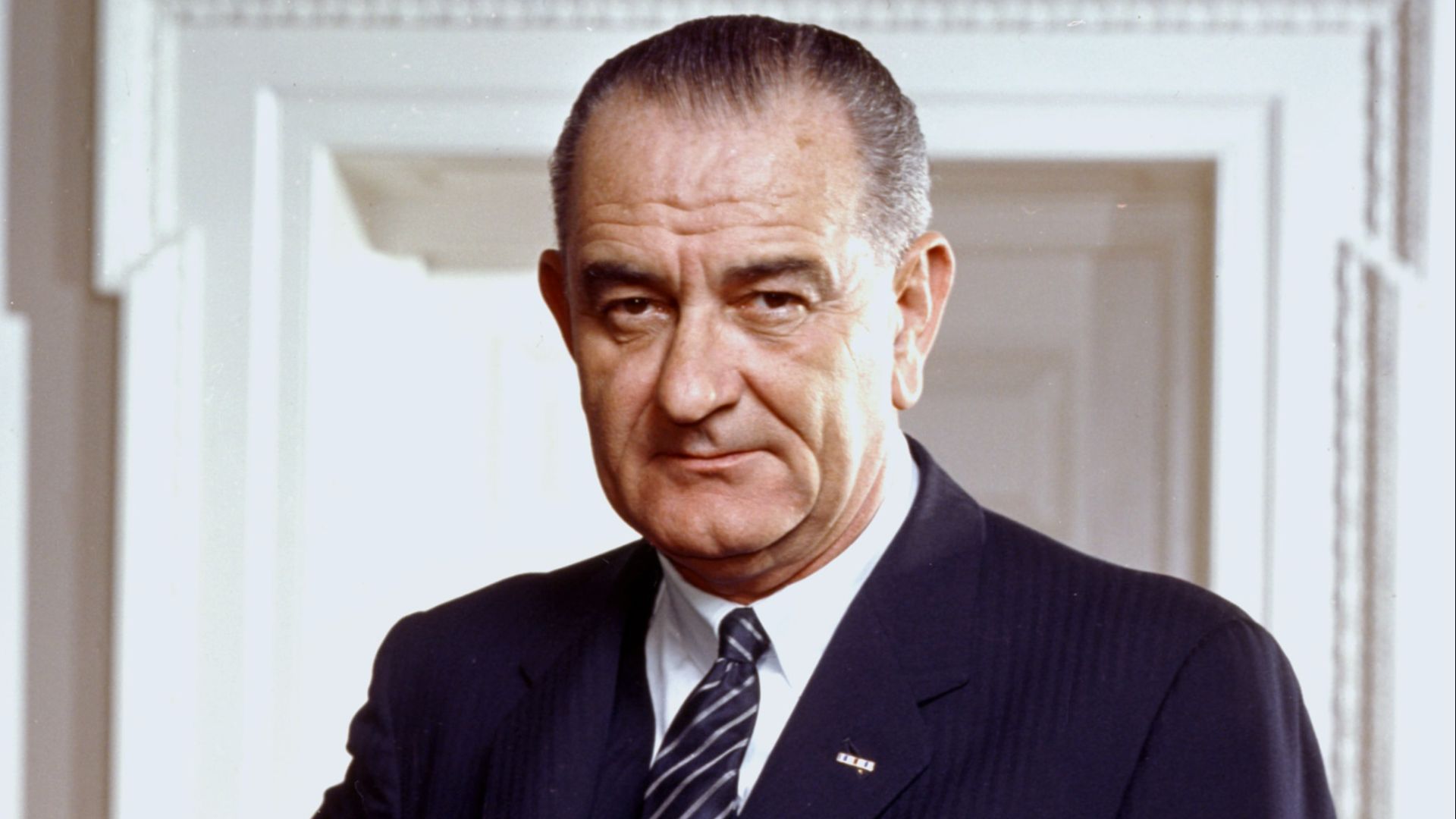
18. Lyndon B. Johnson’s Vietnam War Justification (1965)
Johnson defended increased U.S. involvement in Vietnam through a televised speech. Initially, it helped build support for escalation. However, as the war progressed, public opinion grew skeptical.
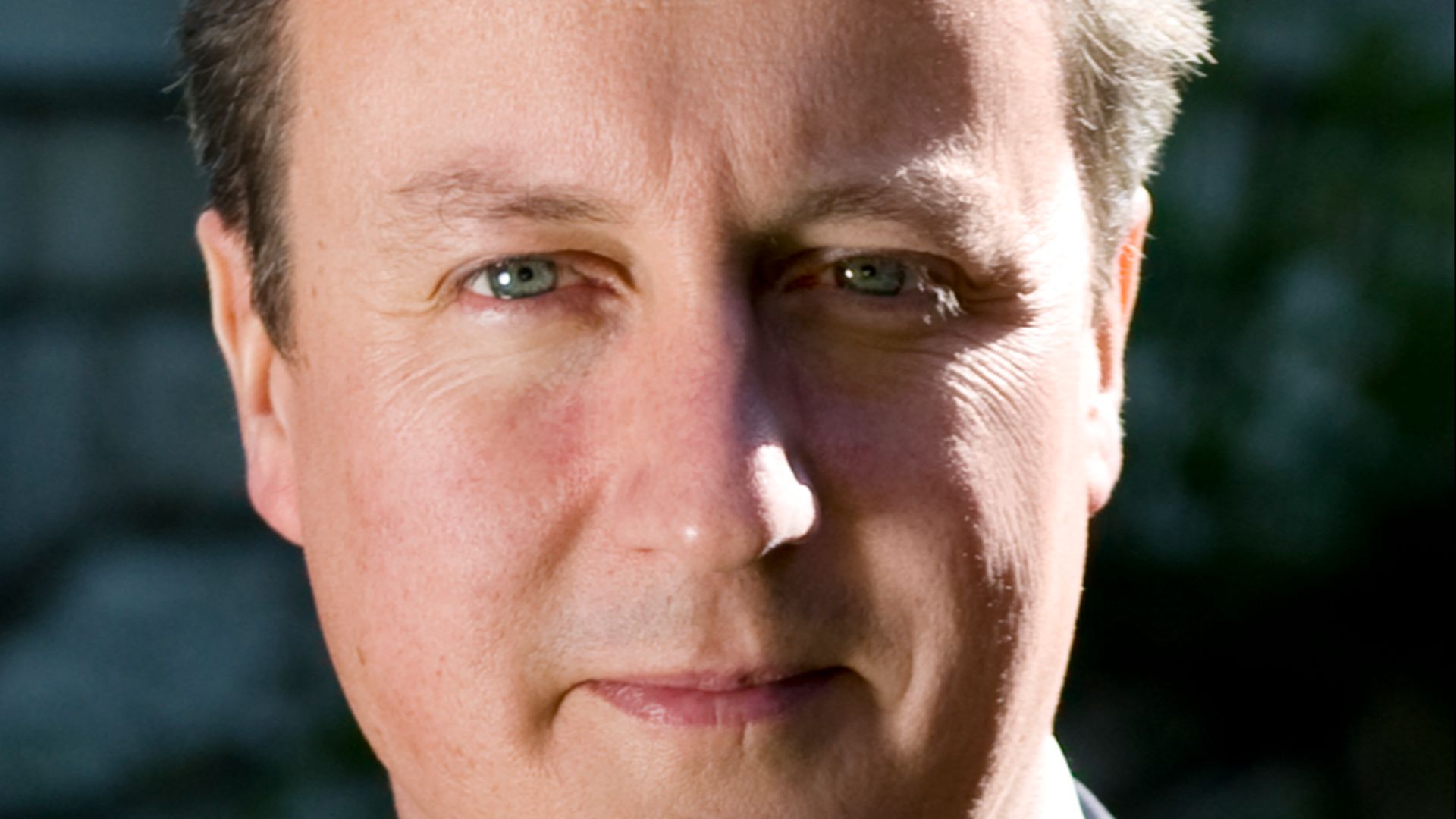
19. David Cameron’s EU Referendum Announcement (2013)
Cameron announced a future referendum on EU membership, aiming to settle internal divisions. Instead, it intensified debate across the country. The speech set events in motion that reshaped British politics.
 Unknown photographer on Wikimedia
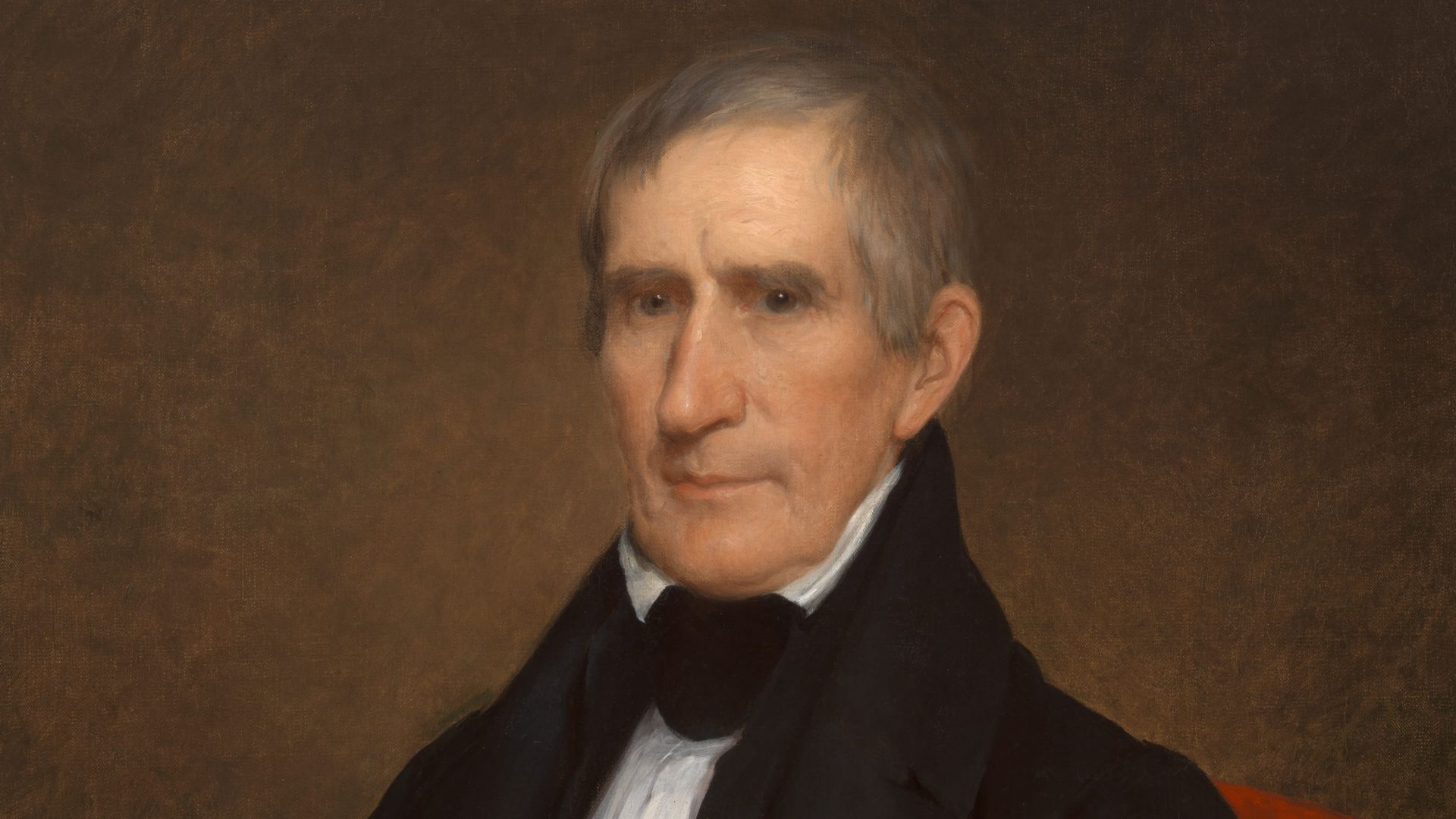
20. William Henry Harrison’s Inaugural Address (1841)
Harrison delivered an unusually long inaugural speech in cold weather. While not controversial in content, its length and conditions became infamous. He fell ill shortly afterward and died within a month.
KEEP ON READING