20 Historical Figures Who Were the Ultimate Cheapskates
When Wealth Didn't Mean Spending
History is packed with powerful rulers, brilliant minds, and insanely wealthy tycoons who could buy absolutely anything they wanted. You'd think having a mountain of cash would make a person eager to live comfortably, but some historical figures took pinching pennies to a terrifying new level. From hoarding scrap paper to refusing to pay basic medical bills, these elite hoarders proved that huge fortunes don't automatically come with generosity.
1. Hetty Green's Cold Living
Dubbed the Witch of Wall Street, this shrewd investor built an empire worth hundreds of millions. Yet she refused to ever turn on the heat or use hot water in her home. She wore the same black dress every day until it fell apart and only let her laundress wash the grimiest bottom hem to conserve soap.
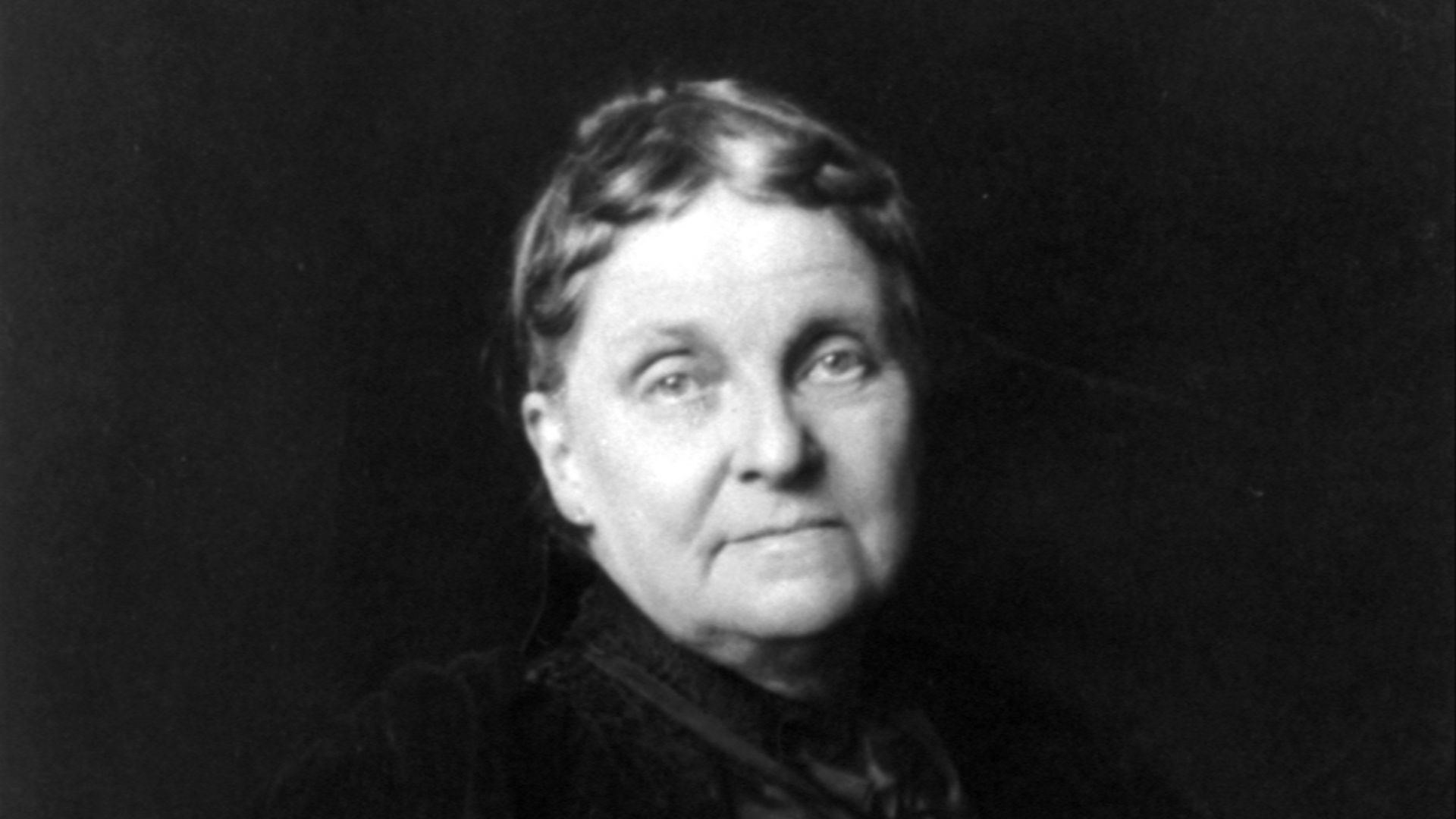 Hollinger & Rockey on Wikimedia
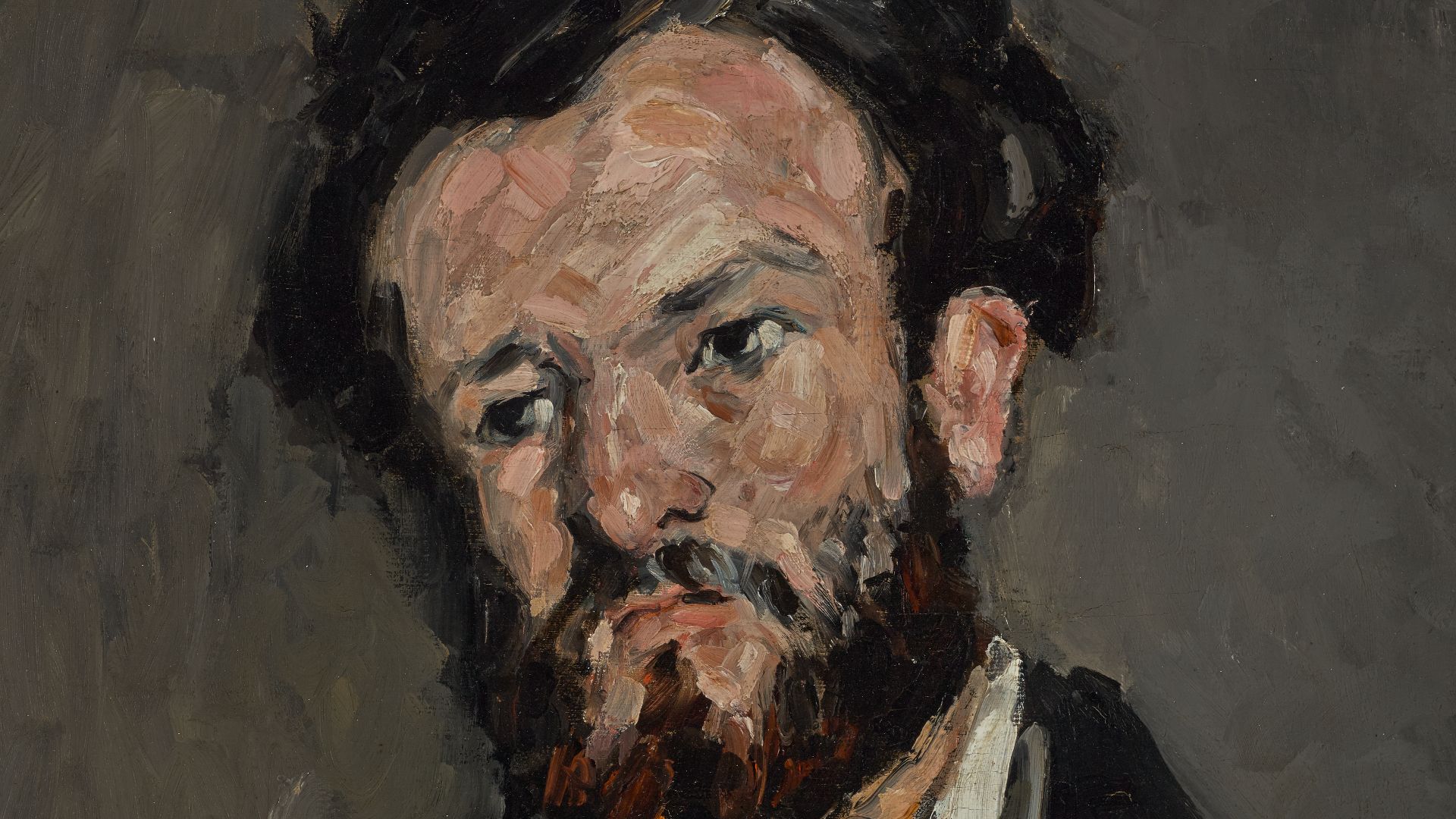
2. J. Paul Getty's Payphone Mansion
Though he was eventually named the richest living American, this oil tycoon despised it when visitors used his home phones to make long-distance calls. He decided to put a coin-operated payphone directly inside his mansion so guests could use it instead. Getty even infamously refused to pay ransom when his grandson was kidnapped.
3. Charlie Chaplin's Bill-Dodging Tactics
The Hollywood icon was making millions annually from his films, but liked hoarding his cash as if he were dirt poor. If he went out for dinner with friends, he’d either leave his wallet behind on purpose. Or “excuse himself” when the check came.
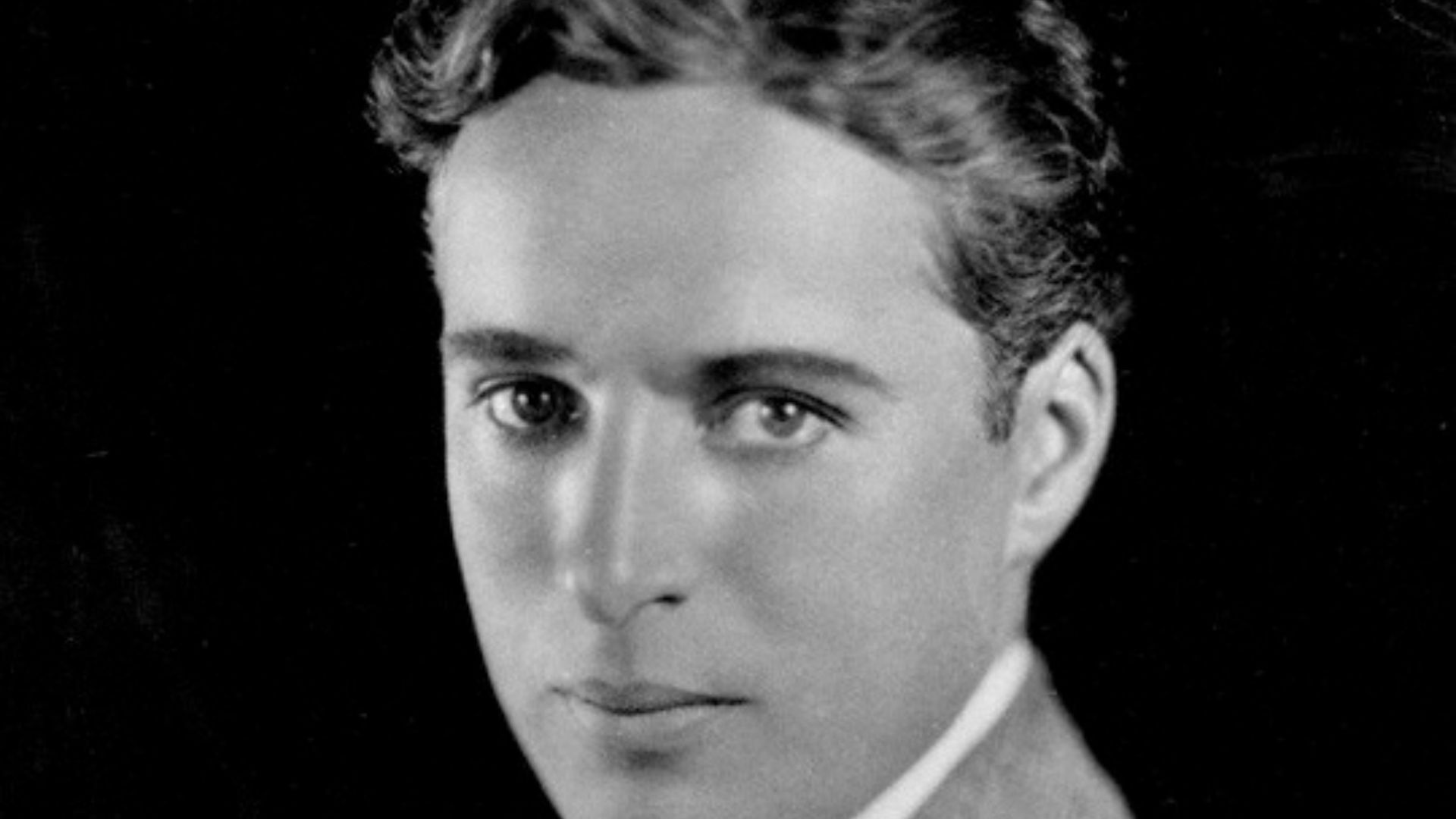 Strauss-Peyton Studio on Wikimedia
4. John Elwes Inspired Scrooge
This conservative British politician inherited his wealth but hated lighting a candle, so he would reside in complete darkness. He ate food that was spoiled to avoid spending money at grocery stores. His bizarre lifestyle caught the attention of authors, eventually serving as the direct inspiration for the famous fictional miser Ebenezer Scrooge.
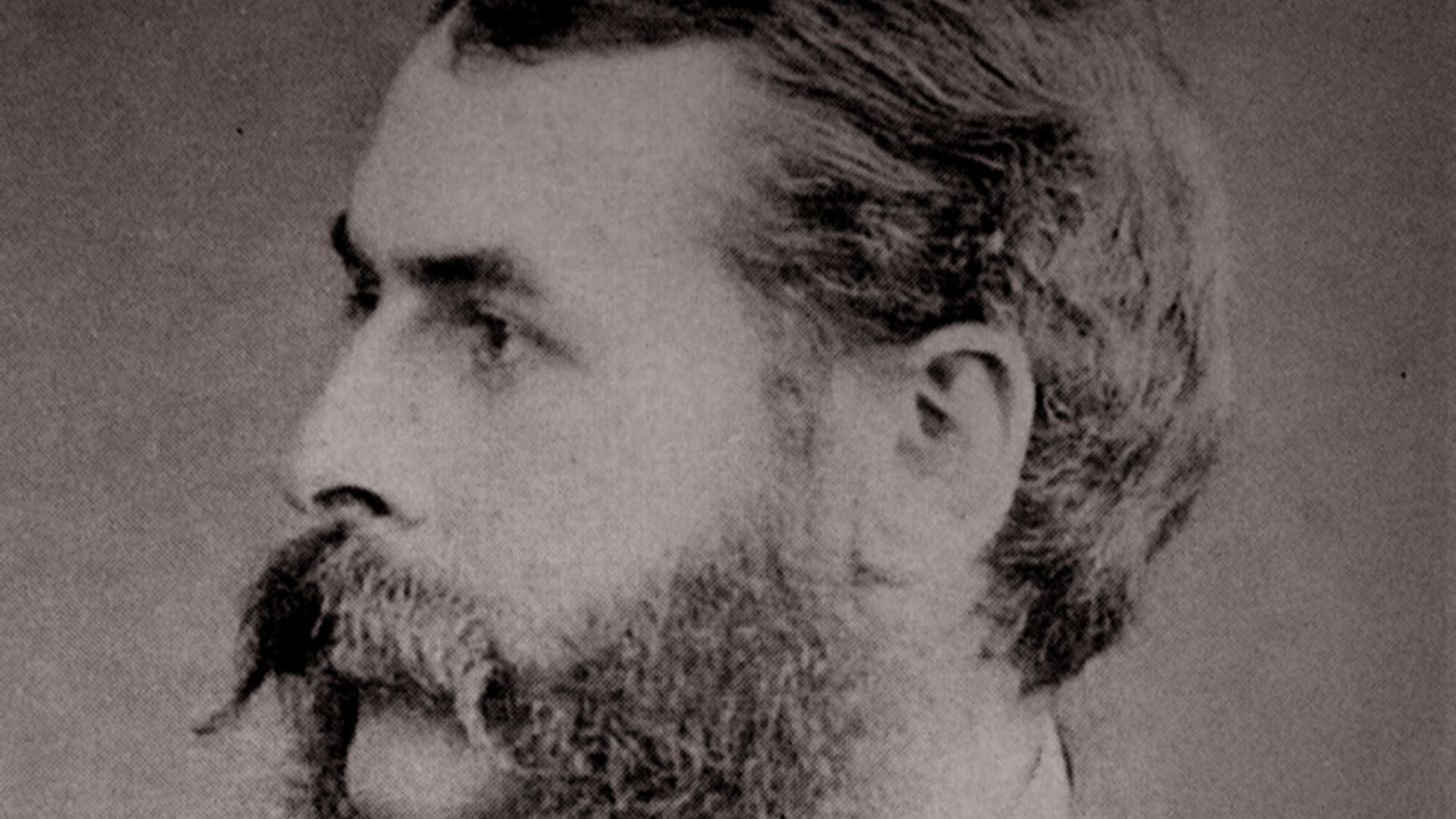 Unknown authorUnknown author on Wikimedia
5. Ingvar Kamprad's Secondhand Style
The billionaire founder of IKEA could've owned a fleet of sports cars but chose to drive a battered, fifteen-year-old Volvo instead. He reportedly got almost all of his clothes from local flea markets to avoid paying retail prices. And he strictly flew coach for every business trip.
 Ministry of Enterprise, Energy and Communications of Sweden/Sandra Baqirjazid on Wikimedia
6. Michelangelo's Secret Hoard
While he painted magnificent masterpieces for wealthy popes, this legendary Renaissance artist lived like an absolute pauper in a filthy room. He rarely bothered to change his clothes or even take off his boots. This supposedly caused them to fuse directly to his skin over time.
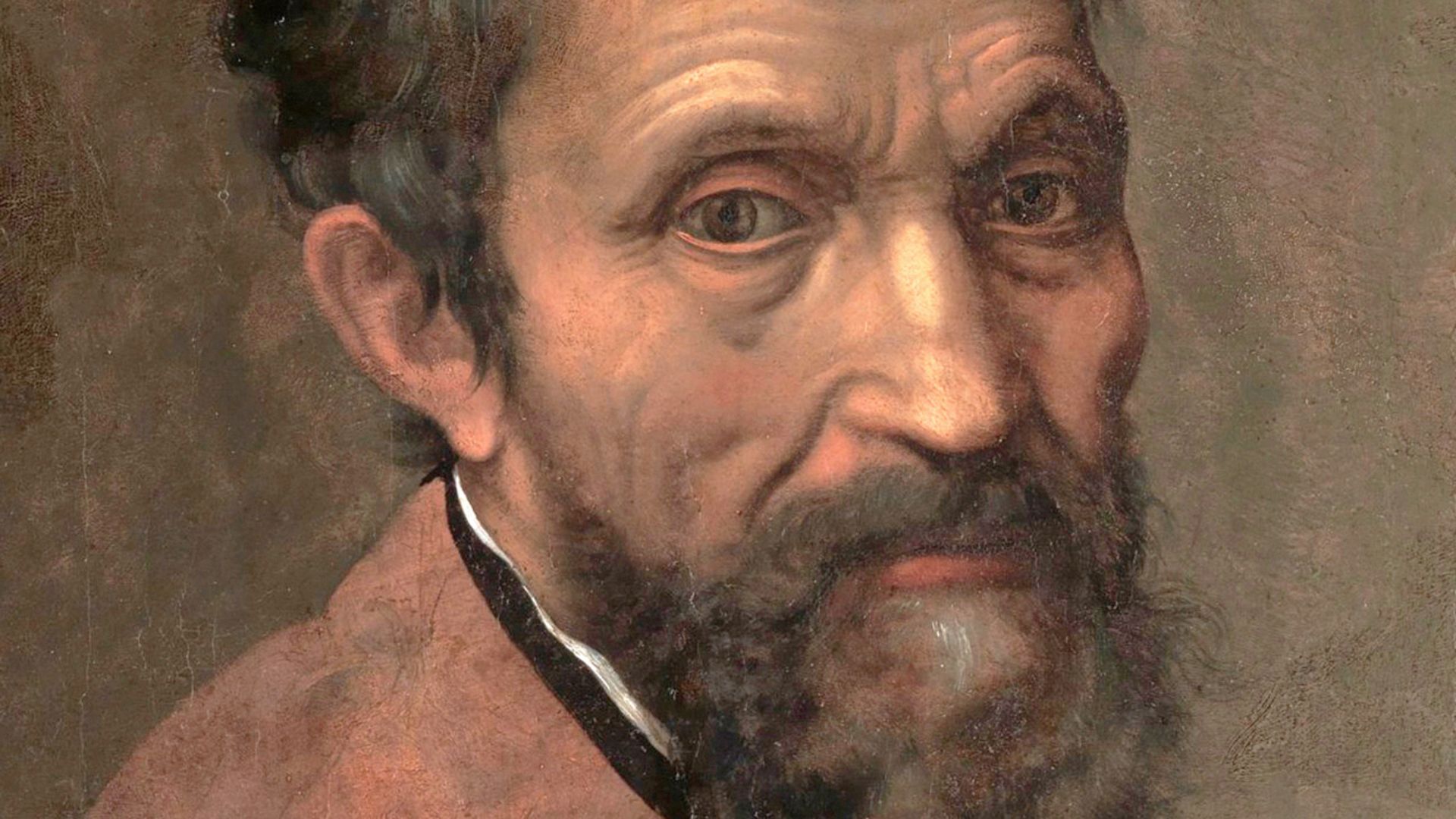 Attributed to Daniele da Volterra on Wikimedia
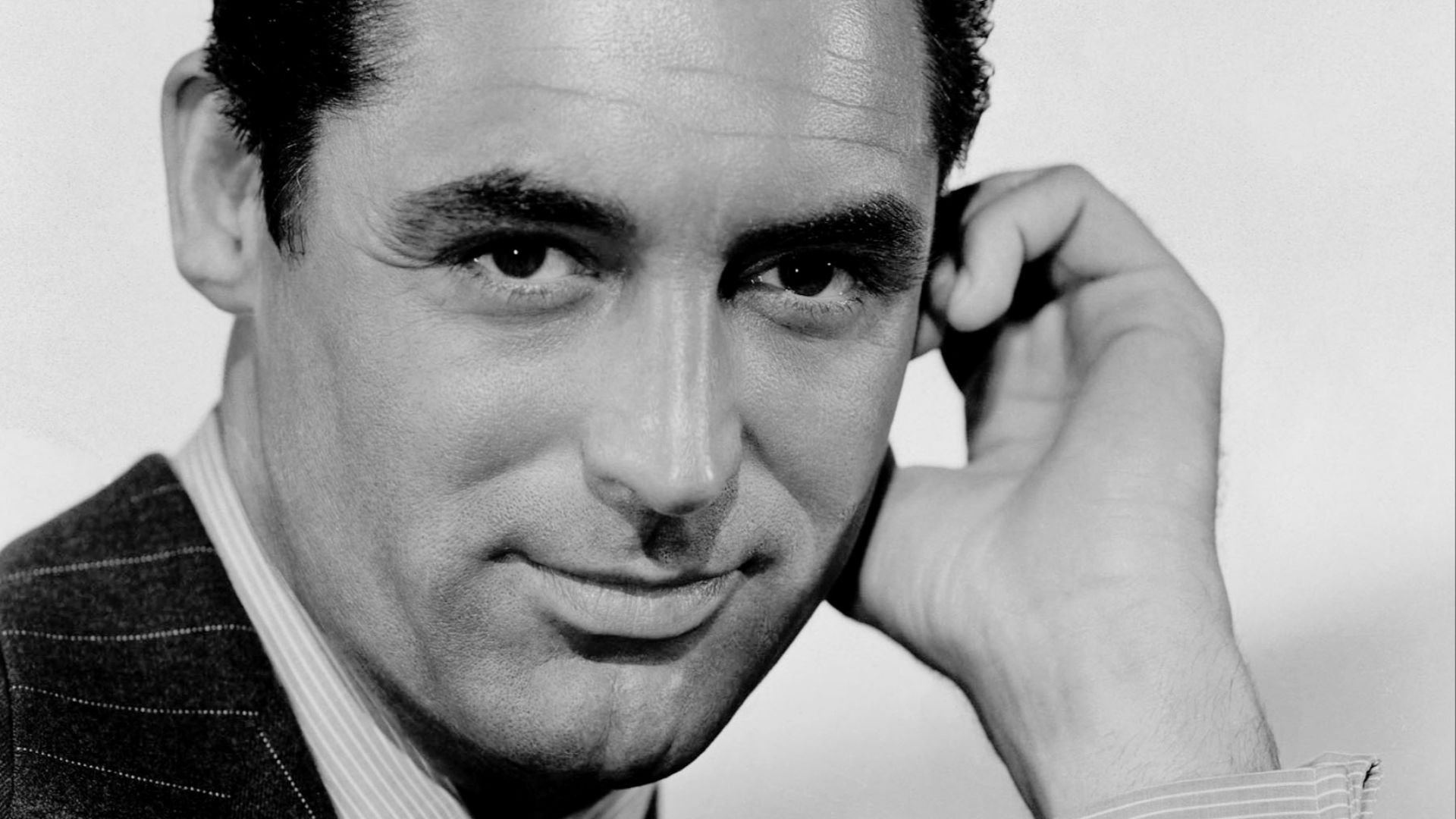
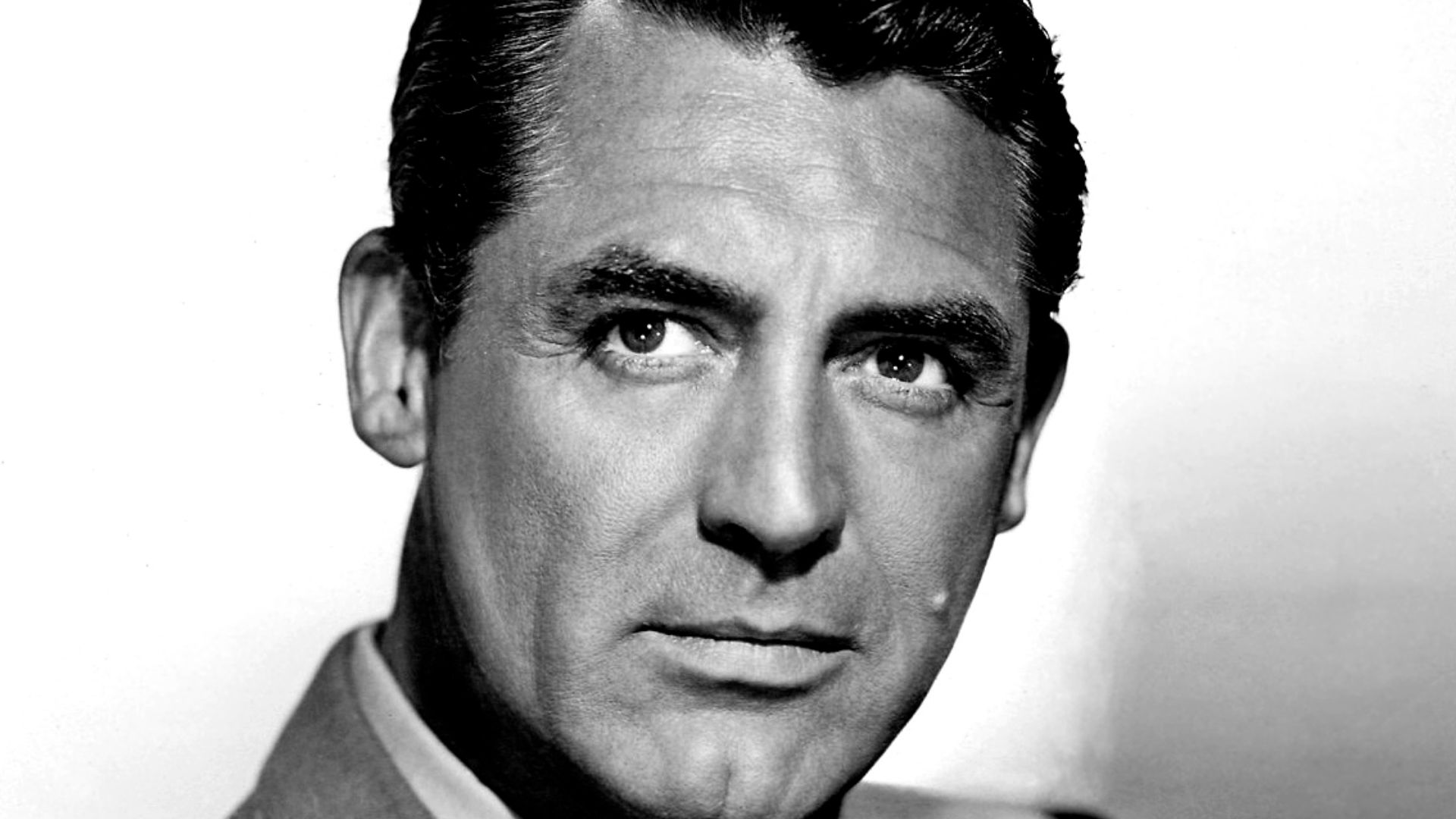
7. Cary Grant's Marked Buttons
The dashing Hollywood leading man was incredibly wealthy, but his childhood poverty left him permanently terrified of losing his cash. He famously charged fans for his autograph and even billed guests for the laundry they did while staying at his house. At home, he would carefully cut the buttons off his old, unwearable shirts and save them.
8. Aristotle Onassis Bargained Water
This Greek shipping magnate was one of the wealthiest men on earth. But he still obsessed over the smallest household expenses. He would routinely patrol his massive yachts to make sure the crew wasn't wasting expensive fresh water or leaving lights on in empty rooms.
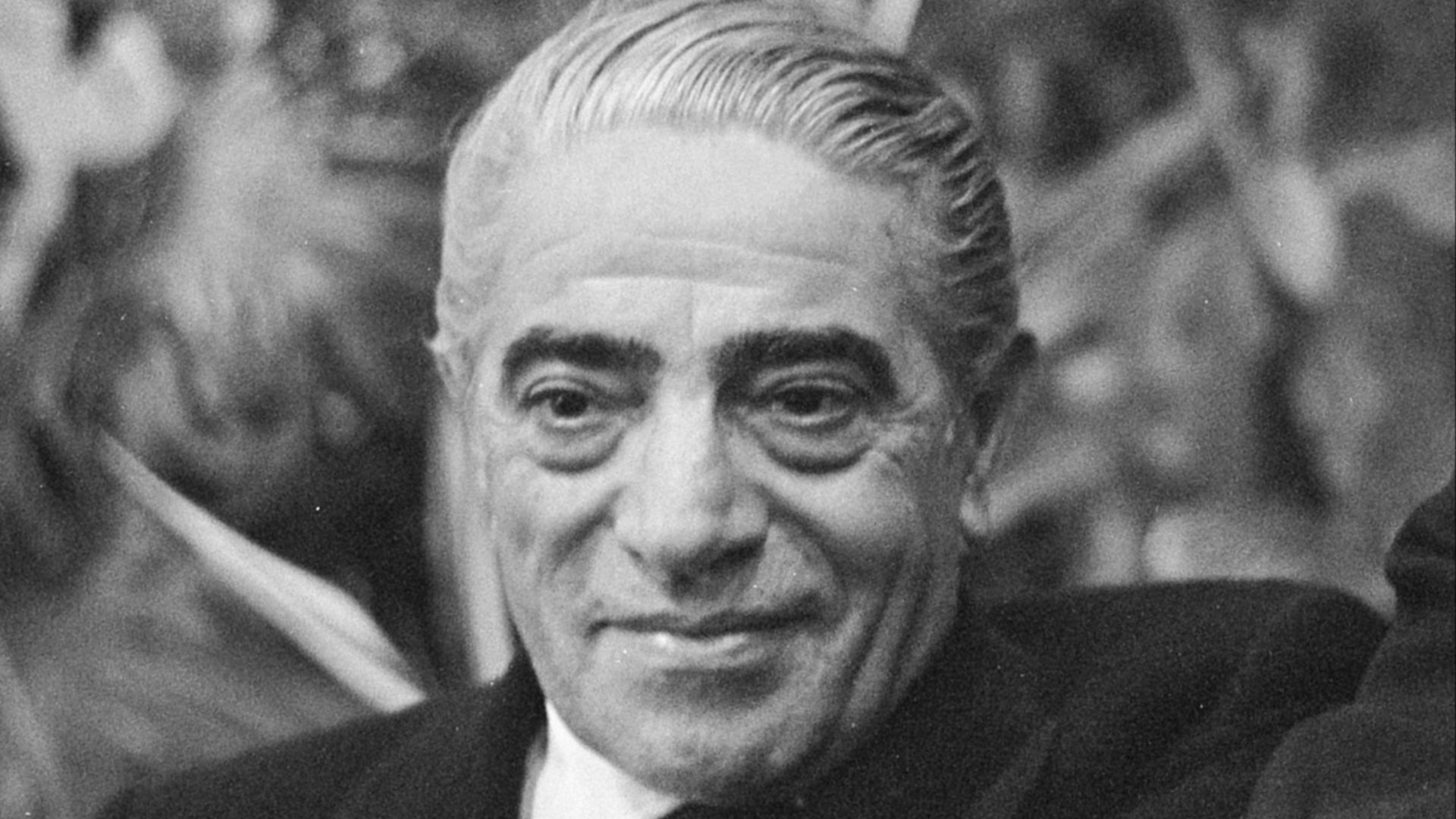 Pieter Jongerhuis on Wikimedia
9. Henry Cavendish Sticking to One Coat
This brilliant British scientist discovered hydrogen and possessed an enormous inherited fortune that he basically chose to ignore. He wore the exact same outdated, faded green tailcoat. Because he hated spending money on new things or interacting with people, he ordered his servants to only communicate with him through written notes.
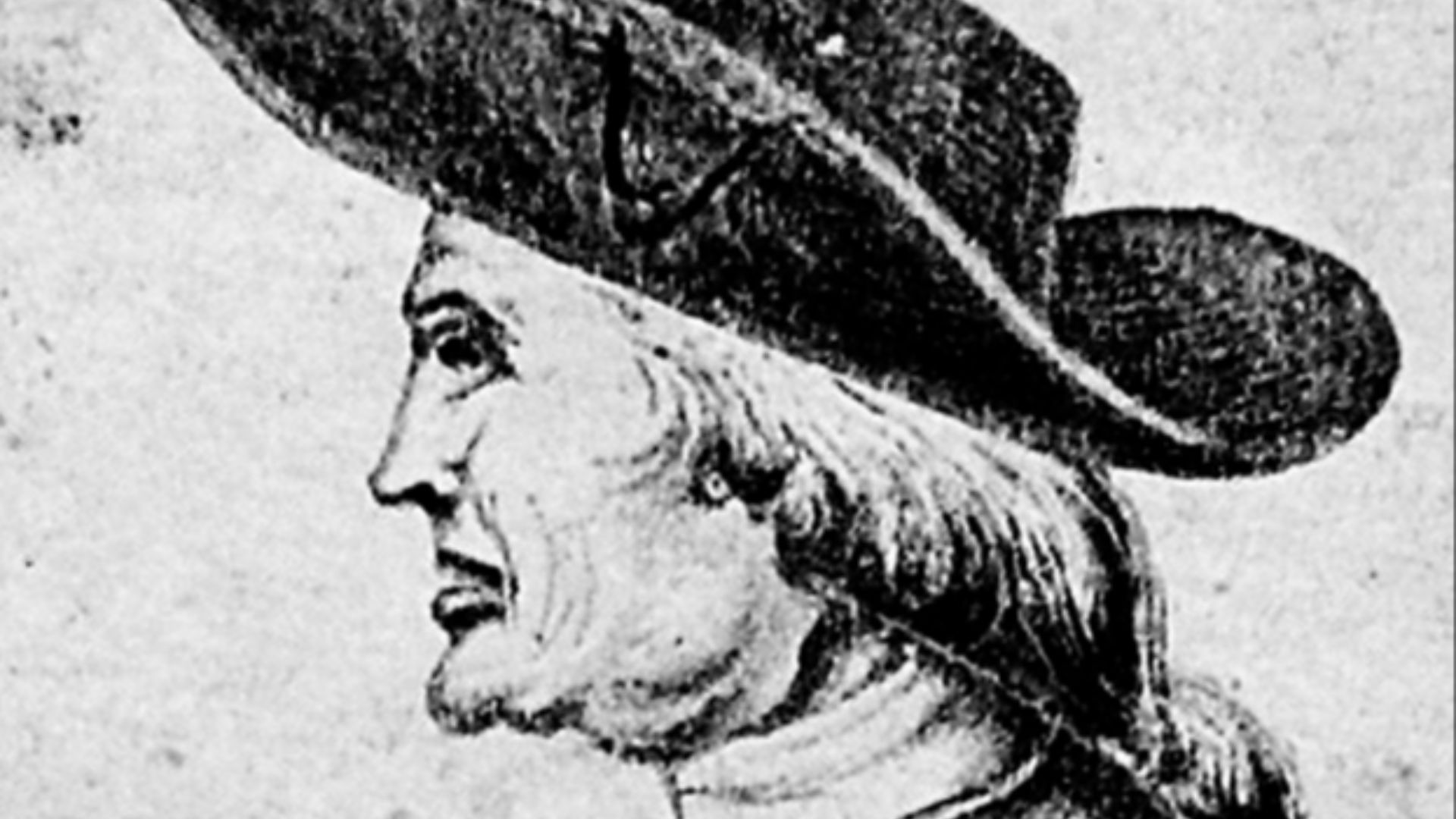
10. Daniel Dancer's Hay Bands
This eighteenth-century English miser took extreme frugality to a truly muddy level by refusing to buy actual string to hold his clothes together. He wrapped bands of discarded hay around his legs instead of purchasing socks. His home was completely falling apart, but he refused to pay for repairs, choosing instead to hide his gold coins inside the crumbling walls.
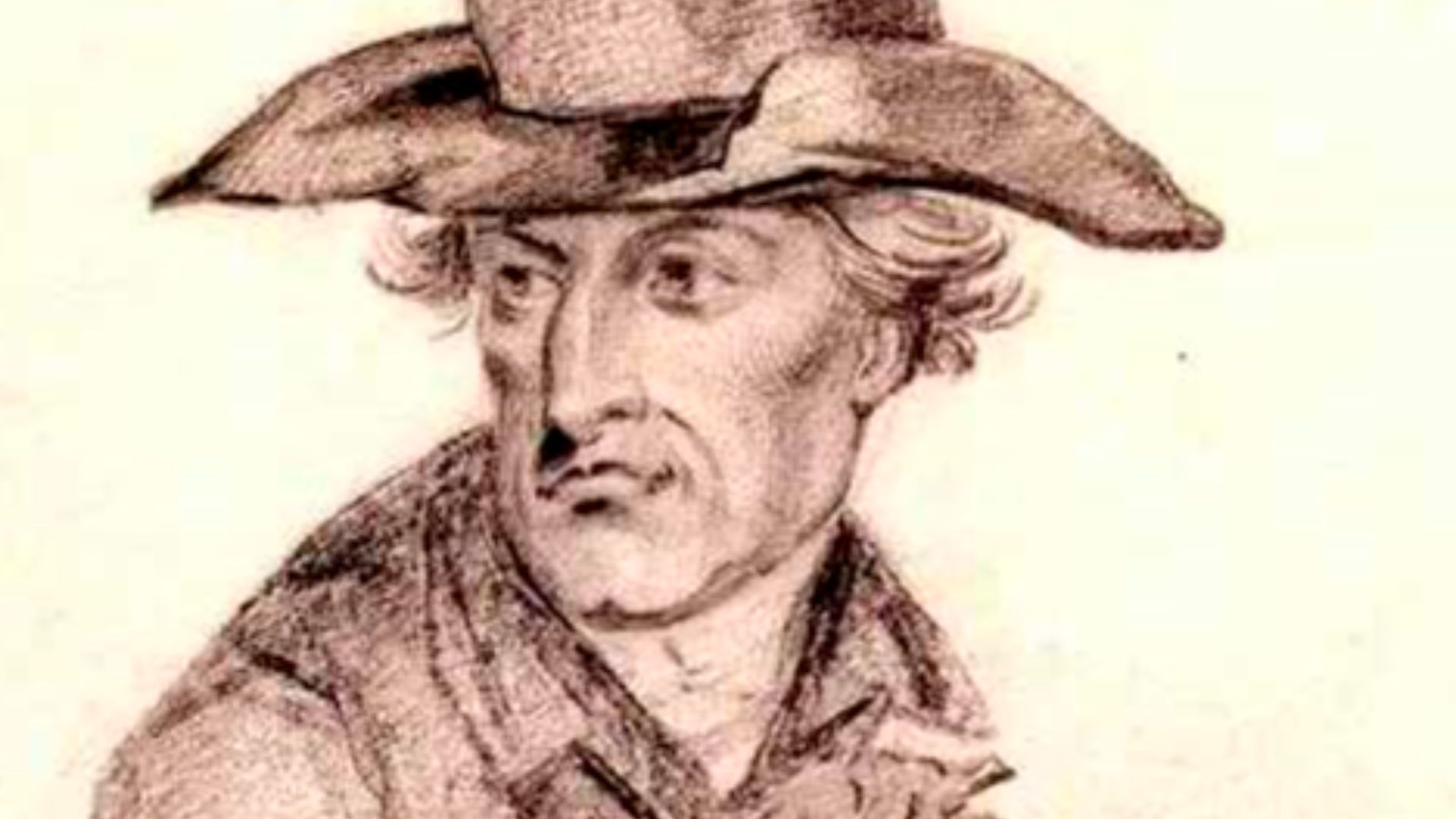 Richard Cooper Junior on Wikimedia
11. Thomas Edison's Lightbulb Audits
The inventor ran his workshops like a hawk-eyed billionaire, tightly controlling expenditures. He would frequently audit his employees' timecards and punish them if they took too many sick days. Despite his massive success, he constantly complained about the cost of research materials and expected his assistants to work brutal hours.
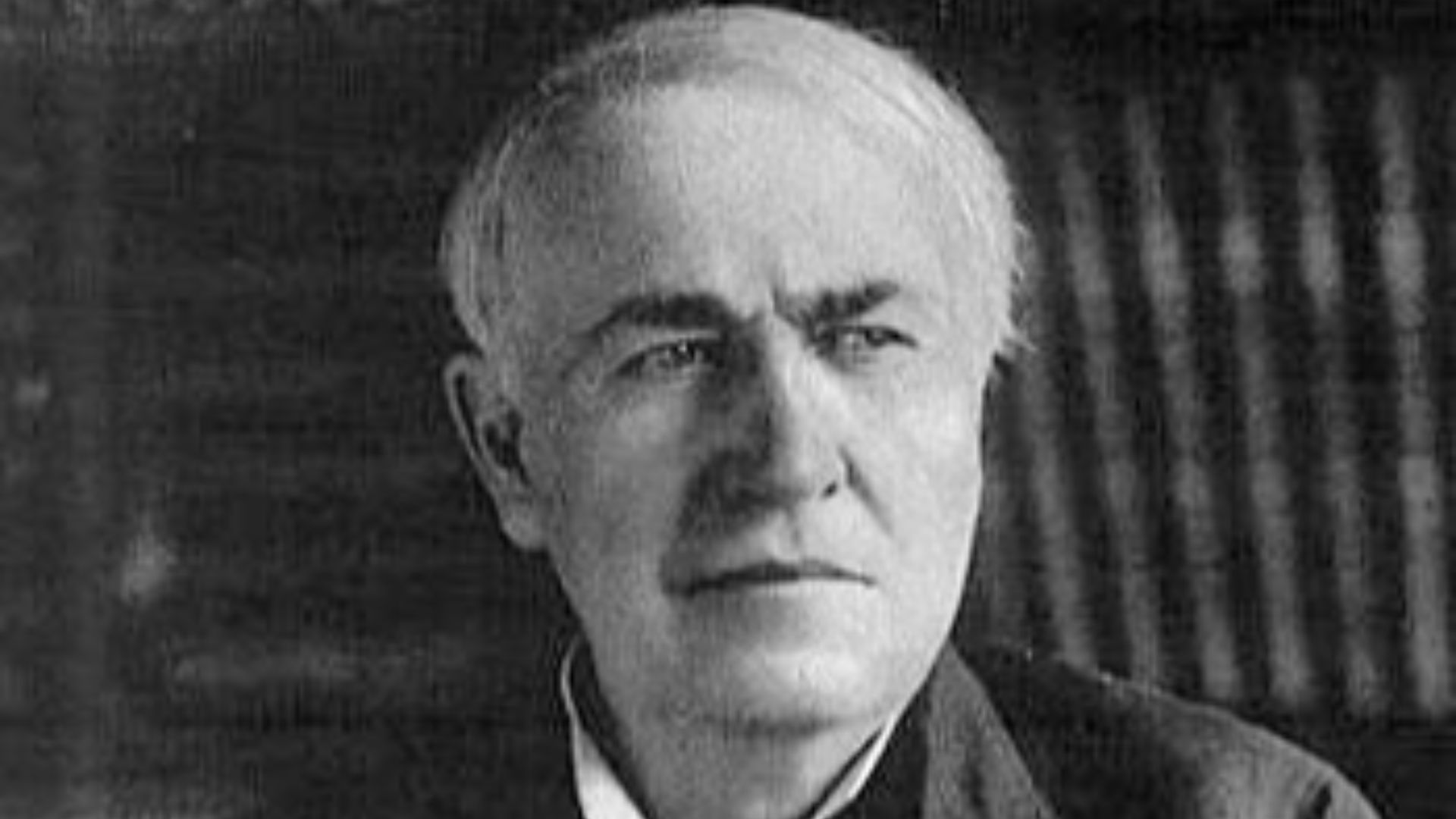 Unknown authorUnknown author on Wikimedia
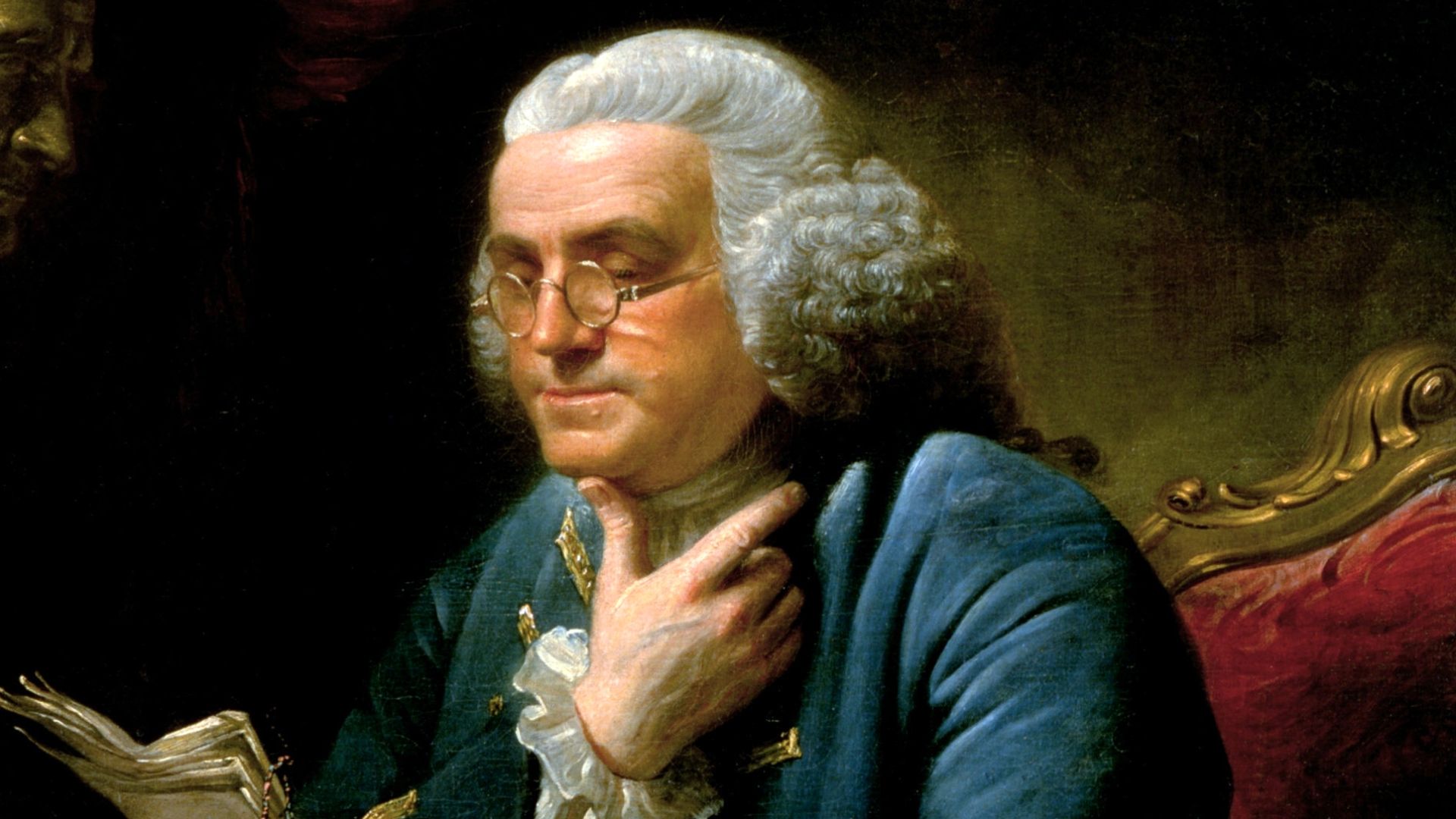
12. Benjamin Franklin's Paper Hoard
America’s founding father loved to save money, so he never threw out anything that could be reused. He kept all the blank paper that passed through his printing business to use for jotting down notes in the small margins. He would only travel on foot and grew so afraid of spending money that he hoarded his pennies.
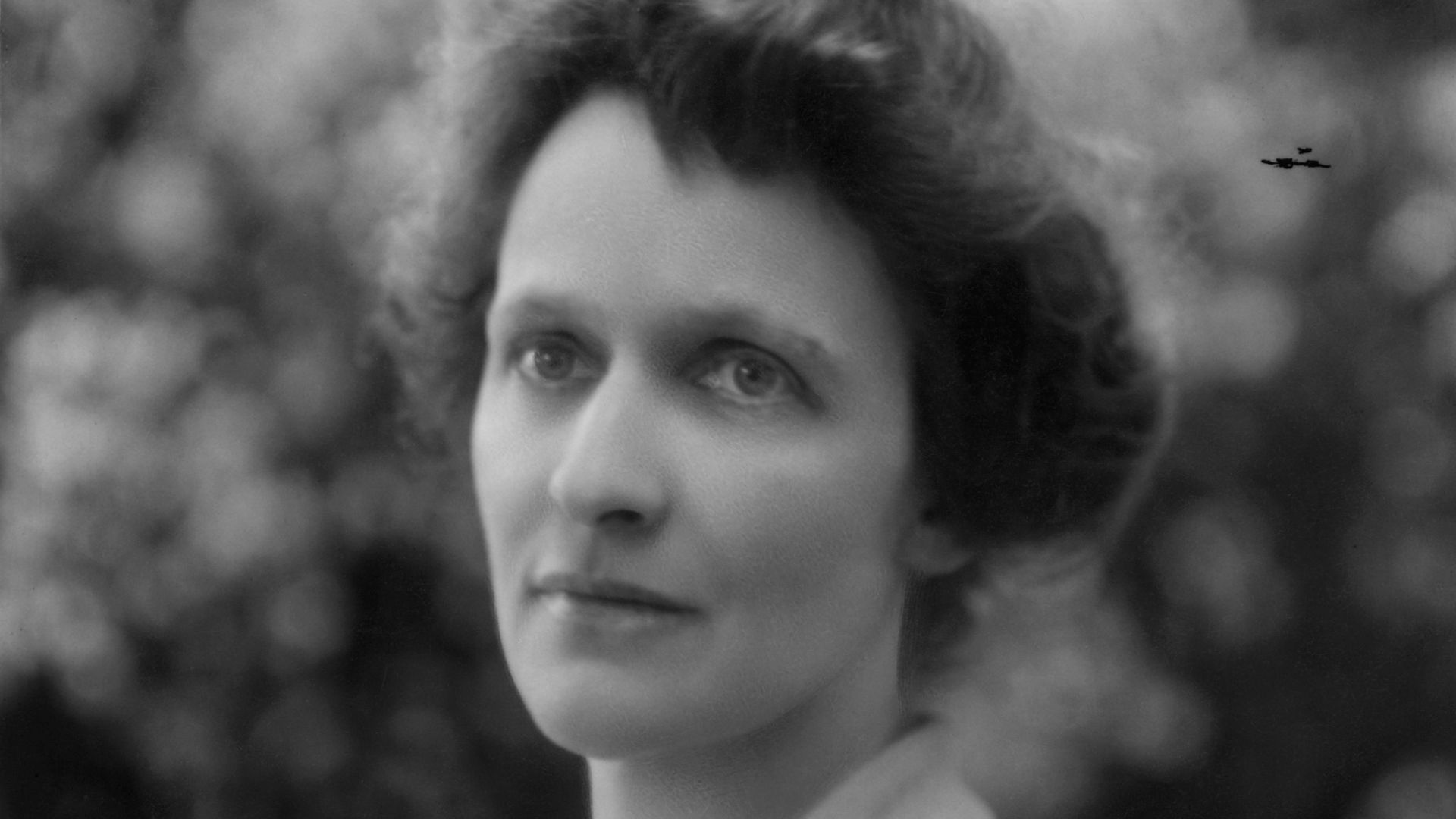
13. Lady Astor's Kitchen Audits
The first woman to hold a seat in British Parliament came from wealth. But liked to stress about her kitchen’s budget. She would carefully inspect egg and meat deliveries to ensure her cooks weren’t stealing food or overcharging her.
14. George Bernard Shaw's Postcard Habit
The famed playwright enjoyed giving his two cents but hated spending money on postage. He wrote half of his letters on the back of postcards by handwriting extremely small so they would take up less space. George Bernard Shaw assumed that if others wanted to read his genius mind, they would just squint at his cramped handwriting.
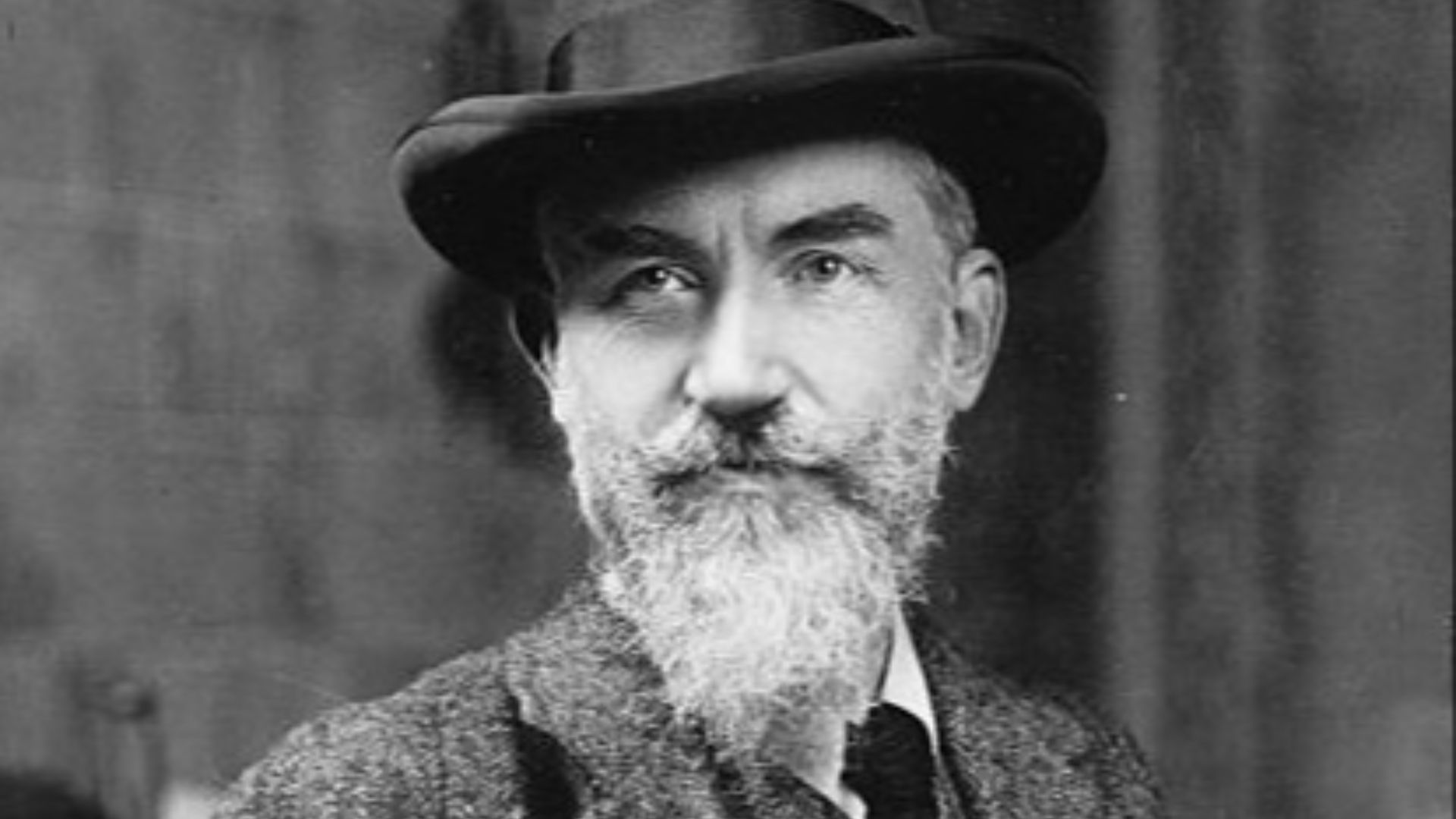 Bain News Service, publisher on Wikimedia
15. J. M. Barrie's Free Meals
The creator of the beloved story Peter Pan accrued millions from his writing, but relied on friends to feed him. He would linger at their summer homes for weeks at a time just to enjoy the free food and lodging. When Barrie was forced to host dinner parties, he served skimpy meals that left his guests starving.
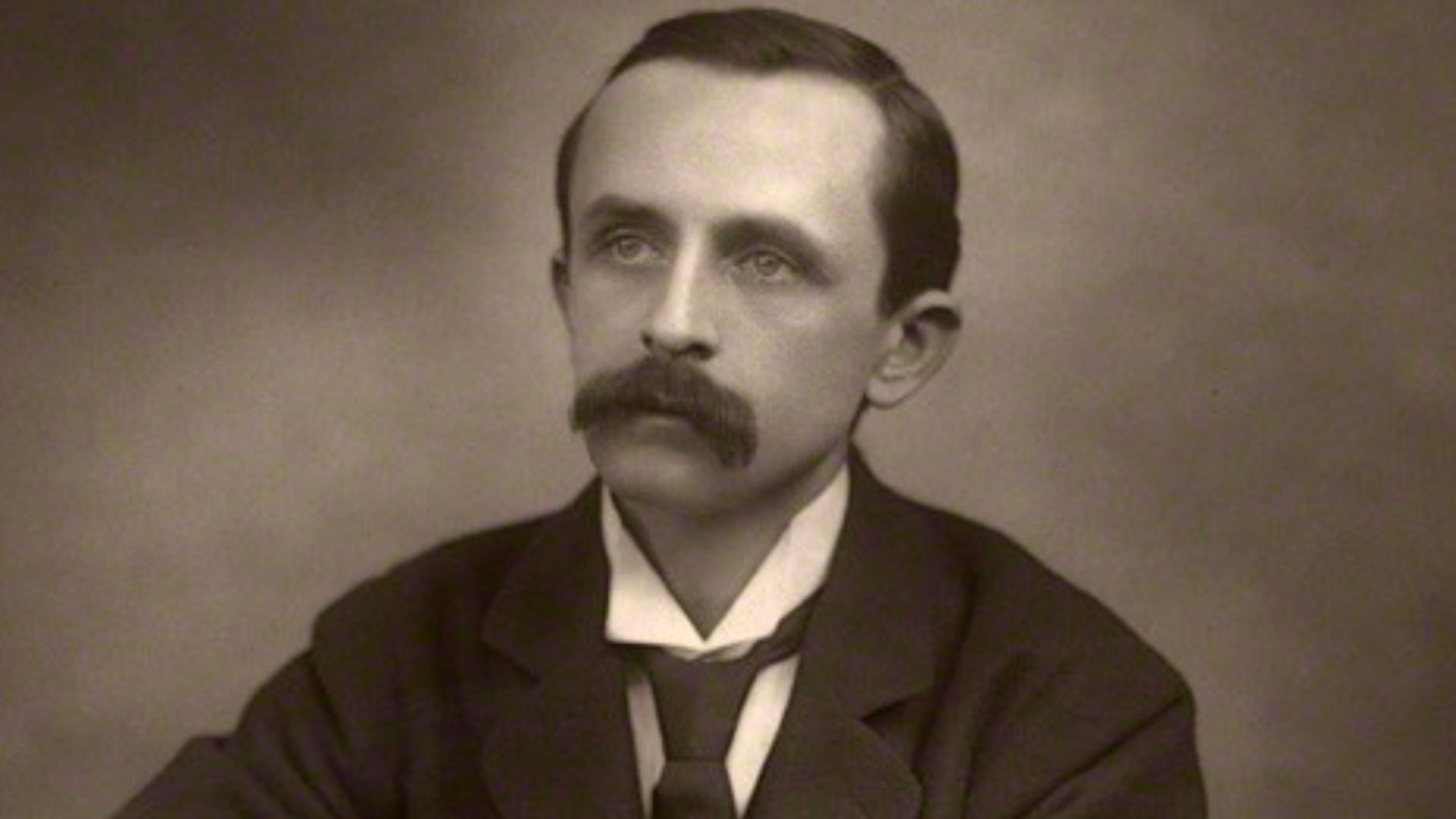 Herbert Rose Barraud on Wikimedia
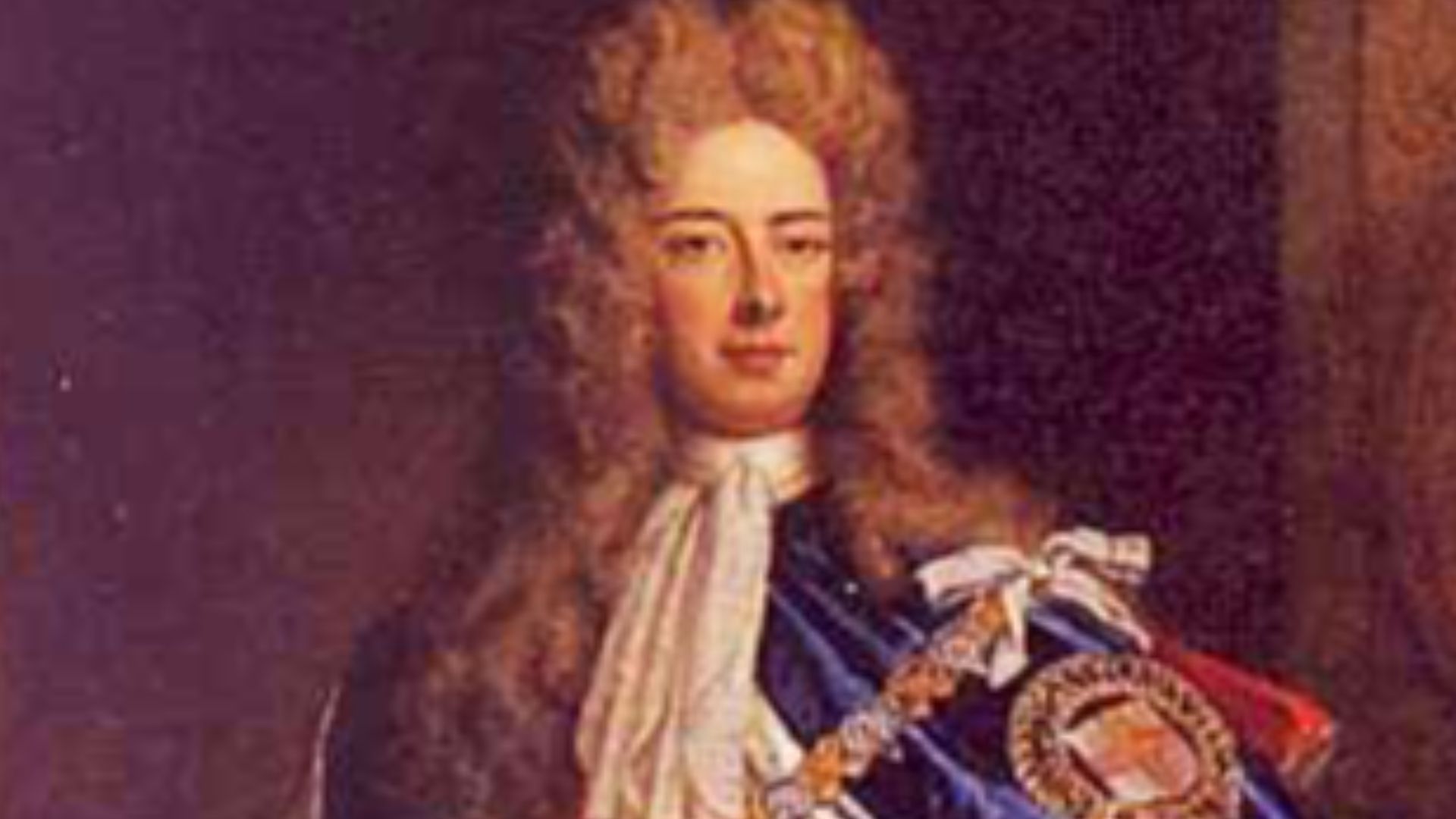
16. John Churchill's Candle Extinguisher
The first Duke of Marlborough was born into wealth. But often walked through his own mansion blotting out candles. After fighting in military campaigns, Churchill earned his riches and continued to drive his coach in the rain so he didn’t ruin the wheels.
17. Russell Sage's Cheap Lunches
This Gilded Age financier was worth tens of millions of dollars, yet he refused to spend more than a few cents on his midday meal. He walked to a cheap bakery every single day to buy a basic slice of pie. He also famously wore cheap, ready-made suits.
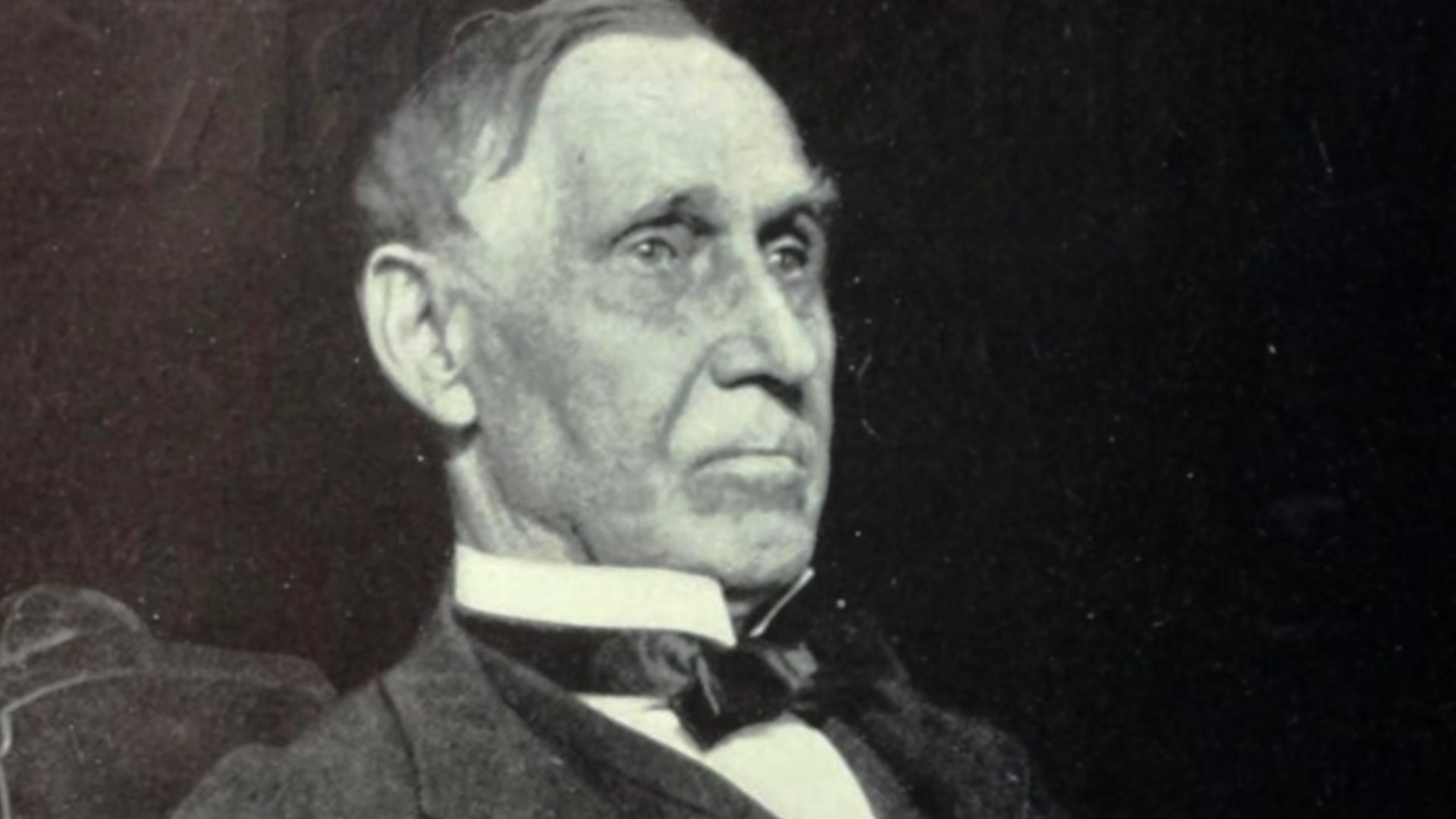 W. M. Wander Weyde on Wikimedia
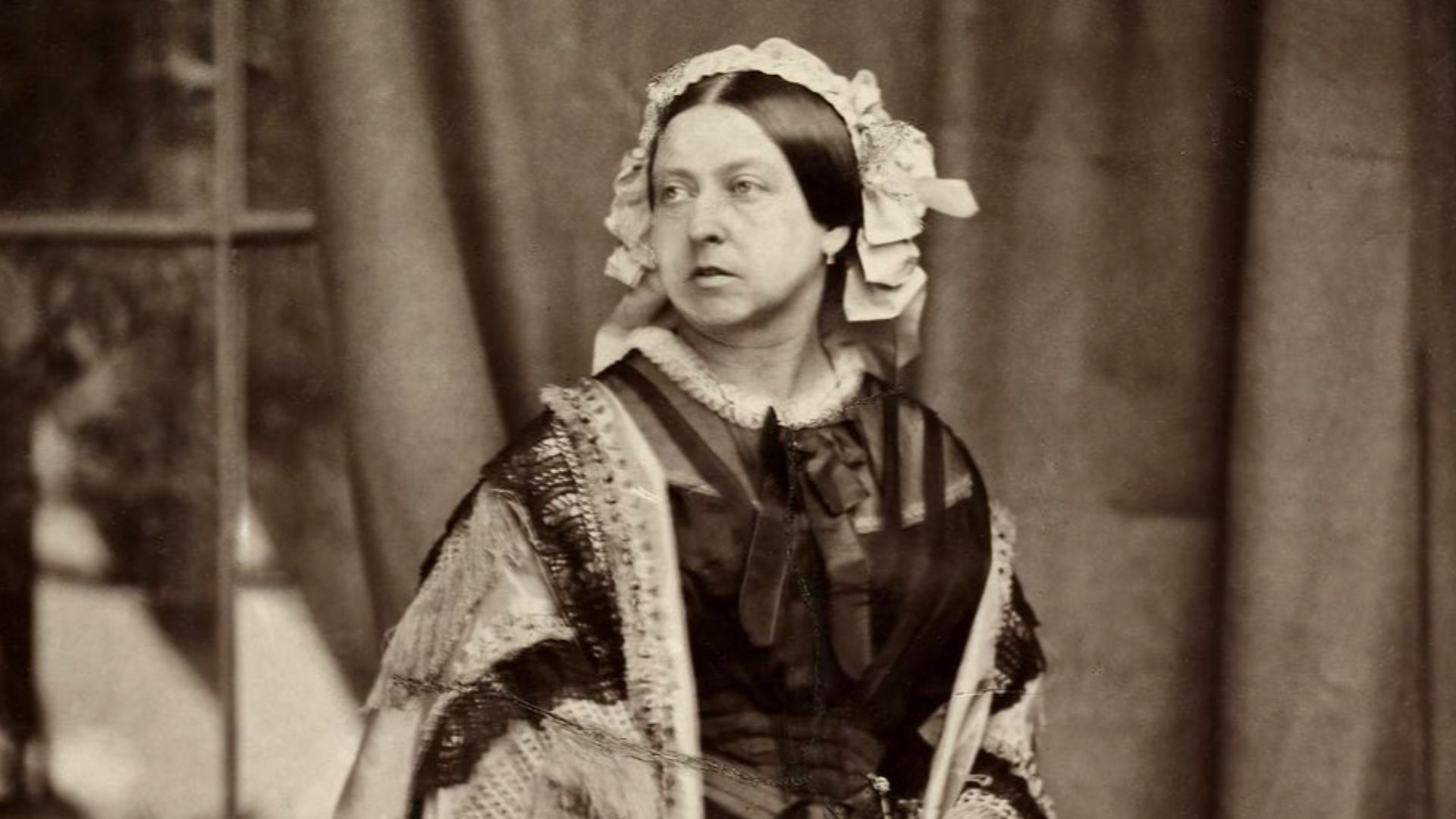
18. Queen Victoria's Reused Ribbons
The powerful monarch ruled over a massive global empire. But she maintained a surprisingly strict grip on the royal household expenses. She demanded that all the wrapping paper and decorative ribbons from her gifts be carefully smoothed out and saved for future use.
 John Jabez Edwin Mayall on Wikimedia
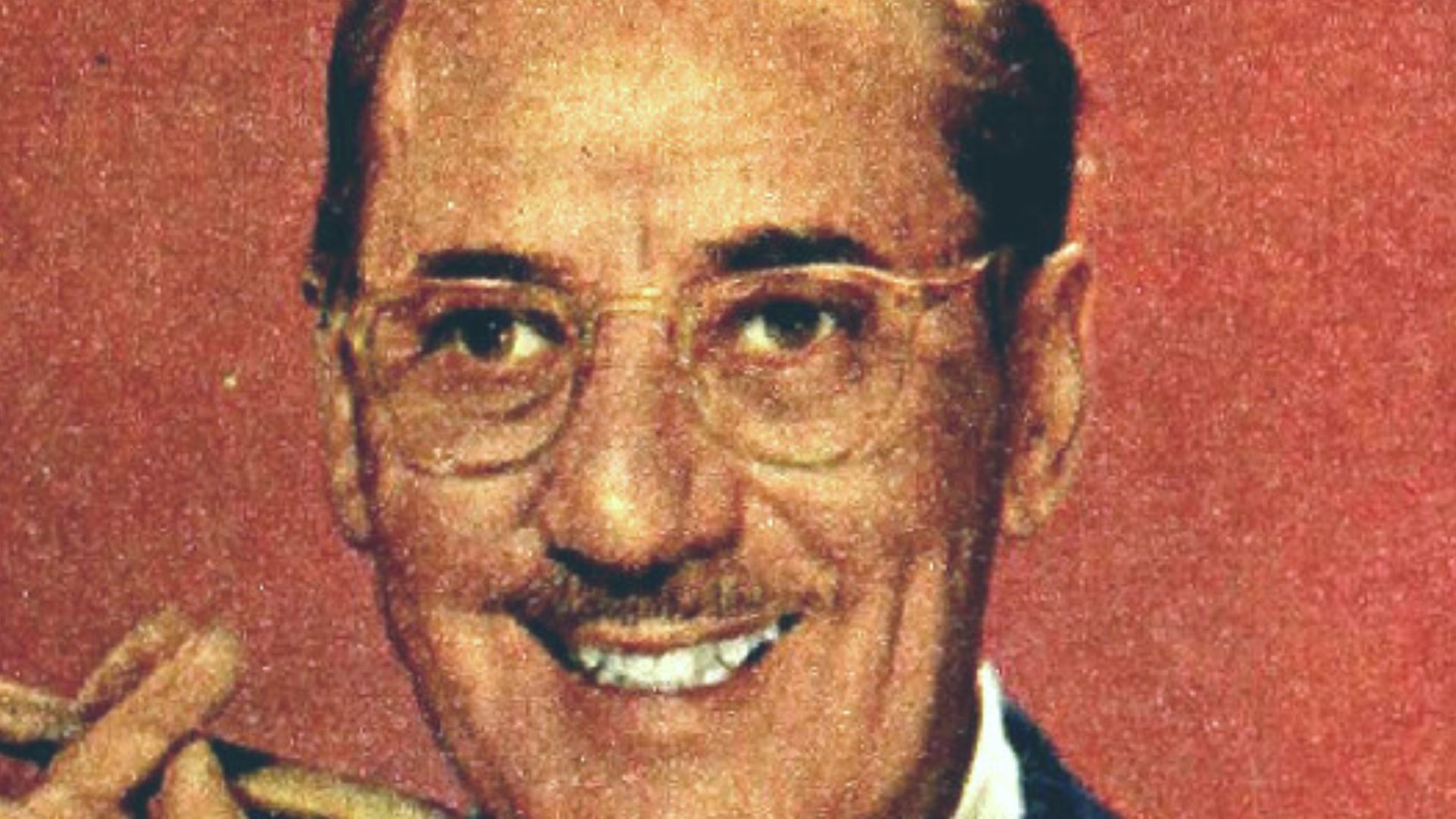
19. Groucho Marx's Tip Anxiety
The iconic comedian made a fantastic living on stage and screen. But tipping service workers threw him into an absolute panic. He would calculate the minimum possible gratuity down to the single penny and often argued with waiters over the price of side dishes.
 Macfadden Publicationspage 2 on Wikimedia
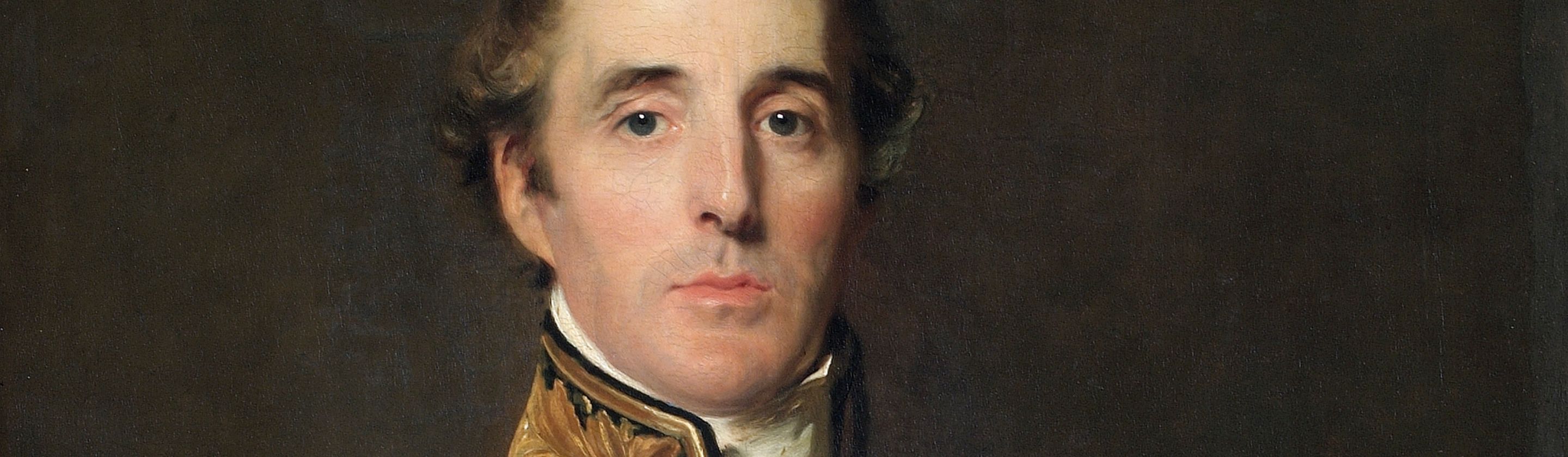
20. Duke of Wellington's Cold Bedroom
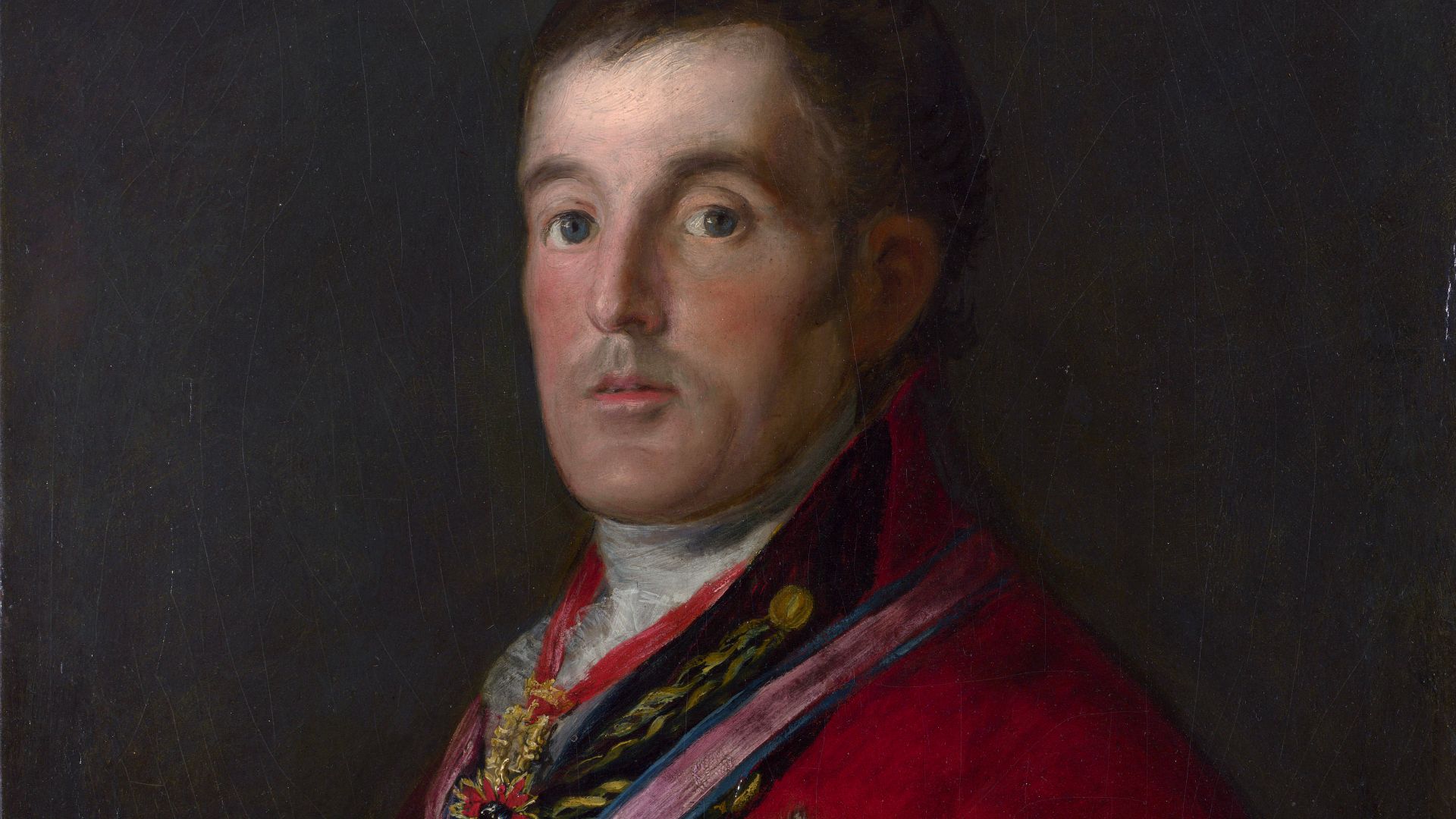
The man who famously defeated Napoleon at Waterloo lived in a massive estate but absolutely refused to pay for adequate heating. He kept his private bedroom at a near-freezing temperature and slept on a simple, hard camp bed long after his military days were over. He genuinely believed that spending money on personal luxury softened a man's character, so he chose to freeze rather than part with his cash.