

20 Historical Figures Who Did Terrible Things To Their Children
Family Drama
History often remembers famous figures for their victories, and there’s a good reason for that—their private lives were often far less admirable. Many powerful parents treated their children not as people to protect, but as rivals, disappointments, or threats to be controlled. Before you think your parents are bad, come with us as we explore 20 households you definitely wouldn’t have wanted to be a part of.
1. Peter the Great
Peter the Great wanted a modern, hard-driving Russia, but his son Alexei was much more drawn to old religious and conservative circles. When Alexei fled abroad, Peter treated it as betrayal, dragged him back, and had him interrogated in a treason investigation. Alexei was then condemned to death and died in the Peter and Paul Fortress after being tortured.
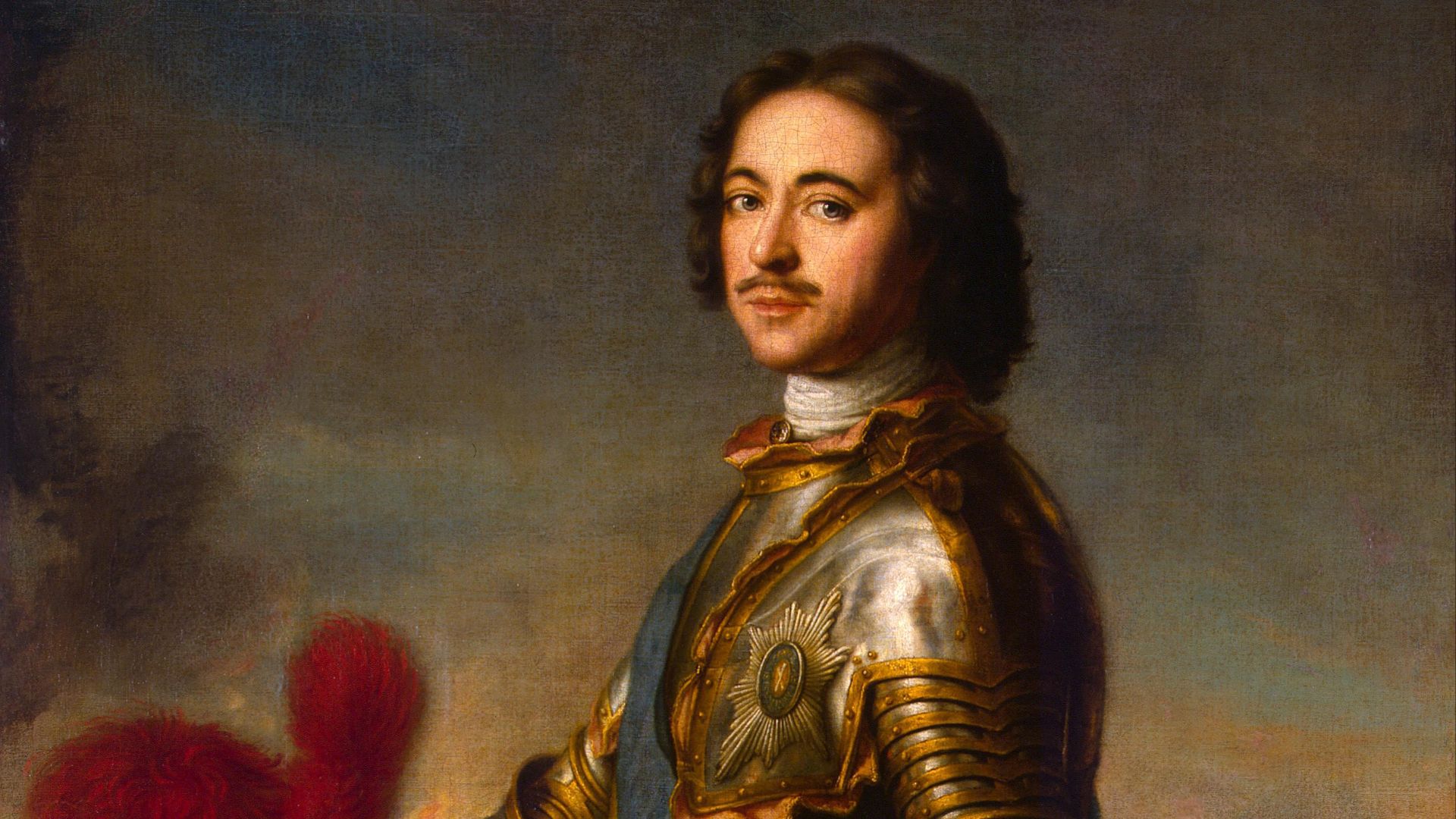 Attributed to Jean-Marc Nattier on Wikimedia
2. Ivan the Terrible
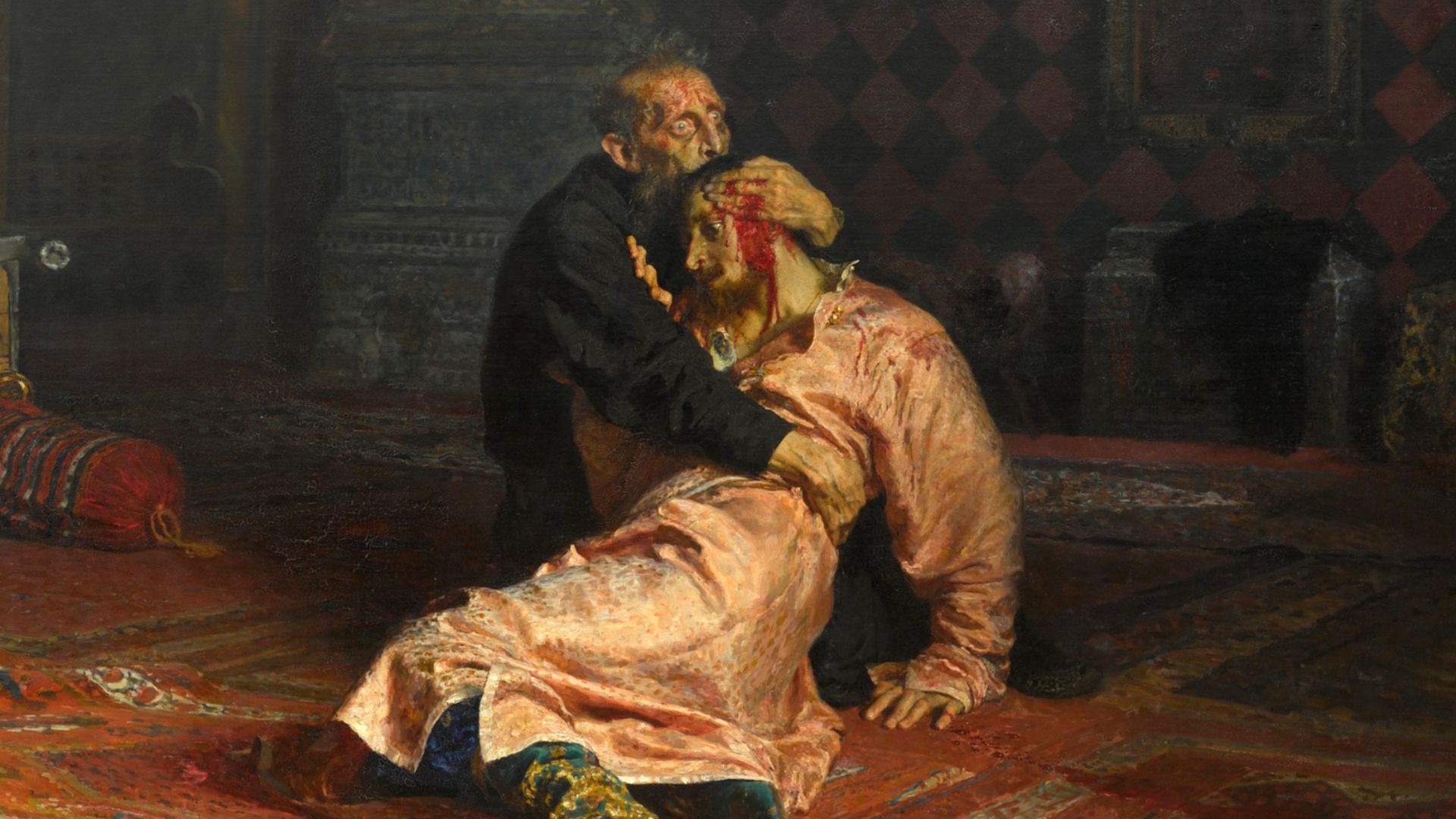
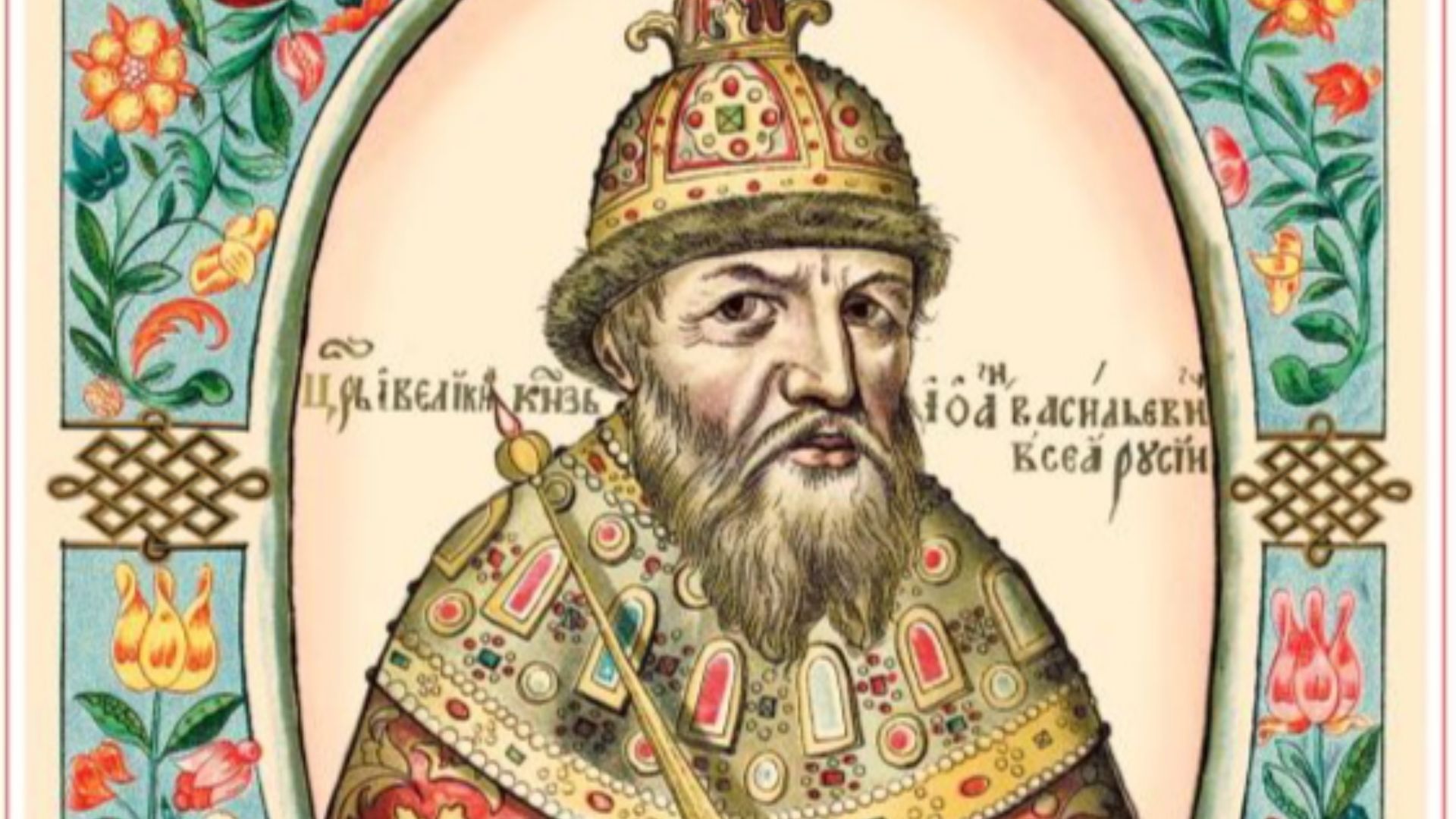
Ivan the Terrible had a long reputation for turning suspicion into bloodshed, and that temper eventually trickled into his own family. In 1581, he struck his son Ivan Ivanovich during a violent confrontation, and the blow became fatal. Ilya Repin painted the aftermath, which only helped it become an even more memorable story.
3. Constantine the Great
Constantine the Great is often remembered for reshaping the Roman Empire, but his family record has a grim entry that doesn’t always share the spotlight. His eldest son, Crispus, was a successful commander and imperial heir, yet Constantine had him executed in 326 under circumstances that, to this day, remain murky.
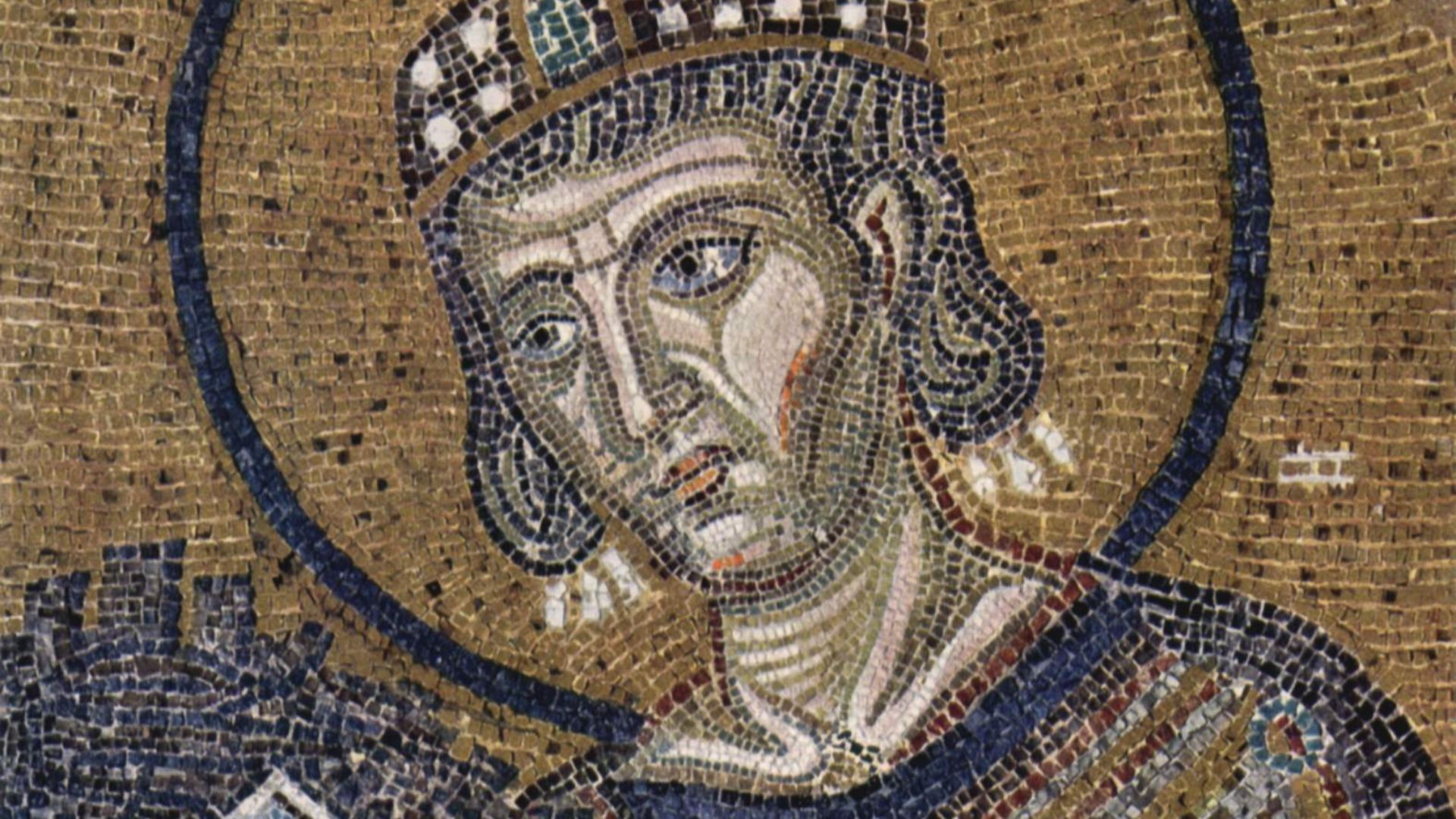 Byzantine mosaicist, ca. 1000 on Wikimedia
4. Herod the Great
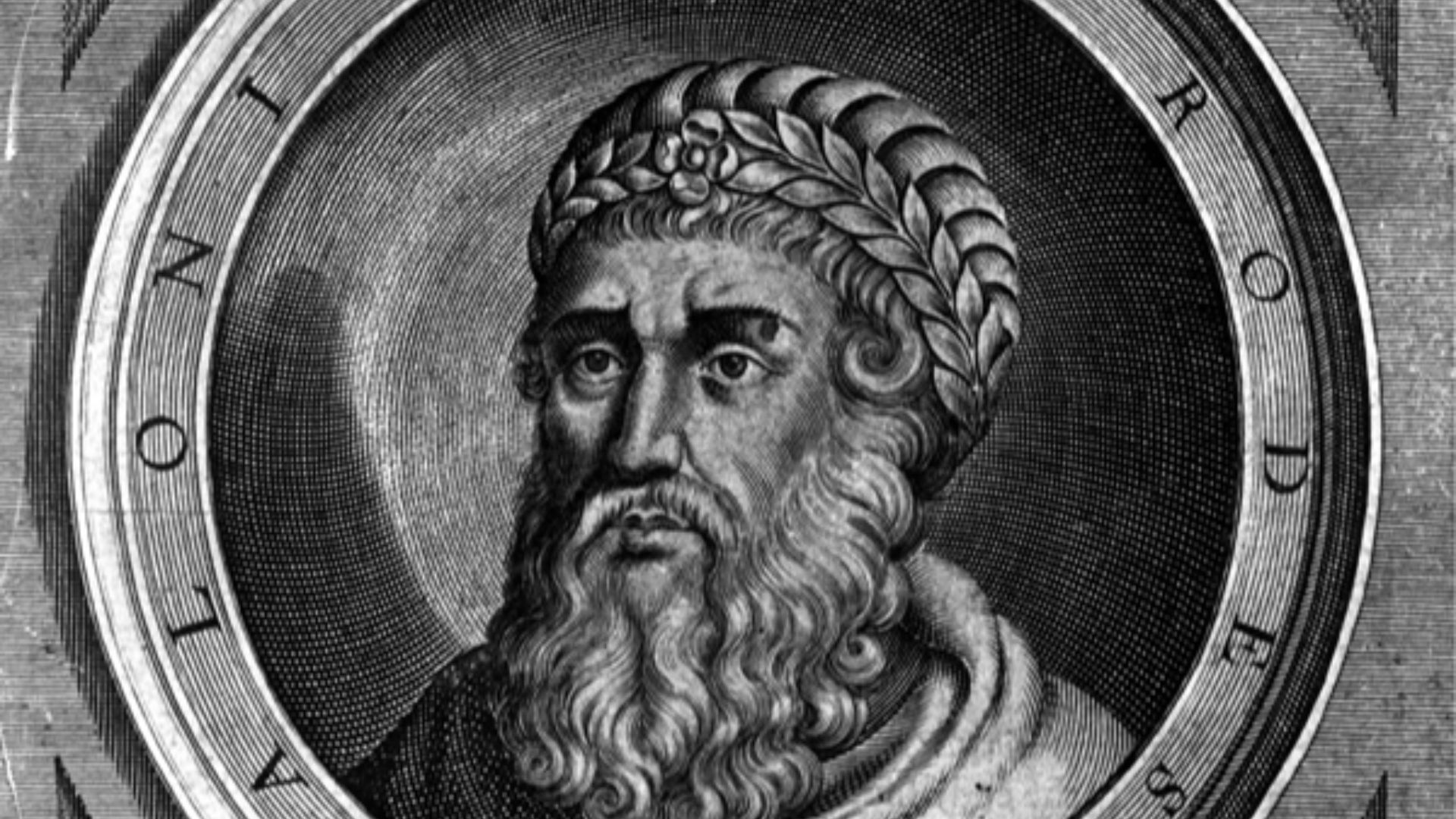
Herod the Great was so suspicious that even his children weren’t safe from his paranoia. He ordered the deaths of his sons, Alexander and Aristobulus, after court intrigue convinced him they were plotting against him, and if that wasn’t bad enough, he also later had another son, Antipater, executed as well.
5. Suleiman the Magnificent
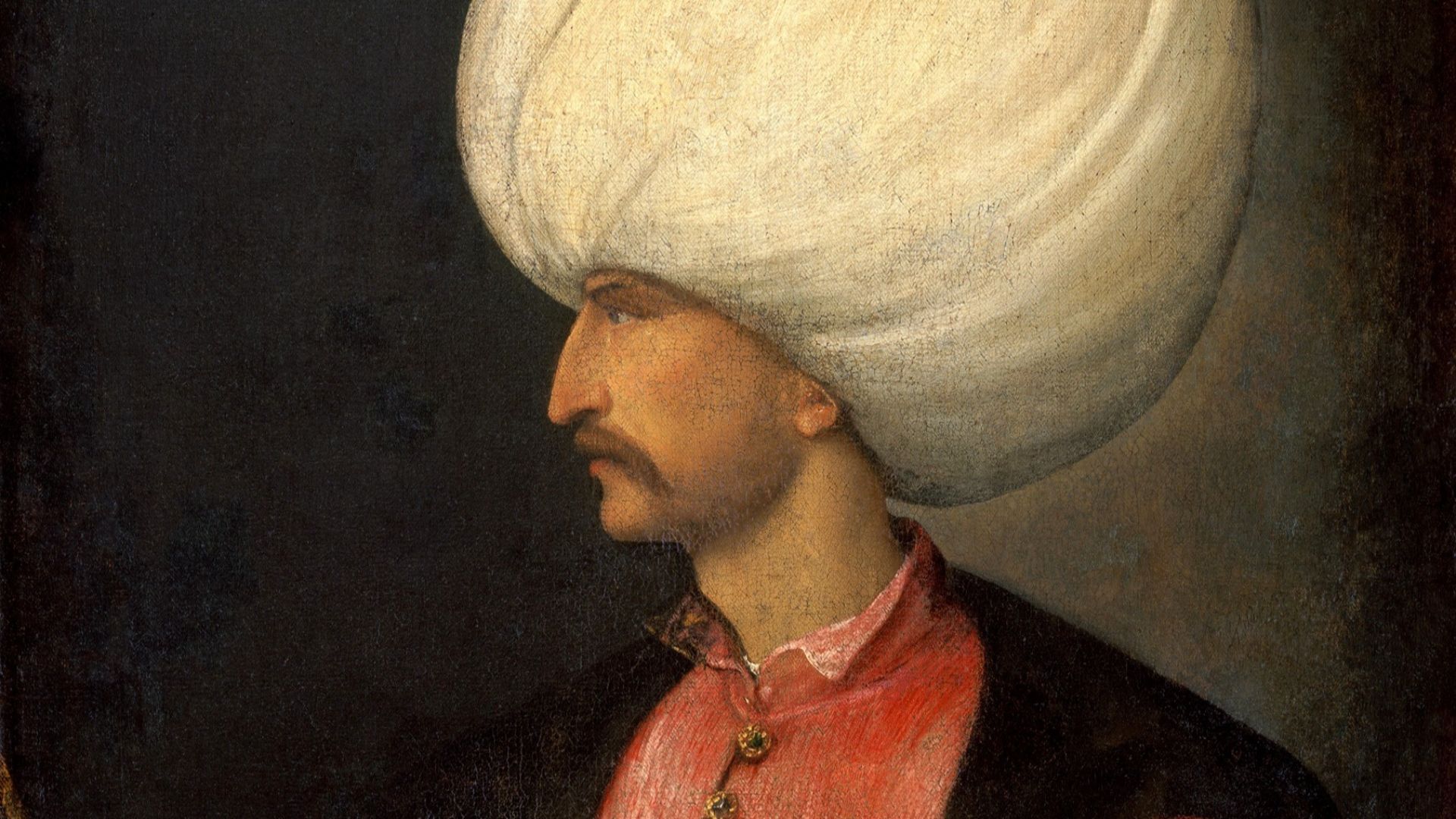
Suleiman the Magnificent had one of the most impressive reigns in Ottoman history, but his treatment of his son, Mustafa, left a permanent stain on that record. In 1553, Mustafa entered his father’s tent during a military campaign and was strangled by executioners after being suspected of rebellion. To be fair, contemporaries think that Mustafa might have been framed, but that doesn’t change the outcome.
6. Philip II of Spain
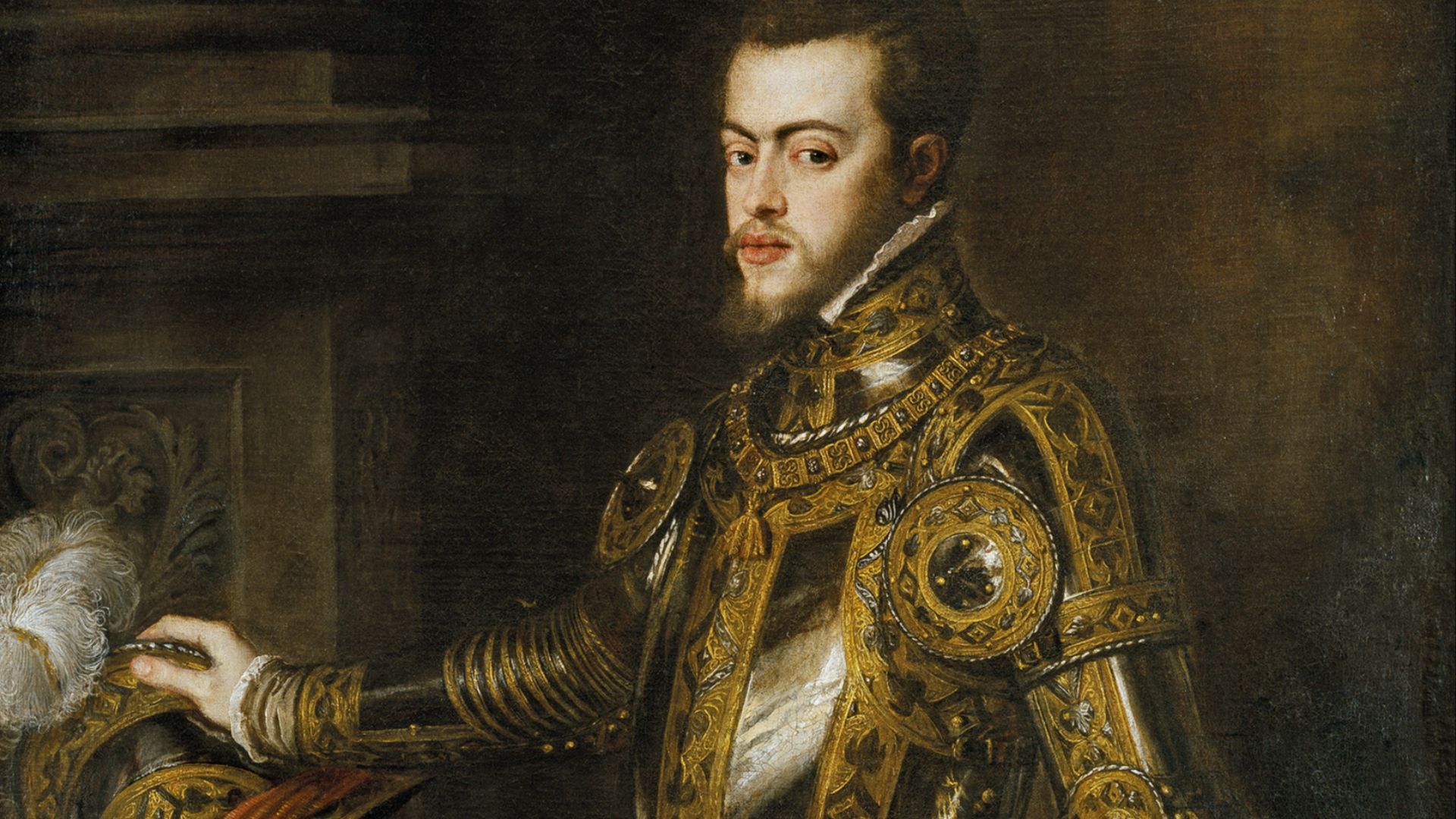
Philip II of Spain had a son, Don Carlos, who wasn’t exactly trusted by his father, and his political recklessness also made him a frightening problem for the monarchy. So, in 1568, Philip had him arrested and confined after learning of his plans and contacts with opponents in the Low Countries. Don Carlos died in confinement months later.
7. Augustus
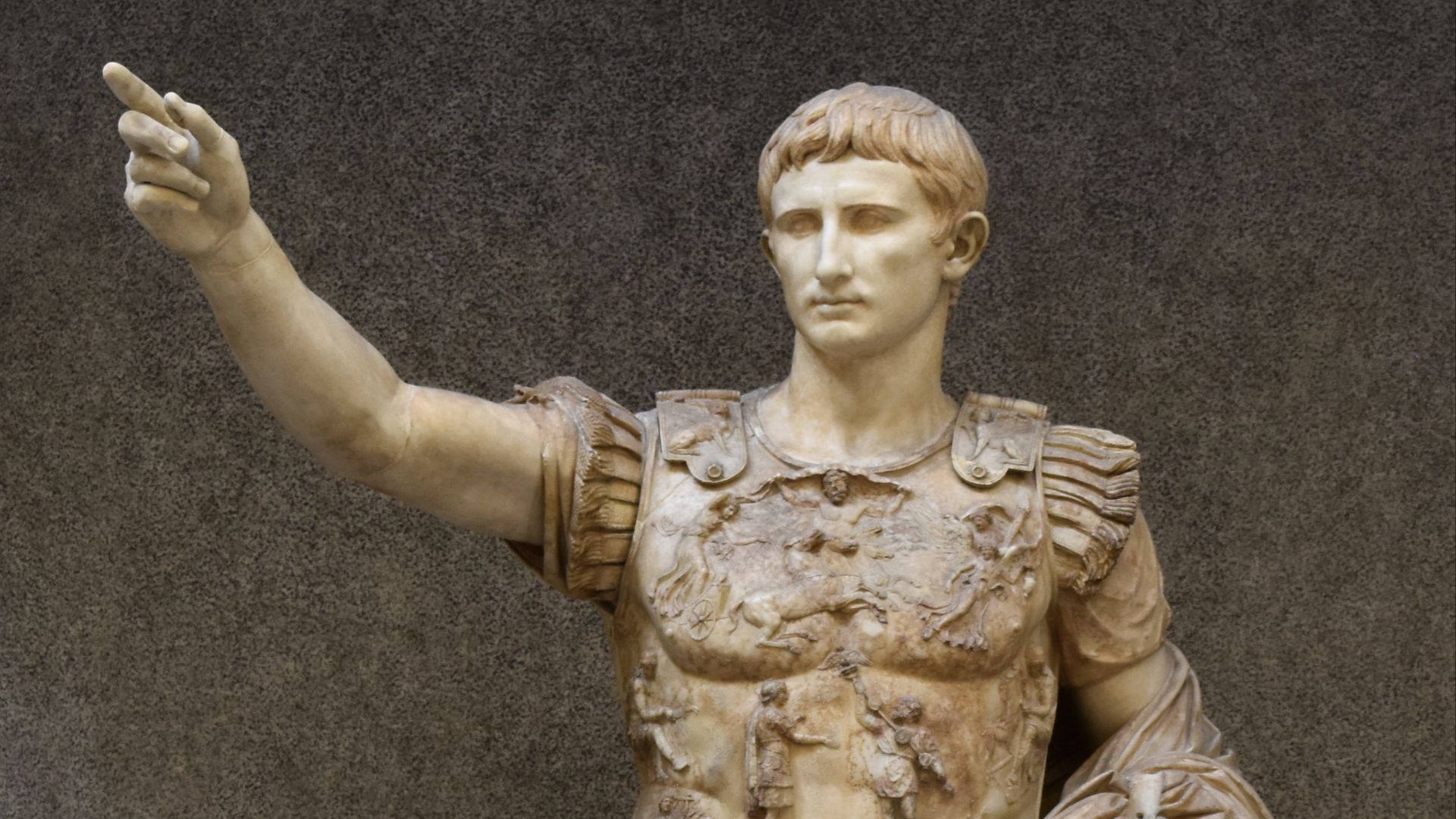
Augustus built his public image around a lot of things: order, morality, and family values. That all sounds good until you remember what it meant for his daughter, Julia, who refused to behave like propaganda. After scandals involving adultery and politics, he banished her to the island of Pandataria in 2 BC, where she later died in exile.
8. Frederick William I
Frederick William I of Prussia wanted a tough soldier-son, but life doesn’t always give you what you want; young Frederick preferred music, books, French culture—a life with fewer drills. That didn’t fly with William I; he insulted his son, beat him, publicly humiliated him, and treated his interests as personal offenses.
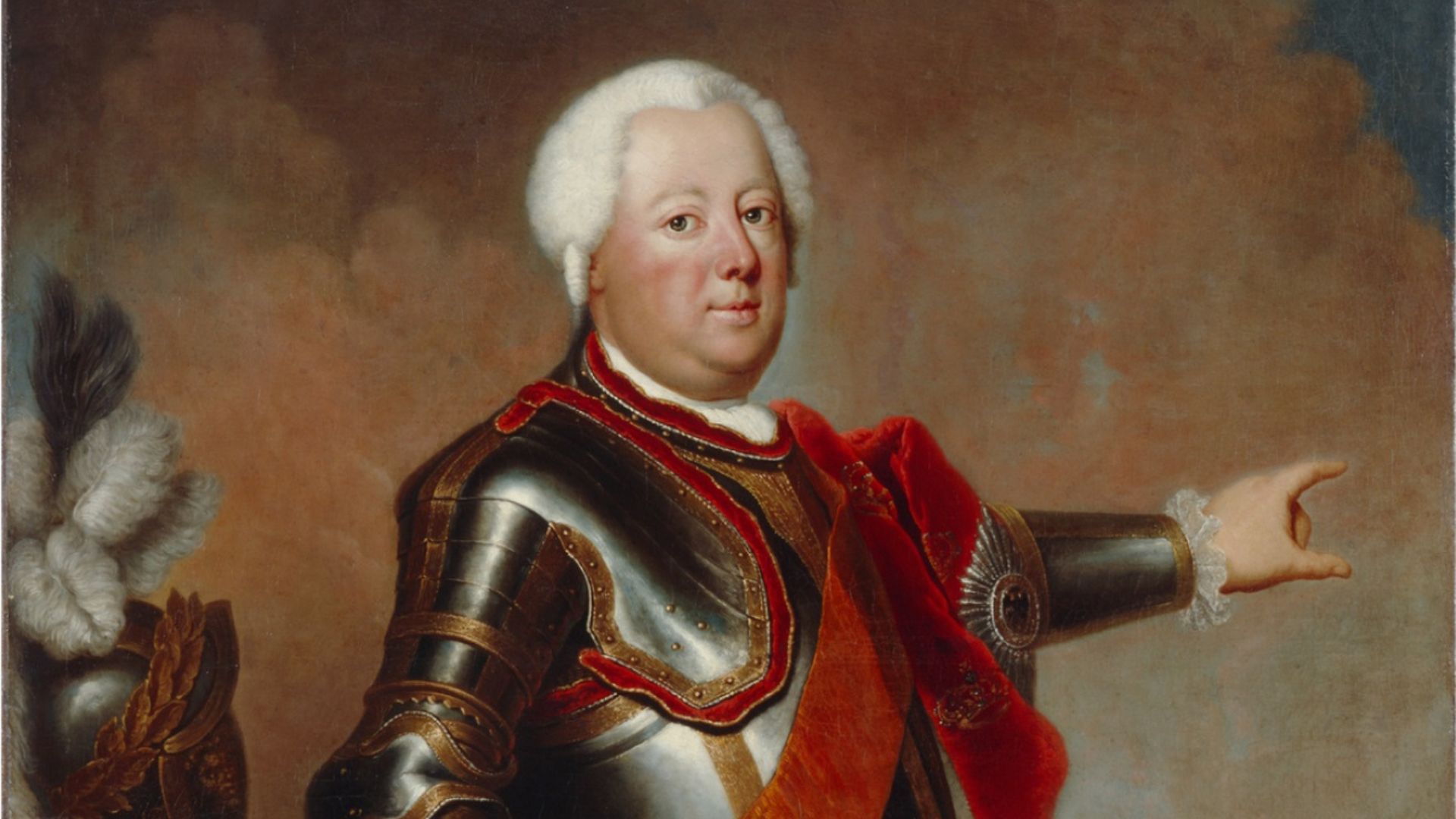 Workshop of Antoine Pesne on Wikimedia
9. Mithridates VI of Pontus
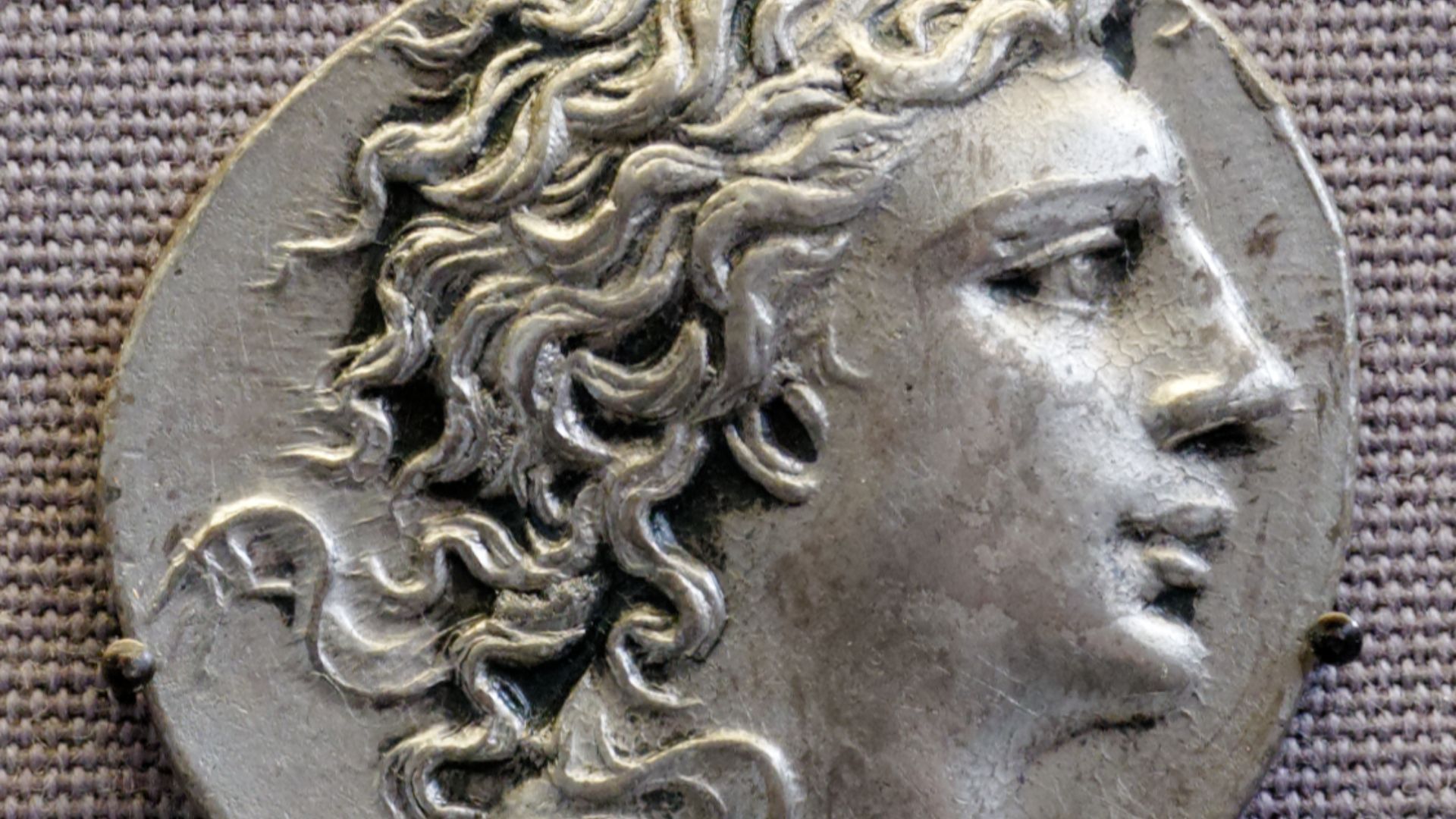
Mithridates VI did a lot more than simply end his son’s life. Yes, he killed Xiphares after Xiphares’s mother, Stratonice, surrendered a fortress and treasure to Pompey. However, he also took Xiphares’s life while Stratonice watched, then left the body unburied just to hurt her.
10. Empress Irene of Athens
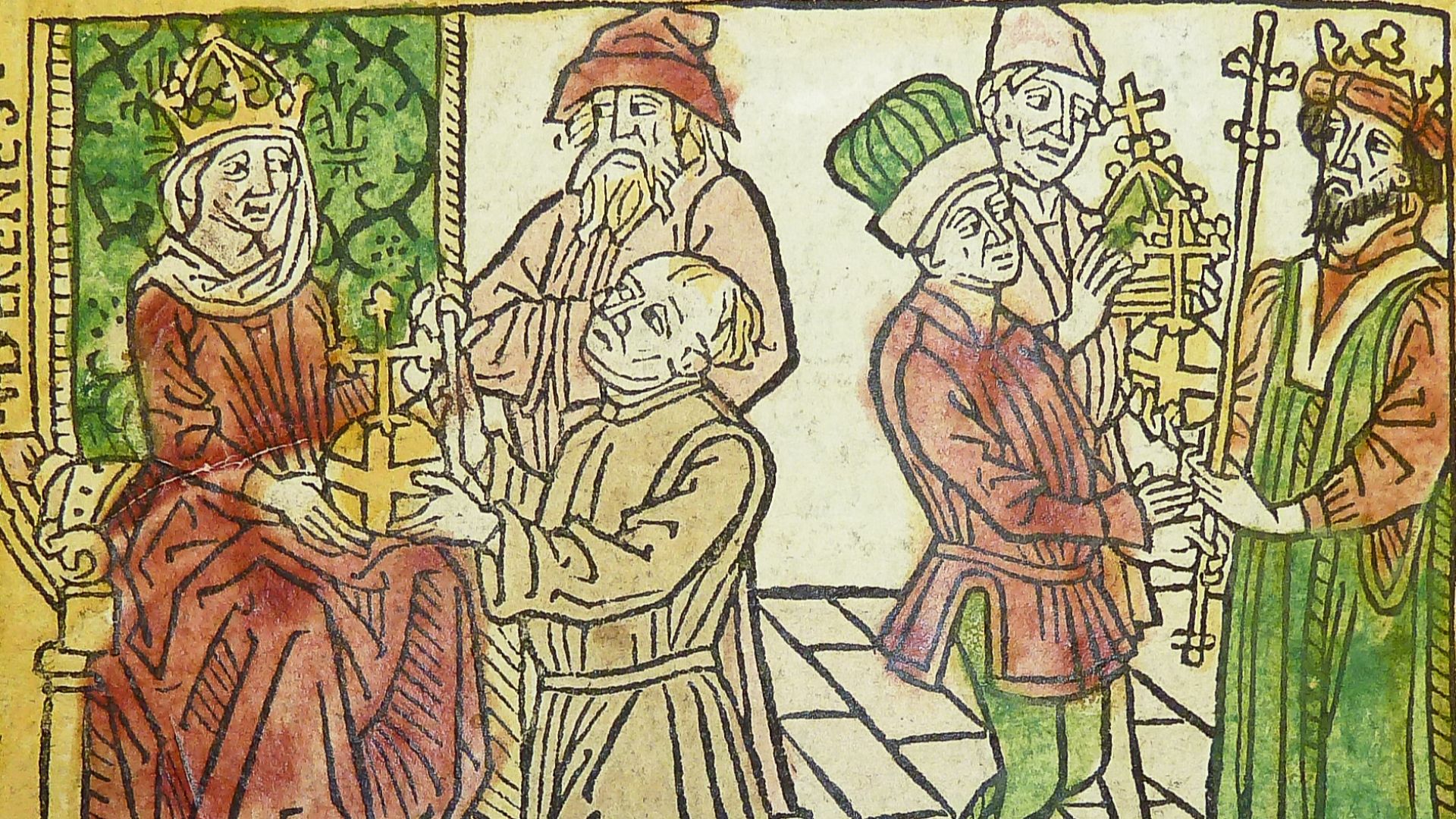
Irene didn’t just sideline her son Constantine VI; she had him overthrown, blinded, and removed from power in 797. Why, you may ask? So she could rule the Byzantine Empire alone. Her plan worked; after Constantine was blinded in the royal palace, he eventually died from his injuries.
11. Sultan Mehmed III
Mehmed III had his son Şehzade Mahmud imprisoned, beaten, and then strangled in 1603 after suspicions grew that he might become a rival for the throne. Mehmed even waited outside while it happened, and then walked in the room to confirm his son was dead.
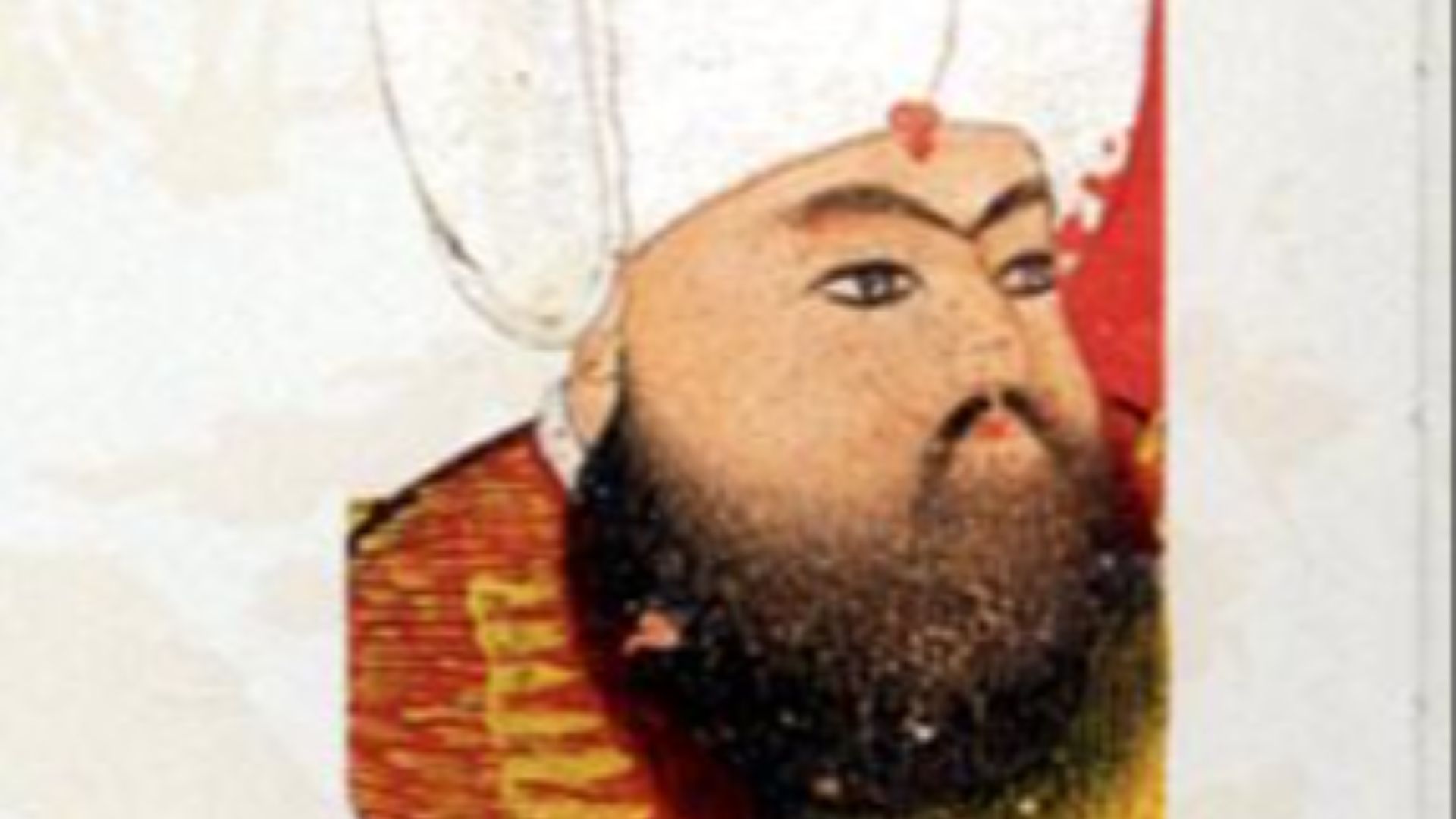 Ottoman miniature painting on Wikimedia
12. Lord Byron
Lord Byron expected a son and was a little disappointed when he got a daughter instead. So disappointed, in fact, that she barely stayed long enough to become a memory. Ada Lovelace was only weeks old when her mother left Byron, and he made no serious effort to claim custody afterward.
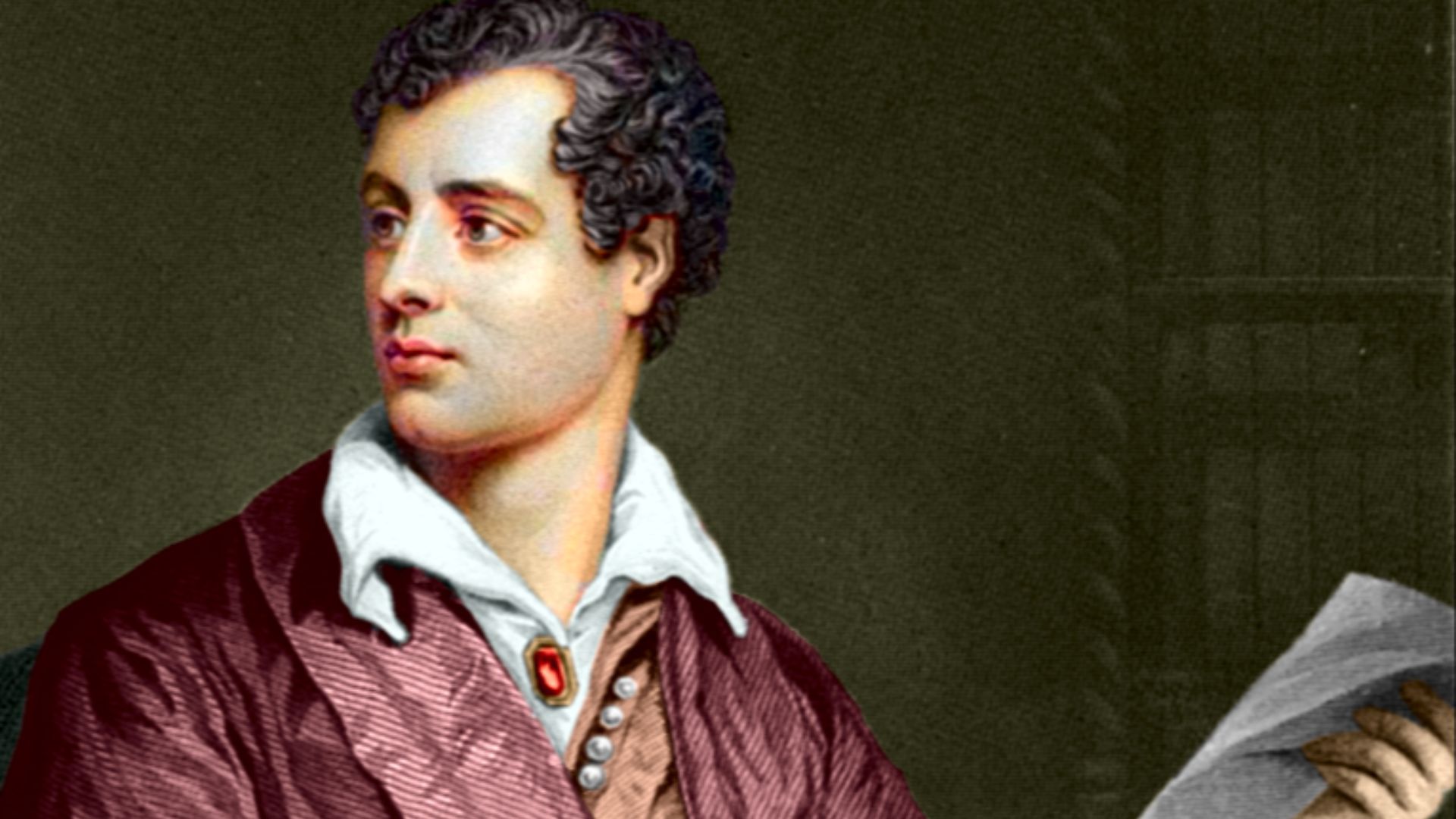
13. King Yeongjo
King Yeongjo of Korea faced a terrible problem with Crown Prince Sado, whose violent behavior had terrified the court. In 1762, Yeongjo ordered his son into a wooden rice chest, where Sado stayed trapped for days until he died.
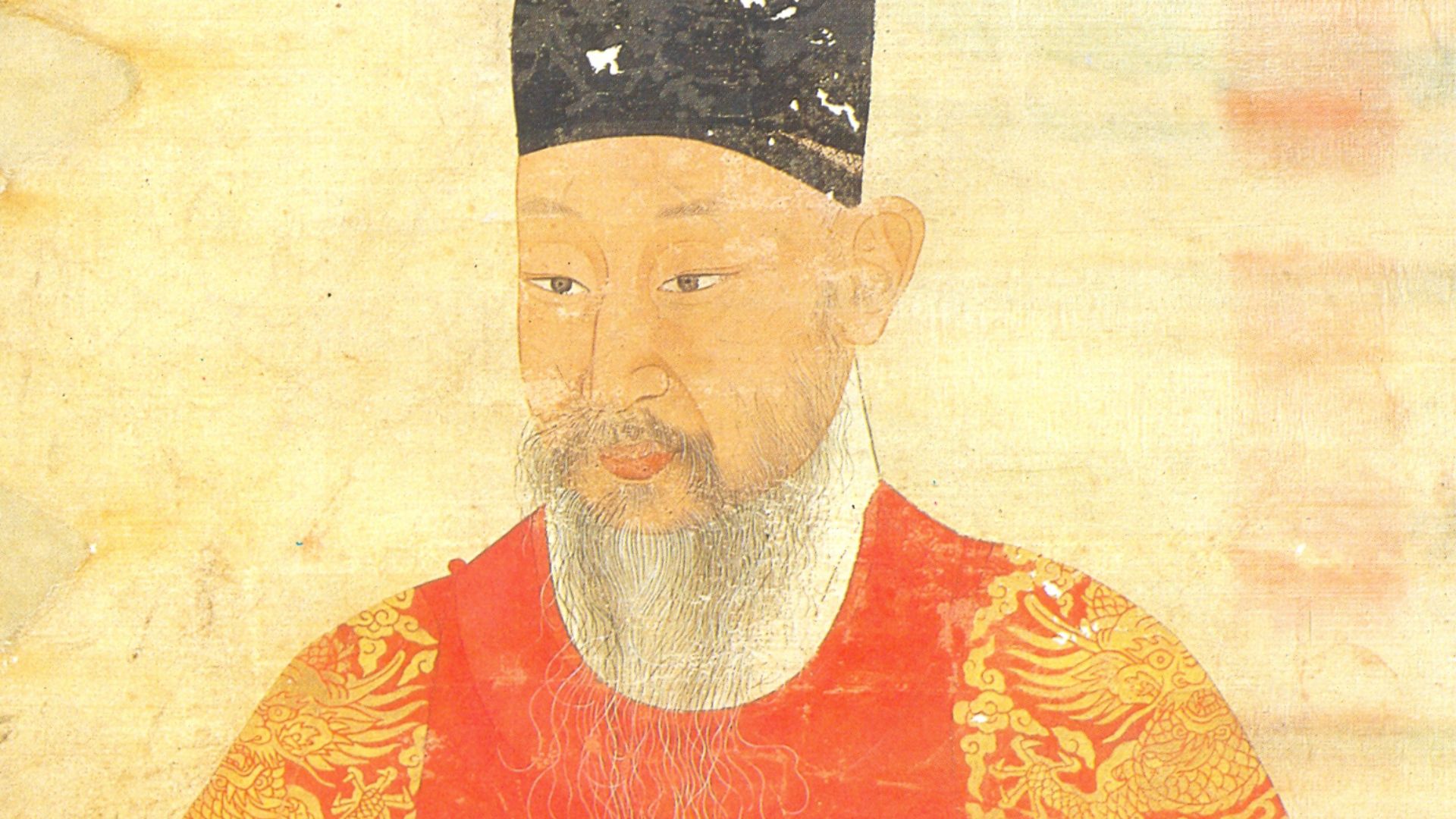 Chae Yong-sin / Jo Seokjin on Wikimedia
14. Shah Abbas I
Shah Abbas I of Persia’s paranoia turned his dynasty into a danger zone, one that affected just about every potential incomer. He had his eldest son, Safi Mirza, killed and later had other sons or grandsons blinded so they couldn’t rule. Of course, while the strategy protected Abbas from imagined rivals, it also left the empire with a damaged succession.
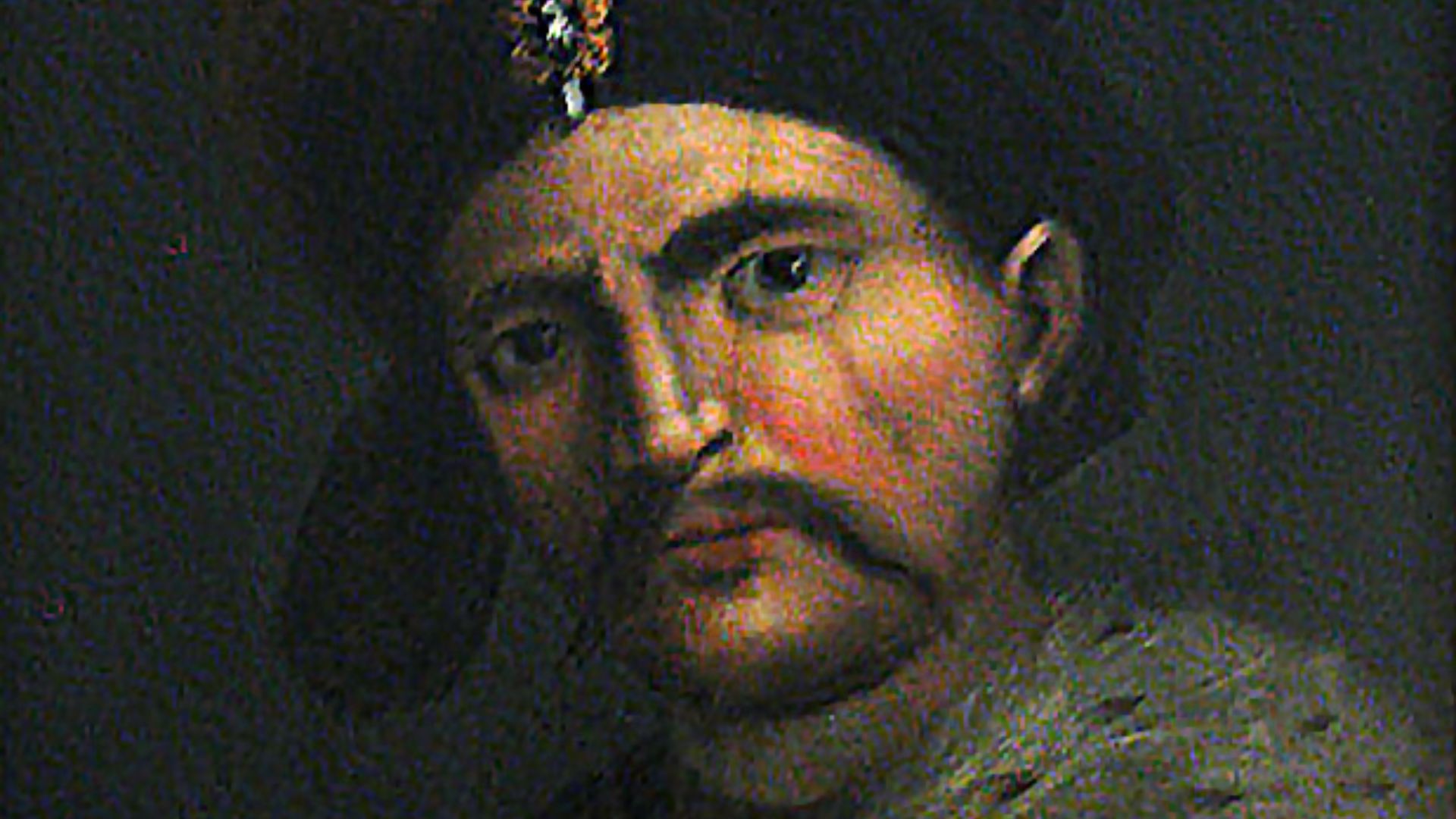 Unnamed Italian painter on Wikimedia
15. Ptolemy VIII Physcon
Ptolemy VIII’s son, Ptolemy Memphites, became a victim of the civil war between Ptolemy and Cleopatra II. Records show that Memphites, the son of Ptolemy VIII and Cleopatra II, was murdered by his father around 130 BC, with the “why” being chalked up to dynastic revenge and political terror.
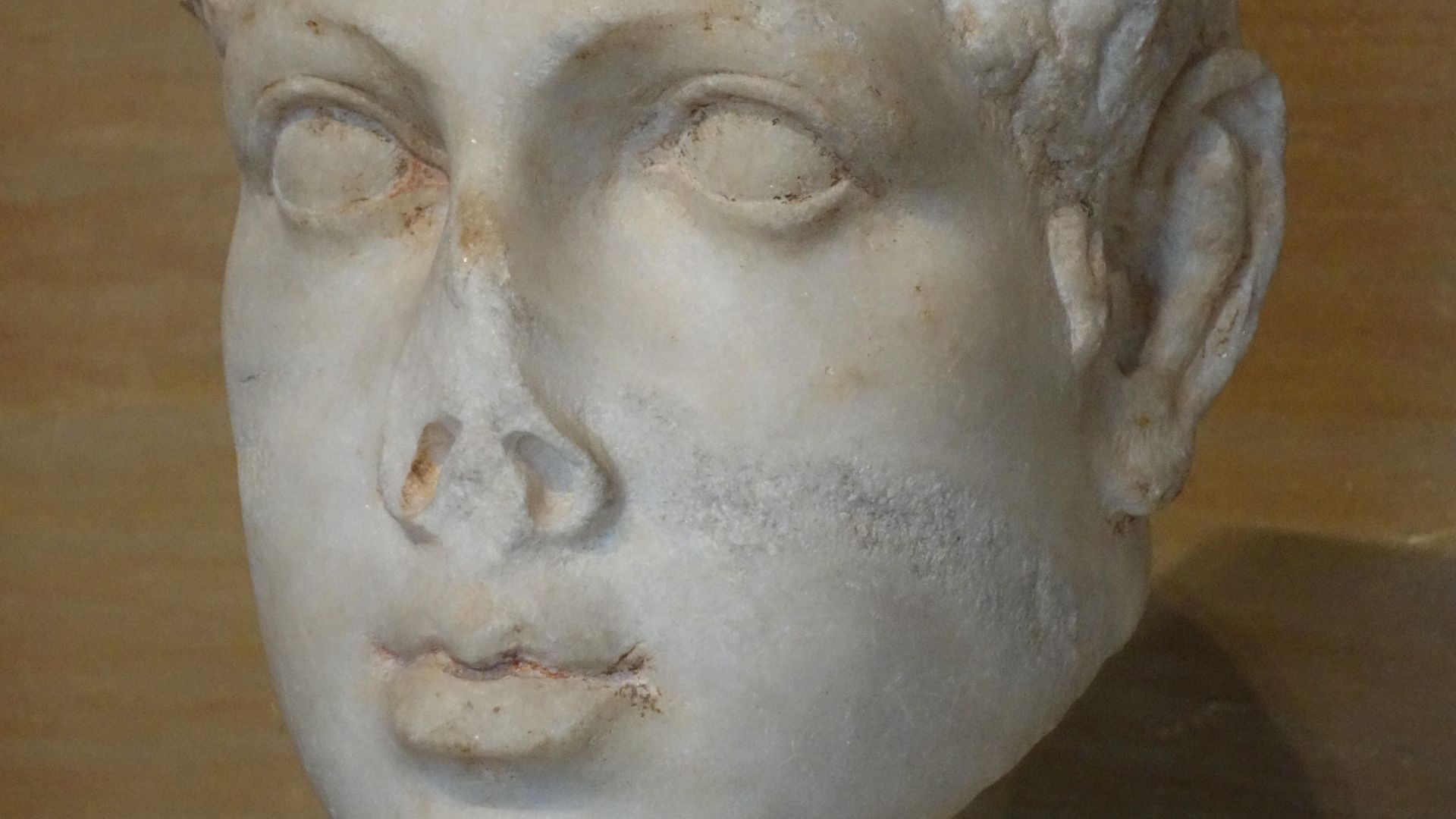 Mark Landon (user:Choliamb) on Wikimedia
16. Emperor Wu of Han
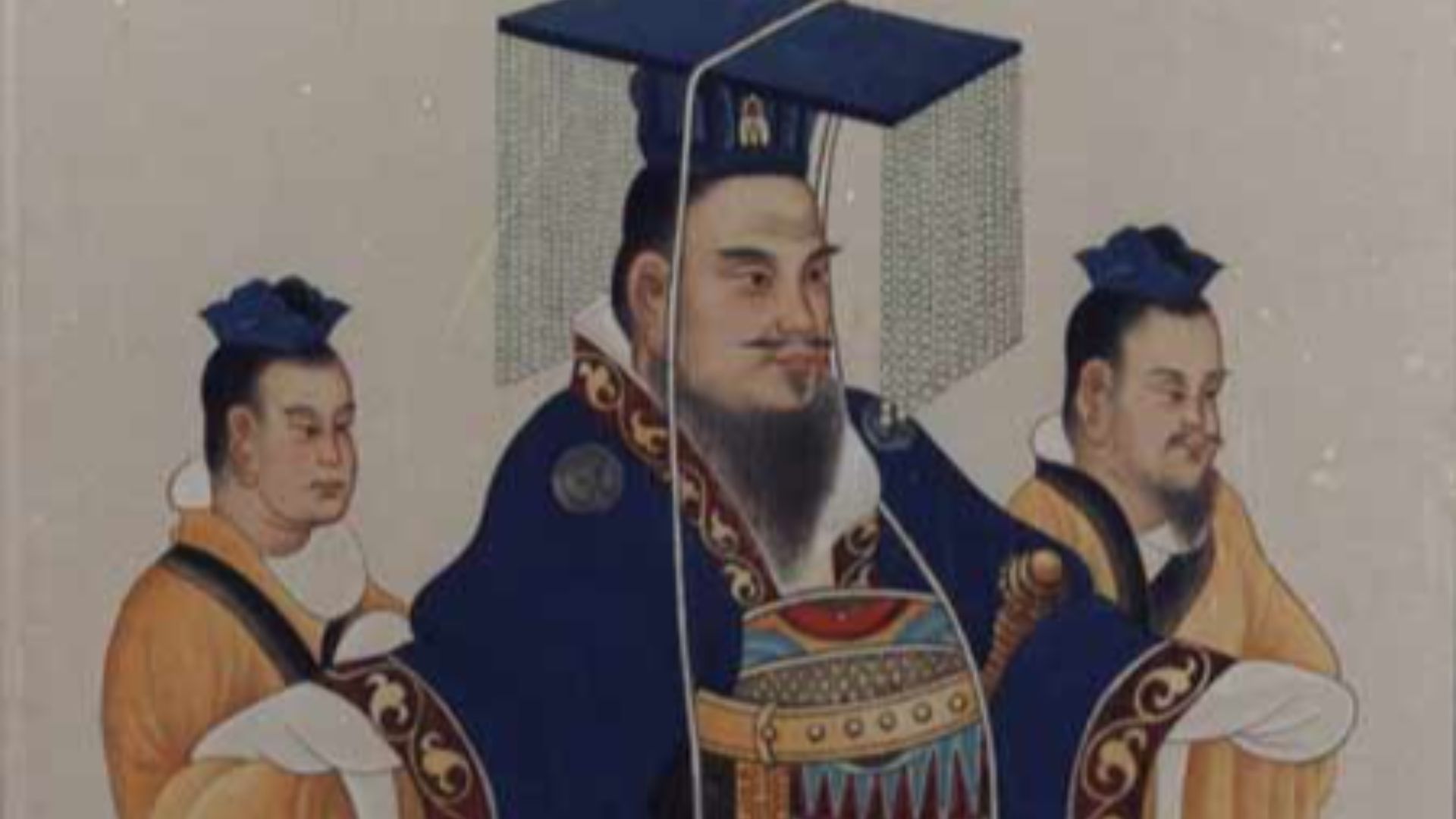
Emperor Wu of Han once had a promising heir in Crown Prince Liu Ju, but palace paranoia and witchcraft accusations shattered that relationship. Liu Ju rose against forces tied to his father’s court, and Emperor Wu sent soldiers to hunt him down. The prince died by suicide, and the emperor later showed regret, but regret is a thin comfort after the heir has been destroyed.
17. Henry VIII
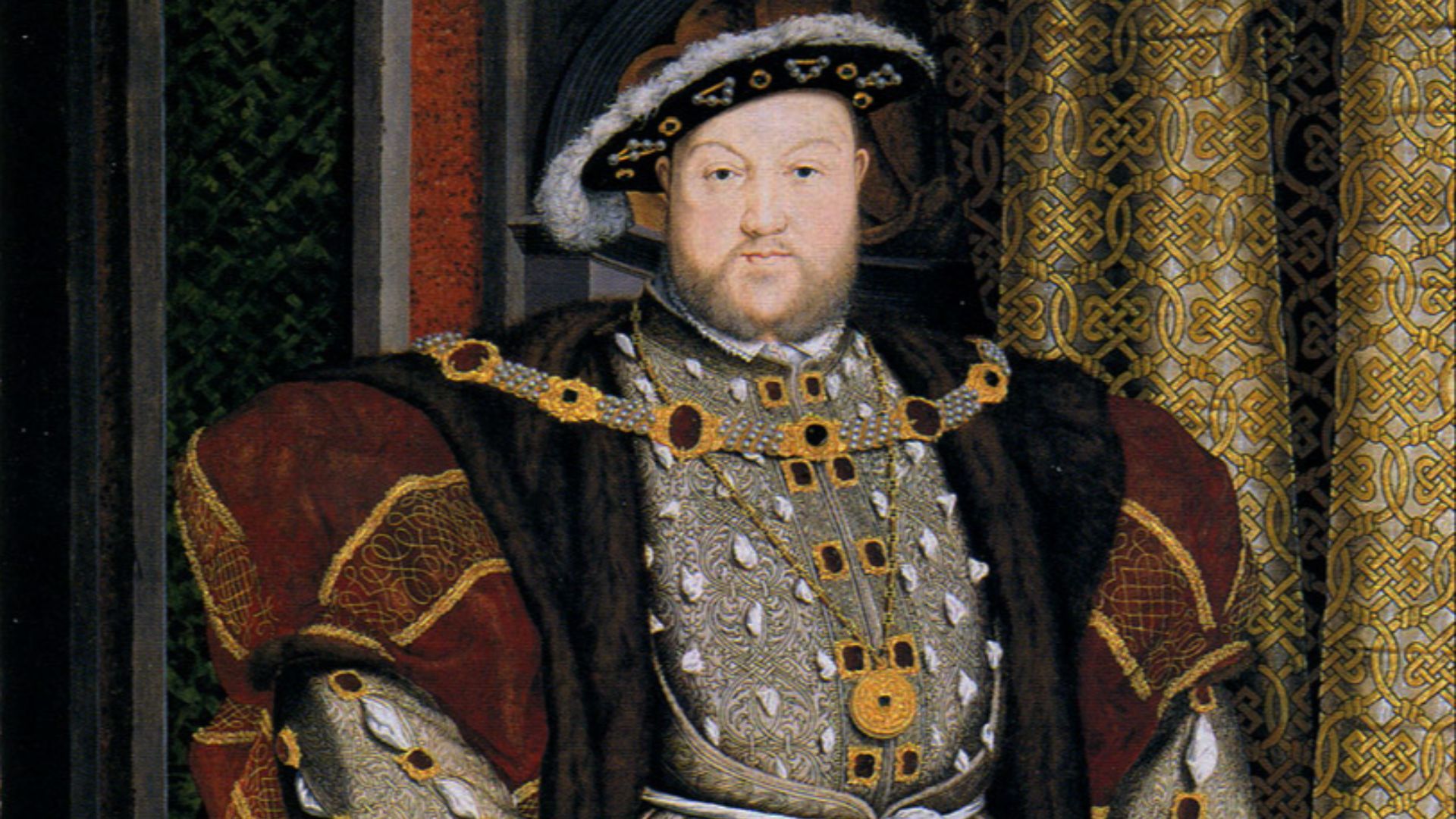
Henry VIII didn’t need to kill his daughters to make their lives miserable. Mary was declared illegitimate after Henry broke with Catherine of Aragon. Elizabeth lost her royal status after Anne Boleyn’s execution. Sure, both eventually became queens, but that didn’t exactly make their upbringings any easier.
18. Jahangir
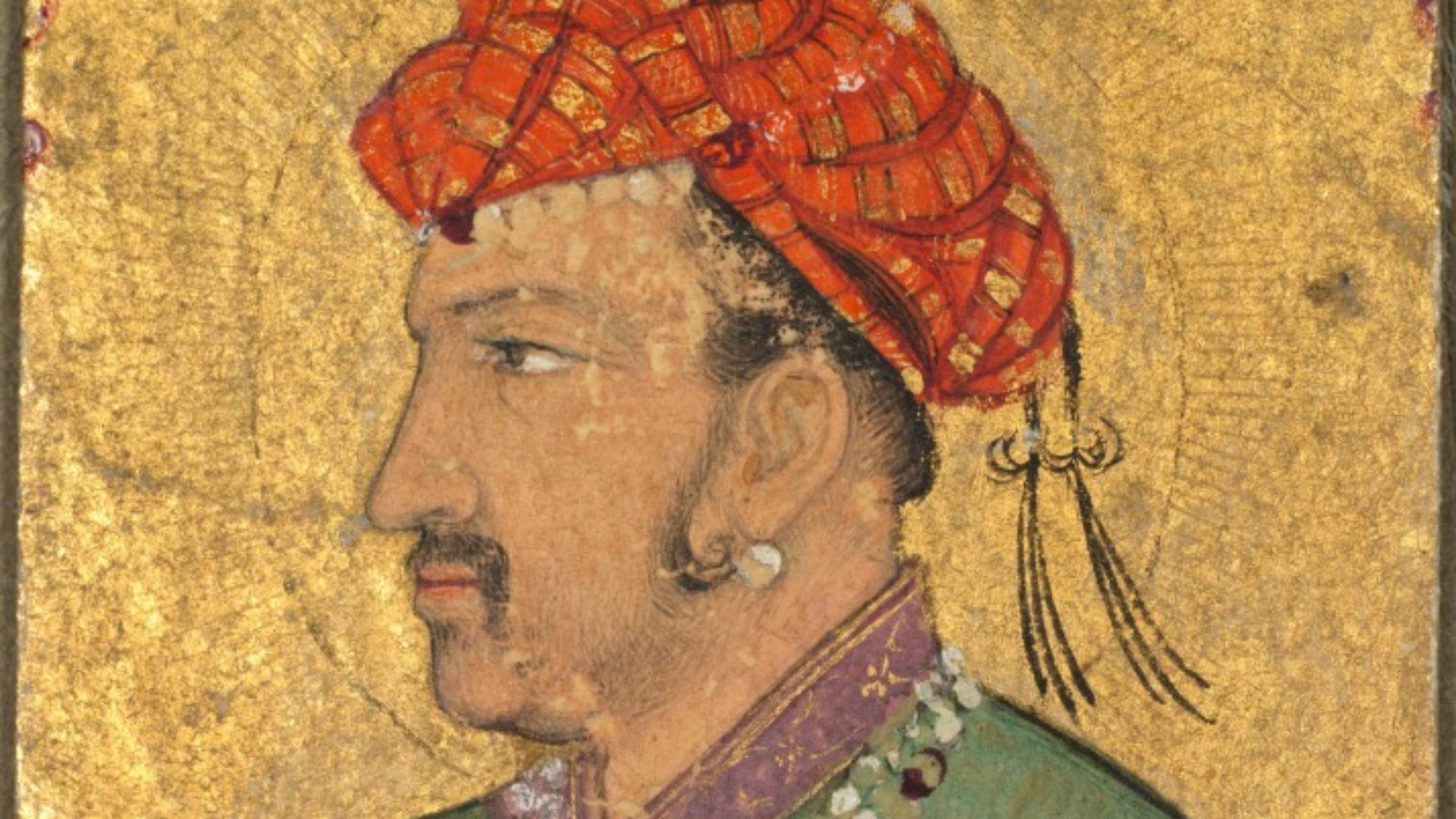
The Mughal emperor Jahangir faced a rebellion from his eldest son Khusrau shortly after taking power. After Khusrau was captured, he was imprisoned and partially blinded, removing him as a serious contender for the throne. The only quasi-silver lining is that Jahangir later showed signs of guilt, though that didn’t change anything.
19. George II
After years of hostility, George II banished his son Frederick, Prince of Wales, and his family from court. The whole thing created a bitter rift within the Hanoverian household, and Frederick actually died before he could even inherit the throne.
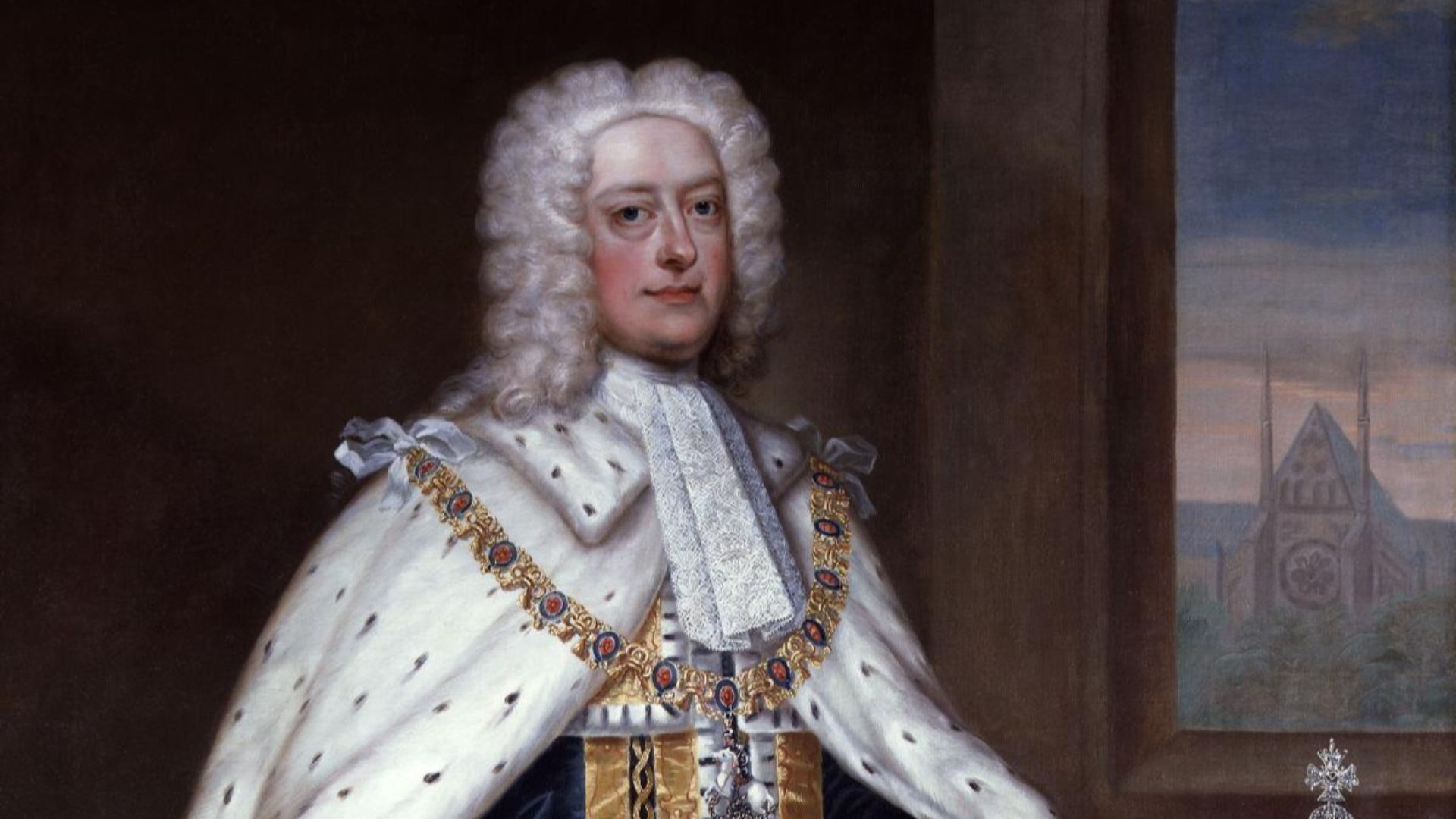 Studio of Charles Jervas on Wikimedia
20. Catherine the Great
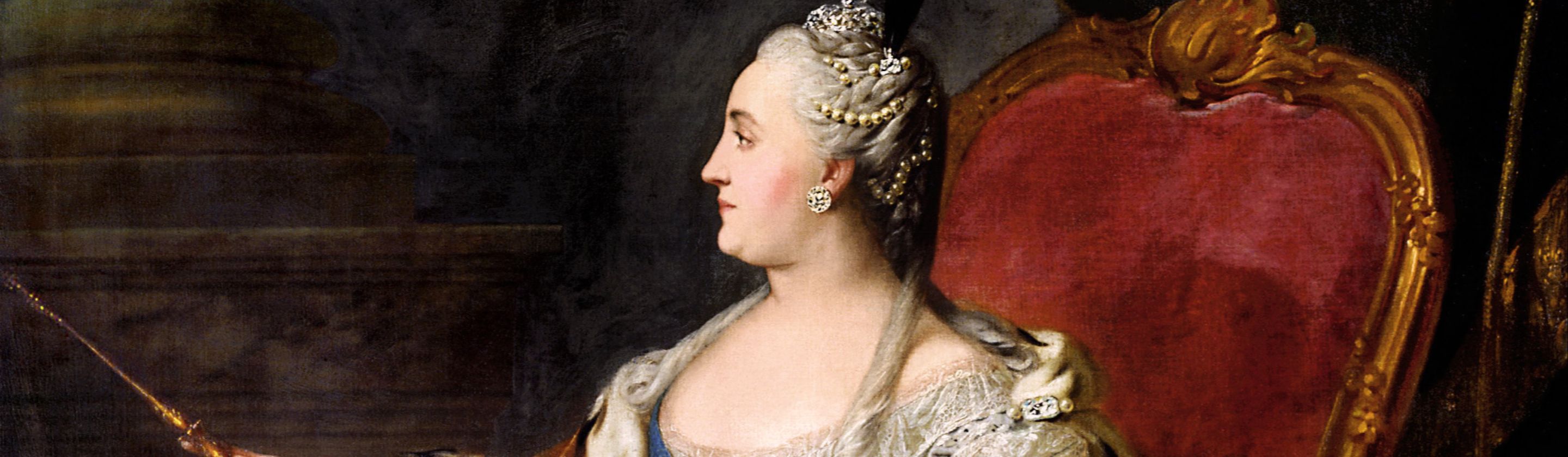
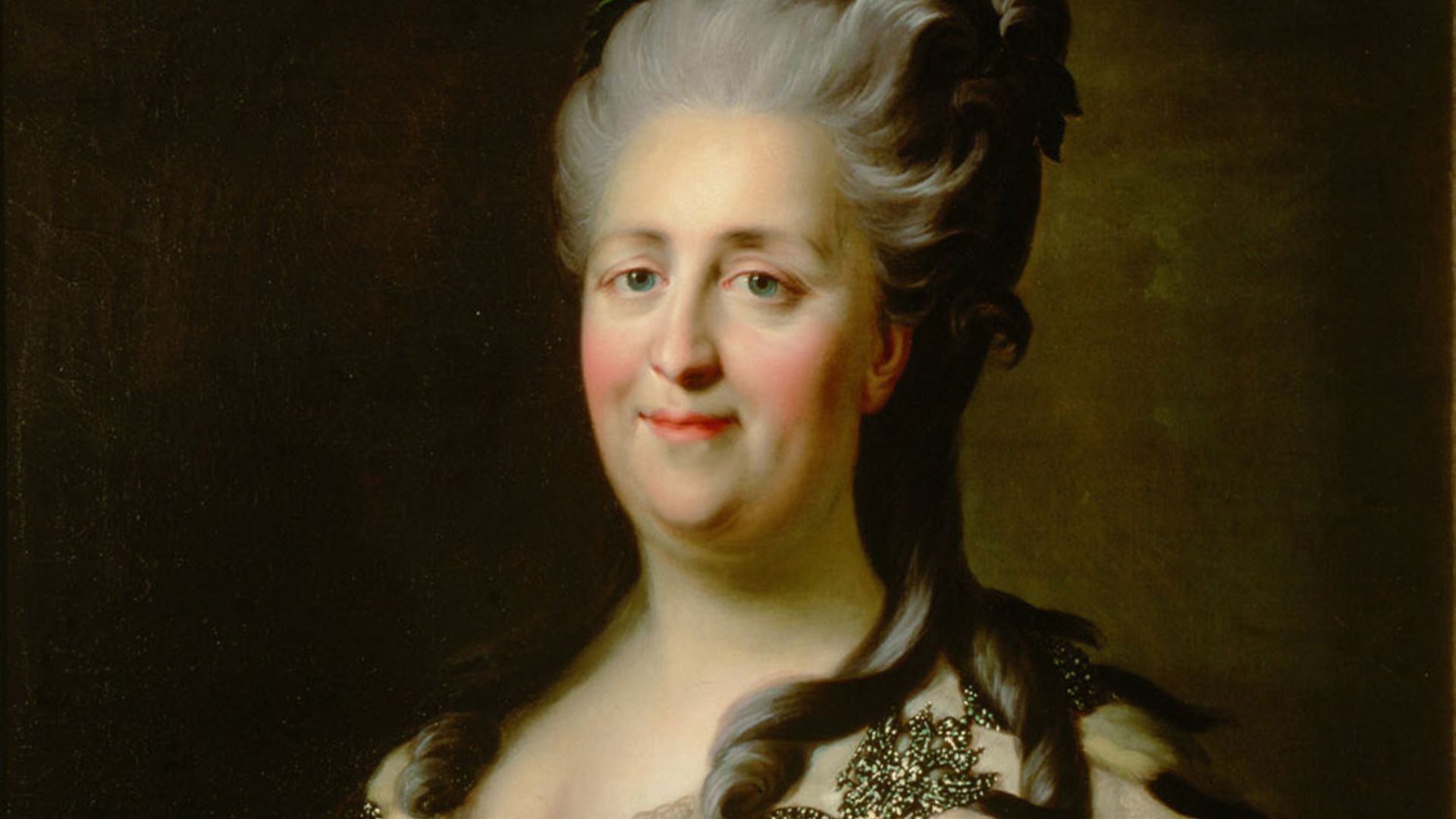
Catherine the Great’s relationship with her son Paul was…strained, to put it lightly. She kept Paul away from real power for decades, surrounded herself with favorites he despised, and left him convinced she had robbed him of his rightful place. That said, Paul did eventually become emperor after her death.
KEEP ON READING

From Heroes To Zeroes 20 Historical Figures Whose Heroism Was…
History is full of legends, but not every hero lived…
By Noone Feb 25, 2026
The Clueless Crush: How I Accidentally Invited a Hacker Into…
Fluorescent Lights and First Impressions. My name is Tessa, I'm…
By Ali Hassan Nov 4, 2025
This Infamous Ancient Greek Burned Down An Ancient Wonder Just…
History remembers kings and conquerors, but sometimes, it also remembers…
By David Davidovic Nov 12, 2025
Einstein's Violin Just Sold At An Auction—And It Earned More…
A Visionary's Violin. Wanda von Debschitz-Kunowski on WikimediaWhen you hear…
By Ashley Bast Nov 3, 2025
The Mysterious "Sea People" Who Collapsed Civilization
3,200 years ago, Bronze Age civilization in the Mediterranean suddenly…
By Robbie Woods Mar 18, 2025
20 Deaths That Changed Who Got The Throne
One Funeral Could Rewrite a Dynasty. Royal succession can look…
By Emilie Richardson-Dupuis Jun 8, 2026