

Wrong Turns That Changed Everything
Science gets taught as a straight line from question to answer, but that is almost never how it actually goes. The real history of discovery is full of contaminated samples, misread data, botched experiments, and stubbornly held wrong ideas that somehow pointed toward the right ones. The researchers who made these mistakes were not careless or incompetent. Most of them were doing exactly what scientists do, and something went sideways in a way that turned out to matter enormously. Here's 20 times getting it wrong led somewhere far more interesting than getting it right would have.
 Official photographer on Wikimedia
1. Penicillin
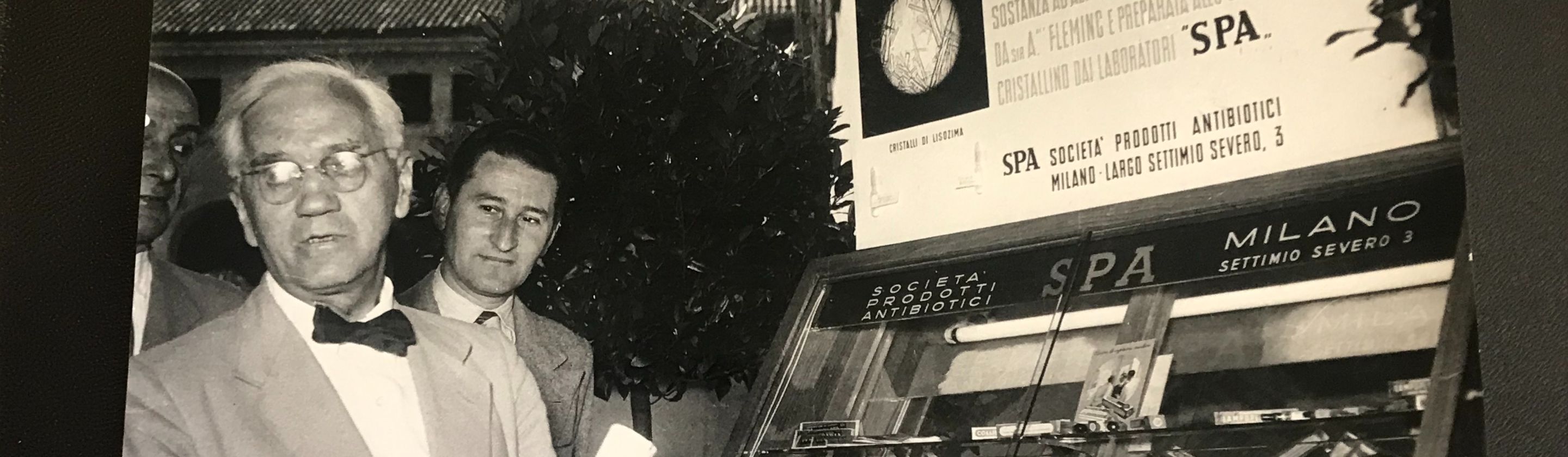
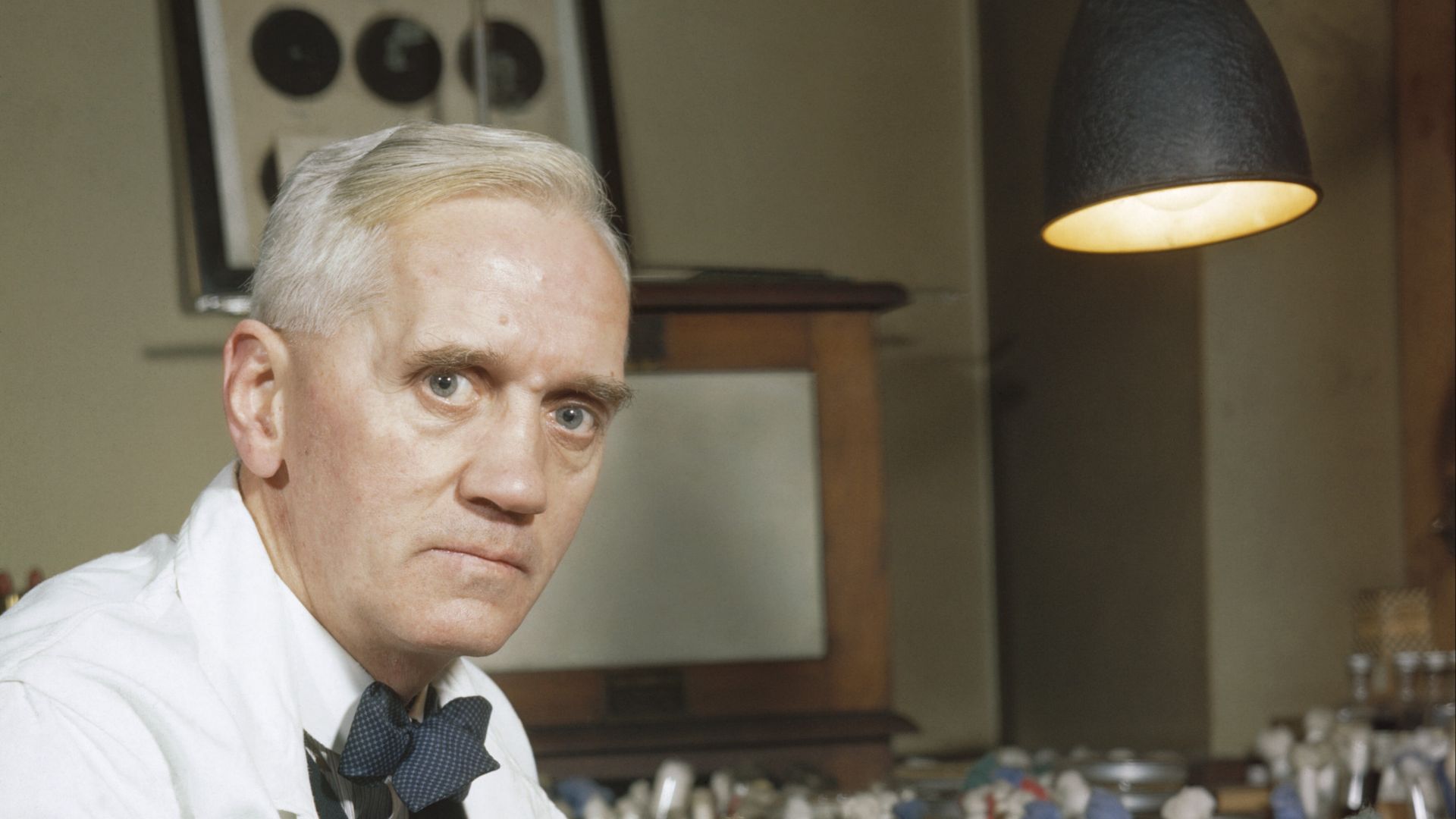
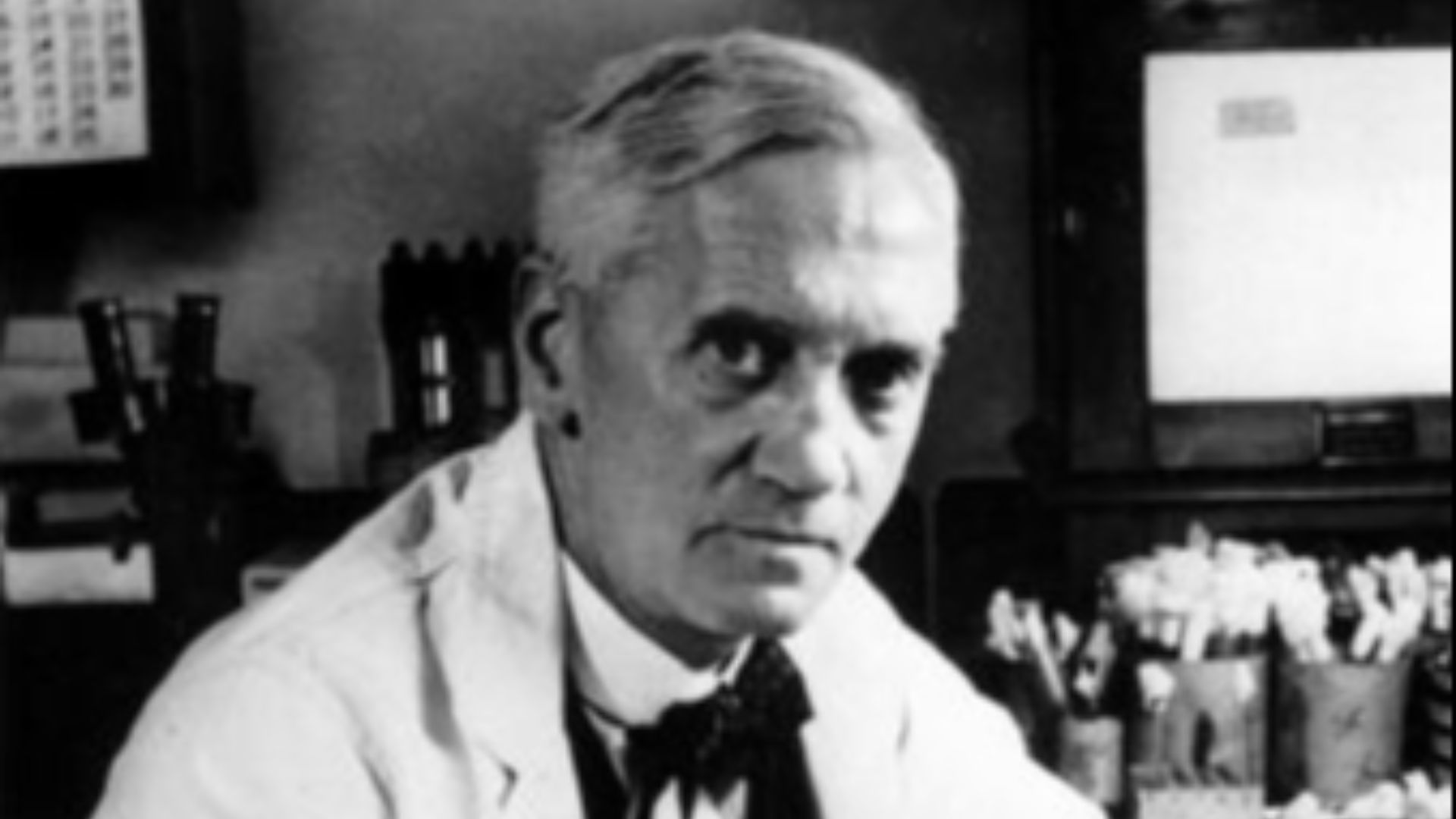
Alexander Fleming left a petri dish of Staphylococcus bacteria uncovered before going on vacation in 1928, and when he returned a mold had contaminated the dish and killed everything around it. The mold was Penicillium notatum, and the antibiotic era began because a scientist forgot to clean up before he left for the summer.
 Calibuon at English Wikibooks, cropped by User:AlanM1 on Wikimedia
2. X-Rays
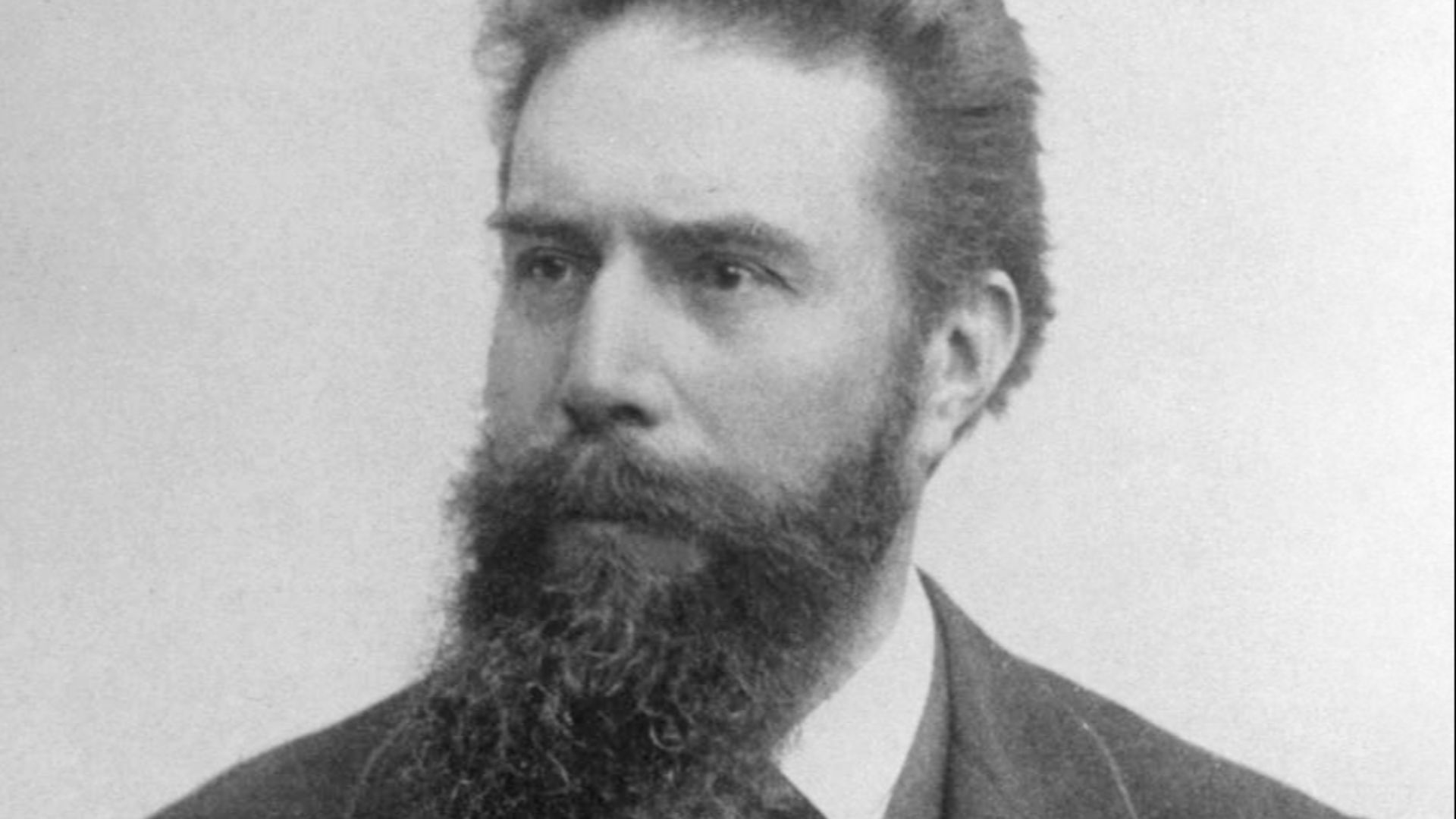
Wilhelm Röntgen noticed in 1895 that a fluorescent screen across the room was glowing even though his cathode ray equipment was fully shielded. What was passing through that shielding turned out to be electromagnetic radiation that became one of medicine's most essential diagnostic tools.
3. Radioactivity
Henri Becquerel left uranium salts on a photographic plate in a drawer after cloudy weather disrupted his planned sunlight experiment, and when he developed the plate anyway he found a vivid image the uranium had produced entirely on its own. The study of radioactivity began because the weather didn't cooperate.
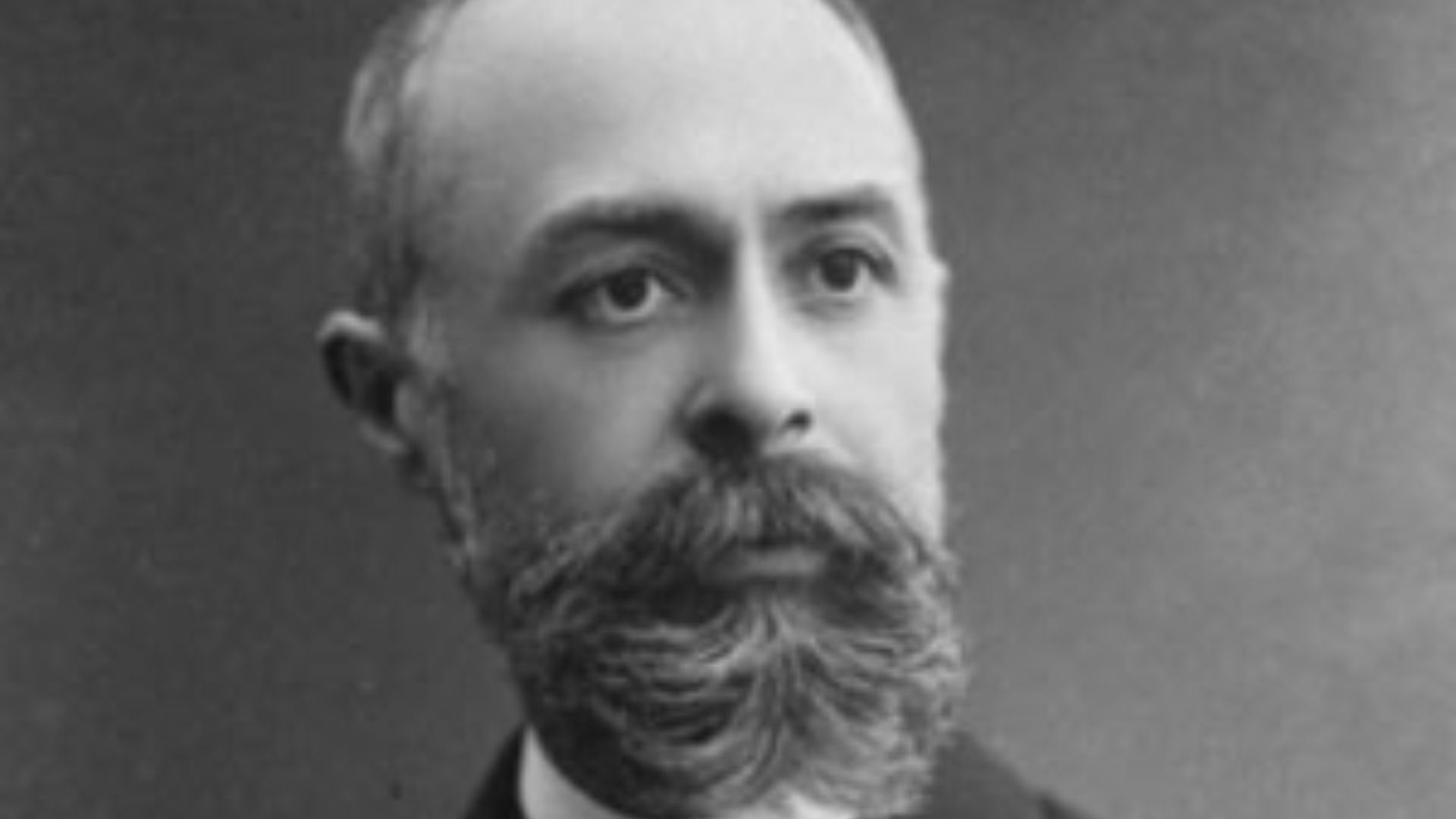 Jean-Jacques MILAN on Wikimedia
4. Vulcanized Rubber
Charles Goodyear dropped a rubber and sulfur mixture onto a hot stove in 1839 and found the result was tough, flexible, and temperature-resistant in ways natural rubber never was. He had been chasing that outcome for years, and the answer arrived by accident on a hot stove.
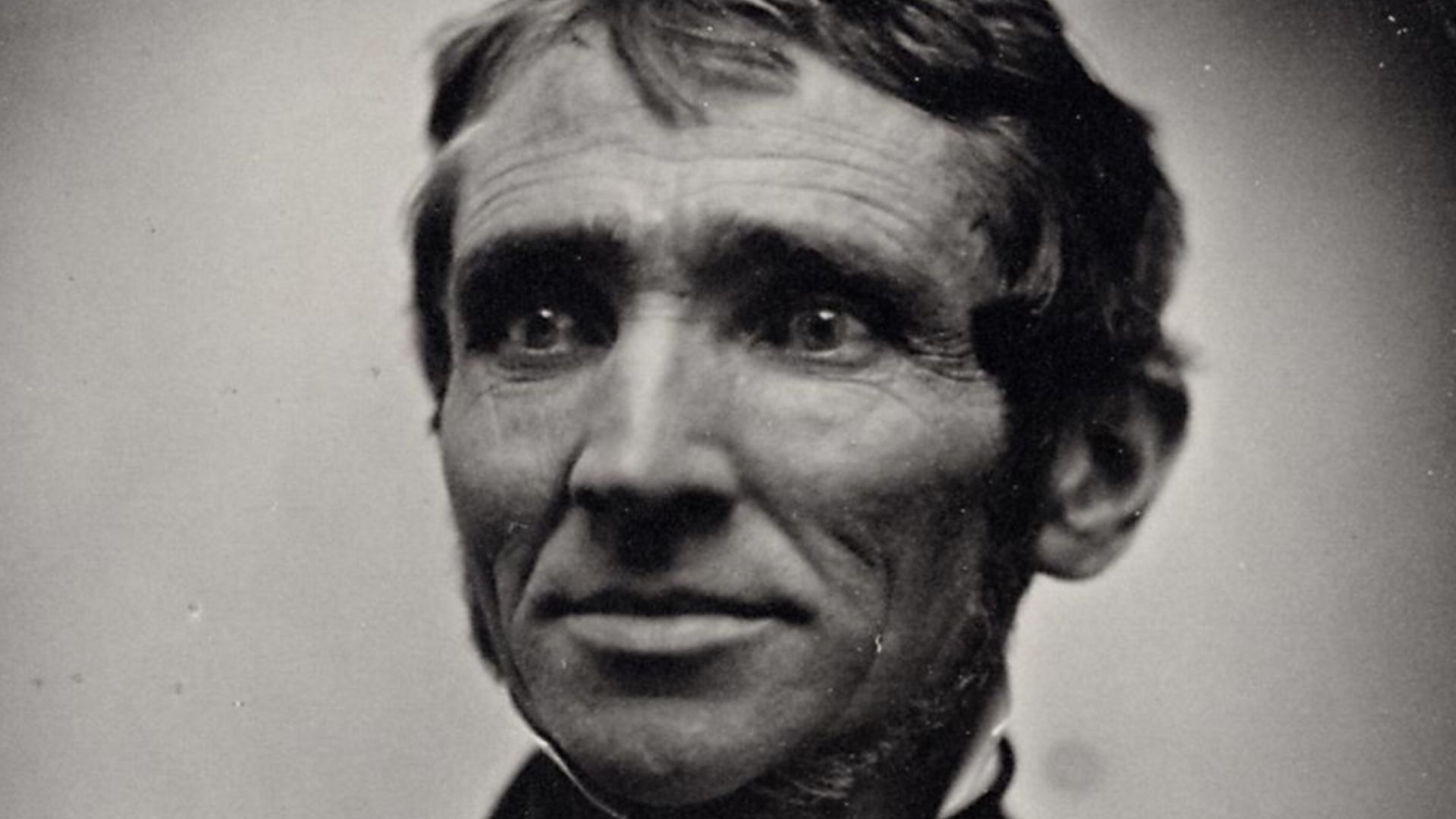 Southworth & Hawes on Wikimedia
5. The Microwave Oven
Percy Spencer noticed a chocolate bar in his pocket had melted while he stood near an active magnetron at Raytheon in 1945, and instead of being annoyed he started experimenting with other food items. Within a few years that melted candy bar had become one of the most common kitchen appliances in the world.

6. Teflon
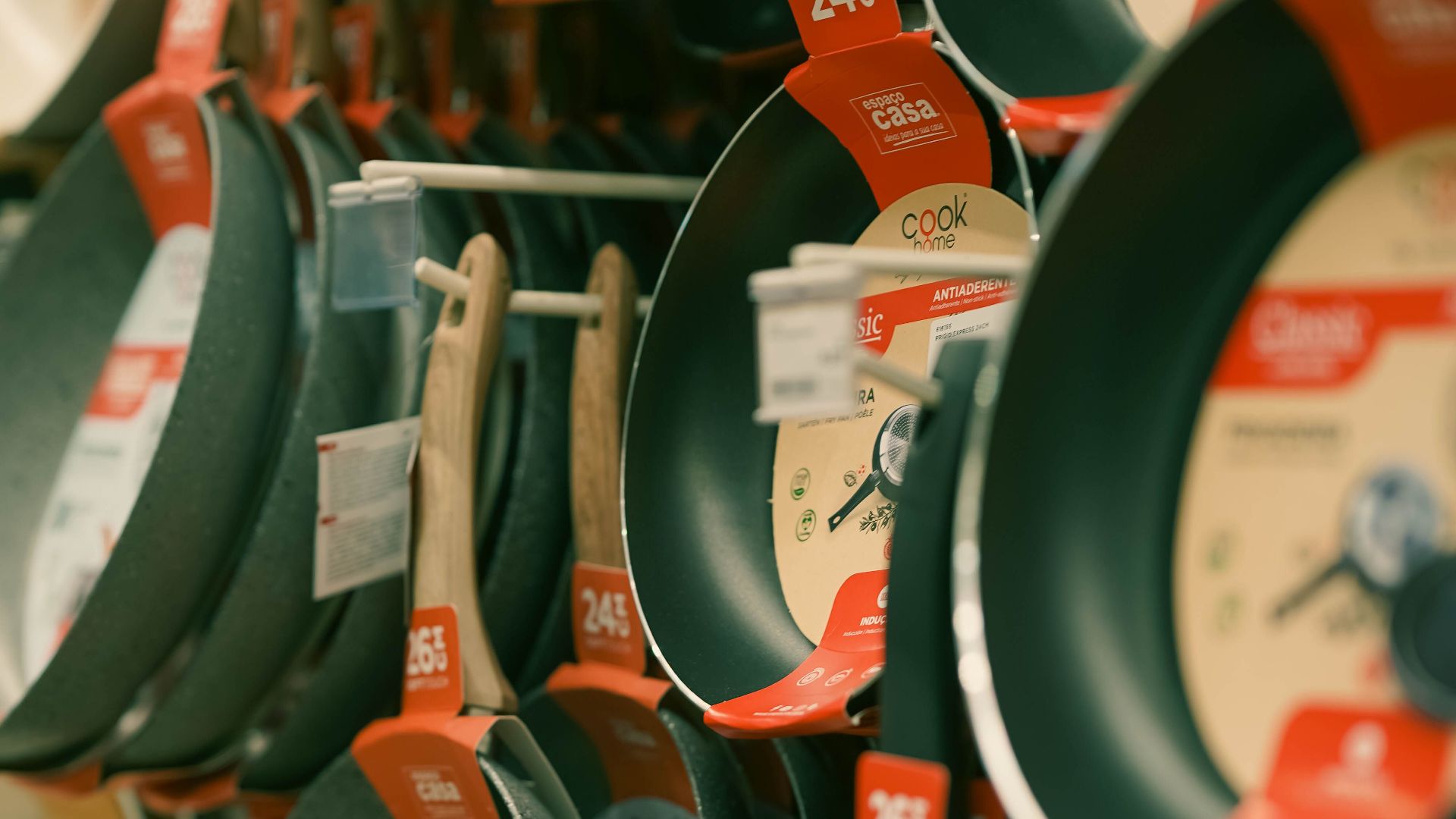
Roy Plunkett cut open a seemingly empty canister at DuPont in 1938 and found the tetrafluoroethylene had polymerized into a waxy solid he hadn't been trying to make. That solid became Teflon, now found on everything from spacecraft to nonstick pans.
7. Saccharin
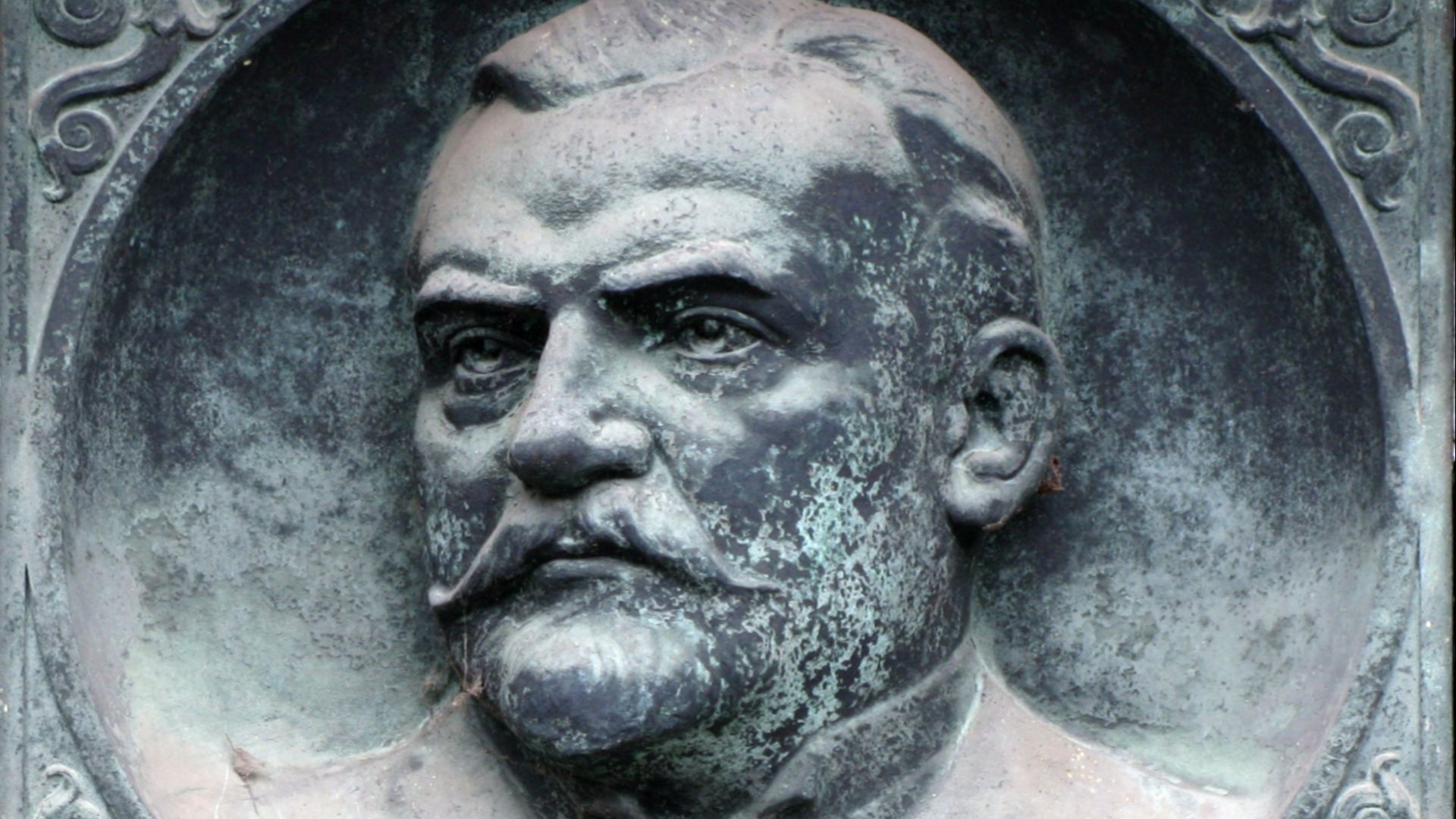
Constantin Fahlberg sat down to dinner in 1879 without washing his hands after working with coal tar derivatives and noticed everything he touched tasted unusually sweet. He went back to the lab that night to find the compound responsible, and what he found was saccharin, the first artificial sweetener.
8. Nitrous Oxide as Anesthesia
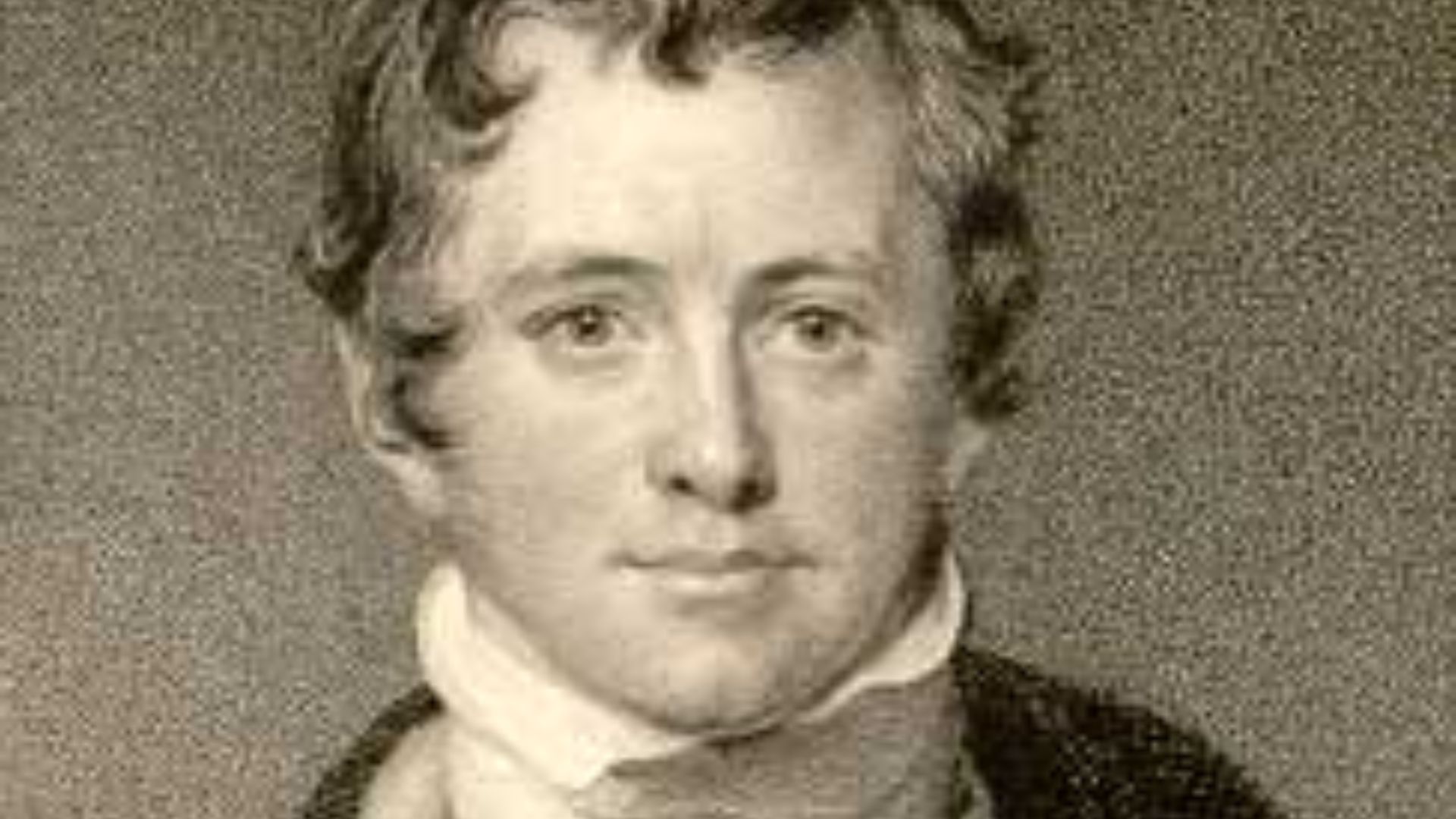
Humphry Davy suggested in the late 1700s that nitrous oxide might be useful in surgery because it seemed to eliminate pain, but the observation was ignored for decades while the gas became a popular party entertainment. Horace Wells attended one of these demonstrations in 1844, watched someone injure themselves without feeling it, and finally brought anesthesia into clinical use.
9. LSD and Psychedelic Research
Albert Hofmann accidentally absorbed a trace amount of a lysergic acid compound at Sandoz Laboratories in 1943, and the effects on his bicycle ride home led him to investigate deliberately the next day. LSD became a significant psychiatric research tool and is now experiencing a major clinical revival in treating depression and addiction.
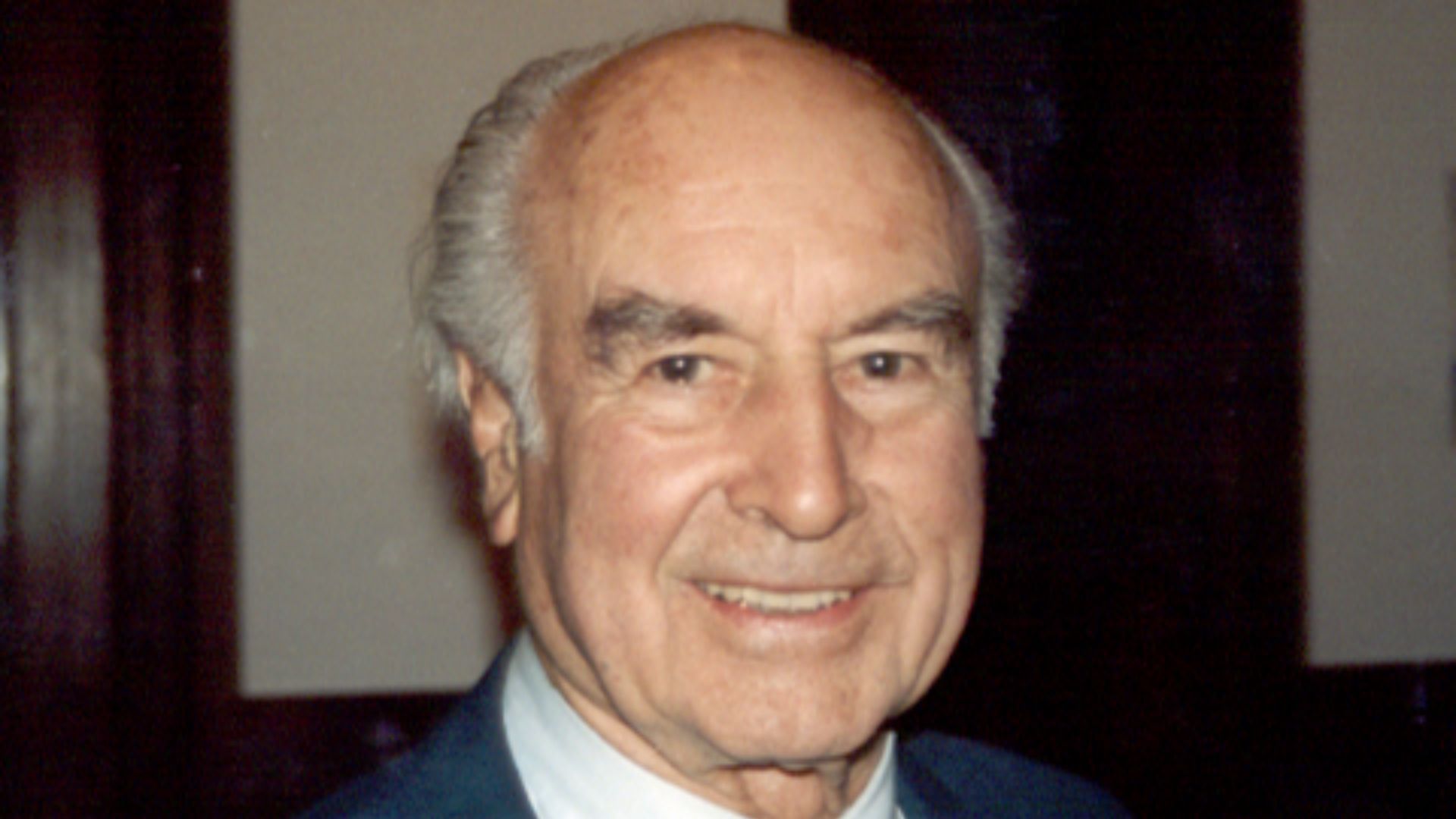 Philip H. Bailey (E-mail) on Wikimedia
10. Cosmic Microwave Background Radiation
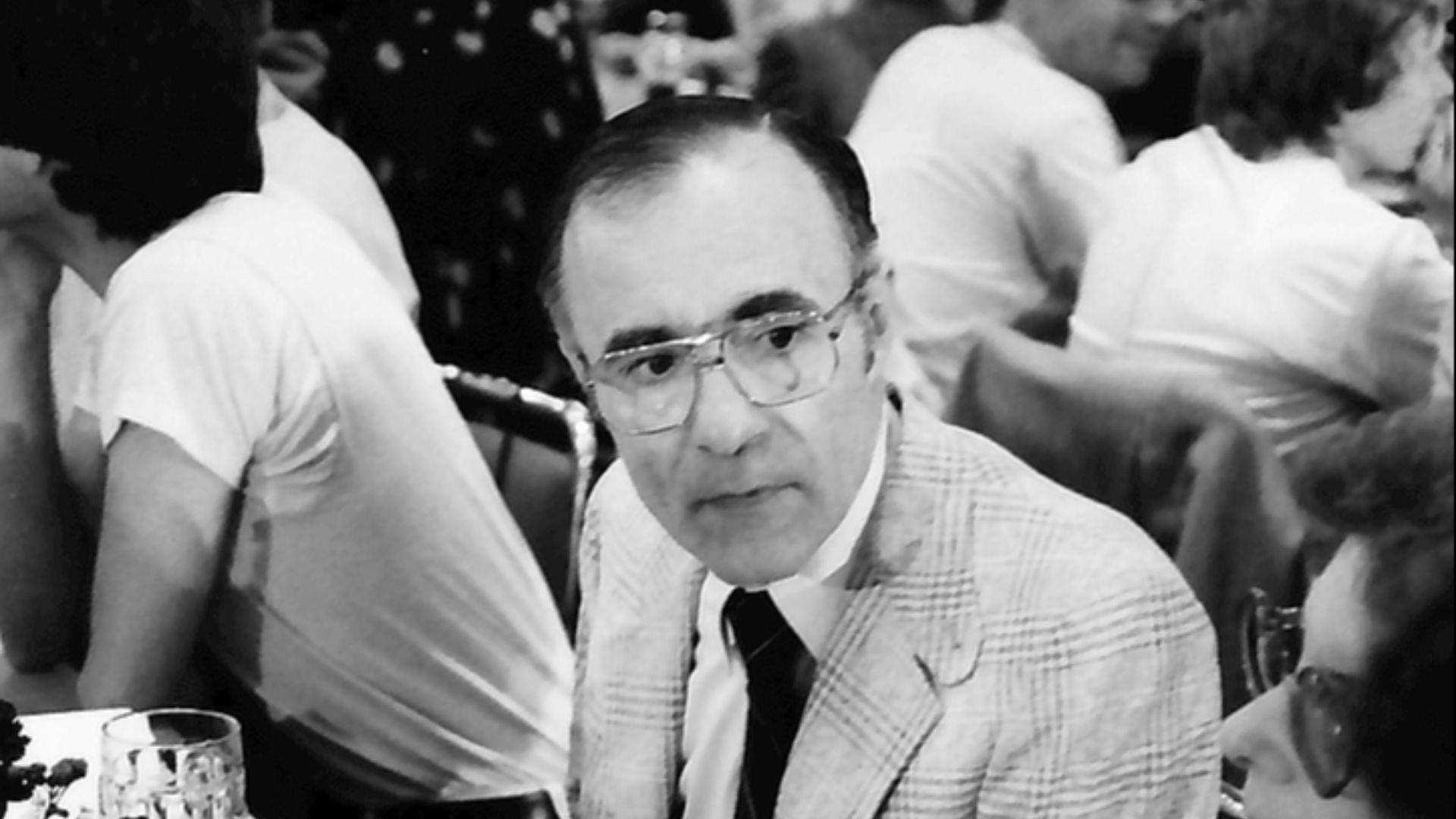
Arno Penzias and Robert Wilson spent months in 1964 trying to eliminate a persistent hiss from a Bell Labs antenna, even evicting pigeons from the dish, before accepting the noise wasn't coming from the equipment. It was the thermal afterglow of the Big Bang, and that failed troubleshooting earned them the Nobel Prize in Physics.
11. Warfarin
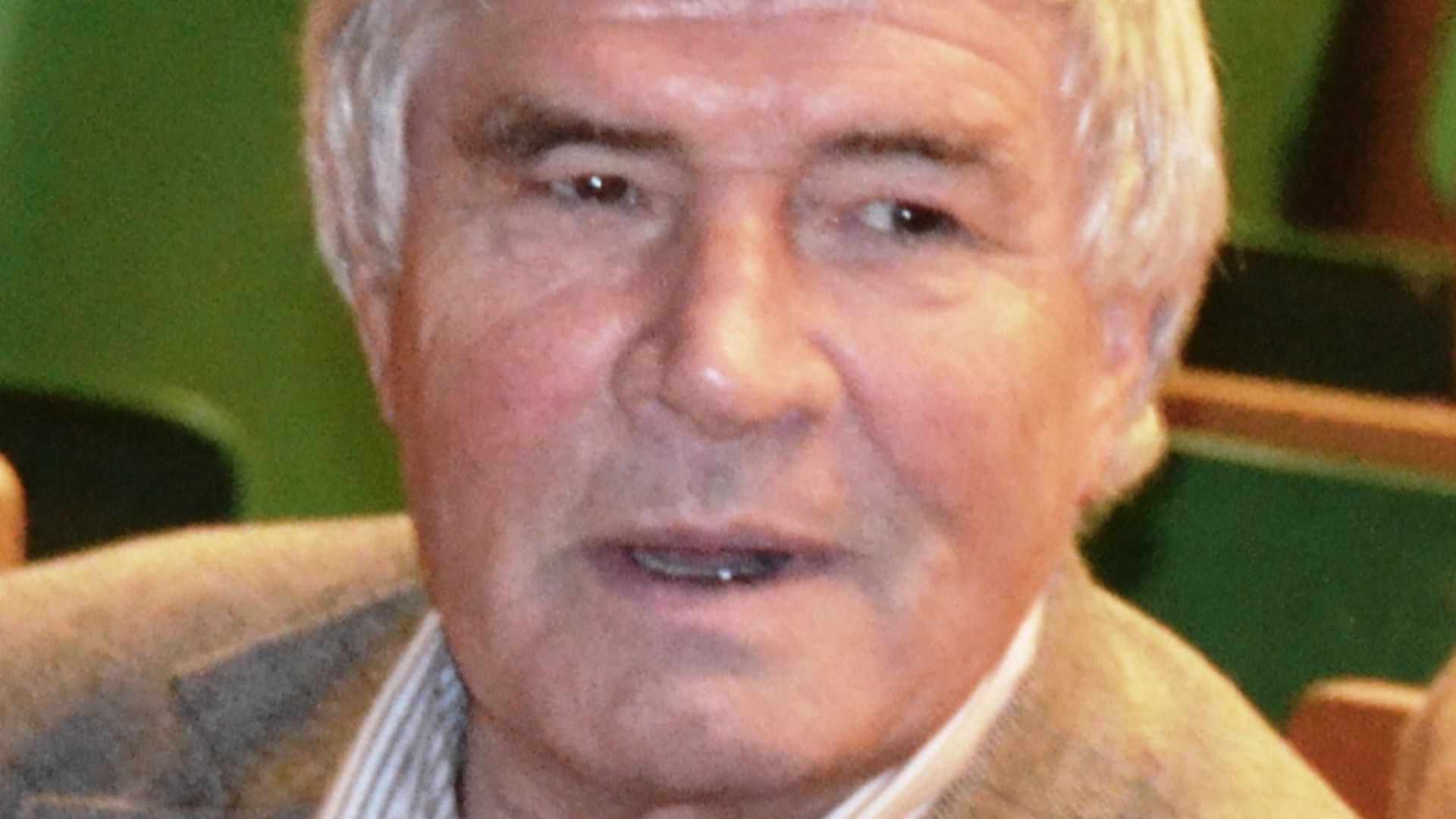
Cattle across the Northern United States were dying of uncontrollable bleeding from fermented sweet clover hay in the 1920s, and Karl Link's team spent years isolating the compound responsible. The synthetic version became warfarin, one of the most prescribed blood thinners in history.
12. Iproniazid and Antidepressants
Iproniazid was a tuberculosis drug whose patients kept appearing unusually cheerful and energetic even when the disease itself was not improving. That observation turned it into one of the first antidepressants and gave rise to the entire monoamine oxidase inhibitor class of drugs.
13. Minoxidil
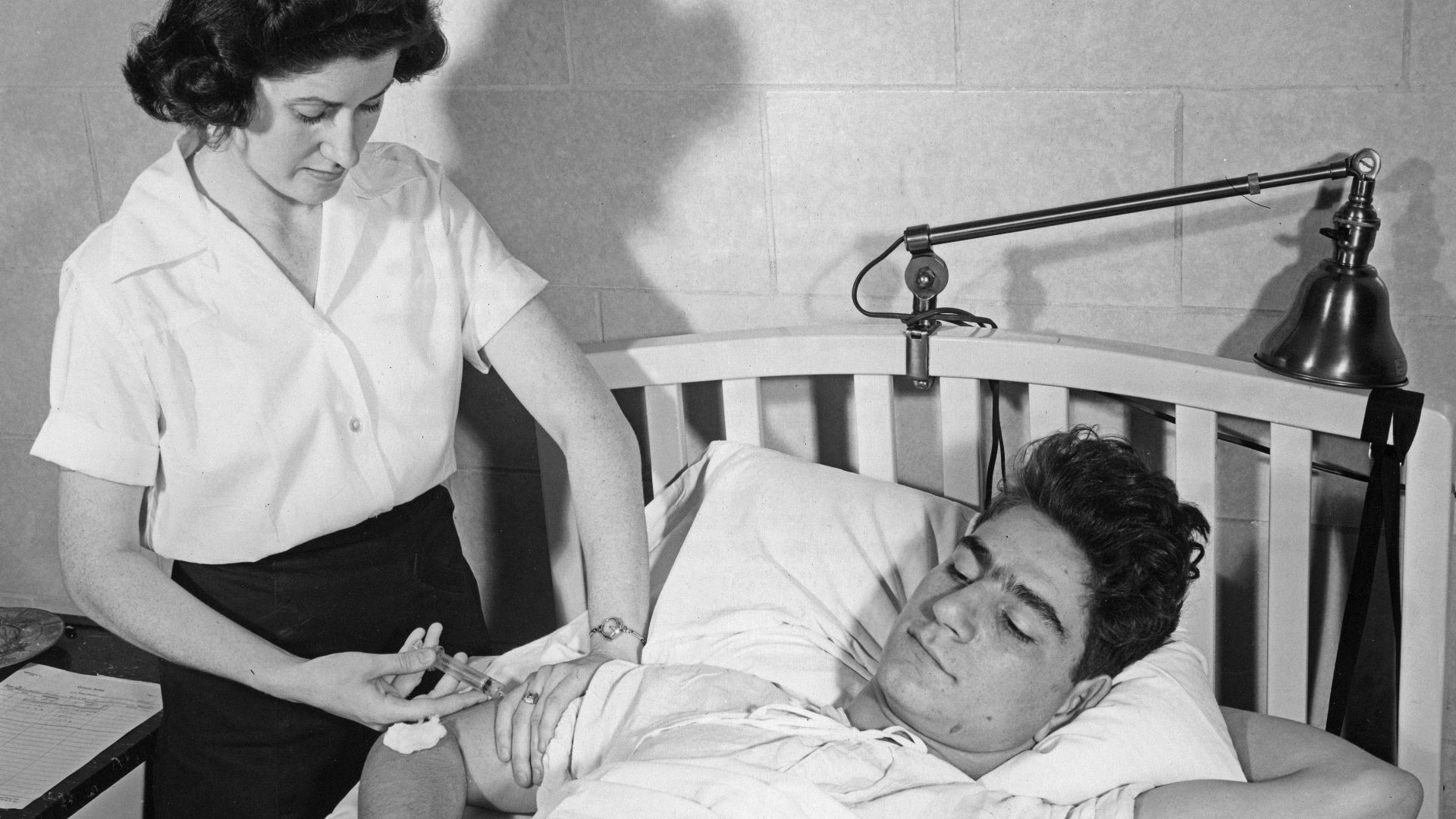
Minoxidil was developed in the 1960s as an oral medication for high blood pressure, and patients kept reporting that hair was growing back where it had stopped. The cardiovascular drug found a second life as a topical hair loss treatment and has been sold as Rogaine since 1988.

14. Sildenafil
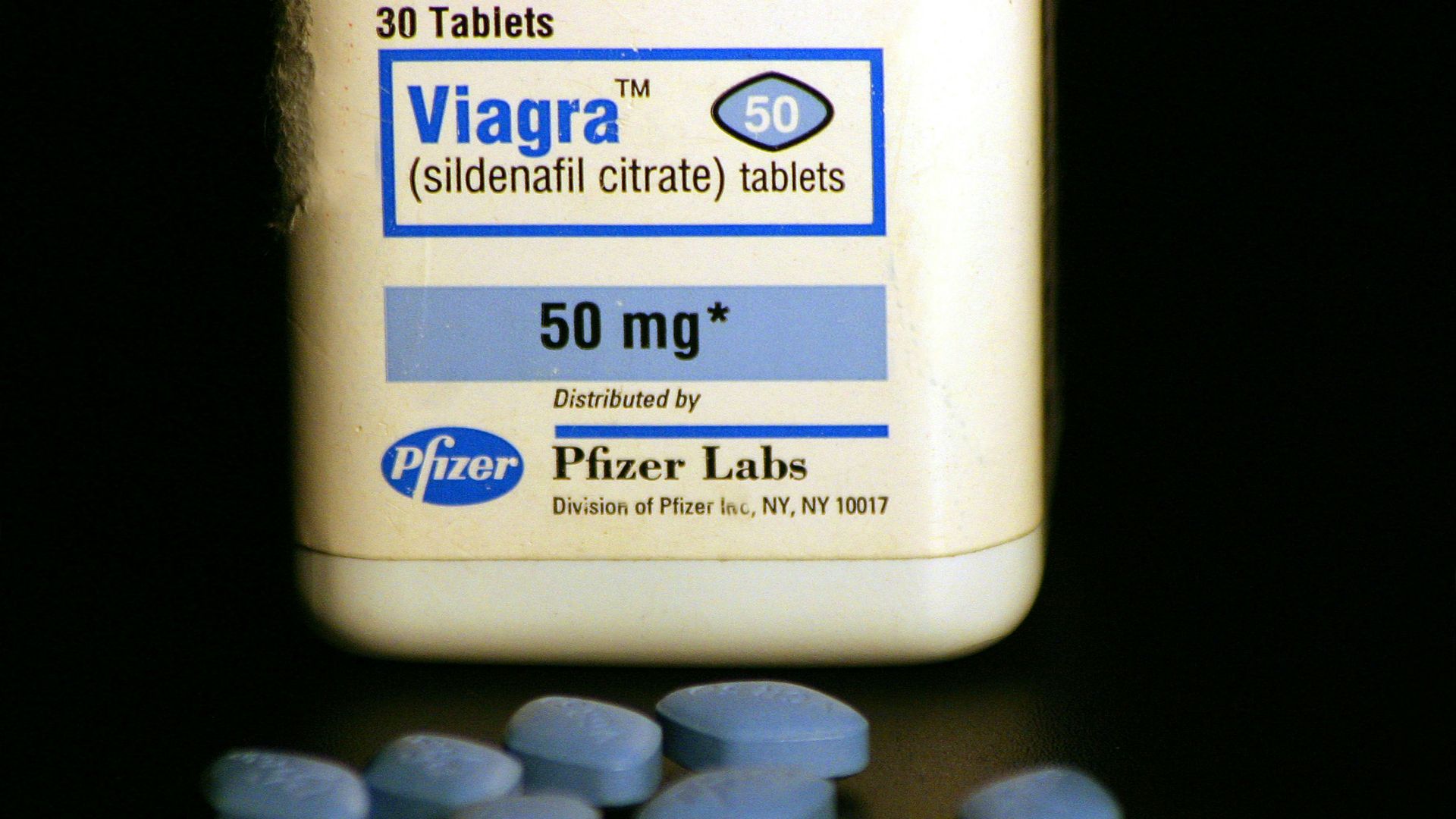
Pfizer studied sildenafil as a treatment for angina in the late 1980s and found it was not particularly effective, but male participants were notably reluctant to return their unused pills. Researchers followed up on that reluctance and Viagra emerged from a failed cardiovascular trial.
15. Silly Putty
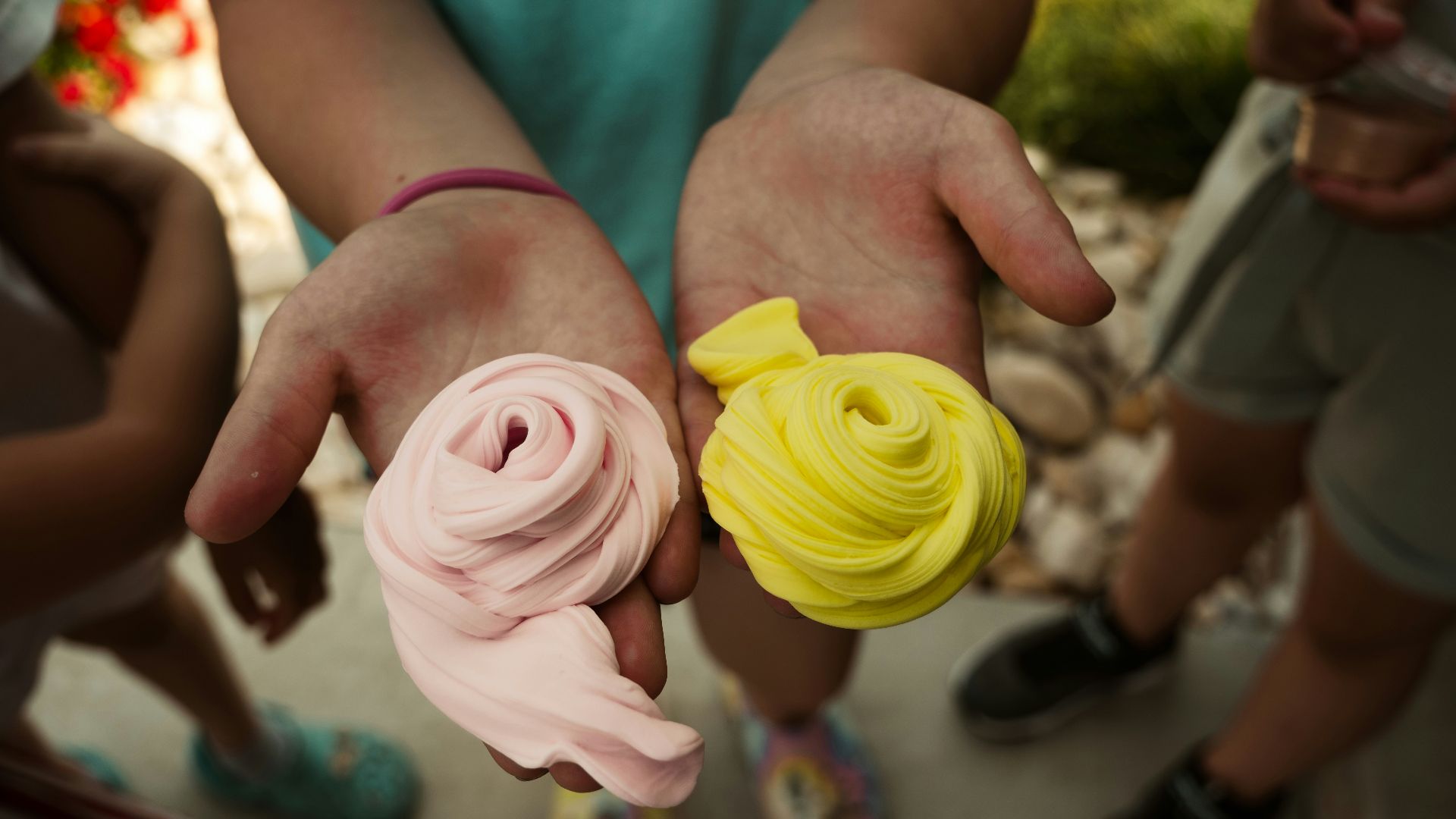
James Wright produced a bouncy, stretchy compound at General Electric during World War II while trying to develop synthetic rubber, and it was useless for the purpose. It sat unused for years until a marketer named Peter Hodgson packaged it in plastic eggs and turned it into one of the most recognizable toys of the century.
16. Safety Glass
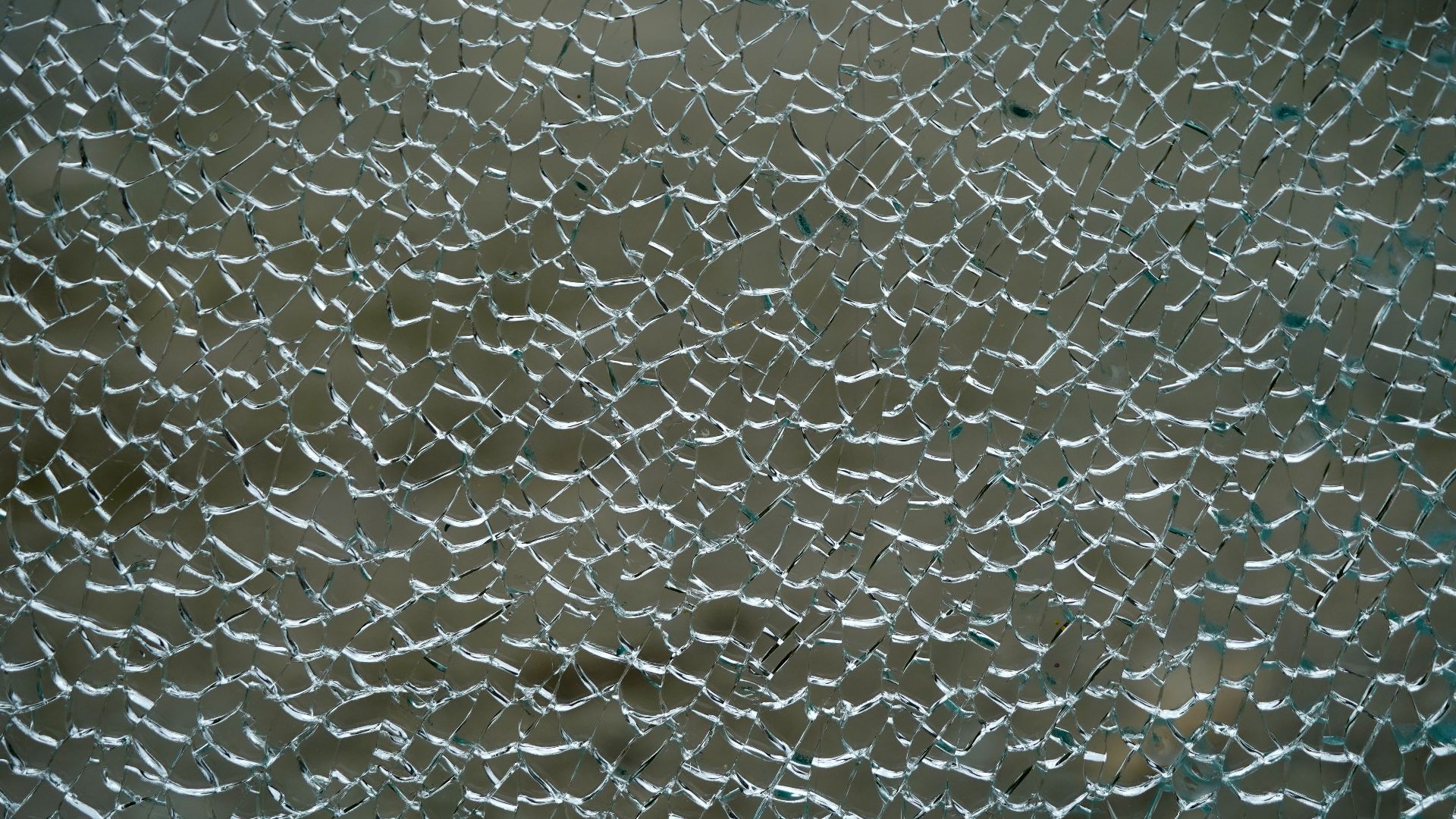
Édouard Bénédictus dropped a glass flask in his Paris laboratory in 1903 and found it held its shape rather than shattering because a cellulose nitrate solution had dried and coated the inside. He later connected that memory to reports of windshield injuries in car accidents and developed laminated safety glass from that single dropped container.
17. Cisplatin
Barnett Rosenberg noticed that bacteria had stopped dividing during his electric field experiments in the 1960s and initially blamed the current, when it was actually a platinum compound dissolving off his electrodes. Correcting that misattribution led directly to cisplatin, still one of the most important chemotherapy drugs in use today.
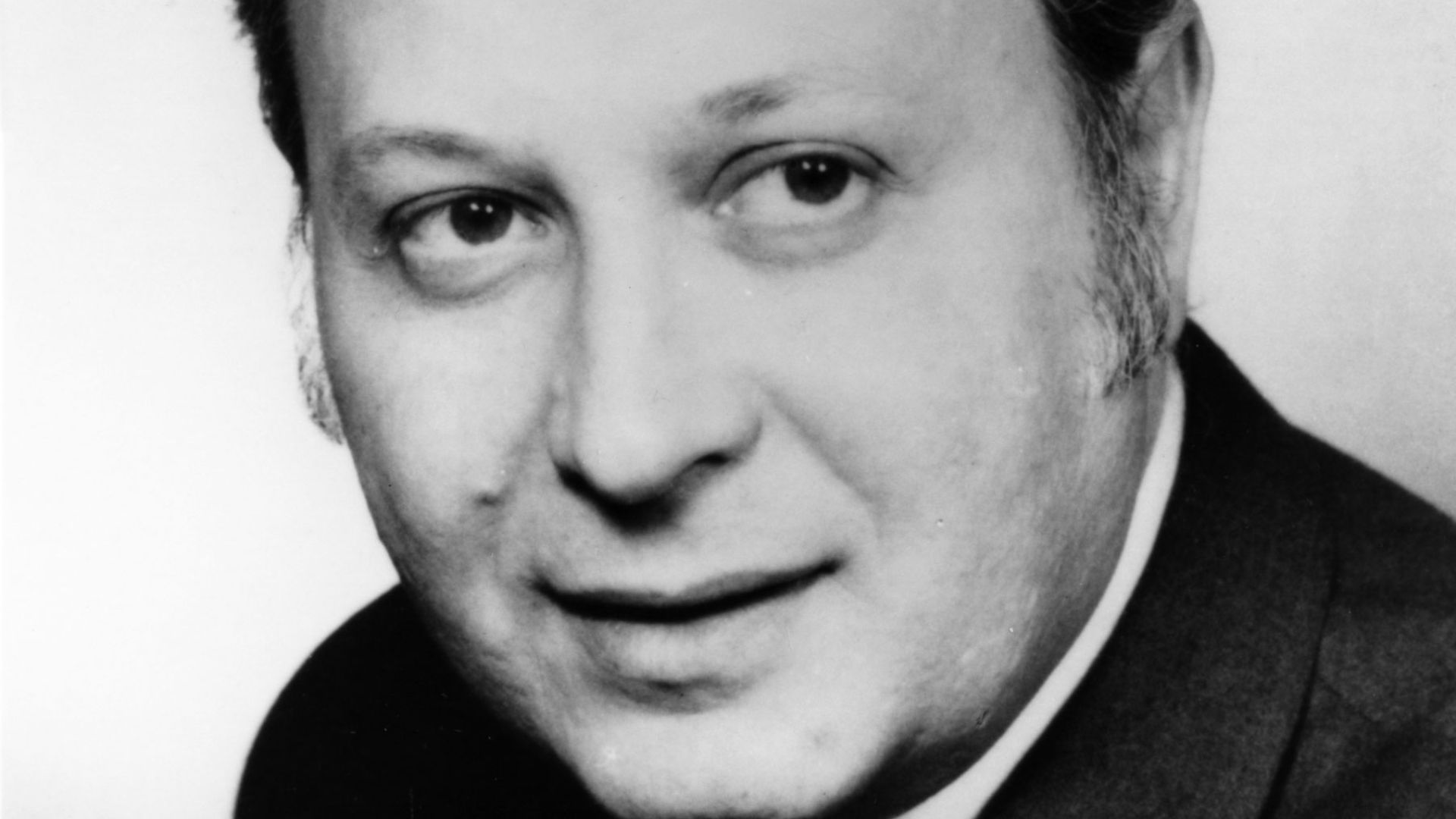 General Motors Cancer Research Foundation, unknown photographer on Wikimedia
18. Velcro
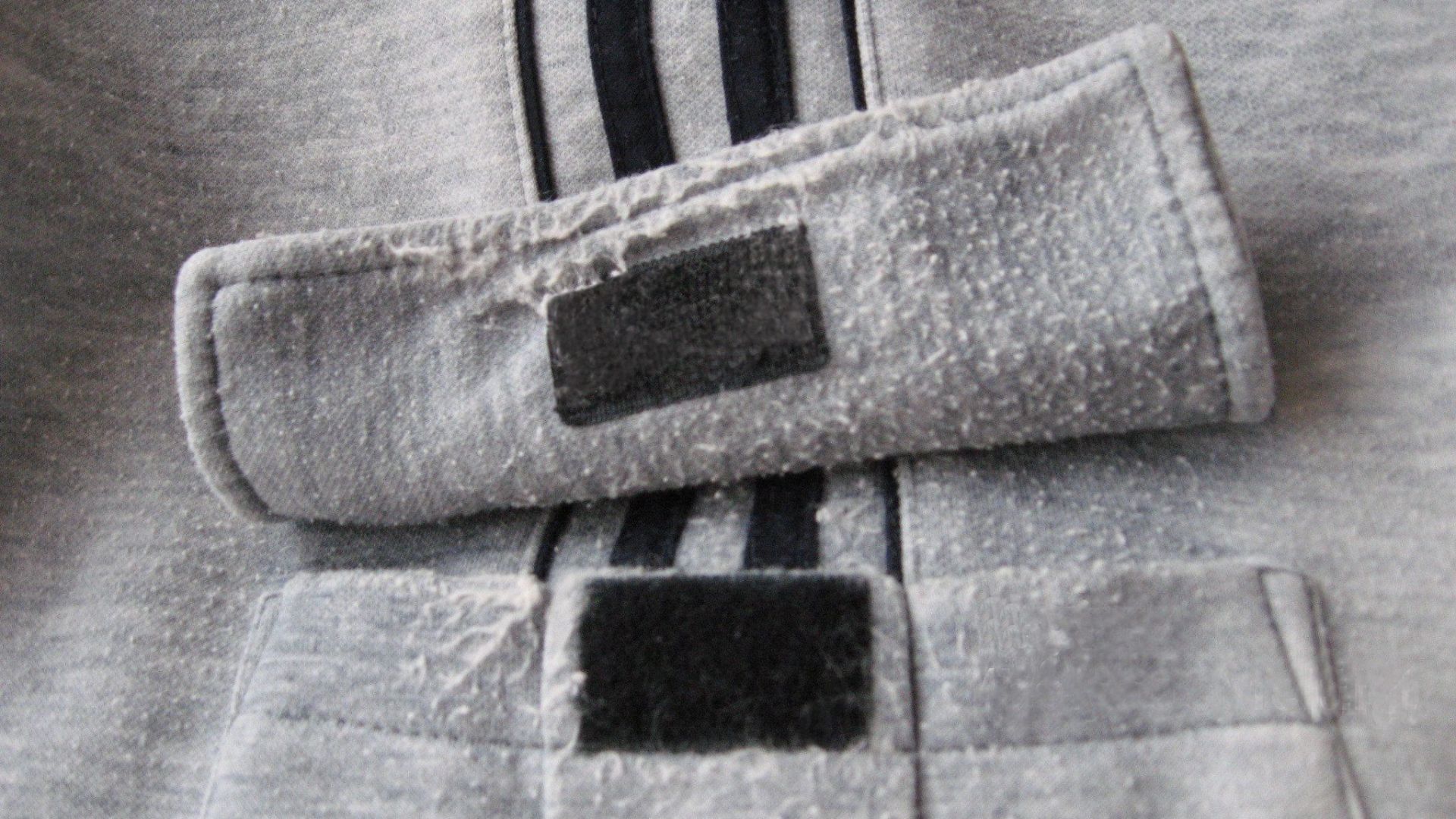
George de Mestral came home from a 1941 hike covered in burdock burrs, looked at one under a microscope, and found tiny hooks that caught on loops in fabric and fur. He spent years engineering an artificial version of that mechanism, and Velcro has been fastening things together ever since.
 Velcro5.jpg: Elkagye
derivative work: Andrzej 22 on Wikimedia
Velcro5.jpg: Elkagye
derivative work: Andrzej 22 on Wikimedia
19. Chlorpromazine and Antipsychotic Medication
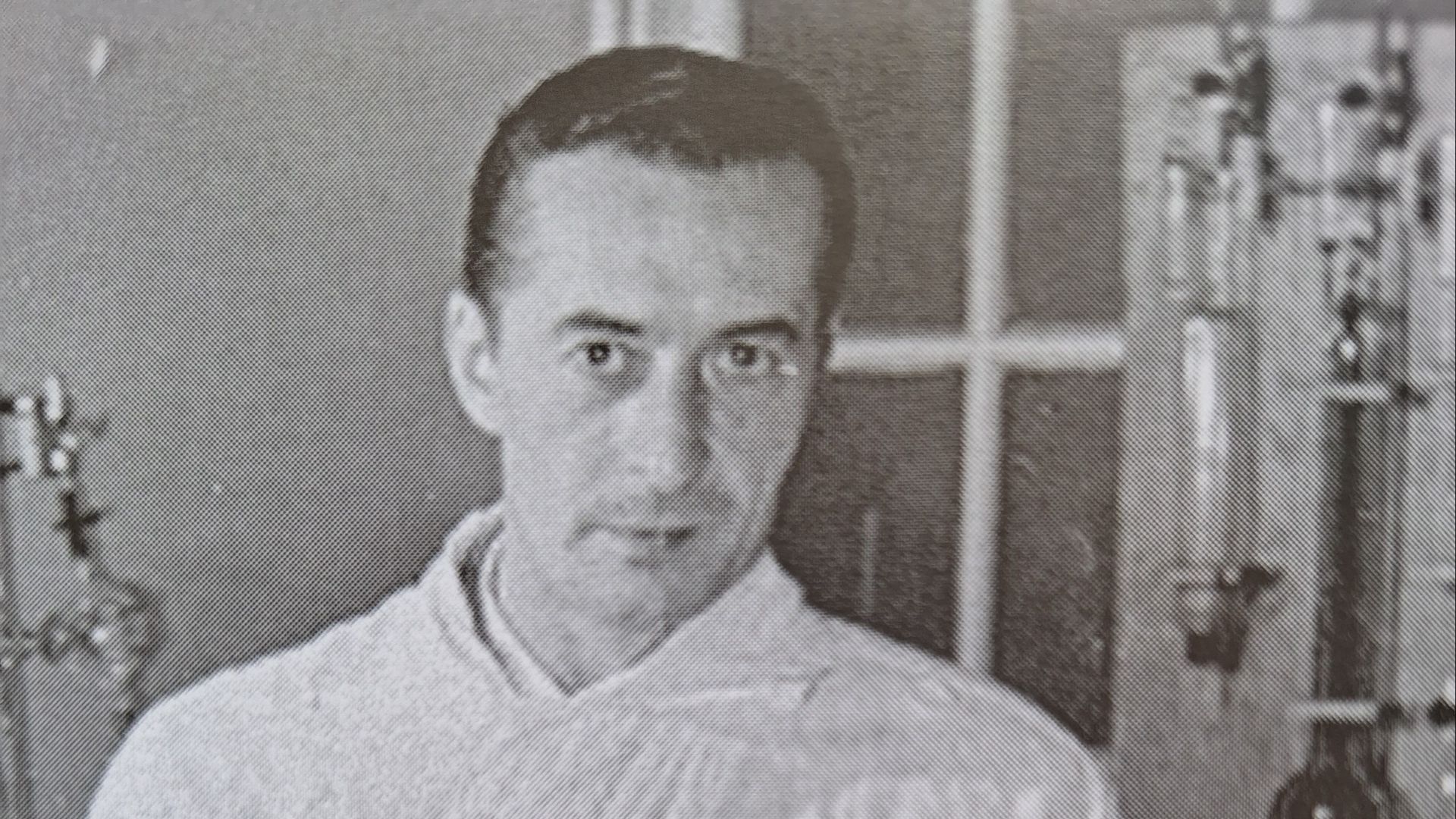
Chlorpromazine was a presurgical antihistamine until surgeon Henri Laborit noticed patients given it showed an unusual indifference to their surroundings and suggested trying it in psychiatry. Tested on patients with severe psychosis in Paris in 1952, it became the first effective antipsychotic medication and changed psychiatric care.
20. The Pacemaker
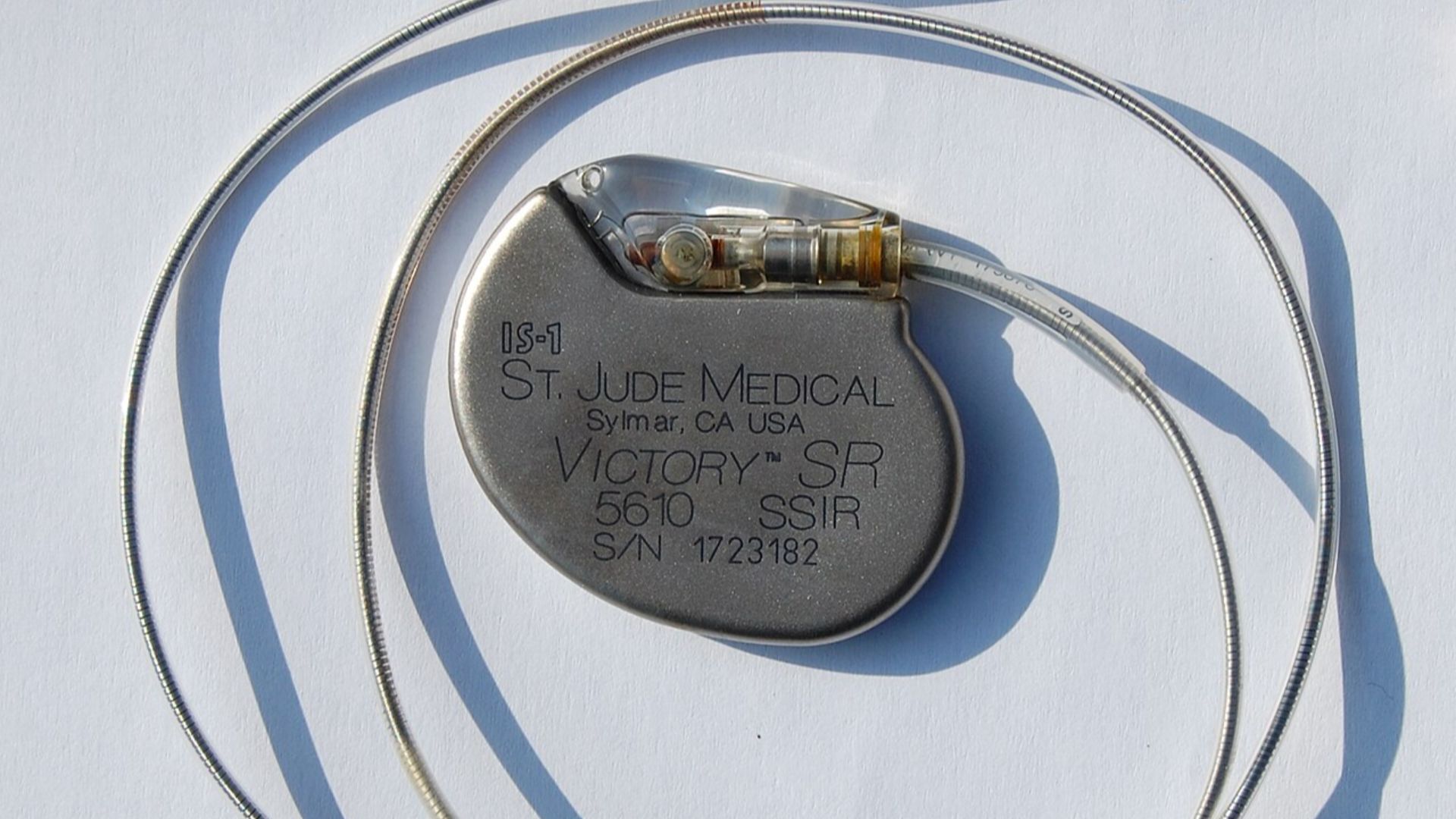
Wilson Greatbatch grabbed the wrong resistor while building a heart-sound recorder in 1956 and caused the circuit to produce a rhythmic electrical pulse instead of recording anything. He recognized the pattern as similar to a human heartbeat and spent the next two years turning that assembly error into the implantable cardiac pacemaker.

KEEP ON READING
The 20 Most Recognized Historical Figures Of All Time
The Biggest Names In History. Although the Earth has been…
By Cathy Liu Oct 4, 2024
10 of the Shortest Wars in History & 10 of…
Wars: Longest and Shortest. Throughout history, wars have varied dramatically…
By Emilie Richardson-Dupuis Oct 7, 2024
10 Fascinating Facts About Ancient Greece You Can Appreciate &…
Once Upon A Time Lived Some Ancient Weirdos.... Greece is…
By Megan Wickens Oct 7, 2024
20 Lesser-Known Facts About Christopher Columbus You Don't Learn In…
In 1492, He Sailed The Ocean Blue. Christopher Columbus is…
By Emilie Richardson-Dupuis Oct 9, 2024
20 Historical Landmarks That Have The Craziest Conspiracy Theories
Unsolved Mysteries Of Ancient Places . When there's not enough evidence…
By Megan Wickens Oct 9, 2024
The 20 Craziest Inventions & Discoveries Made During Ancient Times
Crazy Ancient Inventions . While we're busy making big advancements in…
By Cathy Liu Oct 9, 2024