10 Laws That Changed Civilization & 10 Rules That Nobody Bothered to Follow
How Rules Shape Society, Whether People Like Them or Not
Throughout history, laws have helped societies function by establishing order, protecting rights, and creating standards that millions of people could follow. Some laws transformed entire civilizations and still influence daily life today, while other rules were so impractical, unpopular, or difficult to enforce that people largely ignored them. Looking at both kinds offers a fascinating glimpse into how societies succeed, adapt, and sometimes quietly move on from regulations that never really worked. Here are 10 laws that changed civilization and 10 rules that nobody bothered to follow.
 Arthur C. Michael (d. 1945) on Wikimedia
1. The Code of Hammurabi
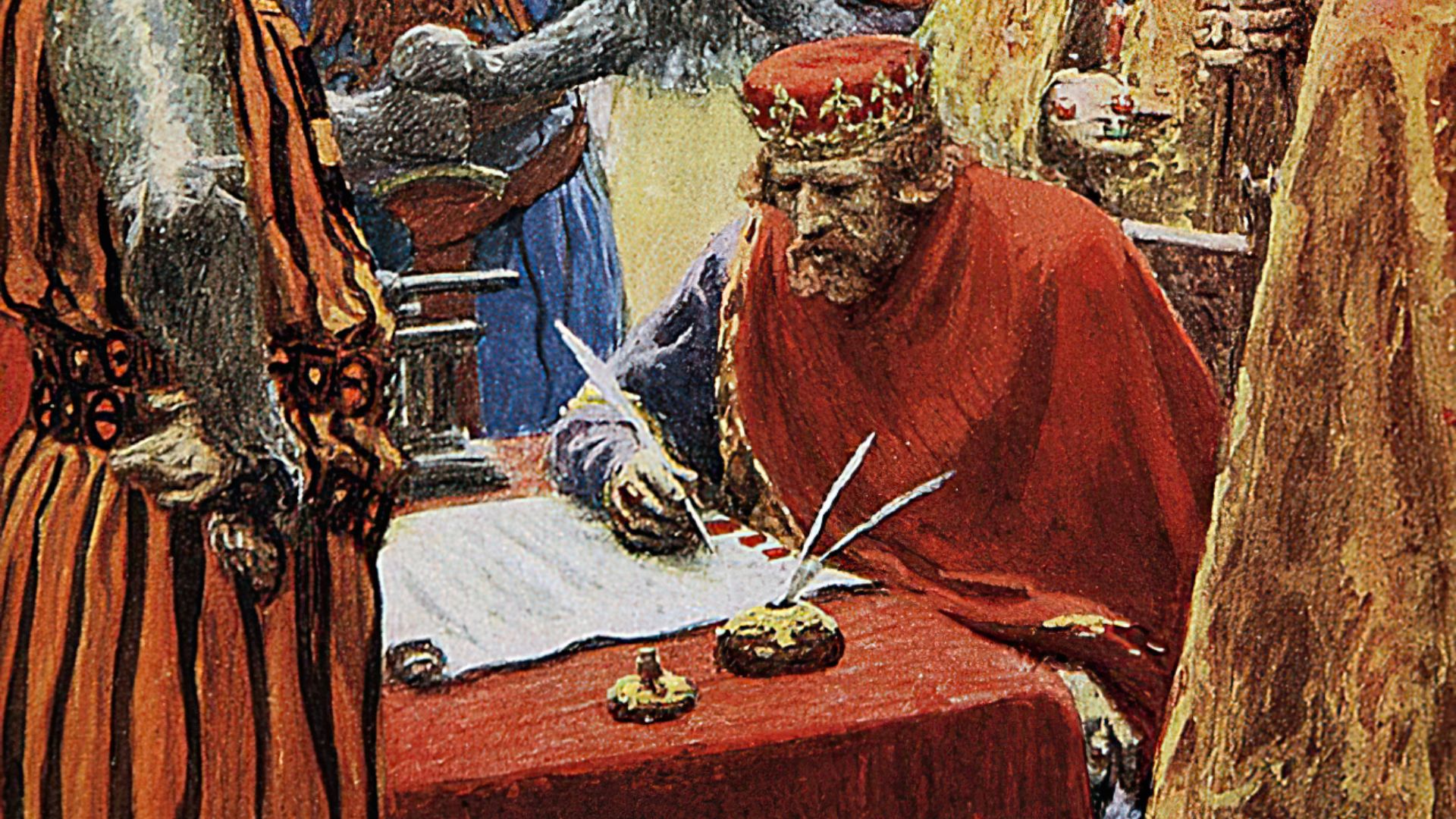
Created in ancient Babylon around 1754 BCE, the Code of Hammurabi is one of the oldest surviving legal systems. It established written laws that applied across a kingdom rather than relying solely on local customs. While many of its punishments seem harsh today, it helped introduce the idea that laws should be publicly known.
 Pequod76 at Italian Wikipedia on Wikimedia
2. Roman Citizenship Laws
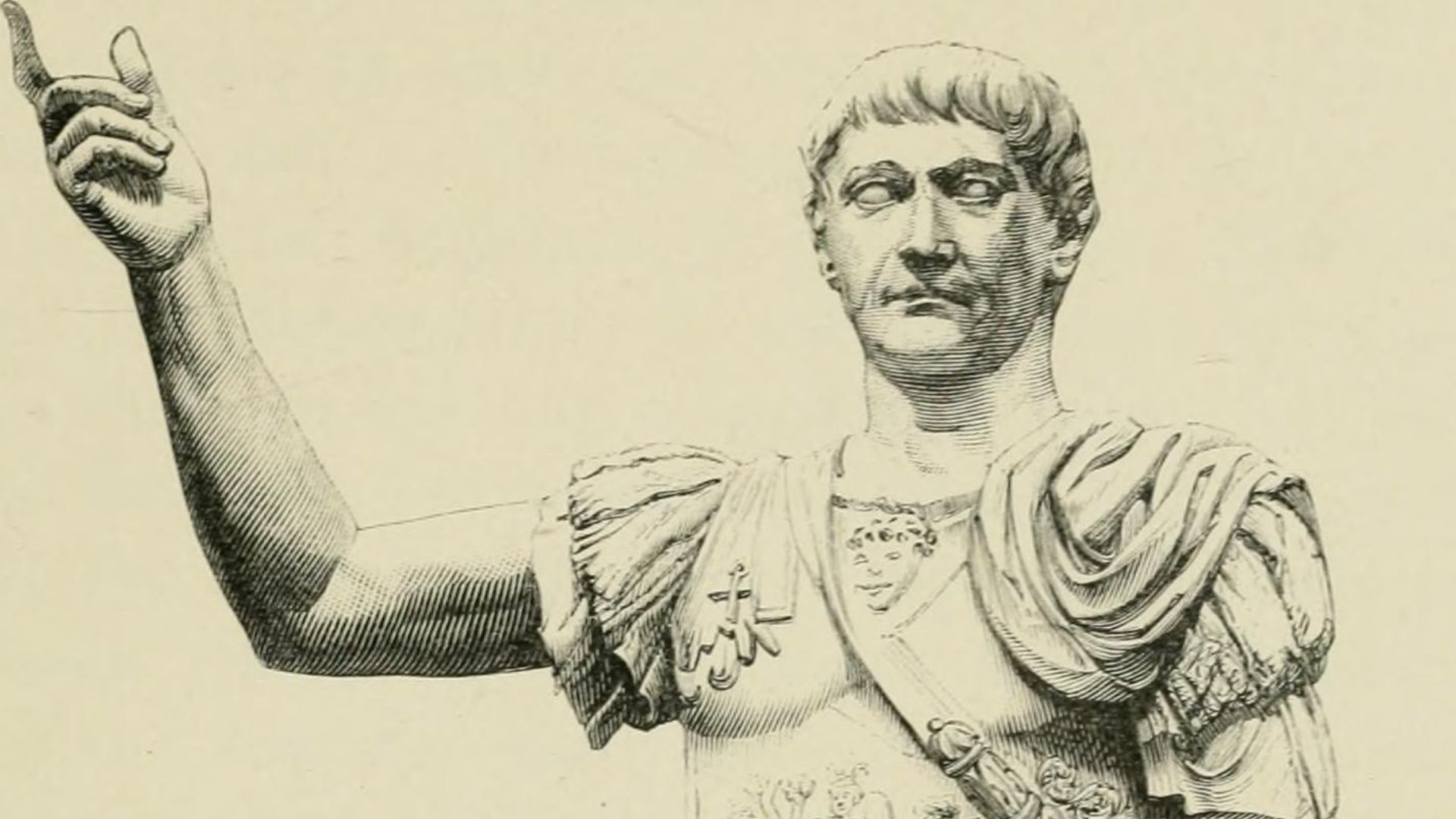
The Roman Empire gradually expanded citizenship rights to people throughout its territories. These laws created a shared legal identity across a vast region stretching from Britain to the Middle East. The concept influenced later ideas about citizenship and equal legal status under a government.
 Internet Archive Book Images on Wikimedia
3. The Magna Carta
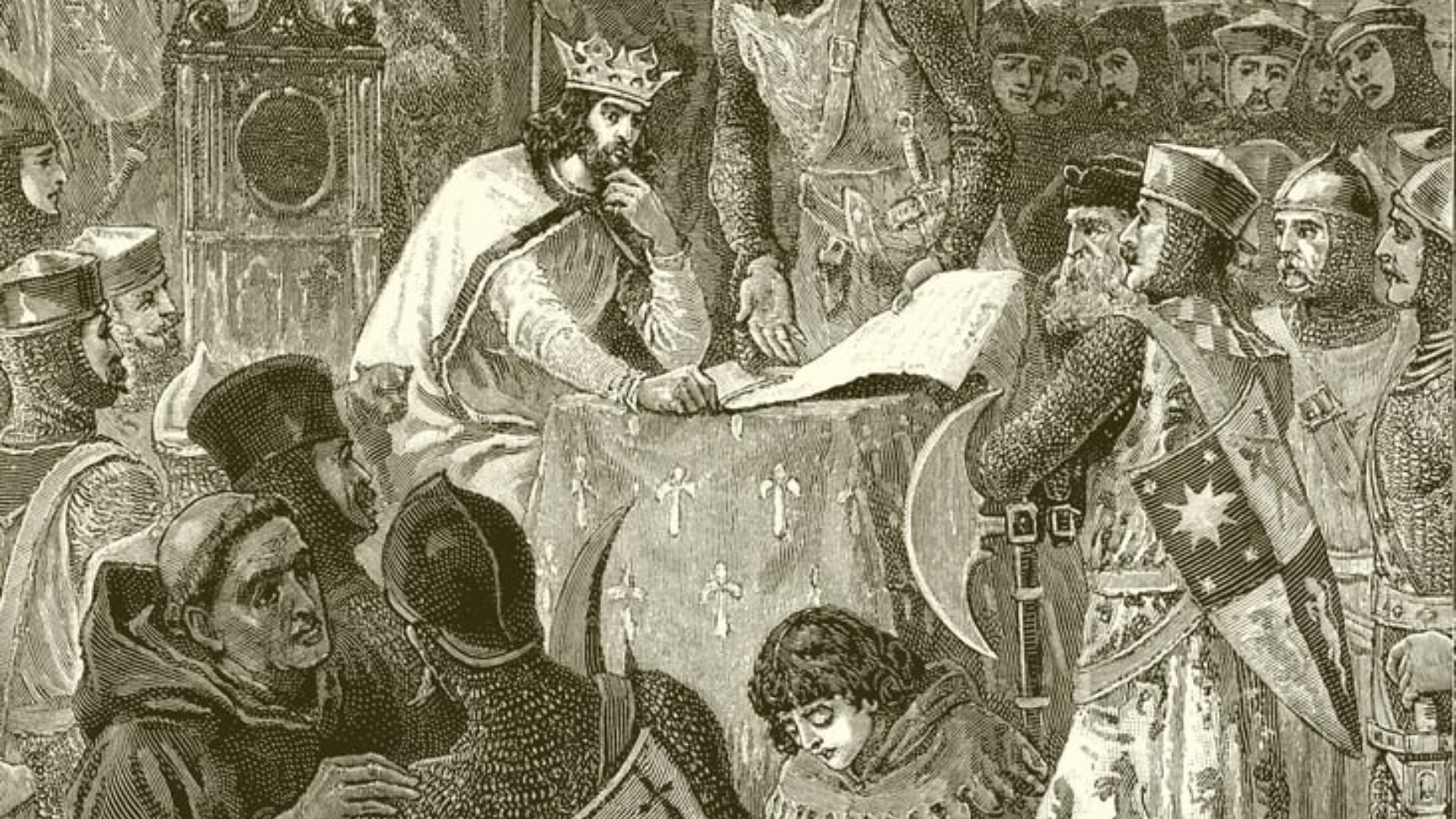
Signed in England in 1215, the Magna Carta limited the power of the king and established that rulers were subject to the law. Although its immediate impact was limited, its principles became highly influential over time. Many modern constitutional systems trace some of their legal foundations back to this document.
 English School (Cassell's History of England - Century Edition) on Wikimedia
4. Habeas Corpus Protections
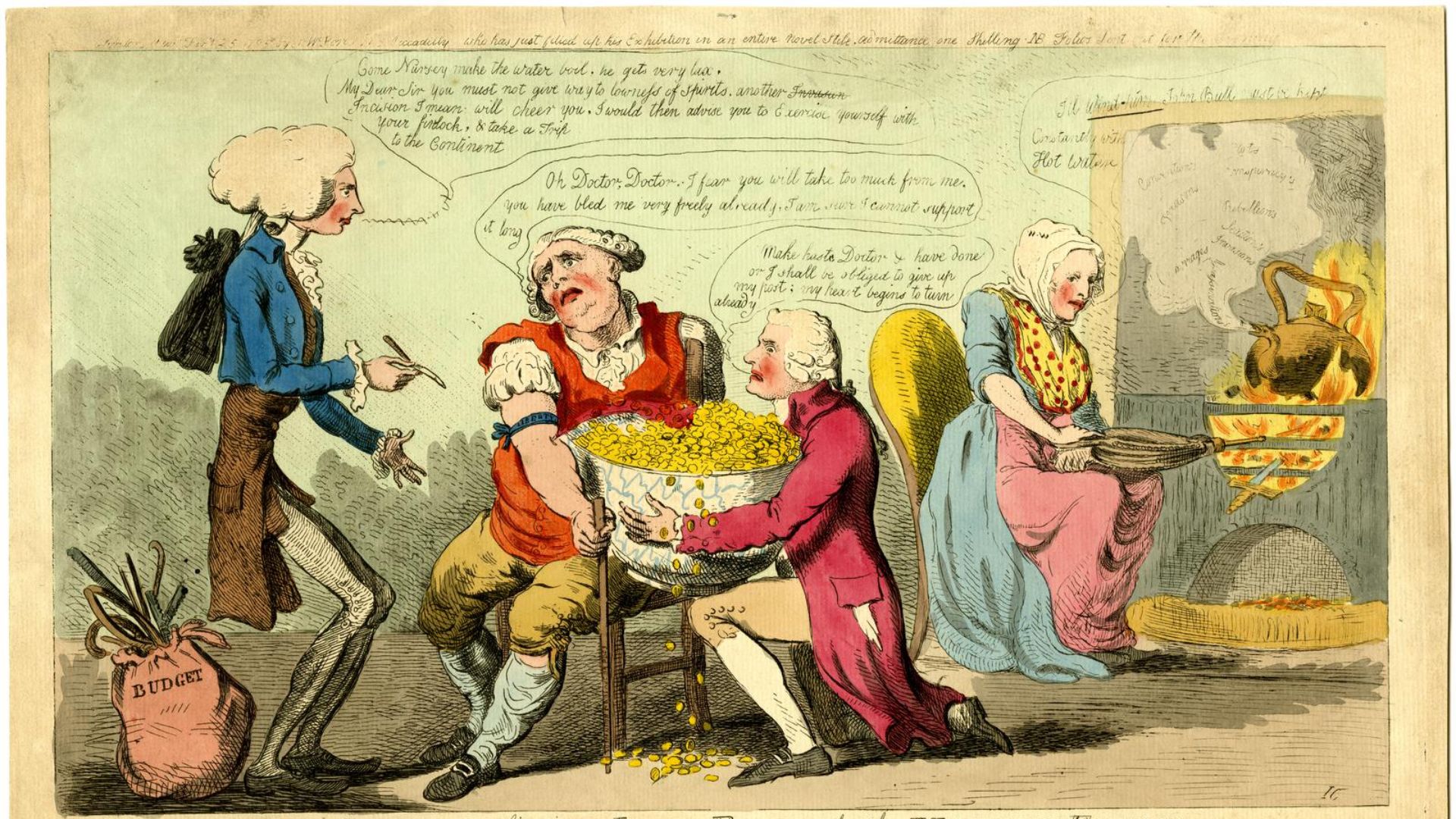
The legal principle of habeas corpus allows individuals to challenge unlawful detention before a court. Developed over centuries in English law, it became a cornerstone of civil liberties. Many democratic nations continue to rely on this protection against arbitrary imprisonment.
 Print made by: Isaac Cruikshank Published by: S W Fores on Wikimedia
5. The United States Bill of Rights
Ratified in 1791, the Bill of Rights established protections for freedoms such as speech, religion, assembly, and due process. These guarantees shaped legal systems far beyond the United States. Similar rights appear in constitutions and legal charters around the world.
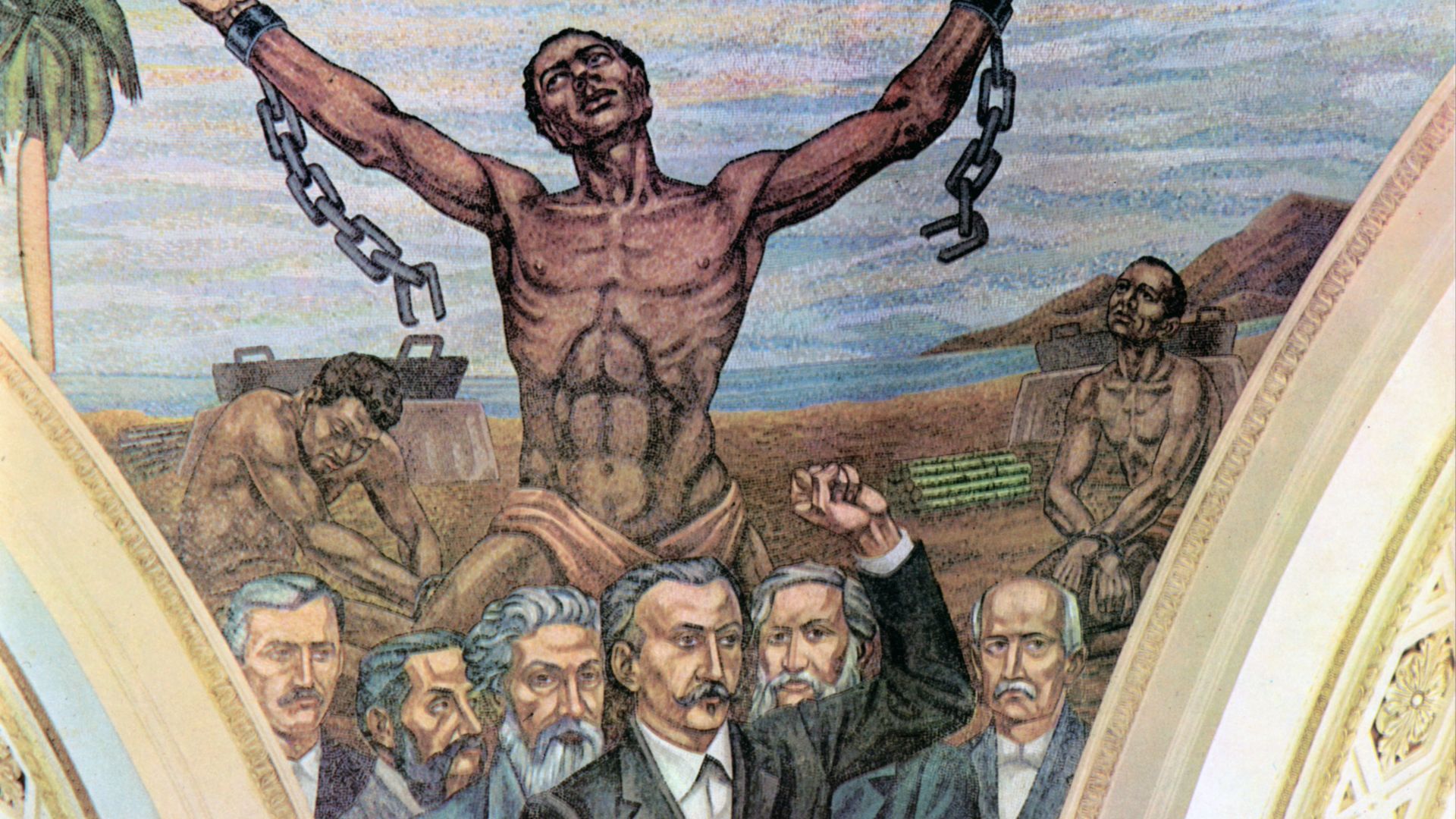
6. The Abolition of Slavery
Laws abolishing slavery transformed societies across multiple continents during the nineteenth century. Although implementation often faced resistance, these laws ended the legal ownership of human beings in many nations. This passage marked one of the most significant expansions of human rights in history.
7. Universal Public Education Laws
Many countries introduced compulsory education laws during the nineteenth and twentieth centuries. These measures dramatically increased literacy rates and educational opportunities. The resulting growth in knowledge helped fuel economic and scientific advancement.
 National Cancer Institute on Unsplash
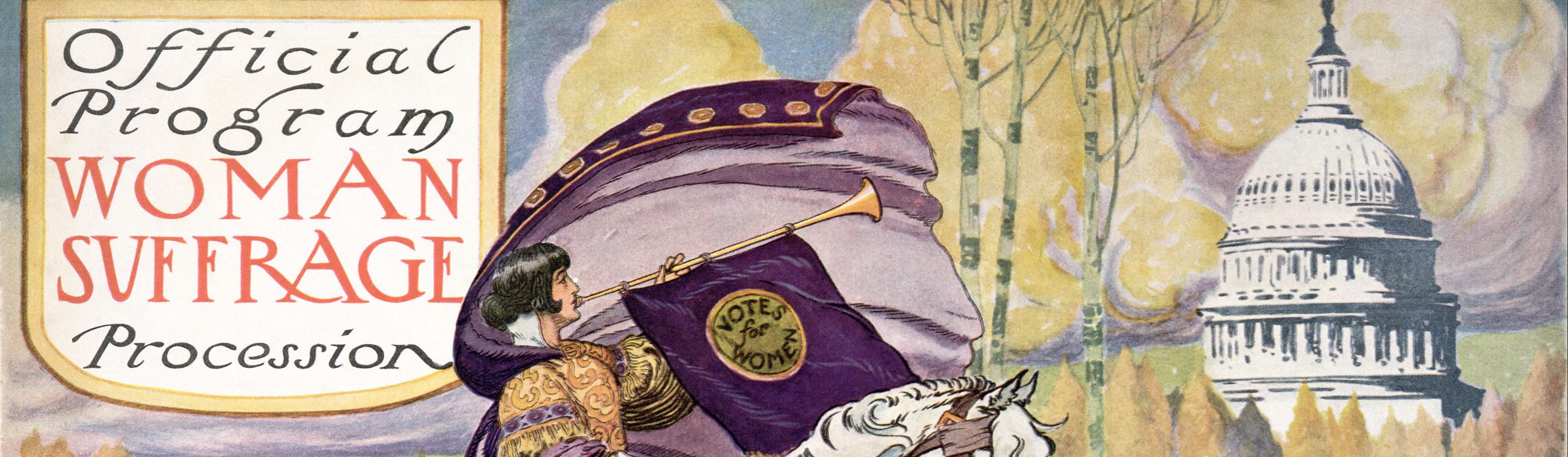
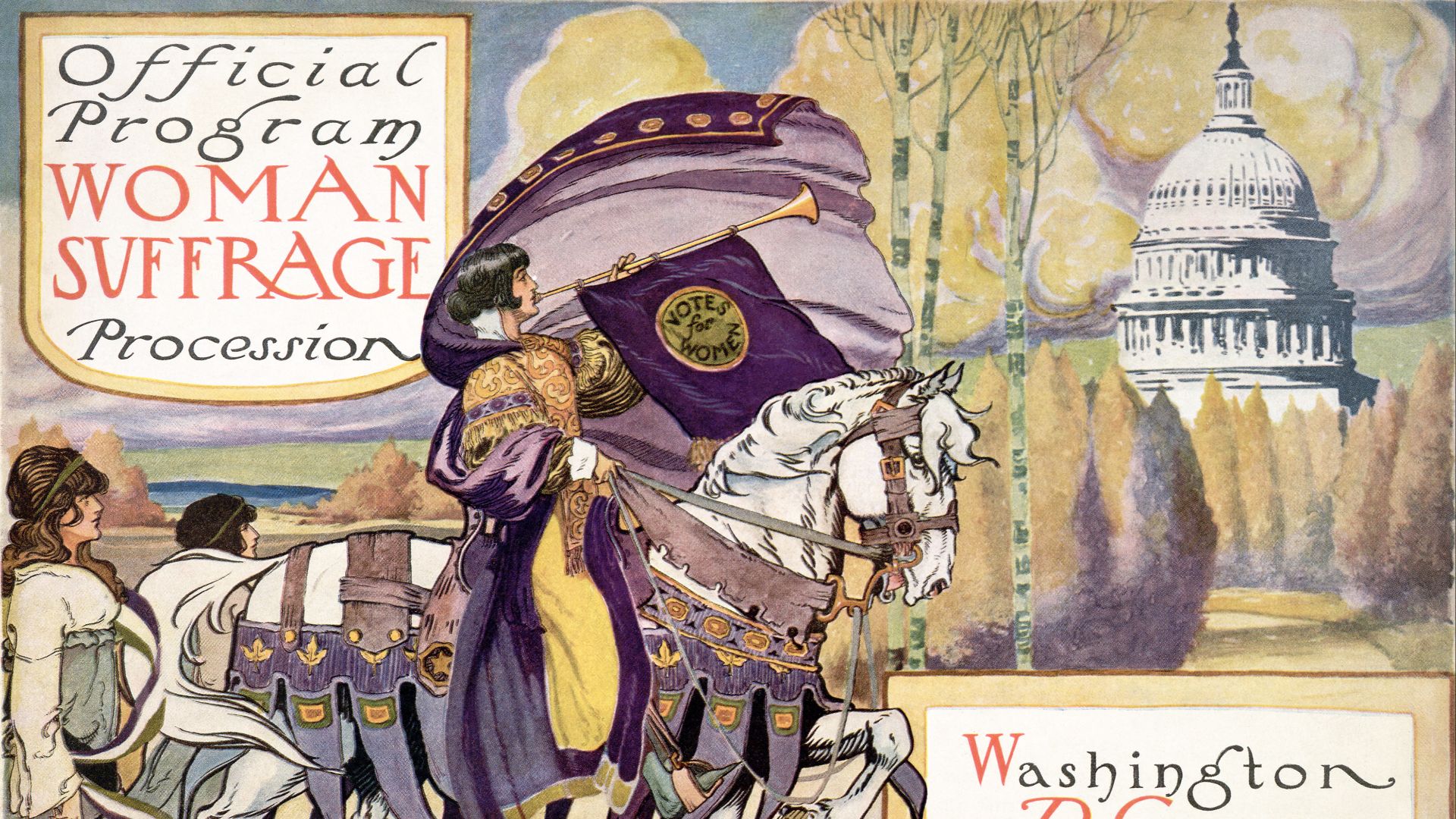
8. Women's Suffrage Laws
Granting women the right to vote fundamentally changed political systems across the world. Beginning in places such as New Zealand in 1893 and spreading elsewhere over time, suffrage laws expanded democratic participation. Millions of citizens gained a voice in government decisions that had previously excluded them.
9. Antitrust Legislation
Laws designed to limit monopolies and encourage competition reshaped modern economies. In the United States, the Sherman Antitrust Act of 1890 became a major example of this approach.

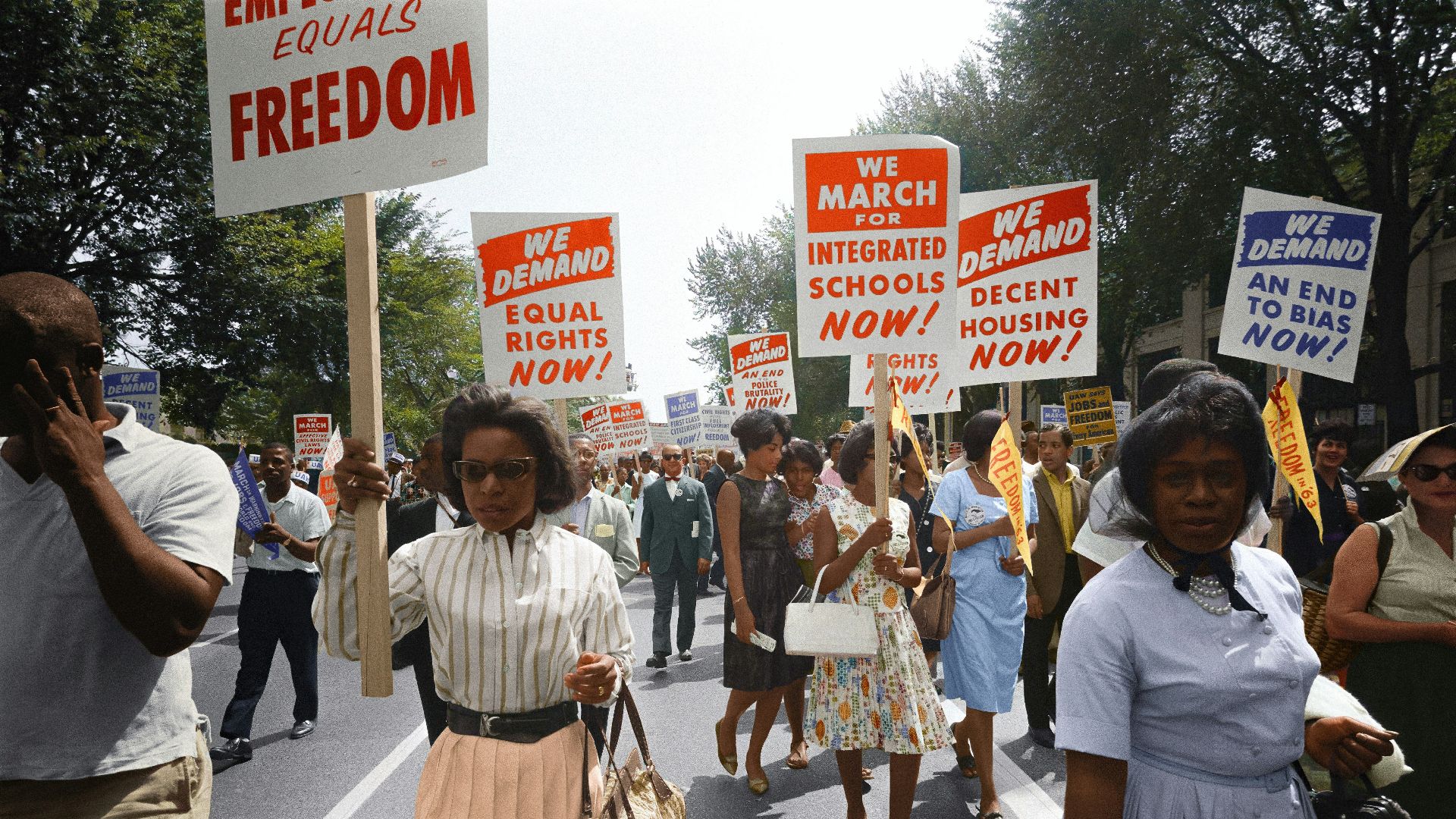
10. Civil Rights Legislation
Civil rights laws helped dismantle legal discrimination in many nations during the twentieth century. Measures such as the U.S. Civil Rights Act of 1964 prohibited discrimination in key areas of public life.
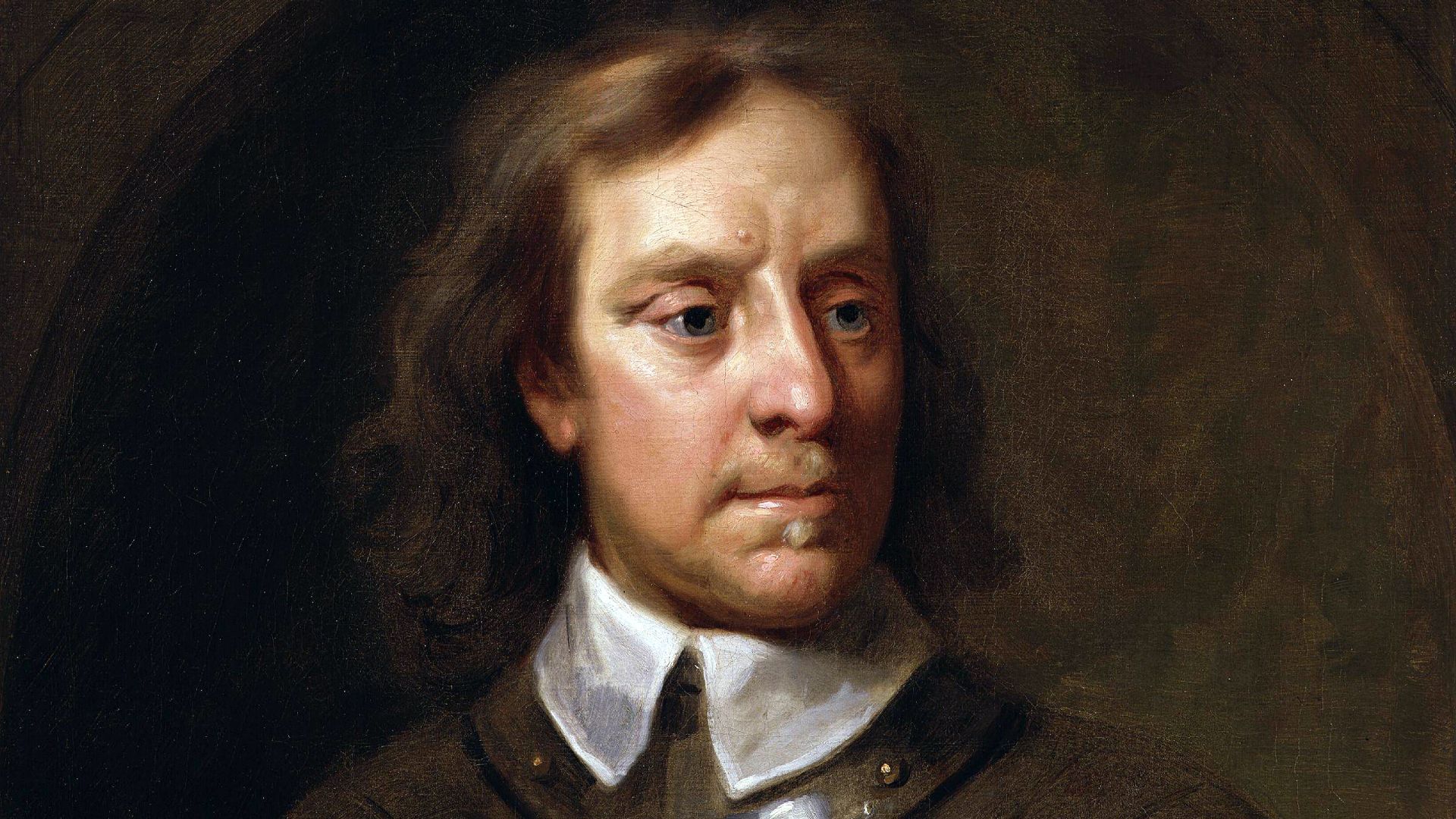
1. England's Ban on Mince Pies at Christmas
During Oliver Cromwell's rule in the 1650s, authorities attempted to discourage certain Christmas celebrations, including festive foods such as mince pies. Many people ignored the restrictions and continued traditional celebrations. The effort demonstrated how difficult it can be to regulate popular customs.
 After Samuel Cooper on Wikimedia
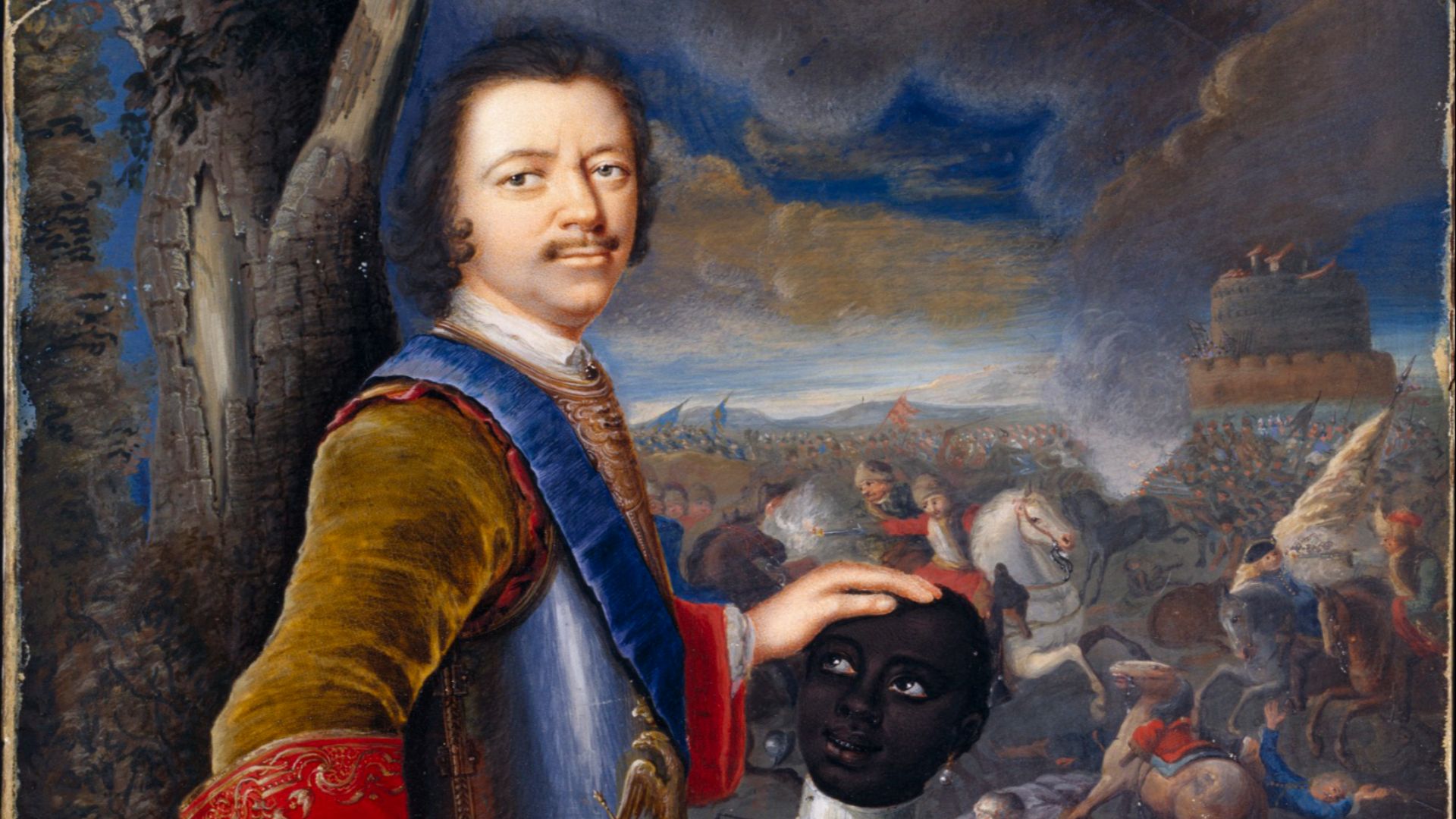
2. The Eighteenth-Century Beard Tax
Russia's Tsar Peter the Great imposed a tax on beards to encourage Western-style appearance standards. While some citizens complied, many resisted or found ways around the policy.
 Gustav von Mardefeld on Wikimedia
3. American Prohibition
The United States banned the manufacture and sale of alcoholic beverages from 1920 to 1933. Instead of eliminating alcohol consumption, the policy fueled widespread illegal production and organized crime. The law became so difficult to enforce that it was eventually repealed.
 Pennsylvania Department of Corrections / FBI on Wikimedia
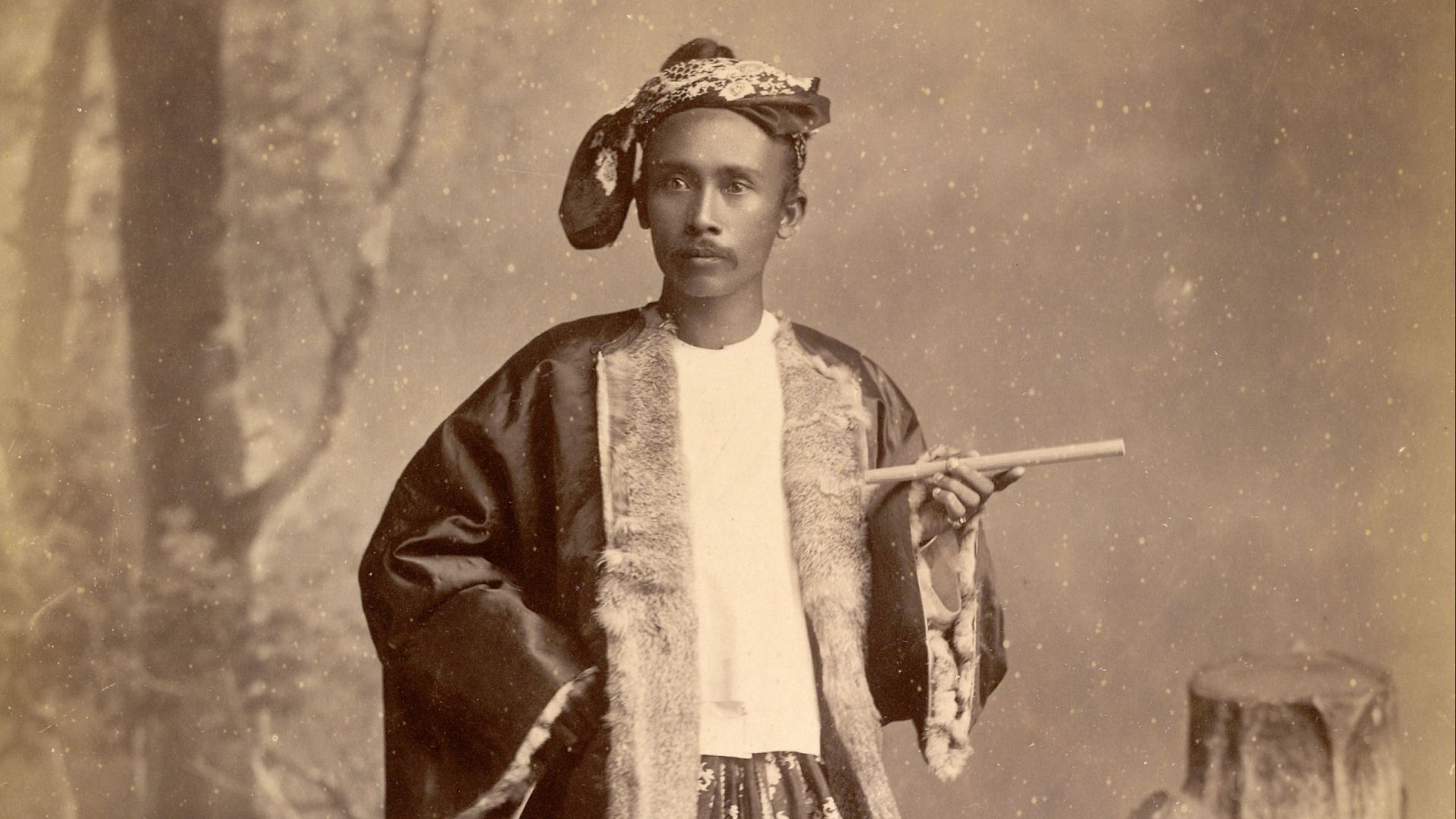
4. Sumptuary Laws on Clothing
Many medieval and early modern governments passed laws dictating what people could wear based on social class. Wealthy citizens often found ways to bypass these restrictions, while enforcement remained inconsistent. Over time, most of these regulations faded into irrelevance.
 Philip Adolphe Klier on Wikimedia
5. Laws Against Playing Certain Games
Various governments throughout history attempted to restrict games considered distracting or unproductive. In medieval England, some authorities discouraged activities that interfered with military training. Many people continued playing regardless of official disapproval.
 Birmingham Museums Trust on Unsplash
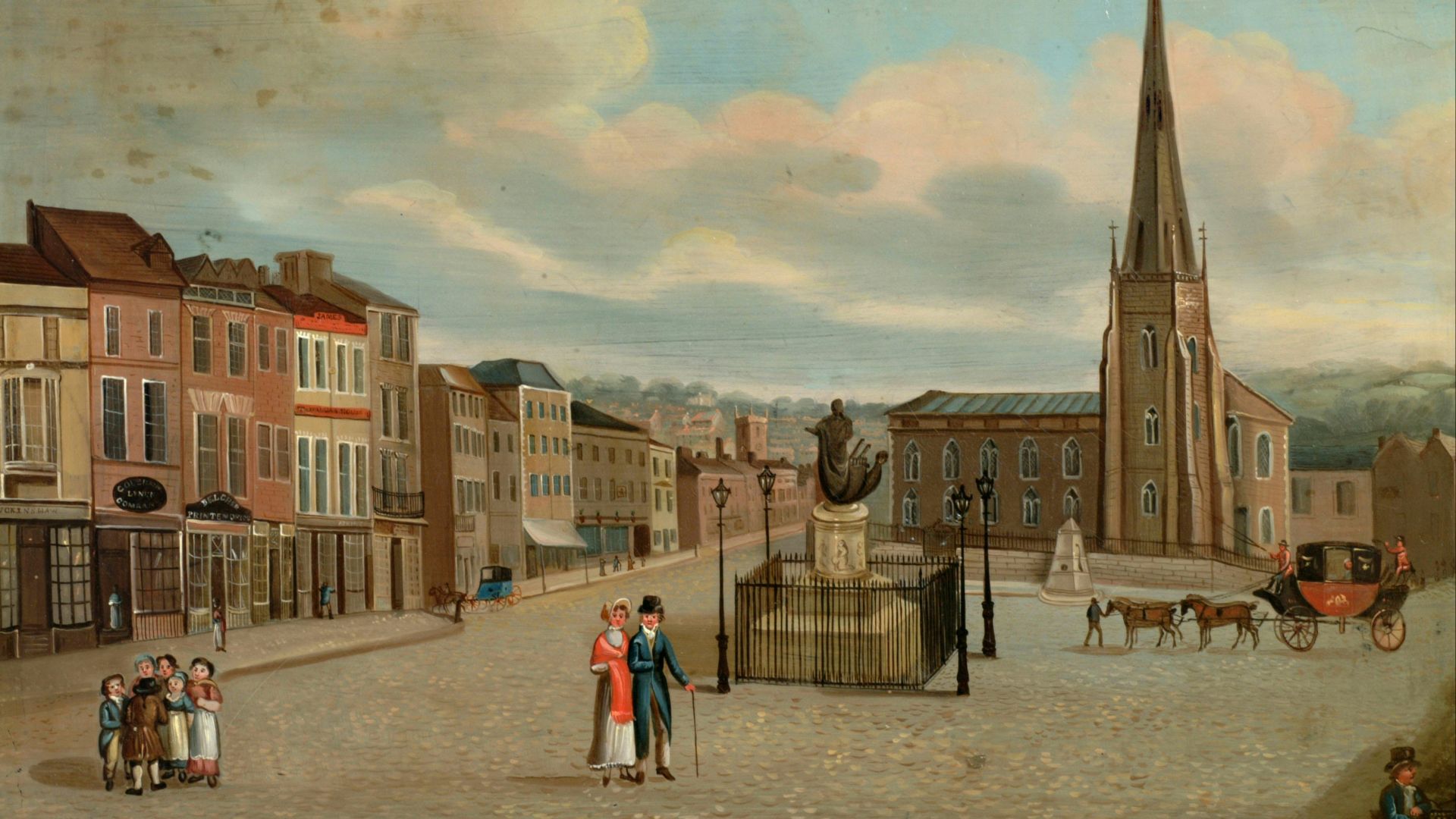
6. The Ban on Dancing in Boston
In seventeenth-century Puritan Boston, public dancing faced significant restrictions. Residents often found ways to enjoy social gatherings despite official concerns about morality.

7. Blue Laws Restricting Sunday Activities
Many regions adopted strict rules limiting business operations and recreation on Sundays. Although some remain in modified form, widespread compliance declined as societies became more diverse and commercialized.

8. Speed Limits Ignored in Practice
Speed limits serve important safety purposes, but many drivers exceed them at least occasionally. Law enforcement agencies generally focus on significant violations rather than every minor instance.

9. Attempts to Ban Coffee
Several rulers and governments periodically tried to ban coffee consumption, including efforts in parts of the Ottoman Empire during the sixteenth and seventeenth centuries.

10. Laws Against Fashion Trends
Throughout history, governments have occasionally tried to regulate hairstyles, fabrics, footwear, or other fashion choices. Public interest in personal expression often made these rules difficult to maintain.