

Art's Long Struggle Between Freedom and Control
Throughout history, art has thrived when societies encouraged creativity, patronage, and cultural exchange. During these periods, painters, sculptors, architects, writers, and performers produced works that continue to influence the world today. Yet art has also faced suppression whenever governments, religious authorities, or political movements viewed creative expression as a threat. The history of art is therefore not just a story of inspiration and beauty, but also one of censorship, control, and resistance. Here are 10 eras of flourishing art and 10 when art was censored to silence.
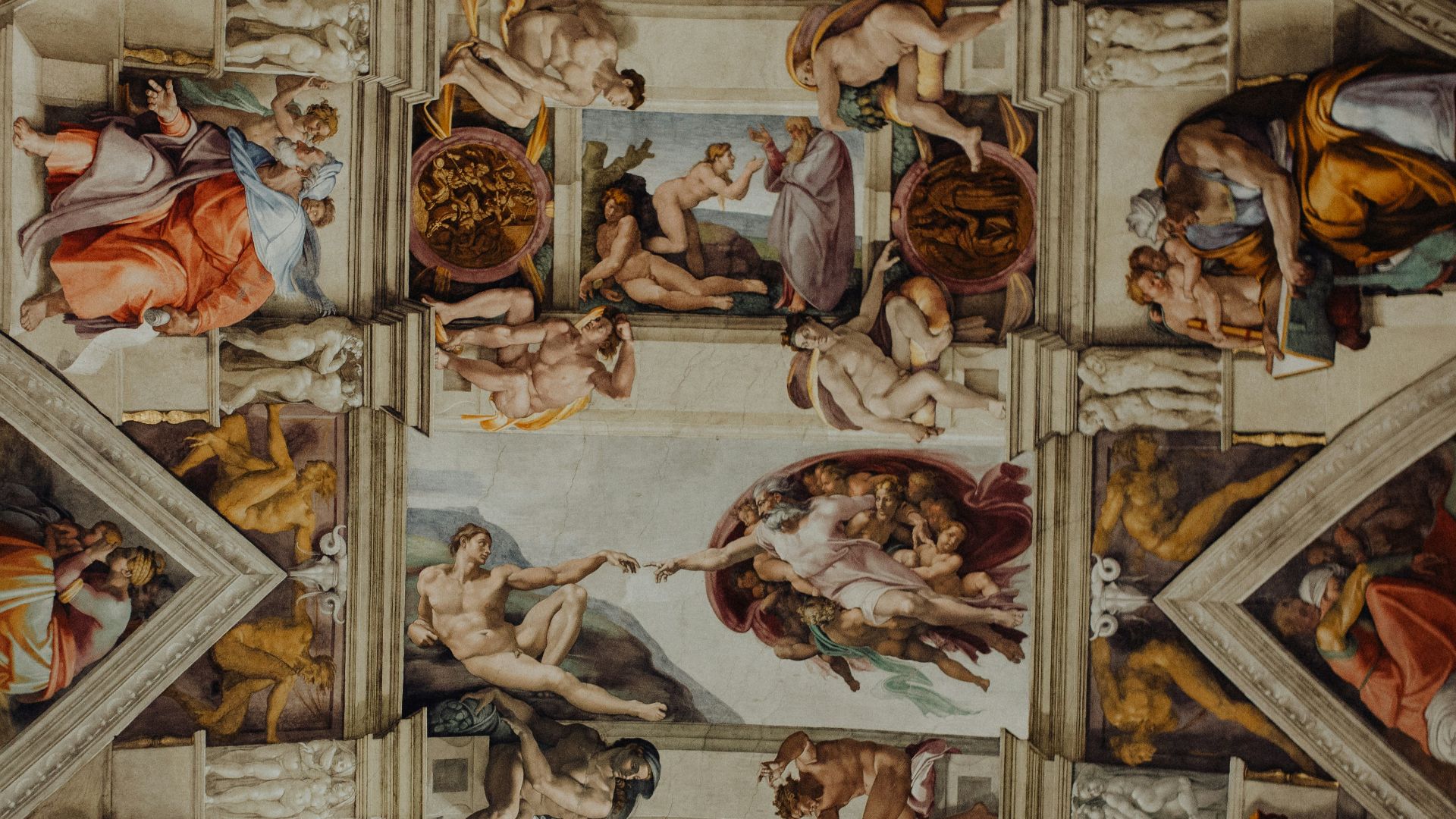
1. Classical Athens (5th Century BC)
Athens experienced a remarkable cultural flowering during its Golden Age. Artists, architects, playwrights, and sculptors produced works that helped define Western artistic traditions. Major projects such as the Parthenon demonstrated both technical skill and civic pride. The city's relative prosperity and patronage encouraged creative achievement.
 Giovanni Dall'Orto on Wikimedia
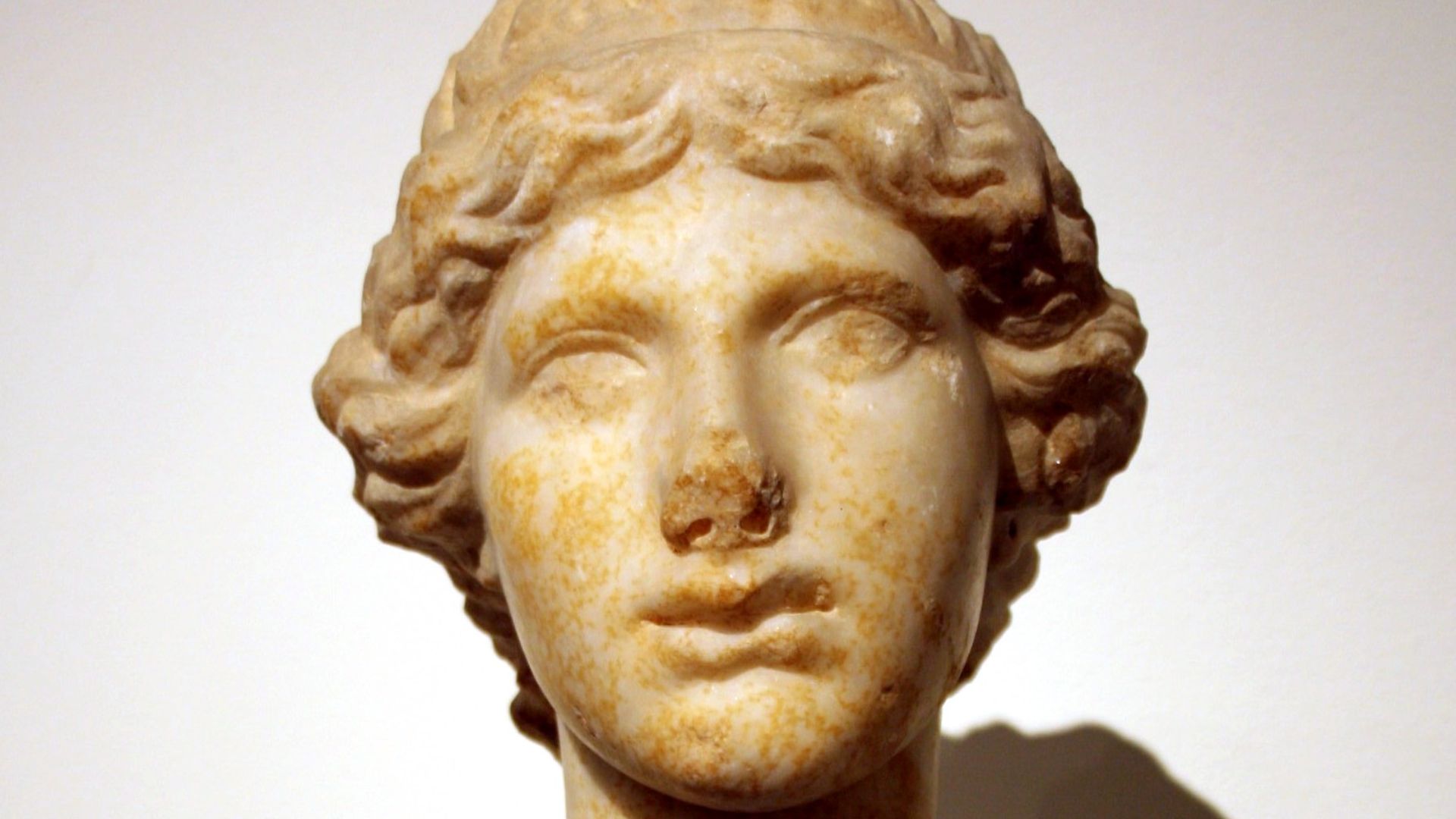
2. The Gupta Empire (4th–6th Centuries AD)
Often called the golden age of Indian culture, the Gupta period saw major advances in sculpture, painting, and literature. Religious and secular works alike benefited from royal support. The artistic styles developed during this era influenced South and Southeast Asia for centuries. Many surviving sculptures are still celebrated for their elegance and craftsmanship.
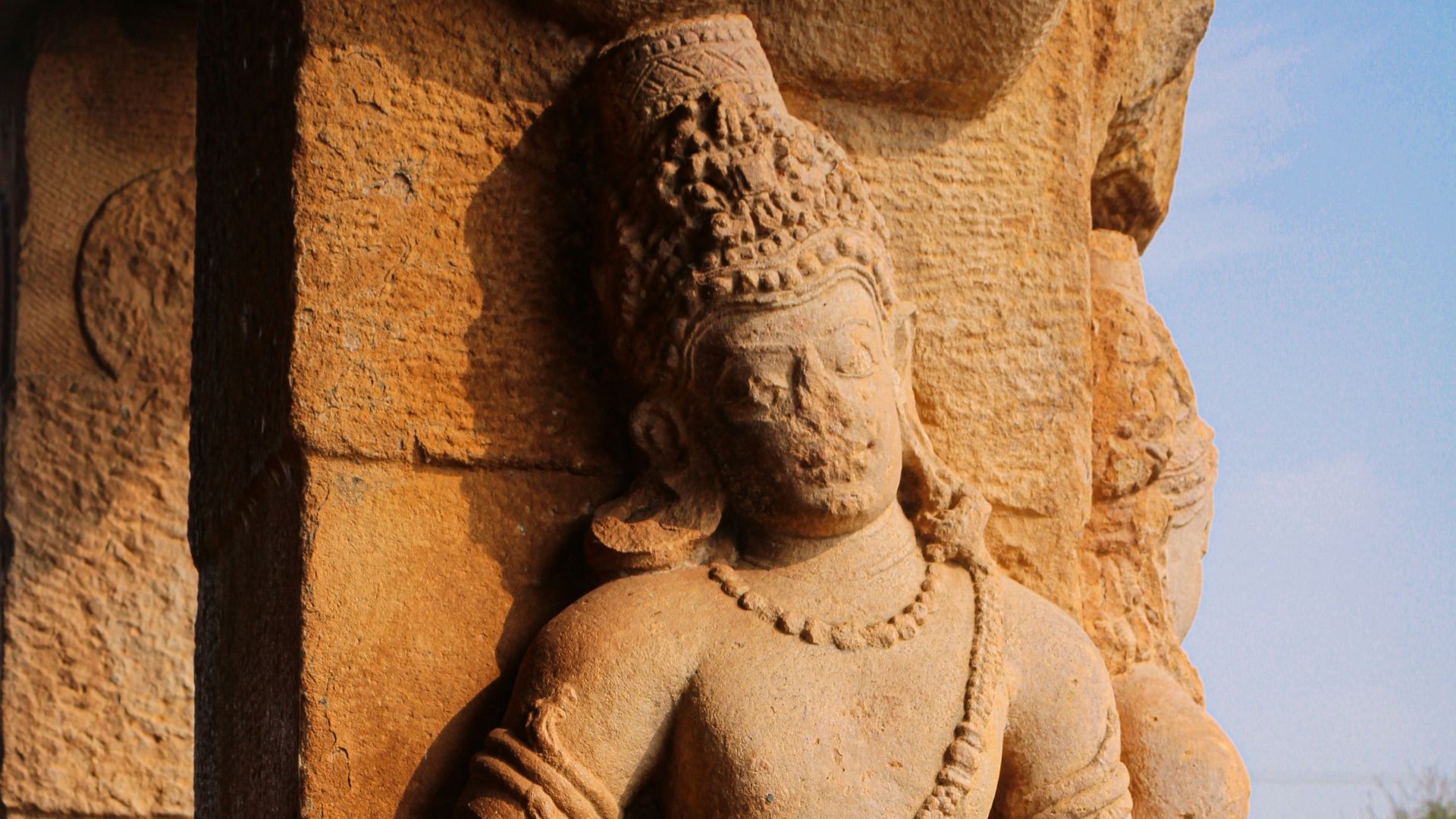
3. Tang Dynasty China (618–907)
The Tang Dynasty fostered one of China's greatest cultural eras. Painting, poetry, ceramics, and music flourished as the empire enjoyed prosperity and international connections. Cultural exchange along trade routes introduced new ideas and influences. Artistic innovation became a defining feature of the period.
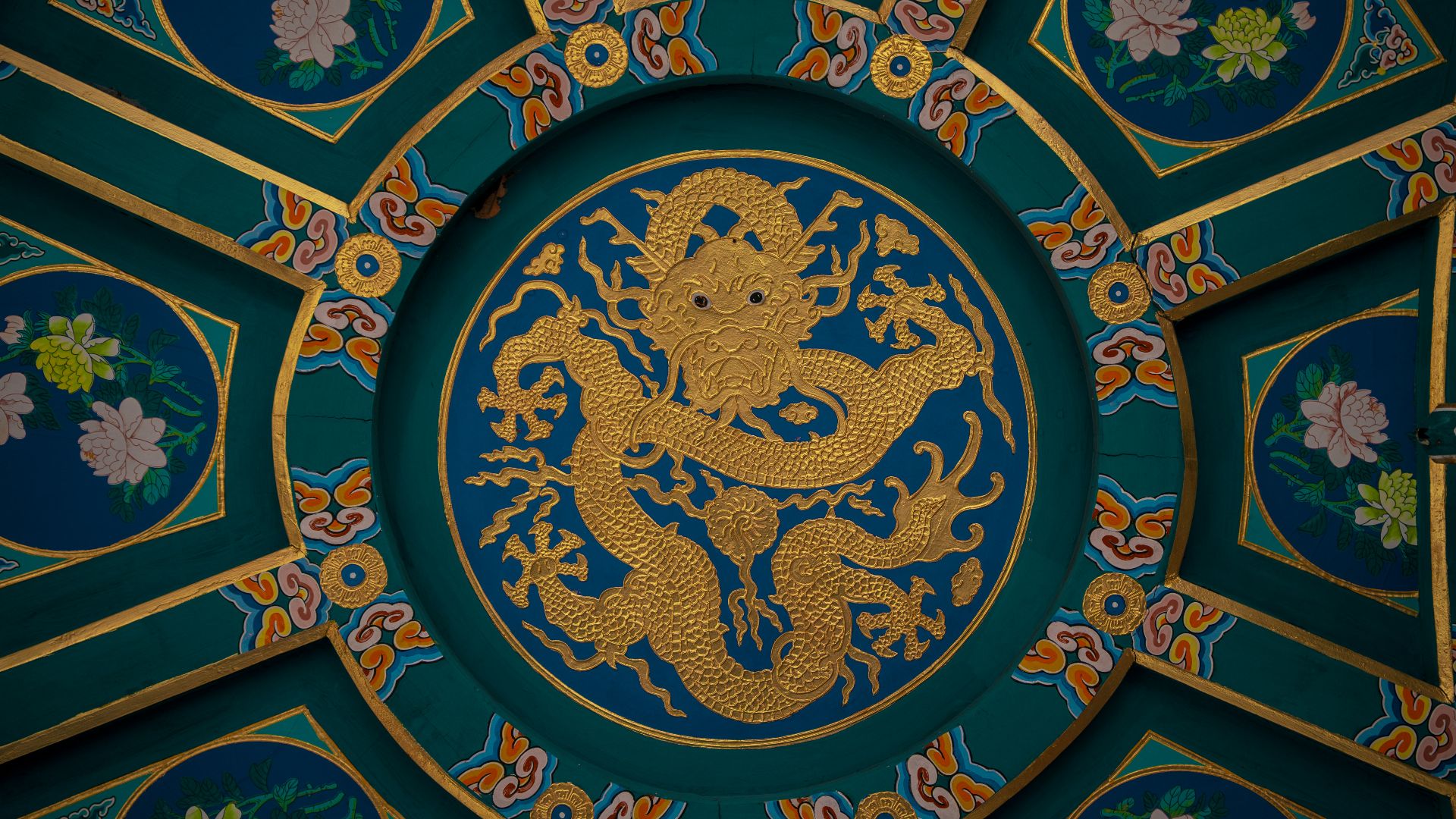
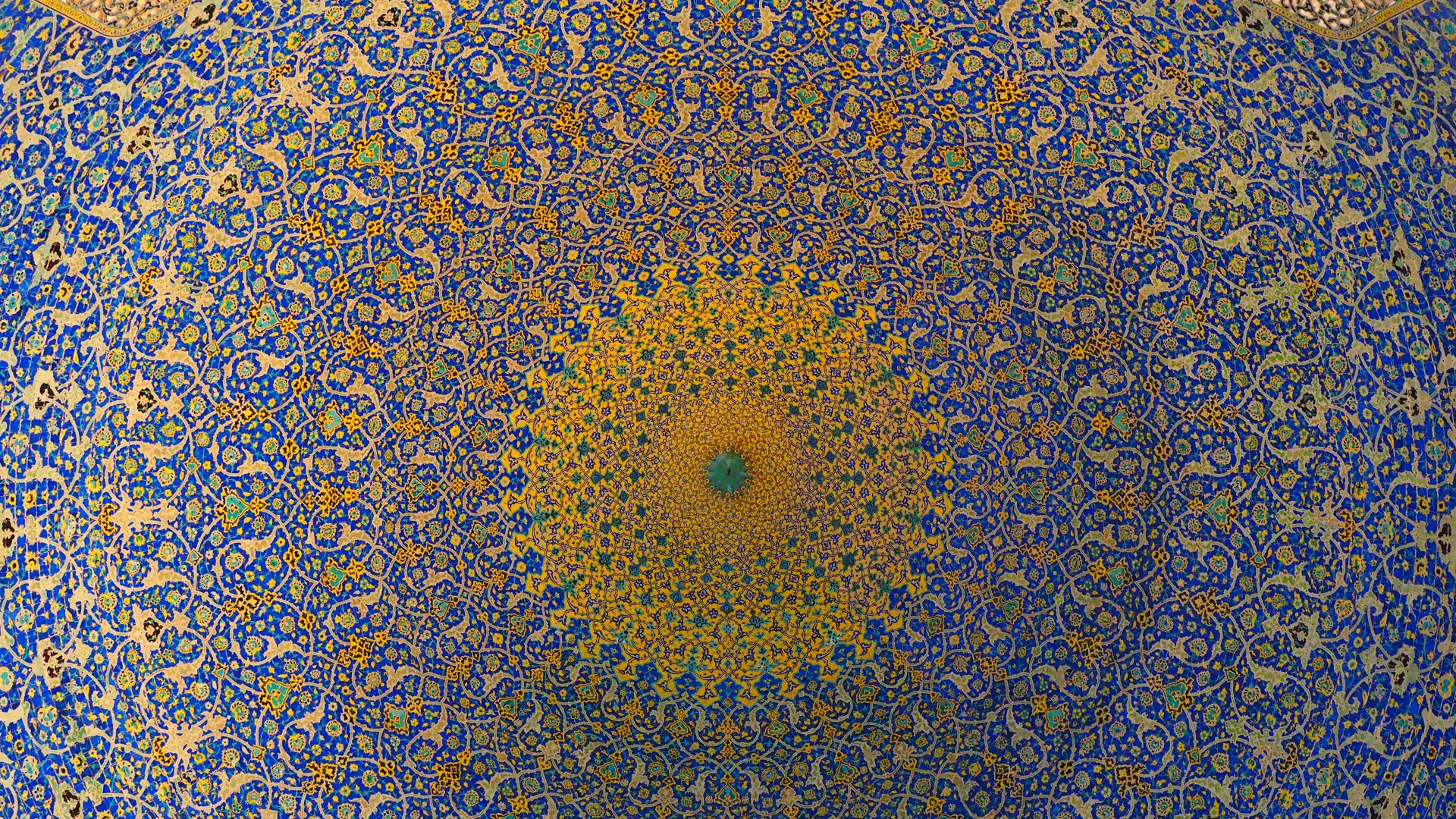
4. The Islamic Golden Age (8th–13th Centuries)
Across much of the Islamic world, scholars and artists benefited from thriving urban centers and wealthy patrons. Calligraphy, architecture, manuscript illumination, and decorative arts reached impressive heights. Creative achievements often reflected both local traditions and influences from distant regions. Many masterpieces from this era remain highly regarded today.
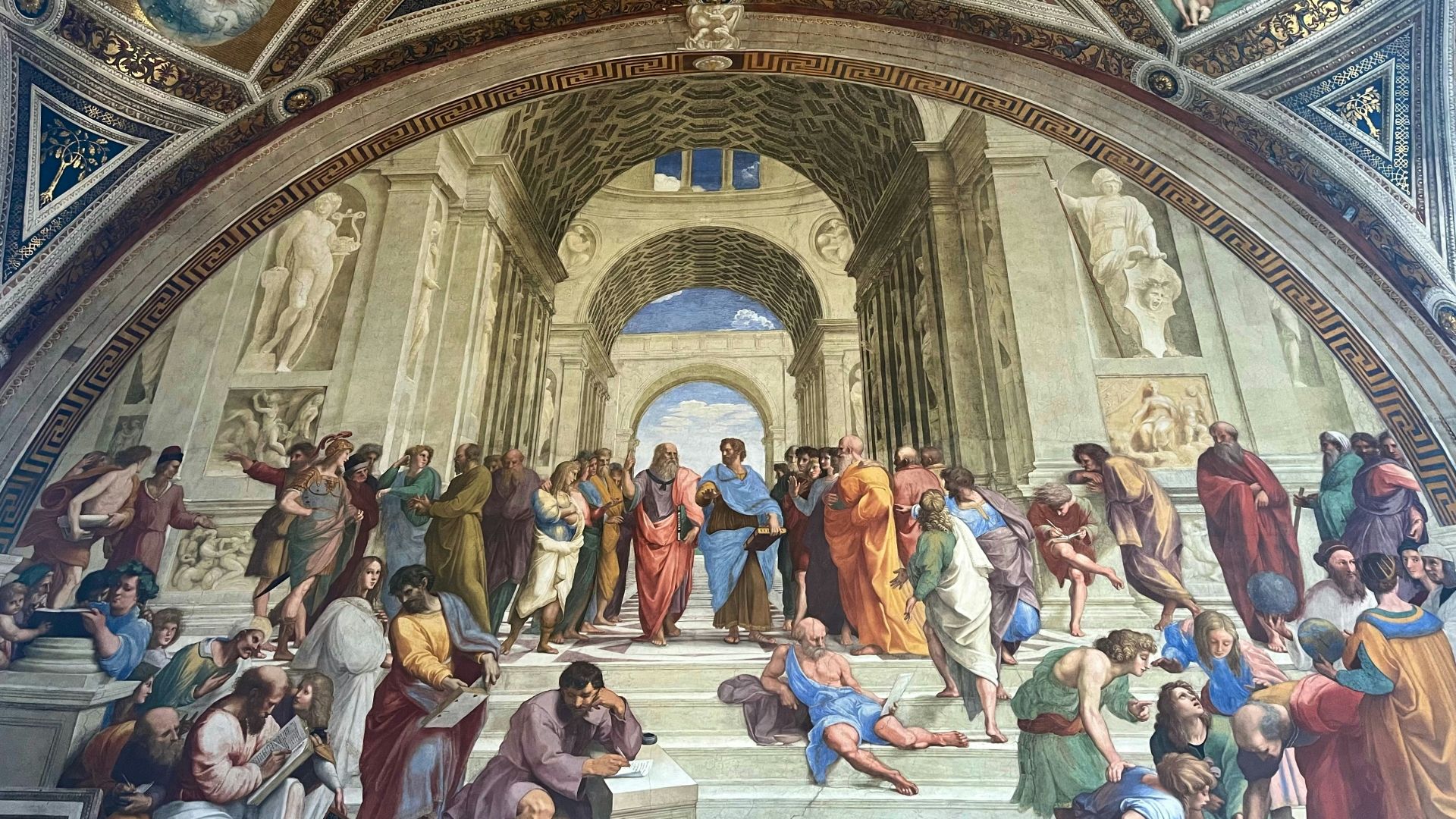
5. The Italian Renaissance (14th–16th Centuries)
The Renaissance transformed European art through renewed interest in classical learning and observation of the natural world. Artists developed techniques such as linear perspective and increasingly realistic human anatomy. Wealthy patrons funded ambitious projects across Italy. The period produced some of history's most famous artistic achievements.
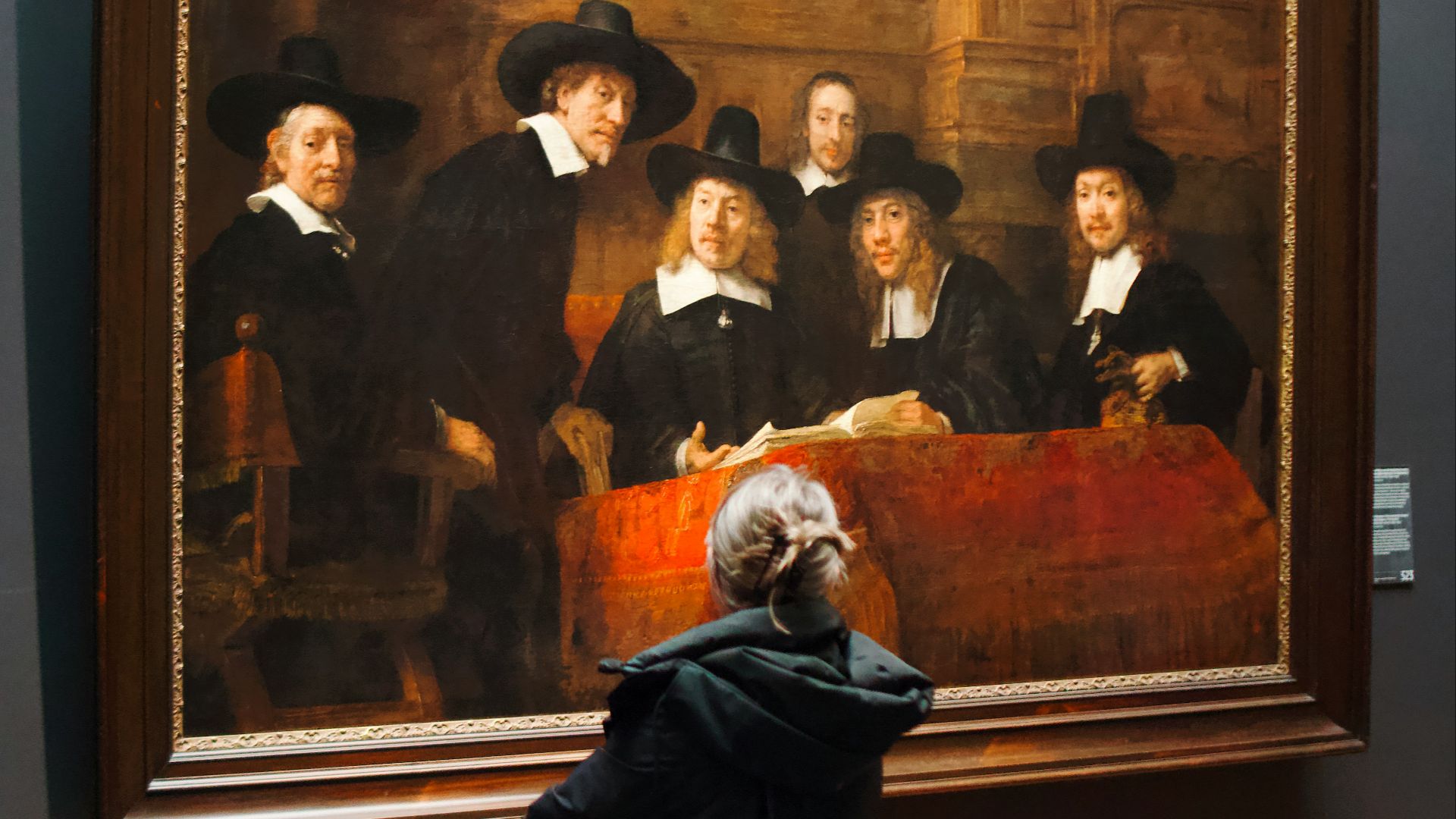
6. The Dutch Golden Age (17th Century)
Economic success helped make the Dutch Republic a major center of artistic production. Unlike many earlier periods, art was purchased not only by elites but also by prosperous middle-class households.
 Sophie Lee-Tin-Yien on Unsplash
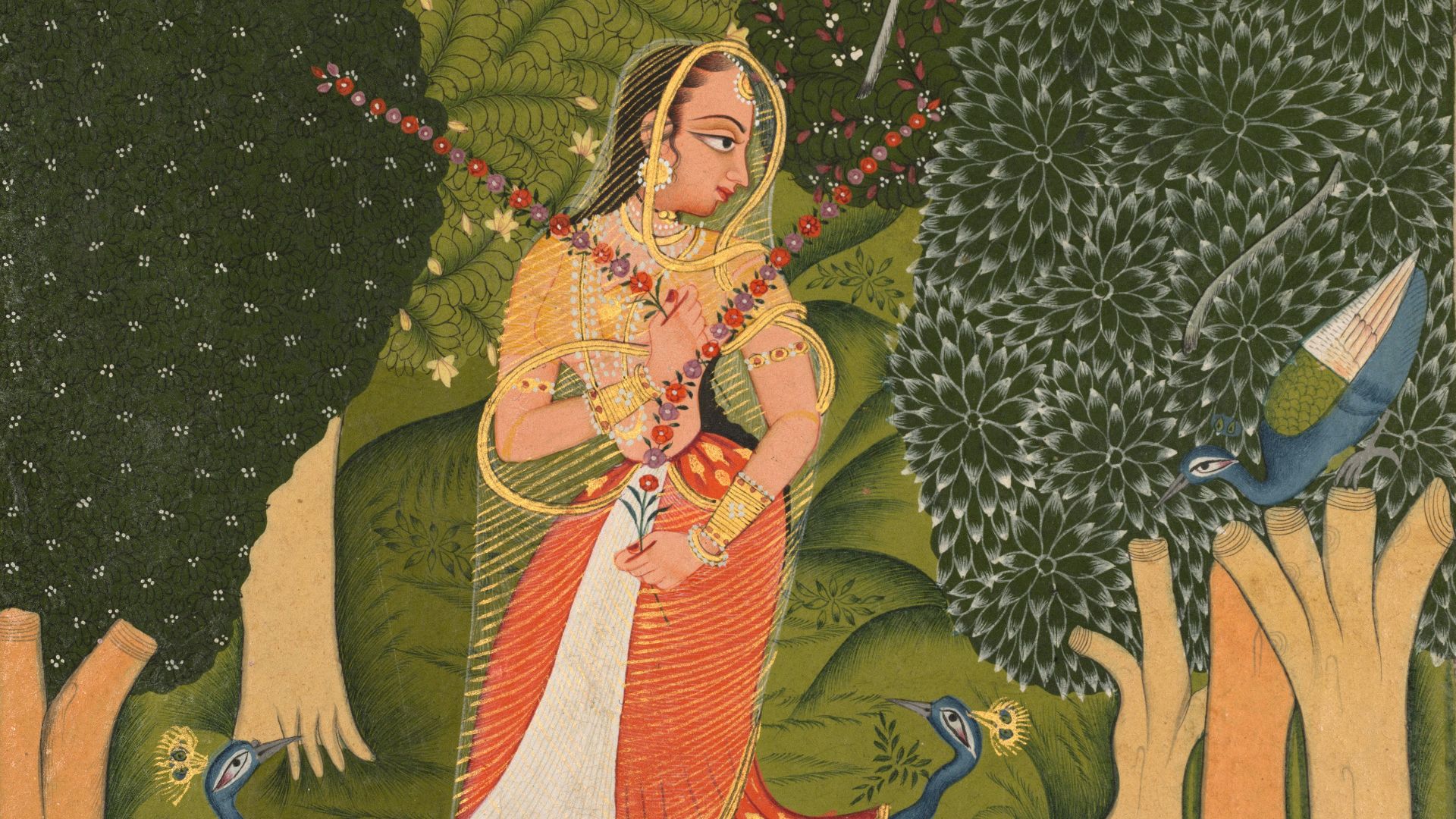
7. The Mughal Golden Age (16th–17th Centuries)
Under rulers such as Akbar, Jahangir, and Shah Jahan, Mughal art flourished across the Indian subcontinent. Miniature painting reached extraordinary levels of refinement and detail. Architecture also prospered, producing some of the world's most admired structures. The blending of cultural influences created distinctive artistic styles.
 The Cleveland Museum of Art on Unsplash
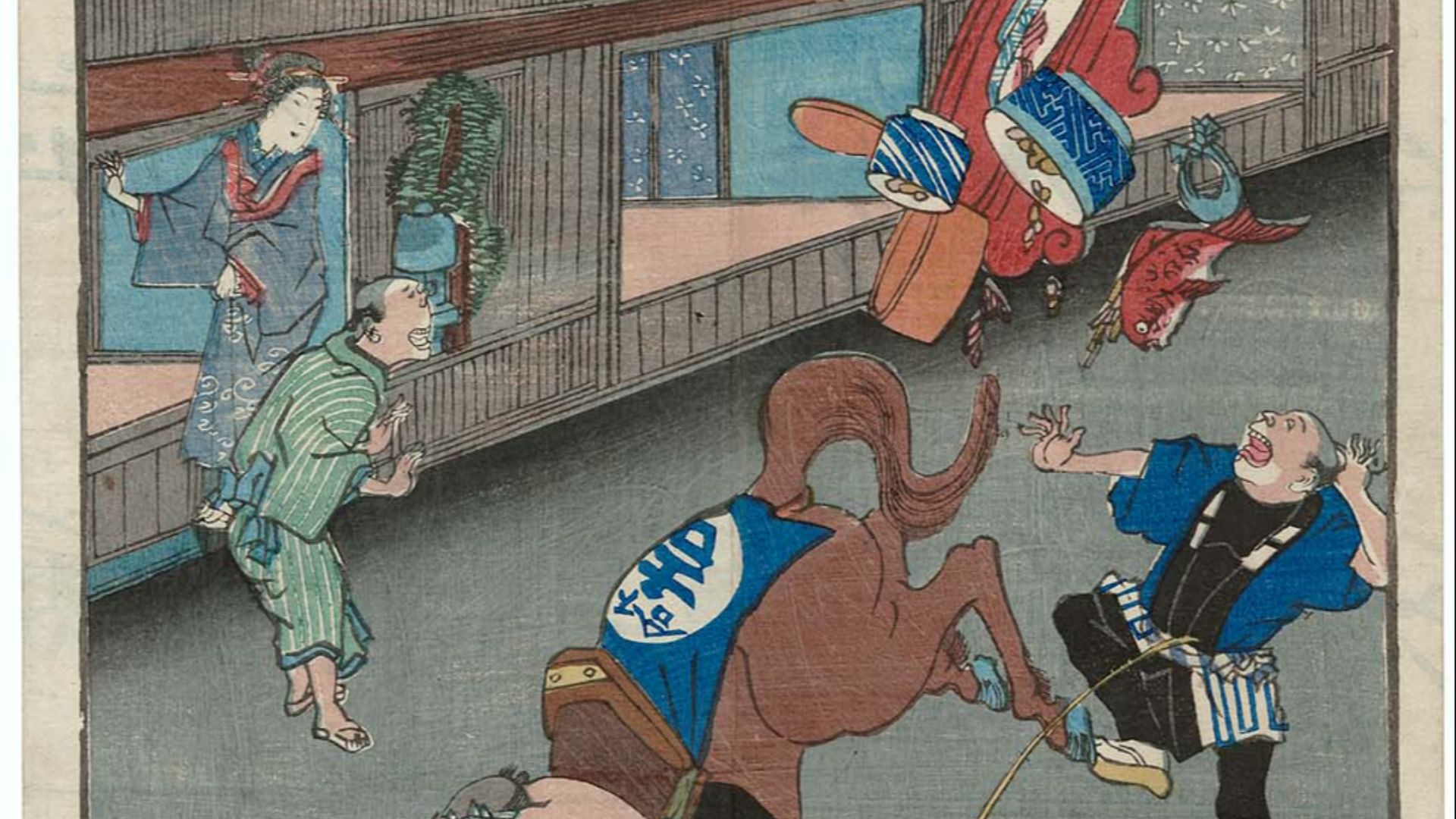
8. Edo Japan (1603–1868)
Despite periods of isolation from much of the outside world, Japan developed a vibrant artistic culture during the Edo period. Woodblock prints, theater, ceramics, and decorative arts gained widespread popularity.
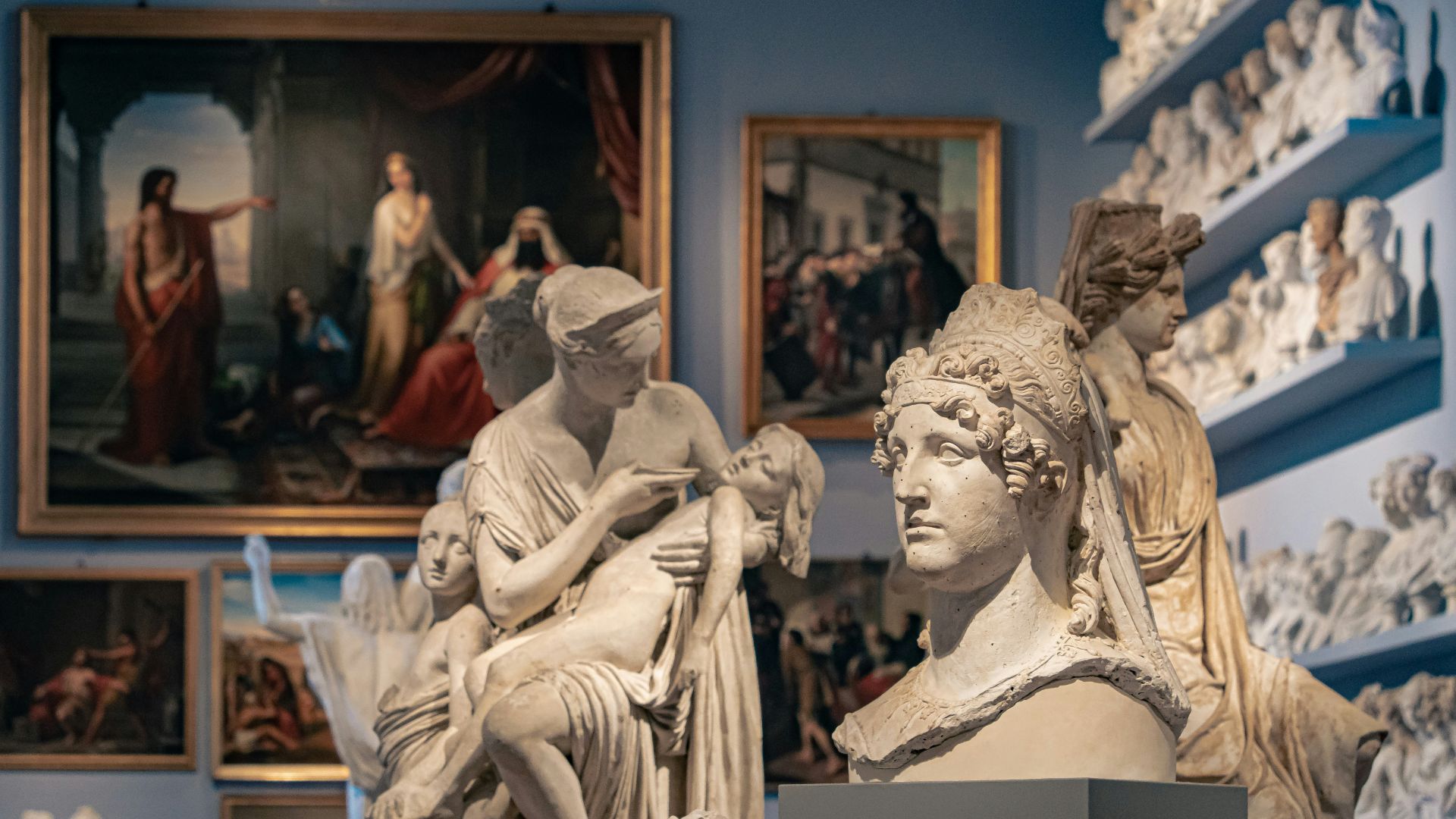
9. Belle Époque Europe (Late 19th–Early 20th Century)
Before the First World War, many European cities became centers of artistic experimentation. New movements emerged across painting, architecture, literature, and design. Technological advances and growing urban populations contributed to creative energy.
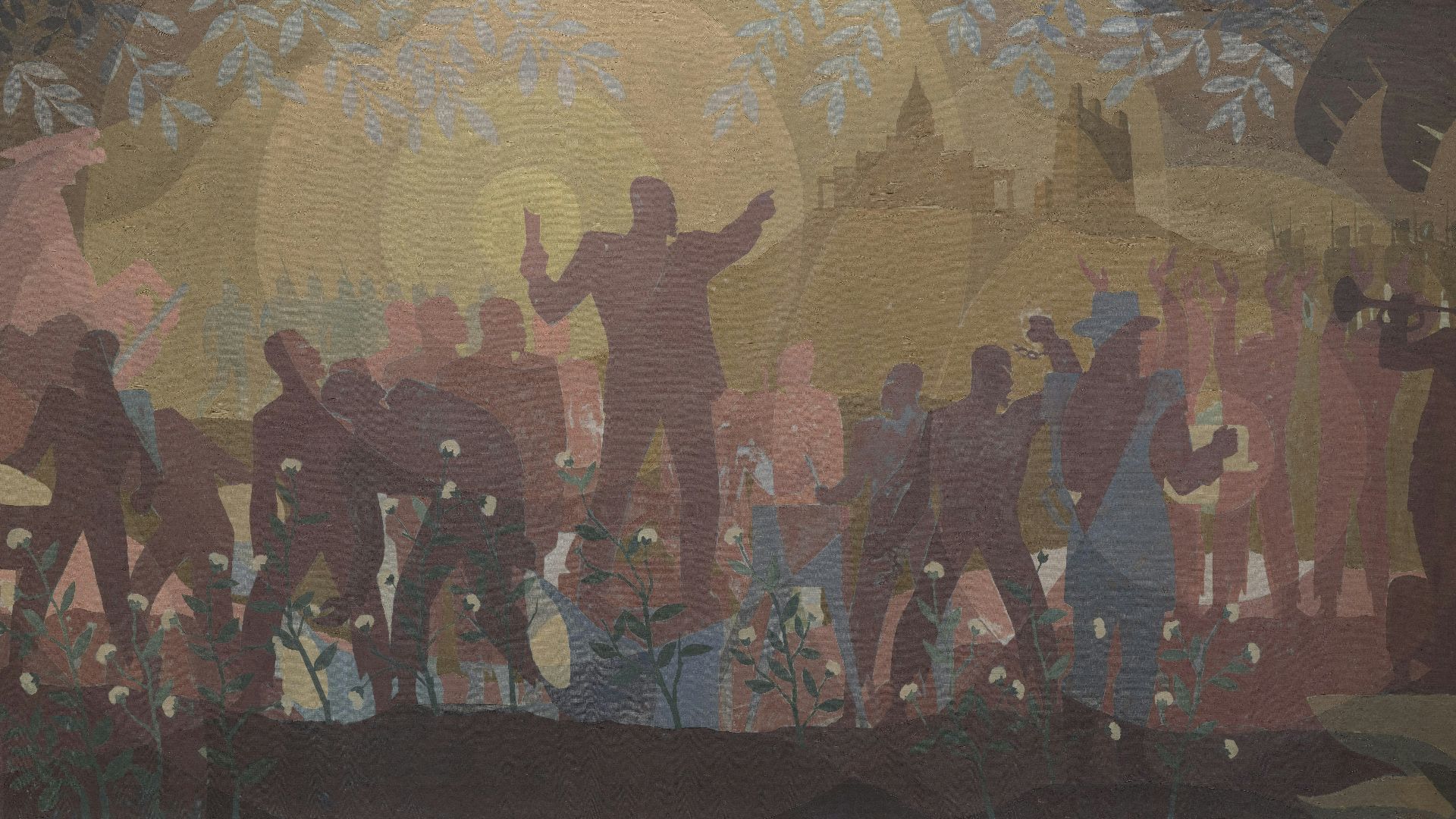
10. The Harlem Renaissance (1920s–1930s)
Centered in New York City, the Harlem Renaissance became a major cultural movement for African American artists, writers, and musicians. Creative figures explored identity, history, and social issues through their work. The movement helped reshape American culture and expand artistic opportunities. Its influence continues to be felt across multiple art forms.
 The New York Public Library on Unsplash
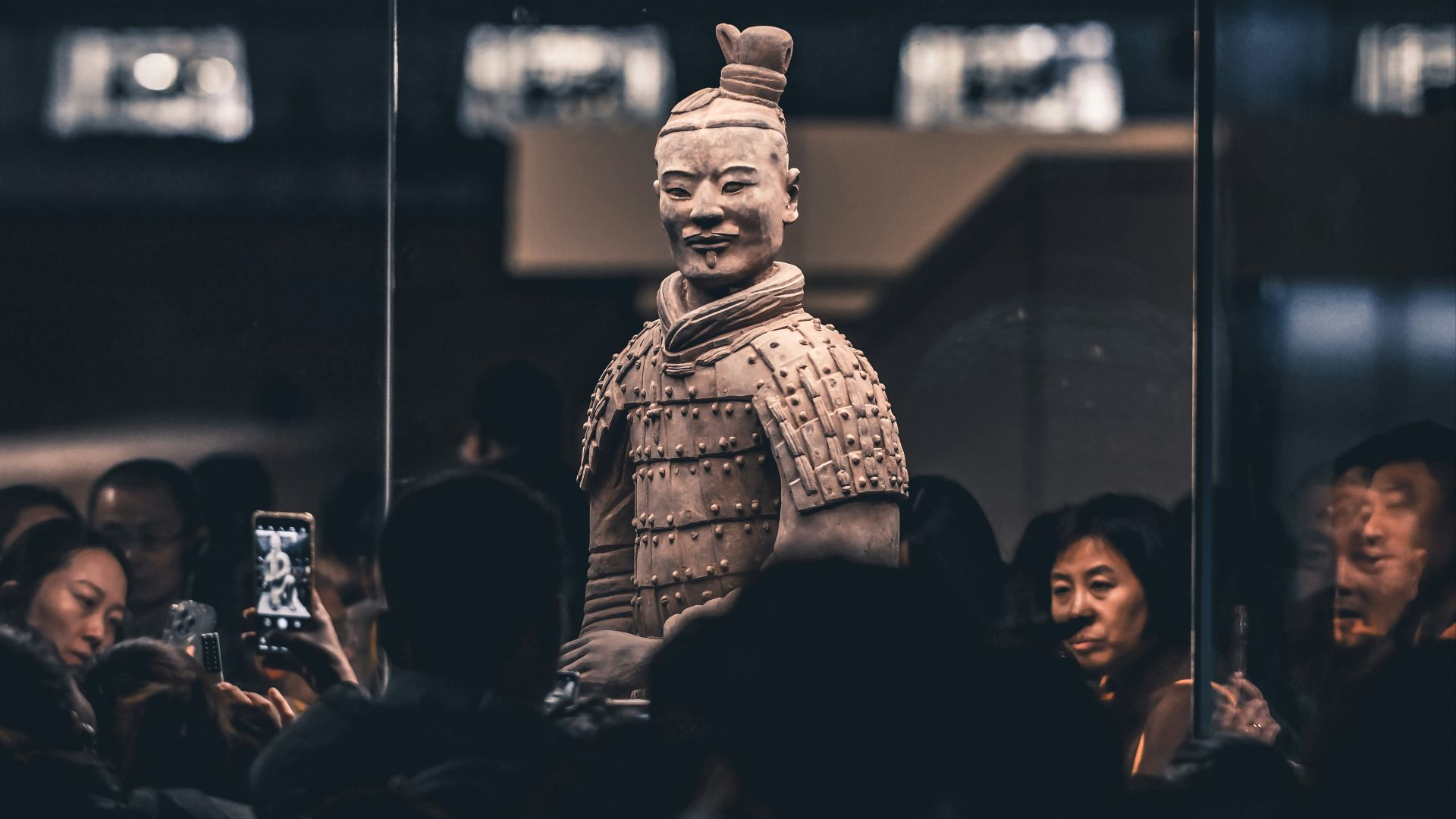
1. Qin Dynasty China's Suppression of Scholarship
During the reign of Qin Shi Huang in the 3rd century BC, authorities sought to control intellectual life. Historical texts and philosophical works associated with rival schools of thought were targeted.
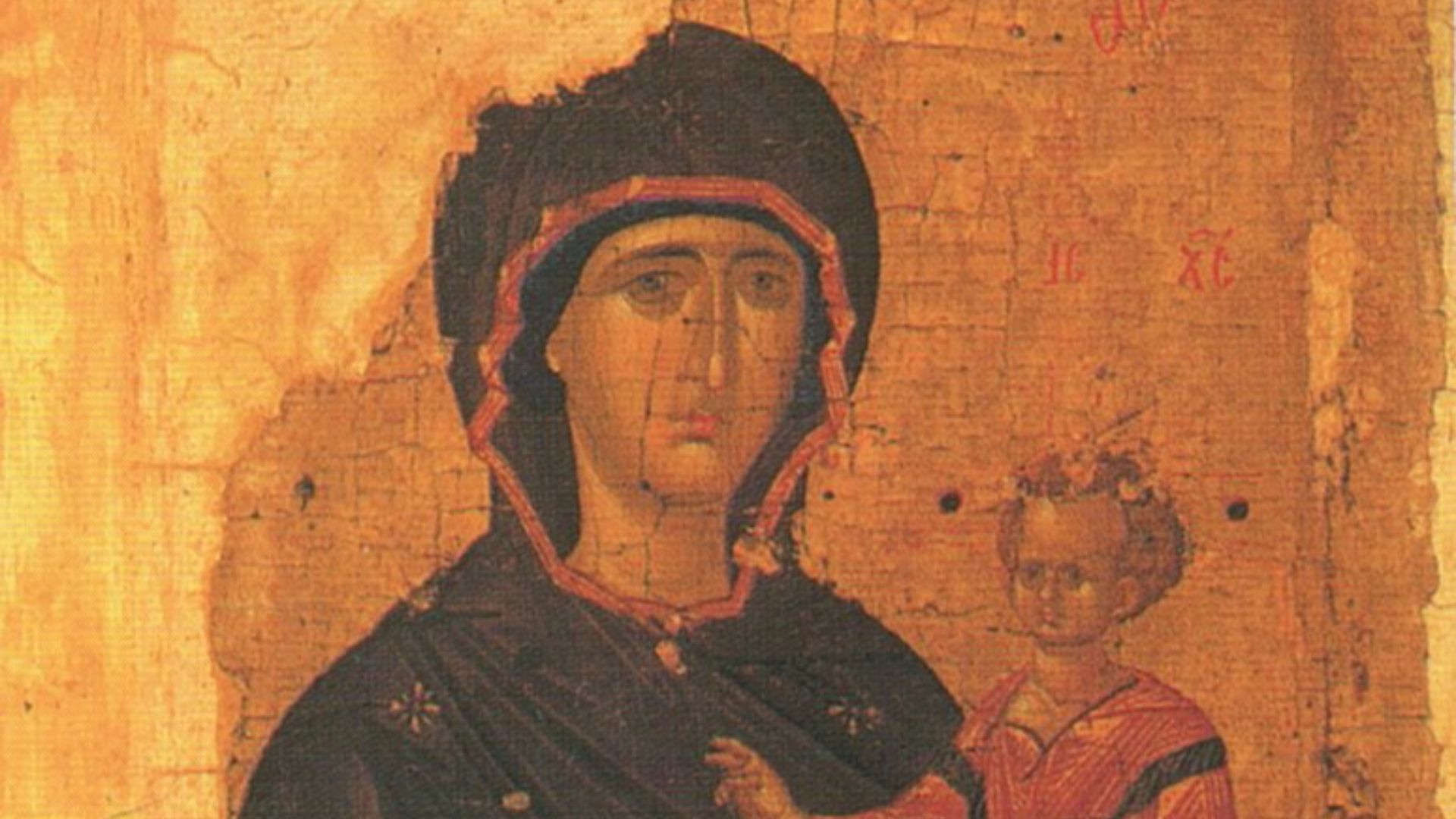
2. Byzantine Iconoclasm (8th–9th Centuries)
The Byzantine Empire experienced prolonged disputes over religious images. Imperial authorities ordered the destruction or removal of many icons and religious artworks. Supporters believed such images encouraged improper worship. The controversy profoundly affected artistic production throughout the empire.
 Unknown authorUnknown author on Wikimedia
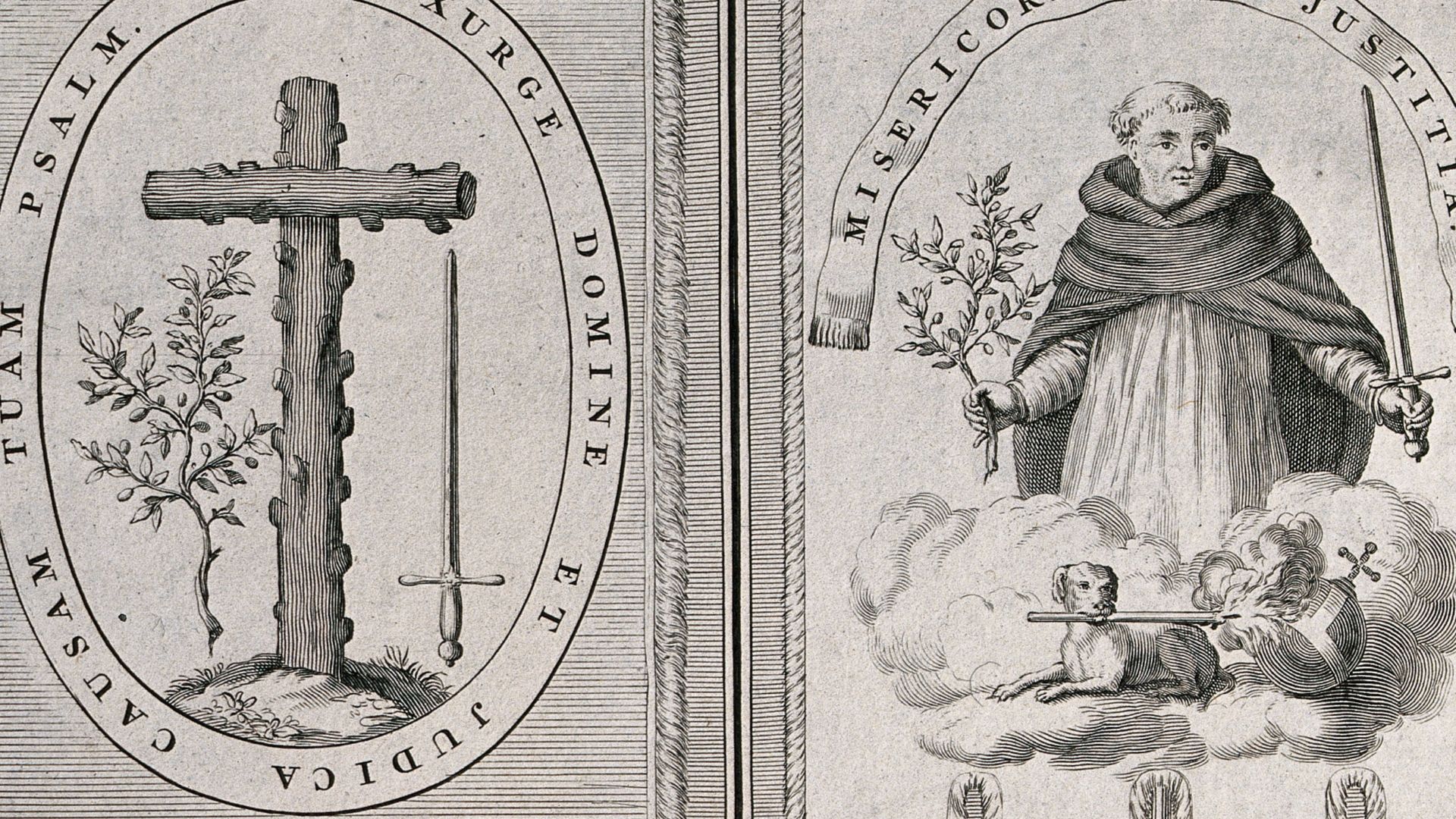
3. The Spanish Inquisition
Religious authorities in Spain closely monitored books, images, and other cultural works. Art considered heretical or inconsistent with approved doctrine faced suppression. Creators often worked within strict limits to avoid punishment.
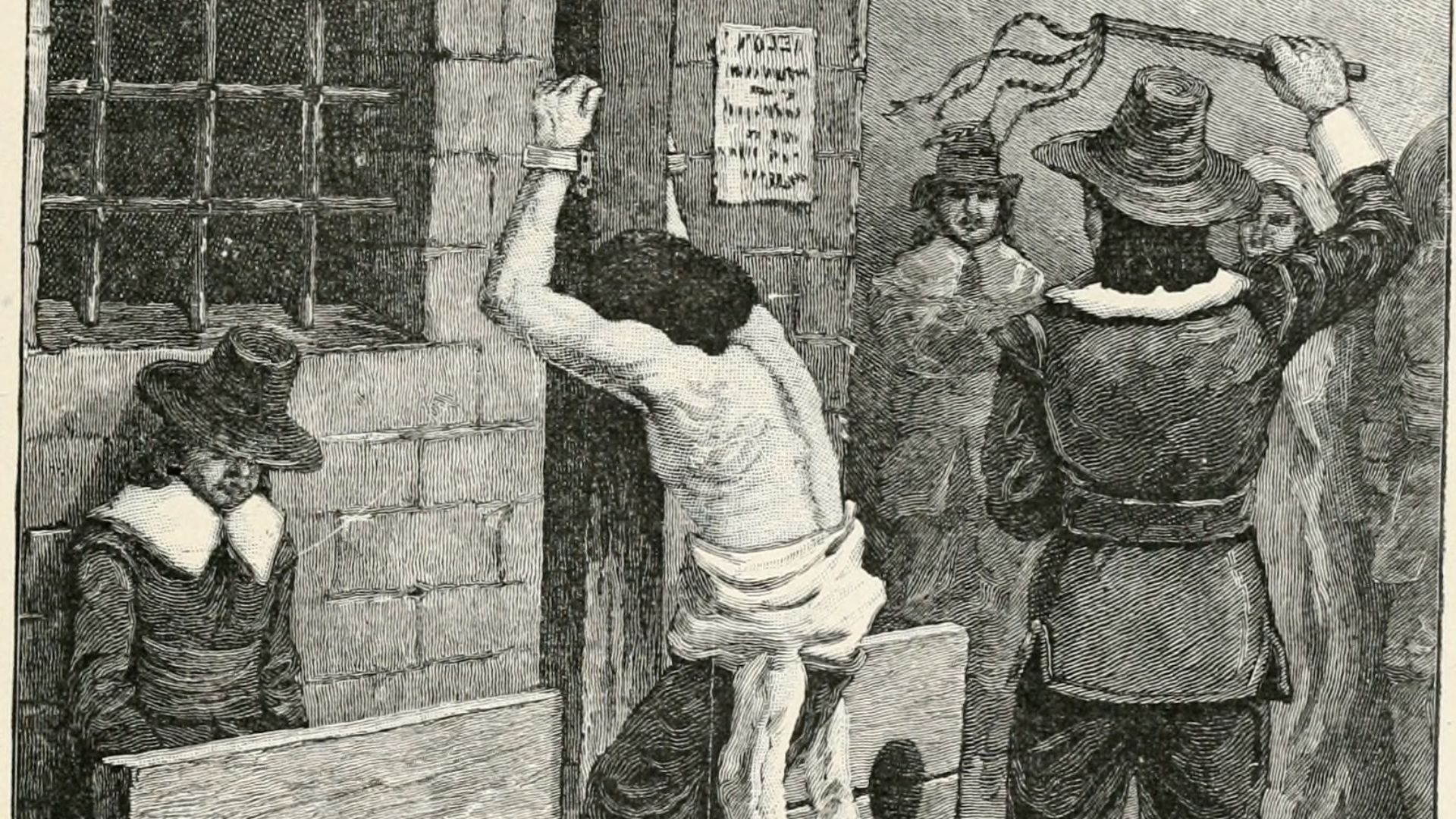
4. Puritan Rule in England (1649–1660)
Under the Commonwealth government, many forms of entertainment and artistic expression faced restrictions. Public theaters were closed, and certain performances were prohibited. Authorities viewed some cultural activities as morally harmful. The result was a significant reduction in artistic freedom.
 Internet Archive Book Images on Wikimedia
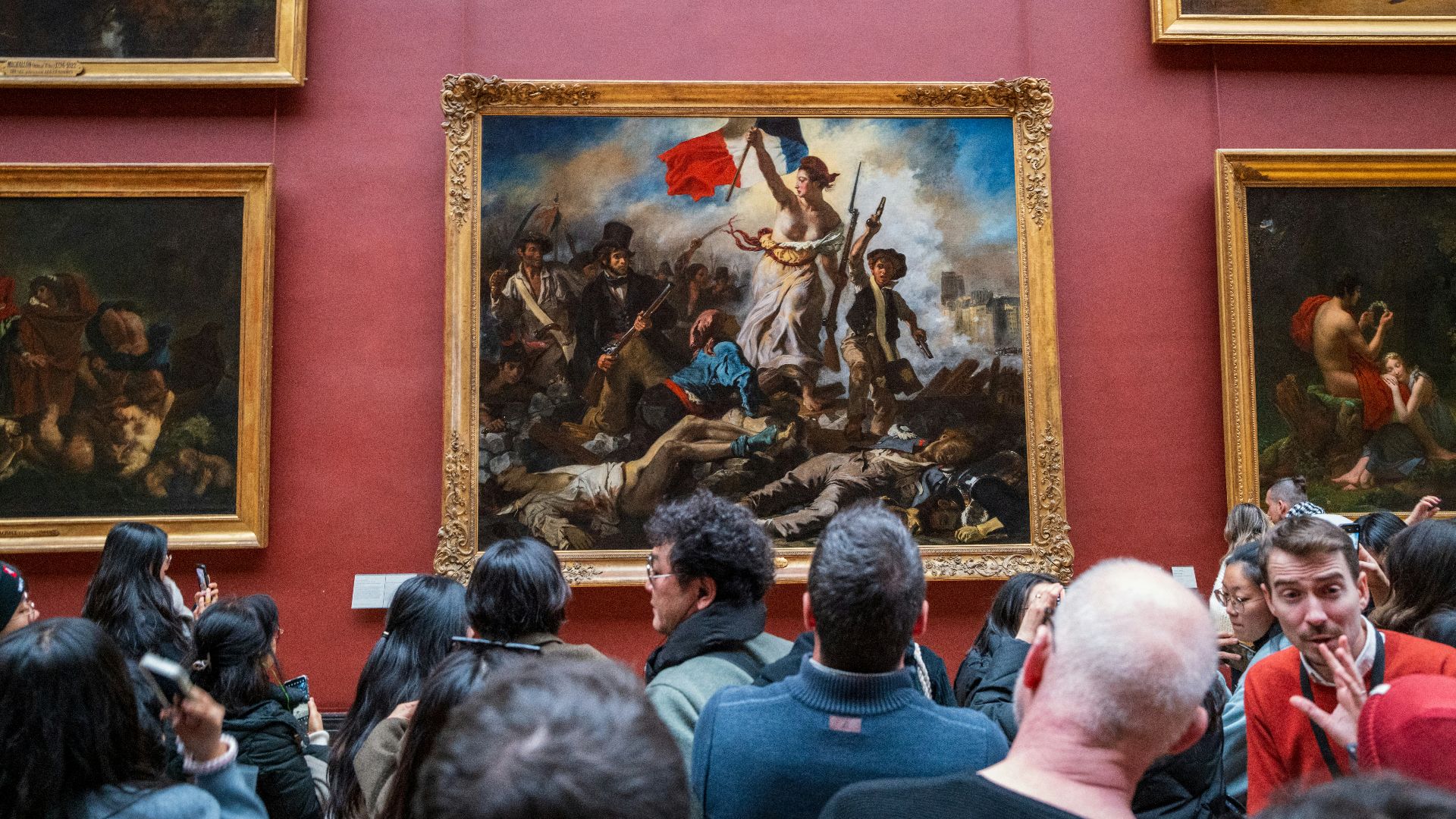
5. Revolutionary France's Political Censorship
During the Reign of Terror, political loyalty became a matter of survival. Writers, artists, and publishers risked punishment if their work appeared hostile to revolutionary goals. Creative expression was often shaped by fear of political consequences. The atmosphere discouraged open criticism.
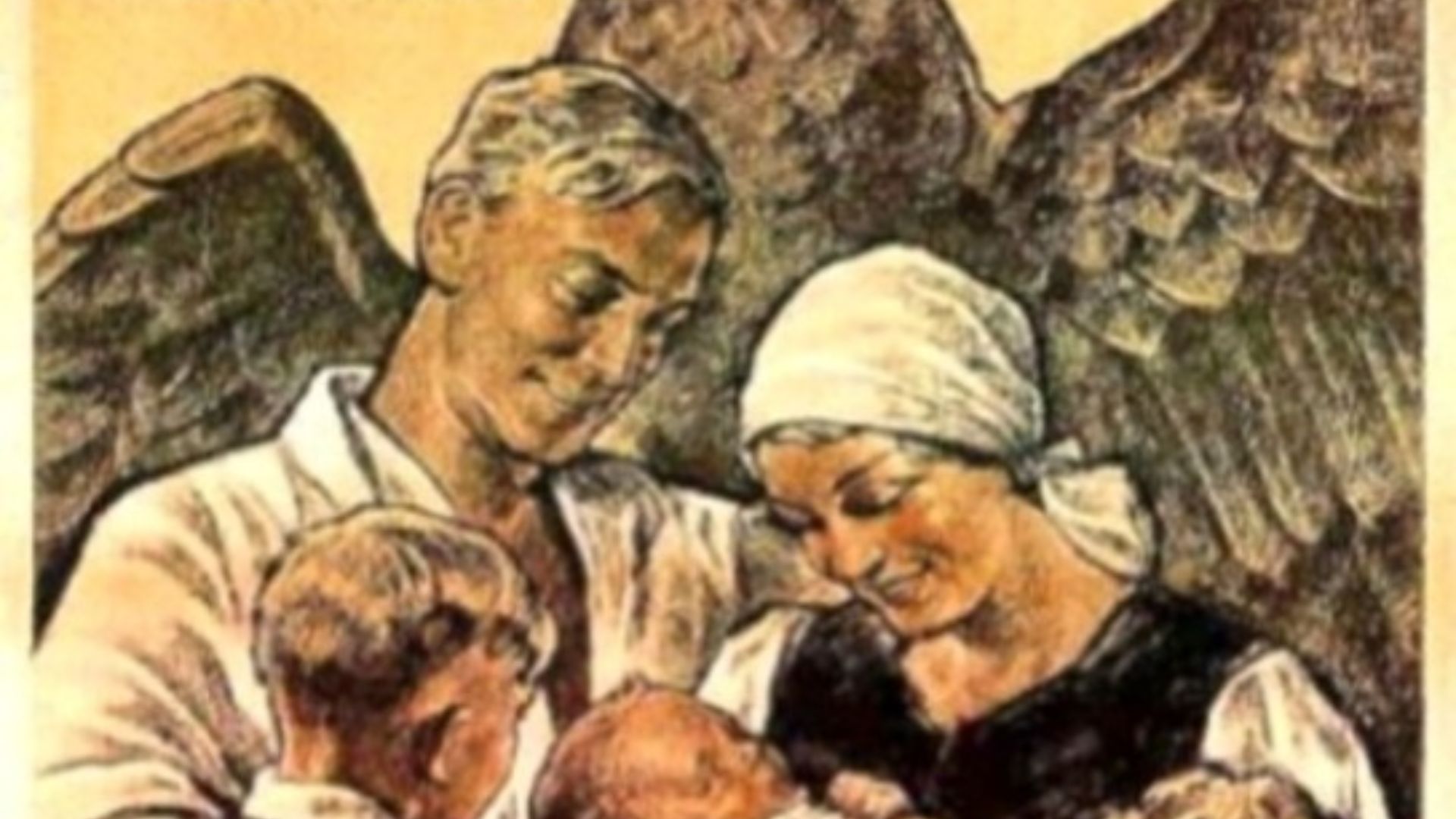
6. Nazi Germany's Campaign Against "Degenerate Art"
The Nazi regime condemned many forms of modern art as culturally harmful. Thousands of works were removed from museums, confiscated, or destroyed. Artists associated with banned styles faced professional and personal persecution. The campaign sought to impose strict ideological control over culture.
 Unknown authorUnknown author on Wikimedia
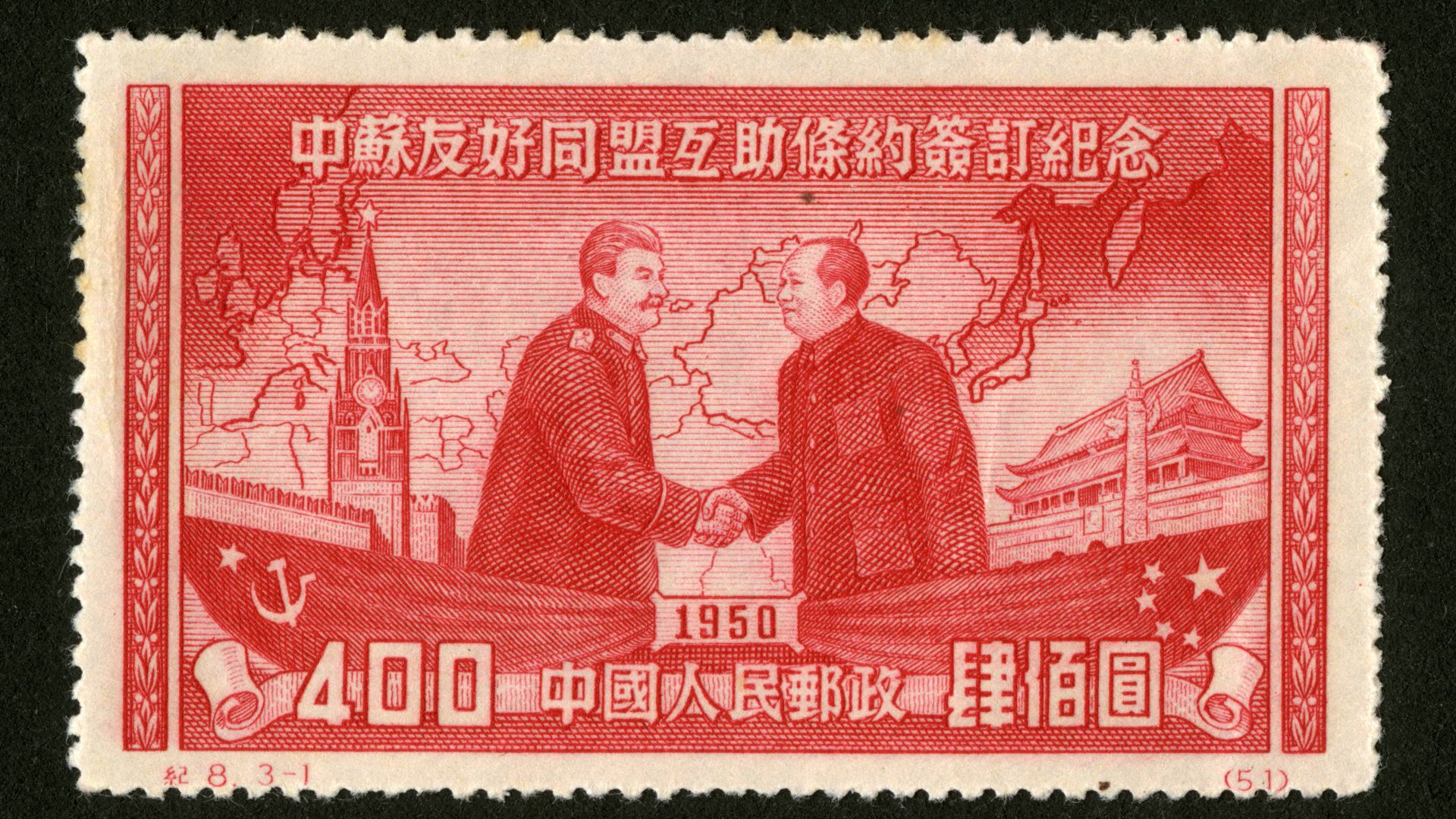
7. Stalin's Soviet Union
Under Joseph Stalin, artistic production was expected to follow the principles of Socialist Realism. Works that failed to support official political goals could be censored or banned.
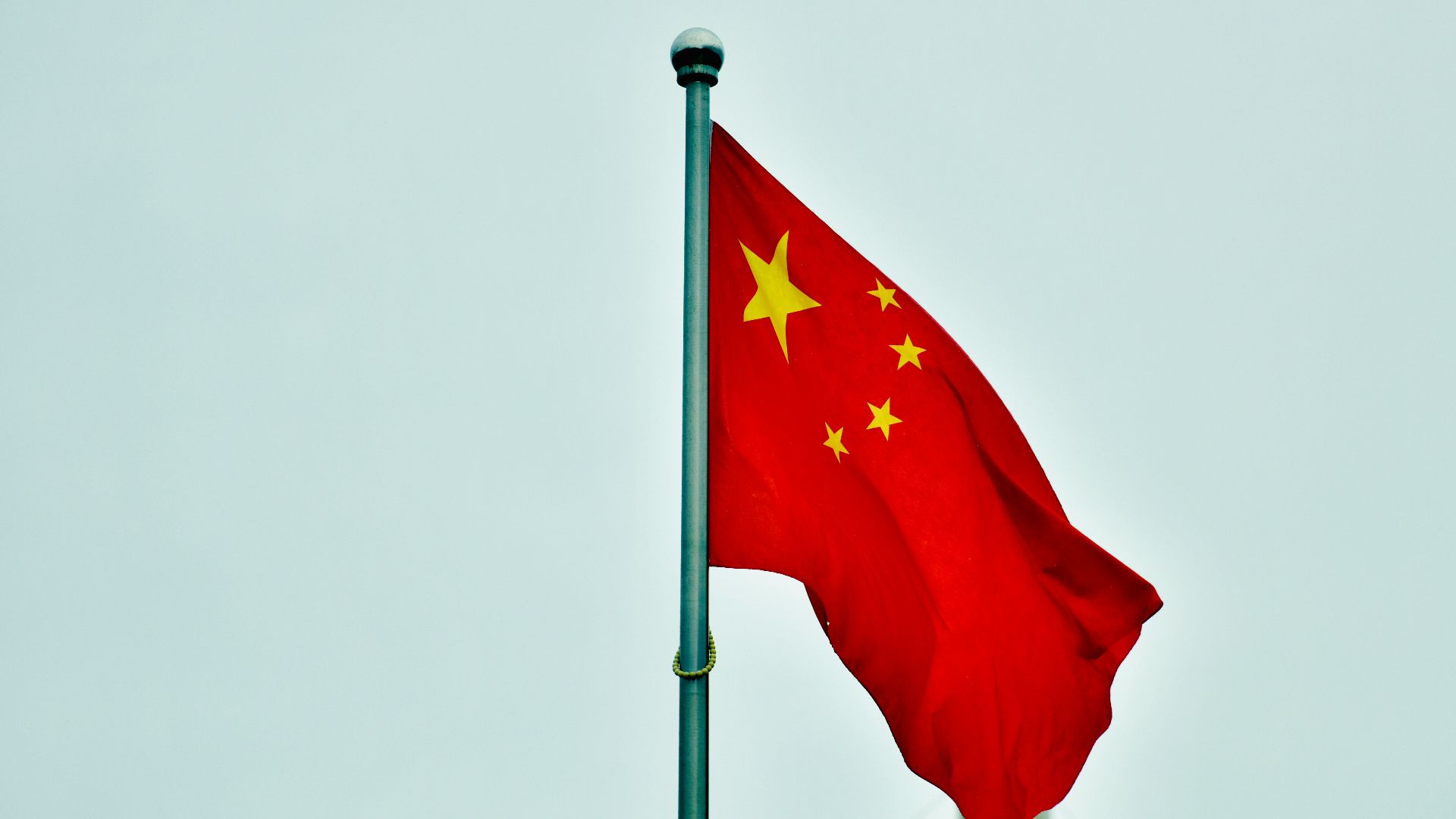
8. China's Cultural Revolution (1966–1976)
The Cultural Revolution brought widespread attacks on cultural and artistic traditions. Historical artifacts, books, paintings, and performances were frequently targeted.
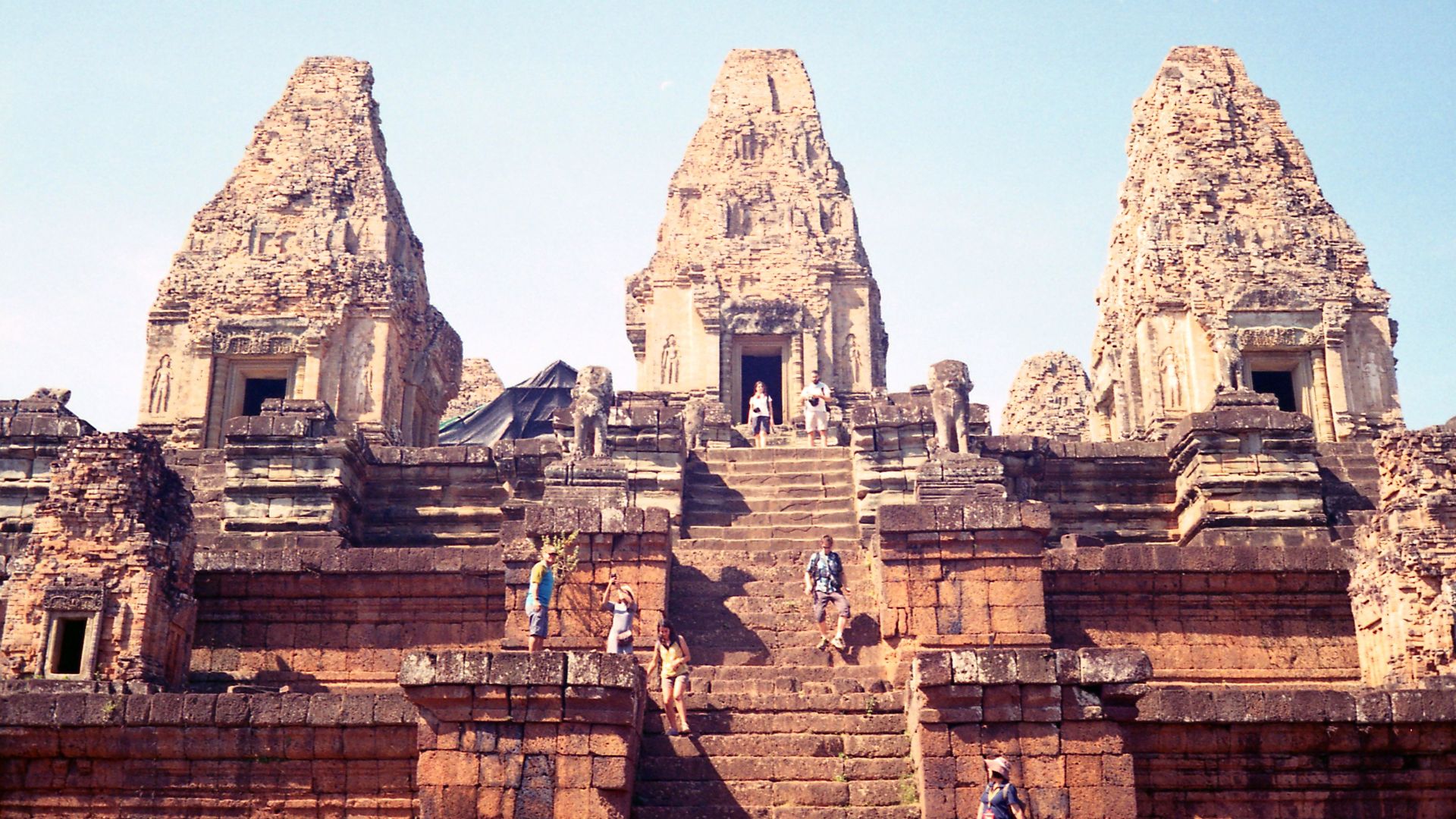
9. Cambodia Under the Khmer Rouge
The Khmer Rouge regime viewed many intellectual and cultural activities with suspicion. Artists, musicians, and performers were among those persecuted during the period.
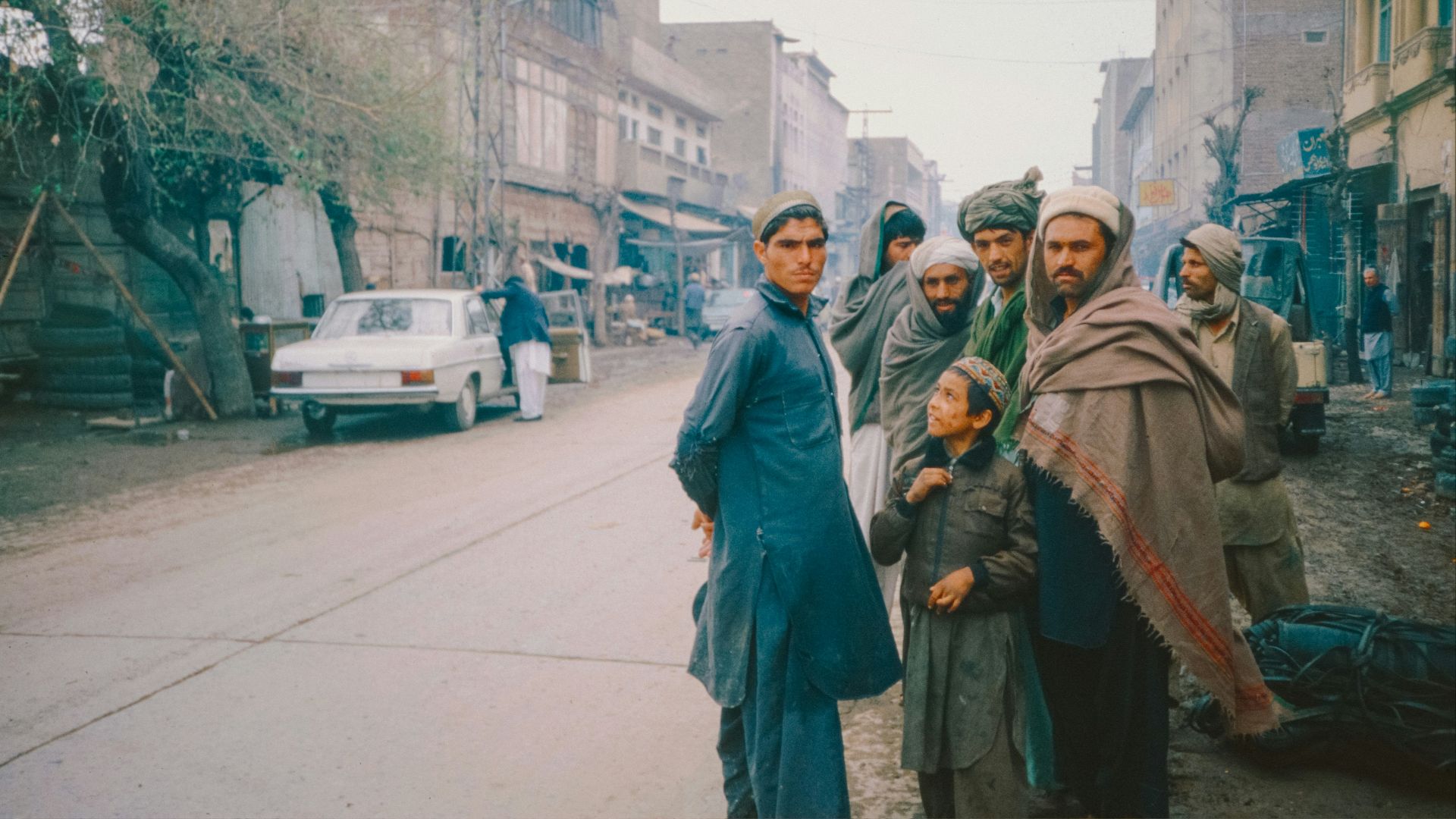
10. Taliban Restrictions on Art in Afghanistan
During periods of Taliban rule, many forms of artistic expression faced severe restrictions. Music, visual arts, and cultural performances were often limited or prohibited. Historical artifacts and artworks were also endangered.
KEEP ON READING
20 Weirdest People In History
Eccentrics, Oddballs, and Legends of the Past. History isn't just…
By Sara Springsteen Jun 5, 2026
20 Times A Single Person Had To Make An Impossible…
One Person, No Good Options. History flattens decisions into outcomes,…
By Cameron Dick Jun 5, 2026
20 Times a Scientific Mistake Led Somewhere Important
Wrong Turns That Changed Everything. Science gets taught as a…
By Cameron Dick Jun 5, 2026
10 Eras of Flourishing Art & 10 When Art Was…
Art's Long Struggle Between Freedom and Control. Throughout history, art…
By Rob Shapiro Jun 5, 2026
20 Greatest Game 7s in NBA Playoff History
When One Game Carries the Whole Season. Game 7 is…
By Emilie Richardson-Dupuis Jun 5, 2026
20 Archaeological Hoaxes That Fooled People For Way Too Long
The Past Got a Little Too Convenient. Archaeology is supposed…
By Annie Byrd Jun 5, 2026