

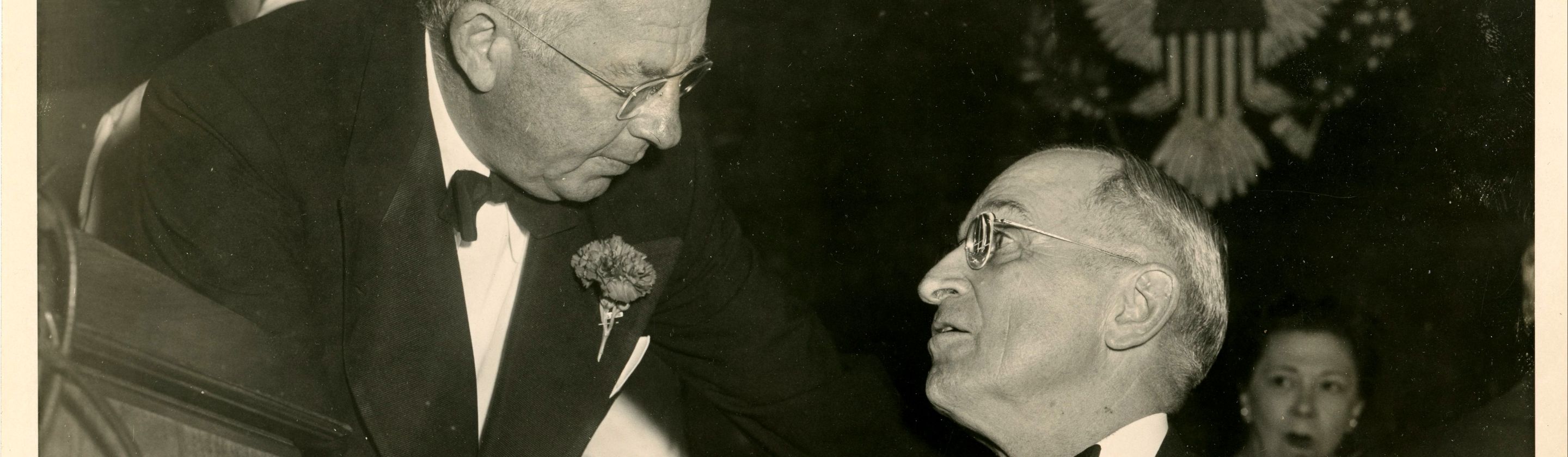
One Person, No Good Options
History flattens decisions into outcomes, which makes it easy to forget that someone had to actually make them, usually alone and without any guarantee of being right. These weren't committee conclusions. They were moments where one person stood at the center of something enormous and had to choose a direction. Here's 20 times that happened.
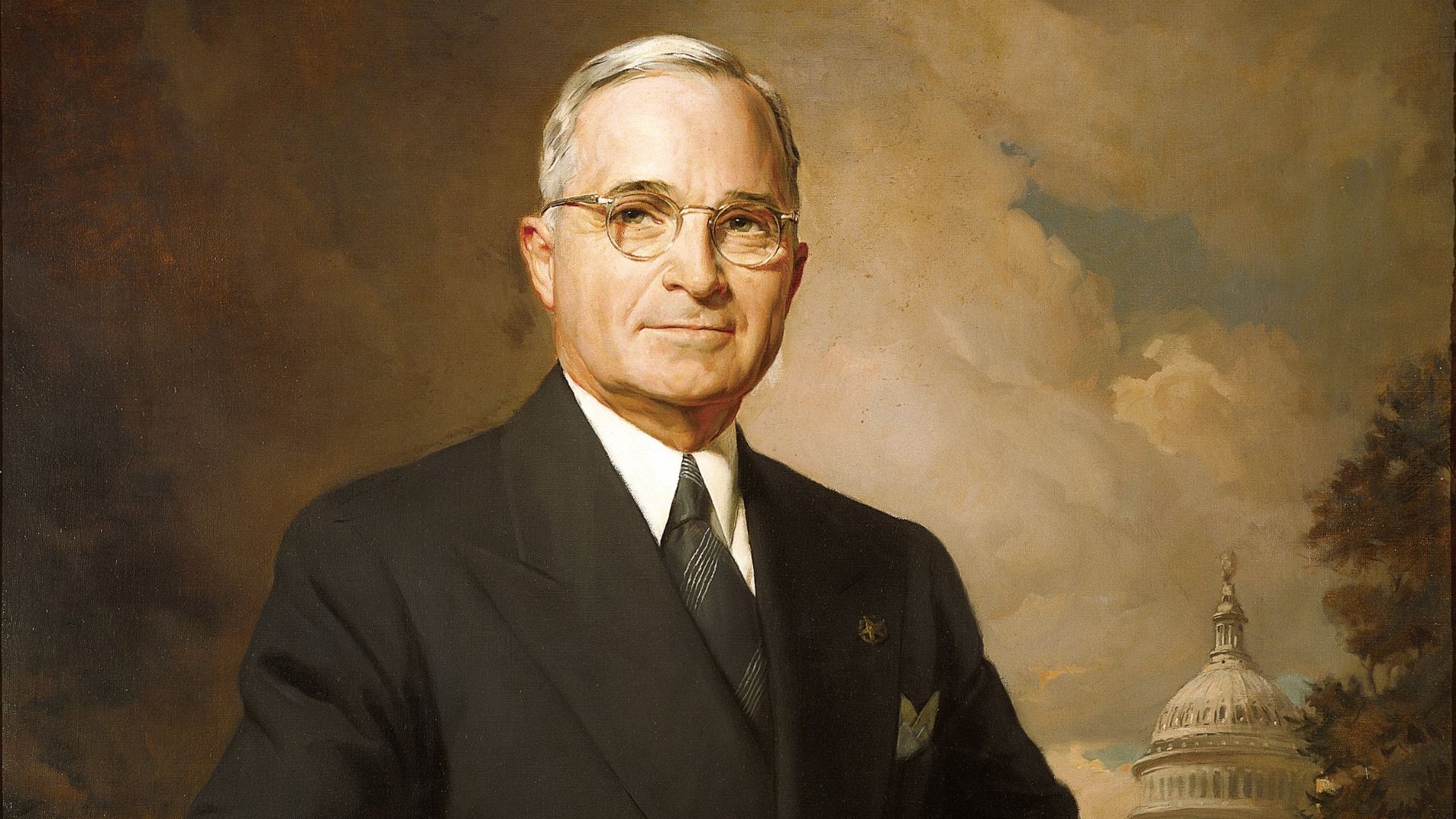
1. Stanislav Petrov Decides Not to Report a Nuclear Strike
In September 1983, Soviet systems reported an incoming American nuclear launch, and protocol required Petrov to escalate, which almost certainly would have triggered retaliation. He judged it a false alarm on instinct, and his restraint may have been the most consequential decision of the Cold War.
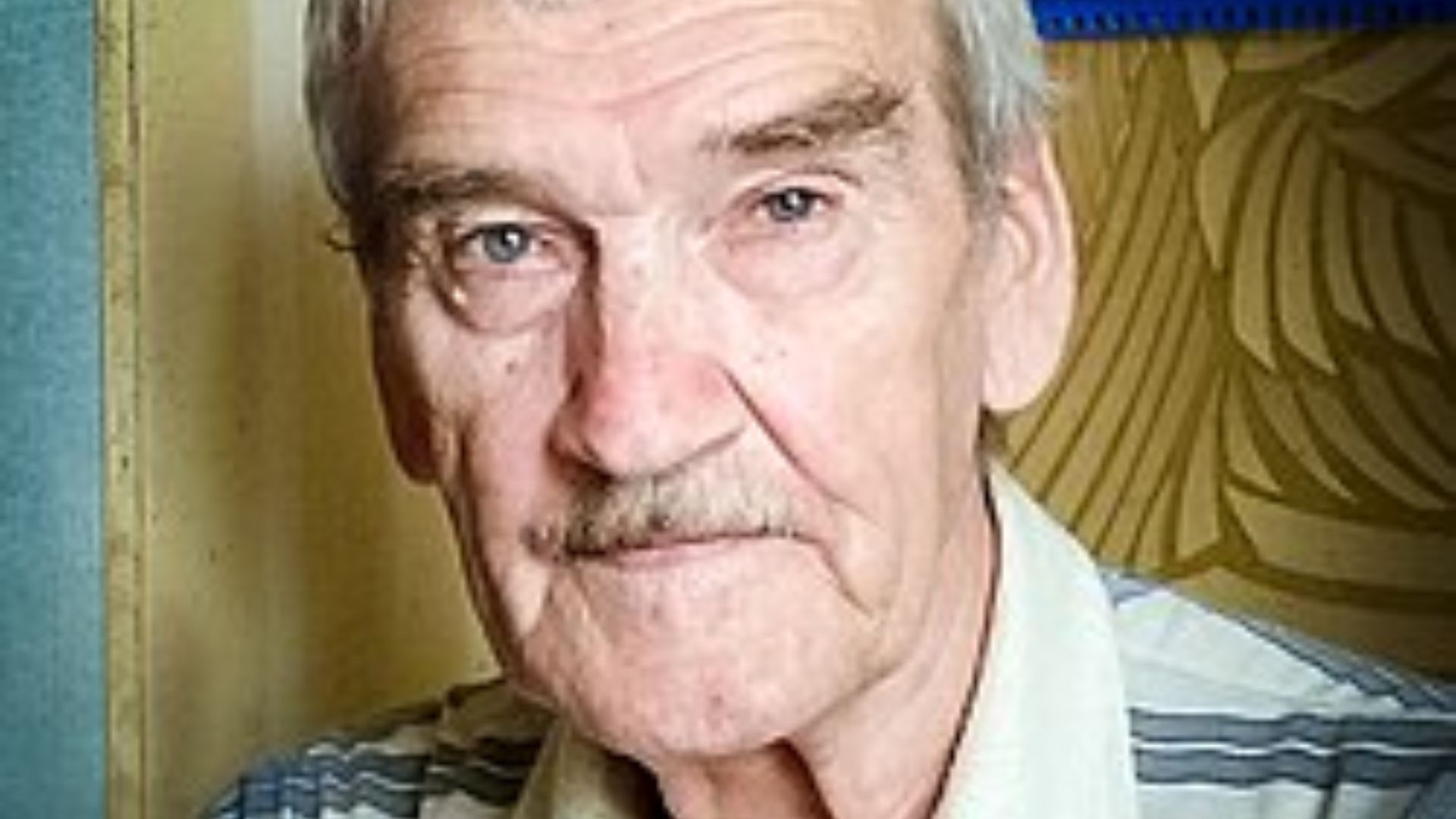 commons.wikimedia.org on Google
2. Vasili Arkhipov Refuses to Launch a Torpedo
During the Cuban Missile Crisis, a Soviet submarine under American attack carried a nuclear torpedo requiring three officer authorizations, and two of them wanted to fire. Arkhipov refused, the submarine surfaced, and the exchange that might have started in the Atlantic did not.
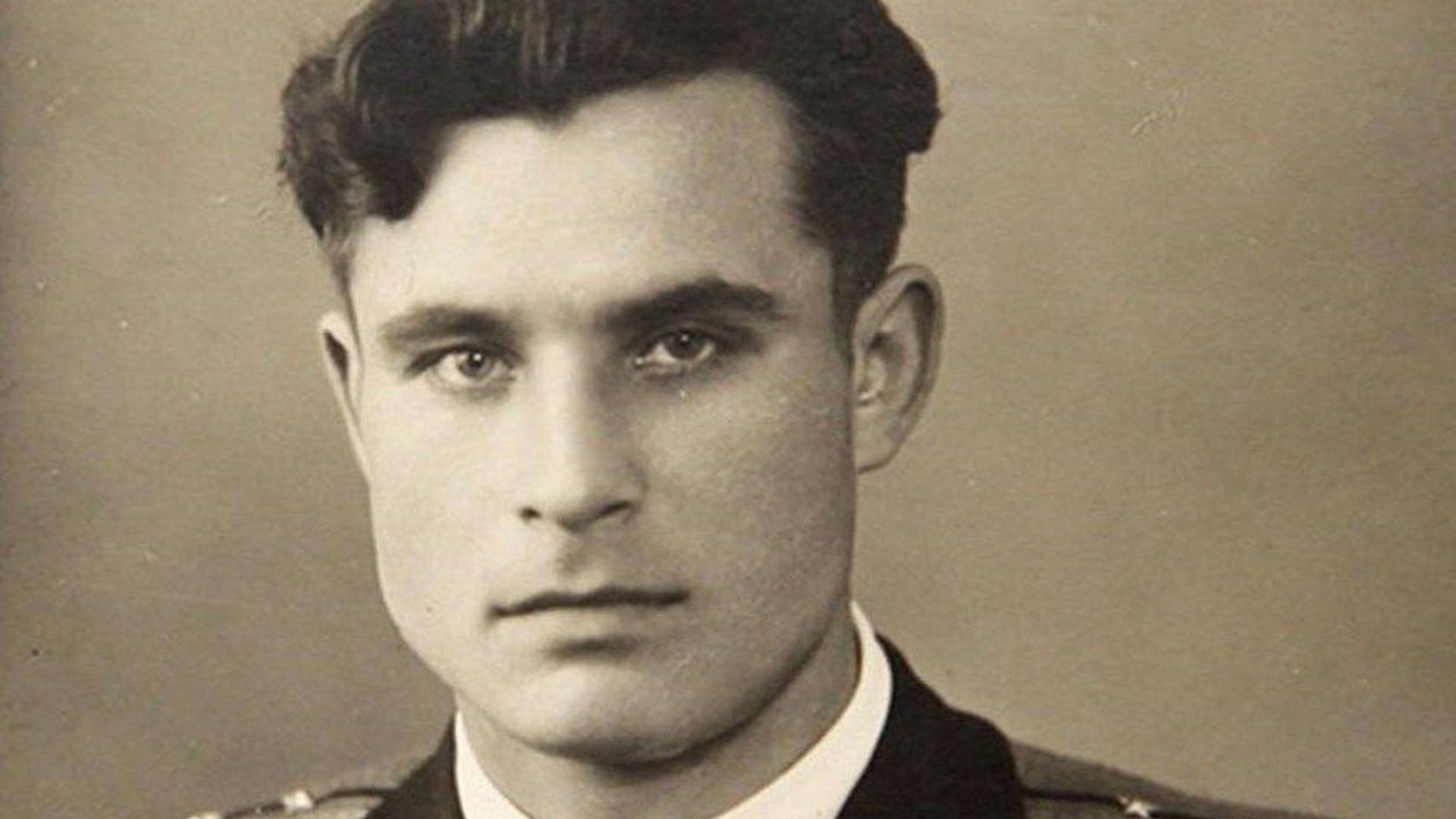 Image courtesy by Olga Arkhipova on Wikimedia
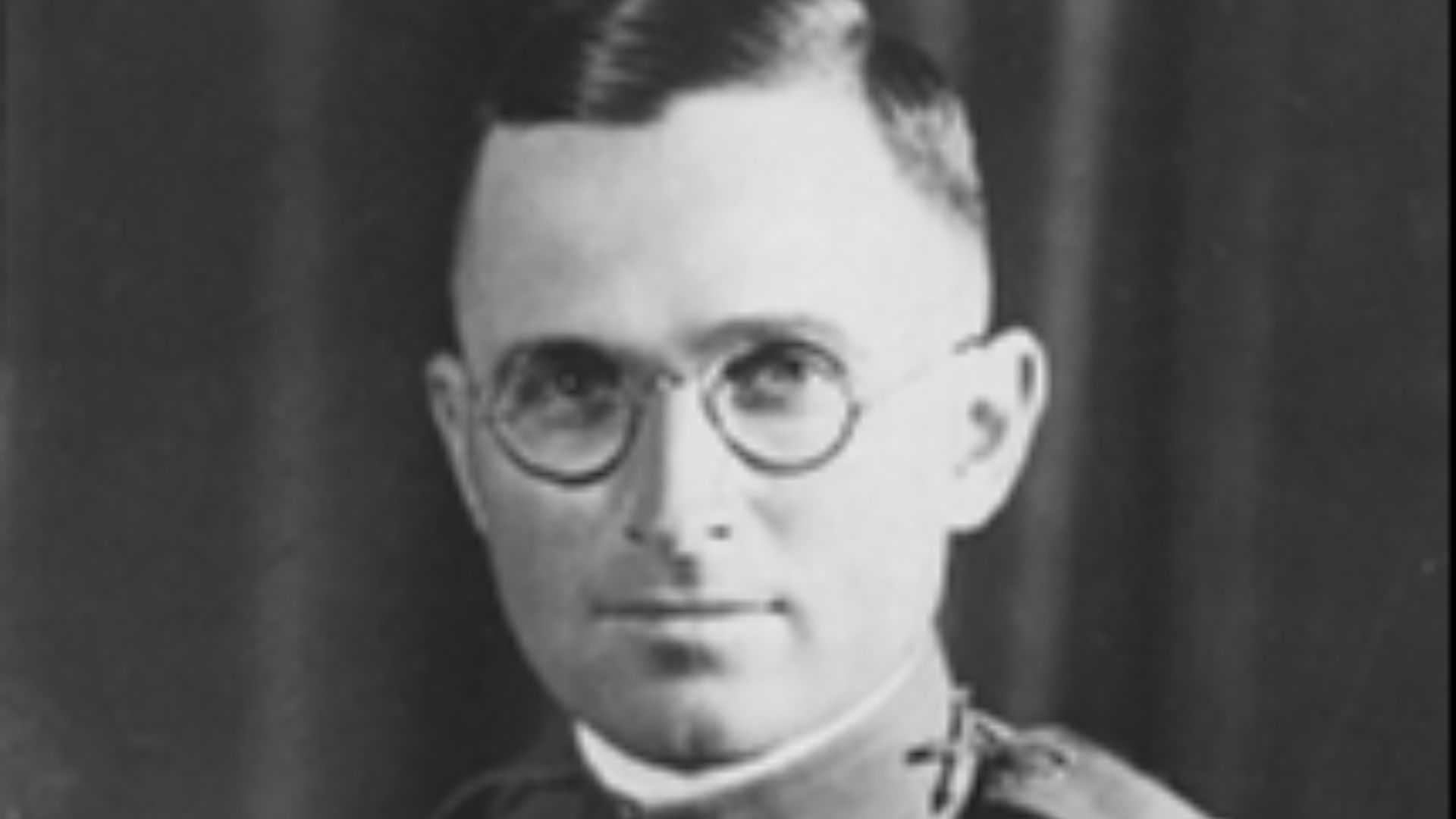
3. Harry Truman Orders the Bombing of Hiroshima
Truman authorized atomic weapons against Japan believing it would prevent a land invasion projected to cost hundreds of thousands of lives. More than 200,000 people died in Hiroshima and Nagasaki, and the debate has not been settled in the eighty years since.
4. Winston Churchill Lets Coventry Burn
Some accounts suggest Churchill knew Coventry was the German bombing target in November 1940 and chose not to evacuate it to protect the secret that Britain had broken Enigma. Hundreds of civilians died, and that intelligence advantage may have shortened the war, but it was a cost he carried alone.
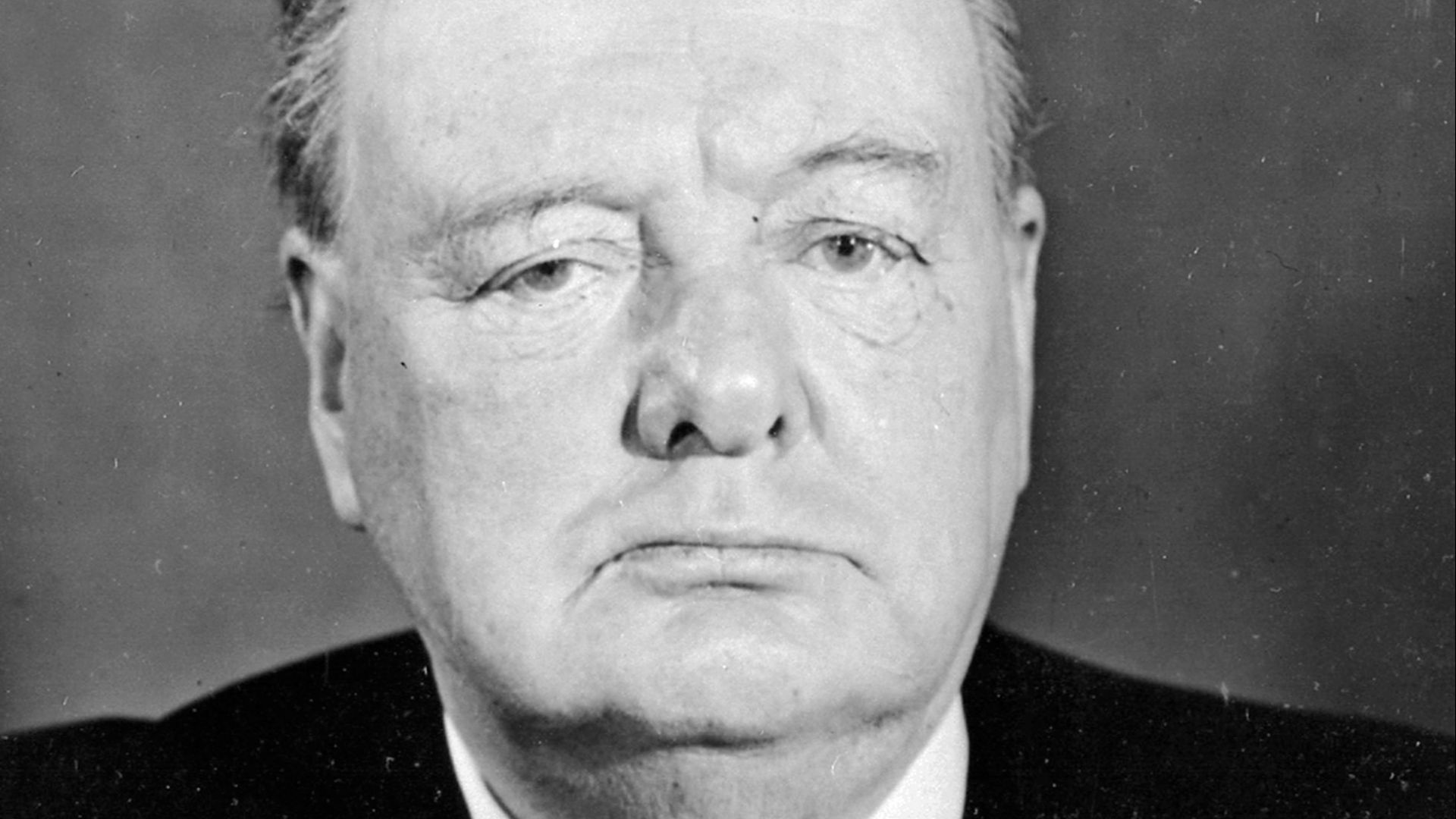 Central Office of Information on Wikimedia
5. Abraham Lincoln Suspends Habeas Corpus
Lincoln unilaterally suspended habeas corpus early in the Civil War, allowing civilian detentions without trial, a power the Constitution explicitly grants to Congress. Chief Justice Taney told him so directly, and Lincoln pressed forward anyway, arguing the Union's survival required it.
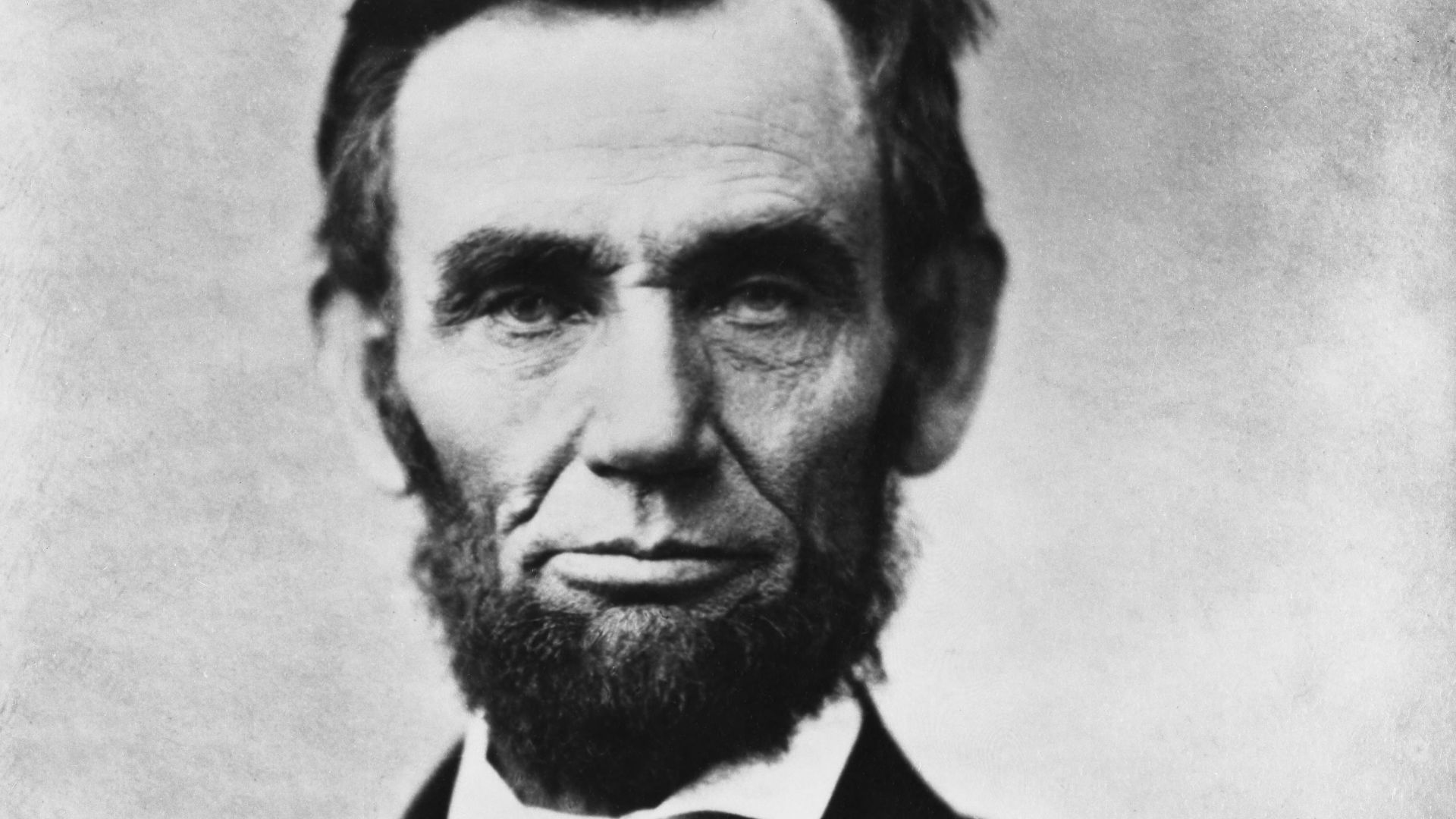 Alexander Gardner on Wikimedia
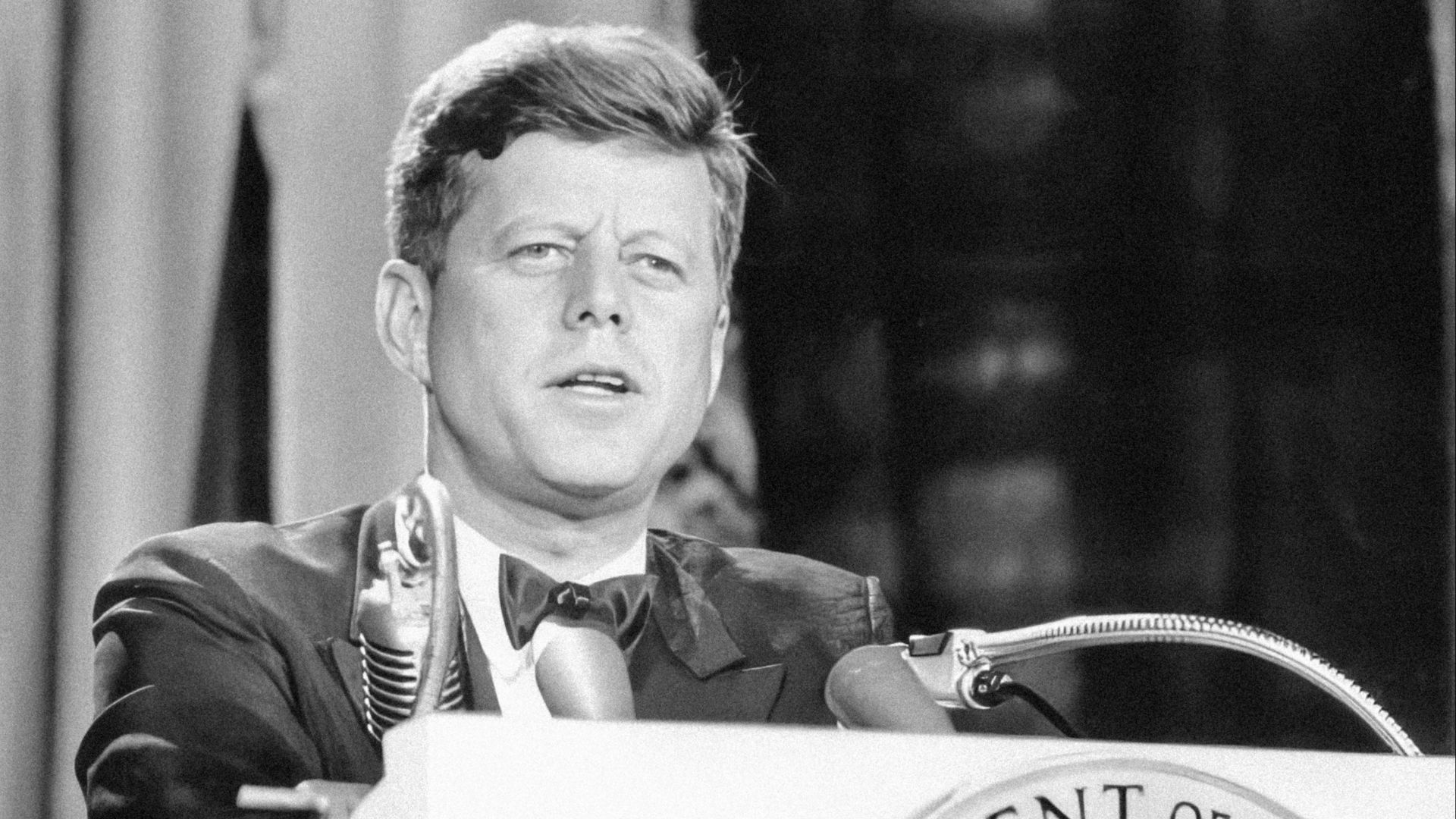
6. John F. Kennedy Chooses a Naval Blockade
Kennedy rejected his military advisors' push for immediate air strikes on Soviet missile sites in Cuba and chose a naval blockade, a slower option that preserved room for diplomacy. The blockade held, the missiles were withdrawn, and the Joint Chiefs never stopped thinking he was too cautious.
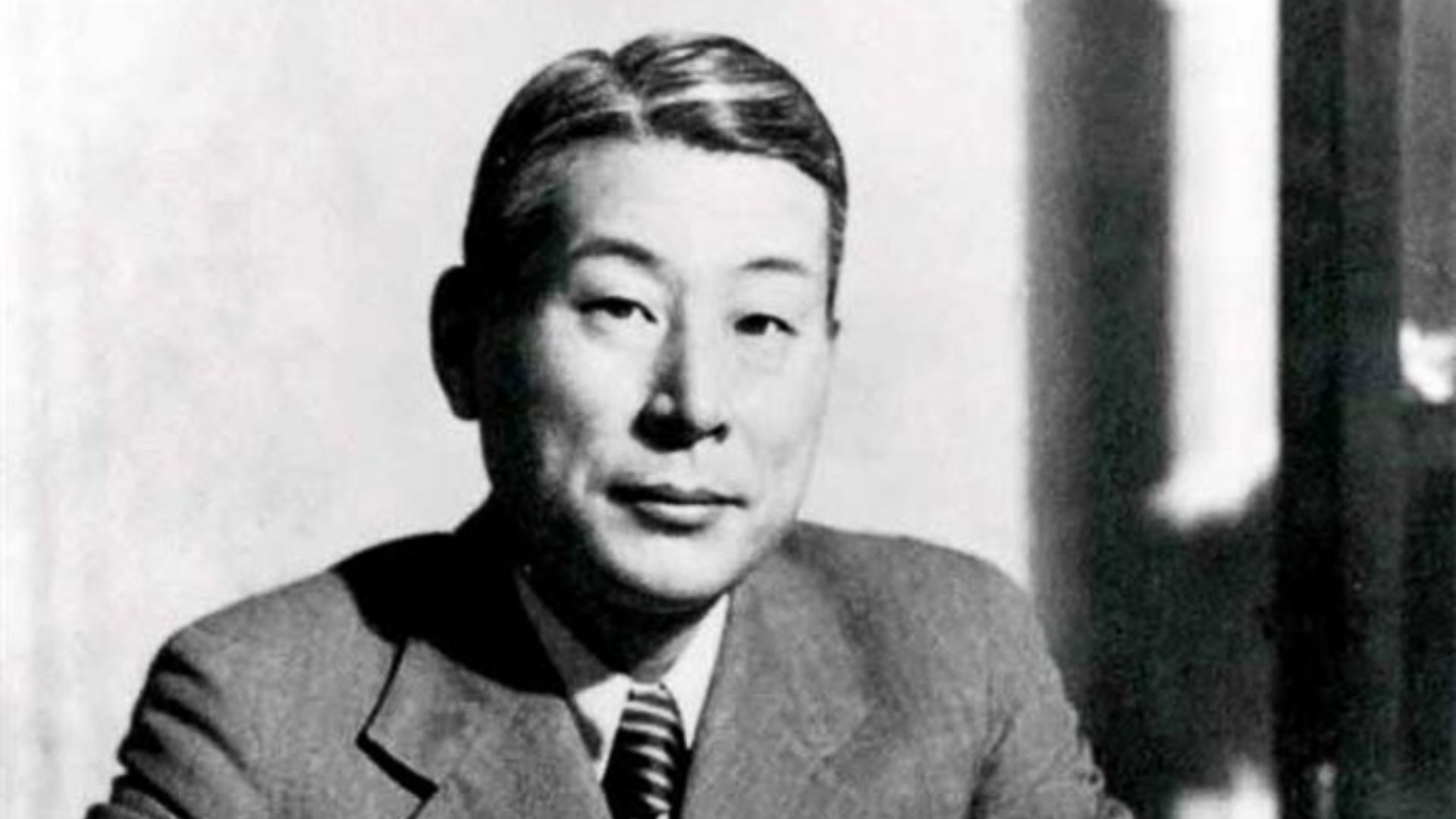
7. Chiune Sugihara Issues Visas Against Orders
Japanese consul Sugihara in Lithuania issued transit visas to thousands of Jewish refugees after Tokyo denied his repeated requests for permission, writing them by hand for weeks. He helped an estimated 6,000 people escape and was punished for it by his government after the war.
 Unknown authorUnknown author on Wikimedia
8. Sophie Scholl Decides to Keep Going
When Sophie Scholl was caught distributing anti-Nazi leaflets at the University of Munich in 1943, she could have claimed accident or ignorance, and she didn't. She held her position under interrogation, used her trial to condemn the regime directly, and was executed four days later at twenty-one years old.
 Unknown german police officer on Wikimedia
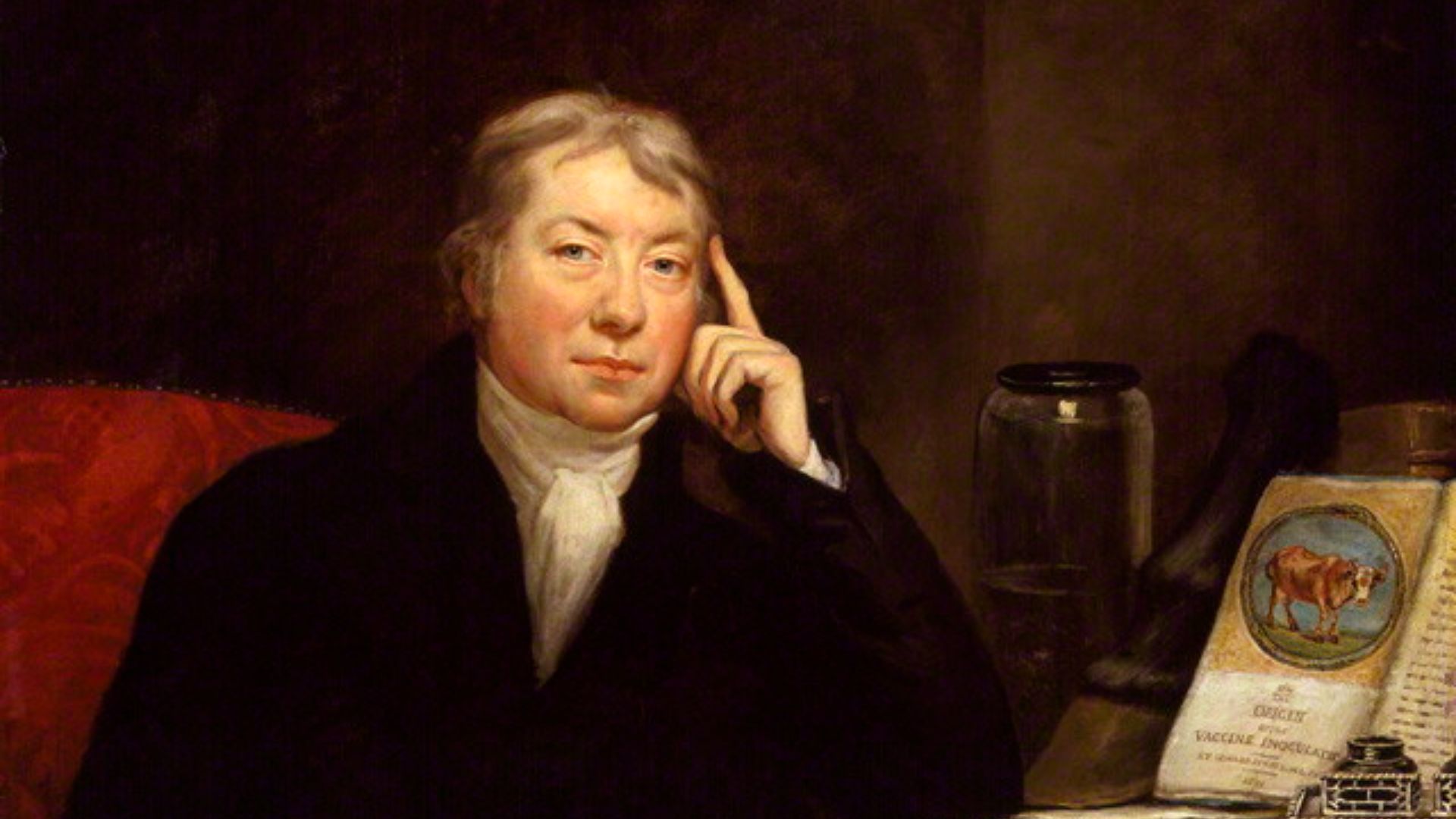
9. Edward Jenner Tests a Smallpox Vaccine on a Child
In 1796, Jenner inoculated an eight-year-old boy with cowpox and then deliberately exposed him to smallpox to test for immunity, with no ethics board and no guarantee the child would survive. The experiment worked, became the foundation of modern vaccination, and eventually contributed to eradicating one of history's deadliest diseases.
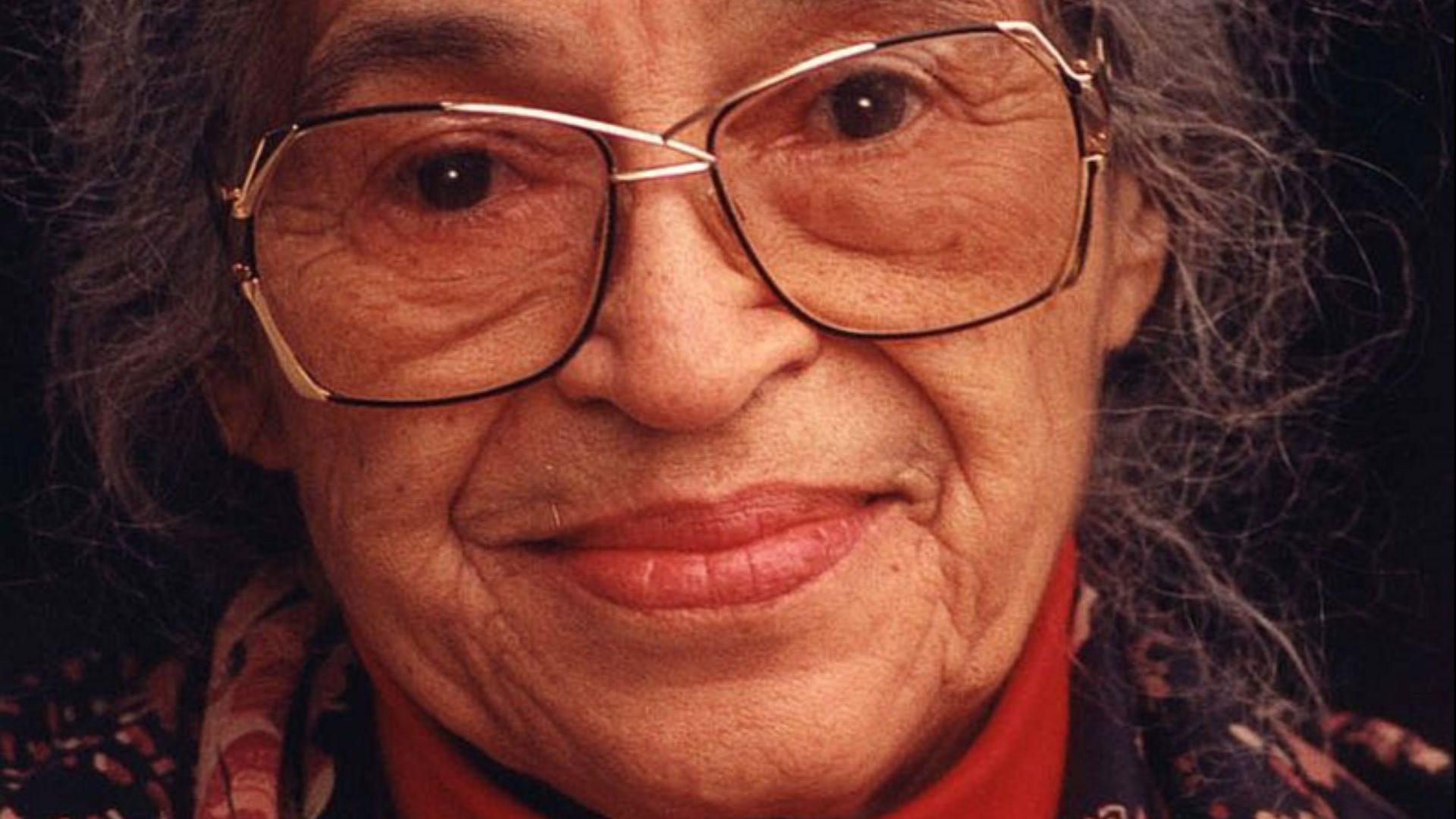
10. Rosa Parks Refuses to Give Up Her Seat
On December 1, 1955, Rosa Parks stayed in her seat when a white passenger demanded it, knowing exactly what the law said and what typically happened to Black people who didn't comply. Her arrest set off the Montgomery Bus Boycott and helped launch the modern civil rights movement.
 John Mathew Smith & www.celebrity-photos.com from Laurel Maryland, USA on Wikimedia
11. Oskar Schindler Spends His Fortune to Buy Lives
Schindler was a German businessman running a factory on Jewish labor in occupied Poland who began, at some point, prioritizing keeping his workers alive over profit. He spent his entire war fortune on bribes and a factory relocation engineered to produce nothing, saved around 1,200 people, and died broke.
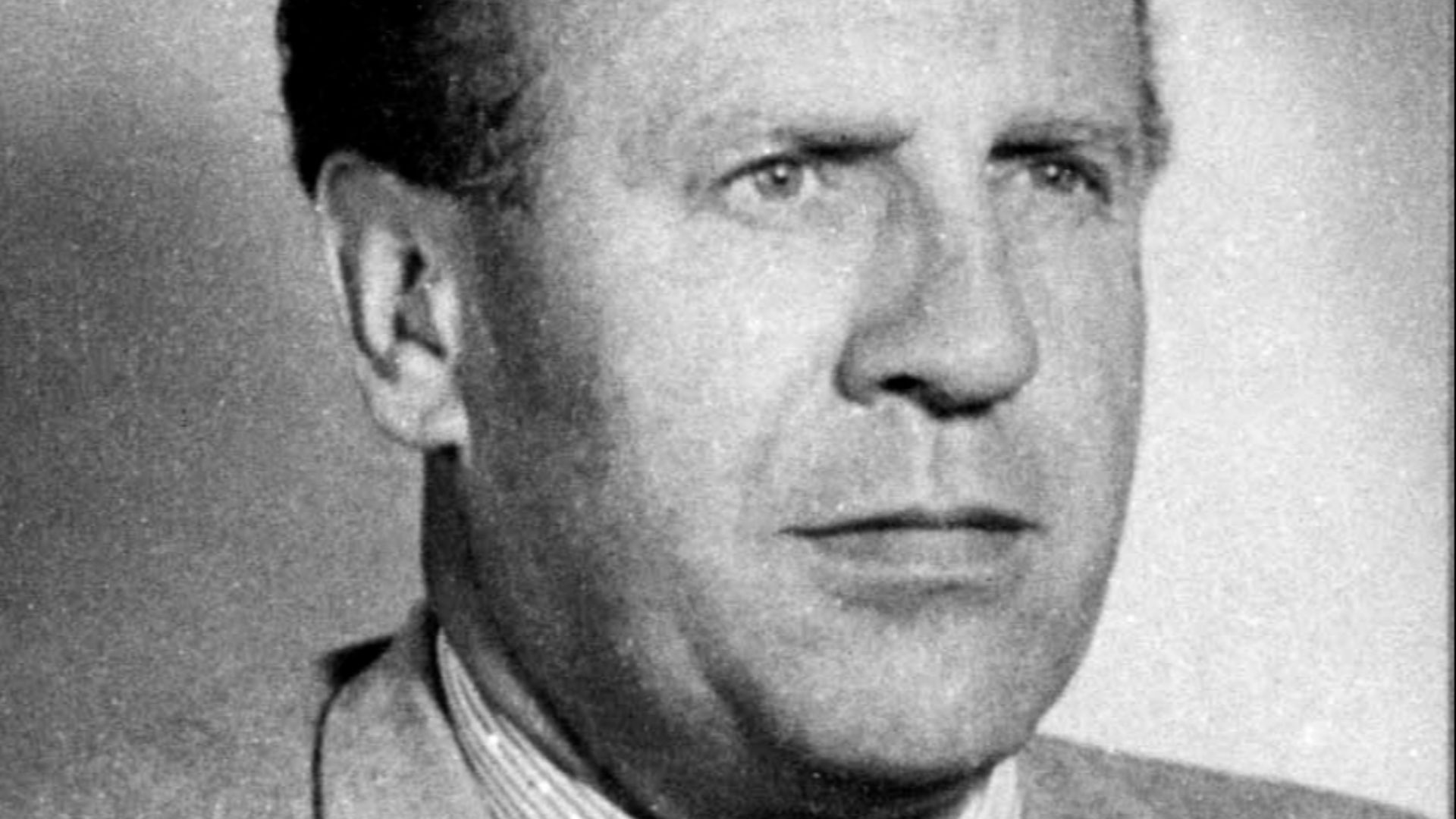 Unknown authorUnknown author on Wikimedia
12. Neil Armstrong Takes Manual Control During the Moon Landing
In the final seconds of the Apollo 11 descent, the guidance computer was steering toward a boulder-filled crater, and Armstrong took manual control with fuel critically low, setting the module down with less than thirty seconds to spare. No one had ever landed on the moon before, and Mission Control couldn't intervene.
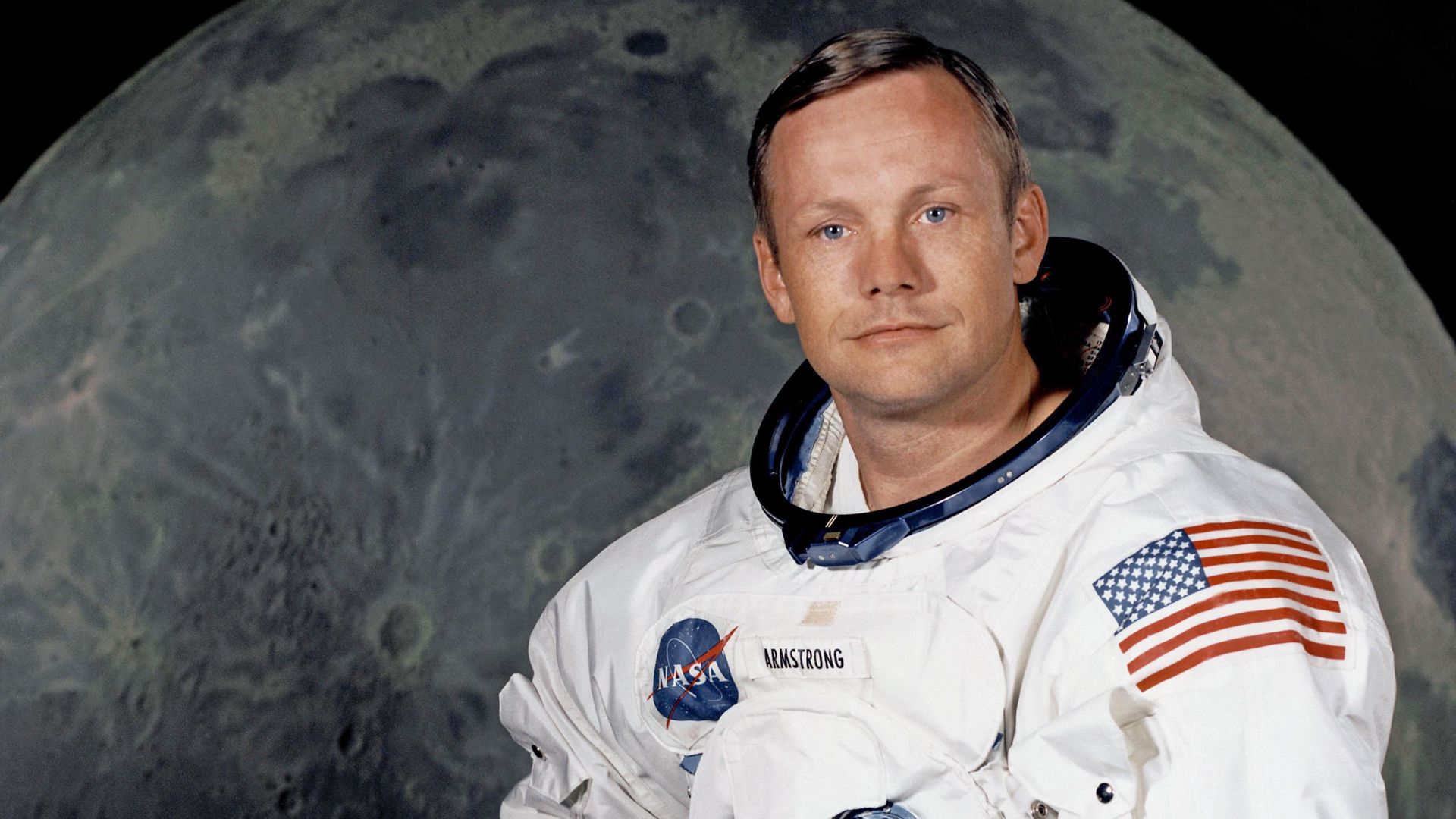 Unknown authorUnknown author on Wikimedia
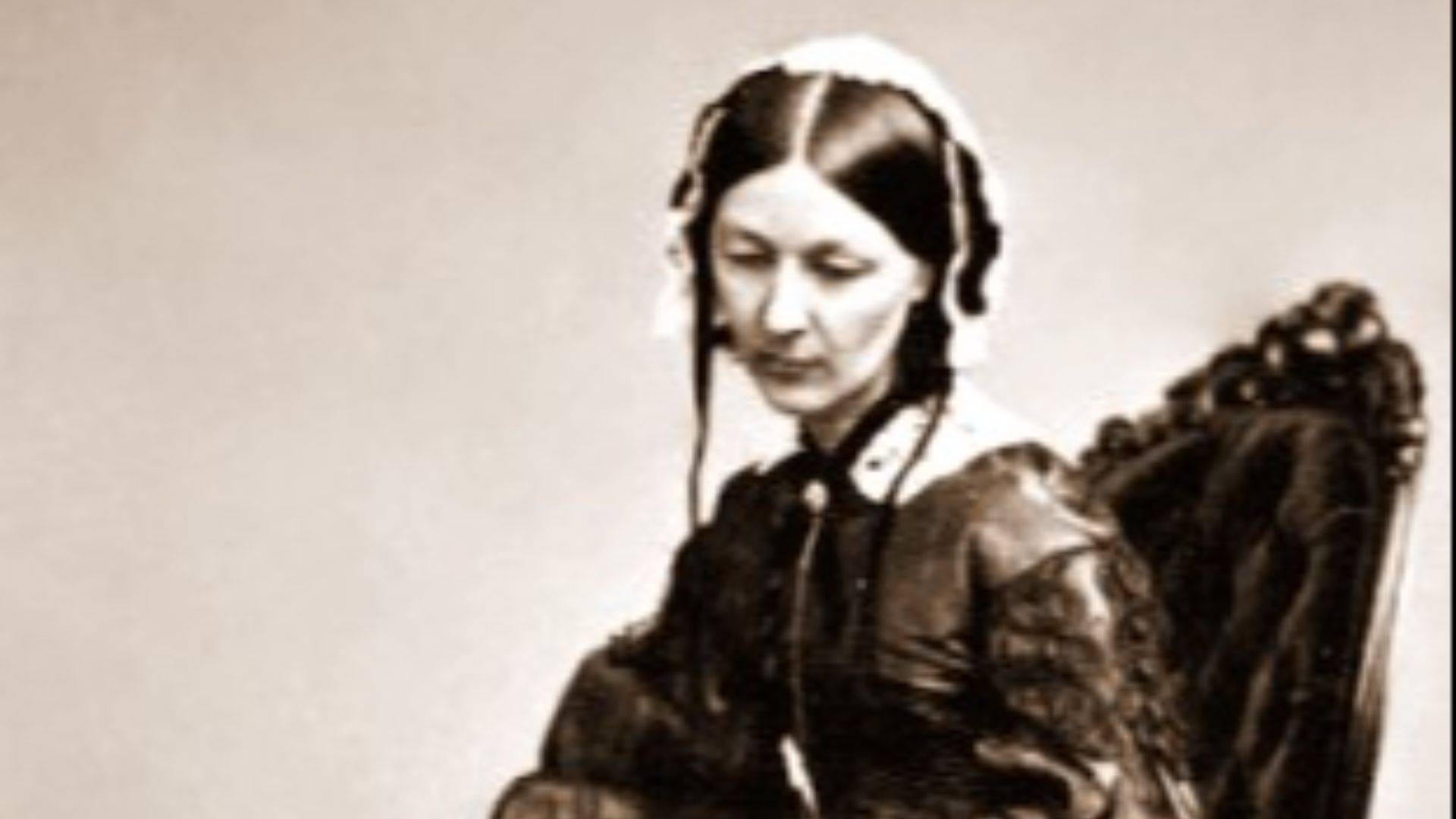
13. Florence Nightingale Publishes the Data That Shamed the Government
After the Crimean War, Nightingale published evidence that far more British soldiers were dying from preventable infections than from combat wounds, directly accusing the military establishment of negligence using charts she effectively invented. The backlash was real, and so was the reform that followed.
14. Witold Pilecki Volunteers to Be Imprisoned in Auschwitz
In 1940, Pilecki deliberately got himself arrested to be sent to Auschwitz, where he organized a resistance network and documented what was happening inside, spending nearly three years there before escaping. Allied command largely dismissed his reports as too extreme to be credible.
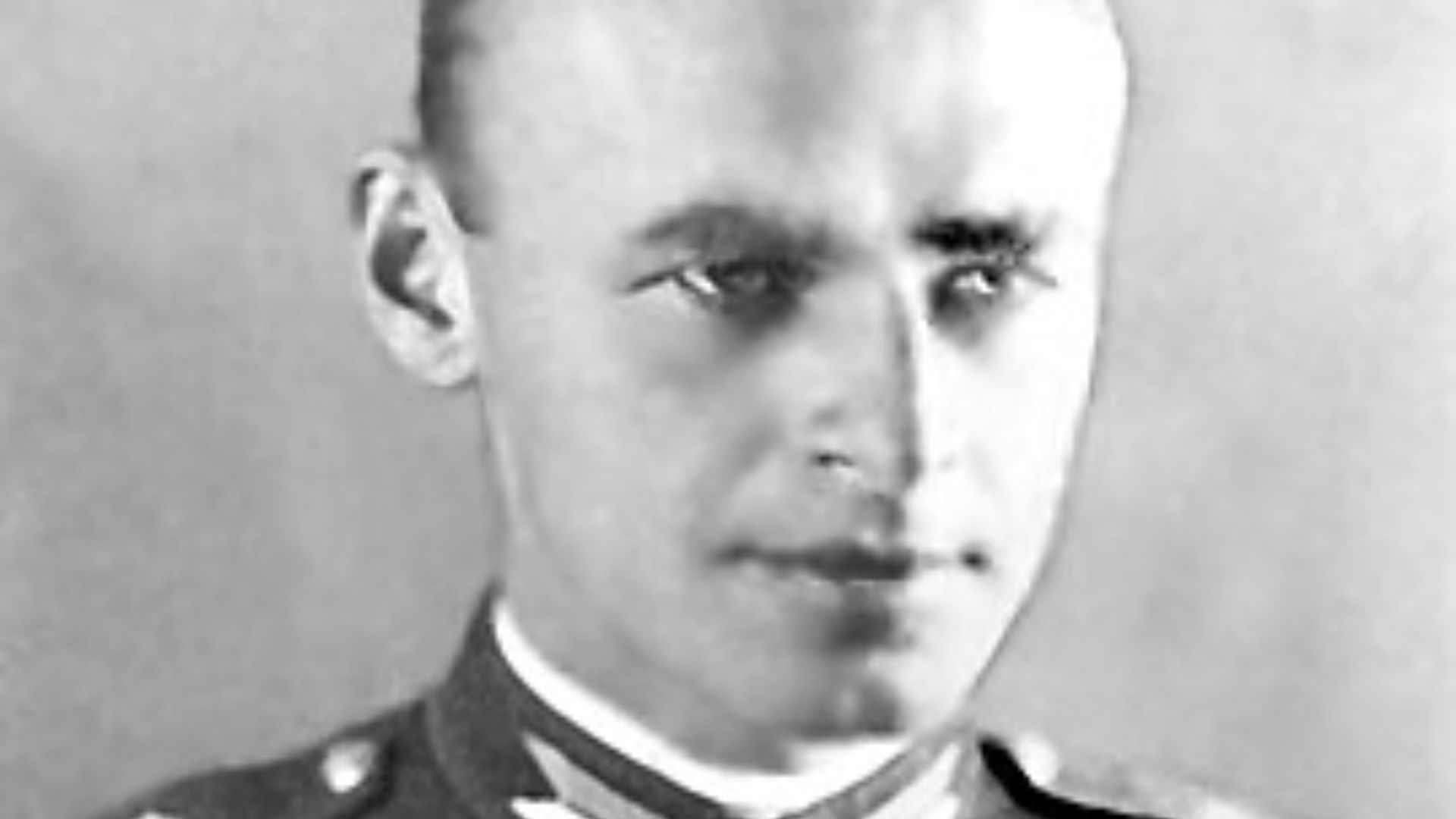 Unknown authorUnknown author on Wikimedia
15. Marie Curie Continues Her Research Despite the Cost
By the early twentieth century, Curie had enough evidence that radiation was damaging her health to understand what continuing would likely cost, and she kept working anyway. She died of aplastic anemia in 1934, and her notebooks still require lead-lined boxes and protective gear to handle.
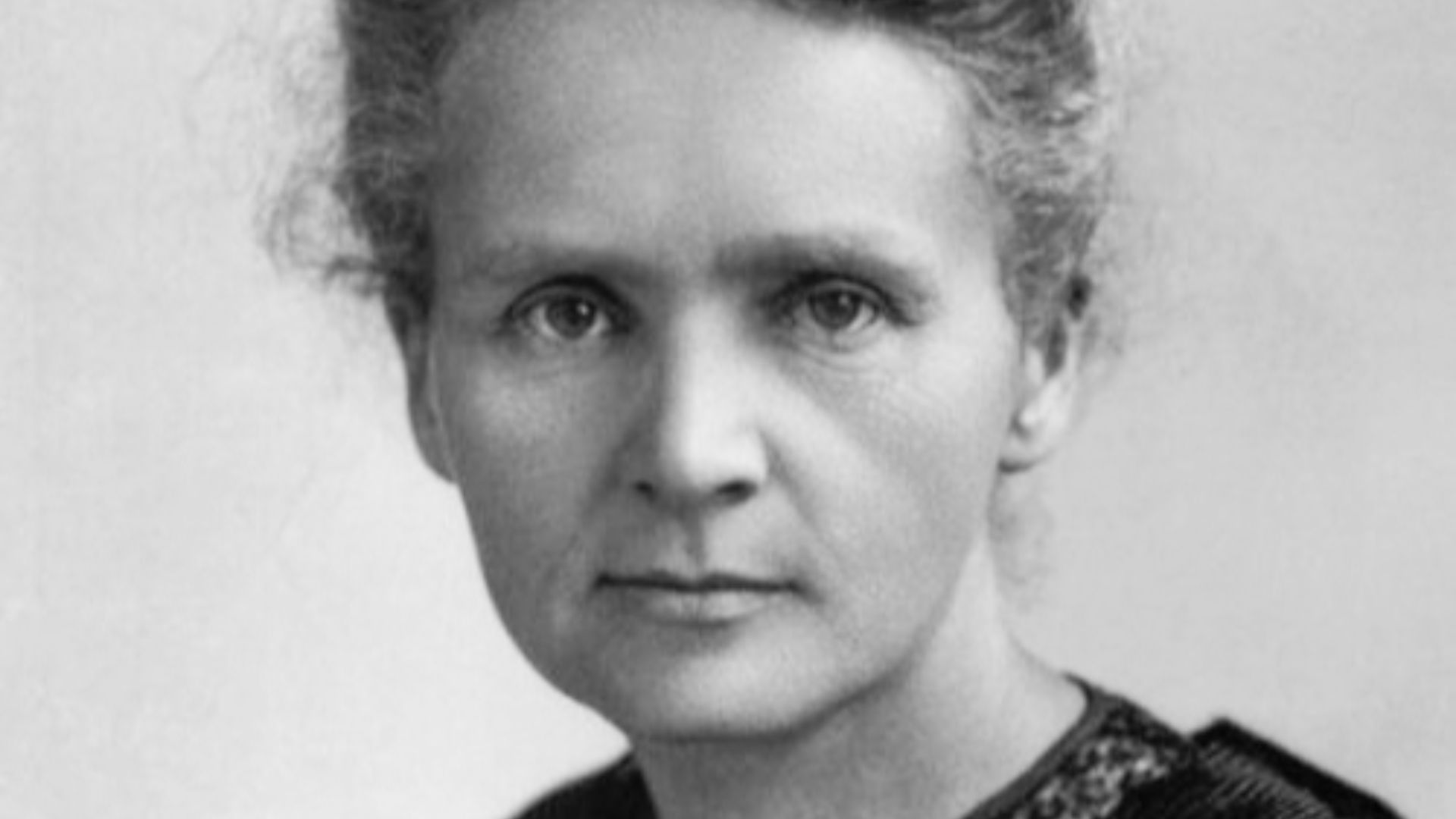 Unknown authorUnknown author on Wikimedia
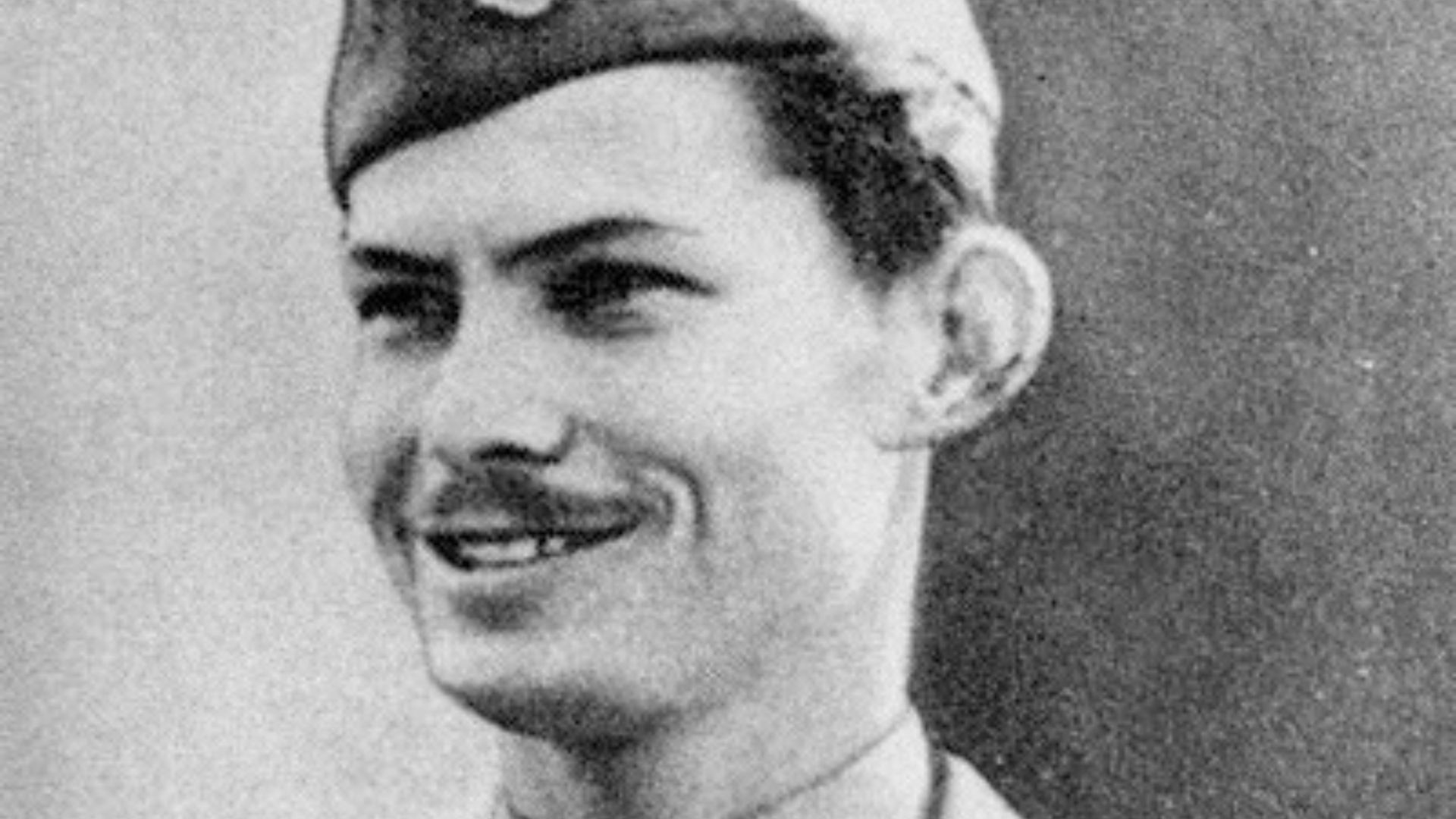
16. Desmond Doss Refuses to Carry a Weapon
Army medic Doss went into combat at Hacksaw Ridge in 1945 refusing on religious grounds to carry a weapon, and over a single night he lowered approximately seventy-five wounded soldiers down the ridge face alone after everyone else had pulled back. He received the Medal of Honor and never fired a shot.
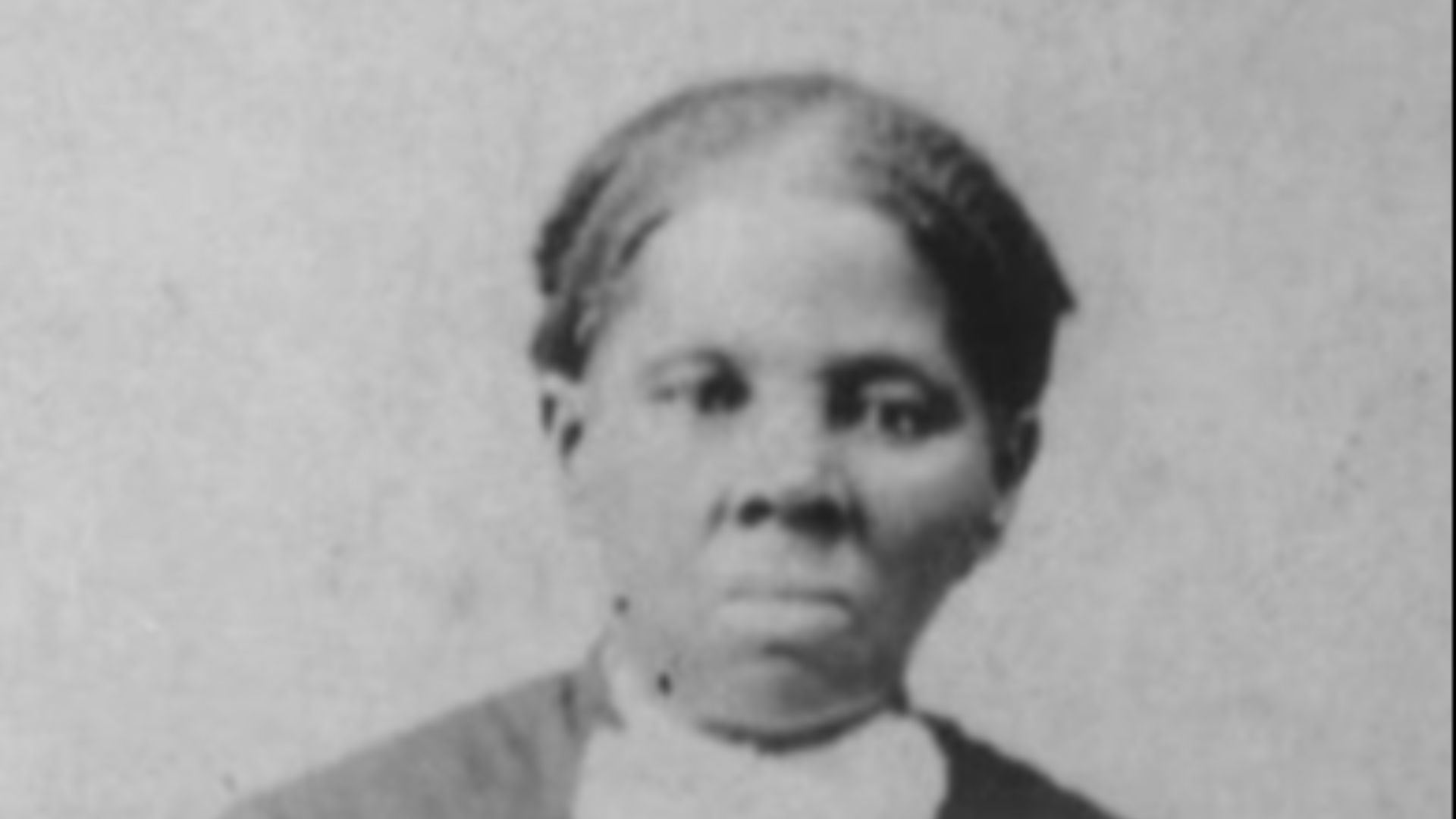
17. Harriet Tubman Goes Back Again and Again
After escaping slavery in 1849, Tubman returned to the South at least thirteen times, guiding somewhere between seventy and eighty people out through the Underground Railroad. Every return trip was made with full knowledge of what capture would mean.
18. Paul Rusesabagina Opens the Hotel des Mille Collines
During the 1994 Rwandan genocide, Rusesabagina used his connections and whatever leverage he had to keep militia commanders away from more than 1,200 refugees sheltering in his hotel for weeks. His methods were improvised, imperfect, and kept people alive while the world largely looked away.
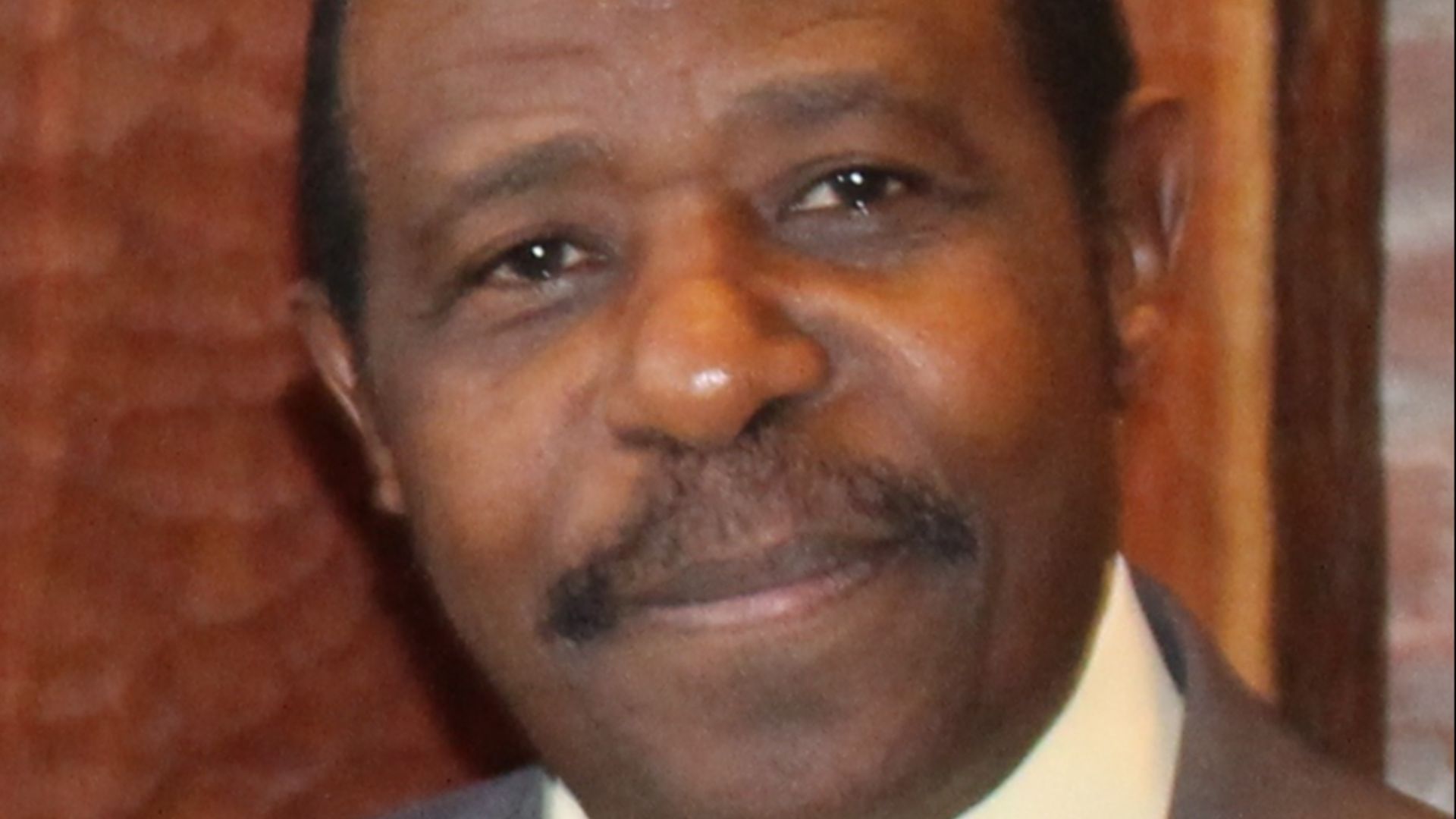 US Embassy Sweden on Wikimedia
19. Alan Turing Pushes for the Bombe
In 1940, Turing argued for a machine-based approach to cracking Enigma that his team doubted and military leadership had no patience for, pushing forward under pressure to abandon the project entirely. The machine worked, and the intelligence advantage it produced is credited with shortening the war by two years.
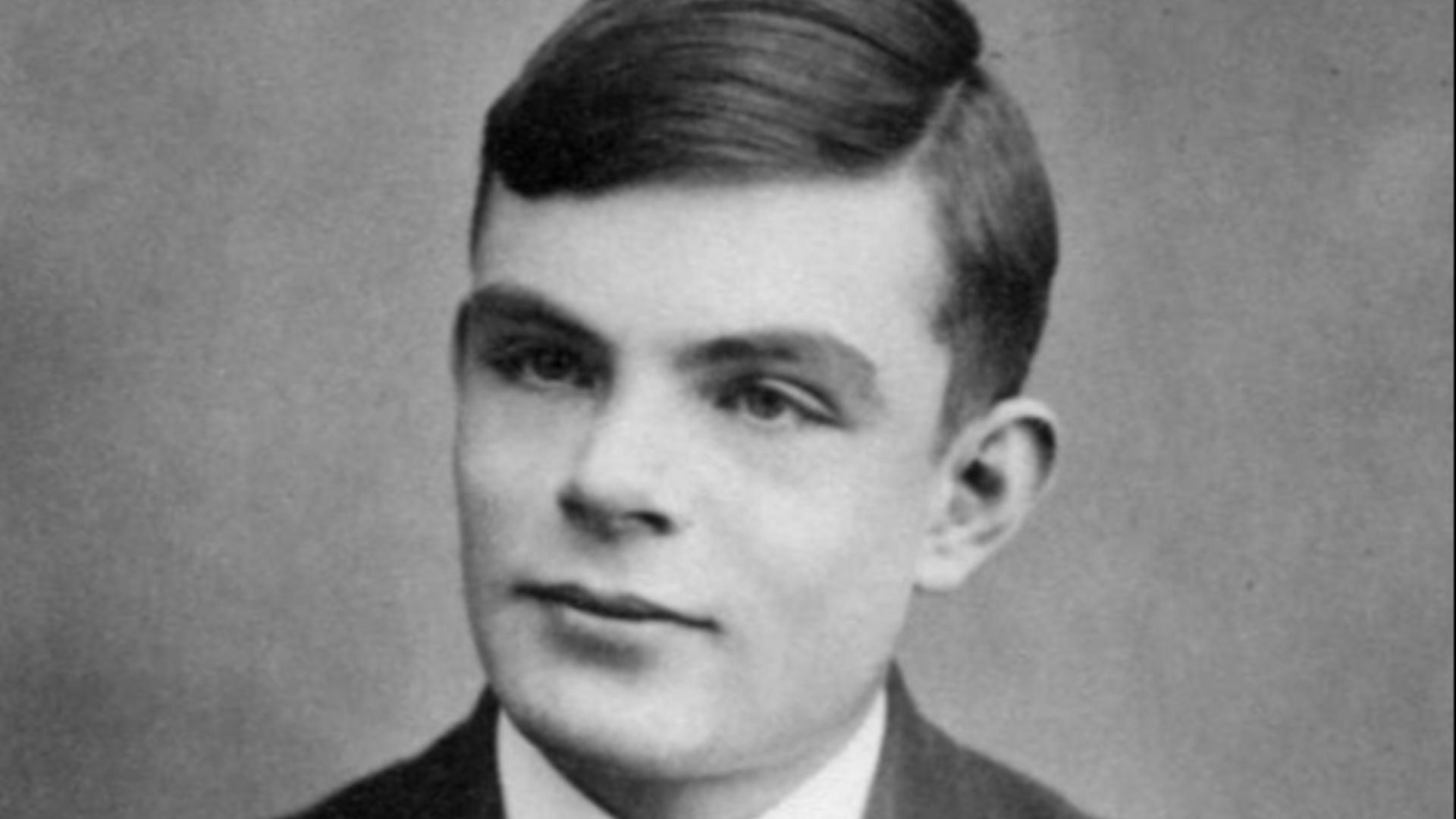 Possibly Arthur Reginald Chaffin (1893-1954) on Wikimedia
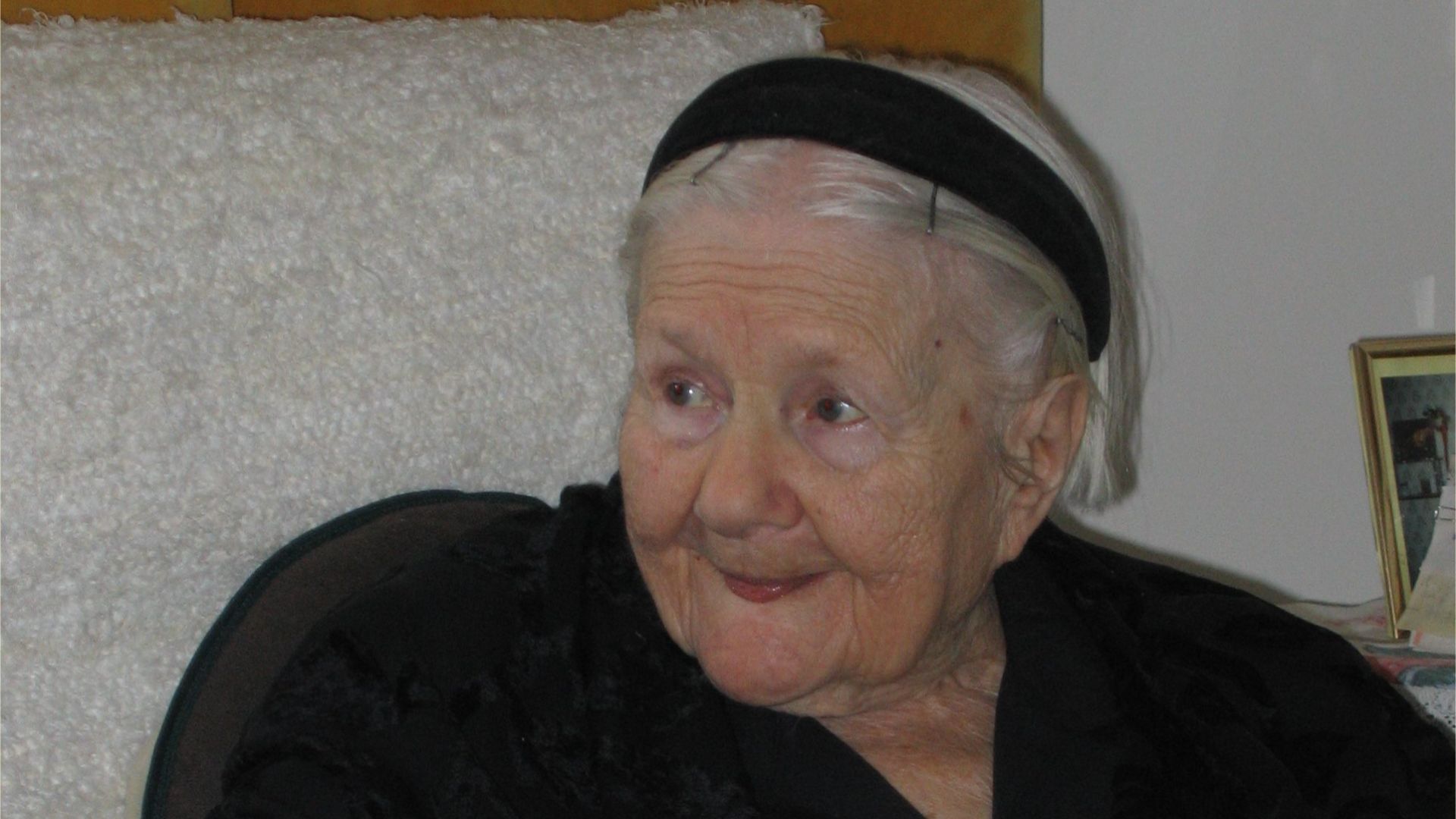
20. Irena Sendler Refuses to Give Up Her Network
After years of smuggling Jewish children out of the Warsaw Ghetto, Sendler was arrested by the Gestapo in 1943 and did not give up her network's names even when they broke her legs and feet during interrogation. She had helped approximately 2,500 children escape, and the coded lists of their identities, buried in jars under an apple tree, survived with her.

KEEP ON READING
The story of Ching Shih, the Woman Who Became the…
Unknown author on WikimediaFew figures in history are as feared…
By Emilie Richardson-Dupuis Dec 29, 2025
Einstein's Violin Just Sold At An Auction—And It Earned More…
A Visionary's Violin. Wanda von Debschitz-Kunowski on WikimediaWhen you hear…
By Ashley Bast Nov 3, 2025
This Infamous Ancient Greek Burned Down An Ancient Wonder Just…
History remembers kings and conquerors, but sometimes, it also remembers…
By David Davidovic Nov 12, 2025
The Mysterious "Sea People" Who Collapsed Civilization
3,200 years ago, Bronze Age civilization in the Mediterranean suddenly…
By Robbie Woods Mar 18, 2025
20 Greatest Ancient Athletes In History
Ancient Olympics. Long before modern stadiums and multimillion-dollar endorsements, athletes…
By Sara Springsteen May 1, 2026
20 Soldiers Who Defied Expectations
Changing the Rules of the Battlefield. You’ve probably heard plenty…
By Annie Byrd Feb 10, 2026